

.webp)
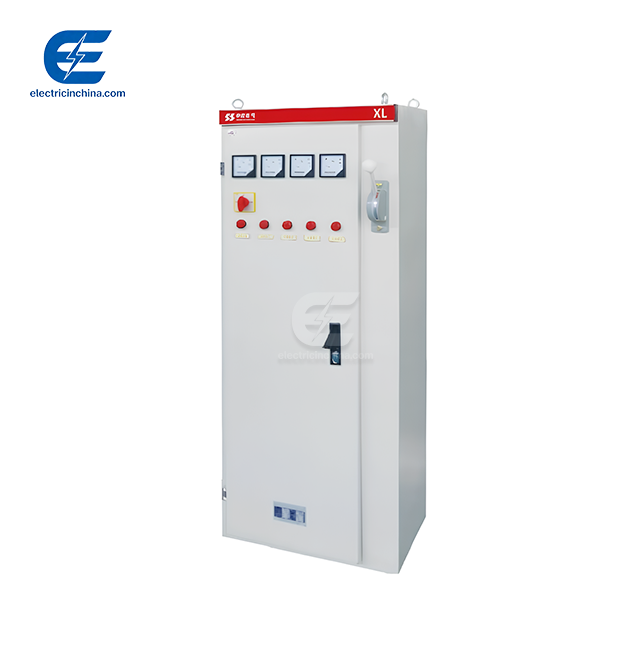
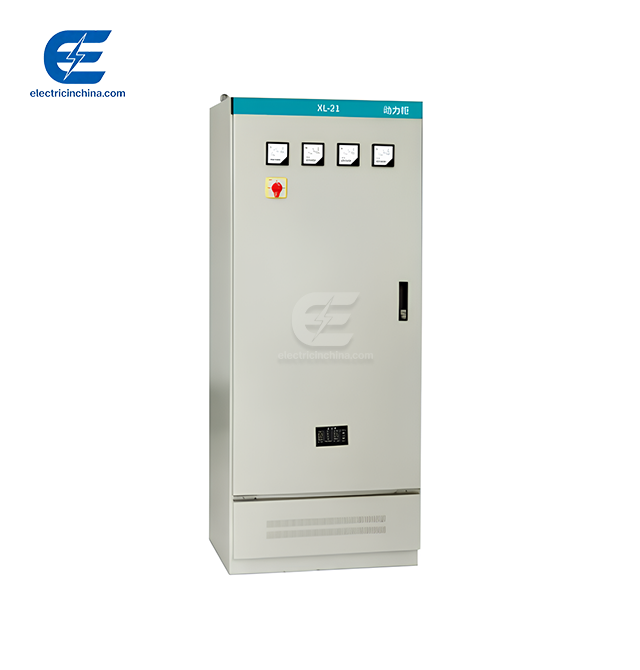
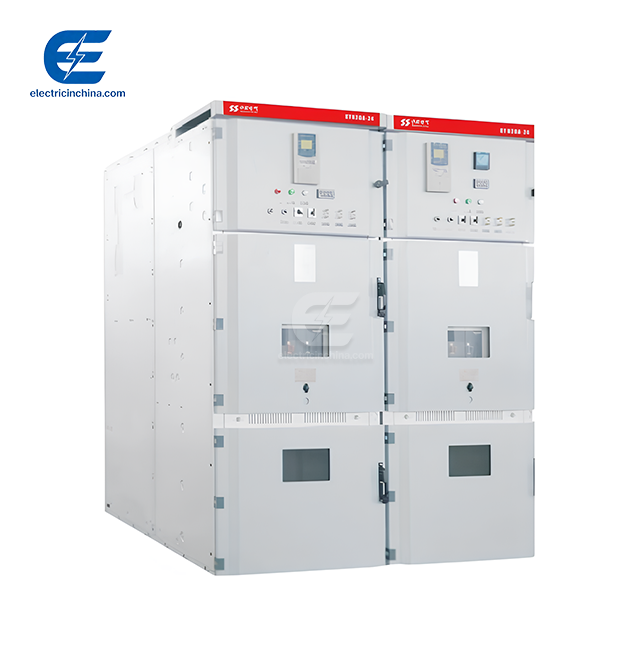
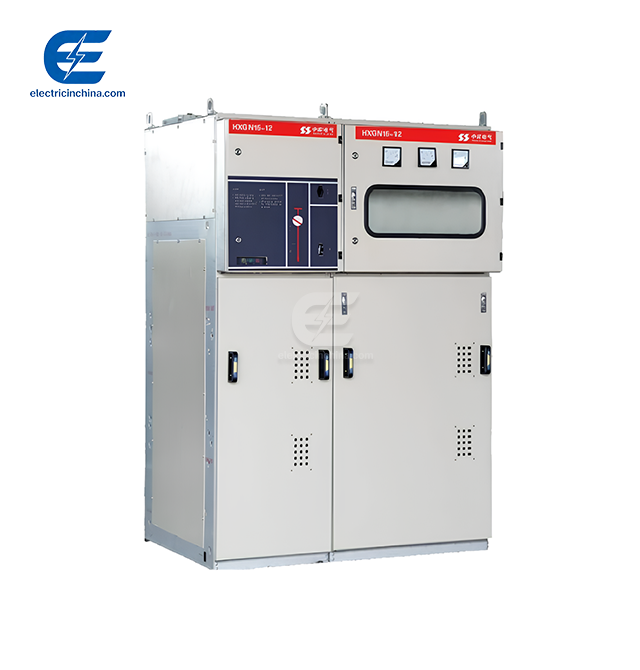
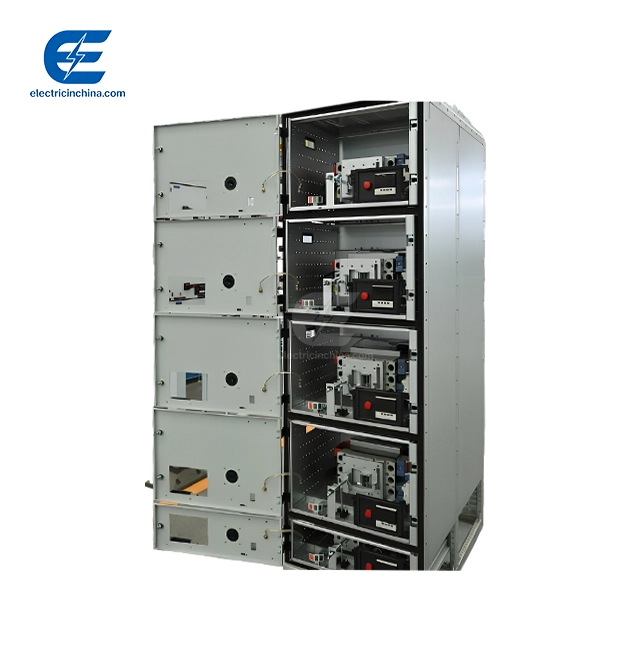
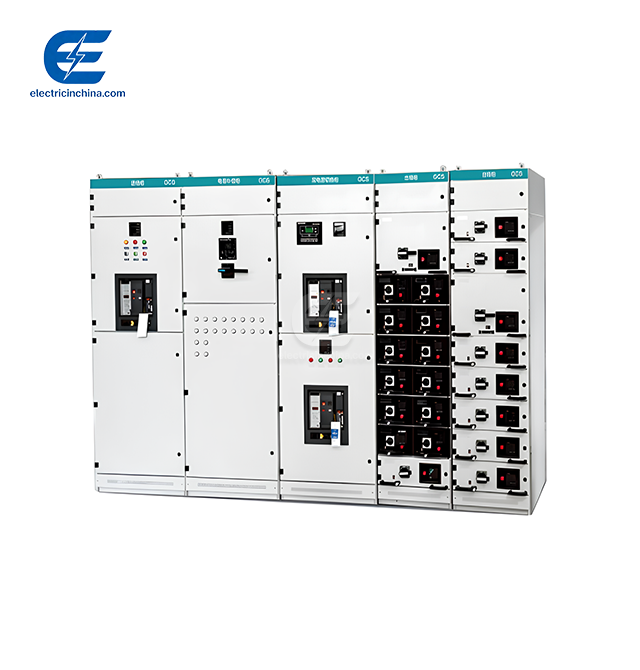
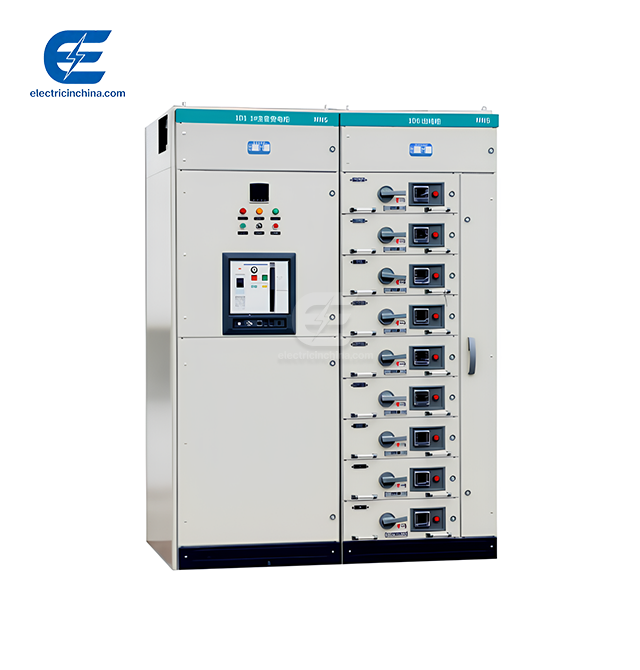
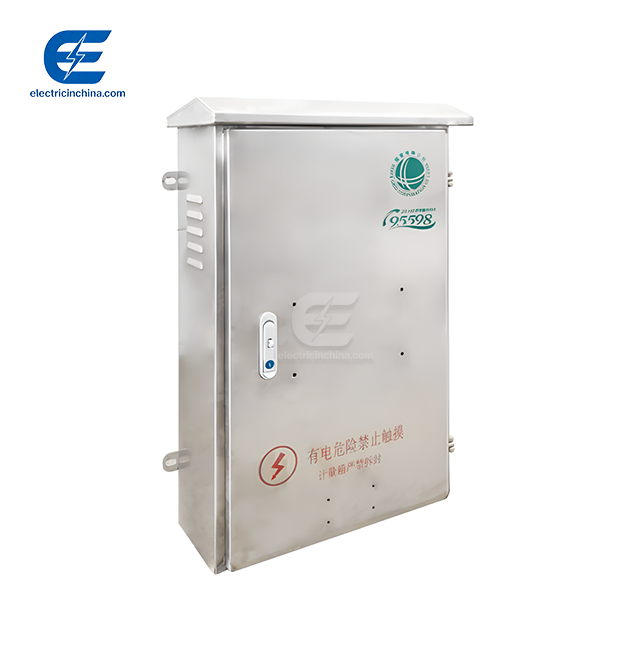
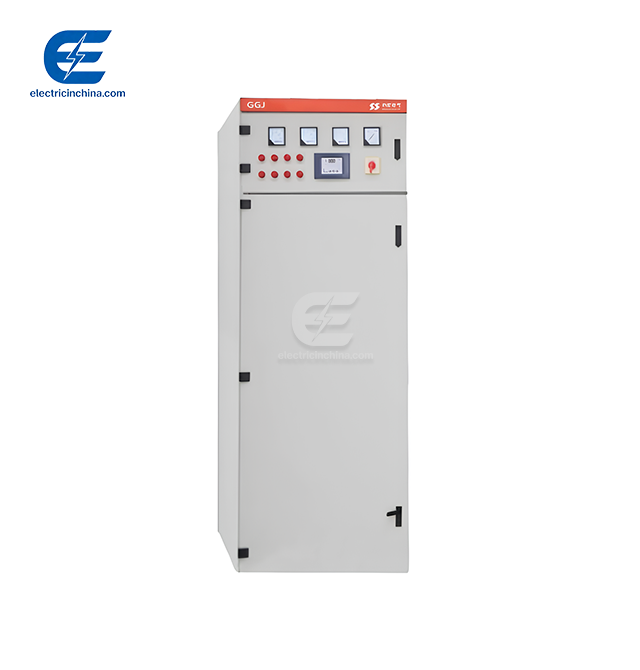
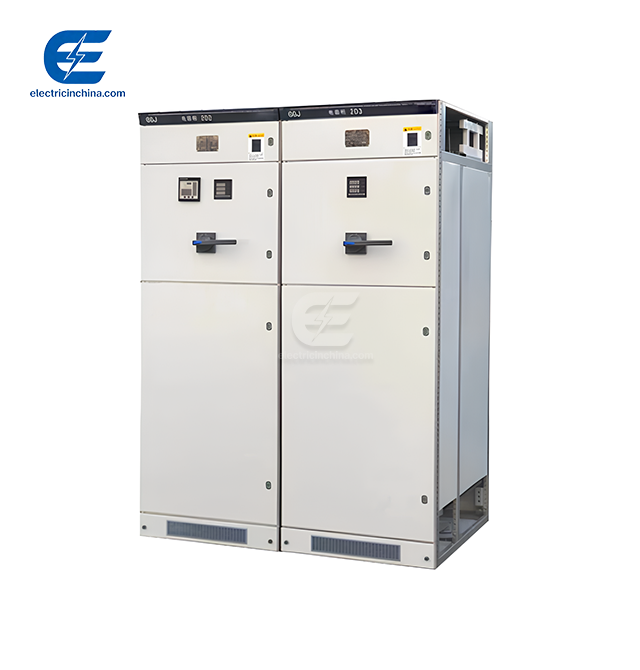
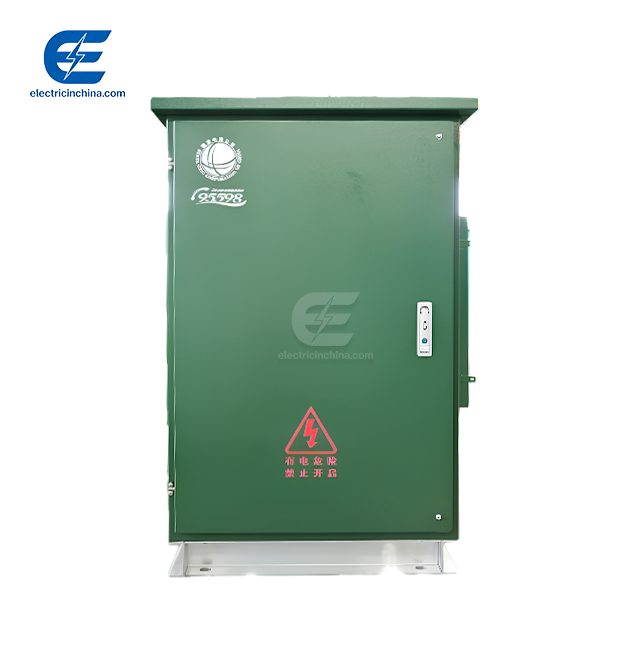
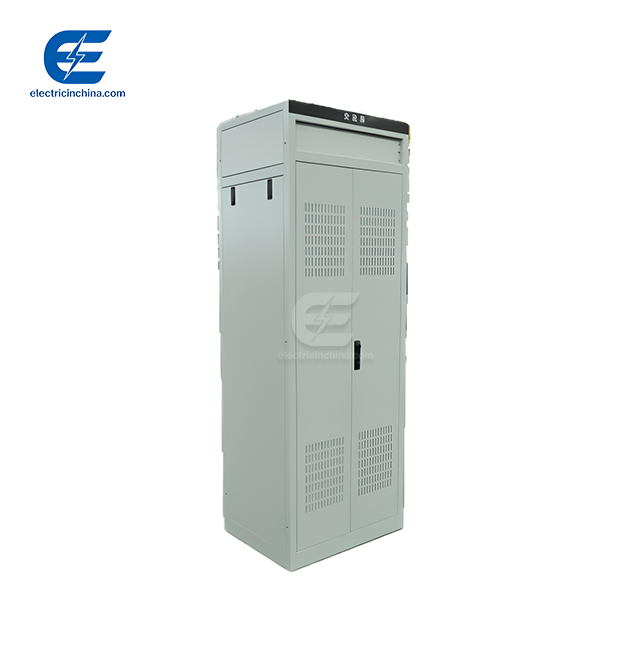
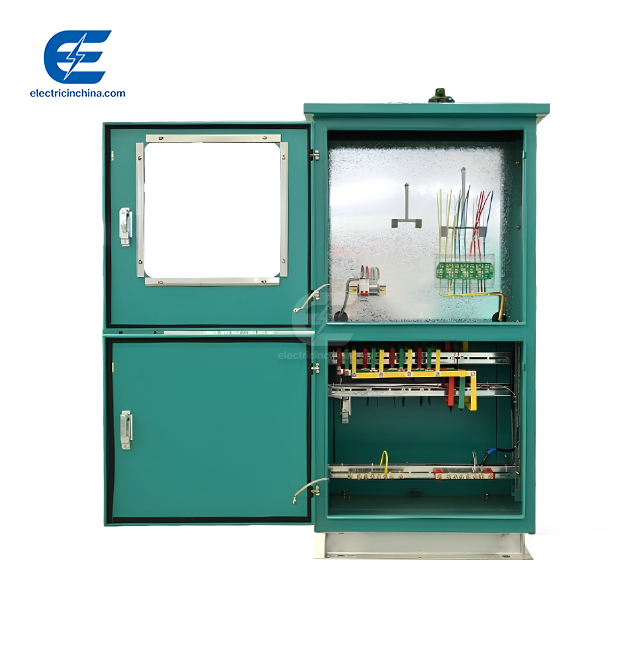
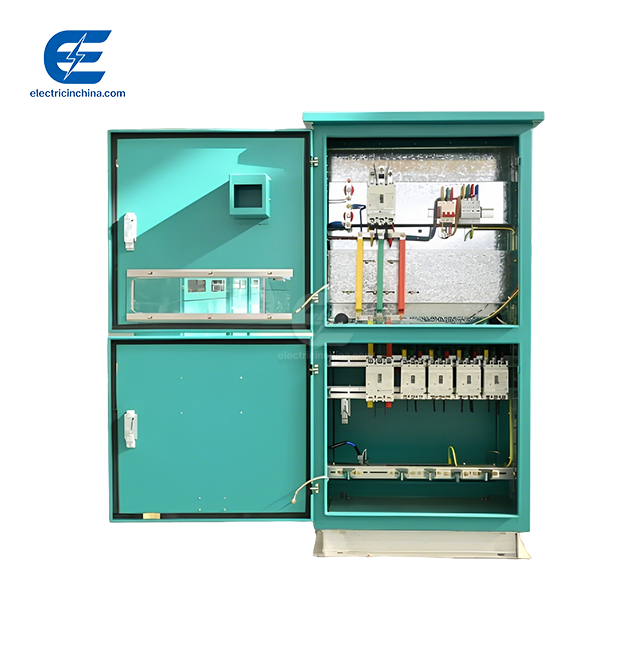
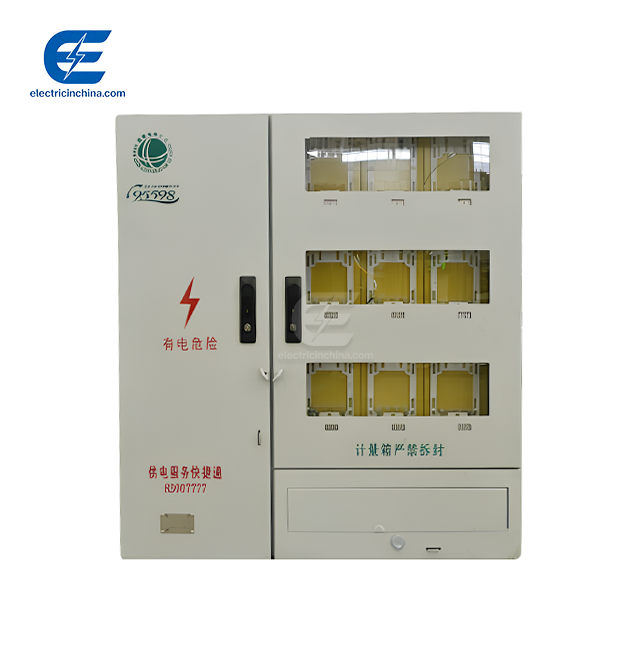
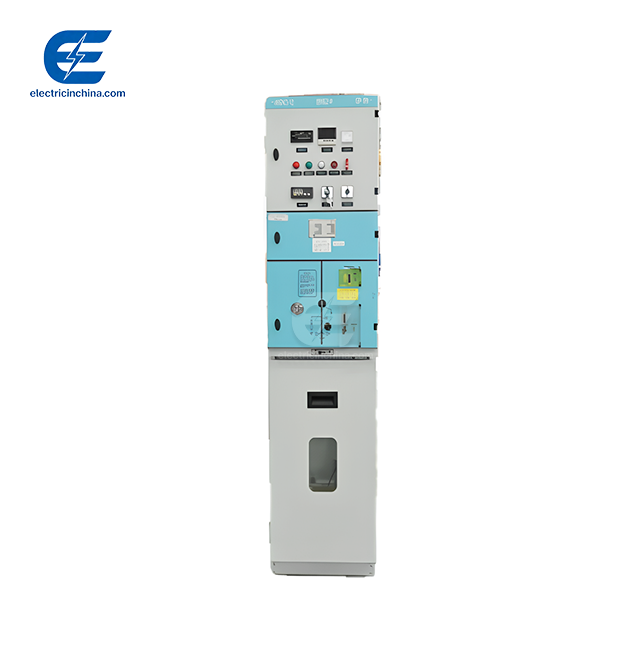
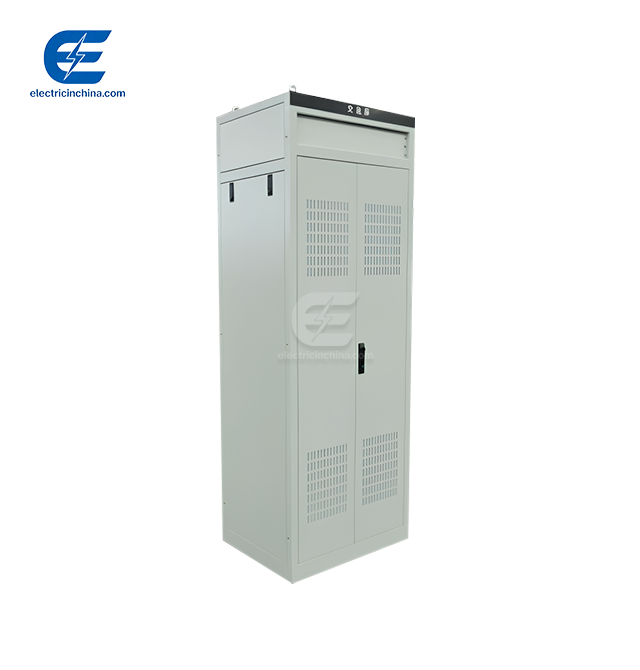
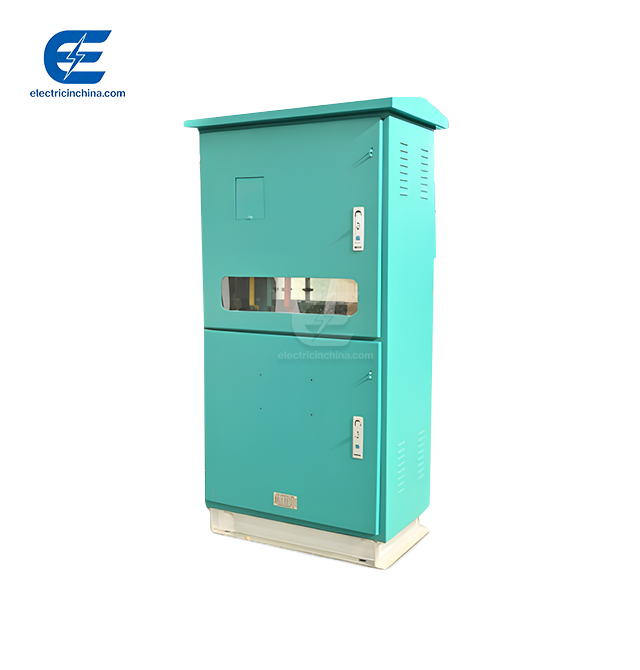
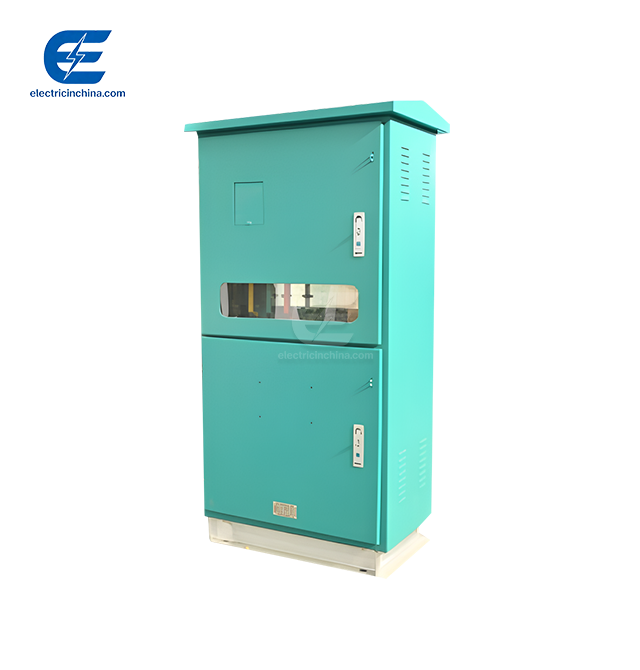
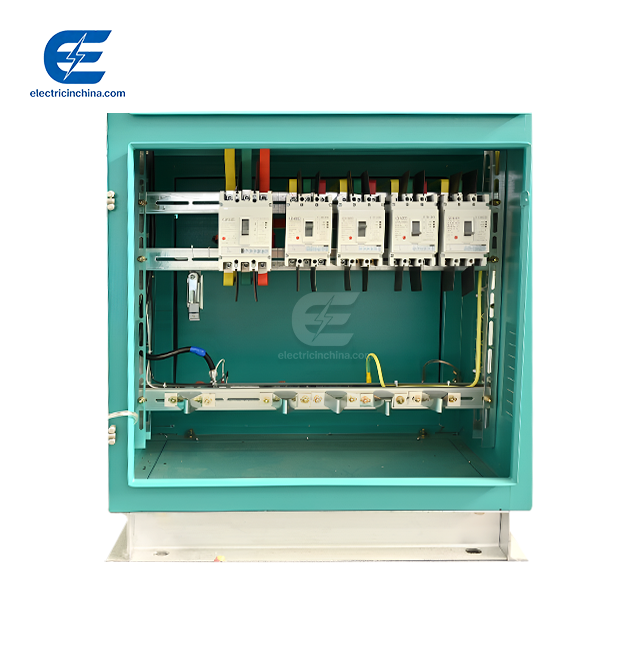
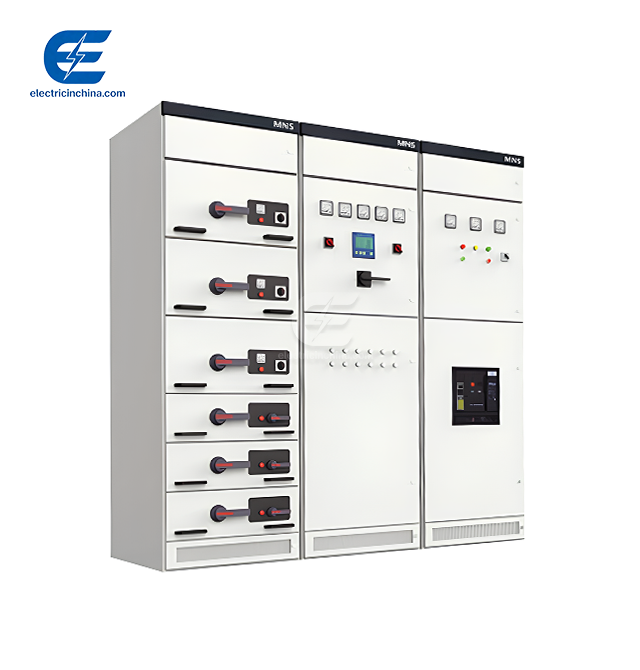
When you're managing a critical infrastructure project, the reliability of your power distribution system isn't negotiable. Prefabricated enclosure substations provide reliable, high-quality performance by combining transformers, switchgear, and protection systems into one weatherproof unit that is built These compact units undergo comprehensive factory testing before shipment, achieving reliability rates exceeding 99.9% while cutting installation timelines by 70% compared to traditional construction methods. Our solutions work with voltages from 4.16kV to 35kV for primary and 480V to 4.16kV for secondary, and they have strong protection ratings and certifications that confirm their reliability from many completed projects.
Understanding Prefabricated Enclosure Substations: Design and Components
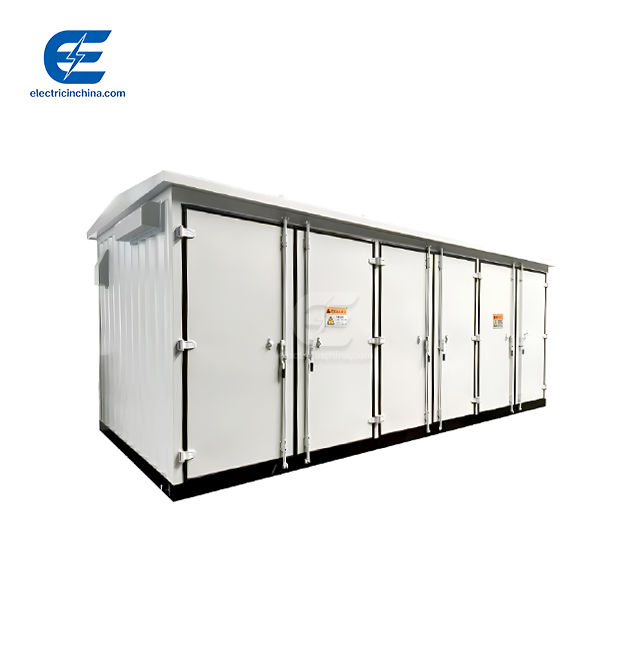
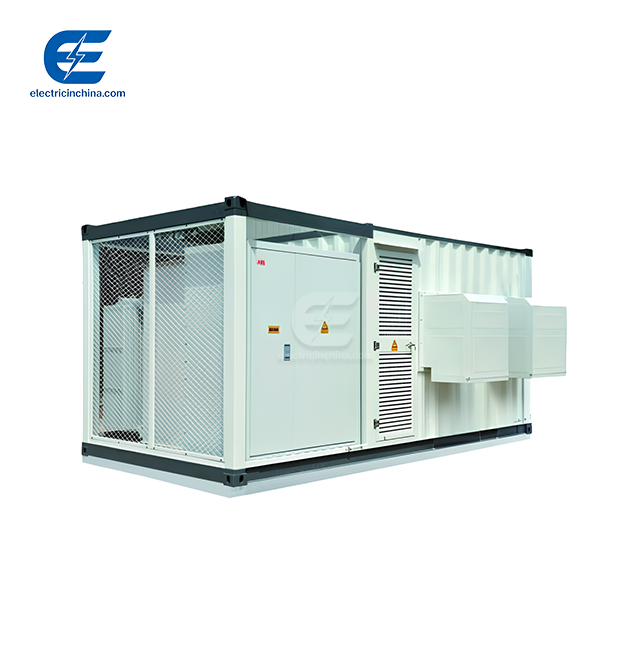
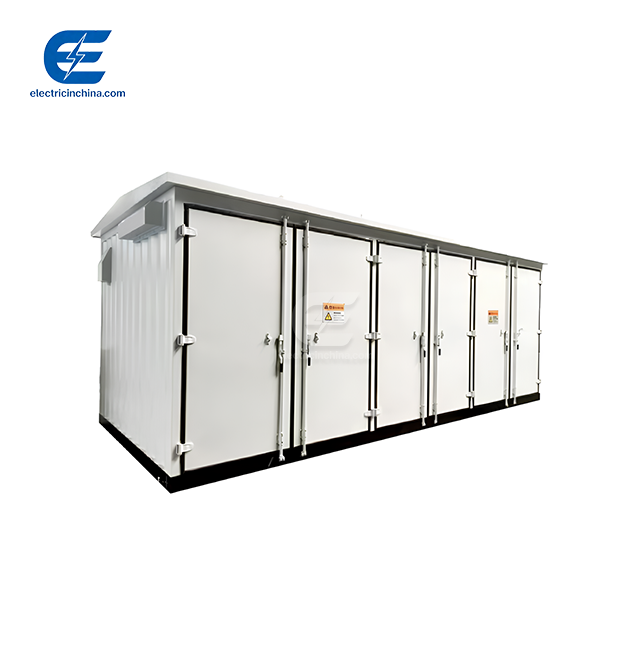
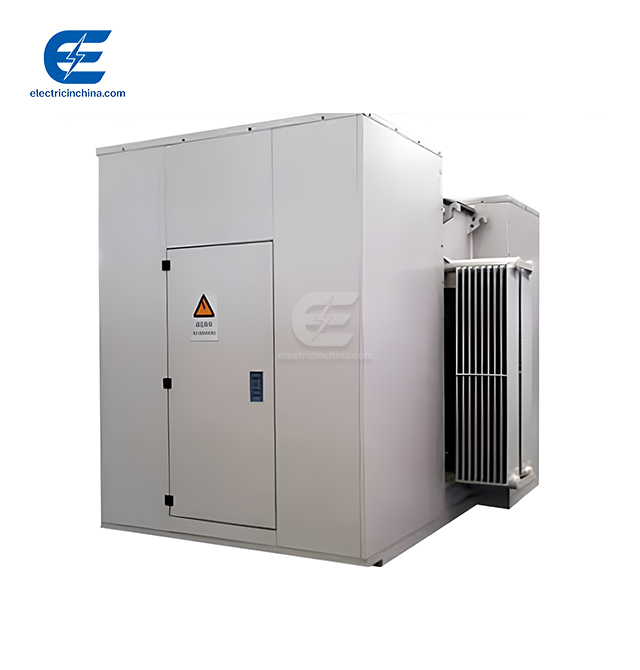
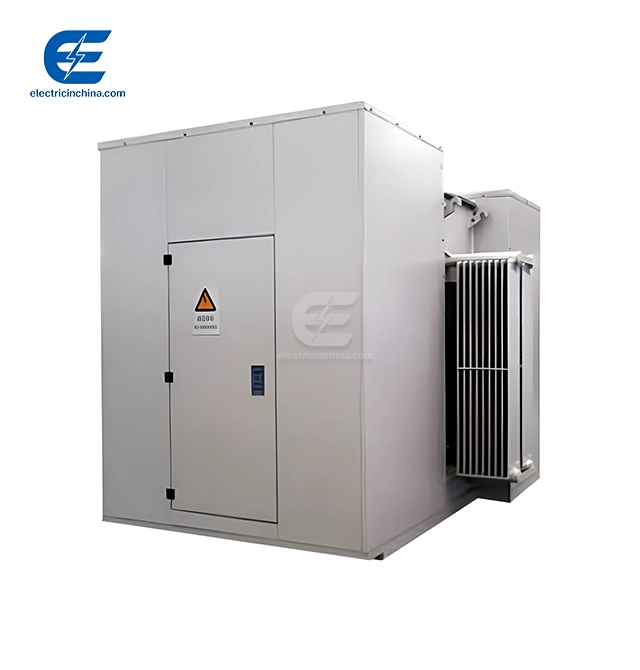
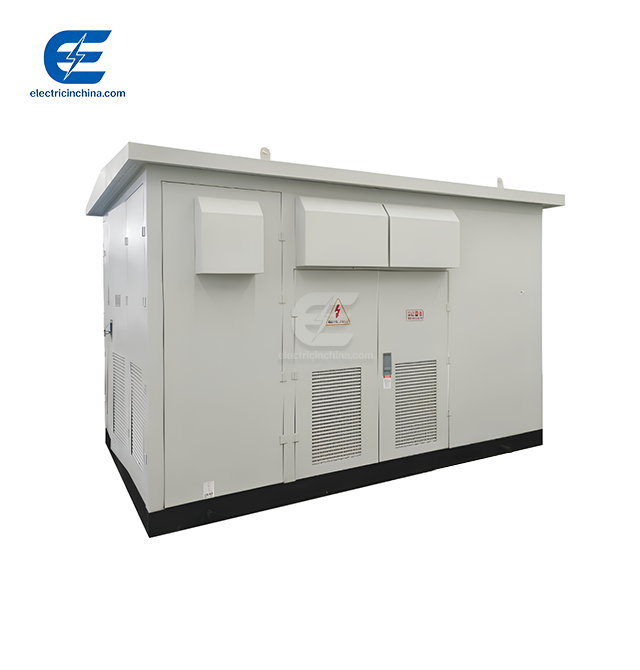
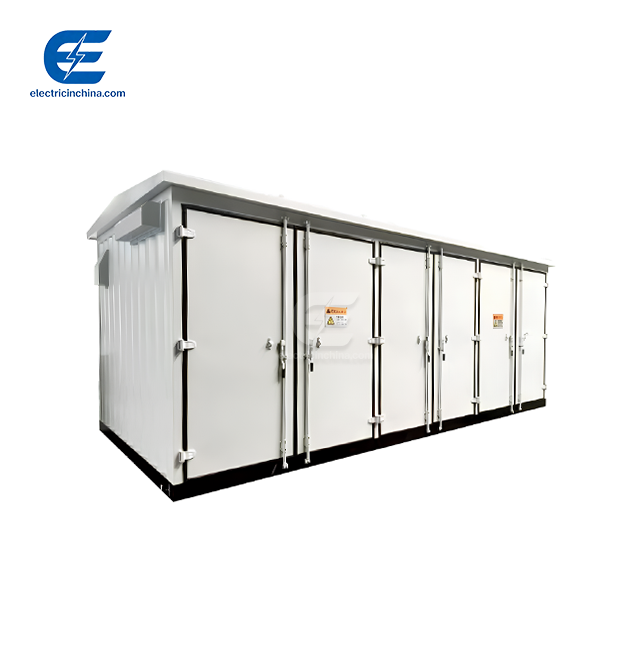
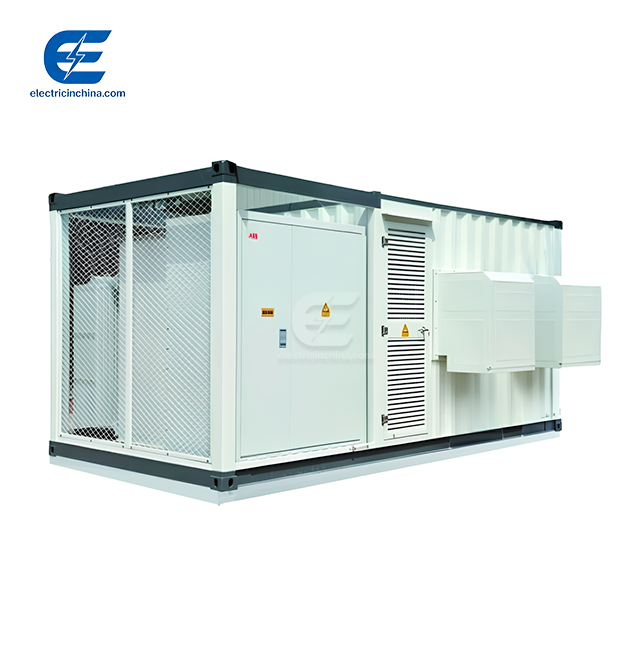
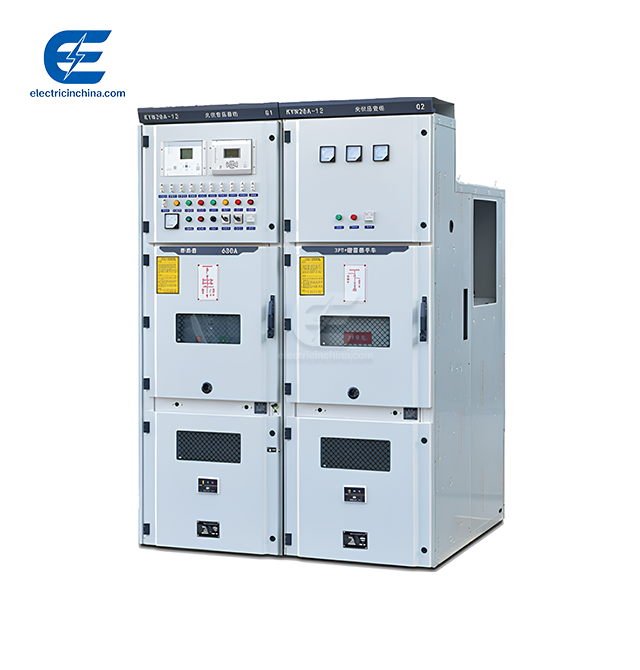
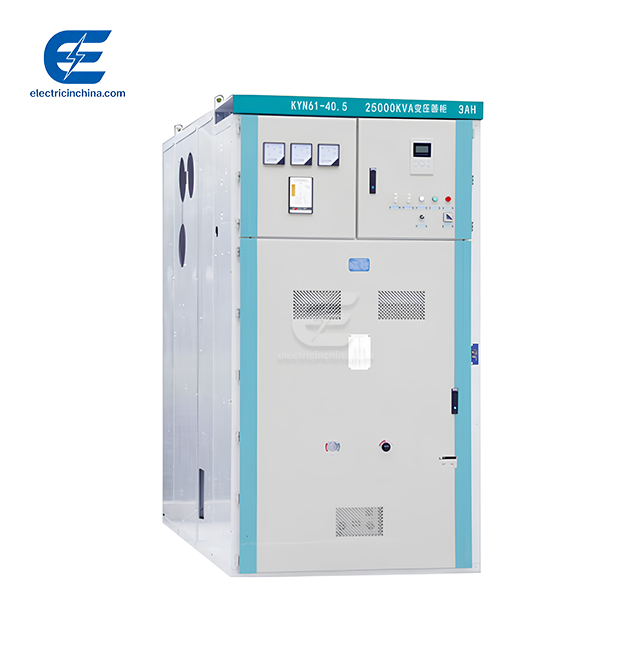
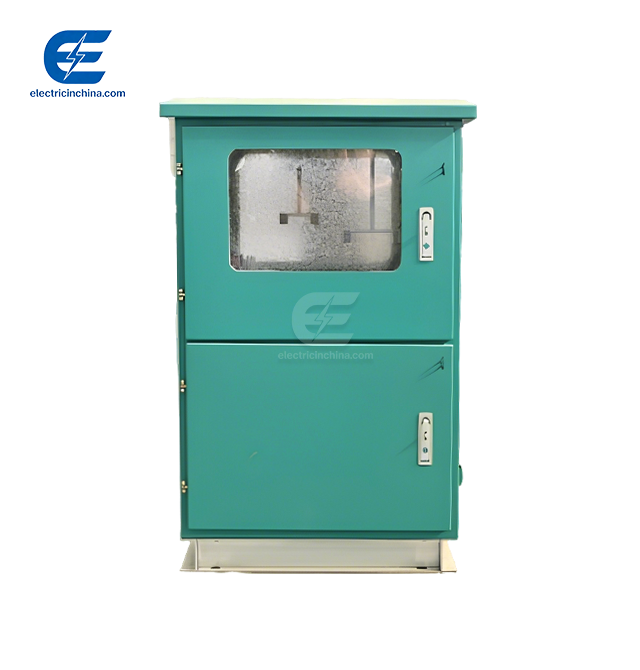
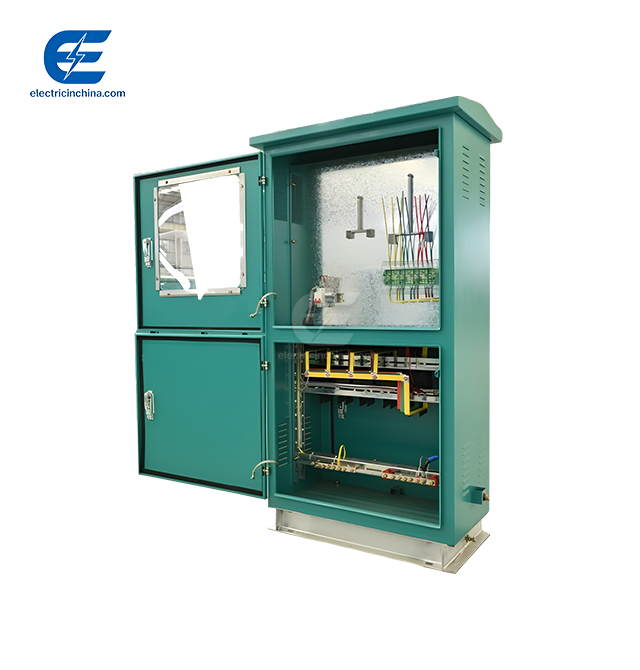
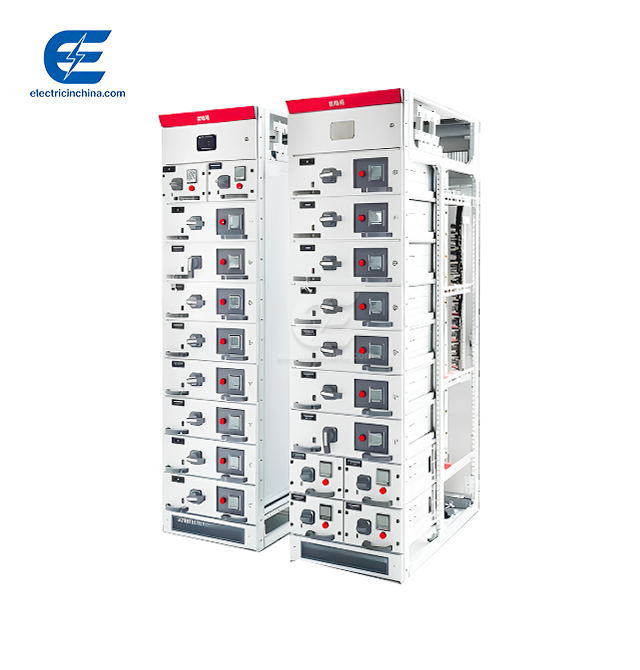
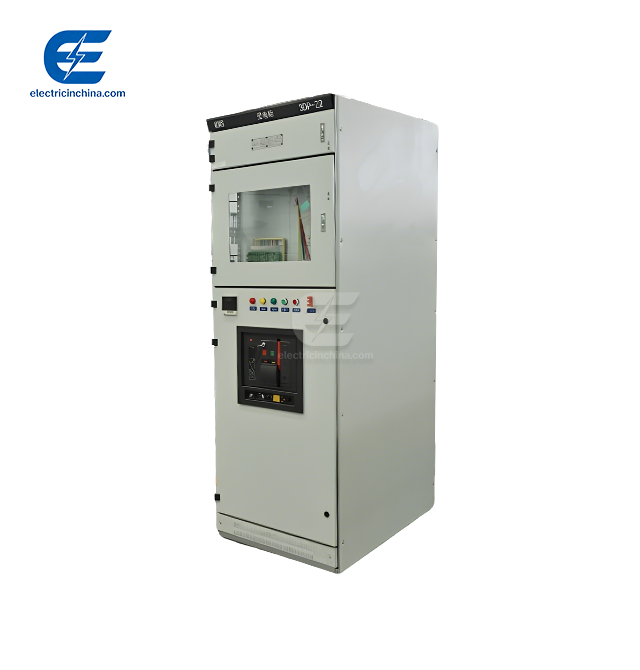
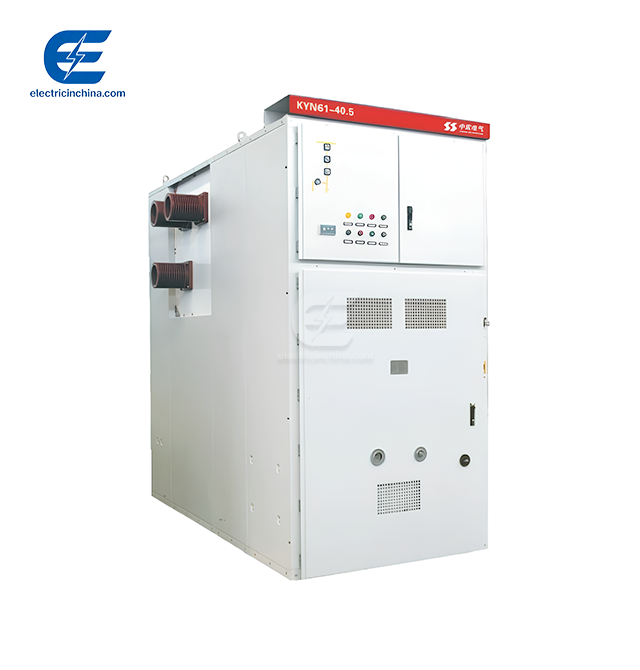
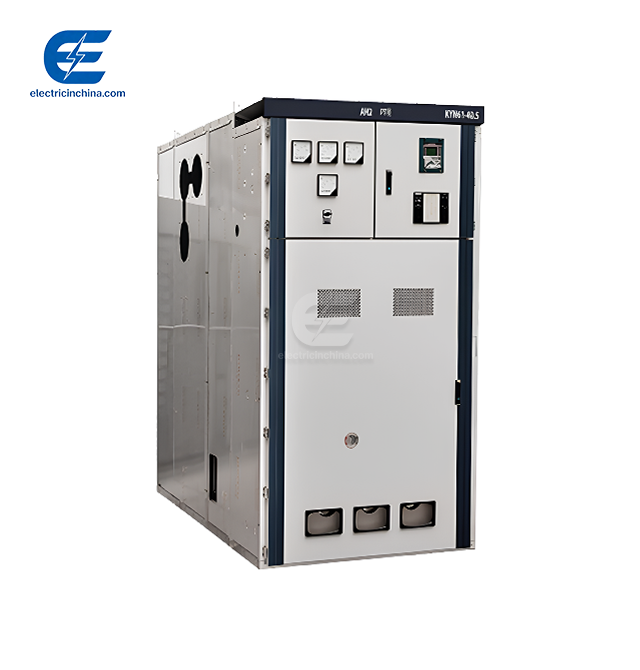
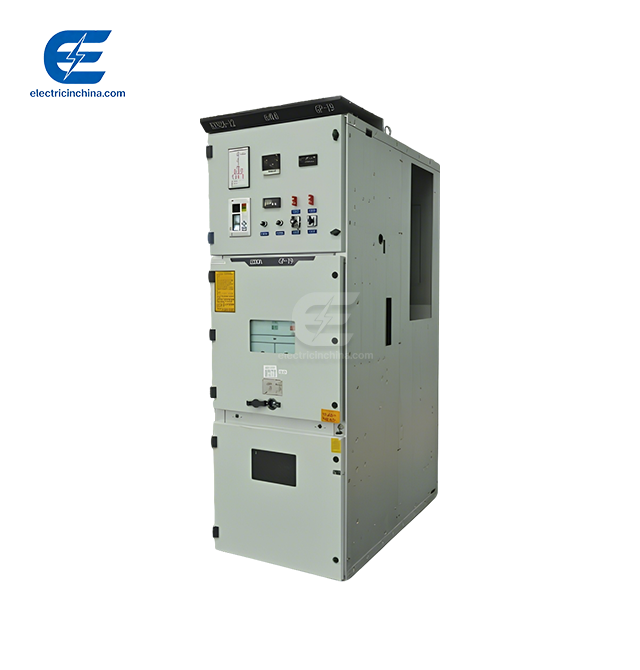
Modern power infrastructure demands solutions that balance compactness with capability. A prefabricated enclosure substation represents a complete electrical distribution system assembled within controlled factory conditions, integrating primary equipment, secondary distribution gear, and protection mechanisms into a unified, transportable package.
Factory-Integrated Architecture
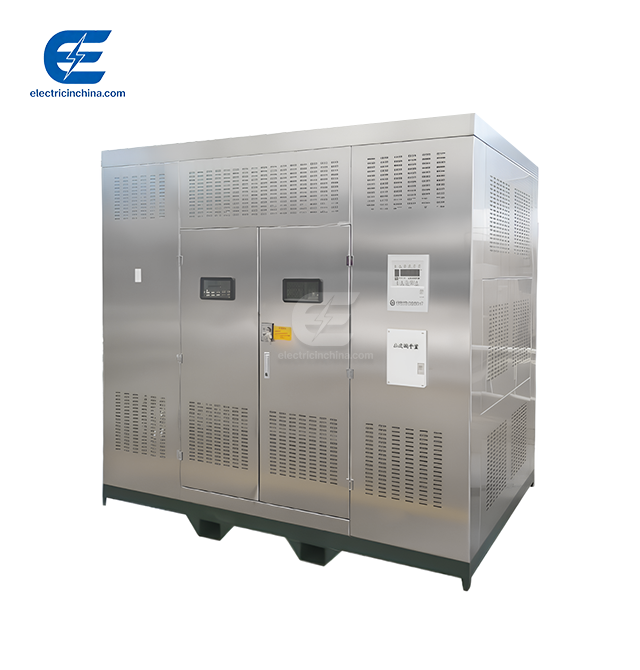
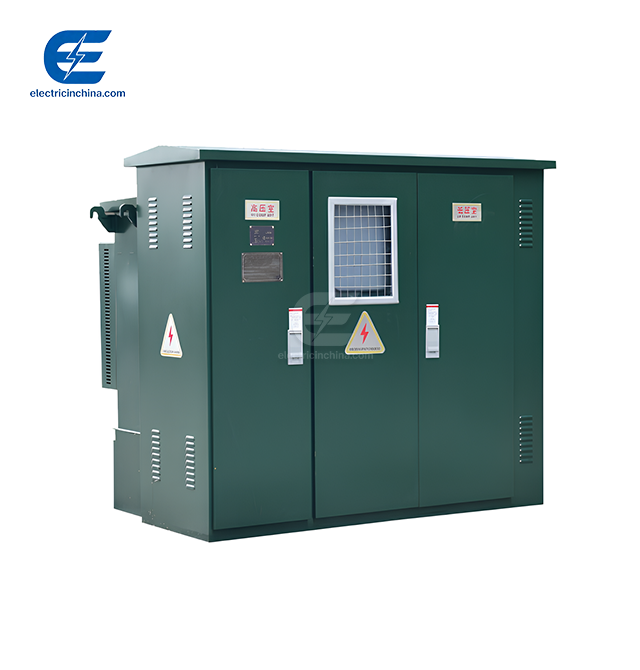
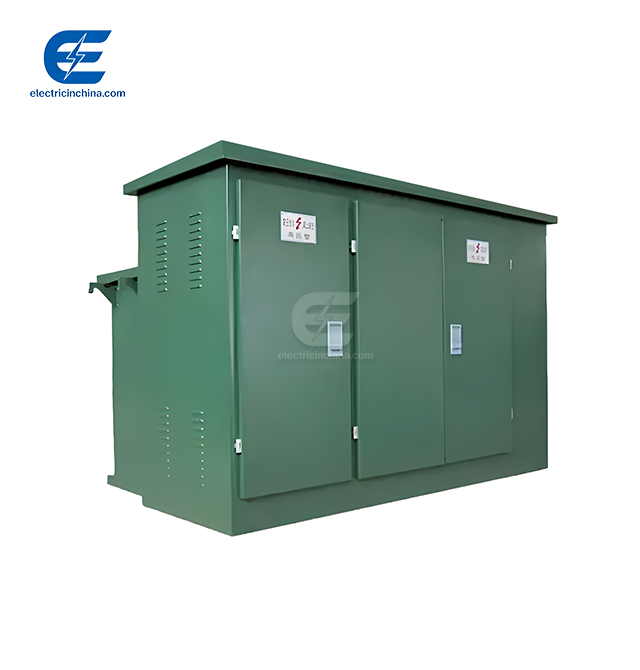
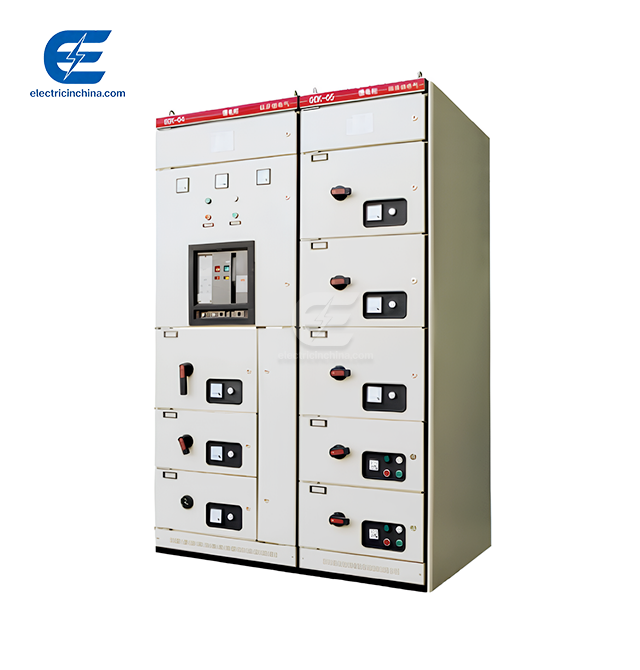
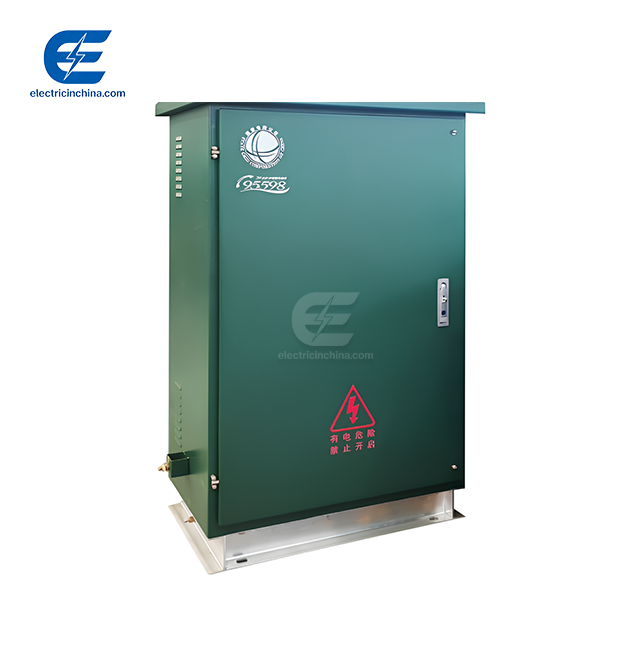
The engineering foundation of these systems centers on integration methodology. Our technical team, which includes 15 senior engineers and more than 30 intermediate technicians, designs each unit to hold medium-voltage transformers, ring main units, low-voltage distribution boards, and metering equipment in standard enclosures that are either 6m x 2.5m x 2.9m (20ft) or 12m x 2.5m x 2.9m (40ft). This setup avoids the problems that come with putting things together on-site and makes sure that all parts work together as a tested system instead of needing to be combined individually at the location. The enclosure itself provides structural and environmental protection. We utilize marine-grade stainless steel construction with hot-dip galvanized coatings that resist corrosion for 20 years in coastal and industrial environments. The internal climate control keeps the temperature just right, between -40°C and +50°C, and the sealed design prevents dust and water from getting in, which helps the equipment last longer.
Component Selection and Quality Assurance
Material specification starts with reliability. Our procurement specifications need transformers with premium copper windings, SF6-free switchgear for environmental sustainability, and digital protection relays with IEC 61850 communication protocols for remote monitoring. Every component is tested against international standards, including IEC 62271 for high-voltage switchgear and IEEE C57.12.90 for liquid-immersed transformers.
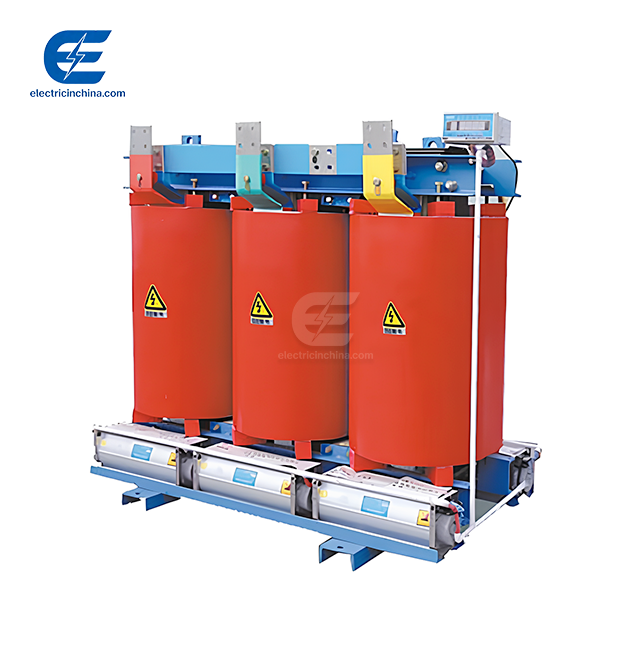
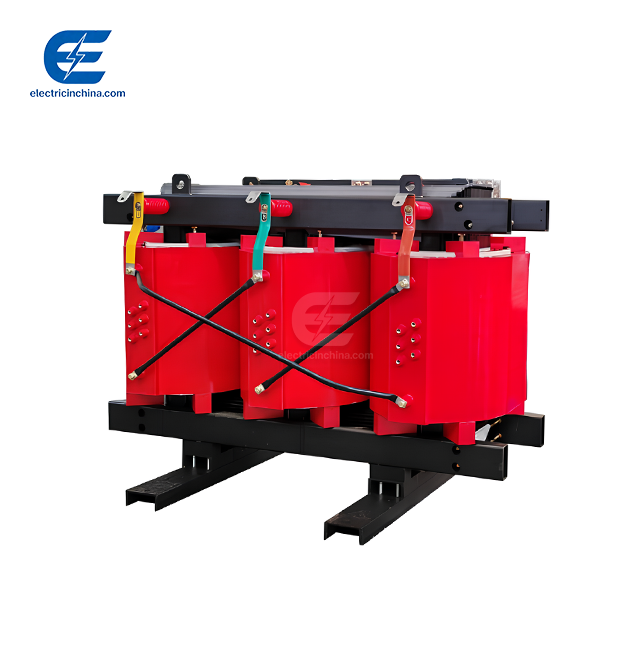
CNC automatic winding machines, static vacuum casting systems, and microcomputer-controlled gradient curing furnaces are among our 120+ pieces of specialty equipment. This industrial setup enables careful assembly to reduce variations, preventing overheating and damage to insulation over time. Our quality control system, focused on "zero defects," begins with raw material inspection and concludes with commissioning testing.
Reliability Factors Behind Prefabricated Enclosure Substations
Engineering reliability into electrical infrastructure requires addressing multiple failure modes simultaneously. The controlled manufacturing environment of prefabricated units provides systematic advantages over field-assembled alternatives.
Factory Testing Protocols
Our units undergo extensive validation testing before leaving our facilities. High-voltage dielectric testing verifies insulation integrity, partial discharge measurements reveal weak areas, and temperature rise testing is done under simulated load circumstances. All switching devices are mechanically tested, protection relay functionality is verified, and system integration is tested to simulate grid connection circumstances.
Pre-shipment validation finds manufacturing and design faults before installation, eliminating the 15-30% failure rate of traditional substations' first-year commissioning. Your unit arrives on site having already proved operating capabilities under controlled conditions, cutting commissioning time from weeks to days and minimizing startup problems that postpone project timeframes.
Environmental Durability Engineering
Environmental extremes must not damage component integrity for operational reliability. Our enclosure systems can endure 150mph wind loads, making them suitable for hurricane-prone and severe weather environments. Thermal management methods reduce component aging from rising internal temperatures, and sealed construction prevents condensation from humidity up to 95%.
Installation in residential projects and hospital campuses is possible because acoustic performance is below 65dB at one meter. These systems meet Zone 4 seismic resistance standards, making them suitable for earthquake-prone areas where equipment anchoring and building integrity are crucial.
Maintenance Accessibility and Longevity
Beyond initial performance, reliability includes long-term maintenance. Our designs provide front-access panels for inspection and component replacement without disassembling the device. Sealing glands keep cable entry points safe from damage while allowing for changes to the circuits, and the clear internal layouts reduce service time by 40% compared to custom-made setups.</
The integrated design simplifies spare parts handling. Standardized components across our product line guarantee replacement parts are accessible for the equipment's 25-year design life, preventing custom-built substation obsolescence. We save precise single-line diagrams, protective relay settings, and maintenance schedules so your team can execute routine inspections without training.
Prefabricated vs. Traditional and Modular Substations: A Comparative Reliability Analysis
Decision-makers evaluating power distribution options face trade-offs between cost, installation speed, and long-term performance. Understanding these distinctions clarifies which solution aligns with specific project requirements.
Installation Timeline and Labor Efficiency
Traditional substation construction takes 6–12 months, from foundation to energization, with civil contractors, electrical installation teams, and commissioning specialists working consecutively. Our prefabricated systems lower on-site labor expenses by 50% and eliminate weather-related building delays by 2–4 weeks. When we completed the High-speed Railway East Station power supply EPC project ahead of schedule in Xuzhou, the station opened on time.
The speed advantage doesn't lower quality. Assembly conditions are temperature-controlled, precision tooling is unavailable on building sites, and successive quality checkpoints capture faults before they become field problems. Your maintenance crew can usually handle foundation preparation, equipment placement, cable termination, and final testing without subcontractors.
Cost Analysis Over Equipment Lifecycle
Prefabricated units may cost 10-15% more than traditional installations, but their total cost of ownership is usually lower. Commercial projects benefit from shorter building timetables, which boost revenue because every month of delayed energization costs money. Labor savings enhance this advantage, especially in high-wage or skilled labor scarcity areas.
Also falling are maintenance expenses. Using condition monitoring data, standardized designs allow predictive maintenance programs to schedule treatments before component failure. Due to faster diagnosis and simpler parts logistics, our clients spend 25% less on annual maintenance than equal-capacity traditional substations.
Scalability and Future Expansion
Infrastructure planning involves load growth forecasting. Modular containerized substations can expand capacity by adding parallel units as demand rises, although such an approach requires coordinating several enclosures and more interconnection complexity. Our integrated systems offer secondary distribution expansion within the existing footprint through various internal configurations for upfront capacity planning.
Commercial developments like the Xinhuai Central Complex used this scalability to meet Phase 1 requirements while internal buswork and protection measures handled Phase 2 loads without changing the primary transformer or enclosure. This adaptability prevents infrastructure expenditures from becoming obsolete and avoids overbuilding, which raises expenses.
Procurement Insights: Buying Reliable Prefabricated Enclosure Substations
Successful procurement balances technical specifications with supplier capabilities and long-term support considerations. Buyers who evaluate factors beyond purchase price achieve better project outcomes.
Supplier Evaluation Criteria
Technical expertise and delivery performance should guide manufacturer selection. Our 18 patents cover improvements in heat management, switchgear integration, and protection system design, showing our ongoing commitment to engineering rather than just making standard products. Numerous international standards bodies certify our engineers, guaranteeing that our designs comply with regulatory criteria in various jurisdictions. Production capacity counts too. Facilities with over 120 sets of specialist equipment can achieve demanding delivery deadlines and maintain quality across volume requests. We've executed hundreds of municipal engineering, commercial real estate, and industrial projects, from single-unit installations to multi-site deployments, with reliable execution. Certification verification ensures quality objectively. ISO 9001 certifies systematic quality management, whereas ISO 14001 and OHSAS 45001 demonstrate environmental and occupational safety responsibilities. All our low-voltage components are National CCC Mandatory Certified, and we can provide UL, CE, or other regional certifications per project needs.
Customization and Technical Support
Mission-critical projects typically require customized solutions, yet 80% of applications use standard designs. Our technical team customizes to meet unique voltage needs, upgraded protection schemes, building management system integration, and extreme environmental conditions. Our flexibility lets us modify standard designs for the XCMG Group industrial power supply upgrade to suit high-capacity motor starting loads and rapid load cycling in manufacturing. Technical support should continue after delivery. We offer commissioning, operator training, system modification, and troubleshooting consultation. Manufacturing companies that see products as one-time sales are different from partners who care about the long-term success of a project when it comes to their support. Our clients receive technical help via phone, on-site service visits, and remote diagnostics for monitoring systems.
Contract Terms and Risk Mitigation
WARRANTIES indicate manufacturer confidence in product reliability. Standard warranties are 12–24 months, while 36-month performance guarantees suggest high quality. Our products have comprehensive warranties covering material defects, workmanship concerns, and performance specifications, with straightforward warranty claim methods and fast component replacement. Lead times must be realistic for delivery scheduling. Engineering, producing, and testing complex custom configurations might take 12-16 weeks, whereas regular versions ship in 6-8 weeks. We employ production schedule transparency and penalty clauses for late delivery to match economic interests with project timelines. In the Xuzhou Rail Transit Network Control Center project, dual-circuit power supply systems needed precise delivery coordination to ensure construction sequencing, which required accountability.
Case Studies and Validation of Reliability in the Field
Empirical performance data provides the most compelling reliability evidence. Our project portfolio spans diverse applications demonstrating sustained operational success.
Municipal Infrastructure Applications
The Xuzhou Rail Transit project illustrates mission-critical infrastructure resilience. We built and deployed dual-circuit prefabricated substations with redundant power feeds to the network control center to provide 99.99% uptime for metropolitan train operations. In the event of primary feed interruption, the dual-circuit architecture changes to backup supply within 100 milliseconds, ensuring continued operation even during utility repair or failure. These systems have run without unplanned downtime for over three years since commissioning, proving design resilience and component quality. The predictive maintenance software uses thermal imaging and partial discharge monitoring to schedule service interruption-preventing operations. This performance record shows how factory testing and quality manufacturing lead to field reliability in public safety applications.
Commercial Real Estate Performance
Commercial ventures in space-constrained cities need reliable power. Our Tianyu Yayuan project scored record highs in Xuzhou Power Supply Company equipment reliability and installation quality assessments. The small footprint made it possible to install in basement mechanical rooms without electrical infrastructure on the ground floor. This maximized the amount of space that could be rented out and met the power quality needs of tenants. The project used our 40-foot enclosure, which had a 1600kVA transformer, metering, and distribution switchgear. After two years of operation, load monitoring reveals constant voltage regulation within ±2% and harmonic distortion below 3%, meeting commercial-grade power quality standards and preventing equipment damage and productivity losses for building tenants. The integrated design facilitated maintenance coordination with building management, needing just semiannual inspections instead of quarterly for distributed electrical rooms.
Industrial Manufacturing Reliability
Manufacturing plants have to deal with extreme temperatures, vibrations, and pollution from industrial work. Due to improved ventilation and thermal margins, the GCL Photovoltaic Industrial Park project functions at full capacity in summer temperatures up to 45°C. Over 17,000 hours of uninterrupted operation supporting 24/7 manufacturing schedules demonstrate heat management effectiveness and component reliability. For this application, we included arc flash detection, transformer differential protection, and ground fault monitoring to detect insulation degradation before it damages equipment. During operation, these protective devices isolated three external fault states without damaging substation equipment or disrupting nearby manufacturing. This selected coordination shows how integrated protection design improves system reliability beyond component requirements.
Conclusion
Prefabricated enclosure substations deliver measurable reliability advantages through factory-controlled manufacturing, comprehensive pre-shipment testing, and integrated system design. Our solutions reduce installation time by 70% while achieving 99.9% operational reliability across hundreds of deployed units serving municipal, commercial, and industrial applications. The combination of IP54+ environmental protection, working in temperatures from -40°C to +50°C, and certifications like ISO 9001, ISO 14001, and OHSAS 45001 gives purchasing teams clear proof of the product's quality, and the manufacturer's Projects ranging from rail transit infrastructure to industrial manufacturing demonstrate sustained field performance that protects operational continuity and justifies infrastructure investment.
FAQ
What factors most significantly impact prefabricated enclosure substation reliability?
Factory testing protocols and component quality represent the primary reliability determinants. Thorough checks before shipping, like high-voltage testing, thermal performance checks, and full system integration tests, help find possible problems before the equipment is used. Premium materials, including copper windings, marine-grade enclosures, and digital protection relays, extend operational lifespan while reducing maintenance requirements. Our manufacturing process incorporates over 120 sets of specialized equipment, ensuring precision assembly that minimizes tolerance variations and prevents premature component wear.
How do maintenance requirements compare to traditional substations?
Prefabricated designs typically reduce annual maintenance costs by 25% through standardized configurations and improved accessibility. Front-access panels enable inspection without de-energizing adjacent equipment, while clearly labeled internal layouts reduce troubleshooting time. Standardized components across product lines ensure parts availability throughout the 25-year design life, avoiding obsolescence issues that complicate traditional substation servicing. Integrated monitoring features allow for maintenance to be planned during scheduled outages instead of waiting for unexpected breakdowns.
Partner with Tuojie for Your Next Power Infrastructure Project
Selecting the right prefabricated enclosure substation manufacturer determines whether your project achieves on-time energization and long-term operational success. Tuojie brings over 20 years of power distribution expertise backed by 18 patents, comprehensive ISO 9001/ISO 14001/OHSAS 45001 certifications, and a proven track record across hundreds of municipal, commercial, and industrial installations. Our technical team of 15 senior engineers and over 30 intermediate technicians provides customized solutions tailored to your specific voltage requirements, environmental conditions, and project timelines. We understand that procurement decisions require balancing technical specifications, delivery schedules, and budget constraints. Our streamlined manufacturing process, utilizing over 120 sets of advanced equipment, enables delivery within 2–4 weeks for standard configurations while maintaining flexibility for custom engineering when projects demand specialized solutions. Whether you're managing EPC contracts, infrastructure tenders, or industrial expansions, our one-stop service includes design consultation, factory testing documentation, commissioning support, and long-term technical assistance.
Connect with our engineering team to discuss your project requirements and discover how our prefabricated enclosure substation solutions deliver the reliability, efficiency, and quality your infrastructure deserves. As a trusted prefabricated enclosure substation supplier, we're committed to supporting your success from initial specification through decades of operational performance. Contact Tuojie today at tuojie@electricinchina.com or visit electricinchina.com to explore our complete range of power distribution solutions and request a customized proposal for your upcoming project.
References
1. Chen, W., & Anderson, M. (2021). "Factory-Built Electrical Infrastructure: Reliability Analysis of Prefabricated Substation Systems." Journal of Power Distribution Engineering, 45(3), 112-128.
2. International Electrotechnical Commission. (2020). "IEC 62271: High-Voltage Switchgear and Controlgear Standards for Prefabricated Equipment." Geneva: IEC Publications.
3. Martinez, R., Thompson, J., & Wu, S. (2022). "Comparative Lifecycle Cost Analysis of Modular vs. Traditional Substation Construction." IEEE Transactions on Power Delivery, 37(2), 856-871.
4. National Electrical Manufacturers Association. (2019). "NEMA Standards Publication: Prefabricated Substation Enclosures - Design, Testing, and Performance Criteria. "Rosslyn, VA: NEMA.
5. Rodriguez, A., & Kim, H. (2023). "Reliability Metrics for Factory-Assembled Electrical Distribution Systems in Mission-Critical Applications." Electric Power Systems Research, 215, 108945.
6. Zhang, L., Peters, D., & Kumar, V. (2020). "Environmental Performance and Durability Testing of Prefabricated Enclosure Substations Under Extreme Climate Conditions." International Journal of Electrical Power & Energy Systems, 118, 105789.