

.webp)
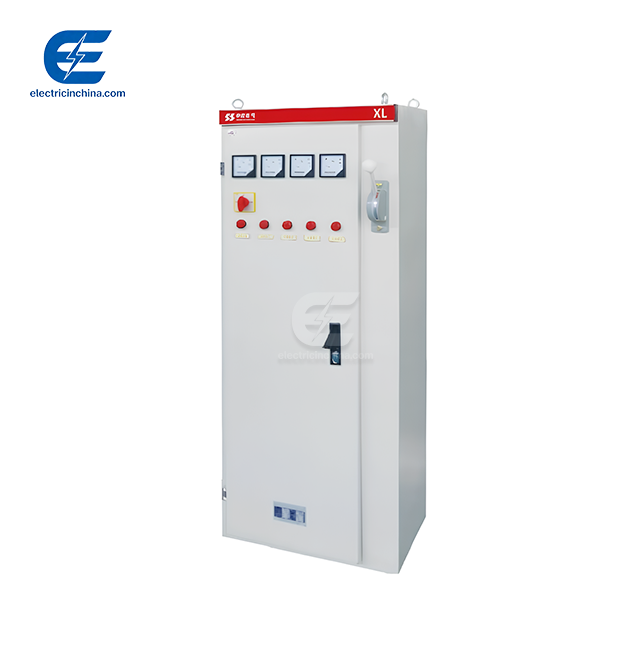
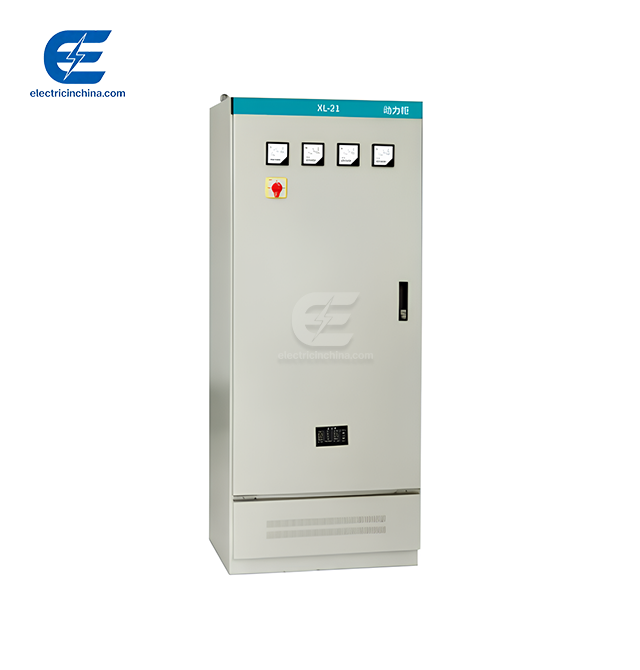
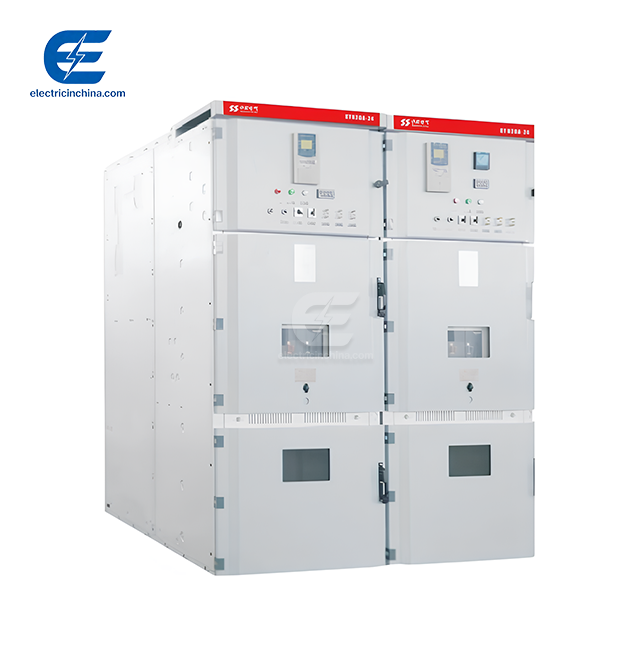
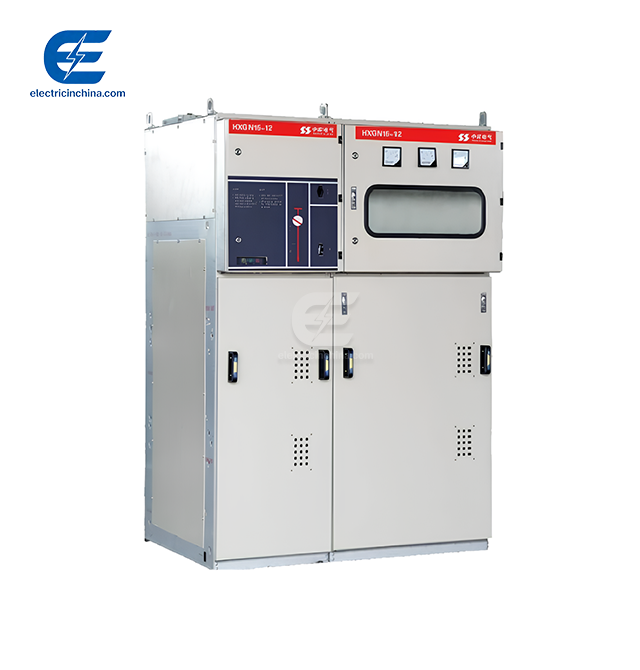
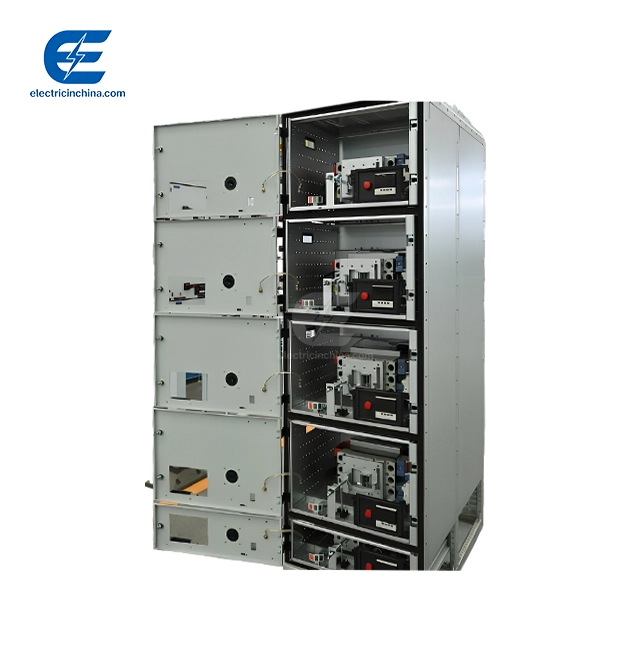
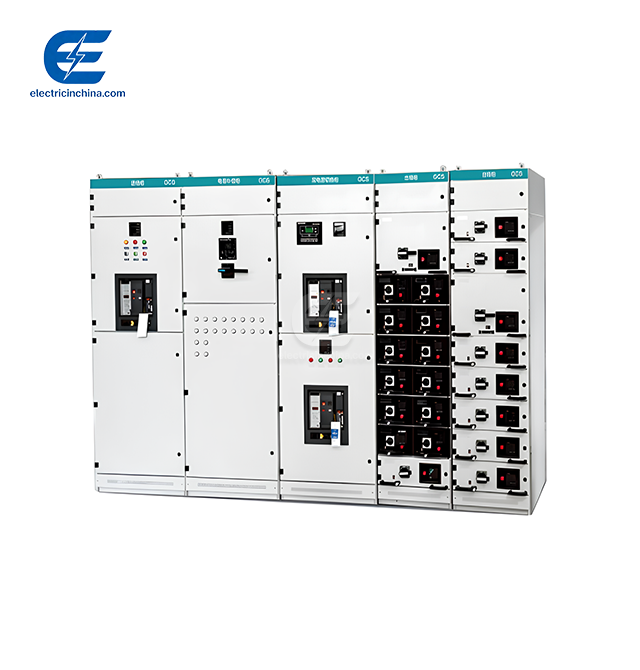
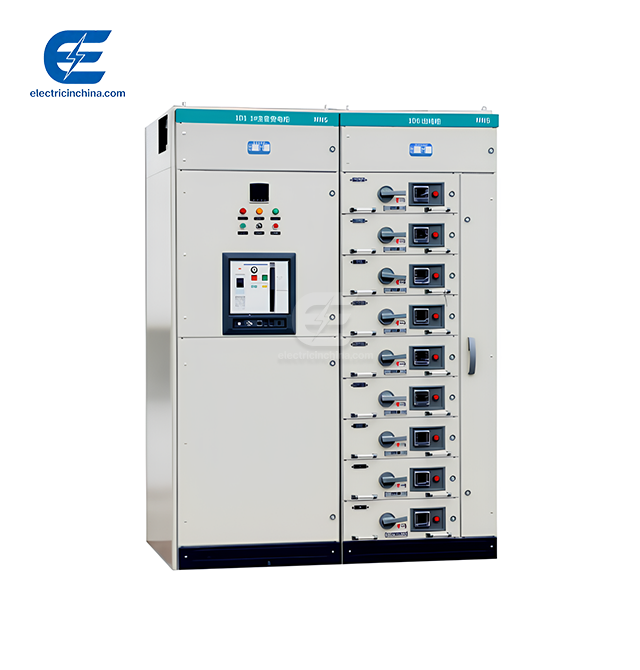
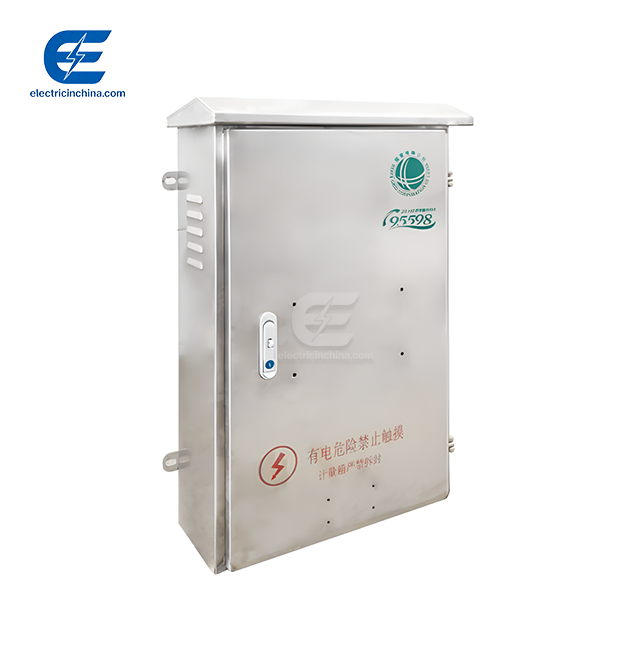
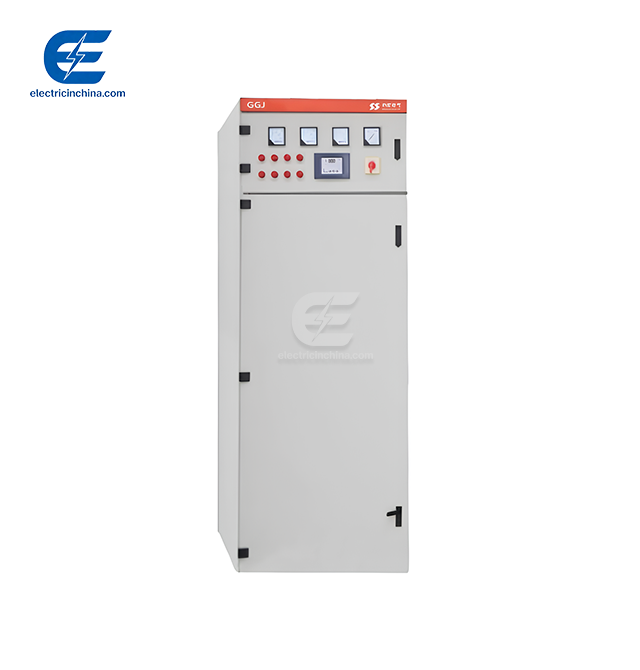
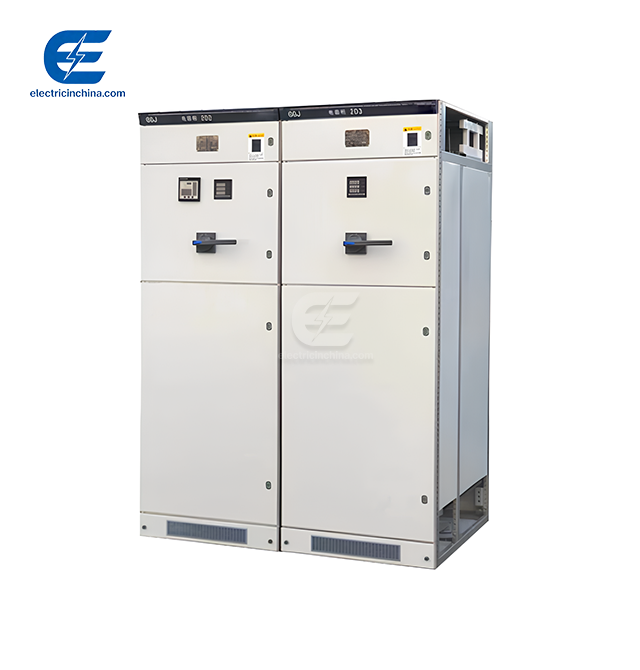
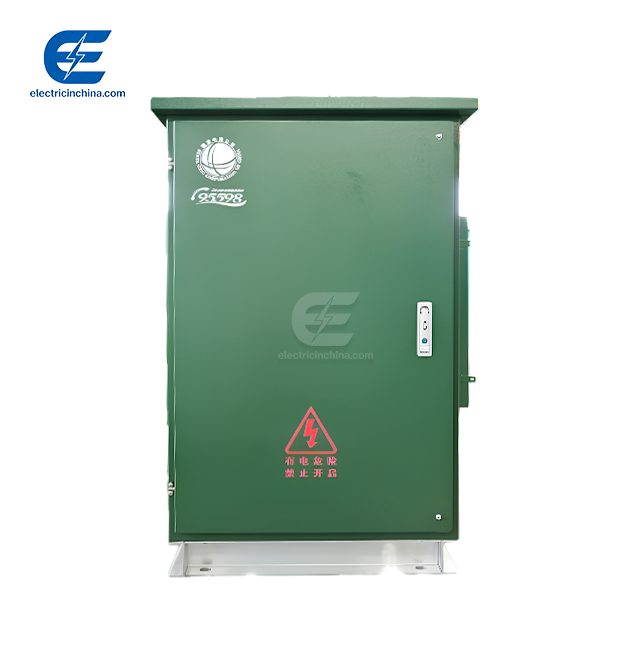
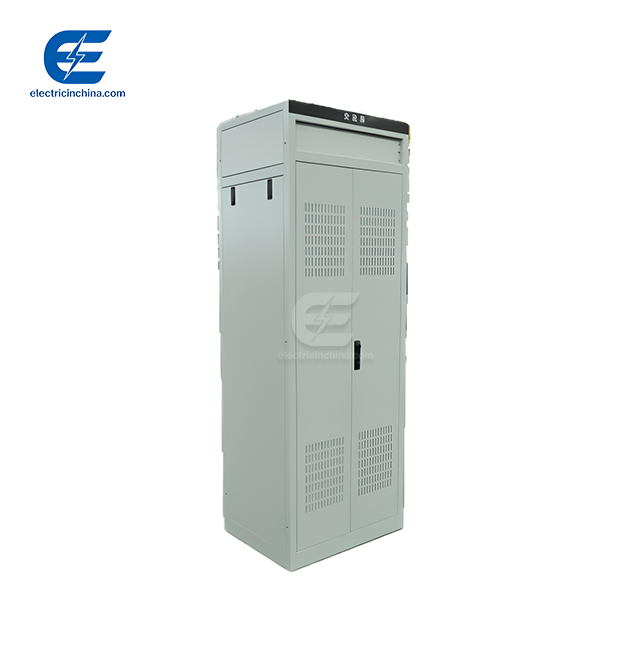
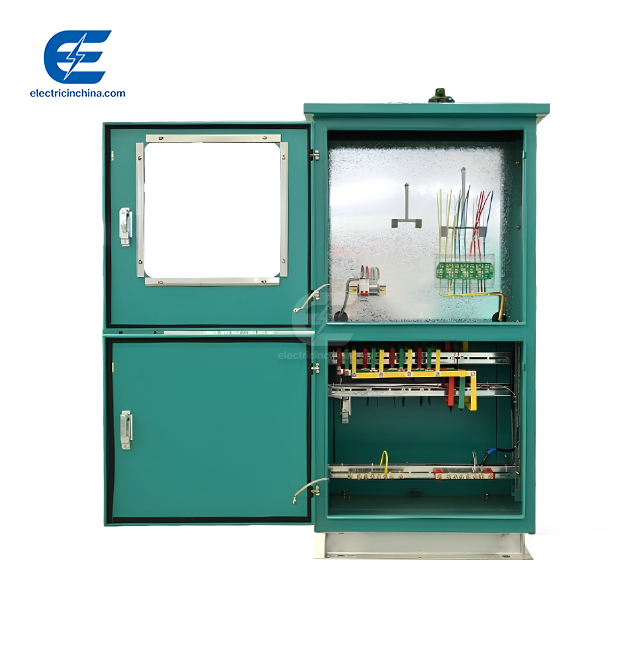
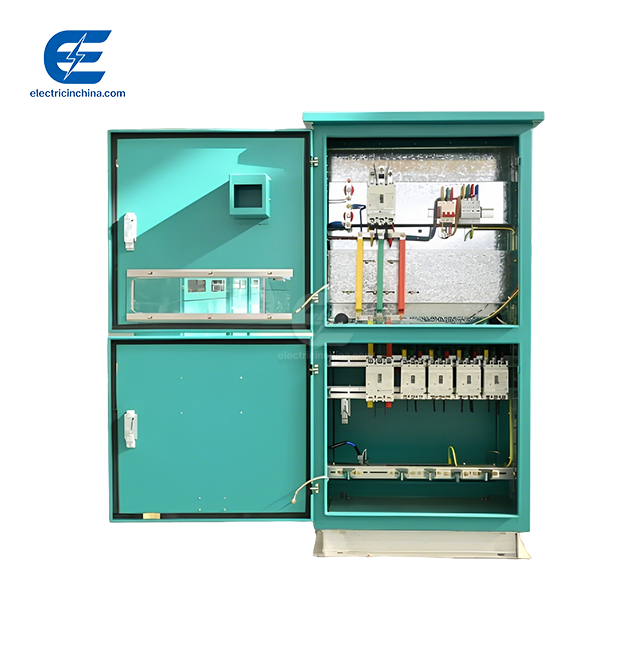
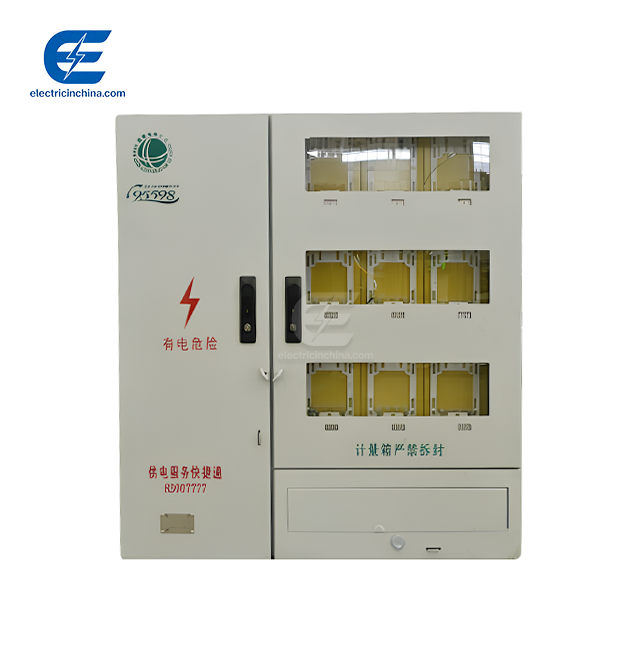
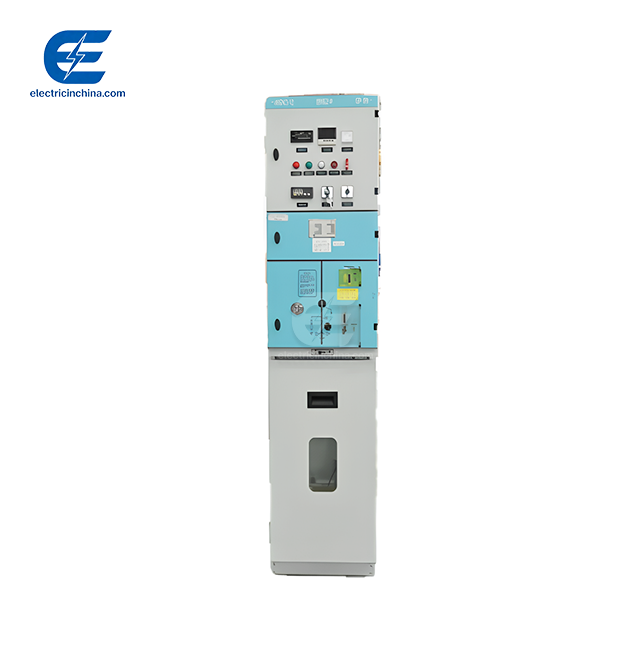
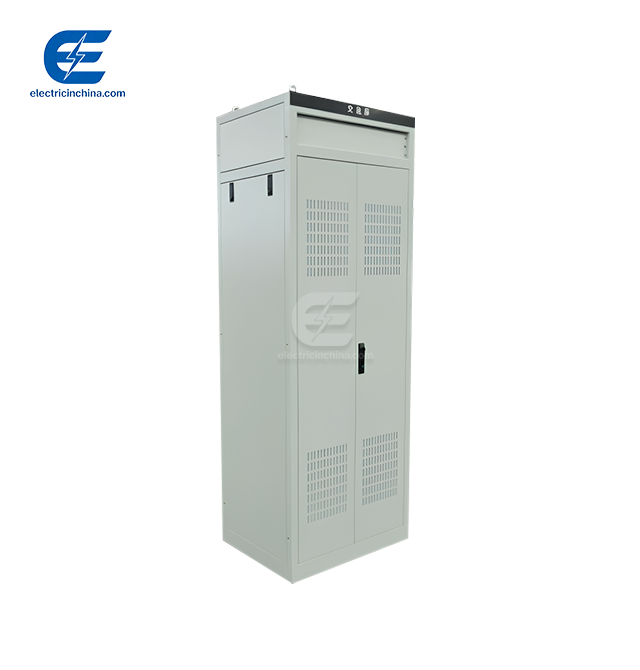
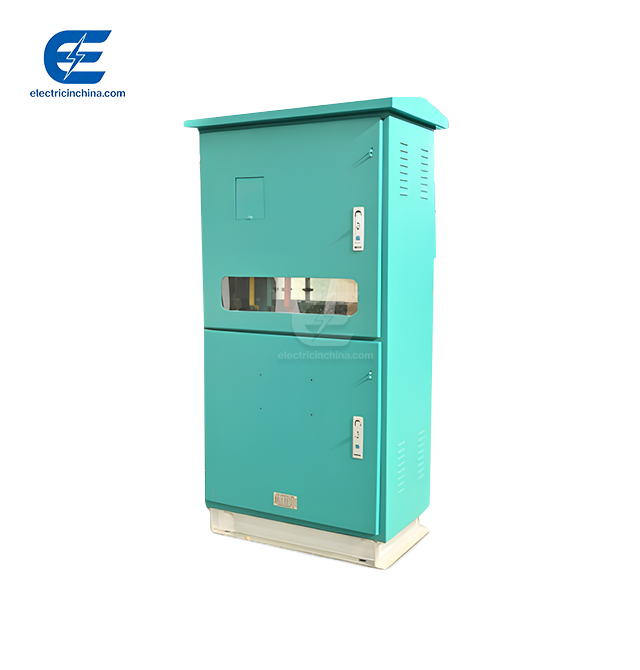
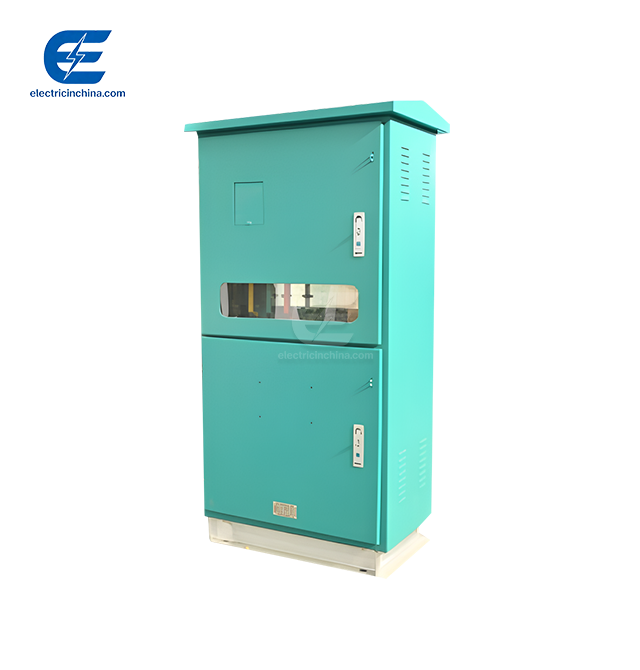
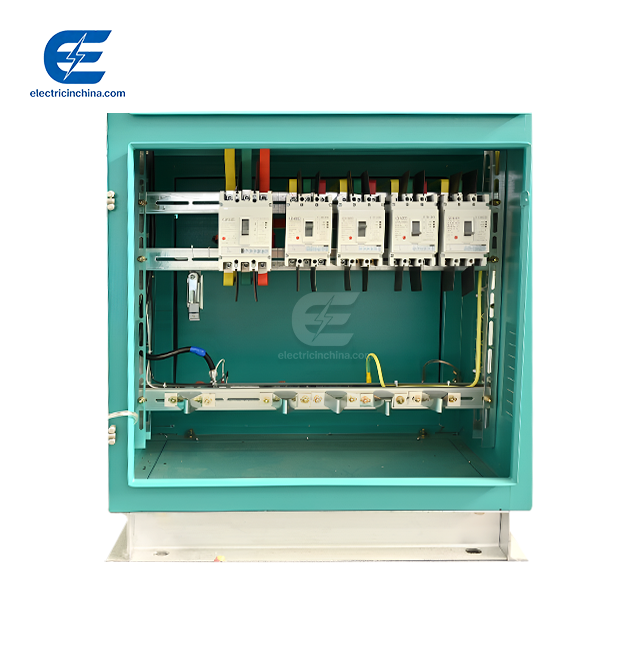
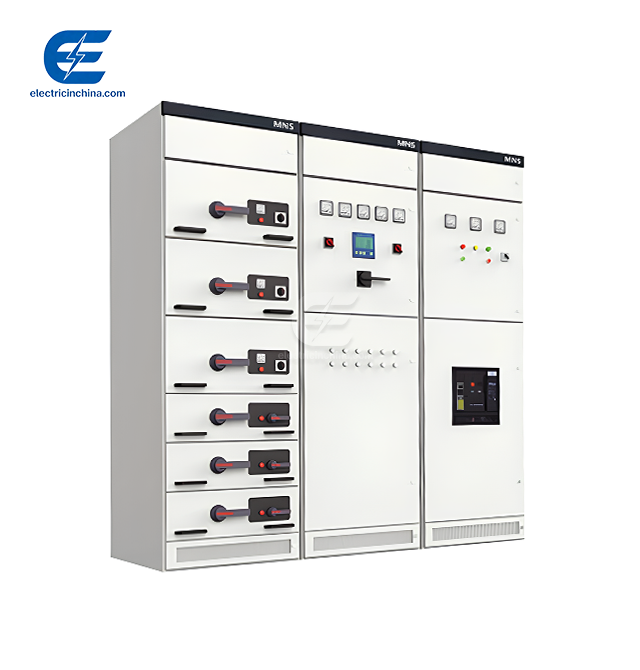
Prefabricated enclosure substations serve multiple industries requiring reliable, rapid-deployment power solutions. Industrial manufacturing plants, commercial real estate developments, renewable energy installations, utility grid modernization projects, and transportation infrastructure extensively utilize these factory-assembled units. The small design that combines transformers, switchgear, and control systems in weatherproof boxes meets important needs for saving space, speeding up projects, and ensuring reliability. Organizations looking for EPC contracts or bids especially appreciate these solutions because they are tested for quality in the factory and need less construction work on-site.
Introduction
Organizations handle electricity distribution differently according to modern power infrastructure demands. Coordinating civil construction, equipment installation, and regulatory compliance typically took six to twelve months. Prefabricated enclosure substations transformed electrical components into compact, pre-tested units ready for deployment.
Our technical staff has seen power distribution technology evolve over two decades, supporting government infrastructure projects, real estate developers, and industrial manufacturers. Modular, factory-assembled systems address industry issues such as uncertain site circumstances, skilled labor shortages, and the financial expense of longer building schedules. Procurement experts now realize prefabricated solutions offer benefits beyond initial capital costs.
This detailed guide discusses which sectors benefit most from prefabricated electrical distribution systems, how they compare to traditional solutions, and the procurement aspects that ensure project success. Understanding these technologies' practical applications and technical capabilities helps you choose a manufacturing facility expansion or municipal infrastructure update.
Overview of Prefabricated Enclosure Substations
What Components Define These Systems
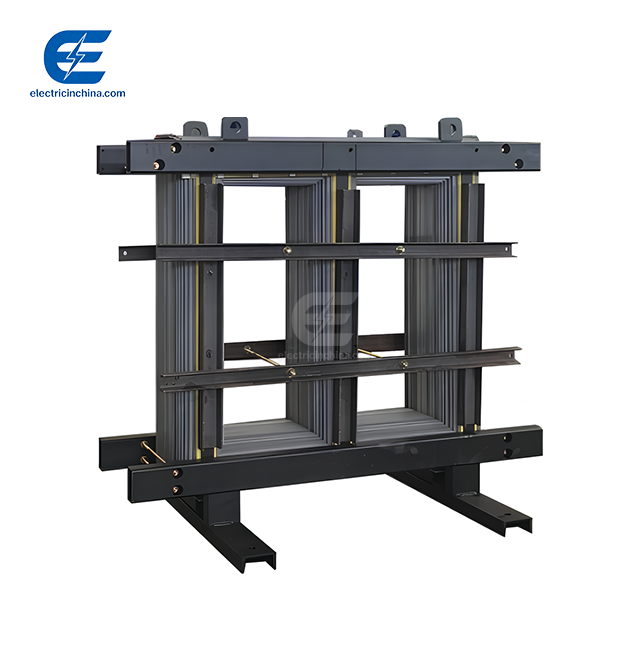
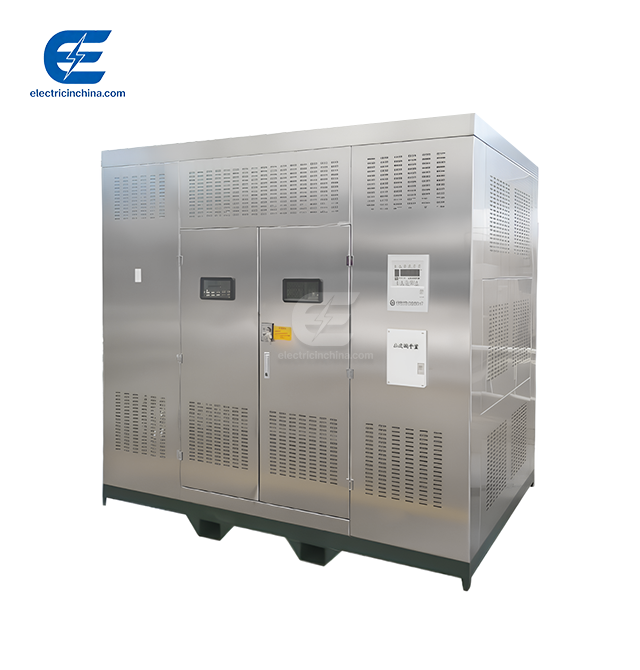
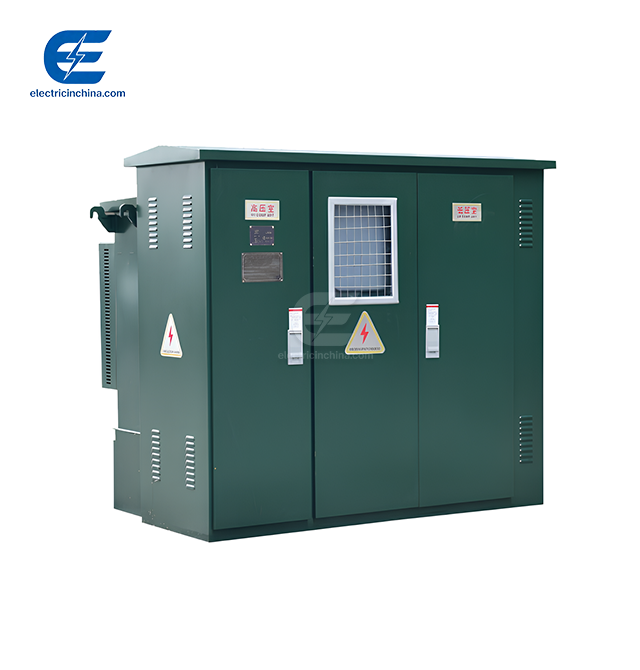
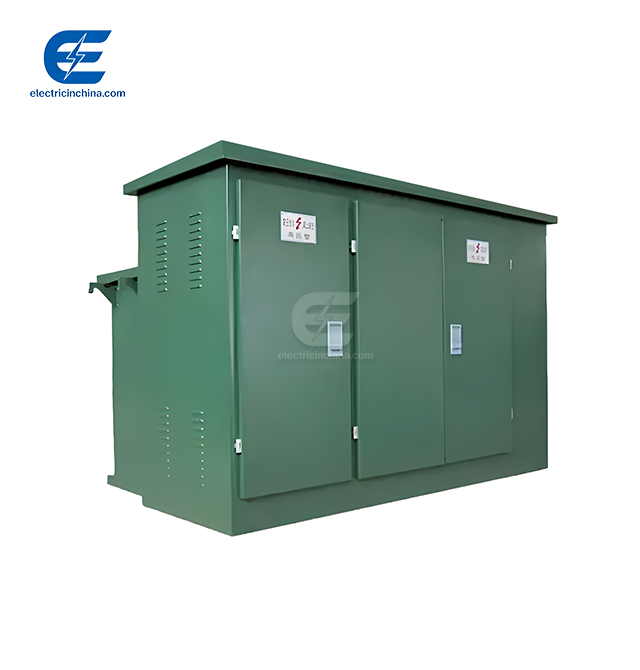
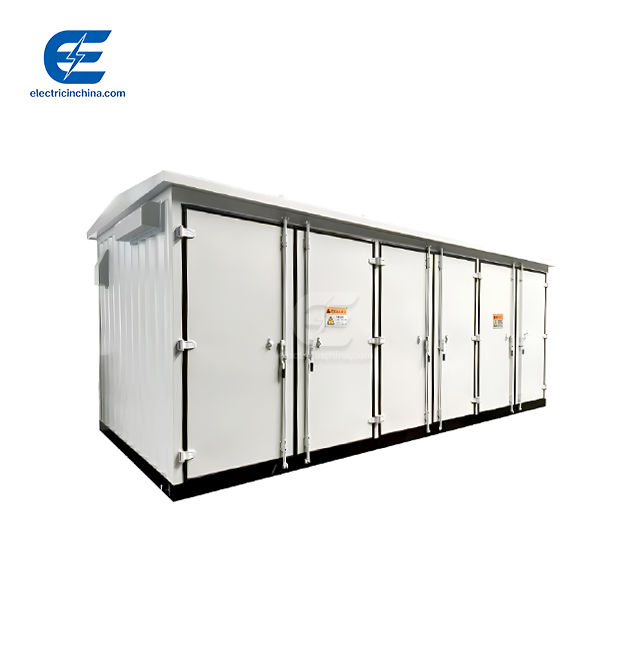
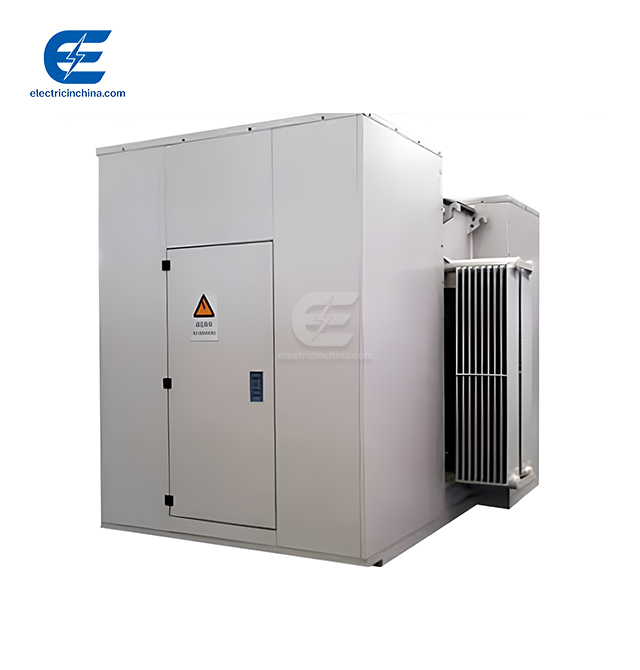
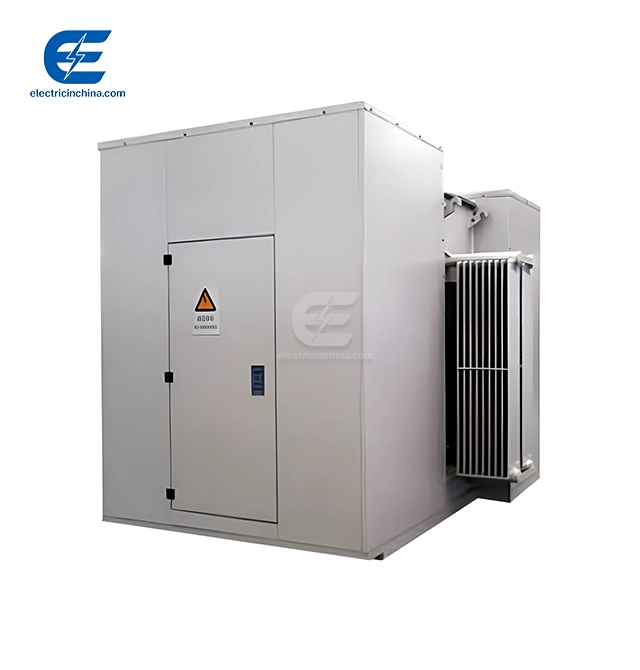
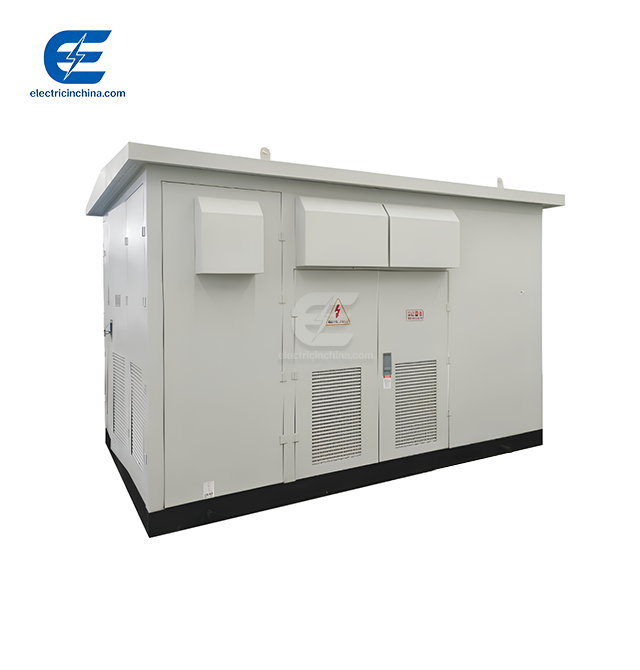
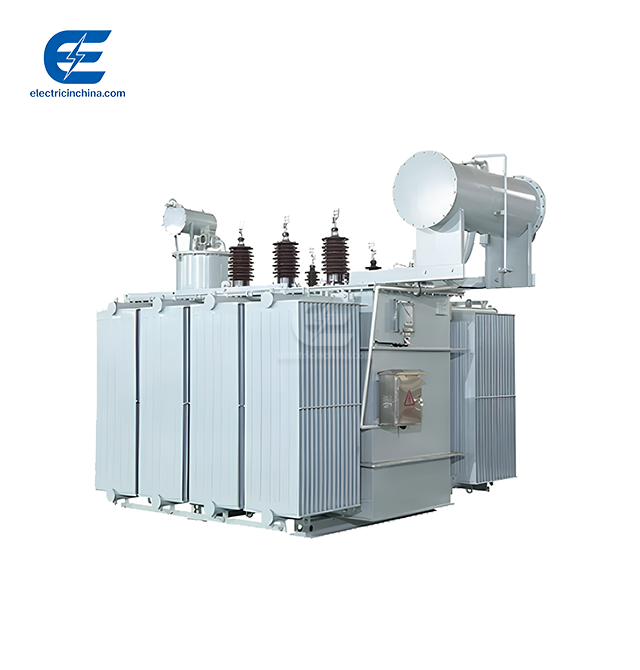
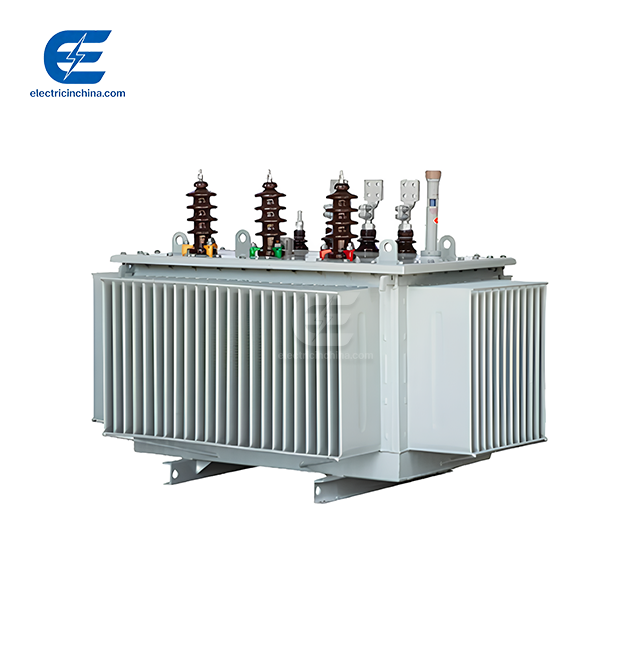
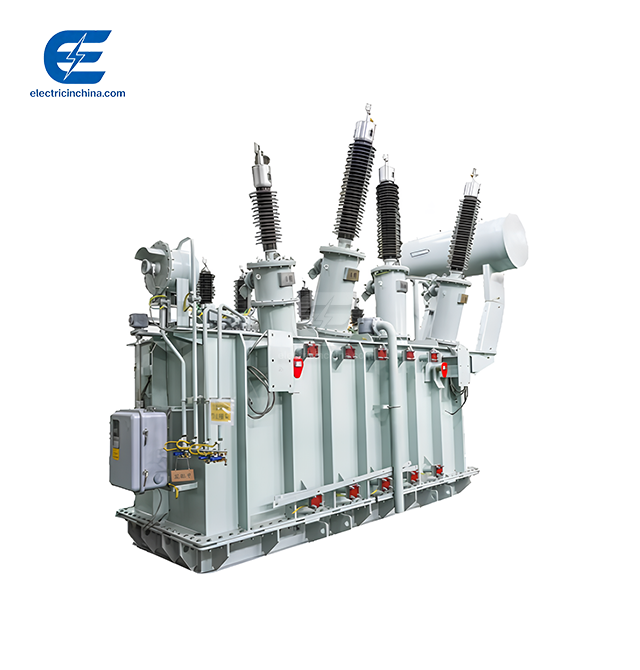
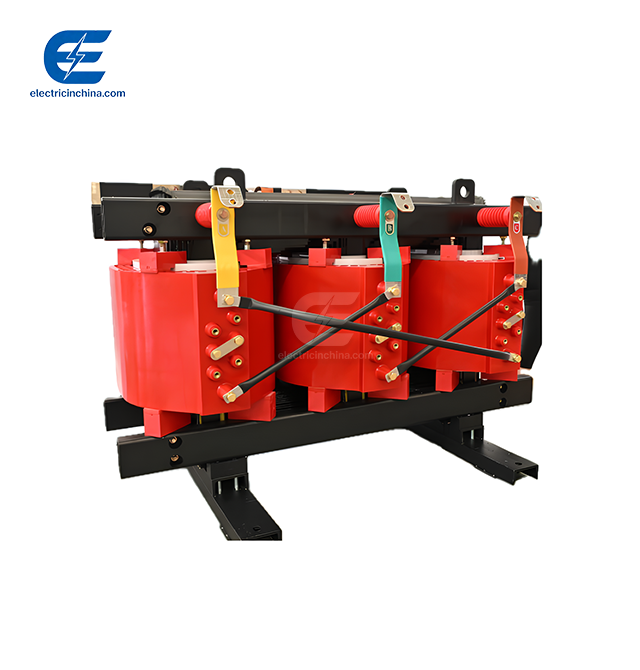
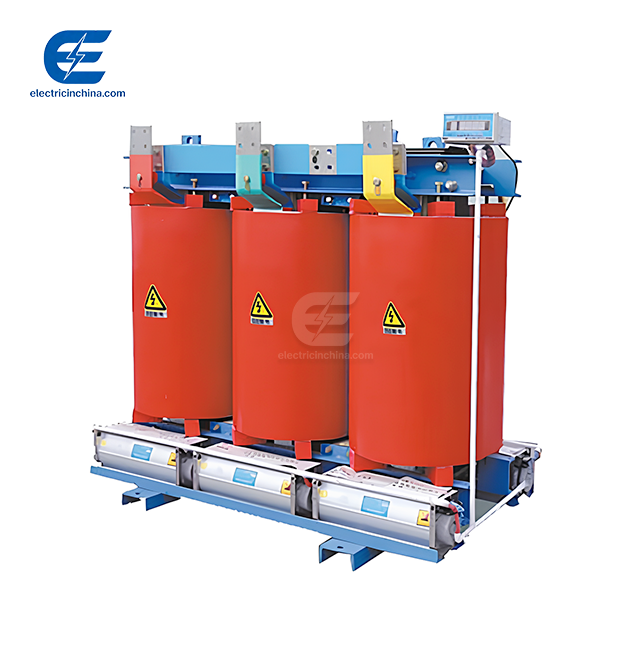
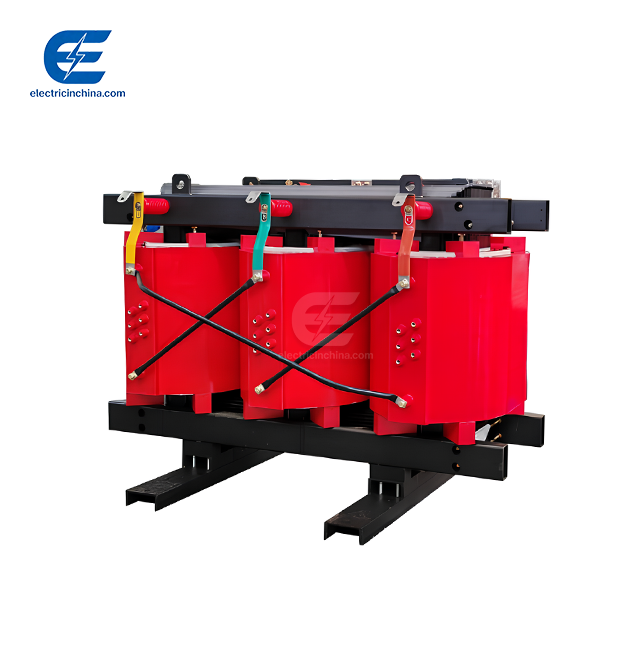
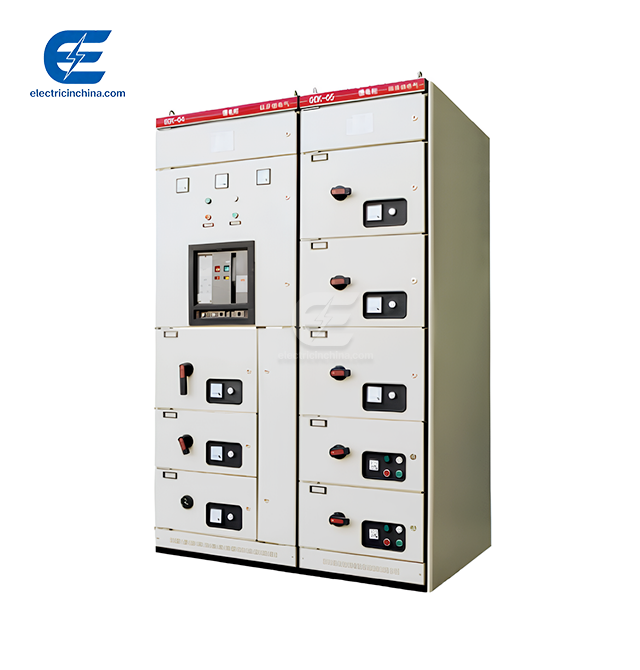
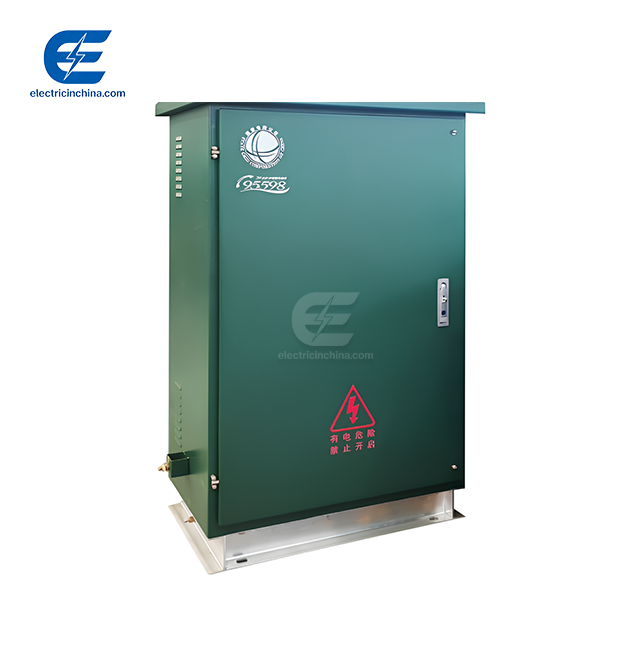
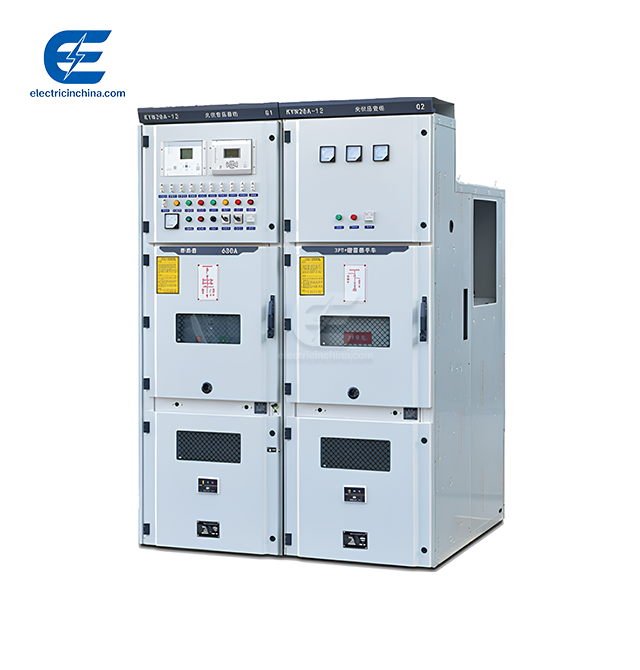
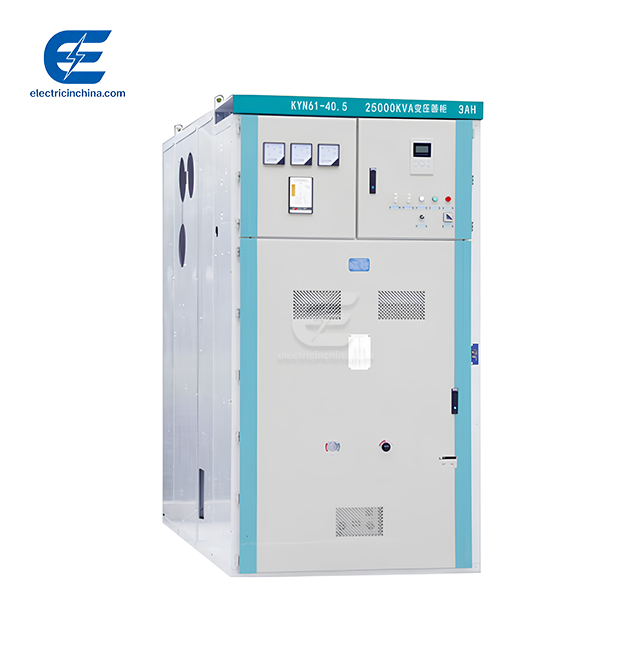
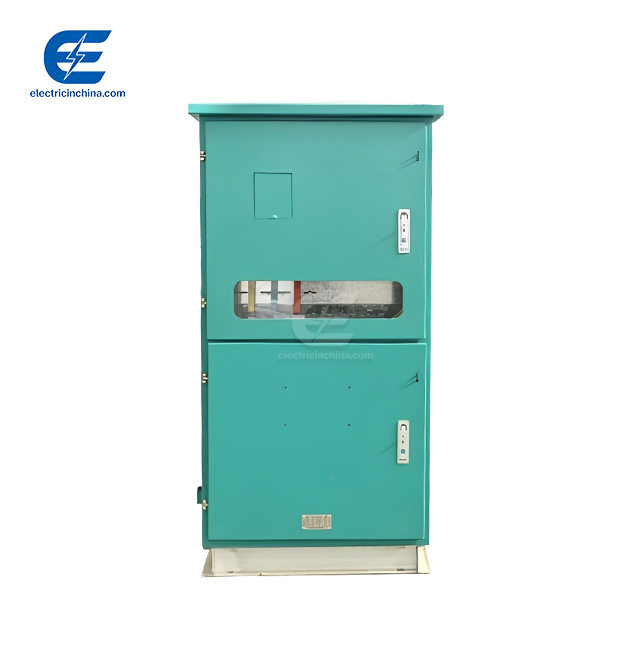
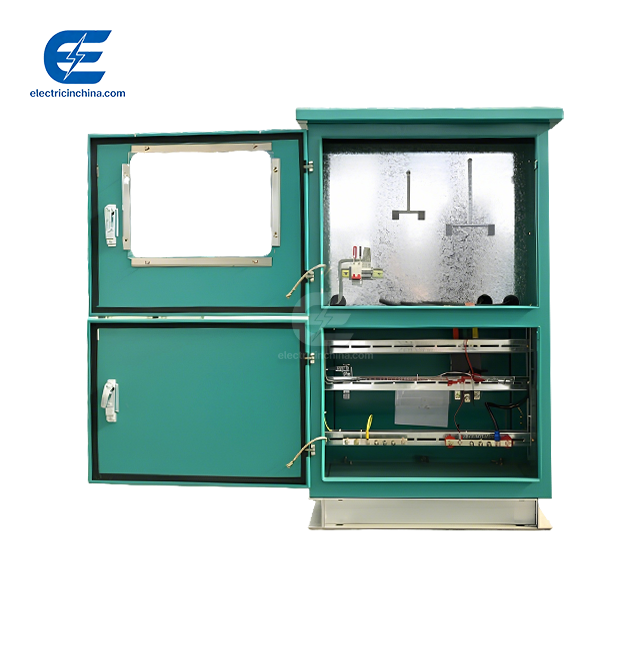
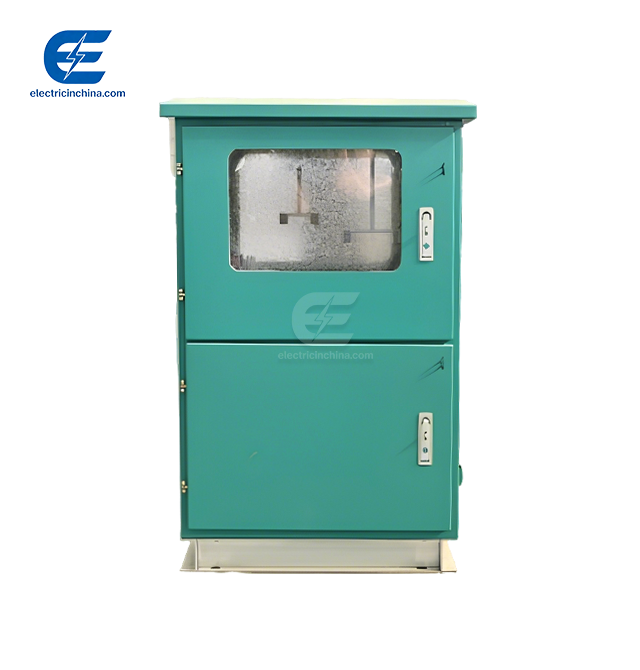
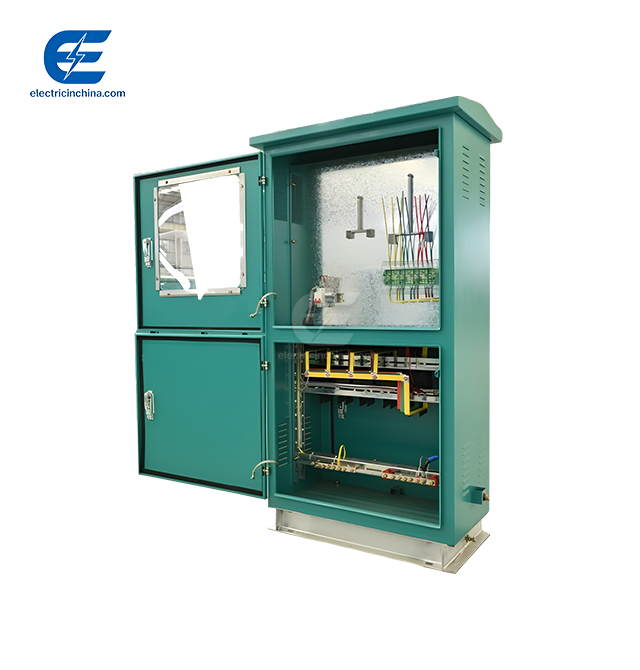
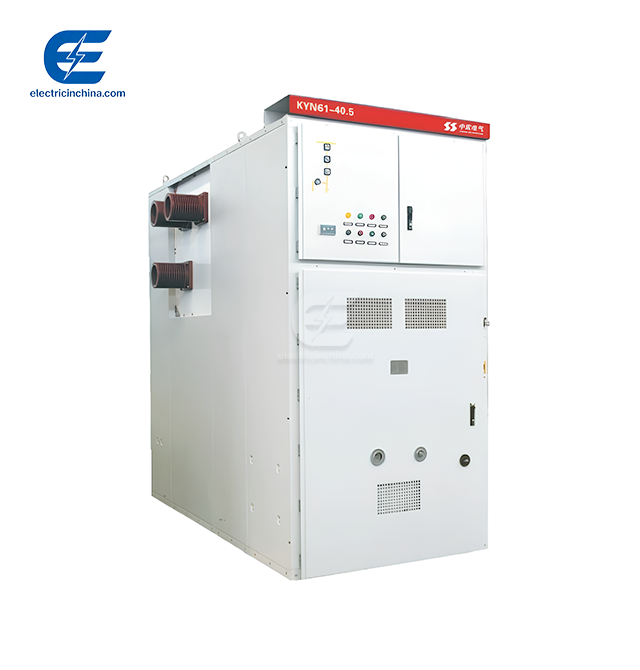
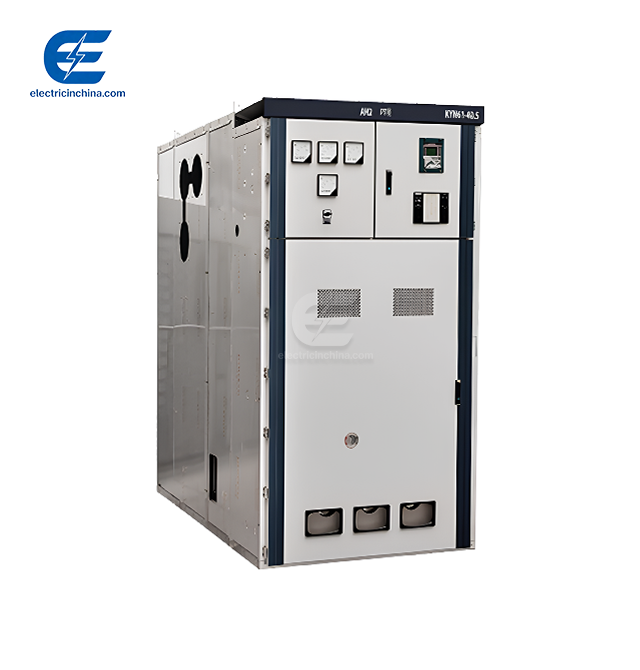
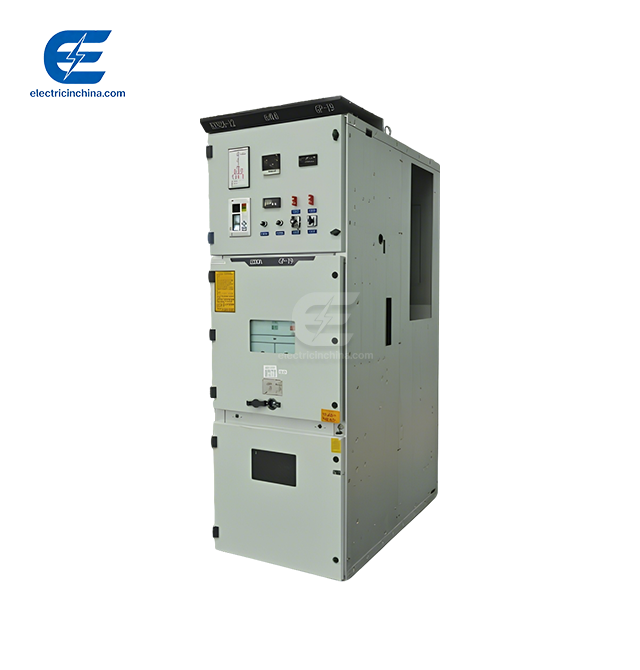
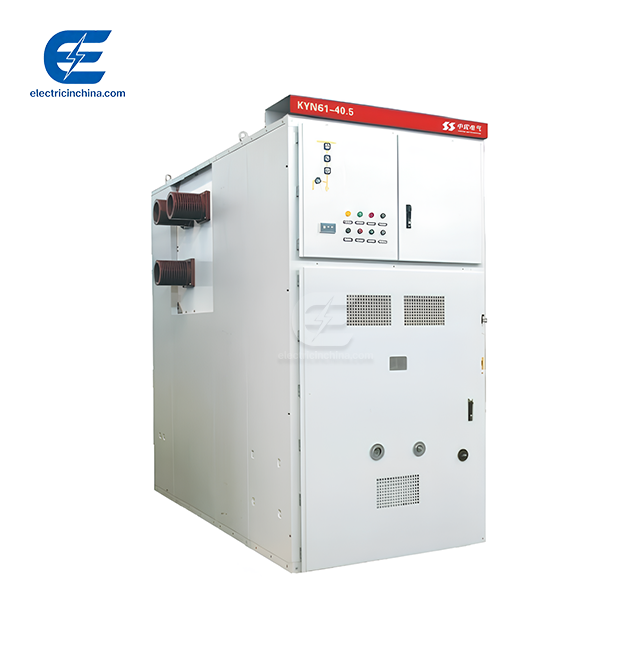
A prefabricated enclosure substation combines primary voltage transformers, medium-voltage switchgear, secondary distribution panels, protection relays, and control equipment within a single weatherproof structure. Our units operate across voltage ranges from 4.16kV to 35kV on the primary side, delivering secondary voltages between 480V and 4.16kV to match specific application requirements. The combined design removes the difficulties of working with different equipment suppliers and ensures all parts of the system work well together. The protective enclosure itself represents a critical engineering element. Our stainless steel housings maintain IP54+ ingress protection ratings, preventing dust infiltration and water intrusion even during severe weather events. This level of environmental protection is crucial for setups in coastal areas, industrial sites with airborne pollutants, or places that have extreme temperatures ranging from -40°C to +50°C.
How Factory Assembly Transforms Quality Control?
Field assembly conditions—weather delays, uneven craftsmanship, and inadequate testing—risk traditional substation quality. We manufacture our systems in regulated workshops equipped with over 120 pieces of specialized equipment, such as CNC automatic winding machines and microcomputer-controlled gradient curing furnaces. This manufacturing method tests every circuit, protection device, and control function before shipment. Our quality management system follows the "zero defects" philosophy, inspecting raw materials, production, and delivery. Each completed product is high-voltage tested, protective relay verified, and thermally tested. At the site, your prefabricated substation has already shown complete operating capabilities under controlled settings, reducing commissioning risks.
The Operational Advantages That Matter
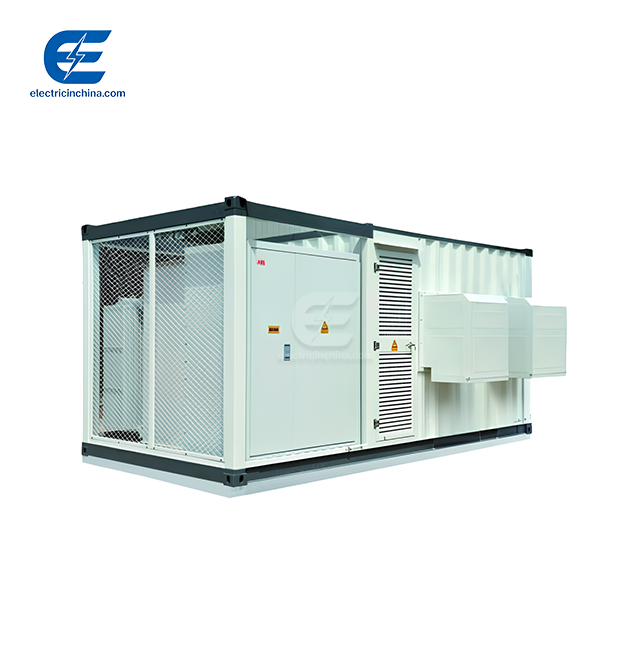
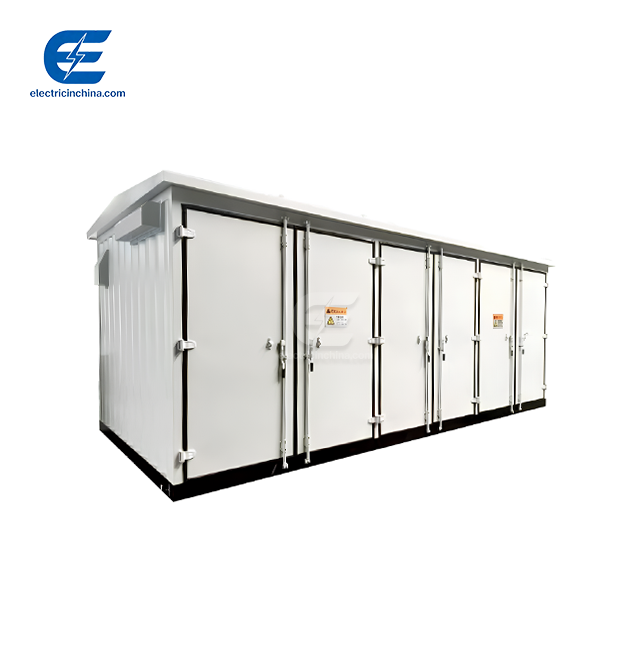
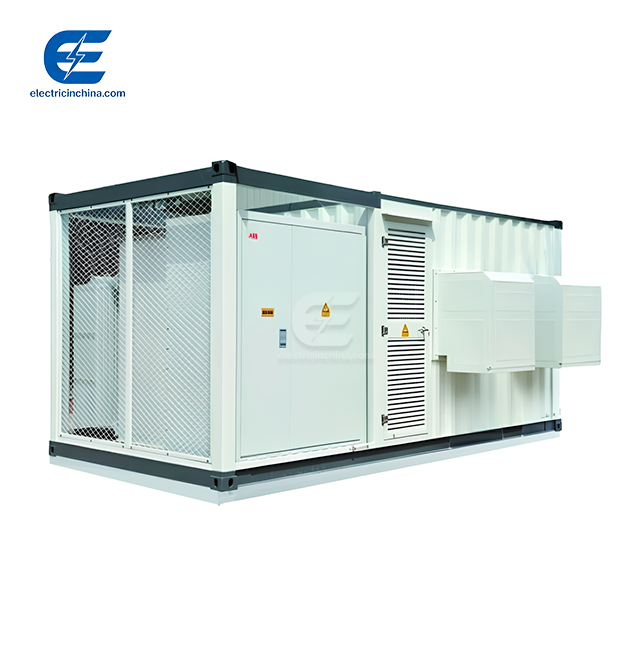
Space limits complicate urban and industrial developments where land is expensive. Standard designs of 6m x 2.5m x 2.9m (20-foot) or 12m x 2.5m x 2.9m (40-foot) provide ample power in small spaces. This efficiency allows installation in situations where typical substations would require too much land. These modular systems support future expansion. Supplemental units can be added to existing infrastructure without major upgrading. This scalability is useful for phased development projects or facilities that will expand over time.
Industries That Widely Use Prefabricated Enclosure Substations
Industrial Manufacturing and Heavy Industry
Power interruptions and unreliable electrical distribution are unacceptable in continuous manufacturing facilities. Automotive assembly industries, chemical processing plants, and steel mills use these tiny substations to support motor loads of 5000 horsepower without costly production delays. We upgraded XCMG Group's production facility's power supply quickly and reliably. The project required equipment with redundant protection and great vibration tolerance. Our prefabricated solution met these requirements and completed commissioning early, enabling the client's production start. Corrosive atmospheres, severe temperatures, and hazardous location classifications make chemical facilities and mining activities difficult. Even in these harsh settings, the sealed enclosure with specific coatings protects delicate electrical components from industrial pollutants that would jeopardize ordinary installations for 20 years.
Commercial Real Estate and Urban Development
Commercial construction rewards solutions that reduce project timeframes and maximize building area. Shopping centers, office buildings, and hospitals need a reliable electrical supply under tight construction timetables and site conditions. Prefabricated substations cut installation time by 70%, from six to twelve months to two to four weeks. Our work on the Xinhuai Central Complex and Huaihai Xintiandi showed how quick deployment matches commercial real estate economics. Early occupancy dates boost rental income and project ROI for developers. The compact footprint saved a ground-level area for revenue-generating purposes rather than utility infrastructure. Data centers are specialized business applications with high reliability needs. These facilities require redundant protection and remote monitoring of electrical distribution systems with 99.9% availability. Our machines use digital protection relays and IEC 61850 communication protocols to see the system's status in real-time and respond to issues quickly
Renewable Energy Integration
Solar and wind farms need reliable electrical infrastructure to feed utility grids. Remote projects with limited building resources and difficult environmental circumstances are common. Transportable via regular logistical infrastructure and self-contained with minimal site preparation, prefabricated solutions solve both constraints. GCL Photovoltaic Industrial Park's power transmission demonstrated the renewable energy application needs. In a large site, multiple substations managed voltage conversions and grid synchronization from distributed solar arrays. Factory testing verified parallel operation before shipment, ensuring installation integration. Weather resilience is crucial for exposed renewable installations. Our cages can endure 150 mph winds and 95% humidity, keeping them operational during storms that would disable weaker equipment. Renewable projects' large capital investments are protected by resilience.
Municipal Infrastructure and Transportation
Equipment for government infrastructure projects must be safe and long-lasting. We finished the Xuzhou Rail Transit Network Control Centre, where dual-circuit power supplies ensured subway reliability. Rail systems cannot tolerate power outages that strand passengers or impair regional transportation. Xuzhou High-speed Railway East Station EPC showed rapid deployment of transportation infrastructure needs. Multiple contractors must cooperate and meet rigorous timetables for significant transit facility construction. Other construction operations could proceed without interruptions because our four-week installation timeframe removed electrical infrastructure from the project's essential path. Prefabricated electrical distribution also benefits airports, ports, and highways. This equipment must fulfill IEEE, IEC, and ANSI standards and provide monitoring capabilities for current infrastructure management systems.
Utility Distribution Networks
Substations are used for grid upgrading, emergency restoration, and load increase response by electric utilities. Smart grid integration supports automated switching and enhanced distribution management, while the standardized design simplifies maintenance compared to various legacy equipment. Temporary installations are a utility application. Utility companies need portable solutions that operate well without permanent installation to serve new projects before infrastructure completion or emergency service during equipment repairs. Containerized systems may be moved as needed, maximizing asset usage. Critical electrical equipment is protected from flooding in flood-prone areas by raised mounting. In difficult marine conditions where traditional substations deteriorate quickly, coastal utilities request corrosion-resistant coatings and materials that tolerate salt spray.
Comparing Prefabricated Enclosure Substations with Traditional and Modular Alternatives
Timeline and Cost Considerations
Outdoor substations require concrete foundations, building structures, cable trenches, and drainage systems. Delays in construction before the installation of electrical equipment can extend project timelines by several months. Weather delays, permitting processes, and civil-electrical contractor coordination complicate project scheduling. Our prefabricated method cuts installation time from six to twelve months to two to four weeks. Since the enclosure is complete, site preparation requires little foundation work. Acceleration yields financial benefits beyond building cost savings. Commercial facilities, manufacturing plants, and utility rate base additions generate cash flow faster. Accelerated commissioning often outweighs 50% labor cost savings, while both boost project economics. Although customizable, modular substations may lack the integration benefits of premade alternatives. Interface responsibilities might cause coordination issues when many manufacturers offer field assembly components. Our integrated manufacturing approach simplifies warranty administration and technical assistance by assigning system performance to one source.
Space Efficiency and Site Flexibility
Compact designs are ideal for urban and industrial sites with limited space. Separate equipment buildings, transformer pads, and clearance zones may require 200–400 square meters for conventional substations. Our basic layouts use 15-30 square meters and provide comparable electrical capacity, decreasing land costs proportionately. Site location is flexible. It is independent and has the ability to connect cables, so it can be set up close to where electricity is needed to lower voltage loss and save on cable costs. Retrofit applications that must address infrastructure or property line constraints benefit from this positional flexibility.
Reliability and Maintenance Accessibility
Factory testing checks system performance before shipment, discovering flaws before installation. Front-loaded quality assurance contrasts with field-assembled systems, where component testing cannot ensure integrated operation until commissioning. Under actual operating conditions, our testing processes verify protection coordination, control circuit functionality, and thermal performance. Long-term operational costs depend on maintenance accessibility. Our enclosure designs ensure safety clearances and arc flash protection while providing easy access to connecting points, protection devices, and monitoring equipment. Maintenance tasks, including transformer oil sample, switchgear inspection, and protection relay testing, go smoothly without disassembly.
Procurement Considerations for Prefabricated Enclosure Substations
Evaluating Supplier Qualifications
Certification proves production and quality system maturity. Our ISO 9001, ISO 14001, and OHSAS 45001 certifications show we meet worldwide quality, environmental, and occupational health requirements. Regular third-party audits validate documented process adherence for these certifications. Customization, flexibility, and problem-solving depend on technical capacity. Our engineering team has 15 senior engineers, 30 intermediate technicians, and 17 senior production technicians. Technical depth allows design adjustments for project-specific requirements such as uncommon voltage combinations, unique protection schemes, and improved environmental ratings. The 18 patents we possess demonstrate industry innovation and technological leadership. Project experience illuminates supplier reliability. After hundreds of municipal, commercial, and industrial projects, we have the application knowledge to provide superior solutions. Previous client references show delivery adherence, technical support responsiveness, and equipment reliability.
Specification Development and Customization
Specifications start with primary voltage, secondary voltage, transformer capacity, short circuit ratings, and protection needs. The specifications must match utility connection standards and facility load characteristics. Our applications engineers help design specifications for infrastructure compatibility and expansion. Environmental circumstances strongly influence equipment choice. Coastal installations need corrosion protection beyond industrial ratings. Arctic applications require cold-weather packages that operate at exceptionally low temperatures. In seismic zones, equipment installation and structural reinforcement must meet local earthquake requirements. We tailor environmental protection elements to site conditions to avoid over-specification and cost overruns. Standard expectations include communication and monitoring. Digital protection relays, remote terminal units, and SCADA communication enable centralized monitoring in modern prefabricated substations. Predictive maintenance methods maximize uptime and optimize maintenance resource allocation by identifying issues before failures.
Delivery Logistics and Installation Support
Customization complexity and production schedules determine lead times. Order confirmation to factory shipment takes 8-12 weeks for standard configurations with common voltage ratings. Customized designs with special features may take 12–16 weeks. Understanding these timelines during project planning eliminates scheduling issues and coordinates construction activities. Domestic transportation and international maritime freight are used to transport containerized substations. Standardized dimensions ease handling and permit acquisition. Shipping to varied global markets has given us familiarity with import regulations in destination countries, customs documentation, and local delivery constraints that may affect site access. Simple commissioning to full turnkey installation help is available. Our extensive installation guides, connection diagrams, and testing procedures enable qualified local contractors to install. Our field service team supervises, commissions, and trains operators on-site for factory-involved projects to ensure system start-up and knowledge transfer.
Installation, Maintenance, and Safety in Industrial Environments
Streamlined Installation Process
Foundation construction, usually a reinforced concrete pad for stability and drainage, begins with site preparation. The entire structural enclosure reduces foundation requirements compared to standard substations. Mounting accepts anchor bolts that match the base frame. Electrical connections include primary cable termination, secondary distribution linkages, and control circuit wiring. Our designs have gland plates for various cable types and diameters. Installation contractors follow labeled and documented connection procedures to ensure phasing and ground continuity. Pre-commissioning checks test connections before power. Planning and cooperation can shorten the installation duration to two to four weeks from operation delivery. Material staging, permit procurement, and utility coordination for primary connection should precede equipment delivery. This planning ensures installation continues without delays due to missing parts or prerequisites.
Preventive Maintenance Strategies
Routine inspections ensure equipment reliability and detect concerns. Environmental seal integrity, ventilation system operation, and control indicator status are visually inspected quarterly. Transformer oil testing, switchgear contact inspection, and protection relay functional testing are annual maintenance. Preventive measures extend equipment life and prevent unexpected failures. Thermal imaging surveys reveal connections and component degradation before failures. High termination point temperatures suggest faults that can be cleaned or tightened during planned outages rather than emergency repairs. Diagnostic information from digital protection relays, along with event recording speeds, helps troubleshoot and reduce outage length. Remote monitoring systems send real-time operating data to central maintenance facilities for condition-based maintenance. Maintenance resources focus on equipment with performance degradation indicators, not time-based inspections. This tailored strategy boosts system reliability and maintenance efficiency.
Safety Compliance and Risk Mitigation
NFPA 70E, IEEE 1584, and local rules necessitate worker protection during operation and maintenance. Interlocked access doors, arc flash labels, and ground grid connections protect personnel in our designs. These features meet regulations and safeguard workers from electrical risks. Fire suppression systems safeguard enclosed electrical equipment. At anomalous temperatures, clean agent suppressant-based automatic extinguishing systems control fires before they cause harm. Unstaffed remote facilities, where fire detection and response may be delayed, benefit from this protection. We contain transformer oil discharges to prevent land and water contamination. In the uncommon case of transformer failure, the enclosure base incorporates oil spill containment, easing environmental compliance and reducing remediation costs. These elements satisfy regulations and show environmental responsibility.
Conclusion
Prefabricated enclosure substations deliver measurable advantages across diverse industry applications—accelerated deployment, space efficiency, factory-tested reliability, and environmental resilience. Organizations pursuing government infrastructure projects, commercial developments, industrial expansions, or utility modernization initiatives gain substantial benefits from these integrated solutions. The combination of comprehensive factory testing, compressed installation timelines, and compact footprints addresses critical procurement priorities: reliability, schedule certainty, and total cost optimization. Selecting qualified manufacturers with proven project experience, robust technical capabilities, and comprehensive support services ensures successful outcomes that meet demanding performance expectations throughout extended service life.
FAQ
How do prefabricated substations improve energy efficiency compared to traditional solutions?
Energy efficiency improvements stem from several design characteristics. Reduced connection resistance through factory-optimized terminations minimizes resistive losses. Modern transformer designs using advanced core materials and winding configurations achieve efficiency ratings exceeding 99%. The compact configuration reduces secondary distribution distances, lowering voltage drop and associated losses. Smart monitoring capabilities enable load optimization and power factor correction that traditional installations may lack.
What are typical lead times for customized prefabricated units?
Standard configurations require eight to twelve weeks from order confirmation through factory shipment. Customized designs incorporating specialized voltage combinations, enhanced environmental protection, or unique dimensional requirements typically extend lead times to twelve to sixteen weeks. Lead times reflect engineering validation, material procurement, manufacturing, and comprehensive factory testing. Early engagement during project planning allows lead time accommodation within construction schedules, preventing project delays from electrical equipment procurement.
Can these systems adapt to harsh environmental conditions?
Environmental adaptation represents a core design strength. Temperature ratings from -40°C to +50°C accommodate extreme climate conditions. Corrosion-resistant coatings and materials extend service life in coastal environments with salt spray exposure. Seismic reinforcement meets requirements for high-risk earthquake zones. Elevated mounting configurations protect equipment in flood-prone regions. Each customization addresses specific site conditions, ensuring reliable operation throughout the equipment's intended service life despite challenging environmental factors.
Partner with a Trusted Prefabricated Enclosure Substation Manufacturer
Tuojie delivers enterprise-grade compact substations backed by over 20 years of manufacturing excellence, serving government projects, commercial developers, and industrial clients worldwide. Our technical team's expertise translates into measurable project advantages: 70% faster installation, comprehensive factory testing ensuring operational readiness, and customized solutions addressing your specific voltage, environmental, and dimensional requirements. With ISO 9001, ISO 14001, and OHSAS 45001 certifications, plus 18 patents demonstrating innovation leadership, we provide the technical strength and quality assurance that demanding projects require.
Contact our engineering team at tuojie@electricinchina.com to discuss your project requirements and receive a detailed technical proposal. We offer comprehensive support from specification development through commissioning, ensuring your power infrastructure investment delivers optimal performance and reliability. Visit electricinchina.com to explore our complete range of electrical distribution solutions and access technical resources supporting informed procurement decisions.
References
1. Institute of Electrical and Electronics Engineers. (2019). IEEE Standard for Prefabricated Substations. IEEE Standards Association Technical Publication Series.
2. Martinez, R., & Thompson, J. (2021). Modular Power Distribution Systems: Design, Installation, and Performance Analysis. Industrial Electrical Engineering Quarterly, 45(3), 127-156.
3. National Electrical Manufacturers Association. (2020). Enclosure Substation Application Guide for Commercial and Industrial Facilities. NEMA Technical Standards Publication.
4. Chen, L., Anderson, M., & Williams, K. (2022). Comparative Life-Cycle Cost Analysis of Prefabricated Versus Traditional Substation Designs. Journal of Power Infrastructure Planning, 38(2), 89-112.
5. International Electrotechnical Commission. (2021). High-Voltage Switchgear and Controlgear: Factory-Assembled Installations. IEC Technical Report 62271-202.
6. Roberts, D., & Kumar, S. (2020). Accelerated Deployment Strategies for Electrical Distribution Infrastructure in Urban Development Projects. Construction Engineering and Management Review, 52(4), 234-267.