

.webp)
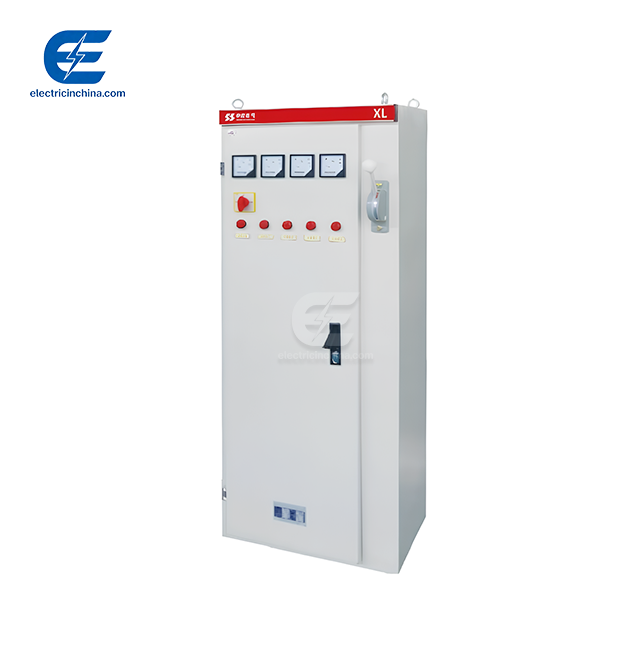
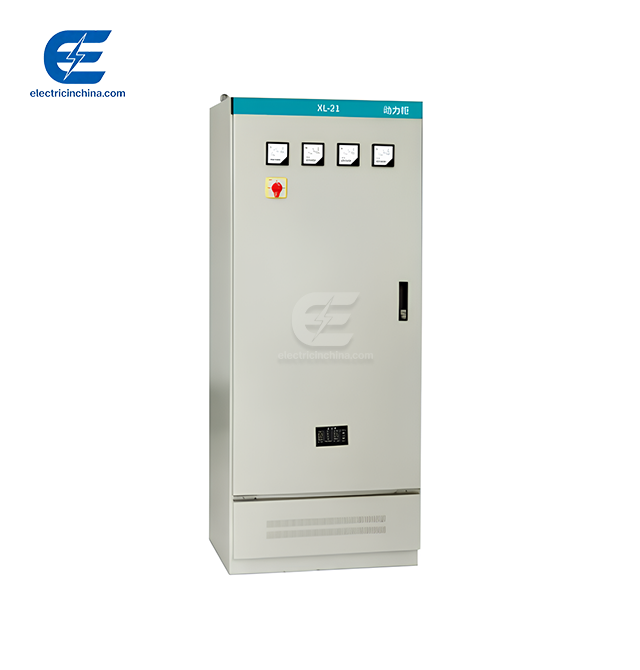
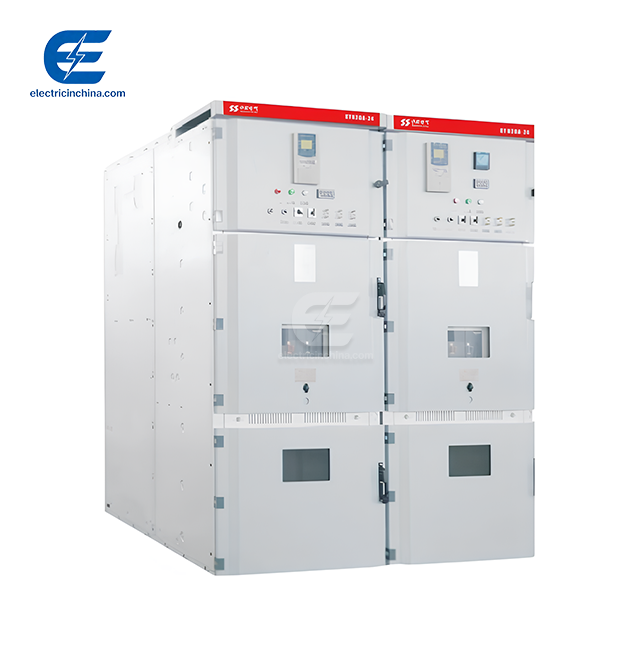
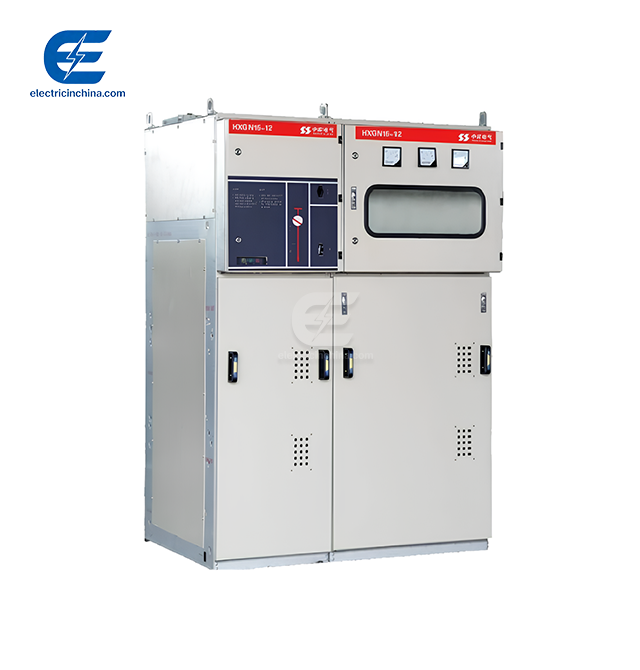
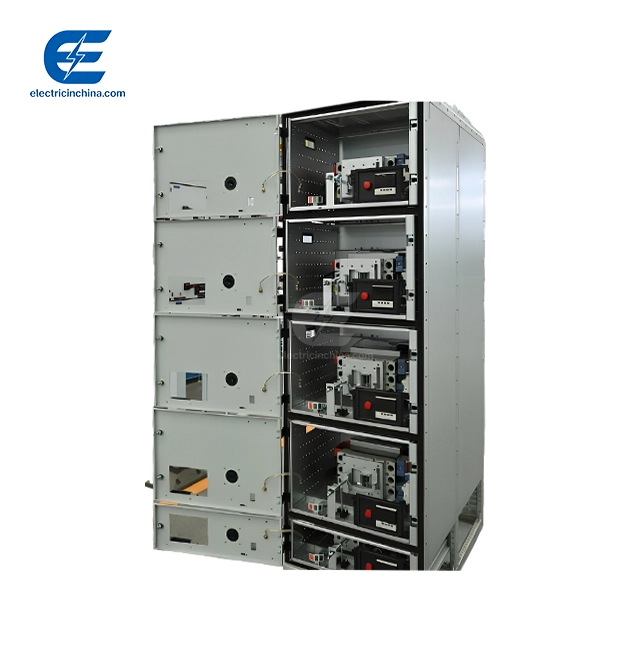
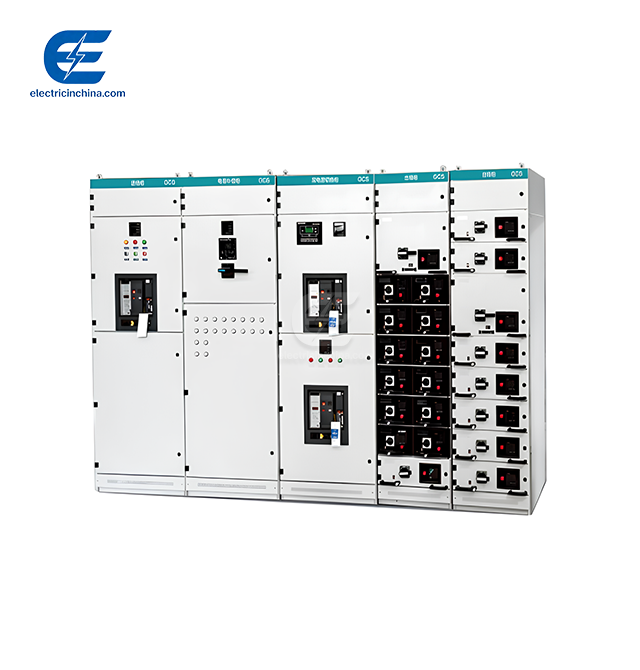
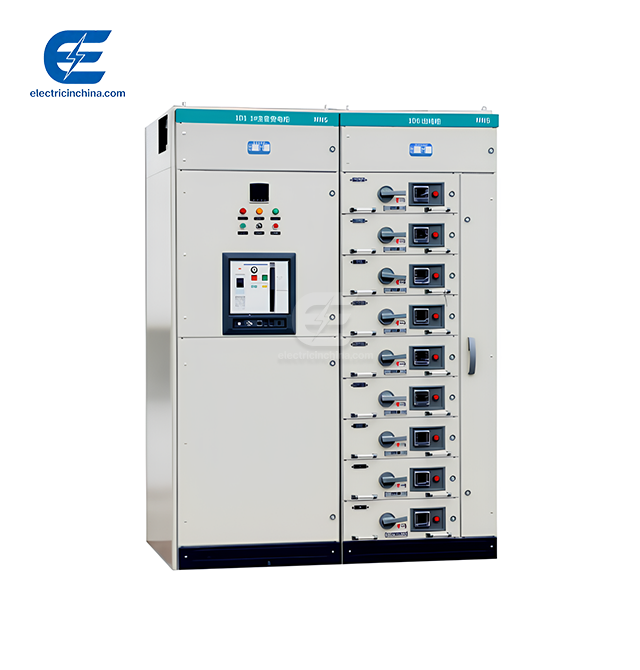
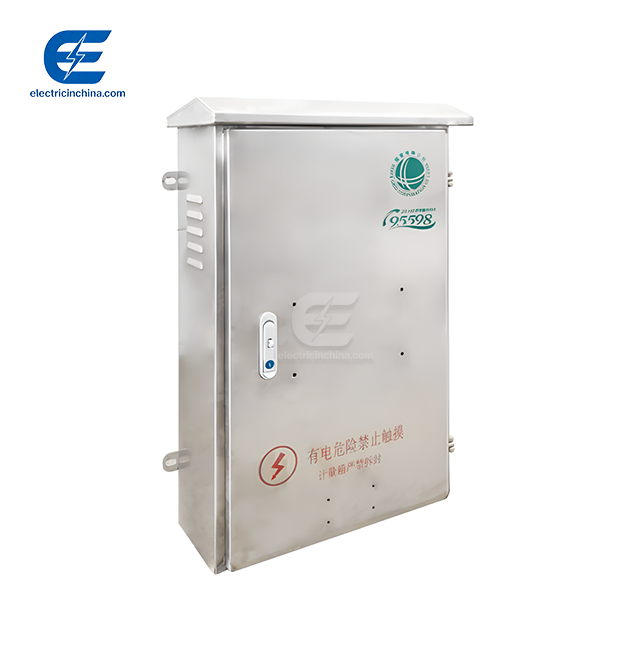
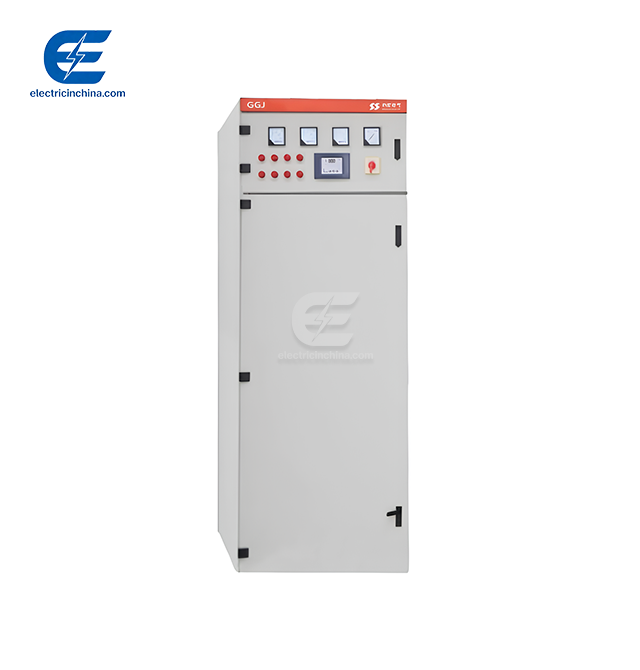
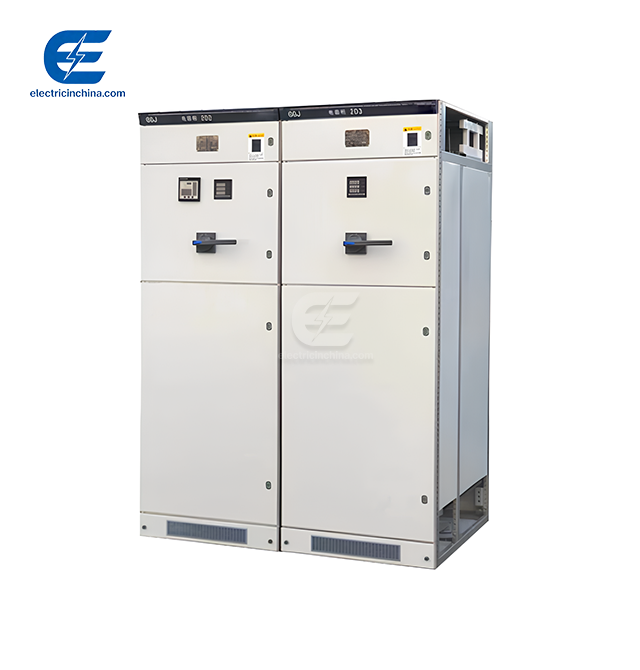
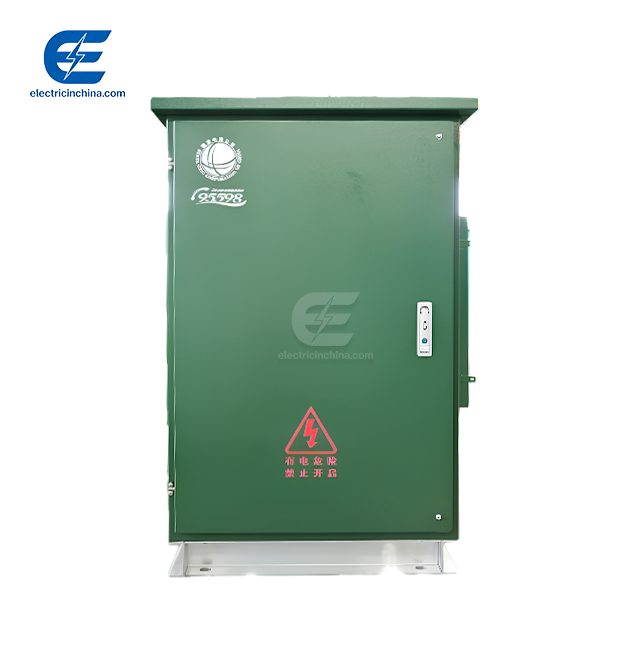
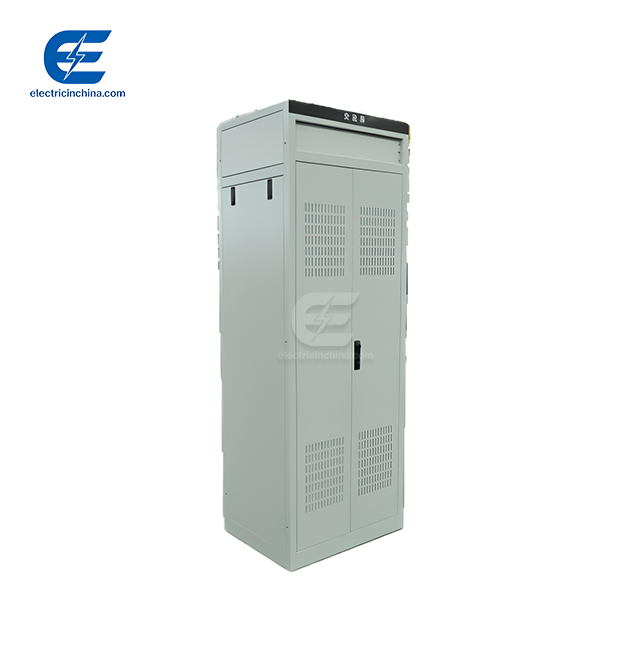
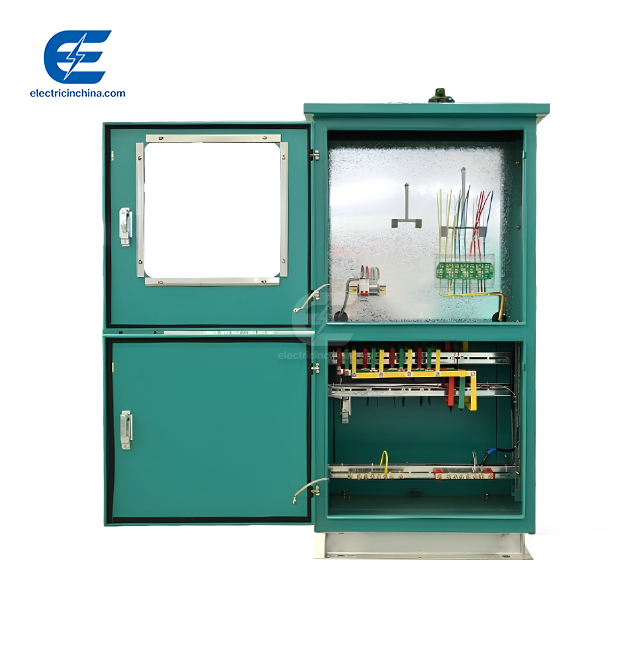
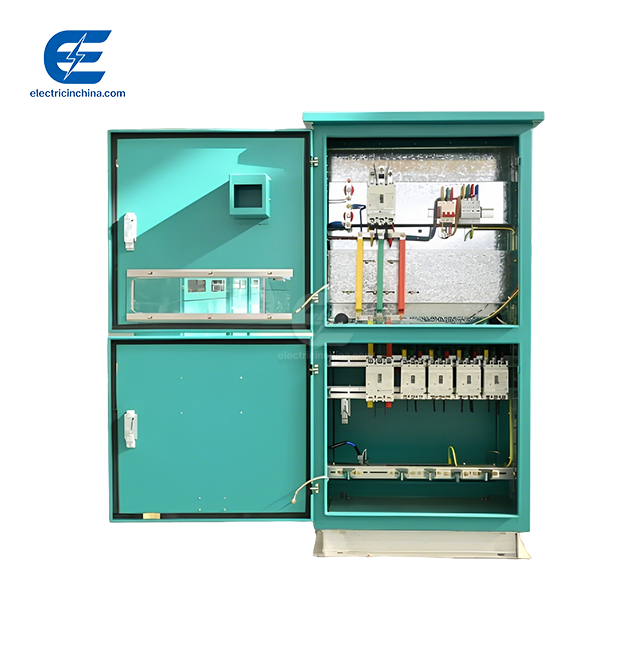
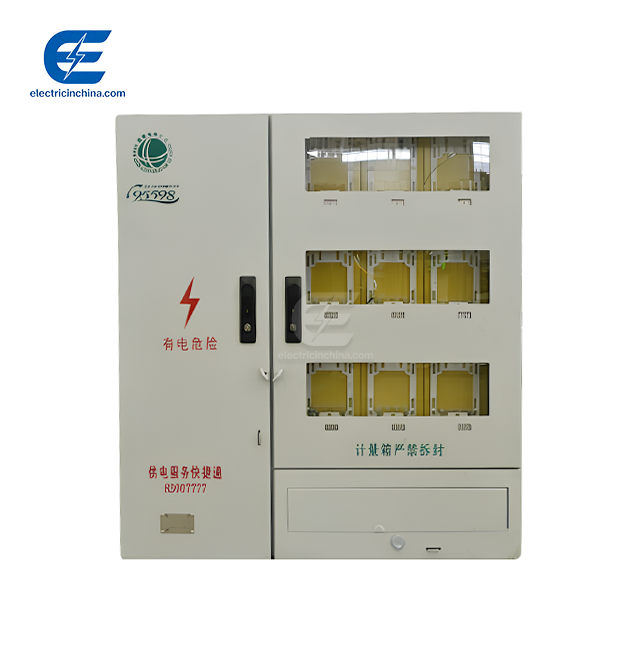
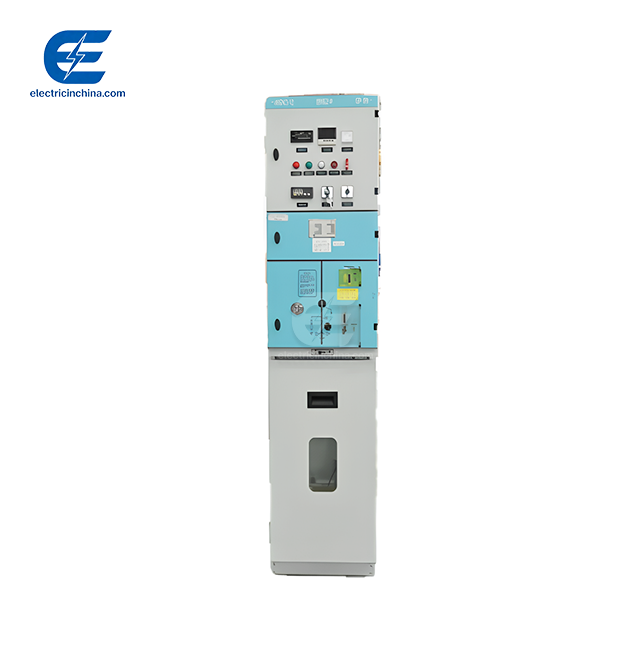
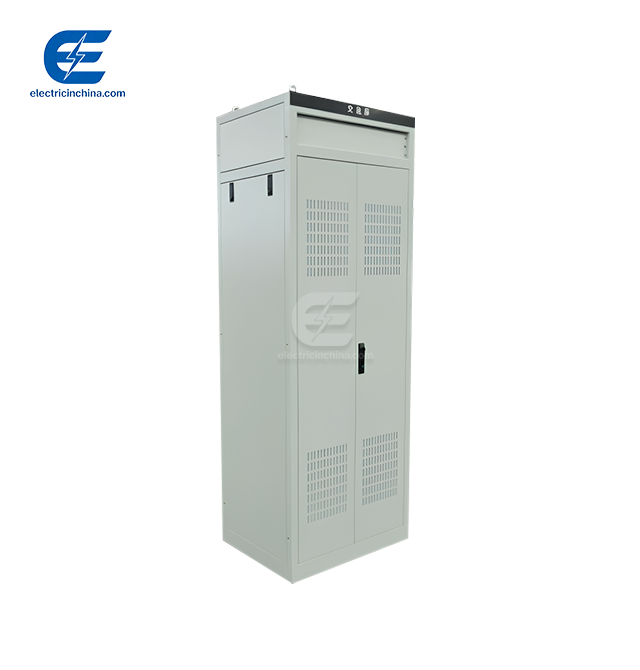
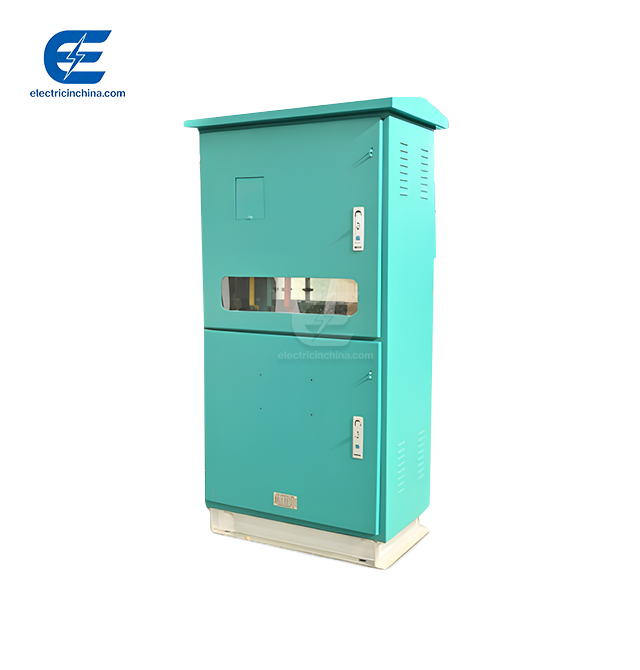
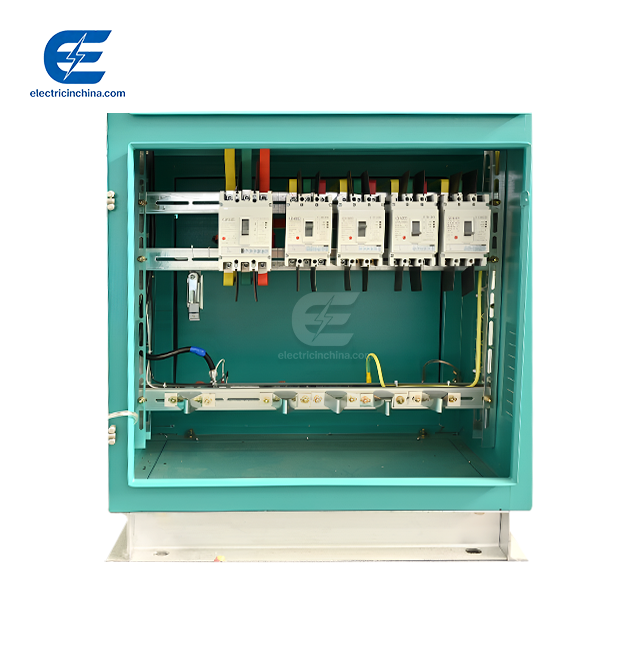
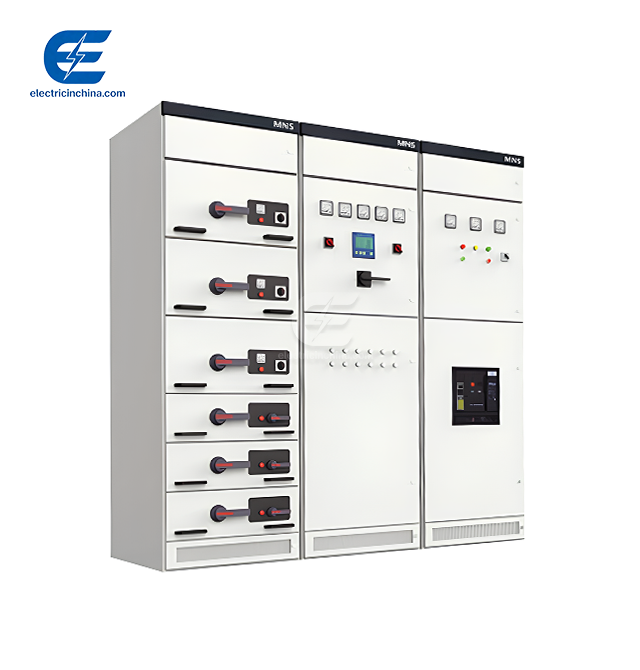
Maintaining medium voltage withdrawable switchgear requires systematic inspection routines, precise mechanical checks, and electrical testing protocols that verify circuit breaker operation, busbar integrity, and compartment insulation. Effective maintenance programs include checking for rust and damage, measuring how well contacts resist electricity, ensuring mechanical locks work correctly, and properly lubricating the racking mechanisms. Certified technicians should conduct these procedures following manufacturer guidelines and safety standards, including lockout/tagout protocols, ensuring reliable power distribution while minimizing unplanned outages in critical industrial and commercial applications.
Understanding Medium Voltage Withdrawable Switchgear Maintenance
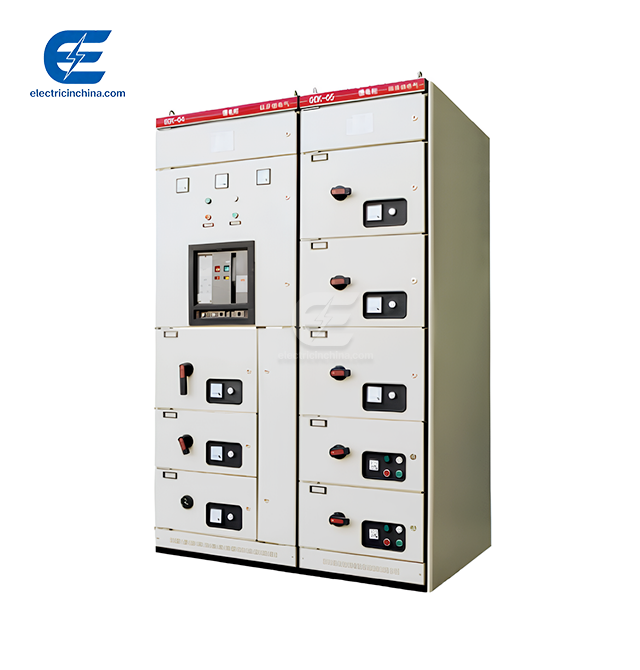
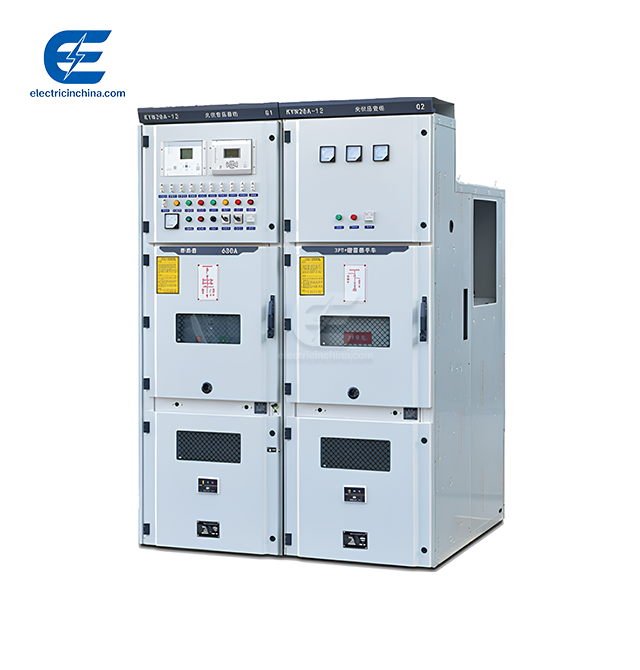
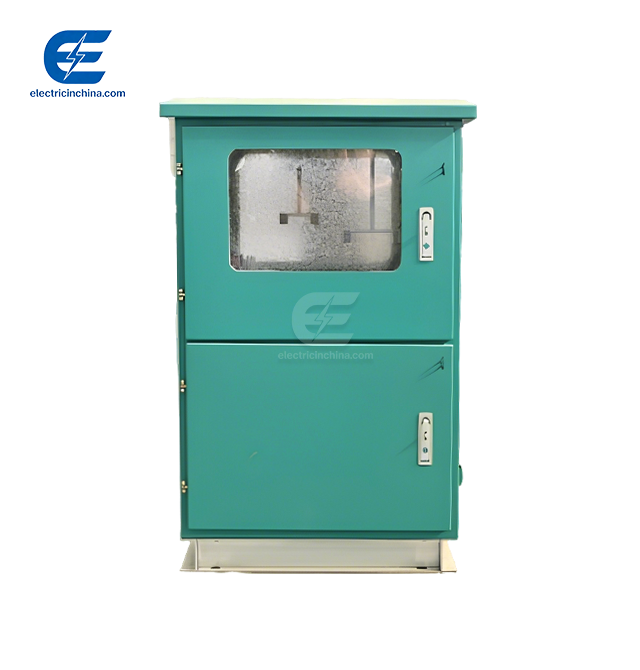
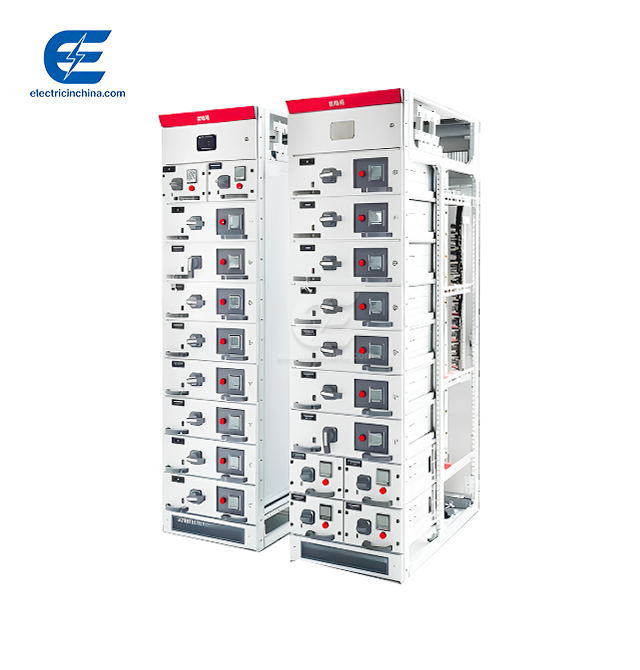
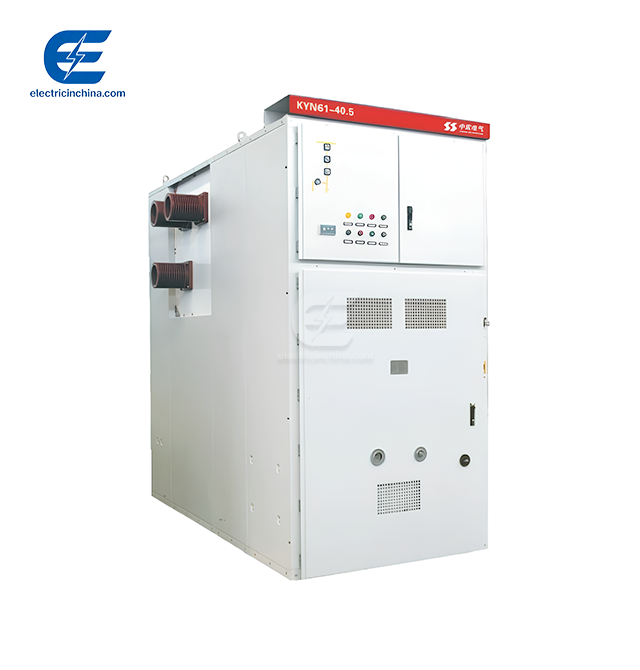
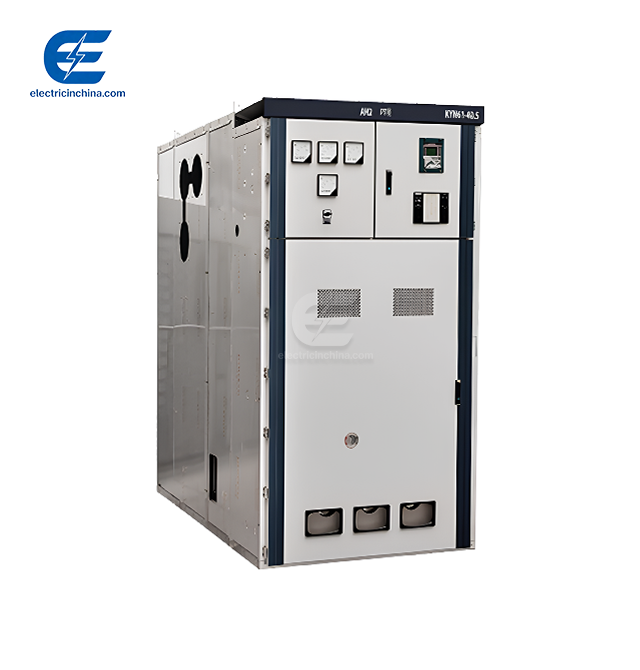
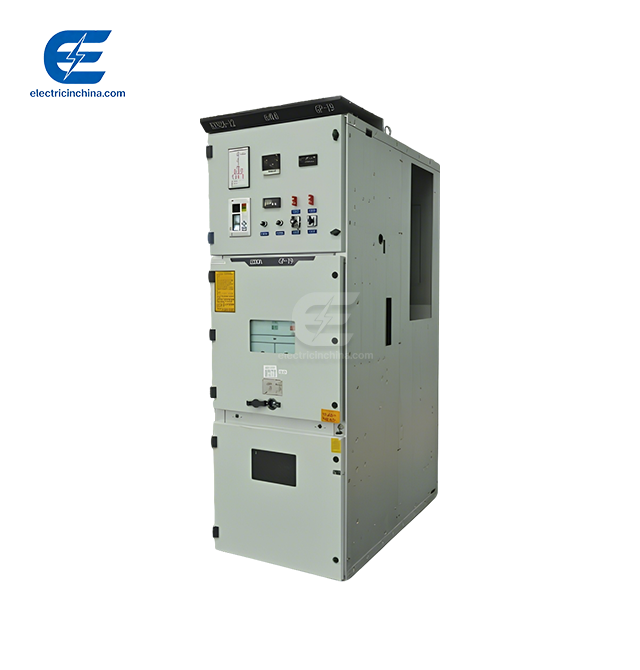
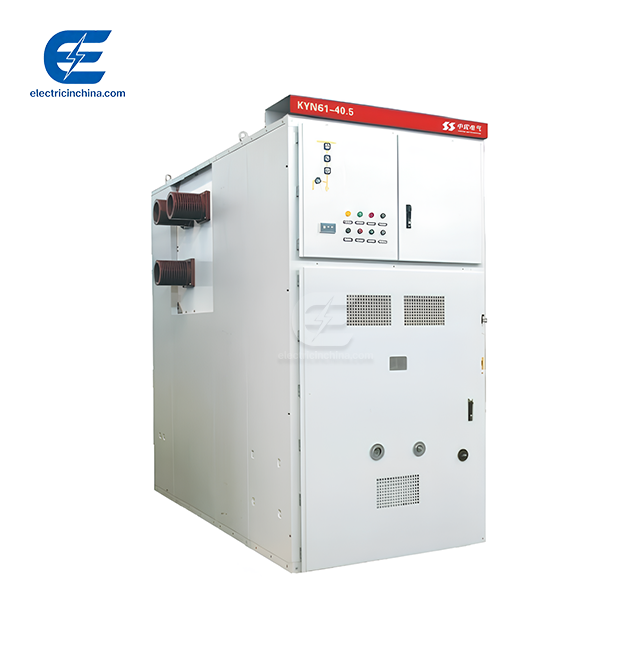
Medium voltage withdrawable switchgear is a key technology in today's electrical distribution systems, especially in places like factories, data centers, and utility substations, where having a reliable power supply is crucial for keeping operations running. The modular architecture smoothly allows individual circuit breaker units to be physically withdrawn from energized busbars using precision racking mechanisms, enabling maintenance activities without complete system shutdowns.
Core Components Requiring Regular Attention
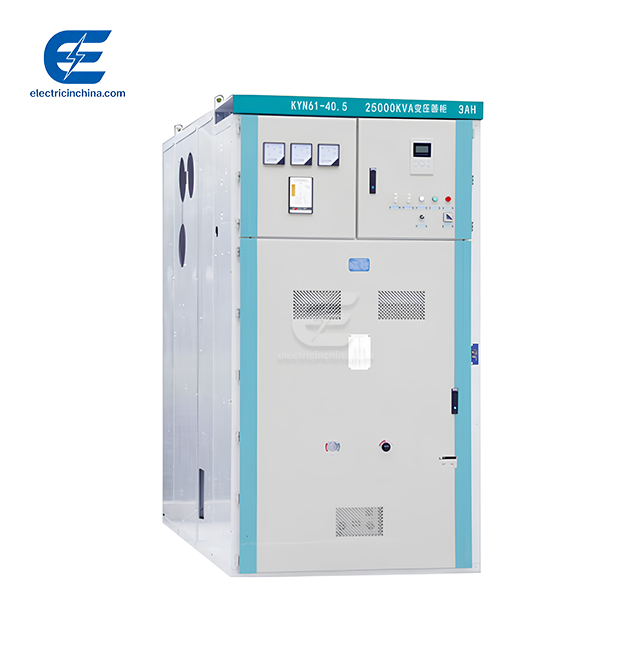
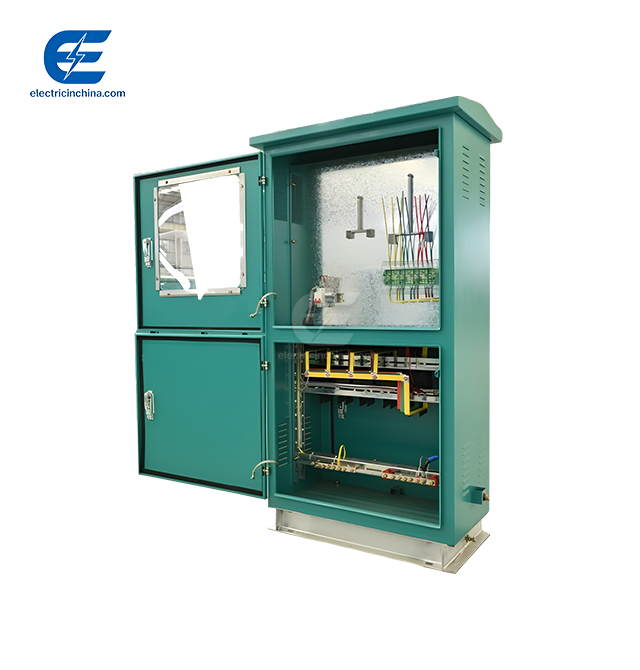
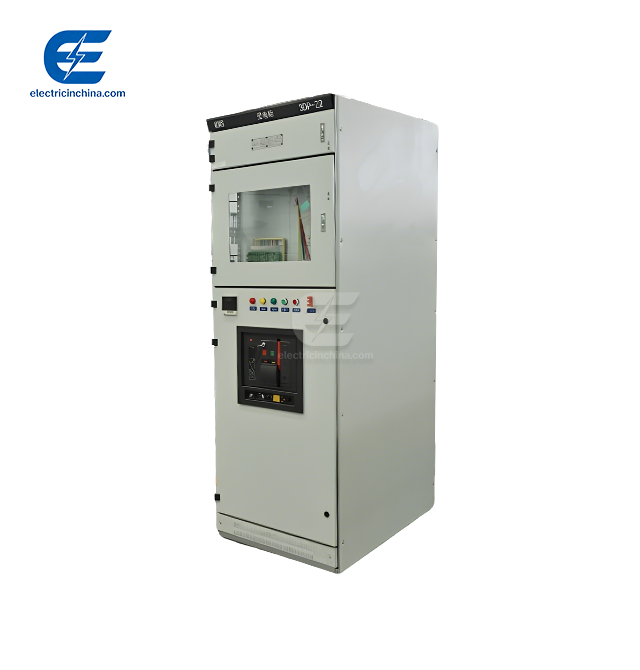
The withdrawable design divides functional parts into separate compartments: the circuit breaker housing, the busbar section, the cable termination area, and the control module enclosure. Each compartment needs its own maintenance methods based on how it works and how it is exposed to the environment. Circuit breaker mechanisms contain moving contacts subject to mechanical wear and electrical erosion during fault interruption. Repeated Central switch cabinet operations, especially when the load is heavy or there is a short circuit, can cause the contacts to wear out. Metal-enclosed compartments housing these components protect against external contaminants while containing potential arc flash incidents, meeting IEC 62271-200 standards for internal arc classification.
Operational Advantages Driving Maintenance Strategy
The withdrawable characteristic alters maintenance expenses compared to fixed switchgear. While parallel circuits supply important loads, our metal-enclosed distribution systems allow component repair during low-demand periods, removing circuit breakers for bench testing. This decreases downtime by 80% compared to typical methods that de-energize sections.
B2B procurement professionals with project expertise in similar applications should select switchgear vendors. We proved design robustness under harsh working situations from -40°C to +55°C ambient temperatures in hundreds of critical infrastructure projects, including the Xuzhou Rail Transit Network Control Center and XCMG Group power supply upgrades.
Common Issues and Causes in Medium Voltage Withdrawable Switchgear
Understanding failure modes enables proactive maintenance planning that extends equipment service life while preventing costly unplanned outages. Analysis of field data from industrial installations reveals recurring issues tied to environmental stressors and operational practices.
Mechanical Wear and Contact Degradation
Withdrawable mechanisms rely on precision-machined rails and alignment guides that position circuit breakers for proper electrical connection with fixed busbars. Repeated insertion and withdrawal cycles introduce microscopic wear to these surfaces, eventually causing misalignment that prevents complete engagement. Contact surfaces carrying continuous currents up to 4000 A experience thermal cycling that accelerates oxidation, increasing contact resistance and generating localized hotspots. Dust accumulation in industrial environments compounds these problems, particularly in facilities handling cement, grain, or chemical powders. Particulate infiltration past enclosure seals deposits conductive or insulating layers on critical surfaces, disrupting electrical performance. Moisture ingress through compromised gaskets creates corrosion on copper and aluminum components, especially in coastal installations or facilities with high humidity levels approaching 95% non-condensing conditions.
Insulation System Deterioration
Thermal stress, voltage transients, and environmental exposure degrade dielectric materials isolating energized conductors from grounded enclosures. Modern epoxy resin insulating methods outperform porcelain, although tracking routes and partial discharge activity indicate failure.
Mishandling during medium voltage withdrawable switchgear maintenance adds risks sometimes missed in training. Forced operations by technicians inexperienced with mechanical interlock sequences may harm safety mechanisms that prevent unsafe breaker positioning. Insufficient torque during cable termination causes loose connections that generate heat, which could ignite insulation or cause catastrophic failures.
Technical skill gaps worry buying managers who choose long-term suppliers. Facility teams can reduce operator-induced failures with comprehensive training and maintenance documentation from manufacturers. Our 15 senior engineers and 30 intermediate technicians provide technical advice and hands-on training for individual installations.
Step-by-Step Maintenance Procedures and Best Practices
Systematic maintenance protocols form the foundation of reliable switchgear operation. The following procedures integrate industry best practices refined through decades of field experience across diverse applications.
Visual Inspection and Cleaning Protocols
Quarterly visual checks detect problems before they become emergencies. Technicians should inspect enclosures for corrosion, dents, and paint damage that threatens environmental protection. Check gasket seals surrounding doors and detachable panels for moisture infiltration, compression set, or cracking.
To inspect internally, isolate, and verify with voltage-rated test equipment. Check busbar connections for discoloration, which indicates overheating from loose hardware or low contact pressure. Damaged compartment barriers may compromise arc containment. Our IEEE C37.20.2-compliant segmented design separates functioning regions for inspection safety.
Cleaning must not introduce pollutants that deteriorate insulation. Dry compressed air or vacuums remove dust from internal surfaces; avoid moisture-based cleaners on electrical components. Clean control panel interfaces and position indications gently with certified electronic contact cleansers that evaporate without residue.
Mechanical and Electrical Testing Requirements
Racking mechanisms for circuit breakers must be tested for smooth connect, test, and disconnect motion. Racking force should be measured against manufacturer standards to detect mechanical binding. Check that the mechanical interlocks preventing harmful operations are engaged properly at each location. Contact resistance testing quantifies electrical connection quality between withdrawable contacts and fixed busbar stabs. Micro-ohmmeter values should be below 100 microhms for rated current usage. Values beyond manufacturer limitations indicate cleaning or replacement. This testing is useful for spotting issues before service outages.
High-voltage megatron insulation resistance testing checks dielectric integrity between phases and phase conductors to ground. Under 1000 megohms at rated voltage indicates contamination or moisture that needs correction. These tests should be done safely with isolated and grounded equipment.
Lubrication and Component Replacement
Racking mechanism bearings and sliding surfaces need periodic lubrication using electrically suitable manufacturer-specified materials. Petroleum-based greases attract dust and deteriorate at high temperatures near electrified equipment. Lubricate moving parts carefully to avoid contaminating electrical contacts or insulation. Replace worn parts instead of field repairs that compromise safety or reliability. We reduce machine downtime during planned maintenance with our large spare parts inventory and fast delivery. OEM parts avoid aftermarket issues by matching design requirements and compatibility. NFPA 70E and OSHA require certain PPE and work practices during maintenance. Before entering electrified compartments, lock out/tag out all energy sources. With precise incident energy analysis, arc-rated protective gear protects against arc flash risks.
Advanced Maintenance Strategies for Optimized Performance
Leading organizations transition from reactive maintenance approaches toward predictive strategies, leveraging modern diagnostic technologies. These advanced methods reduce the total cost of ownership while improving reliability metrics critical for competitive operations.
Predictive Maintenance Technologies
Thermal imaging scans reveal hidden issues by detecting higher temperatures. Infrared cameras detect connection point hotspots, overloaded circuits, and defective components before outages. Quarterly thermal scans during peak load times enable trend analysis to predict service life. Critical switchgear partial discharge monitoring devices detect corona activity, indicating insulation degradation. These sensors detect issues months or years before conventional testing, allowing timed interventions to prevent catastrophic failures. Integration with facility monitoring systems allows continuous equipment health monitoring. Motor-operated mechanisms and vacuum circuit breaker actuators show bearing wear and mechanical misalignment through vibration analysis. Accelerometer sensors on operating mechanisms collect frequency domain data to identify component issues. Remote equipment, where manual checks are impractical, benefits from this method.
Strategic Maintenance Partnerships
Comprehensive maintenance contracts with competent service providers assure consistent process execution utilizing calibrated test equipment and genuine replacement parts. These agreements are especially useful for facilities without in-house knowledge or limited resources to implement maintenance programs. Our technical support staff customizes maintenance planning for operational and regulatory compliance. We understand the specific issues of diverse customer segments after 20 years of industry experience and successful project completions in government infrastructure, commercial developments, and industrial manufacturing. Field service engineers with metal-clad switchgear training can respond quickly to emergencies and support regular maintenance. ISO 9001, ISO 14001, and OHSAS 45001-certified quality management ensure consistent service delivery that meets international best practices.
Troubleshooting and Repair Tips
Effective troubleshooting minimizes disruption when operational problems occur, requiring systematic diagnostic approaches and clear decision frameworks for repair-versus-replace determinations.
Common Operational Problems
Misalignment, debris, or mechanical component failure causes the withdrawable unit to jam during racking operations. Before racking, verify circuit breaker position and alignment pins with guide rails. Verify racking mechanism linkages for bent parts or damaged springs that impede functioning. Never force-jam equipment—it may cause serious damage. Non-essential tripping or failure to close electrical faults are usually control circuit concerns. Fusing integrity and control voltage for the power supply should be checked before examining complex issues. Please check the wiring connections and auxiliary contact functionality for any loose terminals or broken wires. Troubleshooting is easier with our visual position indicators and mechanical interlock systems, which show the breaker's state and prevent harmful operations.
Upgrade and Replacement Considerations
Modern medium voltage withdrawable switchgear outperforms outdated systems nearing retirement. Our designs protect individuals with arc fault containment up to 50kA, exceeding earlier regulations. Enhanced insulation and contact designs that extend maintenance intervals reduce lifecycle costs. Cost-benefit analysis should weigh averted downtime against improved equipment expenditure. Replacing whole switchgear lineups with new designs can yield excellent returns for facilities with frequent unplanned outages or costly maintenance of aging equipment. Our engineers conduct feasibility studies to inform procurement decisions by assessing technical and economic variables. Phased upgrades with modular replacement schemes minimize disturbance to operations. As budget allows, withdrawable designs allow circuit-by-circuit replacement while retaining system availability. This technique appeals to EPC contractors operating complicated projects with tight deadlines and budgets.
Conclusion
Comprehensive maintenance programs incorporating systematic inspections, predictive technologies, and strategic supplier partnerships ensure reliable performance from metal-enclosed switchgear systems serving critical infrastructure. Understanding common failure modes and implementing proactive maintenance procedures minimizes unplanned outages while extending equipment service life. Advanced diagnostic tools enable condition-based strategies, optimizing maintenance timing and resource allocation. Qualified technical support and genuine replacement parts from experienced manufacturers prove essential for facilities demanding maximum uptime and safety compliance. Our proven track record across hundreds of successful installations demonstrates a commitment to delivering reliable power distribution solutions meeting the most demanding operational requirements.
FAQ
How Often Should Maintenance Be Performed?
Maintenance intervals depend heavily on the operating environment and load characteristics. Standard industrial environments with controlled temperature and cleanliness require comprehensive inspections annually, with quarterly thermal scans and monthly visual checks of accessible components. Harsh environments—chemical plants, coastal installations, or facilities with significant airborne contaminants—benefit from semi-annual detailed inspections. High-reliability applications, including hospitals and data centers, often implement quarterly inspections supplemented by continuous monitoring systems that track equipment health in real-time.
Can Maintenance Occur Without System Shutdown?
The withdrawable design specifically enables maintenance on individual circuits while busbars remain energized, provided proper safety procedures isolate the specific circuit breaker being serviced. Complete compartmentalization and automatic shuttering systems protect against accidental contact with energized parts during breaker withdrawal. Comprehensive system-level maintenance requiring busbar access necessitates complete de-energization following lockout/tagout protocols. Facilities requiring continuous operation should incorporate redundant circuits enabling load transfer during maintenance windows.
What Safety Features Require Verification?
Mechanical interlocks preventing unsafe breaker positioning require operational testing confirming they engage properly at each position. Verify door interlocks prevent access to energized compartments until equipment reaches the safe, disconnected position. Check grounding mechanisms engage automatically when doors open, protecting personnel from stored charge. Inspect arc containment barriers for integrity, ensuring they contain internal arc faults up to rated levels, critical for personnel protection during fault conditions.
Partner With Tuojie for Comprehensive Switchgear Solutions
Tuojie stands ready as your trusted medium voltage withdrawable switchgear supplier, bringing over two decades of expertise in power distribution systems serving government infrastructure, commercial developments, and industrial facilities. Our metal-enclosed switchgear designs, rated from 3kV to 36kV with currents up to 4000A, deliver unmatched operational continuity backed by ISO 9001, ISO 14001, and OHSAS 45001 certifications. With 18 patents and more than 120 sets of advanced production equipment, we manufacture customized solutions meeting the most stringent international standards, including IEC 62271-200 and IEEE C37.20.2. Contact our technical team at tuojie@electricinchina.com to discuss your specific project requirements and discover how our comprehensive maintenance support, genuine spare parts availability, and rapid delivery capabilities minimize your total cost of ownership while maximizing system reliability.
References
1. IEEE Standards Association. "IEEE Standard for Metal-Clad Switchgear: C37.20.2-2015. "Institute of Electrical and Electronics Engineers, 2015.
2. International Electrotechnical Commission. "High-Voltage Switchgear and Controlgear: IEC 62271-200 Edition" 2.1." IEC Publications, 2011.
3. Stone, G.C., Boulter, E.A., Culbert, I., and Dhirani, H. "Electrical Insulation for Rotating Machines: Design, Evaluation, Aging, Testing, and Repair." IEEE Press Series on Power Engineering, Second Edition, 2014.
4. National Fire Protection Association. "Standard for Electrical Safety in the Workplace: NFPA 70E-2021." NFPA Publications, 2021.
5. Garzon, R.D. "High Voltage Circuit Breakers: Design and Applications." Marcel Dekker Inc., Second Revised Edition, 2002.
6. Mobley, R.K. "Maintenance Engineering Handbook." McGraw-Hill Professional, Eighth Edition, 2014.