

.webp)
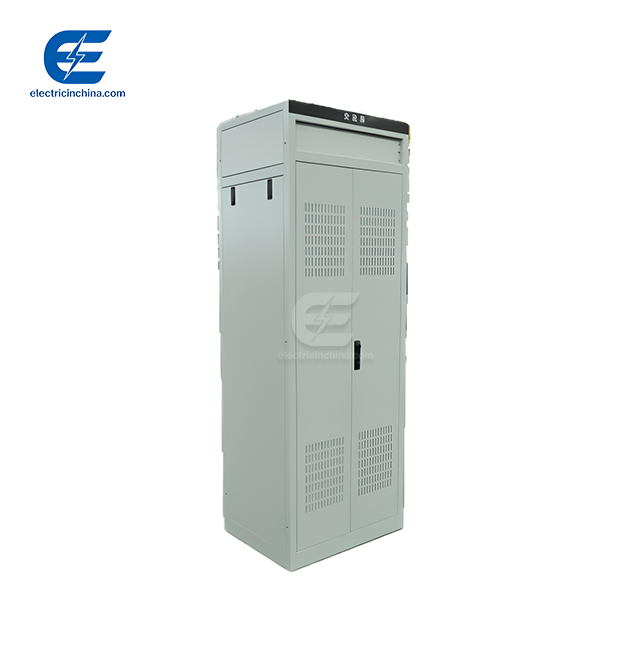
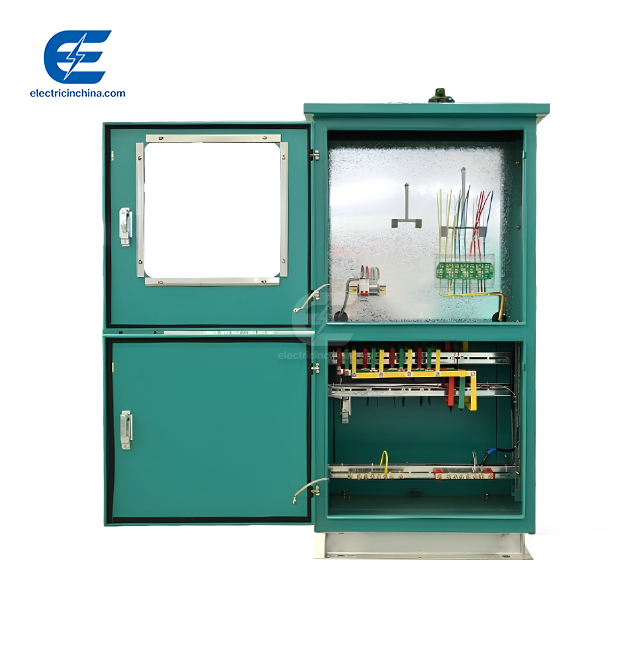
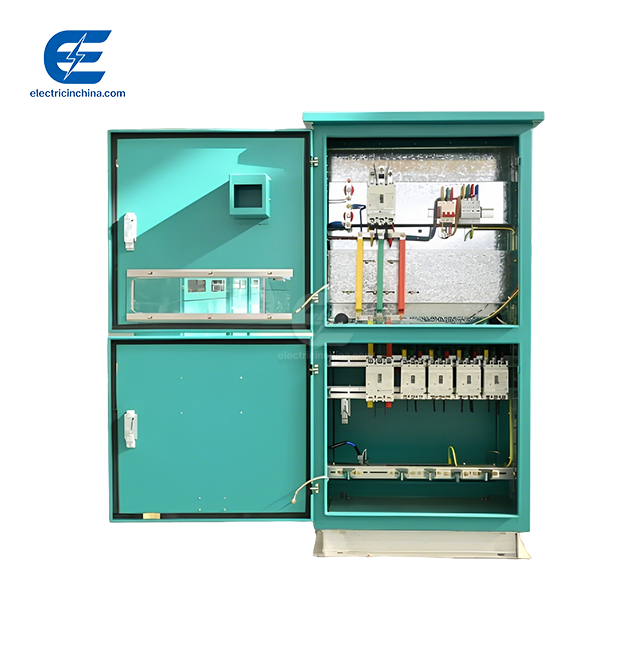
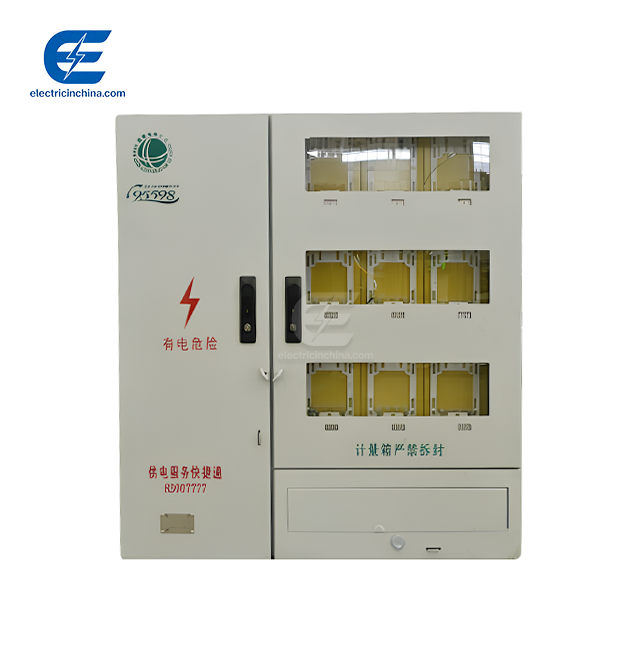
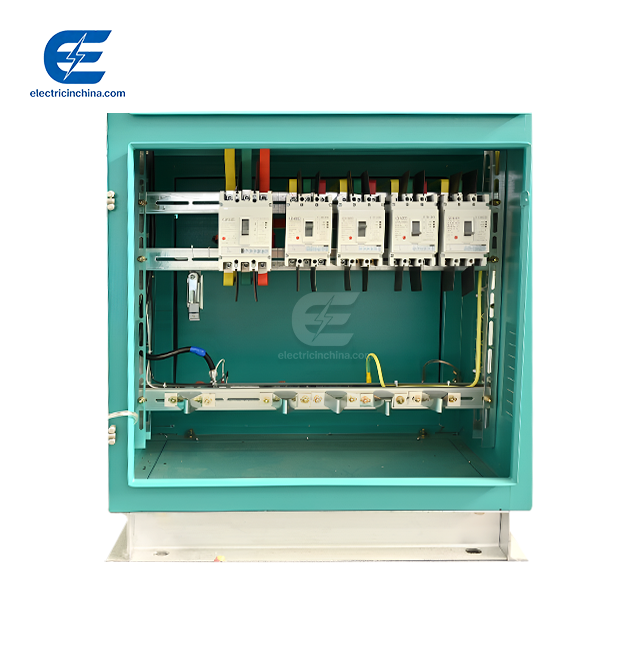
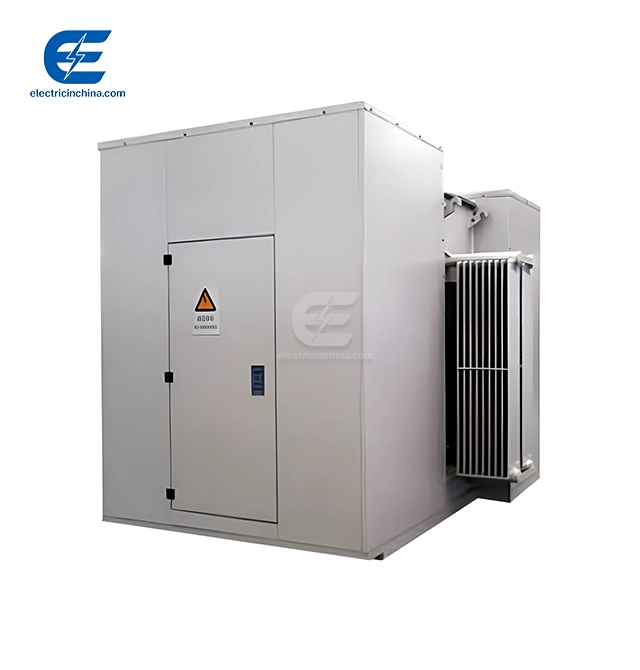
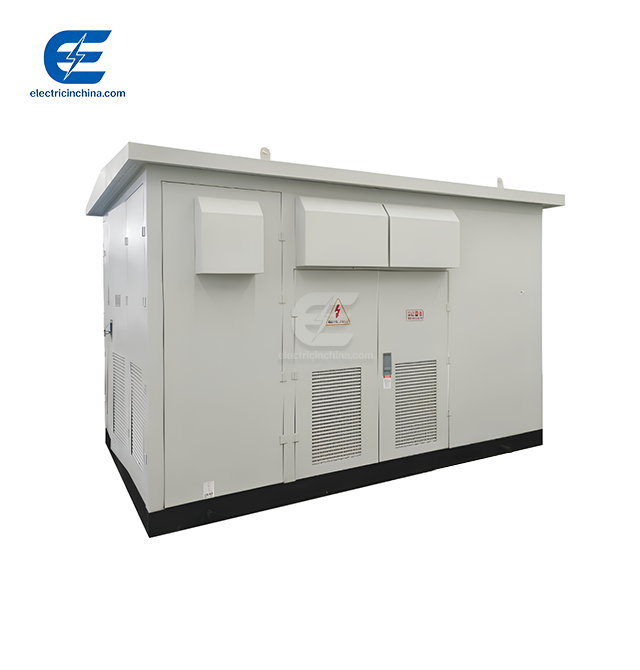
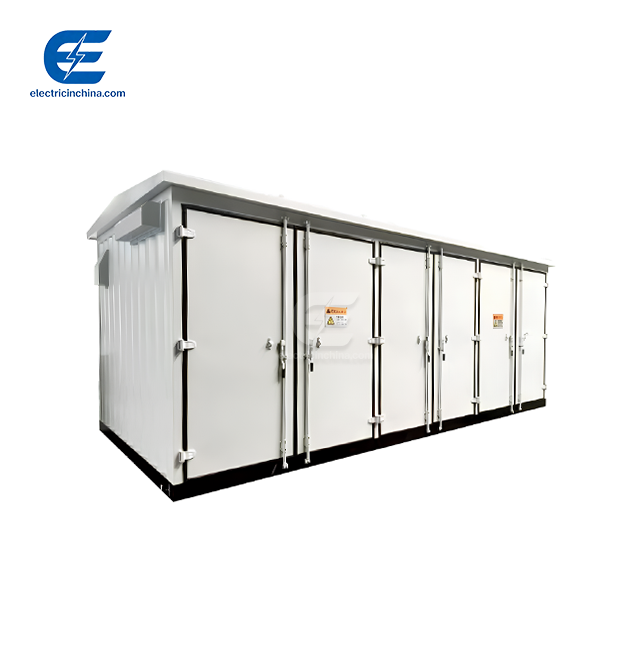
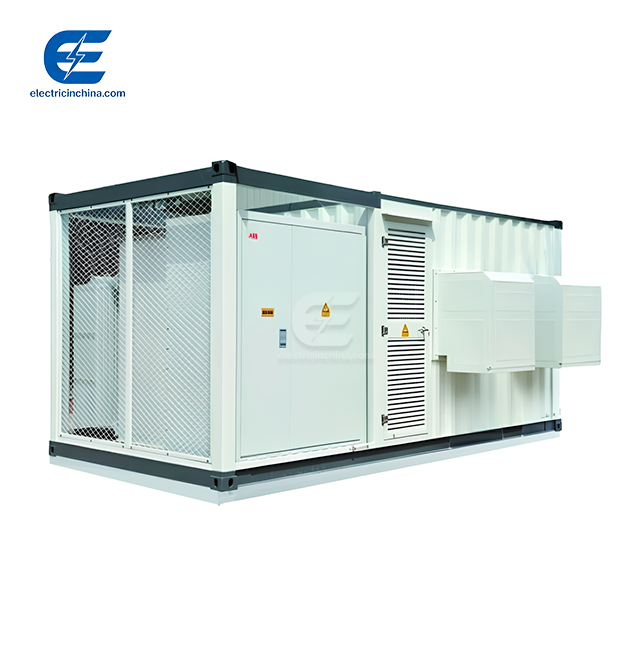
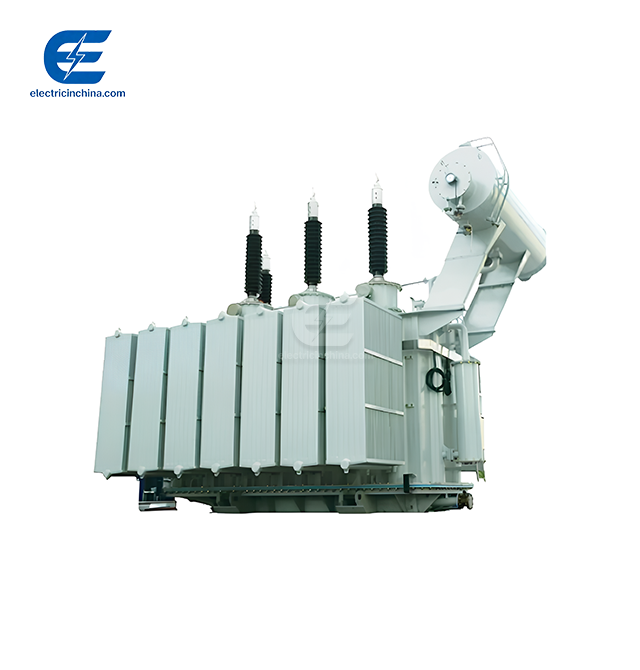
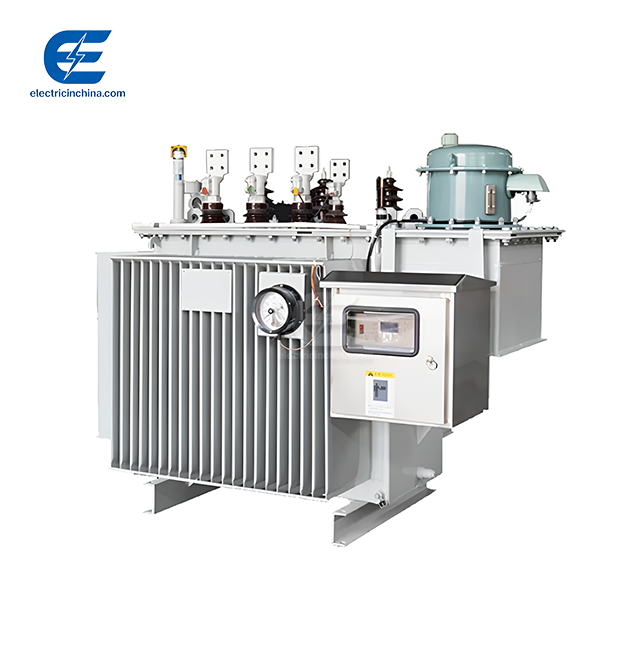
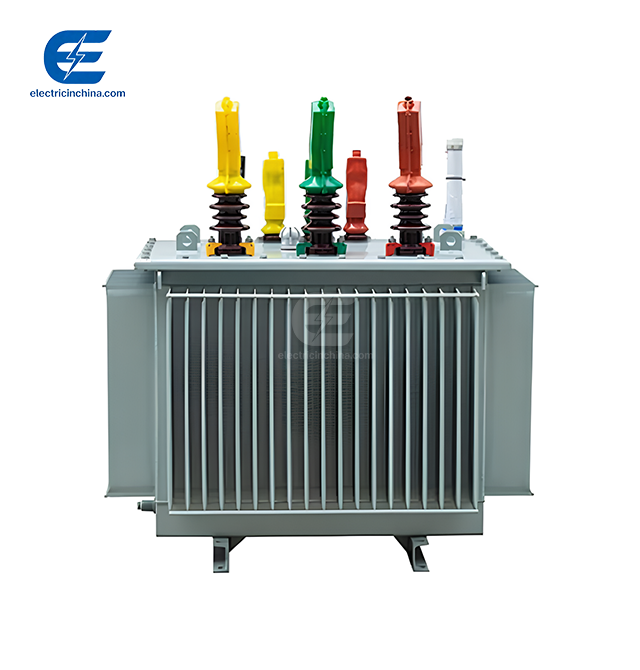
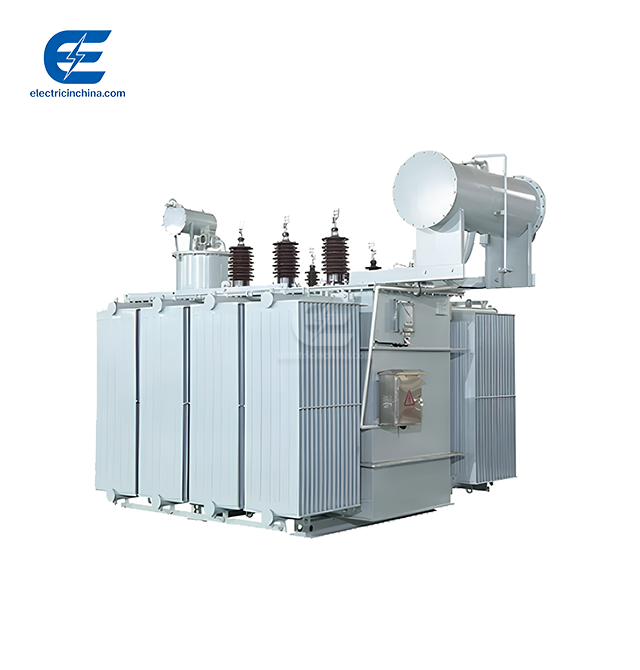
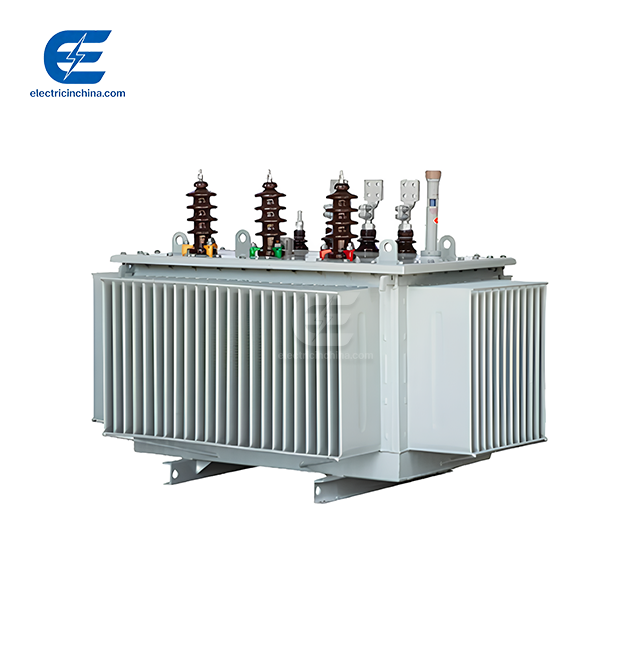
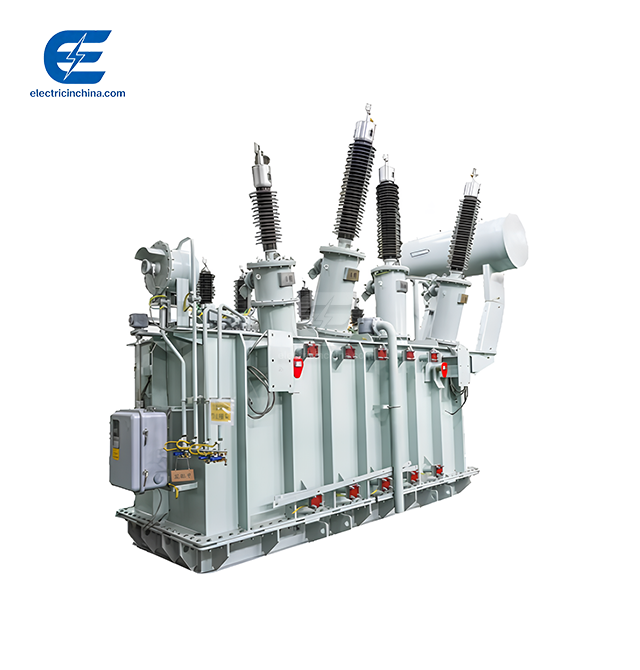
Power machinery that is always reliable and keeps operational costs low is needed in industrial sites. High efficiency oil immersed transformers are state-of-the-art devices created to satisfy these competing needs. The effectiveness of these improved power distribution units is between 98.5% and 99.7%, which means they lose 40–60% less energy than regular units. Because they are well-built and keep heat in better, they are the best choice for factories, building projects, and business developments where power outages have a direct effect on profits and productivity.
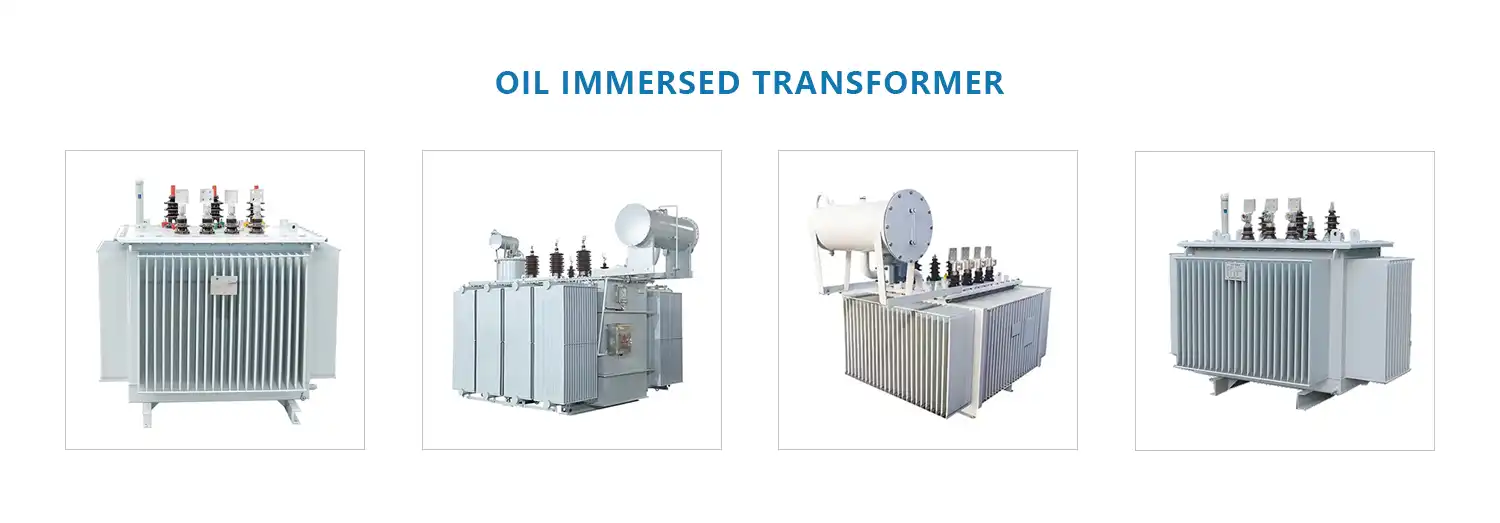
Understanding High Efficiency Oil Immersed Transformers
Core Technology and Design Principles
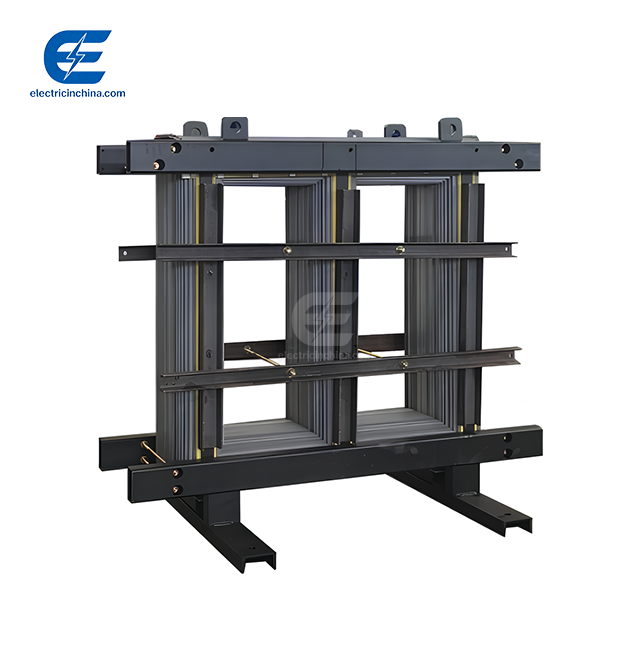
Grain-oriented electrical steel (GOES) cores and improved insulating fluids are used in modern oil-immersed power transformers to get the best energy exchange results. Precision-engineered laminations that match magnetic domains efficiently keep eddy current losses to a minimum in the transformer core construction. This design cuts down on no-load losses to 0.8–1.2%, which is a lot less than the 2–3% that are common in normal units.
The shielding oil does more than just keep electricity from flowing. As a heat transfer medium, it takes in thermal energy that is made during operation and sends it away through natural airflow or forced cooling systems. These S13–S22 series transformers keep energy losses below 1.5%. They are backed by 18 patents for new transformer ideas that were created by our team of 15 senior engineers and over 30 intermediate techs.
Insulating Oil Types and Performance Characteristics
There are three main types of oil used in industrial transformers. Mineral oil is still the standard choice because it has been shown to have good thermal qualities and a dielectric strength above 70kV. Synthetic ester fluids are better at breaking down naturally and fighting fires, so they can be used in places with a lot of people or that need to be careful with the environment. Natural ester oils that come from plants are the most compatible with the climate and still work just as well electrically.
IEC 60422 guidelines are used to carefully check the quality of each type of oil. Some of the things that are checked are the electrical strength, the amount of moisture (below 10ppm for best performance), and the acidity (below 0.01mgKOH/g). These standards make sure that the insulation stays in good shape over time and that, with proper upkeep, the transformer can work for more than 35 years.
Cooling System Architecture
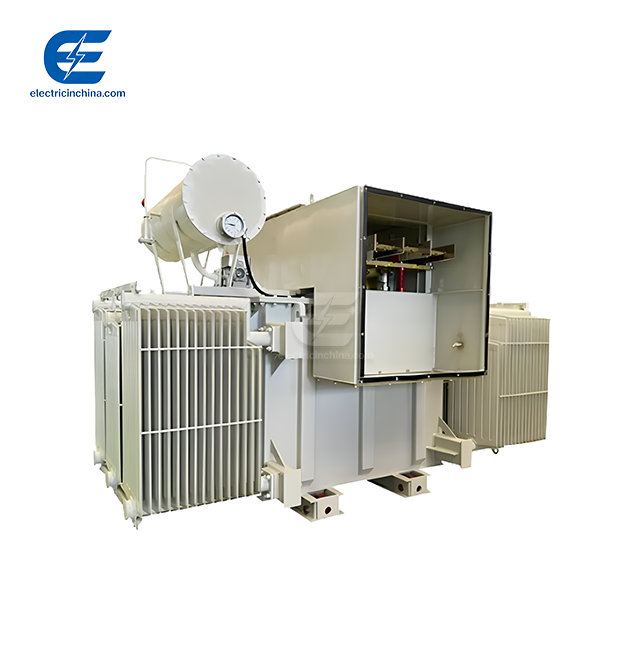
The way a transformer cools itself changes depending on the load and the weather. ONAN (Oil Natural Air Natural) systems use passive convection to run at base load, so they don't need any extra power to keep the right temperatures. ONAF (Oil Natural Air Forced) designs use fans to help cool down so they can handle high loads of up to 140% of their maximum capacity during emergencies.
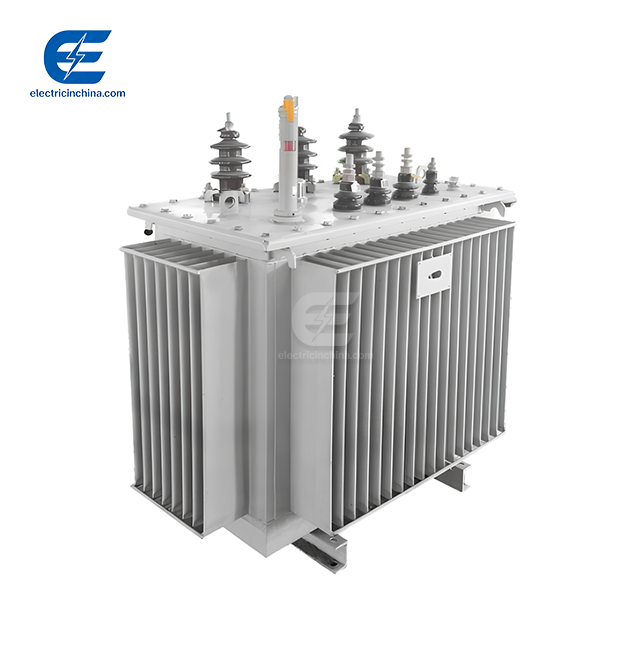
Modern cooling technologies keep things running smoothly in temperatures ranging from -40°C to +50°C. The curved radiator design makes the most of the surface area to get rid of heat while keeping the size of the radiator as small as possible. Temperature rise limits stay below 65K for windings and 60K for oil when the motor is fully loaded. This was proven by thorough heat run tests.
Why High Efficiency Oil Immersed Transformers Are Ideal for Industrial Sites
Measurable Energy Savings and ROI
Costs of industrial energy are high practical costs that have a direct effect on how profitable a business is in the end. Based on $0.10/kWh electricity rates, a 10MVA generator that works at 80% load factor and has standard efficiency wastes $15,000 to $25,000 worth of energy every year. High efficiency oil immersed transformers greatly cut down on these losses, with payback times of three to five years just from energy savings.
Because they are more efficient, they leave smaller carbon footprints and release 15 to 25 percent less greenhouse gases than normal versions. This benefit to the environment fits with the sustainability goals of the company and could help the building apply for green energy credits or utility incentive programs. Over the course of 30 years, the total amount of energy saved can be several times the original cost of the tools.
Operational Reliability in Demanding Environments
Industries like factories, chemical plants, and data centers can't handle power outages that cost thousands of dollars in lost work every minute. Even in tough industrial situations like high humidity up to 95% RH, changes in altitude up to 3000m, and constant heavy loading cycles, our transformers keep their efficiency scores above 98.5%. The strong construction can handle short circuits up to 25 times the maximum power, which protects against faults from the outside.
Maintenance times are now 5-7 years instead of the usual 24–36 months. This is because the oil filtering systems are better and the materials are better chosen. Predictive maintenance tactics are made possible by condition tracking systems, which cut unplanned downtime by 85% by finding problems early on. Buchholz relay protection and pressure relief systems offer many safety levels and instantly isolate problems before they get worse and cause major breakdowns.
Total Cost of Ownership Advantages
The real economic value of luxury transformer technology can be seen in choices that go beyond the initial purchase price. When repair needs are cut down, worker costs go down, and production stops happen less often. Longer service lives mean that capital replacement costs are put off, which improves measures for managing building assets. Most warranties cover a product for 5 years and promise its full performance. This protects you financially in case it breaks down early.
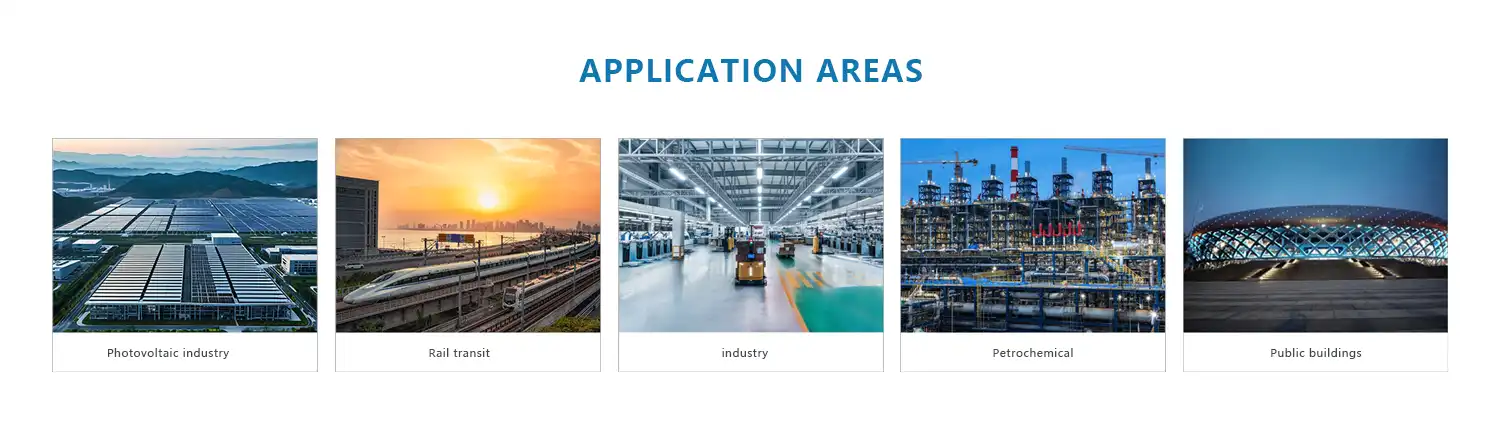
These benefits are made very clear in case studies of local building projects. The Xuzhou Rail Transit Network Control Center used our transformers to set up dual-circuit power supply systems. For three years, the system worked perfectly, with no problems. The Tianyu Yayuan business development got top marks in quality ratings by the power supply company. This proved that the equipment worked well when it was looked at by technical and regulatory experts.
Comparing High Efficiency Oil Immersed Transformers with Other Types
Oil Immersed Versus Dry Type Transformers
Dry-type transformers are useful in some situations because they don't catch fire and don't pose much of an environmental risk from fluid leaks. However, designs that are bathed in oil have better cooling efficiency, which lets them fit more power into smaller spaces. The dielectric strength of the liquid insulator is higher, which allows higher voltage levels and bigger electrical clearance gaps to be used.
Oil-filled units are strongly preferred because they can better control temperature. The moving fluid constantly takes heat from winding hot spots, keeping the temperature level even. Dry types only use air flow, which limits their ability to handle too much demand and makes them less flexible when demand is high. Noise levels are also very different. Properly built oil generators can produce levels below 45dB, while ventilated dry types usually produce levels between 55 and 65dB.
Standard Versus High Efficiency Oil Immersed Models
The difference in efficiency between normal and premium oil generators has a big effect on the costs of running a business. Standard units that work at 97% to 98% efficiency lose 2% to 3% of the power they send all the time. High efficiency oil immersed transformers get back this lost energy by using better core materials, better quality control during production, and better coil shape.
In addition to being more efficient, pricier models have better tracking features. Temperature monitors, oil level indicators, and dissolved gas analysis (DGA) ports make it possible to get a full picture of the state. Remote tracking systems send operational data all the time, which helps with centralized site management and quick action when something goes wrong. These features are very helpful for installing equipment in a number of different locations.
Cast Resin Transformer Considerations
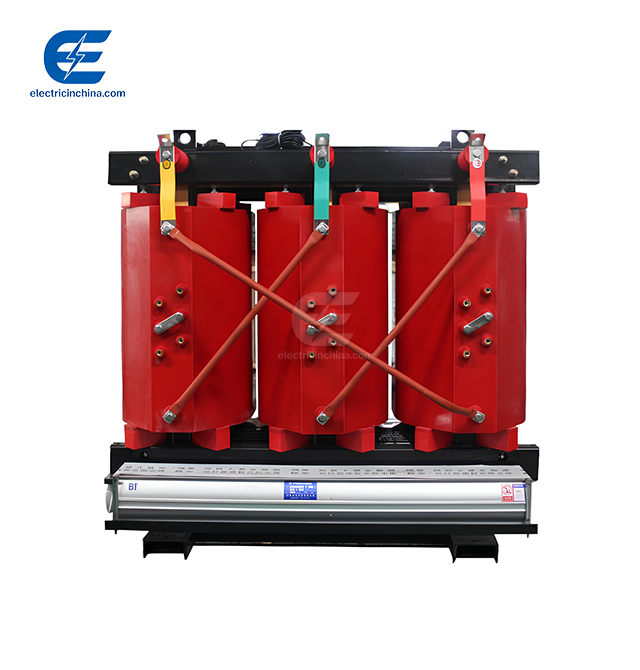
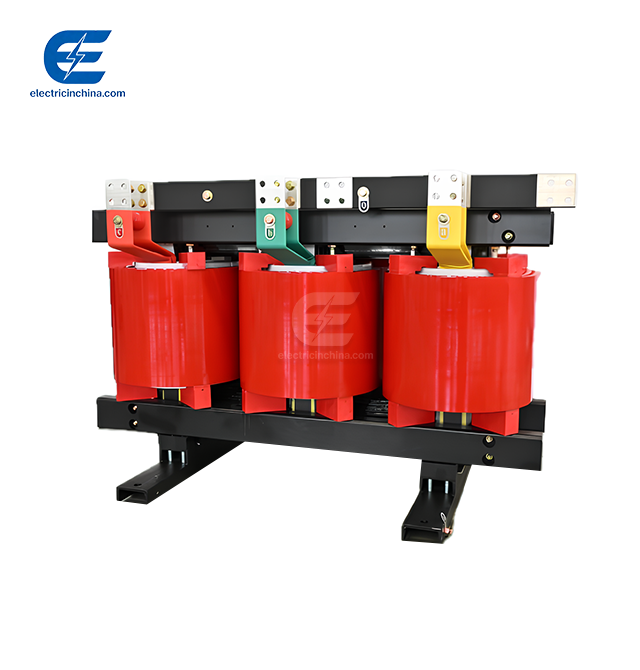
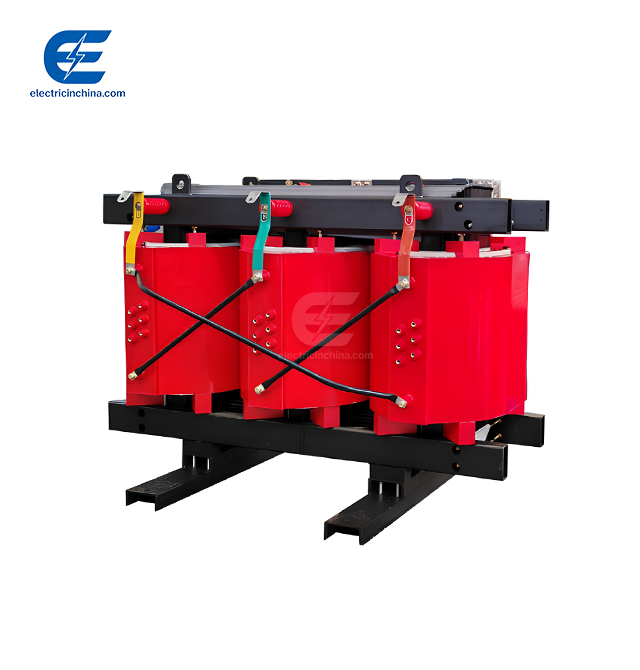
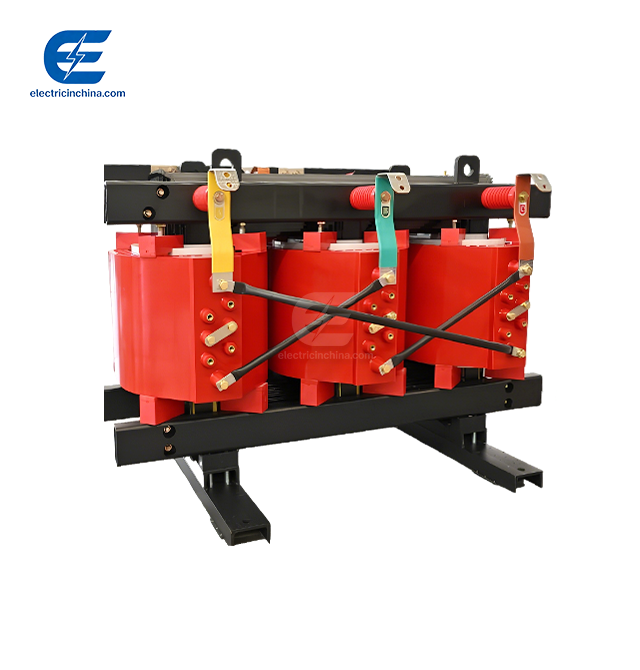
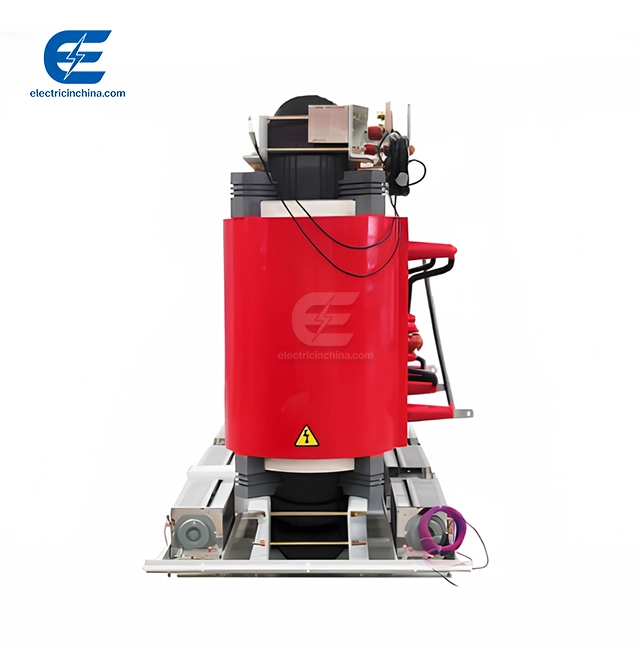
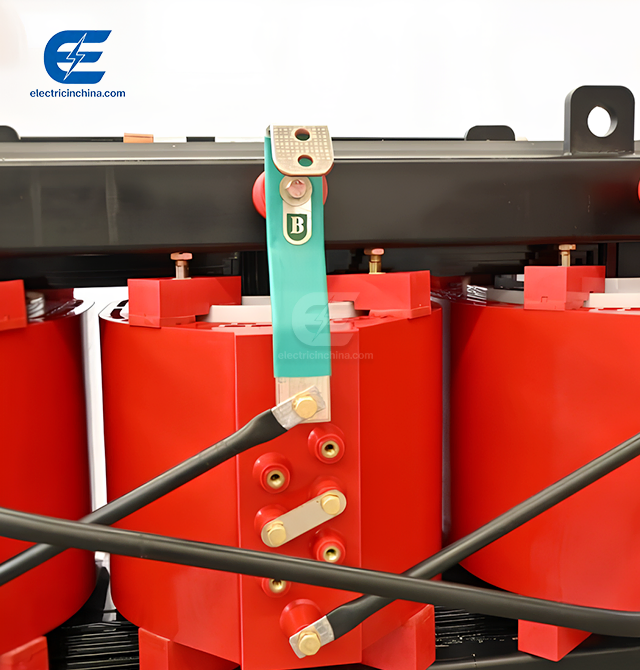
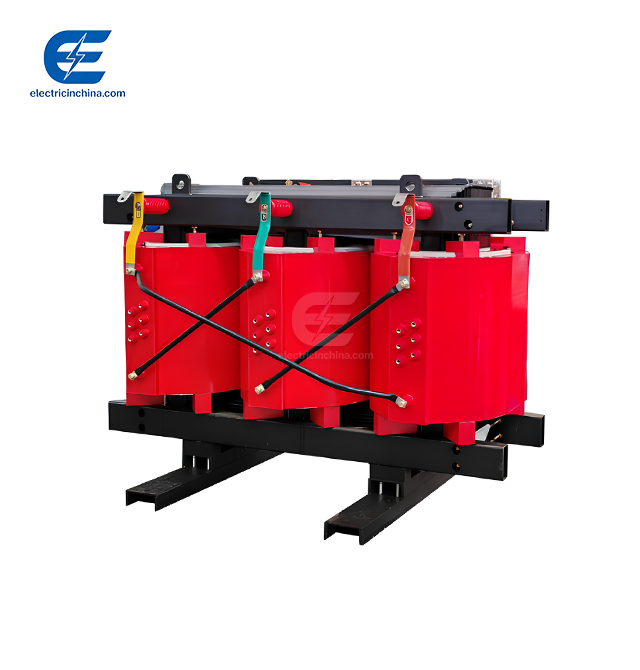
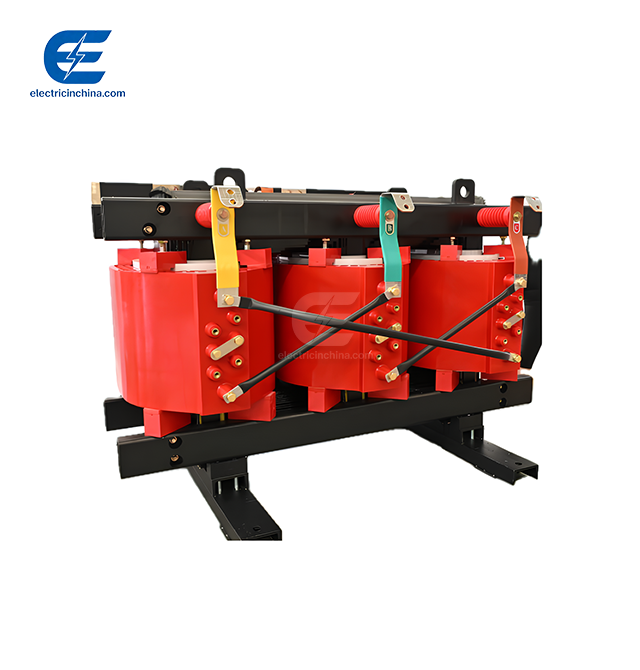
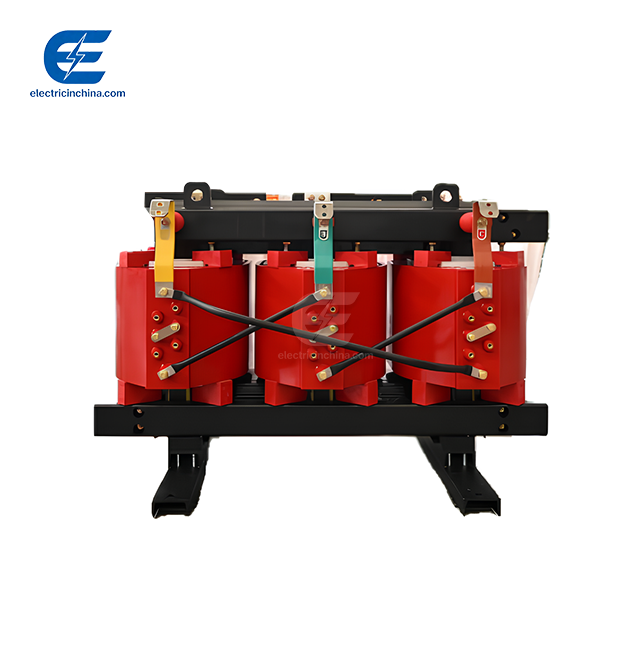
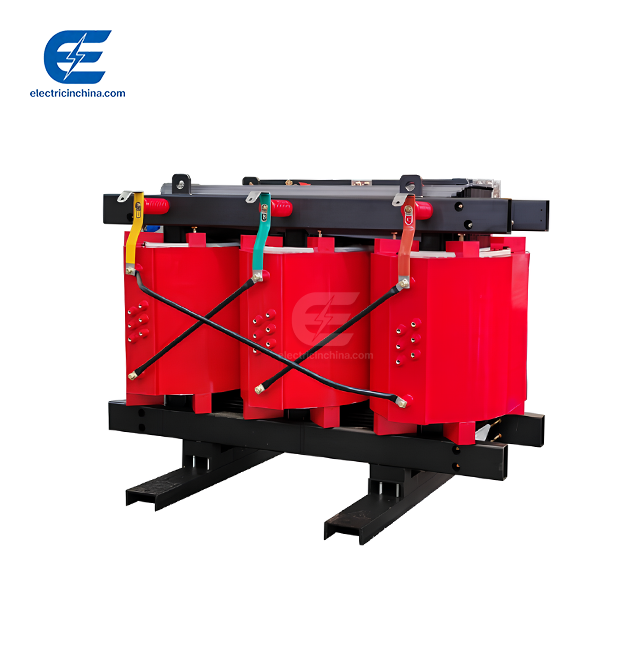
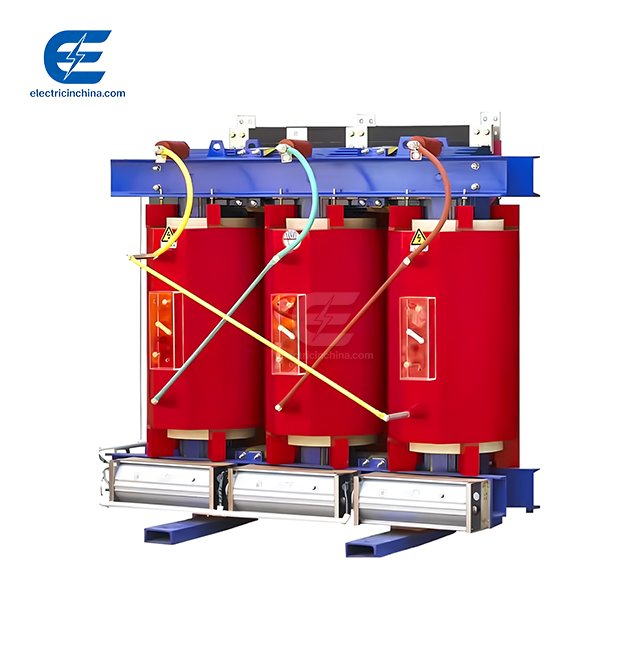
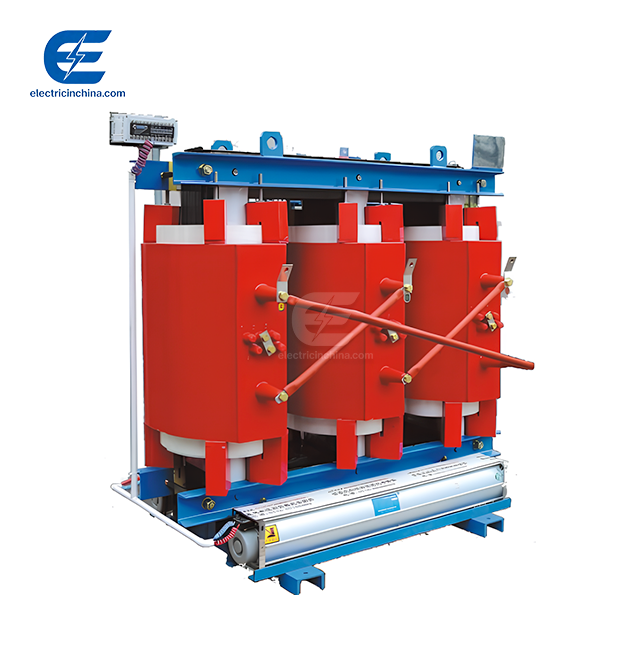
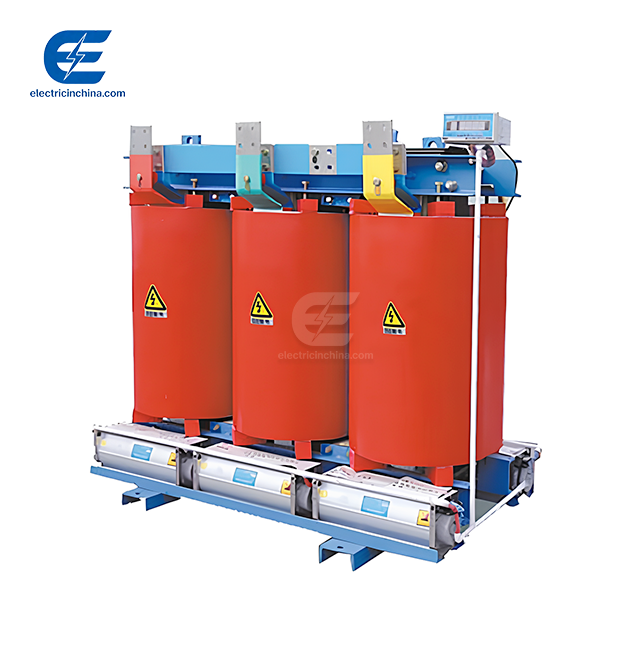
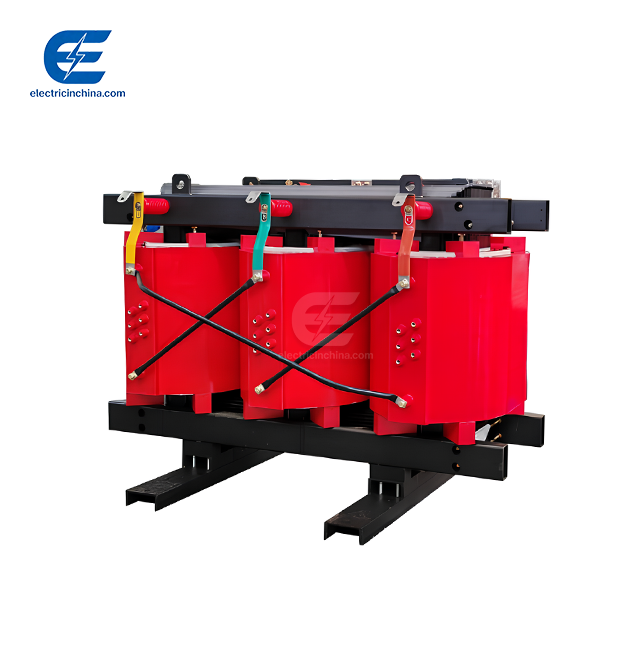
Cast resin transformers are in the middle of the dry-type and oil-saturated designs. Their epoxy-encased windings keep out wetness and other contaminants and get rid of the fire risks that come with flammable fluids. But temperature limits mean that power ratings can't be higher than what's possible with oil cooling. The trouble of repair goes up a lot because a broken resin coating can't be fixed without replacing the whole winding.
A study of costs shows that cast resin units are more expensive than oil changers of the same size. This difference in price might make it worth it to choose for certain indoor setups that need to follow strict fire codes. Still, High efficiency oil immersed transformers are the best choice for most commercial uses that care about efficiency, capacity, and cost-effectiveness over their entire lives.
Procurement Considerations for Industrial Buyers
Supplier Evaluation and Certification Verification
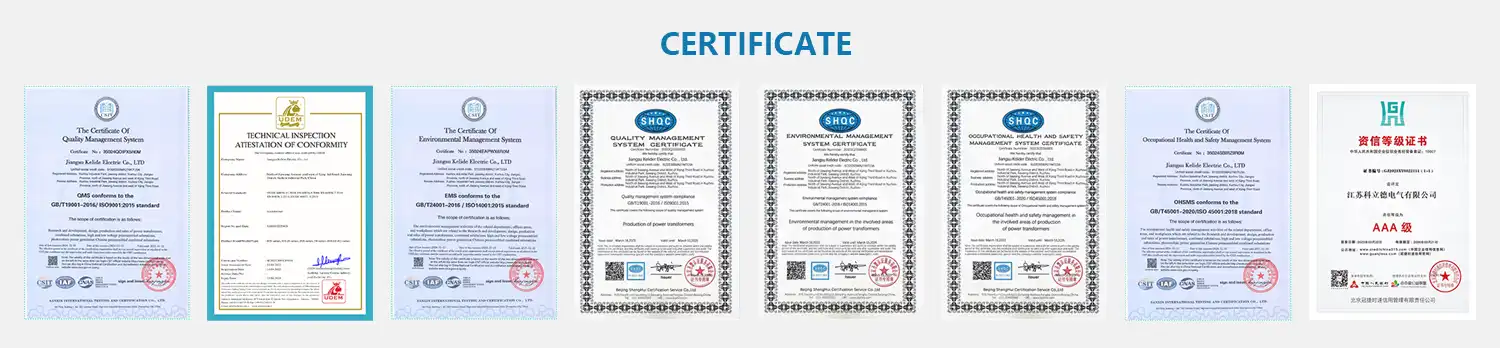
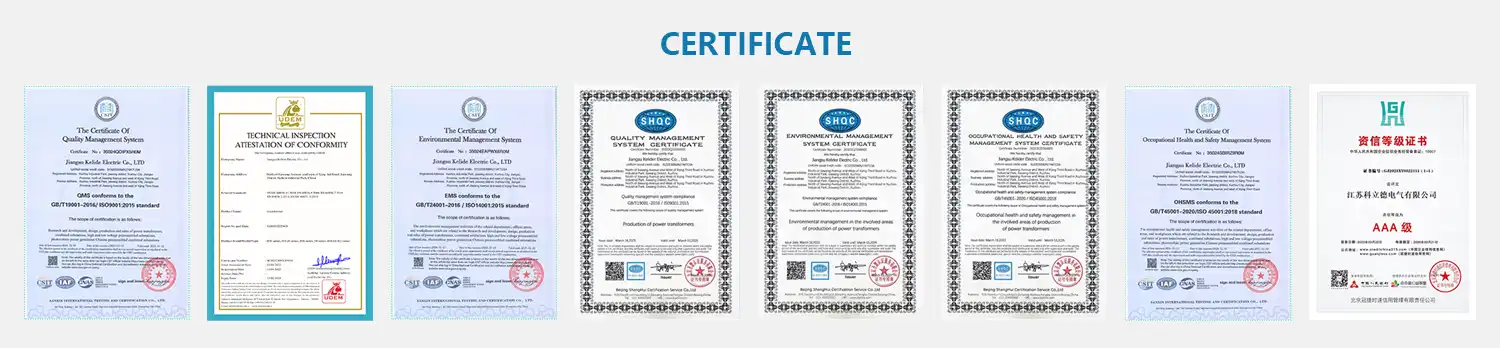
To make sure the quality of the products and the dependability of the suppliers, industrial procurement requires strict seller evaluation. We have ISO 9001 certification for quality management, ISO 14001 certification for environmental compliance, and OHSAS 45001 certification for workplace safety. All low-voltage switches and cables have National CCC Mandatory Certification, which proves they meet the rules for the Chinese market.
Technical skills set luxury makers apart from commodity sellers. Our skilled quality inspection lab does a lot of different tests, such as regular electrical reviews according to IEC 60076-1, dielectric withstand verification, and thermal performance validation. Factory acceptance tests (FAT) record all performance data in front of a witness before the equipment is shipped. This gives buyers trust in the equipment's specs.
Customization Capabilities and Lead Time Management
Customized transformer specs are often needed because of the needs of a particular project. Different voltage rates, winding configurations, cooling system designs, and safety packages can be used in different places and for different types of work. To get the best equipment specs, our engineering team looks at things like outdoor temperature ranges, altitude, earthquake needs, and noise limits.
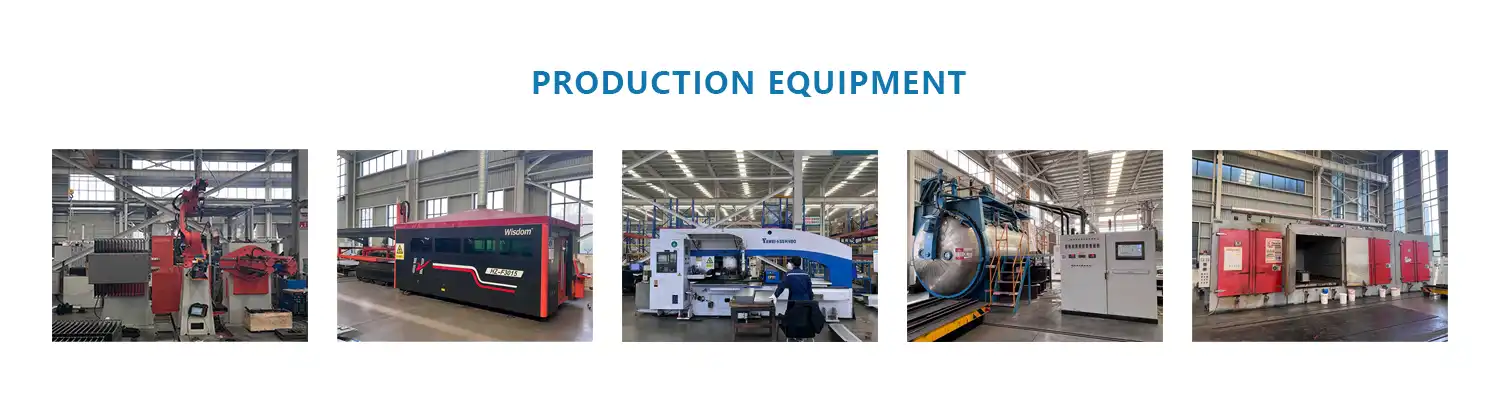
The ability to manufacture has a big effect on project delays. With more than 120 sets of specialized equipment, such as CNC automatic winding machines and microcomputer-controlled gradient curing ovens, we can produce anything from a single unit to a whole fleet. Standard wait times are 12 to 16 weeks for custom requirements. For jobs that need to be delivered quickly, expedited production is possible.
After-Sales Support and Technical Assistance
The life of equipment rests a lot on how well it is installed, commissioned, and maintained over time. During the construction process, our expert support network helps on-site to make sure that the foundation is properly prepared, that oil is properly filled, and that electrical connections are made correctly. As part of commissioning services, the equipment is turned on and inspected for the first time. Operators are also taught how to do standard repairs.
As part of long-term support, state tracking devices allow for remote diagnostics. Oil analysis, DGA tests according to ASTM D3612 standards, and thermographic inspections to find hot spots are all part of annual maintenance plans. When unexpected power outages happen, emergency reaction teams are ready to go right away. They keep output from stopping by quickly, figuring out what's wrong and coordinating repairs with the logistics of extra parts.
Future Trends and Innovations in High Efficiency Oil Immersed Transformers
Advanced Materials and Environmental Sustainability
Next-generation insulating fluids for High efficiency oil immersed transformer strike a balance between protecting the environment and providing good electrical performance. Biodegradable ester oils break down naturally if they get into the environment, so spills have less of an effect on the environment. Also, these fluids have higher fire points above 300°C than mineral oils, which makes setups with a lot of people safer. Researchers are still looking into nanofluids that contain modified particles that make them better at conducting electricity and heat at the same time.
The main focus of material research is on making amorphous metal alloys that lower no-load losses even more. Because these materials don't have a solid structure, they lose less hysteresis when they are magnetized and demagnetized. When combined with improved winding designs that use continuously transposed wires, transformers of the future may be able to achieve efficiency rates close to 99.8%, collecting almost all of the energy that is sent.
Smart Monitoring and Predictive Analytics
Through constant tracking and diagnostics powered by artificial intelligence, digital transformation changes the way transformer assets are managed. In windings and oil circuits, sensors record temperature profiles, moisture levels, partial discharge activity, and dissolved gas amounts in real time. Machine learning systems look at these streams of data and find trends that show early signs of failure before they get too bad.
These technologies make it possible for predictive maintenance methods that change the way maintenance is done from focusing on time to focusing on conditions. Instead of doing standard tasks at set times, maintenance only happens when tracking data shows that it is actually needed. This improvement cuts down on maintenance costs that aren't needed and stops unexpected failures before they happen by stepping in early when degradation trends start to show.
Regulatory Drivers and Industry Standards Evolution
Global rules for the energy economy are having a bigger effect on the specs and buying factors for transformers. The Ecodesign Directive of the European Union sets minimum efficiency standards for distribution transformers. This means that old designs that aren't efficient can't be used anymore. As similar rules appear in North America, Asia, and developing economies, they push everyone around the world to buy high-efficiency tools.
Standards in the industry are always changing to keep up with new tools and business needs. Updates to the IEC 60076 series include rules for different insulating fluids, processes for seismic testing, and security rules for tracking systems that are connected to a network. Keeping up with these standards makes sure that equipment works with efforts to update the power grid and lets installations qualify for utility reward programs that encourage investments in energy savings.
Conclusion
When investing in industrial power infrastructure, you need equipment that is very efficient, always reliable, and has long-term economic value. These needs are met by High efficiency oil immersed transformers, which feature cutting-edge engineering, high-quality materials, and operating performance that has been tested in a wide range of situations. Their 98.5–99.7% efficiency scores mean that they save a lot of energy, and their strong construction means that they will work reliably for decades in harsh settings. Careful consideration of a supplier's skills, customization choices, and full support services can help with purchasing decisions. Our certified quality control systems, 20+ years of experience in the field, and large project portfolio show that we have the technical know-how and production ability to support important building projects around the world. From the first design meeting to decades of ongoing support, we offer complete solutions that increase the value of transformer assets and improve operations.
FAQ
How do I verify transformer efficiency claims before purchase?
Standardized testing methods laid out in IEC 60076-1 and IEEE C57.12.90 are used to check for efficiency. Ask the firm for test results that show losses when the load is off, when the load is on, and how efficient the system is at different load points. Manufacturers with a good reputation will let your agents watch the testing process and look over the results before approving the shipment. Independent certification services are offered by third-party testing labs when more proof is needed for important purchases.
What maintenance activities ensure optimal transformer lifespan?
Essential maintenance includes an annual dissolved gas analysis to find early signs of problems, full oil testing every three years according to ASTM D3612, and interior tests every ten years to check the state of the windings and the core assembly. Checking the oil temperature, load levels, and cooling system work every day is part of normal operation. Thermographic scans find hot spots that mean there are problems with the link or with the cooling. Keeping thorough records of upkeep allows for trend analysis, which can tell you what needs to be done before something breaks.
Can high efficiency transformers operate reliably in extreme climates?
Advanced designs for cooling systems and choices of materials allow high-efficiency oil-immersed transformers to work in temperatures ranging from -40°C to +50°C, with adjustments made for altitude up to 3000m. Installations in cold climates may need extra oil heaters to keep moisture from condensing during stop times. Applications in hot climates can use ONAF forced-air devices to cool down more effectively. Talk to manufacturers early on in the planning process to make sure that the specs you use are correct for the area.
Partner with Tuojie for Your Industrial Power Solutions
For years to come, the success of a project will depend on which High efficiency oil immersed transformer provider was chosen. Tuojie has worked on and finished hundreds of projects, such as public rail systems, business developments, and large industrial sites. Our technical team works with your engineers to come up with creative solutions that meet foreign standards and certification needs while also solving problems that are unique to the site. We know that industrial procurement needs dependability, expert help, and quick contact throughout the lifecycle of equipment. Talk to our experts right away about your project needs and find out how Tuojie's transformer solutions can improve performance in a way that you can measure. You can email us at tuojie@electricinchina.com or go to electricinchina.com to see all of our power delivery tools. We are a top maker of High efficiency oil immersed transformers, and we can help you reach your infrastructure goals with high-quality goods and full service.
References
1. International Electrotechnical Commission. "Power Transformers - Part 1: General." IEC 60076-1:2011.
2. Institute of Electrical and Electronics Engineers. "IEEE Standard General Requirements for Liquid-Immersed Distribution, Power, and Regulating Transformers." IEEE C57.12.00-2015.
3. ASTM International. "Standard Test Method for Analysis of Gases Dissolved in Electrical Insulating Oil by Gas Chromatography." ASTM D3612-02.
4. CIGRE Working Group A2.34. "Guide for Transformer Maintenance." CIGRE Technical Brochure 445, 2011.
5. European Commission. "Commission Regulation (EU) No 548/2014 on implementing Directive 2009/125/EC about small, medium and large power transformers." Official Journal of the European Union, 2014.
6. McNutt, W.J. and Johnson, W. M. "Dielectric Properties of Transformer Oil." IEEE Transactions on Power Apparatus and Systems, Vol. PAS-94, No. 5, 1975.