

.webp)
Safety is the most important thing to consider when choosing power distribution tools for indoor spaces. For placements inside, yes, dry-type transformers are much safer. These units get rid of all flammable liquid insulation and replace it with solid epoxy glue or air-cooling systems that use air. Because of this basic difference in design, there are no longer any fire or explosion risks from oil leaks. This makes them perfect for places like hospitals, business buildings, factories, and infrastructure projects that must prioritize safety and follow the rules. From working on hundreds of projects, we know that choosing the right transformer technology has a direct effect on both operating continuity and risk management.
Understanding Dry-Type Transformers and Their Safety Profile
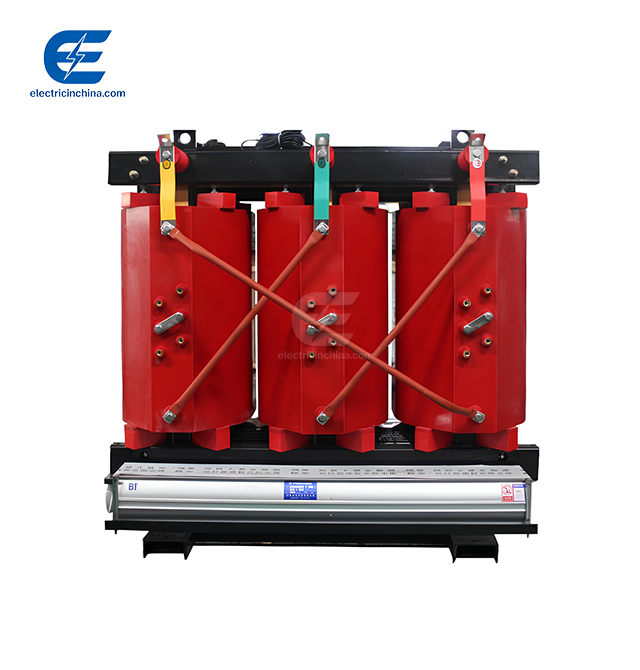
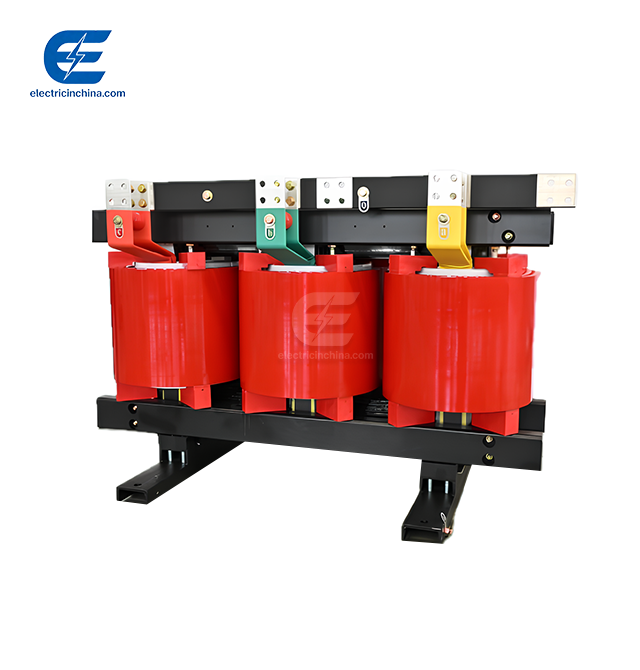
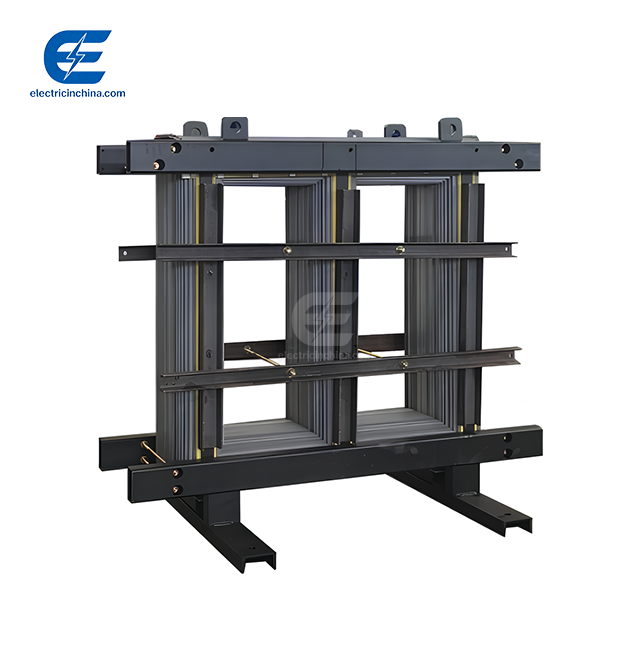
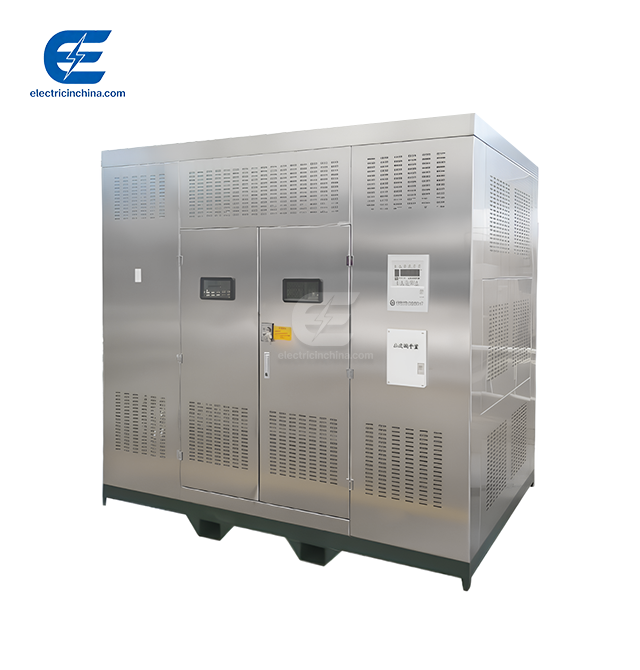
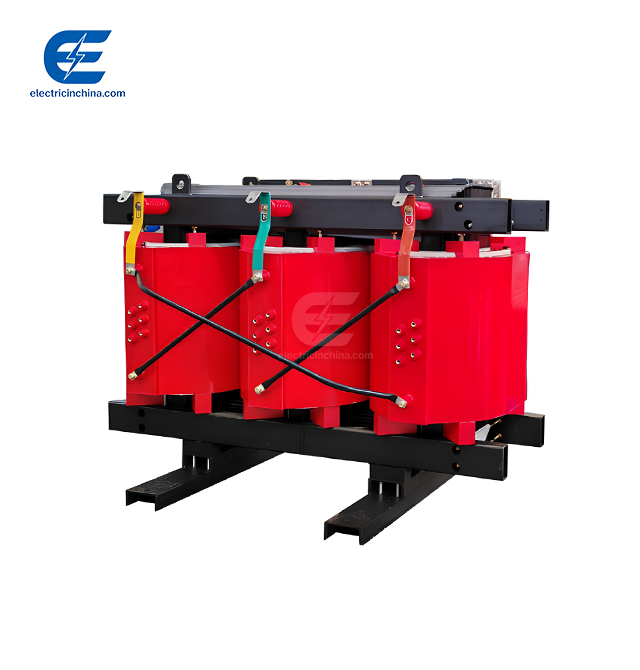
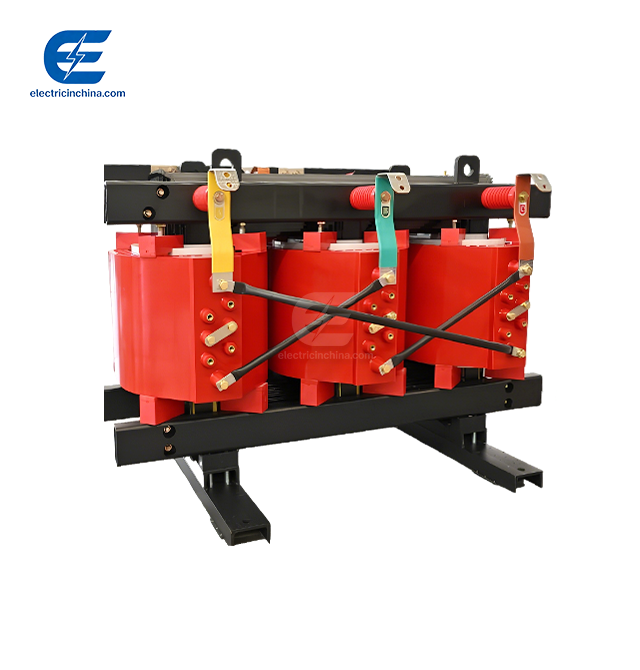
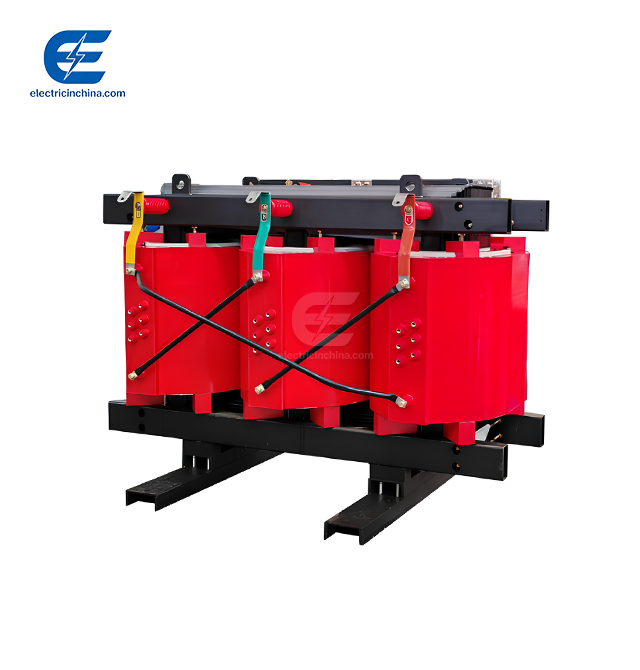
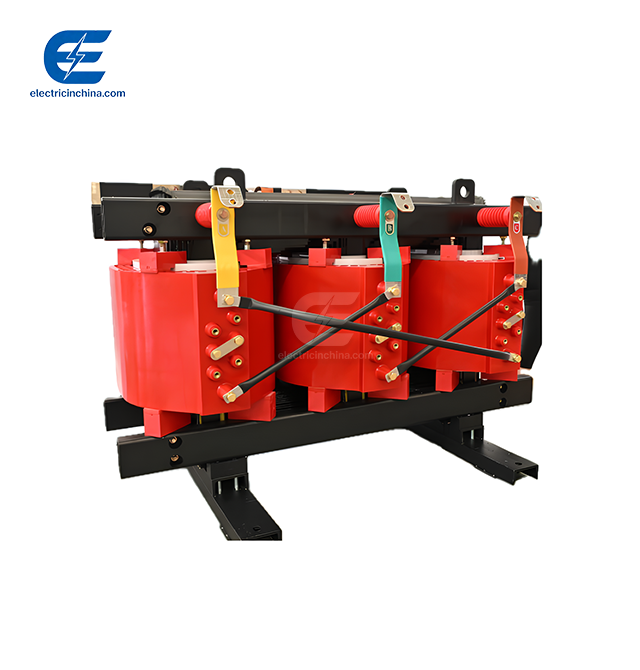
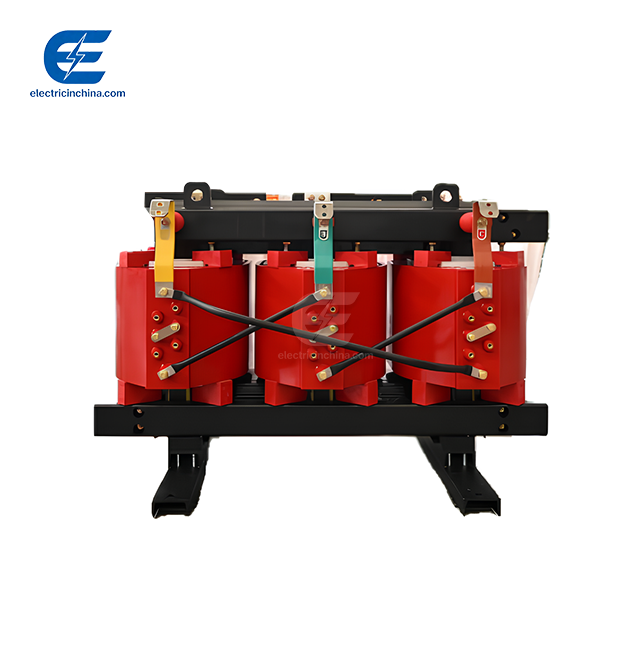
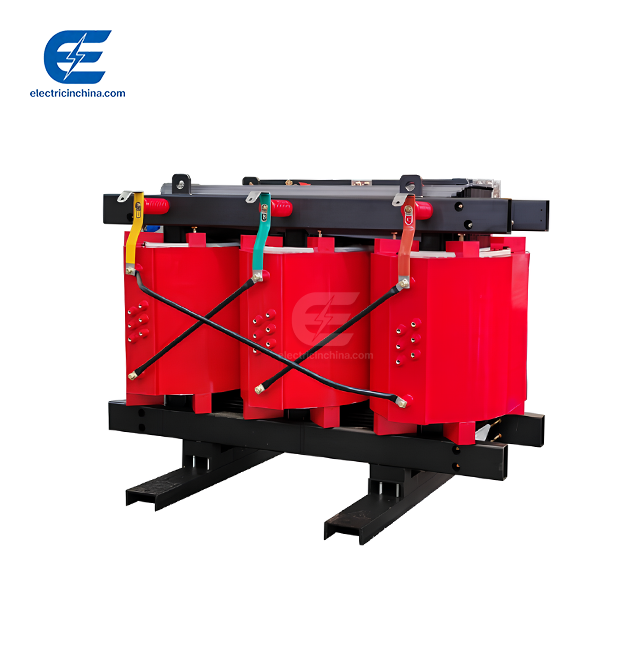
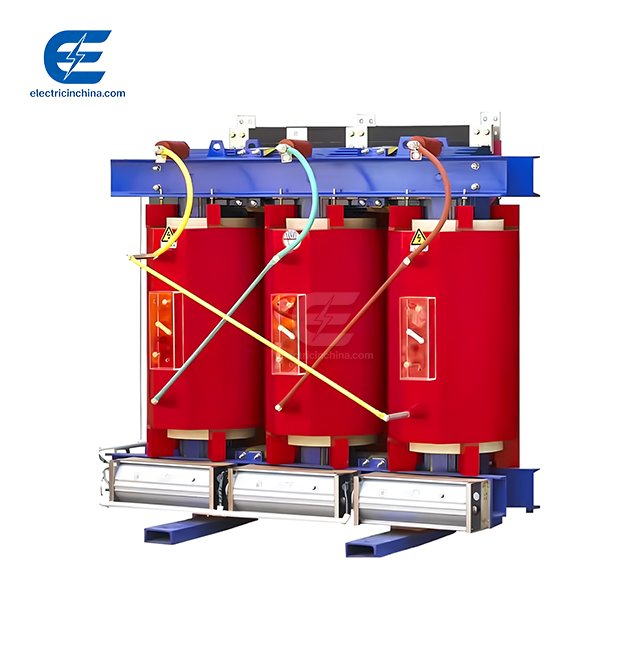
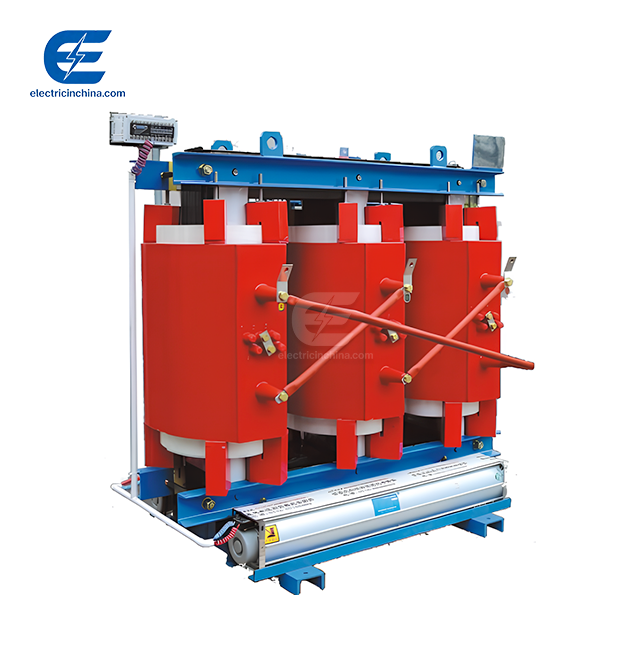
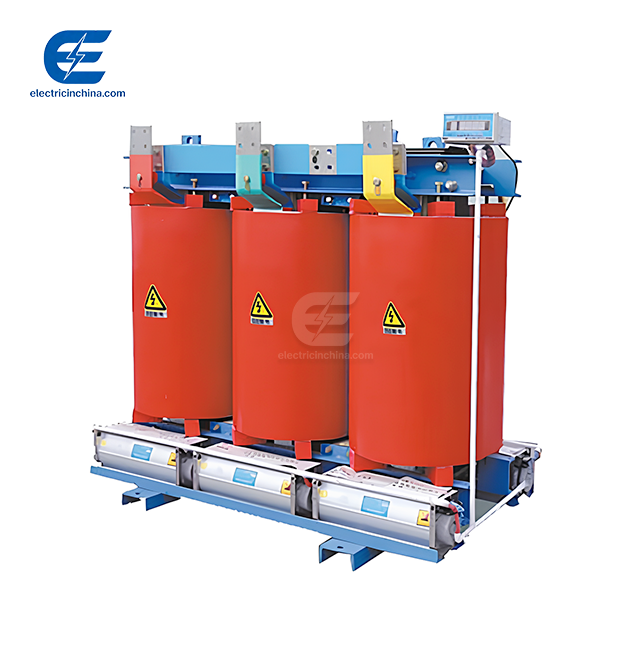
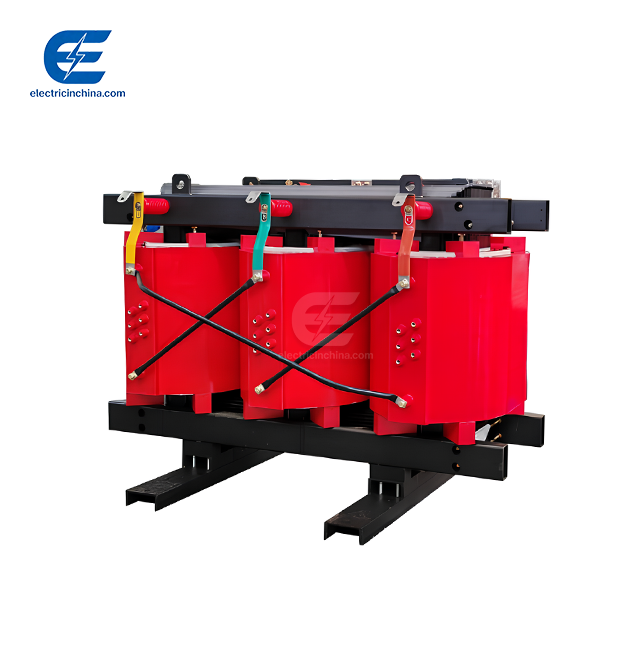
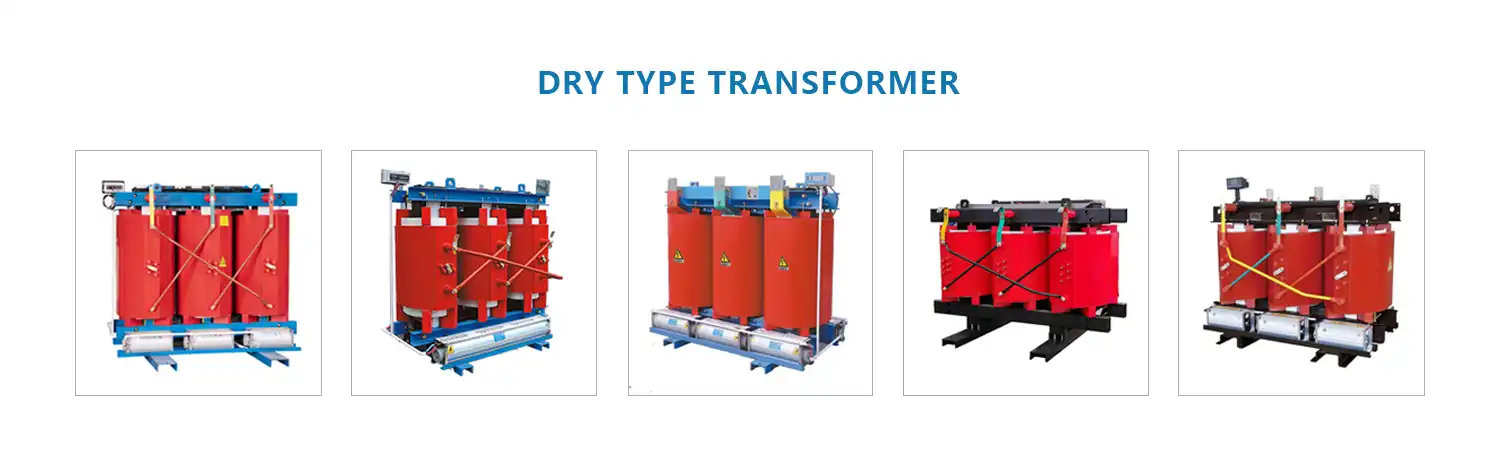
The way we distribute power indoors has changed a lot since dry-type transformers came along. Instead of using oil-immersed units, these transformers use solid insulation materials, mostly epoxy resin casting or vacuum pressure impregnation, to keep the electricity from flowing and keep the transformers cool without using dangerous liquids.
How Dry-Type Transformers Work
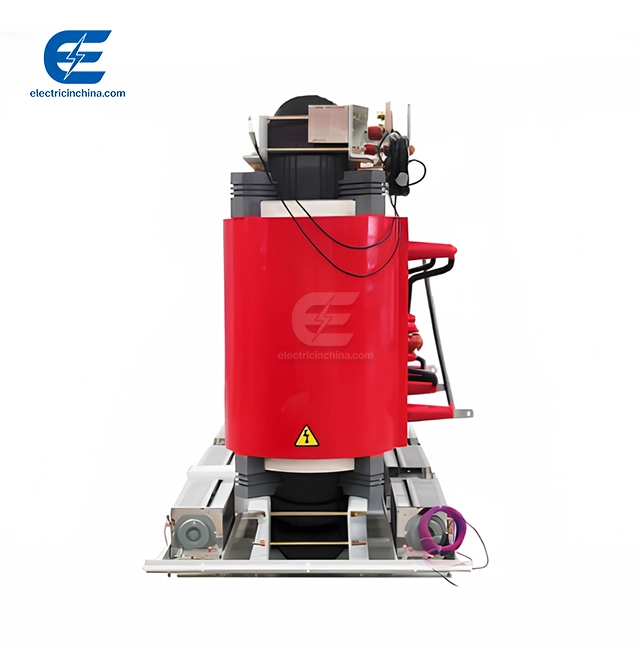
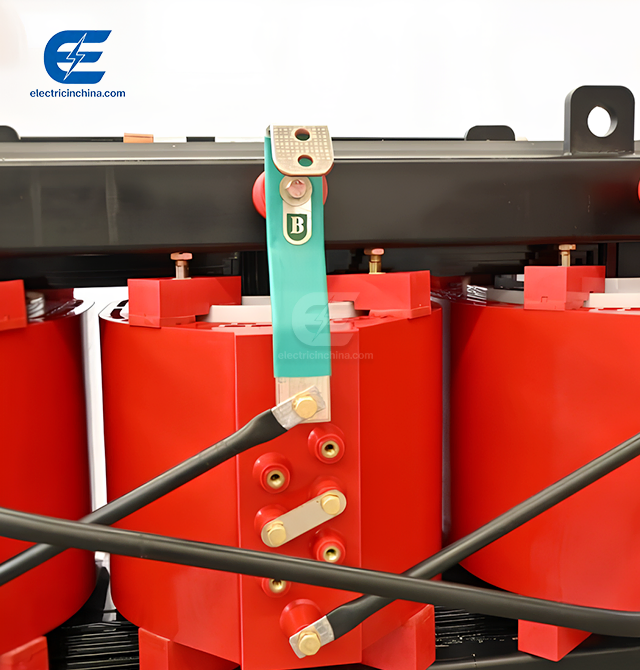
The working idea is the same as for oil-filled versions: electromagnetic induction. However, the shielding method makes them safer than each other. Cast resin transformers, like the SCBH19 amorphous alloy types we make, use epoxy resin vacuum casting to fully cover the windings. This makes a barrier that doesn't let water or flames through and is rated for Class F or H thermal performance, meaning it can handle constant temperatures between 155°C and 180°C. Ultra-thin amorphous metal strips, about 0.025 mm thick, make up the core material. They have very low coercivity and high resistivity, which means they reduce no-load losses by up to 70% compared to standard silicon steel cores.
Inherent Fire Resistance
The main safety benefit is that there is no burning dielectric oil. When exposed to flame, epoxy resin protection goes out on its own, usually within seconds of removing the source of the fire. The IEC 60076-11 and GB/T 10228 guidelines require our units to pass strict flame spread tests. When there is a short circuit and temperatures rise above 300°C, properly made cast resin transformers keep their structure without releasing harmful gases or keeping the fire going.
Comparing Safety: Dry-Type Transformers vs. Oil-Filled Transformers
By comparing them directly, we can see why dry-type transformers are used most often indoors in North America and Europe. The differences in the risk profiles go beyond direct fire dangers and include things like protecting the environment and following the rules.
Fire and Explosion Risk Elimination
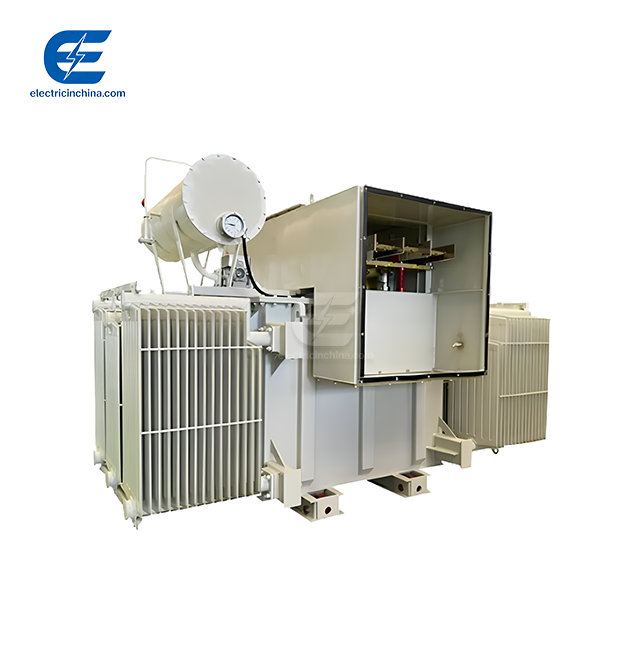
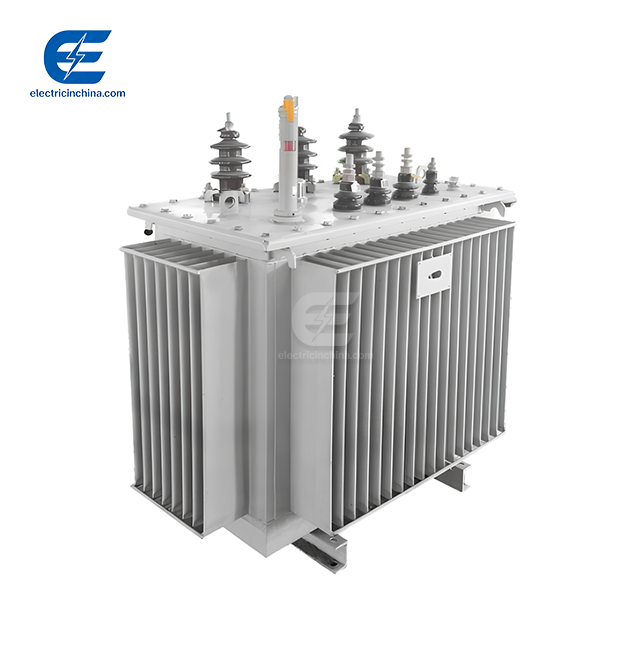
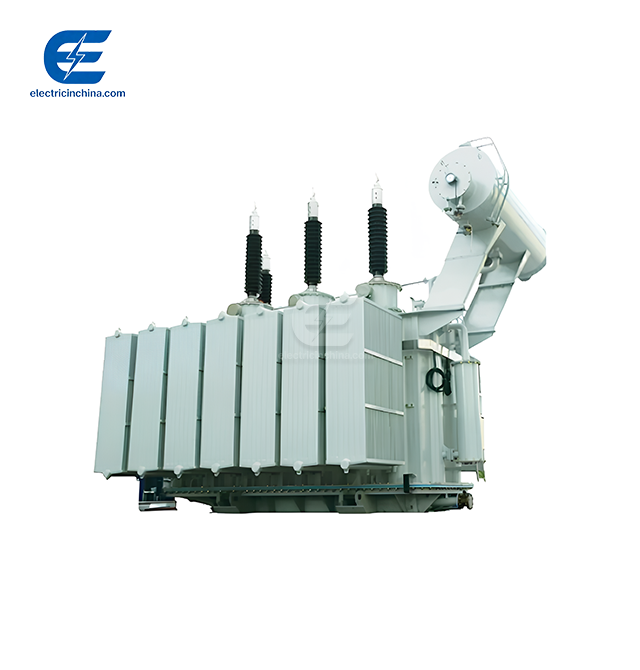
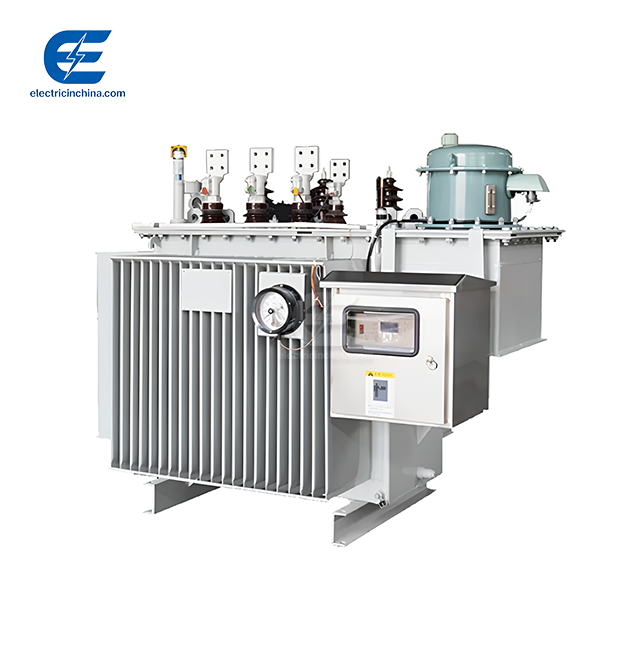
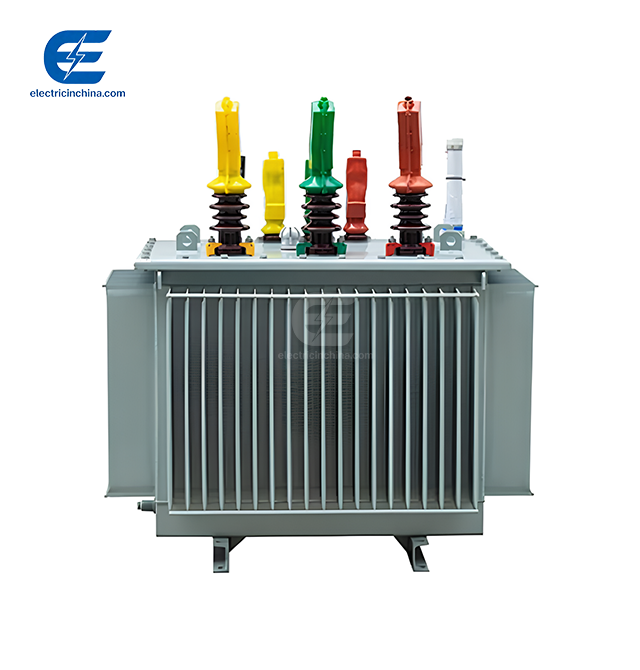
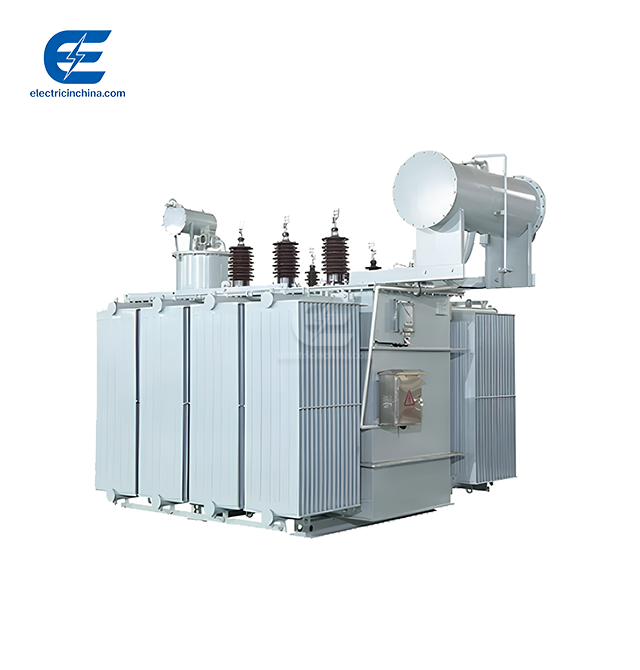
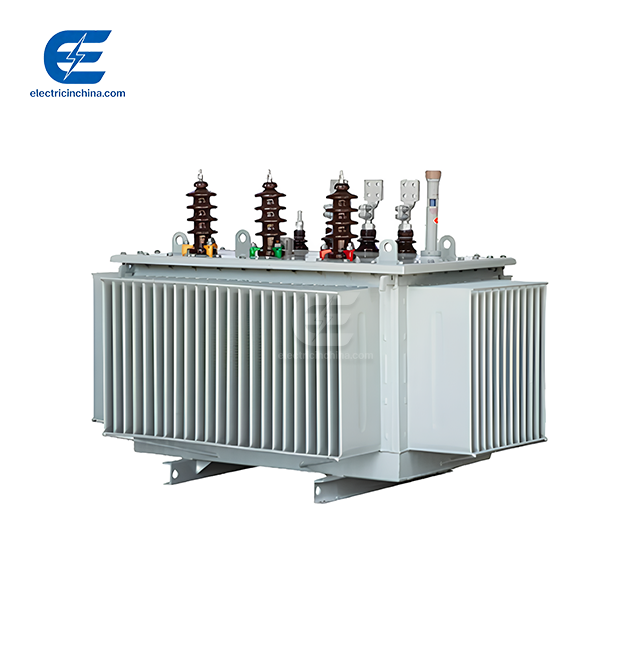
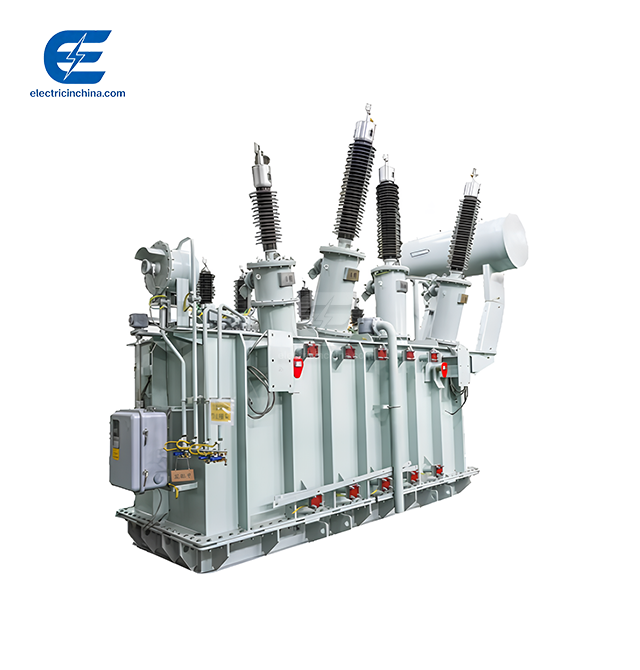
Depending on their size, oil-filled transformers hold 200 to 2,000 liters of mineral oil. This much oil can be released instantly by a single catastrophic failure, starting pool fires that reach 1,000°C in minutes. The National Fire Protection Association keeps records of many cases where oil-filled generator failures spread to nearby buildings, causing millions of dollars in damage and months of lost work.
This failure mode can't happen with dry-type units. Even when there is serious overloading that breaks the windings, the epoxy glue system keeps the fault inside, stopping the fire from spreading. We saw this protected feature directly during factory short-circuit testing, where faults were purposely created to cause localized charring without the flame spreading beyond the winding assembly.
Environmental and Health Considerations
Leaks of oil are very bad for the environment. When a generator fails, it can release gasoline hydrocarbons into the dirt and groundwater, which need to be cleaned up at a high cost. Slipping on an oil spill inside can be dangerous, and as the volatile chemicals dissolve, they can also hurt the air quality. More and more, regulations say that oil-filled generators can't be within 15 meters of buildings that people are using, especially in healthcare centers and high-rise buildings.
Critical Safety Considerations for Indoor Transformer Installations
For indoor projects to go well, environmental factors that affect both safety and function must be carefully considered. We've made systems for underground tunnels, enclosed electricity rooms, and penthouses on rooftops. Each one had its own set of problems.
Ventilation and Thermal Management
Even though dry-type transformers don't produce as much heat as oil-filled units, they still need enough movement. We figure out how much ventilation is needed by looking at how much power is lost and the temperature outside. For natural ventilation systems, we usually need between 0.5 and 1.5 air changes per minute. Not enough airflow speeds up the aging of insulation and lowers its capacity, which could lead to overloading during times of high demand.
Advanced Insulation Technology
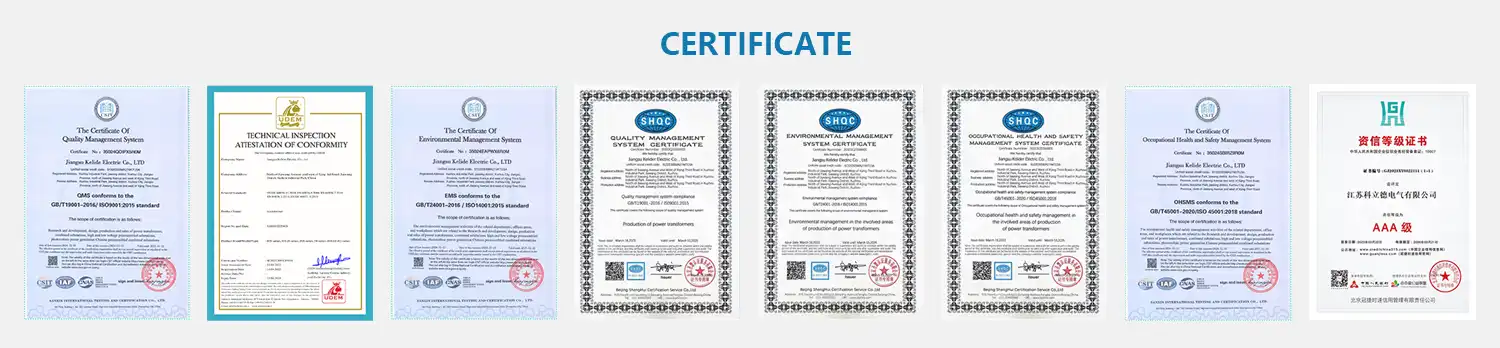
New developments in soundproofing materials have made safety gaps a lot better. Using vacuum pressure impregnation technology gets rid of tiny holes in wound structures that allow partial discharge to start. This method, along with computer-controlled gradient drying in special ovens, makes uniform insulation that will age in a way that can be predicted over 30 years of use.
The mechanical strength that is gained through resin casting makes it very good at withstanding short-circuits. Electromagnetic forces put a lot of stress on the machine when fault currents hit 20 times their normal values. When windings are made correctly, they keep their dimensions stable and stop turn-to-turn shorts that could make failures worse. We prove this performance by testing types of units according to IEEE standards and putting them through multiple short-circuit pressures that are higher than field conditions.
Advantages of Dry-Type Transformers for Indoor Use from a Procurement Perspective
To make a full business case for using dry-type transformers, you need to be able to measure their benefits in a number of different areas. We've helped clients show that changes to specifications are worth it by showing that the total cost of ownership goes down.
Enhanced Fire Safety and Insurance Benefits
Insurance companies know that sites that use dry-type transformers instead of oil-filled ones have a lower risk profile, so they often lower their rates by 10 to 30 percent. This financial gain builds up over the life of the equipment, making up for the higher costs of buying it in the first place. In addition to lowering premiums, removing the risk of a catastrophic fire saves business continuity, which is something that companies that count on continuous operations value more and more.
Reduced Lifecycle Costs
Dry-type transformer maintenance focuses on routine inspection and testing rather than supply replacement. Regular dielectric testing, moisture analysis, and eventually oil refilling are all things that oil-filled units need. For medium-capacity systems, these tasks cost thousands of dollars a year. Over 25-year lifecycles, differences in upkeep costs can be more than 40% of the original price of the equipment.
Practical Guide for Procurement: Selecting the Safest Dry-Type Transformer for Indoor Installations
To get through the specification and purchase process, you need to carefully look at the professional skills, supplier qualifications, and business terms. We're better at making these kinds of choices now that we've been working on government infrastructure projects, business developments, and industry manufacturing for 20 years.
Essential Safety Features to Verify
The ability to monitor temperature should include built-in sensors that let you see what the temperature is doing all the time. Integrating a building management system with remote tracking lets you do predictive maintenance, which finds problems before they get worse and endanger safety or performance.
In areas with a high chance of earthquakes, seismic training is very important. IEEE 693 testing confirms that equipment can withstand earthquakes, which ensures that dry-type transformers can keep working safely when buildings need power the most. We make units that have been proven to withstand accelerations of more than 1.0g and can be put in place in earthquake-prone areas like California and Alaska.
Evaluating Manufacturers and Suppliers
Global companies like Siemens, ABB, Schneider Electric, Eaton, and GE make tried-and-true goods that are backed by a lot of application knowledge and service networks all over the world. Specialized makers like Tuojie offer competitive options by mixing tried-and-true technology with the ability to customize and quick customer service. When buying, managers look at providers, they should assess:
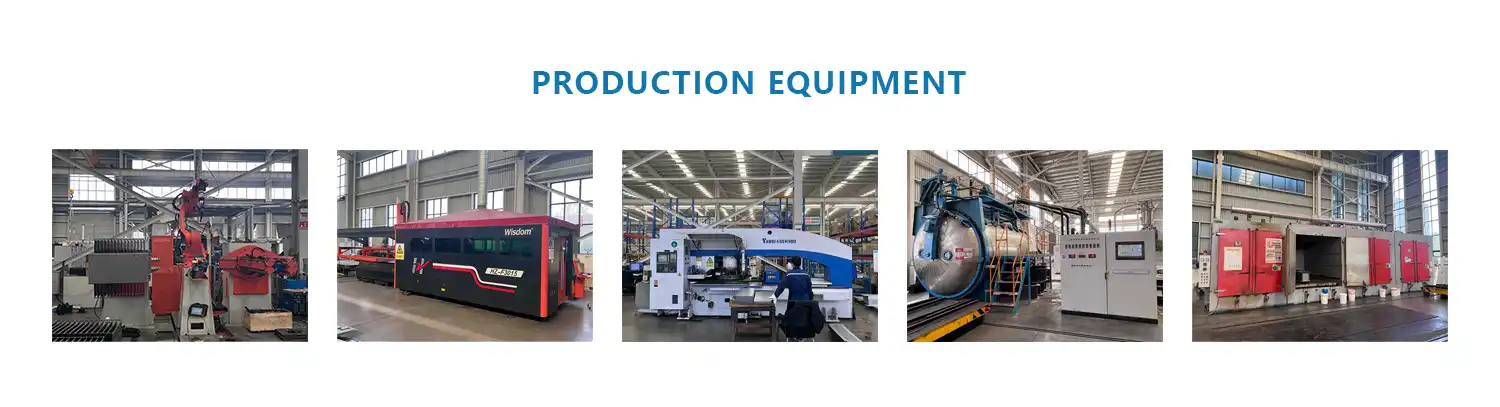
- Manufacturing capabilities, including the sophistication and ability of output tools. Over 120 specialized tools are used in our building. These include CNC automatic winding equipment, vacuum casting systems, and curing furnaces that are managed by microcomputers. This system helps keep quality high across all production levels, from small batches to large batches.
- Quality assurance processes verified through facility audits and certification maintenance. We follow the zero-defect theory when we buy materials, make things, inspect them, and send them. At every step of the process, strict control makes sure that nonconforming products don't move forward.
- After-sales support encompasses installation help, help with setup, and quick expert service. Field situations that require technical judgment will always come up in complex projects. When suppliers offer experienced support staff, projects are finished faster, and there is less chance that installation mistakes will affect performance.
- Warranty terms reflecting manufacturer confidence. Standard warranties cover problems with the way the product was made, but luxury providers often go further and offer performance guarantees to show they care about their customers' success.
Conclusion
For indoor installations in industrial, business, and school settings, dry-type transformers are the obvious choice due to safety concerns. Getting rid of the risk of fire and explosion, along with making upkeep easier and making sure the product is more environmentally friendly, is very beneficial for procurement leaders who put operating safety and lifecycle value first.
Improvements in insulation materials and core design have made them even more reliable while also making them as efficient as or more efficient than high-end oil-filled options. As rules get stricter about allowing toxic liquid electrical equipment in occupied buildings, dry-type technology is no longer just a choice; it's the norm for responsible building design.
FAQ
1. Are dry-type transformers completely fireproof in indoor settings?
Even though dry-type transformers greatly lower the risk of fire by not using flammable oil, they are not completely safe all the time. Electrical problems or severe overloads can produce enough heat to damage shielding in the area. However, the epoxy resin systems used in high-quality units have self-extinguishing features, which means that the fire stops when the source of the burning is taken away. This feature stops the fire from spreading past the immediate failure point, which is a major safety benefit compared to oil-filled transformers, where pool fires can quickly spread throughout buildings.
2. What routine maintenance do dry-type transformers require for safe indoor operation?
As part of regular maintenance, eye checks should be done once a year to look for damage, dust buildup, and water damage. Every two to three years, thermal imaging finds hot spots that could mean link problems or insulation wear before they become dangerous. Electrical tests, such as measuring insulation resistance and power factor every 5 years, give a good idea of how good the insulation is, so it can be replaced before it fails. Dry-type care takes a lot less time and money while still being just as reliable.
3. How do noise levels from dry-type transformers affect indoor workplace environments?
At a distance of one meter, modern dry-type transformers make 45 to 55 decibels of noise when they are working normally. This is about the same level of noise that you would hear in a quiet office. This sound performance lets it be installed in places where people are already working without bothering them or needing pricey soundproofing covers. Oil-filled transformers with cooling fans often make noises louder than 65 decibels, which is close enough to levels that you would need hearing protection for long periods of time.
Partner With Tuojie for Your Next Indoor Transformer Project
Choosing the right dry-type transformer provider can affect the success of a project, how safe it is, and how much it costs to run in the long run. Tuojie has been developing, producing, and providing power distribution systems for government infrastructure, business projects, and industrial sites in North America and around the world for more than 20 years.
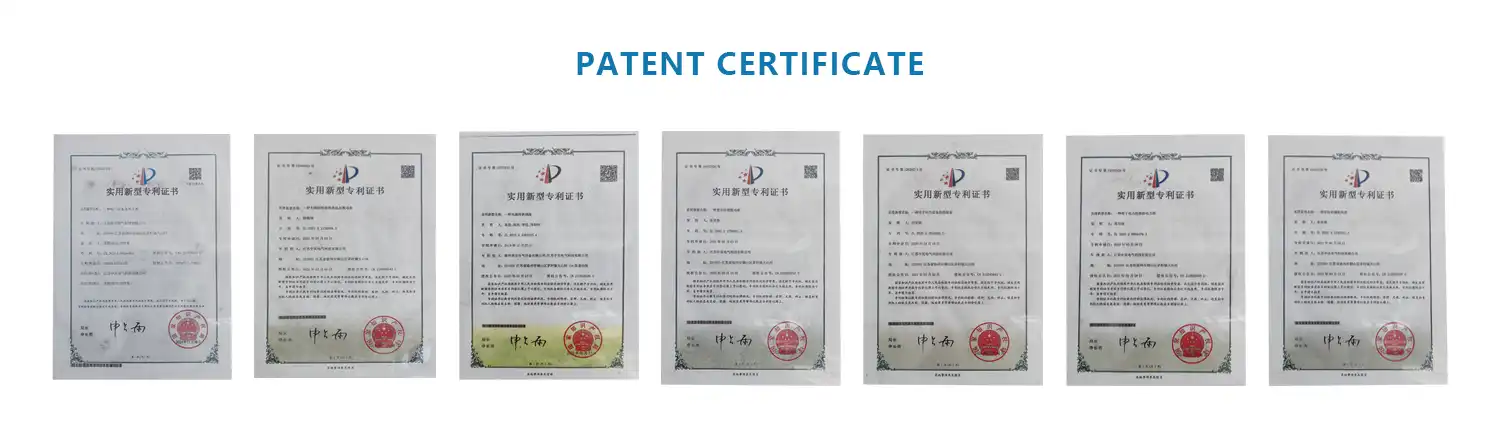
Our SCBH19 amorphous alloy transformers and energy-efficient cast resin types are approved by ISO 9001, ISO 14001, OHSAS 45001, and CCC to meet the highest international standards. We have 18 patents that show how committed we are to new ideas, and we can make solutions that are perfect for your surroundings and performance needs. Our professional quality testing lab and advanced production facilities, which have more than 120 specialized tools, make sure that even the most complicated and high-volume projects are delivered on time and to the highest standard of quality. Contact us at tuojie@electricinchina.com to talk about buying in bulk. You can also look through our full catalog of products at electricinchina.com and get specialized expert help to make sure you choose the best tools for your needs.
References
1. Institute of Electrical and Electronics Engineers. (2015). IEEE Standard for General Requirements for Dry-Type Distribution and Power Transformers. IEEE C57.12.01-2015.
2. International Electrotechnical Commission. (2017). Power Transformers – Part 11: Dry-Type Transformers. IEC 60076-11:2018.
3. National Fire Protection Association. (2020). NFPA 70: National Electrical Code, Article 450 - Transformers and Transformer Vaults.
4. Bean, R.L., Chackan, N., Moore, H.R., & Wentz, E.C. (2018). Transformers for the Electric Power Industry. McGraw-Hill Professional Engineering Series.
5. Heathcote, M.J. (2019). The J&P Transformer Book: A Practical Technology of the Power Transformer (14th ed.). Elsevier Advanced Technology Publications.
6. U.S. Department of Energy, Office of Energy Efficiency and Renewable Energy. (2016). Energy Conservation Standards for Distribution Transformers: Final Rule Analysis. Federal Register Vol. 81, No. 76.