

.webp)
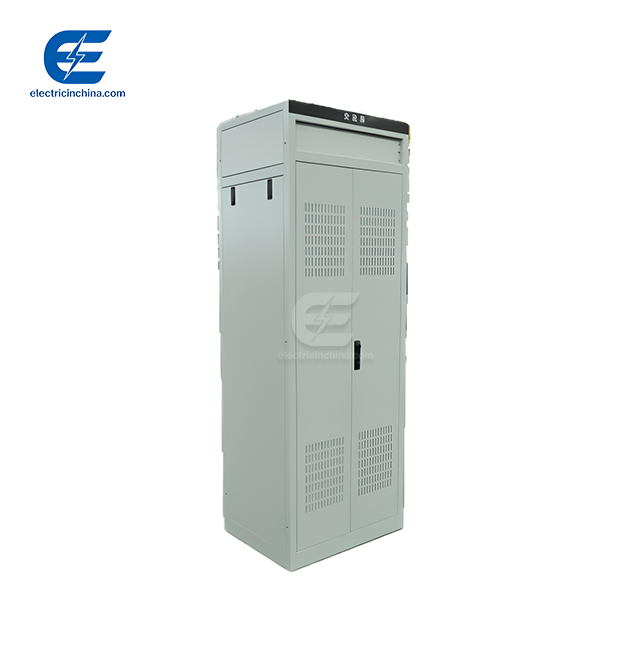
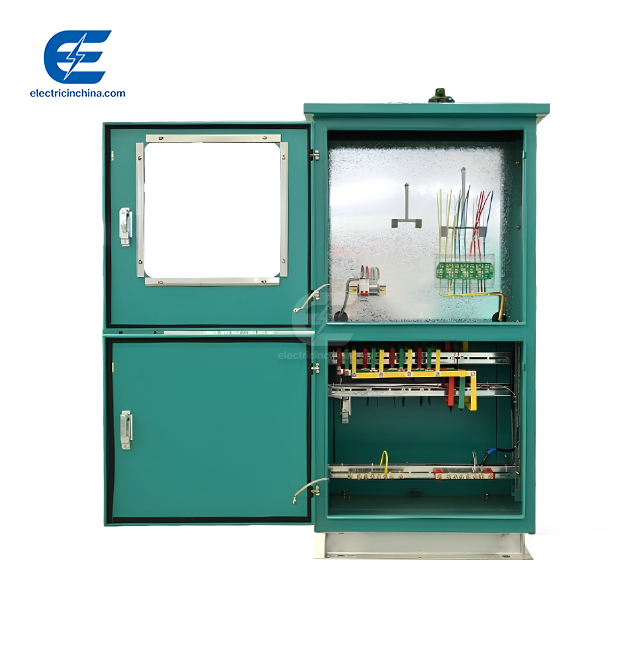
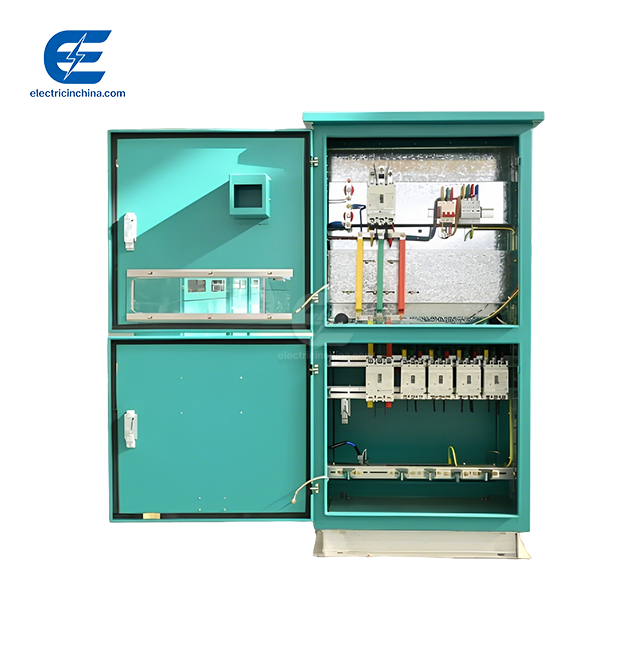
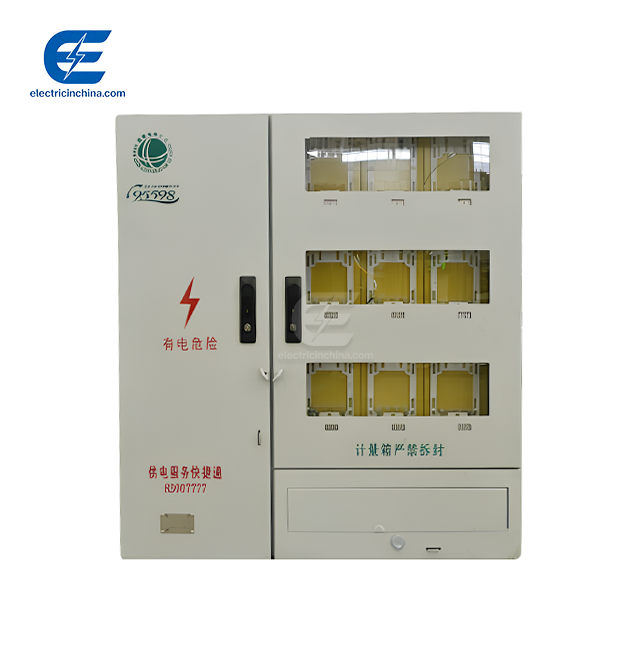
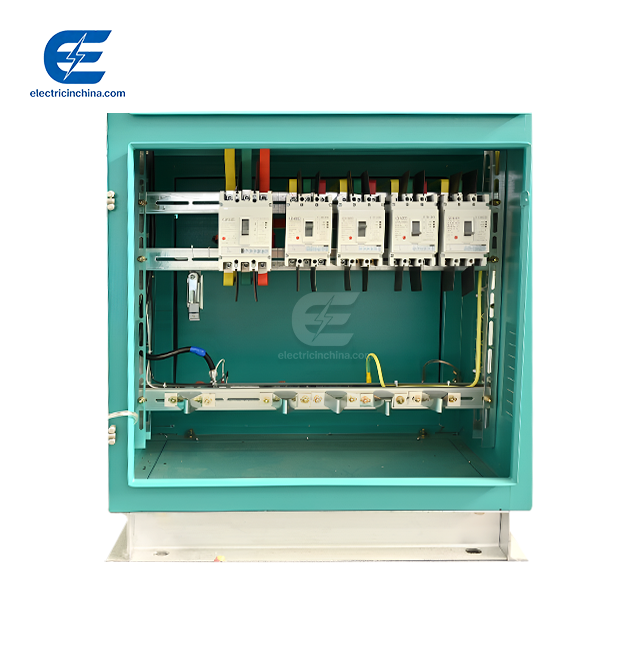
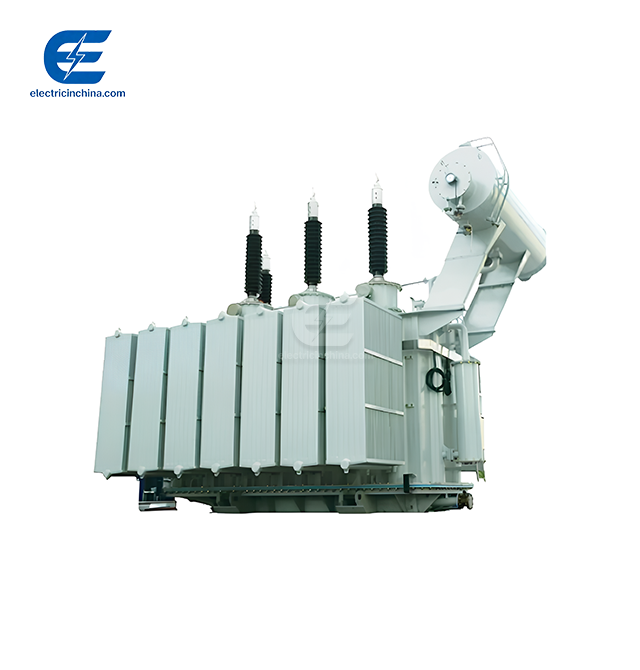
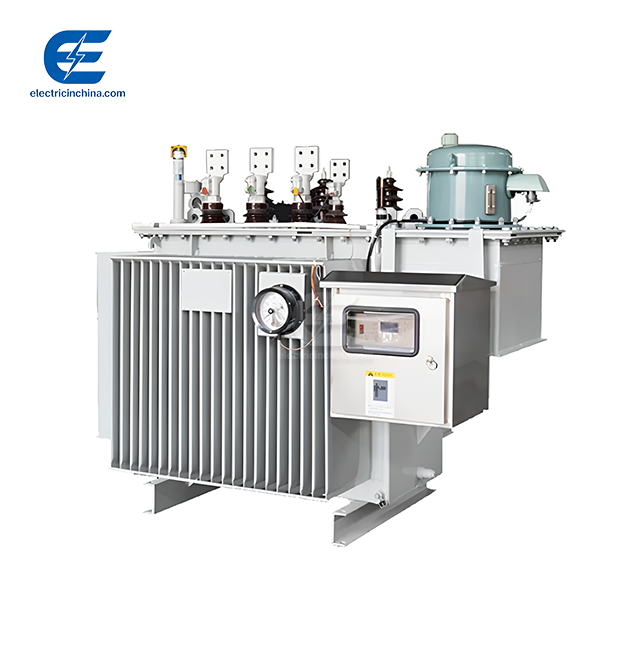
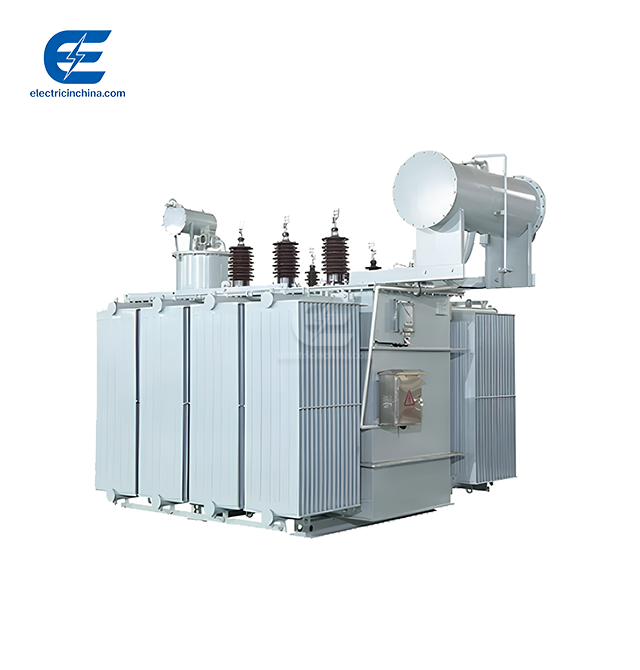
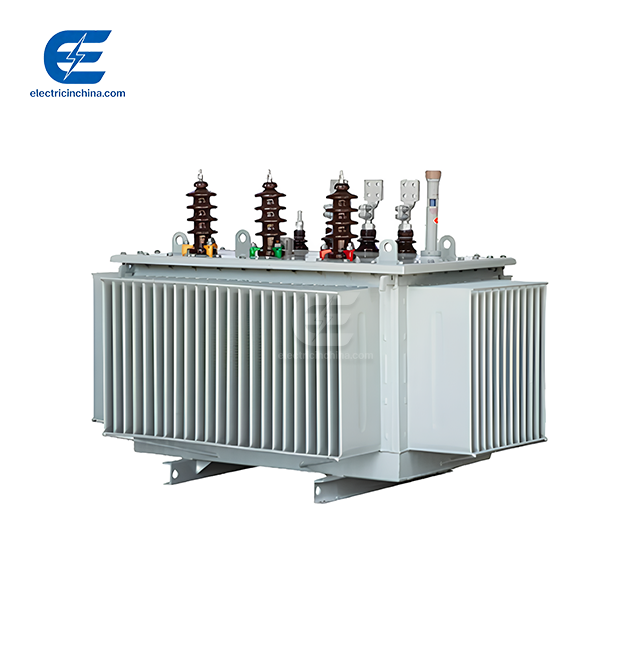
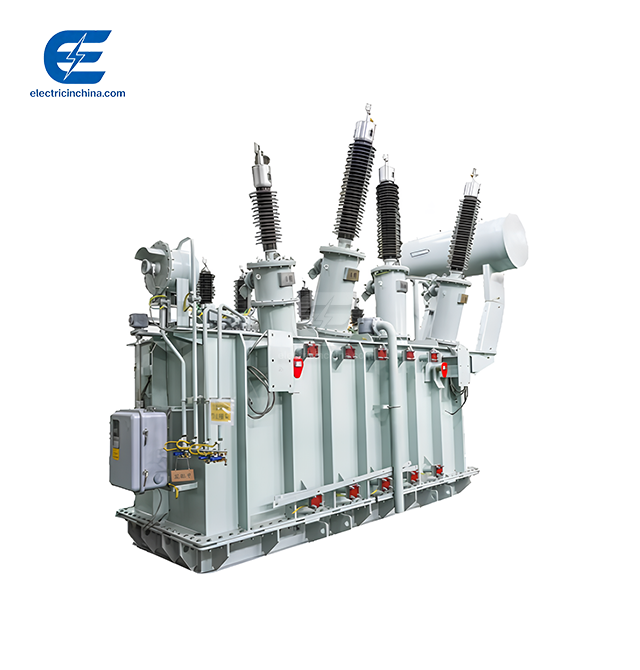
To ensure dependability and operating safety in industrial settings, Oil-immersed transformers are subjected to rigorous testing. Some of the most important testing methods are electrical tests like measuring insulation resistance and winding ratio, oil quality tests using Dissolved Gas Analysis (DGA), thermal imaging to find hotspots, and mechanical tests to keep an eye on vibrations. These thorough testing methods find insulation wear, oil contamination, and internal problems before they get worse and cost a lot to fix. Organizations stay in line with international standards, extend the life of equipment, and improve power distribution performance by using regular and advanced testing procedures.
Understanding the Importance of Testing Oil-Immersed Transformers
Protecting Critical Infrastructure from Unexpected Failures
Power generation must be constant for industrial activities, so transformer dependability is a must. When an Oil-immersed transformer fails without warning, business stops, production lines stop, and safety risks appear. Testing is the first line of defense against these problems. Insulation wear and tear is still one of the main reasons transformers fail. It happens slowly over the years until it breaks down completely. Regular testing finds these patterns of wear and tear early, so maintenance teams can schedule repairs for planned breaks instead of having to shut down in an emergency.
Regulatory Compliance and Risk Mitigation
Electrical tools used by the government for building projects and by businesses have to follow strict safety rules. Protocols for testing make sure that transformers meet the requirements set by groups such as IEC, IEEE, and ANSI. In addition to making sure that standards are met, proactive testing lowers the risk of being sued when equipment fails and causes harm to people or damage to nearby infrastructure. Insurance companies are requiring more and more recorded testing records because they know that well-maintained transformers are less likely to cause problems and should get better coverage terms.
Core Testing Methods for Oil-Immersed Transformers: A Dimensional Analysis Approach
Electrical Testing Procedures
Electrical tests are the basis of figuring out how healthy Oil-immersed transformers are. Insulation resistance testing checks the dielectric strength between the windings and the ground to see if moisture has gotten in or the insulation has broken down. Technicians use DC voltage and measure current loss. As resistance values drop, it means that the coating is breaking down. Measurements of winding resistance check the quality of the link and find problems with the way it was made or damage that happened during service. For these tests, you need exact tools that can find changes in milliohm levels that could mean there are problems.
Testing the turns ratio proves the accuracy of the voltage transformation, making sure that the transformer gives the right output voltages. Deviations above the ±0.5% tolerance point indicate damage to the windings or a problem with the tap switch. Impedance tests check how well a transformer can handle short circuits, which is very important for distribution networks that often go wrong. Power factor testing checks the general state of an insulation system by finding out how much energy is lost in dielectric materials. As power factor values rise, they show that the insulation is getting old and needs to be fixed right away.
Oil Quality Analysis Techniques
Mineral oil inside transformers does two things: it insulates and cools. Oil testing is a great way to find out about internal conditions without having to do anything unpleasant. The most useful oil test is dissolved gas analysis, which finds gases produced by electrical shocks, burning, and the breakdown of cellulose. Different mixtures of gases show different types of faults. For example, high hydrogen levels show partial discharge, while high ethylene and acetylene levels show arcing. DGA lets you find problems months before they show any obvious signs.
The dielectric breakdown voltage test checks how well the oil can handle electrical stress. According to the IEC 60422 standard, the breakdown power must be at least 30kV. Lower numbers mean that moisture or particles have gotten into the system. Moisture content research finds water that gets into insulation and makes it age faster. Acidity testing shows how much oil is oxidized; higher acid numbers mean the oil needs to be reconditioned or replaced. Particle count research finds solid contaminants that weaken the insulator and wear down machinery.
Advanced and Emerging Testing Technologies for Oil-Immersed Transformers
Continuous Online Monitoring Systems
In traditional testing, Oil-immersed transformers have to be turned off before data can be collected. This means that data gathering can only happen at repair times. Online tracking systems change the way state assessments are done by keeping an eye on things all the time while they're running normally. Modern devices that are permanently attached to transformers keep an eye on important factors and send information to central tracking stations in real time. Online DGA systems constantly sample dissolved gases, finding fault development at a speed that has never been seen before. Instead of waiting weeks or months until the next test, these systems let workers know about problems that start hours or days after the fault occurs.
Temperature monitors spread out in the oil and windings provide detailed thermal maps that can't be gotten from outside measures. Load tracking systems connect working conditions to performance measures, which creates full operational histories. This information is very helpful for looking at performance trends or strange things that happen. Remote monitoring lets one person keep an eye on a group of transformers that are spread out geographically. This is especially helpful for utilities that are in charge of large distribution networks or industrial sites with many substations.
Partial Discharge Detection Technologies
Partially discharged electricity in Oil-immersed transformers shows that the insulation is breaking down, which happens before it completely breaks. Ultrasonic devices that are very advanced can pick up the sound waves that partial discharges make and figure out exactly where they are in the transformer. Ultrahigh-frequency monitors pick up the electromagnetic signals sent by discharge events. This makes them sensitive to low-level activity that other methods miss. When you use more than one detection technology together, you get more accurate results and fewer fake hits.
AI-enhanced analysis tools look through the huge amounts of data that continuous tracking systems produce and find patterns that point to certain types of faults. When taught on failed data from the past, machine learning algorithms can spot small problems that would be missed by a human analyst. These systems send out predictive maintenance alerts with detailed risk estimates, which let you make decisions about when to intervene based on data. Cloud-based systems collect data from many sites and make it possible to find benchmarks and best practices across entire facility portfolios.
How to Choose the Right Testing Method Based on Transformer Specifications and Usage
Matching Testing Depth to Transformer Criticality
Not all transformers should be tested in the same way. A transformer that is used in a very important part of the manufacturing process and whose downtime costs thousands of dollars every hour should be thoroughly tested and monitored online. On the other hand, a transformer used in a less serious situation might only need basic testing every so often. Risk-based testing methods divide up resources based on what will happen if something goes wrong, matching the need to be thorough with limited funds.
Testing requirements are affected by the grades of the transformers. Units with higher voltage and power capacities need stricter processes. A 35kV substation transformer that supplies an industrial complex needs to be tested more often and in more detail than a small distribution transformer. Environmental factors have a big effect on the need for tests. When transformers are used in seaside areas with a lot of humidity, the oil breaks down faster, so it needs to be analyzed more often. Units that are frequently loaded and unloaded or that are connected to power systems with a lot of harmonics need to have their thermal and mechanical stress signs checked more often.
Comparing Oil-Immersed and Dry-Type Testing Approaches
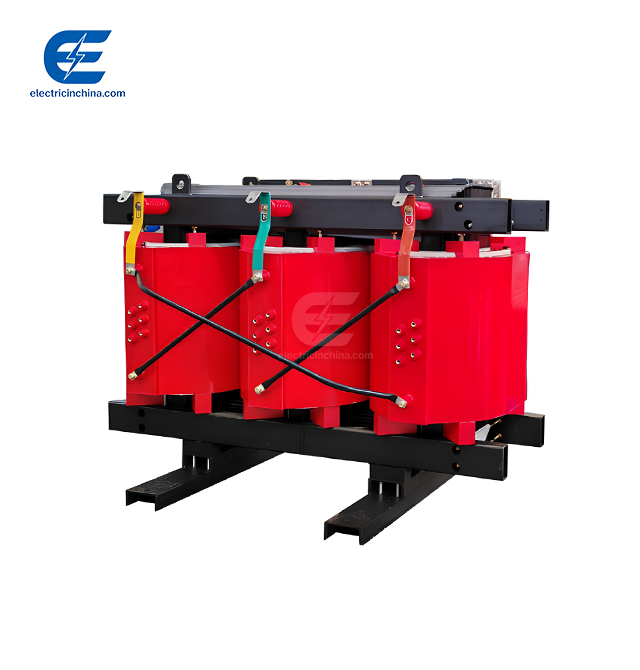
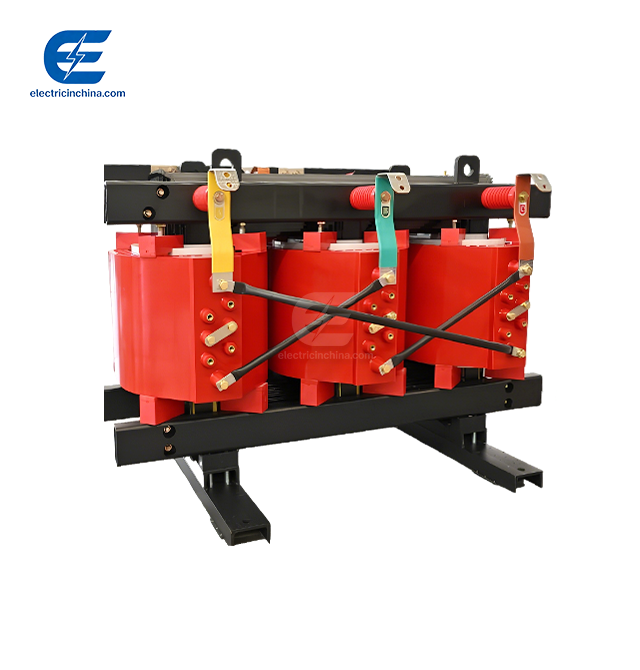
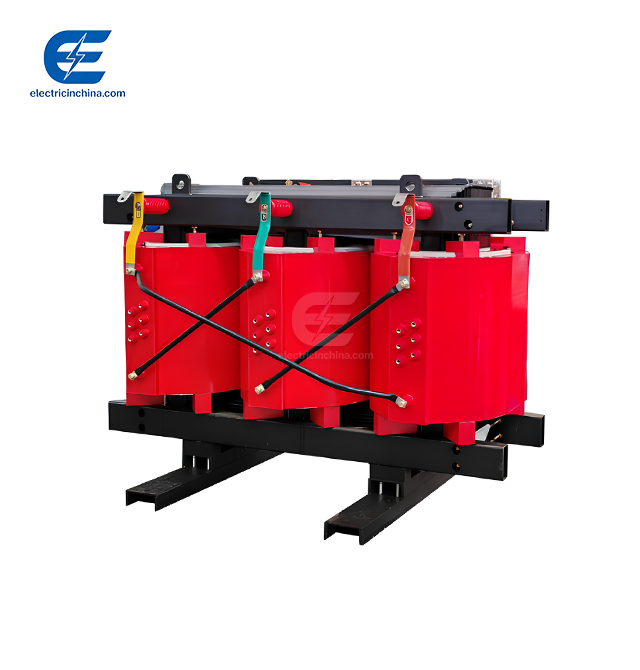
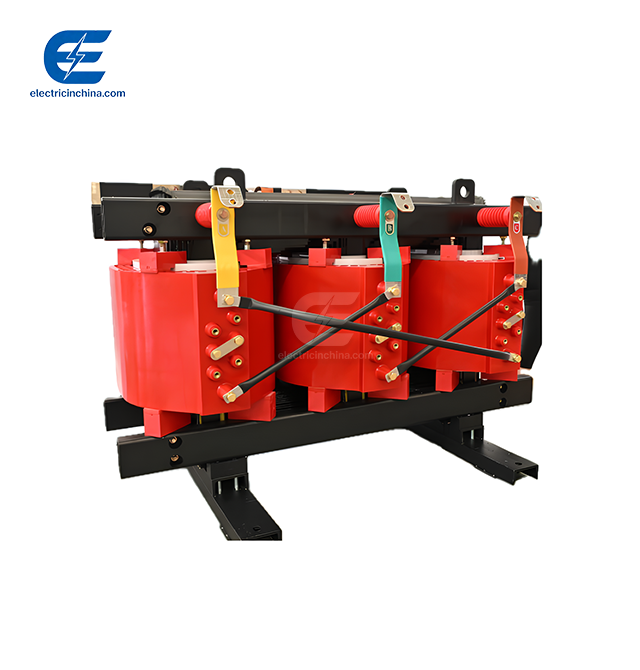
There is a big difference in how Oil-immersed transformers are maintained compared to dry-type units. In these transformers, the oil is both a coolant and a diagnostic medium. This makes oil research a key part of figuring out how good the state is. Managing moisture is very important because even small amounts of water greatly lower dielectric strength and speed up the aging of insulation. The self-healing properties of oil make oil-immersed units useful after small electrical stress, but this benefit needs to be maintained by testing and treating the oil regularly.
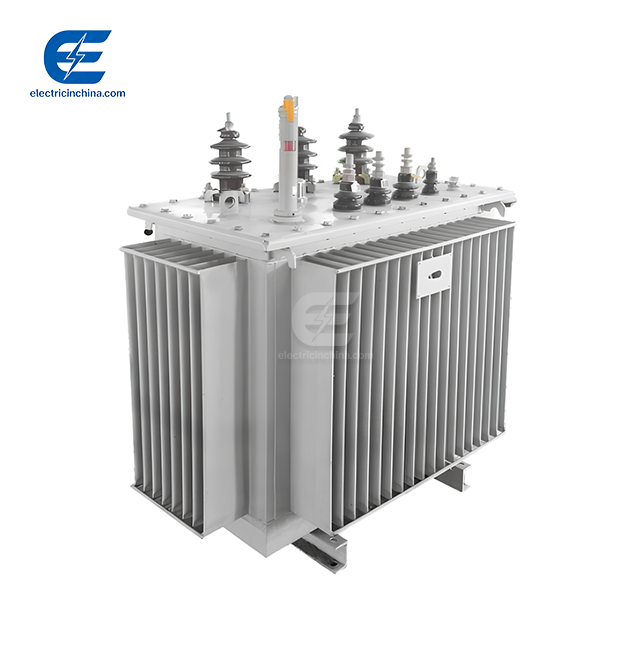
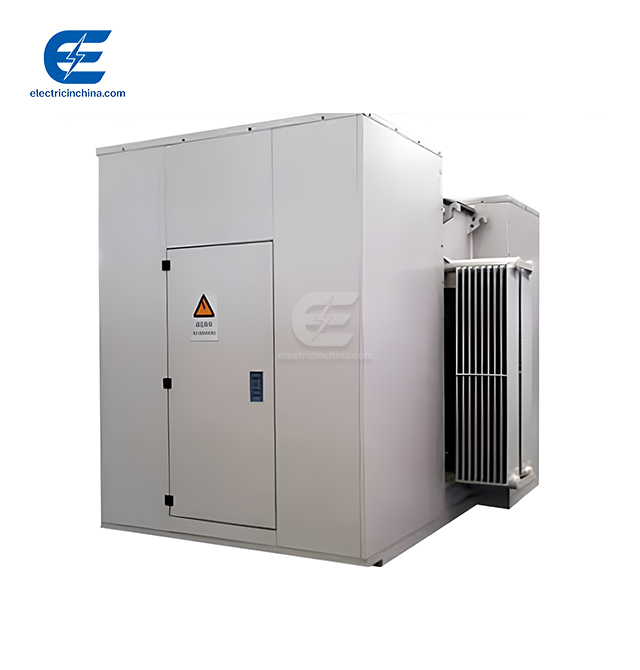
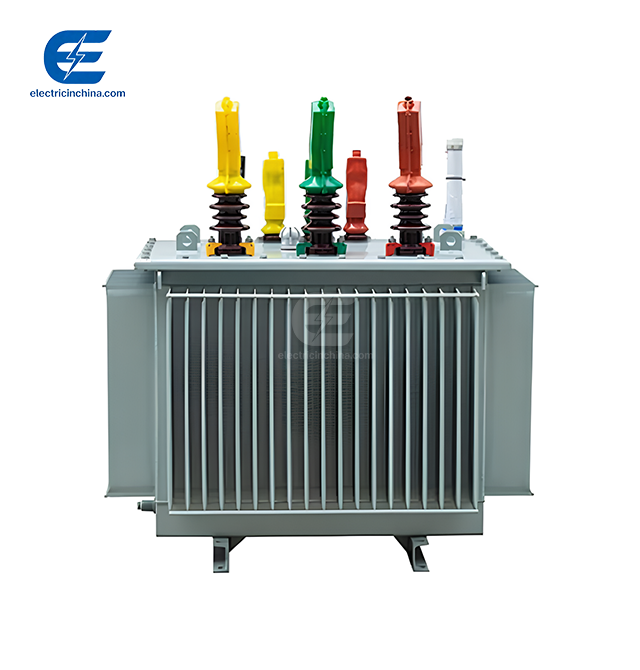
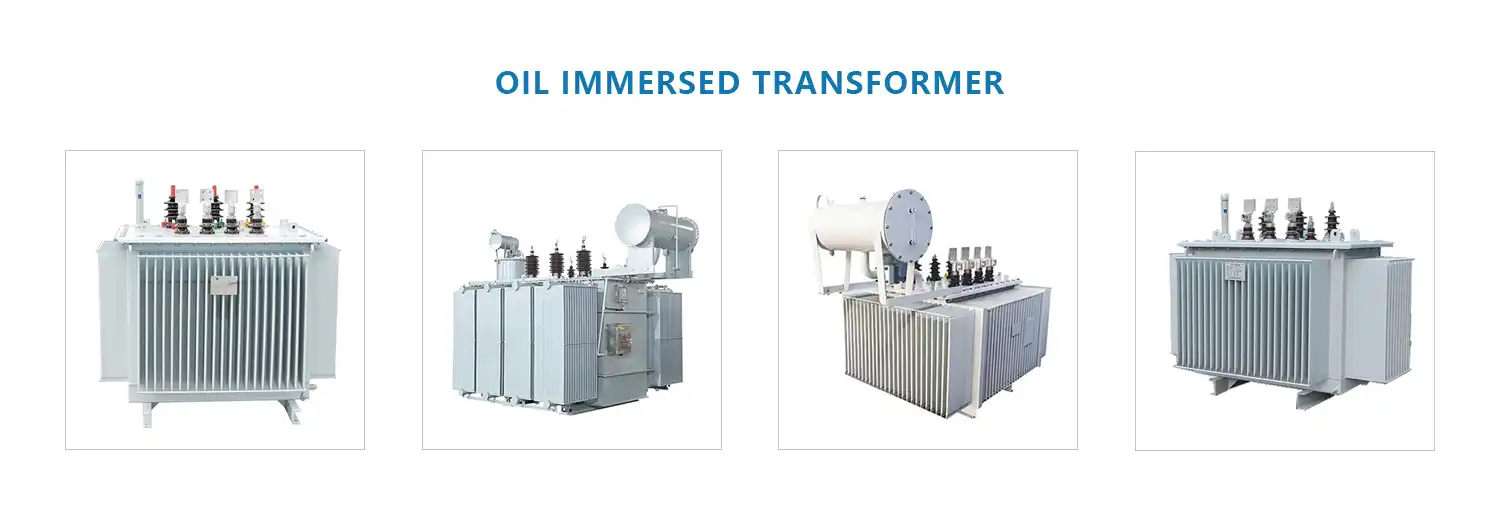
The Oil-immersed transformers in the S9, S13, and S18 models have sealed curved tank designs that keep the transformers from being exposed to the air and letting water in. These improvements in building make upkeep times longer, but they don't get rid of the need for testing. The S13-35kV types use high-permeability silicon steel and have efficiency levels above 98.5%, with losses at no load usually being between 0.1% and 0.3%. For these low-loss features to work, the working conditions must always be perfect, which can be proven by regular tests.
Best Practices and Maintenance Tips to Maximize Transformer Lifespan Using Testing Insights
Establishing Effective Testing Schedules
The number of tests should strike a balance between thoroughness, cost, and practical disturbance. Baseline testing helps set reference values for future comparisons of newly installed transformers. Most industrial uses only need testing once a year, but important units should have testing every three or six months. Condition-based testing changes the testing frequency based on trends that have been seen. For example, units that are performing steadily might have longer testing intervals, while units that are losing parameters need closer monitoring.
When tests are done on Oil-immersed transformers depends on the time of year. Planning thorough testing for times when demand is low reduces the effect on operations as much as possible. Inspections done before summer get cooling systems ready for the busiest time of the year, and tests done after summer look at the effects of temperature stress. Loading history affects how often tests need to be done. For example, transformers that are constantly overloaded need to be checked more often than units that are only slightly loaded. Event-driven testing, which is done after system changes like lightning hits or fault conditions, makes sure that the transformer was not damaged.
Interpreting Test Results for Maintenance Planning
To make maintenance choices based on raw test data, you need an expert to understand it. Trend analysis is more useful than single data points because it lets you predict when maintenance needs to be done, while sudden changes need to be looked into right away. When judging severity, comparing data to maker specs and industry standards gives you some background. You need to know a lot about gas concentration trends to understand DGA data, which show specific types of faults that need to be fixed.
If an oil test shows high levels of wetness, it could mean that the breather system is broken and needs to be replaced or that the tank seal is degrading and needs to be fixed. As acidity rises, it means that the oil is oxidizing. Depending on how bad it is, this can be fixed by filtering, dehydrating, or replacing the oil completely. If the insulation resistance goes down, the inside might need to be inspected, and the windings might need to be fixed up. When temperatures rise too high, the cooling system might need to be cleaned, radiators may need to be fixed, or the load may need to be lowered. Each test result tells repair workers exactly what to do to keep small problems from getting worse and causing major failures.
Maintenance actions based on testing results greatly increase the lives of transformers. Oil restoration often recovers dielectric qualities and gets rid of contaminants for a lot less money than replacing. During important repair periods, internal tests check the state of the windings, tighten the connections, and check the core's integrity. Maintaining the health of industrial transformers through responsive repair saves large capital investments. Industrial transformers are six-figure assets that lose a lot of value if they are replaced too soon.
Conclusion
It is important to follow strict testing procedures for Oil-immersed transformers to keep them working reliably in harsh industrial settings. Electrical tests, oil tests, thermal images, and mechanical tests all give different but related information about the state of tools. Advanced online tracking and diagnosis with AI make it possible to keep an eye on things in real time and plan maintenance ahead of time, which cuts down on downtime and increases the life of assets. When choosing the right testing methods, you need to think about the transformer's specs, its working environment, and how important it is. Partnering with qualified providers that offer strong quality control and ongoing technical support makes sure that you have access to the knowledge and tools you need to handle transformers well. Using strict testing plans and responsive repair methods can help protect large investments in equipment and keep operations running smoothly, which is important for businesses that need to be competitive.
FAQ
1. How often should oil-immersed transformers be tested?
How often a transformer needs to be tested relies on how important it is, how it is used, and the rules that apply. Most industrial uses, like measuring electricity and looking at oil, can handle yearly thorough testing. Testing important parts that support important processes every three to six months is a good idea. Transformers that have just been put into service need to be tested at the start and again after the break-in time. Continuous online tracking gives real-time protection for expensive assets where the cost of downtime is worth the investment.
2. Can testing be performed while transformers remain energized?
Some tests can be done while the machine is running, while others need to be turned off. While the transformer is still in use, some live DGA tools, infrared thermography, and vibration monitoring can work. The unit has to be turned off in order to test insulation resistance, measure winding resistance, and test the turns ratio. Energized testing is possible with partial discharge monitoring devices. By balancing online and offline testing, you can get the most data while causing the least amount of trouble for operations.
3. What oil test results indicate the need for major service?
Several signs point to serious problems that need quick care. A dielectric breakdown voltage of less than 30kV means that there is a lot of harmful pollution. Moisture levels above 20ppm speed up the aging process of insulation. Acidity levels above 0.03 mg KOH/g show that the oil is oxidizing more quickly. High levels of acetylene in the DGA data indicate that there is a risk of arcing, while high levels of ethylene indicate that there is a lot of burning. Particle numbers that are higher than what is allowed are a sign of contamination or internal breakdown. Several things that are breaking down at the same time usually mean that the whole inside needs to be inspected and either fixed up or replaced.
Partner with Tuojie for Superior Oil-Immersed Transformer Solutions
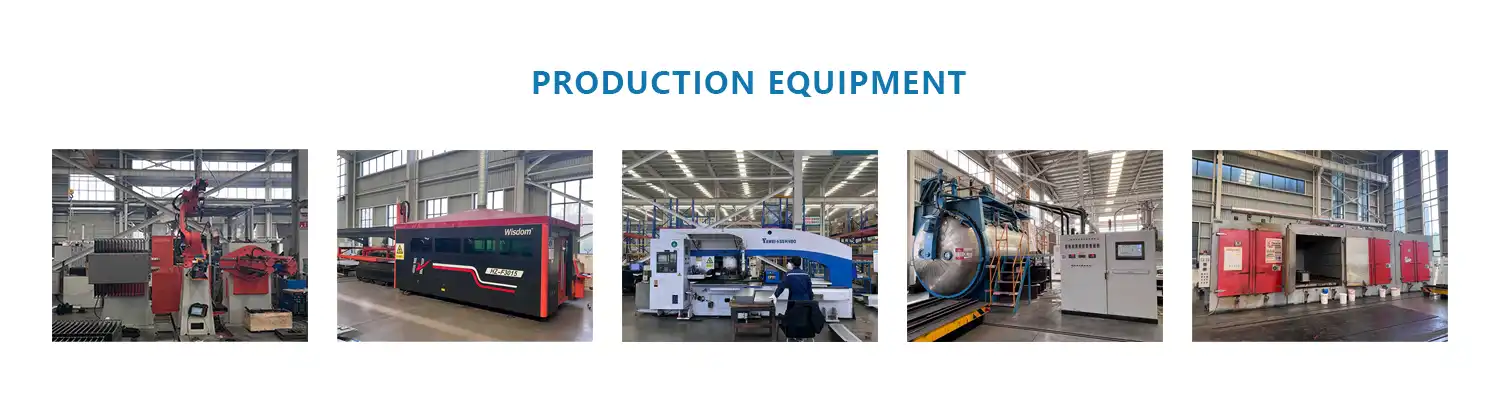
Tuojie has all the options that companies looking for trusted Oil-immersed transformer suppliers need. Our ISO 9001, ISO 14001, and OHSAS 45001 certifications show that we are dedicated to quality, safety, and being good to the environment. We design, manufacture, and sell power transformers that meet the strictest international standards. Our S9, S13, and S18 series Oil-immersed transformers work exceptionally well across voltage ratings from 6kV to 35kV and capacities from 30kVA to 2500kVA, with efficiency levels reaching 98.5% and low-loss characteristics that are the best in the business. Our professional quality inspection laboratory does thorough tests all the way through production, from checking the arriving materials to testing the finished products to make sure they meet standards. With more than 120 sets of modern manufacturing tools and 15 senior engineers on our technical team, we can make solutions that work in a wide range of environments and meet the needs of different applications. With more than 20 years of experience in the field, we can provide full help throughout the entire lifecycle of an item, from the initial design to installation, commissioning, and ongoing upkeep. Visit electricinchina.com or email tuojie@electricinchina.com to talk about your transformer needs and find out why leading government infrastructure projects, commercial developers, and industrial manufacturers trust Tuojie as their Oil-immersed transformer manufacturer.
References
1. IEEE Standard C57.104-2019, "IEEE Guide for the Interpretation of Gases Generated in Mineral Oil-Immersed Transformers," Institute of Electrical and Electronics Engineers, 2019.
2. International Electrotechnical Commission, "IEC 60076-3: Power Transformers - Part 3: Insulation Levels, Dielectric Tests and External Clearances in Air," Geneva, Switzerland, 2018.
3. Saha, T.K., "Review of Modern Diagnostic Techniques for Assessing Insulation Condition in Aged Transformers," IEEE Transactions on Dielectrics and Electrical Insulation, Vol. 10, No. 5, 2003.
4. CIGRE Working Group A2.34, "Guide for Transformer Maintenance," International Council on Large Electric Systems, Technical Brochure 445, 2011.
5. Myers, S.D., Kelly, J.J., and Parrish, R.H., "A Guide to Transformer Maintenance," S.D. Myers Inc., Akron, Ohio, 1981.
6. Abu-Elanien, A.E.B. and Salama, M.M.A., "Asset Management Techniques for Transformers," Electric Power Systems Research, Vol. 80, Issue 4, 2010.