

.webp)
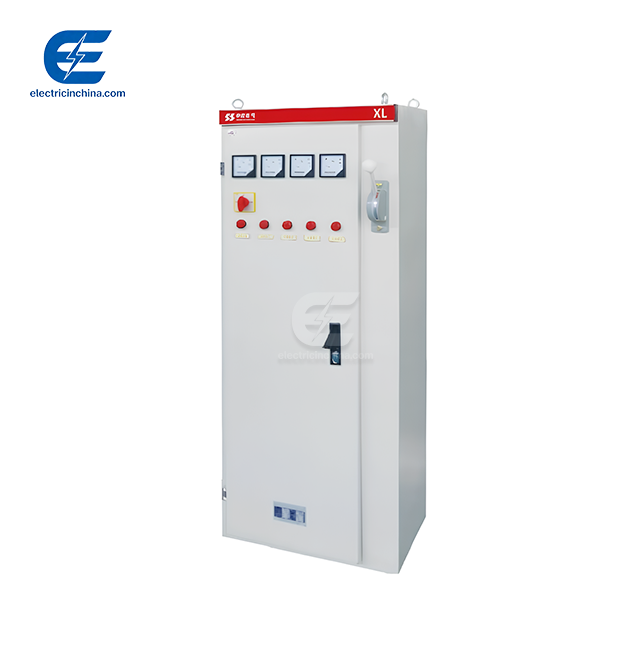
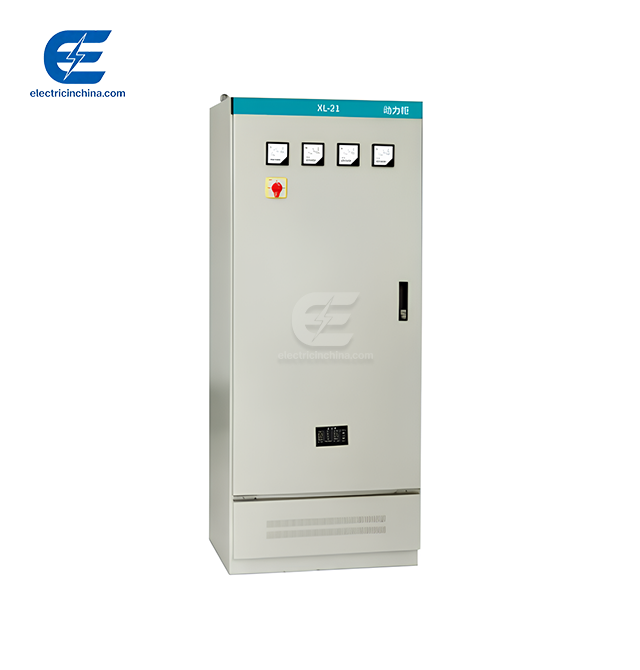
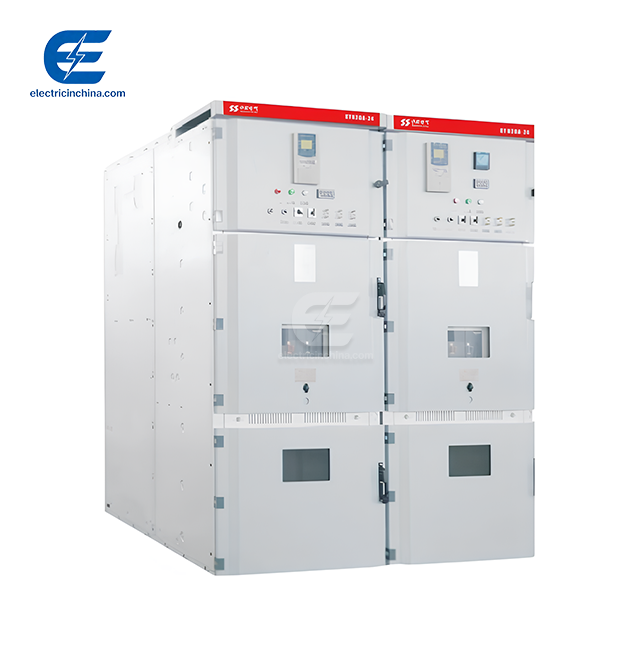
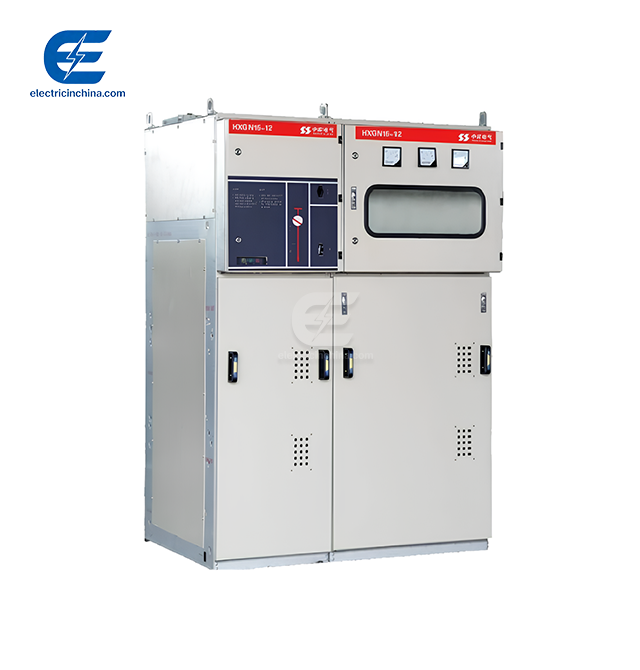
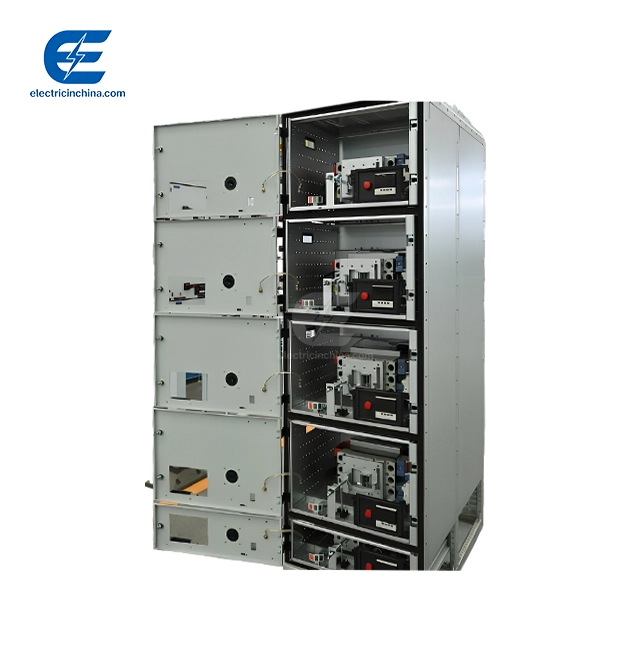
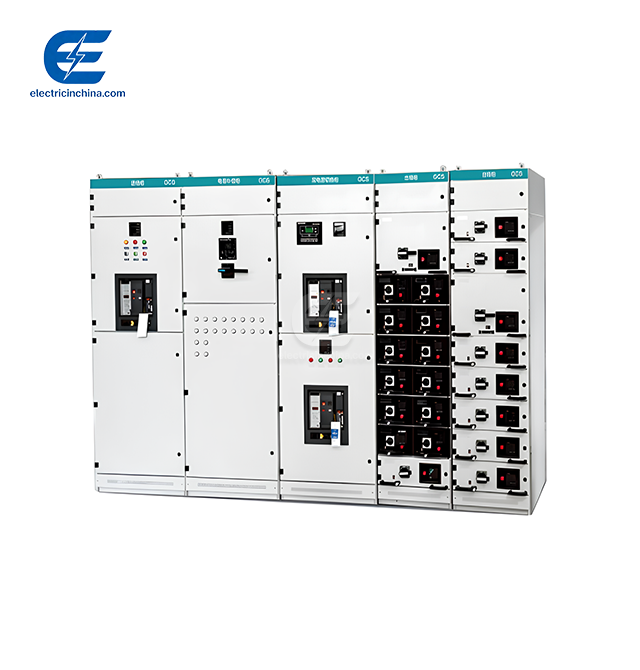
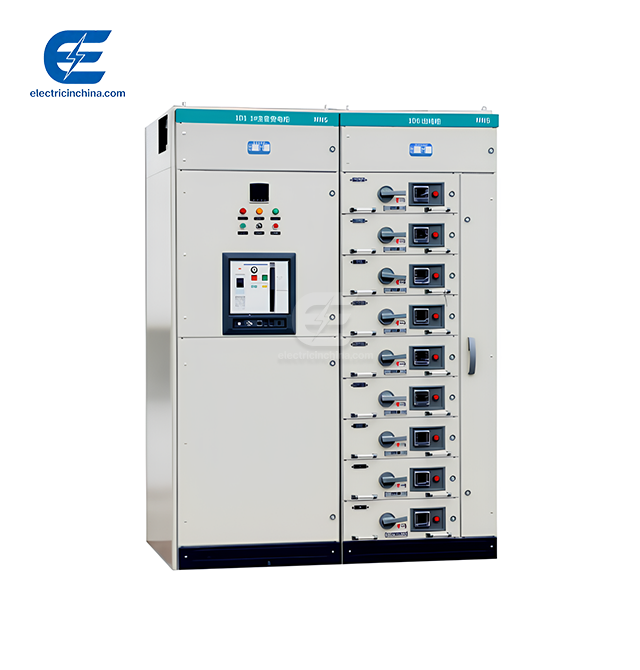
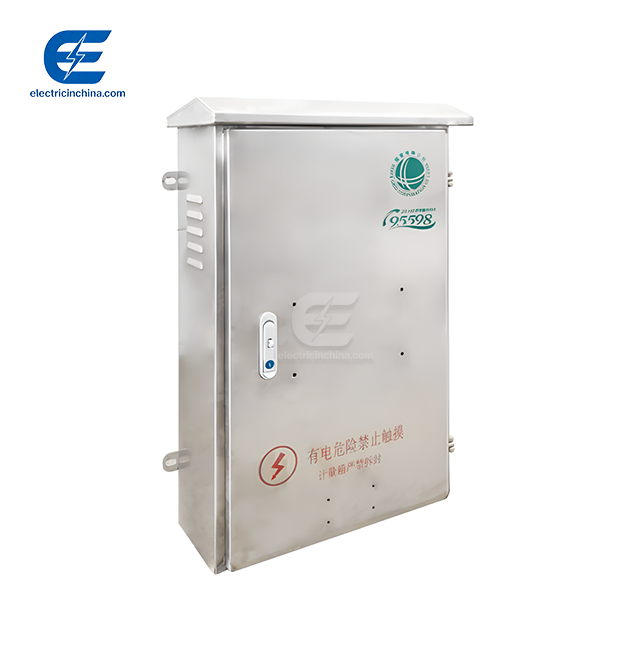
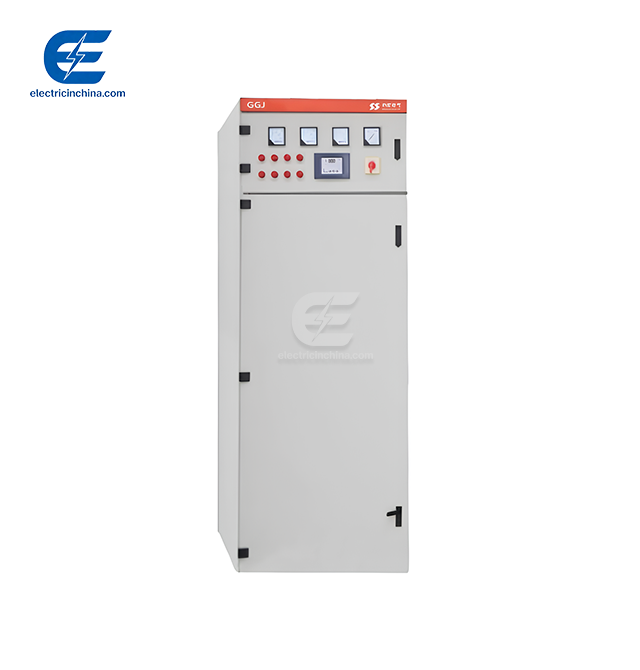
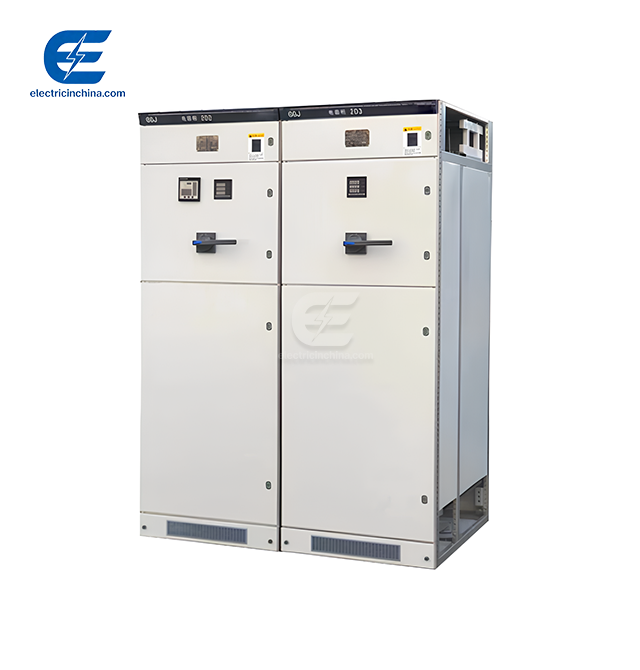
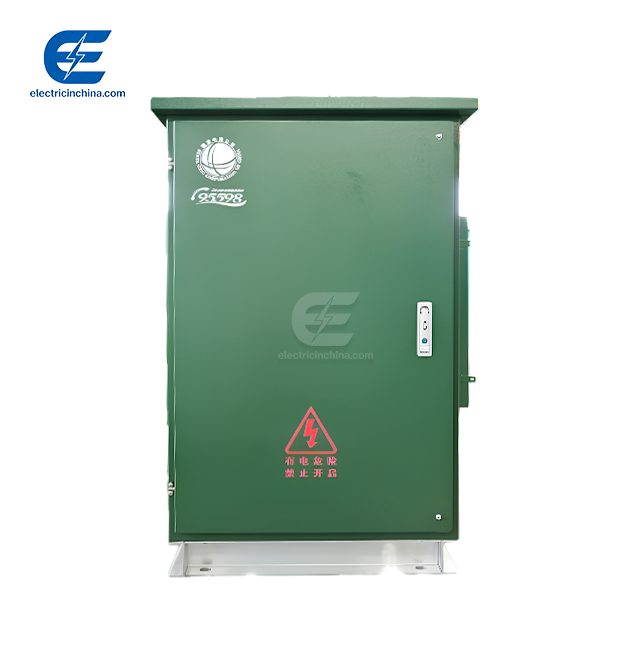
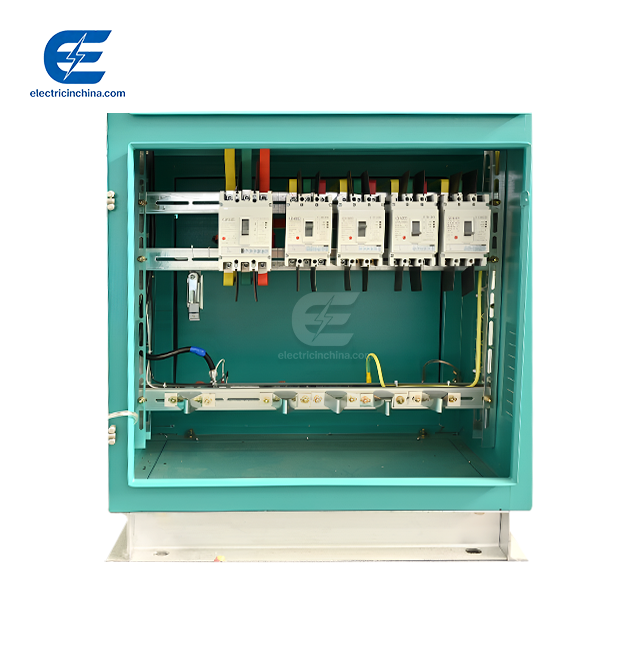
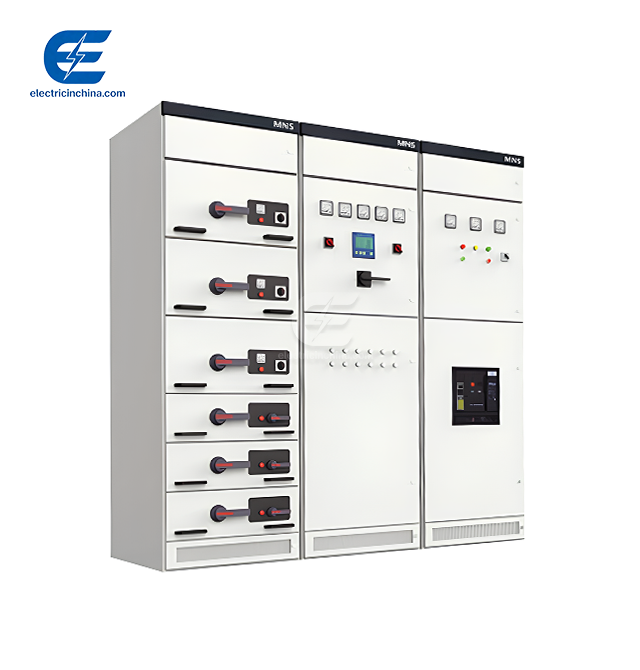
Urban power grids face mounting challenges in today's rapidly expanding cities. Limited installation space, heightened safety regulations, and growing energy demands create operational headaches for project managers overseeing infrastructure development. Inflatable ring main switchgear is a new solution to the problems of power distribution, providing small and dependable options designed for crowded areas. This technology combines advanced SF₆ gas insulation with modular design, reducing footprint by 60-70% compared to conventional air-insulated systems while delivering 99.9% availability rates. We've deployed these systems in over 100 municipal and commercial projects, proving their capability to meet stringent urban grid requirements. This article explores whether this technology truly fits the complex demands of modern city power networks, providing procurement professionals with evidence-based insights to guide strategic equipment decisions.
Understanding Inflatable Ring Main Switchgear Technology
What Makes This Technology Different?
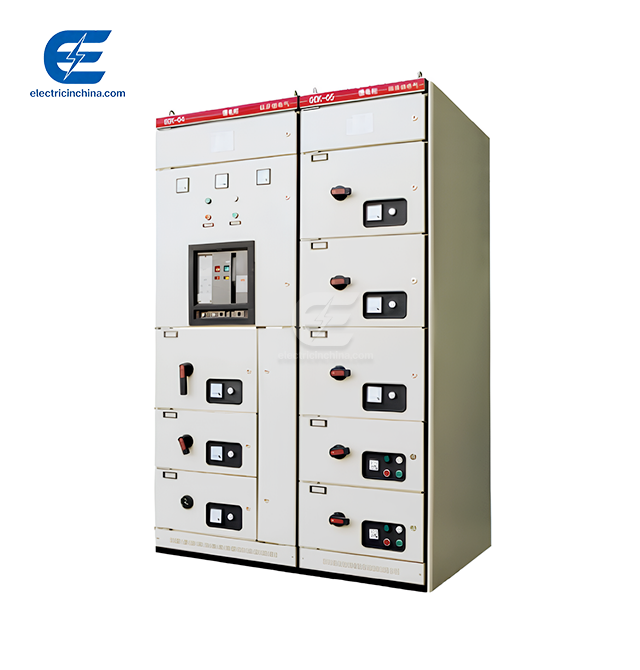
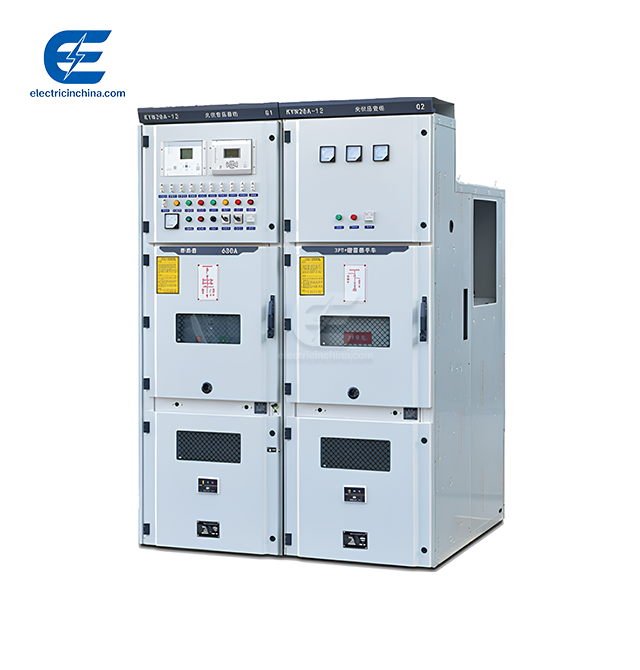
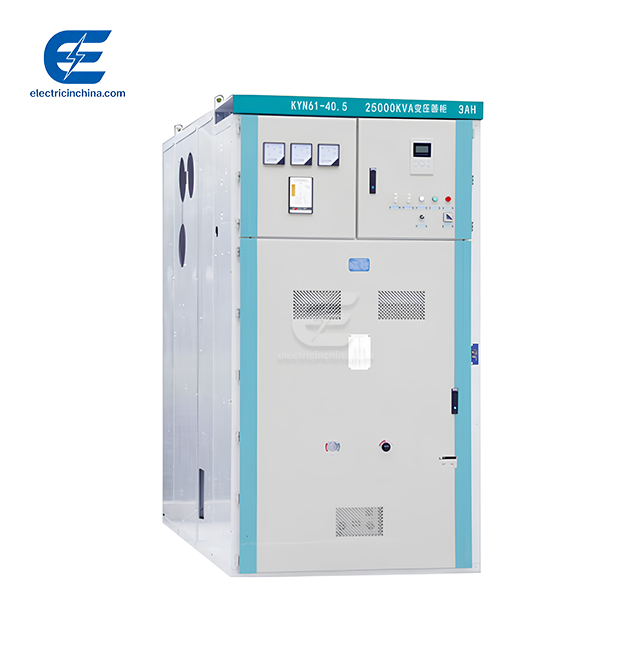
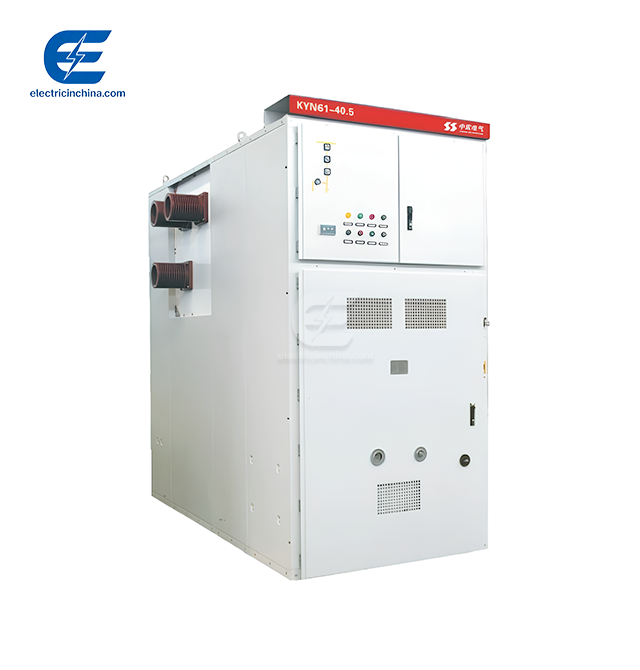
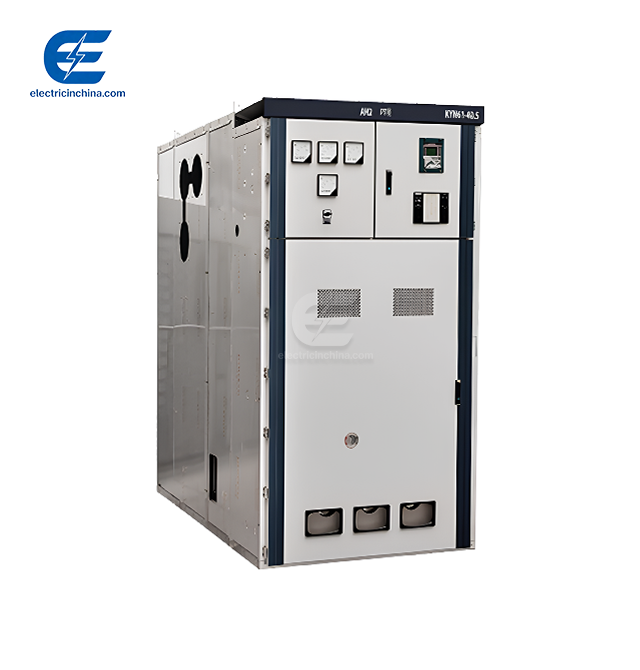
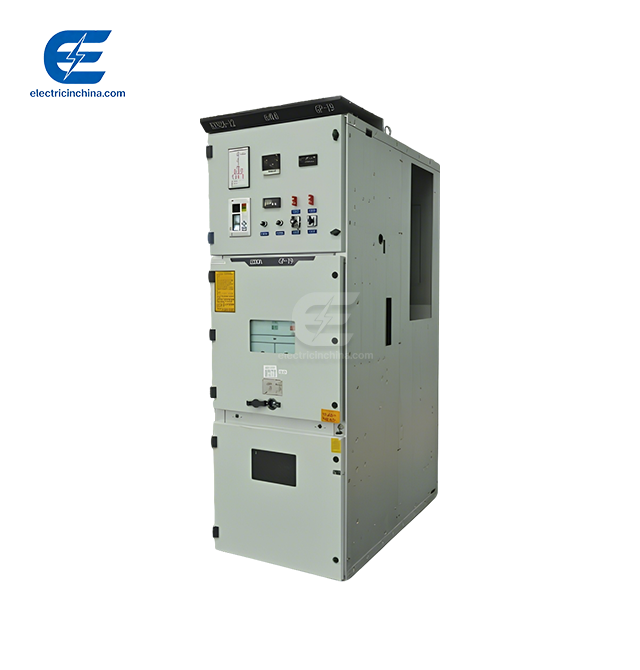
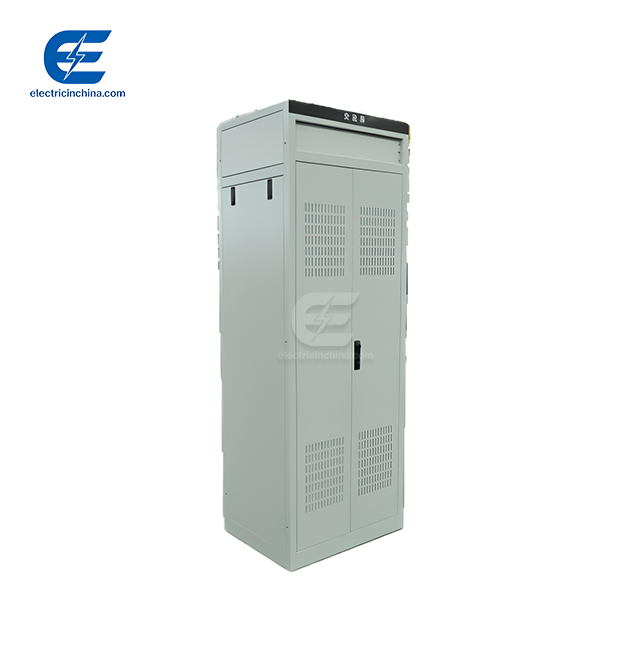
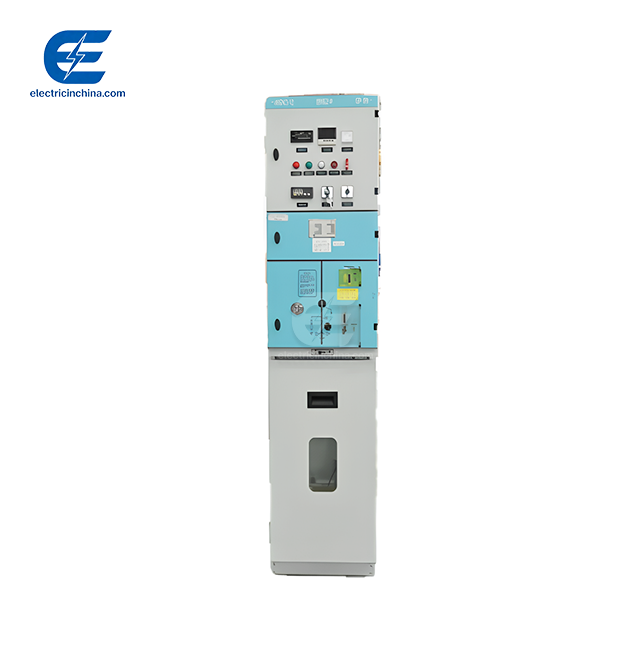
Inflatable ring main switchgear operates as a medium-voltage distribution system using sulfur hexafluoride gas insulation within fully sealed compartments. The "inflatable" designation refers to SF₆-filled chambers that provide superior dielectric strength—approximately 2.5 times greater than air-insulated alternatives. This gas-insulated medium voltage switchgear protects live busbars and switching mechanisms by creating a barrier around them. This stops electrical problems from turning into dangerous arc flash events. The ring configuration enables power to flow through multiple pathways, maintaining supply continuity even when individual sections require maintenance or experience equipment failure. The sealed stainless steel construction eliminates exposure to environmental contaminants that degrade conventional systems. Our units operate at voltage ratings from 12kV to 36kV with current capacities reaching 1250A for normal operations and short-circuit withstand ratings up to 25kA. The SF₆ gas maintains stable pressure at 1.3-1.5 bar gauge, with annual leak rates below 0.5% according to IEC 62271-200 standards. This hermetically sealed design protects internal components from moisture, dust, and corrosive agents—particularly valuable in coastal installations where salt exposure accelerates equipment degradation.
Core Components and Working Principles
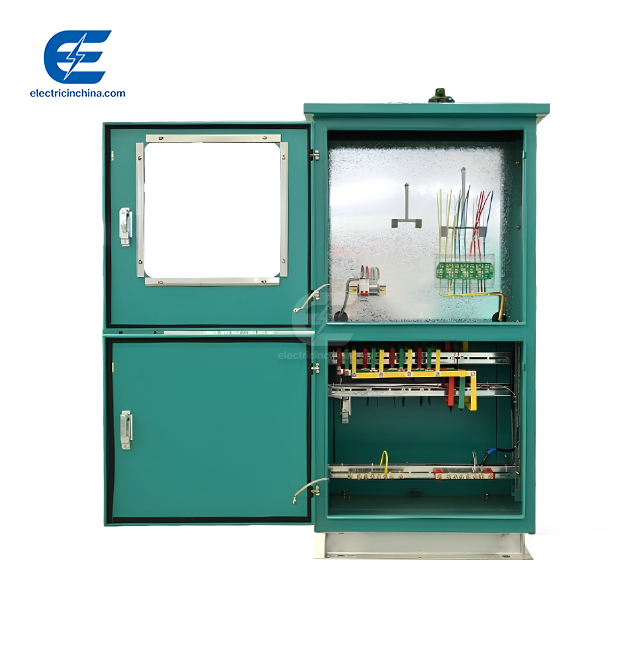
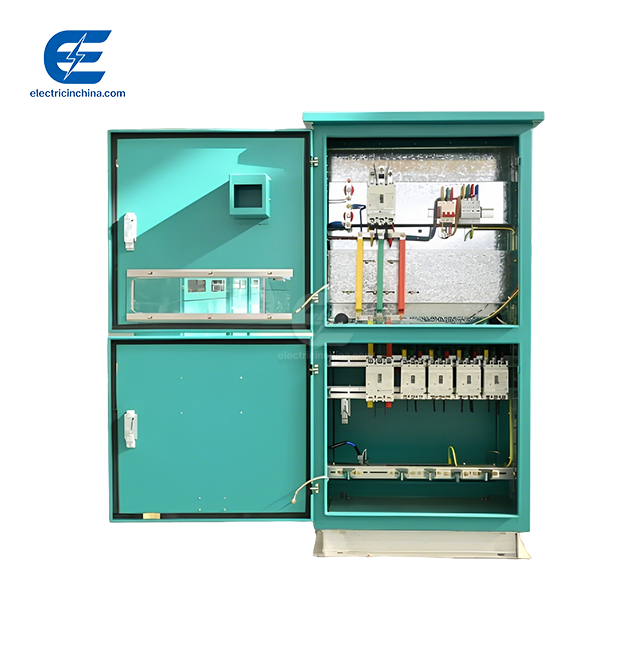
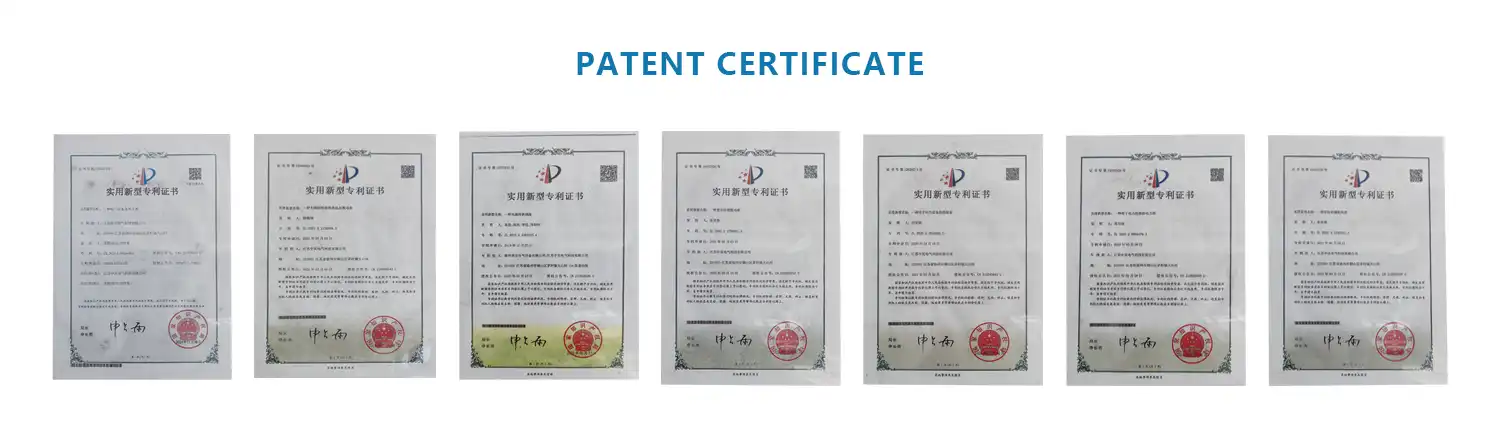
Each inflatable ring main unit has critical components that function together. Gas-insulated busbars in sealed chambers preserve SF6 pressure as the principal current transmission path. Isolation circuit breakers and load break switches allow feeder circuit disengagement without disrupting the ring network. Earthing switches ground isolated parts before the crew accesses them for safe maintenance. The modular design lets feeder units be added as the grid grows. Cable connection compartments include standard interfaces for different cable types and terminating methods. Protection and control systems use relay packages to monitor electrical parameters and isolate faults. Our engineers hold 18 patents for gas handling systems, contact mechanisms, and modular connectivity solutions. Your projects benefit from these improvements in installation efficiency and reliability. Cities must optimize space without compromising safety, which the sealed compartment approach solves. Traditional air-insulated switchgear needs large clearances to avoid electrical failure. Gas-insulated switchgear technology shrinks these clearances, allowing installation in basements, utility tunnels, and tiny substations where traditional equipment cannot fit. This spatial efficiency is especially useful in high-property-value metropolitan zones where every square meter is expensive.
Technical Specifications Adapted for Urban Grids
Equipment for urban power networks must tolerate various environmental challenges and perform consistently. Our inflatable ring main switchgear is IP67-rated, protecting against dust and temporary water immersion—essential for underground installations at risk of floods. Thermal stability allows for cold winters and hot summers without performance loss. With flexible gas connections and strong housing, IEEE 693 seismic certification testing ensures operational capability during earthquakes. High-humidity air-insulated systems have internal condensation difficulties, but the totally sealed design avoids them. This environmental resilience allows reliable operation in tropical coastal, arid desert, and arctic climates, where traditional switchgear ages faster. The tiny design footprint allows vertical stacking in multi-story substations at 400-800mm width and under 2000mm height. Factory testing and pre-commissioning cut on-site labor by 40% compared to assembly air-insulated alternatives. These characteristics speed project deadlines and lower installed costs, benefiting EPC contractors with tight construction schedules.
Comparing Gas-Insulated RMUs with Alternative Switchgear Technologies
Installation Footprint and Space Efficiency
Space limits are a major issue for urban infrastructure projects where land acquisition prices exceed equipment costs. For comparable voltage and current specifications, gas-insulated ring main units take up 60–70% less floor space than air-insulated switchgear. SF6 gas eliminates the need for large phase-to-phase and phase-to-ground clearance distances in air-insulated designs because of its superior insulation. Example: a 12kV, 630A ring main unit in a commercial district substation. Air-insulated configurations take 8-10 square meters of floor area, while our gas-insulated option fits in 3-4. This spatial efficiency multiplies over multi-feeder substations, lowering building footprints by 50% or more. The savings in civil construction, real estate, and facility maintenance frequently outweigh the gas-insulated technology premium. Compared to air-insulated systems, vacuum circuit breaker switchgear saves some space and avoids SF₆ gas handling issues. Contact erosion and vacuum bottle integrity monitoring make vacuum technology more maintenance-intensive. These touchpoints are eliminated by the inflatable ring main unit's sealed gas chambers, decreasing maintenance windows and grid downtime.
Environmental Impact and SF6 Considerations
Sulphur hexafluoride's greenhouse gas emissions impose environmental responsibility. With strict leak prevention and gas recovery methods, modern sealed gas-insulated systems address these issues. Gas reclamation during assembly, maintenance, and decommissioning exceeds 95% in our production process. Annual gas monitoring programs detect seal degradation early, allowing preventive action before atmospheric release. Alternative technologies have different environmental profiles. Air-insulated switchgear eliminates SF6 gas but requires more material, energy, and component replacement cycles. While vacuum switchgear eliminates insulating gases, earlier systems incorporated mercury and created metal vapor during interruptions. Well-managed gas-insulated systems are competitive in terms of their overall environmental impact throughout their lifespan, which includes the energy used in manufacturing, energy losses during Regulations increasingly mandate SF6 leak detection and reporting. Continuous pressure monitoring and automated alarms promote compliance in our sealed compartments. Maintenance-free gas handling reduces cumulative exposure risks compared to systems that need gas top-ups or refills over 25 years.
Cost Effectiveness and Lifecycle Maintenance
Gas-insulated ring main units cost 20–35% more than air-insulated ones due to their advanced sealing technology and precision production. However, total cost of ownership calculations show long-term benefits. Air-insulated systems require annual cleaning, contact inspection, and component replacement cycles, which are labor-intensive. Our sealed gas compartments only require visual inspections and electrical testing every 3-5 years. Higher availability results from reduced maintenance. Circuit isolation, backup power coordination, and commissioning delays are required for each maintenance intervention. Equipment reliability and limited scheduled outages account for our 99.9% installed base availability. This uptime advantage is especially useful for critical infrastructure applications where power outages have serious financial or safety consequences. Operating losses favor gas-insulated designs. Compared to lengthy air-insulated bus runs, compact conductor routing and improved insulation reduce resistive losses and corona discharge. Over a span of 25 years, these efficiency gains result in substantial energy savings, particularly for high-current feeder circuits that cater to large commercial or industrial loads.
Suitability of Gas-Insulated Systems for Urban Power Grids
Addressing Space Constraints in Dense Urban Areas
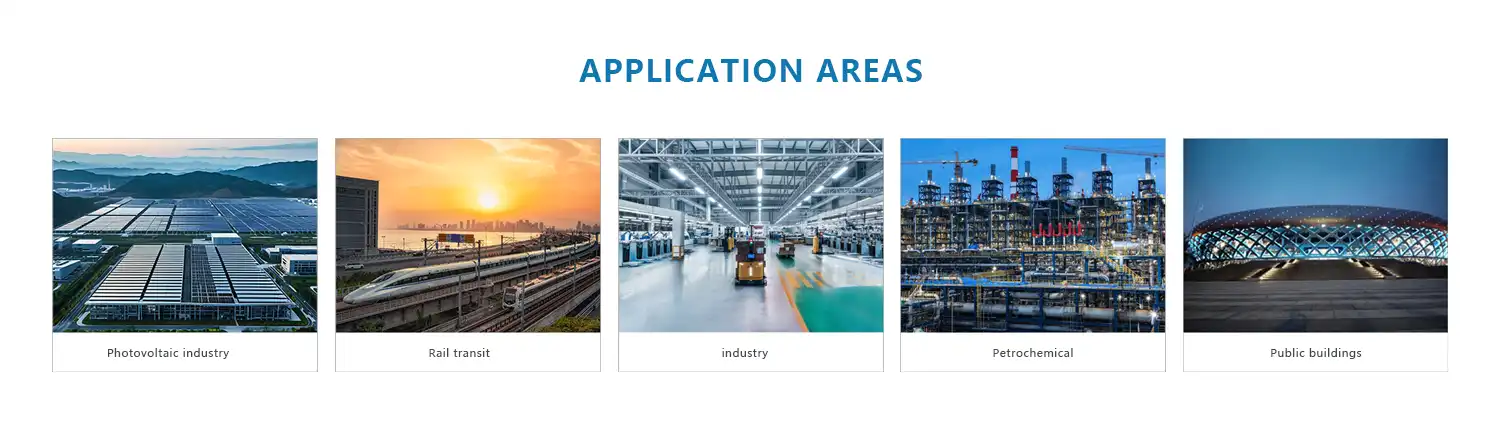
Metropolitan power distribution networks suffer relentless spatial strain as cities densify and property values rise. As commercial development submerges surface-level sites, underground substations become necessary. Gas-insulated ring main switchgear works well in basements, parking structure utility rooms, and utility tunnel networks where typical equipment cannot. In space-constrained underground facilities, we completed the Xuzhou Rail Transit Network Control Centre project using compact gas-insulated technologies. The dual-circuit power supply needed absolute dependability within architectural restrictions. Traditional switchgear would have required structural changes, adding months to construction and costing a lot. The modular gas-insulated design allowed installation in accessible locations without compromising electrical performance or safety. Corporate real estate initiatives face comparable issues. The mixed-use Xinhuai Central Complex needed electricity distribution infrastructure for retail, office, and residential zones. Property developers emphasize revenue-generating floor space over utilities, putting pressure on small electrical rooms. The developer could regain significant commercial space since our gas-insulated systems provided the necessary electrical capacity in 40% of the usual equipment footprint.
Enhanced Safety Features for Populated Environments
Urban power infrastructure operates in inhabited regions with high electrical safety standards. Gas-insulated compartments eliminate live parts, greatly lowering arc flash dangers during normal and fault situations. Sealing potential fault energy in reinforced enclosures prevents fire propagation and protects nearby equipment and structures. IP67 protection enables constant performance in metropolitan applications' harsh environments. Water enters basement substations amid heavy rain or plumbing breakdowns. When exposed to moisture, conventional air-insulated equipment can fail catastrophically, leading thousands of customers to lose service. Our sealed gas-insulated systems function during temporary water exposure, protecting against environmental variables outside design control. Airports, hospitals, shopping complexes, and schools need switchgear systems that minimize maintenance disruption and protect non-electrical staff. Xuzhou High-speed Railway East Station power supply EPC equipment needs to work dependably in a public transportation environment with 24/7 foot traffic. Gas-insulated technology fulfilled these needs by operating without maintenance and having strong safety features to prevent contact with live electrical parts.
Real-World Performance in Metropolitan Networks
Our installed base of over 100 municipal and commercial projects in varied metropolitan areas validates performance. The Xuzhou New Health Hospital Phase I power transmission project required perfect reliability for important medical facilities where power outages threaten patient safety. The ring structure allowed feeder circuit maintenance while preserving vital load delivery. The 99.9% availability rate means less than nine hours of downtime per year across the installation, reassuring life-safety system facilities managers. The industry also experiences similar reliability benefits. To avoid industrial disruptions, we must install the XCMG Group factory power supply upgrade early. Our engineers coordinated equipment delivery, on-site installation, and commissioning to fulfill the deadline. The shorter installation time of pre-assembled gas-insulated modules helped finish early and preserve quality. Since commissioning, the project has run without unscheduled maintenance, proving the design's robustness. Where salty air causes corrosion in traditional equipment, coastal situations are difficult. Seaside business districts show the sealed gas compartment advantage—internal components remain immaculate after decades of maritime atmosphere exposure. Environmental immunity prolongs service life and maintains electrical performance that degrades in unsealed designs exposed to pollution.
Procurement Insights for B2B Buyers Evaluating Gas-Insulated Systems
Technical Compatibility and Standards Compliance
Effective procurement starts with detailed technical specification preparation to ensure equipment compliance with infrastructure and expansion needs. Voltage and current ratings need to align with how the grid operates, including the short-circuit capacity of the upstream. During preliminary design evaluations, our engineers verify equipment selections against project-specific electrical requirements. Compliance with international standards ensures quality and enables regulatory clearances. Our manufacturing procedures follow IEC 62271 high-voltage switchgear standards, IEC 60694 common specifications, and IEEE C37 series criteria. ISO 9001, ISO 14001, and OHSAS 45001 certifications are on all items. Low-voltage switchgear and cable products meet strict Chinese quality standards with national CCC mandatory certification. Customization lets designers create personalized solutions for specific projects. Cable entrance layouts accommodate different cable types and terminations. Many supervisory control and data acquisition systems work with protection relay packages. Environmental specifications take into account extreme temperature, altitude, and seismic zone requirements. With strong application expertise, our 15 senior engineers optimize equipment specifications for project goals.
Supplier Credibility and Partnership Value
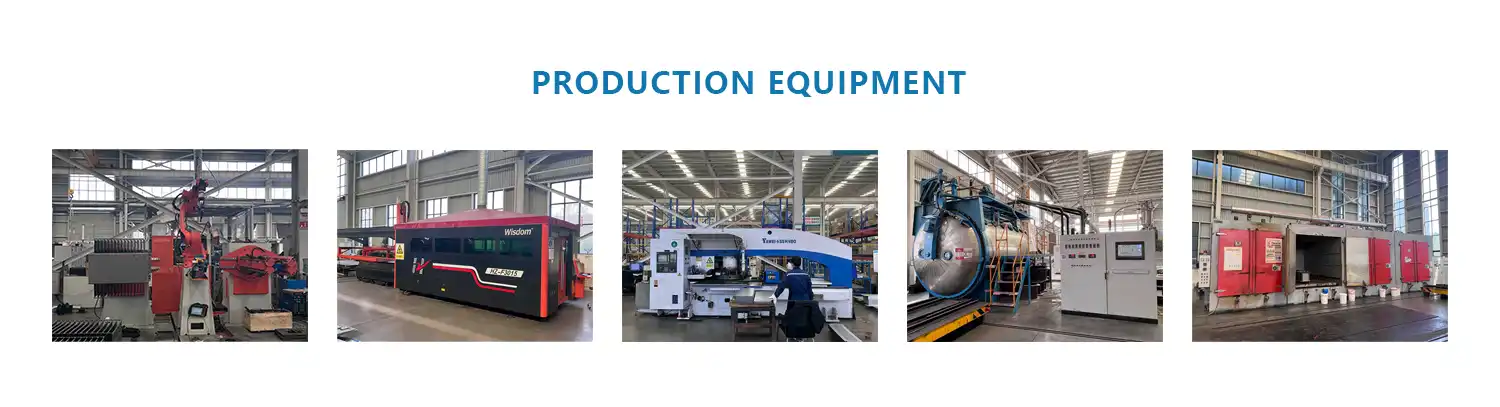
Long-term infrastructure investments necessitate supplier relationships beyond equipment delivery. After 20 years in power distribution, Tuojie has completed hundreds of municipal, commercial, and industrial projects. Technical competence and organizational stability are crucial when choosing partners for multi-decade equipment lifecycles. This operational history provides trust. Delivery reliability and product consistency depend on manufacturing capacity and quality control. CNC automatic winding machines, vacuum casting systems, and microcomputer-controlled curing furnaces are among our 120+ production equipment sets. Continuous process optimization maintains manufacturing efficiency and quality. Incoming material inspection, in-process monitoring, and finished product testing prevent defective units from reaching customers. Technical support distinguishes capable suppliers from equipment vendors. Our procurement services encompass initial design consulting, bespoke solution development, factory acceptance testing coordination, installation monitoring, and commissioning support. After-sales service includes spare parts, emergency response, and technical support. Critical infrastructure investments benefit from this holistic service model that lowers risks and speeds up operations.
Warranty Terms and After-Sales Considerations
Equipment warranties show manufacturer confidence in design and production. Standard warranties cover material and workmanship problems for 12-24 months from commissioning or 18-30 months from shipment. Risk-averse clients or crucial applications benefit from extended warranties. Warranty agreements should explicitly state coverage extent, response time obligations, and remedy methods to avoid claims disputes. The availability of spare parts allows for quick component repair beyond warranty periods. Critical wear goods need inventory and delivery commitments. Circuit breakers, control power supply, and protective relays are in stock. Clear documents for the lead times of specialty components help clients balance carrying costs and downtime risks when setting inventory management. Contractors without gas-insulated equipment benefit from installation support services. Our technical experts assist with equipment positioning, cable termination, and commissioning. This hands-on assistance accelerates project completion and guarantees adherence to manufacturer standards, maximizing warranty coverage and performance. Training programs for customer maintenance staff teach inspection and troubleshooting skills.

Maintenance Requirements and Service Life Expectations
Simplified Maintenance Protocols: Reducing Operational Disruption
Gas-insulated ring main switchgear is easier to maintain than conventional options. Air-insulated systems require laborious cleaning, while the sealed compartment design eliminates this. Electrical clearances and contact surfaces are preserved throughout equipment life because dust, moisture, and airborne pollutants cannot access inside components. Without progressive degradation like exposed designs, this protection maintains electrical performance. Predefined inspection regimens last 3-5 years, longer than air-insulated equipment's yearly maintenance cycles. Regular checkpoints include SF6 gas pressure verification of seal integrity, contact resistance measurements of degradation, and mechanical operation testing of switching mechanisms. The minimum intervention requirements reduce maintenance labor costs and outage frequency, preserving revenue-generating operations and eliminating backup power mobilization costs. Simplified failure modes aid troubleshooting. The sealed design eliminates environmental contamination as a failure mechanism. Diagnostics rely on electrical parameters measured by external test locations without compartment access or gas handling. When problems arise, this accessibility speeds up fault diagnosis and service restoration. Our technical support team uses monitoring data to remotely consult local staff on troubleshooting.
Remote Monitoring Integration for Proactive Management
Gas-insulated systems now have remote monitoring for continual performance review. Pressure sensors monitor SF6 gas levels for leaks before they affect electrical performance. Temperature monitoring detects anomalous heating patterns from loose connections or overloading. Circuit breaker operation counters detect mechanical wear and inform maintenance personnel before component breakdown. Integrating supervisory control and data-collecting platforms centralizes installation monitoring. Facility managers can monitor equipment health throughout distribution networks. Predictive analytics enable planned maintenance during scheduled outages rather than emergency response to unforeseen breakdowns. This proactive approach cuts maintenance expenses and improves grid reliability. Monitoring data aids performance optimization and capacity planning. Analysis of load profiles shows utilization patterns that advise feeder reconfiguration or capacity upgrades. Historical performance data support the reliability assumptions of equipment used in grid planning models. These findings drive multi-year capital planning decisions for strategic infrastructure investment beyond specific equipment units.
Expected Lifespan and Total Cost of Ownership
Gas-insulated ring main switchgear often lasts over 25 years in metropolitan environments. Sealing protects internal components from environmental aging that shortens equipment lifespan. When sealed, SF6 gas retains its insulating characteristics during operation, eliminating degradation issues with organic insulation. For decades of mechanical and electrical integrity, corrosion-resistant stainless steel housing and high-conductivity copper conductors are chosen. TCO assessments must include lifecycle costs beyond initial procurement. The analysis framework includes installation labor, commissioning costs, routine maintenance, component replacement costs, energy losses, outage penalties, and decommissioning costs. Despite higher initial investment, gas-insulated systems have advantageous total cost profiles over 25 years. Maintenance reduction alone sometimes justifies cost surcharges, especially in high-labor-cost regions where technician time is expensive. Beyond the main service, resale and second-life applications provide economic value. After removal, well-maintained gas-insulated equipment works for secondary purposes. The residual value reduces net lifecycle costs and supports equipment reuse for sustainability. Gas recovery and material recycling reduce disposal costs and environmental impact during decommissioning.
Conclusion
Urban power grids demand distribution solutions balancing spatial efficiency, operational reliability, and long-term cost effectiveness. Gas-insulated ring main switchgear addresses these requirements through compact design, sealed construction, and maintenance-free operation extending beyond 25 years. The technology demonstrates proven performance across 100+ municipal and commercial installations, delivering 99.9% availability rates in demanding urban environments. Procurement professionals evaluating equipment options should consider total lifecycle costs rather than initial purchase prices alone—the maintenance reduction and space savings often justify investment premiums within payback periods of 5-7 years. Technical specifications spanning 12-36kV voltage ranges and IP67 protection ratings suit diverse urban applications, from underground substations to coastal installations. The sealed SF6 compartments eliminate environmental contamination concerns while maintaining consistent electrical performance across extreme temperature variations and harsh conditions.
FAQ
What maintenance does gas-insulated ring main switchgear require during its operational life?
Sealed compartment design eliminates routine cleaning and annual inspections required by conventional systems. Maintenance intervals extend to 3-5 years for basic checks, including gas pressure verification, contact resistance measurement, and mechanical operation testing. Remote monitoring systems track performance continuously, enabling predictive maintenance approaches that schedule interventions during planned outages rather than responding to unexpected failures.
How does this technology perform during seismic events in earthquake-prone regions?
Equipment undergoes seismic qualification testing per IEEE 693 standards, demonstrating continued operation during earthquake acceleration levels specified for installation locations. Flexible gas connections and robust housing construction prevent seal integrity loss during ground motion. Multiple installations in seismically active zones have experienced earthquake events without equipment damage or operational disruption.
Can existing ring main units expand as electrical load requirements grow?
Modular design enables seamless expansion through standardized interfaces and connection protocols. Additional feeder units integrate with existing installations without major system shutdowns. The ring configuration inherently supports growth by adding new circuit branches while maintaining redundant supply paths. Compatibility testing confirms interoperability between equipment generations, protecting long-term expansion flexibility.
Partner with Tuojie for Your Urban Power Distribution Needs
Tuojie delivers proven gas-insulated switchgear solutions backed by 18 patents, 15 senior engineers, and successful deployment in over 100 major infrastructure projects. Our medium-voltage distribution systems combine SF6 gas insulation technology with fully sealed stainless steel construction, achieving 60-70% space reduction compared to conventional designs. Whether you're managing government infrastructure projects, commercial developments, or industrial facilities, we provide customized power solutions meeting your specific requirements. As an experienced inflatable ring main switchgear manufacturer, we maintain ISO 9001, ISO 14001, and OHSAS 45001 certifications, ensuring quality standards that satisfy the most demanding procurement specifications. Our comprehensive approach encompasses design consultation, factory testing, installation support, and long-term technical service. Connect with our engineering team at tuojie@electricinchina.com to discuss your urban power distribution challenges and explore how our technology addresses space constraints, reliability requirements, and total cost objectives for your next project.
References
1. Chen, W., & Liu, X. (2021). Compact Gas-Insulated Switchgear Technology for Urban Power Distribution Networks. Journal of Electrical Engineering & Technology, 16(4), 2087-2098.
2. International Electrotechnical Commission. (2020). High-Voltage Switchgear and Controlgear—Part 200: AC Metal-Enclosed Switchgear and Controlgear for Rated Voltages Above 1 kV and Up to and Including 52 kV. IEC Standard 62271-200.
3. Kumar, S., & Patel, R. (2022). SF₆ Gas Insulated Systems: Environmental Considerations and Lifecycle Management. IEEE Transactions on Power Delivery, 37(2), 1243-1255.
4. Metropolitan Power Engineers Association. (2023). Urban Substation Design Guidelines: Space Optimization and Safety Standards. MPEA Technical Publication 2023-07.
5. Wang, J., Zhang, Y., & Li, H. (2022). Reliability Analysis of Ring Main Units in High-Density Urban Distribution Grids. Electric Power Systems Research, 210, 108-121.
6. Zhou, T., & Anderson, M. (2023). Comparative Life Cycle Assessment of Medium Voltage Switchgear Technologies. Sustainable Energy Technologies and Assessments, 55, 102-116.