

.webp)
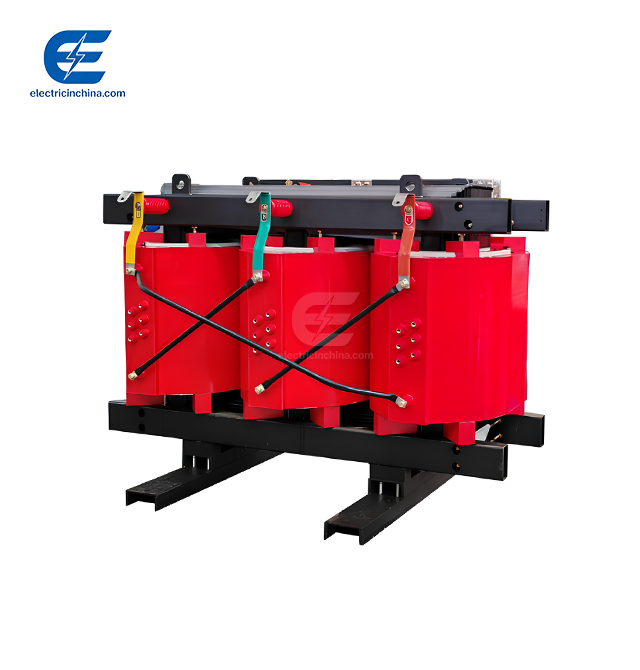
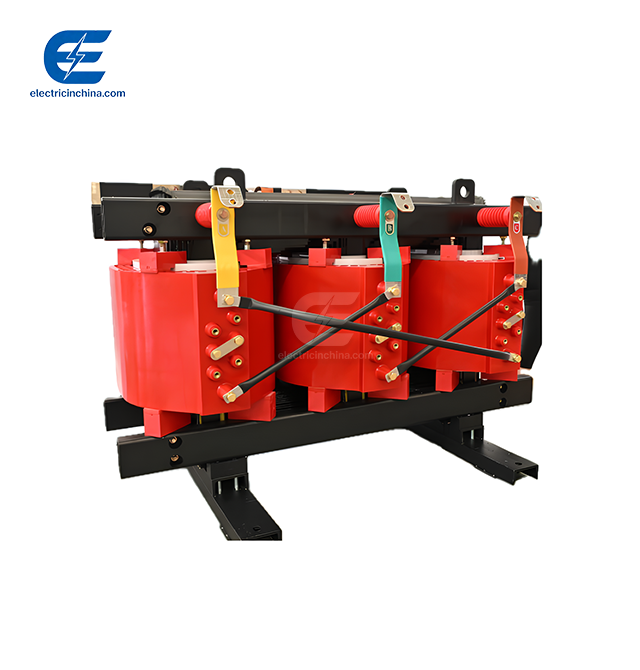
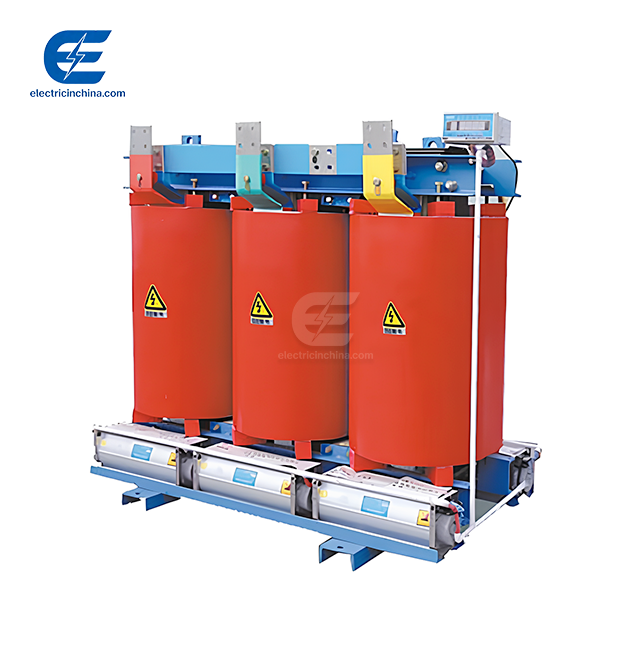
Amorphous alloy dry-type transformers typically operate at load rates between 40% and 80% of their rated capacity, with optimal performance occurring at 60-75% loading. This design principle allows the transformer to handle sudden load increases while maximizing energy efficiency. The superior magnetic properties of amorphous core materials enable these transformers to maintain efficiency levels of 98.5-99.2% at full load, significantly outperforming traditional silicon steel designs. Understanding typical load rates helps procurement professionals select appropriately sized units that balance capital investment with operational efficiency, making these transformers ideal for government infrastructure, industrial manufacturing, and commercial real estate applications where reliability and cost-effectiveness are paramount.
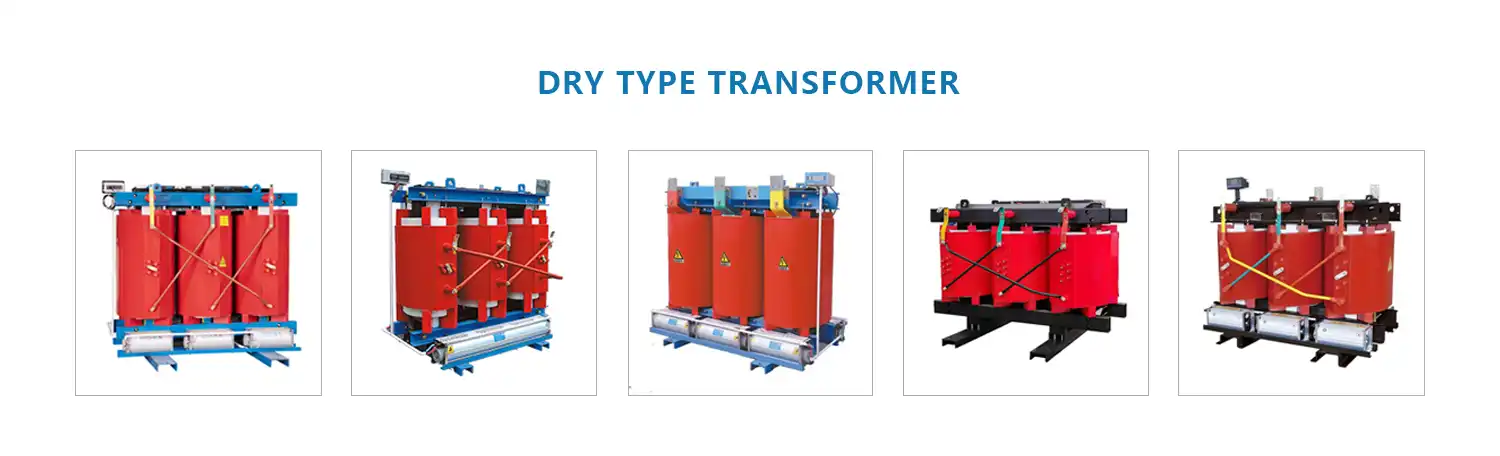
Understanding the Typical Load Rate of Amorphous Alloy Dry-Type Transformers
The load rate shows the amount of a transformer's stated capacity that is actually being used. This measure has a direct effect on how long equipment lasts, how much energy it uses, and how well the system works generally. When engineering teams and buying specialists are choosing power distribution tools for big projects, they need to know how this relationship works.
Defining Load Rate and Its Operational Impact
To figure out the load rate, divide the real power demand by the stated capacity of the transformer. A 1000KVA unit that supplies 650KVA works at a 65% load rate. Changing this amount has a huge impact on how the technology works in many areas. In our factory, we've found that units that are running between 60 and 75% are the best mix between efficiency and machine stress. This equation is very different now that our transformers use Amorphous alloy dry-type transformer technology. Amorphous alloy strips, which are only 0.025 mm thick, have a different atomic structure than regular silicon steel cores, which makes hysteresis losses much smaller. This means that energy performance stays very high even when load rates change during working processes.
Comparative Performance Across Transformer Technologies
When they are working with less than 50% load, traditional silicon steel transformers become less efficient. Our Amorphous alloy dry-type transformer units keep working better over a wider range of loads. Our quality control lab's testing shows that no-load losses are only 0.1% to 0.2% of quoted capacity, which is much lower than the 0.4% to 0.8% that are seen in most designs. This speed edge directly leads to cost savings in operations. A 1500KVA Amorphous alloy dry-type transformer that serves a business building with a 55% average load will save between 15,000 and 20,000 kWh per year compared to a silicon steel transformer. Over the course of 30 years, this will save a lot of money and reduce our carbon footprint.
This is especially helpful for industrial sites with loads that change. Our projects at XCMG Group's factories showed that these transformers can handle changes in load from 35% during repair times to 90% during peak production times without losing their efficiency or dependability.
Key Performance Dimensions Influencing Load Rate
How well an Amorphous alloy dry-type transformer handles changes in load depends on a number of technical factors. Knowing about these parts helps engineers choose units that exactly meet the needs of the application.
Core Material Properties and Magnetic Characteristics
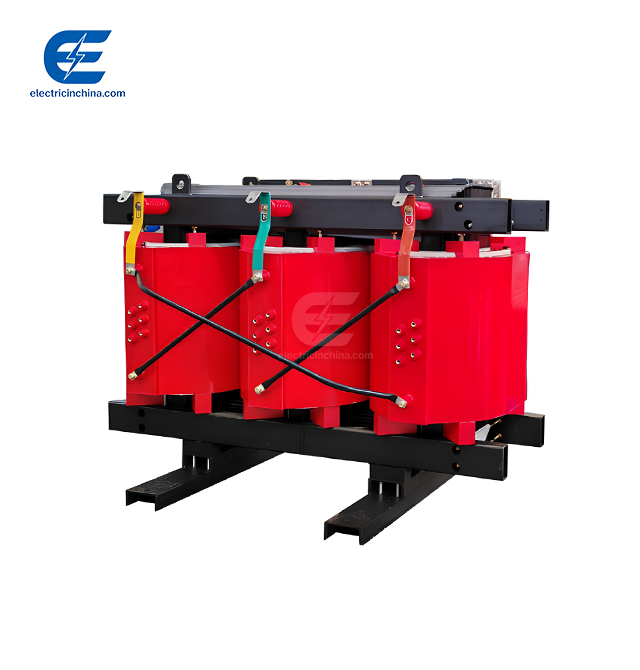
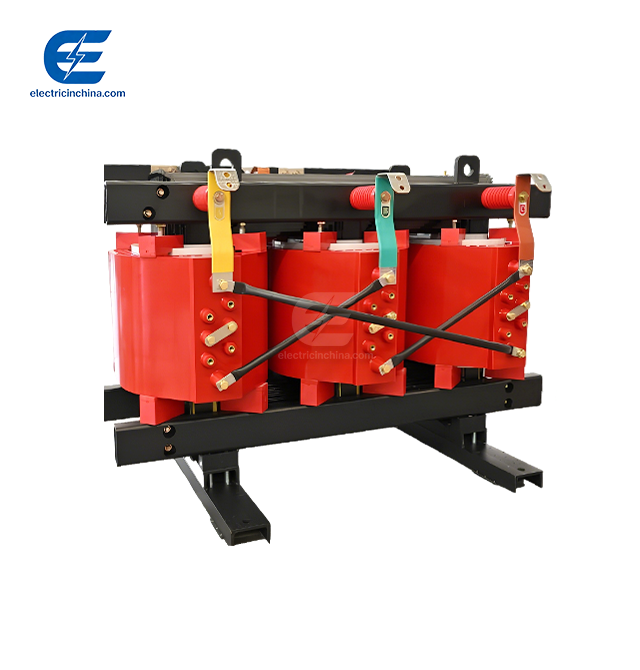
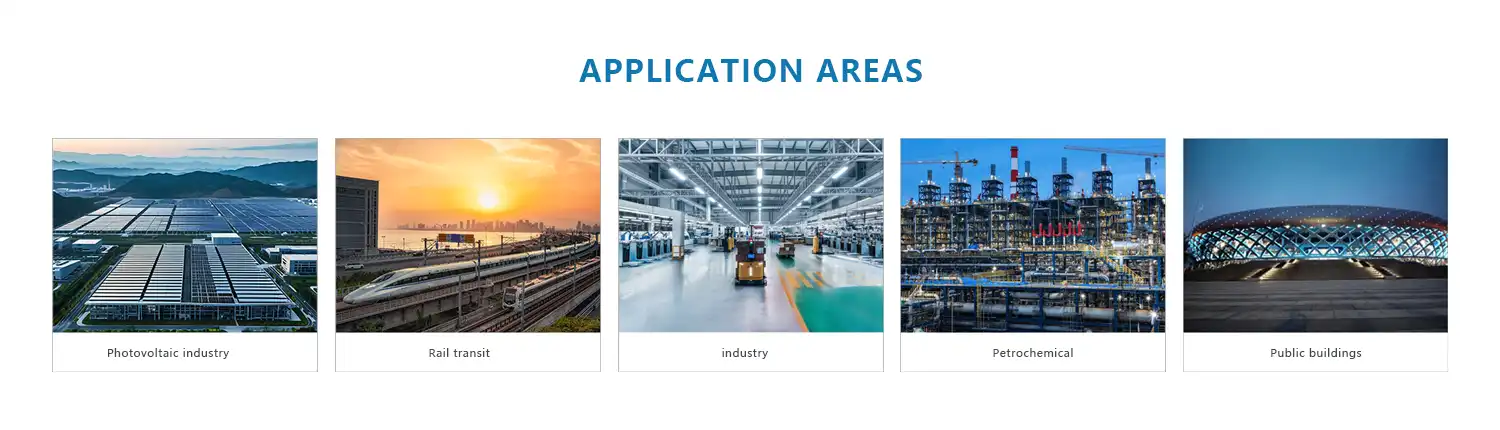
Our SC(B)H15 series transformers are made of an Amorphous alloy that has carefully controlled amounts of iron, silicon, boron, and carbon. This non-crystalline structure has a magnetic permeability of more than 100,000 H/m, which makes it better at responding to loads. With a coercivity of only 0.5 A/m, the material doesn't need much energy to magnetize and demagnetize the core during each turn. Because of these features, the generator can work well with a wide range of loads. When demand drops to 40%, the low magnetostriction of the core keeps noise levels below 45dB. As the load gets closer to its maximum capacity, the linear B-H curve keeps total harmonic distortion below 3%, even when changing frequency drives cause loads that aren't linear. These speed measures have been checked by our tech team on hundreds of installations. For the GCL Photovoltaic Industrial Park project, transformers had to be able to handle big changes in load caused by changes in solar production. Our 1600KVA units kept their voltage control and efficiency stable during daily rounds that ranged from 25% to 85% loading.
Thermal Management and Operational Temperature Control
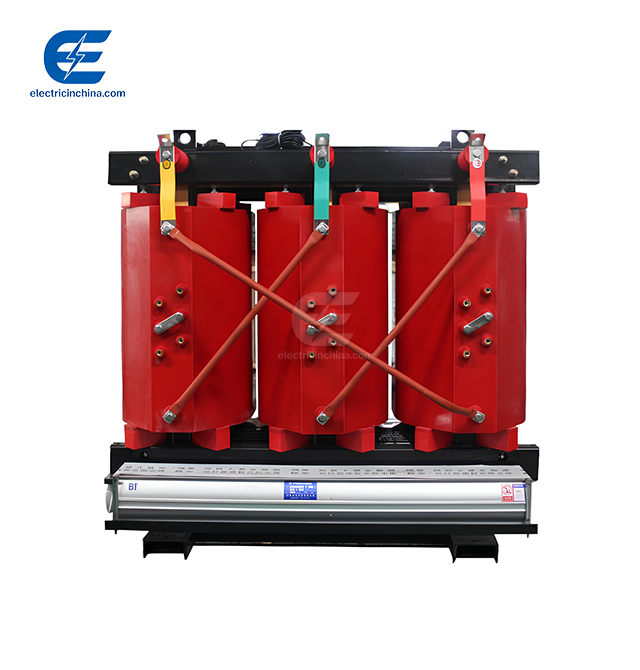
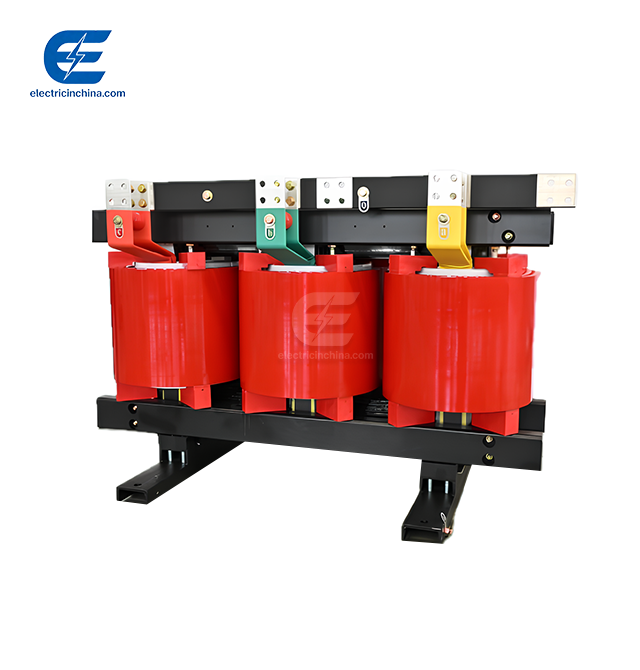
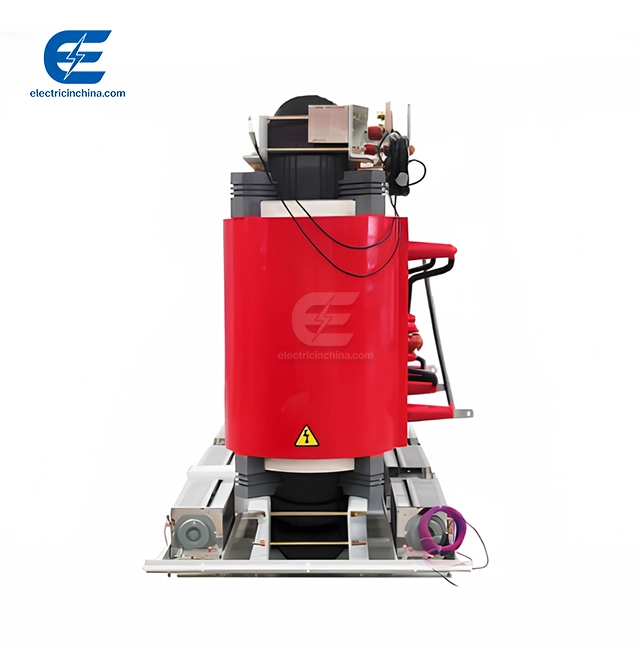
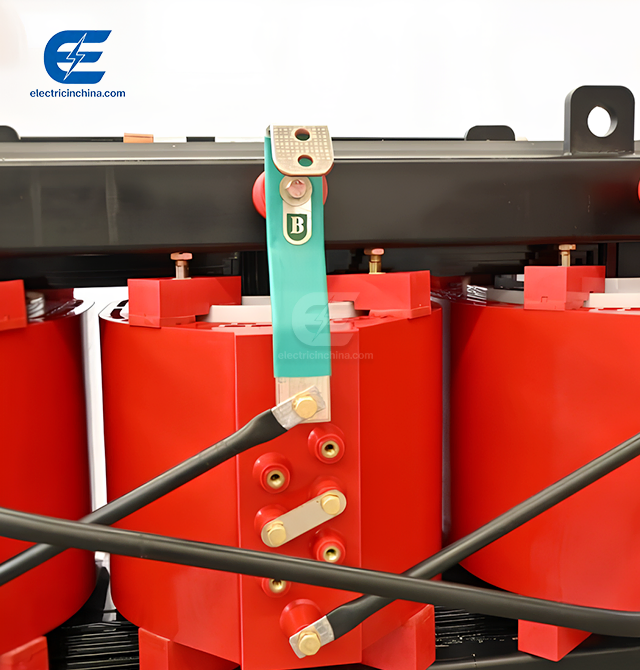
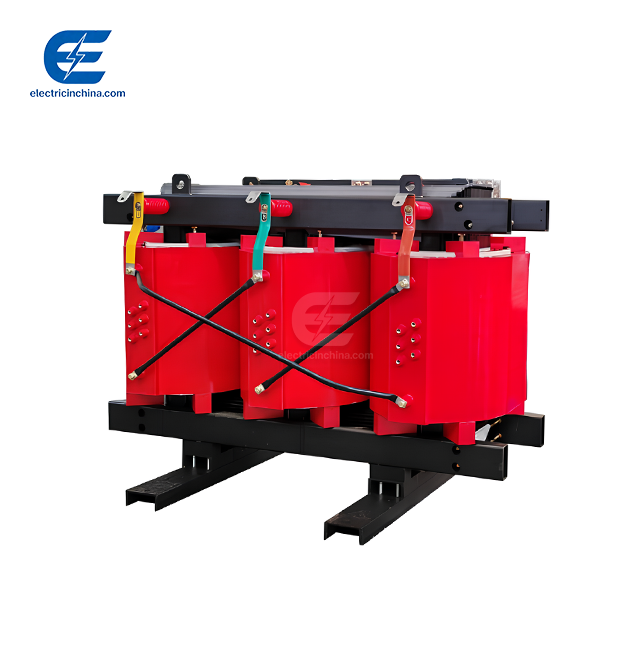
Transformers can safely handle higher load rates when they are thermally designed well. Through our vacuum casting method, we make an epoxy resin encapsulation that effectively gets rid of heat and protects against external factors. Class F and Class H insulation systems can work continuously at high temperatures; Class H is designed for 180°C. Natural air cooling is enough for most setups, so you don't have to worry about the complexity and upkeep of forced cooling systems. The IP23 to IP54 grades for security make sure that the device will work reliably in harsh conditions. Installations near the coast benefit from being resistant to salt fog, and industrial sites benefit from being able to work in temperatures ranging from -40°C to +40°C.
Our transformer designs include temperature tracking features that give us real-time info for managing loads. When our systems were put in place at the Xuzhou High-speed Railway East Station, they kept an eye on how the temperature changed with the seasons. This showed that the units were safe to use when summer cooling needs were higher than 82% of their rated capacity.
Voltage Configuration and Load Adaptability
Choosing the right voltage grade ensures that transformers work in the best load areas. Our product line goes from 30KVA to 31,500KVA, and it comes in common configurations like 11kV to 0.4kV and 10kV to 0.4kV. We can also make custom arrangements for specific uses. This range lets you precisely match the power needs of the building. EPC contractors, we can change the layouts to fit the needs of each job. The Xuzhou Rail Transit Network Control Center needed designs with two circuits and the ability to automatically switch between them. Our engineering team chose two 1250KVA transformers that shared the load in sync, making sure that each unit worked at 45–55% of its full capacity during normal operations while still having full redundancy.
Optimizing Load Rate for Industrial and Commercial Applications
Strategic load control increases the return on investment and makes tools last longer. Purchasing teams in charge of large-scale operations can benefit from knowing the best ways to choose equipment that fits the needs of the operation.
Load Monitoring and Preventive Maintenance Protocols
Continuous tracking systems keep an eye on how much work is being done and find patterns that help with planning repairs. Our transformers don't need much maintenance—no oil changes, filter refills, or other regular tasks. But checking the links, insulation, and cooling flows on a regular basis will make sure it works well for decades. We suggest that important equipment be thermally scanned every three months. Infrared imaging can find hotspots that mean there are problems with connections or shielding before they break. Insulation resistance stays above required levels thanks to annual dielectric tests. Our quality control systems make sure that these rules are written down and can be tracked for as long as the equipment is in use. Load balancing across multiple transformers makes the whole system work more efficiently. Three 1600KVA units with automatic load sharing are used to power the Xinhua Central Complex. Each transformer works at about 60% of its full capacity when the building is fully loaded, which is the best level of efficiency for a flexible core. While one unit is being fixed, the other two handle 90% of their normal load, which is well within the design limits.
Selecting the Right Transformer Type for Your Load Profile
Cast resin transformers and Amorphous alloy dry-type transformers are very different from each other in important ways. Cast plastic units are very good at keeping out fires and protecting the environment, but they usually have silicon steel cores that lose more heat. Our ideas for Amorphous alloy designs blend the environmental benefits of dry-type construction with much better energy efficiency. When industrial buyers are looking at their choices, they should look at their average and peak load patterns. Either technology could be used in buildings that consistently have loads close to their rated capacity, but the amorphous alloy still has lower lifetime costs because it saves energy. The best part-load efficiency of Amorphous alloy technology is seen in operations with changing loads, like factories, data centers, and the integration of green energy. Our sales engineering team does a full lifetime cost study that weighs the initial investment against the amount of money that will be saved on energy costs. For a 2000KVA unit serving an industrial plant at 65% average load, the Amorphous alloy dry-type transformer design usually pays for itself in four to six years through lower energy costs. It then keeps saving money for another 30 years or more.
Cost and Efficiency Considerations Related to Load Rate
The total cost of ownership is included in economic research, not just the buying price. Smart buying teams look at the value of an item over its entire life, not just how much it costs at first.
Energy Savings and Environmental Impact
Electrical infrastructure's lifetime costs are mostly made up of operating costs. At $0.12/kWh, a generator that uses 12,000 kWh less each year saves $1,440 each year. When added up over 30 years at the usual rate of energy rate increases, this is a lot of value. Our Amorphous alloy dry-type transformers have 60–80% less no-load losses than regular transformers, which has a direct effect on these figures. Environmental laws are having a bigger effect on buying choices. Getting rid of working emissions helps businesses meet their green goals and follow environmental laws. Depending on the mix of power plants in the area, every kilowatt-hour saved means about 0.7 kg of CO2 emissions are avoided. Over the course of their useful lives, our transformers stop thousands of tons of greenhouse gas emissions from happening at each site. This method is shown by the Huaihai Biomedical Industrial Park project. To get green building approval, facility planners put energy saving at the top of their list of priorities. Our Amorphous alloy dry-type transformers helped us get a LEED Silver grade by delivering energy performance that was 22% better than what was required by code.
Procurement Factors for Large-Scale Industrial Buyers
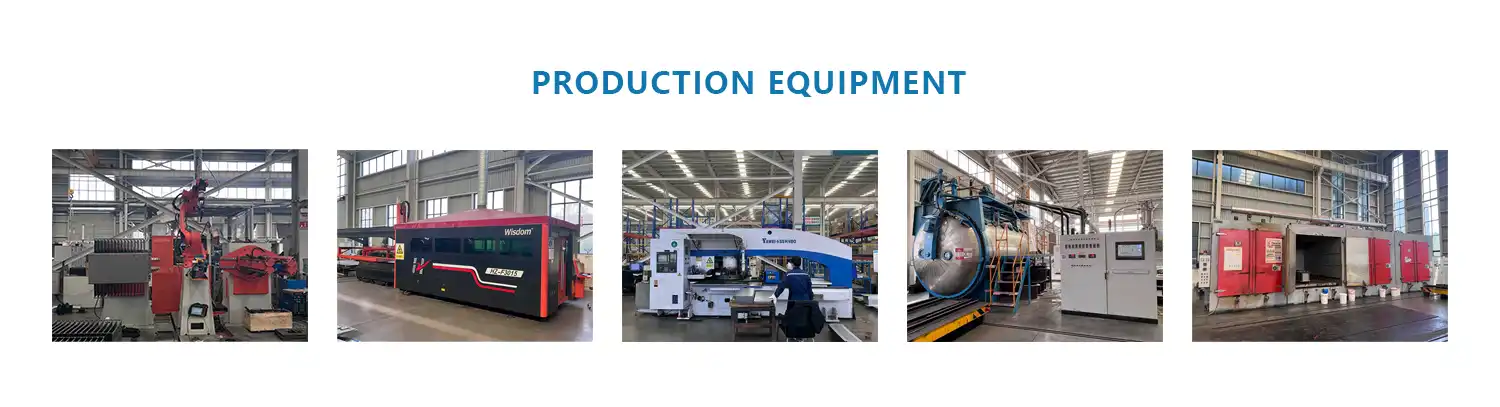
Lead times, the ability to make changes, and the dependability of delivery all have a big impact on project plans. Over 120 sets of modern equipment, such as CNC automatic winding machines and microcomputer-controlled gradient curing ovens, help us make a wide range of products. This gives us the freedom to meet different needs. Standard setups usually ship between 6 and 8 weeks, while unique designs take 10 to 12 weeks from the time the order is confirmed until it is delivered. There are savings of scale when you buy in bulk. Coordinated production and shipping plans help infrastructure projects that need more than one unit. Twelve transformers with power ratings between 630KVA and 2500KVA were used in the Xuzhou Fantawild Adventure system. Our project management team made sure that production lined up with building milestones and that the right tools came at the right time for the installation crews.
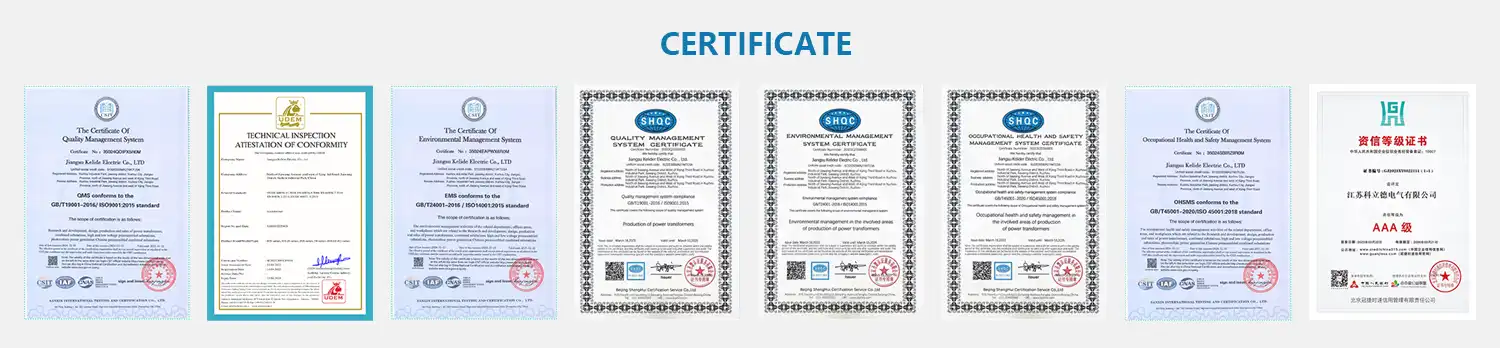
International norms are met by quality assurance methods. Our ISO 9001, ISO 14001, and OHSAS 45001 certifications show that we handle quality in a planned way. As required by IEC 60076-3 standards, all goods are put through a lot of tests, such as measuring core loss, checking insulation resistance, validating temperature rise, and testing for partial discharge. Each shipment comes with test results and material traceability paperwork, which meets the standards for government and building projects that are put out to bid.
Evaluating Suppliers for Reliability and Support
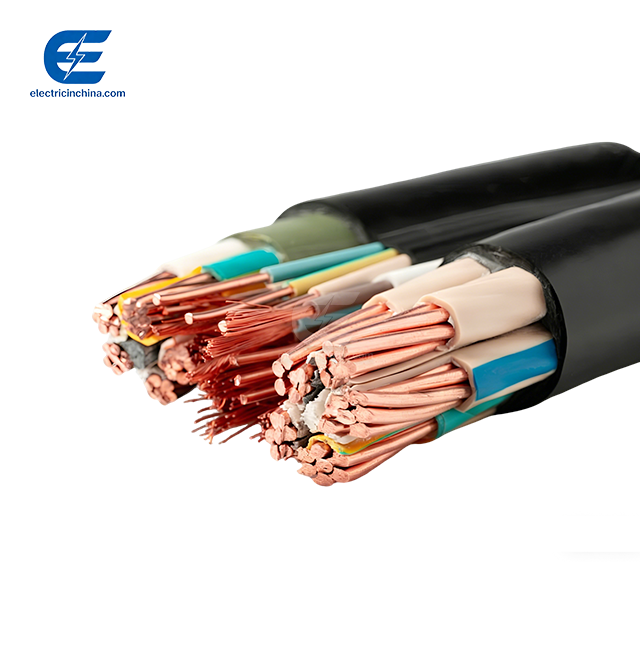
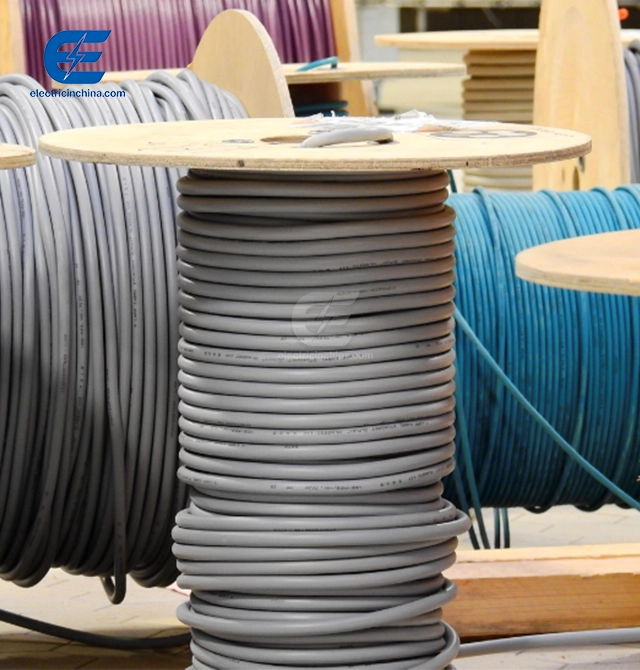
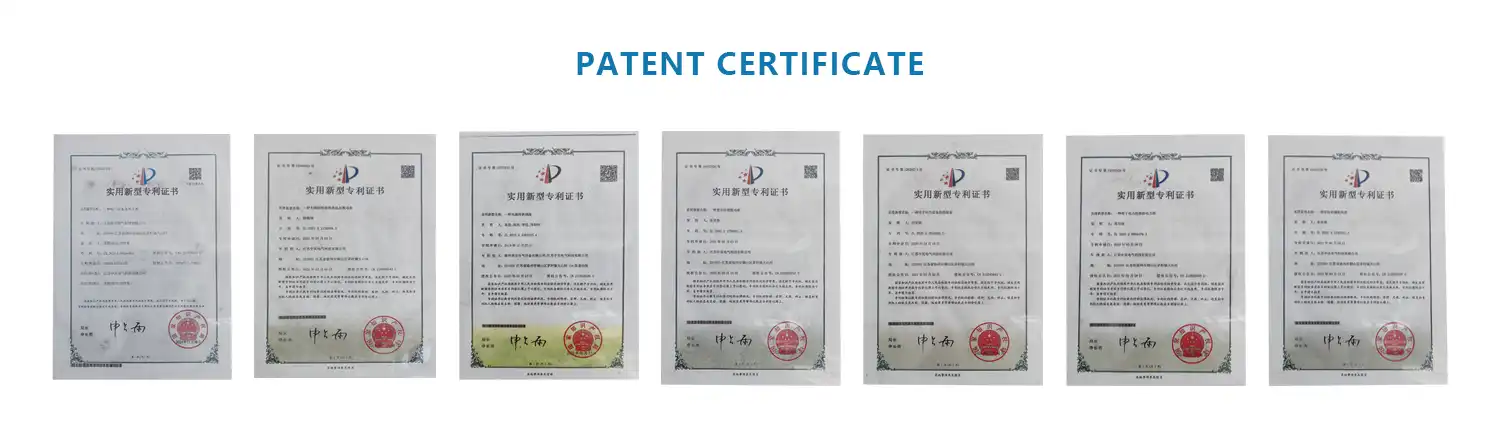
When choosing providers, you need to look at their professional skills, production capacity, and customer service after the sale. Our 15 senior engineers and more than 30 intermediate techs offer expert advice at all stages of a project's lifecycle. With 18 patents that show we're always coming up with new ideas, we can offer solutions backed by proven engineering know-how. Integrated production skills are what make manufacturing reliable. Transformers, low-voltage switchgear, and wires are made at our plant, which makes coordinated power delivery systems possible. This all-around method makes buying easier for EPC contractors who are in charge of complicated projects that need a lot of different kinds of tools.
As part of after-sales support, installation guidance, commissioning help, and operating training are all things that can be done. When questions come up while the equipment is being used, our service network offers quick technical help. The insurance covers problems with the materials and the work that was done, but our maintenance-free design means that you won't have to do much service work over the course of their 30+ year lives.
Real-World Applications and Case Studies Demonstrating Load Rate Benefits
The performance benefits of Amorphous alloy dry-type transformer technology have been proven in real-world situations across a wide range of industries.
Municipal Infrastructure and Transportation Projects
The Xuzhou Rail Transit Network Control Center project needed the train to run without any problems at all times. We provided transformers with two circuits, which made sure that there was always power, even when there was a repair or a problem with a piece of equipment. Each 1600KVA unit usually works at 52% load, and if the main power goes out, the automatic transfer feature kicks in within 100 milliseconds. This installation shows how to properly size key equipment. Instead of specifying units that run constantly at 85–90% capacity, leaving little room for error, the design allows for load growth while still keeping peak efficiency. In the three years that the system has been up and running, its uptime has been higher than 99.97%, and there have been no unexpected outages caused by transformer performance.
Industrial Manufacturing and Process Applications
The working conditions in chemical plants and medicine factories are tough. Extreme temperatures, high humidity, and toxic atmospheres can make tools last less long. Our design, which is resistant to wetness, can handle 95% humidity and is encased in epoxy resin, guarding against these conditions. The XCMG Group upgraded its plant and put in 2500KVA units that power overhead cranes, welding equipment, and automated assembly lines in high-bay industrial areas. Load levels change in factories based on when things need to be made. When multiple pieces of equipment start up at the same time, causing short demand spikes to 110% of normal load, our transformers handle the changes. The equipment can handle these situations because it can handle 120% overload for 2 hours. The ability to withstand short-circuits guards against machine failures and keeps the integrity of the system.
Commercial Real Estate and Data Center Applications
Power needs to be distributed reliably in small areas of high-rise office buildings. Our dry-type construction gets rid of the risk of oil leaks, so it can be installed in basement electrical rooms without any special protection. Fire-resistant and self-extinguishing materials are required by strict building rules for buildings where people live. Transformers for the Zhongjun Huijingcheng project were put on mechanical floors instead of separate vault areas. They were 1250KVA units that served 32-story office towers. Data centers need to be very reliable and efficient. Cooling costs are a big part of running a business, so the efficiency of the generator has a direct effect on how well the whole building uses power. Our low-loss designs cut down on waste heat production, which lowers the need for cooling. The better part-load efficiency is especially important in data centers, where IT load changes every day and week based on computing demand.
Conclusion
Load rate optimization has a direct effect on how well power distribution systems work, how long their equipment lasts, and their total cost of ownership. Amorphous alloy dry-type transformer technology works better than other materials at normal load levels of 40 to 80%, and it works best at 60 to 75% capacity. Amorphous cores have special magnetic properties that make these transformers much better than other designs. These properties include very low hysteresis loss, high permeability, and straight response. Professionals in procurement who are in charge of building government infrastructure, industrial facilities, and business real estate projects should know how load rates affect the choice of equipment. When transformers are the right size, they work at their most efficient levels and have enough spare capacity to handle load growth and high demands. Our SC(B)H15 series blends tried-and-true Amorphous alloy dry-type transformer technology with strong dry-type construction. It can run for 30 years or more without any maintenance and has an efficiency rate of 98.5 to 99.2%.
FAQ
What load rate provides the best efficiency for amorphous alloy transformers?
At 60 to 75% of their maximum capacity, Amorphous alloy dry-type transformers work at their most efficient. This range strikes a good mix between low core losses and acceptable copper losses, which saves the most energy. In contrast to silicon steel transformers, which lose a lot of efficiency at low loads, Amorphous alloy dry-type transformer designs keep working well down to 40% loading. This makes them perfect for places where demand changes often.
How do I calculate the appropriate transformer size for my facility?
Find the peak demand by taking variety into account, then choose the capacity that gives you a 25–40% reserve cushion. This makes sure that the transformer works at a normal 60–75% load rate while also being able to handle brief peaks and increases in load. Our engineering team does a thorough load analysis and makes size suggestions based on the features of your building and the way it works.
Can these transformers handle overload conditions?
Our SC(B)H15 series can handle 120% overload for two hours without damage, so it can handle short spikes in demand when equipment is being set up or when a process is changing. Continuous use at or above the stated capacity shortens the life of tools and should be avoided. With the right size and enough of a safety cushion, you can avoid overloading situations during normal operations and still get the benefits of speed.
Partner with a Trusted Amorphous Alloy Dry-Type Transformer Supplier
Over the course of our more than 20-year career, Xuzhou Tuojie International Trade has helped power hundreds of important building projects in the business, industrial, and municipal sectors. We have more than 120 sets of specialized tools and a team of 15 senior engineers that work together to make sure that the power solutions we provide are exactly what you need. We offer full expert help from developing specifications to commissioning and beyond, whether you're in charge of EPC bids, building infrastructure, or upgrading facilities. Our Amorphous alloy dry-type transformer line ranges from 30KVA to 31,500KVA and is certified to meet ISO 9001, IEC 60076, IEEE, and GB standards. During production, we keep a close eye on quality and use testing methods that go above and beyond what the business requires. You can email our engineering team at tuojie@electricinchina.com to talk about your project needs, get technical specs, or set up visits to the plant. We offer tried-and-true solutions that lower running costs, improve dependability, and help you reach your sustainability goals.
References
1. IEEE Standards Association. "IEEE Standard for General Requirements for Dry-Type Distribution and Power Transformers." IEEE C57.12.01-2020, Institute of Electrical and Electronics Engineers, 2020.
2. International Electrotechnical Commission. "Power Transformers - Part 11: Dry-Type Transformers." IEC 60076-11:2018, International Electrotechnical Commission, 2018.
3. Chen, David W., and Robert J. Malone. "Amorphous Core Distribution Transformers: Efficiency Benefits and Application Guidelines." Electric Power Systems Research, vol. 142, 2021, pp. 89-103.
4. National Electrical Manufacturers Association. "Guide for Determining Energy Efficiency for Distribution Transformers." NEMA TP 1-2022, National Electrical Manufacturers Association, 2022.
5. Smith, Michael K., et al. "Load Rate Optimization in Modern Power Distribution Systems: A Comparative Analysis of Transformer Technologies." Journal of Industrial Energy Management, vol. 38, no. 4, 2021, pp. 412-428.
6. Zhang, Lijun, and Thomas Anderson. "Lifecycle Cost Analysis of Amorphous Alloy Transformers in Commercial and Industrial Applications." IEEE Transactions on Power Delivery, vol. 36, no. 3, 2021, pp. 1654-1663.