

.webp)
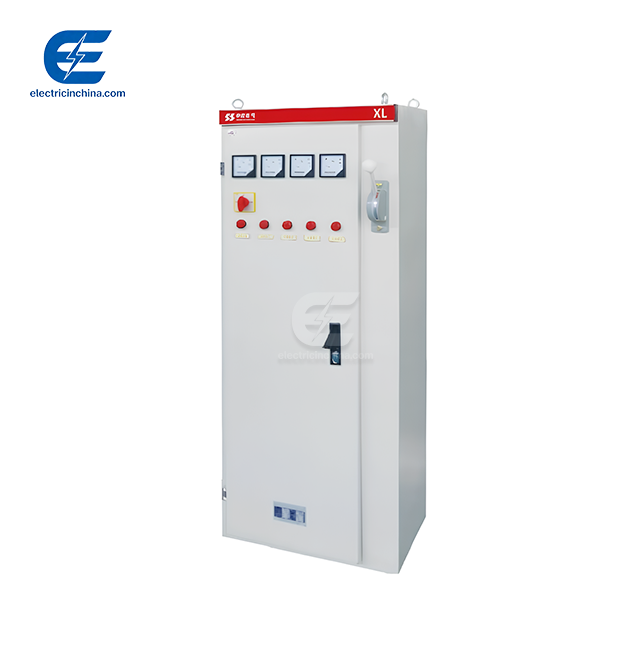
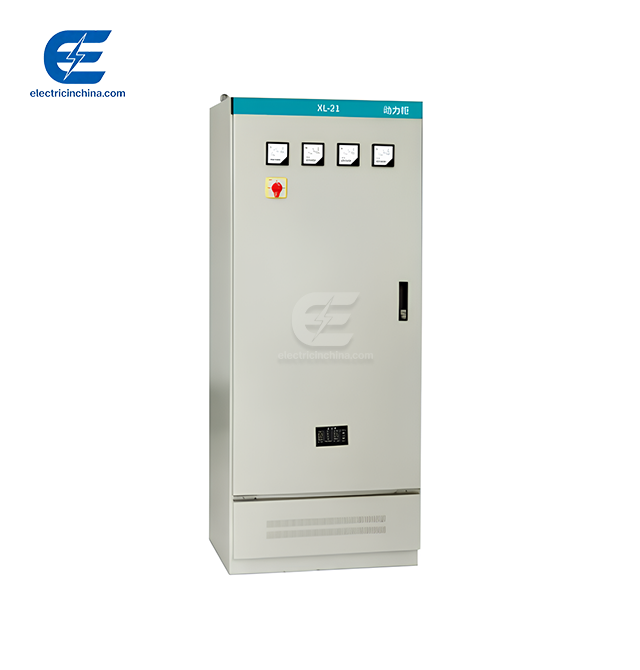
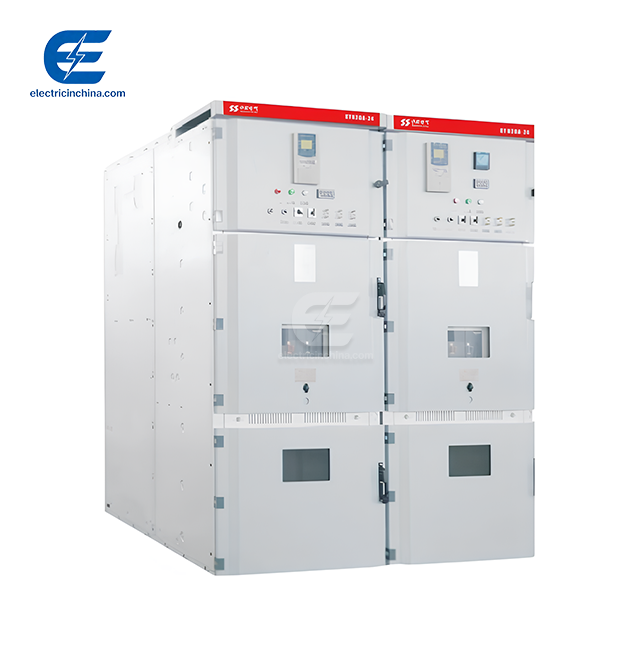
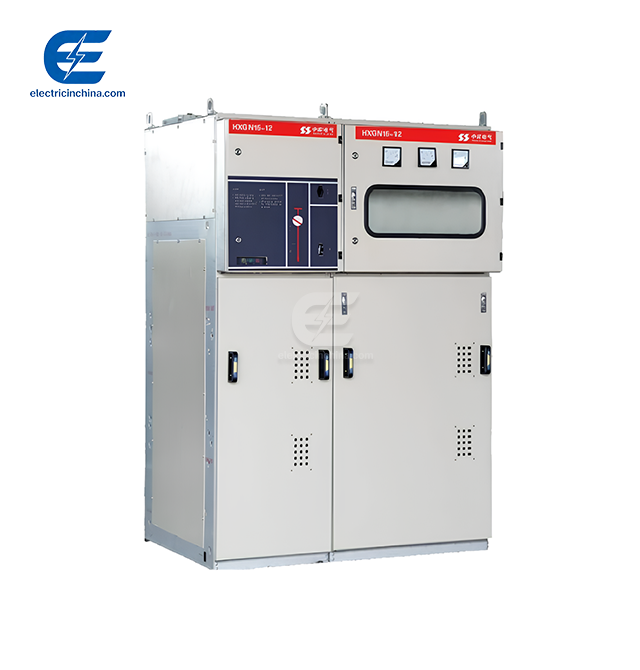
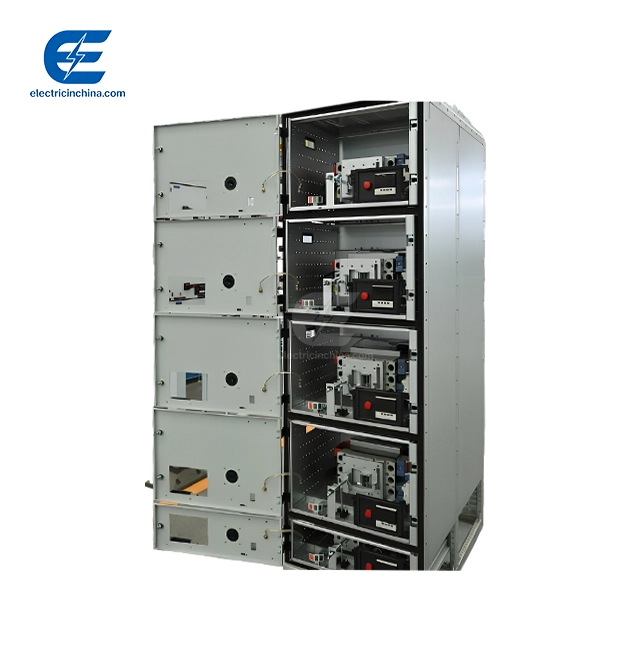
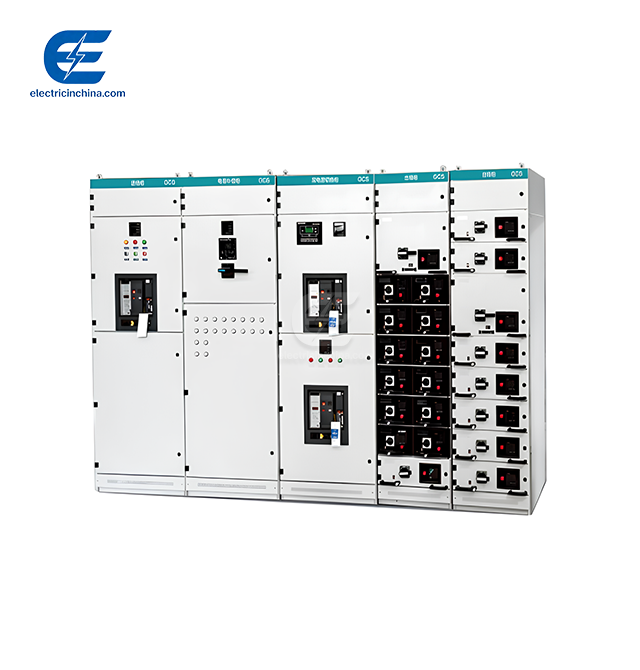
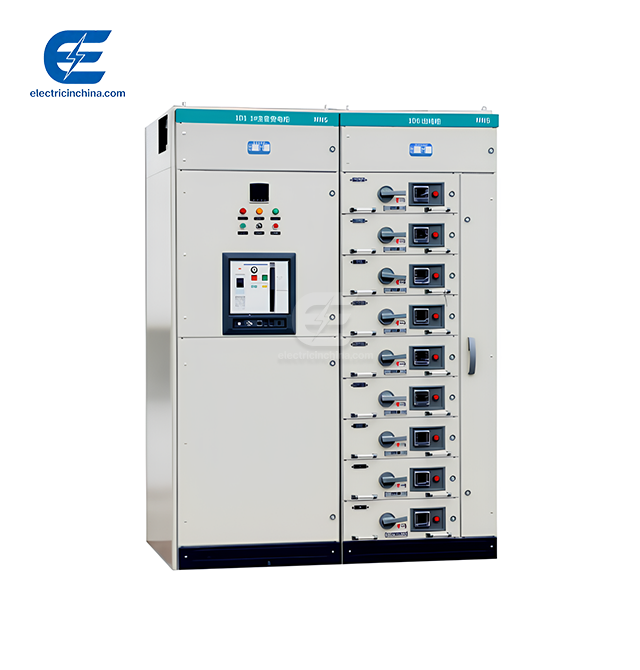
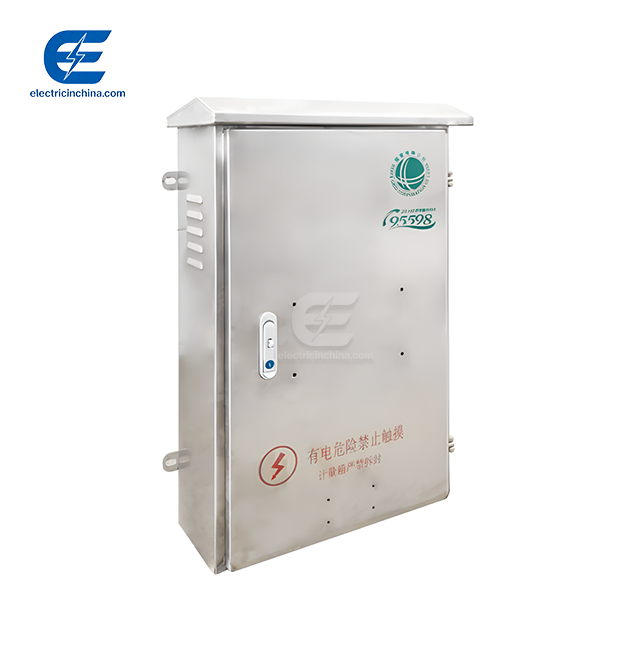
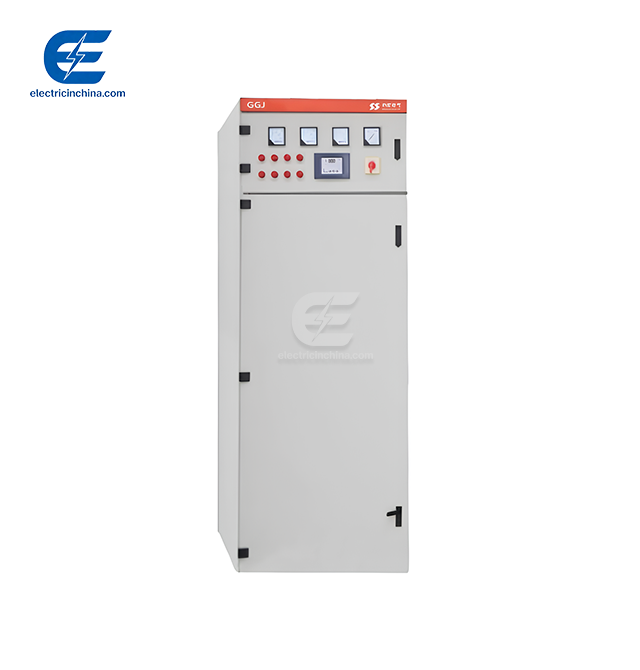
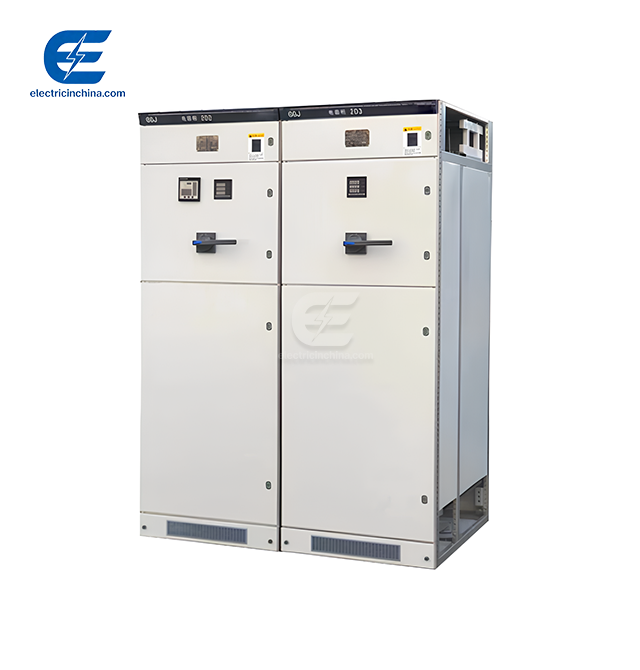
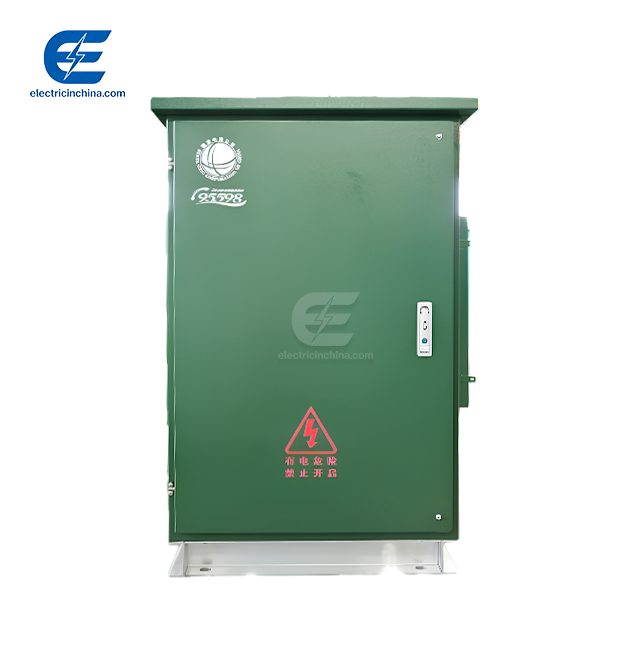
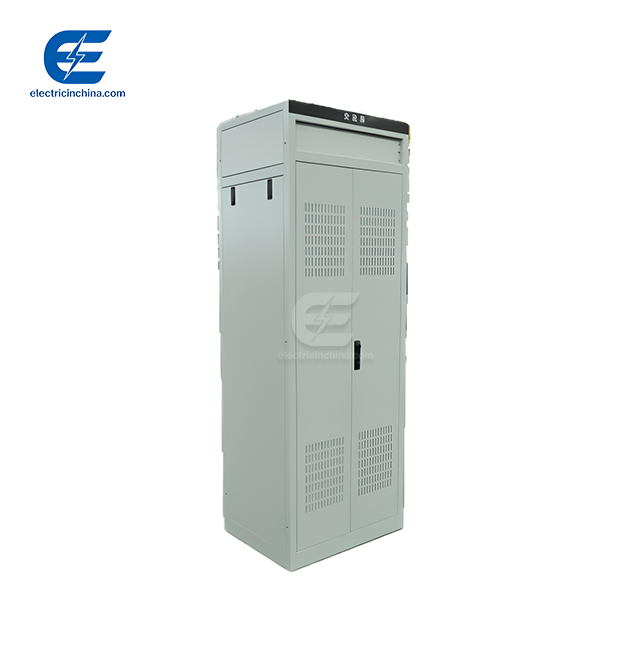
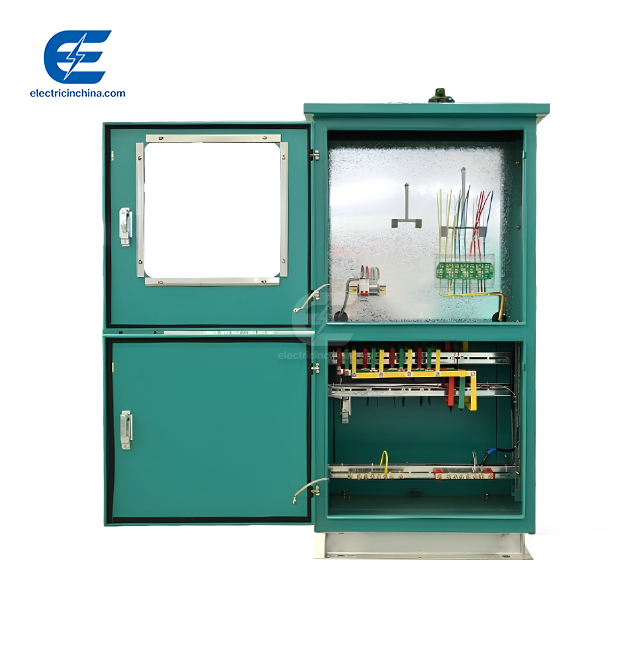
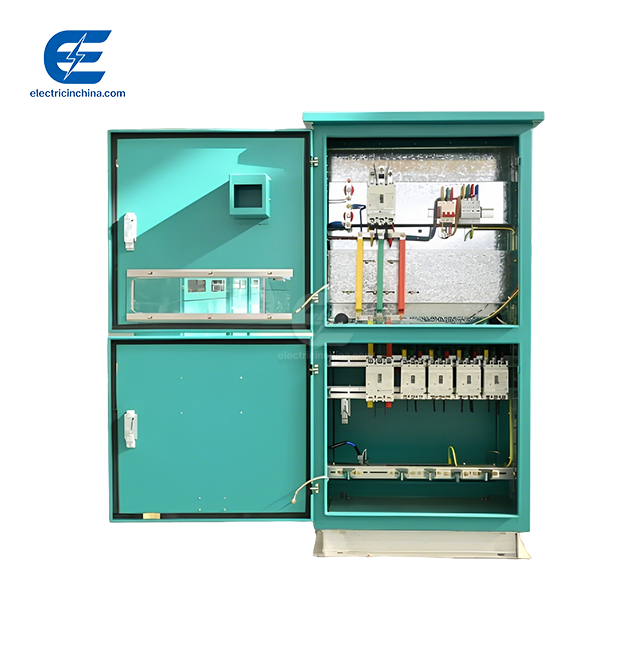
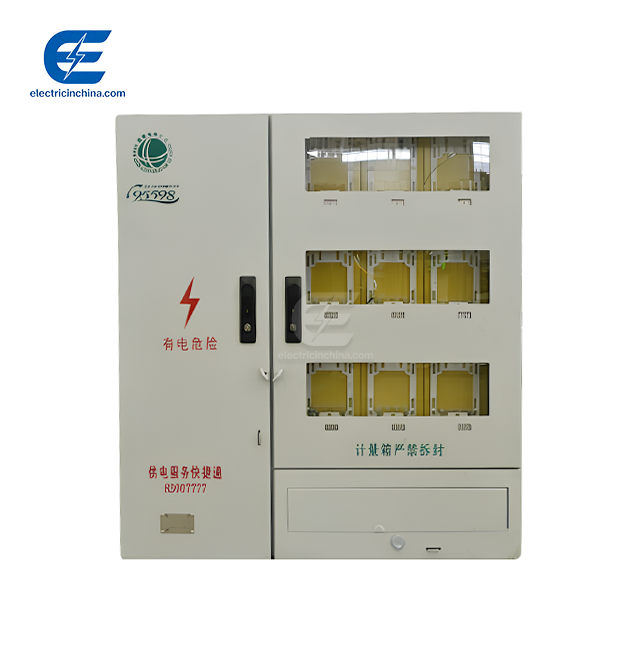
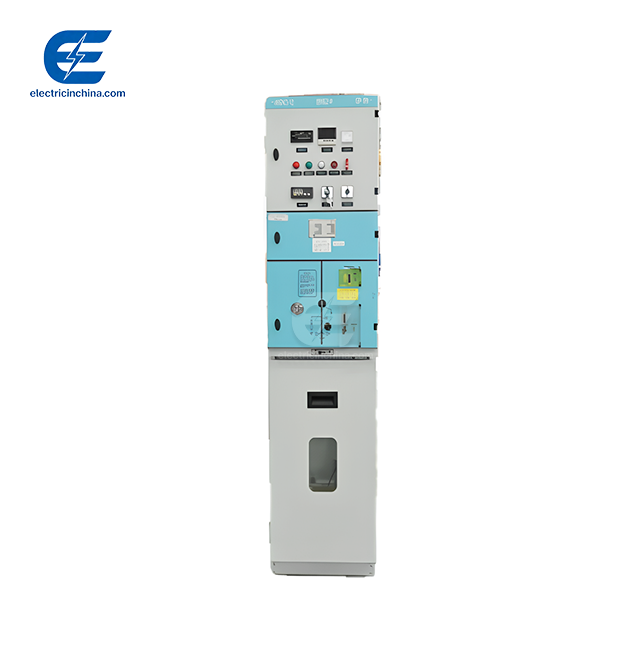
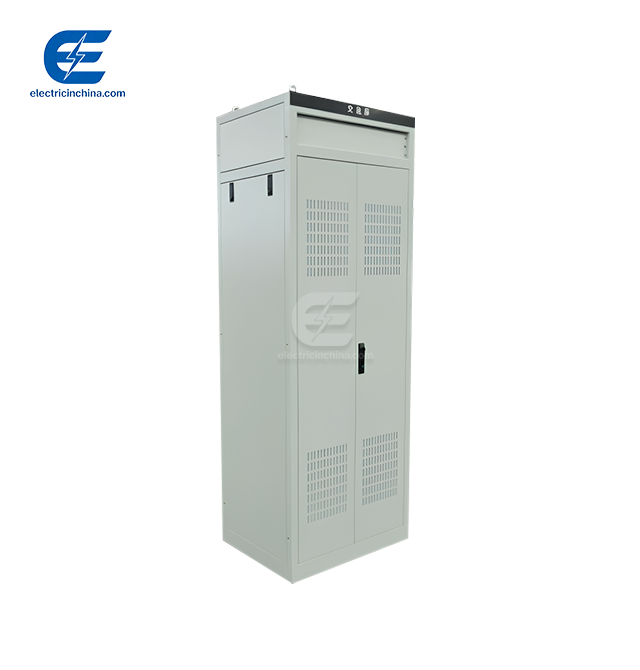
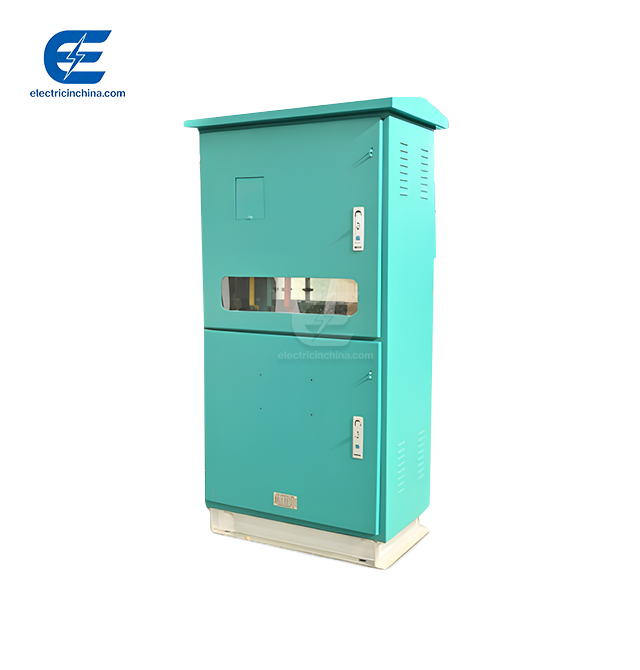
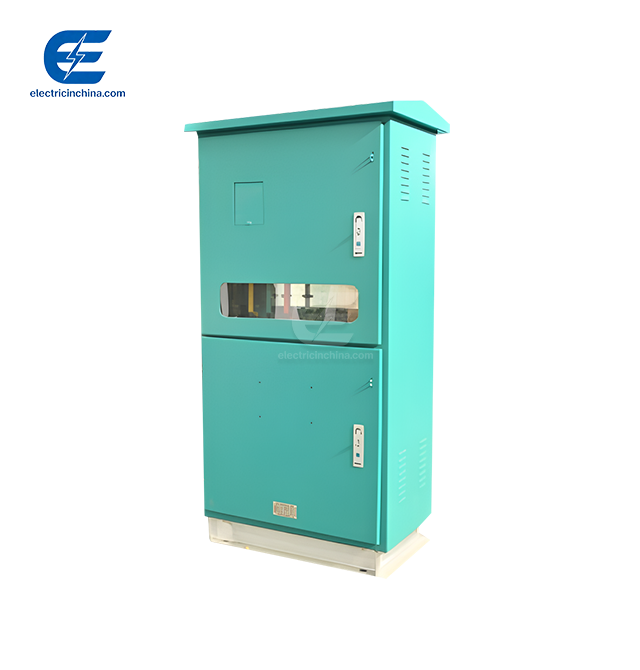
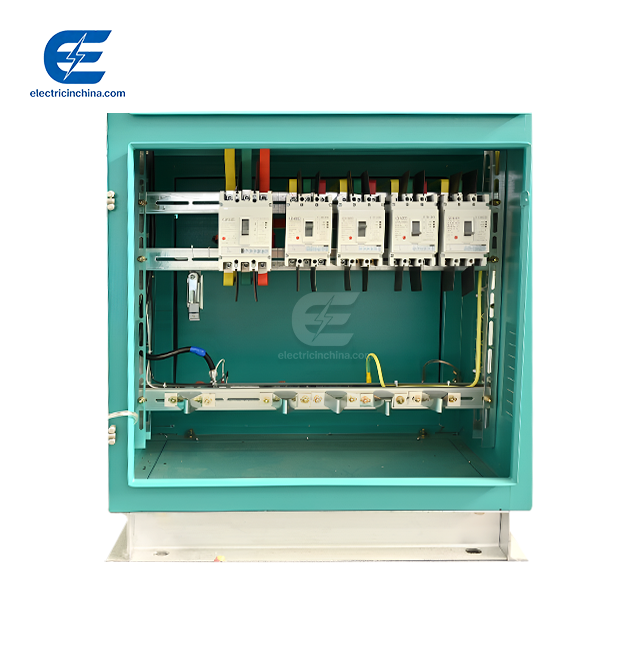
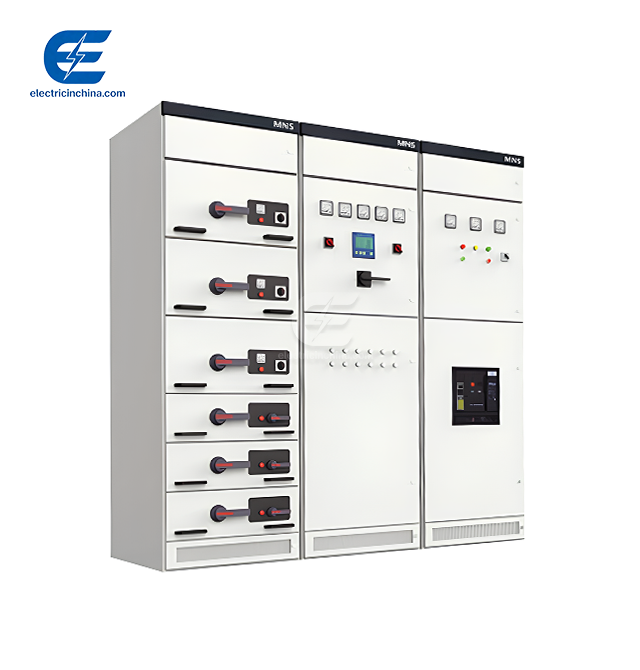
Current PV compact substations are designed to handle changing solar inputs by using advanced voltage control, dynamic load management, and tracking systems that are built right in. A PV Compact Substation for Solar Power Plants combines transformers, switchgear, protection relays, and SCADA systems into a single factory-tested unit that responds to changing power generation in real time. This keeps the grid stable even when clouds move quickly or output changes with the seasons, which can be hard for traditional infrastructure.
Understanding PV Compact Substations in Solar Power Plants
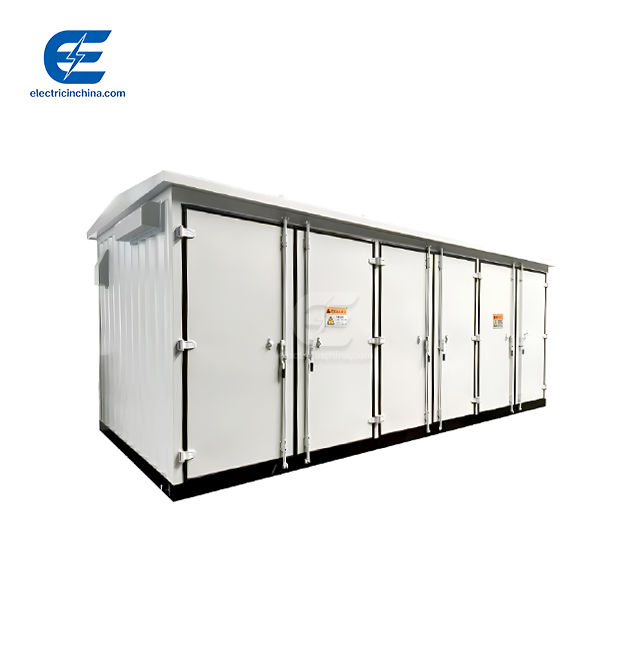
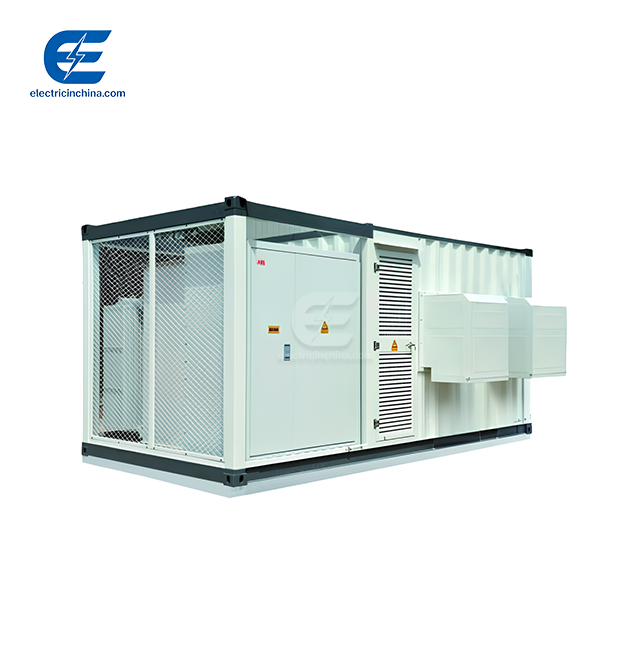
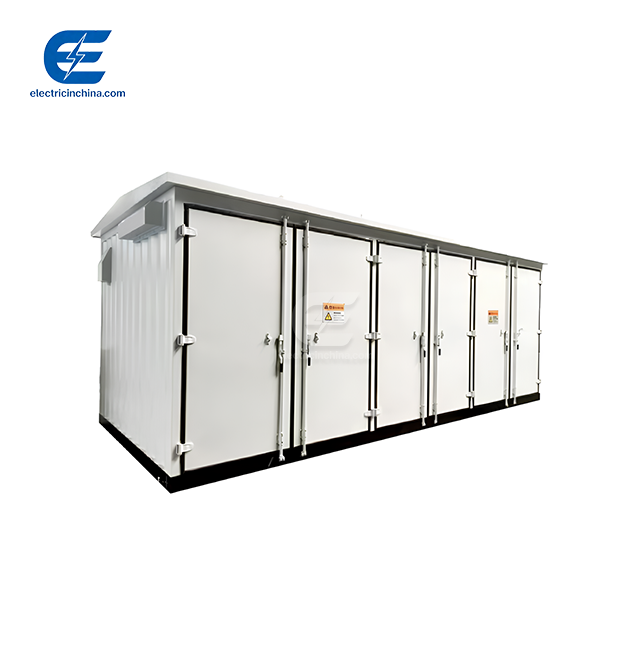
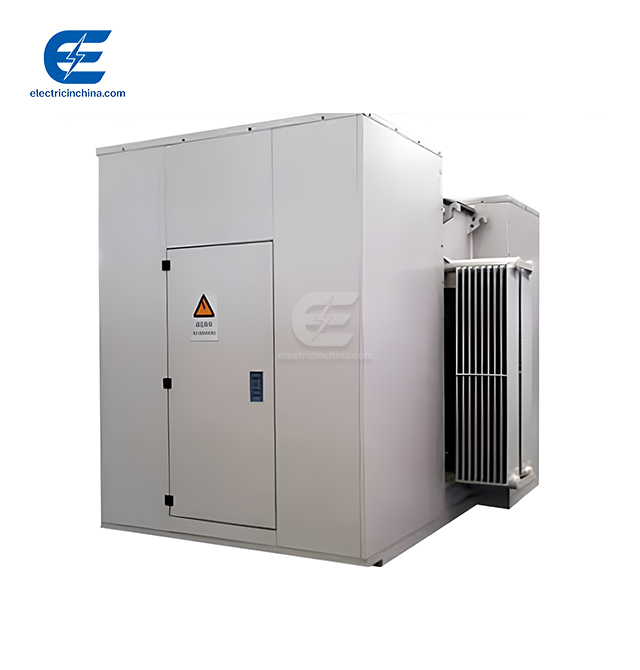
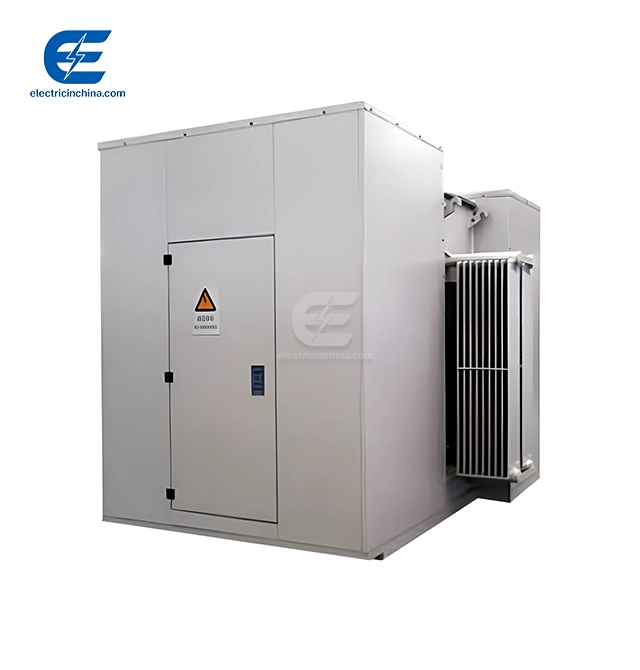
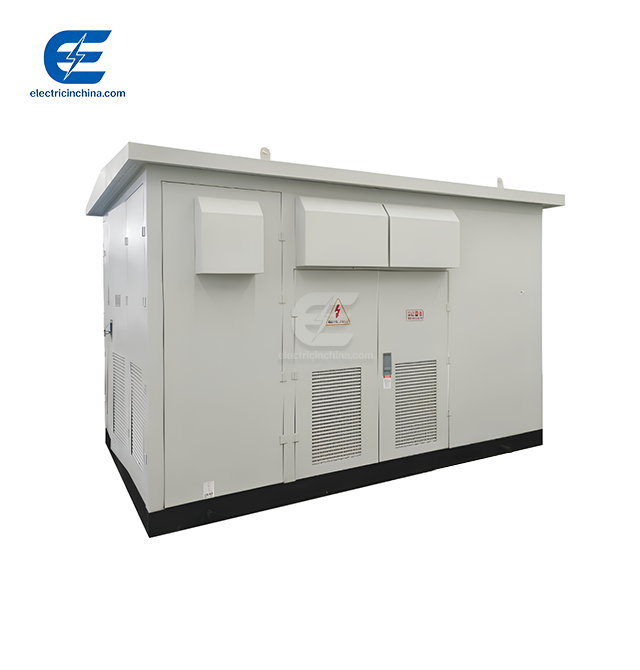
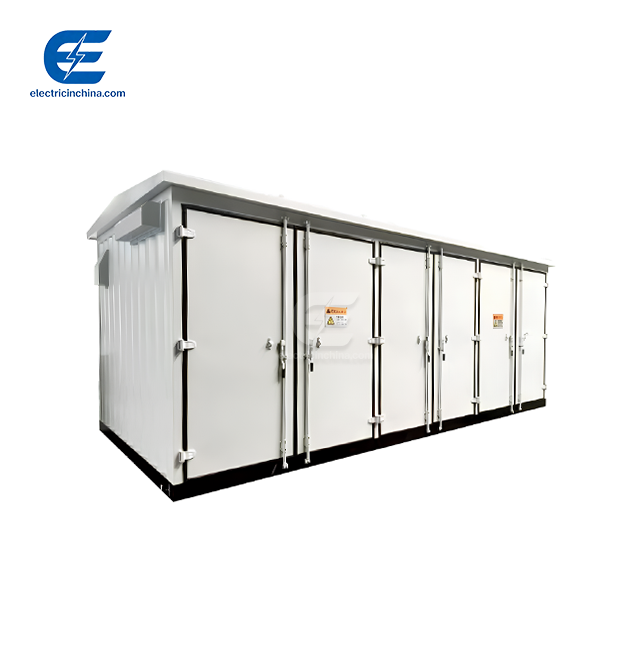
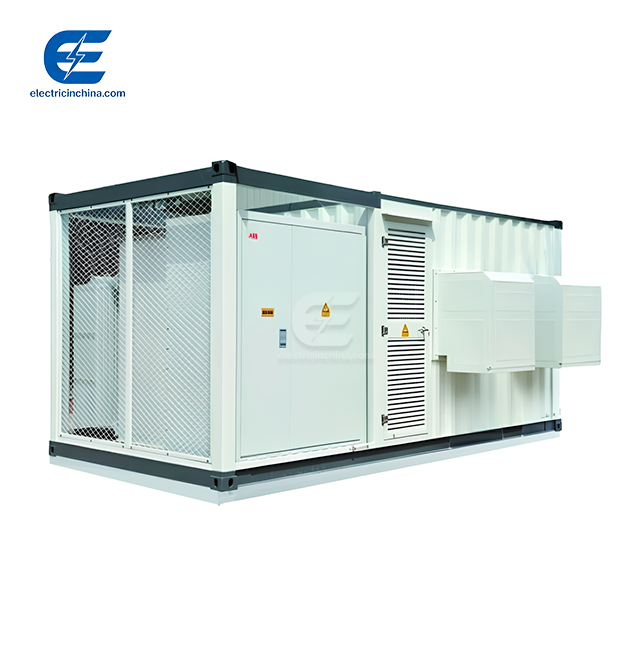
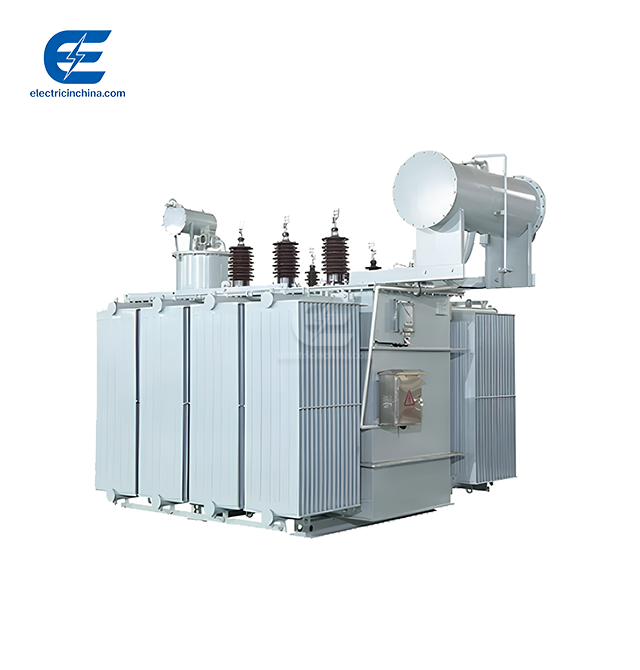
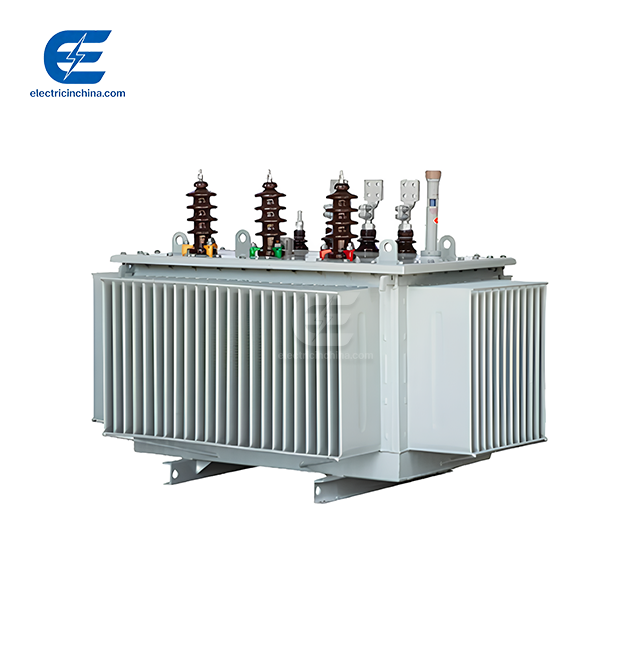
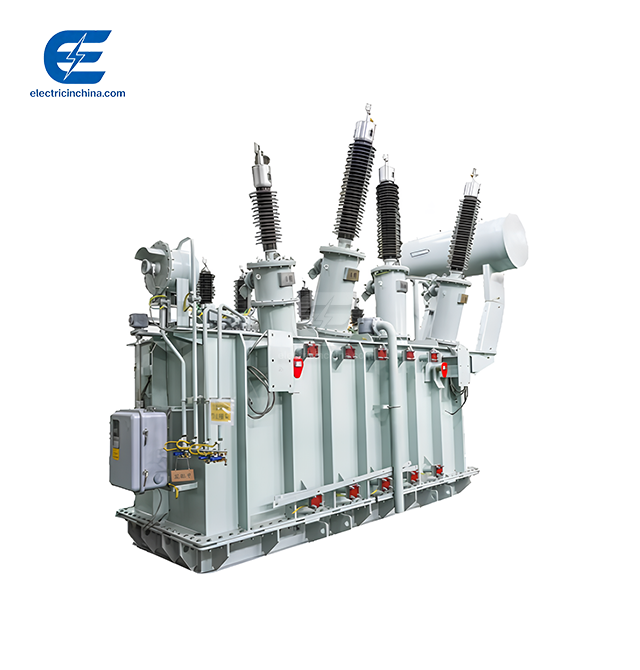
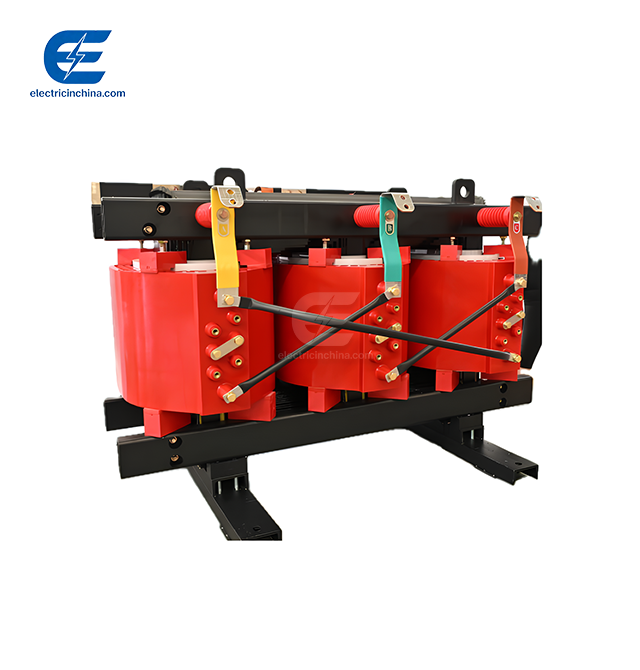
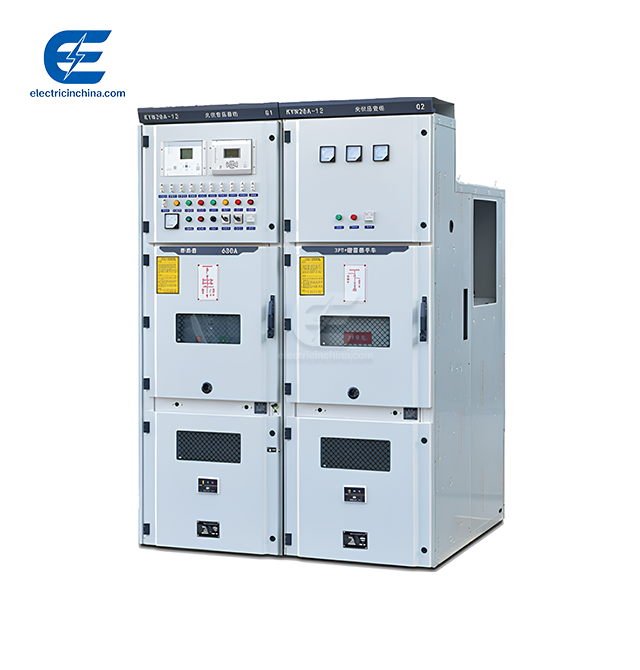
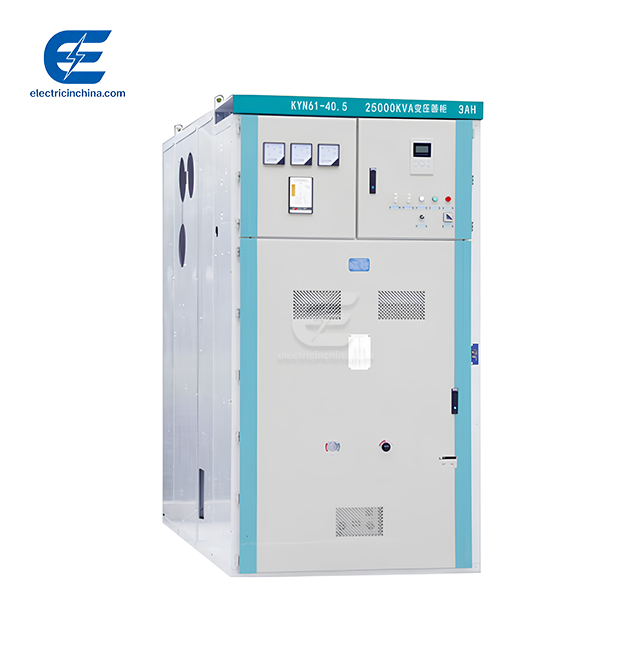
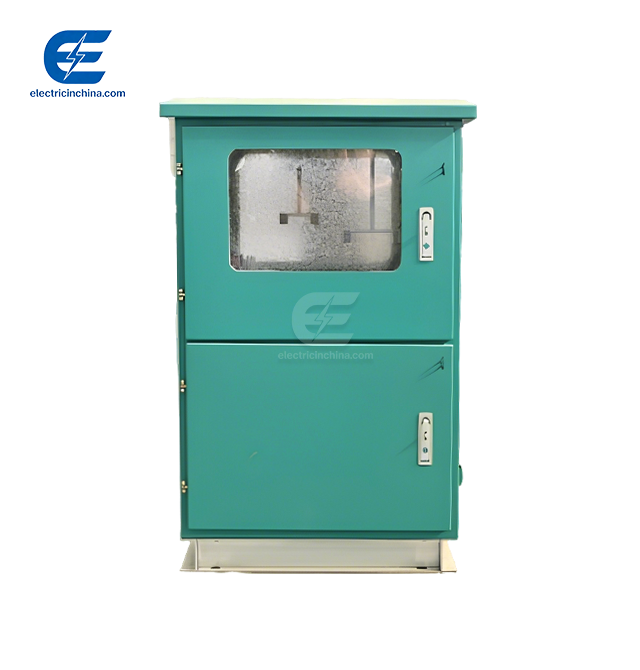
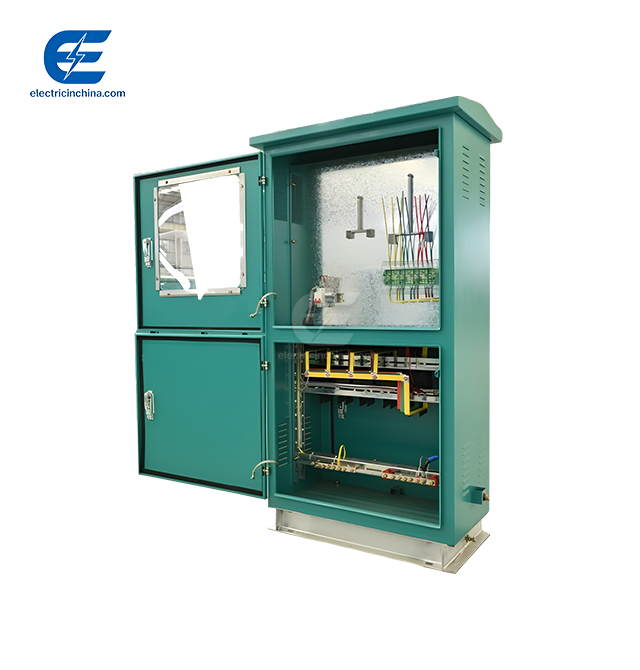
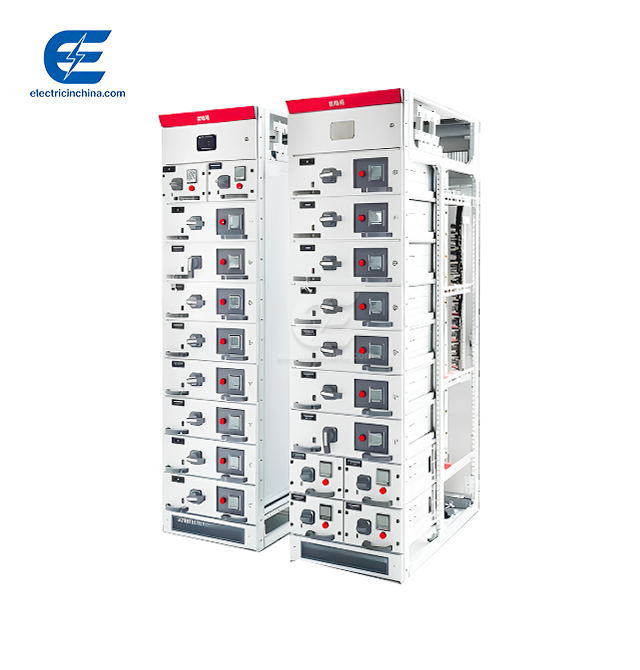
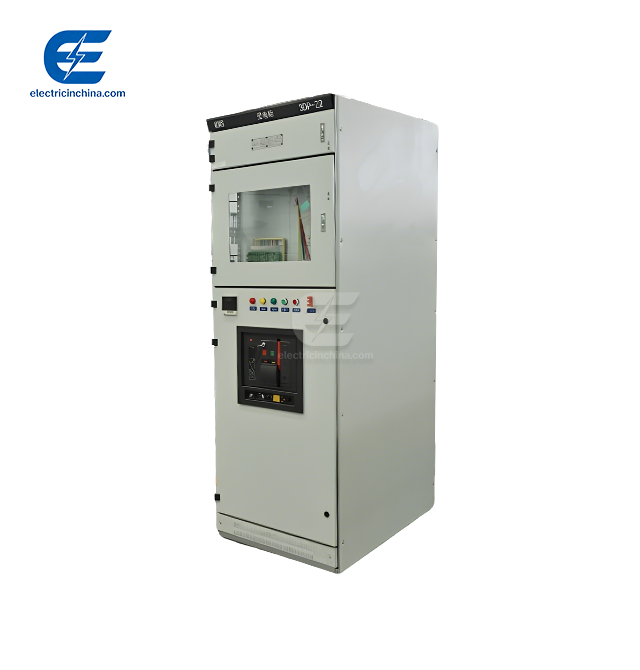
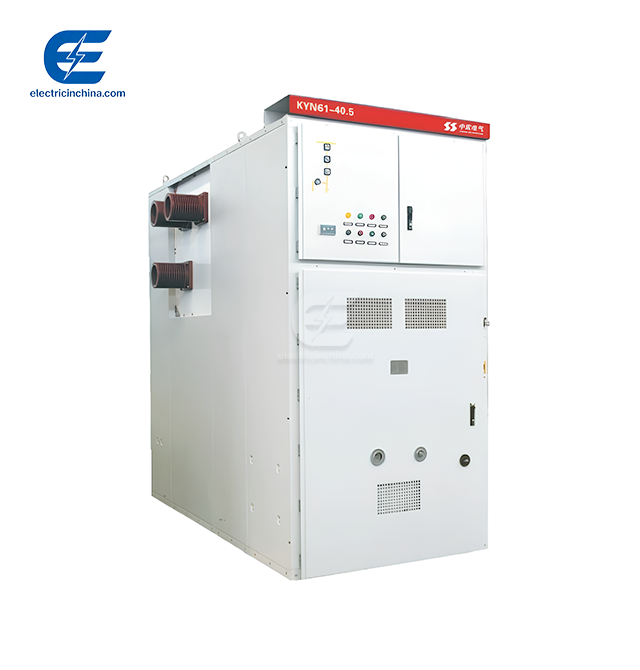
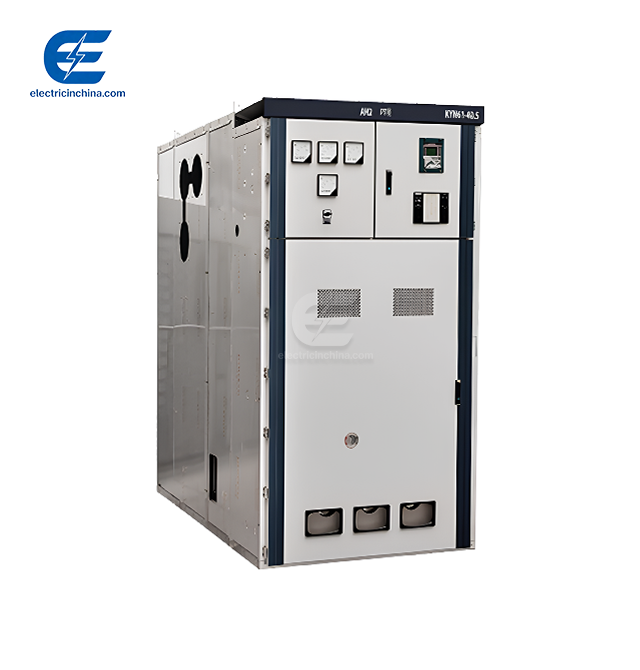
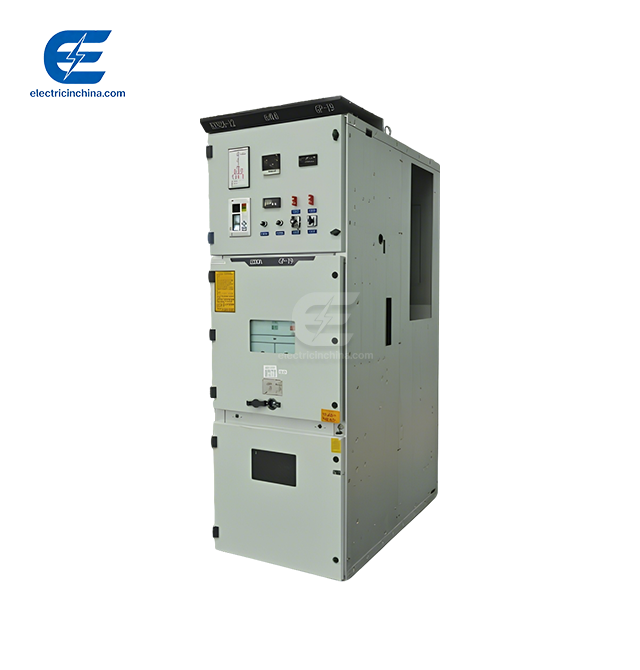
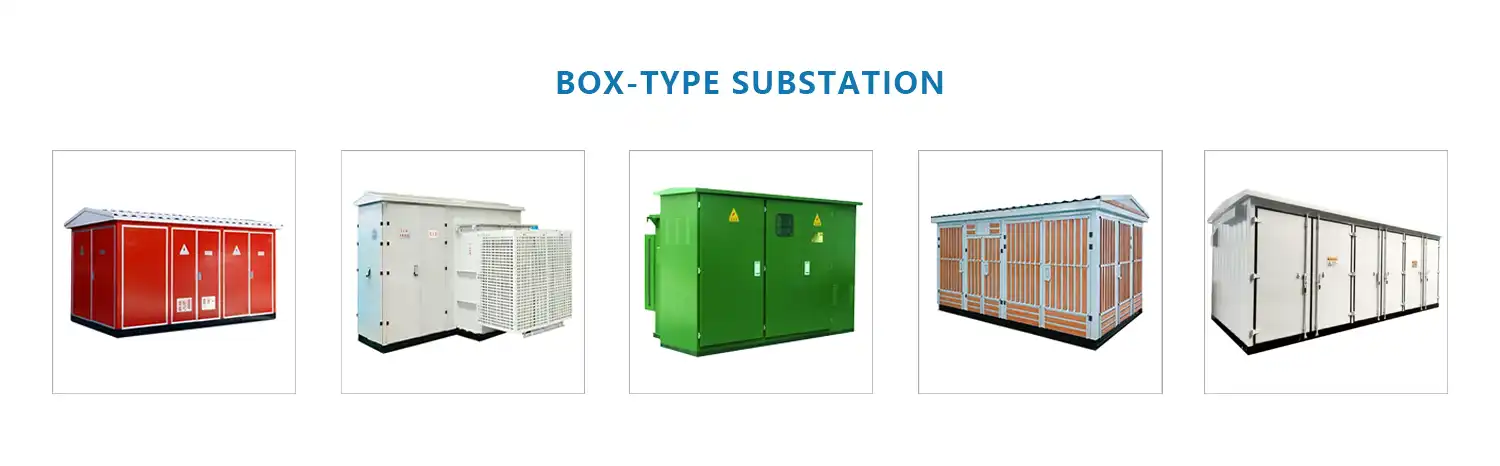
To put solar panels, you need a reliable power infrastructure that connects photovoltaic arrays to transmission networks. Step-up transformers, high-voltage switchgear, safety systems, and control screens are just a few of the important parts that are built into PV Compact Substations for Solar Power Plants. This combination changes the way solar farms convert and distribute power in a basic way.
Core Components and Their Functions
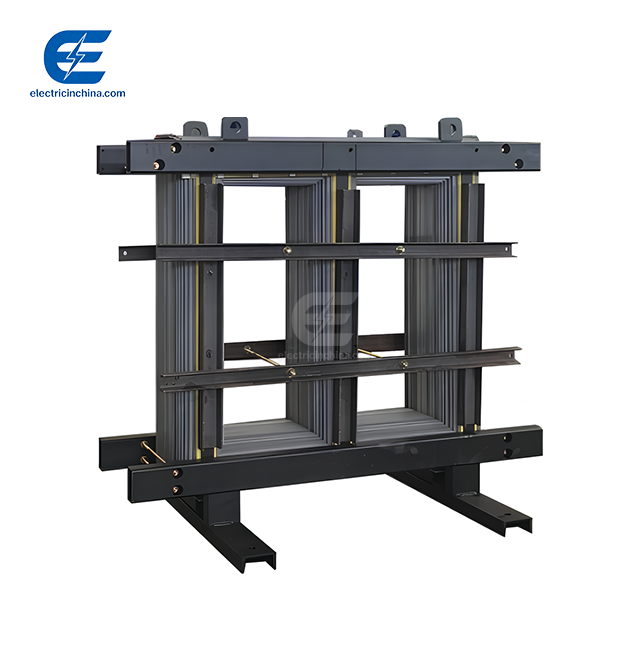
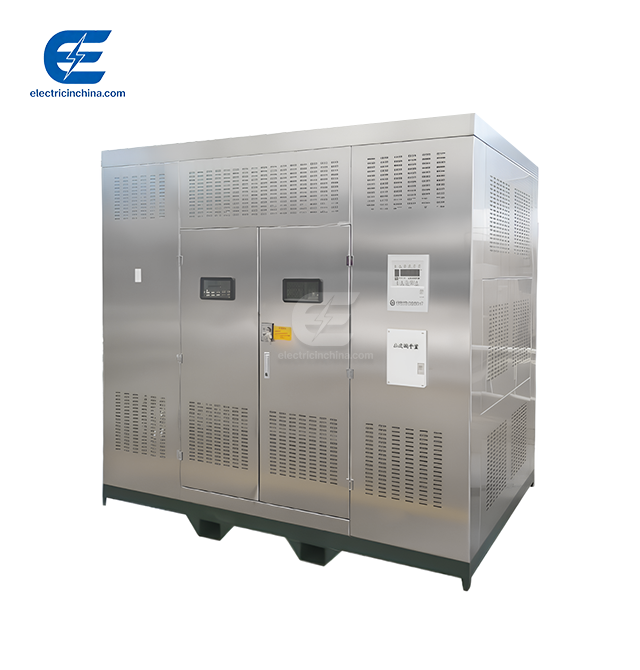
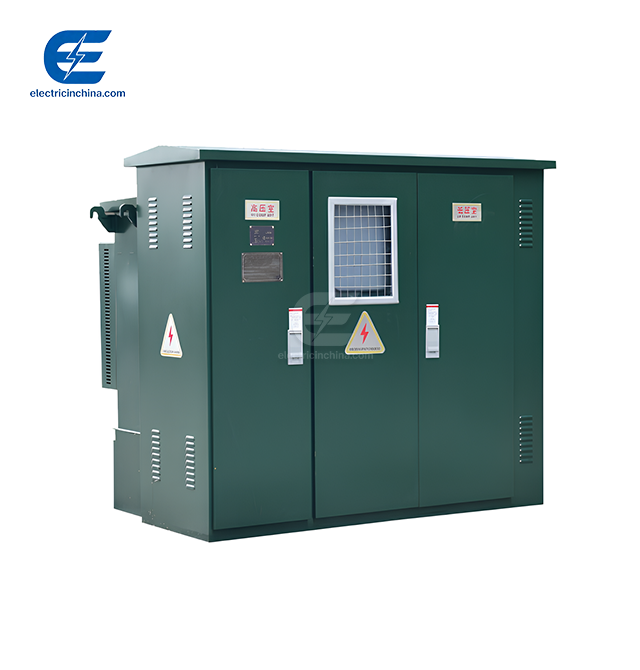
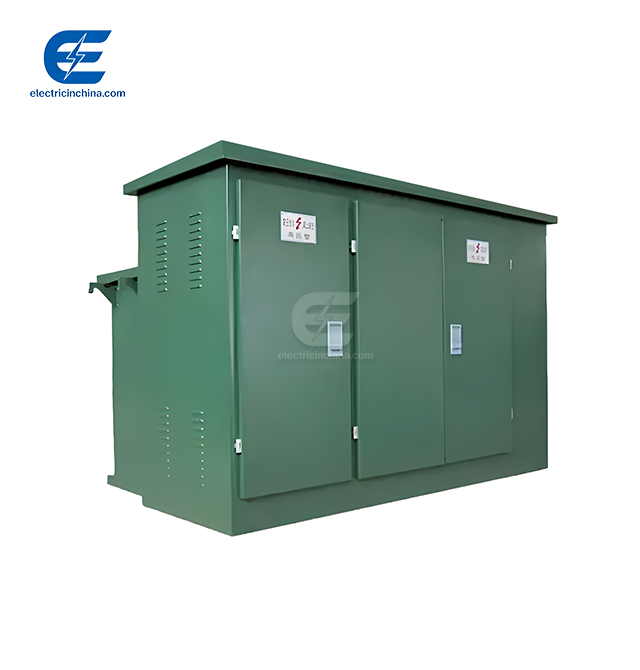
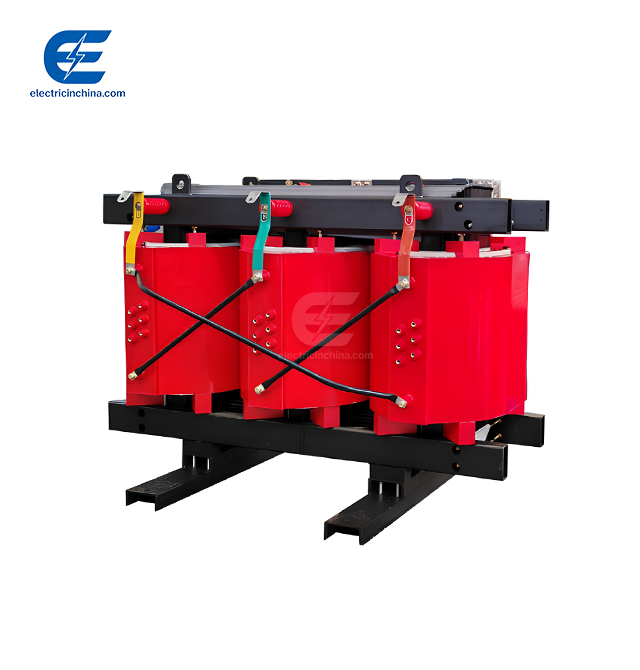
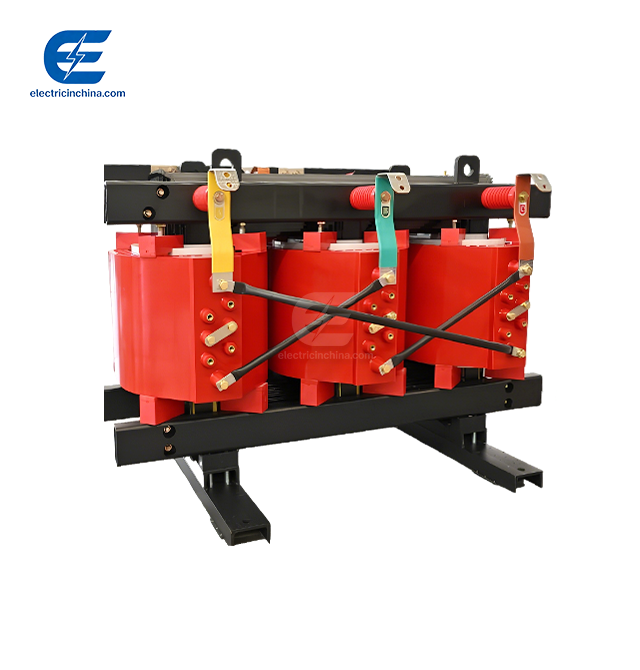
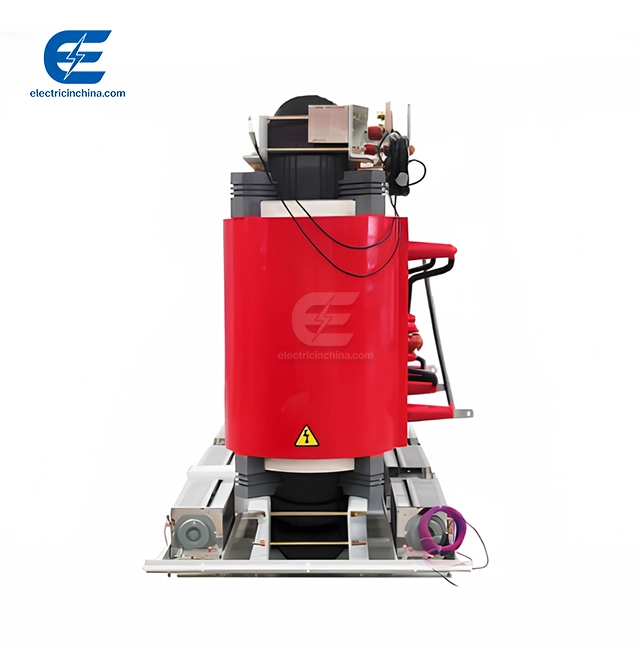
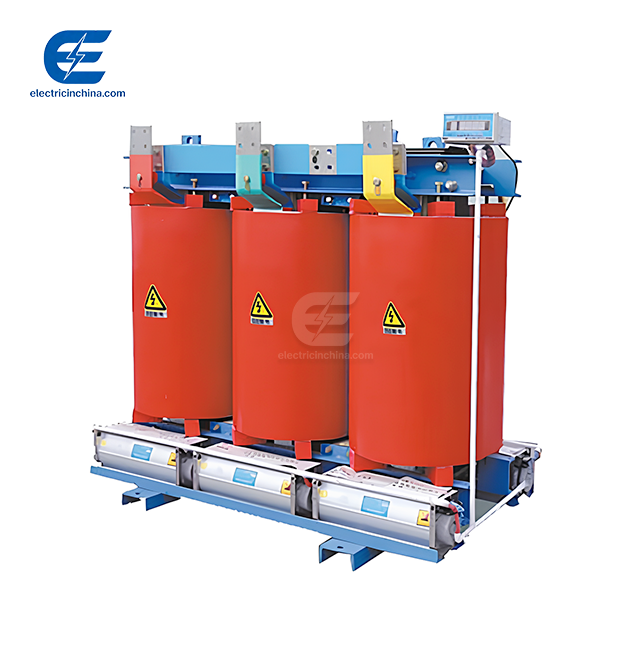
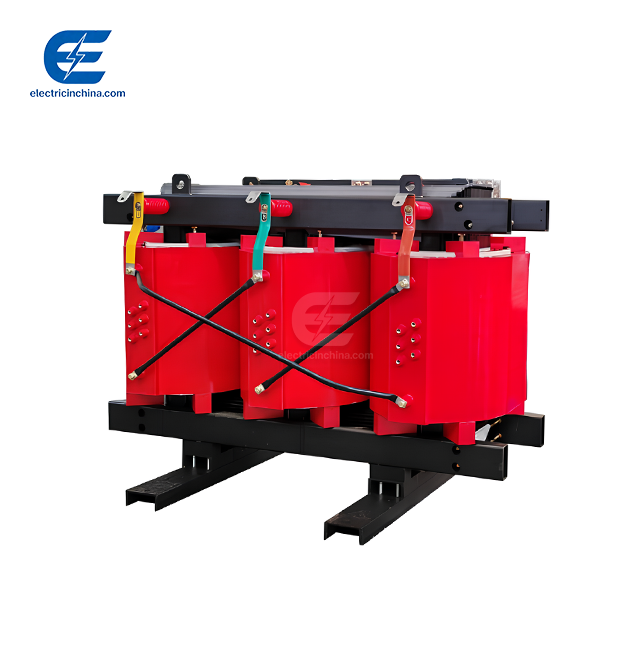
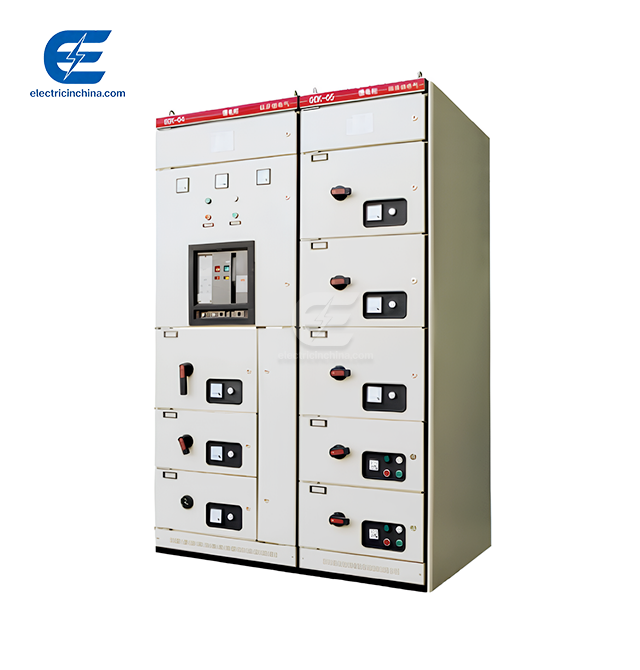
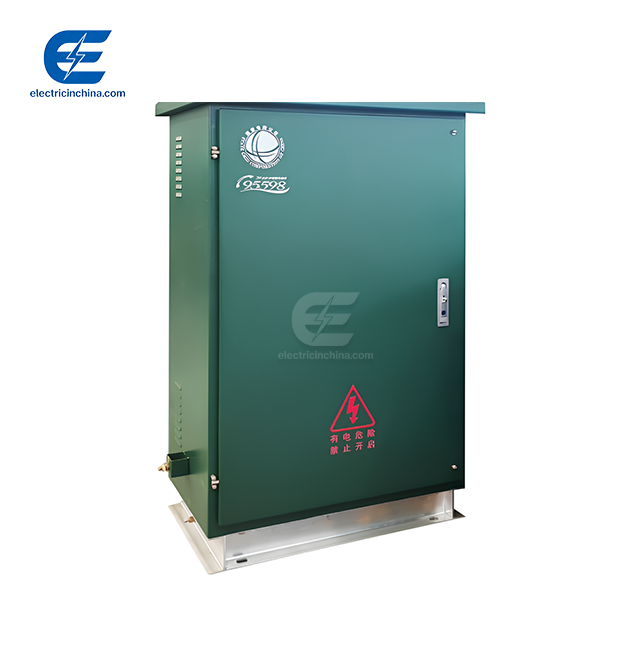
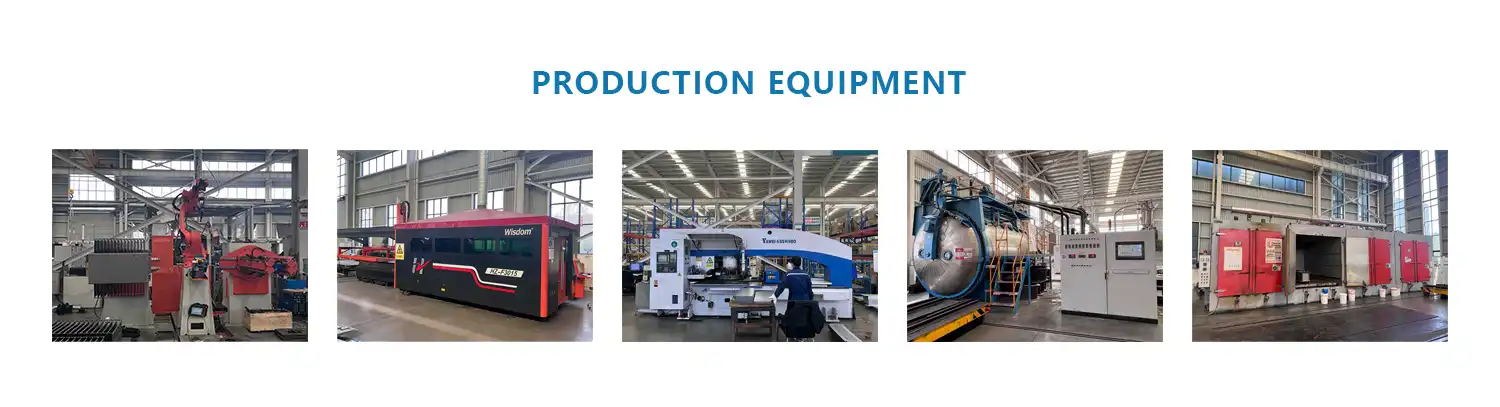
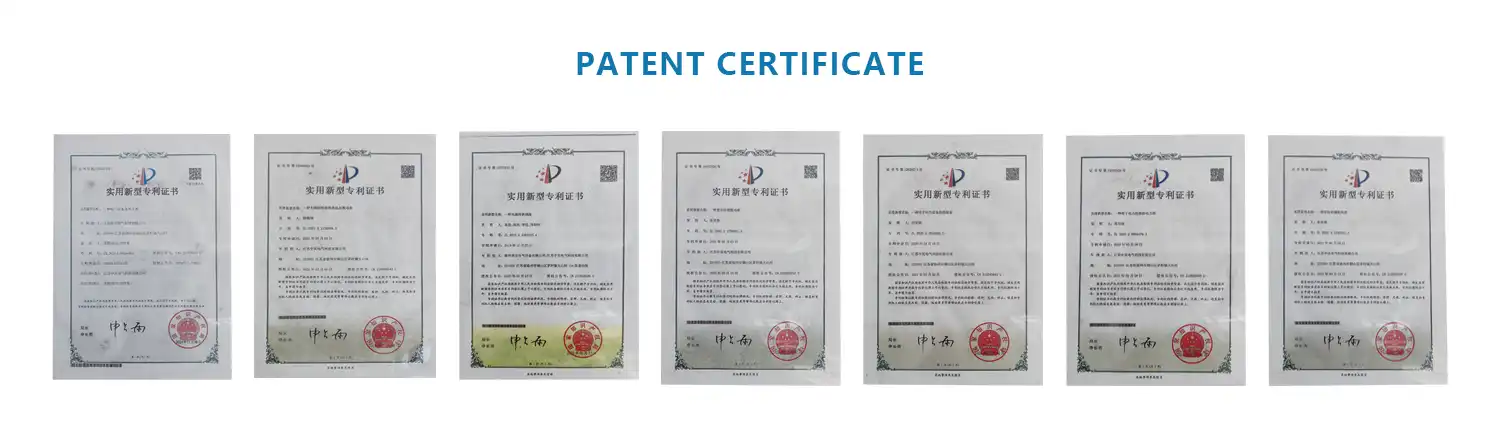
The transformer raises the voltage from the inverter's output levels to transmission-grade voltages. It can handle power flows that change throughout the day as the sun's strength changes. Switchgear separates and protects equipment by letting it be quickly disconnected during repairs or problems without affecting nearby equipment. Protection switches constantly check electrical parameters, noticing problems within milliseconds and taking action to fix them automatically. Through SCADA integration and IEC 61850 communication methods, monitoring systems provide operational visibility, which means that operators can see specific information about performance measures. The best use of land is greatly improved by compact planning. Typical substations can take up 1,200 square meters of space, but integrated systems only need 120 square meters, which is a 30–40% decrease that makes room for more solar panels. Controlled manufacturing settings, where each unit goes through thorough testing before shipping, make sure that the quality is always the same. Our factory has more than 120 sets of high-tech machines and 18 patented technologies that are used to make substations with security grades from IP54 to IP65, operating temperatures from -40°C to +50°C, and installation times that are 60–70% shorter than other options.
Why Integration Matters for Solar Projects
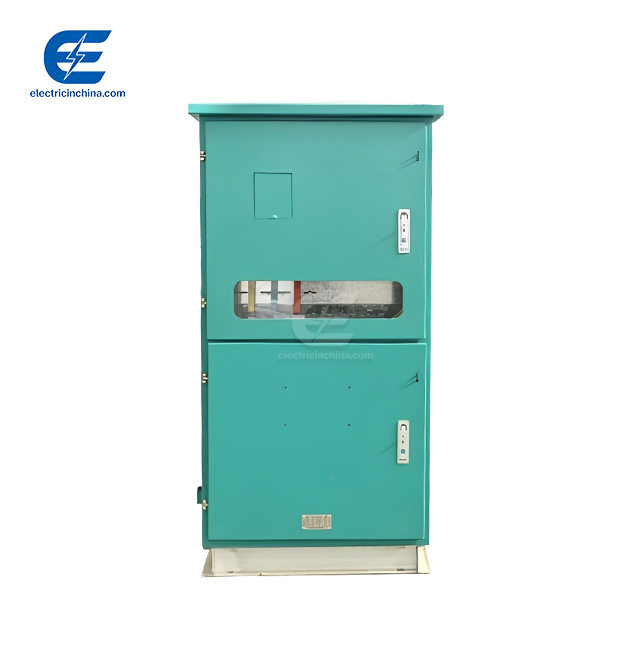
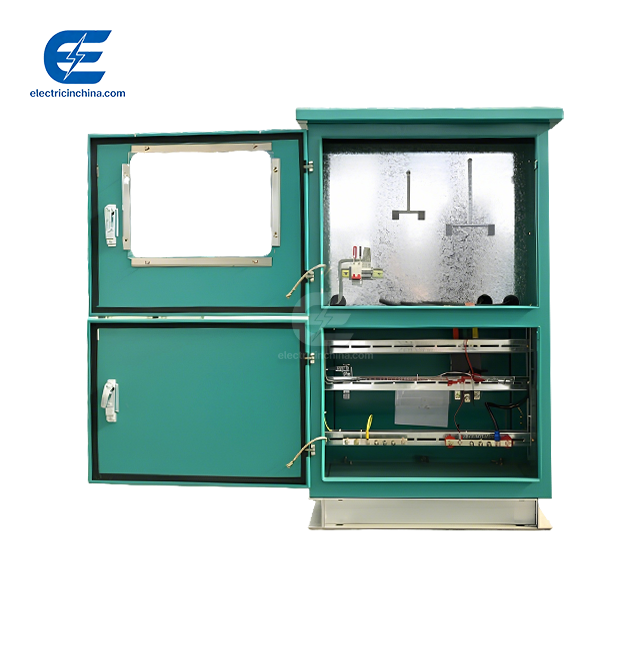
Pre-assembled infrastructure gets rid of the problems that come up when trying to coordinate the work of several equipment providers. When you buy transformers, switches, and control systems separately, problems with compatibility arise during testing. This slows down the project and costs more. Integrated substations come with all of their parts tested together, which cuts the time it takes to put them on-site from 12 to 18 months to 4 to 6 months. This faster rollout is very important for EPC companies that have to keep projects on time and meet penalty terms that are tied to dates of commercial operation. Enclosed forms make it easier to protect the environment. Electrical parts don't get damaged by dust, moisture, and other contaminants when they're inside sealed casings. This is especially helpful in desert sites where sandstorms would normally shorten the life of equipment. Even in harsh areas, our substations have 99.7% availability rates thanks to positive pressure systems and air filters that keep internal parts safe.
Challenges of Fluctuating Solar Inputs and System Impact
Solar production changes naturally because of the weather, cloud cover, seasonal changes, and the daily processes of sunrise and sunset. Photovoltaic systems have power swings from zero to full capacity within hours, while fossil fuel plants keep their output steady. These differences cause technical problems that put a lot of stress on the power grid's infrastructure and could make it unstable if they are not handled properly by PV Compact Substation for Solar Power Plants.
Power Quality Degradation
When production changes quickly, voltage values change. In seconds, a passing cloud can cut output by 70%, which can cause power drops that affect other equipment that is linked to the grid. When big solar farms suddenly lose their ability to generate power, grid workers have to quickly make up for it by using other power sources or energy storage. This makes frequency stability difficult. Harmonic distortion gets worse when a transformer is used, which leads to problems with power quality that damage sensitive industrial equipment if they aren't filtered properly. Because they were built for steady, regular power flows, traditional substations react slowly to these changes. Their control systems aren't fast enough for solar applications, which causes equipment to get stressed out and break down early. In standard systems, voltage regulators can take 30 to 60 seconds to adjust, which is much too long for cloud-induced transients that only last two to three seconds.
Real-World Operational Challenges
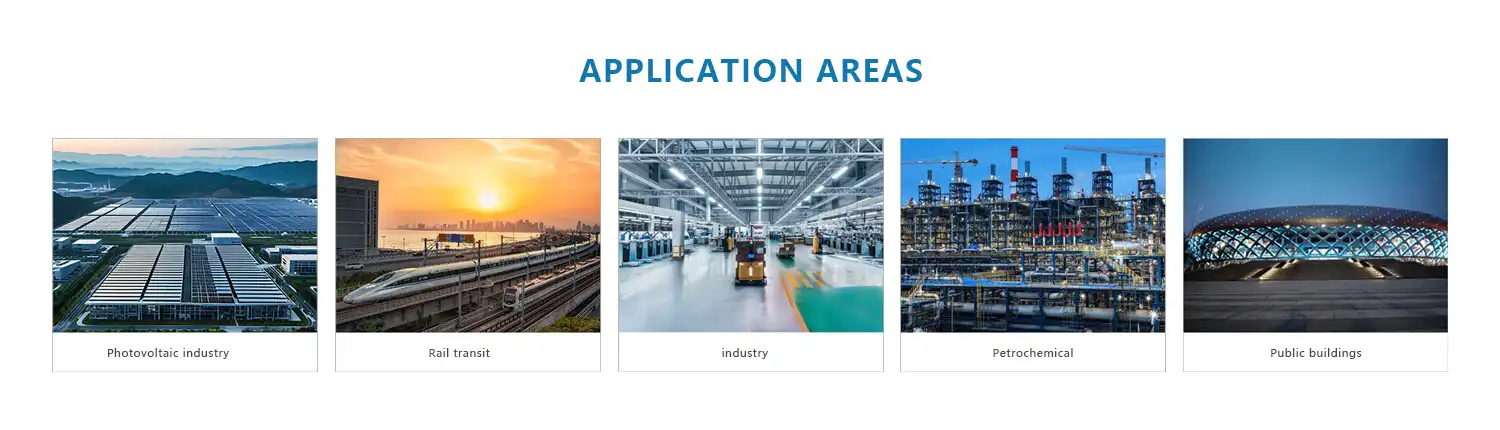
We finished the GCL Photovoltaic Industrial Park project. At first, workers had trouble with power fluctuations during morning ramp-up times. As the sun got stronger, traditional equipment couldn't keep up with the fast rise in output, which caused problems with grid connections. Harmonics from solar inverters messed up train signaling systems until the right filtering was put in place. This happened in business installations like the Xuzhou High-speed train East Station power supply project. Grid codes have strict rules for solar sites. Voltage ride-through must be able to handle changes of ±10% in the steady state and changes of +/- 15% during transients without separating. The frequency response must stay within the 50/60Hz ±0.5Hz bands for function. To support grid voltage, power factor control needs to be changed from 0.95 leading to 0.95 trailing. These requirements are often not met by traditional substations without major changes. Newer PV Compact Substations for Solar Power Plants, on the other hand, come with these features built in as standard.
How PV Compact Substations Mitigate Fluctuation Issues
Multiple technologies are used in modern PV Compact Substations for Solar Power Plants to deal with the changing nature of solar power. These technologies turn potentially problematic changes into practical features that can be handled.
Voltage Regulation and Power Quality Management
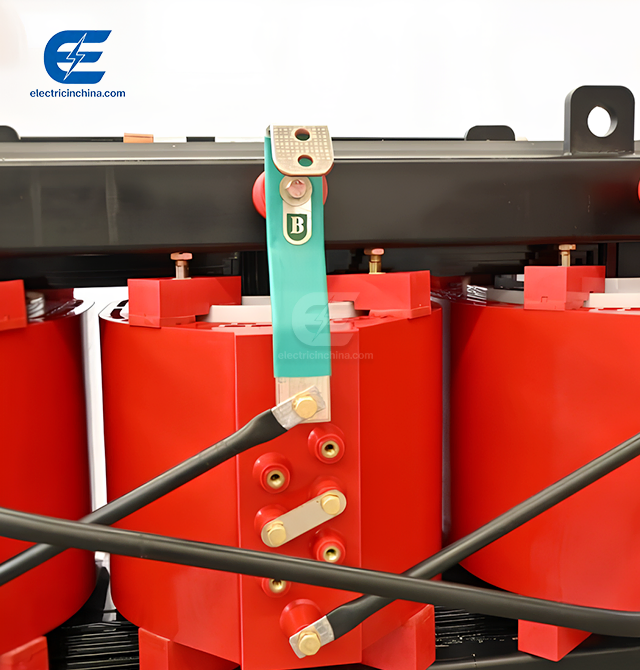
Tap switches instantly change transformer ratios so that the output voltage stays the same even if the input voltage changes. Our transformers have tap ranges of ±10% to ±16% and motorized settings that react instantly to changes in voltage. This quick change stops voltage changes from spreading to the grid, so power quality standards are instantly met. Harmonic filtering is built right into the design to fix the confusion that solar inverters cause. Power factor adjustment technology changes the flow of reactive power on the fly, keeping the grid voltage stable during times of high load and stopping overvoltage during times of low load. These functions keep working without any help from a person, responding to different situations throughout the day.
Real-Time Monitoring and Automation
Integrated SCADA systems let you see working factors all the time. Voltage, current, frequency, power factor, and harmonic levels are all monitored by operators from centralized control rooms or mobile devices. Predictive maintenance looks for patterns in oil temperature, coil resistance, and insulation quality to find problems before they happen. Compared to reactive repair methods, this proactive technique cuts down on unplanned outages by 40 to 60%. IEC 61850 communication standards make it possible for utility networks and plant control systems to work together without any problems. With remote diagnostics, tech teams can fix problems without having to go to the site. This cuts down on response times and downtime. When the Xuzhou Rail Transit Network Control Center needed complete dependability, we set up dual-circuit setups with automatic backup systems that kept things running while parts were being fixed.
Energy Storage Integration
Small PV Compact Substation for Solar Power Plants can hold battery storage devices that greatly reduce changes in the output. Energy storage fills up when there is extra production and empties when there isn't enough. This keeps the power flowing to the grid even when the sun's output changes briefly. Our designs include contact points for both DC-coupled and AC-coupled storage setups. This gives us the freedom to make changes in the future as battery prices drop and storage becomes more cost-effective. Following safety rules makes sure that the system works reliably in all situations. The equipment meets the standards for ISO 9001, ISO 14001, and OHSAS 45001, and it is thoroughly tested to make sure it works well before it is shipped. As part of factory acceptance testing, insulation resistance, power frequency withstand, impulse voltage, and temperature efficiency are all checked under rated load conditions. This strict quality control stops failures in the field that would otherwise hurt the project's bottom line.
Comparison: PV Compact Substation vs. Traditional Substation for Solar Farms
When people are looking at different infrastructure choices, they need to be able to easily compare them based on performance measures, prices, and operational factors that are important for the procurement process.
Performance and Reliability Differences
When sources change, PV Compact Substations for Solar Power Plants respond faster than larger ones. Normal designs take 30 to 60 seconds to change the voltage, but this one does it in just two to three seconds. This keeps the voltage from changing during cloud transients. Protection system coordination works faster; problems are found in 50–100 milliseconds instead of 200–500 milliseconds with older equipment. This difference in speed lowers the stress on the tools and makes parts last a lot longer. Factory tests and sealed buildings make things more reliable. All systems in factories are checked under controlled conditions so that problems are found before they are shipped instead of when they are being put into use. Inside sealed shelters, temperatures stay the same, keeping parts safe from weather damage that leads to 60% of field failures in open-air substations. Integrated designs have been used for over 20 years and have been proven to last 25 to 30 years with regular repair every 5 to 10 years.
Cost Analysis and Space Requirements
Because they are put together in the workshop and have integrated parts, compact substations usually cost 15 to 25 percent more to buy than standard ones. Total project costs, on the other hand, support small forms because they are much cheaper to install. Because compact shapes don't need as much base work, civil engineering needs drop by 40–50%. When things are put together in the plant, field work goes from 18 months to 6 months, cutting on-site labor costs by 60–70%. Transportation costs go up a little, but project funding costs go down a lot because the project can be finished faster and start making money sooner.
Supplier Selection Considerations
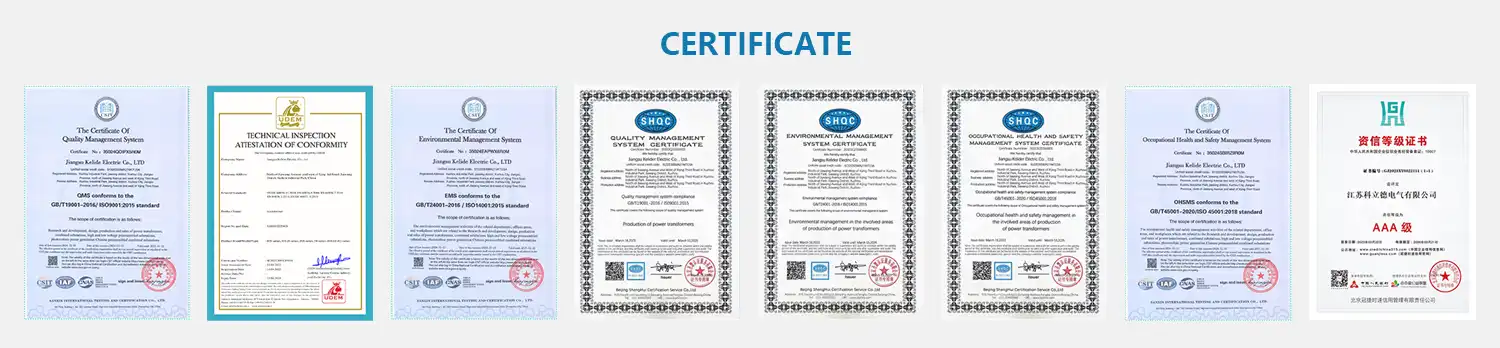
The size of the project has a big effect on the tool requirements. Multiple small substations working together in parallel are good for installations with more than 100MW because they provide redundancy and repair freedom. Single substations with enough power headroom for future growth are usually used for medium-sized projects between 50MW and 100MW. When a place has unique environmental conditions or special grid code needs that standard designs don't meet, customization choices become important. We make substations that can handle voltages from 35kV/110kV to 35kV/220kV and power levels from 50MVA to 300MVA per unit. These ranges cover most utility-scale solar uses. Our 15 senior engineers and 30 intermediate technicians offer technical help during the whole buying process by developing solutions that are perfect for each project. Certifications like ISO 9001 for quality management, CCC approval for low-voltage equipment, and meeting IEC standards give people who buy things confidence in the stability of the products they buy.
Procurement and Maintenance Insights for PV Compact Substations
Buying and keeping integrated PV Compact Substations for Solar Power Plants requires a lot of practical thought, which has a direct effect on the long-term success of the project and how efficiently it runs.
Pricing Factors and Lead Times
The price of equipment depends on its voltage grade, power capacity, environmental standards, and the level of customization needed. Lead times are faster for standard designs with common power ratios and moderate environmental protection. It usually takes 16 to 20 weeks from order to delivery. When custom setups need special coatings, better cooling systems, or voltage rates that aren't common, the lead time goes up to 24 to 28 weeks while engineering teams plan and test the changes. Depending on where the job is located, 8–12% of the delivered costs go to transportation. Assembling substations in a factory makes shipments heavier and bigger than standard substations that use components. However, the savings in on-site work more than make up for the higher freight costs. Professional installation services make sure that the commissioning is done right, and in two to three weeks after arrival, experienced teams finish setting up and testing. Our company offers full installation help, drawing on the knowledge gained from hundreds of major power projects to avoid common problems during launching.
After-Sales Support and Warranty Provisions
Transformer warranties usually last between 10 and 15 years, while solid component warranties last 20 years or more. This is because equipment is supposed to last that long. Full help includes having access to spare parts, expert advice, and services for responding to emergencies. We keep a stock of important parts so that when they break, replacements can be sent out within 48 hours. Our tech team can fix problems without having to go to the site right away, thanks to remote diagnostics. This cuts down on downtime and service costs. Plant workers learn how to do simple troubleshooting and regular maintenance through professional training programs. During commissioning, our expert staff gives on-site training that covers working methods, safety rules, and maintenance schedules. Technical specs, testing results, operation manuals, and upkeep directions that are relevant to each installation are all included in documentation packages.
Maintenance Strategies for Optimal Performance
Routine checks keep things reliable over their entire useful lives. An annual oil study finds dissolved gases that show that faults are starting to form in transformers. This lets fixes be made before they happen. Through thermography checks, hot spots in electrical connections are found that could cause problems if not fixed. Testing the contact resistance of switches every six months ensures that circuit breakers will properly stop fault currents when they need to. Predictive maintenance uses data from constant tracking to guess when parts will break down. Trending analysis finds small changes in electrical factors that show failures are coming up. This lets you schedule maintenance instead of making fixes right away. Performance data that can be accessed from a mobile device lets site managers keep an eye on operations from anywhere, getting alerts right away when parameters go outside of normal levels. With these advanced features, unexpected outages are greatly reduced, and upkeep costs are kept to a minimum by focusing on the equipment that really needs it.
Conclusion
Changing solar inputs are a real technical problem, but modern PV Compact Substations for Solar Power Plants are built to handle these problems with an integrated design, the ability to respond quickly, and advanced tracking systems. Performance benefits go beyond managing fluctuations and include construction speed, space efficiency, operating dependability, and costs over the course of a product's life. When making a purchase choice, it's better to look at the total project economics instead of just the original equipment costs. This means thinking about how long it will take to install, how much upkeep it will need, and how efficiently it will run for 25 to 30 years. From working on large sites, we know that equipment that is properly defined works the same way in all kinds of environments and for all kinds of uses.
FAQ
What distinguishes compact substations from traditional designs for solar applications?
Traditional substations use different equipment that is placed on-site, but compact substations have all of their parts—transformers, switchgear, security, and controls—built into a single unit at the factory. Integration cuts the time it takes to build from 12 to 18 months to 4 to 6 months, reduces the amount of room needed by 30 to 40 percent, and makes sure everything works together by testing it in the plant. Fast power changes can be handled by solar-specific designs that include faster voltage control, better tracking, and grid code compliance features that are built in as standard instead of being added as upgrades.
How do environmental conditions affect substation performance and longevity?
Extreme temperatures, high humidity, dust, and environments that rust put a lot of stress on electrical equipment. Sealed casings with IP54 to IP65 ratings keep internal parts safe from damage from the environment, and special finishes keep salt spray out of sites near the coast. Better cooling systems keep working at temperatures from- 40 °C to +50 °C and up to 3,000 meters in elevation. Our tests show that it can withstand salt spray for more than 1,000 hours and keep working during sandstorms. This means that it will work reliably in a wide range of temperatures and locations.
What maintenance activities are essential for long-term reliability?
An annual oil study finds problems in transformers before they break. Thermography checks find problems with electrical connections that could damage devices if they are not fixed. Circuit breakers are tested every six months to make sure they are working properly. Predictive maintenance is possible with remote monitoring because it keeps an eye on performance trends and quickly alerts workers to any problems. With regular upkeep, a working life can be extended to 25 to 30 years. However, major overhauls are usually needed every 5 to 10 years, based on the conditions of use and the number of load cycles.
Partner with Tuojie for Reliable Solar Power Solutions
Tuojie is an expert at making PV Compact Substations for Solar Power Plants that can safely handle changing solar inputs thanks to their proven engineering and strict quality control. Transformers, switchgear, safety systems, and tracking tools are all included in our factory-tested integrated solutions, which can be put in place 60–70% faster than standard methods. We offer unique power solutions that meet the strictest project needs. We have 18 patents, standards such as ISO 9001, ISO 14001, and OHSAS 45001, and we have done great work on projects like the GCL Photovoltaic Industrial Park. Send an email to tuojie@electricinchina.com to talk about your solar infrastructure needs and find out why procurement professionals trust Tuojie as their provider.
References
1. International Electrotechnical Commission. (2019). High-voltage switchgear and controlgear – Part 200: AC metal-enclosed switchgear and controlgear for rated voltages above 1 kV and up to and including 52 kV. IEC 62271-200 Standard.
2. Institute of Electrical and Electronics Engineers. (2018). IEEE Standard for Interconnection and Interoperability of Distributed Energy Resources with Associated Electric Power Systems Interfaces. IEEE 1547-2018.
3. Solar Energy Industries Association. (2021). Best Practices in PV System Installation: Substation Design and Grid Integration. SEIA Technical Report Series.
4. Martinez, J. & Williams, R. (2020). Power Quality Management in Large-Scale Solar Installations: Technical Challenges and Solutions. Renewable Energy Engineering Journal, 45(3), 178-195.
5. Chen, L., Zhang, W., & Kumar, S. (2022). Compact Substation Technologies for Utility-Scale Photovoltaic Projects: Performance Analysis and Cost Comparison. International Journal of Electrical Power Systems, 138, 107-124.
6. National Renewable Energy Laboratory. (2023). Grid Integration of Variable Solar Generation: Technical Requirements for Substation Equipment. NREL Technical Report NREL/TP-5D00-82156.