

.webp)
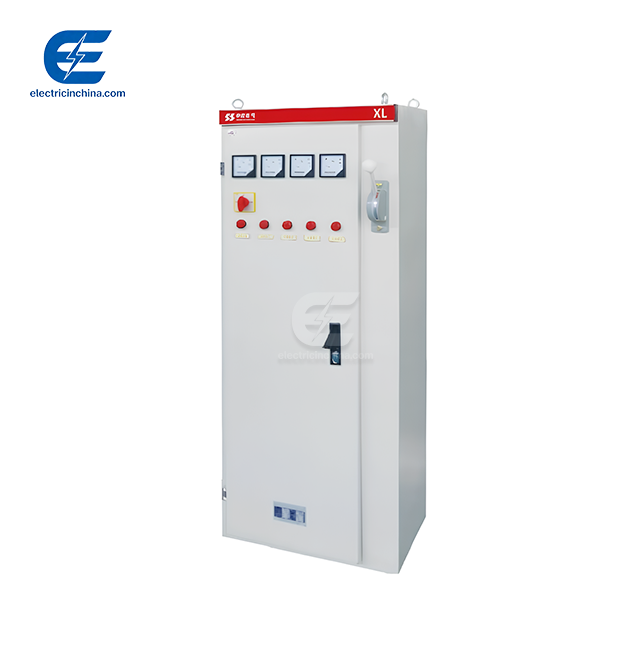
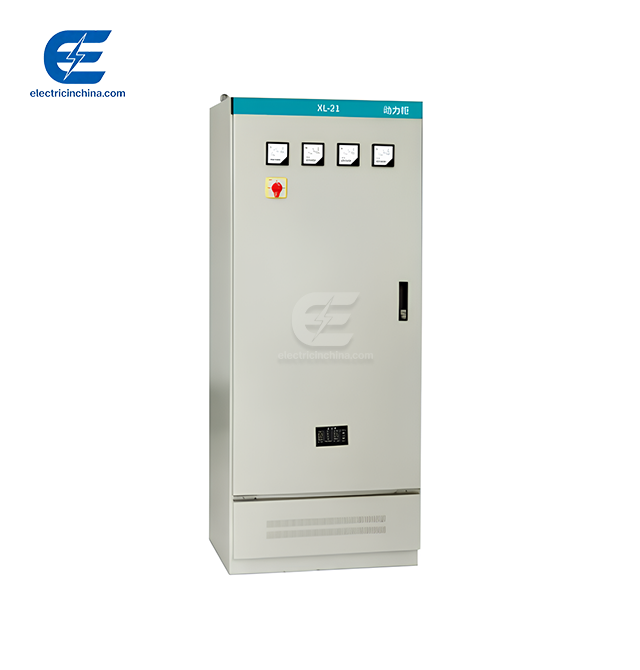
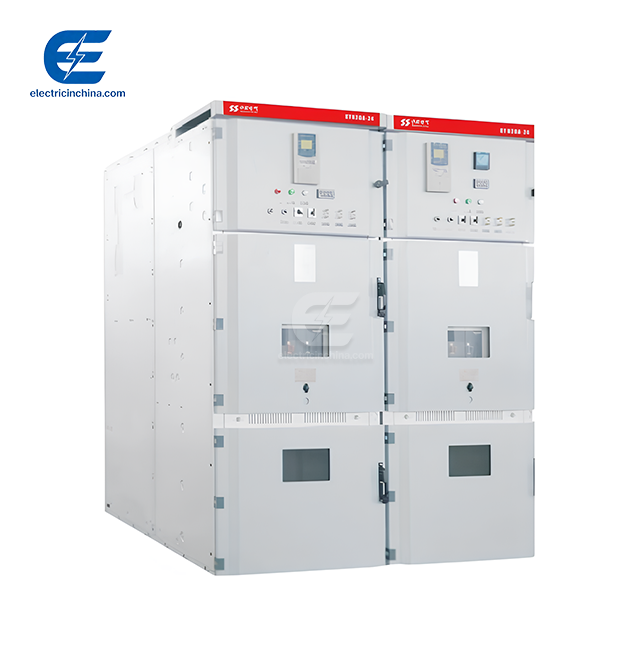
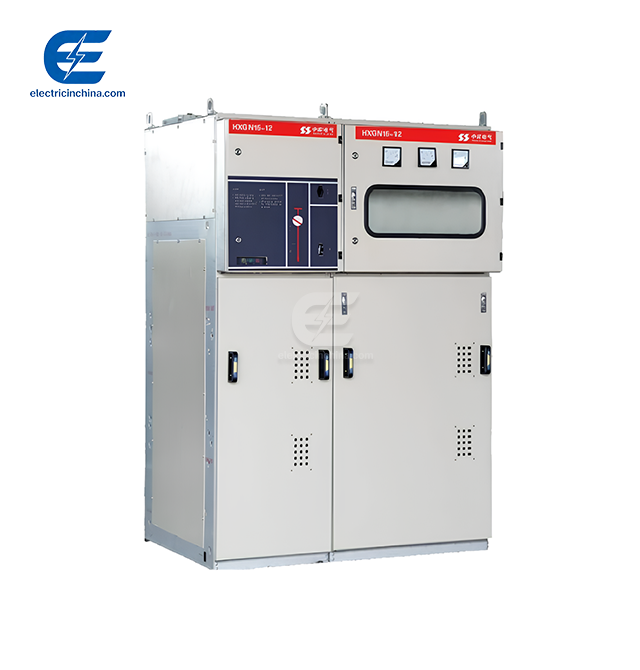
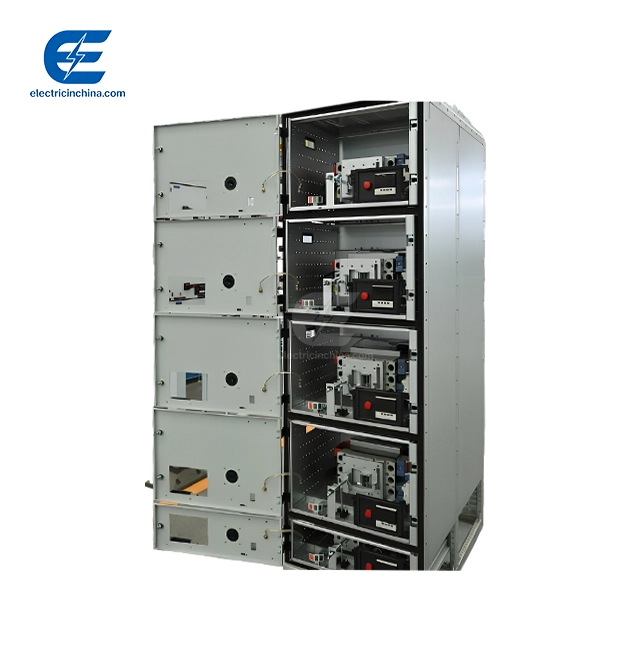
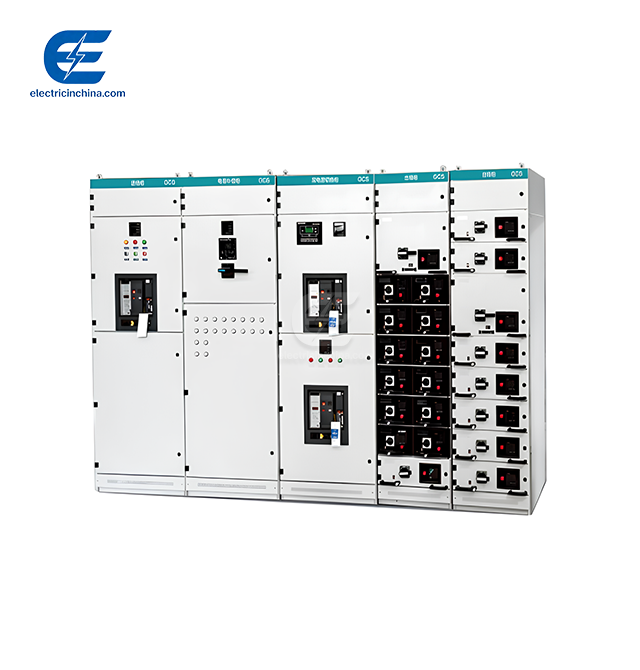
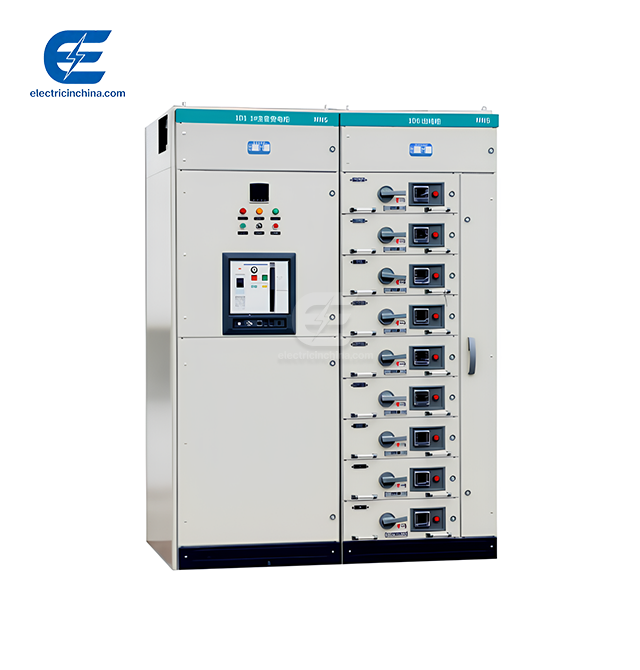
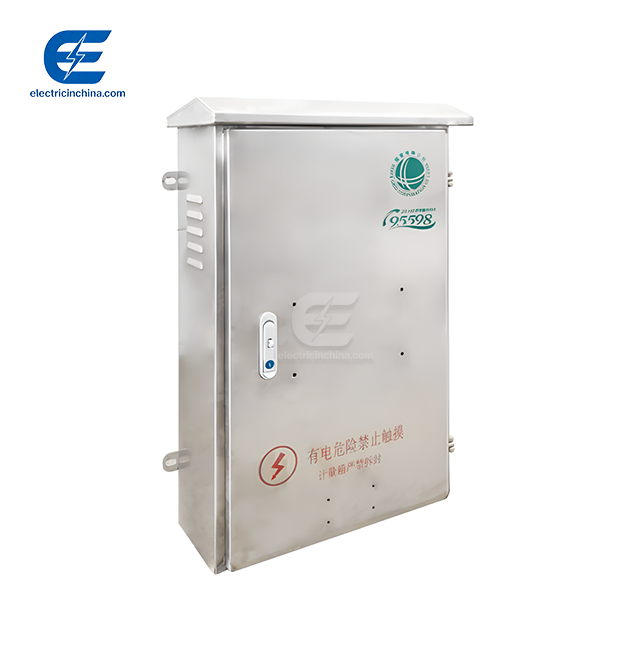
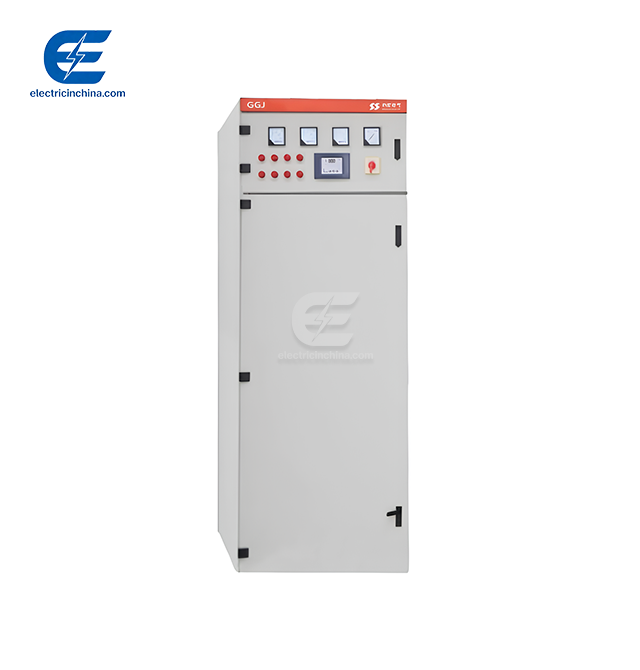
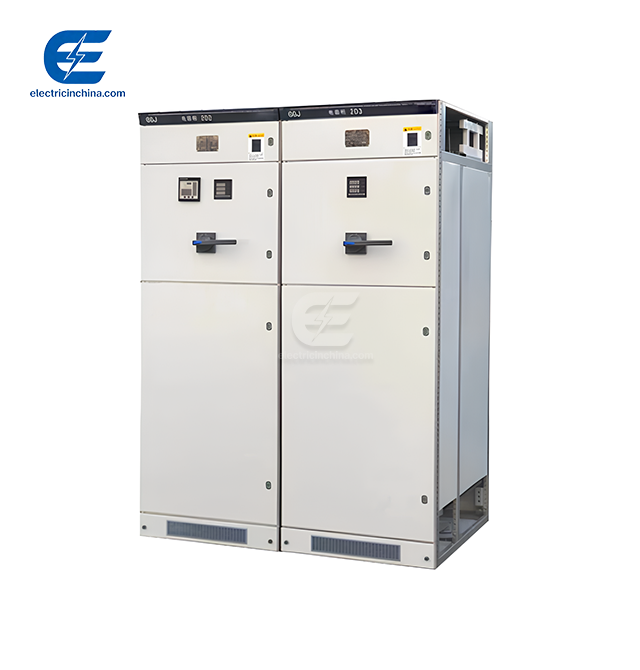
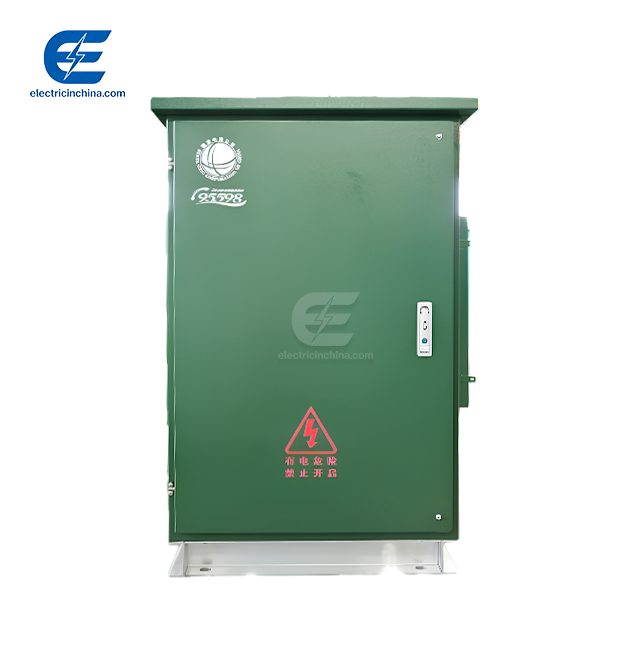
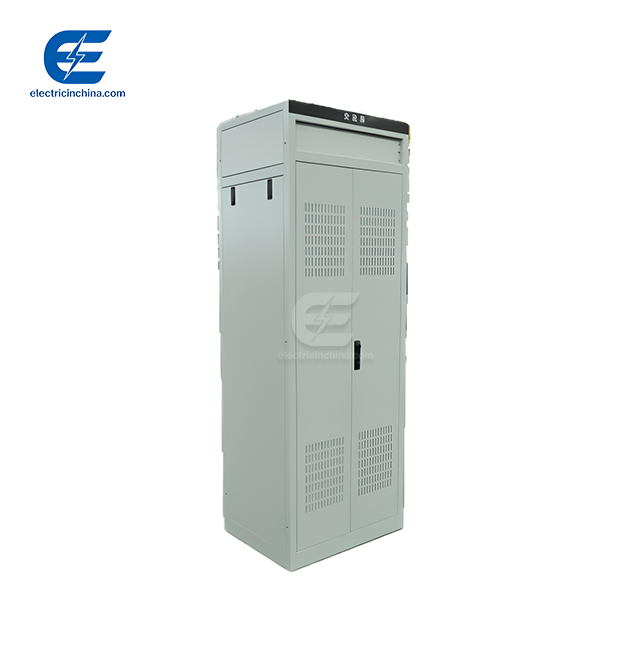
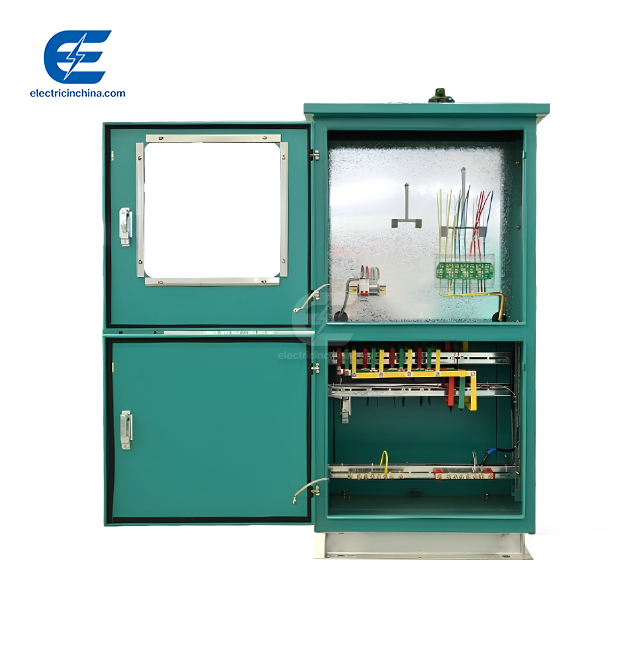
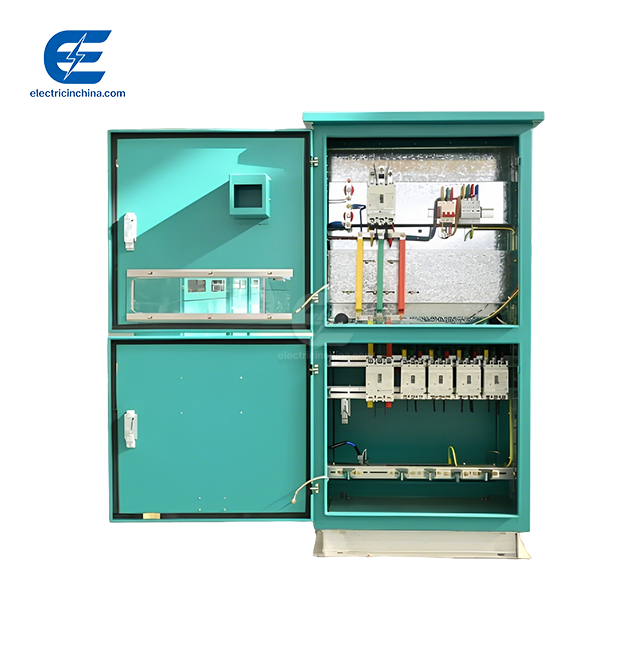
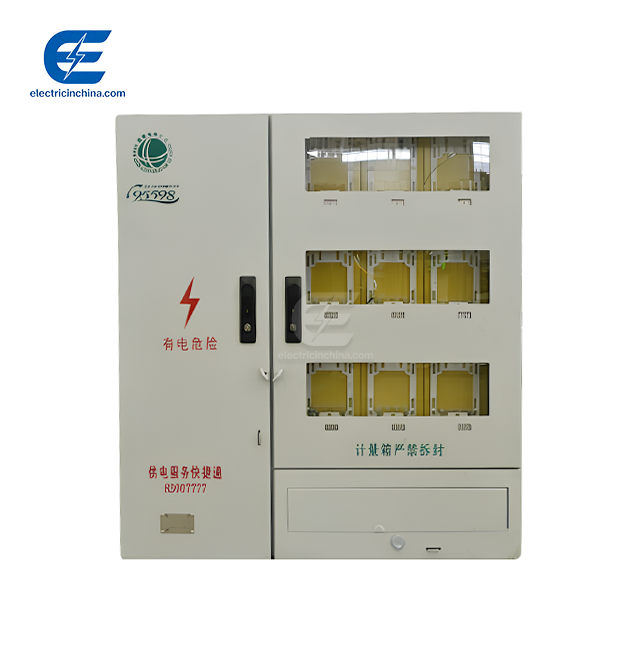
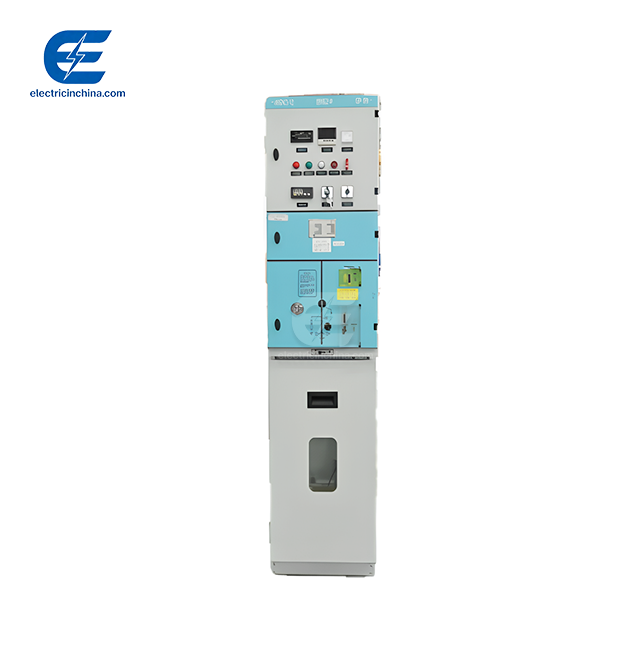
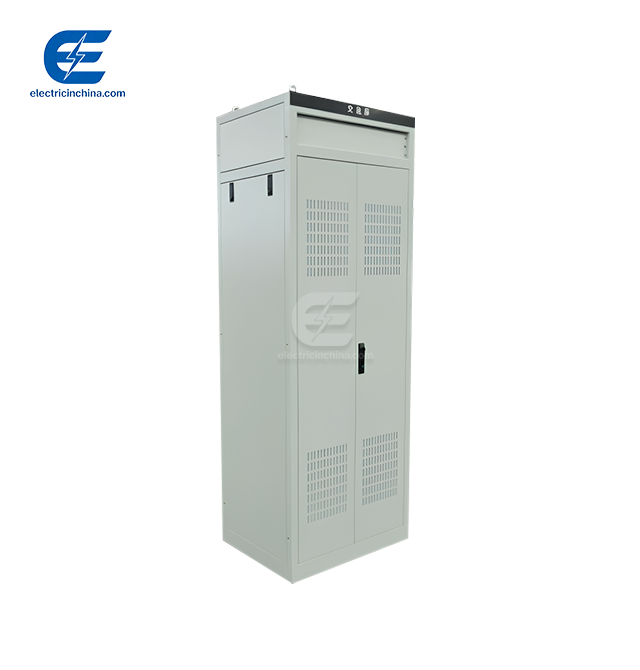
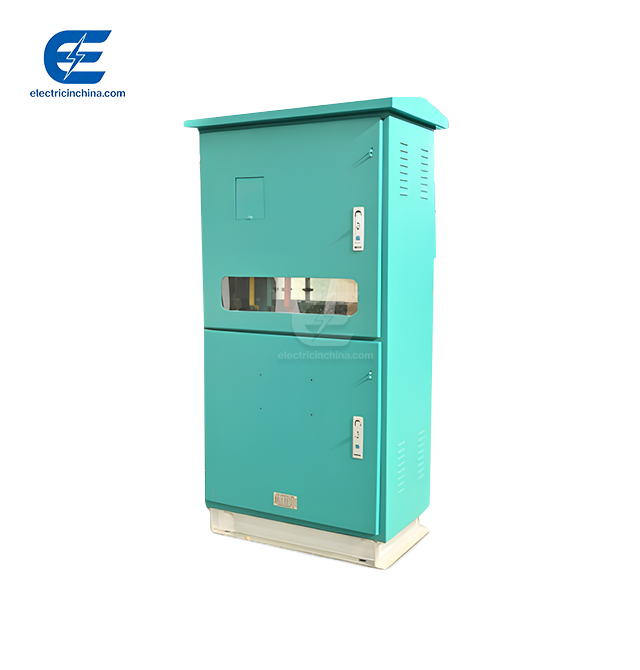
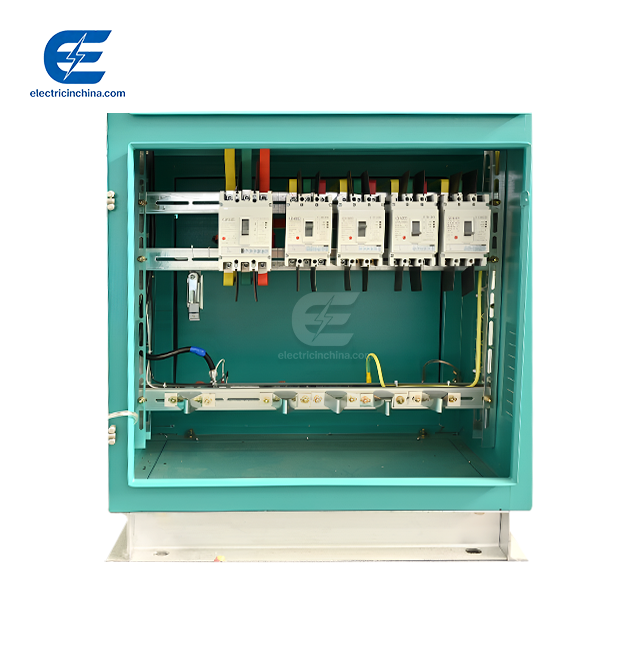
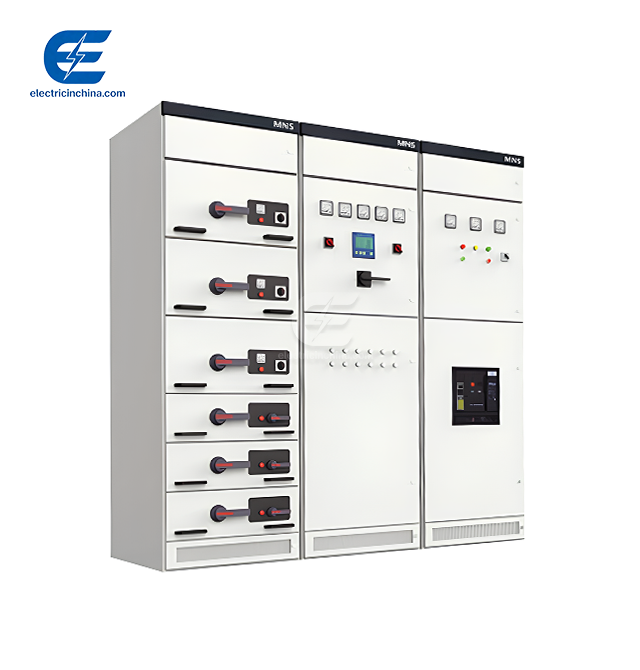
Medium Voltage Withdrawable Switchgear is good at handling changes in load because it is modularly designed and uses advanced circuit breaker technology. The mechanism that can be pulled out lets it respond quickly to changing load needs while keeping operations running. Metal-clad compartmentalization makes sure that each circuit works on its own, so that changes in the load don't affect the whole system. These systems can handle rapid load spikes without affecting safety or dependability. They can handle currents up to 4000A and short-circuit interruptions up to 63kA. The plug-in breaker units react to changes in load in milliseconds. This protects equipment further down the line and keeps the power stable in business and industrial settings.
Understanding Medium Voltage Withdrawable Switchgear and Load Fluctuations
Defining Metal-Enclosed Withdrawable Systems
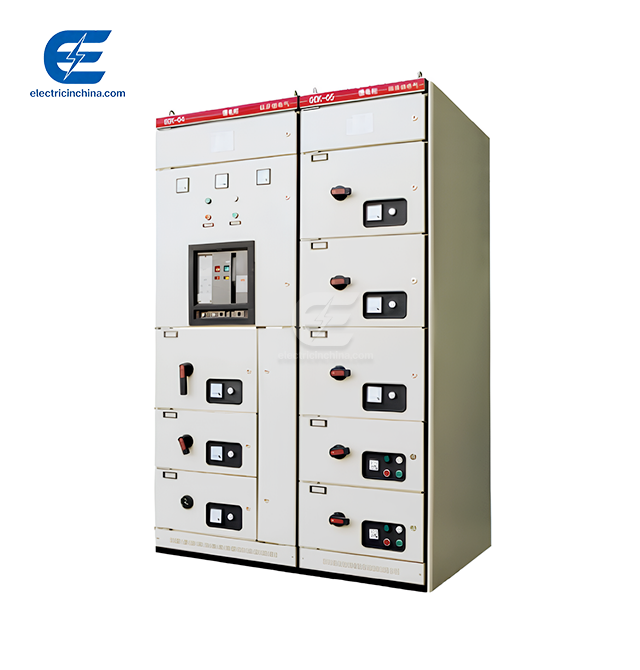
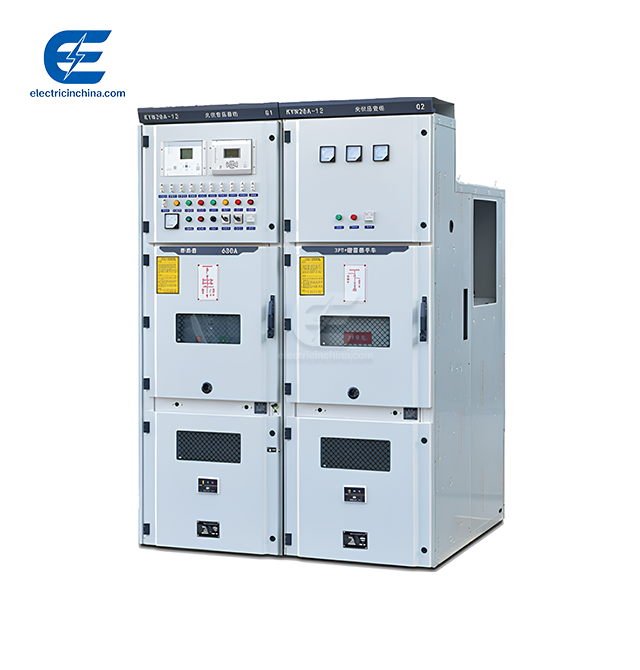
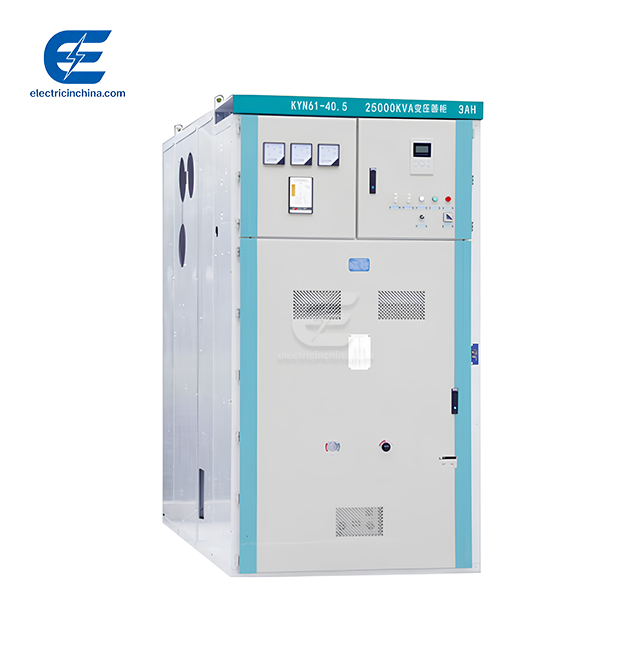
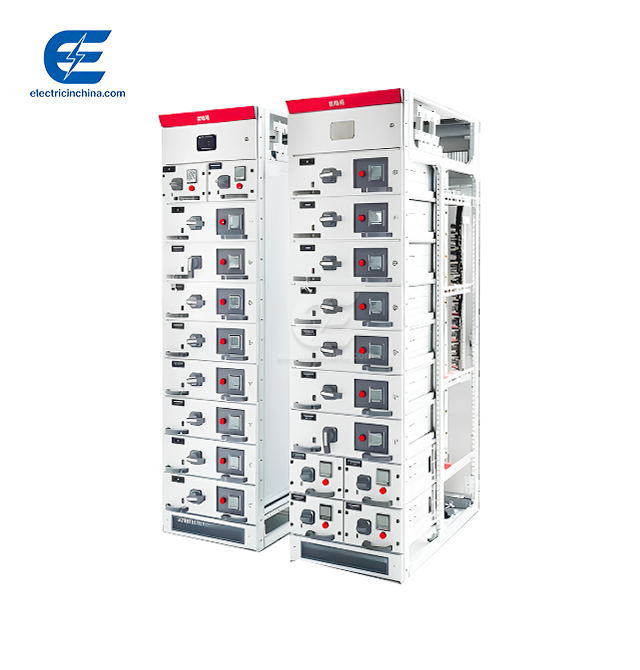
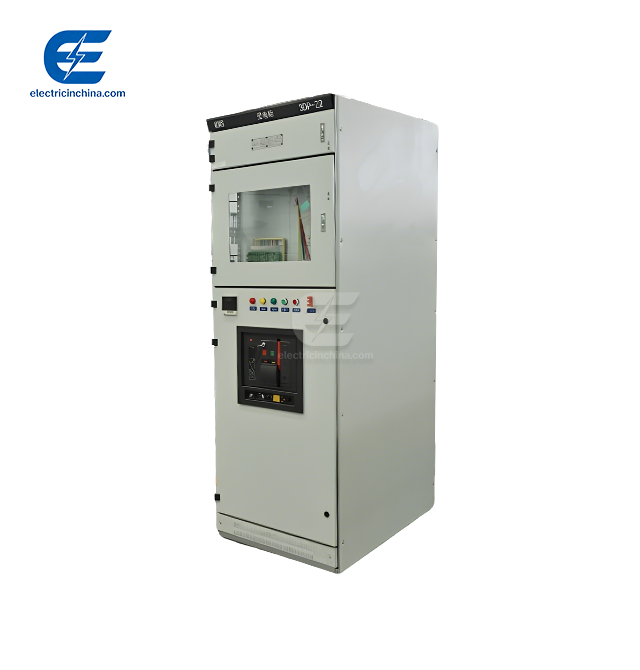
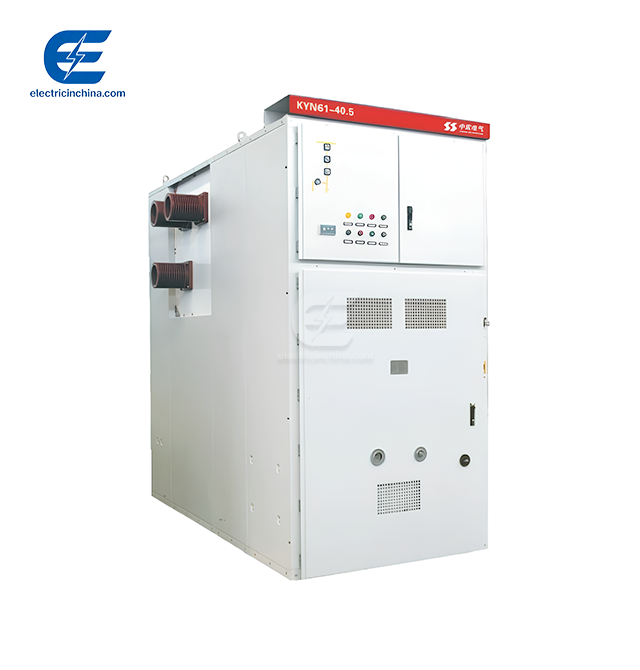
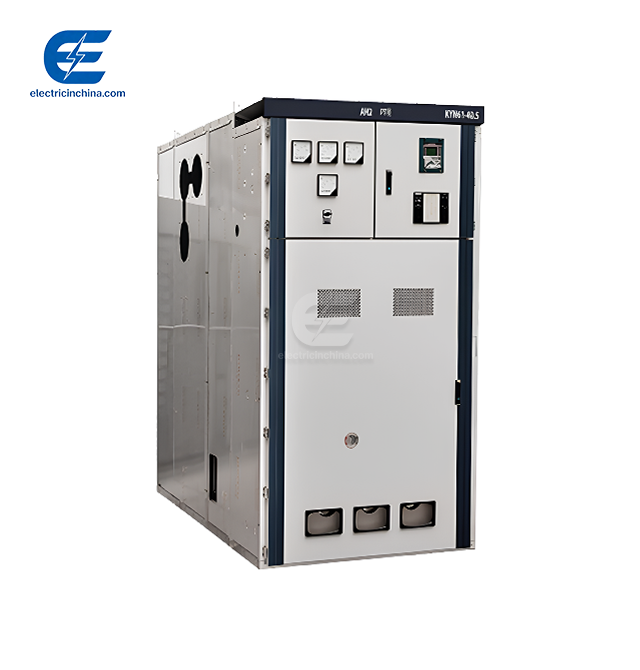
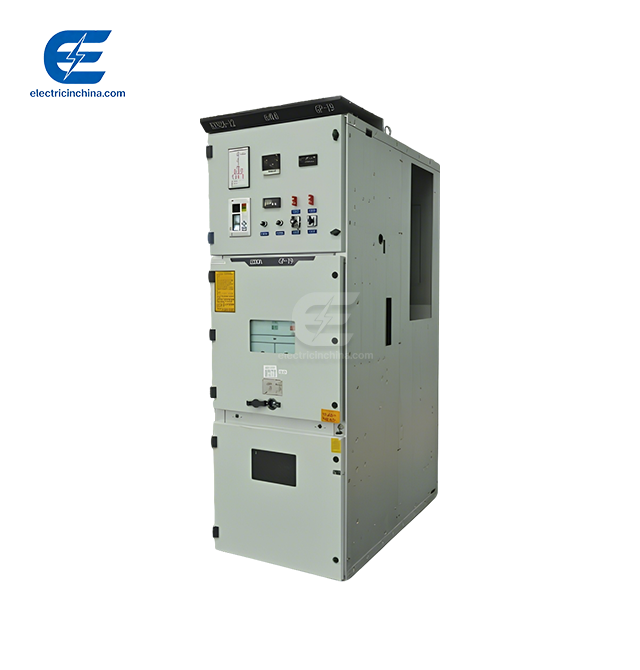
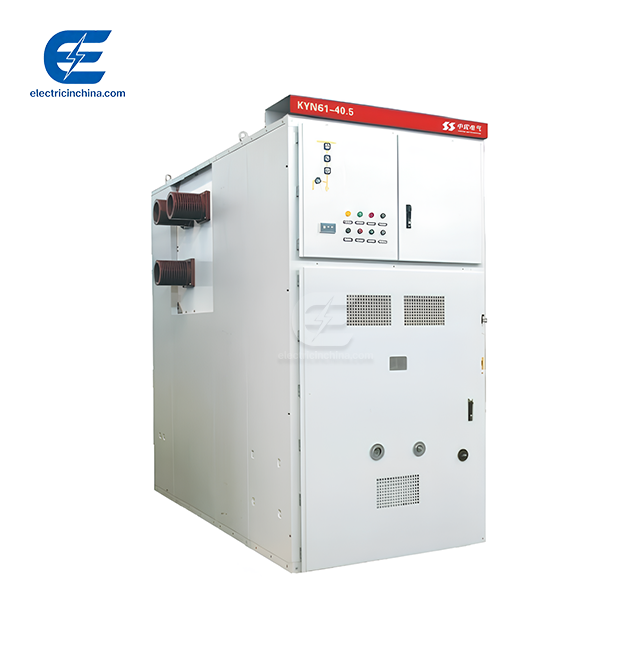
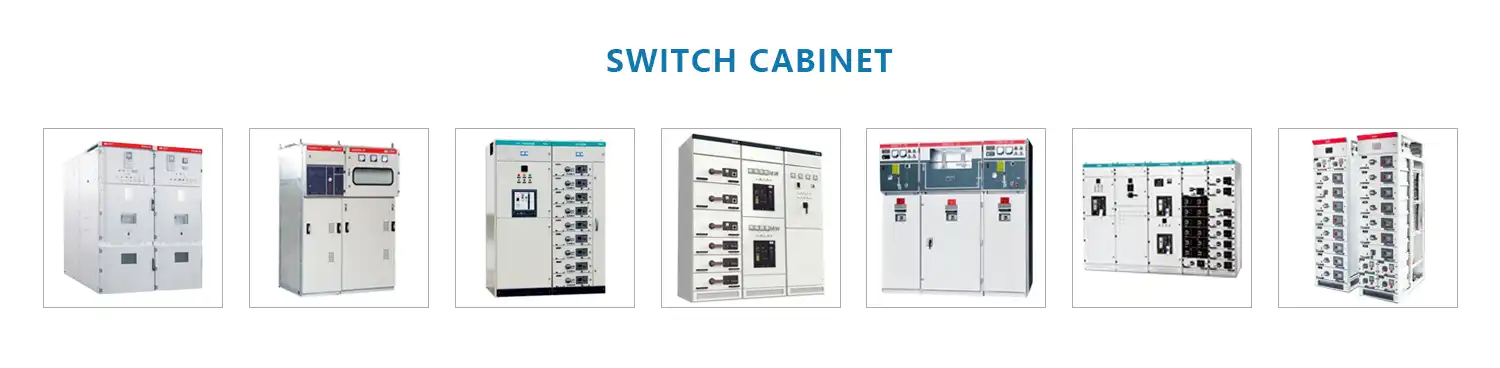
Metal-enclosed Medium Voltage Withdrawable Switchgear is a new type of power distribution technology made for places that need to be safe and flexible at the same time. There are circuit breakers on wheeled carts that slide into fixed compartments that hold busbars, control wires, and cable connections. This setup keeps repair workers physically away from powered parts, which meets the standards for arc-resistant design set by IEC 62271-200 and IEEE C37.20.2. Our designs have four separate areas: the busbar chamber controls the main voltage, the circuit breaker section holds the removable element, the cable compartment handles incoming and outgoing connections, and the low-voltage control area has protection relays and monitoring gear. Each section has its own access panels and automatic shuttering systems that go into action when the breakers are pulled out. This keeps people from touching live parts by mistake. This separateness is very important during times of changing load, because faults in one circuit don't affect equipment nearby.
Typical Load Fluctuation Scenarios
Load fluctuations in industrial settings happen for several reasons that put stress on the electricity system. When motors for conveyor systems, pumps, and compressors start up, they cause inrush currents that quickly reach six to eight times the regular operating level. When welding, loads that are very changeable and have bad power factor traits are introduced. Process equipment turns on and off based on production plans. This causes changes in the facility's demand that must be safely handled by the switches. Changes in commercial projects are caused by population and environmental systems in different ways. When the temperature changes, HVAC equipment changes how the fan works, which causes load changes throughout the day. During times of high traffic, elevator banks in high-rise buildings cause multiple motors to start at the same time. When server farms adjust their computer resources to meet real-time demand, the load on data centers that support cloud services changes quickly. This means that the electricity systems need to be able to respond to load changes within seconds.
Risks to Safety and Reliability
Electrical equipment goes through repeated heating and cooling processes when the load changes. This causes thermal stress on the wires and connections. Traditional fixed switchgear designs keep heat inside, which speeds up the breakdown of insulation and contact oxidation. When temperatures change more than 30°C between maximum and minimum load conditions, metals expand and contract. This wears down mechanical connections over time, raising resistance and creating places where they could break. Because circuit breakers and relays have to be able to tell the difference between normal operating transients and real fault conditions, dynamic loading conditions make coordination of security more difficult. Tripping for no reason when a motor starts slows down the facility's work, and waiting to trip for real problems increases the risk of damaging equipment. Switchgear that handles variable loads needs to have complex protection systems that take into account the features of the load while still being sensitive enough to pick up on abnormalities.
Can Withdrawable Switchgear Efficiently Manage Load Fluctuations?
Operating Principles for Dynamic Load Response
Medium Voltage Withdrawable Switchgear's main benefit in settings with changing loads comes from its ability to handle circuits independently. Each breaker unit is its own safety device, with its own current transformers, voltage sensors, and microprocessor-based switches set up to handle a certain type of load. When a fault or load spike happens in one circuit, the withdrawable design makes sure that the event stays contained in that compartment. This keeps the event from spreading to similar circuits that serve other parts of the facility.
When used in withdrawable situations, vacuum and SF6 circuit breakers work better than older air-magnetic types. Vacuum interrupters put out arcs inside sealed rooms, stopping the oxidation and contact erosion that hurt performance in load cycle situations. These breakers work consistently in temperatures ranging from -40°C to +55°C without needing to be adjusted. They have the same ability to stop, whether they are handling light loads or full-rated fault currents. Our placements show that the contact life is more than 10,000 processes at rated current, which is good for places where the load changes often.
Maintenance Without Operational Disruption
Hot-swappable repair features directly address the problem of meeting key loads during times of changing demand. Our compartmentalized design lets techs take out circuit breakers to test, check, or repair them while the busbar stays fully charged. As soon as a breaker is moved to the test position, automatic shuttering systems hide the main connection points. This keeps workers away from live parts. Breakers can't be put in unless the shutters are properly retracted, which is stopped by visual position markers and mechanical interlocks. This stops dangerous operations from happening.
Being able to do repairs during times of high demand is very helpful for buildings where load changes are related to business activity. Switchgear checks can be scheduled for busy weekends at a shopping center without lowering the amount of electricity that can be used. Manufacturing companies stick to their production schedules and fix any problems they find with their equipment through condition tracking. When hospitals are caring for patients, they keep two sets of power lines open in case one fails. This increases safety when electricity dependability is most important.
Real-World Performance Validation
Our installation of withdrawable switchgear at XCMG Group's factory shows how to handle changing loads effectively in a tough industrial setting. Heavy machinery with total motor loads of more than 15MW is used at the plant, which causes big starting transients and changing demand patterns during production shifts. We set up the system so that each major process area had its own breaker booth. This way, the welding, machining, and assembly circuits could be maintained separately, without affecting the other activities that were going on at the same time.
Traction power systems and extra loads that change based on train plans posed different problems for the Xuzhou Rail Transit project. We set up a dual-circuit system with automatic transfer, which ensures continued service even when demand changes and lets us do regular repairs on the major feeders. Over the course of five years, the system has been up 99.97% of the time, meeting strict standards for passenger safety and service efficiency. Load tracking data shows that the system can handle high demand during rush hours without overheating, which would hurt its long-term performance.

Comparing Withdrawable vs Fixed Medium Voltage Switchgear in Load Handling
Reliability and Operational Efficiency
Due to several design features that fixed systems can't match, Medium Voltage Withdrawable Switchgear is significantly more reliable in applications with changing loads. Having spare breakers on hand and being able to put them within hours gets around the long wait times that come with fixing fixed switchgear. When a breaker in a system that can be taken apart breaks, experts replace it and get the system back up and running while the broken part is fixed at a special center. Fixed switchgear needs to be fixed on-site within short time frames or shut down for long periods of time while new parts are ordered.
The different ways that withdrawable and fixed designs handle heat have a big effect on how well they work when the load changes. Withdrawable sections have better air flow paths that get rid of the heat that is generated during times of high current. This lets the parts cool down during times when the load is reduced. Fixed switchgear often keeps heat inside welding boxes, which causes temperatures to rise over time and speeds up the aging of insulation. Our tests show that designs that can be taken out of service keep conductor temps 15-20°C cooler than similar fixed setups when the same loads are applied. This makes the parts last 30–40% longer.
Safety Considerations During Variable Operations
When available fault current changes based on working conditions, load shift events are more likely to cause arc flashes. Withdrawable switchgear reduces this risk by having rated arc-resistant construction that has internal arc flaws that don't cause metal to fly out or flames to spread. Our designs can handle internal arc currents of up to 50kA for one second. This gives upstream safety devices time to clear problems before the integrity of the enclosure is compromised. Pressure release vents move hot gases up and away from where the operators are standing, meeting the standards for Type 2B accessibility set out in IEEE C37.20.2.
Due to building methods that put cost over worker safety, fixed switchgear usually doesn't offer a lot of arc-resistant features. Welded gaps and bolted panels aren't strong enough to contain high-energy arc faults. This puts repair workers at risk while the system is running normally and while they are troubleshooting. Because breakers can't be taken out for checking, techs have to work on powered equipment more often, which makes them more vulnerable to shock and arc flash dangers. Industry event data shows that designs that can be removed cut down on electrical injuries by 60% compared to fixed systems used in the same situations.
Maintenance Advantages and Cost Implications
Being able to manage switchgear that can be taken out of service without shutting down the system directly means less work costs and no lost production. Instead of planning complicated shutdowns that involve many departments, facilities schedule repair for times that work for everyone. One worker can remove, test, and reinstall a breaker in two hours, compared to the eight-hour shutdown times needed for repair on fixed switchgear. 60–70% less labor costs per repair cycle add up over the decades that the equipment is used.
Even though they cost more to buy at first, component repair costs favor designs that can be taken apart. Breakers are the most important and most likely to break parts of any switchgear system. Withdrawable systems make it possible to replace breakers for about 30% of the price of replacing a similar fixed breaker that is soldered into a section. Being able to fix up and use old breakers again adds to their value, since specialized rebuild services can extend their useful life at a 50–60% savings compared to buying new equipment.

Procurement Insights: Selecting the Right Withdrawable Switchgear for Fluctuating Loads
Essential Technical Specifications
To choose the right load rates for Withdrawable Switchgear, you need to know about both steady-state and transient working situations. Breakers should be able to handle steady current ratings of 125% of the maximum expected load. This will give you a thermal margin for times when demand is high for a long time. Short-time withstand rates need to be able to handle the largest fault current that can be found at the installation site. This is usually between 25 and 40 kA in industrial distribution systems and between 31.5 and 50 kA near utility interconnection points. Our engineering team does complex short-circuit math to make sure that certain equipment works safely in all situations.
Supplier Evaluation Criteria
When looking at Medium Voltage Withdrawable Switchgear providers, testing and approval paperwork is very important. All of the equipment you buy should have type test certificates that show it meets the standards set by IEC 62271-200 or IEEE C37.20.2 for maximum voltage, current, and short-circuit performance. For arc-resistant ratings, specific tests must be done according to the classification system spelled out in IEEE C37.20.7. Test results must show that the containment was successful at certain fault levels. Our quality inspection lab does regular production testing to make sure that the units they make fit the certified designs. This gives us faith that the equipment we buy will work as expected.
Customization and Support Services
Customization choices based on load make normal product features more useful for specific application needs. Programming for protection relays can include custom trip curves that work with upstream utility devices or motor starting traits that are unique. Communication protocol integration lets building management systems talk to each other, showing how loads are distributed and the state of equipment in real time. Environmental changes, like adding space heaters, better seals, and coatings that don't rust, make standard designs work in tough placement conditions that range from very cold in the Arctic to very hot in the tropics.
Optimizing Performance and Lifecycle of Medium Voltage Withdrawable Switchgear
Routine Maintenance and Inspection Protocols
Setting up regular repair plans stops wear and tear that hurts the performance of load fluctuation. Every year, inspections check the insides of compartments for contamination, make sure that interlocks and shuttering systems work mechanically, and measure main contact resistance to find connections that are breaking down. Breaker withdrawal for a full inspection, contact cleaning, timing tests, and insulation resistance readings are all part of the three- to five-year thorough maintenance. These tasks find wear patterns before they affect reliability, which lets planned repairs happen during planned breaks instead of having to be done quickly when something goes wrong.
Advanced Monitoring Technology Integration
With smart tracking systems, Medium Voltage Withdrawable Switchgear becomes an active asset that lets you see how things are running in real time. In each breaker compartment, current and voltage monitors send information to microprocessor switches that keep track of load patterns, switching processes, and disturbance events. This data is sent to building management systems using Modbus, DNP3, or IEC 61850 protocols. This lets electricity assets that are spread out be monitored from one place. When choosing technology, procurement managers should make sure that it can communicate with the monitoring system that is already in place.
Lifecycle Extension Strategies
Through regular part replacements and technology upgrades, refurbishment programs make withdrawable switchgear last decades longer than what was originally planned by the designers. Breakers that have been used for about 15 to 20 years are completely rebuilt, with new contacts, working mechanisms, and current microprocessor switches replacing old electrical parts. Busbar cleaning and re-plating gets rid of oxidation, which raises the resistance of the link. In low-voltage systems, replacing the control wire gets rid of the risk of insulation degradation. These actions bring old equipment back to an almost-new state for 40–50% of what it would cost to buy new. This is a big savings for systems that still have decades to go.
Conclusion
Medium Voltage Withdrawable Switchgear designs have clear benefits for handling changes in load through separated construction, the ability to be maintained while in use, and strong thermal management. Individual circuit servicing without de-energizing the system cuts down on operational downtime by 80% and improves worker safety through designed interlocking mechanisms and arc-resistant construction. Vacuum breaker technology, flexible compartment design, and advanced tracking features are some of the technical specs that solve problems caused by variable loads in industrial, business, and infrastructure settings.
Instead of just looking at the original capital cost, it's better to look at the overall ownership costs that include things like energy waste, maintenance efficiency, and working flexibility when making purchasing choices. For more than 20 years, we've used these methods on hundreds of jobs.
FAQ
What lifespan can project developers expect from quality medium voltage withdrawable switchgear?
If you keep your units in good shape, they will work for 25 to 30 years thanks to factory-quality assembly and environmental safety features. Oil research once a year, thermography checks every six months, and contact resistance tests every two years, all keep performance high. Remote tracking allows for planned repair, which cuts down on unplanned outages by 40–60% compared to reactive tactics.
How do installation timelines compare with traditional switchgear assembly?
With Medium Voltage Withdrawable Switchgear, operation time drops from 12 to 18 months to 4 to 6 months for the same amount of capability. Standardized connections make civil building easier, and factory assembly gets rid of 70% of the work that needs to be done in the field. Commissioning is finished within two to three weeks of arrival, which speeds up the project's ability to make money.
What grid compliance requirements apply across different regions?
In North America, the most popular standards are IEEE C37.20.2; in the UK, they are BS EN 62271-200, and in Germany, they are VDE 0670. Voltage ride-through, frequency response within ±0.5Hz, power factor control from 0.95 leading to lagging, and harmonic distortion below 5% THD are some of the things that are needed. Before a package goes out, compliance is checked in the factory.
Partner with Tuojie for Advanced Medium Voltage Withdrawable Switchgear Solutions
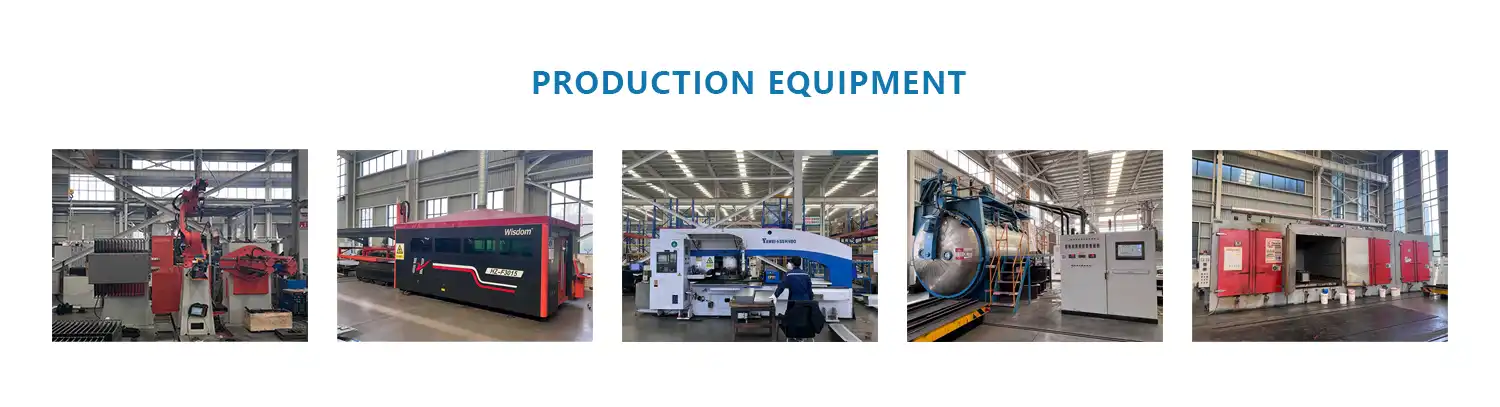
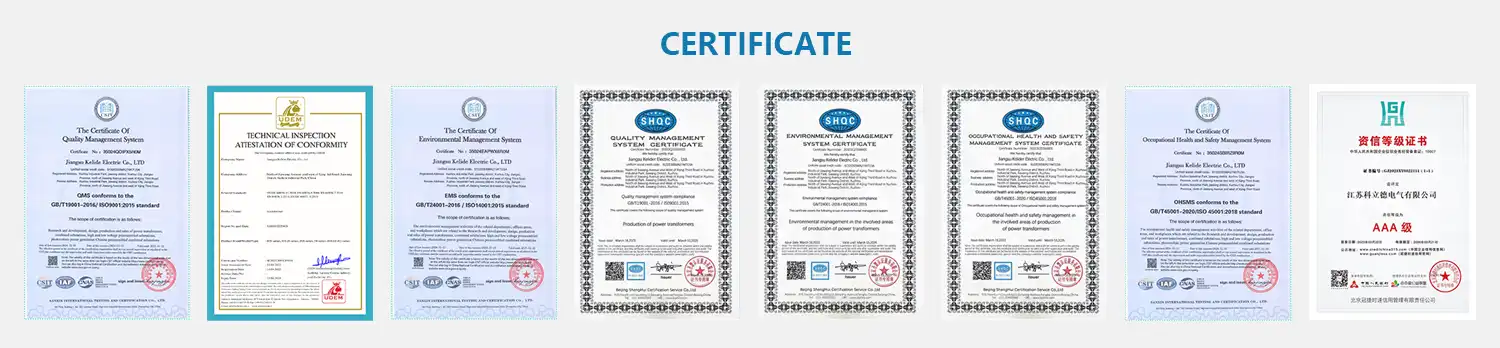
Tuojie is an expert at engineering Medium Voltage Withdrawable Switchgear. They have over 120 sets of modern production equipment and 18 patents to back them up. We understand Medium Voltage Withdrawable Switchgear and can offer unique power options that meet ISO 9001, ISO 14001, and OHSAS 45001 standards. With protection grades of IP54 to IP65, our installations work safely from -40°C to +50°C. This has been shown in projects like the GCL Photovoltaic Industrial Park and local infrastructure improvements. Email our engineering team at tuojie@electricinchina.com to talk about your project needs and get full technical specs that are made just for your solar installation. Find out how our one-stop solutions cut installation time by 60–70% while keeping products available 99.7% of the time for 25–30 years.

References
1. IEC 62271-200: High-voltage switchgear and controlgear – Part 200: AC metal-enclosed switchgear and controlgear for rated voltages above 1 kV and up to and including 52 kV.
2. IEEE C37.20.2: IEEE Standard for Metal-Clad Switchgear.
3. IEEE C37.20.7: IEEE Guide for Testing Switchgear Rated up to 52 kV for Internal Arcing Faults.
4. "The Impact of Load Fluctuations on Electrical Insulation Life," Journal of Power Delivery, Vol. 14, No. 3.
5. "Predictive Maintenance Strategies for Industrial Power Systems," International Journal of Engineering and Technology, 2021.