

.webp)
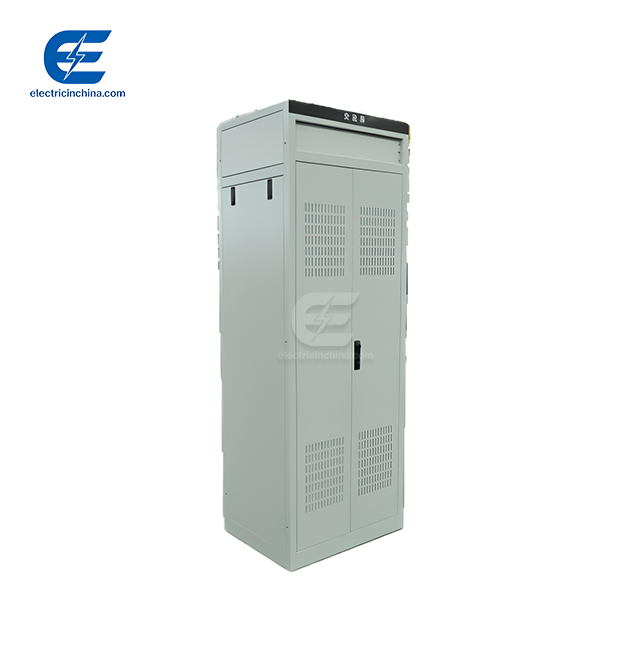
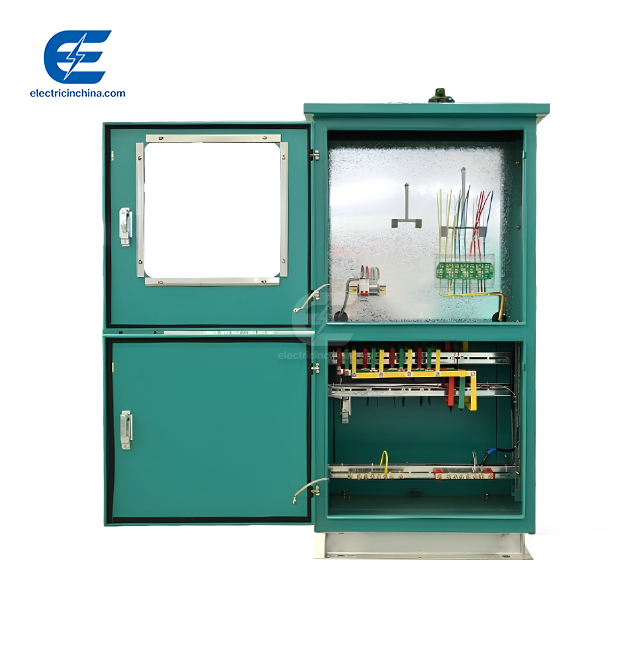
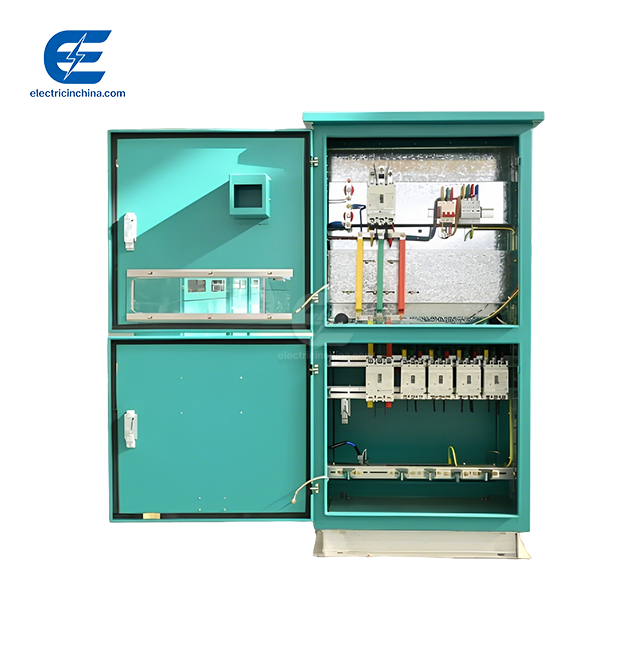
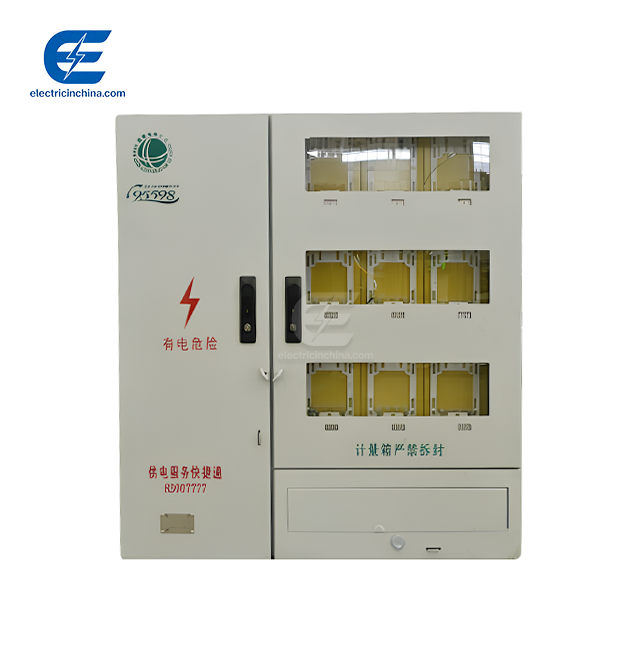
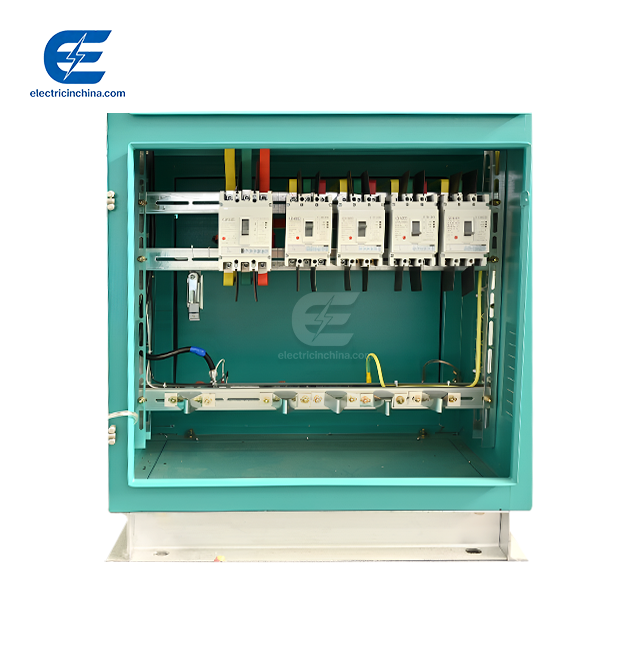
To ensure stable voltage regulation and grid integration, oil-immersed transformers are important components of green energy systems' infrastructure. Mineral or ester-based insulating oils are used in these units to keep internal parts cool and provide dielectric insulation. This keeps the units running smoothly even when the patterns of green energy production change. These transformers make sure that the power quality stays the same in all kinds of weather by efficiently stepping up voltage from wind farms and solar farms for long-distance transmission or stepping down power for distribution networks. They do this by connecting variable renewable sources to stable grid needs.
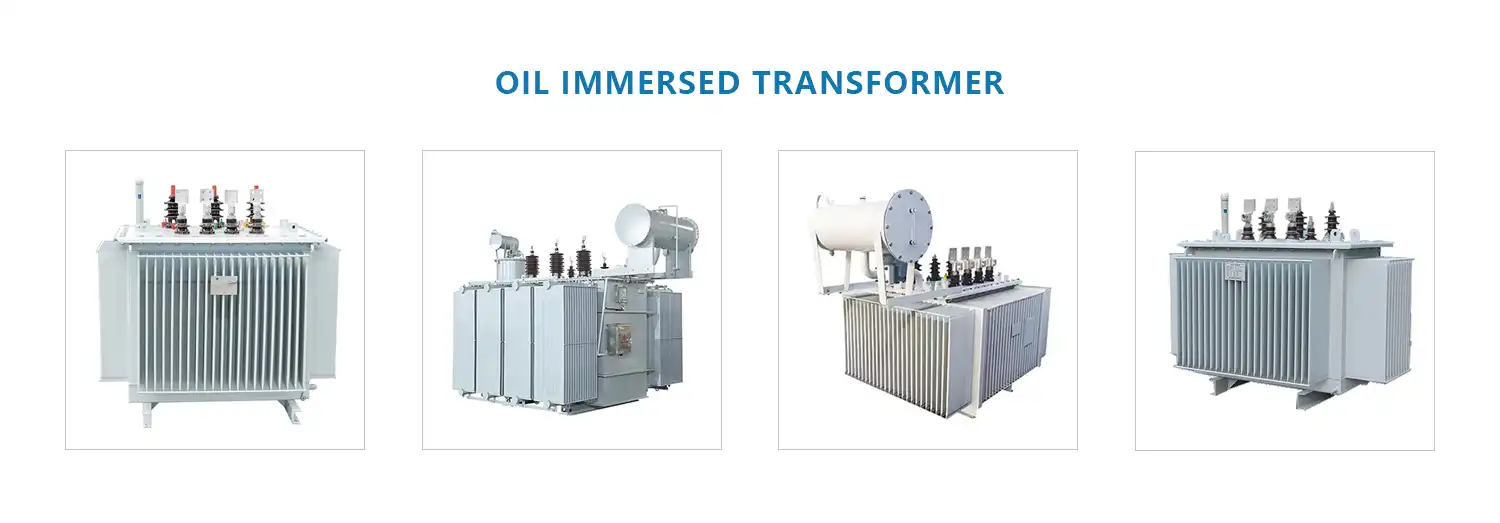
Understanding Oil-Immersed Transformers in Renewable Energy
Core Components and Operating Principles
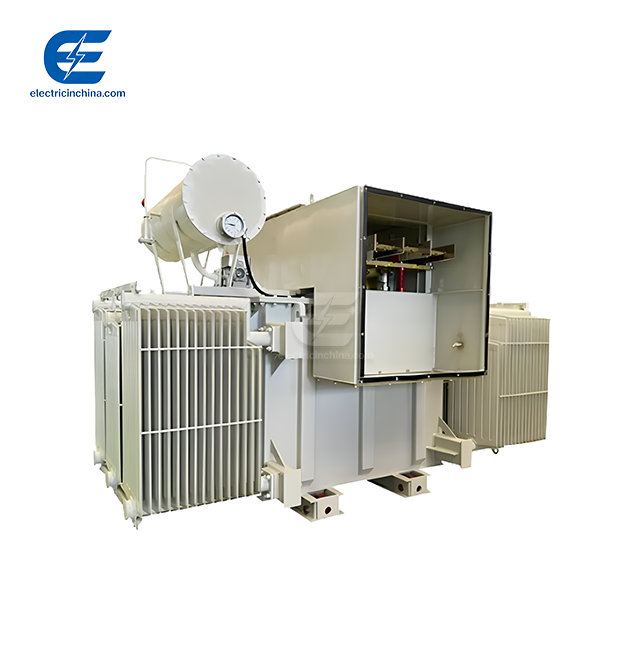
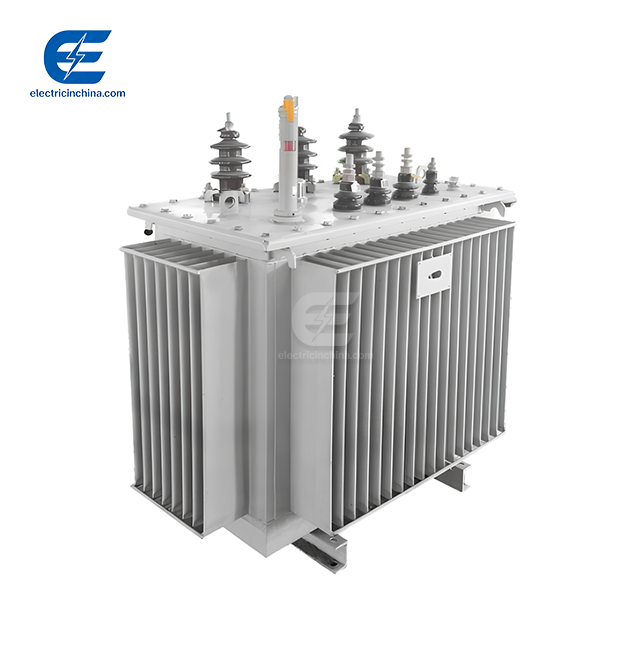
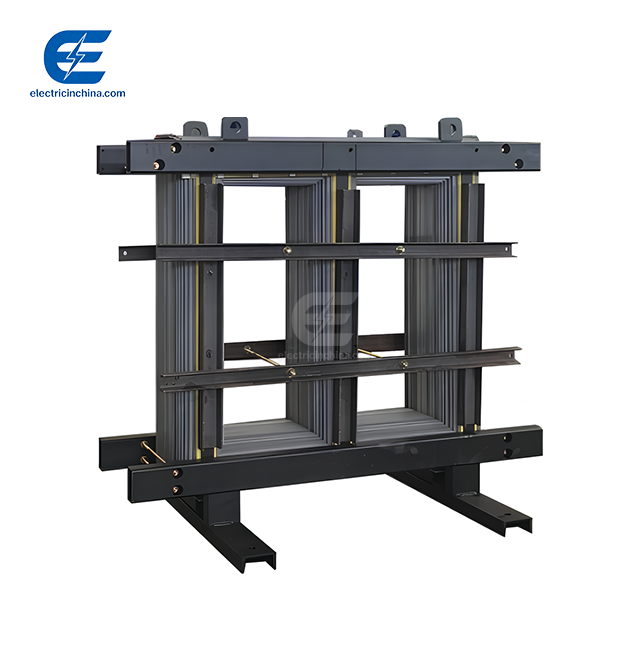
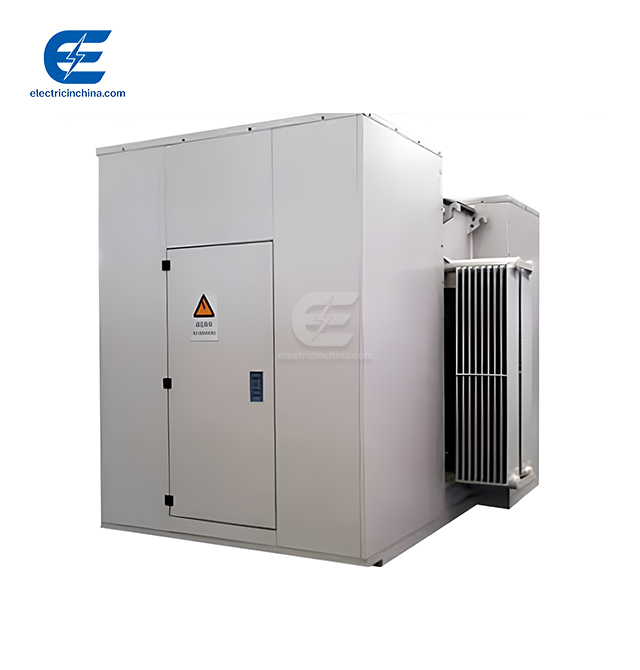
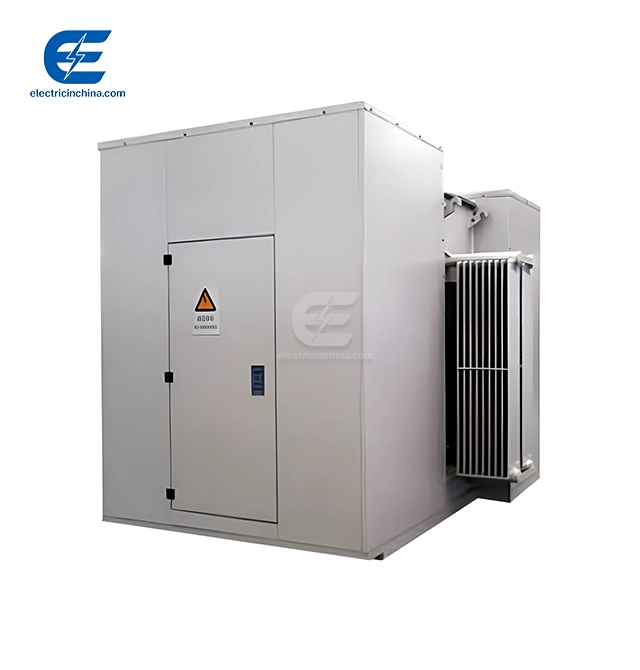
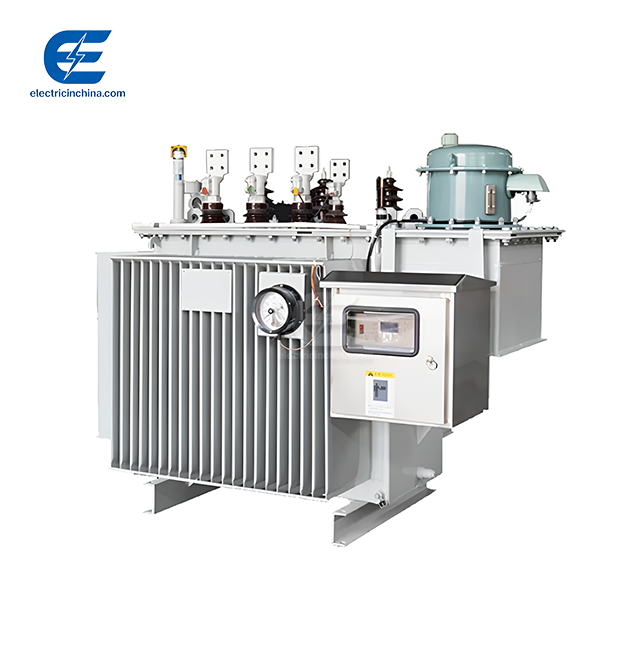
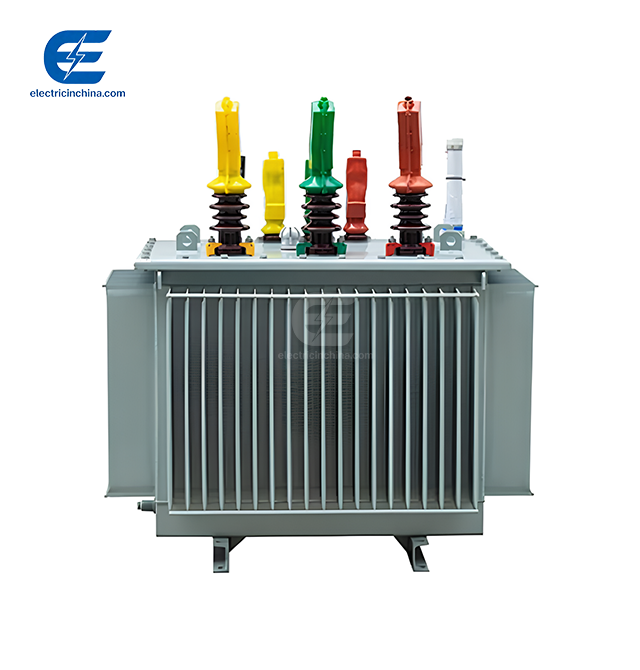
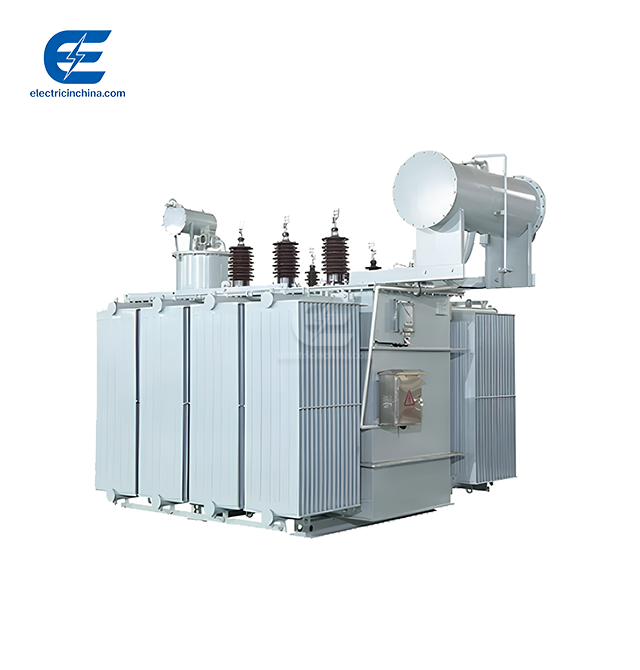
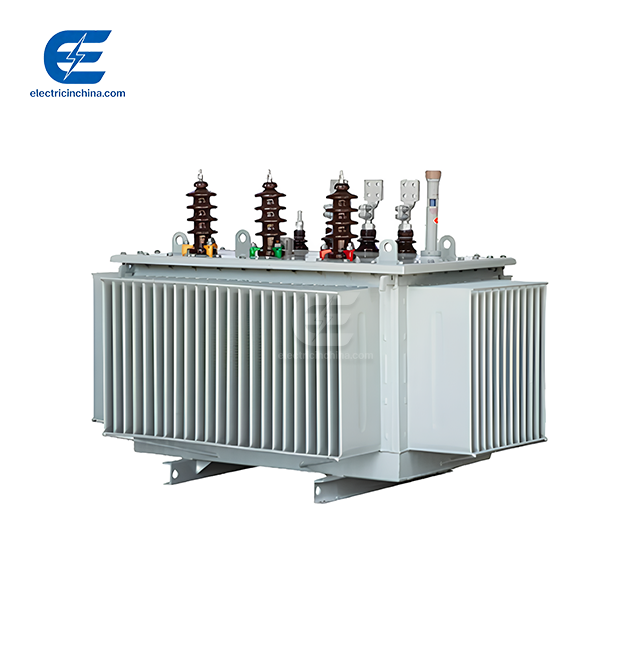
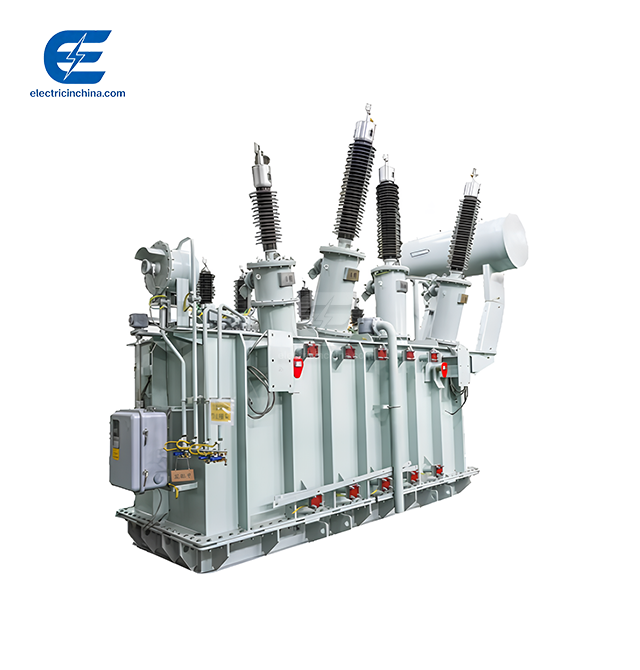
Oil-immersed transformers are made up of silicon steel cores made from grain-oriented electrical steel, copper or aluminum windings that provide excellent conductivity, and high-grade mineral oil that provides dielectric strength exceeding 30kV. These parts work together to handle power changes and dissipate the heat generated during operation. The shielding oil moves around naturally through convection, taking in heat from the cores and windings and letting it out through vents or the outside of the tank. Modern units, like our S9 and S13 models, have better cooling systems that make the tools last longer than 30 years. Medium-voltage grid needs are met by the S13-35kV types, which have fully sealed corrugated tank frames and high-permeability cold-rolled grain-oriented silicon steel. This sealed design stops water from getting in and oil from oxidizing, which are two main reasons why insulation fails early in green setups that are subject to harsh weather.
Application Across Renewable Technologies
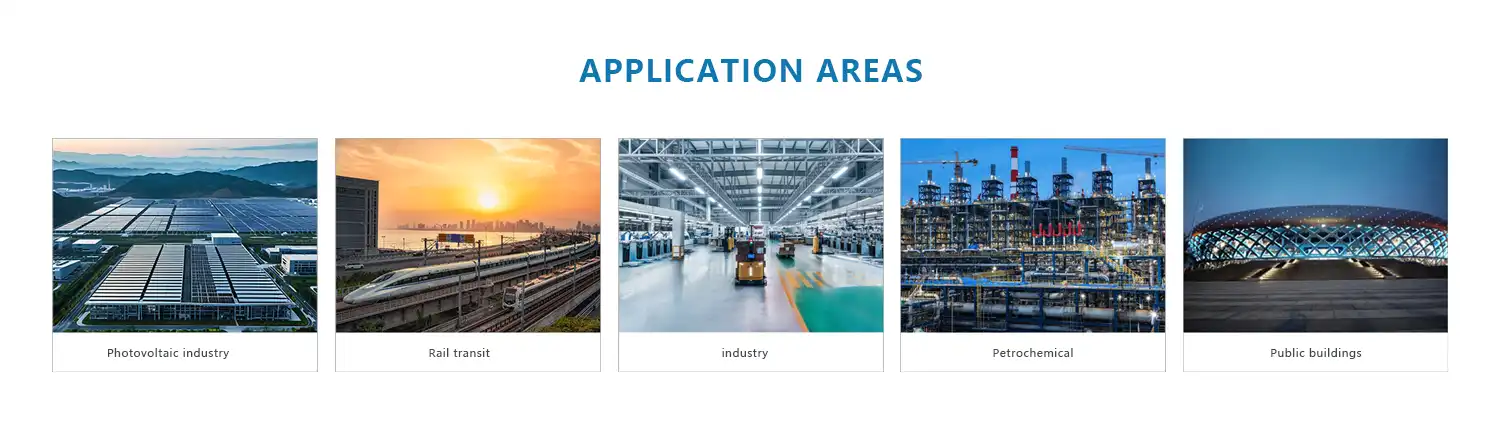
Step-up transformers are used in solar PV farms to raise the voltage from the inverter's output levels (usually 480V to 690V) to transport voltages between 11kV and 35kV. Installations that use wind energy need strong units that can handle constant changes in load because turbine output changes with wind speed. Our S18-type distribution units have a normal short-circuit impedance of 4 to 6% and can withstand voltage from a lightning strike, which makes them perfect for these situations with changing loads. These methods help keep temperatures stable in Oil-immersed transformers, which is good for hydroelectric and biomass plants. The ONAN (Oil Natural Air Natural) cooling method we use in our curved tank designs lets heat escape naturally, without the need for extra equipment. This makes operations simpler. This is very important for green energy sites that are far away and hard to get to for upkeep. Reliability standards must still be met at all costs.
Addressing Common Challenges and Solutions in Renewable Integration
Load Fluctuation Management
Variability is built into renewable energy generation in a way that standard grid equipment doesn't see very often. When clouds move in, solar output drops right away, while wind output can change by 50% in just minutes. These quick changes put stress on oil-immersed transformers' windings and cores through temperature cycles, which could damage insulation systems over time. This problem is solved by our S9 line, which has excellent voltage regulation within ±2.5% and improved low-loss performance, with no-load losses usually running from 0.1% to 0.3%. The grain-oriented silicon steel cores we recommend reduce the magnetostriction effects that get stronger when the load changes. This choice of material lowers acoustic noise levels below 45dB while keeping efficiency rates above 98.5%. These are important factors for installations near residential areas or business areas that are sensitive to noise. Voltage ratings from 6kV to 35kV and power capacities from 30kVA to 2500kVA make it possible to precisely fit the needs of each green project.
Oil Quality Maintenance Protocols
Degradation of insulating oil presents major operational risks in green energy systems. Moisture contamination, results of oxidation, and the buildup of dissolved gases all weaken the dielectric strength and temperature performance. Following the IEC 60422 guidelines for oil testing every three months, we suggest checking for breakdown voltage (at least 30kV), moisture content (below 20ppm), and acidity (below 0.03mgKOH/g). As a result of dissolved gas research, problems can be identified early on, allowing for proactive repair before they become catastrophic. Our sealed tank design with breather systems and pressure release valves keeps the oil from coming into contact with air, which greatly increases its service life. The S13 and S18 types use a corrugated tank design that creates bigger heat-dissipating areas and high mechanical strength against changes in internal pressure. This design gets rid of the need for conservator tanks, which makes upkeep easier and reduces the number of possible leak points—two issues that EPC contractors who are in charge of large-scale green deployments often raise.
Comparing Oil-Immersed Transformers With Alternative Technologies
Performance Characteristics
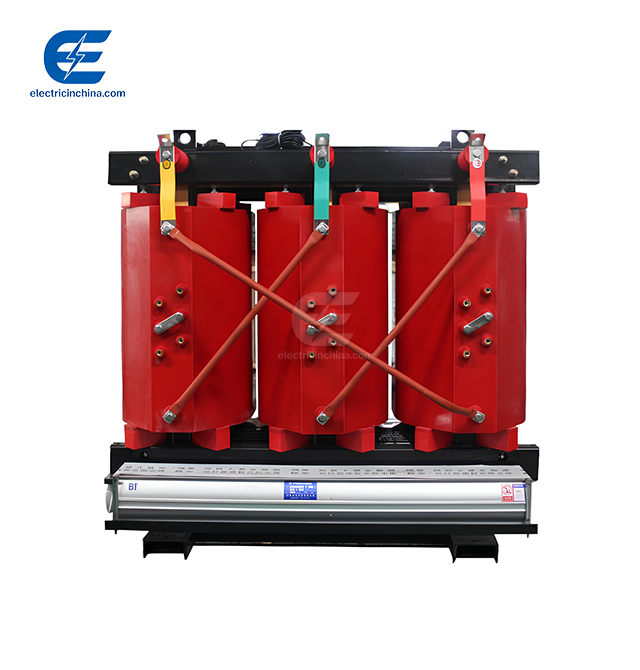
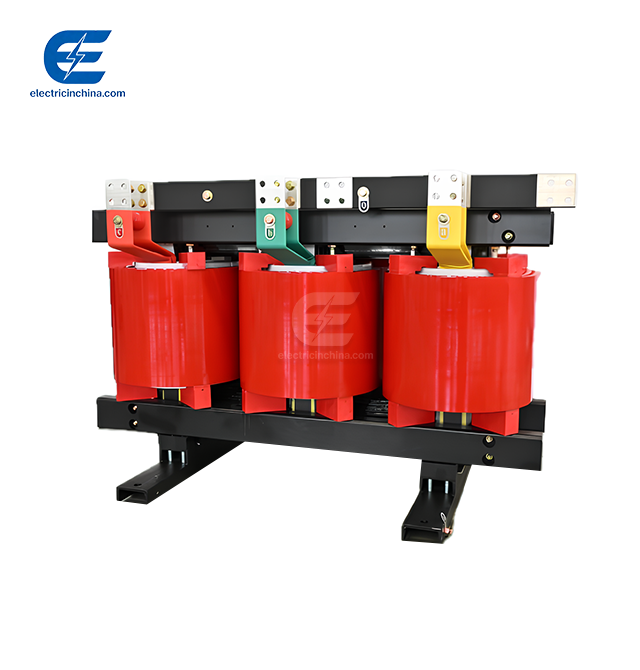
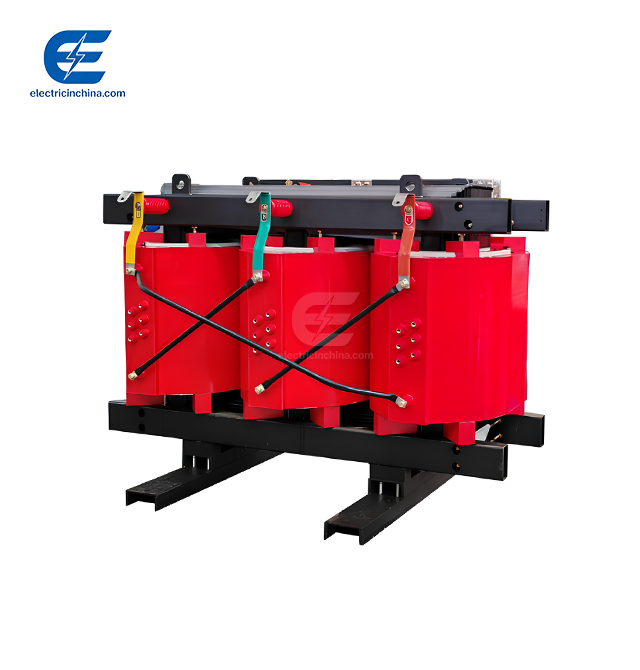
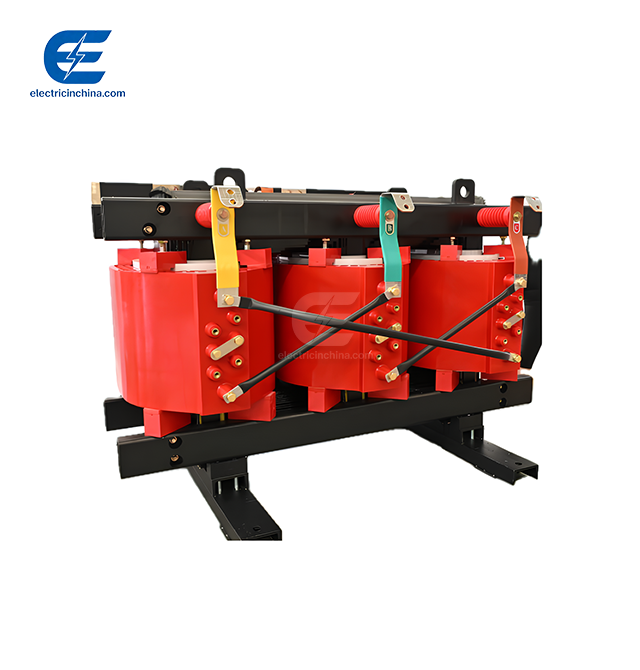
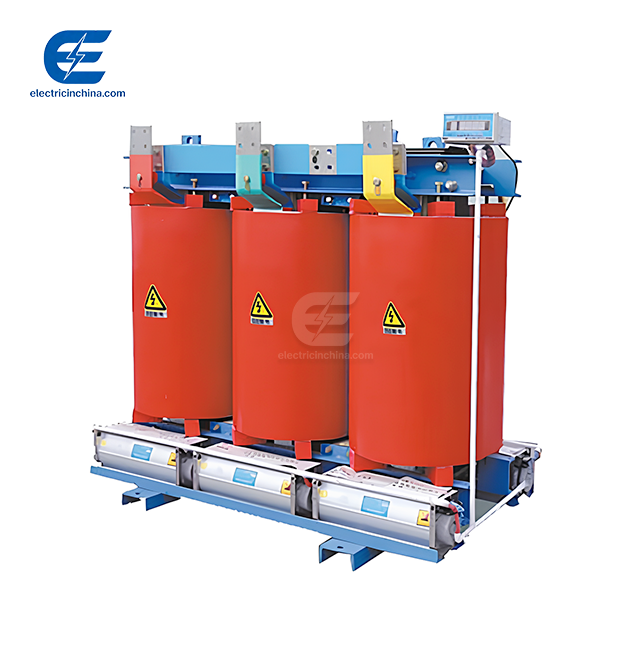
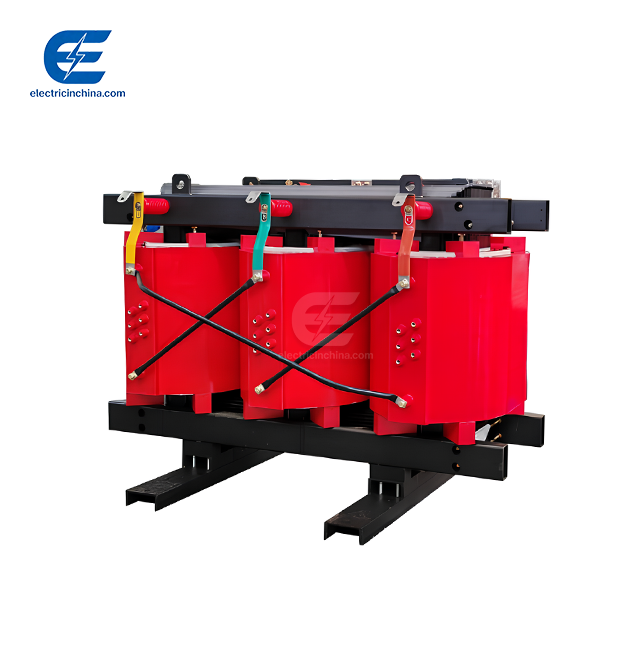
Dry-type units are better for placements inside, where fire safety rules don't allow oil use. However, green energy systems are usually put in place outside, where Oil-immersed transformers need to be weatherproof. When compared to dry-type alternatives, oil-immersed transformers can handle more overloading—usually 30% above the nameplate rate for short periods of time. This overload tolerance is very important during times when green energy production is at its highest, because cutting back would waste clean energy. Cast resin transformers don't have a fire risk because they have strong protection, but they don't do as well with heat. Because they can't cool down very well, they can't run continuously in hot places like solar farms and wind sites in the desert. Gas-insulated switchgear has a small footprint, which is good for substations that don't have a lot of room. However, it's harder to buy and needs special upkeep, which puts a strain on resources at remote green sites.
Our oil-immersed products strike a balance between efficiency and ease of use. We make three-phase setups that allow for efficient power distribution with little harmonic distortion. This is very important when using inverter-based green sources that tend to produce harmonic currents. Testing for impulse voltage according to IEC 60076-3 makes sure that the insulation works together to protect against lightning and switching spikes. This is done to deal with the higher risk of strikes at exposed green installations.
Cost-Efficiency Analysis
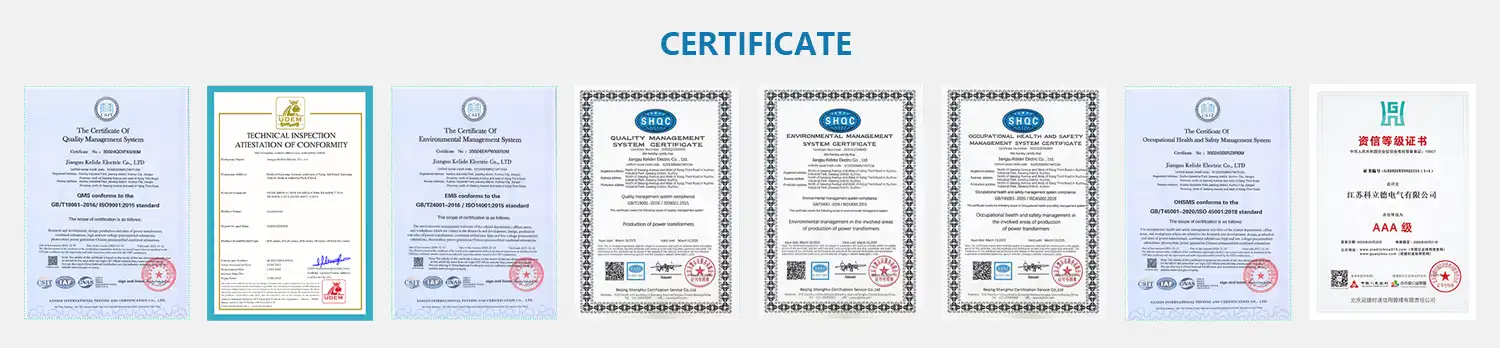
Oil-immersed transformers usually cost 60–75% more to buy at first than gas-insulated options, but they are just as reliable. Taking into account how often upkeep needs to be done and how much consumables cost, oil-based technology has a lower total cost of ownership. In green uses, oil needs to be replaced about every 5 to 7 years. For dry-type units, the whole insulation system needs to be replaced every 15 to 20 years. We set our prices so that investors get the best returns on their investments for project-based procurement, which is popular for business developers and government building projects. There are volume savings and longer warranty terms in bulk buy agreements for multi-site green projects. Large and medium-sized businesses need quality security when looking for long-term suppliers. Our ISO 9001, ISO 14001, and OHSAS 45001 certifications, along with the CCC certification that is required for certain goods, give them that.
Procurement Insights for Oil-Immersed Transformers in B2B Markets
Manufacturer Selection Criteria
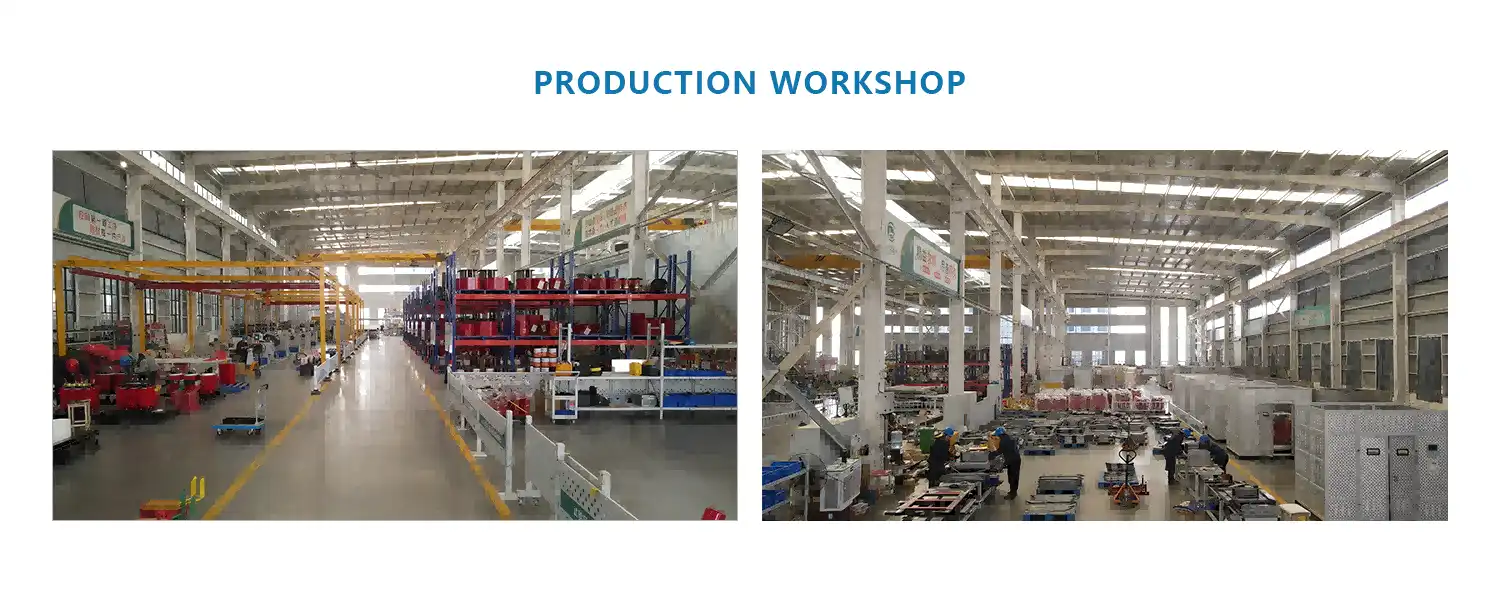
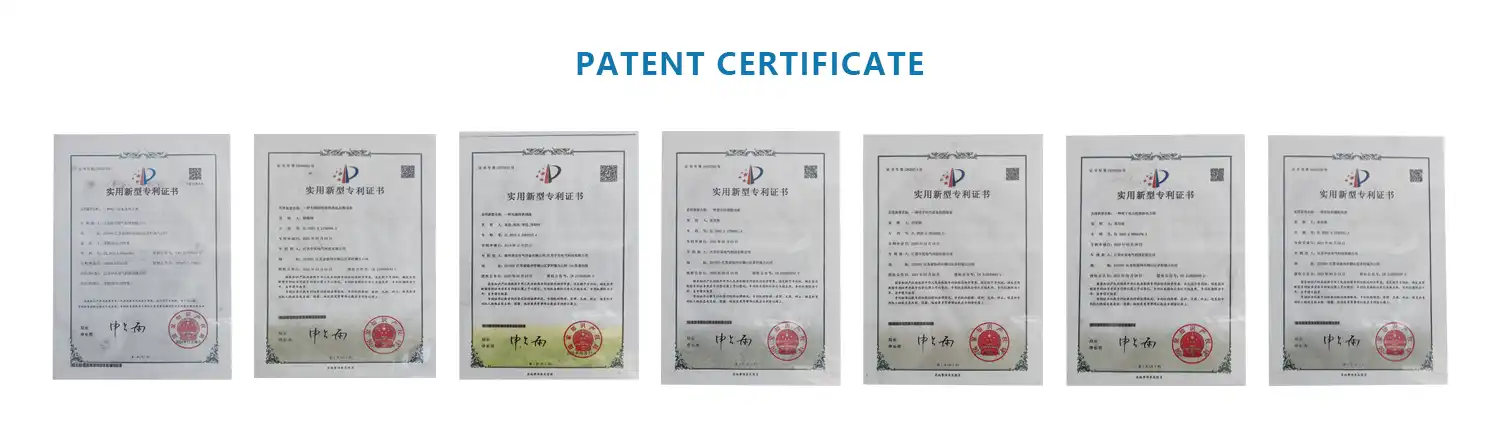
By teaming up with experienced makers, you can be sure that you will have access to professional knowledge throughout the entire project lifecycle. With the help of 15 senior engineers, 30+ intermediate technicians, and 17 senior technicians, we have more than 20 years of experience making oil-immersed transformers. Because we have so much technical knowledge, we can make solutions that are specific to the climate and the needs of the region. This is a skill that EPC contractors who are in charge of handling a wide range of projects really value. These 18 patents show that transformer technology is always getting better, which helps solve new problems that come up with integrating power grids. Over 120 pieces of equipment are used in production. These include CNC automatic wrapping machines that make sure the geometry of the coil is always the same, CNC static vacuum casting systems that make sure there are no holes in the insulation, and microcomputer-controlled gradient curing ovens that improve the dielectric performance of the resin. These advanced manufacturing methods directly relate to field reliability, which is what industrial makers and building project managers are most worried about.
Customization and Ordering Process
For renewable projects, there are special technology needs that can't always be met by normal catalog items. Our research team works with clients to come up with the best voltage ratios, impedance values, cooling configurations, and protection methods for each spot. A recent project for a city train transit system needed designs for dual-circuit power supplies that would ensure full operating continuity. We met this requirement by using redundant winding configurations and coordinated safety relay systems. The first step in the buying process is a technical meeting, during which we get information about the load profiles, ambient conditions, altitude factors, and earthquake needs. Then, we make rough plans by calculating efficiency, modeling heat, and checking the short-circuit load. Before an order is confirmed, the client reviews and changes the specs several times. Standard capacities (30kVA–630kVA) take 8–12 weeks to manufacture, while bigger units (800kVA–2500kVA) take 12–16 weeks. Urgent projects can be put on faster plans, though.
Future Outlook: Oil-Immersed Transformers in the Evolving Renewable Energy Landscape
Advanced Insulating Fluids
The future looks bright for oil-immersed transformers in the changing world of renewable energy. As an option to mineral oils, natural and manufactured ester fluids are becoming more popular. The flash points for these bio-based choices are higher than 145°C for mineral oil, making them safer around fire, and they are also better for the environment. Biodegradability solves problems with containment at green energy places that are sensitive to the environment. We test these fluids in pilot sites and keep an eye on their long-term success before suggesting that they be used by everyone. Ester fluids are better at handling moisture because they can take in more water without losing their insulating strength. This feature increases the time between maintenance checks in hot solar sites and wind farms near humid coasts. But because viscosity is higher at low temperatures, Arctic green energy projects need to be very careful with their thermal design. Our tech team does analysis that is specific to the application to find the best fluid for each project's setting.
Digital Monitoring Integration
Online condition tracking systems for Oil-immersed transformers change maintenance from being done at set times to being based on predictions and conditions. Sensors keep an eye on the temperature, amounts of dissolved gases, levels of moisture, and activity of partial release all the time. Data transfer through cellular or satellite links allows for remote diagnostics, which is especially helpful for renewable energy setups that are spread out geographically and where site visits are expensive. We add tracking features while the units are being made by putting sensors and transmission modules on medium and large-capacity units as normal. Software systems collect data from many transformers and look for performance patterns and outliers. Predictive systems figure out when maintenance needs to be done, which lets you plan and avoid downtime as much as possible. This technology solves problems with reliability while cutting down on running costs. This technology has a strong appeal to industrial makers and infrastructure owners who are in charge of large fleets of equipment.
Regulatory Compliance Evolution
Environmental laws are having a bigger effect on generator specs. The US Department of Energy sets basic standards for energy efficiency, which our S13 and S18 models far exceed. Directives from the European Union that limit dangerous chemicals and support the circular economy encourage designers to use recyclable materials and make products last longer. We stay up-to-date on compliance issues across foreign frameworks to make sure that our goods meet regional standards without having to be specially engineered for each country. This feature makes it easier for international developers to buy materials for standard green energy projects that will be used in many countries. Test results from certified labs, material makeup statements, and environmental impact studies are all part of the certification paperwork that goes along with competitive bids. These complete packages speed up the approval process.
Conclusion
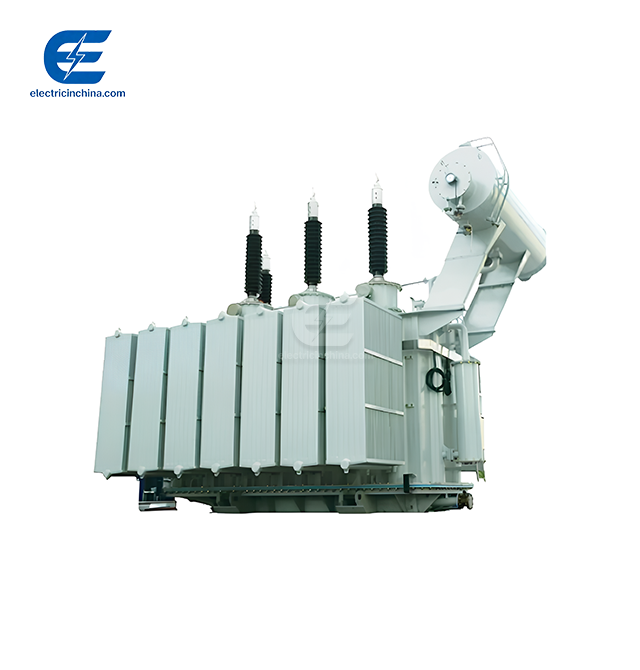
Oil-immersed transformers are still needed for green energy infrastructure because they manage heat, can handle overloads, and are durable in harsh environments, which are all things that other technologies struggle to do. Our wide range of products, including small distribution units and large substation transformers, can meet the needs of a wide range of projects in solar, wind, and mixed renewable energy systems. Long-lasting relationships are built on technical excellence based on decades of engineering knowledge, strict quality control throughout production, and quick response to customer needs. As the use of green energy grows around the world, choosing the right tools and building relationships with suppliers becomes more important for the success of projects and the long-term viability of businesses.
FAQ
1. What insulating oil types work best for renewable energy applications?
Mineral oils are still the most popular choice because they work well and are affordable. We need high-quality mineral oils that meet IEC 60296 standards, have a dielectric strength of more than 30kV, and are very stable at temperatures ranging from -40°C to +40°C. For places that are good for the climate, natural ester fluids are better because they have higher flash points, which makes fire safety better. Application-specific advice figures out the best fluid choice based on operating conditions, environmental laws, and the conditions of the surroundings.
2. How frequently should maintenance occur to sustain reliability?
By testing the oil every three months, the state can be checked without stopping the service. Comprehensive checks should be done once a year and should include measuring the winding resistance, testing the turns ratio, and making sure the breather system works. Every 5 to 7 years, major upkeep tasks like filtering or replacing the oil, checking the gaskets, and adjusting the safety devices are usually included. Our sealed tank designs require less upkeep than regular units with conservatories, which lowers lifecycle costs while still meeting the high standards of reliability needed in important green infrastructure.
3. Can oil-immersed transformers be customized for specific project needs?
Customization is one of the most important features. We change the voltage ratios, resistance values, cooling setups, and safety plans to fit the needs of the spot. Customized engineering solutions are made for oil-immersed transformers that need unique features like seismic qualification, harmonic filtering, integrated tracking, or elevation correction. During specification creation, our expert team works together to make sure that designs meet performance standards while also staying cost-effective and able to be manufactured on time for the project.
Partner with Tuojie for Reliable Renewable Energy Solutions
For decades, choosing the right oil-immersed transformer provider has had an effect on the success of a project. Tuojie has a lot of experience making things and a lot of knowledge about how to use them. They can provide power solutions that meet the strict needs of government infrastructure, business developments, and industry installations. Our ISO-certified quality systems, CCC-certified goods, and thorough testing methods make sure that equipment is reliable from the time it is put into service until it is no longer needed. We offer personalized engineering support, faster delivery times, and ongoing technical support that turns buying from a one-time purchase into a long-term relationship. Get in touch with our engineering team at tuojie@electricinchina.com to talk about your green energy project needs and find out how our oil-immersed transformer solutions can improve system performance, lower costs, and guarantee long-term dependability.
References
1. Chen, W., & Liu, H. (2021). Transformer Technology for Renewable Energy Integration. Power Systems Engineering Press.
2. International Electrotechnical Commission. (2018). IEC 60076-16: Power Transformers - Part 16: Transformers for Wind Turbine Applications. IEC Publications.
3. Johnson, M., & Patel, R. (2022). Grid Integration of Variable Renewable Energy: Technical and Economic Perspectives. Energy Infrastructure Journal, 45(3), 112-134.
4. National Renewable Energy Laboratory. (2020). Electrical Infrastructure Requirements for Utility-Scale Solar Photovoltaic Systems. U.S. Department of Energy Technical Report.
5. Smith, D. A. (2019). Oil-Immersed Transformer Design and Application. Electrical Equipment Publishing.
6. Zhang, Y., Thompson, L., & Williams, K. (2023). Advanced Cooling Systems for Power Transformers in Renewable Energy Applications. IEEE Transactions on Power Delivery, 38(2), 876-891.