

.webp)
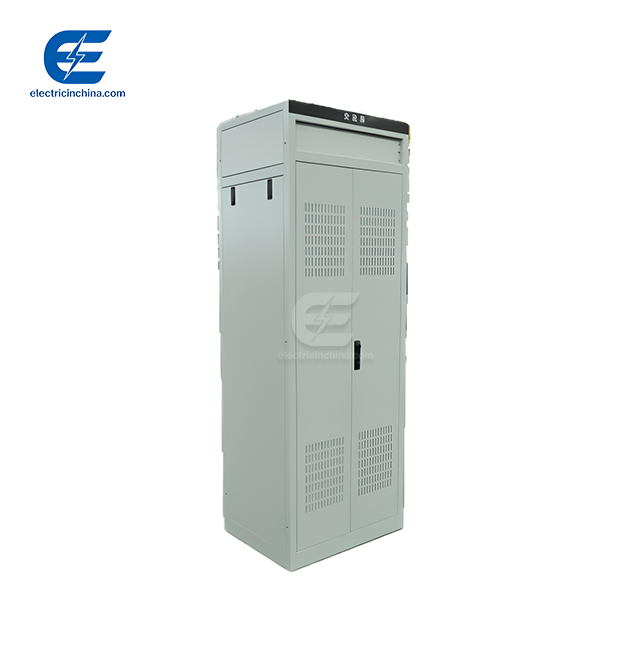
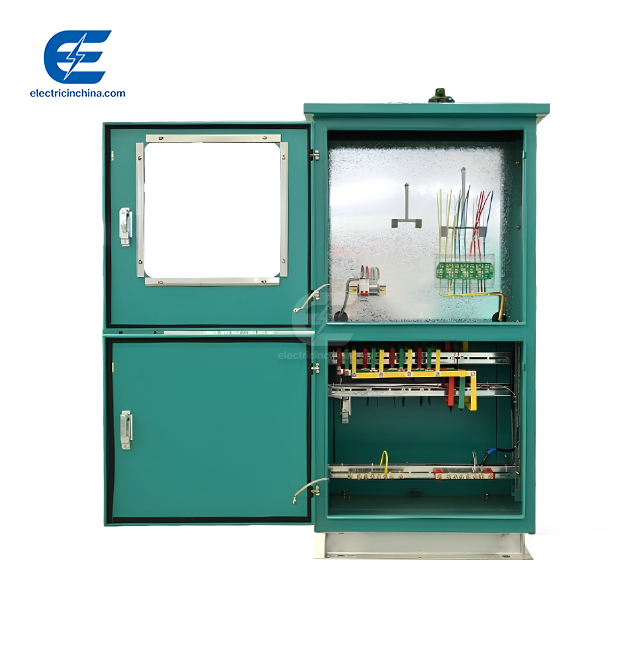
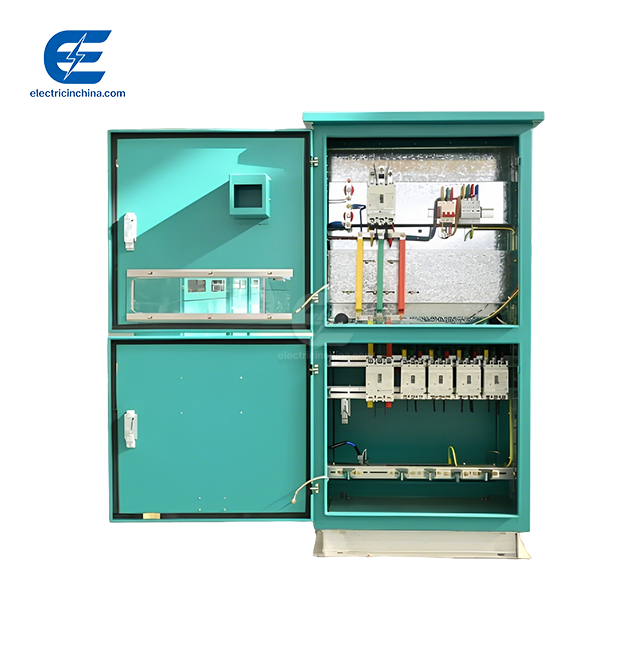
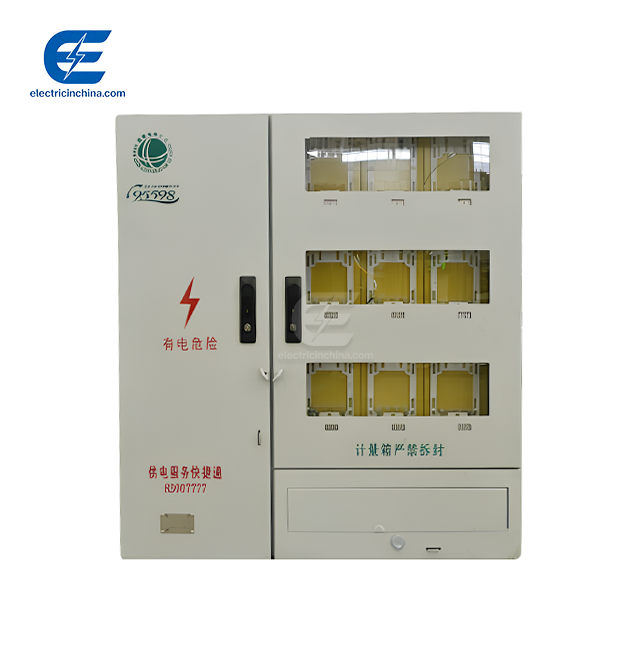
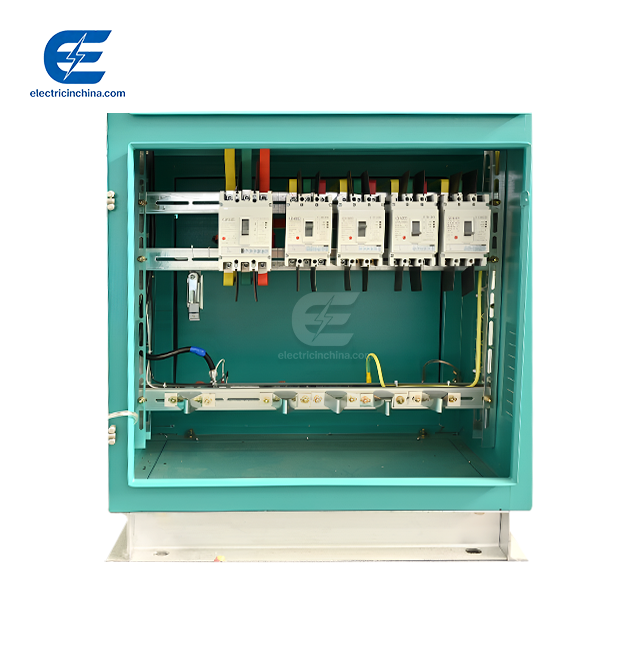
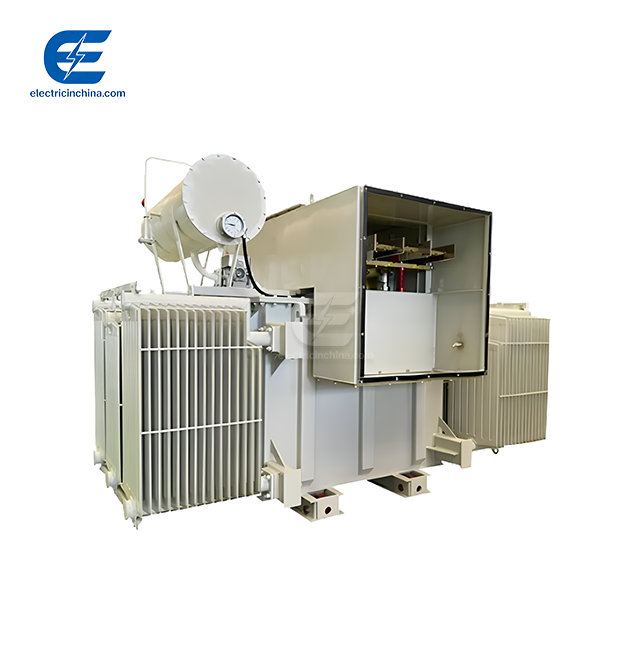
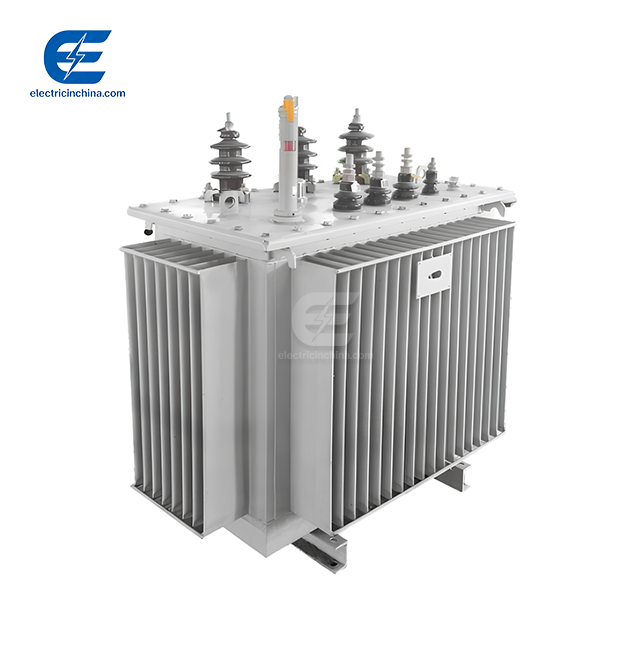
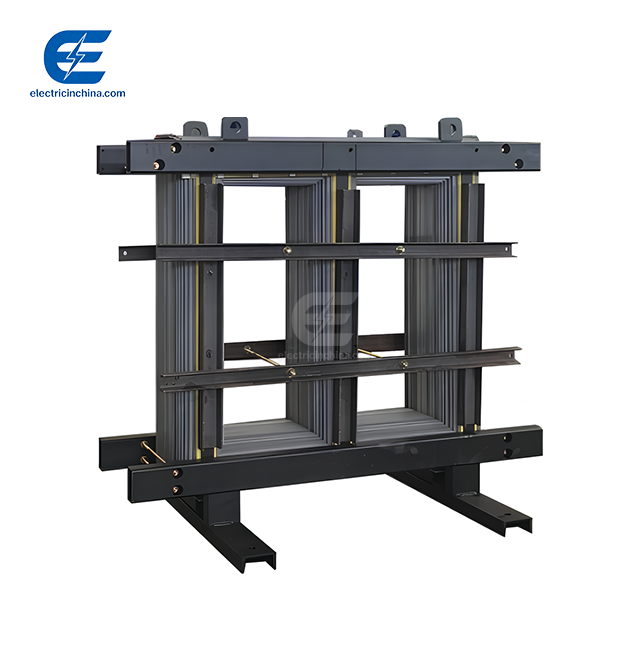
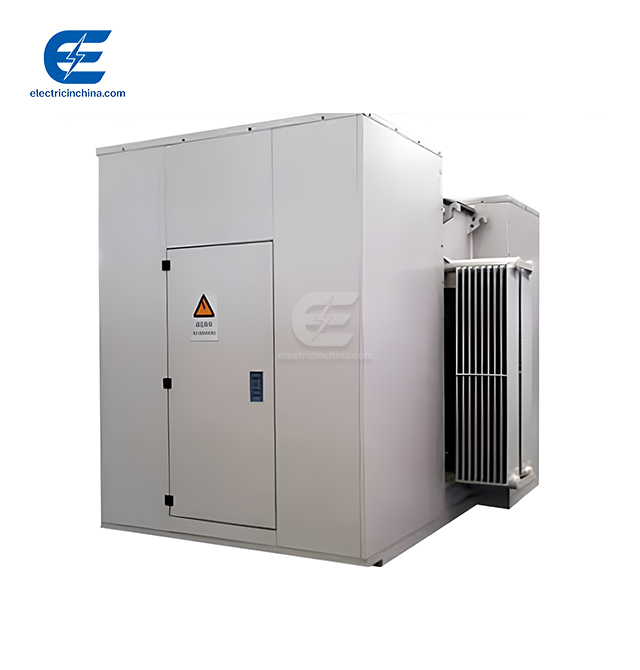
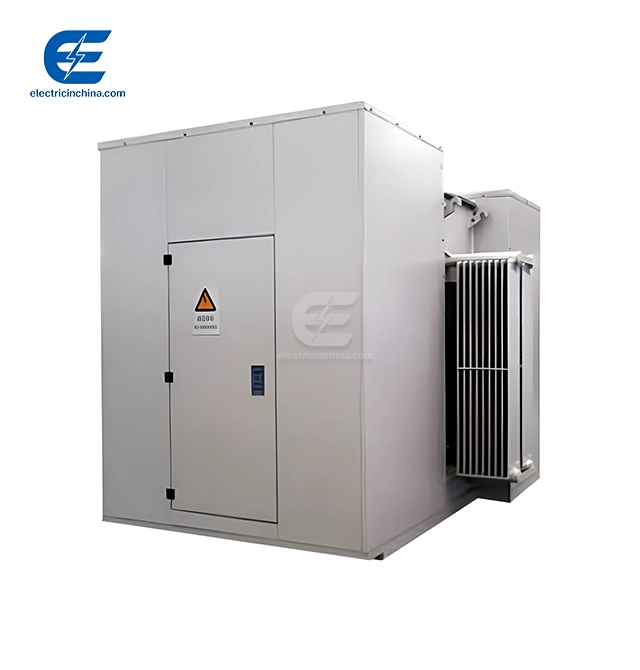
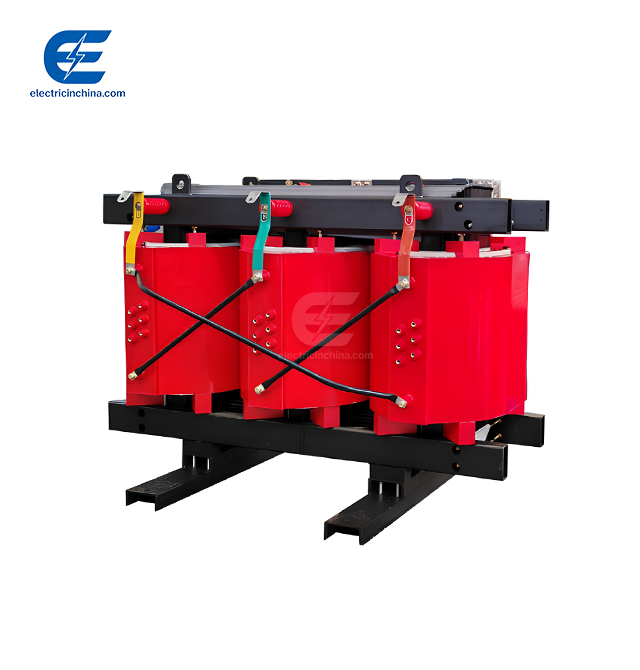
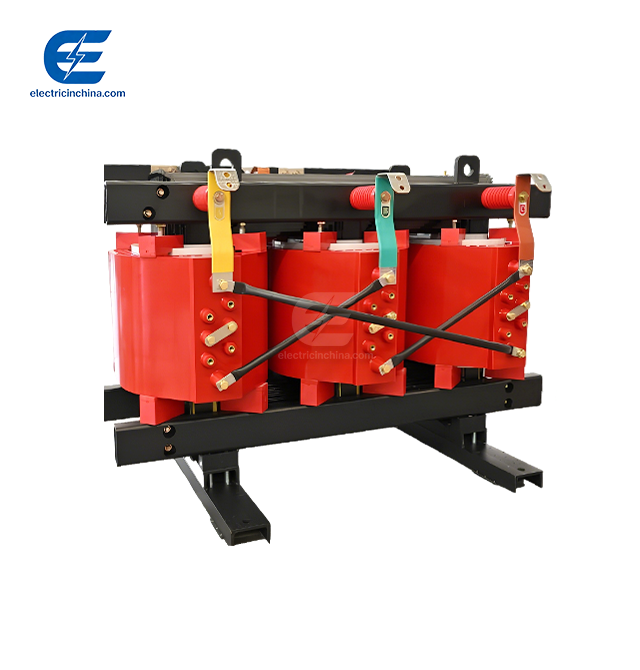
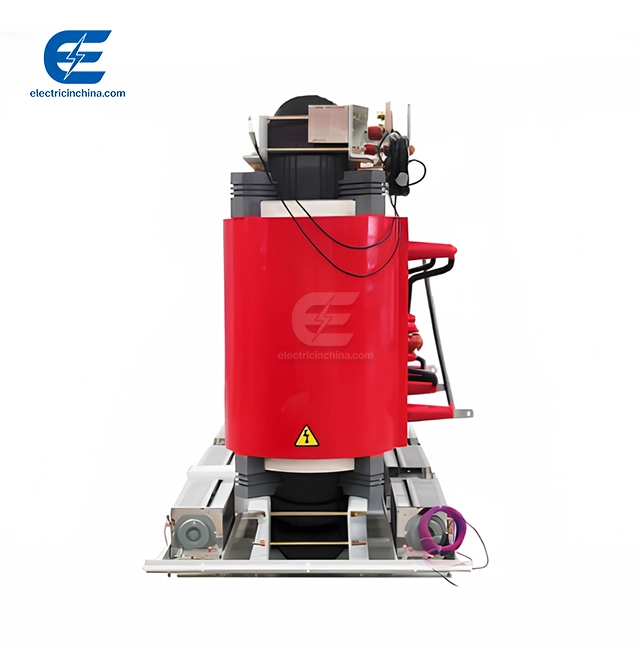
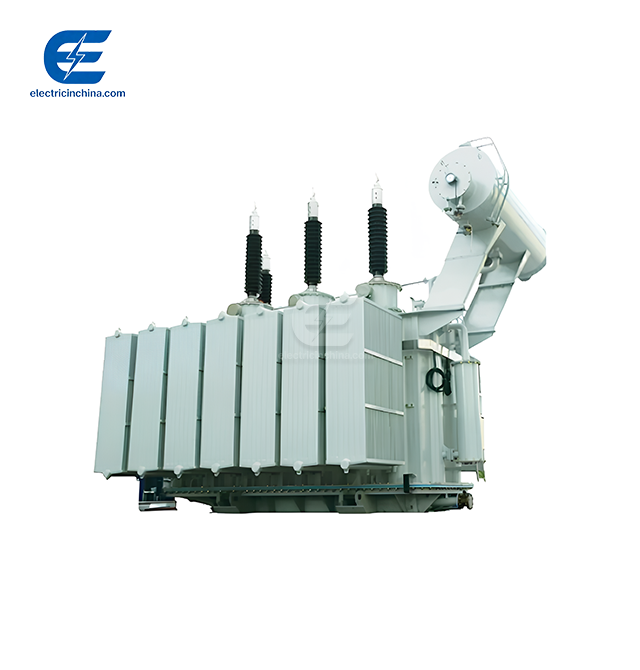
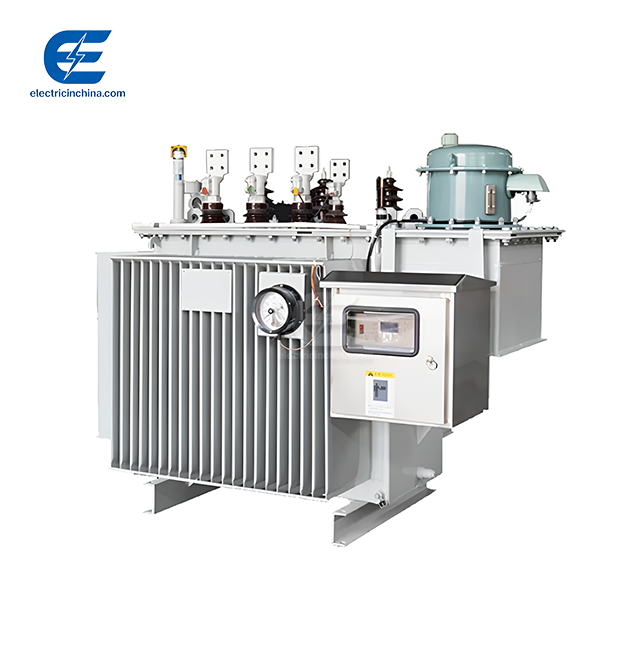
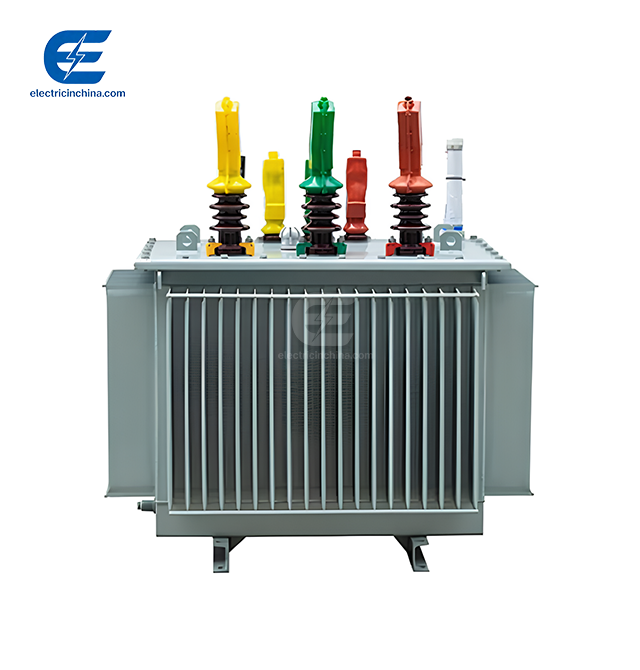
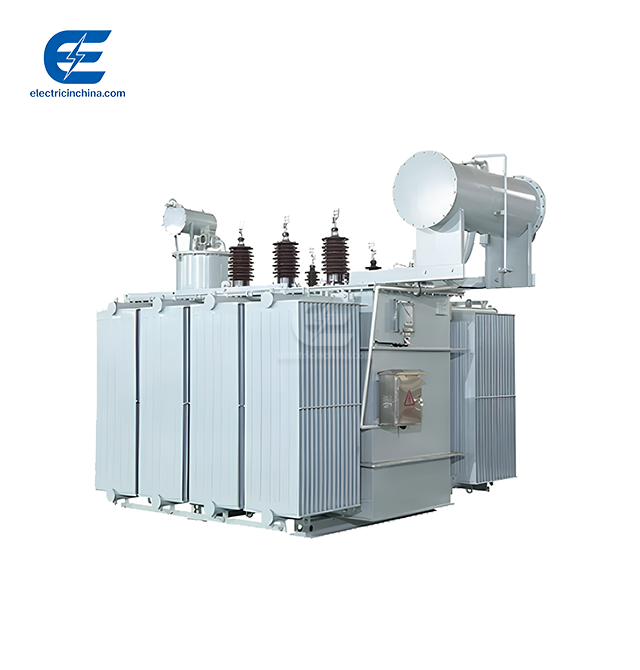
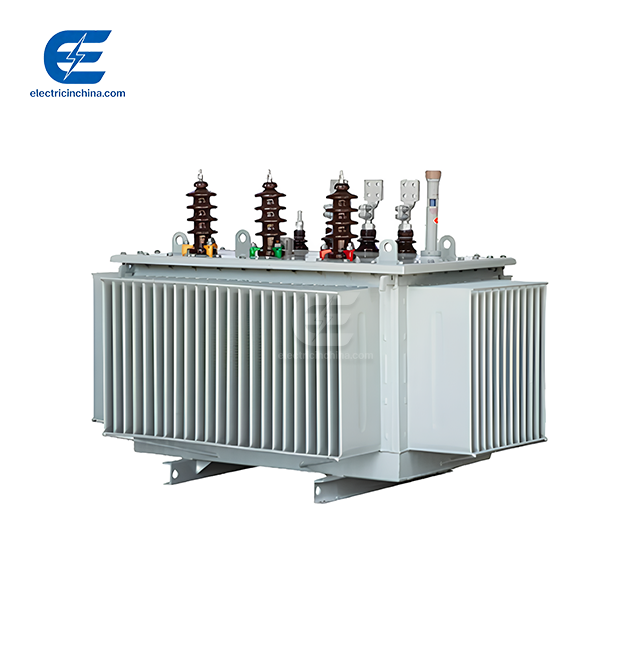
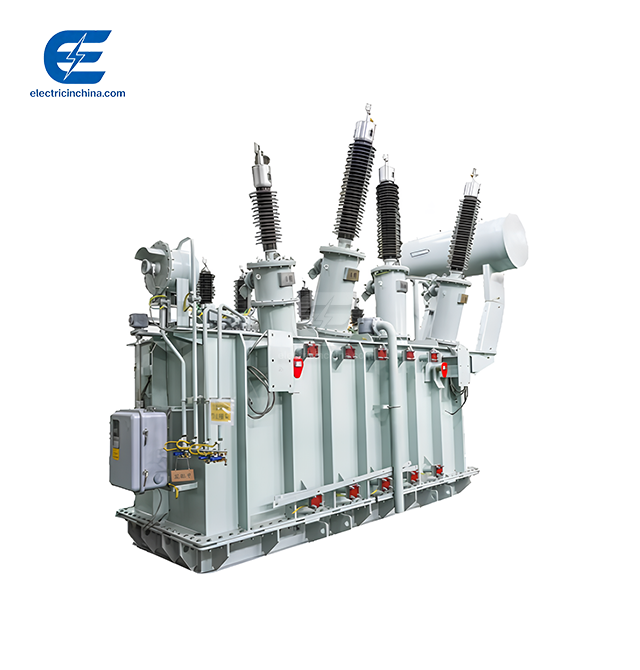
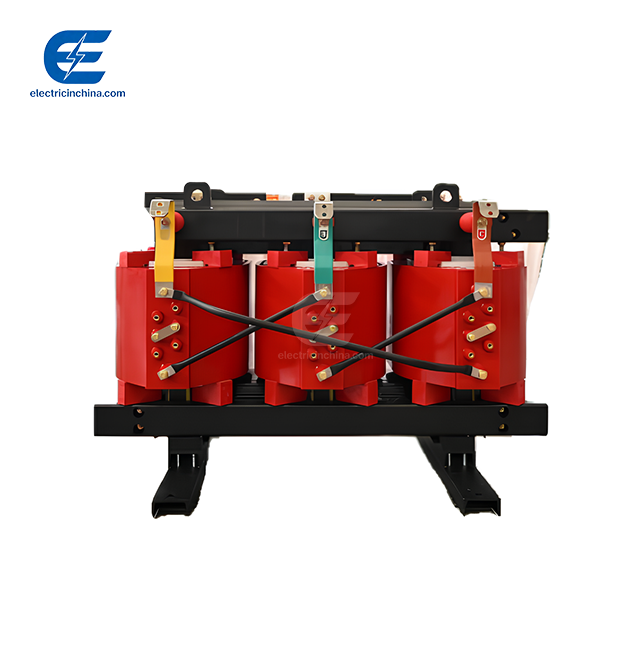
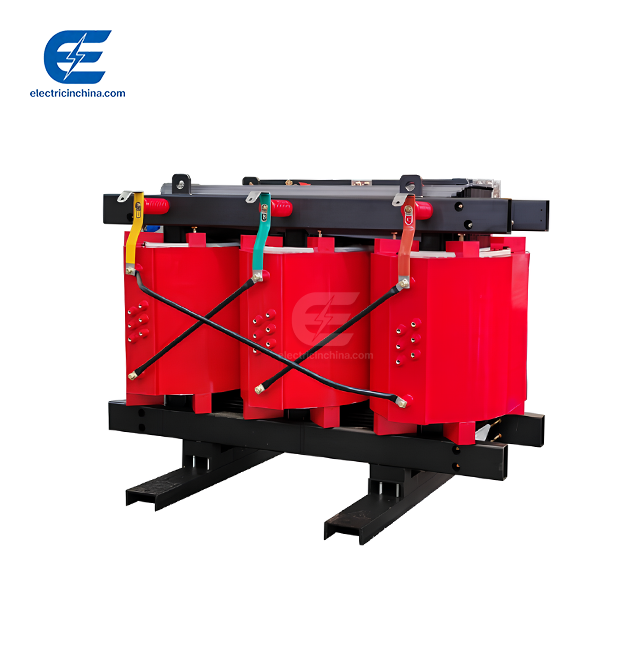
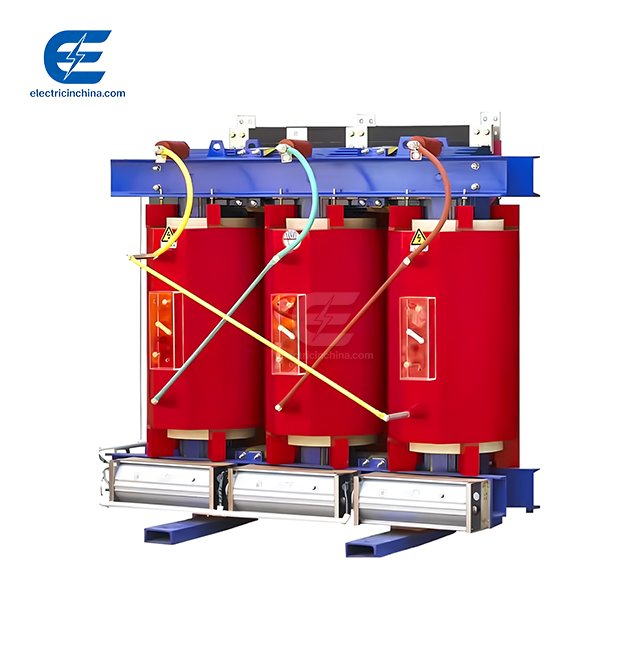
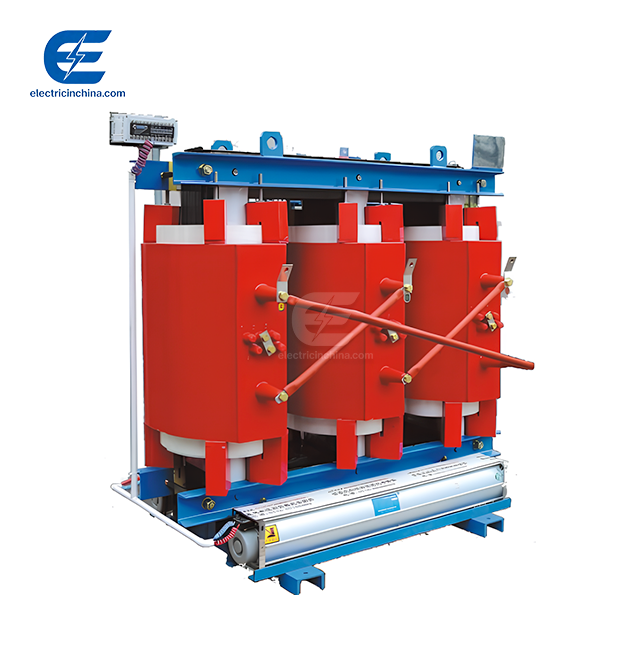
An Oil-immersed transformer is made up of several structural parts that are all linked to each other and work together to change power reliably. The core structure has a magnetic core made of silicon steel laminations, copper or aluminum windings wrapped around the core, insulating transformer oil in the tank, a strong steel tank that holds all the internal parts, radiators or cooling fins on the outside to get rid of heat, and a conservator tank that lets the oil expand. This setup makes it possible for the oil-immersed transformer to work as both an electrical insulator and a good cooling system, keeping it stable even in harsh industrial settings.
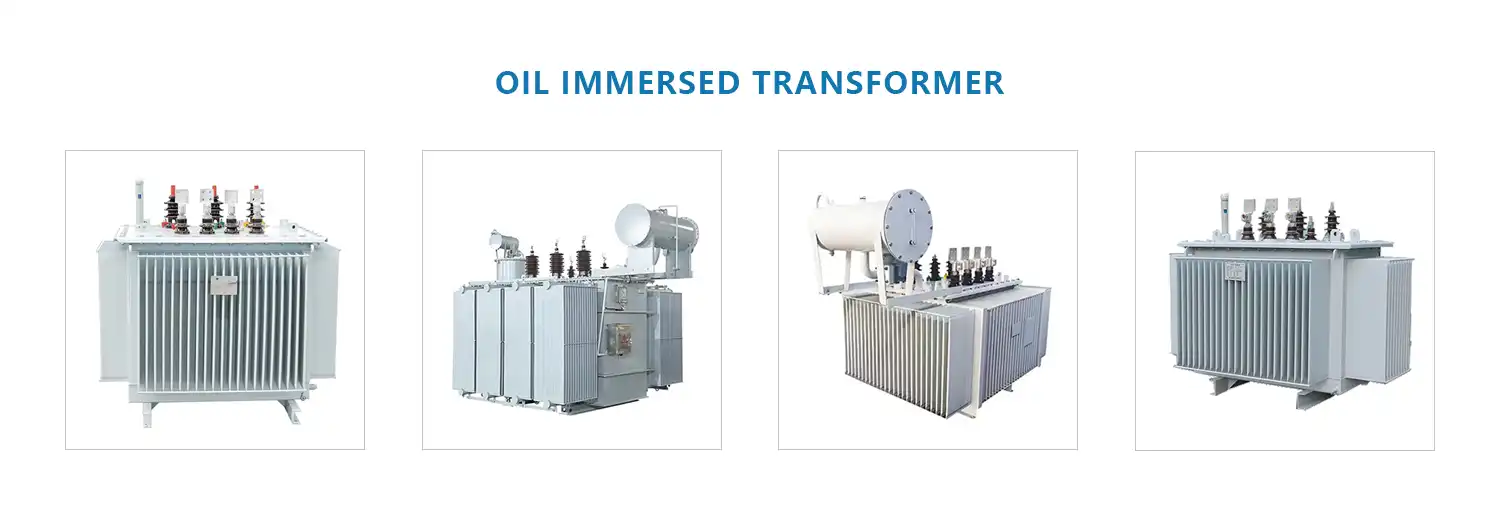
Overview of Oil-Immersed Transformer Structure
Knowing how an oil-immersed transformer is put together at its most basic level helps buying teams judge its quality, durability, and fit for certain uses. The general efficiency and safety of the tools are affected by each structural part.
Core Magnetic Circuit Assembly
The magnetic core is the most important part of any oil-immersed transformer. The core is made from high-permeability cold-rolled grain-oriented silicon steel sheets, so it loses as little energy as possible when the magnetic flux moves through it. Precision overlapping joints are used to stack the laminates so that eddy currents and magnetostriction noise are reduced. Usually, sound levels are kept below 45dB. This way of designing affects the efficiency of the transformer directly. Newer units like the S13 and S18 series can achieve no-load losses as low as 0.1% to 0.3%, which meets the efficiency standards set by GB/T 6451 level 13.
Winding Configuration and Insulation System
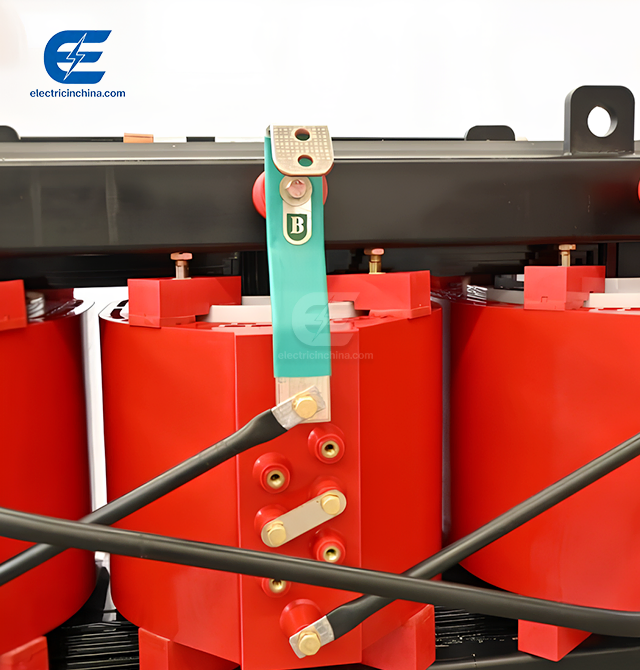
Windings are what make up the electrical core of a transformer. Copper or metal conductors with high conductivity are wound around the primary and secondary coils. The conductors are chosen based on the capacity needed and the cost. There are two types of winding arrangements: circular and sandwich. Class A insulation systems use vacuum-dried cellulose paper and pressboard as barriers. Between the levels of winding, oil tubes help cool the air and keep the temperature even when the transformer is running. The S9 series has better conductivity tuning and can handle voltages from 6kV to 35kV and power outputs from 30kVA to 2500kVA.
Transformer Oil Properties and Functions
Transformer oil is important for two main reasons inside the building. As an insulator, high-grade mineral oil has a dielectric strength of more than 30kV, which keeps electrical breakdown from happening between parts that are powered on. At the same time, the oil cools the transformer by collecting heat from core losses and winding resistance and sending that heat to vents outside the transformer. The oil is very good at stopping arcs and staying stable at high temperatures, even when the temperature outside is between -40°C and +40°C. To make sure the insulation stays strong, it is tested regularly according to IEC 60422 standards. The tests check for breakdown voltage, moisture levels below 20ppm, and acidity levels below 0.03mgKOH/g.
Key Structural Elements and Design Considerations
The performance, economy, and operating life of Oil-immersed transformers are directly affected by the materials used and the engineering design. The people who work in procurement should compare these technical specs to the needs of the project.
Silicon Steel Core Material Properties
High-quality silicon steel laminations have low hysteresis loss and high magnetic permeability, which are important for keeping core losses and no-load current as low as possible. S18-type transformers use a multi-step overlapping joint method that stops magnetic flux leakage at corner joints. This makes the total efficiency rates higher than 98.5%. Orienting the grains in a way that lines up the magnetic domains along the direction of rolling makes the best paths for flux through the core structure. This choice of material has a big effect on both how much energy is saved and how loud the process is.
Conductor Material Selection Impact
Compared to metal options, copper windings are better at conducting electricity and being strong, but they cost more to make. Aluminum wires are lighter and less expensive, but they need bigger cross-sectional areas to carry the same amount of power. We've seen that copper-wound transformers work better in high-load commercial settings because they are more stable at high temperatures and last longer. The S9 series uses improved conductor geometries that combine the cost of materials with how well they work electrically, giving it efficiency scores of more than 98.5% at full load.
Insulation Oil Type Variations
Mineral oil is still the most common insulation fluid because it is cheap and has great dielectric qualities. High-flash-point synthetic esters are better for fire safety and biodegradability, making them good for sites that care about the environment. Natural esters that come from food oils make things better at handling wetness and heat. Not only does the choice of oil affect safety profiles, but it also affects servicing times and environmental compliance. Our quality control methods make sure that the properties of the oil are correct by following strict testing techniques that are in line with international standards.
Comparing Oil-Immersed Transformer Structures with Alternatives
There are different structural features of different transformer technologies that affect how well they work in different situations and uses.
Structural Advantages Over Dry-Type Designs
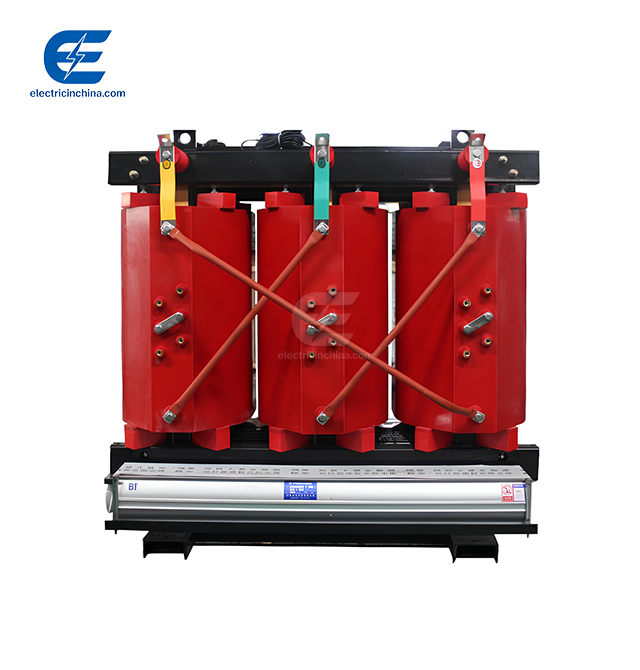
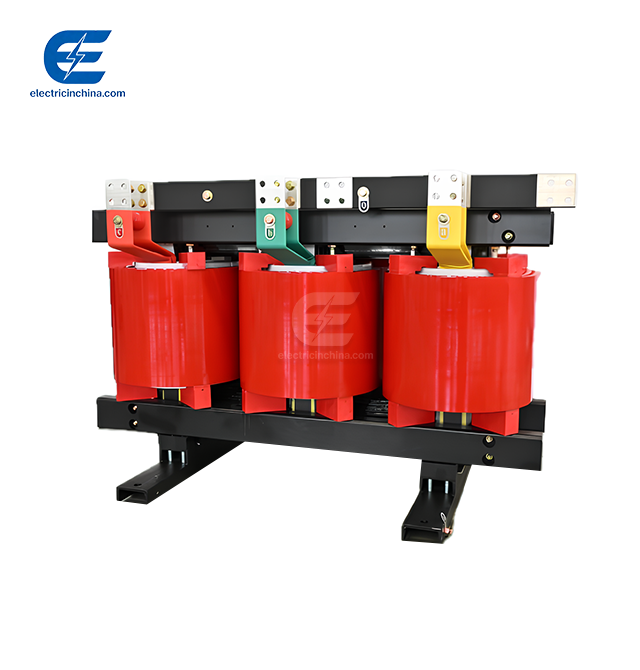
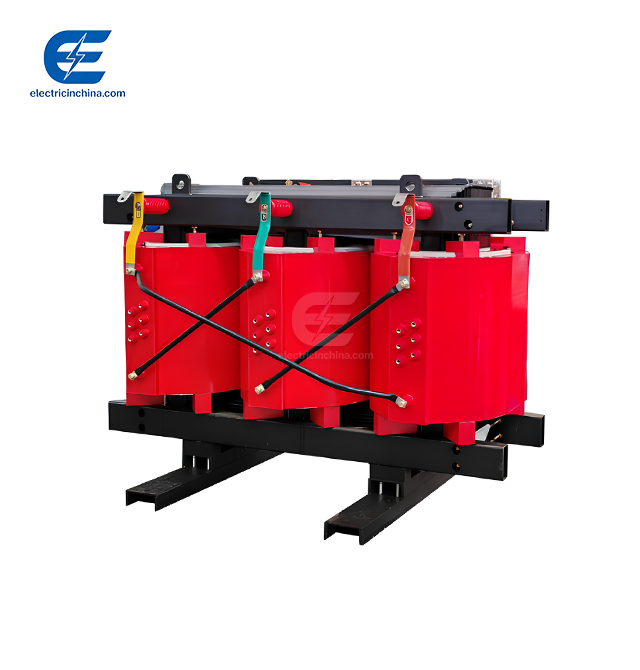
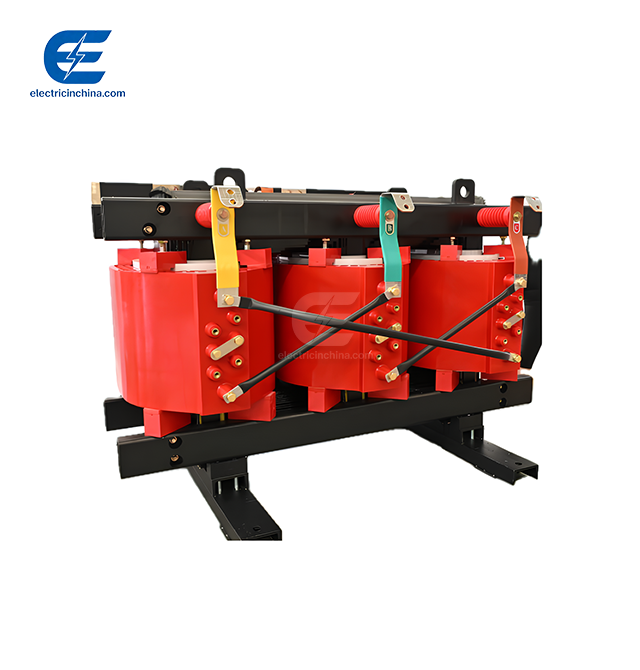
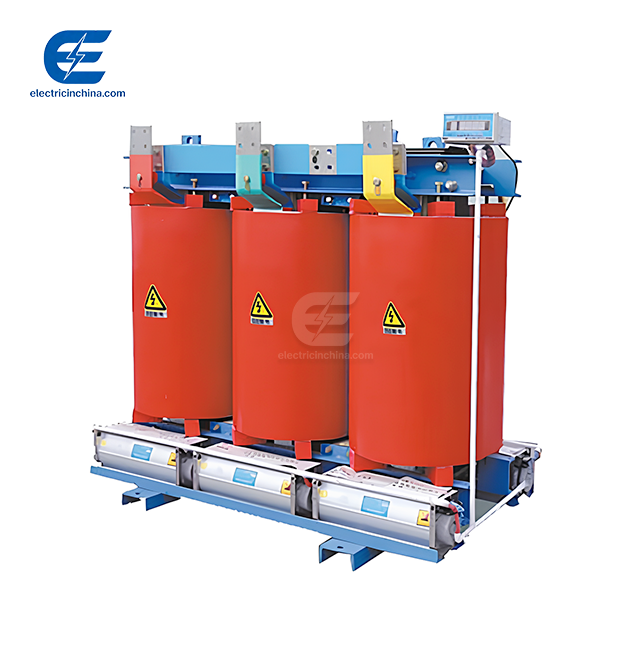
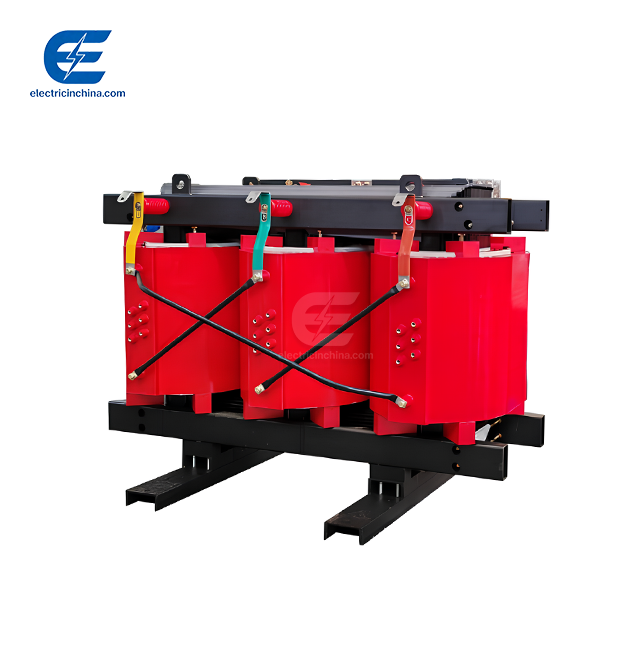
Dry-type transformers don't use liquid shielding; instead, they use windings that are surrounded by air or plastic. This makes it easier to follow environmental rules and lowers the risk of fire in indoor setups, but dry-type units cool less effectively and run at higher temperatures. Lack of liquid insulation limits the ability to overload and shortens the life of insulation in high temperatures that last for a long time. Oil-immersed structures are better at managing heat because they can handle brief overloads and keep winding temperatures fixed. The oil bath also stops partial discharge action better than air insulation, which makes equipment last longer.
Comparison with Gas-Insulated Transformer Technology
Gas-insulated transformers use sulfur hexafluoride or other gases as insulating media, which makes it possible to make smaller forms. But gas-insulated systems make closing technologies and gas tracking needs more complicated. For maintenance, you need specialized tools and trained workers who know how to handle gas safely. Oil-immersed transformers have easier repair procedures and more service experts available. The strength of Oil-immersed transformers' structures also makes them better at protecting against outside forces and environmental damage.
Environmental Adaptability and Durability
Outdoor locations that are subjected to temperature changes, changes in humidity, dust, and salt spray benefit greatly from oil-immersed transformer structures. The sealed tank keeps the inside parts safe from flying contaminants and moisture in the air that can damage insulation. We have successfully used these units in a wide range of temperatures, from the hot desert to the humid coast, showing that they can work reliably in tough circumstances. The construction filled with oil also reduces shocks and noise, which is good for sensitive areas of the environment.
Industrial applications requiring high reliability and minimal maintenance prefer the proven structural design of oil-immersed transformers. For crucial power distribution, this technology is always chosen for government infrastructure projects, business developments, and industrial sites.
Maintenance and Safety Features Embedded in the Structure
Built-in protection and tracking systems allow for proactive upkeep and quick fault reaction, which lowers the risk of downtime.
Buchholz Relay Gas Detection System
The Buchholz relay is placed in the oil pipe between the main tank and the conservator. It finds gas buildup caused by early internal flaws. Small amounts of gas are released when the insulation breaks down, and they build up in the relay chamber, setting off a warning. The relay's trip contacts are activated by serious problems that cause fast gas production. This cuts the transformer off from the power grid before a catastrophic failure happens. This structural safety feature saves both the tools and the people who work with it.
Pressure Relief and Explosion Prevention
Pressure release devices built into the structure of the tank automatically let out too much pressure inside the tank that is caused by internal arcing or oil vaporization. Gases are let out before the pressure inside the tank exceeds its mechanical strength by spring-loaded valves or burst discs. When there is an explosion, gases are released that are directed away from people and nearby equipment. There is no outside power or control signal needed for these passive safety features to work. They protect reliably in all working circumstances.
Oil Sampling and Monitoring Access Points
Putting oil sampling valves and viewing windows in the right places makes it easier to check on the system's health without having to shut it down. Dissolved gas analysis of oil samples finds flaws in their early stages, before they become practical problems. Temperature gauges that measure the rise in top oil temperature and winding temperature make it possible to control loads and check the performance of the cooling system. We build our transformers with service spots that are easy to get to. This makes diagnosis easier and lowers the cost of upkeep.
Procurement Considerations Related to Transformer Structure
Total cost of ownership, delivery times, and operating efficiency are all affected by structural specifications.
Customization Impact on Pricing and Lead Time
Standard Oil-immersed transformers that use tried-and-true designs and easy-to-find materials help keep prices low and production times short. Custom specs that need special materials, advanced cooling systems, or unique size limits make engineering harder and buying more complicated. We keep a large inventory of over 120 sets of advanced manufacturing equipment, such as CNC automatic winding machines and microcomputer-controlled gradient curing ovens, so we can make both standard and custom setups quickly and easily. With more than 20 years of experience in the field and a strong technical team of 15 senior engineers and over 30 intermediate techs, we can provide custom solutions without sacrificing quality or delivery times.
Capacity and Voltage Rating Selection
Correctly estimating the load leads to choosing the right capacity, which keeps you from buying units that are too small and limit your ability to change how you run your business, or units that are too big and raise your capital costs needlessly. When main distribution voltages range from 6kV to 35kV, voltage ratings must match the current electrical infrastructure. Our S13-35kV line is designed to work with medium-voltage grids and has the best low-loss performance. It supports project-based procurement needs that are popular among EPC contractors and infrastructure producers.
Environmental Adaptation Requirements
The installation climate determines the structure's cooling system design, sealing integrity, and ability to resist rust. For indoor substations with controlled temps, ONAN cooling may be enough, but for outdoor sites in harsh conditions, the radiators need to be bigger and have coatings that don't get damaged by the weather. Coastal areas need extra care when it comes to salt spray rusting, which means that tank finishes need to be improved, and bushing designs need to be sealed. We offer custom solutions that are made to fit the environmental conditions of different countries and areas. This makes sure that the systems work reliably even when there are problems at the spot.
Conclusion
An oil-immersed transformer's performance, dependability, and ability to work in harsh industrial environments are all based on how its structure is built. Every part is very important for turning power into electricity, from the silicon steel core and precision windings to the insulation oil and cooling systems. When procurement professionals understand these structural elements, they can make choices that are in line with project needs and practical goals. Because we only use high-quality materials, strict testing procedures, and unique engineering solutions, we are a reliable partner for businesses that need power distribution equipment that meets foreign standards and lasts a long time.
FAQ
1. How does structural design influence transformer lifespan?
The structural stability of an oil-immersed transformer has a direct effect on how long it works. Insulation lasts longer than 30 years because it is sealed during building, which keeps moisture and air out. High-quality core materials and well-designed cooling systems keep the stress on the insulator and windings as low as possible. Regular maintenance made easier by service spots that are easy to get to lets you check on parts' health and change them before they break. We build our transformers with structural features that help them last longer, which lowers the total cost of ownership for our commercial customers.
2. What role does transformer oil play in structural efficiency?
Transformer oil is very important for keeping the structure cool and insulating it. Its dielectric strength keeps electricity from breaking down, and its thermal conductivity moves heat from the core and windings to heaters outside the device. The shape of the tank and the design of the cooling system affect the oil movement patterns, which in turn affect how the temperature is distributed and how well the system works. Our quality control methods check the oil's properties, such as having a breakdown voltage of more than 30kV and a moisture level of less than 20ppm, to make sure it works well in structures.
3. Which structural features matter most for outdoor industrial installations?
When used outside, things need to be well sealed to keep out water, be able to cool down in high temperatures, and have finishes that won't rust. Corrugated tanks that are sealed keep oil from getting dirty, and radiators with larger areas can handle high temperatures in the air. We change the structure requirements based on the placement conditions. For example, we add protection coatings for salt spray at the coast and strengthened bushings for high-pollution areas to make sure that the equipment works reliably in a wide range of industrial settings.
Partner with Tuojie for Premium Oil-Immersed Transformer Solutions
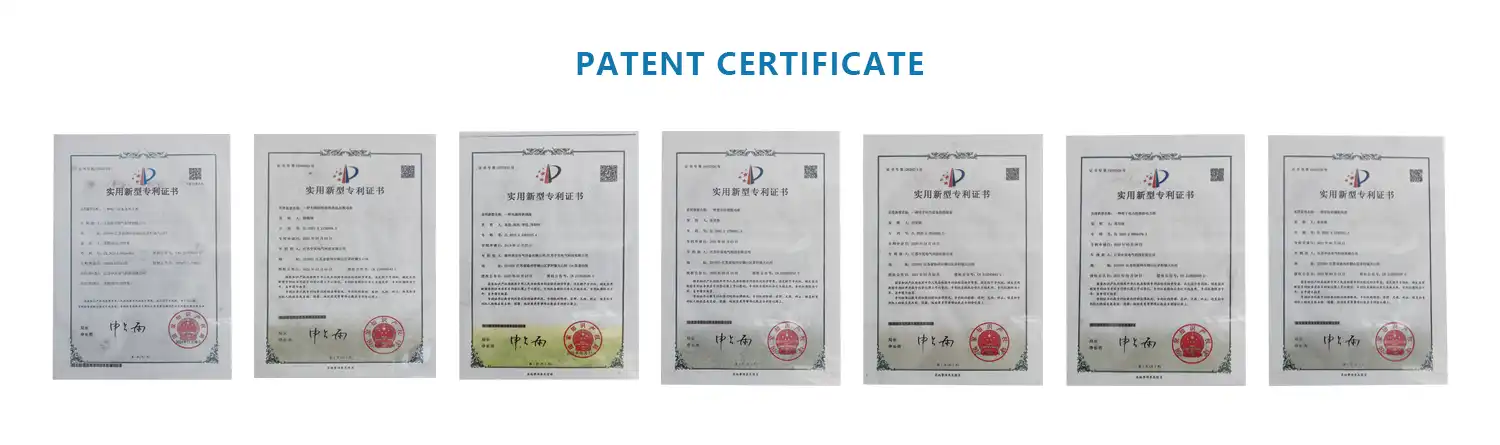
Our company's main focus is on designing and making high-performance Oil-immersed transformers that meet strict quality standards around the world. We have been providing hundreds of important power projects in the government infrastructure, business real estate, and industrial manufacturing sectors for over 20 years, so we know the important structural requirements that make sure the projects run smoothly. Our professional technical team has 18 patents, which show that they are always coming up with new ways to create and make transformers. Our state-of-the-art production sites and thorough quality control systems ensure exact engineering and on-time delivery, whether you need standard configurations or custom power solutions. You can email Tuojie at tuojie@electricinchina.com right now to talk about the details of your project, get full technical paperwork, or get in touch with a manufacturer of oil-immersed transformers who wants you to succeed.
References
1. International Electrotechnical Commission. (2011). Power Transformers - Part 1: General Requirements (IEC 60076-1). Geneva: IEC Publications.
2. IEEE Standards Association. (2010). IEEE Standard for General Requirements for Liquid-Immersed Distribution, Power, and Regulating Transformers (IEEE C57.12.00). New York: Institute of Electrical and Electronics Engineers.
3. Heathcote, M. J. (1998). The J & P Transformer Book: A Practical Technology of the Power Transformer (12th ed.). Oxford: Newnes Publishing.
4. Kulkarni, S. V., & Khaparde, S. A. (2004). Transformer Engineering: Design and Practice. New York: Marcel Dekker.
5. Harlow, J. H. (Ed.). (2007). Electric Power Transformer Engineering (2nd ed.). Boca Raton: CRC Press.
6. China National Standardization Management Committee. (2008). Power Transformers - Part 1: General Requirements (GB/T 6451-2008). Beijing: Standards Press of China.