

.webp)
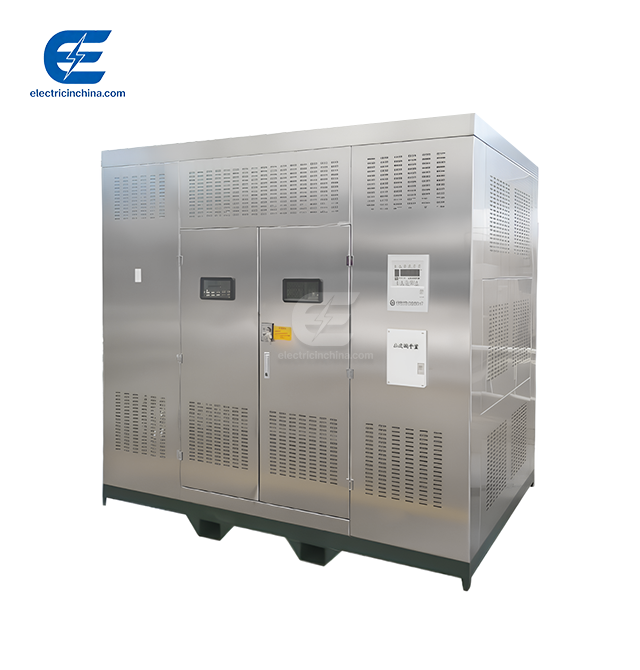
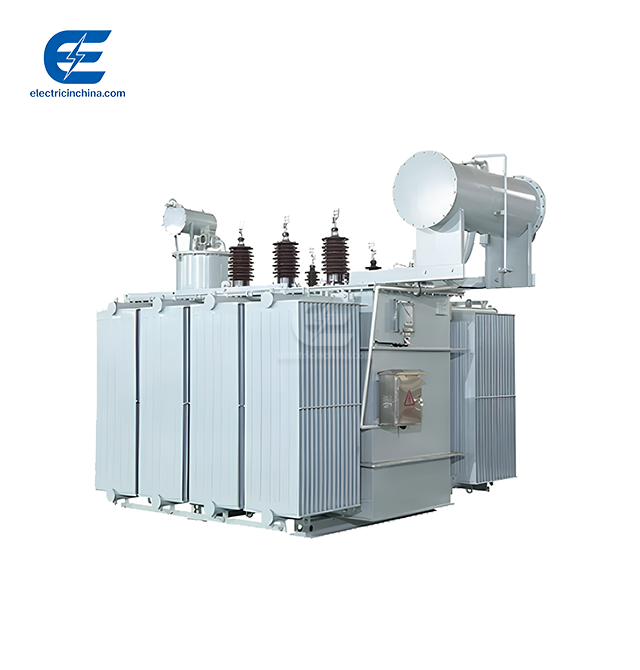
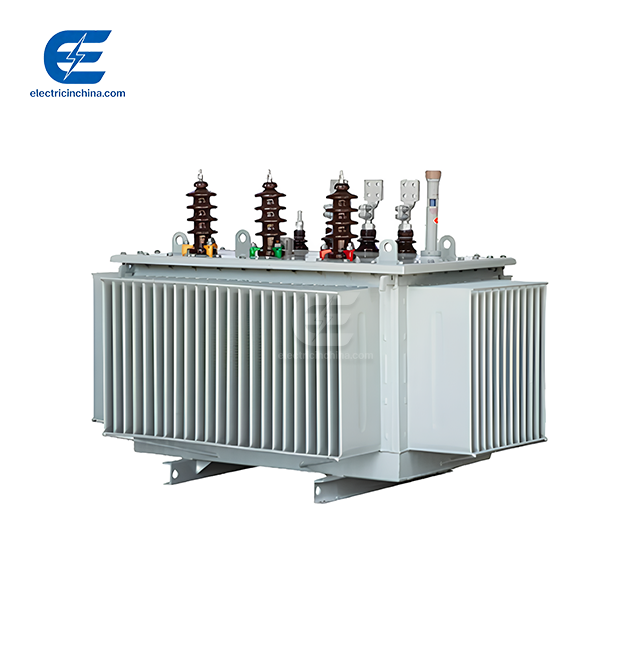
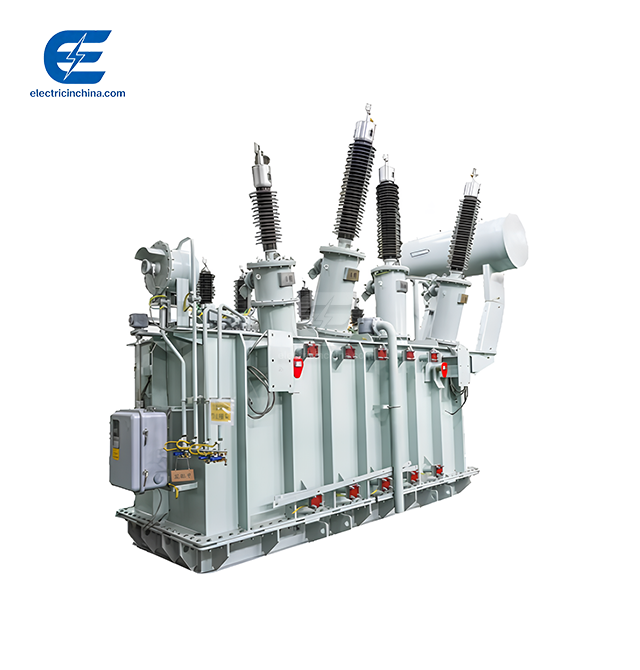
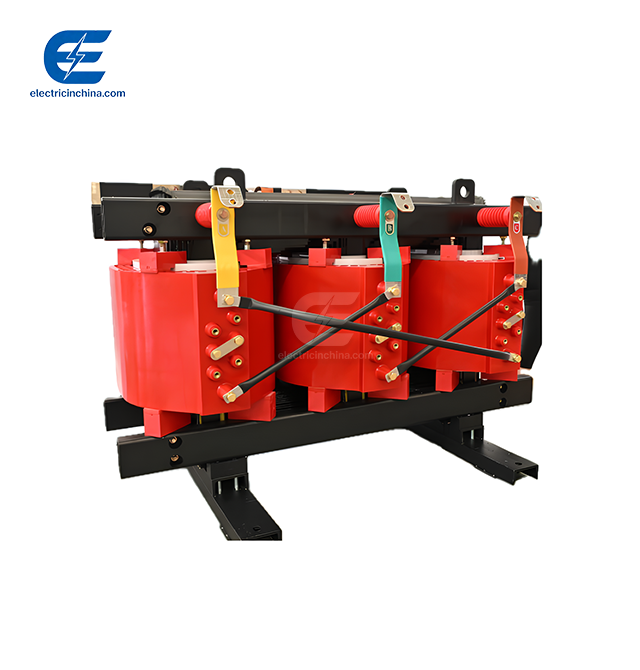
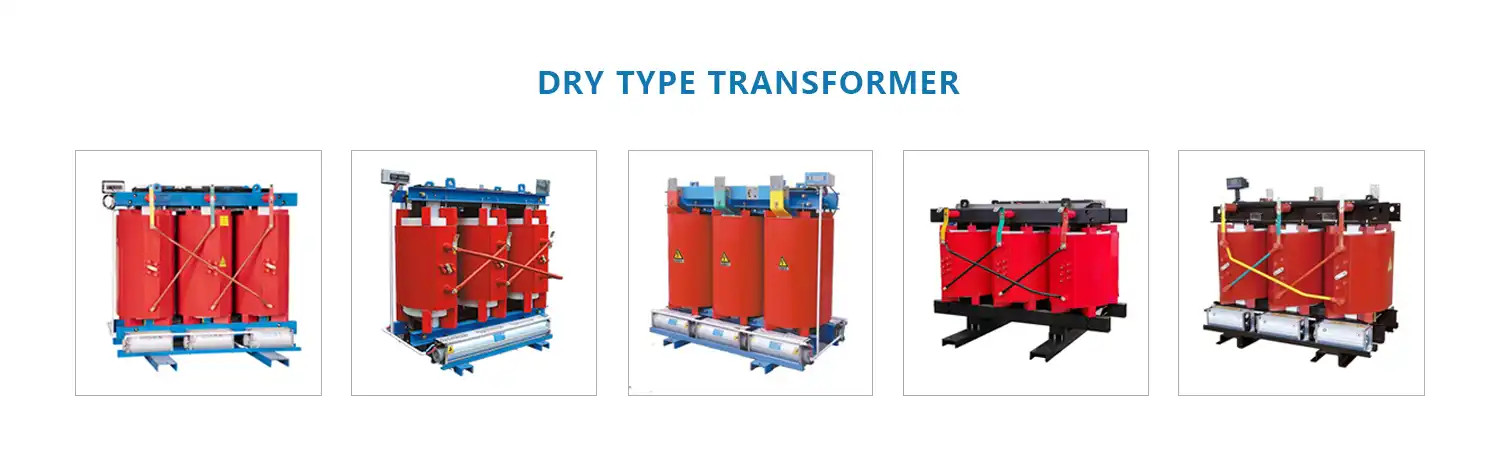
Dry-type transformers have become popular as low-maintenance options because they don't use liquid insulation systems. Instead, they use epoxy resin casting or vacuum-impregnated coils. Because of this basic design difference, there is no need for oil testing, filtering, or leak control, which are all time- and resource-consuming jobs that need to be done in traditional oil-filled units. Their solid insulation materials don't break down in the environment, don't need many inspections, and work safely in a range of conditions without the fire risks that come with flammable coolants. This makes them perfect for government buildings, commercial developments, and factories that need reliable, low-cost power distribution.
Understanding Dry-Type Transformers and Their Maintenance Characteristics
Core Construction Principles
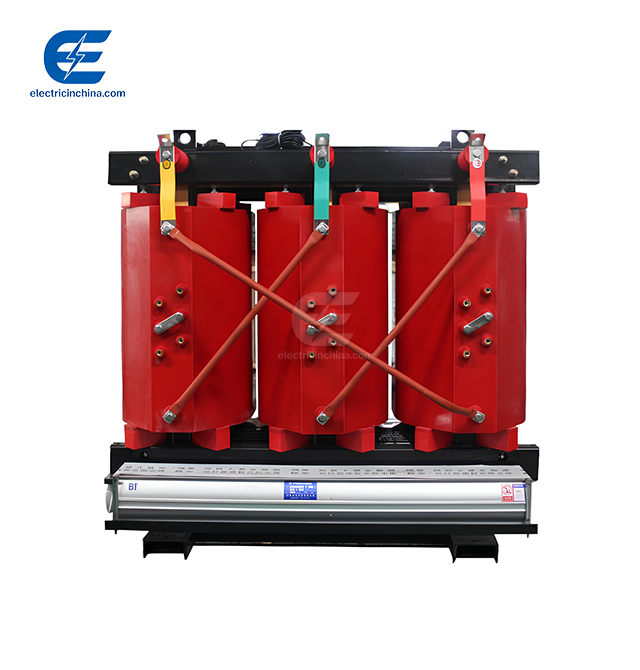
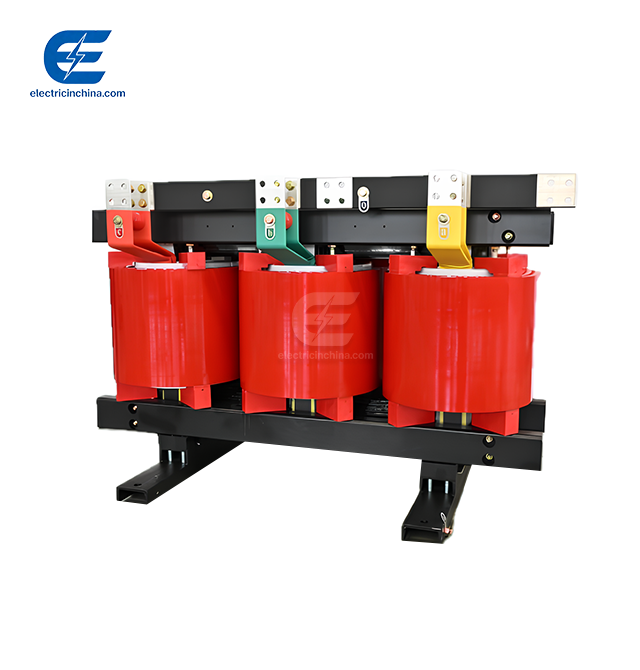
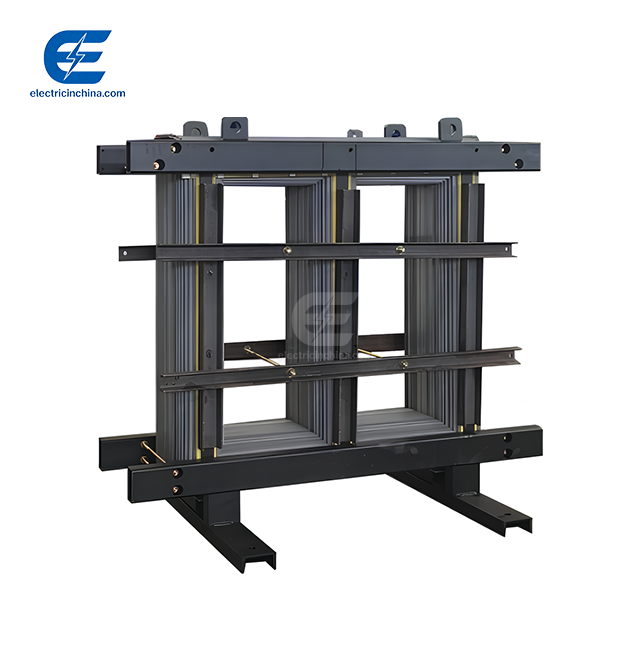
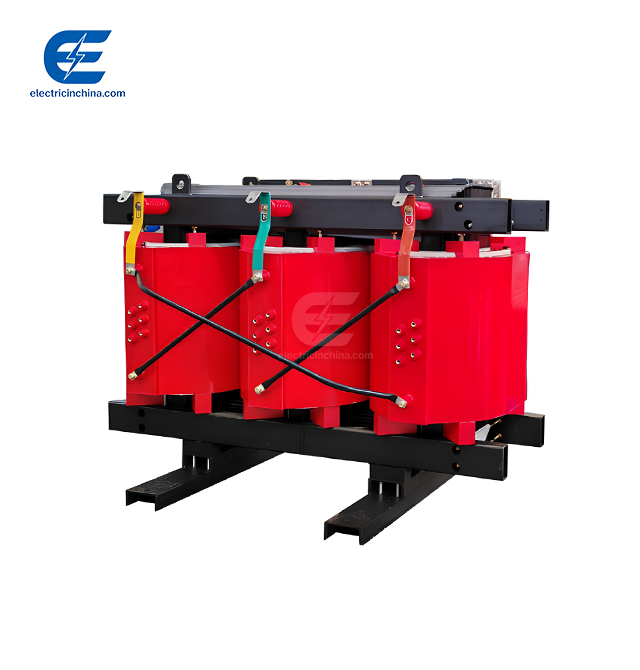
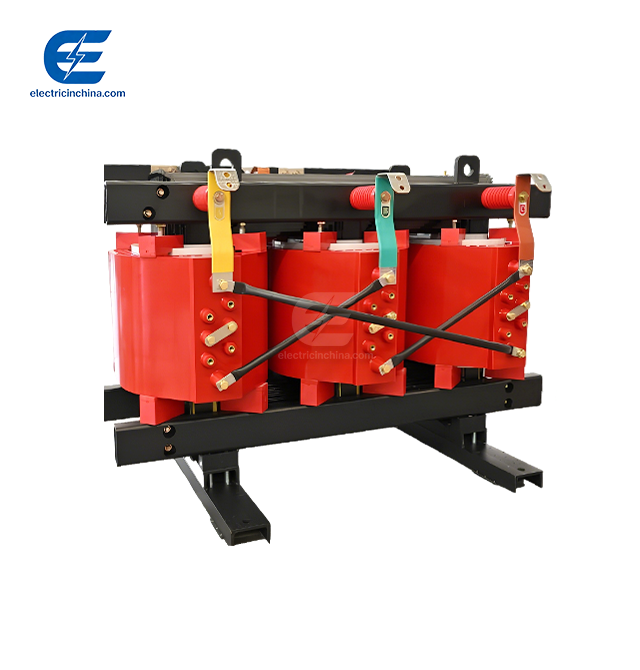
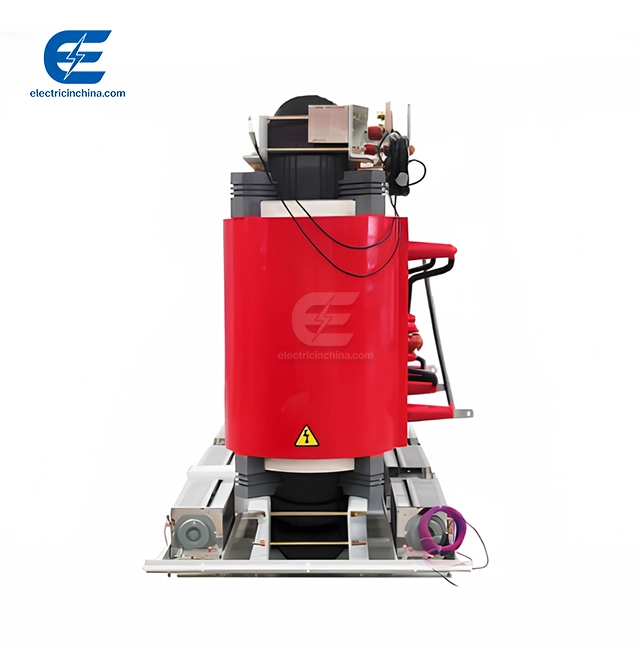
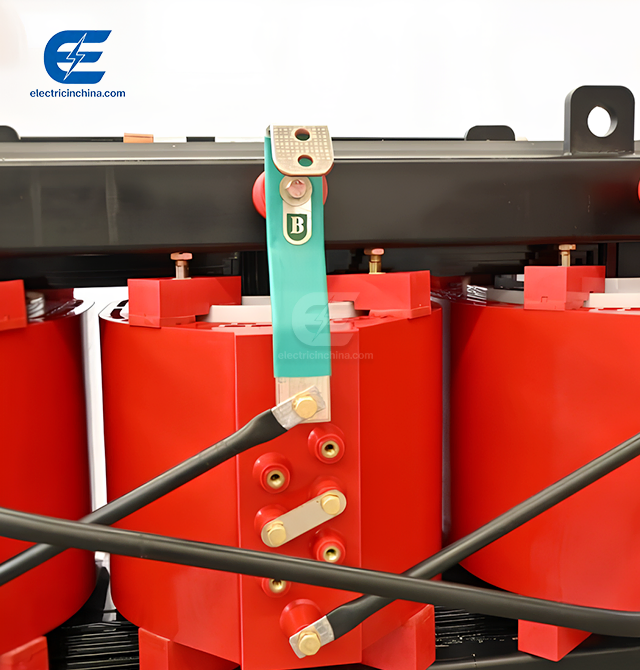
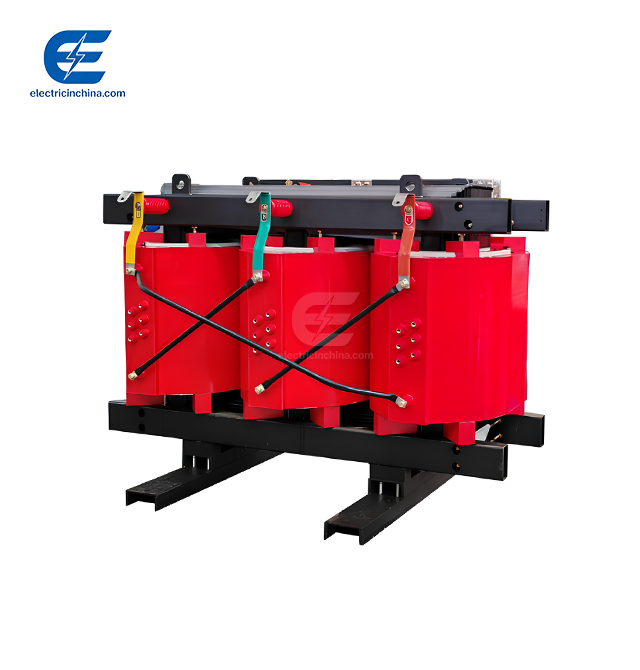
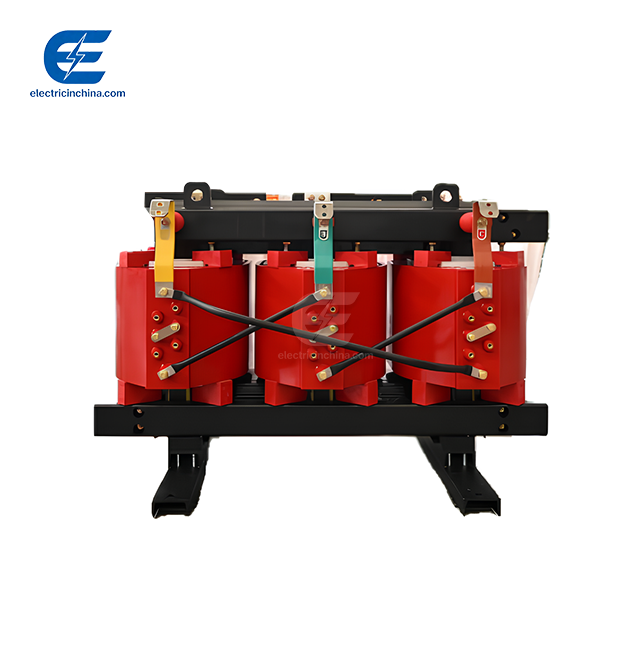
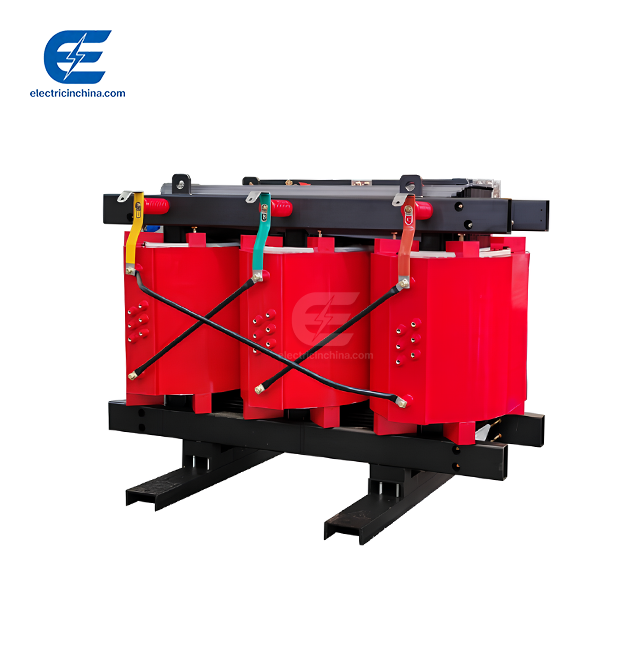
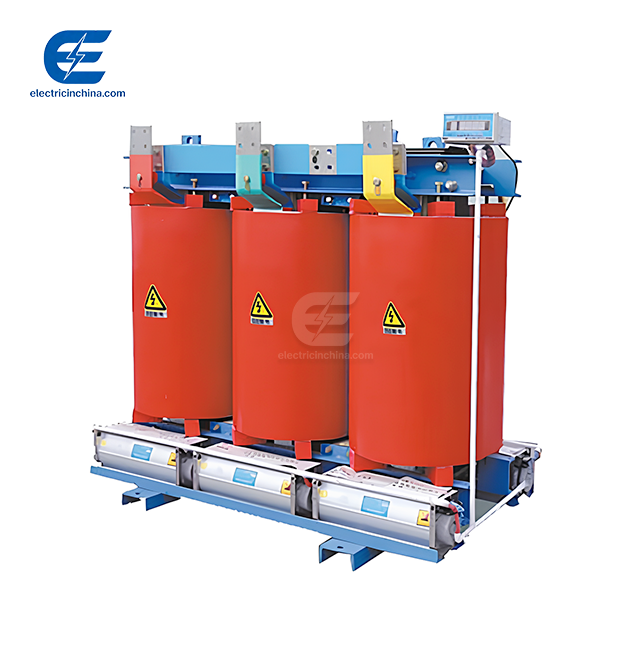
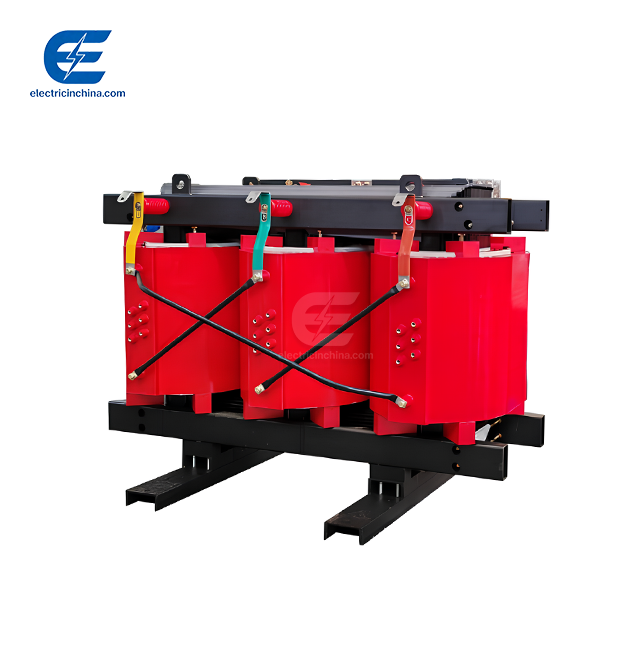
In contrast to typical oil-immersed units, these transformers use solid insulation systems that drastically change the amount of upkeep that needs to be done. Using epoxy resin casting technology, windings are enclosed in a shell that keeps out water, dust, and other contaminants. This method is used in our SCBH19 line, which has amorphous metal cores and very thin strips that are about 0.025 mm thick and have very low coercivity and high resistivity. This way of building gets Class F or H grades for insulation, meaning it can handle temperatures from 155°C to 180°C and keep its shape under mechanical stress.
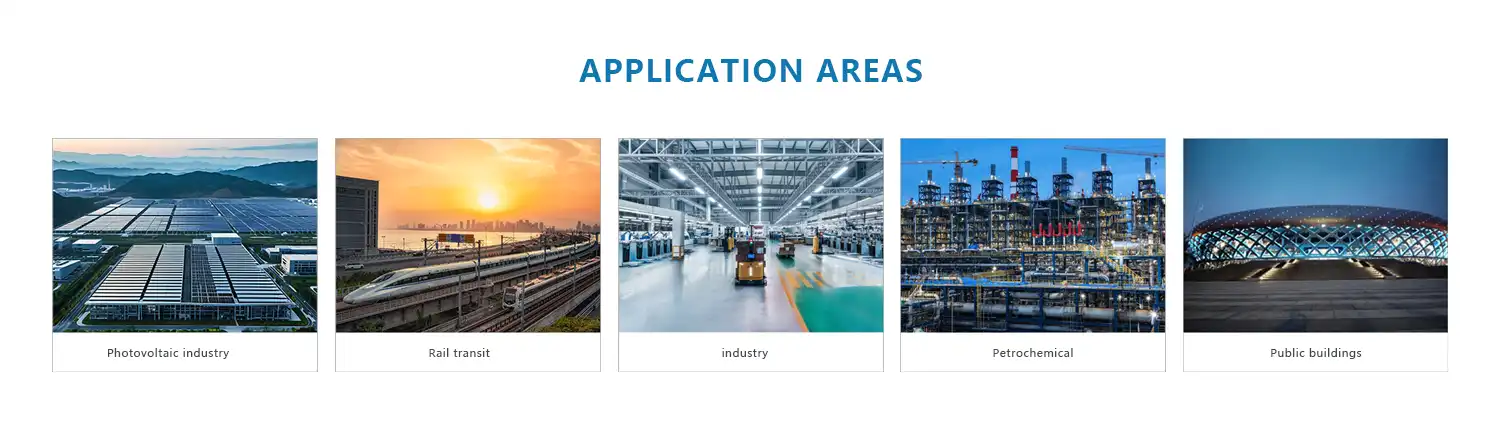
The vacuum pressure impregnation method in a dry-type transformer makes sure that all of the insulation is absorbed, leaving no air spaces that could weaken the dielectric strength. This way of making things, along with new ways of wrapping, makes units that work consistently without the cooling and insulating effects that oil usually has in older designs. We used these ideas in a variety of city engineering projects, such as the Xuzhou Rail Transit Network Control Center, which has a dual-circuit power source that needs to be completely reliable and does not need service calls very often.
Why Maintenance Demands Differ Significantly
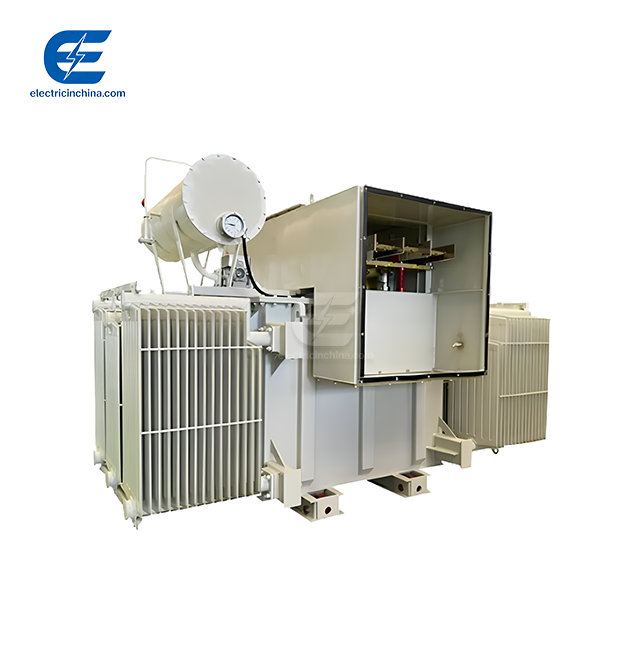
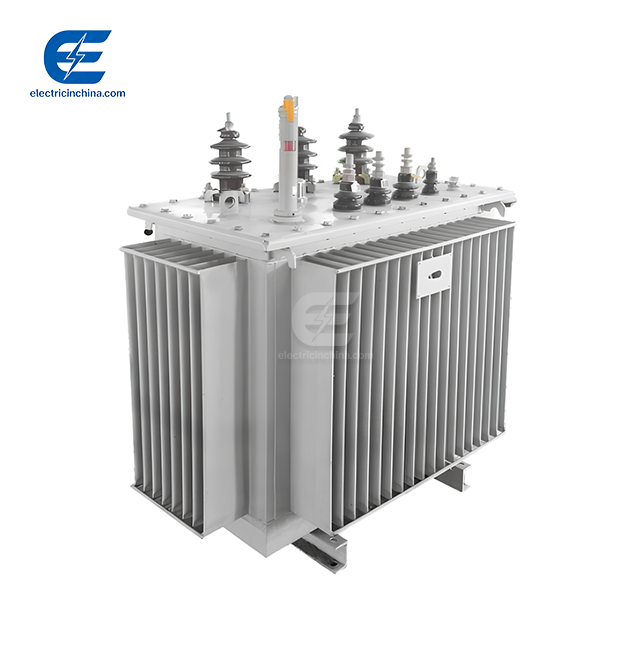
To keep an eye on insulation degradation, moisture content, and dissolved gas levels in oil-filled transformers, samples must be taken and analyzed on a frequent basis. This requires specialized tools and trained staff. These needs are completely taken care of by our solid insulator options. Since there is no liquid coolant, there are no leak discovery procedures, containment system checks, or environmental tracking requirements that apply to oil-based equipment.
In air-cooled systems, temperature control is done by natural airflow or forced ventilation, not by complicated oil drainage systems. This simpler thermal design cuts down on the number of mechanical parts that are likely to break, which directly lowers the frequency of upkeep. In good units, like our SCBH19 types, partial discharge levels stay well below 5pC. This means that the insulation works well and doesn't need to be serviced as often. We've seen this benefit in business real estate projects like the Xinhua Central Complex, where limited entry for maintenance makes it impossible to use equipment that needs a lot of service.
Advantages of Dry-Type Transformers That Contribute to Low Maintenance
Environmental and Safety Benefits
Getting rid of oil as an insulating material changes the environmental compliance needs in a big way. With liquid dielectrics, projects no longer have to worry about spill reaction plans, containment system requirements, or dirt contamination risks. We've provided power systems to places that are good for the environment, like the GCL Photovoltaic Industrial Park, where protecting groundwater and preserving the environment means that possible waste sources can't be built. This feature makes getting permission for a place easier and lowers the need for long-term environmental tracking.
Another benefit of fire safety features is that they allow for flexible placement indoors. Commercial developers working on projects like Huaihai Xintiandi Phases 7-8 use these units in basement substations and building-integrated areas where oil-filled options can't be used because of limited airflow or closeness to occupied areas. Because there are no explosive failure modes, it is possible to be closer to important infrastructure without having to build expensive safety fences or suppression systems that need to be maintained and tested all the time.
Reduced Inspection Requirements
Here are the main operating benefits that keep service interruptions to a minimum:
- Simplified Monitoring Protocols: Visual checks will be used instead of lab tests, and only the integrity of the cage, the tightness of the connections, and the clearance of the air route will need to be checked on a regular basis. Monitoring temperature with built-in monitors or thermal imaging lets you figure out what's wrong without having to do invasive tests. We've put these streamlined processes into place across all industrial sites. Compared to installs that were oil-filled, they cut inspection labor costs by 60%.
- Extended Service Intervals: Long-lasting insulation materials don't break down as other materials do in liquid systems, so they last longer between replacements and require fewer extra parts. When our SCBH19 units are used in deserts where the temperature is above 50°C, they lose very little performance and keep their efficiency scores above 98.5% for the whole time they are in service. For systems above 2000 meters, derating factors are only 1% to 2%, while they are 5 to 8% for standard designs. This means that oversizing isn't needed as much, which saves money.
- Minimal Component Replacement: Since there are no pumps, radiators, conservatories, or breather systems, there are no mechanical parts that normally determine upkeep plans. In forced-air units, the main part that needs to be serviced is the cooling fan, which should be replaced after more than 100,000 hours of use in good setups. This makes it easier for people who aren't trained in upkeep to do regular checks without needing to be trained.
These benefits of dry-type transformer systems have been especially helpful on big projects like the XCMG Group plant power supply upgrade, where we finished installations early and set up upkeep procedures that kept operations running as smoothly as possible. The units we provided for the Xuzhou High-speed Railway East Station EPC project have to work in tough conditions, and their check schedules are based on the facility's repair windows rather than the equipment's own needs.
Addressing Common Concerns and Misconceptions About Maintenance
Heat Dissipation and Thermal Management
People often worry that air-cooled designs don't cool well enough because they don't understand basic thermal engineering concepts. Natural air cooling works perfectly for the right uses, and guides that show how to choose the right temperature range are very helpful. When ventilation needs are taken into account during installation planning, our sites in harsh climates—from floating solar facilities that work in 95% relative humidity to high-temperature industrial settings—show stable thermal performance.
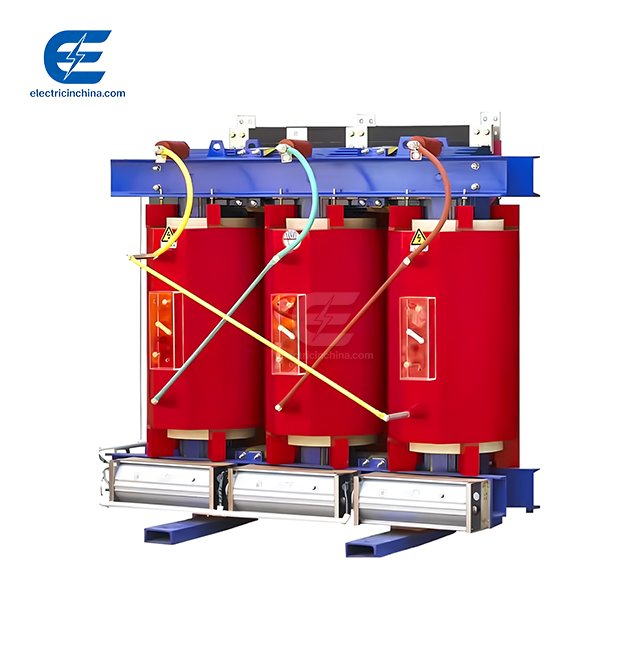
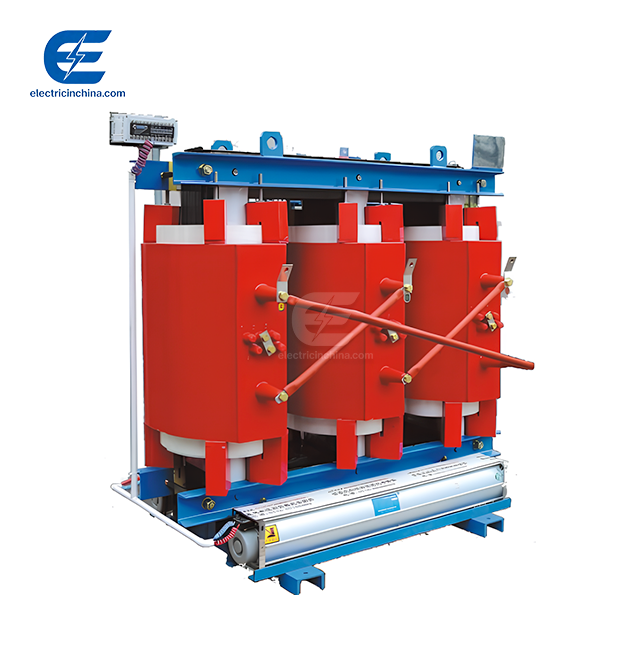
Forced-air cooling devices increase the range of capacities without making upkeep more difficult. Standard industrial parts are used in fan systems. These parts have been proven to work reliably and are easy to repair. Temperature tracking allows for planned repair, spotting problems with the cooling system before they affect the performance of the transformer. We've used these tracking methods on business projects and built in sensor data into building management systems to set off automatic alarms.
Longevity Comparisons with Oil-Filled Units
Service life standards often favor oil-filled designs based on what has worked in the past rather than what is possible with today's technology. When used correctly, modern epoxy resin formulas and amorphous metal cores offer the same or better durability. Our SCBH19 models cut no-load losses by 70% compared to the older SCB series. This slows down the thermal aging processes that shorten the life of insulation. Performance statistics from installations that have been running nonstop for more than 25 years back up these design changes.
Lifecycle estimates are very different for liquid-filled transformers because they don't have oil breakdown, which is the main way they age. To keep their insulating qualities, oil systems need to be replaced or reconditioned on a regular basis. Solid insulation gets rid of the need for these steps completely. This difference becomes especially important in situations where limited entry makes big maintenance tasks too expensive. We've provided units for business high-rise buildings where the cost of crane access alone makes the choice of equipment that requires less frequent service a good idea.
Comparing Dry-Type Transformers with Oil-Filled and Other Types From a Maintenance Perspective
Maintenance Complexity Analysis
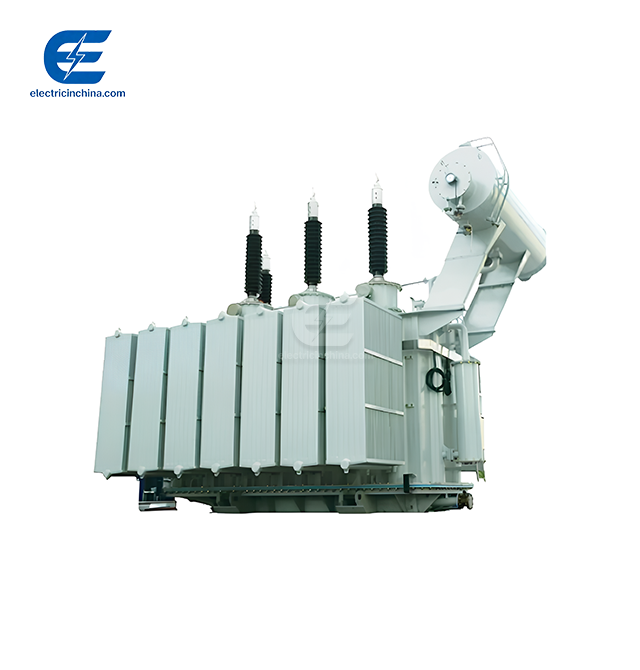
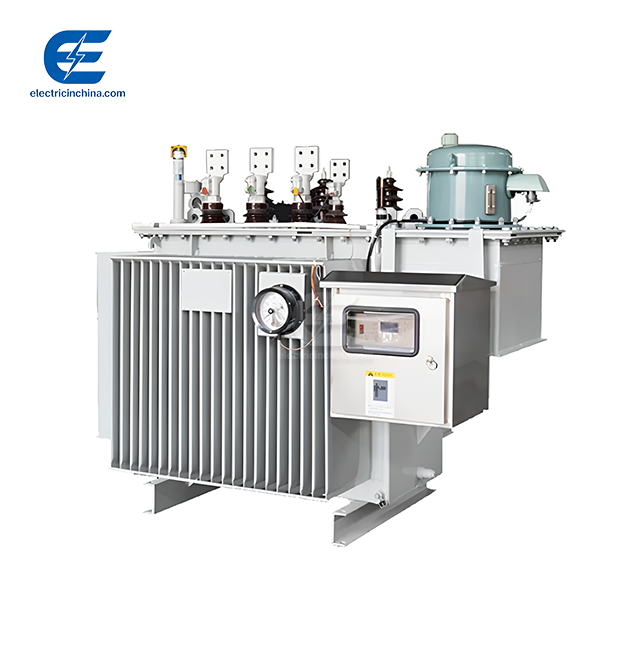
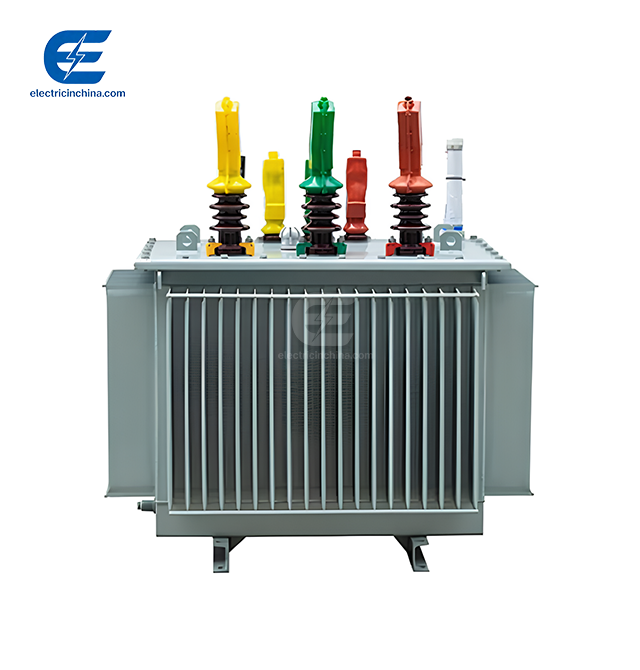
When looking at regular processes, the main difference in service needs becomes clear. When it comes to maintenance, comparing dry-type transformers to oil-filled and other types produces ongoing work needs that solid insulation designs totally avoid. Oil samples, maintaining the filtration system, finding leaks, and inspecting the containment produce ongoing work needs that solid insulation designs totally avoid. We looked at repair records from a variety of fleets and found that yearly service hours have been cut by 75% for the same capacity ratings. This difference directly leads to lower lifetime costs and less risk of problems related to service.
Safety rules for handling oil make things more complicated, which increases the time needed for upkeep and training. During oil transfer operations, rules for entering confined spaces, fire watch requirements, and environmental protection measures make it harder to follow the rules that aren't there for air-cooled options. Government buildings and industry sites with full safety management systems are examples of projects that have to go through strict safety checks. Getting rid of these steps makes the administration much more efficient.
Environmental Impact Considerations
Regulatory trends are making it harder for technologies that harm the environment to get approved. Costs are added to equipment over its whole lifetime by oil control systems, the ability to respond to spills, and the need to get rid of old equipment properly. Carbon reduction laws in some places know that using modern core materials can help with efficiency. For example, our SCBH19 amorphous metal designs meet Level 1 energy efficiency standards under GB 20052-2020. Green building standards and sustainability reporting goals that are important to the government and business companies are helped by these performance qualities.
Noise emission differences affect where a project can go and how well it gets along with the neighborhood. A quieter operation lowers mechanical stress signs and lets you get closer to noise-sensitive areas without having to deal with acoustic enclosures that make servicing harder to get to. We've given units to mixed-use projects where noise restrictions mean that normal equipment can't be used. These power distribution options work well in places where people are already living.
Procurement Considerations for Low-Maintenance Dry-Type Transformers
Supplier Evaluation Criteria
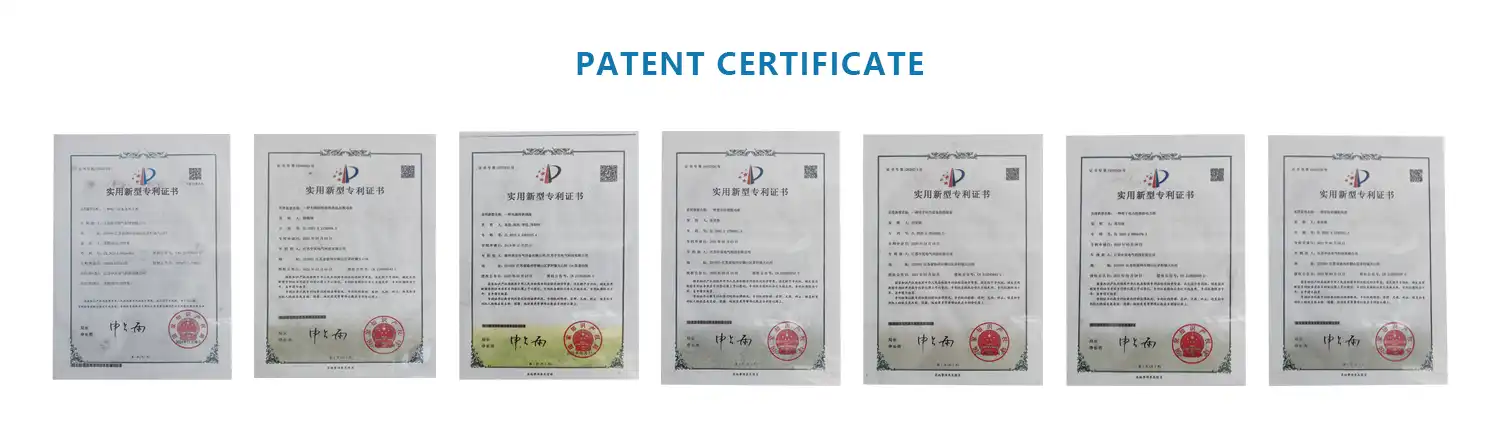
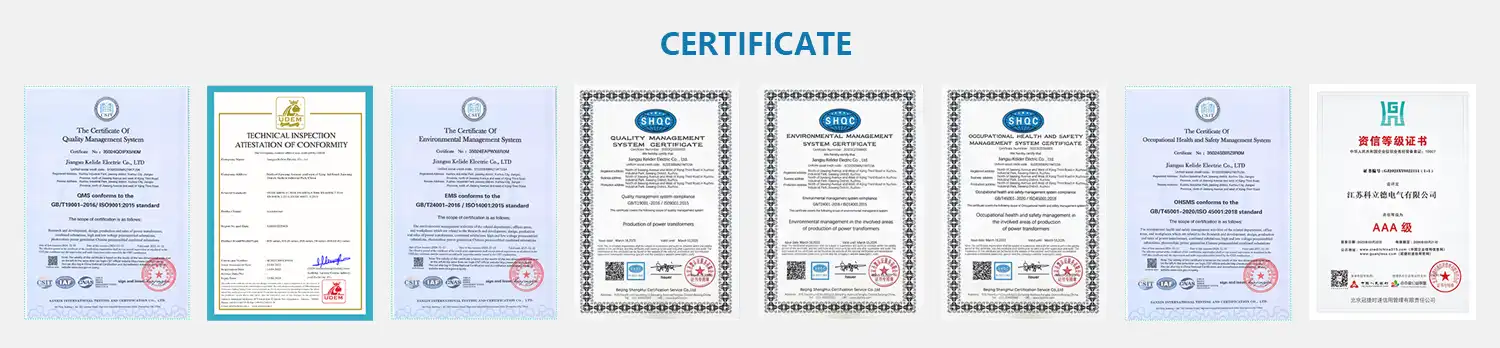
Things to think about when buying dry-type transformers that don't need much maintenance include reputation evaluation that looks at more than just marketing claims; it also looks at project experience and certifications that can be checked. Certifications like ISO 9001, ISO 14001, and OHSAS 45001 show that a company is committed to quality management and environmental duty, which are all things that are linked to long-term dependability. We've spent over 20 years building up our technical skills, which now include 15 senior engineers, 30 intermediate technicians, and 17 senior technicians. Our 18 patents show that we're committed to innovation. With this level of technical depth, application building is done correctly, and help is available quickly throughout the lifecycle of the equipment.
The terms of the warranty show how confident the maker is in the reliability predictions. Full coverage that includes both material flaws and problems with the work itself protects against premature failures financially. Our warranty designs are in line with industry standards, and we can make them fit the needs of mission-critical apps that need to reduce risk even more. How well problems are fixed when they happen depends on the after-sales service, which includes how quickly expert help is available, how easy it is to get spare parts, and how well field service networks work.
Customization for Optimal Performance
Standard goods don't usually make the upkeep needs of complicated settings better. Customization options let environments be changed, such as by creating special containers for corrosive environments, adjusting temperature ratings for harsh climates, and setting up voltage levels that work with the site's unique distribution designs. We've come up with solutions for everything from photovoltaic farms at high altitudes to floating solar systems in the ocean. We've made sure that the designs are as maintenance-friendly as possible for each type of installation.
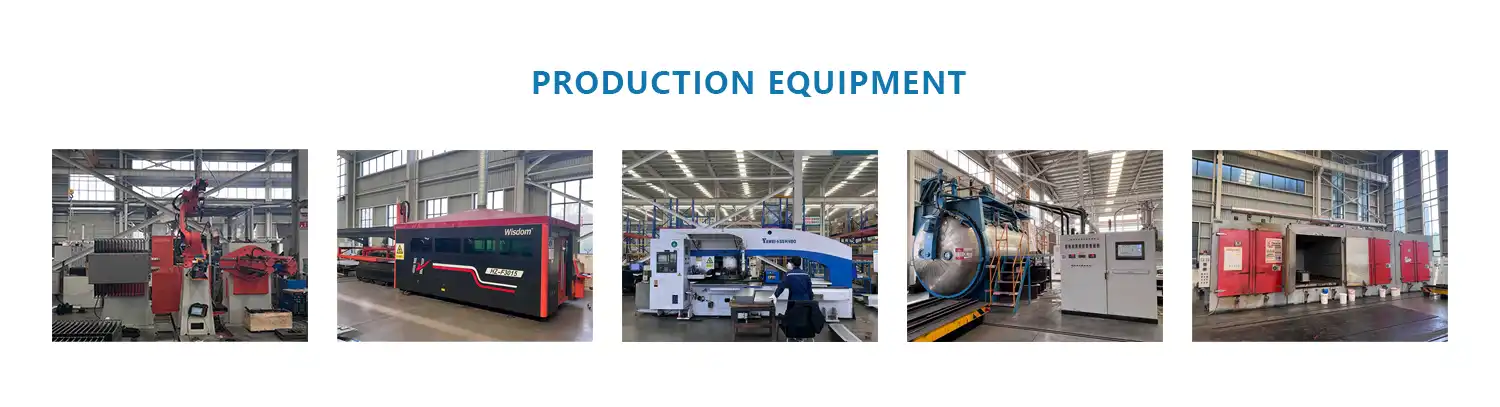
Capable sellers are different from commodity providers because they can adapt their manufacturing to meet the unique needs of each project. We can make things with more than 120 pieces of equipment, such as CNC automatic winding machines, vacuum casting systems, and curing ovens that are managed by computers. This infrastructure allows for quick customization without longer wait times, which helps EPC project plans where coordinating deliveries affects activities that are important to the critical path.
Conclusion
Today's air-cooled transformers are easier to maintain because they don't need liquid insulation systems or the service that goes along with them. This is because of how they are designed. Through many projects, we've shown that solid insulation, simplified thermal management, and long-lasting building materials can offer stability that is on par with or better than standard options while lowering lifetime service costs by a large amount. These benefits are especially useful for government infrastructure, business development, and industrial uses where limited entry for maintenance, safety rules, and environmental concerns affect the choice of tools. When clients choose the right suppliers and use application engineering and buying methods that look at the total cost of ownership, they can get the most out of these benefits over the course of many years of service.
FAQ
1. How often do dry-type transformers require maintenance?
How often do dry-type transformers need to be fixed? Visual exams are usually done every three months to check the stability of the enclosure, the state of the connections, and the airflow paths. Depending on the working climate and how important the test is, full thermal imaging and electrical testing are usually done once a year or every other year. On the other hand, oil-filled units need to have their oil levels checked every month, their oil samples taken once a year, and their filters cleaned every so often. This plan cuts down on maintenance frequency by 60–75%.
2. Can these transformers operate reliably in harsh industrial environments?
Units that are properly specified and have the right environmental ratings work effectively in tough circumstances. Our systems work well in harsh industrial environments with temperatures ranging from -25°C to +155°C and humidity levels up to 95% RH. IEC 60068-2-11 salt spray tests prove that the product is suitable for use in marine environments. For harsh situation dependability, application engineering that ensures there is enough derating and environmental safety is necessary.
3. What indicators suggest maintenance intervention becomes necessary?
Temperature values that are higher than normal, strange noises that you can hear, obvious damage to the insulation, or changes in the color of the connection are all signs that something might be wrong and needs to be looked into. These problems are found instantly by modern monitoring systems, which allows repairs to happen before performance goes down. Our systems connect sensor data to tools for property management so that service scheduling can be done ahead of time.
Partner with Tuojie for Reliable Dry-Type Transformer Solutions
If you need reliable dry-type transformer solutions, work with Tuojie. Our expert team is ready to help you with your infrastructure projects by creating custom power distribution solutions that keep upkeep costs as low as possible over the course of the project's life. As a well-known company that has been making dry-type transformers for over 20 years, we've completed hundreds of setups in government buildings, business properties, and industrial facilities that work in a wide range of conditions. Our energy-efficient designs and models made of SCBH19 amorphous metal meet the highest international standards, such as ISO 9001, ISO 14001, and CCC certifications. They are backed by thorough quality inspection labs and state-of-the-art production facilities.
We know the problems that EPC workers and project managers face when they need to buy things: coordinating delivery schedules, meeting customization needs, and lowering total costs. Our ability to provide transformers, switches, and wires all in one place makes managing vendors easier and makes sure that systems work together. You can email us at tuojie@electricinchina.com or go to electricinchina.com to talk to our tech team about your unique needs. When you put in a bid or buy something, we'll help you with expert paperwork, competitive quotes, and personalized suggestions.
References
1. Institute of Electrical and Electronics Engineers, "IEEE Standard for Dry-Type Distribution and Power Transformers," IEEE Standards Association, 2018.
2. International Electrotechnical Commission, "Power Transformers - Part 11: Dry-Type Transformers," IEC 60076-11 Technical Specification, 2018.
3. National Electrical Manufacturers Association, "Guide for Transformer Maintenance," NEMA Standards Publication, 2019.
4. Electric Power Research Institute, "Transformer Maintenance Guide: Volume 3 - Dry-Type Transformers," EPRI Technical Report, 2017.
5. American Society for Testing and Materials, "Standard Specification for Epoxy-Resin-Based Dry-Type Transformers," ASTM International Standards, 2020.
6. International Council on Large Electric Systems, "Life Management Techniques for Power Transformers," CIGRE Working Group Report, 2019.