

.webp)
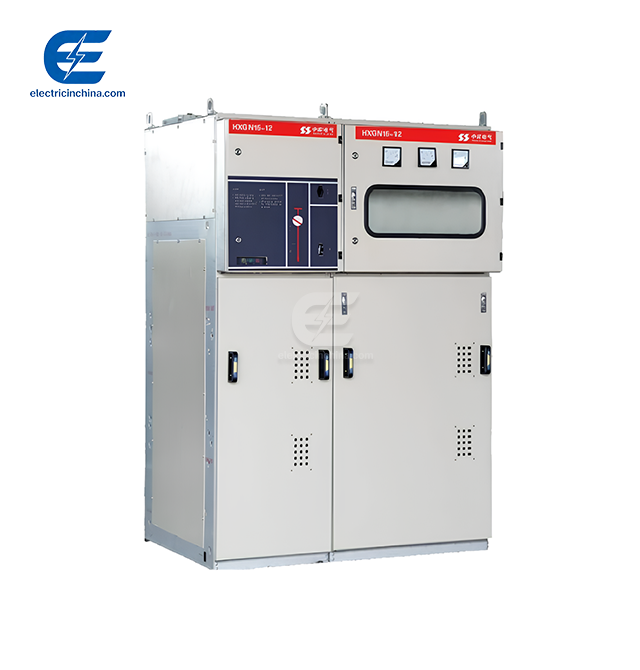
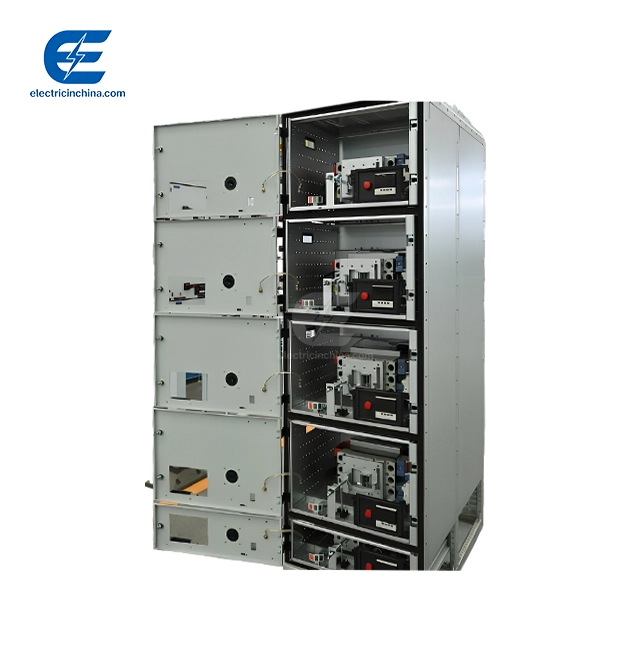
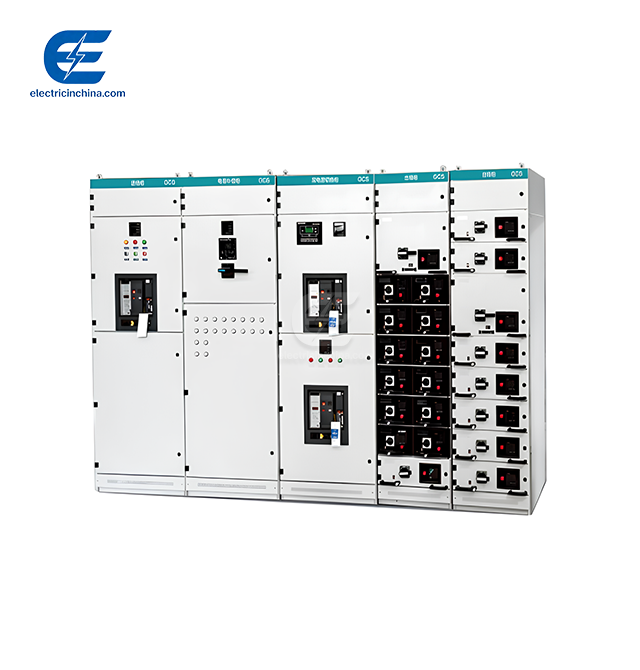
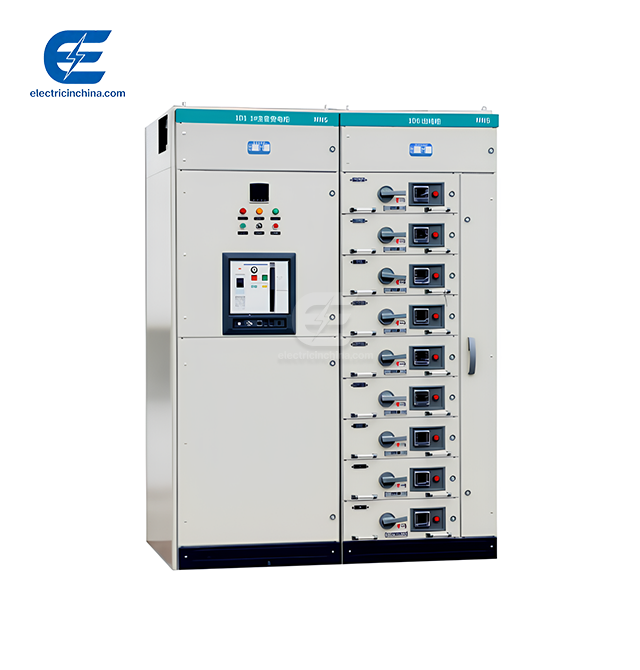
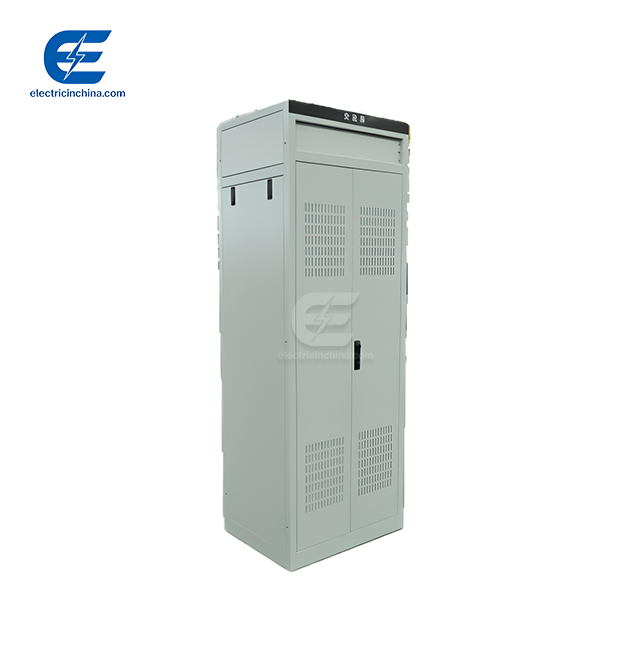
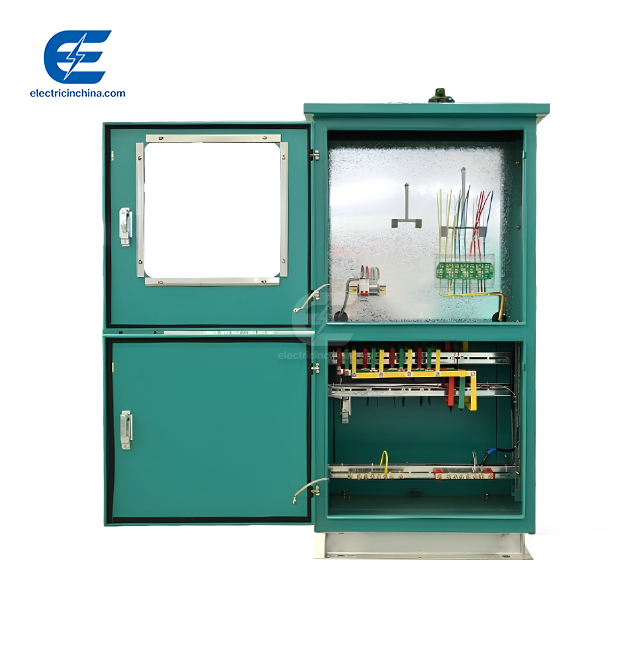
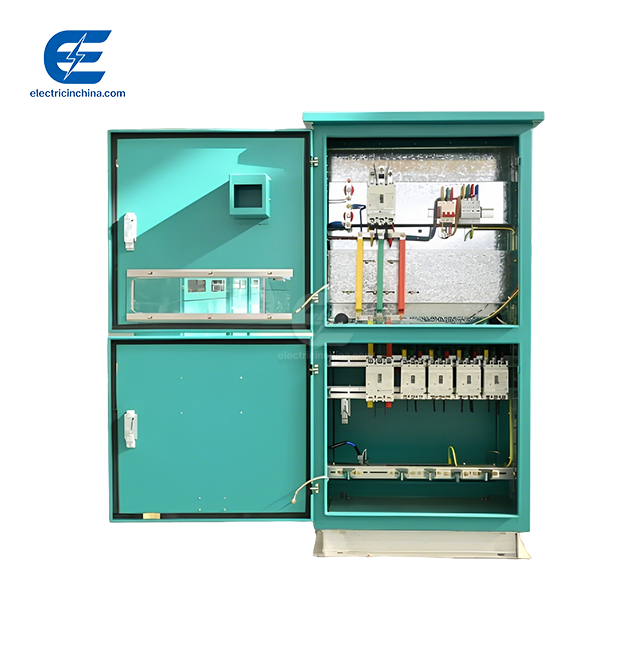
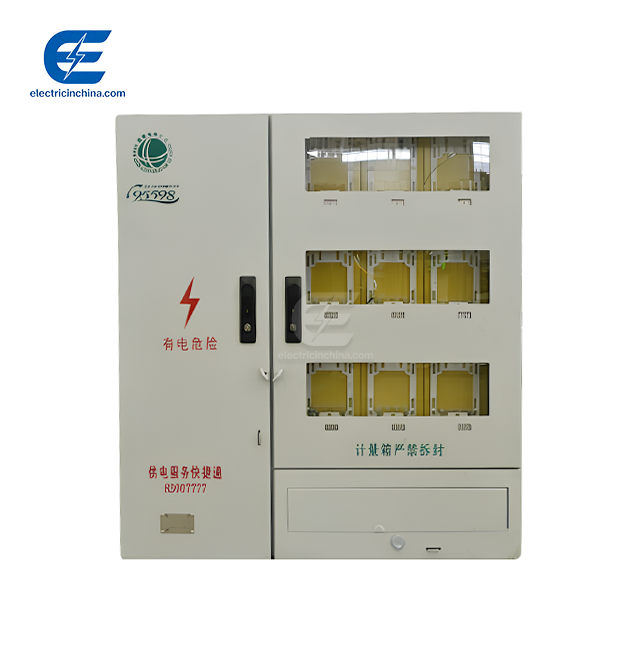
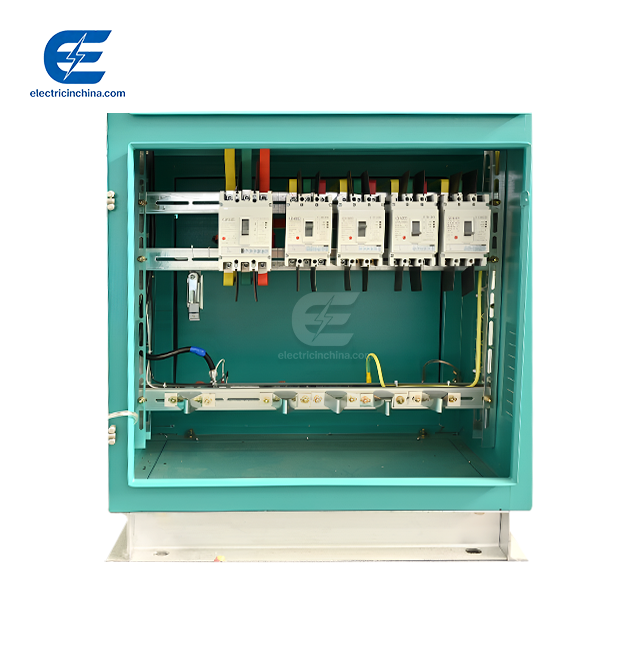
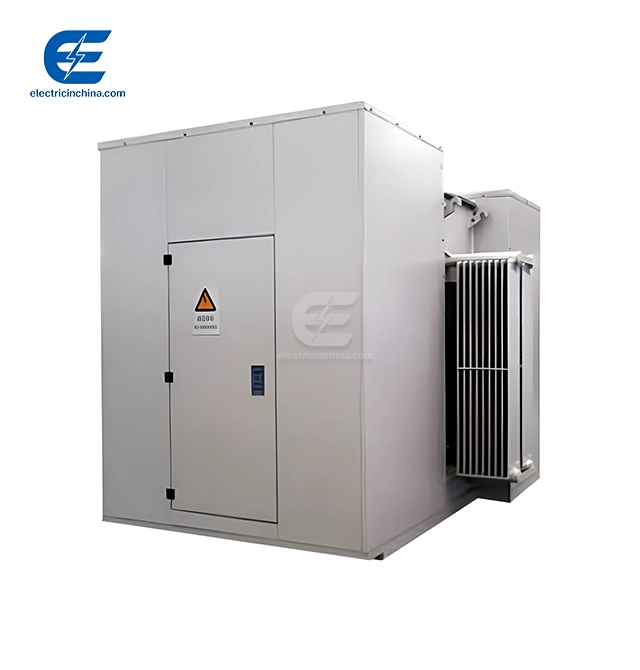
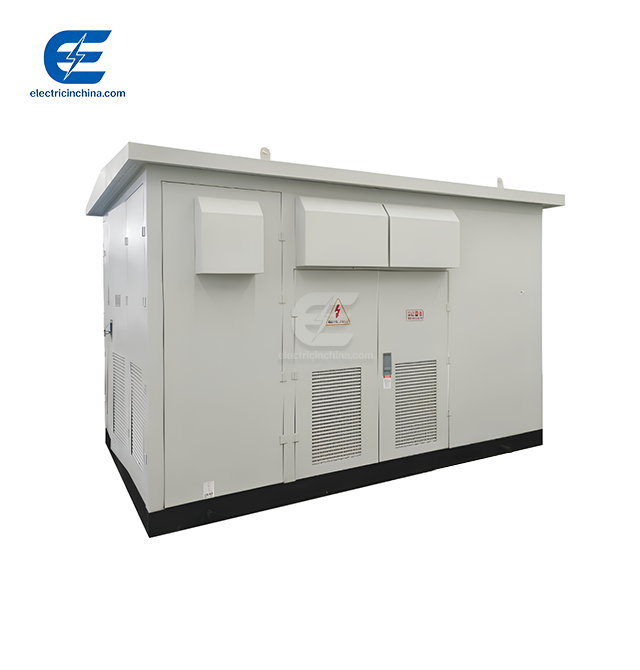
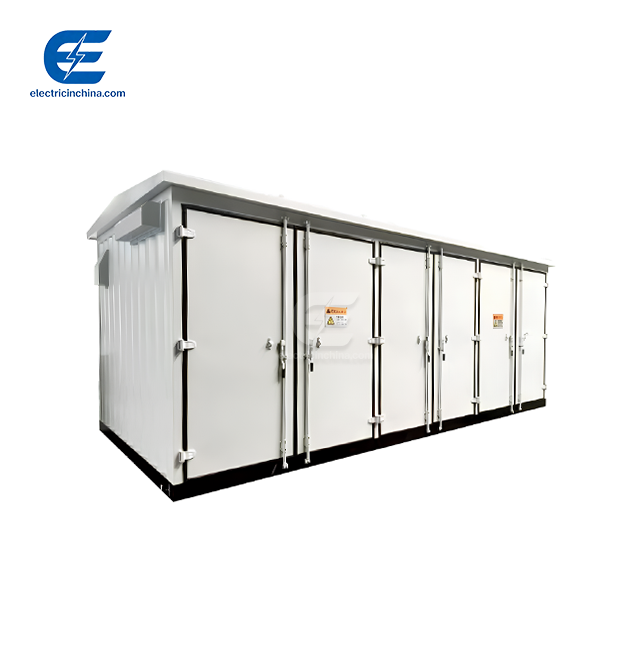
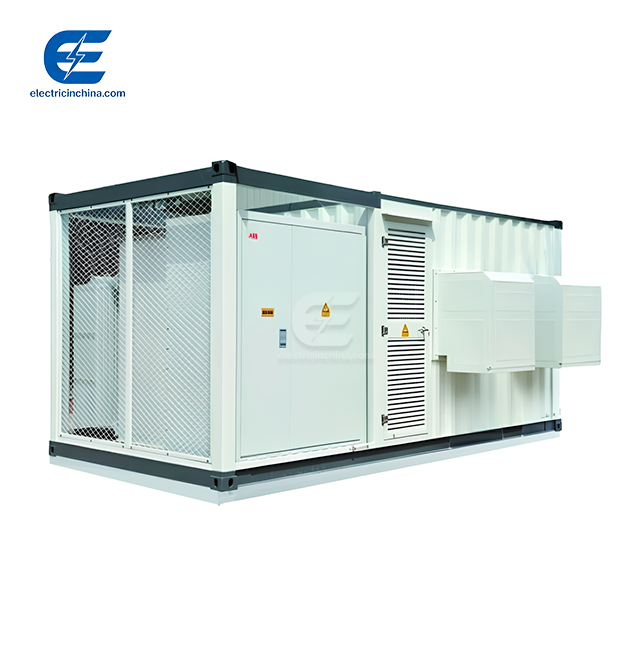
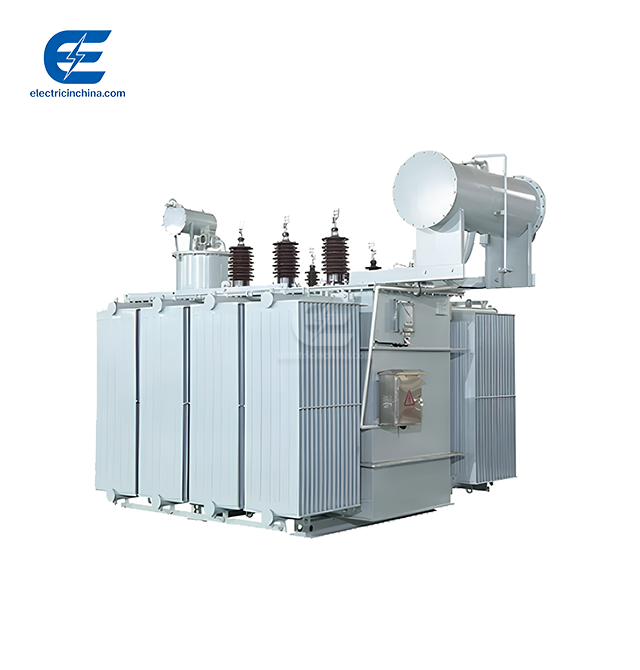
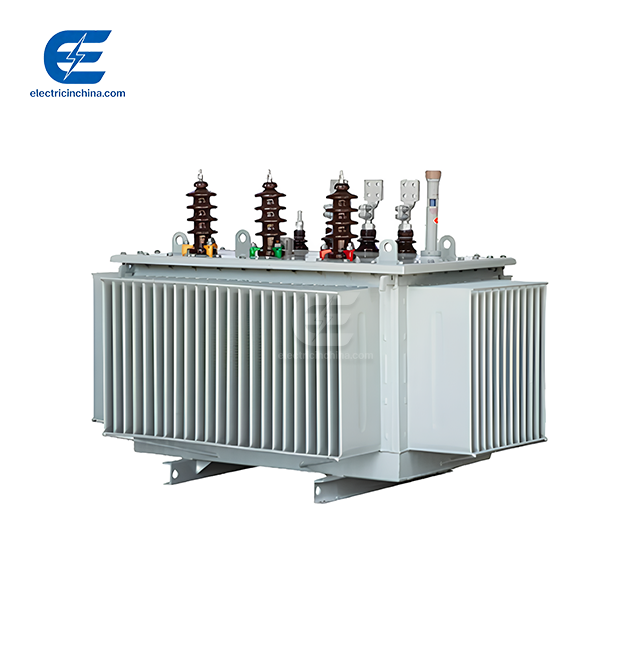
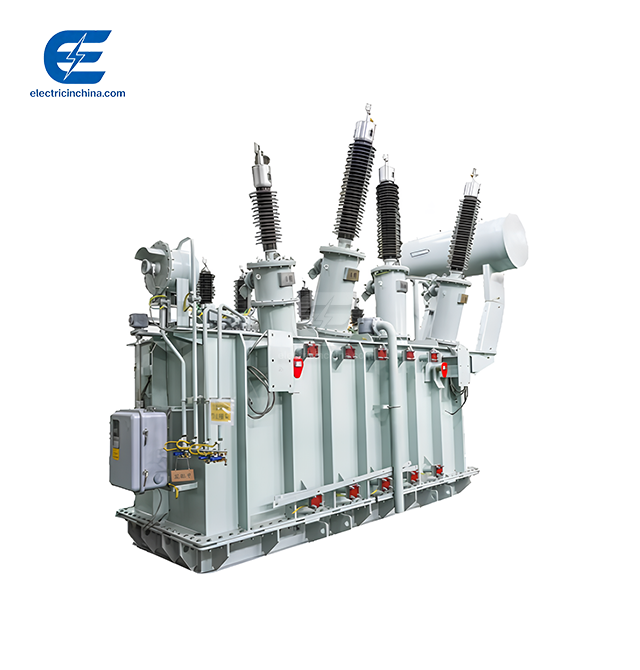
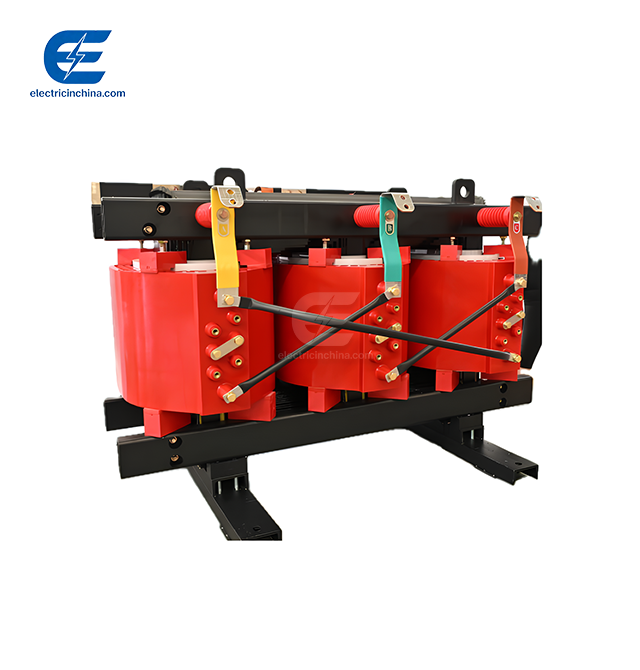
Dry-type transformers are a big step forward in the way electricity is distributed because they don't use dangerous liquid dielectrics but instead use air or solid shielding systems. These units are safer in business and industrial settings than oil-immersed options because they don't contain any oil, which can cause fires. The main benefits are lower upkeep needs, better environmental compliance, higher energy efficiency scores (above 98.5%), and reliable operation in temperatures ranging from -25°C to +155°C. Modern designs use vacuum pressure impregnation and epoxy resin casting methods that make the designs strong and long-lasting, making them ideal for use in mission-critical infrastructure.
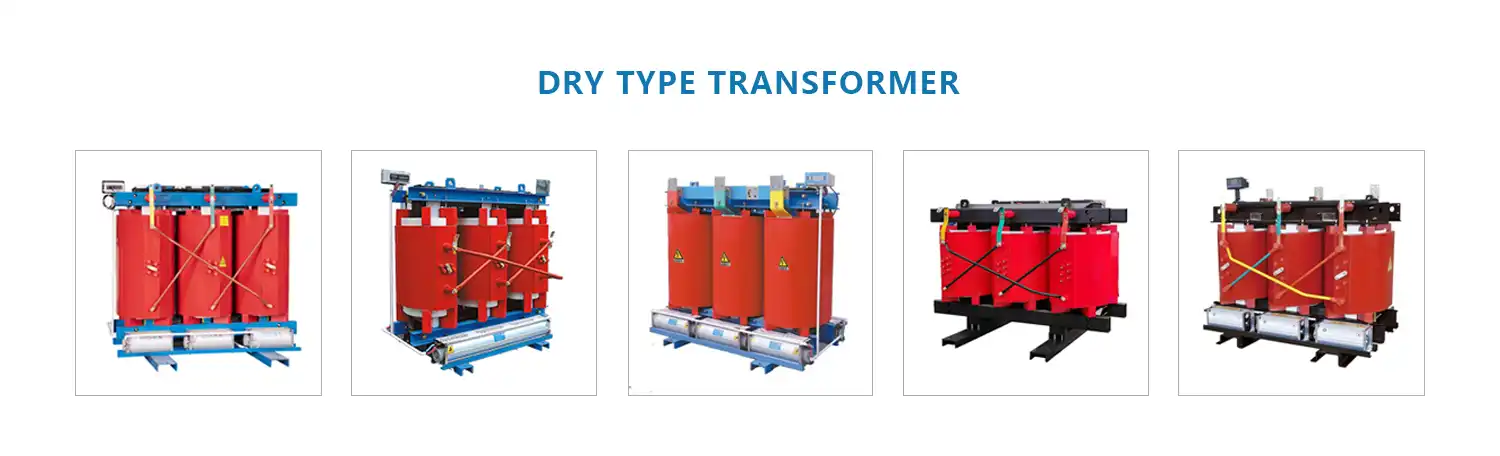
Understanding Dry-Type Transformers: An Overview
The way that dry-type transformers are insulated is what makes them different from standard oil-cooled units in how they work. Instead of immersing the windings in mineral oil, these transformers use solid insulation materials and air flow to get rid of heat and keep the electricity from breaking down. Concerns about safety in heavily crowded urban settings, where fire codes limit flammable coolants to 15 meters from occupied buildings, led to this design philosophy.
Types and Construction Methods
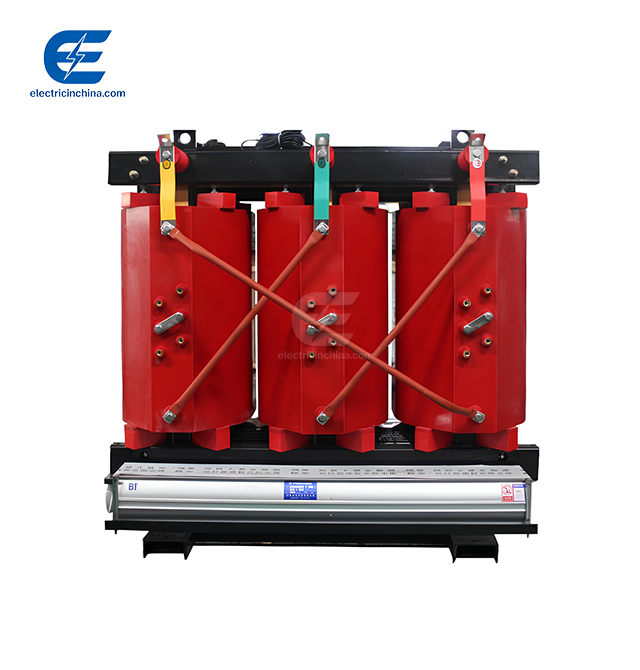
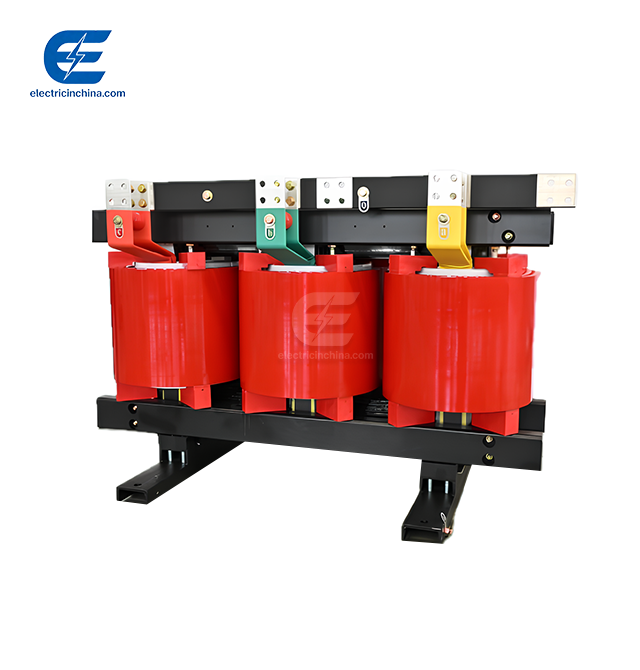
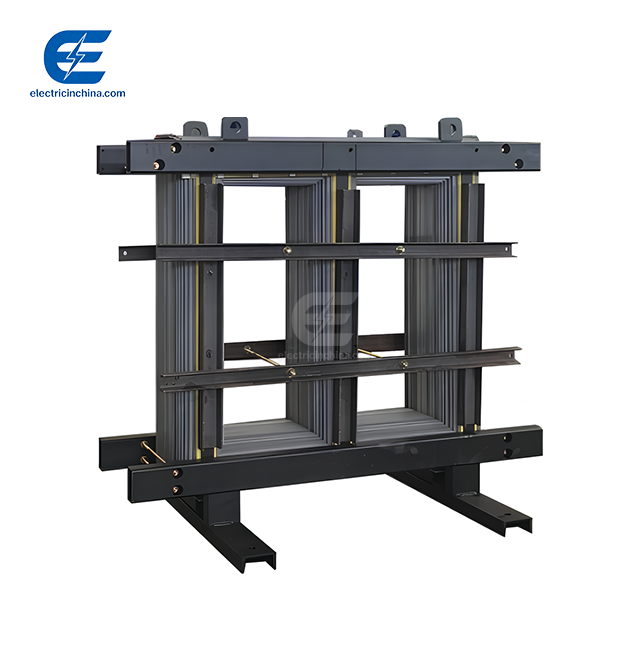
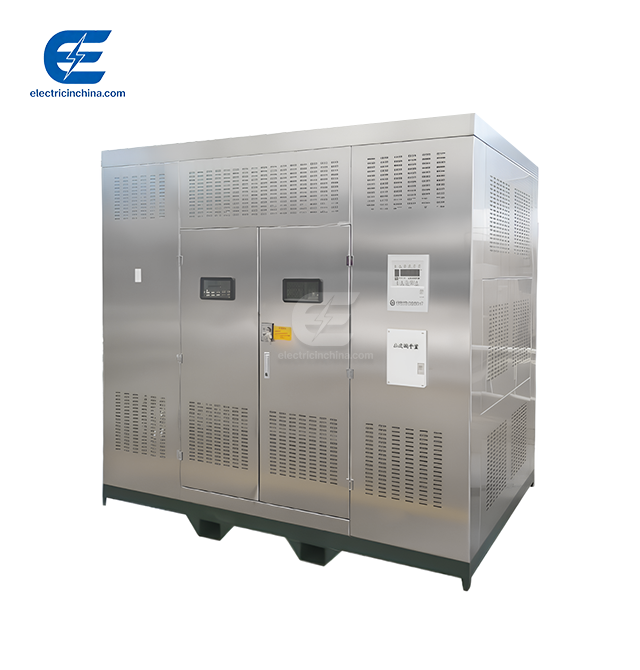
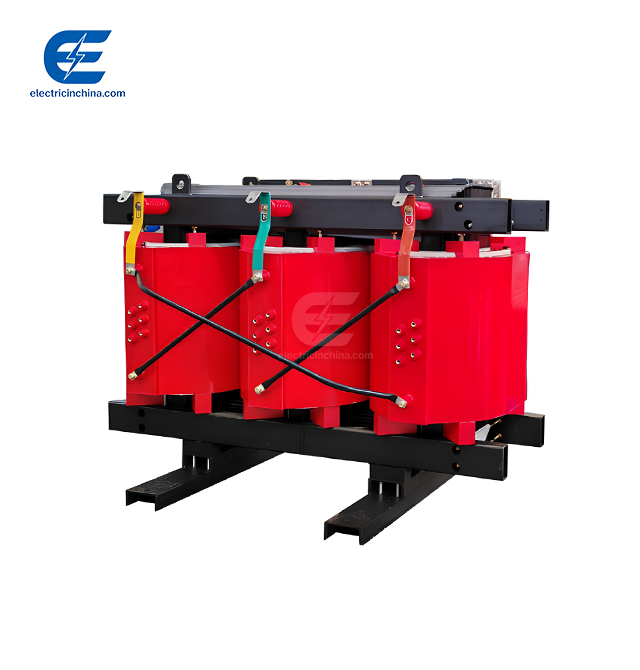
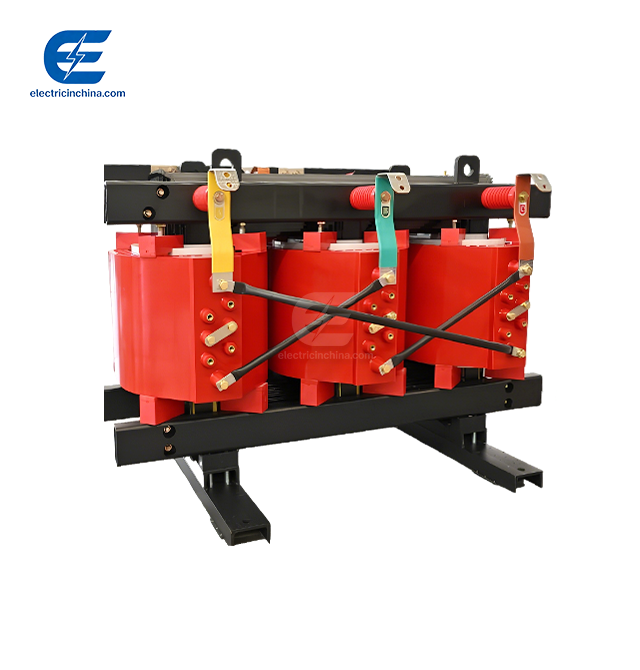
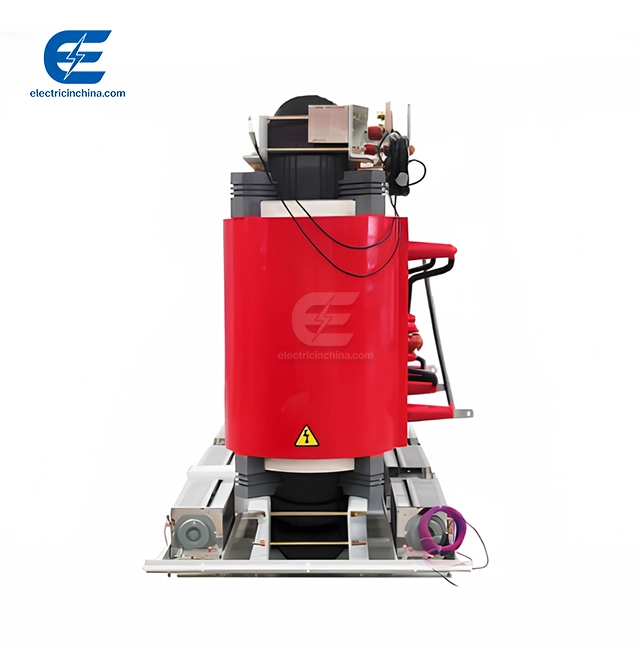
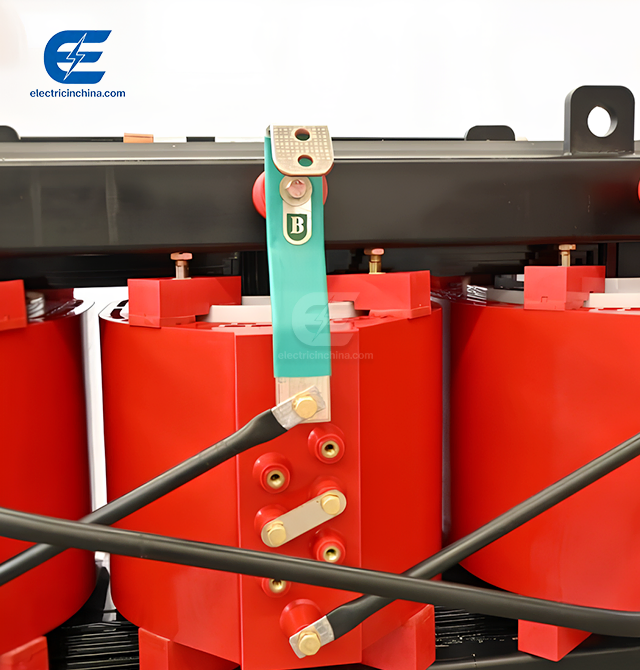
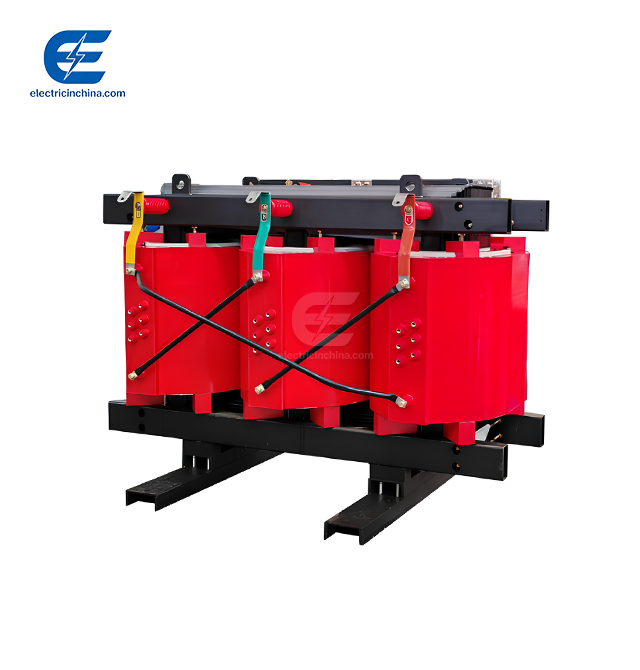
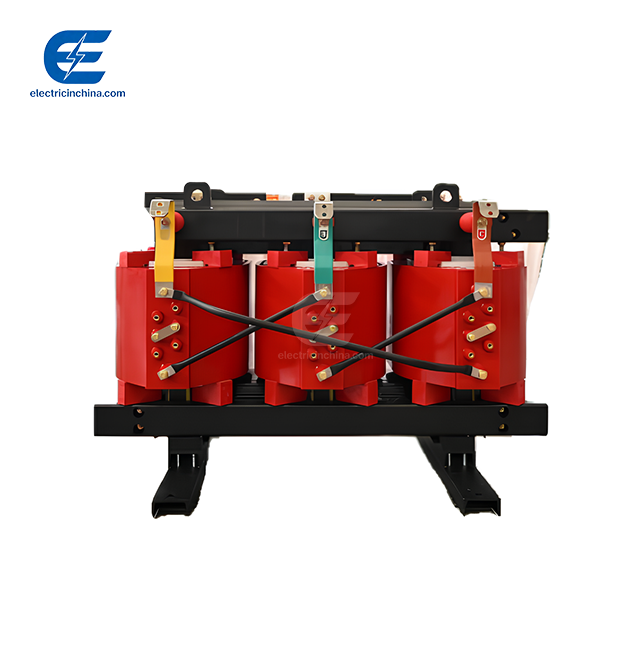
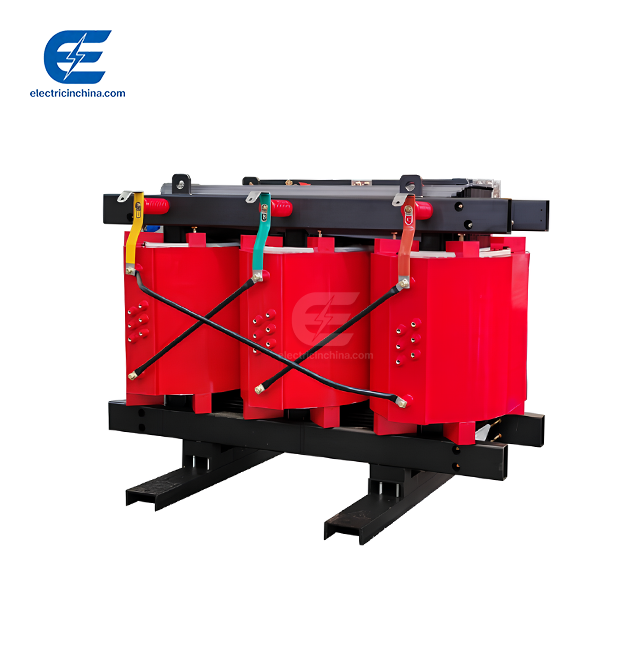
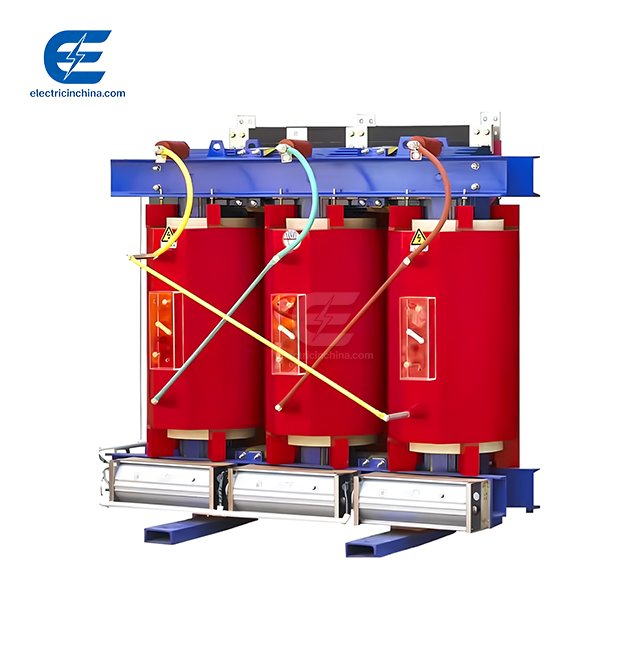
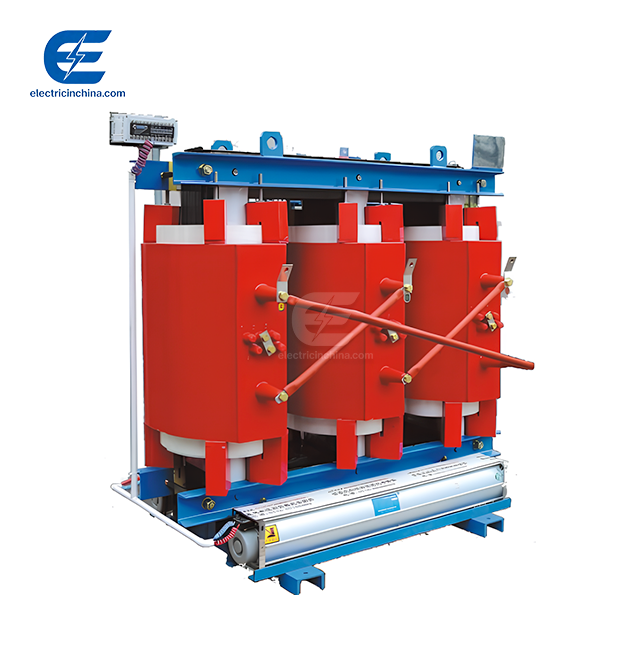
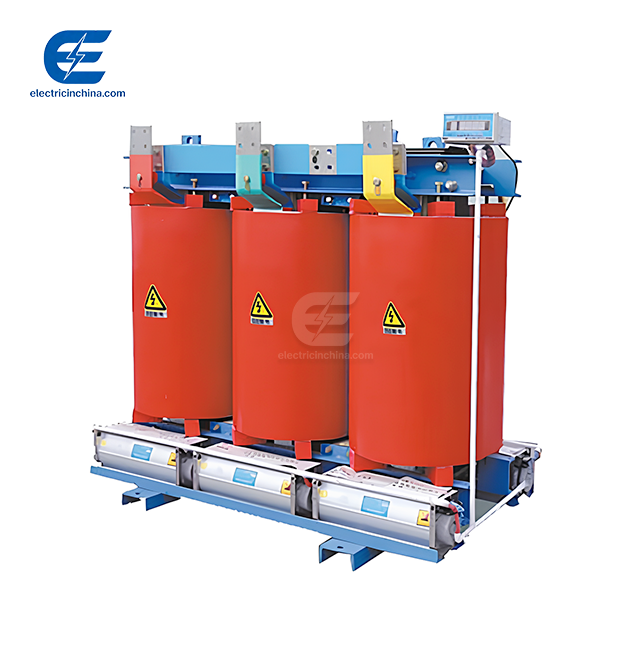
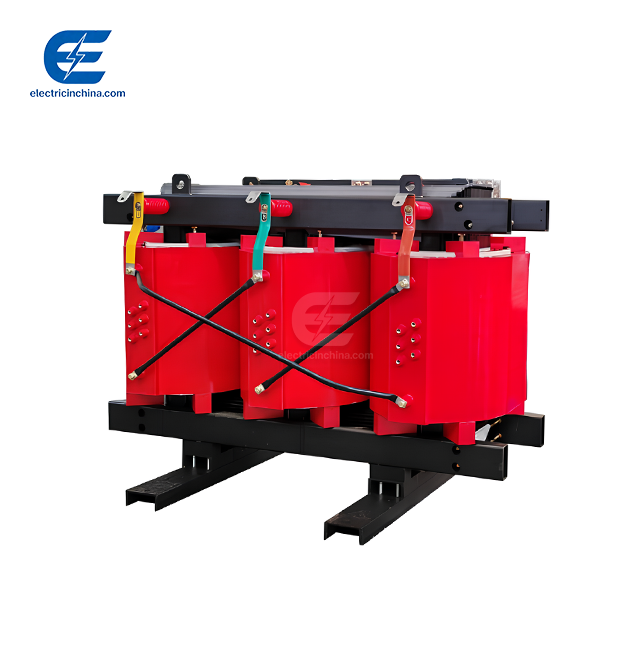
The most advanced type of this technology is cast plastic transformers. Manufacturers use vacuum casting to cover high- and low-voltage windings in epoxy cement. This makes a single structure that can't be damaged by water or other natural pollutants. This method is shown by the SCBH19 type dry-type transformer, which has core strips made of an amorphous metal that are only about 0.025 mm thick and have very low coercivity and high resistance. Ventilated designs are a cheap option for less demanding tasks. They use open-air airflow between the winding layers, which is covered by IP20 or IP23-rated enclosures.
Insulation Material Advancements
Current production standards for dry-type transformer systems use Class F and Class H insulation systems, which can keep working at temperatures of up to 155°C and 180°C for the windings, respectively. The SCBH19 version meets thermal ratings by using carefully chosen materials that can handle voltage stress and keep their mechanical integrity during thermal cycles. Concerns about equipment breaking down during sudden electrical problems or natural disasters can be put to rest with epoxy resin vacuum casting, which provides high short-circuit resistance and earthquake durability. Below 5pC, measures of partial discharge are carefully controlled. This keeps insulation from slowly breaking down, which would affect long-term dependability. When procurement managers understand these basic technology concepts, they can better compare specs to project needs. The move toward solid insulation shows that the power business as a whole knows that safety, protecting the environment, and running efficiently are important issues that can't be ignored.
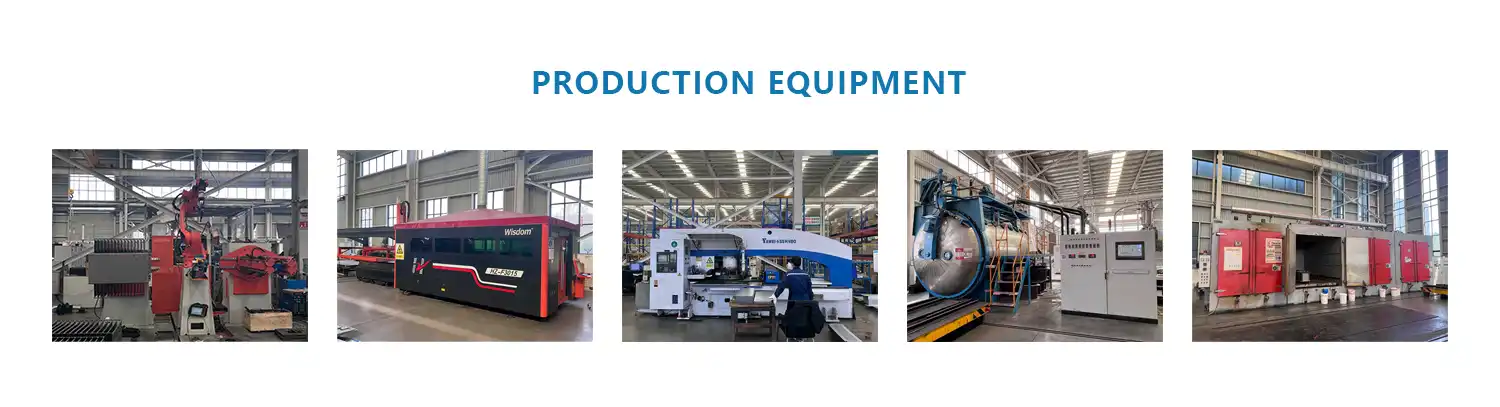
Core Advantages of Dry-Type Transformers for Industrial Applications
Facility managers and electrical experts in charge of ensuring the reliability of power distribution face significant operating challenges that are solved by energy-saving dry-type transformers. These devices solve a lot of problems at once, like lowering daily energy costs by 20 to 40 percent by cutting losses and getting rid of fire hazards that put people and property at risk. These units have become the best choice for harsh industrial settings because they can do the things listed below.
Enhanced Safety Performance
The biggest risk that comes with electricity substations is taken away by buildings that don't use oil. Traditional liquid-filled units have hundreds of gallons of flammable mineral oil inside that can catch fire if something goes wrong inside. This can start a huge fire that needs special systems to put it out. Cast resin transformers completely remove this risk because they are flame-resistant and self-extinguishing, which is fully in line with IEC 60076-11 and GB/T 10228 standards. The lack of oil also stops the build-up of exploding pressure during thermal events, keeping people and equipment nearby safe from shrapnel.
Simplified Maintenance Requirements
Compared to oil-filled options, which need regular dielectric fluid tests, filtration, and refilling, maintenance times are much shorter. Solid insulation stays stable over the life of the equipment, so it only needs to be inspected visually and thermally every so often to make sure it's working properly. The strong construction can handle tough industrial environments with toxic chemicals, conductive dust, and high humidity levels of up to 95% RH without losing its performance. Energy-efficient dry-type transformers for photovoltaic systems are very strong in marine settings. They passed salt spray tests according to IEC 60068-2-11 standards that are meant to simulate decades of exposure to the coast.
Comparing Dry-Type Transformers with Oil-Filled Alternatives
To make a procurement choice, rival technologies must be objectively evaluated against certain project parameters. When you know the pros and cons of both dry-type transformers and liquid-filled transformers, you can choose the best one that balances capital investment with long-term economics.
Safety and Regulatory Compliance
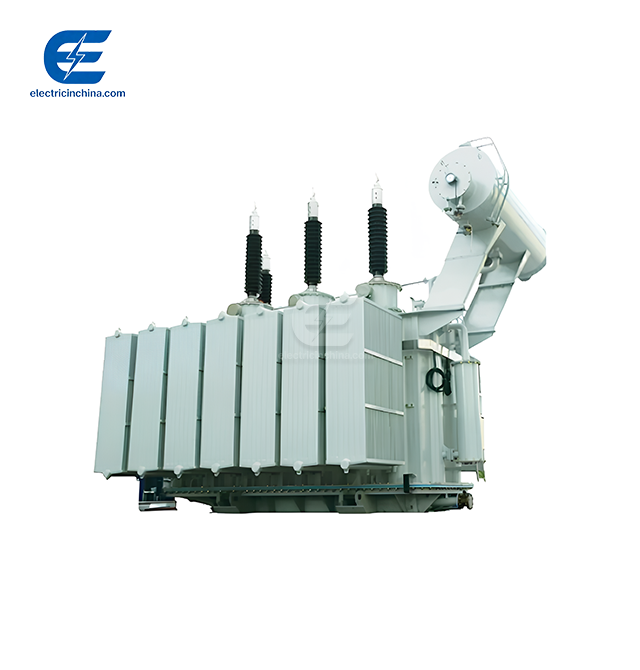
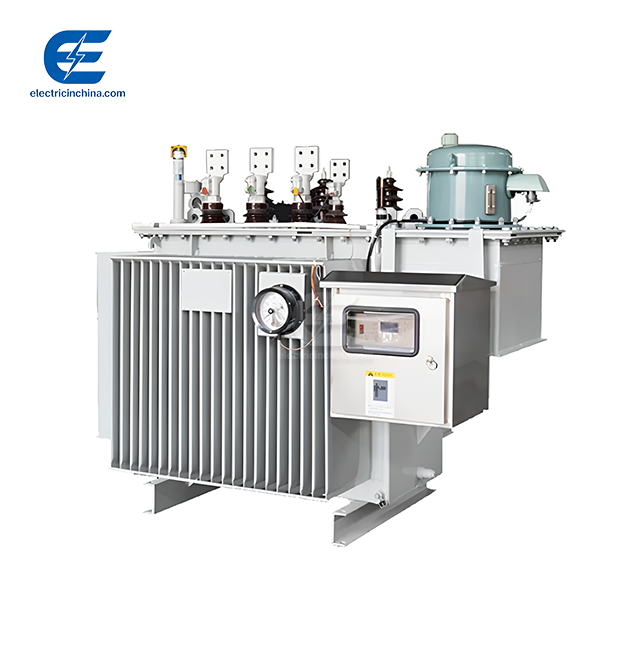
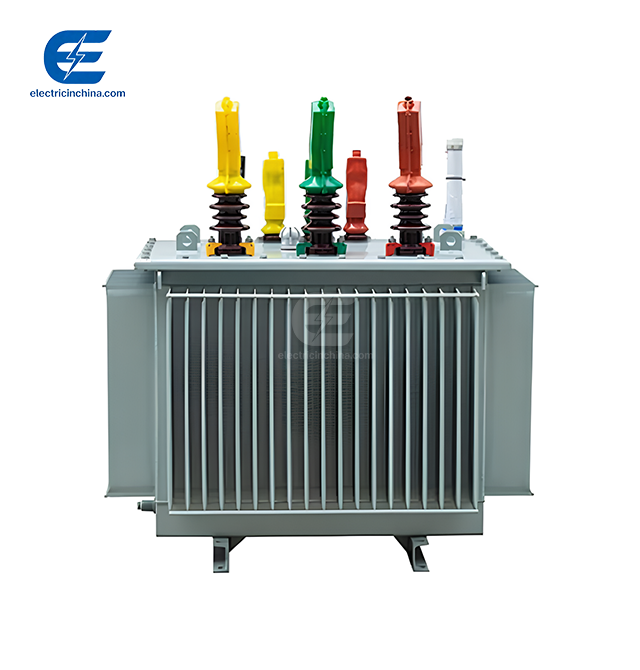
The most important difference between dry-type transformer devices and these devices is how safe they are in terms of fire. To keep the environment clean during leaks, oil-filled units need to be physically separated from flammable materials, have their own protection systems, and have structures that hold the oil. Municipal fire rules often don't allow them to be installed in buildings with a lot of people, so air-cooled options are pretty much the only option for urban projects. Insurance companies are adding more and more costs to premiums for buildings that house flammable dielectrics because they know that these buildings are more likely to catch fire and cause damage.
Operational Cost Analysis
Even though dry-type transformers usually cost 15–25% more at first, lifetime cost modeling often shows that they are a better investment. Depending on local power rates, energy-saving dry-type transformers make up the difference in price through lower no-load losses after 3 to 5 years of constant use. Maintenance costs are still very low, even though fluid analysis, dissolved gas tests, and eventually replacing the dielectric will cost thousands of dollars each time they need to be done. The costs of getting rid of solid insulation units are also lower than those of handling dangerous garbage like contaminated mineral oil, which is considered a toxic industrial material.
Procurement Considerations and Best Practices for Dry-Type Transformers
For a design to work, all of the technical factors must be carefully considered and matched with the unique electrical needs and limitations of the project when buying dry-type transformers, and the best ways to do things.
Technical Specification Evaluation
The voltage values have to match the features of the distribution system, taking into account the voltage at the utility source, the voltage at the building distribution, and any transformation steps in between. To choose the right capacity, you need to carefully look at the load, including plans for future growth. To keep efficiency and thermal reserve, transformers are usually sized at 80 to 90 percent of their nameplate rating. Insulation class affects both the maximum working temperature and the acceptable ambient temperature. For example, Class H standards are best for high-temperature industrial processes or installations in hot climates where the ambient temperature regularly exceeds 40°C.
Supplier Qualification Criteria
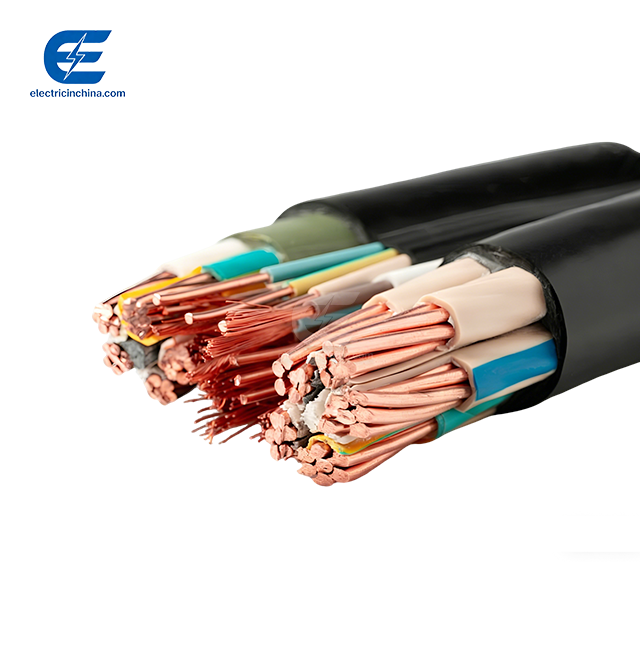
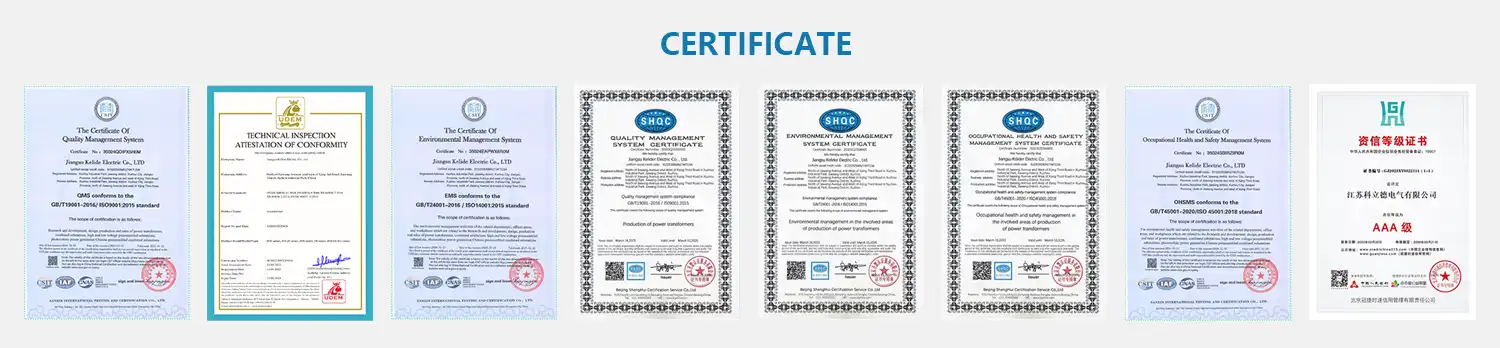
By choosing makers with good reputations and track records, you can be sure of the quality of the products and the availability of long-term assistance. We have many certificates, such as ISO 9001 for quality management, ISO 14001 for environmental systems, and OHSAS 45001 for workplace health standards, which show that our company is dedicated to doing its best. Our low-voltage switches and cables all have National CCC Mandatory Certification, which shows that they meet China's strict quality standards. We can offer customized solutions that are fit to the environment and rules in different places around the world, thanks to our more than 20 years of experience in the field.
Real-World Applications and Success Stories
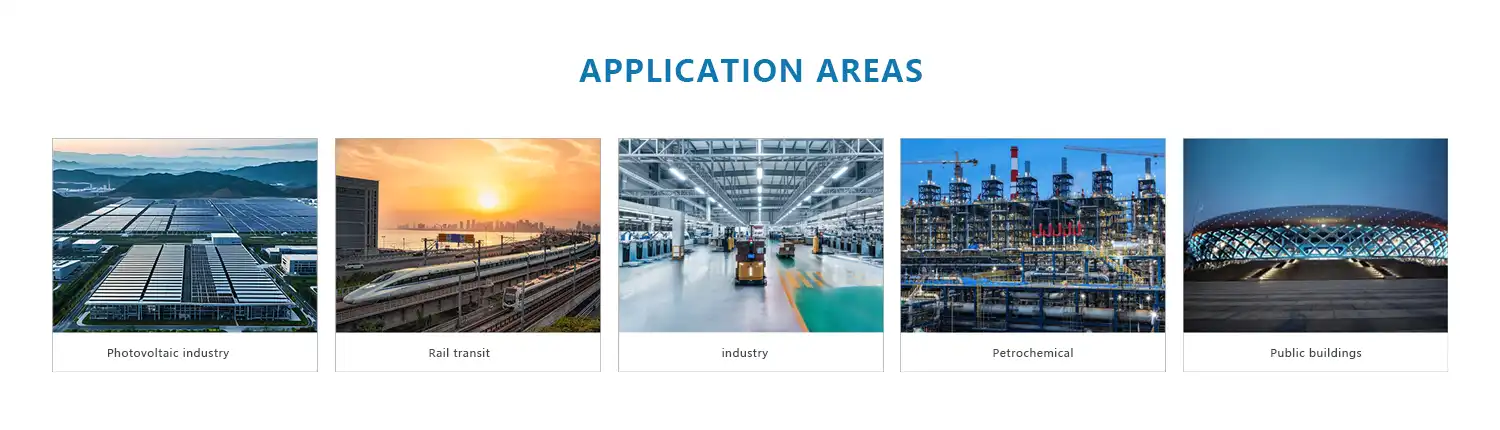
This dry-type transformer technology has been used by many different types of businesses to solve specific operating problems and make things safer and more efficient.
Infrastructure and Municipal Projects
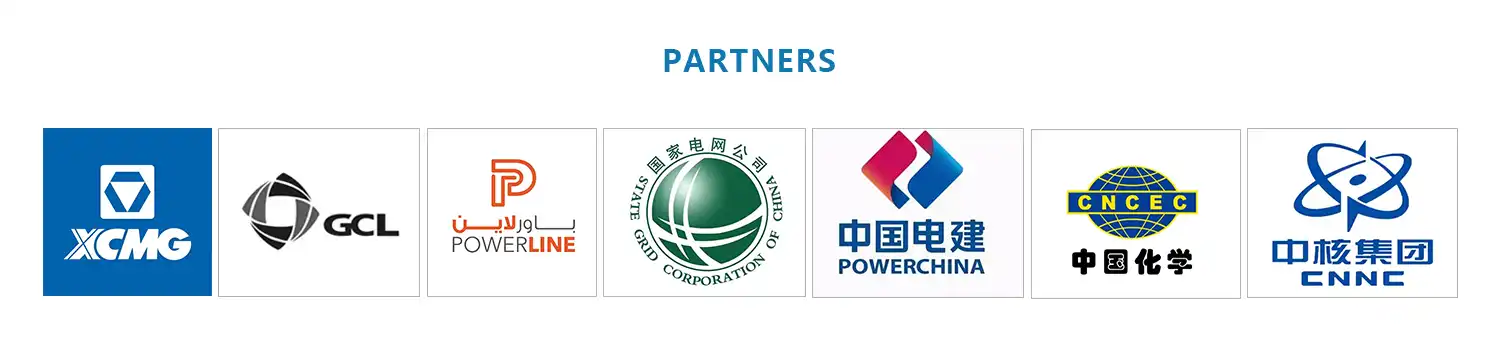
The Xuzhou Rail Transit Network Control Center Comprehensive Development Project with dry-type transformer systems was completed by our company. As part of it, we installed dual-circuit power supply designs that make sure train systems are completely safe to use. The train transit application needed to be very reliable because losing power could threaten customer safety and the continuity of the transportation network. The Xuzhou High-speed Railway East Station Official Power Supply EPC Project and the Xuzhou New Health Hospital Phase I Project Internal and External Power Transmission and Distribution Project were also completed by us, showing that we can build mission-critical infrastructure on tight schedules.
Commercial Real Estate Developments
We offered full power supply services for well-known business buildings like Xinhuai Central Complex, Huaihai Xintiandi Phases 7-8, Zhongjun Huijingcheng, and Xuzhou Fantawild Adventure theme park. The Tianyu Yayuan project broke all records in the Xuzhou Power Supply Company's quality review. It got to the top by paying close attention to installation standards and commissioning processes. These examples show that dry-type transformers can be used in mixed-use projects where fire safety rules, space efficiency, and aesthetic concerns all come together.
Industrial Manufacturing Facilities
The upgrade to XCMG Group's new factory's power supply was a difficult technical project that had to be coordinated with production that was already going on. As the client had asked, we finished this important infrastructure ahead of schedule, making sure that both quality and quantity standards were met so that business production activities could start on time and run smoothly. Aside from these, there are also EPC projects for the High-Tech Industrial Park and the Electronic Industrial Park, as well as the GCL Photovoltaic Industrial Park's power transfer system and the Huaihai Biomedical Industrial Park's distribution infrastructure.
Conclusion
Dry-type transformers have strong benefits in terms of safety, efficiency, environmental responsibility, and lifecycle cost savings that are in line with today's buying objectives. Getting rid of flammable dielectrics lowers the risk of major fires and makes upkeep and regulatory compliance easier. Energy-saving designs lower running costs by reducing losses. This supports environmental promises that are becoming more and more important to business and government infrastructure plans. New technologies, like amorphous metal cores and advanced epoxy resin casting methods, keep making these units better at what they do, making them the best choice for tough industrial and business uses. Specifications, seller qualifications, and customization options should all be carefully looked over to make sure that the equipment's features are perfectly aligned with the needs of the project. This will maximize long-term value by ensuring safe, reliable, and efficient power distribution.
FAQ
1. What insulation materials are used in modern dry-type transformers?
Most modern designs use Class F and Class H insulation systems, which are made up of epoxy glue, aramid paper, and special finishes for modern dry-type transformers. These materials can handle constant winding temperatures between 155°C and 180°C and still keep their dielectric strength and mechanical integrity after decades of thermal cycles. The SCBH19 type uses vacuum casting to get rid of any gaps and completely enclose the winding. This achieves partial discharge levels below 5pC, which stops the component from slowly breaking down.
2. How do safety ratings compare between dry-type and oil-filled units?
Solid insulation designs get rid of the fire and blast risks that come with liquid dielectrics, making them flame-resistant and self-extinguishing according to IEC 60076-11 standards. This main benefit means that it can be installed indoors without the need for special fire control systems. This lowers the cost of the infrastructure and makes it safer for workers. Insurance risk assessments always favor options that are cooled by air, which means that losses from possible heat events are much less likely to happen.
3. Can dry-type transformers be customized for specific project requirements?
Customization options include different voltage combinations, special grades for enclosures (IP20 to IP54), earthquake requirements, harmonic reduction features, and changes to fit harsh temperatures or corrosive environments. Our expert team comes up with custom solutions that work with the limitations of each place while still meeting IEC, UL, and regional certification standards.
Partner with Tuojie for Your Dry-Type Transformer Solutions
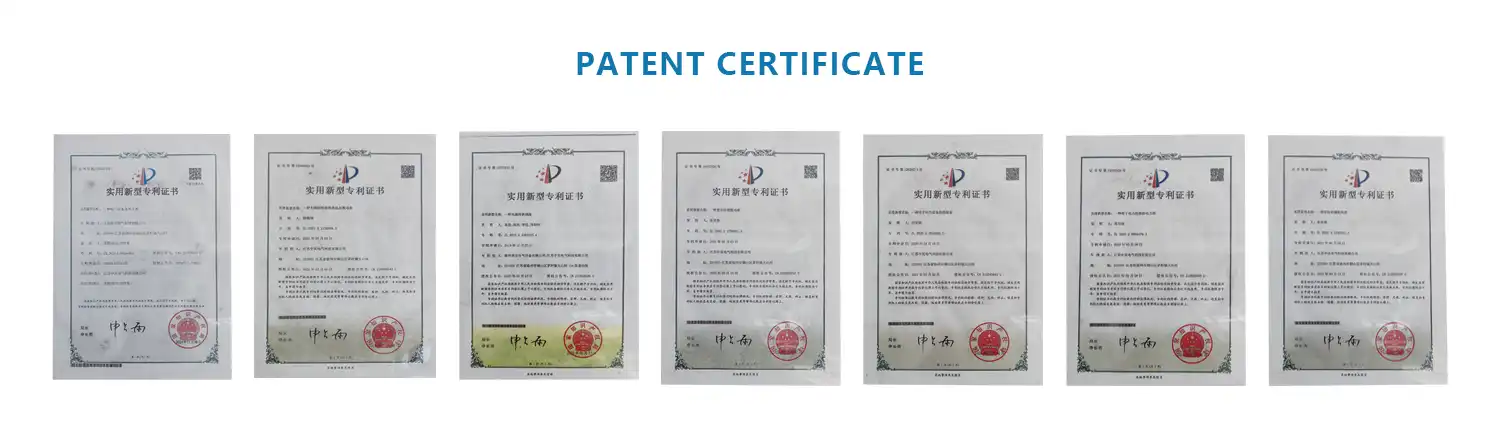
Get the most out of your electrical system with high-quality dry-type transformer options that are built to be safe, reliable, and effective. Tuojie makes world-class power distribution equipment by combining more than 20 years of experience in manufacturing with a wide range of standards, such as ISO 9001, ISO 14001, and OHSAS 45001. We are a reliable seller of dry-type transformers, and our 18 patents and technical team of 15 senior engineers allow us to make a wide range of changes to meet the needs of your project. Contact us at tuojie@electricinchina.com to talk about buying in bulk.
References
1. Institute of Electrical and Electronics Engineers (IEEE), "IEEE Standard for Dry-Type Distribution and Power Transformers," IEEE C57.12.01-2020, 2020.
2. International Electrotechnical Commission, "Power Transformers - Part 11: Dry-Type Transformers," IEC 60076-11:2018, Geneva, Switzerland, 2018.
3. National Electrical Manufacturers Association, "Guide for Transformer Loss Evaluation," NEMA TP 1-2021, Rosslyn, Virginia, 2021.
4. Zhang, Y., and Chen, H., "Comparative Life Cycle Assessment of Dry-Type and Oil-Immersed Distribution Transformers," Journal of Cleaner Production, Vol. 285, 2021.
5. American Society for Testing and Materials, "Standard Specification for Epoxy-Resin-Based Casting Systems Used for Electrical Insulation," ASTM D2305-20, West Conshohocken, Pennsylvania, 2020.
6. Kulkarni, S.V., and Khaparde, S.A., "Transformer Engineering: Design, Technology, and Diagnostics," Second Edition, CRC Press, Boca Raton, Florida, 2013.