

.webp)
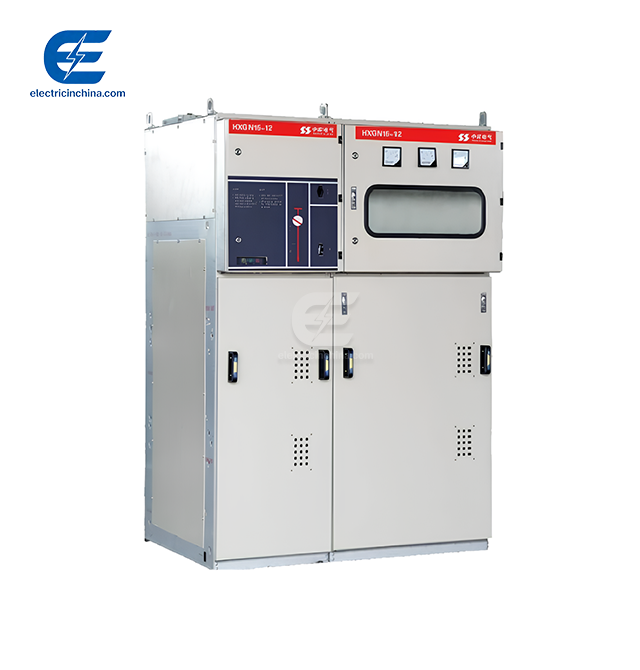
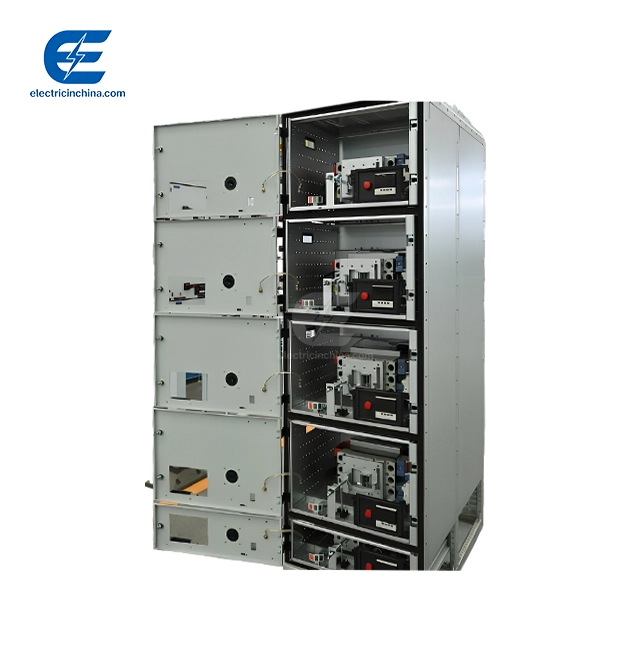
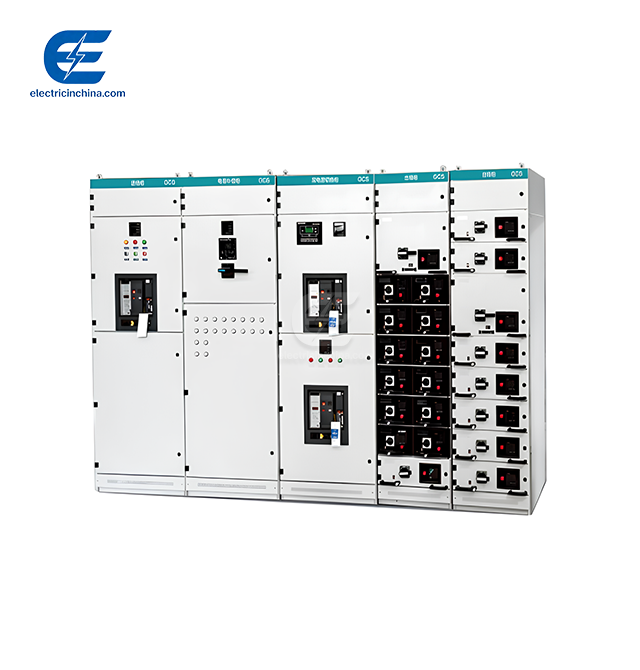
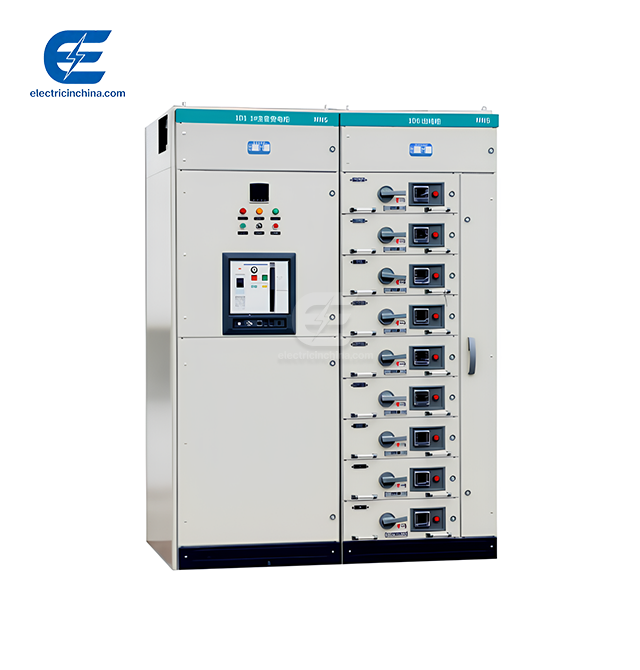
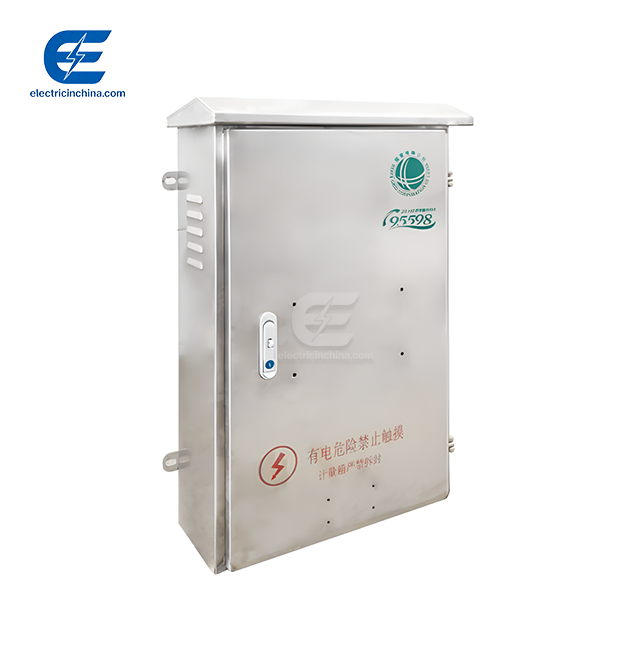
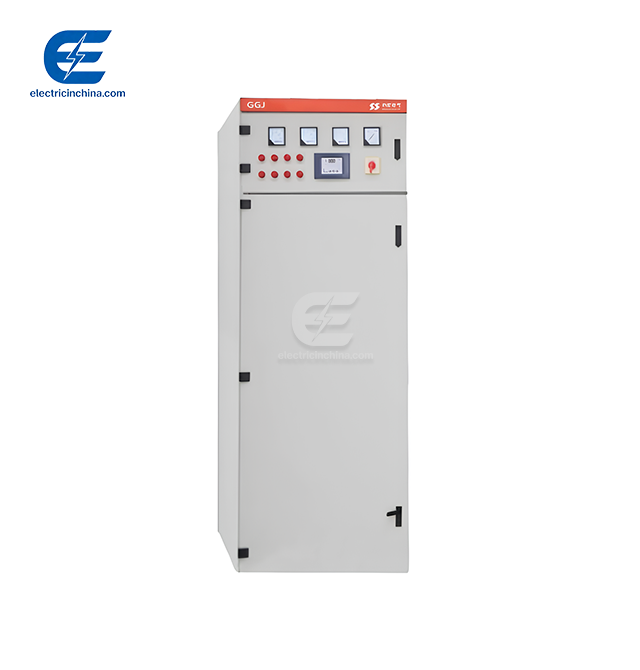
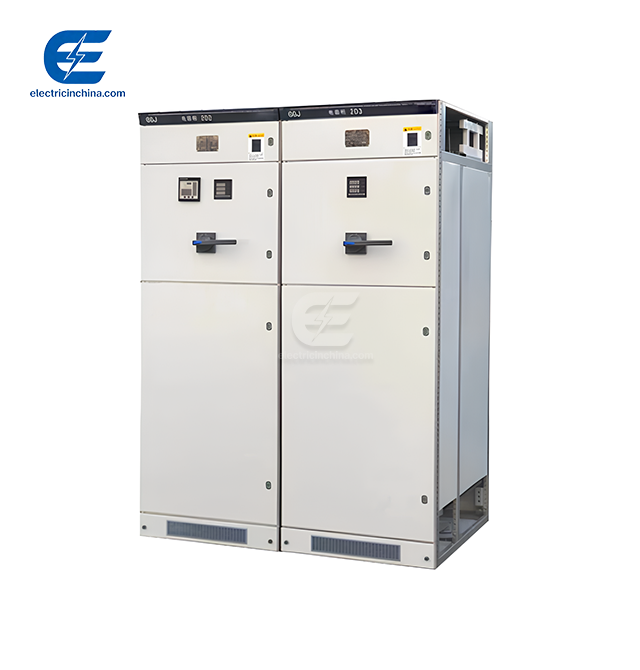
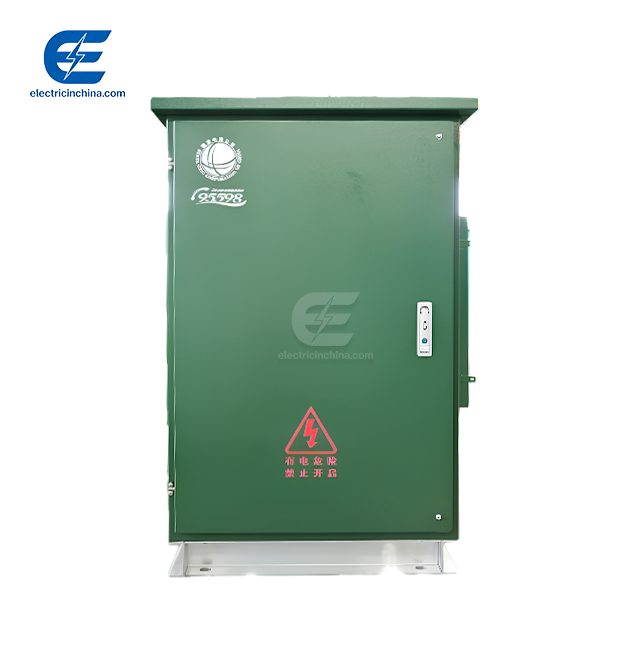
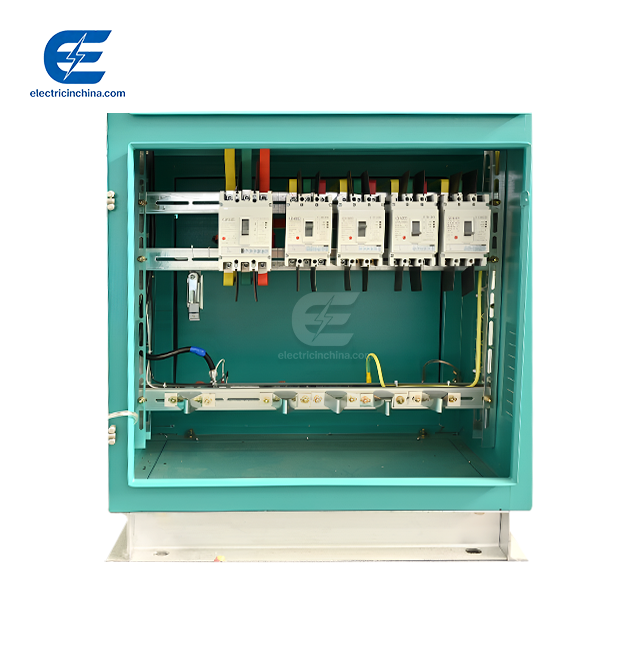
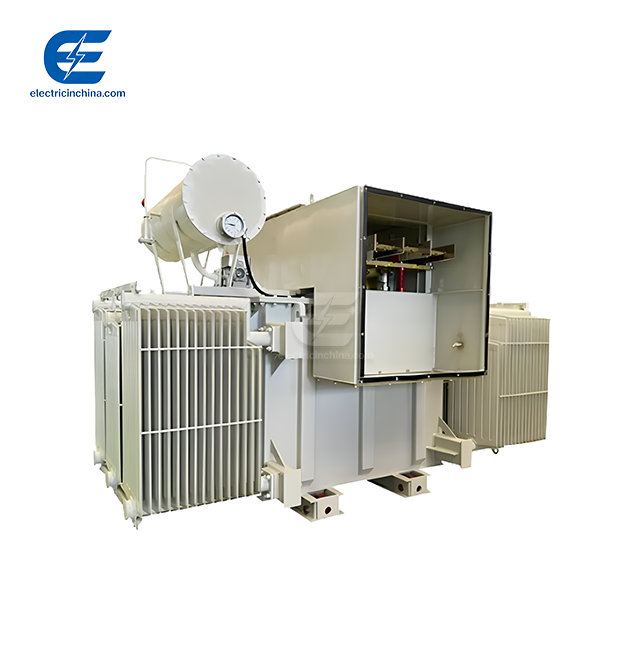
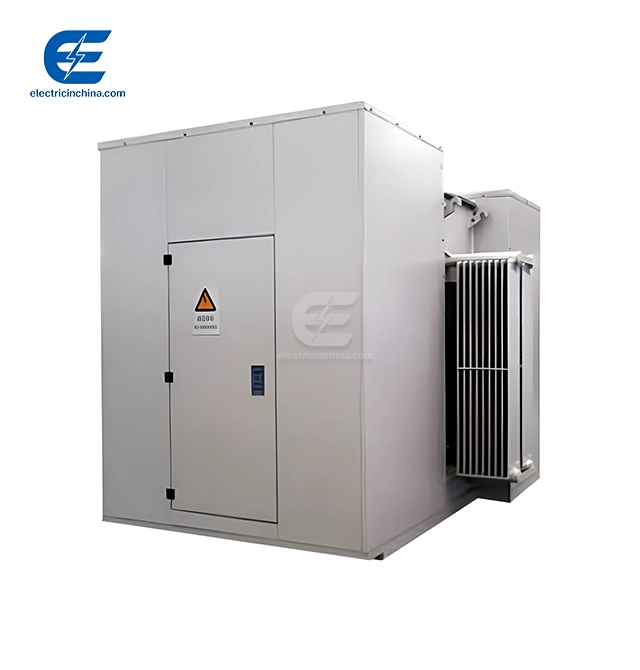
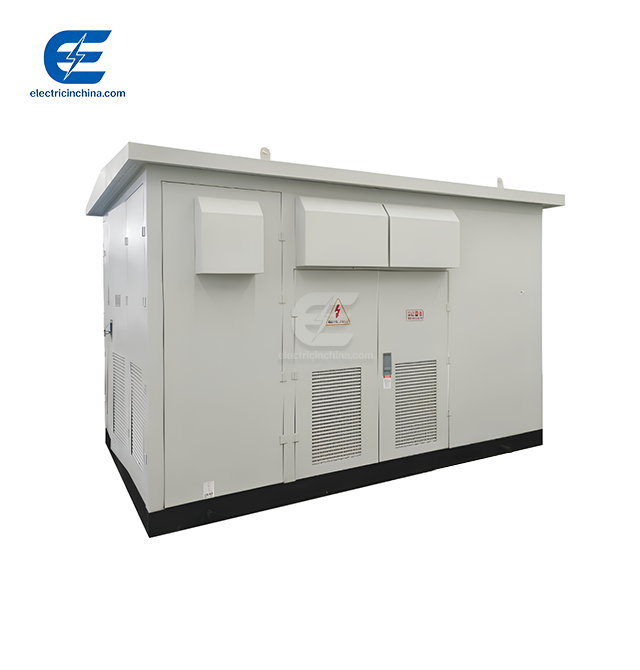
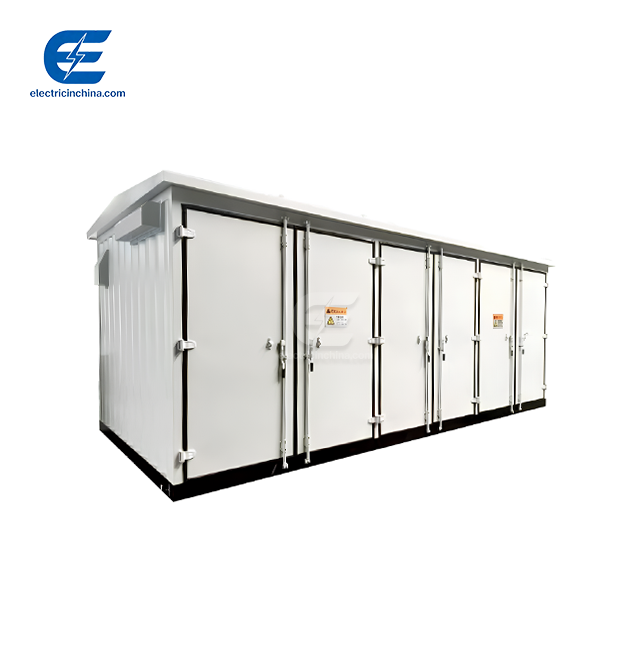
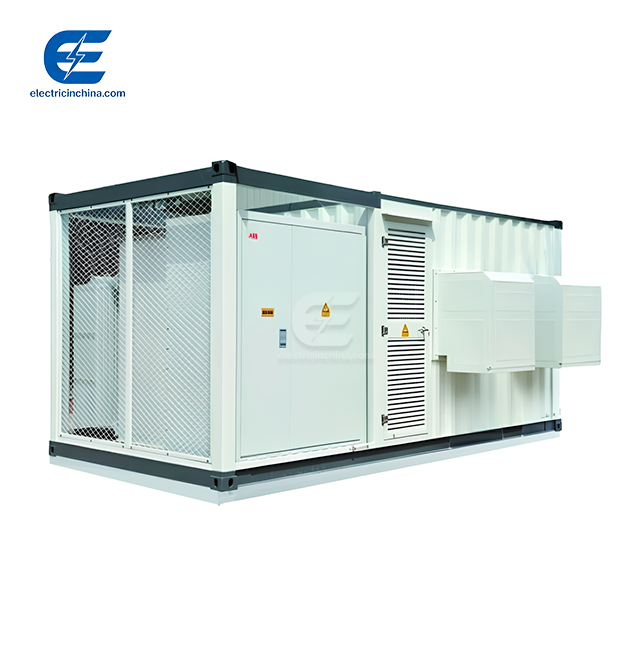
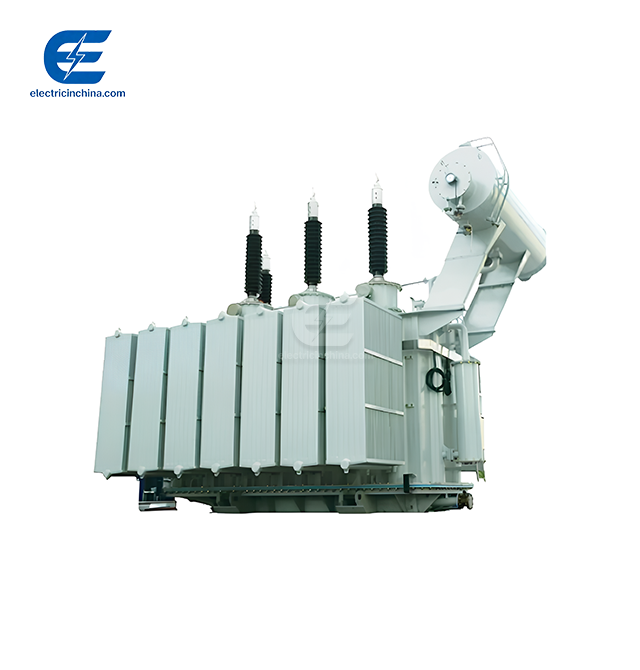
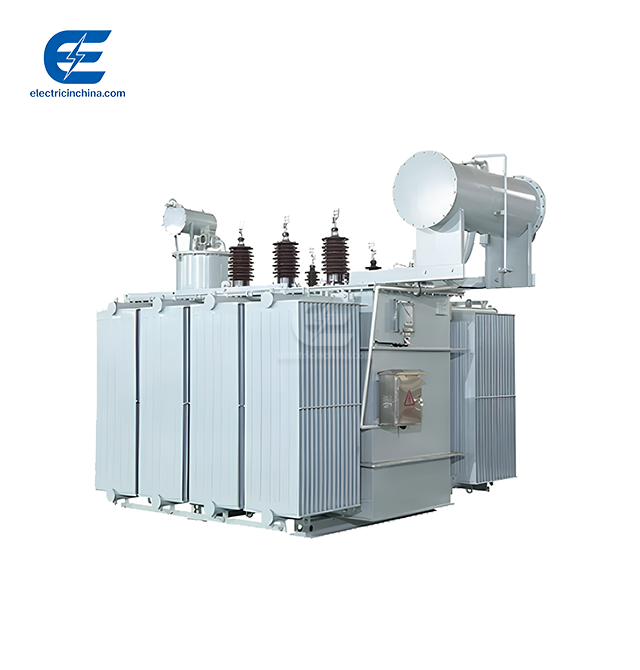
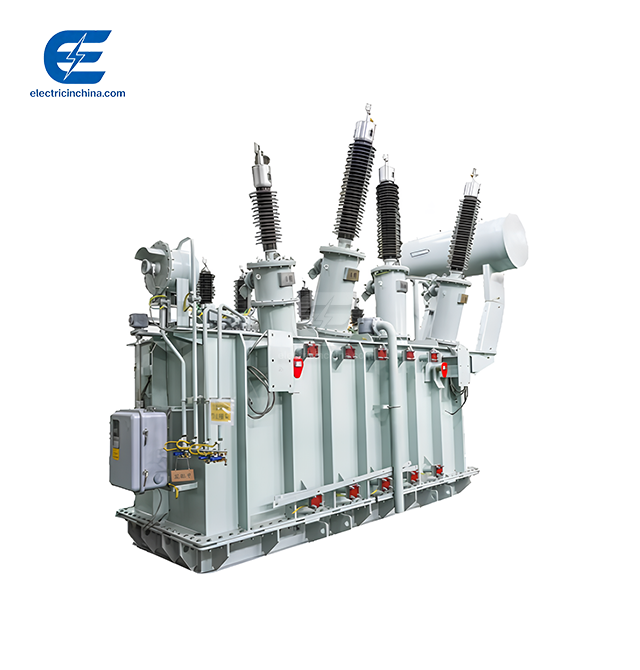
Oil-immersed transformers can work well in harsh conditions as long as they are built, kept, and have the right safety features. The transformer oil in these units acts as both an insulator and a coolant. This lets them work in places with high humidity, dust, and corrosive air, like factories, mines, and remote infrastructure projects. They can handle temperatures between -40°C and +40°C. They have a sealed tank design that keeps moisture out, and improved cooling systems that handle thermal stresses, making them good for tough jobs where dry options might break too soon. With the right specs and regular upkeep, these assets for power distribution work reliably in a wide range of conditions.
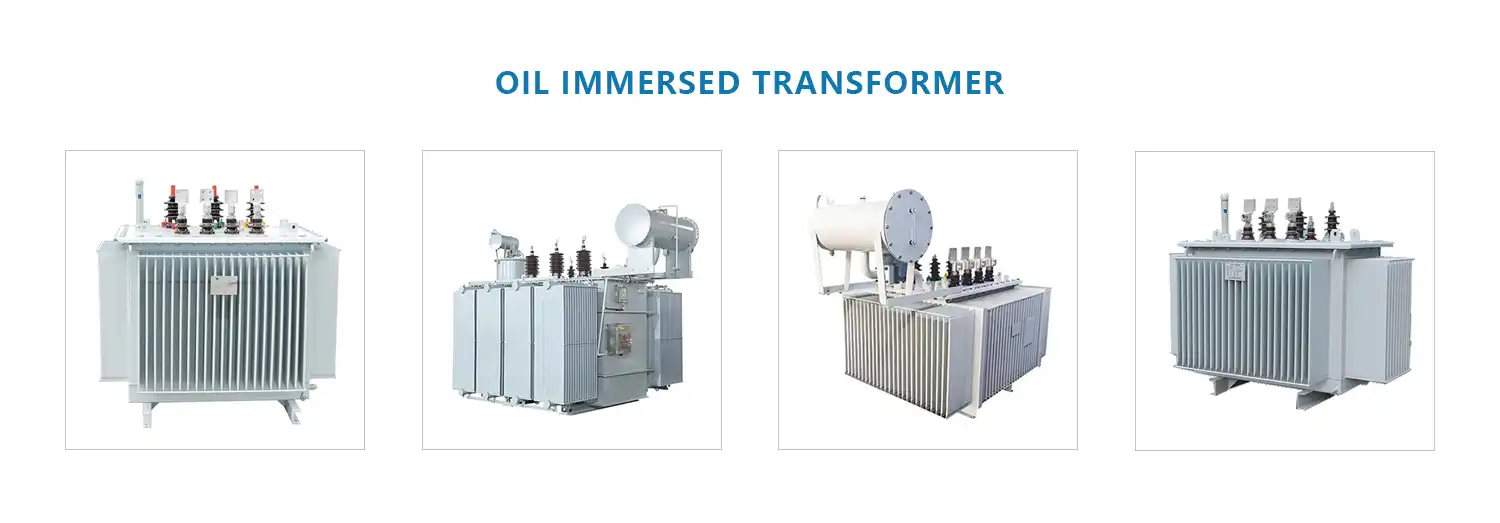
Understanding Oil-Immersed Transformers in Harsh Conditions
Transformer technology that can work in harsh environments is very important for power distribution networks that serve business projects, government buildings, and industrial complexes. Through decades of working on projects, we've seen how important it is to understand the basic mechanics of oil-based insulation systems when looking at tools for difficult deployment situations.
The Role of Transformer Oil in Environmental Protection
Transformer oil is useful for two things that directly help the earth. In addition to keeping the high-voltage windings electrically insulated, the dielectric fluid also moves heat away from the core components. Mineral oil mixtures keep their insulating strength above 30kV even when temperatures change a lot outside. This keeps internal parts from breaking down electrically. Because the oil is a good thermal conductor, it lets heat escape through radiators or forced cooling systems. This stops hotspots from forming, which speeds up the aging of insulation. This ability to cool is very important in places where daily temperature changes are more than 30°C, like in desert sites and hot industrial zones.
Oil Types and Their Environmental Suitability
When procurement teams look at transformer options, they come across three main types of oil, each with its own set of benefits for different hard conditions:
- Mineral Oil: Traditional formulas based on petroleum work well for quenching arcs and are cost-effective for common industry uses. The thickness of these oils stays the same across a wide range of temperatures, and they have been shown to work well in substations and factories where fire rules allow them to be used.
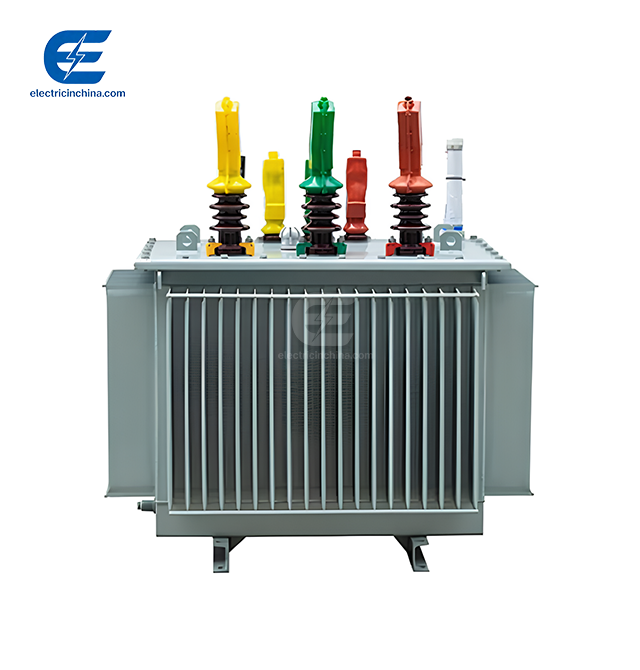
- Synthetic Esters: Newer formulas offer better biodegradability and higher flash points (above 300°C compared to 145°C for mineral oil), which lowers the risk of fire in crowded areas or places that are sensitive to the environment. When installing the S13-35kV Oil-immersed power transformer series near household areas or natural protection areas, synthetic esters are often required.
- Biodegradable Natural Esters: Oils from plants are better for the environment and can handle more moisture, so they can be used in projects that mix green energy and electrify rural areas where oil products aren't allowed because of environmental rules. These mixtures make insulation last longer by better controlling wetness than other options.
Selecting appropriate oil types for Oil-immersed transformers requires balancing operational requirements against regulatory constraints and lifecycle cost considerations. We assist procurement professionals in evaluating these trade-offs based on site-specific conditions and organizational sustainability objectives.
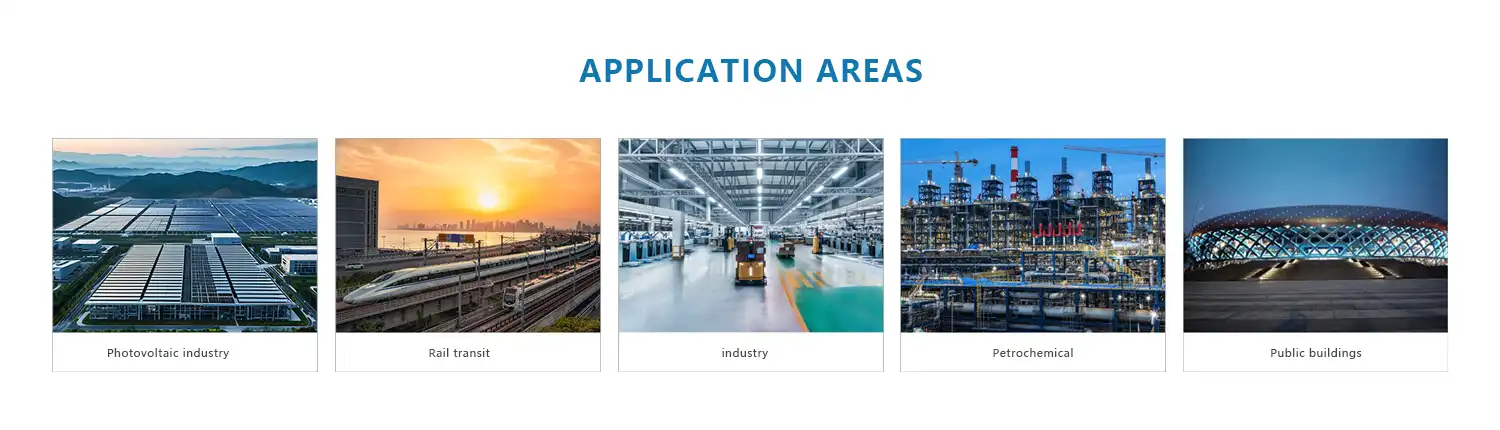
Performance and Reliability Analysis in Harsh Environments
When oil-filled distribution equipment is used in harsh situations, operational data from mine sites, offshore platforms, and heavy manufacturing facilities shows both its strengths and weaknesses.
Thermal Management Advantages
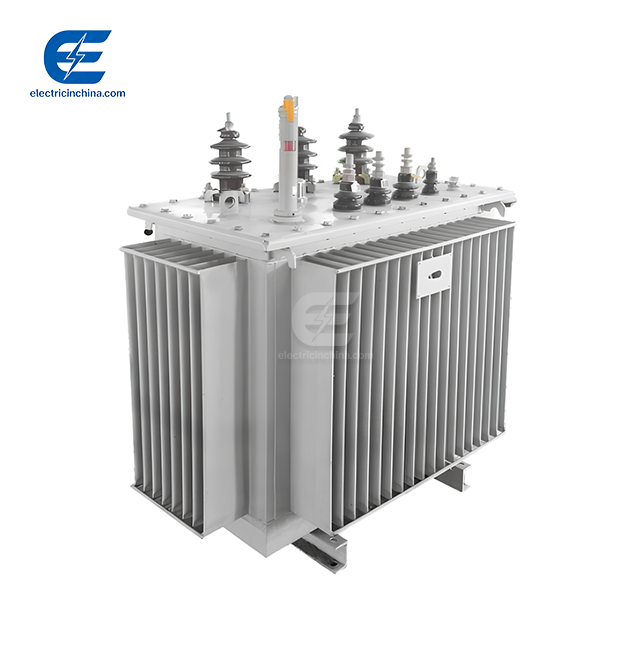
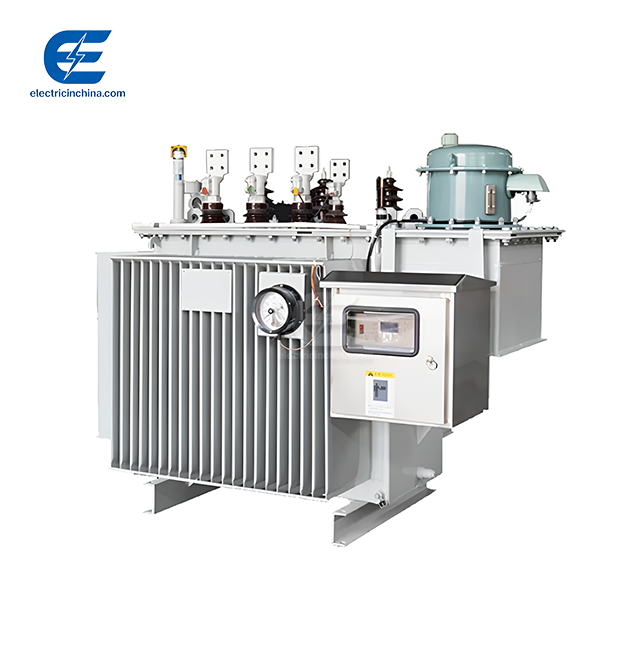
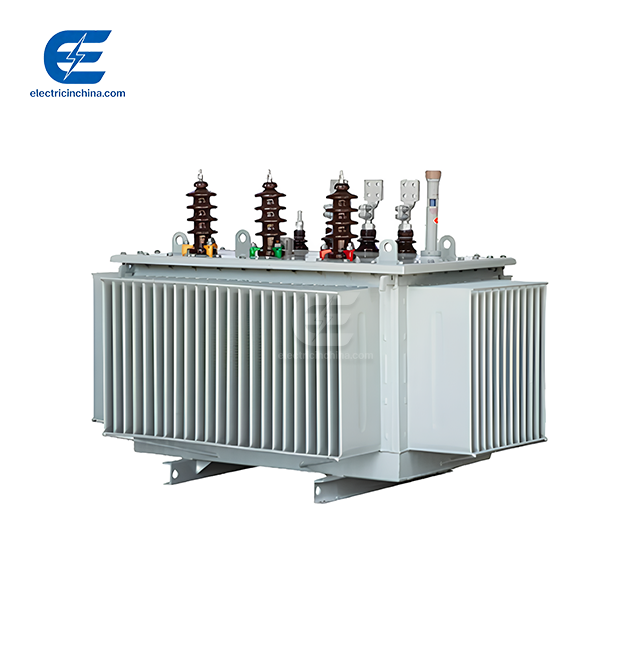
Designs that are cooled by oil are great at getting rid of the heat that is created during times of high demand. Units with power ratings between 30kVA and 2500kVA keep the temperature stable with ONAN (Oil Natural Air Natural) cooling systems. These systems use natural airflow to move hot oil through fans on the outside of the unit. The S18 type Oil-immersed distribution transformers have a curved tank design that makes the surface area for heat exchange bigger and stronger against changes in internal pressure. This passive cooling method doesn't rely on extra equipment that could break down in dusty or corrosive environments, which is a common worry for EPC workers who are in charge of handling faraway project sites.
Insulation Life and Reliability Metrics
Insulation systems in sealed oil-filled units can last more than 30 years if they are well taken care of, even in difficult situations. When there is no oxygen in the air, oil doesn't oxidize, which breaks down the dielectric properties, and airtight locks stop moisture from getting in, which speeds up the breakdown of cellulose insulation. This longer working lifespan is good for industrial makers whose facilities have variable loads and frequency changes. It cuts down on the number of times they need to replace capital equipment and improves their return on investment calculations.
Comparison: Oil-Immersed Transformers vs Alternative Transformer Types in Harsh Environments
When businesses buy things from each other for commercial and government building projects, they need to compare different transformer technologies more and more to get the best total cost of ownership and operating efficiency.
Cooling Efficiency and Thermal Performance
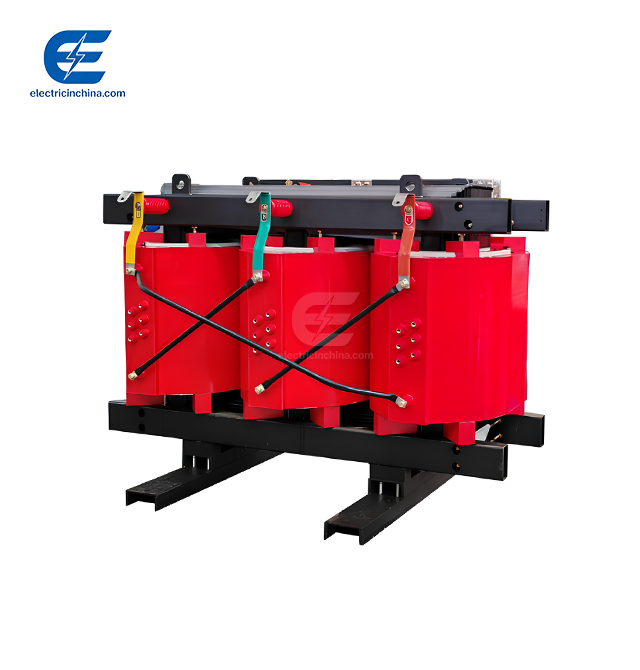
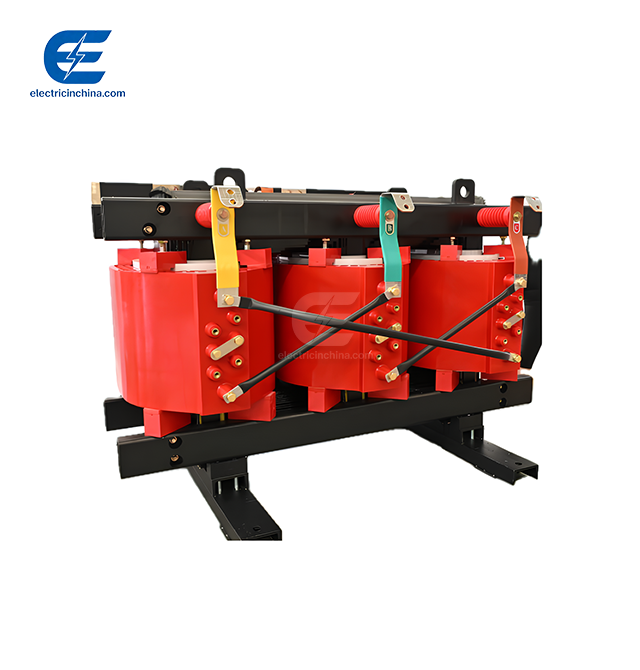
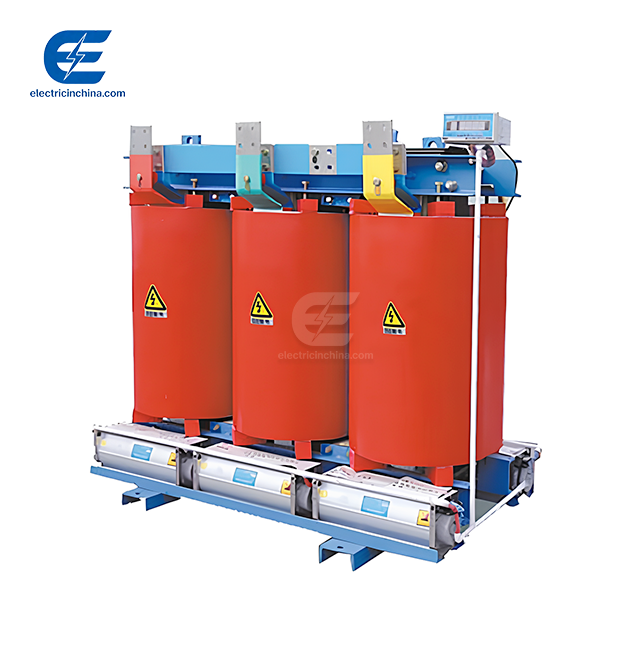
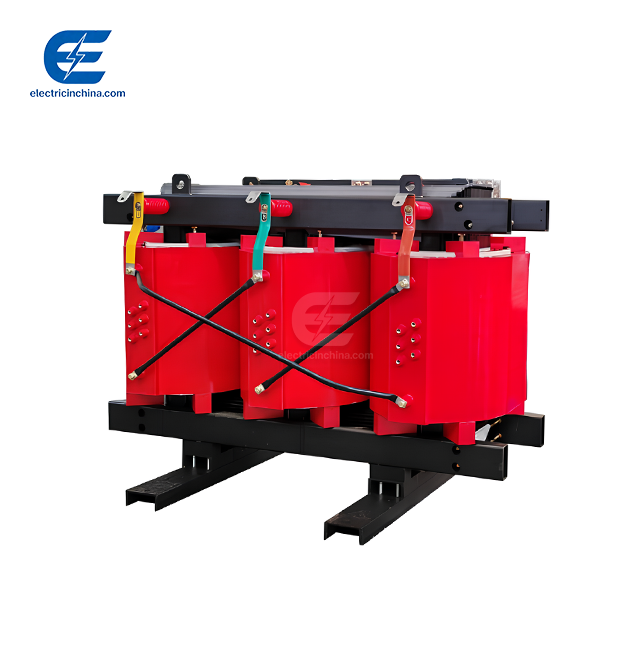
When it comes to high-capacity uses above 1MVA, oil-cooled units are better at getting rid of heat than dry-type options. Natural oil movement handles heat loads without using forced air systems that can get clogged with dust or break down. This benefit is very important in industrial building substations that deal with changing loads from manufacturing processes. Consistent cooling performance keeps things from wearing out too quickly. Dry-type transformers depend on air flow in the room, which makes them less useful in small areas or high places where air density makes cooling less effective.
Acoustic Characteristics and Noise Control
When buying things for placement near business places or residential areas, sound levels are very important to think about. Because liquid padding dampens vibrations, oil-filled designs usually make noise levels below 50dB, which is acceptable in urban zones. The S9 series transformers' multi-step core joint process reduces magnetostriction, which makes hum noise. Dry-type units may need sound barriers that add to the cost and size of the project because they produce more noise from core shaking and winding resonance.
Procurement Guide for Oil-Immersed Transformers Suitable for Harsh Environments
To buy Oil-immersed transformers for building projects successfully, you need clear technical specs and seller evaluation criteria that are in line with your company's buying policies and practical goals.
Critical Technical Specifications
The thermal ratings should be spelled out in the procurement papers based on the highest and lowest temperatures and the height of the installation places. Standard units are designed to work in 30°C environments and at sea level. Installations in deserts or high altitudes need to be recalculated or have better cooling systems. Choosing the right type of oil can affect both fire safety rules and environmental permits, especially for sites in urban areas or ecological zones. IEC 60076-3 standards say that voltage surge protection and lightning impulse withstand must be taken into account in insulation class specifications. Class A is usually used for distribution voltages up to 35kV.
Ratings for entry protection against dust and water are based on enclosure standards. For indoor substations, IP54 grades provide enough security. For outdoor sites near the coast or in factories, IP65 shelters with coatings that resist corrosion are better. Short-circuit impedance values of 4 to 6 percent balance fault current limits with voltage regulation needs. This is important for keeping power quality high in business projects and data centers that need 99.9% uptime reliability.
Supplier Evaluation and Certification Requirements
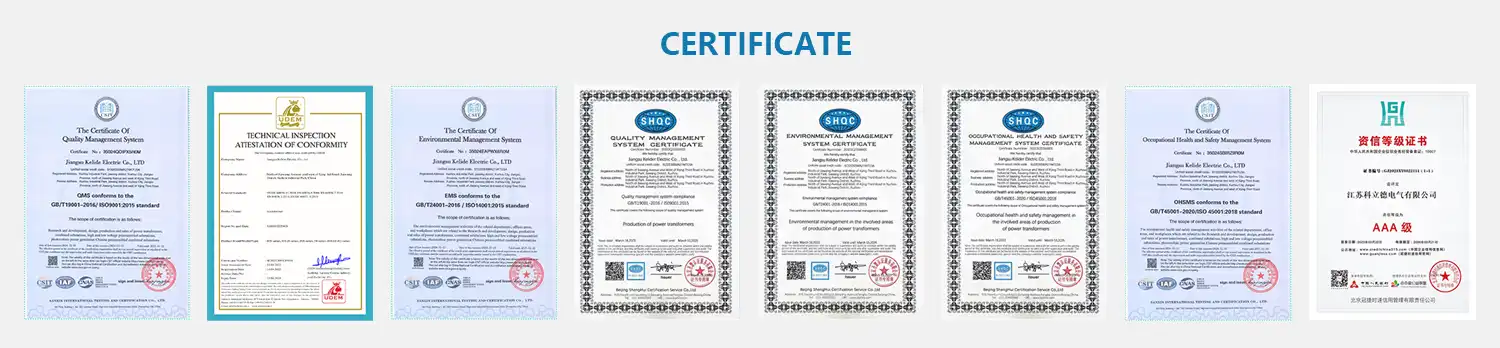
Medium-sized to large businesses that use tender methods to buy things for projects give preference to sellers who can show they meet ISO 9001 quality management standards, ISO 14001 environmental standards, and OHSAS 45001 workplace safety standards. These foreign standards are part of our full range of certifications, along with the National CCC Mandatory Certification for all related product lines. This gives buyers the trust they need for government and building projects.
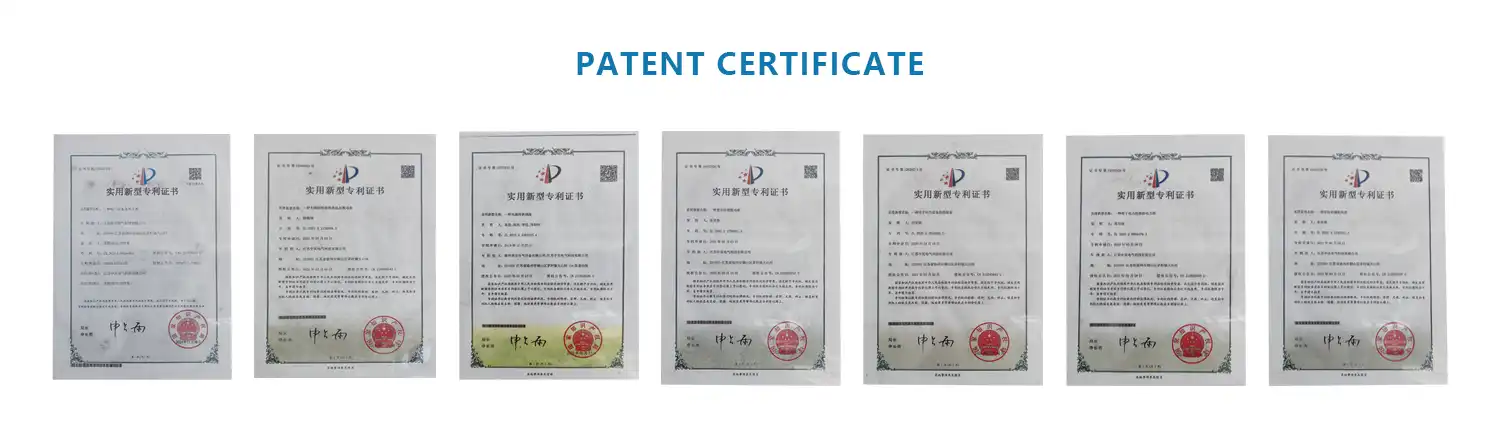
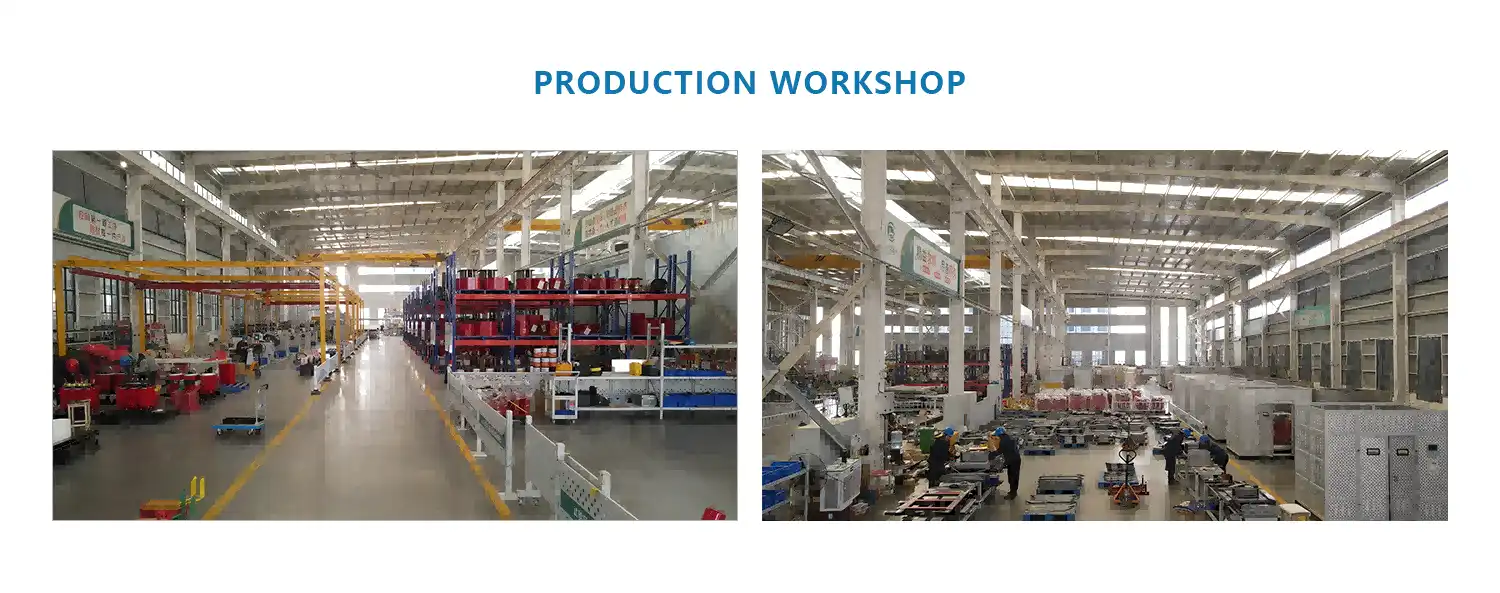
The technical capability review should check the design resources of the provider, such as the qualifications of the engineering staff and the amount of money they spend on research and development. Our team has 15 senior engineers, more than 30 middle technicians, and 17 senior technicians. We also have 18 patents that show we can come up with new ideas. As proof of our manufacturing capabilities, we keep more than 120 specialized production machines in stock, such as CNC automatic winding equipment and microcomputer-controlled curing systems. We also have quality inspection laboratories that can do factory acceptance testing according to international standards.
Maintenance and Safety Best Practices for Harsh Environment Operations
Systematic repair programs that check the quality of the oil, the soundness of the insulation, and safety compliance are needed to keep operations reliable over 20 to 30-year service lives.
Oil Quality Testing and Analysis
Oil-immersed transformer samples taken on a regular basis every 6 to 12 months from Oil-immersed transformers help find problems early on. A study of dissolved gases shows that high levels of hydrogen show signs of burning, high levels of acetylene show signs of arcing faults, and high levels of carbon monoxide show signs of cellulose insulation breakdown. Testing the dielectric strength confirms that the breakdown voltage is higher than the necessary 30kV limits. Measuring the moisture content confirms that levels stay below 10 to 12ppm to keep the insulation from failing. Acidity testing checks for oxidation products that speed up the aging process. These lab tests help with choices about whether to filter, recondition, or replace the oil, which stops fatal failure.
Insulation Monitoring and Testing
Measurements of insulation resistance done once a year find wetness or contamination before dielectric breakdown happens. Power factor testing with results below 0.5% shows that insulation systems are healthy, while rising trends show that they need to be maintained. Sweep frequency response analysis finds mechanical deformation caused by transport damage or earthquakes, which is very important for units that serve areas that are prone to earthquakes. Testing the transformer's turns ratio within a range of ±0.5% ensures the purity of the windings and the working of the tap changer.
Fire Prevention and Environmental Safeguards
Complying with installation clearance rules and incorporating a fire control device lowers the risk of combustion. Leaks that could pollute land and groundwater can't get through secondary control systems. The operation of the safety system is checked by regularly checking the pressure relief devices, Buchholz relays, and temperature tracking equipment. Staff training programs that cover how to handle emergencies and the risks of arc flashes keep workers safe during fault situations and upkeep tasks.
Conclusion
In conclusion, when purchase requirements take into account environmental challenges through suitable oil selection, thermal management systems, and safety features, Oil-immersed transformers offer proven performance in harsh settings. Their superior cooling efficiency, long insulation life, and sturdy construction make them reliable for power distribution in harsh environments for factories, building projects, and business developments. Even though they need more upkeep than dry-type options, thorough testing procedures and predictive monitoring techniques keep lifecycle costs low. For deployment to go smoothly, you need to work with suppliers that can provide professional help, the ability to make changes, and a full range of services that are in line with the needs of the project and your company's quality standards.
FAQ
1. Can oil-immersed transformers withstand extreme temperature fluctuations?
Modern sealed designs work consistently in temperatures ranging from -40°C to +40°C as long as they are properly sized for the spot. Transformer oil is thermally stable, and better cooling systems can handle daily temperature changes of more than 30°C, which is typical in desert and tropical sites. Altitude derating and choosing the right oil thickness take into account natural factors that are unique to the installation.
2. What indicators signal oil degradation requiring maintenance action?
Key danger signs include dielectric strength dropping below 30kV, moisture levels above 12ppm, power factor values rising above 0.5%, oil discoloration, which means oxidation, and rising dissolved gas concentrations according to IEEE C57.104 analysis procedures. When insulation is tested every 6 to 12 months, it's possible to take action before it fails.
3. How do maintenance requirements differ between oil-filled and dry-type transformers for harsh environments?
Along with regular electricity tests, Oil-immersed units need to have their oil sampled, analyzed, and possibly filtered or replaced on a regular basis. Dry-type transformers don't need oil upkeep, but they need to be cleaned more often in dirty or dusty environments to keep the insulation from wearing down. For high-capacity uses above 1MVA, oil-cooled systems are better because they cost less to maintain over 20 to 30 years of service.
Partner with Tuojie for Reliable Oil-Immersed Transformer Solutions
For more than 20 years, Tuojie has been developing and making Oil-immersed transformers that are especially made for use in harsh environments. Our wide range of products includes S9, S13-35kV, and S18 series units that are approved to ISO 9001, ISO 14001, and OHSAS 45001 standards. All of our products also have National CCC Mandatory Certification. We are a reliable seller of Oil-immersed transformers, and we can make power solutions that work with the environment at your site. Our professional quality inspection labs and modern production facilities, with over 120 sets of specialized equipment, back up our work. Our technical team, which includes 15 senior engineers and more than 30 intermediate techs, can help you with everything from writing specifications to testing and ongoing maintenance. Contact us at tuojie@electricinchina.com right away to talk about your project needs and find out how our track record with hundreds of government infrastructure, business development, and industrial projects can help you get power to your most important devices reliably.
References
1. IEEE Standards Association (2019). IEEE Guide for the Interpretation of Gases Generated in Mineral Oil-Immersed Transformers (IEEE C57.104-2019). Institute of Electrical and Electronics Engineers.
2. International Electrotechnical Commission (2021). Power Transformers - Part 1: General Requirements and Test Methods (IEC 60076-1:2021). IEC Standards Publications.
3. Saha, T.K. & Purkait, P. (2017). Transformer Ageing: Monitoring and Estimation Techniques. John Wiley & Sons, Singapore.
4. Abu-Elanien, A.E.B. & Salama, M.M.A. (2018). Asset Management Techniques for Transformers in Harsh Environments. Electric Power Systems Research Journal, Volume 156, pp. 234-247.
5. ANSI/IEEE Standards Committee (2020). IEEE Standard General Requirements for Liquid-Immersed Distribution, Power, and Regulating Transformers (IEEE C57.12.00-2020). American National Standards Institute.
6. Tenbohlen, S., Coenen, S., Djamali, M., et al. (2016). Diagnostic Measurements for Power Transformers in Extreme Operating Conditions. Energies Journal, Volume 9(5), pp. 347-369.