

.webp)
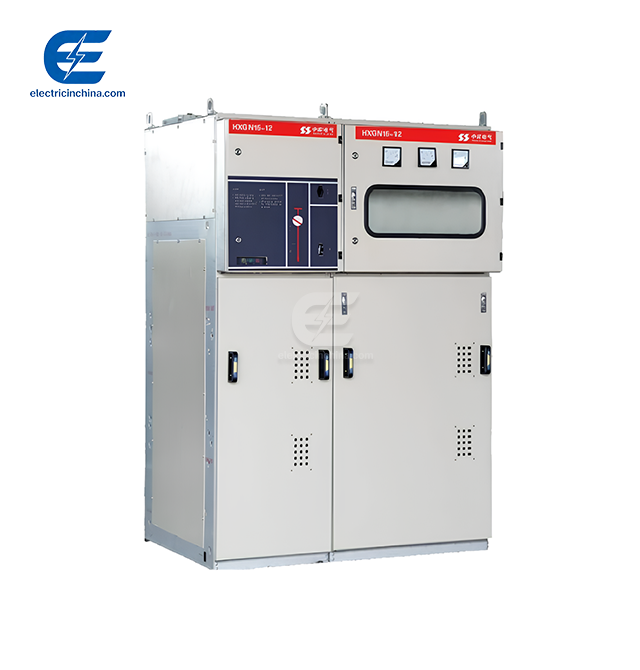
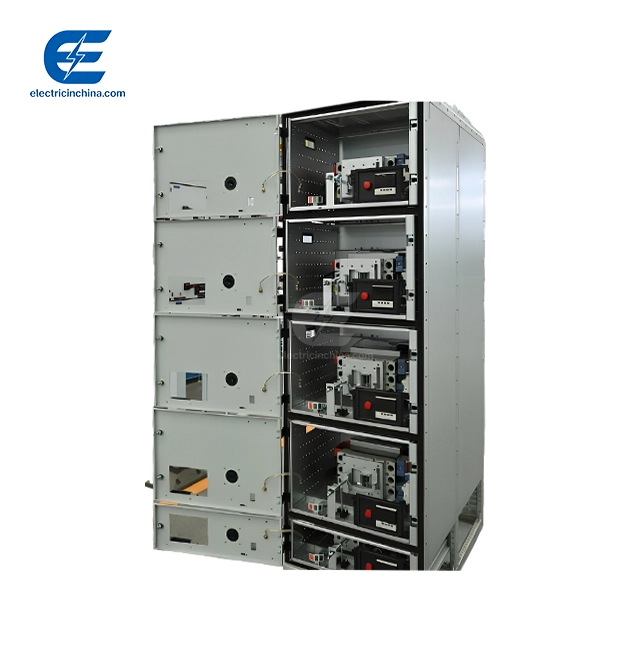
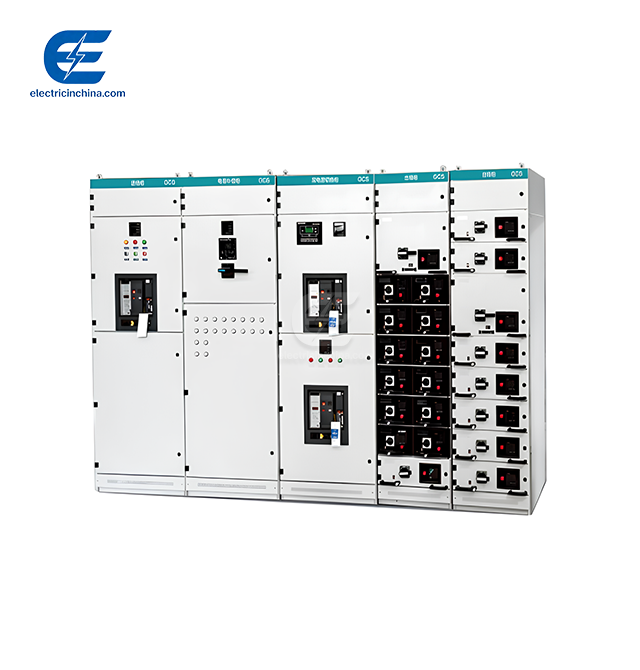
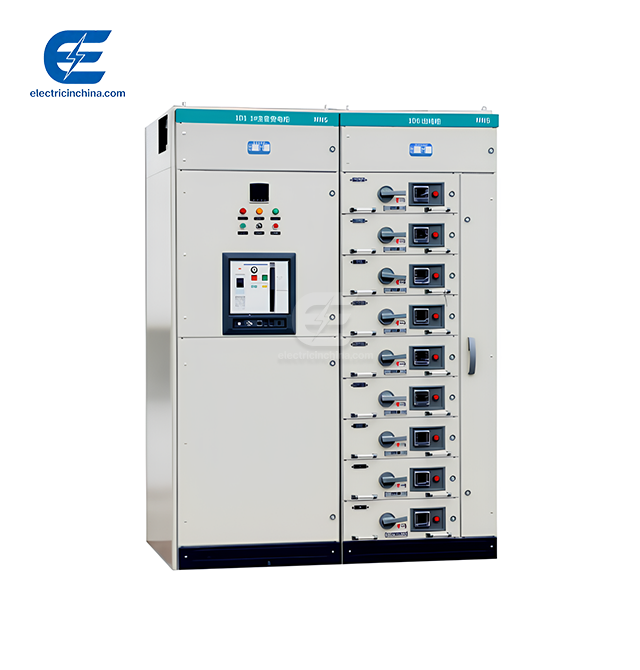
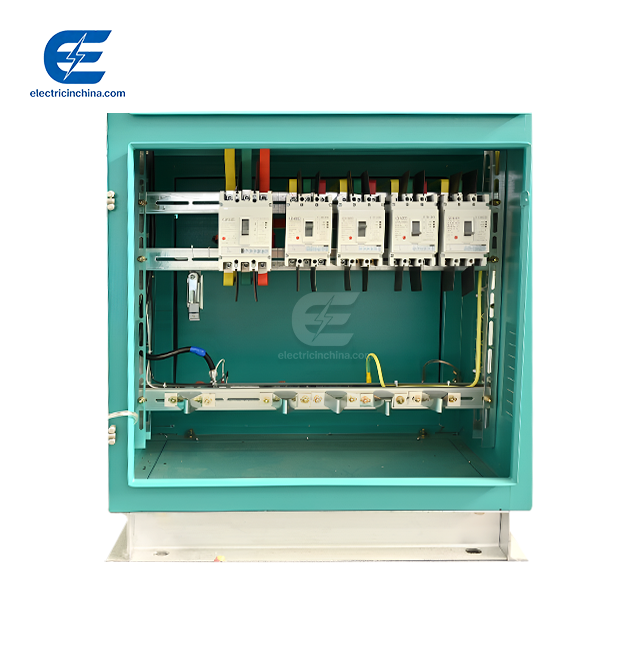
Modern business and industrial buildings need power delivery systems that balance safety and effectiveness. Dry-type transformers are more than 98.5% efficient and don't have the fire risks that come with oil-filled units. Instead of flammable liquids, these air-cooled units use solid insulation methods like epoxy glue or vacuum pressure impregnation. This makes them perfect for indoor applications where safety and following the rules are very important. When compared to traditional silicon steel designs, advanced core materials like amorphous metal strips cut no-load losses by up to 70%. This directly lowers running costs and carbon emissions. When buying teams know about these efficiency traits, they can choose transformers that meet both short-term performance needs and long-term sustainability goals.
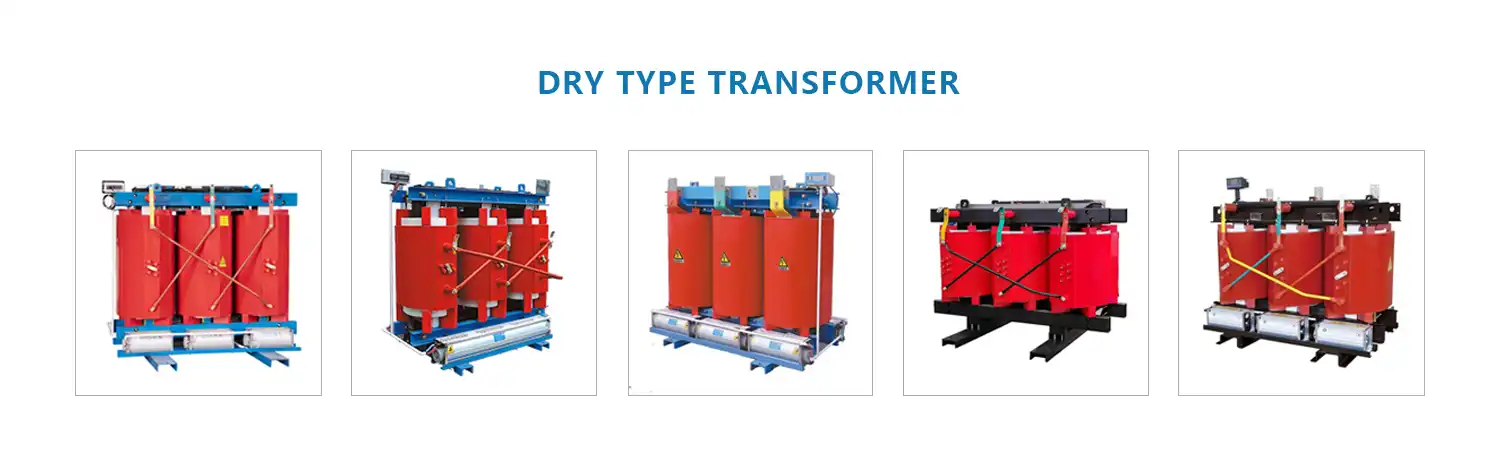
Understanding Dry-Type Transformer Efficiency
Core Construction and Operating Principles
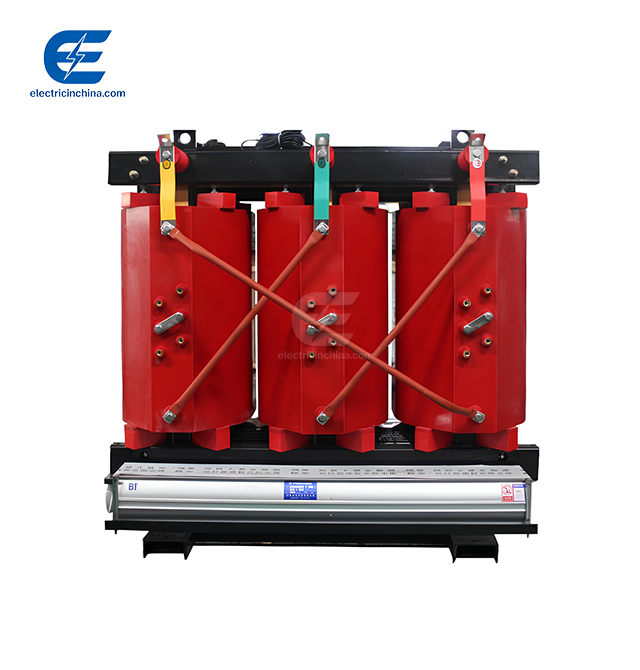
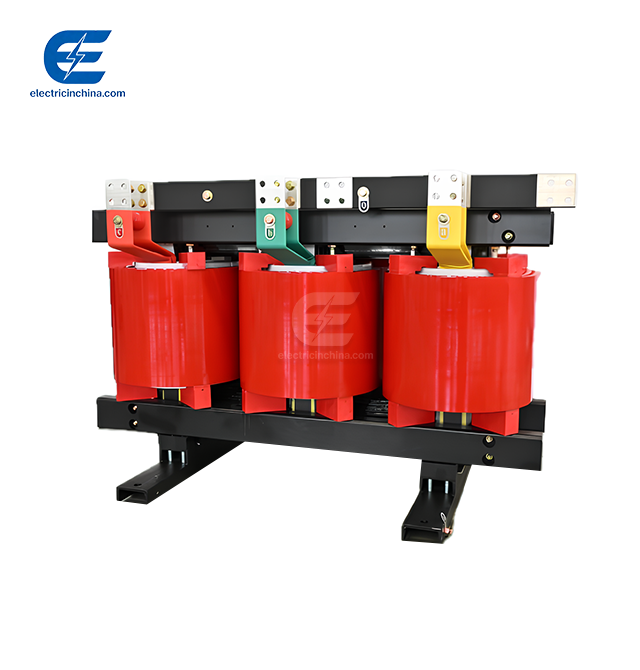
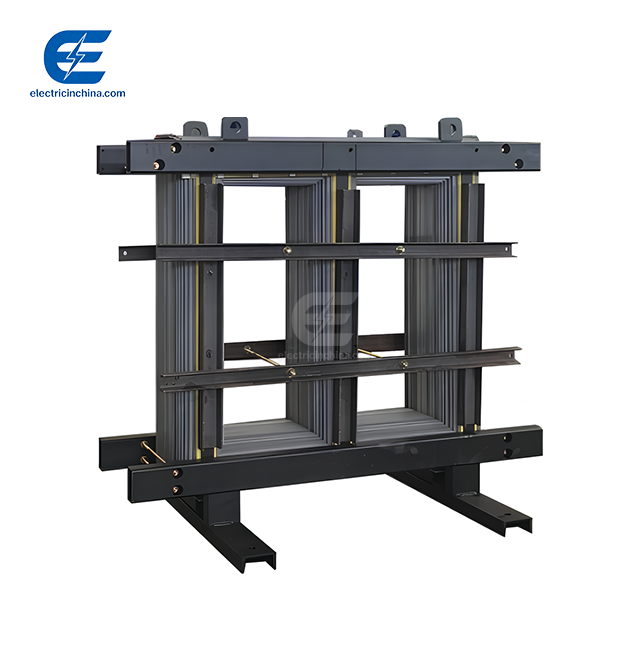
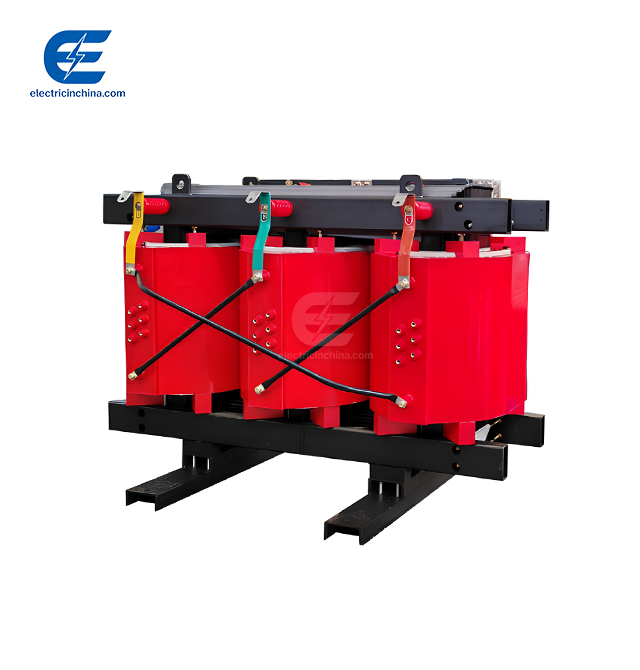
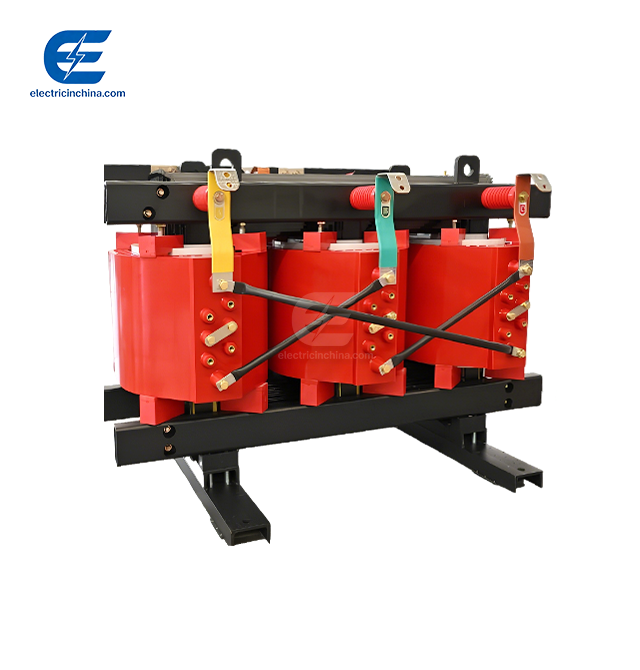
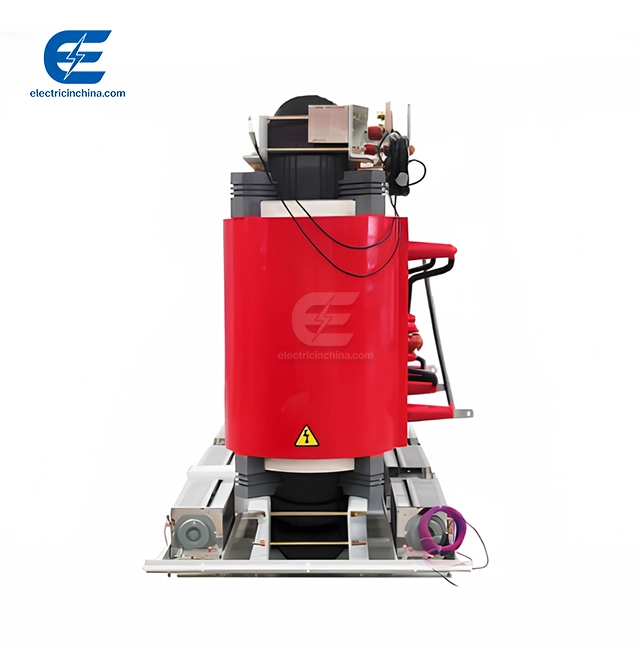
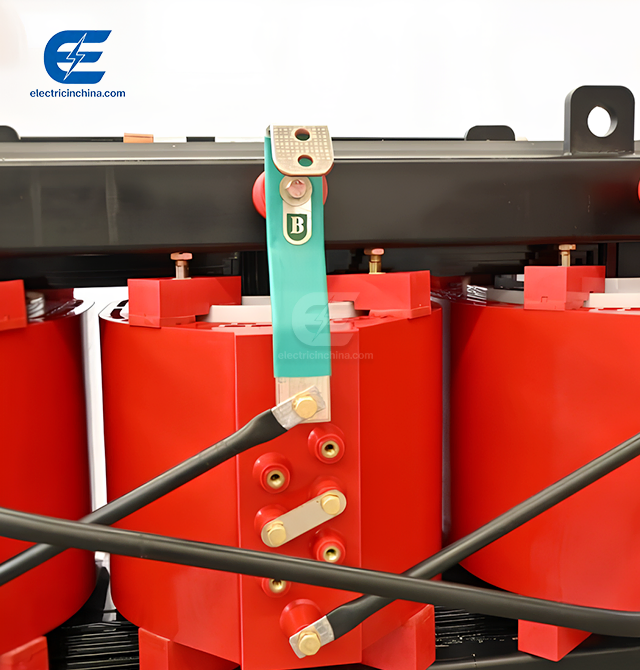
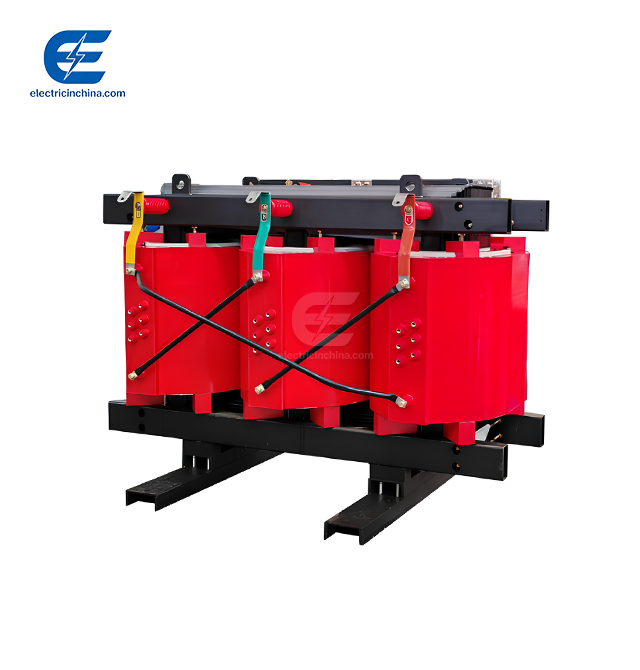
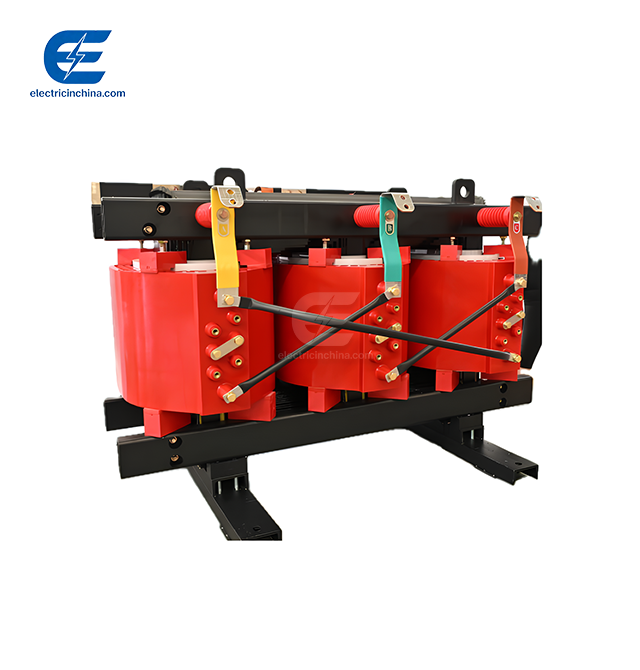
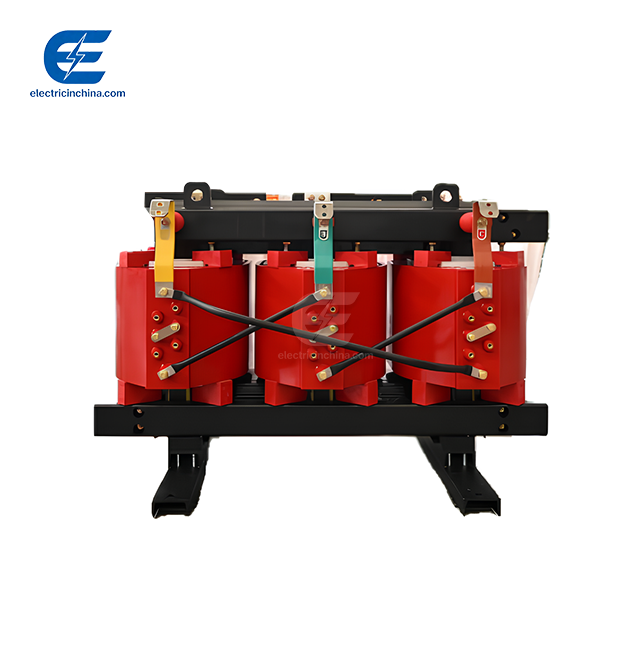
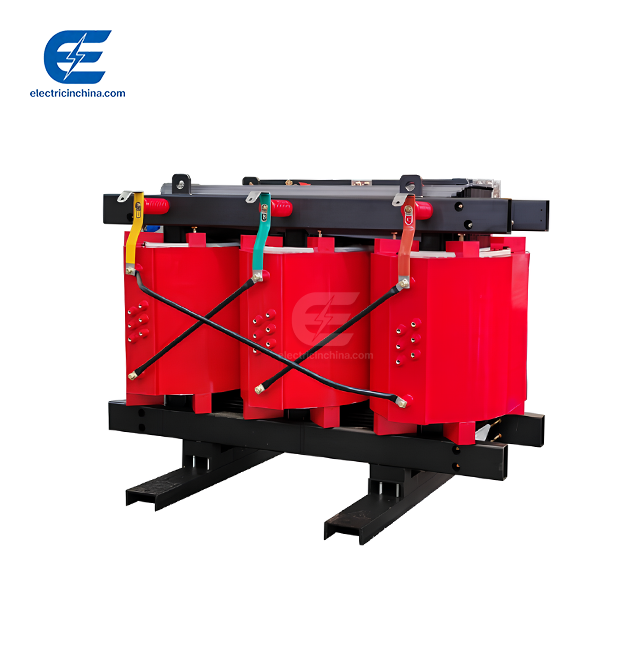
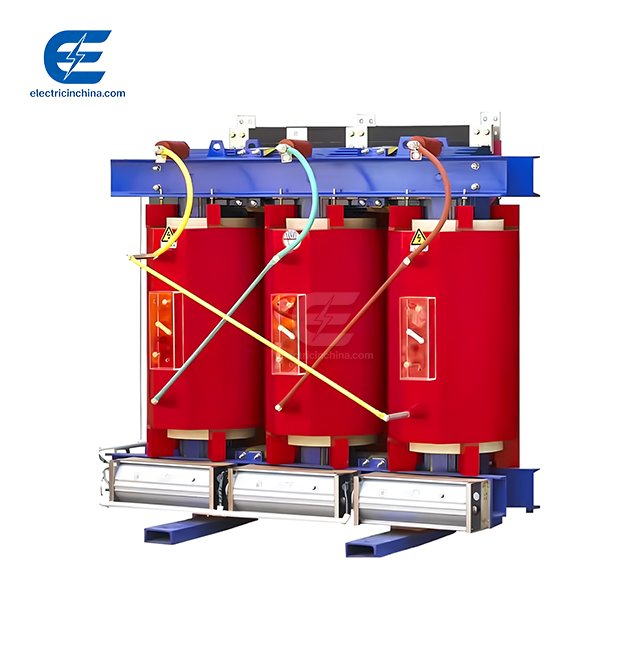
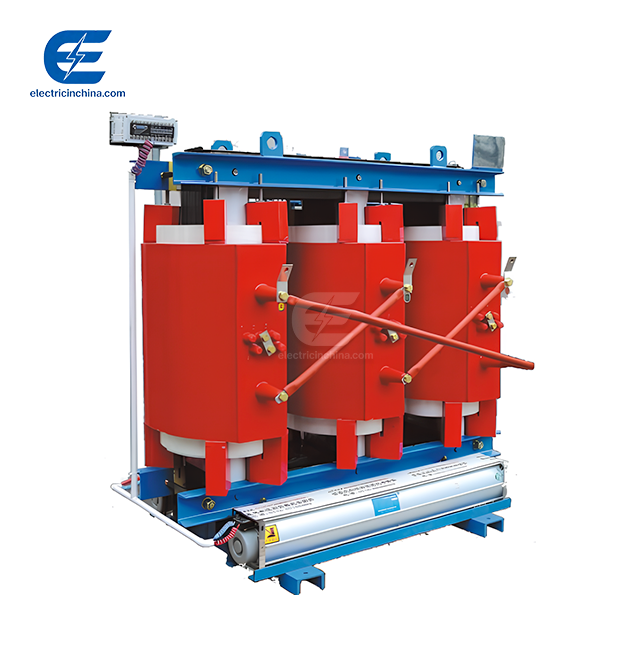
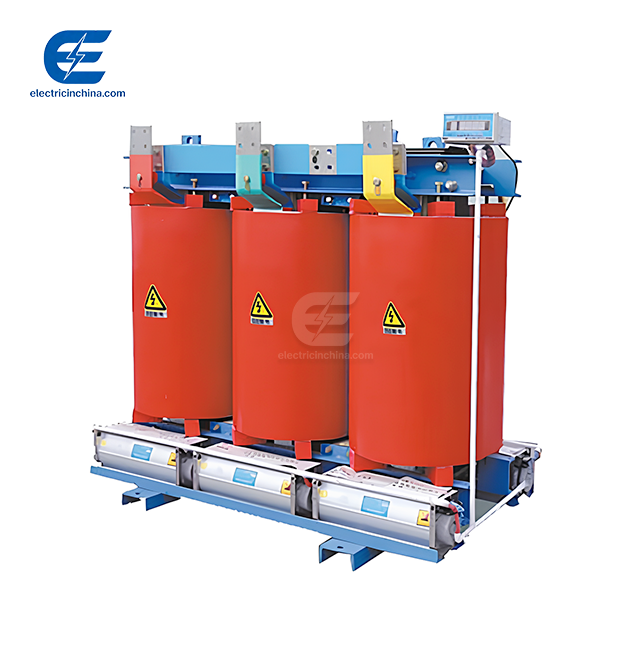
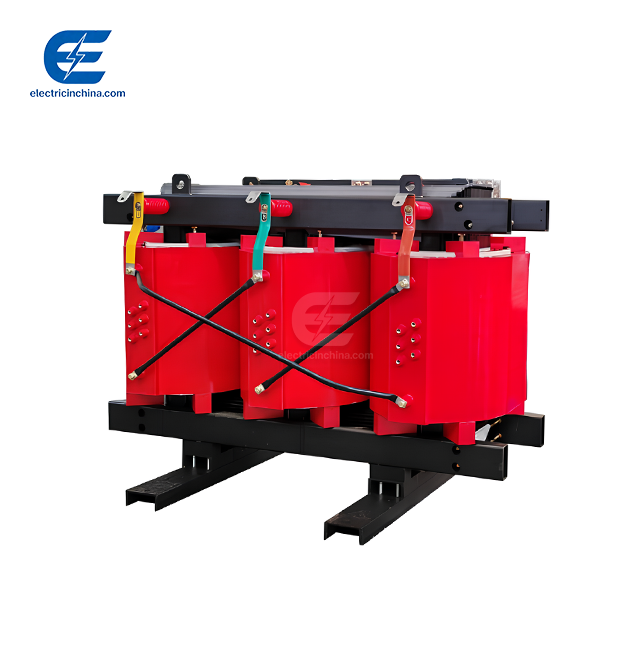
The basic structure of these units is very different from options that are submerged in oil. Instead of using mineral oil to cool and insulate, airflow keeps the temperature stable, and epoxy resin casting gives it electrical strength. This design removes the risk of polluting the environment and makes installation easier in places with limited space. The magnetic core, which can be made of layered silicon steel or an amorphous metal, has a direct effect on how well energy is converted. When copper foil is used instead of wire in winding configurations, resistance losses are lessened while current flows.
Industry Standards and Certifications
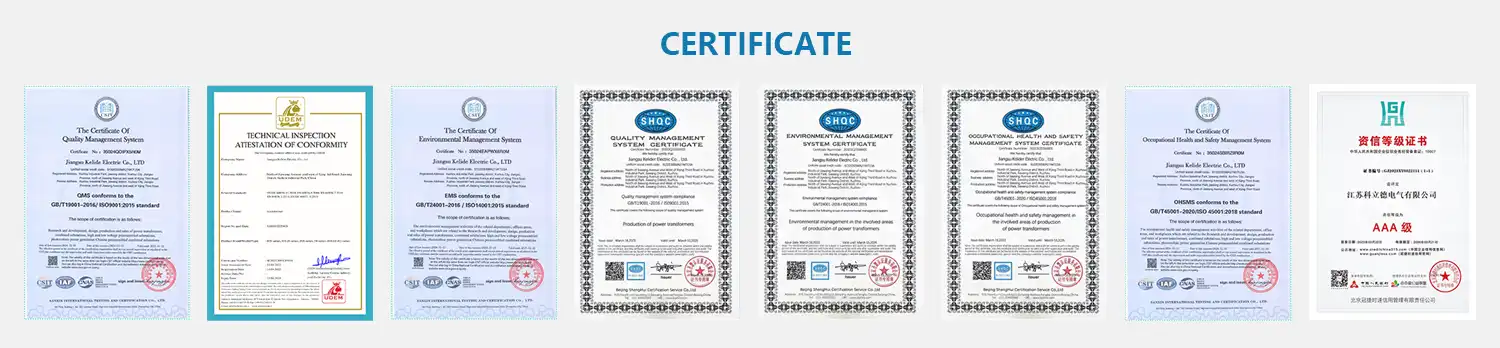
Following international standards guarantees dependable performance in a wide range of settings. IEC 60076-11 sets performance standards for the whole world, while GB/T 10228 sets standards for Asian countries. Our production methods are in line with ISO 9001 standards for quality management and ISO 14001 standards for environmental protection. This makes sure that the quality of our products stays the same. Electrical safety factors, such as partial discharge levels below 5pC—a vital threshold for long-term insulation integrity—must be checked by certifications like the CCC. With these qualifications, buying professionals can be sure that the manufacturer is technically competent and consistently makes high-quality products.
Comparing Dry-Type Transformer Efficiency With Other Transformer Types
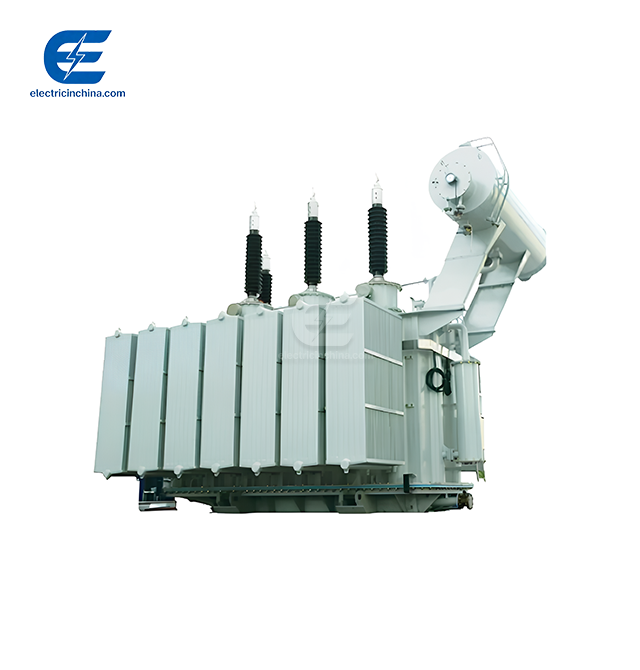
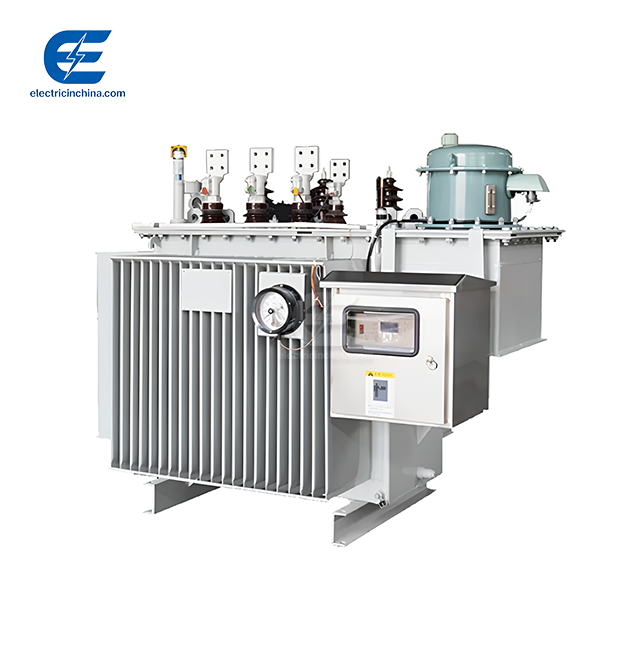
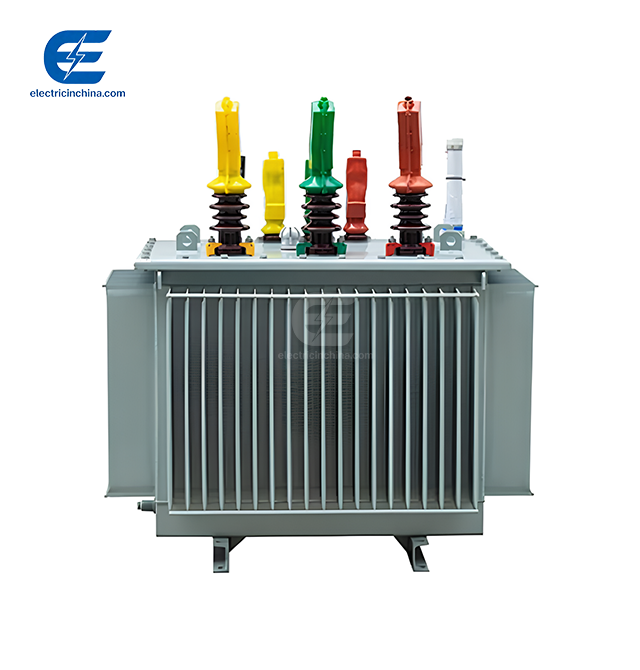
Operational Efficiency Versus Oil-Filled Units
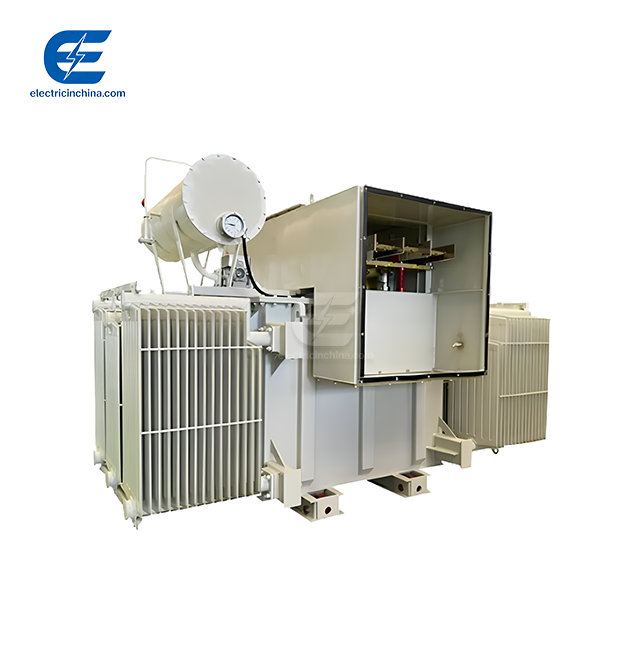
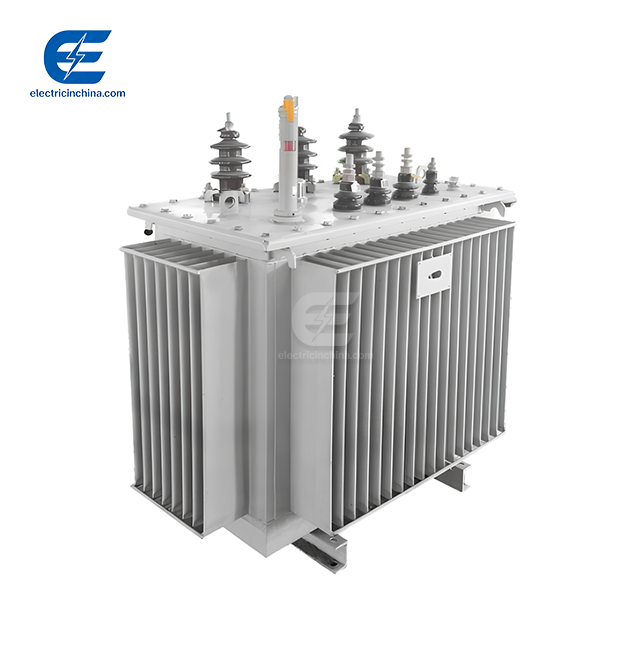
Traditional oil-immersed transformers have slightly lower no-load losses because they can get rid of heat better, but this benefit isn't as big when you look at the total cost of ownership of a dry-type transformer. Mineral oil needs to be tested, filtered, and eventually thrown away, which costs a lot over many years of use. Air-cooled options get rid of these upkeep issues while still losing about the same amount of power thanks to better winding designs. The SCBH19 line shows this progress, with amorphous alloy cores that lower standby usage to levels that silicon steel technology couldn't reach before.
Noise and Maintenance Requirements
Different ways of cooling have very different effects on acoustic function. At full load, natural air-cooled types make 45 to 55 dB, while forced-air systems can make up to 65 dB, based on the fan design. Oil-filled versions usually run 5 to 10 dB lower, but they need regular oil analysis and breather repair. Our tech team can change air systems to meet certain noise limits without affecting how well they keep things cool. With solid insulation, maintenance intervals are much longer—routine checks happen every 12 to 18 months instead of every three months for oil testing, which means that continuous-process businesses don't have to deal with as many interruptions.
Optimizing Efficiency Through Design and Maintenance
Advanced Core Material Selection
The change from regular silicon steel to amorphous metal is a huge step forward in protecting energy. The atomic structures of these materials are not solid, and their coercivity values are 5–10 times lower than those of grain-oriented steel. This makes hysteresis losses much smaller. Eddy current movement is slowed down even more by ultra-thin bands that are about 0.025 mm thick. When paired with vacuum casting methods that get rid of air pockets between the windings, the SCBH19 platform achieves no-load losses 70% lower than older SCB13 models. This means that over millions of operating hours, a lot of energy is saved.
Proactive Maintenance Strategies
To keep up top performance, you need to pay close attention to a number of operational factors. The main maintenance tasks we suggest you do are listed below:
- Visual Inspections: Checking the soundness of the enclosure, the cooling vents, and the port links every three months finds problems before they happen. Having dust on the core surfaces stops heat from moving, so they need to be cleaned once a year in places where flying particles are present. Checking the connection torque stops resistive heating at the contacts, which would mess up measures of efficiency otherwise.
- Thermal Monitoring: Infrared thermography can find strange patterns of temperature that could mean there are problems with the windings or a blockage in the cooling system. Setting up standard thermal profiles during installation lets you look at trends over time between repair periods. If the temperature rises above the set limits by 10°C or more, it needs to be looked into right away to stop the insulation from wearing out faster.
- Electrical Testing: Insulation resistance readings with 1000V megohm meters are done once a year to make sure the insulation is still good. Values below 100 megohms mean that moisture or contamination has entered and needs to be fixed. Power factor testing measures the amount of inductive and resistive loss, showing shielding damage that can't be seen with the naked eye.
These preventative steps make the operating life longer while keeping the efficiency levels set by the maker for the full 25–30-year design lifespan. Our quality inspection laboratory offers testing services that support these upkeep guidelines. This helps clients get the most out of their investments in equipment.
Practical Applications and Efficiency Benefits in Power Systems
Industrial Manufacturing Environments
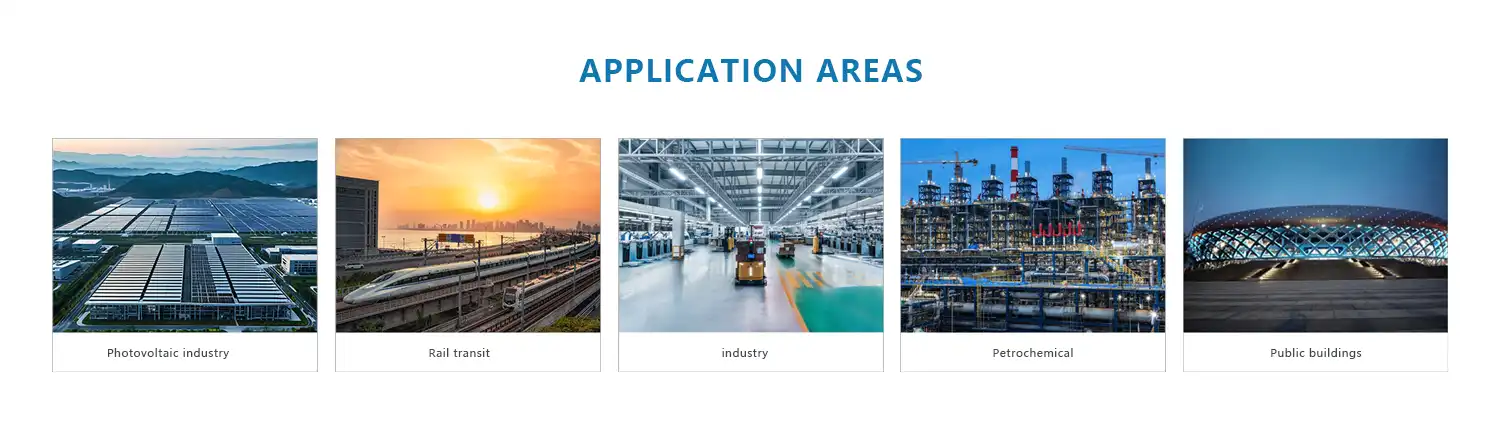
To avoid costly downtime, production centers need power that doesn't go out. We upgraded the XCMG Group factory complex using SCBH19 dry-type transformer units that are rated for heavy industrial duty. The amorphous metal cores kept working well even though the variable-frequency drives caused harmonic distortion, which is a typical problem in automated production lines. Monitoring energy use showed a 23% drop in no-load consumption compared to units that were replaced. This meant that the payback time was less than 36 months just from saving money on utilities. The flame-resistant enclosure design met strict fire guard standards without the need for separate generator vaults.
Commercial Real Estate Projects
For high-rise buildings, small equipment that fits in mechanical rooms and follows city electricity rules is needed. Our work on the Xinhuai Central Complex showed these benefits: twelve units spread out over three podium levels offered 10MVA capacity while taking up 40% less space than oil-filled options. Noise levels below 50 dB were met by acoustic solutions and natural airflow, which got rid of the need to maintain cooling fans. The developer got LEED certification points by building infrastructure that uses less energy, which makes the property more appealing to renters who care about the environment.
How to Choose an Efficient Dry-Type Transformer for Your Needs
Critical Performance Specifications
In addition to voltage and capacity ratings, there are other technical factors that need to be looked at in order to choose the best tools. Different makers' efficiency curves are very different, with peak performance happening between 40 and 70% of the maximum load. Choose units that have an efficiency sweet spot that matches the average demand patterns of the building instead of its peak capacity. When noise levels are important in a building that people are using, make sure that the readings are based on real-life operations and not just lab tests. Reactive correction needs are based on the power factor. This is especially important for setups with motor-driven loads or rectifier equipment.
Manufacturer Comparison and Certification Verification
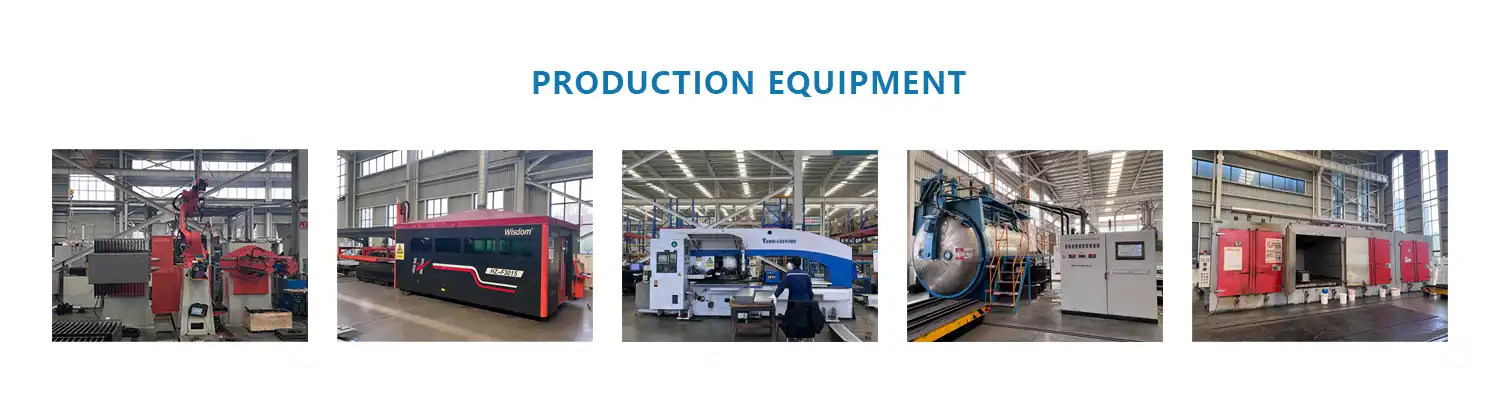
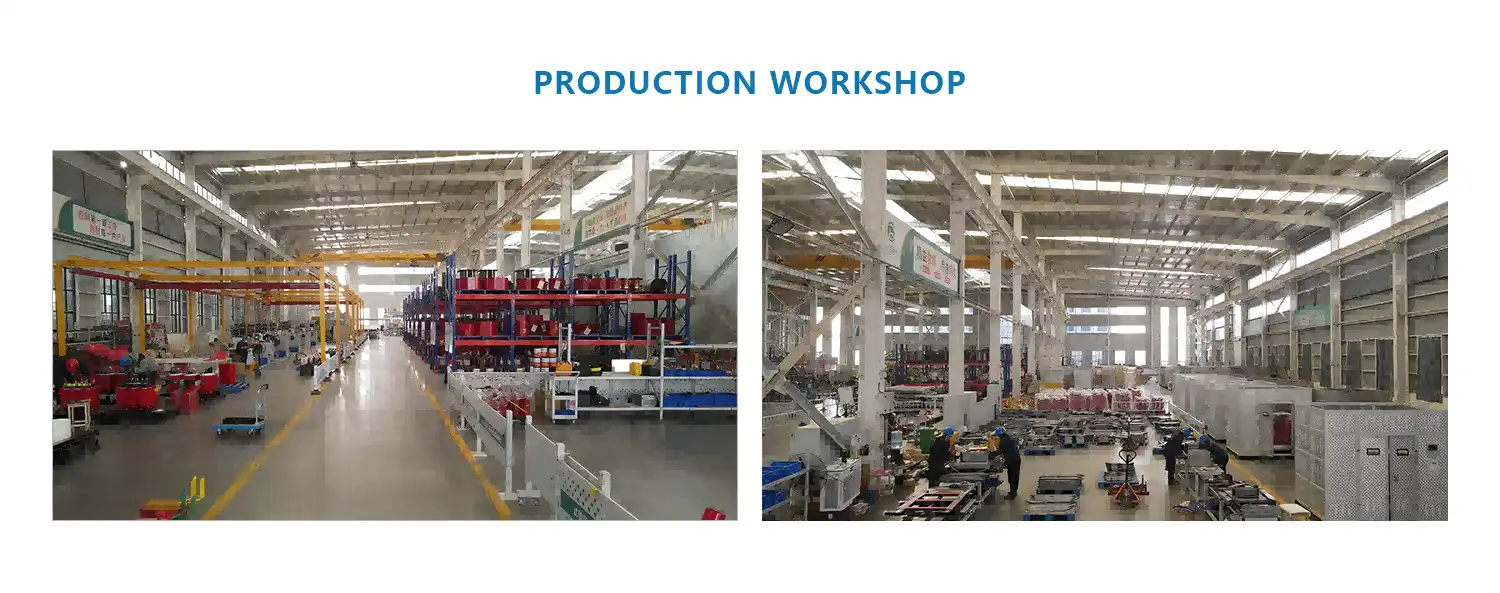
Global providers like Siemens, ABB, and Schneider Electric offer dry-type transformer systems that have been used a lot and are known to work. These well-known names offer full technical help and reliable lead times, but their high prices reflect their prominent places in the market. Asian makers are competing more and more on price and quality, especially when it comes to standard grades. We keep our factories running with CNC automatic winding machines and microcomputer-controlled gradient curing ovens that make units that meet the same worldwide standards. Our 18 patents show that we are committed to constant innovation, and our ISO 9001 certification makes sure that the quality of our products is always the same.
Customization and Technical Support
Catalog goods that are already made work well for many uses, but custom solutions work best for setups that are more complicated. Our engineering team, which is made up of 15 top engineers and more than 30 intermediate techs, works with clients to solve their specific problems. Custom setups could include voltage taps that are changed to work with different power sources, harmonic reduction reactors for loads that don't behave linearly, or weatherproof cases for installations outside. In the project paperwork that supports bids and governmental approvals, we include detailed specifications. Technical advice during the planning stages keeps changes during building from being too expensive.
Conclusion
Choosing efficient power distribution equipment has a big effect on both the costs of running the facility and how well it treats the environment over its entire lifetime. Modern air-cooled transformer technology is more than 98.5% efficient and doesn't have the fire risks or upkeep problems that come with liquid insulation. Amorphous metal core designs cut no-load losses by 70%, which lowers carbon emissions and energy costs directly. The fact that we've completed hundreds of building, business, and industrial projects shows how useful these units are in a wide range of situations. When procurement teams know about efficiency standards, certification needs, and lifetime cost factors, they can make smart choices that balance technical performance with budgetary limits.
FAQ
1. What efficiency range can I expect from modern units?
Modern dry-type transformers usually get between 98.5 and 99.2% efficiency at rated capacity. The best amorphous metal types get as high as 99.5% when they are loaded properly. The actual performance depends on the load factor. Units that are always close to their maximum capacity are more efficient than units whose load changes often. Harmonic content from nonlinear loads lowers efficiency by increasing winding losses. In electrical settings with a lot of distortion, performance could drop by 1-2%. Instead of depending only on peak efficiency specs, you should always ask for efficiency graphs that show performance across the whole range of loads.
2. How frequently should maintenance occur?
In most workplace settings, performance stays at its best with full checks every 12 to 18 months. In harsh settings with high temperatures, airborne pollutants, or corrosive atmospheres, ventilation paths and end links should be visually checked every three months. Every year, infrared thermography studies find problems before they get bad enough to be measured. Insulation resistance testing every three to five years gives a numerical picture of the dielectric's health. This is especially important for units that are getting close to fifteen to twenty years of service.
3. Can transformers be customized for specialized applications?
Yes, changes to the tech meet a variety of practical needs. Custom voltage ratios can be used with non-standard power sources or tools. Building rules in areas that are prone to earthquakes require stronger seismic bracing. Specialized shelters protect against corrosion in chemical processing plants or marine settings. Our technical team looks at factors that are unique to each project and suggests the right changes to ensure reliable long-term performance.
Partner With Tuojie for Superior Power Distribution Solutions
To get the most out of your power system, you need to work with dry-type transformer makers who have a lot of knowledge and understand the problems you're facing. We offer custom solutions that meet strict international standards thanks to our more than 20 years of experience in the field, our advanced production skills, and our 120+ sets of specialized tools and full quality testing labs. Our engineering team offers expert advice at all stages of a project, from creating the initial specifications to helping with completion. We offer reasonable pricing, on-time delivery, and helpful customer service after the sale, whether you need normal rates for commercial projects or customized units for tough industrial uses. You can email our team at tuojie@electricinchina.com to talk about your project needs, get full technical specifications, or get quotes for future bids. Visit electricinchina.com to see our full line of products and learn how Tuojie dry-type transformer solutions can improve the electrical infrastructure of your building while lowering costs and harming the environment.
References
1. IEEE Standard C57.12.01-2020, IEEE Standard for General Requirements for Dry-Type Distribution and Power Transformers. Institute of Electrical and Electronics Engineers, 2020.
2. Kulkarni, S.V., and Khaparde, S.A. Transformer Engineering: Design, Technology, and Diagnostics. CRC Press, 2017.
3. International Electrotechnical Commission. IEC 60076-11: Power Transformers - Part 11: Dry-Type Transformers. Geneva: IEC, 2018.
4. Heathcote, Martin J. The J&P Transformer Book: A Practical Technology of the Power Transformer. 13th Edition. Elsevier, 2007.
5. McLyman, Colonel William T. Transformer and Inductor Design Handbook. 4th Edition. CRC Press, 2011.
6. Zhang, Yingying, and Wang, Shuhong. Amorphous Alloy Core Distribution Transformers: Design, Manufacturing and Application. China Electric Power Press, 2019.