

.webp)
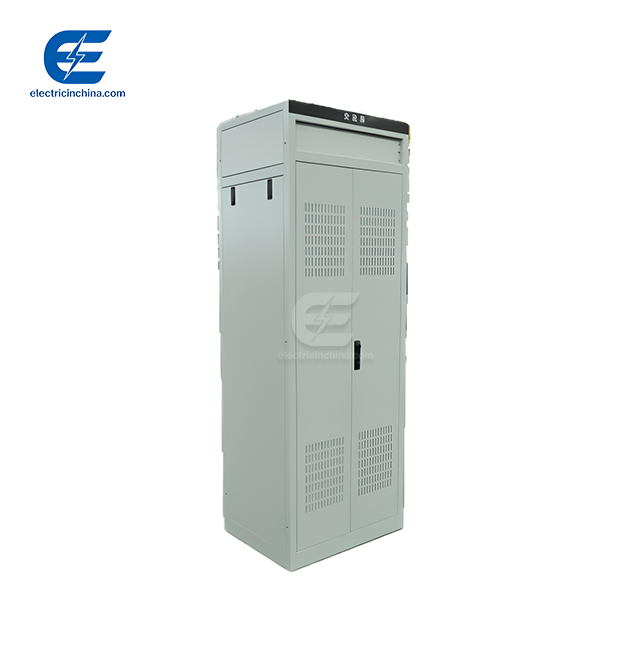
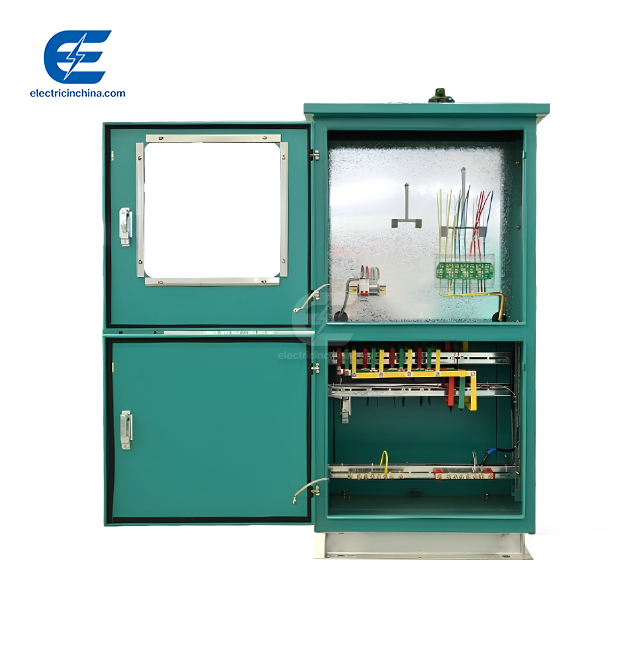
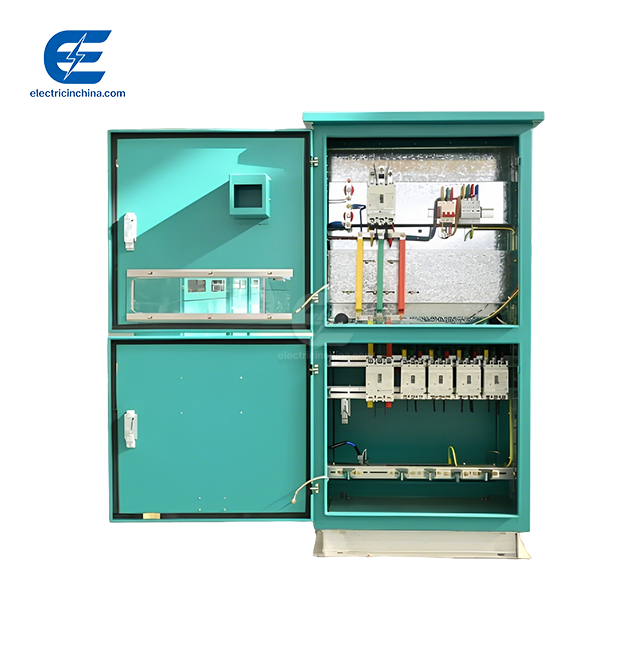
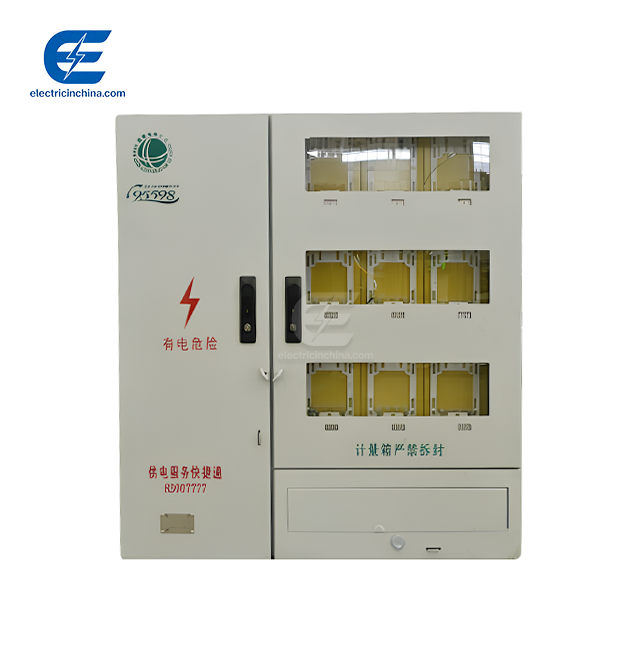
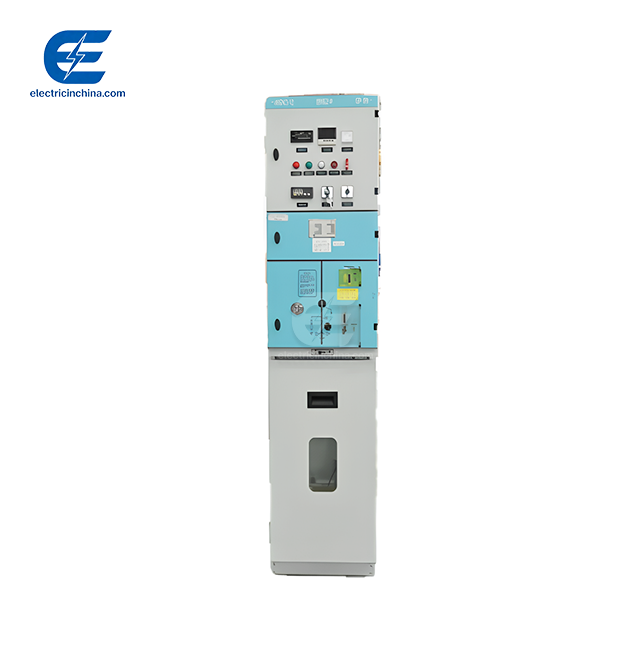
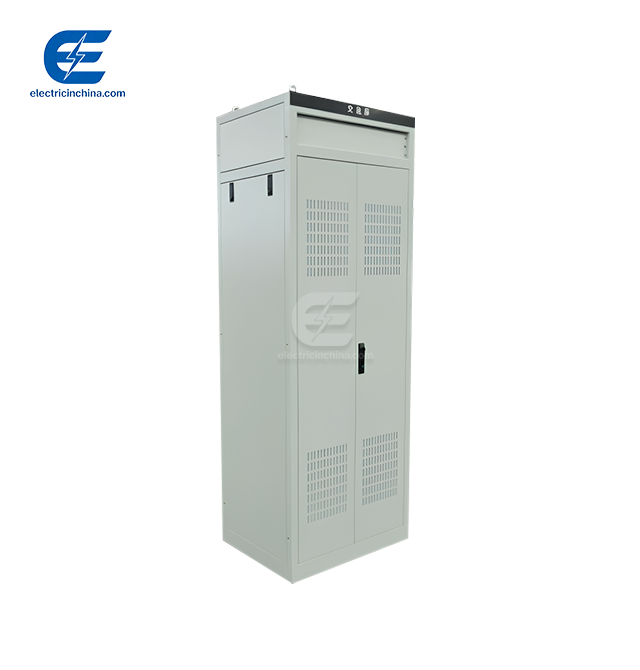
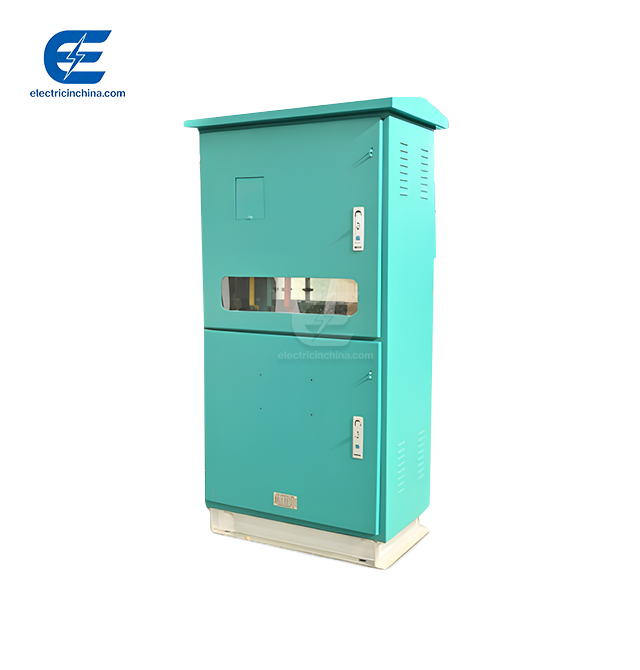
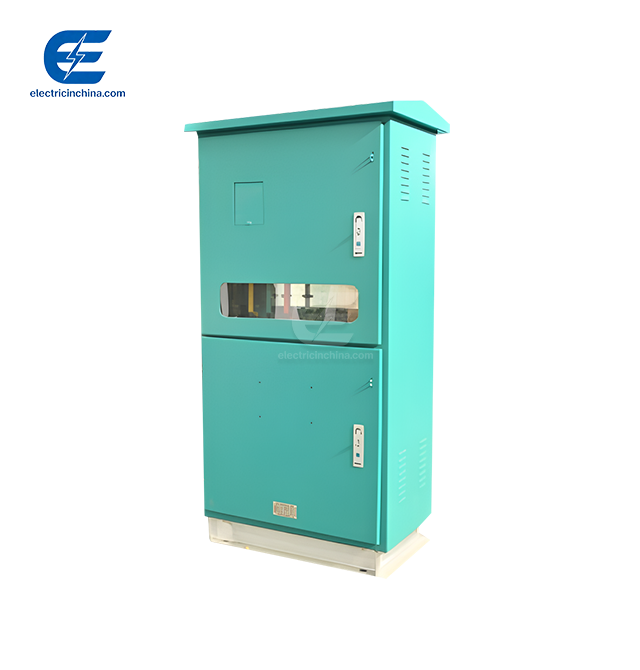
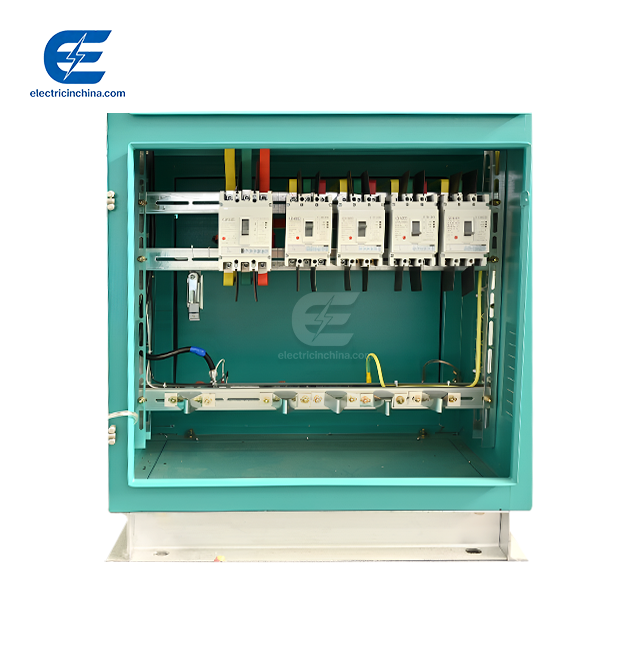
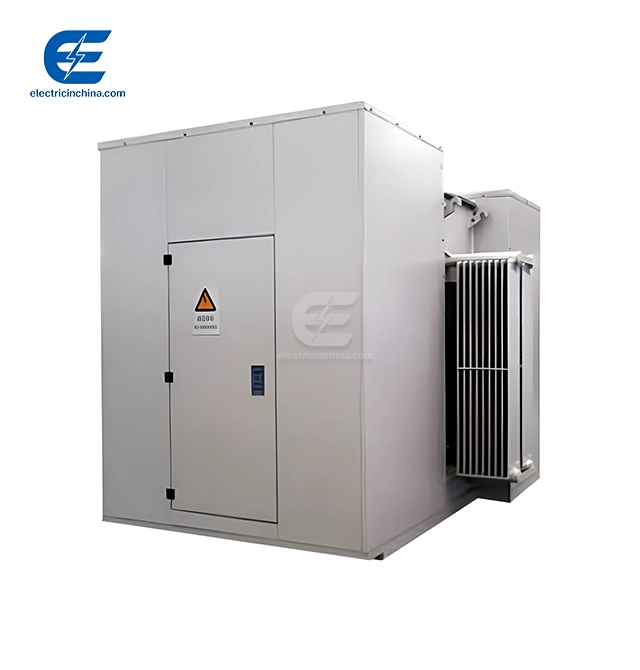
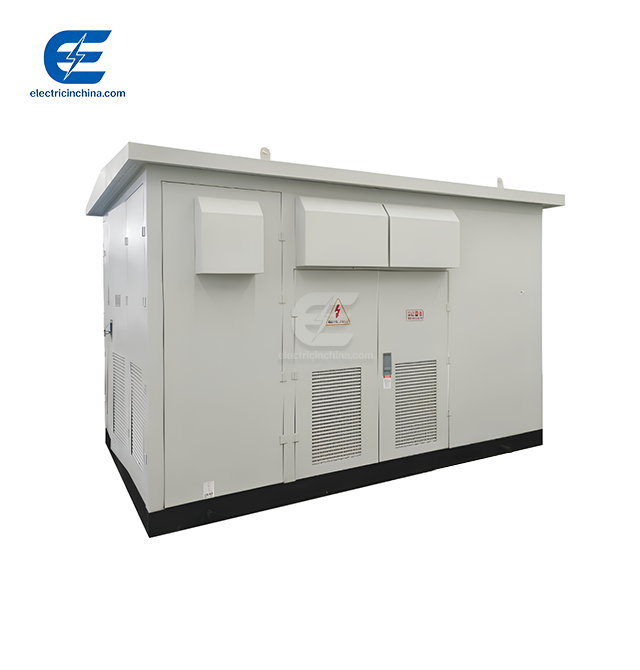
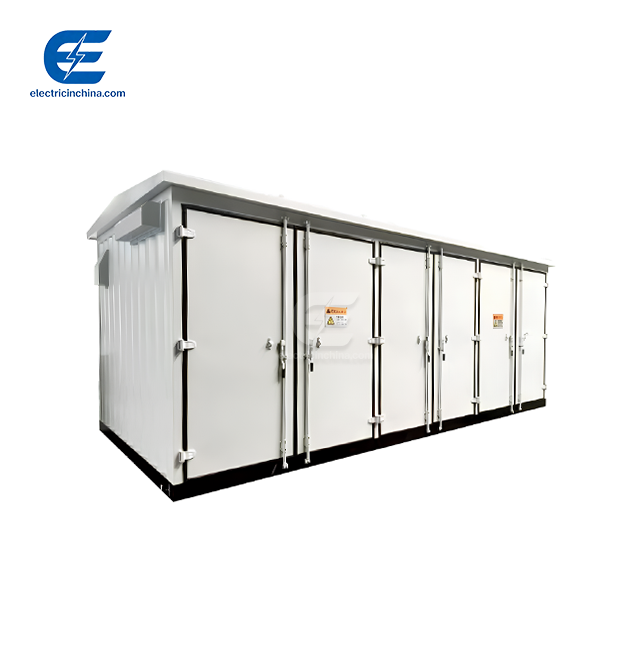
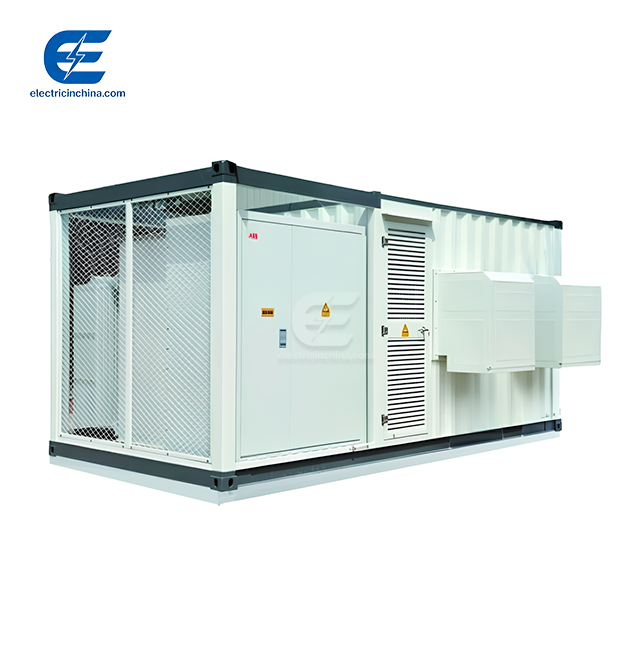
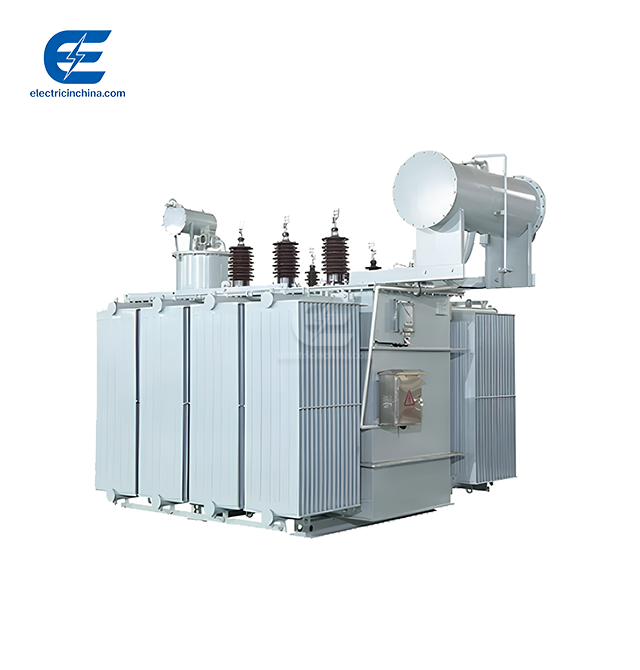
Industrial plants count on oil-immersed transformers because they provide the best cooling efficiency, the ability to handle higher loads, and the utmost dependability in tough circumstances. Mineral oil is both an insulator and a thermal conductor. It gets rid of heat better than options that are cooled by air while keeping the dielectric strength fixed. Because these transformers can do two things at once, they can handle big loads all the time in harsh places like factories and mines, where power steadiness affects both product availability and safety.
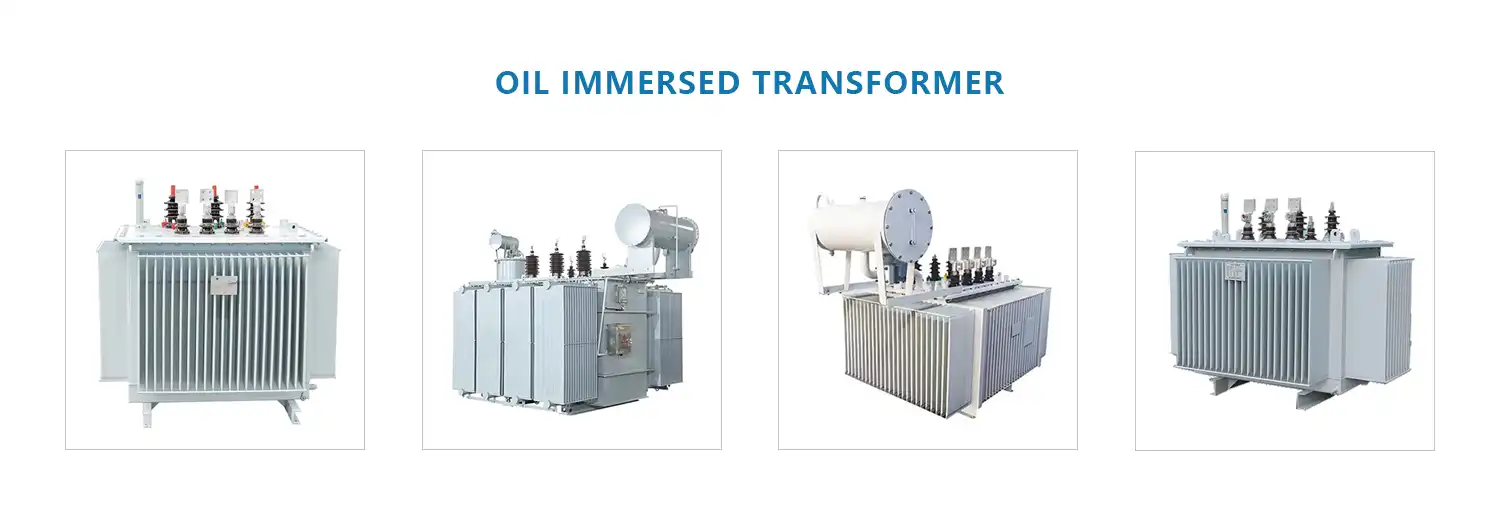
Understanding Oil-Immersed Transformers: Working Principles and Core Advantages
How Oil-Immersed Technology Functions in Industrial Environments
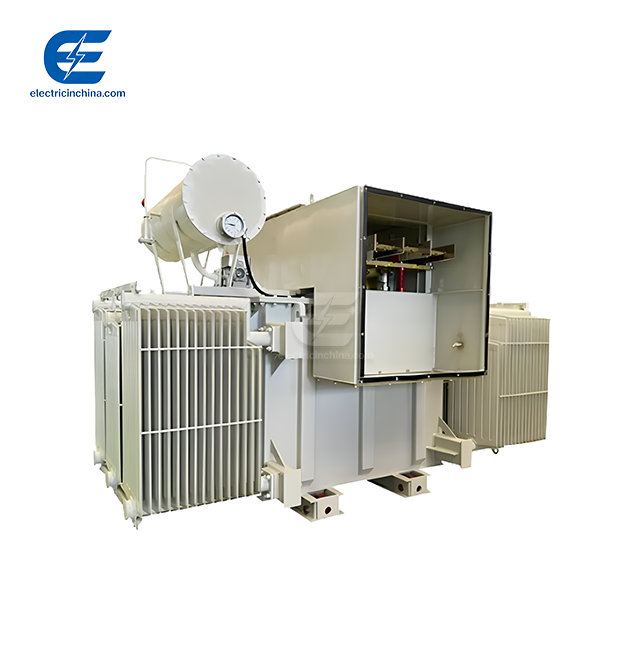
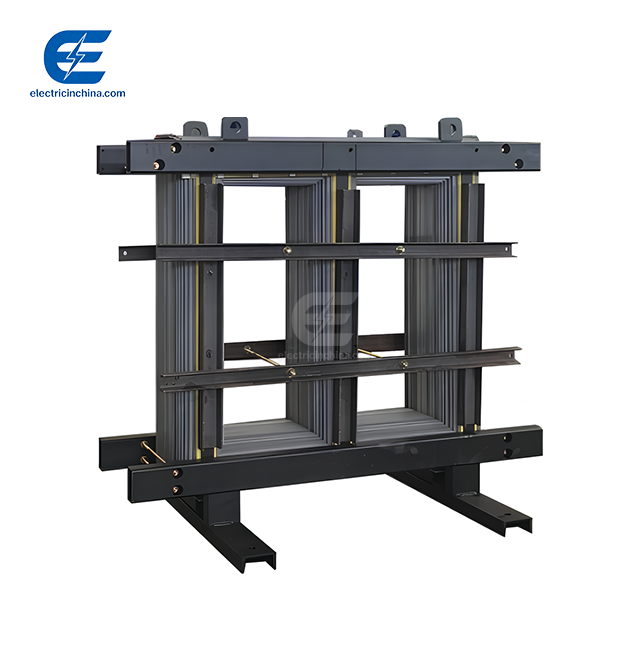
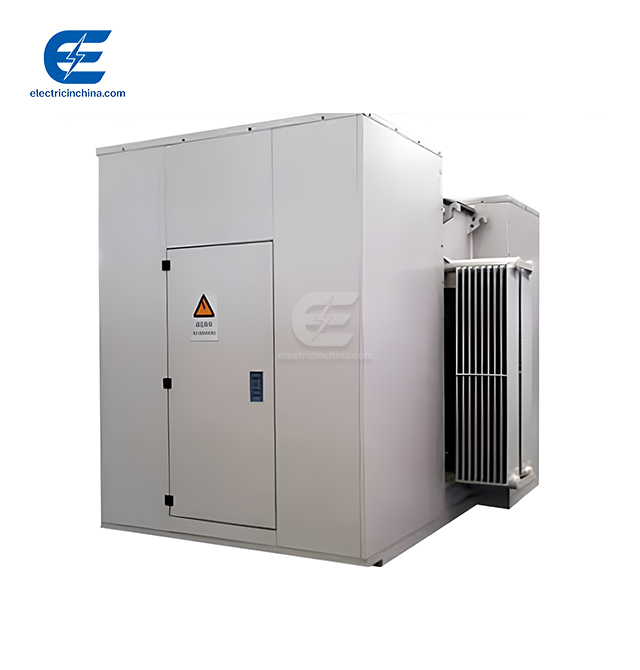
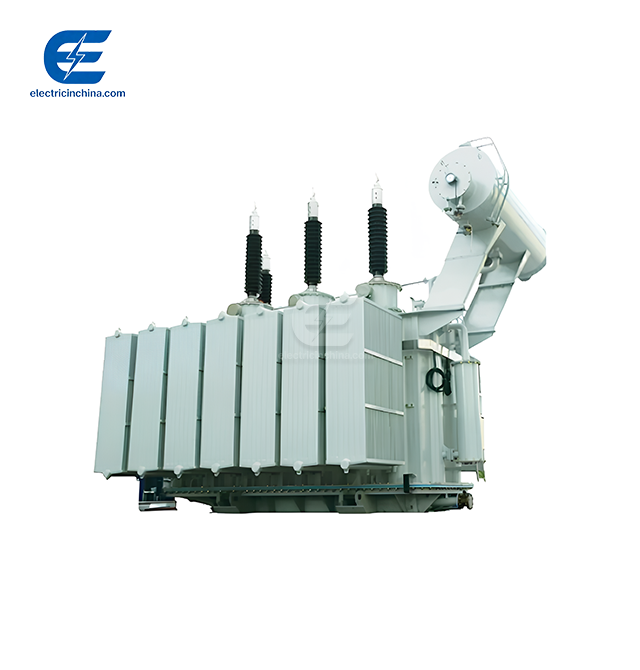
Oil-immersed transformers work on a complex basis in which mineral or synthetic oil covers the core and windings. This oil has two very important jobs to do: it keeps electrical current from leaking between parts, and it also cools things down by soaking up the heat that is generated when power is changed. The heat moves naturally through the tank through convection currents, sending thermal energy to heaters outside or to the tank walls, where it escapes into the air.
Superior Cooling Efficiency Compared to Alternative Technologies
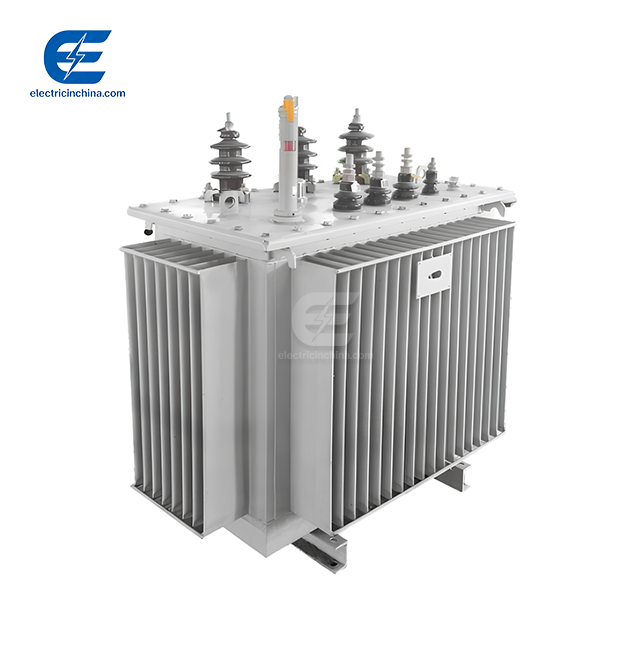
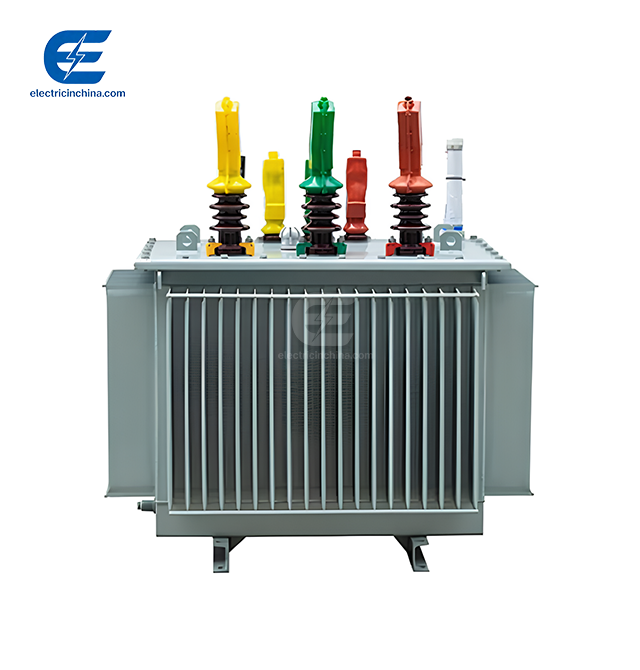
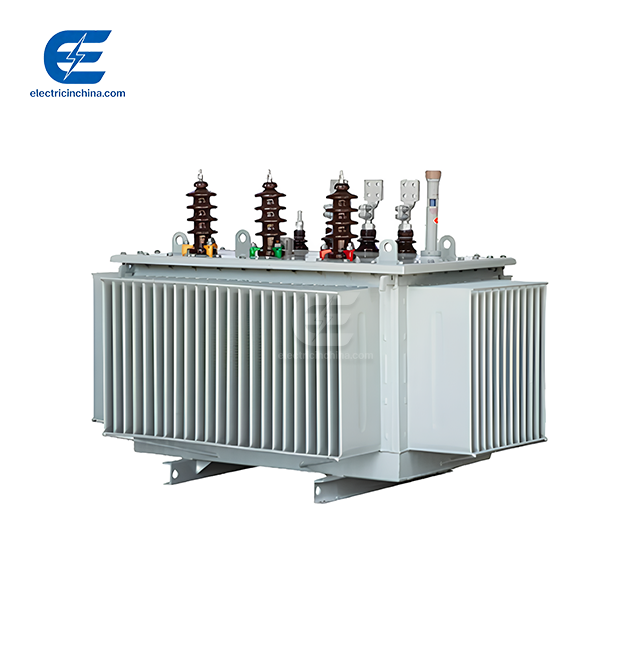
The temperature qualities of transformer oil are much better than those of air. Our S9 series oil-immersed power transformers are thermally stable across temperature ranges from -40°C to +40°C, so they keep working the same way no matter what the weather is like outside. The oil has a dielectric strength of more than 30kV, which means it will reliably insulate even during voltage surges. This keeps sensitive internal parts safe from electrical stress. This better cooling directly leads to higher power density—these units can handle 30–50% more load than dry-type options of the same size without failing.
Technical Features and Maintenance Practices Critical for Industrial Applications
Insulation Systems Compliant with International Standards
The transformer's first line of defense against electricity problems is the shielding system. Our oil-immersed transformers use Class A insulation systems with mineral oil that has been vacuum-dried and meets the requirements of IEC 60422. The dielectric breakdown voltage stays at least 30kV, and the moisture content stays below 20ppm because the building is sealed. Acidity levels stay below 0.03 mgKOH/g, which keeps windings and internal parts from being damaged by corrosion. This multi-layered method to protection makes sure that the system works well even in places with high and low temperatures and a lot of electrical stress.
Real-Time Monitoring Systems for Proactive Maintenance
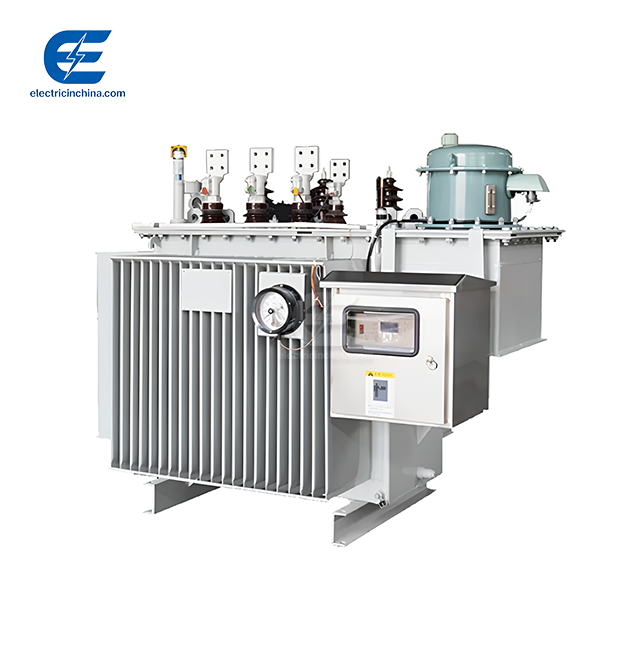
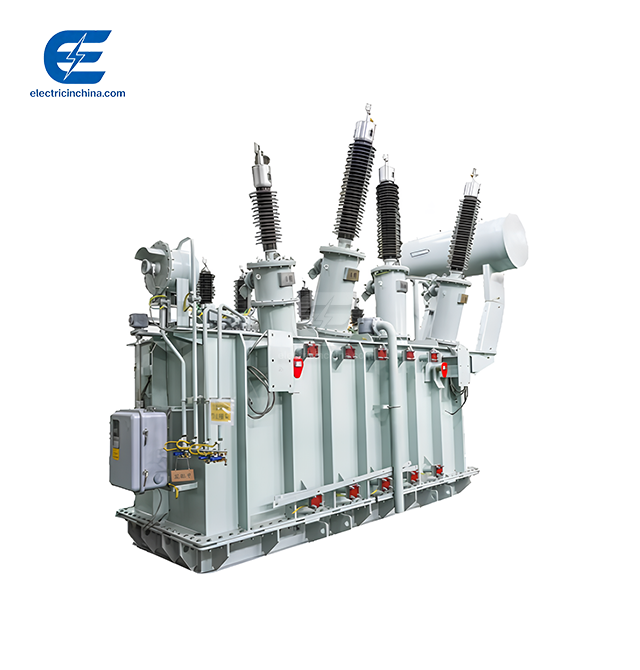
Temperature control affects how long a transformer lasts and how well it always works. Modern tracking systems keep an eye on the temperatures of the oil and the windings all the time and send out alerts when the temperatures get close to safety limits. Our S13-35kV oil-immersed power transformers have sensors that talk to centralized control systems. This lets us do tests and plan repairs ahead of time from afar. By finding strange patterns of temperature rise before they do any damage, these systems stop thermal runaway situations. Temperature limits of 65K for the windings and 60K for the oil are maintained by automatic cooling changes.
Comparing Transformer Types: Why Oil-Immersed Often Outperforms Alternatives in Industrial Settings
Power Efficiency and Cooling Capacity Analysis
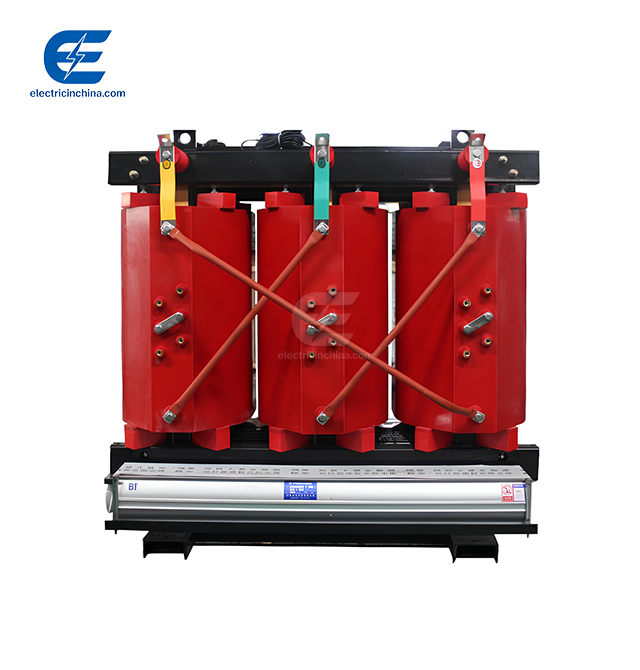
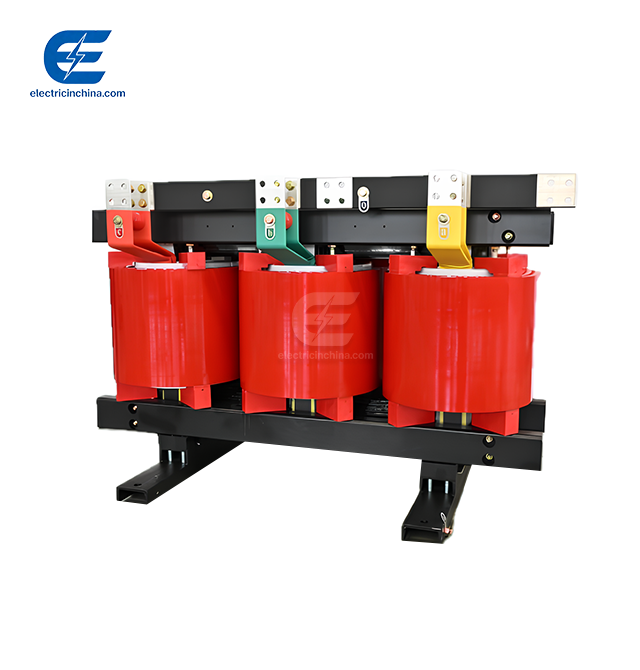
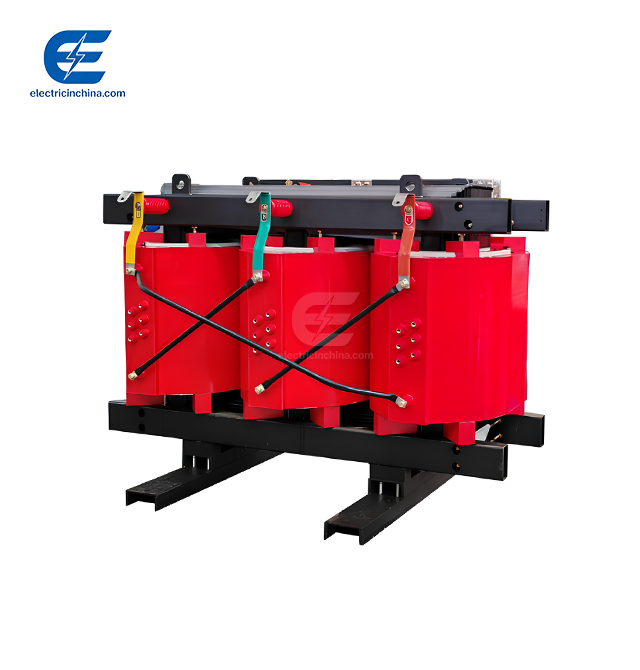
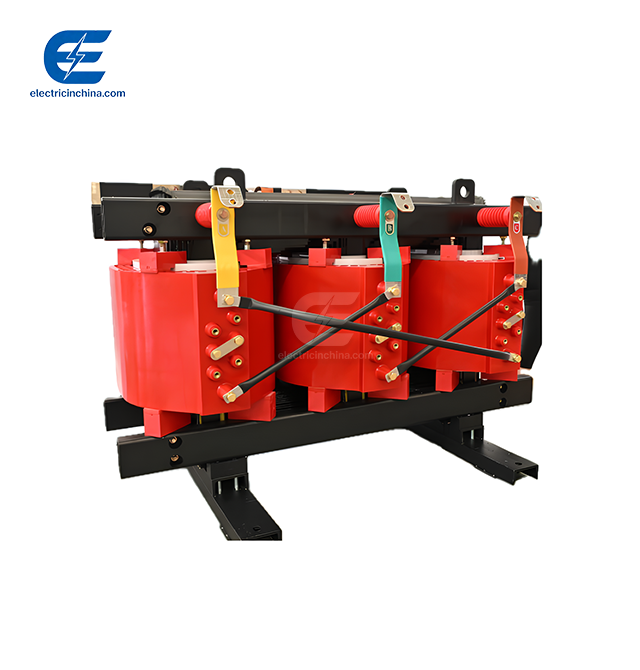
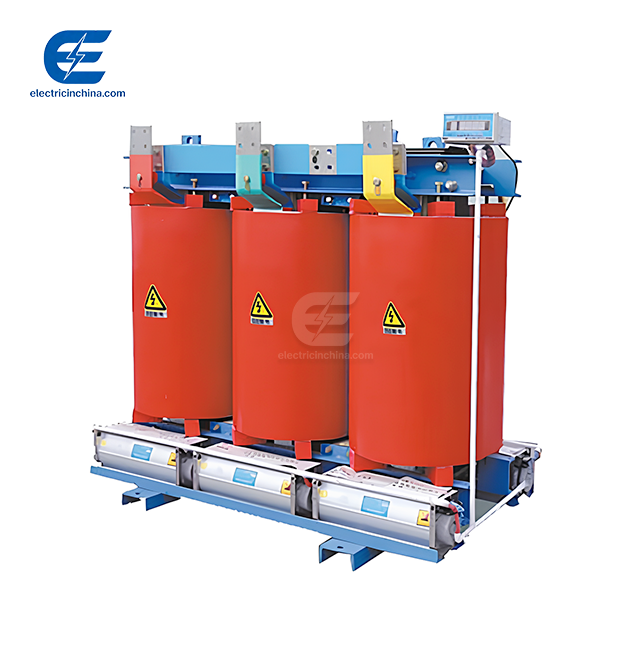
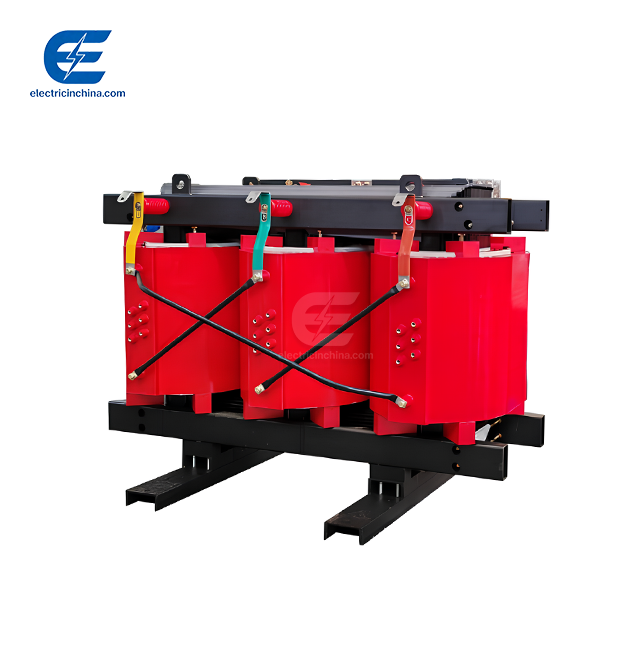
When looking at different transformer systems, efficiency measures show big differences in how well they work. Designs that are submerged in oil regularly get efficiency scores above 98.5%, with losses at no load usually being between 0.1% and 0.3%, and losses at load being very low. This higher efficiency comes from better thermal management—oil transfers heat about 25 times better than air, which lets smaller designs work without losing cooling capacity. For the same level of temperature performance, dry-type transformers need bigger surface areas and often forced-air cooling, which increases their size and costs to run. Cast plastic units don't catch fire easily, but they can't handle being overloaded like oil-immersed designs can during times of high demand.
Suitability for Harsh Environmental Conditions
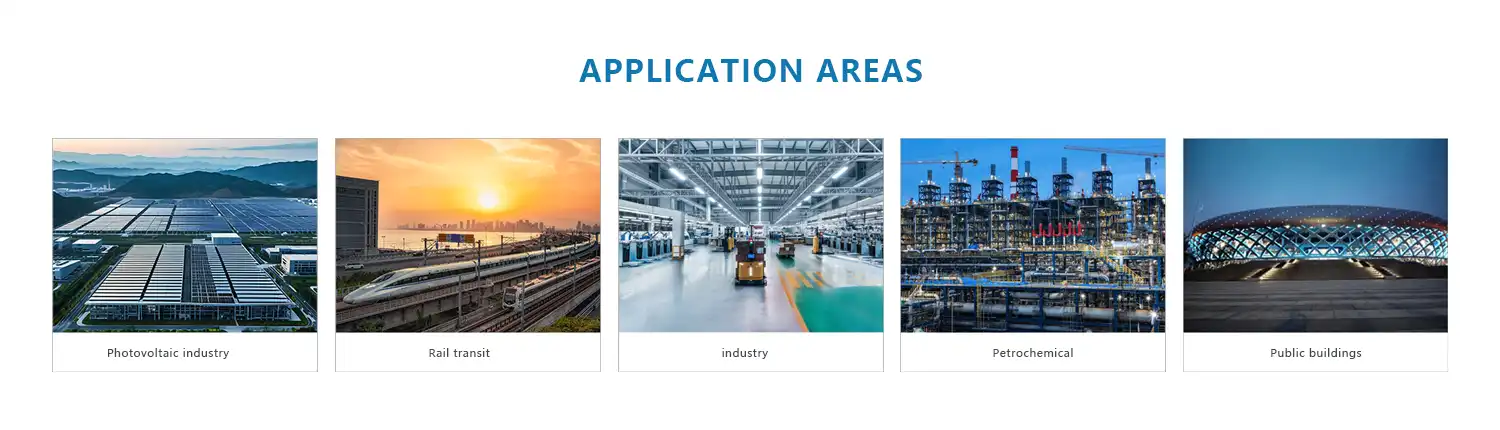
Just dampness, temperature changes, and corrosive atmospheres make working conditions at industrial sites difficult for Oil-immersed transformers. Our S13 type oil-immersed distribution transformers have strong thermal stability and can handle harmonically heavy loads in high-dust mining settings, where stable voltage control is very important. The sealed oil environment keeps the inside parts safe from water and other things that quickly break down dry insulation systems. Coastal sites benefit from the oil's protection against salt spray and humidity, which makes equipment last longer in situations where other technologies would break down sooner. When renewable energy sources like PV solar farms and wind power plants are used together, transformers have to deal with changing loads and being outside, which is where oil-immersed units really shine.
Procurement Insights: Navigating the Oil-Immersed Transformer Market in 2024
Supplier Evaluation Criteria for Industrial Buyers
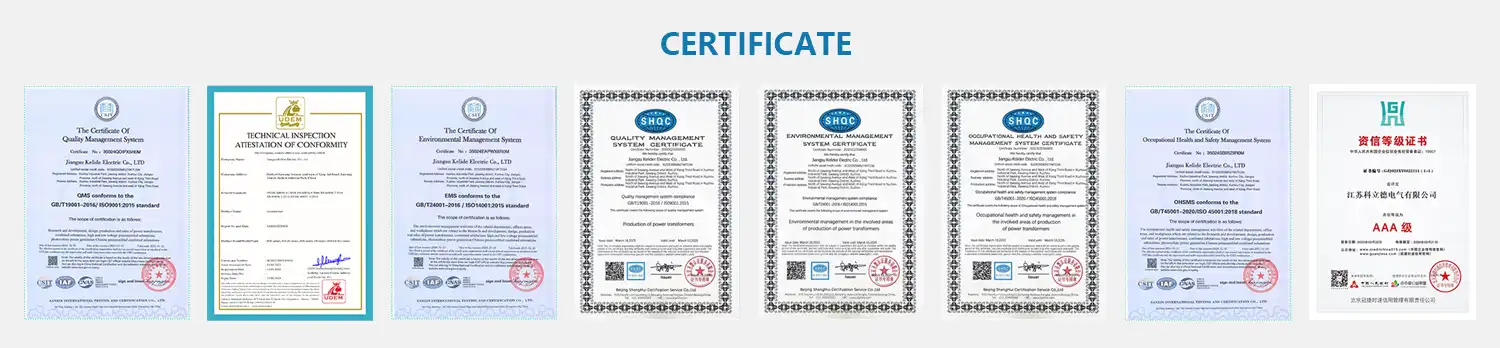
Picking the right provider is just as important to the success of a project as picking the right tools. Proven project knowledge, especially in related applications and on a similar scale, is a sign of a good reputation. Certifications show that the products are of good quality. For example, ISO 9001 quality management, ISO 14001 environmental management, and OHSAS 45001 health and safety at work show that the company is consistently doing great work. We keep all three licenses, plus the CCC certification that is required for the Chinese market. The ability to customize sets solution providers apart from standard sellers. Being able to change power taps, cooling setups, and protective systems to fit the needs of a particular spot ensures that performance is at its best and fit is not compromised.
Understanding Delivery Timelines and Logistics
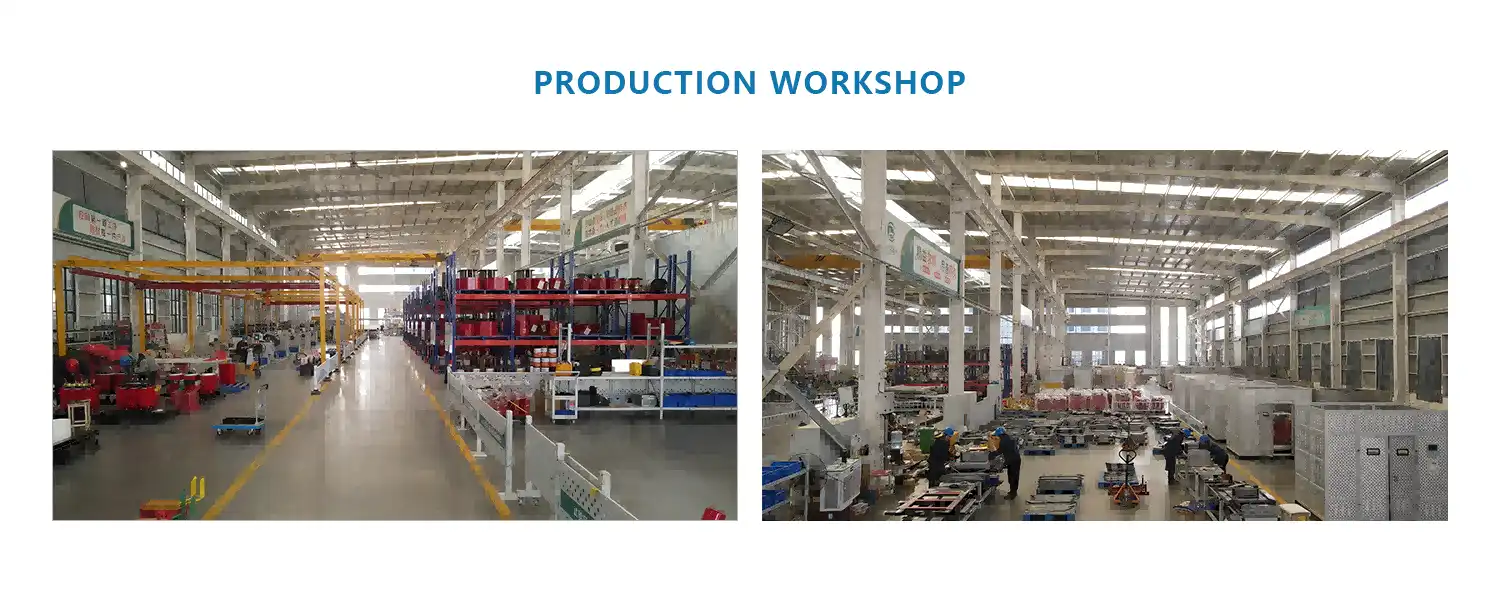
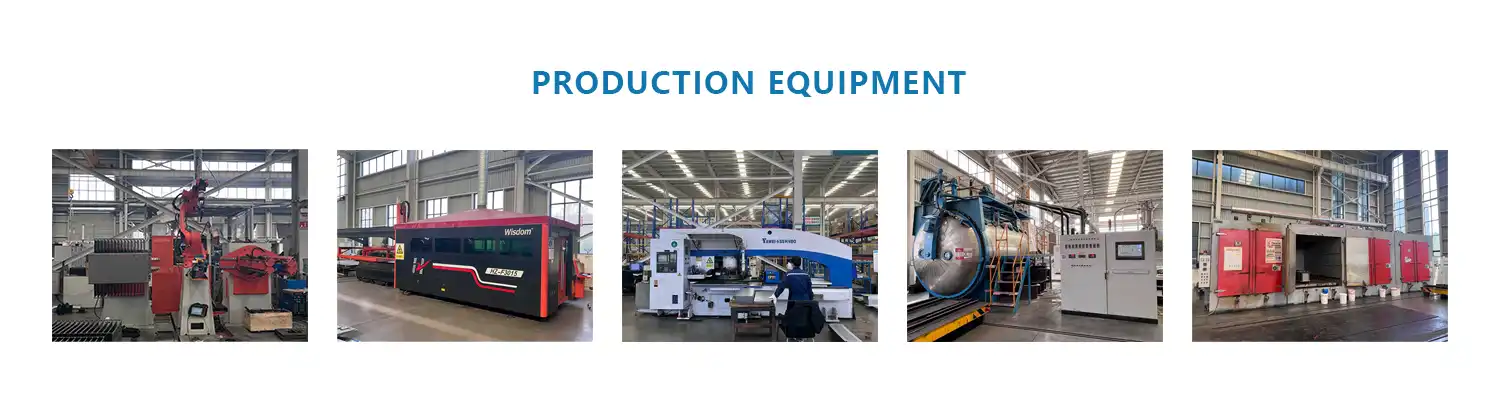
Getting industrial-scale Oil-immersed transformers involves careful handling of deadlines. Standard setups from well-known sources usually ship 8 to 12 weeks after the order is confirmed. Depending on how complicated they are, custom specs can make wait times 12 to 16 weeks. Our state-of-the-art production facilities have more than 120 sets of specialized equipment, such as CNC automatic winding machines and microcomputer-controlled gradient curing ovens, which allow us to make things quickly without lowering the quality. Transportation procedures need to be thought out carefully. For example, transformers with ratings above 1000kVA often need special heavy-haul transport and route studies. Costly delays can be avoided by coordinating delivery with workers who are ready to go, preparing the base, and installing the structure. Logistics support and documentation help for foreign shipments are provided by experienced providers who know how to deal with customs rules and other compliance requirements.
Technical Standards and Testing Procedures Ensuring Reliable Operation
International Standards Framework for Specification Compliance
Technical guidelines make it possible to buy transformers with confidence. The IEC 60076 line of standards sets the conditions for testing, rating, and performance that are known all over the world. IEEE C57.12.00 gives North American standards that cover similar technology issues with some regional differences. ANSI standards add to IEEE requirements by laying out more safety and efficiency requirements. In industrial settings, main voltages of 6kV, 10kV, 15kV, 24kV, and 35kV are common. Secondary voltages are chosen based on the needs of the tools being used. Power ranges from 30kVA for small distribution tasks to 2500kVA for heavy industry loads. Our goods are in line with these international standards, which means they can work with a wide range of grid systems and regulatory settings.
Pre-Procurement Factory Acceptance Testing
Factory acceptance tests make sure that the transformer works properly before it is shipped, which lowers the project risk. To check the integrity of the insulation, dielectric strength testing uses voltage levels higher than the standard values. IEC 60076-3 impulse voltage testing mimics lightning and switching surge situations. Testing for partial discharge can find insulation flaws at levels below 10pC at the maximum voltage. This finds possible failure places that other tests miss. Thermal performance is confirmed by load testing, which measures temperature rise in real-life working situations. Core loss and no-load current tests show that the magnetic circuit works well and is of good quality. We keep a professional quality testing lab where these tests are done under controlled conditions, and results are written down so that customers can check them.
Conclusion
Due to their better cooling efficiency, sturdy design, and track record of dependability in harsh environments, oil-immersed transformers continue to be the standard for industrial plants. They are perfect for government infrastructure projects, commercial developments, and industry manufacturing sites because they keep heat in well, last a long time, and cost less to own overall. Understanding technical specs, upkeep needs, and buying factors helps people make smart choices that match the powers of tools with the needs of operations. These transformers will keep working well for decades because they are put through strict testing procedures and meet international standards.
FAQ
1. How Often Should Transformer Oil Be Tested?
How often you check the oil relies on how the equipment is used and how old it is. For industrial uses, testing once a year is the bare minimum. This tests for dielectric strength, moisture content, and dissolved gas patterns. Units that work in difficult conditions or carry big loads should be tested every six months. Testing should be done on new sites after the first six months to set the standard conditions.
2. What Causes Oil Leakage in Transformers?
Most of the time, oil leaks are caused by damaged gaskets, corroded tanks, or technical issues. Changing temperatures cause seals to expand and shrink, which puts stress on them over time. Leakage risk is kept to a minimum by using the right fitting pressure on fixed connections and using high-quality gasket materials. Visual checks done on a regular basis can find early signs of seepage before a lot of fluid is lost.
3. Are Oil-Immersed Transformers Safe for Indoor Installation?
For installations inside, extra safety steps are needed, such as oil storage systems, enough air flow, and fire safety gear. Many places would rather put things outside to avoid the risk of fire inside. When placement inside is needed, safe operation is ensured by using the right engineering tools and following building codes.
Partner with Tuojie for Reliable Oil-Immersed Transformer Solutions
Tuojie specializes in developing, making, and selling Oil-immersed transformers that work well and meet the strictest industry standards. Our wide range of products includes models from the S9, S13, and S18 lines that are certified to ISO 9001, ISO 14001, and OHSAS 45001 standards. This guarantees steady quality and care for the environment. We offer custom power solutions that are made to fit your needs, based on our more than 20 years of experience in the field and 18 patents that show we are always coming up with new ideas. Whether you need a trusted oil-immersed transformer manufacturer for EPC contractor projects or government building projects, our team of 15 top engineers can help you with everything from developing specifications to commissioning.
You can email us at tuojie@electricinchina.com to talk about your project needs and get a full quote. We promise on-time delivery and great service after the sale.
References
1. International Electrotechnical Commission. (2021). Power Transformers - Part 1: General Requirements and Test Methods. IEC 60076-1 Standard.
2. IEEE Standards Association. (2020). IEEE Standard General Requirements for Liquid-Immersed Distribution, Power, and Regulating Transformers. IEEE C57.12.00.
3. Kulkarni, S.V. & Khaparde, S.A. (2018). Transformer Engineering: Design, Technology, and Diagnostics. CRC Press, Second Edition.
4. Heathcote, M.J. (2019). J & P Transformer Book: A Practical Technology of the Power Transformer. Thirteenth Edition, Elsevier.
5. Harlow, J.H. (2017). Electric Power Transformer Engineering. Third Edition, CRC Press.
6. McNutt, W.J. & Johnson, W.M. (2022). Industrial Power Distribution Systems: Design, Operation, and Maintenance Practices. IEEE Press Series on Power Engineering.