

.webp)
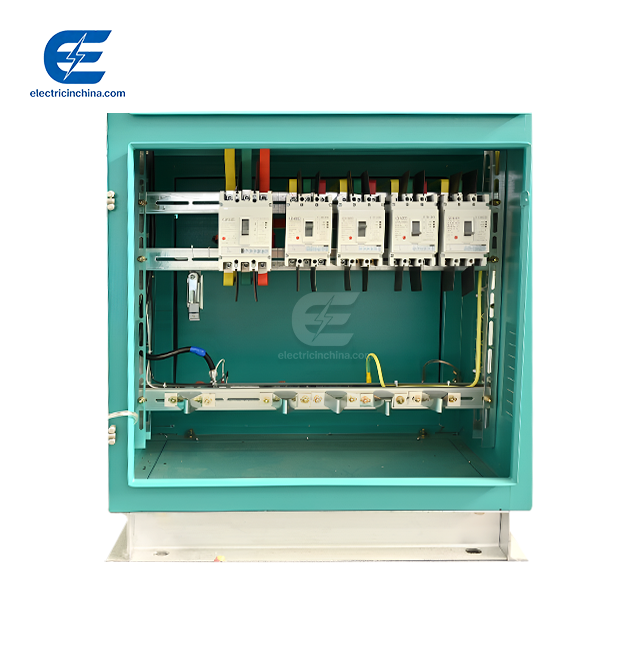
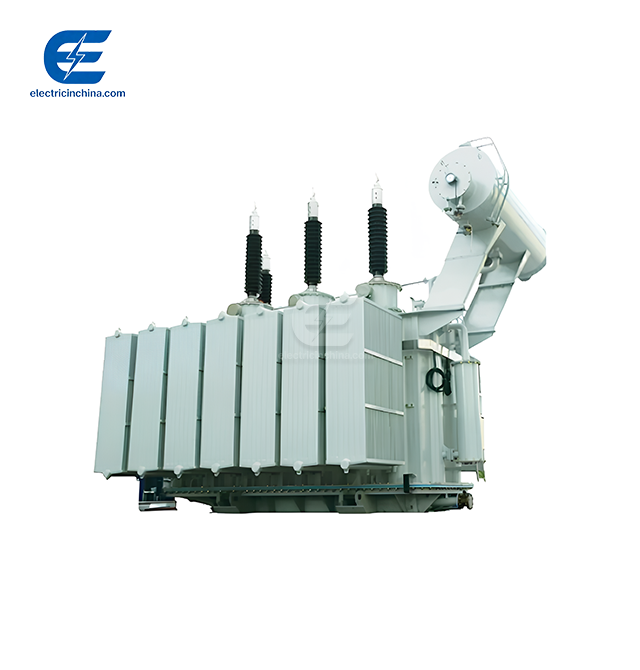
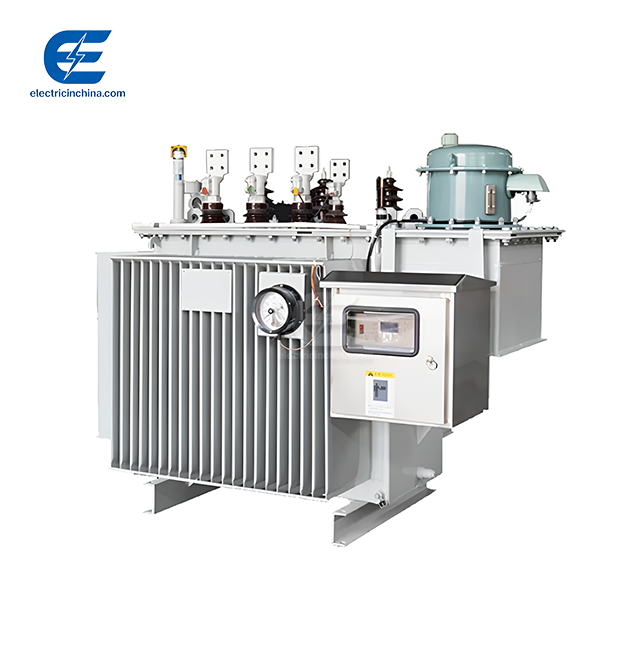
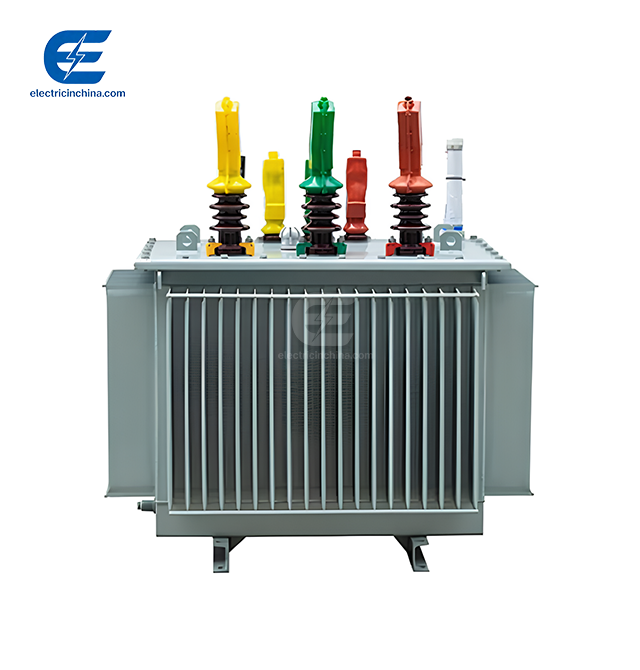
Oil-immersed transformers rely on specialized cooling methods to maintain operational efficiency and extend equipment lifespan. ONAN (Oil Natural Air Natural) uses natural oil circulation and ambient air cooling; ONAF (Oil Natural Air Forced) adds fans for better heat dissipation; OFAF (Oil Forced Air Forced) uses pumps and fans for high-capacity applications; and OFWF (Oil Forced Water Forced) uses heat exchangers that are cooled by water. Each cooling method meets different needs for managing heat in power distribution systems, while keeping performance, energy use, and maintenance in mind for industrial, business, and utility uses.
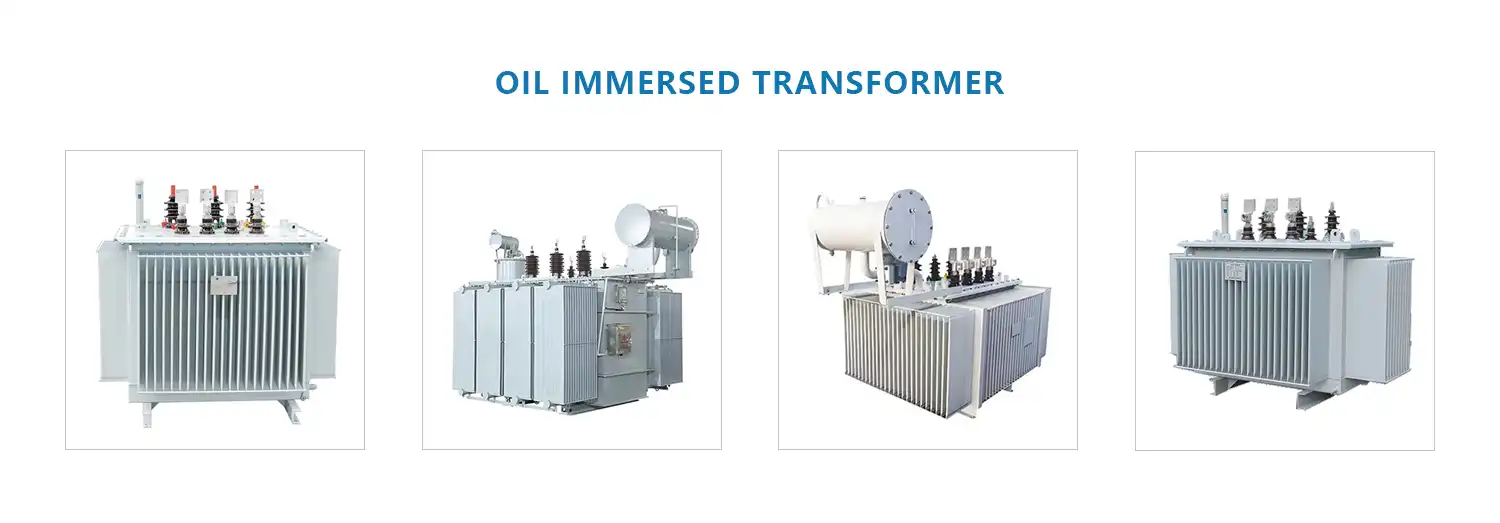
Understanding Cooling in Oil-Immersed Transformers
The Heat Dissipation Principle
When electrical current flows through transformer windings, it creates heat that is related to the load and the resistance losses. Without enough heat removal, core temperatures can rise above the safe working range, speeding up the breakdown of insulation and possibly leading to catastrophic failures. Mineral oil does two things: it keeps high-voltage parts from touching each other electrically, and it moves heat from one place to another. Oil takes in heat from the core and the windings and rises through natural convection, moving the heat to the outside surfaces where it disappears into the air.
Key Cooling Components
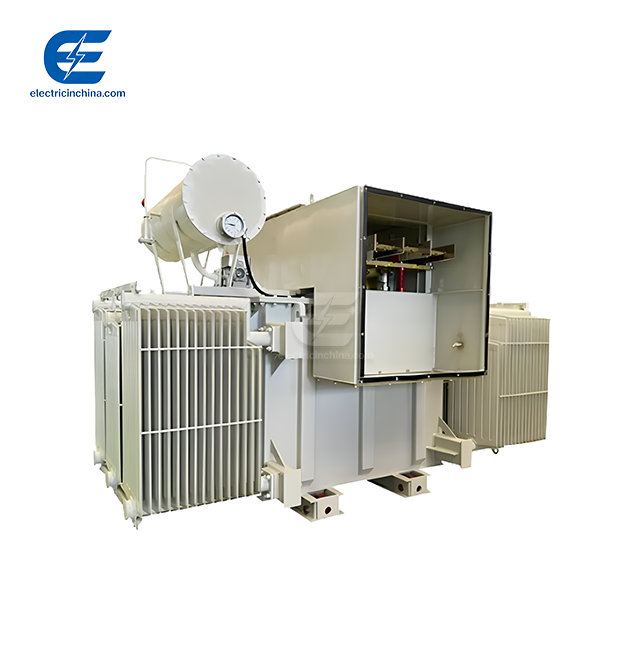
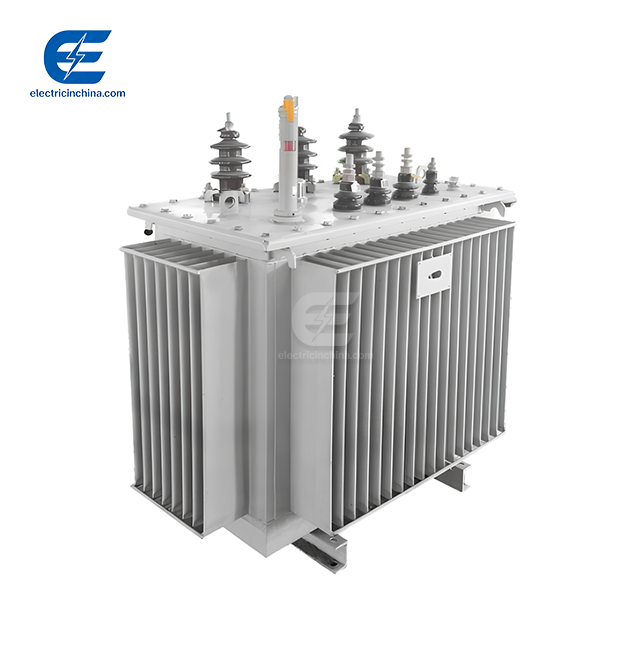
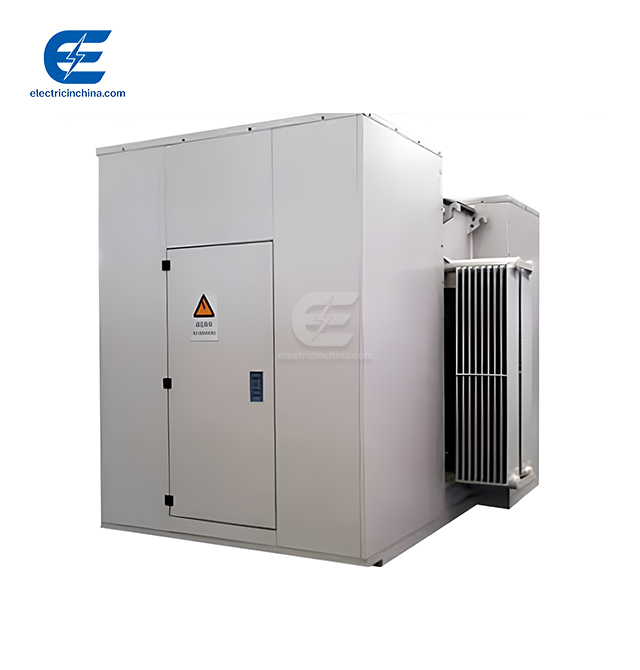
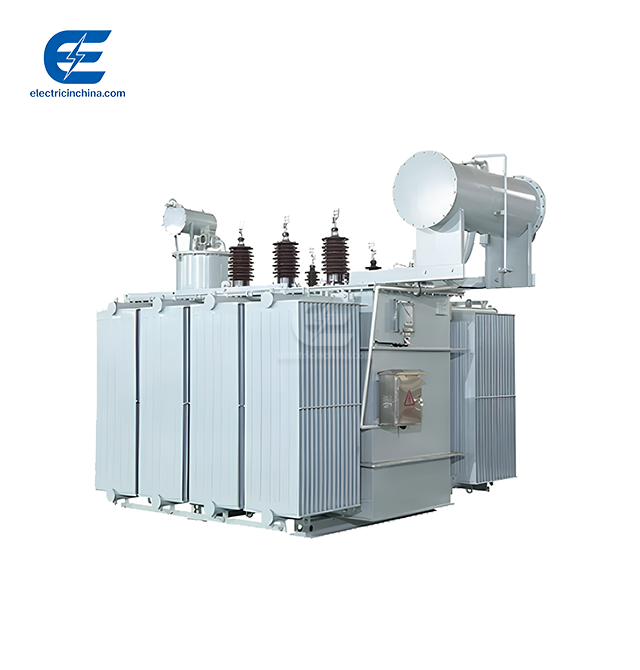
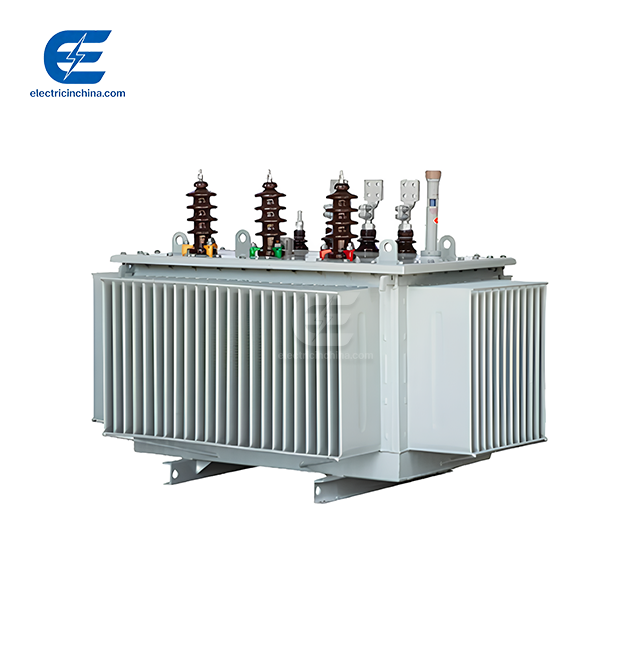
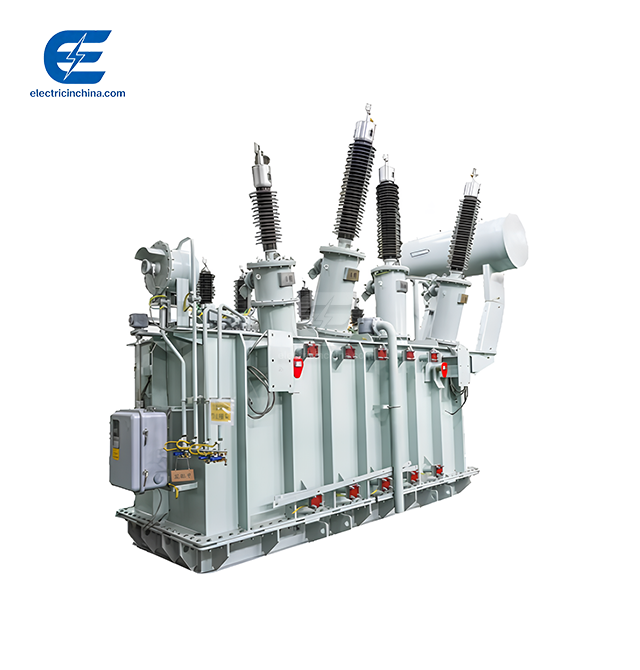
The architecture of the cooling system in current Oil-immersed transformers includes a number of built-in parts. Transformer oil with a dielectric strength of more than 30kV flows through the inside and soaks up heat from the moving parts. Radiators or curved tank walls make the surface area that can share heat with the air around it bigger. Cooling fins make the best use of wind patterns around areas that get rid of heat. When they are present, circulation pumps speed up the flow of oil through cooling channels. By moving air across the radiator's sides, external fans improve convective heat transfer. These parts work together to keep the core and coil temperatures within the limits set by the maker. This keeps the transformer's dielectric performance and mechanical stability stable over its entire service life.
Common Cooling Methods in Oil-Immersed Transformers
ONAN: Oil Natural Air Natural Cooling
This passive cooling method doesn't use any extra tools; it just works on natural processes. When oil is heated by internal losses, it rises through convection currents and flows to external vents or curved tank surfaces. There, natural convection moves the heat to the air around the tank. ONAN systems are usually used for transformers with ratings of up to 10MVA in places where small areas and low noise levels are important. This method is good for municipal substations in household areas because the operation stays quiet and there isn't much upkeep to do. Even though there are fewer failure spots because there aren't any moving parts, the cooling capacity is still lower than with forced methods.
ONAF: Oil Natural Air Forced Cooling
ONAF setups add fans to ONAN systems that are controlled by a timer. This makes it easier for heat to escape without using oil pumps. Even though natural oil exchange is still going on, forcing air across the radiator surfaces makes it 30–40% cooler than natural ways alone. This method works for transformers with ratings between 10 and 25MVA that serve business and industrial buildings with moderate load changes. When temperatures hit certain levels, fans turn on immediately. This saves energy while keeping thermal margins. Because it's pretty easy to switch from ONAN to ONAF, it's often used for projects that need to add more capacity in the future without replacing all the equipment.
Comparing Cooling Methods: Efficiency, Costs, and Suitability
Performance and Energy Considerations
The choice of cooling method has a direct effect on both running costs and thermal performance gaps. It is worth noting that ONAN systems don't use any extra power, but they can handle 60–70% of the rated transformer load capacity when the temperature outside is high. The ONAF setups use an extra 2–5kW of fan power per MVA rating, which increases capacity by 30–40% while keeping efficiency levels reasonable. When the pump and fan work together, OFAF systems need 8 to 12kW per MVA to support full nameplate rates in hot weather. When looking at energy use, you should look at things like area power rates, load profiles, and the temperature ranges you can expect during different times of the year.
The lifespan of a transformer is directly related to how well it handles heat. Studies show that lowering the temperature by 10°C can make insulation last twice as long. Forced cooling methods keep average temperatures lower, which could make up for higher starting costs by delaying capital replacement costs and service gaps.
Installation and Maintenance Complexity
When it comes to fitting, ONAN systems in Oil-immersed transformers are the easiest. All that's needed is structure mounting and electrical hookups, and no other equipment needs to be added. ONAF setups add wiring for fans, installing thermostats, and completing the control circuit. OFAF systems need oil pumps to be mounted, pipes to be changed, flow tracking equipment, and more complex control panels to make sure that all the equipment works together. OFWF sites also need links to water supplies, treatment systems, and drainage systems.
The amount of maintenance needed goes up as the system gets more complicated. Every 12 to 24 months, ONAN transformers need to be visually checked and their oil quality tested. On ONAF units, cleaning the fan motor and lubricating the bearings are added. OFAF systems need to have their pump seals checked, their vibrations recorded, and their oil filters changed every three months. OFWF setups add rules for cleaning heat exchangers and controlling the chemicals of the water. With more complex cooling systems, labor costs, spare parts supplies, and the need for expert technicians all go up.
Best Practices for Maintaining Cooling Systems in Oil-Immersed Transformers
Oil Quality Monitoring Protocols
Transformer oil is the main way that heat moves through and protects against heat, so its state is very important to how well the cooling system works. According to IEEE C57.104 guidelines, dissolved gas analysis should be done every year for units less than 10MVA and every six months for bigger equipment. This monitoring method finds early signs of problems by looking at trends in hydrogen, acetylene, and carbon monoxide concentrations. This lets maintenance be planned ahead of time, before problems happen. Karl Fischer titration must prove that the moisture content is below 10–12ppm, because high moisture levels greatly reduce dielectric strength and speed up insulation age.
Breakdown voltage testing makes sure that the oil maintains its minimum 30kV insulating ability. Oil samples from bottom drain valves are tested in a lab to find out their acidity, interfacial tension, and power factor. If the results start to stray from what is accepted, correction actions like filtering, degassing, or replacing the oil completely are taken. Recording test results over time shows patterns of degradation that support condition-based maintenance strategies that make the most of inspection gaps and stop problems before they happen.
Component Inspection and Cleaning
Radiators and curved tank surfaces collect dust, pollen, and other industrial pollutants that make surfaces that lose heat less effective by insulating them. Cleaning once a year with low-pressure water or compressed air improves heat efficiency. Every 6 to 12 months, fan motors need to have their bearings inspected and oiled. Vibration analysis can find mechanical problems before they become serious enough to cause unexpected outages. Cleaning fan blades gets rid of dirt and other things that get in the way of movement and make the motor work harder.
Every three months, Oil-immersed transformer pumps need to be inspected to look for leaky seals, strange vibrations, and high bearing temperatures. Making sure the coupling is aligned stops it from wearing out too quickly. Replacing the strainer and filter part keeps the oil flow rates at the right levels. In OFWF setups, cooling water systems need to have their water chemistry checked once a month and their heat exchangers cleaned every three months to keep scaling from happening, which makes thermal transfer less effective. Setting up thorough repair plans that are in line with what the maker recommends and the conditions of use reduces the chance of unexpected failures and increases the life of the equipment.
How to Procure the Right Oil-Immersed Transformer with Optimal Cooling
Technical Specification Requirements
For buying to go well, electrical and thermal needs must be clearly outlined. Baseline requirements include voltage ratings that work with main power systems, power capacities that meet current and expected loads with enough room for error, and impedance values that work with system safety methods. The cooling class designation (ONAN, ONAF, OFAF, or OFWF) should match the site requirements, such as the amount of room available for installation, the temperature ranges, noise limits, and the ability to do upkeep.
Pay close attention to temperature rise limits because they directly affect the size of the cooling system. Typical specs allow an average rise in winding temperature of 65°C above atmospheric when the load is full, with hotspot temperatures no higher than 78°C. Extreme climate projects may need better cooling plans or derating formulas to make sure they work reliably when the temperature outside goes over 40°C.
Evaluating Supplier Capabilities
Leading global companies like ABB, Siemens, and Schneider Electric offer tried-and-true transformer technologies with advanced cooling systems that are backed by a lot of testing data and real-world experience. These well-known suppliers offer full technical help, standard designs that meet foreign standards, and service networks that reach all over the world. Asian makers, like Hyundai and Chinese companies, offer reasonable prices and are getting better at meeting quality standards by getting ISO certification and building new factories.
When big projects need more than one unit, production ability affects when they can be delivered. When pressing needs arise, suppliers who keep enough core materials, copper wires, and tank parts in stock can meet them more quickly. Customization options are useful for projects that need power ratios, mounting arrangements, or cooling requirements that go beyond what is available in a catalog.
Conclusion
Choosing the right cooling methods for oil-immersed transformers has a direct effect on their reliability, costs over their lifetime, and the amount of upkeep that needs to be done in business, industrial, and utility settings. For moderate-capacity setups, ONAN systems are easy to use and require little upkeep. ONAF configurations, on the other hand, improve thermal performance by adding inexpensive fans. OFAF methods are useful for demanding high-capacity tasks that need to get rid of as much heat as possible, and OFWF systems are useful for specific situations where space is limited.
To be successful in procurement, cooling technologies must be matched to the site's conditions, load profiles, and upkeep skills. At the same time, seller certifications, manufacturing quality, and assistance after the sale must also be checked. Tough oil tracking, set procedures for inspecting parts, and careful thermal management all help keep transformers healthy, protecting large capital investments over many decades of service. When engineering teams and buying managers know these basic cooling rules, they can choose equipment that meets both short-term project needs and long-term working goals.
FAQ
1. How frequently should transformer oil be tested to ensure optimal cooling performance?
How often you test depends on how much power the transformer has and how it is being used. Every year, dissolved gas analysis and dielectric strength tests should be done on units rated below 10MVA that are used for steady loads. Oil-immersed transformers that are bigger than 25MVA or that are used in tough industrial settings with changing loads need to be tested every six months. Critical system apps may need to be checked every three months. Checking the moisture level should be done whenever the weather changes or after big loads. By taking standard readings during commissioning, you can look at trends and see how things are getting worse before the cooling stops working as well.
2. Can existing ONAN transformers be upgraded to ONAF cooling configurations?
Adding fans to old ONAN units is a useful way to increase their capacity. The design of the tank must allow for brackets for attaching fans, and the building of the radiator should allow for forced airflow without any structural changes. For control systems to work, they need extra wires, thermostats, and contactors. Cooling capacity usually goes up by 30 to 40 percent, which could mean that the whole transformer doesn't need to be replaced for 5 to 10 years. An engineering study should prove that the heaters that are already in place have enough surface area to better remove heat. When transformers are getting close to but not quite past their temperature limits, upgrades are the most cost-effective way to extend their useful life without lowering their trustworthiness.
3. What warning signs indicate cooling system problems requiring immediate attention?
Elevated winding temperatures that are 10°C above the usual working range call for a probe. Sounds that aren't normal, like grinding sounds from pumps or rattling sounds from fan motors, are usually a sign of technical problems. Lower oil levels mean there are leaks that are reducing the amount of cooling fluid available. Potential breakdowns are indicated by temperature alarms or protective switches that trip when temperatures rise or fall. If you look closely and see oil spots, rusted radiator surfaces, or fans that aren't working, you need to fix the problem right away. Remote monitoring systems that keep an eye on temperatures, the state of cooling equipment, and load conditions in real time make it possible to find problems early on, before they get worse and cost a lot to fix or replace.
Partner with Tuojie for Superior Oil-Immersed Transformer Solutions
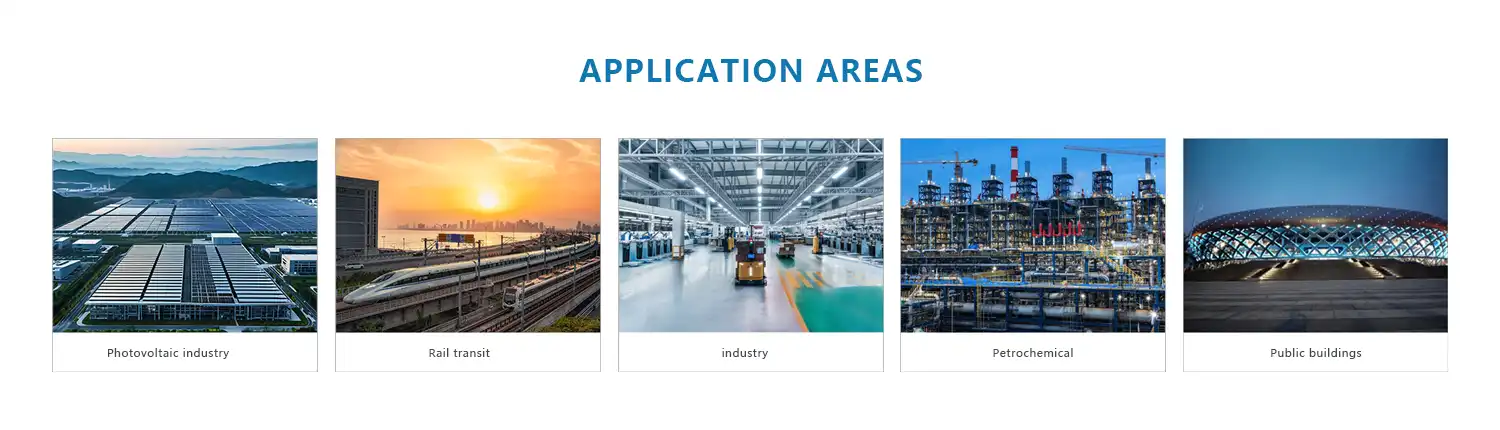
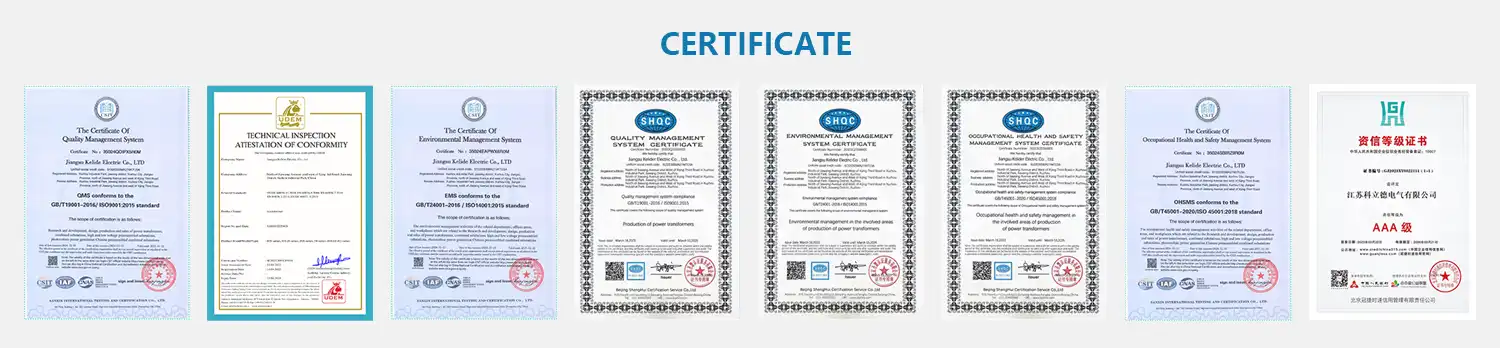
Tuojie has been creating and making high-performance oil-immersed transformers with the best cooling systems for government infrastructure, business projects, and industrial sites for more than 20 years. Our S9, S13-35kV, and S18 series transformers use cutting-edge cooling technologies, such as OFAF systems and efficient ONAN designs. These technologies are all approved under ISO 9001, ISO 14001, and OHSAS 45001 standards, and CCC approval is required.
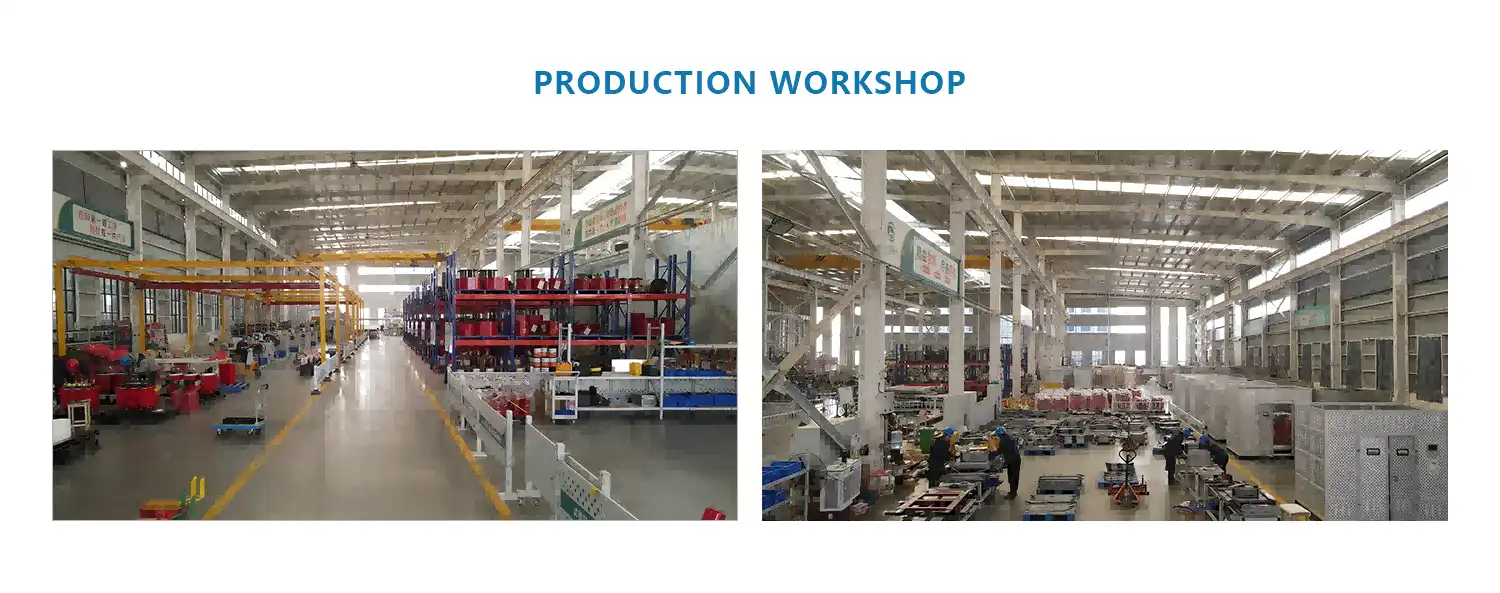
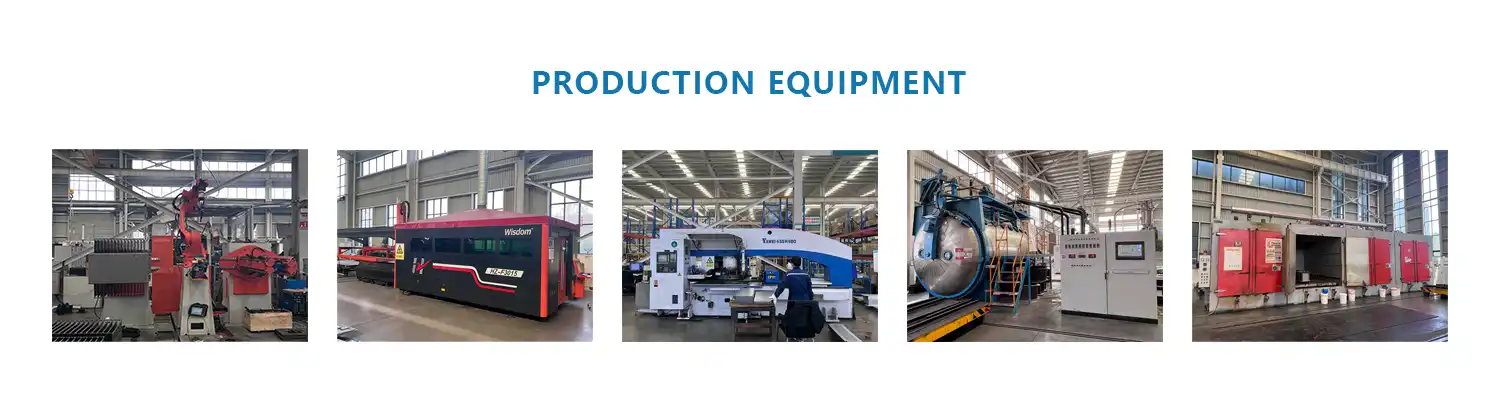
Our 15 senior engineers and 30+ intermediate workers use 18 patents and 120+ sets of modern equipment, such as CNC winding machines and vacuum casting systems, to make sure that the solutions we provide are perfect for your surroundings and your needs for capacity. We have finished hundreds of important power projects smoothly, such as the Xuzhou Rail Transit Network, the High-speed Railway East Station EPC, and the upgrades to the XCMG Group factories. We always finished projects ahead of time and with no problems.
As a reliable oil-immersed transformer provider, we offer a full range of services, from reviewing the initial specifications to helping with installation and providing ongoing upkeep training. You can email our technical team at tuojie@electricinchina.com to talk about your unique cooling needs, get full technical proposals, and get low prices with guaranteed delivery dates.
References
1. Heathcote, M.J. (2007). J&P Transformer Book: A Practical Technology of the Power Transformer (13th ed.). Newnes.
2. Harlow, J.H. (Ed.). (2012). Electric Power Transformer Engineering (3rd ed.). CRC Press.
3. IEEE Standards Association. (2019). IEEE C57.104-2019 - IEEE Guide for the Interpretation of Gases Generated in Mineral Oil-Immersed Transformers. Institute of Electrical and Electronics Engineers.
4. International Electrotechnical Commission. (2018). IEC 60076-2:2011+AMD1:2018 - Power Transformers - Part 2: Temperature Rise for Liquid-Immersed Transformers. IEC Publications.
5. Kulkarni, S.V., & Khaparde, S.A. (2013). Transformer Engineering: Design, Technology, and Diagnostics (2nd ed.). CRC Press.
6. Tenbohlen, S., Coenen, S., Djamali, M., Müller, A., Samimi, M.H., & Siegel, M. (2016). Diagnostic Measurements for Power Transformers. Energies, 9(5), 347-381.