

.webp)
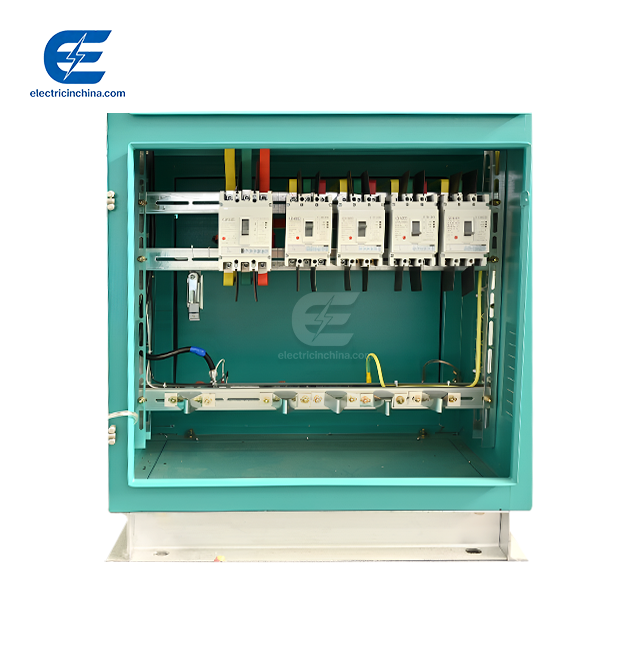
Dry-type transformers are the most important part of safe and efficient power transfer in places where reliability, fire safety, and environmental protection can't be ignored. Unlike units that are submerged in oil, these transformers use air or solid insulator materials, like epoxy resin casting, instead of coolants that can catch fire. This means that they require less upkeep. A lot of different types of businesses, from hospitals and data centers to factories and green energy projects, depend on dry-type transformers to safely lower voltage levels while working in harsh conditions. This guide talks about how they are made, how they can be used in important areas, and how buying managers can choose the best option for each project.
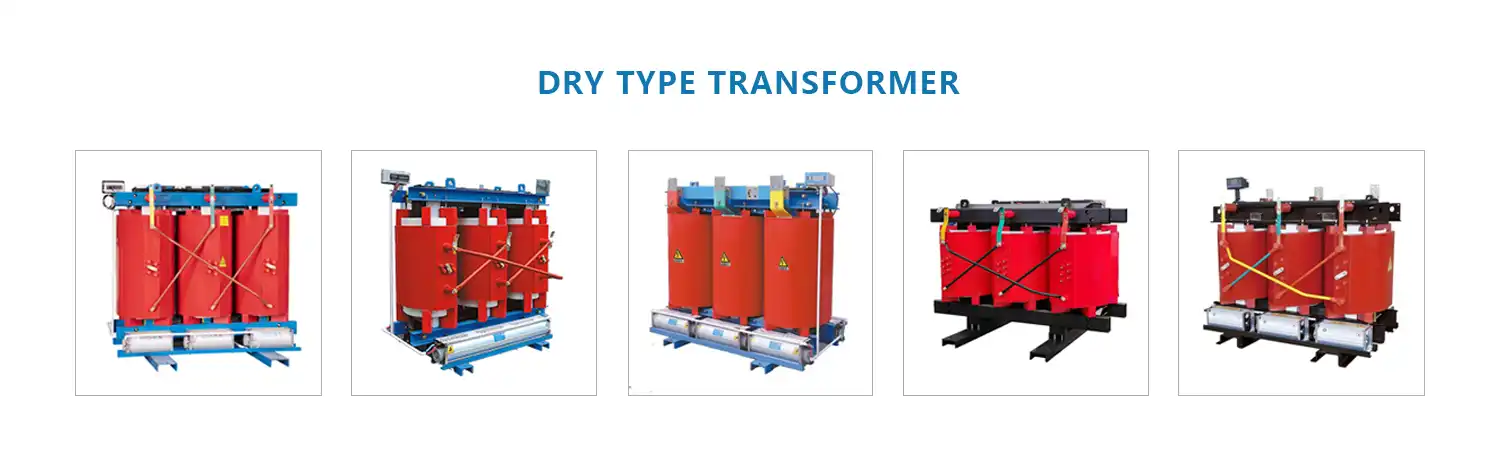
Understanding Dry-Type Transformers: Key Features and Construction
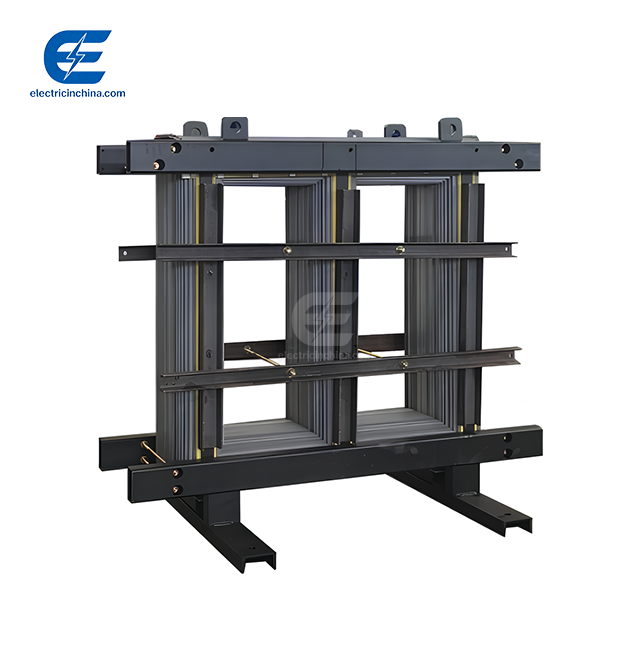
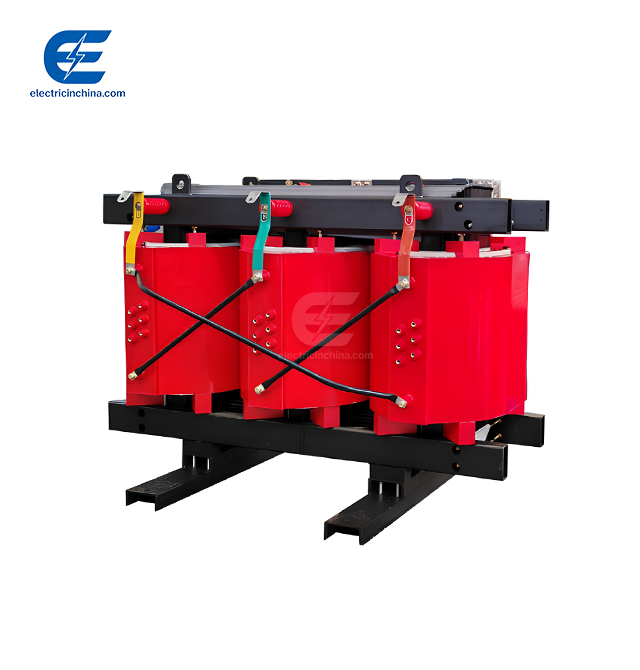
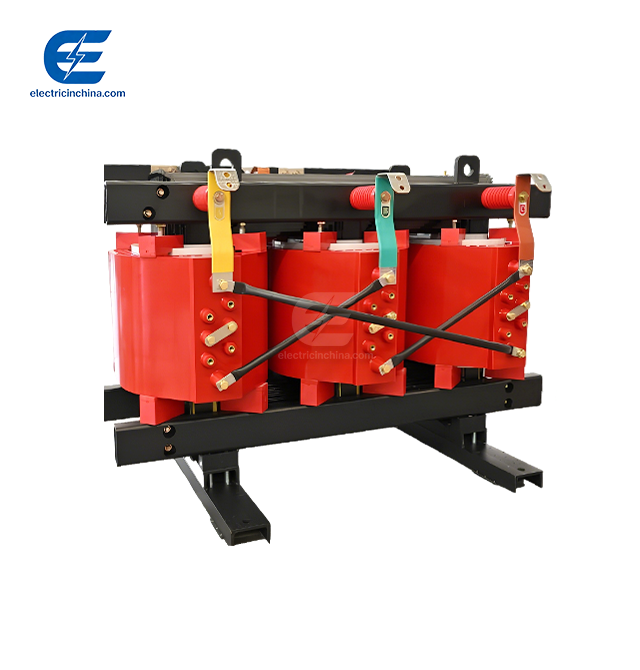
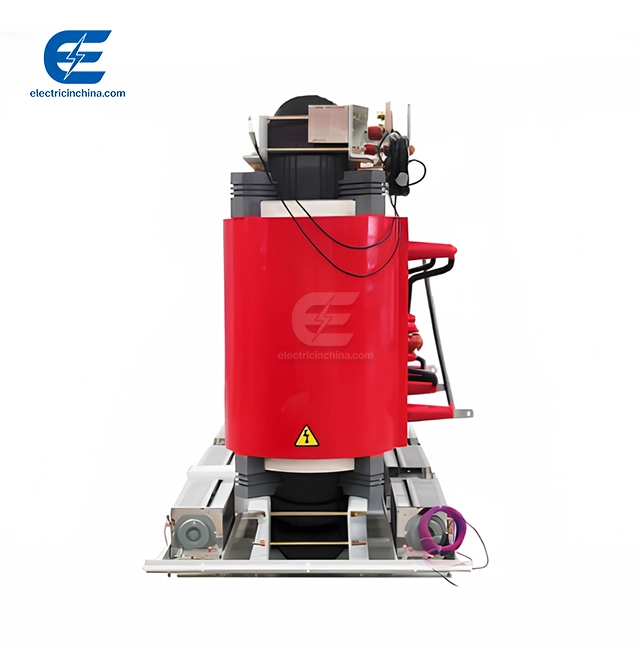
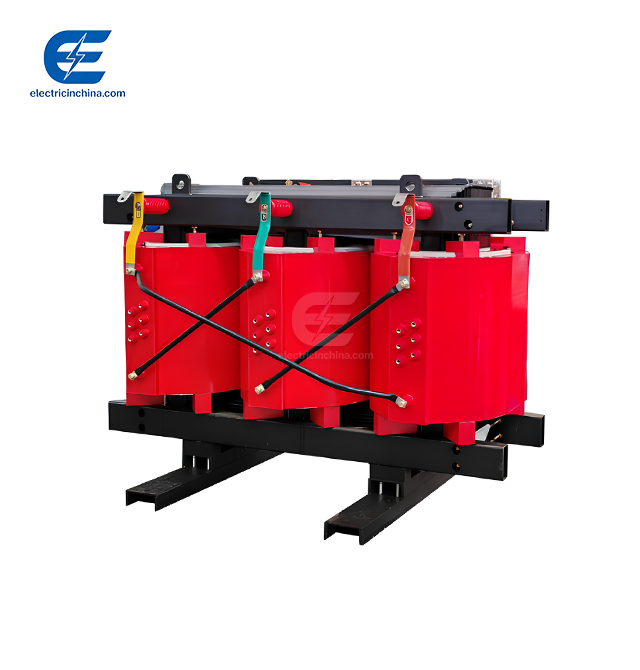
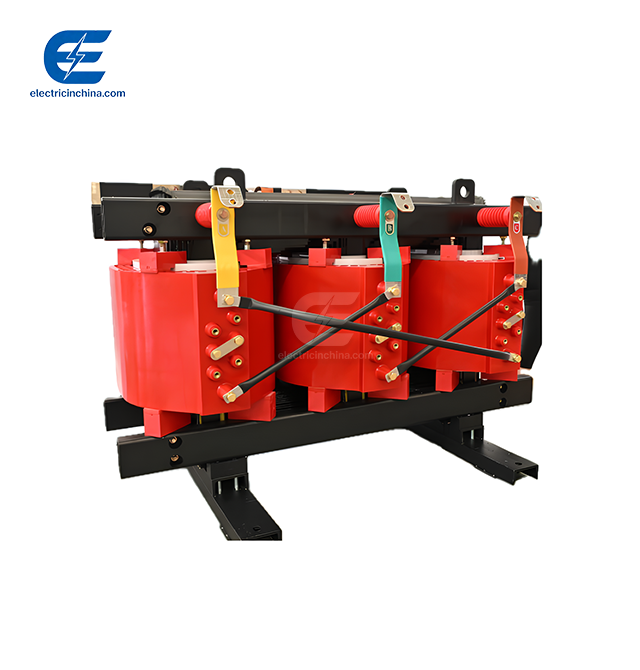
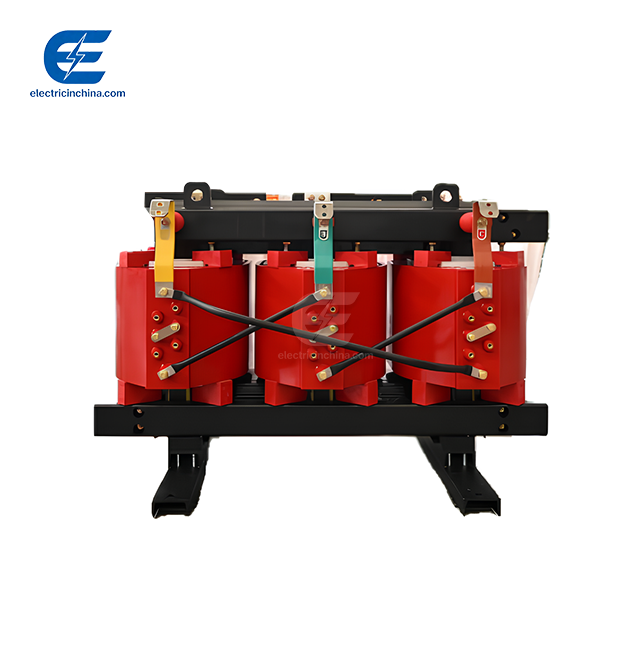
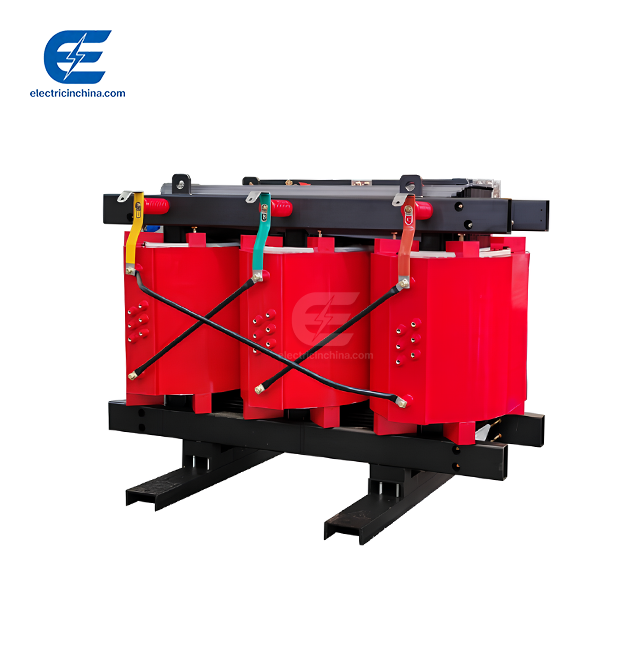
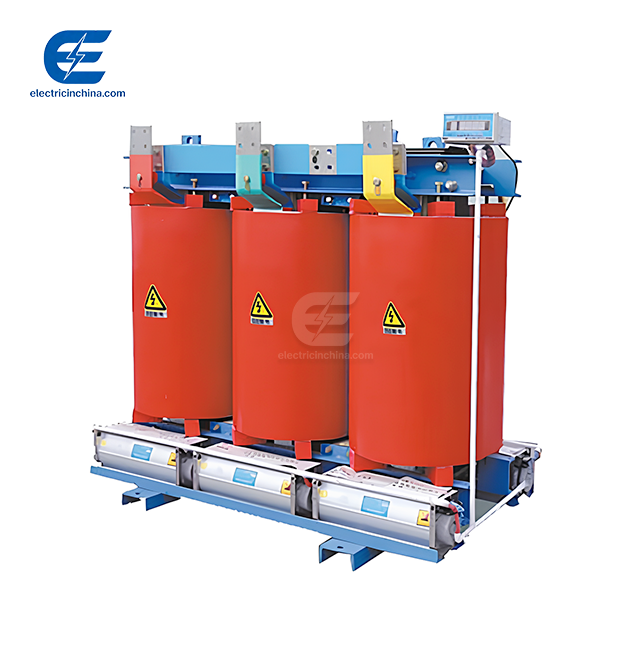
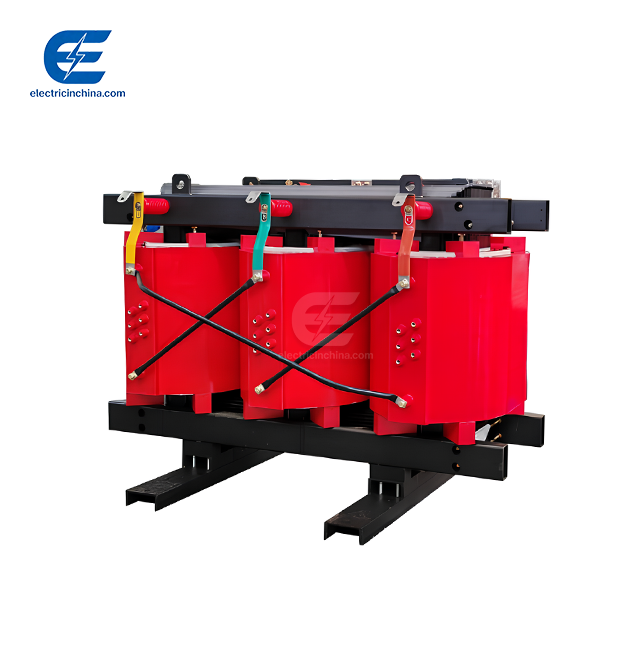
Magnetic induction is how dry-type transformers work at their heart. They change voltage levels without using wet dielectrics. Copper or aluminum windings are wrapped around a core made of laminated steel or an amorphous metal, and high-quality insulating materials cover the whole thing. Advanced models, like our SCBH19 series, use very thin amorphous metal strips that are about 0.025mm thick. These strips have very low coercivity and cut no-load losses by up to 70% compared to standard silicon steel transformers.
Insulation Classes and Temperature Tolerance
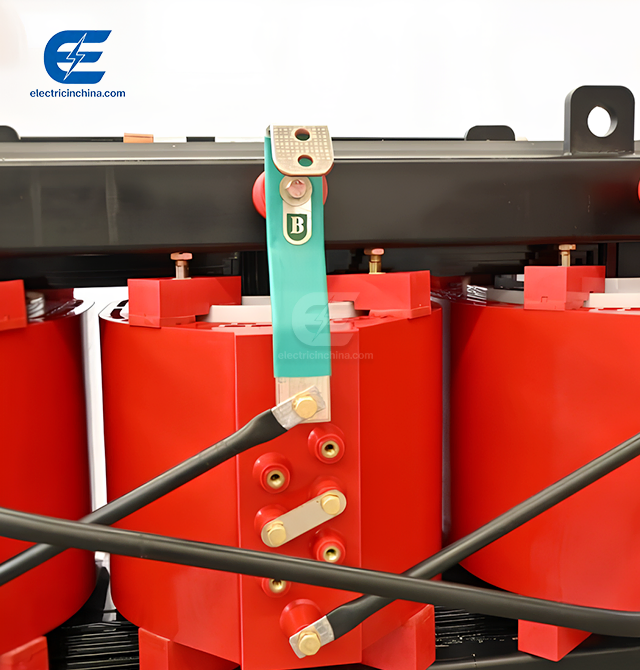
Modern units have insulation systems that are Class F (155°C) or Class H (180°C), which lets them work in harsh conditions. Epoxy resin vacuum casting makes a shield that doesn't let water through and keeps its dielectric strength even in dusty or wet places. This way of building makes sure that the partial discharge level stays below 5pC, which is very important for sensitive places like hospitals or chip factories.
Three Primary Configurations
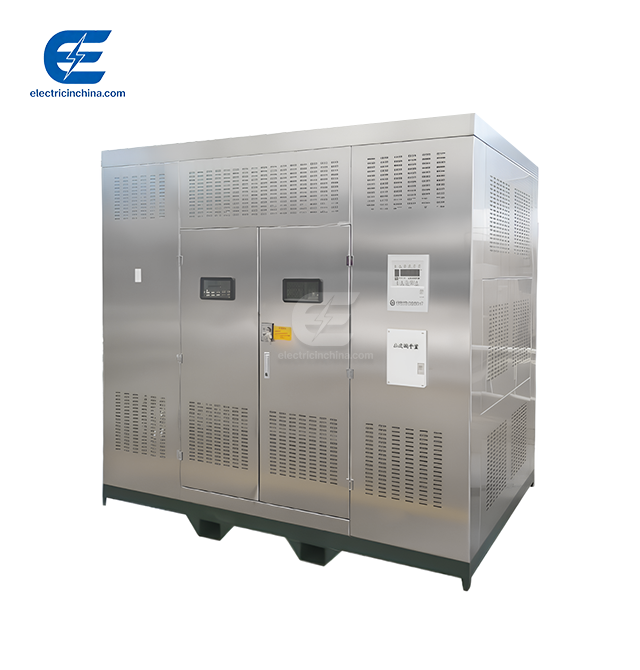
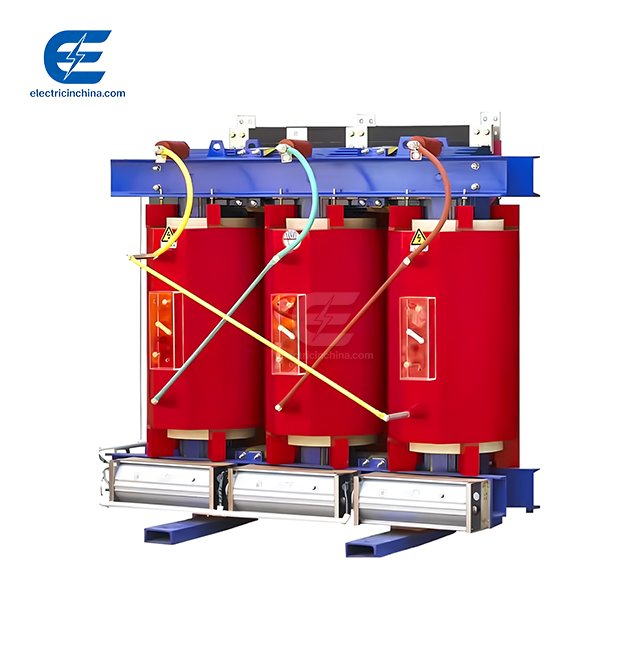
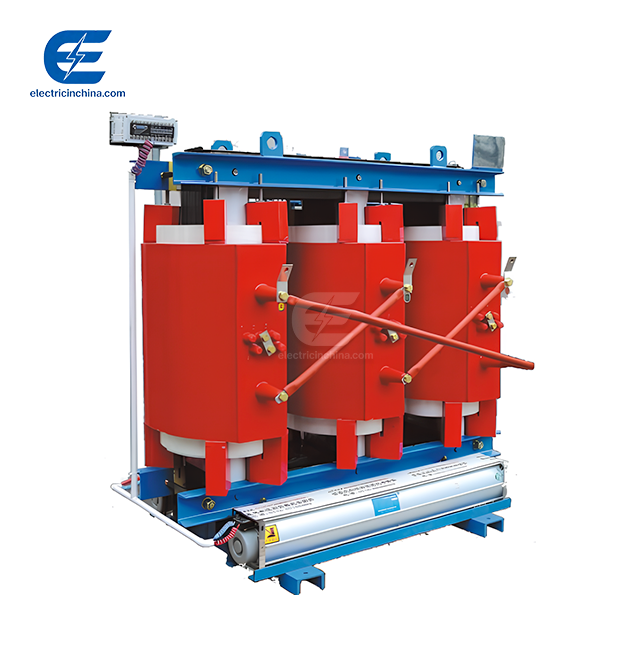
- Ventilated Dry-Type Units: These units can be used in indoor substations with controlled airflow because they have natural or forced air cooling pathways that get rid of heat quickly.
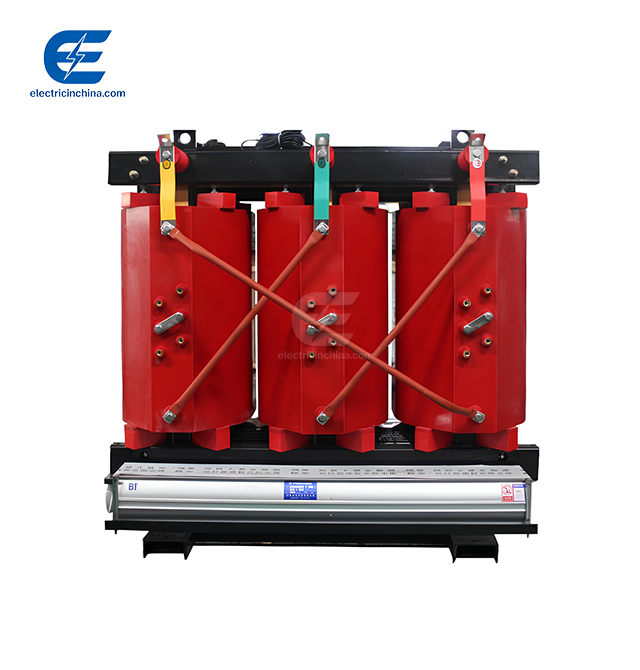
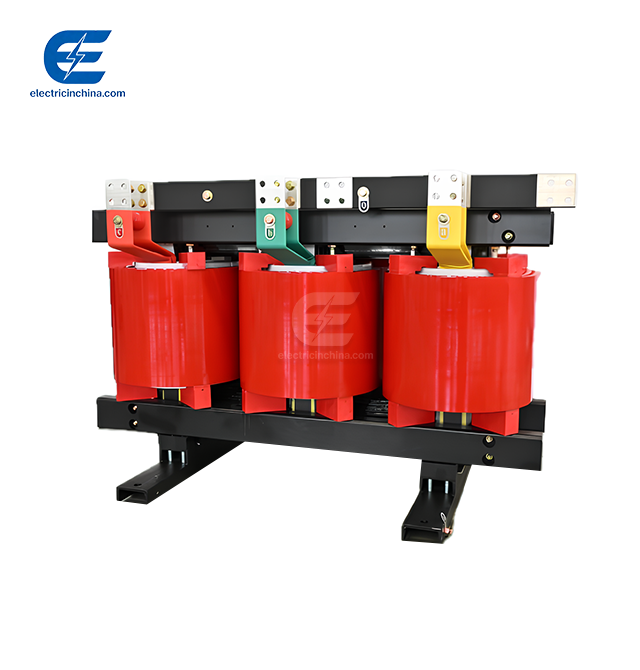
- Cast Resin Transformers: Vacuum-cast epoxy resin fully surrounds the windings, offering better resistance to moisture and flame retardancy in line with IEC 60076-11 standards.
- Encapsulated Designs: These are used in coastal or high-altitude settings, and they can handle rust from salt spray and work at heights above 2,000 meters with little de-rating.
These changes to the dry-type transformer design solve certain practical problems. Where oil-filled transformers can start fires or need pricey containment systems, dry-type options don't pose the same risks and are easier to put in buildings that are already occupied. Because they put out fires on their own, they don't need any special fire control systems. This cuts the cost of infrastructure by 15 to 25 percent in urban projects.
Main Industrial and Commercial Applications of Dry-Type Transformers
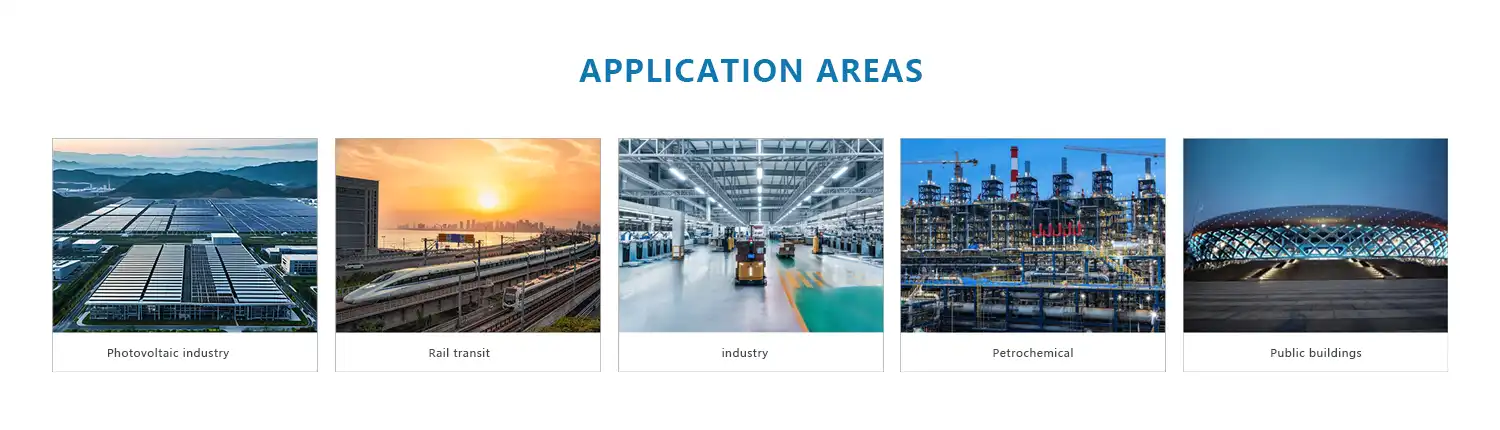
Because dry-type transformers can be used in many situations, they are essential in many fields. Their ability to work effectively in tight spaces, corrosive environments, and areas that are prone to fire has made them more popular than just standard power transfer.
Manufacturing and Heavy Industry
Industrial facilities demand transformers that can handle shaking, dust, and changes in temperature. Our double-split dry-type transformers work great in multi-pulse rectifier systems and keep high-power inverters from interfering with each other harmonically. These units keep robotic welding stations away from CNC machines in auto plants. This keeps the voltage from changing in ways that damage precision equipment. The two secondary windings provide backup—if one circuit fails, the other one keeps production going.
We make sure that our short-circuit resistance rates are higher than 50kA so that they can be used in metalworking plants. When something goes wrong, vacuum casting makes sure that the windings stay physically sound. This is a very important benefit in industries where machine downtime costs more than $10,000 an hour.
Healthcare and Data Centers
Medical imaging technology needs power that is clean, steady, and doesn't have any voltage drops. NFPA 99 healthcare facility rules say that flammable coolants can't be used in dry-type transformers that are placed in hospital buildings. Their low noise level (usually less than 55dB at 1 meter) keeps patient care areas from being interrupted. MRI rooms need very little electromagnetic radiation, which these transformers' clever magnetic shielding designs provide.
Data centers use models that are 98.7% efficient with energy to keep operating costs as low as possible. When compared to older designs, a 2,500kVA unit that works at this level of efficiency saves about $12,000. Temperature tracking systems built into transformer control screens let building managers know before the insulation starts to break down. This stops the catastrophic failures that shut down servers.
Comparing Dry-Type Transformers with Other Transformer Types for Application Suitability
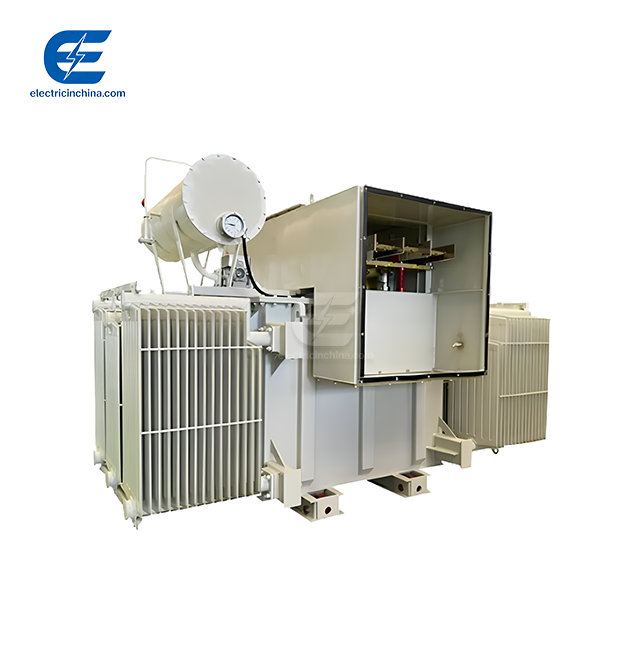
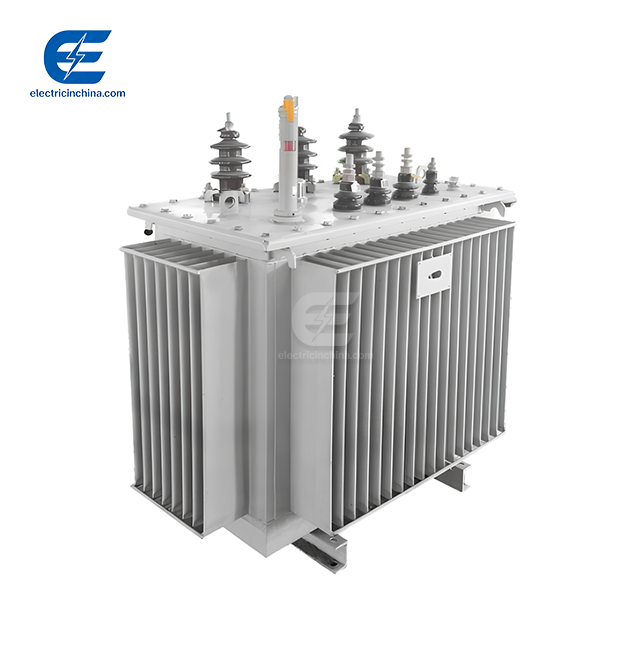
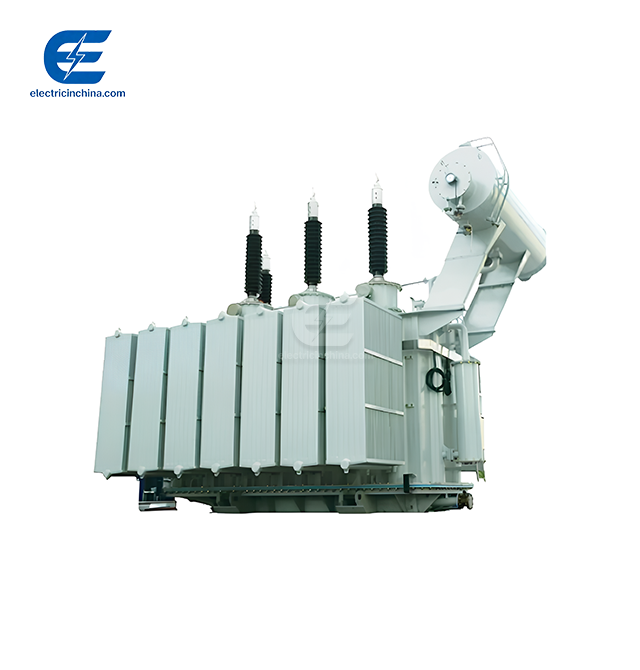
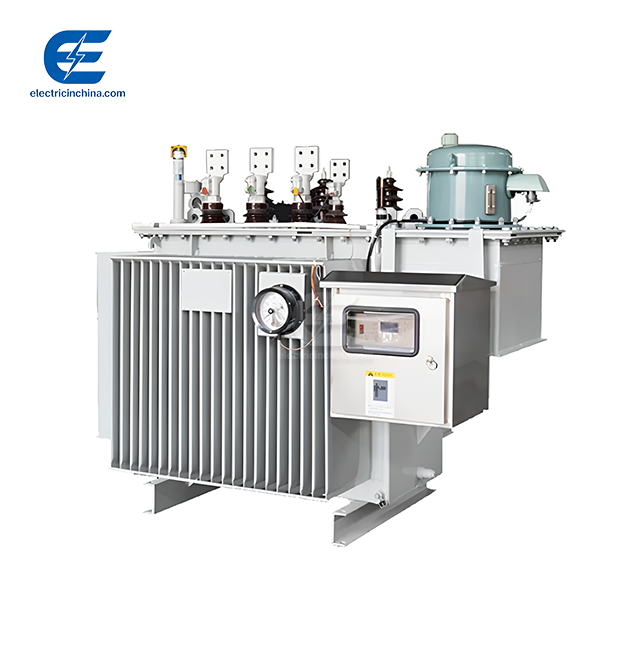
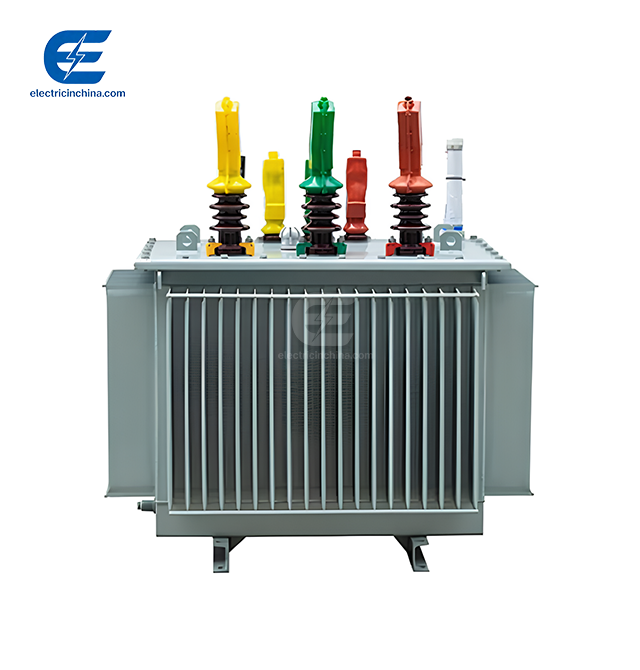
Teams in charge of buying things need to think about more than just the initial purchase price when they are choosing between dry-type transformers and oil-filled choices. Oil-immersed transformers usually cost 20–30% less up front, but they need holding tubs, annual oil testing, and eventually disposal, which adds $15–$50,000 over the life of the transformer. Dry-type units don't need to be maintained, so they don't cost anything because they last 30 years or more.
Safety and Environmental Impact
In business setups, insurance costs go down by 10 to 15 percent when dry-type transformer systems have no flammable dielectric fluid. Environmental laws are making it harder for oil-filled transformers to be used in cities because they could cause spills. Dry-type alternatives meet the standards for LEED certification for green buildings and add points to sustainability scores that raise property prices.
Efficiency and Load Characteristics
No-load losses are cut down to 0.12% of maximum capacity in amorphous metal core transformers like the SCBH19, compared to 0.35% in traditional designs. At industrial energy rates, this means that a 1,000kVA unit that runs 8,760 hours a year will save 2,016kWh, which is about $200 a year. The 15-20% higher starting cost is more than made up for by the energy savings over the transformer's lifetime.
It also matters what kind of load it is. Oil-filled transformers get too hot when they have to handle nonlinear loads that are more than 30% of their capacity. Dry-type units, on the other hand, can handle harmonic-rich loads from variable frequency drives better. This is exactly what our double-split setups do—they separate sensitive loads from sources of disturbance.
Maintenance, Efficiency, and Operational Tips for Dry-Type Transformers
For transformers to last as long as possible, they need to be regularly inspected and serviced. Even though dry-type transformers need less upkeep than oil-filled ones, skipping basic steps speeds up insulating loss and lowers efficiency.
Routine Inspection Protocols
Visual checks should be done every three months to make sure that dust doesn't build up on the windings, which stops heat from escaping. Cleaning with compressed air at 40 to 60 psi gets rid of dirt and dust without hurting epoxy resin surfaces. Infrared thermography can track temperature rise and find hot spots that mean connections are loose or there is too much power before they break.
2,500V megohm meters are used to test the insulation resistance once a year; numbers above 1,000MΩ prove integrity. Partially discharge testing finds flaws that can't be seen by other methods, which is very important for units that carry mission-critical loads. Professional testing should be done every three to five years, but in tough conditions, it may only need to be done every two years.
Optimizing Operational Efficiency
Managing loads stops things from aging faster. Running transformers at 80 to 85% capacity keeps thermal gaps safe and improves performance. Putting in temperature controls that turn on air fans at 110°C keeps the temperature of the windings below 130°C, which increases the life of the insulation by 40 to 50 percent.
Voltage imbalances greater than 2% are found by power quality tracking. These imbalances lead to flowing currents and hotspots. Fixing imbalances by redistributing phase loads increases efficiency by 1% to 3%, which may not seem like much, but over the course of a large project, it adds up to big savings.
Procurement Considerations for B2B Clients: How to Buy the Right Dry-Type Transformer
When choosing the right dry-type transformer, you have to think about technical requirements, your budget, and how reliable the seller is. Project managers can make better plans when they know what affects prices and when things need to be bought.
Cost Factors and Budget Planning
Standard catalog dry-type transformer units cost between $8,000 and $85,000 for 300kVA versions and 2,500kVA models. Amorphous metal core designs cost 20 to 25 percent more than silicon steel options. Customization can add 10–30% to the price, based on how complicated it is. For example, marine-grade casings, special voltage taps, or seismic approval all cost more, but they make sure that the product works in certain situations.
Voltage grades have a big effect on prices. Because it needs better protection, a 35kV transformer costs 40–50% more than a 10kV unit of the same size. When you look at the total cost of ownership, which includes things like energy savings and servicing costs, buying a more expensive model up front is often worth it.
Typical Ordering and Delivery Cycles
From asking for a quote to delivery, the buying process takes 8 to 16 weeks. Initial expert talks make clear the features of the load, the conditions of the surroundings, and the licensing needs. Quotes usually come in between 5 and 7 working days, and then engineering reviews them, and a buy order is sent out.
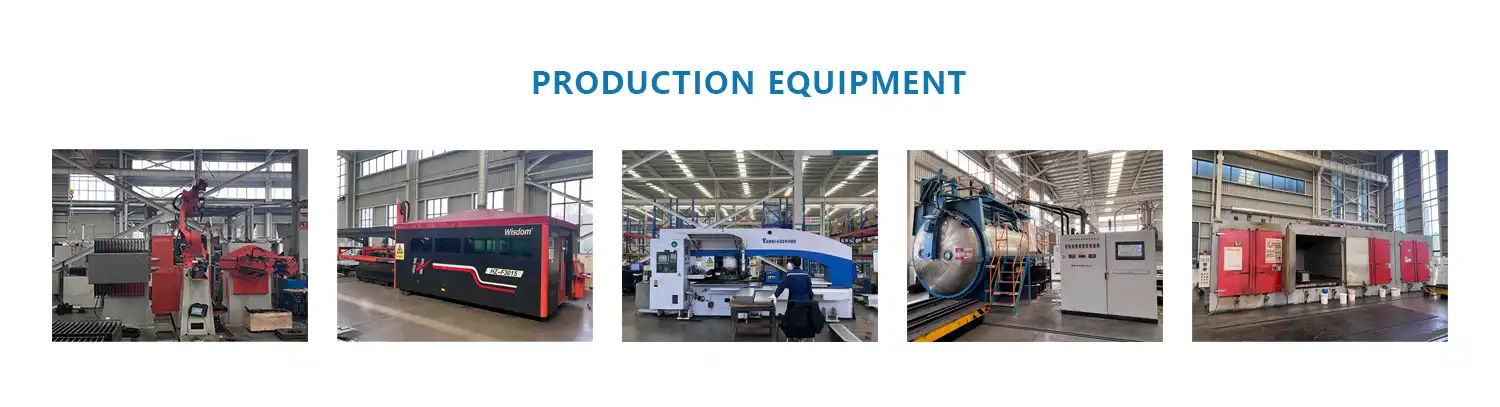
It takes 6–10 weeks to make regular units and 12–14 weeks to make patterns that are unique. Our more than 120 pieces of high-tech equipment, such as CNC automatic winding machines and microcomputer-controlled gradient curing ovens, allow us to work on multiple projects at once and meet tight deadlines. The fact that we finished the XCMG Group power supply change early shows that we can deliver quickly without lowering the quality.
Standard catalog transformers work well in simple situations with standard voltage values and environmental factors. Custom designs become necessary when:
- Operating above 1,000 meters, derating or better cooling is needed.
- In seismic zones, structures need to be mounted and strengthened in a certain way.
- Corrosive environments need protective coverings or better shelters.
- Harmonic loads above 40% require neutral conductors that are too big or filters.
Working with makers who offer flexible design options makes sure that solutions are perfect for the project. Our research team looks at load patterns and environmental data to figure out which standard or custom setups will work best.
Conclusion
In industrial, business, and green energy settings, dry-type transformers offer the highest levels of safety, efficiency, and dependability. They are the best choice for current power distribution systems because they don't pose fire risks, need little upkeep, and work better in harsh environments. By learning about different types of building, the benefits of each application, and the best ways to buy things, project teams can choose transformers that work well and don't cost too much over their lifetime. As rules on energy saving get stricter and environmental protection becomes more important, businesses that invest in modern dry-type transformer technology will be set up for long-term success.
FAQ
1. What are the primary industrial advantages of dry-type transformers?
Dry-type transformers don't use explosive coolants, so they can be installed in buildings that are already occupied without the need for special control systems. Their epoxy resin structure makes them resistant to dust, water, and extreme temperatures, and they don't need much upkeep. Compared to older models, energy-efficient designs cut running costs by 20–40%, and their small footprint makes them easier to fit into facilities with limited room.
2. How do safety features compare between dry-type and oil-filled transformers?
Dry-type units naturally stop oil leaks and explosion risks, so they meet the strict fire safety standards for hospitals, data centers, and high-rise buildings. Fire control systems are expensive, but self-extinguishing properties get rid of the need for them. Oil-filled transformers need holding tanks, dielectric testing once a year, and pose environmental risks when they are thrown away, which raises the costs of their whole life and makes it harder to follow the rules.
3. What maintenance practices extend transformer life in commercial settings?
Visual checks every three months and yearly tests of the insulation's resistance find problems before they get bad. Keeping the temperature below 40°C, making sure there is enough air flow, and running at 80–85% of the stated capacity will extend the life of the product. Professional partial discharge testing every three to five years can find problems that regular checks can't. This is especially important for mission-critical setups where the cost of downtime is higher than the cost of maintenance.
Partner with Tuojie for Reliable Dry-Type Transformer Solutions
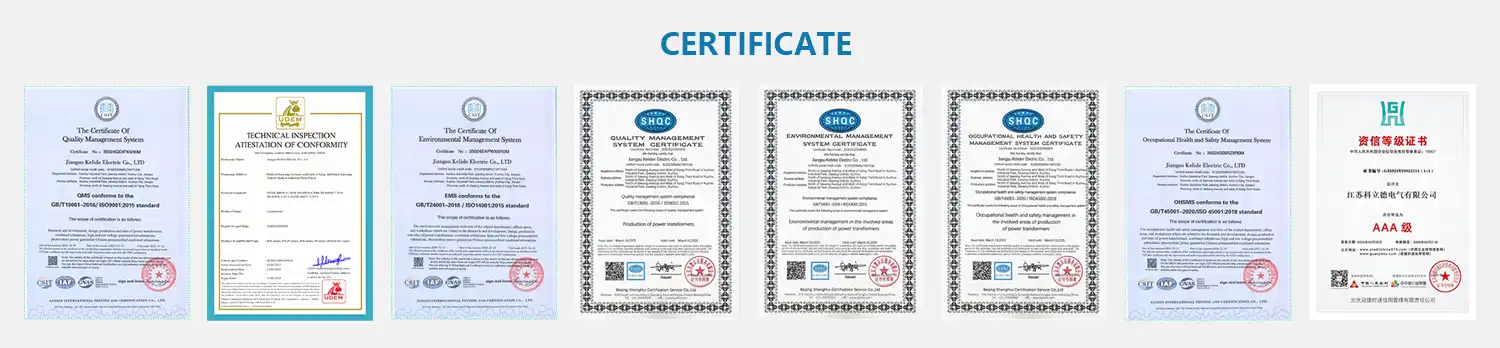
Picking the correct dry-type transformer maker has a direct effect on the success of the project, the dependability of operations, and the long-term costs. Tuojie has been designing and making power transformers that meet the best worldwide standards for more than 20 years. Our goods are certified by ISO 9001, ISO 14001, and OHSAS 45001, and all of our low-voltage equipment is also required to have National CCC Certification. Our quality work and on-time delivery have earned us praise for completing hundreds of projects, ranging from the Xuzhou Rail Transit Network Control Center to large industrial parks. Our 15 senior engineers and more than 30 technicians work together to make answers that are specific to your job and the situations you're working in. We have everything you need for power distribution, from normal stock units to engineered-to-order transformers for tough jobs. We also offer full support for all of our products. To talk about your needs and get a full technical plan, email our dry-type transformer supplier team at tuojie@electricinchina.com or visit electricinchina.com.
References
1. IEEE Standard C57.12.01-2020, "IEEE Standard for General Requirements for Dry-Type Distribution and Power Transformers," Institute of Electrical and Electronics Engineers, 2020.
2. International Electrotechnical Commission, "IEC 60076-11:2018 Power Transformers - Part 11: Dry-Type Transformers," Geneva, Switzerland, 2018.
3. National Electrical Manufacturers Association, "NEMA Standards Publication TP 1-2002: Guide for Determining Energy Efficiency for Distribution Transformers," Rosslyn, Virginia, 2002.
4. Zhang, L., Wang, H., and Chen, X., "Amorphous Alloy Core Transformers: Energy Efficiency and Performance Analysis," Journal of Electrical Engineering Technology, Vol. 15, No. 3, 2020, pp. 1245-1256.
5. U.S. Department of Energy, "Energy Conservation Program: Energy Conservation Standards for Distribution Transformers," Federal Register, Vol. 78, No. 149, 2013.
6. Hansen, R. and Miller, T., "Life Cycle Cost Analysis of Dry-Type versus Liquid-Filled Transformers in Commercial Applications," IEEE Transactions on Industry Applications, Vol. 56, No. 2, 2019, pp. 1834-1842.