

.webp)
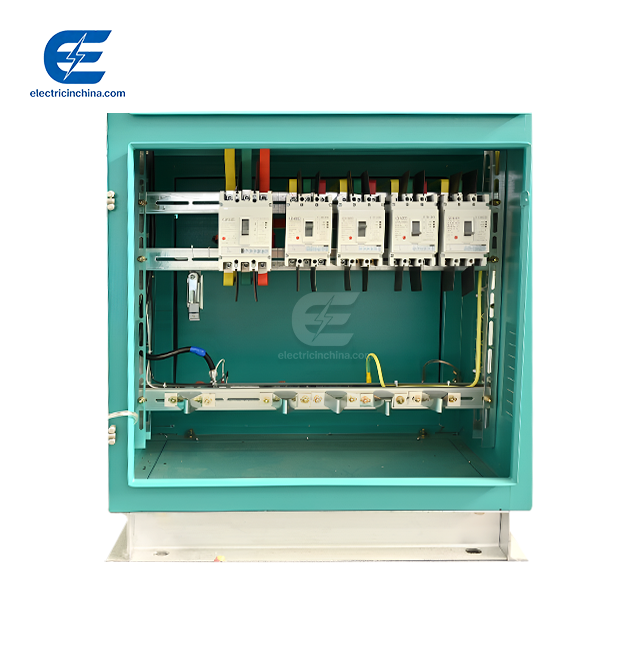
Through their magnetic loss features and thermal conductivity traits, Transformer iron cores directly affect cooling needs. During magnetization cycles, hysteresis losses and eddy currents cause heat to build up inside the core. These losses are kept to a minimum by cores made of high-grade grain-oriented silicon steel. This lowers the temperature stress on cooling systems. How much heat the core makes while it's working depends on the thickness of the laminates, how they are stacked, and how permeable the materials are. Core designs that are more efficient and have lower loss densities need less active cooling infrastructure. This means that your power distribution network's equipment will last longer and cost less to run.
Understanding the Basics of Transformer Iron Cores and Cooling
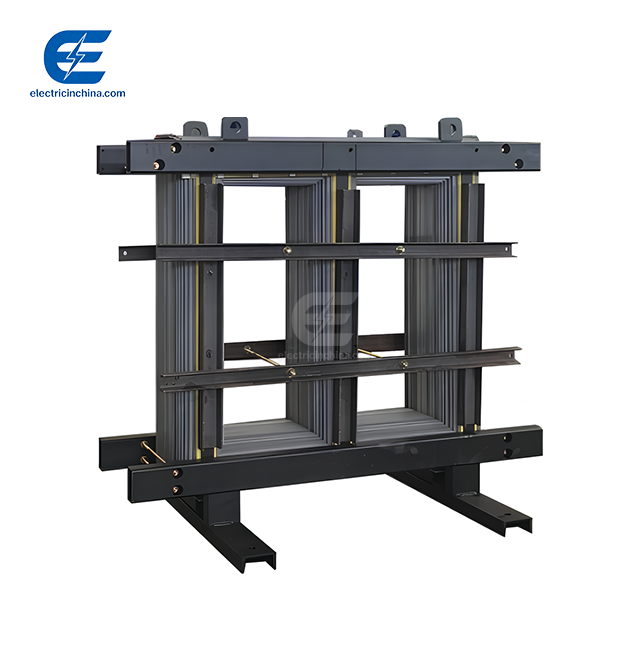
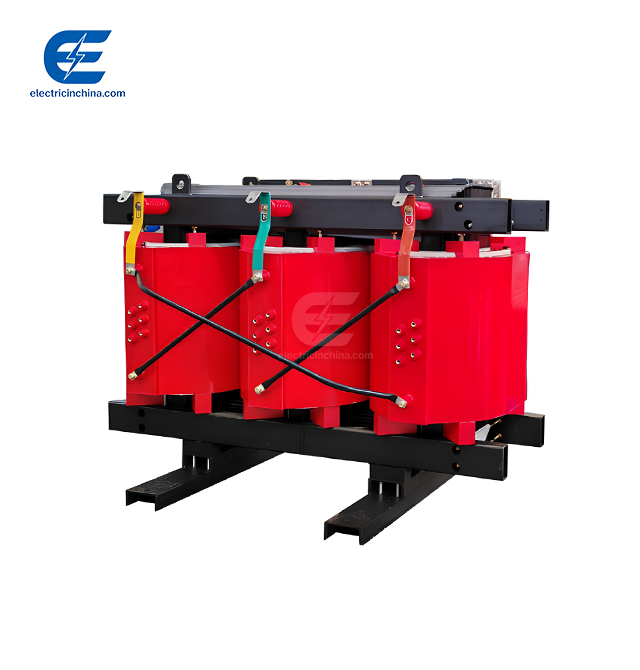
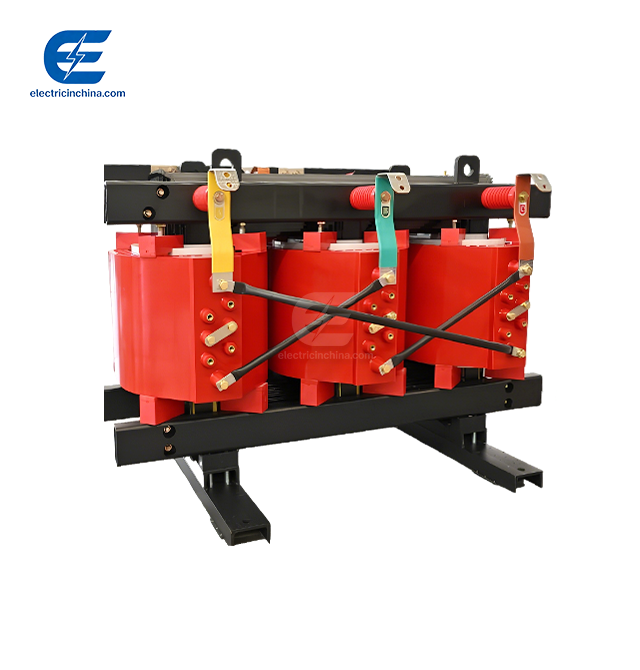
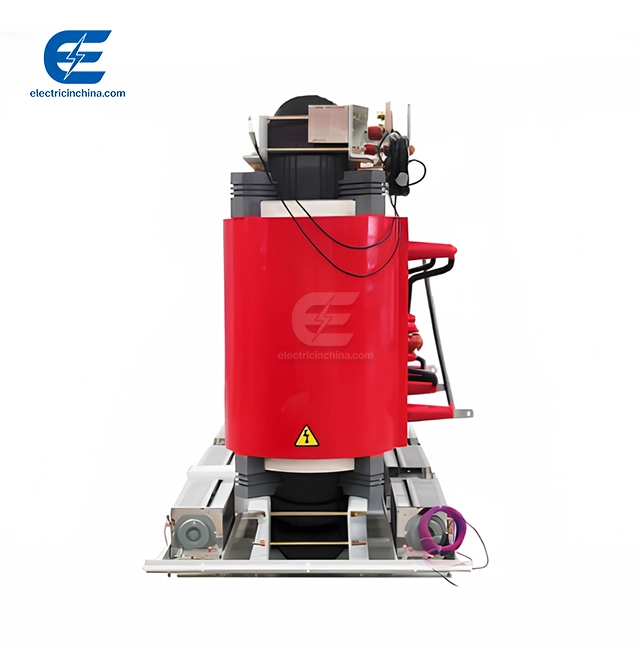
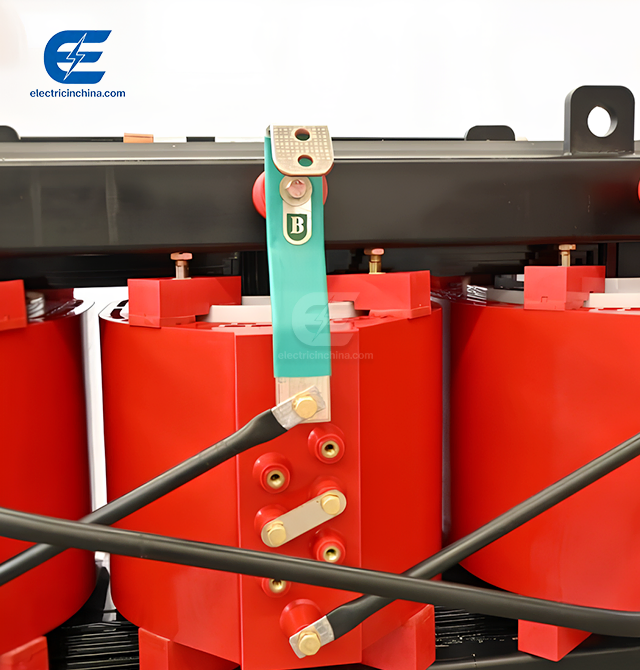
The magnetic circuit part of a transformer is what makes power transfer work well. This important part moves magnetic flux between the main and secondary windings so that the voltage changes smoothly throughout your electrical system. The most important operating issues that modern cores solve are minimizing energy loss, lowering noise pollution in urban sites, and keeping stability when load changes.
Material Composition and Heat Generation
The usual way to build industrial Transformer iron cores is with silicon steel laminations. The width of these thin sheets is usually between 0.23 mm and 0.35 mm. They have about 3% silicon in them, which makes them more magnetic while making them less conductive to electricity. By making it harder for eddy currents to form, this makeup directly affects the need for cooling.
When an alternating current runs through the transformer's windings, the core's magnetization keeps switching directions. Each cycle causes two main types of loss: hysteresis loss, which happens when the magnetic domains move around, and eddy current loss, which happens when flowing currents are created inside the core material. Both of these things turn electricity into heat that your cooling system has to get rid of.
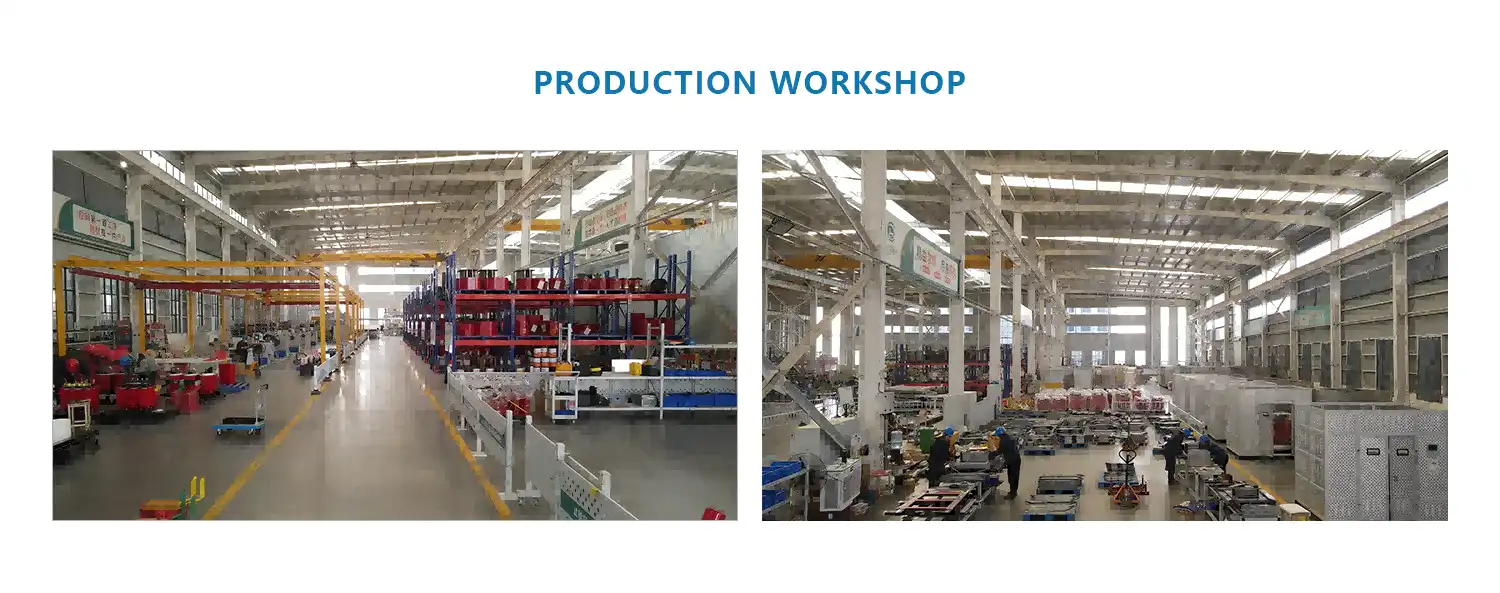
Our cores are made of high-quality grain-oriented silicon steel that has a magnetic permeability of more than 1800 H/m and a core loss rate of less than 1.0 W/kg at 1.7T and 50Hz. Our stepped lamination and fully oblique joint methods, which are made with CNC automatic winding machines and microcomputer-controlled gradient curing ovens, give us this great performance. As a result? measurable energy savings that add up over years of use while drastically lowering the need for temperature control.
The Critical Role of Cooling in Transformer Longevity
Poor temperature management speeds up the breakdown of insulation, lowers the efficiency of electricity, and shortens the useful life of equipment. When working temperatures are higher than what was intended, insulation materials age at an exponential rate. As a general rule, insulation will only last half as long for every 8°C rise above its recommended temperature.
By keeping core temperatures within safe working ranges, effective cooling methods stop these types of failure. When you build your cooling system, you need to think about the temperature of the room, the load patterns, and the way your core is built. When purchasing managers and engineers carefully look at core qualities in the context of temperature management, they make investments that will work well for decades.
Key Transformer Iron Core Characteristics That Influence Cooling Requirements
Your cooling system needs will be directly affected by a number of core factors. By knowing these things, you can choose parts that give you the best mix of electrical performance and thermal control.
Material Thermal Conductivity Variations
The way heat moves through different Transformer iron core materials is different. Depending on the grain structure and rolling direction, grain-oriented silicon steel has a thermal conductivity range of 20 to 40 W/m·K. Because it behaves in an uneven way, heat moves more easily along the direction of rolling than across it. When compared to solid materials, laminated designs have thermal surfaces that slightly slow down heat transfer. However, the huge drop in eddy current losses more than makes up for this effect.
Ferrite cores, which are often used in high-frequency situations, have lower thermal conductivity values of 3 to 5 W/m·K. Their magnetic qualities make them useful for certain tasks, but they need more careful thermal construction to keep hot spots from forming. Your choice must match both the frequency needs and the amount of cooling space you have.
Core Design Elements and Heat Dissipation
The width of the laminate is a key factor in controlling magnetic losses. Eddy currents are smaller when the laminations are thinner because they limit the area that can be used for circulation currents. For uses that use normal power frequencies, modern high-efficiency designs use 0.23mm laminations. There is a trade-off between practical savings over the life of the transformer and more complicated production and higher material costs.
The way you stack things has a big effect on the heat paths. Because of our 45° corner joints and multi-step laminations, our efficiency rates are above 99.5%, and noise levels stay below 55dB. With these precise building methods, magnetic circuits are made that work best and cause the least amount of localized warmth. The strong clamping structure keeps its shape during heat cycles, which means that your transformer will work the same way even if the load changes over its lifetime.
Winding arrangements interact with core geometry to influence heat distribution patterns. When it comes to heat profiles, concentric winding designs are different from overlapping designs. The distance between the core surfaces and windings sets up important heat transfer lines that your cooling system needs to be able to handle. Knowing how these things affect each other helps you choose cores that will work well with your heat control system.
Magnetic Permeability and Frequency-Dependent Losses
The magnetizing current needed to set up a working flux density is less when the magnetic permeability is higher. In this case, this trait directly leads to better power factor and lower reactive power use. From the start, your electricity system works better and makes less heat when it's not in use.
Losses that change with frequency become more important in situations where there is harmonic distortion or changing frequency drives. When exposed to higher frequency components, core materials that are designed to work at 50Hz or 60Hz may suffer higher losses. To handle these temperature problems well, manufacturing plants, data centers, and sites with a lot of nonlinear loads need to carefully choose the Transformer iron cores they use.
Our technical team of 15 senior engineers and over 30 intermediate technicians can match core qualities with your unique working conditions. This tailored method makes sure that the temperature performance matches both the electricity needs and the cooling capacity that is available.
Comparative Analysis: How Different Iron Core Types Affect Cooling Needs
The main way a building is put together decides how much heat it makes and how much cooling it needs. By knowing these differences, buying teams can make smart choices about where to buy things that will save money in the long run.
Laminated Silicon Steel Cores
The standard for power distribution Transformer iron cores in the business is a laminated structure. Solid iron structures lose a lot more eddy current than thin electrical steel sheets that are electrically separated from each other. The protective coating between the layers makes eddy currents flow in narrow paths within each sheet, which greatly reduces their strength.
This way of designing leads to cores that produce a lot less heat for every kilowatt of power they produce. Your cooling system needs to go up or down in line with these losses, which means that choosing an efficient core cuts infrastructure costs directly. Also, laminated patterns help keep the temperature more even across the core's cross-section, so there aren't any hot spots that put stress on shielding systems.
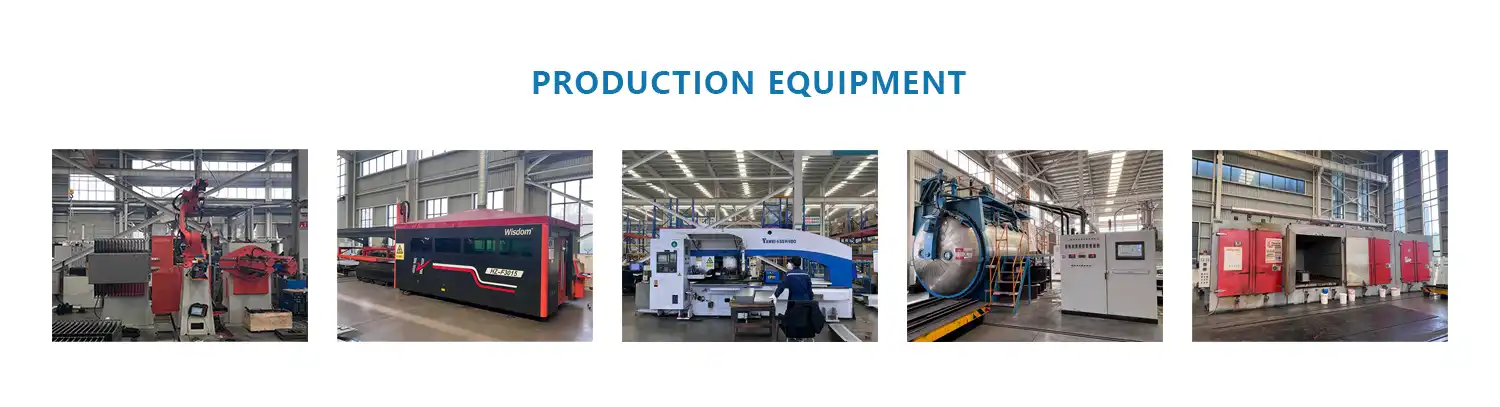
Quality methods for laminating are very important. When you stack things incorrectly, air gaps form between them. These gaps make resistance higher, which requires more magnetizing current and causes more losses. With 18 patents and more than 120 sets of high-tech tools to back up our precise production methods, we can guarantee consistent lamination quality that meets the thermal performance needs of your project.
Solid Iron and Ferrite Core Considerations
Solid iron cores are easier to make, but they have a lot of heat problems in power frequency uses. These designs have losses that are orders of magnitude higher than laminated ones because they don't have lamination obstacles to stop eddy currents. Because of this, too much heat is generated for most cooling systems to handle, so solid cores can only be used in low-power situations or DC magnetic circuits where eddy currents don't form.
In high-frequency transformer uses, usually above 1kHz, ferrite cores fill a unique role. The way they are made naturally stops eddy currents from forming at these frequencies, so they can be used where silicon steel laminations aren't practical. But ferrite materials aren't as good at conducting heat as silicon steel because they have lower saturation flux density and less thermal conductivity. Applications need to carefully weigh these features against the cooling system's abilities.
Material Innovation Advances
New types of silicon steel have better control over the grain structure and surface layers, which lower core losses even more. Domain-refined electrical steels improve leakage while keeping their mechanical strength. Laser-cut surface processes make controlled magnetic domains that lower hysteresis losses without affecting the structure of the laminate insulation.
Because of these improvements, core designs can use materials that produce 15-20% less heat than older materials while still being able to handle the same amount of power. This improvement means that big installations will need a lot less cooling equipment, or current thermal management systems will be able to handle more. When procurement teams buy these high-tech materials, they set their companies up for better long-term success.
Practical Implications for Procurement: Selecting Transformer Iron Cores with Cooling in Mind
When looking for Transformer iron cores, procurement workers have to make hard choices. Electrical specifications, manufacturing quality, shipping times, and the total cost of ownership must all be taken into account when thinking about thermal efficiency.
Verifying Thermal Performance Data
Reliable manufacturers give a lot of test data that shows how core loss changes with different working situations. This paperwork should have measurements of losses with no load at the rated voltage and frequency, along with a clear description of the atmospheric temperature. Request loss curves that show how well your app will work across the range of estimated flux densities.
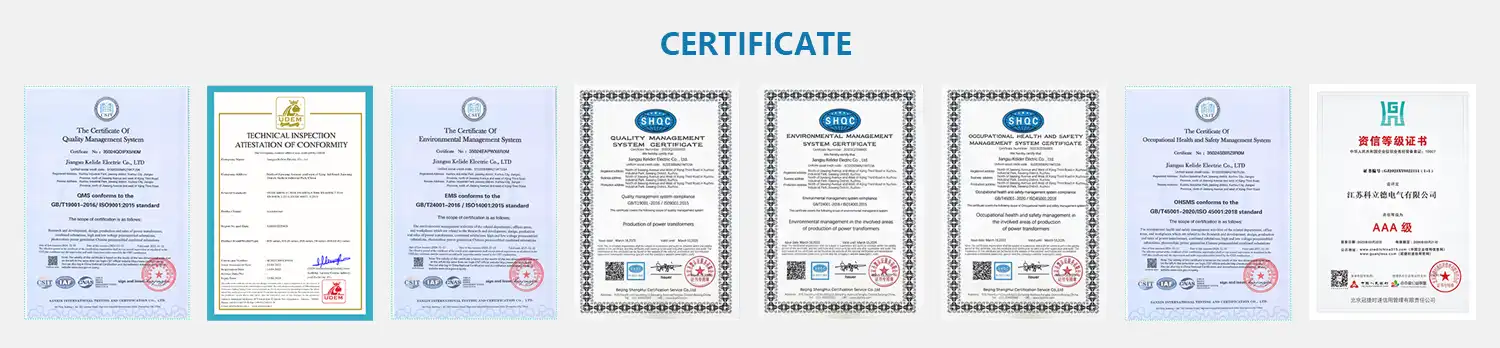
Certification guidelines make sure that claims about the quality and efficiency of a product are true. Our ISO9001-certified production uses strict tracking from getting the raw materials to delivering the finished product. Systematic inspections are done at every step of the process to keep nonconforming goods from getting to your location. This idea of "zero defects" makes sure that the heat performance we promise you is the same as what you get.
Customization Benefits for Thermal Optimization
The performance of standard core designs is good enough for many uses, but unique methods work better when thermal control is hard. Together with your technical staff, our engineering team finds the best core shape, lamination patterns, and materials for your cooling system and working conditions.
Customized core designs are very helpful for projects that have limited room for installations, harsh environmental conditions, or unique load profiles. We've completed projects for sites up to 4000 meters above sea level, in seismic zones that needed more stable structures, and in marine settings that needed treatments that wouldn't rust. For these difficult tasks, you need cores that were designed to work in these temperatures.
Customization changes wait times and how prices are set. More engineering research is needed for complex designs, which may need special materials or ways of making them. However, the practical benefits—lower cooling costs, higher efficiency, and longer service life—of these investments usually pay for themselves in the first few years of use. Instead of just looking at the original buy price, your procurement review should look at the costs over the whole life of the item.
Supplier Qualification Best Practices
To build a solid supply relationship, you need to carefully evaluate each seller. When it comes to parts as important as transformer cores, technical skill is very important. Check out possible providers based on the qualifications of their engineering staff, the level of sophistication of their production equipment, their quality management systems, and their applicable project experience.
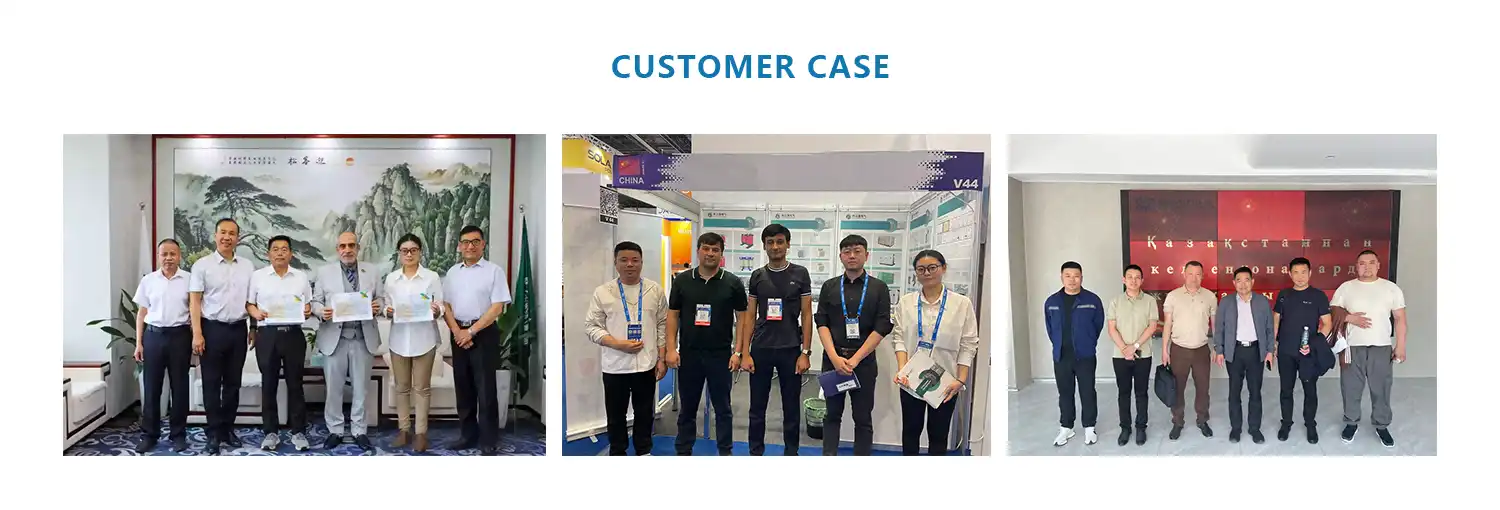
Ask for referrals from similar applications in the same business as yours. There are different needs for government building projects, business real estate developments, and industrial sites. Suppliers who have a history of success in your field know how to meet the unique heat challenges and performance needs of your projects.
Our large list of completed projects shows that we can handle a wide range of tasks. We finished the power source for the Xuzhou Rail Transit Network Control Center with two circuits that make sure all vital infrastructure is completely safe. The XCMG Group plant power supply upgrade was finished early and up to strict quality standards. Our solutions make sure that commercial projects like Xinhuai Central Complex and Xuzhou Fantawild Adventure always work well. These real-world successes show that we can make cores that meet strict electrical and cooling requirements.
Case Studies and Industry Applications Illustrating Cooling Optimization
Real-life examples show how optimizing Transformer iron core selection leads to measured gains in operations. These case studies give you evidence-based reasons to put temperature efficiency first when choosing where to get your components.
Municipal Infrastructure Thermal Management Success
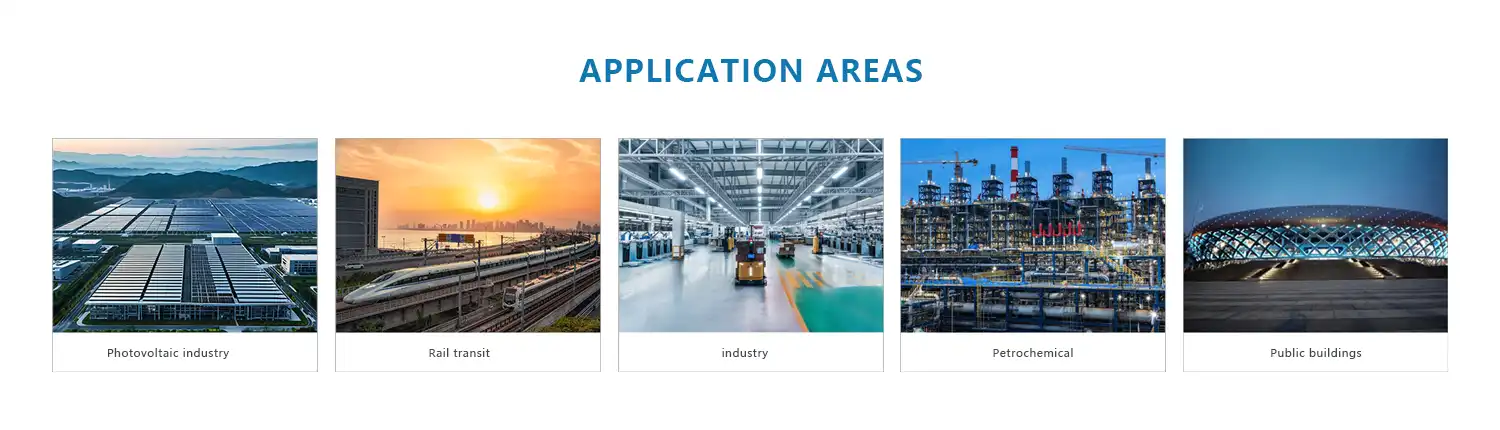
Underground substations were very tight on room for a recent rail transit operation. Traditional transformer designs would have needed a lot of cooling equipment, which would have made installation harder and raised the cost of the project. When compared to standard designs, our engineering team suggested using silicon steel cores that were oriented along the grain and laminate shapes that cut no-load losses by 18%.
Because of this increase in efficiency, the project was able to use natural convection cooling instead of forced-air systems. This meant that fans didn't need to be maintained, and noise levels in passenger areas went down. Because of how well it handled heat, the transformer could be placed in a small space, which saved important underground space for other devices. The fact that the project was finished on time, even though the core standards had to be changed, shows how flexible our manufacturing is.
Industrial Facility Uptime Enhancement
A factory that uses a constant process had a lot of transformer breakdowns that were caused by high temperatures during production peaks. Analysis showed that they didn't have enough cooling power when they were working under long-term overload conditions. When we replaced the cores with our improved low-loss silicon steel designs, they made 22% less heat at full capacity.
This thermal cushion made it possible for the current cooling system to keep safe working temperatures even when production went up. In the eighteen months after the change, the building had 99.7% uptime, up from 94% before. Within the first year of operation, lower upkeep costs and no longer having to stop output more than paid for the main investment. This case shows how better core heat performance directly leads to more money for the business.
Renewable Energy Environmental Adaptation
For an offshore wind project, the transformers had to be able to handle constant shaking, be exposed to salt spray, and have limited access for servicing. Standard cores would have needed service times that were too short for the remote site. We made cores with better treatments that prevent corrosion and mechanical reinforcement that kept their thermal performance even when they were used in harsh circumstances.
Temperature monitoring over three years of use shows that the cores keep working as planned, even though the temperature outside changes from -15°C to +45°C, and they are constantly exposed to marine settings. Because it is thermally stable, repair can be planned ahead of time and coordinated with other turbine service tasks. This makes operations much simpler. This app shows how optimizing the core design can meet both temperature and environmental needs at the same time.
Conclusion
The choice of the transformer's iron core has a big effect on how the transformer needs to be managed thermally over its whole life. The amount of heat that your cooling system has to handle is based on the qualities of the materials, the way they are built, and how well the design is optimized. Laminated grain-oriented silicon steel cores have better temperature performance than other designs, which lowers costs and increases dependability. When making purchases, people should look at a supplier's professional skills, the quality of their work, and their experience with similar projects. Certified production methods make sure that the heat performance that was promised matches the results that were provided. Customization features let you make cores that are perfect for your cooling needs, giving you value that goes far beyond the initial purchase decision.
FAQ
Why do iron cores generate less heat than alternative magnetic materials?
Grain-oriented silicon steel has controlled electrical insulation and a high magnetic permeability. The silicon presence raises the resistance, which limits the size of the eddy current while keeping the magnetism strong. Eddy current routes are also greatly shortened by thin laminations, which makes this loss process much less important. When you use different materials, they usually give up either their magnetic properties or their electrical resistance. This means that at power frequencies, you lose more and make more heat in the transformer iron cores.
How does lamination thickness affect transformer cooling requirements?
By reducing the cross-sectional area that flowing currents can use, thinner laminations lower eddy current losses. The size of an eddy current increases with the square of the width of the lamination. This means that 0.23 mm laminations only cause 47% of the eddy losses that 0.35 mm material does. Because of this big drop in heat production, cooling systems can be smaller and less expensive, or current thermal infrastructure can handle more power.
What certifications should procurement teams verify when sourcing cores?
Getting ISO9001 approval shows that you handle quality in a planned way throughout the whole manufacturing process. Material certificates should prove the quality of silicon steel, its magnetic qualities, and how much it loses. Manufacturer claims are backed up by testing records that show agreement with important standards. Established sellers keep detailed records of their quality control and are happy to have their production facilities and testing labs inspected.
Partner with Tuojie for Advanced Transformer Iron Core Solutions
Precision-engineered core options from Xuzhou Tuojie International Trade Co., Ltd. can help you get the most out of your Transformer iron core's heat performance. As a top transformer iron core maker, we use 18 unique innovations and ISO9001-certified production to make parts that are better than the quality standards set by other countries. Our grain-oriented silicon steel cores have a loss rate of less than 1.0 W/kg and a permeability of more than 1800 H/m. This means that you will need a lot less cooling equipment.
Our team of 15 top engineers can help you with your thermal management problems, no matter if your project is for government infrastructure, business development, or industry manufacturing. Email us at tuojie@electricinchina.com to talk about your needs, get full technical details, or get project quotes backed by a lot of performance data and quality certifications.
References
1. Kulkarni, S.V. and Khaparde, S.A., "Transformer Engineering: Design, Technology, and Diagnostics," Second Edition, CRC Press, 2013.
2. Heathcote, Martin J., "The J&P Transformer Book: A Practical Technology of the Power Transformer," Thirteenth Edition, Newnes, 2007.
3. Slemon, G.R. and Straughen, A., "Electric Machines and Drives," Addison-Wesley Publishing Company, 1992.
4. Moses, A.J., "Energy Efficient Electrical Steels: Magnetic Performance Prediction and Optimization," Scripta Materialia, Volume 67, Issue 6, 2012.
5. Georgilakis, P.S., "Spotlight on Modern Transformer Design," Springer-Verlag London Limited, 2009.
6. Del Vecchio, Robert M., et al., "Transformer Design Principles: With Applications to Core-Form Power Transformers," Third Edition, CRC Press, 2017.