

.webp)
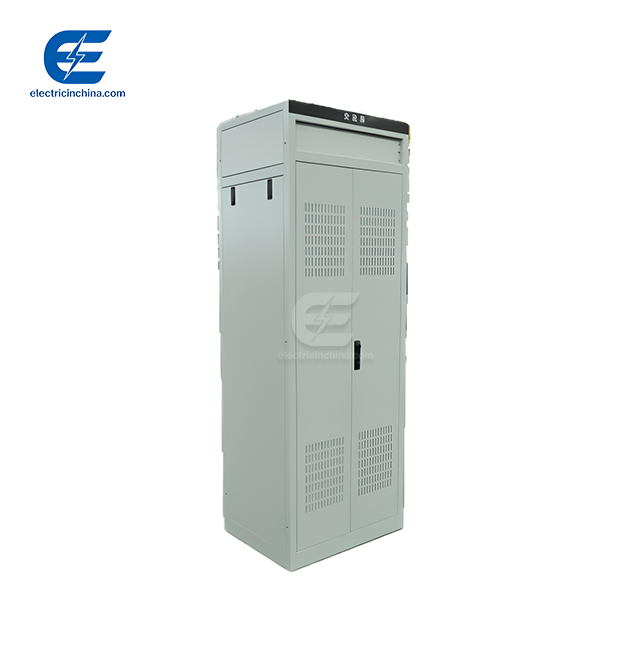
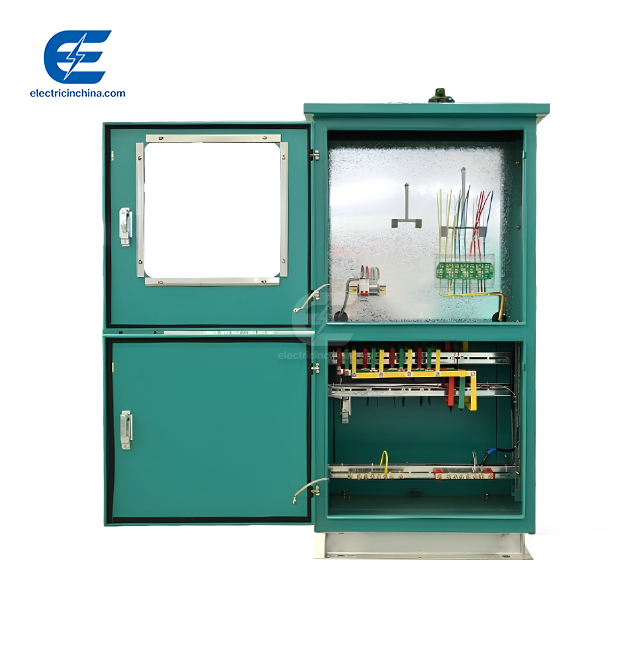
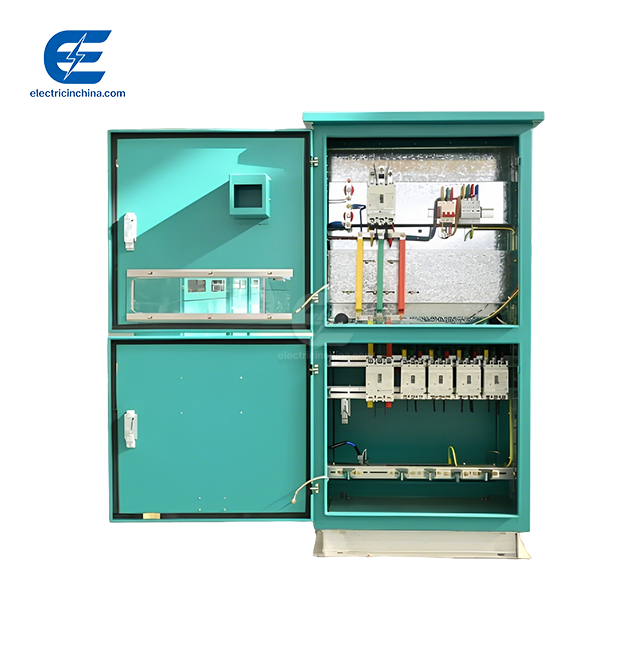
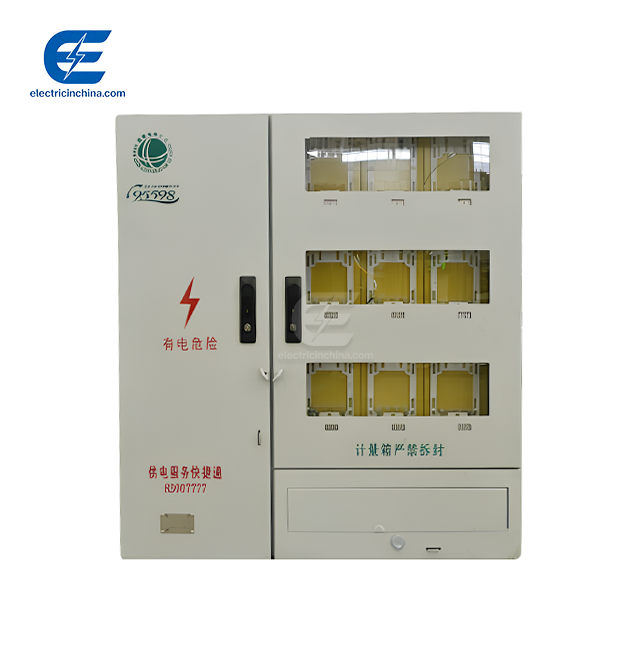
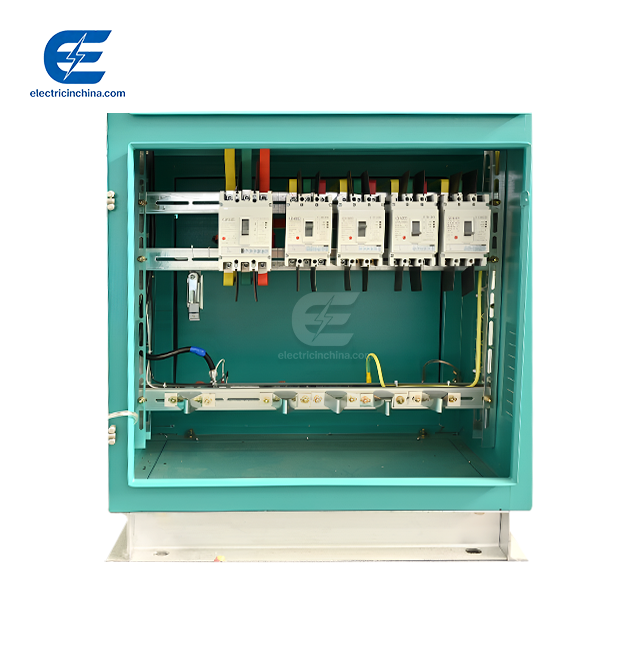
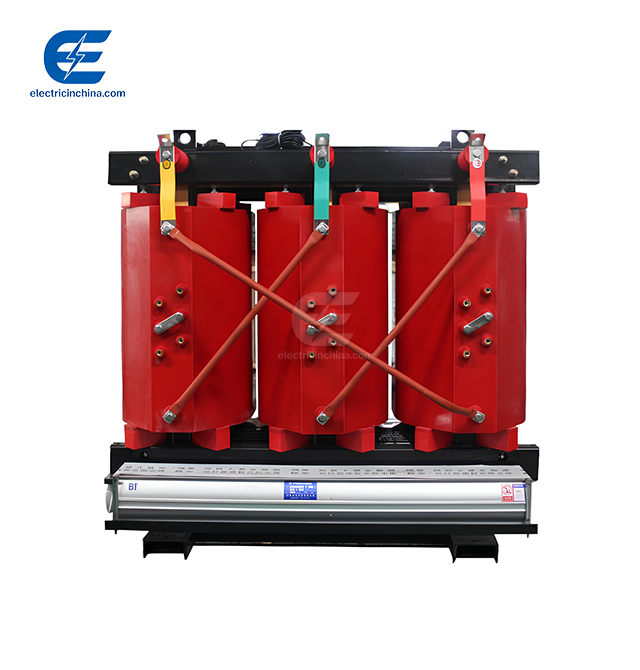
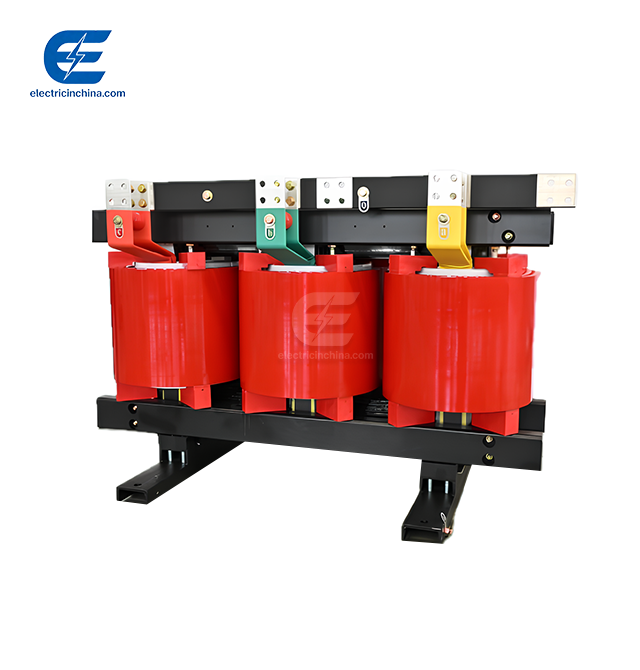
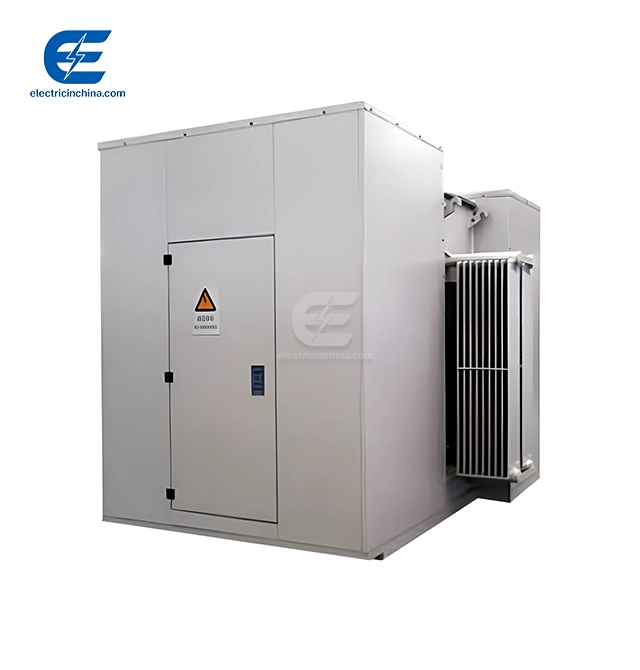
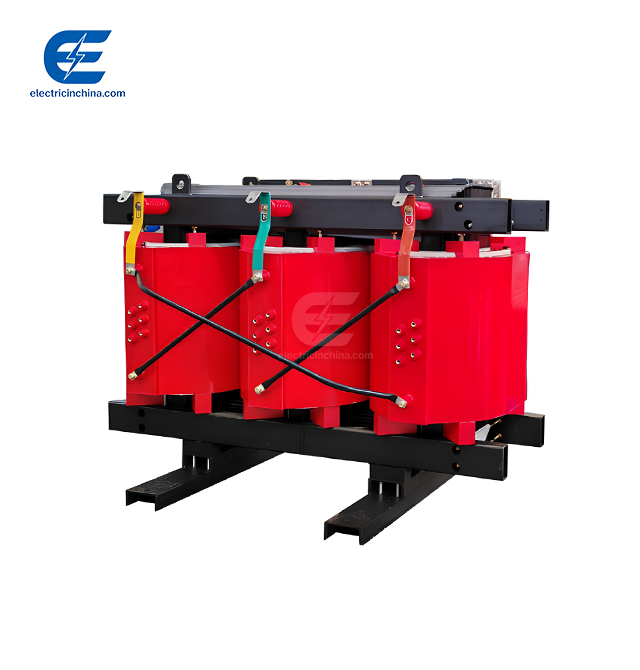
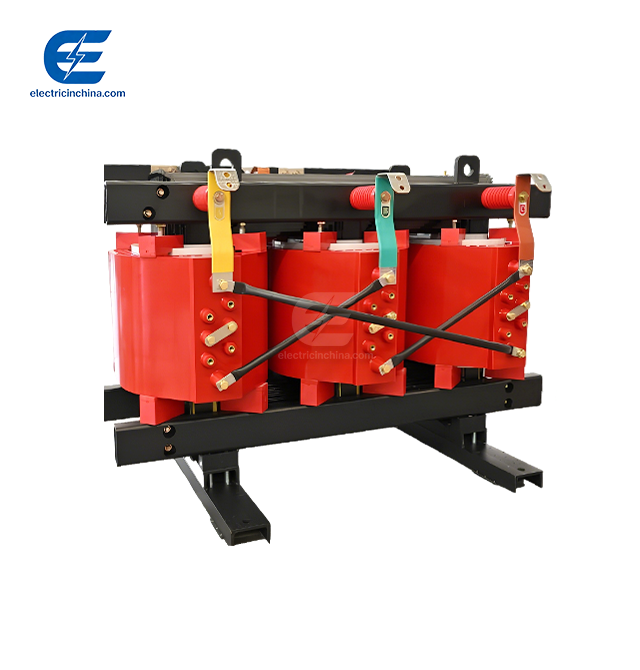
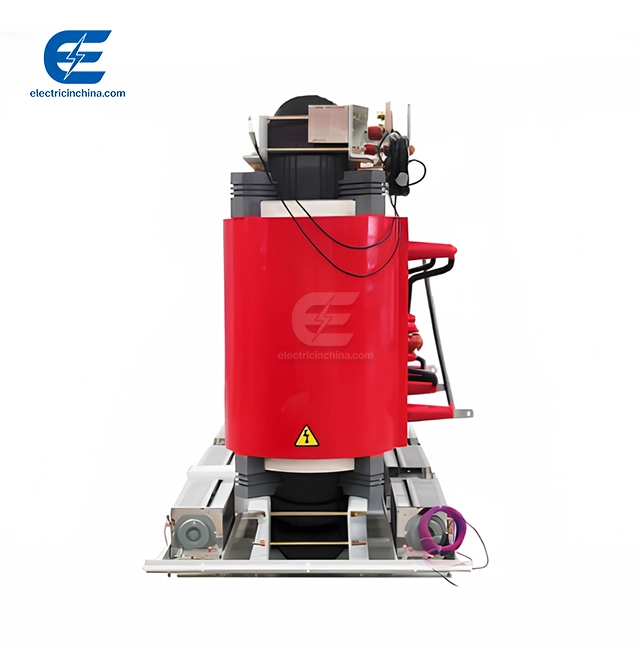
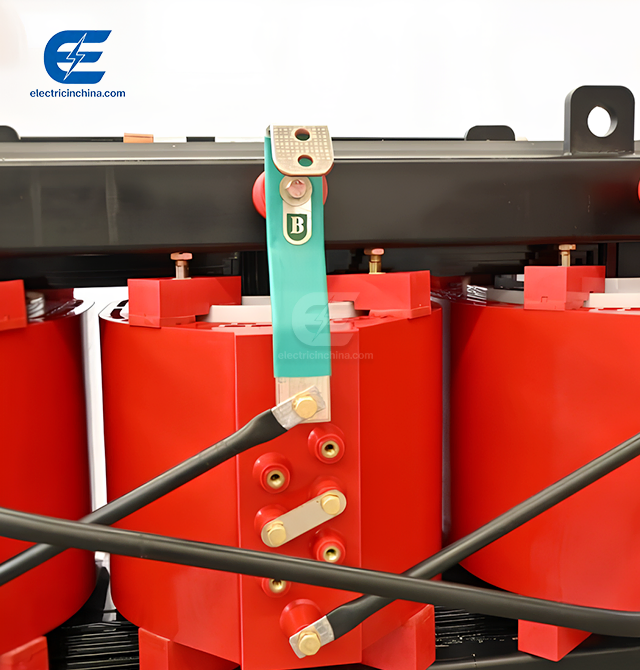
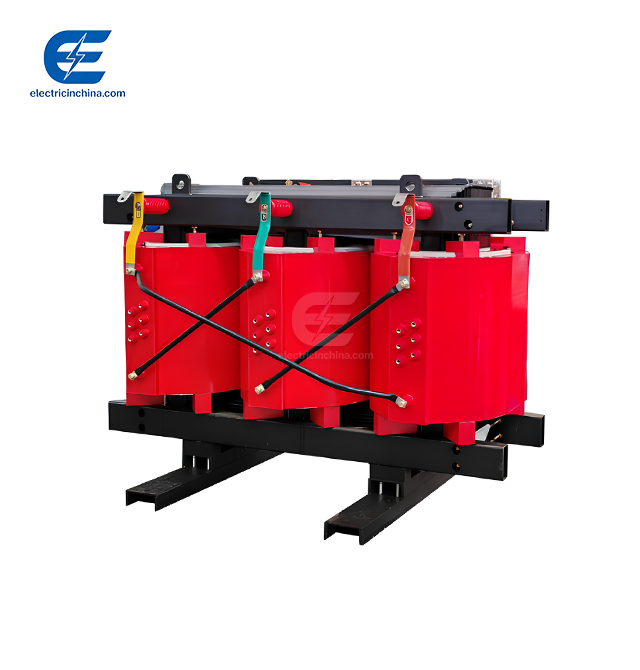
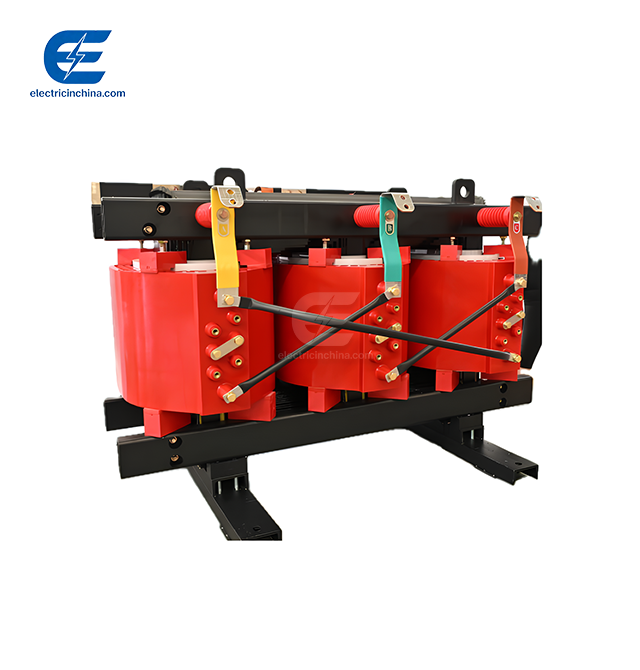
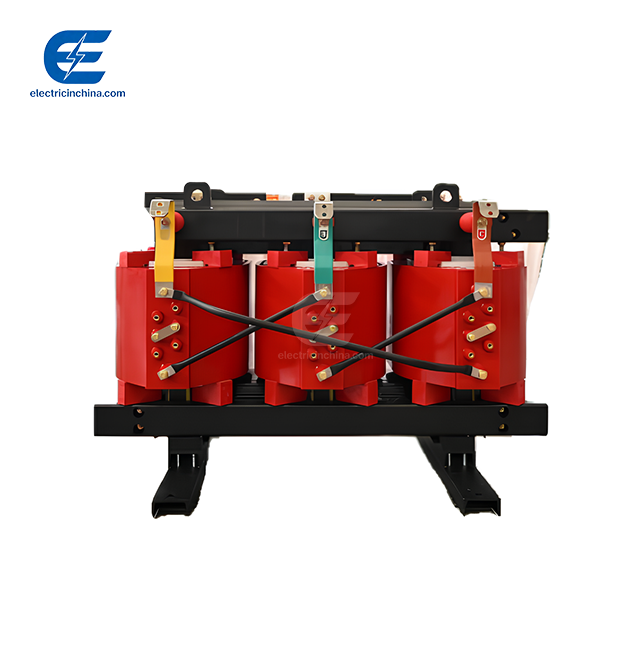
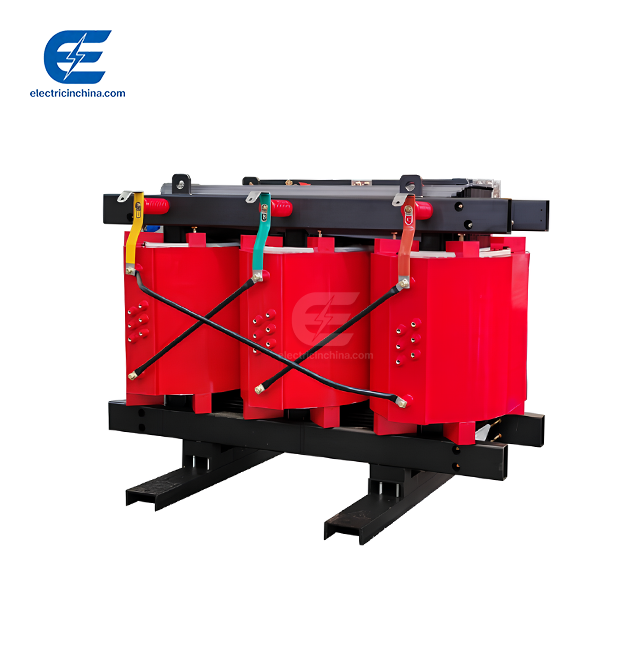
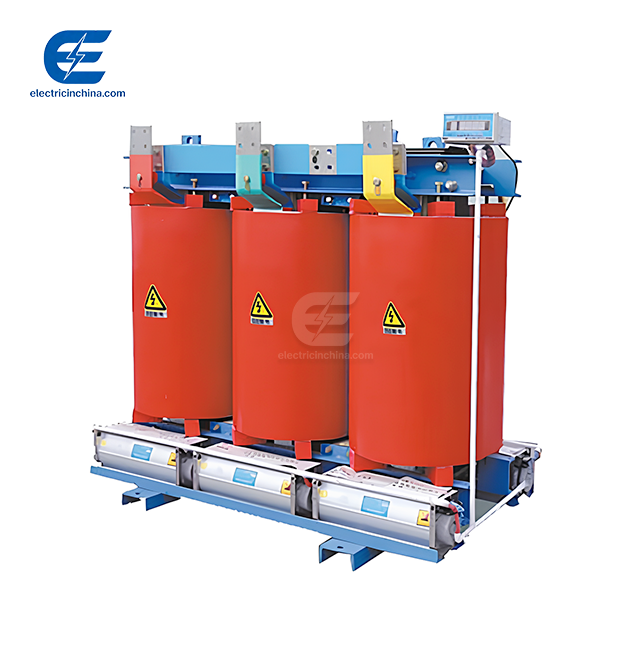
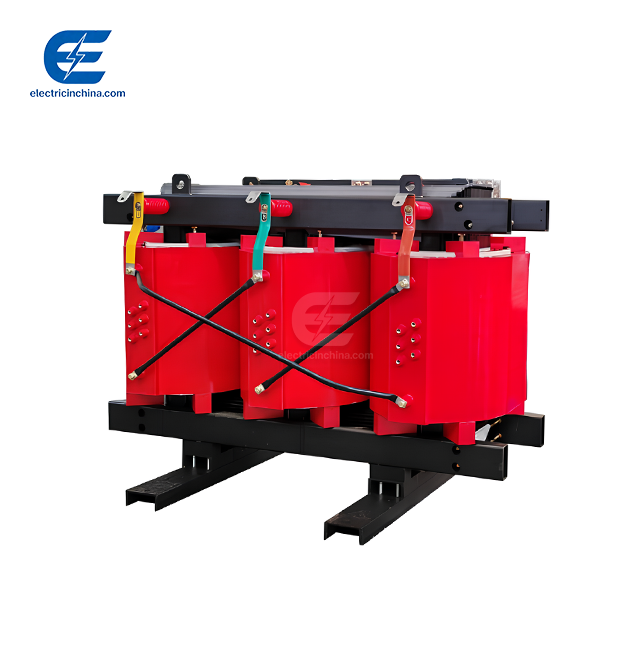
Dry-type transformers get rid of heat using natural convection, improved insulation systems, and well-thought-out structure design. In contrast to oil-cooled units, these transformers depend on air flow to remove the heat they produce while they're working. Heat comes from core losses and resistive losses in the windings. This heat needs to be efficiently moved to the air around the circuit using epoxy resin or cast-resin insulation materials. Modern dry-type transformers have Class F or H shielding that can handle temperatures up to 155°C to 180°C, air channels, and improved coil shape. This makes sure that they work safely and reliably without using flammable coolants.
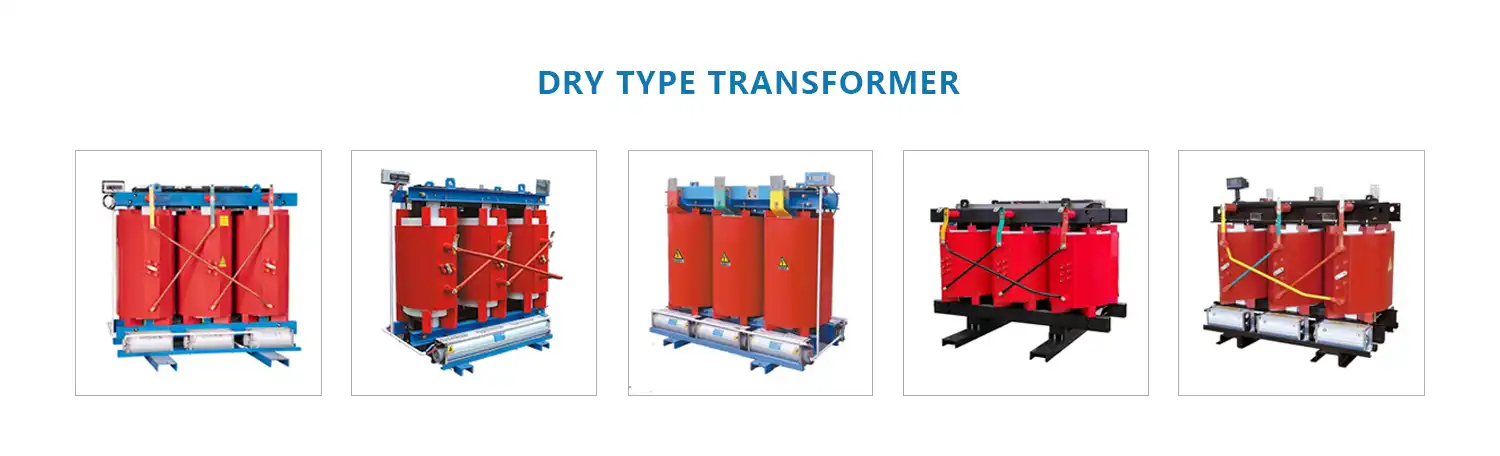
Understanding Heat Dissipation in Dry-Type Transformers
The Physics Behind Heat Generation
A small amount of the energy that goes into electrical devices is turned into heat energy while it is working. Two main things that cause heat to build up inside a dry-type transformer are hysteresis and eddy current losses in the magnetic core and resistance losses, which are also known as copper losses, in the windings. These losses get worse when there is a lot of load on the generator, and they can have a big effect on its performance if they are not handled properly. Knowing these basic ways that heat is made helps procurement managers and project engineers choose tools that can handle tough operating needs.
Why Effective Heat Management Matters
When the temperature goes up, it has a direct effect on the security of the core material, the insulation, and the total life of the equipment. Insulation materials break down quickly when internal temperatures go above the design limits. This makes short circuits and catastrophic breakdowns more likely. We've seen a lot of building projects where bad thermal management led to equipment needing to be replaced too soon, expensive downtime, and safety risks. Heat dissipation that works well increases operational life by 30 to 40 percent, lowers the number of repair visits needed, and makes sure that safety standards are met, which is very important for government buildings and business projects.
Key Methods and Technologies for Heat Dissipation
Natural Air Cooling vs Forced Air Cooling
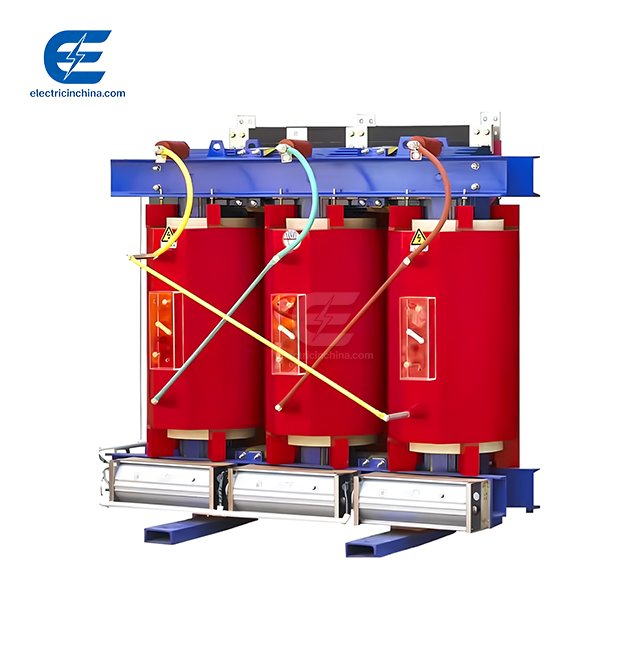
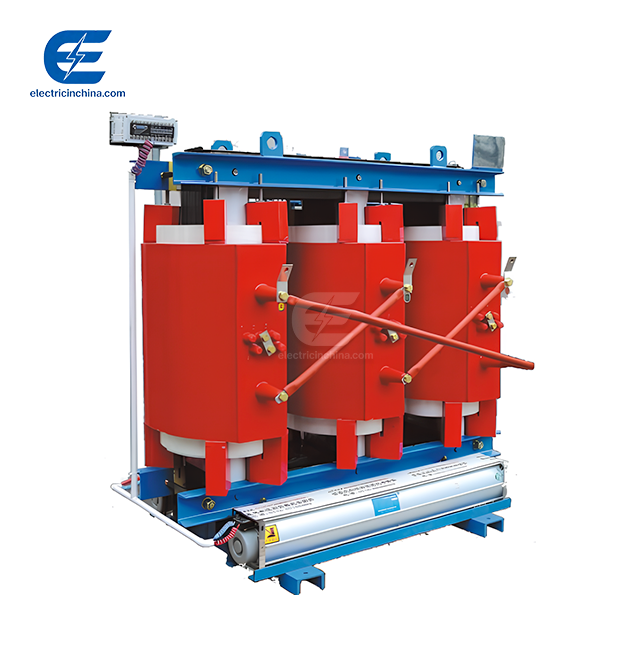
When you compare the AN (Air Natural) and AF (Air Forced) cooling methods in a dry-type transformer, you can see that they work in very different ways. Passive convection is the only way that natural air cooling works, which makes it perfect for places where noise is a problem or where repair access is limited. These systems don't make noise and don't need extra power for the fans that cool them down. Forced air cooling uses carefully placed fans to speed up the flow of air over objects that remove heat, which lets more weight be stored in the same space. Our engineering team usually suggests AF setups for industrial uses that need more than 2000 kVA of power and where room constraints make the extra mechanical complexity worth it.
Forced cooling systems improve their useful capacity by 25 to 40 percent when compared to naturally cooled units of the same size. This technology is very helpful for EPC workers who are working on projects with strict room limits. Temperature tracking systems that are combined with fan controls only use extra cooling during high loads. This saves energy while keeping temperature margins. When installing, you should make sure that there are ways to get to the fans for upkeep and that there are backup fan arrays for important infrastructure uses.
Advanced Insulation Material Innovations
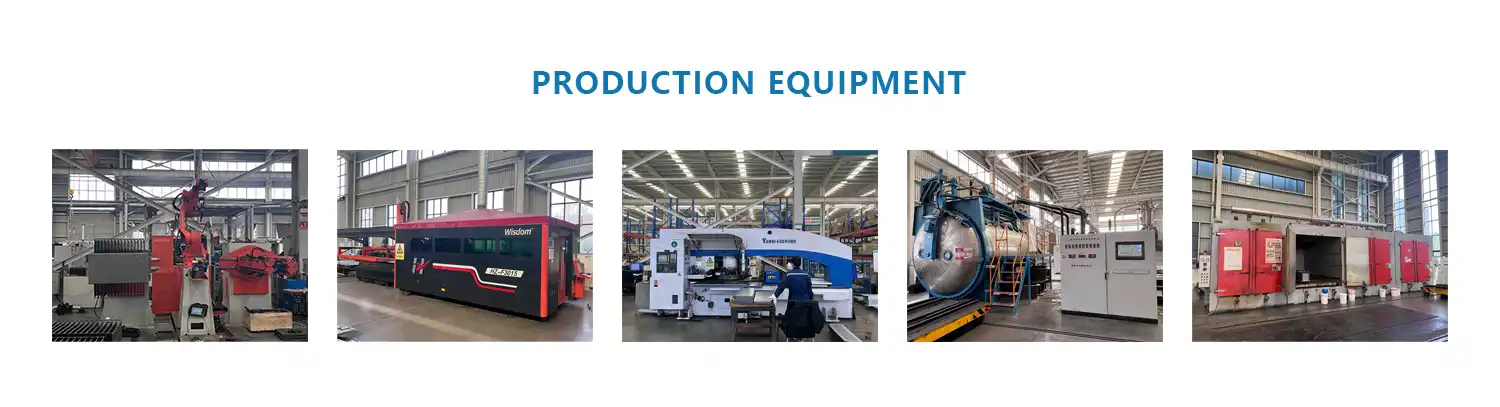
Epoxy resin formulas are always changing. Newer versions have better heat conductivity by 15-20% compared to older versions. Vacuum pressure impregnation is used to make sure that these materials fill the gaps between the windings and get rid of any air gaps that could affect their electrical or heat performance. With cast-resin technology, whole wound systems are encased in solid dielectric materials. This makes them more stable and better at moving heat. Our production processes keep exact resin mixing ratios and curing profiles, which make insulation systems that behave predictably at a range of operating temperatures.
The amorphous metal cores in our SCBH19-type units make a lot less heat than silicon steel versions that are more common. Its non-crystalline atomic structure cuts hysteresis losses by as much as 70%, which directly lowers the heat load on cooling systems. This new idea solves some of the most important problems in energy-efficient systems, where reducing operating losses is in line with sustainability goals. Ultra-thin core laminations that are about 0.025 mm thick cut down on eddy current losses even more, which makes heat control even better.
Comparison: Dry-Type vs Oil-Filled Transformers in Heat Dissipation
Fundamental Cooling Mechanism Differences
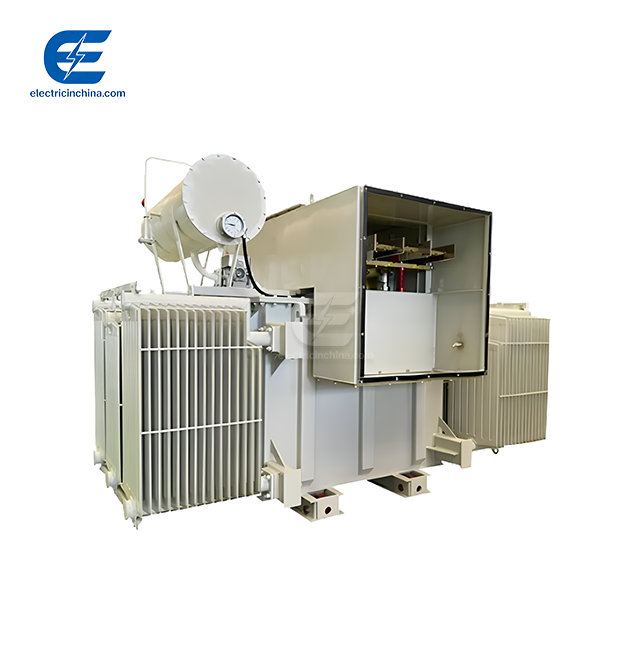
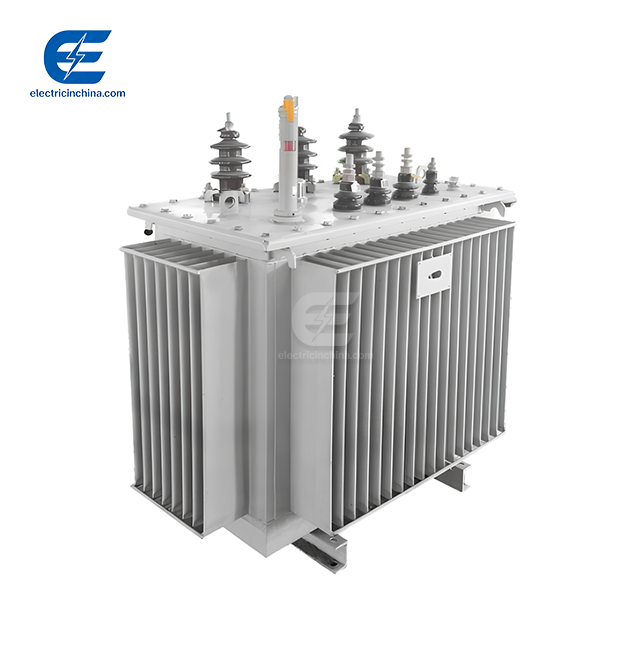
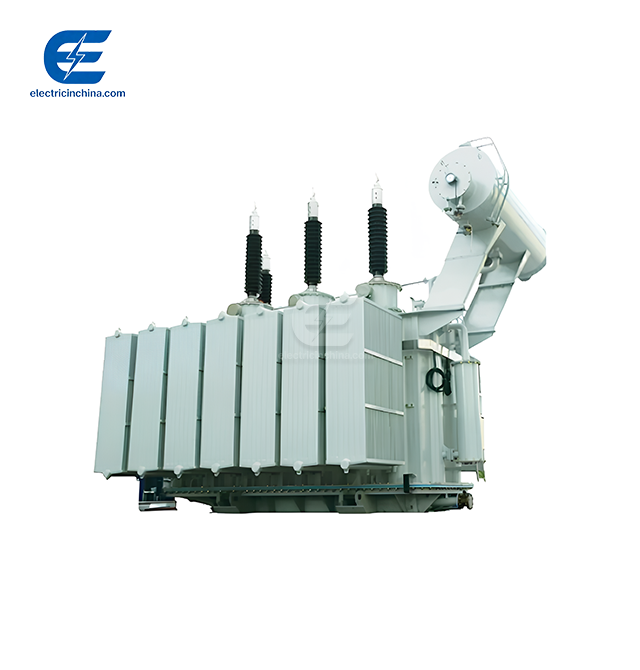
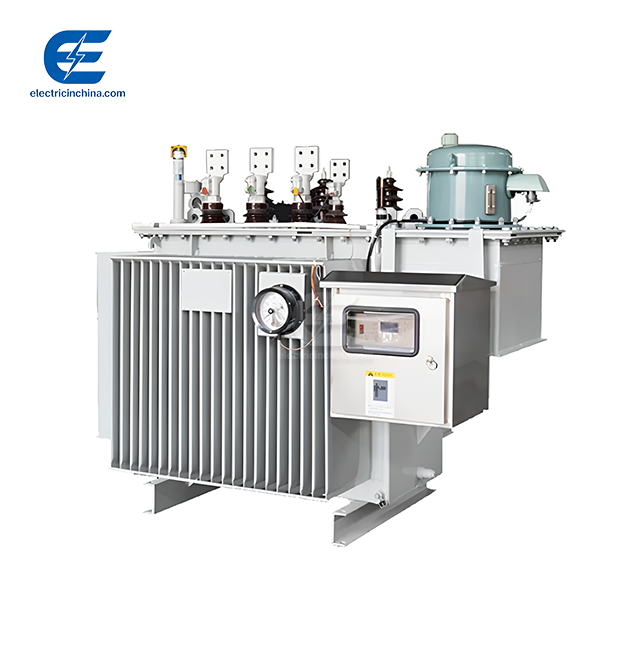
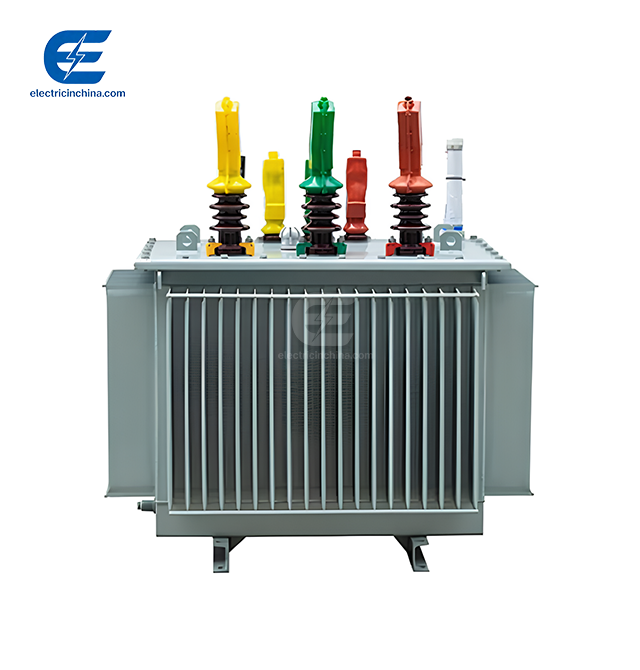
Transformers that are submerged in oil move shielding oil through their cores and windings. This moves heat to radiators or heat exchanges outside the transformer, where it is cooled by air or water. This liquid cooling medium has a thermal capacity that is orders of magnitude higher than air. This means that it can absorb more heat per unit volume. Whether it's through natural convection or forced pumping, oil circulation always takes heat from internal parts, keeping the working temperature lower at the same load level.
Conversely, dry-type transformers depend on solid insulation areas coming into contact with air. Before convective cooling can happen, heat has to move through layers of epoxy or cast resin, which adds to the thermal resistance. Because of this basic difference, oil-filled systems usually run 10-15°C cooler at the same load conditions. But air-cooled designs get rid of the fire risks that come with using flammable dielectric fluids. This means that they have to be used for certain indoor uses because of building codes and insurance rules.
Safety and Operational Implications
When talking about what tools to use for urban infrastructure projects, fire safety issues take center stage. Oil-filled transformers hold hundreds of gallons of flammable mineral oil. They need complex control systems, fire prevention equipment, and to be kept at least a certain distance from buildings that people are using. On many of the projects we've worked on, building codes specifically said that oil-filled equipment couldn't be within 15 meters of exits or public areas. The materials used to make dry-type transformers make them flame-resistant and self-extinguishing. This eliminates the risk of explosion and makes placement easier.
Environmental concerns go beyond just fire safety. Soil and waterways become polluted by oil leaks, which leads to expensive cleanup tasks and rule-breaking. Our dry-type transformer installations get rid of all of these environmental risks, which speeds up the approval process for projects that need to be done in places that are sensitive to the environment. More and more government contracts call for equipment that doesn't pollute the environment. This is because policymakers want to build infrastructure that will last for a long time.
Best Practices for Maintenance and Optimizing Heat Dissipation
Routine Inspection Protocols
Systematic cleaning plans are needed to keep thermal performance at its best. We suggest that ventilation holes be visually checked every three months to see if they are clogged with dust or waste or have physical damage that is blocking airflow. Cleaning methods that use compressed air or vacuum systems improve airflow, stopping temperature rises that go unnoticed until they reach failure points. Monitoring temperature during regular checks sets a standard, which makes it easier to spot early signs of strange trends that problems are starting to form.
Every year, thermal imaging studies find hotspots that can't be seen with other inspection methods. Infrared cameras can find areas that are burning because of loose connections, insulation wear, or internal problems before they become major problems. We've avoided dozens of unexpected power outages because thermal imaging tools can find problems 6 to 12 months before they show any other signs. This method of predictive maintenance lowers the total cost of ownership by stopping further damage and arranging fixes for times when the system is not being used.
Installation Best Practices
The choice of site has a huge effect on the heat function. Equipment rooms need to have enough air flow, and there should be at least a little space around all generator surfaces. We require 1.5-meter gaps on the sides with ventilation holes to make sure air can flow freely. Controlling the air temperature with HVAC systems keeps the cooling capacity constant, even when the seasons change. Because underground sites are usually small, extra care needs to be taken to control moisture and make sure there is enough airflow.
Extra cooling systems increase capability during times of high demand. Putting temperature-activated fan systems near dry-type transformers that cool themselves automatically increases their capacity during heat waves or other unusual load situations. These extra systems give you more operating freedom for a lot less money than investing in big transformers. Facility managers can quickly fix problems when they see them by using remote temperature tracking with automated alerts. This prevents damage from happening when cooling systems temporarily stop working.
Procurement Insights: Selecting Dry-Type Transformers with Efficient Heat Dissipation
Critical Technical Parameters
Voltage control performance shows how well a piece of equipment keeps the output voltage stable when the load changes. This is a property that is affected by internal resistance and temperature rise. Better thermal management makes voltage control more accurate by reducing changes in resistance that happen when temperature changes. We make sure that the control of distribution transformers stays within ±2% across full load ranges. This keeps the power quality stable for sensitive equipment.
The highest temperature that can be used in a dry-type transformer is based on the insulation class. For example, Class F allows 155°C and Class H allows 180°C. Higher grades give you more room to safely handle brief overloads or cooling system degradation without the risk of failure right away. There is a direct link between efficiency ratings and heat production. Units with better efficiency produce less waste heat that needs to be dissipated. Our designs that save energy are 98.5% efficient at standard load, which means that less thermal control is needed and costs are cut.
Industry-Leading Manufacturers
Siemens has a wide range of dry-type transformers with the latest heat control technologies. The Geafol line uses cast-resin construction and cleverly placed cooling ducts to make small designs that can be used in places with limited room. Digital monitoring systems in ABB's TXpert units keep track of heat performance, which lets repair plans be planned ahead of time. Schneider Electric focuses on flexible designs that make improvements and capacity increases easier in the field.
Hitachi specializes in making high-capacity distribution transformers for industrial use. Their designs are strong enough to survive harsh circumstances. GE's Prolec line of products is made for large-scale utility systems that need to be as reliable as possible. As a specialized maker, Tuojie blends cutting-edge thermal management with the ability to make changes to meet the specific needs of each project. Our technical depth is on par with that of the world's top companies, and we offer responsive expert help and prices that are hard to beat.
Conclusion
Effective heat removal determines how reliable, efficient, and long-lasting a dry-type transformer is. Modern units get the right temperature performance for their uses in a wide range of settings by using natural convection, high-tech insulation materials, and well-thought-out structure designs. Knowing how cooling works, what care is needed, and how to buy it gives project managers the power to choose equipment that will last for decades without any problems. The move toward designs that use less energy and have lower heat loads is in line with goals for sustainability and makes operations more cost-effective. Working with makers with a lot of experience makes sure that you can get access to tried-and-true technologies, quick technical help, and full quality control, all of which are important for the success of infrastructure projects.
FAQ
1. What temperature rise should I specify for my application?
The choice of temperature rise strikes a balance between original costs, working margins, and the longevity of the equipment. An 80K grade gives you the most safety gaps and the longest insulation life. This makes it perfect for places that can't cool down much or where replacement costs are very high. A 100K specification is good for most business and small industry uses because it is reliable and doesn't cost too much. A 115K grade increases capacity within a given size, which is good when room is limited, and good ventilation is guaranteed. When making this important standard choice, think about the high temperatures in the area, the load profile, and how easy it will be to do maintenance in the future.
2. How does altitude affect cooling performance?
As you go up in elevation, the air density drops, which makes convection cooling less effective. When used above 1000 meters, equipment that is approved for use at sea level needs to be derated by about 0.5% per 100 meters. Installations higher than 2000 meters may need to lower their capacity by 5 to 10 percent or get better cooling systems. Our engineering team offers altitude correction factors and can change standard designs to keep full capacity ratings at high places by adding more ventilation or forced air cooling. When talking about buying something, you should always say the location level to make sure the thermal performance is good.
3. Can existing transformers be retrofitted with improved cooling?
Many naturally cooled units can have extra fans added, which can boost their capacity by 25–40%. This inexpensive upgrade makes equipment last longer in places where the load is growing or where the temperature has gone up because of changes to the building. For retrofits to work, there must be enough space for air to flow and electricity lines for the fans to get power. We offer evaluation services that check whether a retrofit is possible. These include thermal modeling that predicts efficiency improvements and payback analysis that compares the costs of a retrofit to the costs of buying new equipment.
Partner with Tuojie for Superior Dry-Type Transformer Solutions
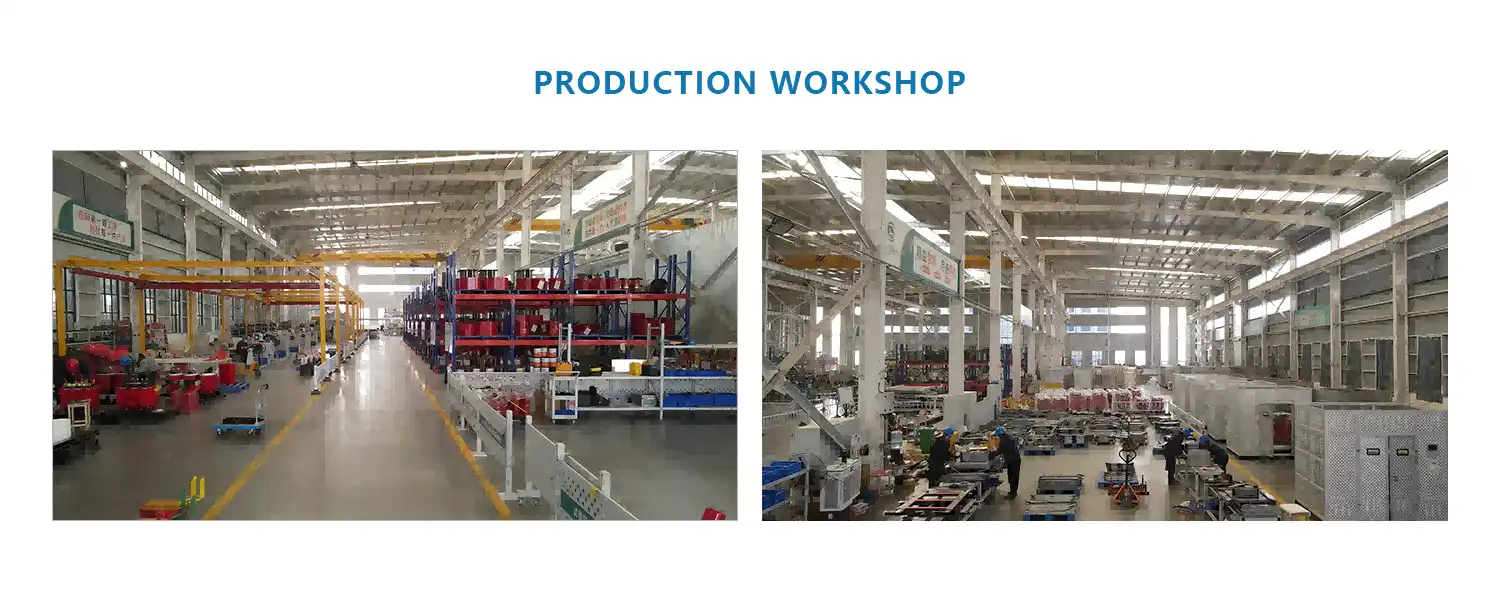
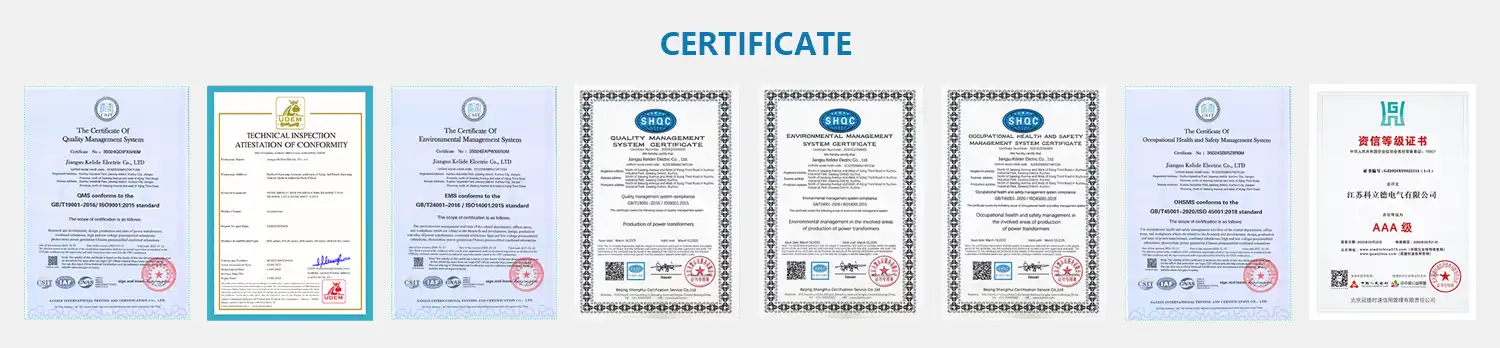
Tuojie is ready to help you with your next power distribution project. They have the best dry-type transformer technology and offer full engineering services. Over the past 20 years, we've completed hundreds of successful setups in industrial, business, and government buildings. This shows that we are very good at managing temperature and making custom solutions. We keep strict quality standards during the planning, production, and testing processes as a certified dry-type transformer maker with ISO 9001, ISO 14001, and OHSAS 45001 certifications. Our technical team, which is made up of 15 senior engineers and more than 30 intermediate technicians, works closely with clients to make sure that the specifications of the tools exactly match the needs of the job and the conditions of the surroundings. Email us at tuojie@electricinchina.com right away to talk about how our advanced thermal management technologies, low prices as a dry-type transformer seller, and quick project support can make your work more reliable and efficient.
References
1. "Thermal Management in Dry-Type Distribution Transformers," IEEE Transactions on Power Delivery, Vol. 34, No. 2, April 2019.
2. McLaren, P.G. and Oraee, H., "Heat Transfer Analysis in Cast-Resin Transformers," International Journal of Electrical Power & Energy Systems, Vol. 112, 2020.
3. "IEC 60076-11: Dry-Type Power Transformers – Part 11: Specification and Test Methods," International Electrotechnical Commission, Edition 2.1, 2018.
4. Anderson, R.L., "Advanced Cooling Techniques for High-Efficiency Transformers," Electric Power Systems Research Journal, Vol. 187, 2020.
5. "GB/T 10228-2015: Dry-Type Power Transformers," Standardization Administration of China, National Standard of the People's Republic of China, 2015.
6. Wilson, T.J. and Stevens, M.K., "Comparative Analysis of Transformer Cooling Methods for Urban Infrastructure Applications," Journal of Energy Engineering, Vol. 146, No. 4, August 2020.