

.webp)
Oil-immersed transformers remain the backbone of modern power grids because they deliver unmatched reliability, superior cooling efficiency, and exceptional cost-effectiveness over many years of operation. These units use mineral or synthetic oil as both an insulating medium and a cooling agent, enabling them to handle high-voltage transmission and heavy industrial loads more effectively than dry-type alternatives. Their proven performance in harsh outdoor environments and ability to maintain stable operation under fluctuating loads make them the preferred choice for infrastructure projects, industrial facilities, and utility networks worldwide.
Introduction to Oil-Immersed Transformers in Power Grids
What Are Oil-Immersed Transformers?
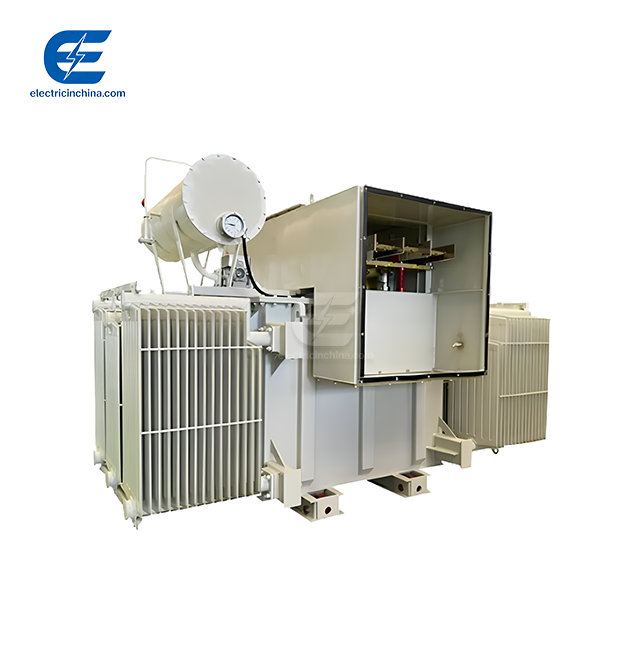
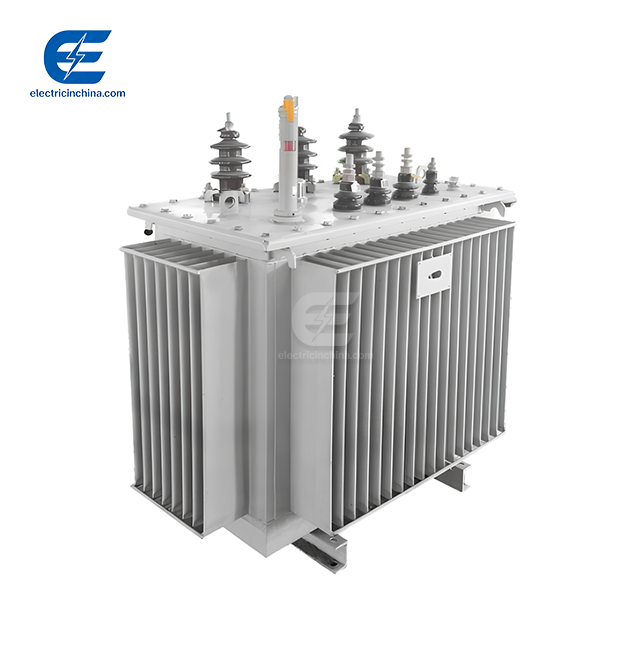
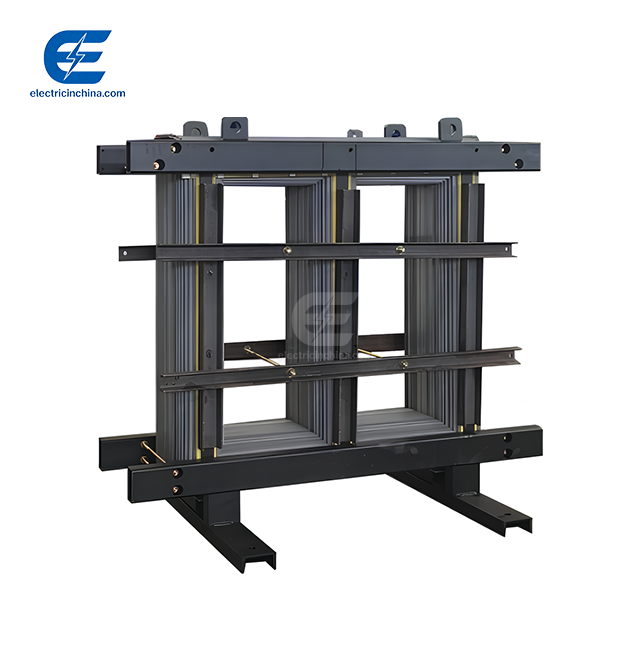
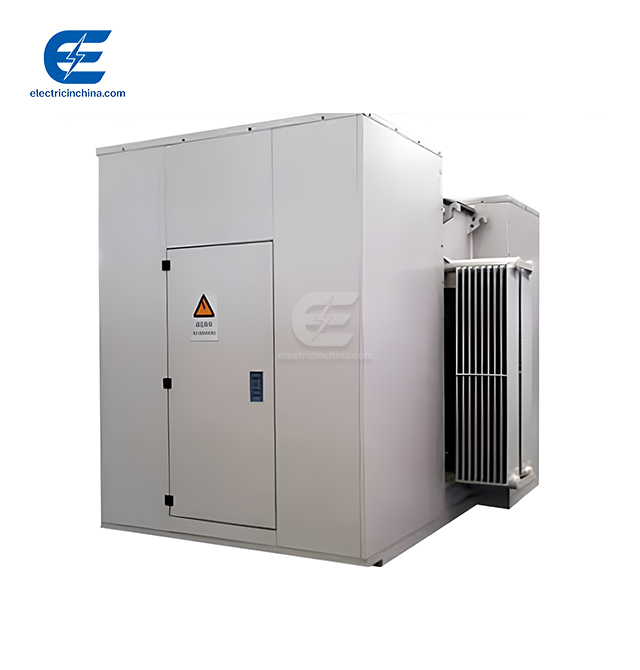
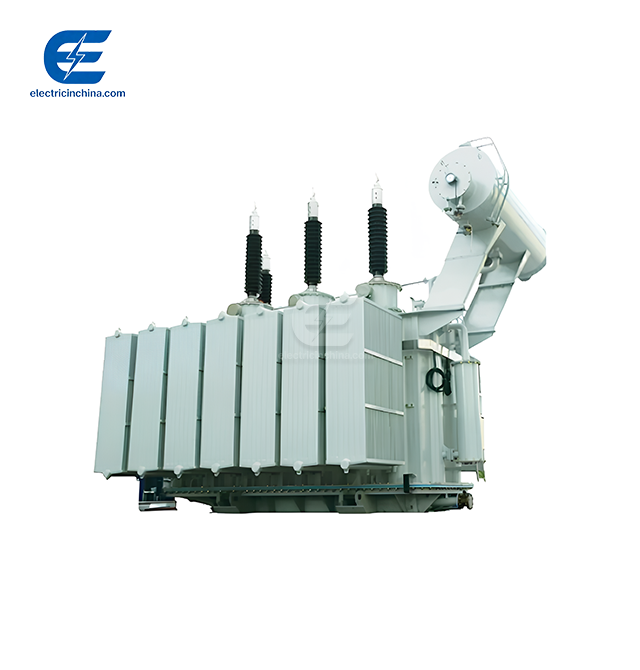
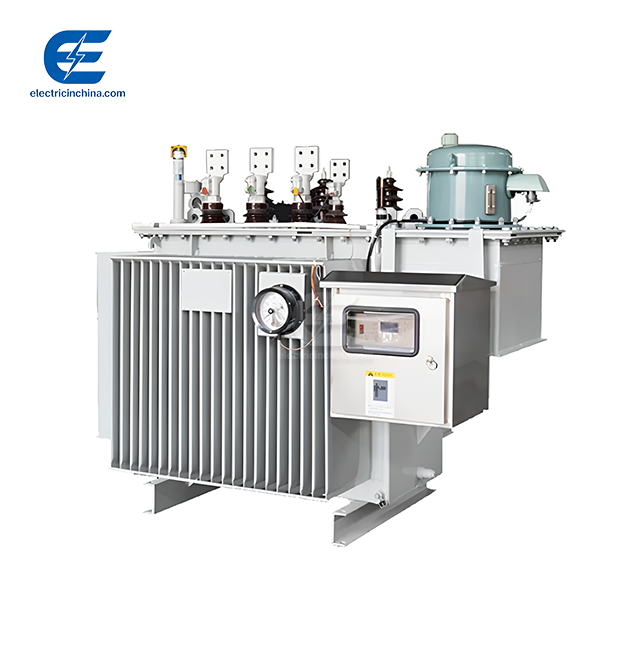
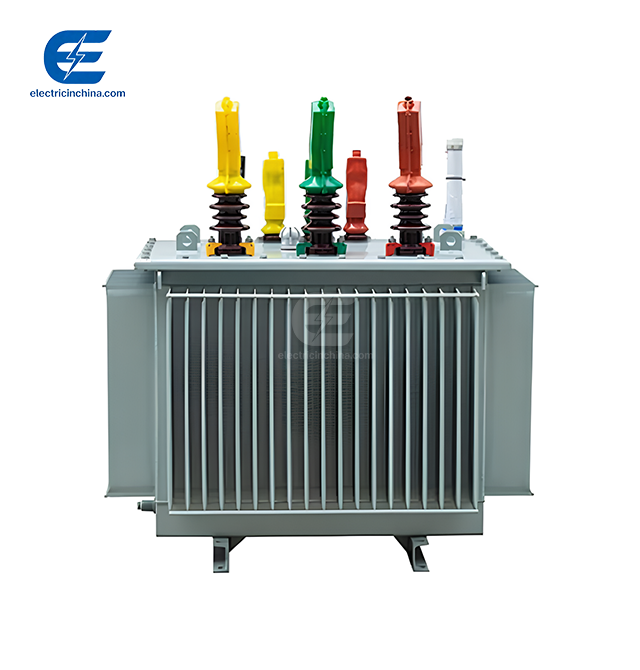
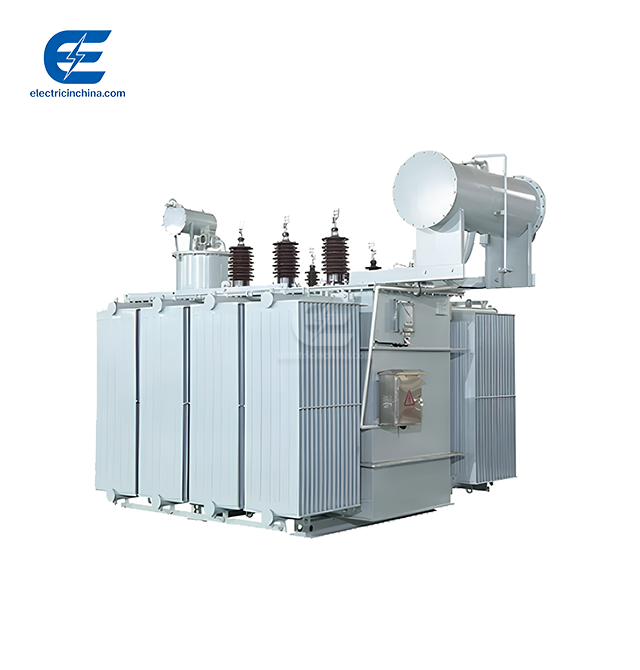
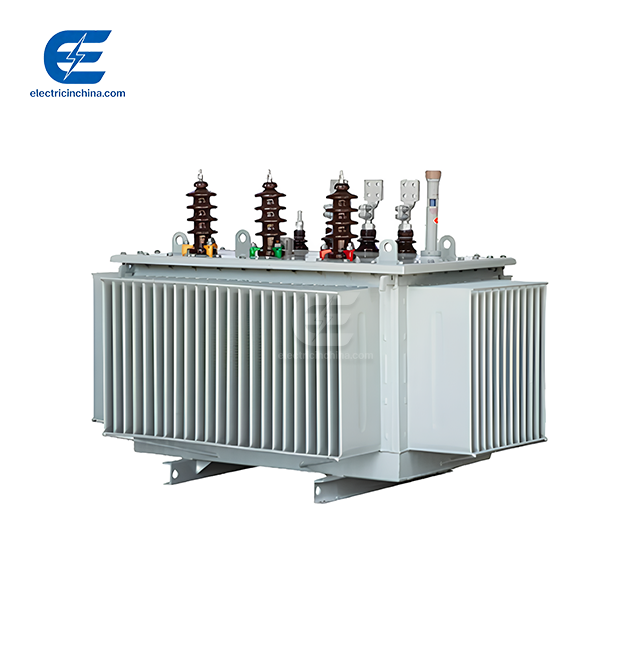
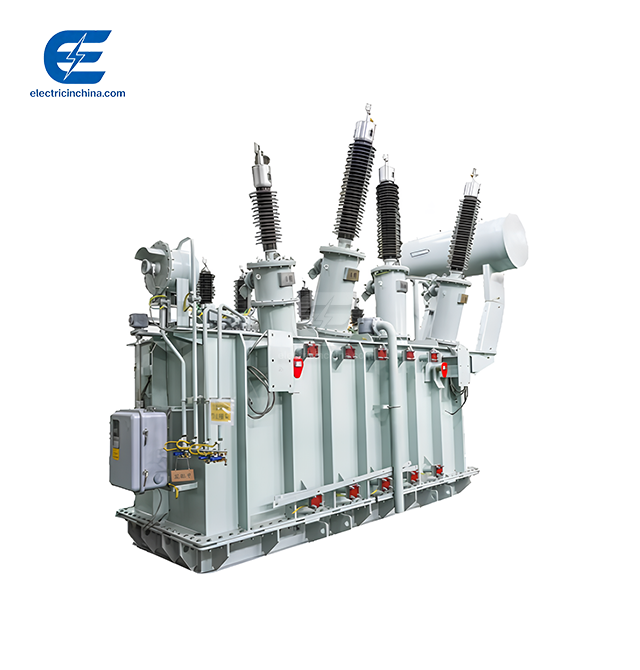
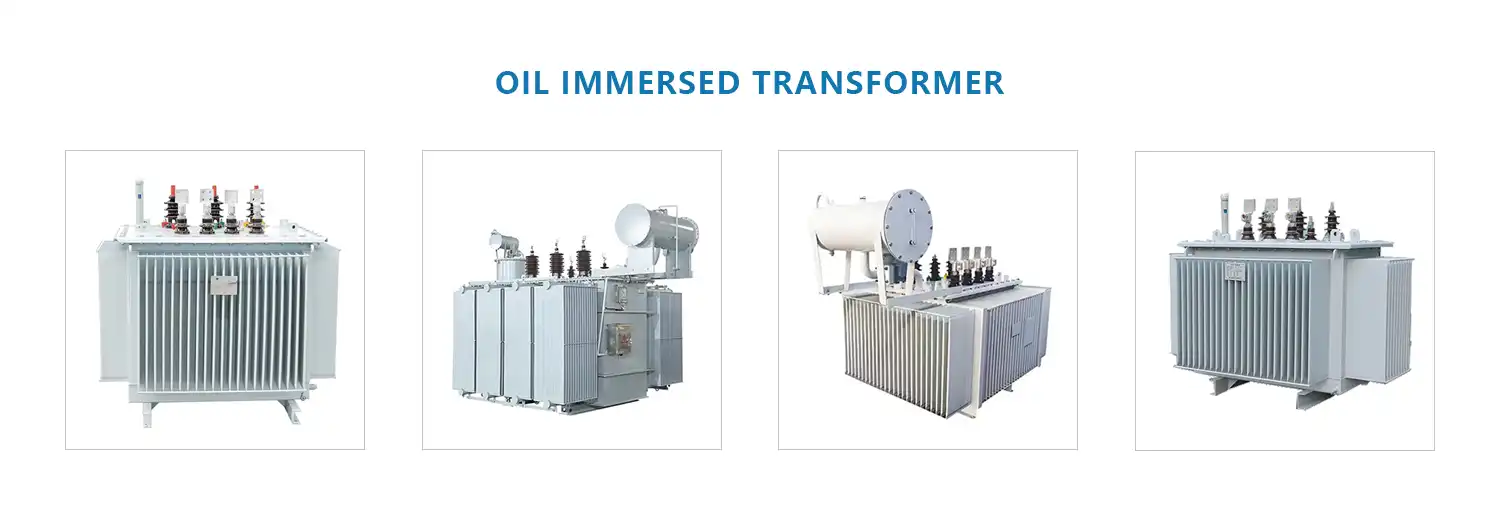
An Oil-immersed transformer is a device that distributes electricity. It cools the internal windings and core components with special shielding oil while also preventing electricity from flowing between high-voltage parts. The oil moves around naturally or through forced cooling systems, soaking up heat that is generated during operation and sending it away through the radiators or other cooling equipment outside the vehicle. Because of this basic design concept, oil-filled units are necessary in medium- and high-voltage settings where controlling temperature has a direct effect on how long equipment lasts. Our S9, S13, and S18 series transformers are great examples of this technology. They have silicon steel cores made of grain-oriented electrical steel and copper or aluminium windings that have conductivity rates higher than industry standards. The high-quality mineral oil in these units keeps the dielectric strength above 30kV, so the shielding works well even in harsh circumstances.
Working Principle and Core Components
Alternating current in the main winding forms a magnetic flux in the silicon steel core, which causes voltage to build up in the secondary winding. This is how the transformer works. Because it works as a dielectric barrier to stop electrical breakdown, the insulating oil also takes thermal energy from copper losses and core magnetisation, and it stops arcs when there is a fault. Our S13-35kV Oil-immersed transformers have a fully sealed curved tank design that stops water from getting in and oil from going bad. This stops two major failure modes that older transformer generations had. This hermetic design makes the insulation last longer than 30 years in normal working conditions, which lowers the number of times it needs to be replaced and the total cost of ownership.
Advantages of Oil-Immersed Transformers Over Alternatives
Superior Cooling Efficiency and Thermal Management
In ONAN (Oil Natural Air Natural) designs, the natural convection qualities of transformer oil allow heat to be lost continuously without any artificial help. When the loads go up, the oil's thermal expansion makes circulation currents that very efficiently move heat from the windings to the radiator surfaces. This passive cooling system keeps the units running smoothly in temperatures ranging from -40°C to +40°C. This means that they can be used in both desert sites and arctic substations. Our S18 series Oil-immersed transformers have curved tank designs that give them 35% more surface area for transferring heat than flat-wall designs. This technical improvement lets higher power density rates happen while keeping winding temperature rises below the 65K limit set by IEC 60076 standards. The result is equipment that can handle peak loads without shielding materials wearing out too quickly.
Extended Operational Lifespan and Reliability
When kept in accordance with the manufacturer's instructions, Oil-immersed transformers can last for more than 30 years. The oil protects against water and air, which keeps the copper windings from rusting and the cellulose insulation from breaking down. This unit's life is extended even more by regular oil testing and filtering. In utility uses, many units stay in use for 40 to 50 years. Cold-rolled grain-oriented silicon steel with a high permeability is used in the S13 line. This keeps no-load losses to 0.1% to 0.3% of stated capacity. Lower core losses immediately lead to less heat stress on insulation systems, which slows down the ageing process and keeps the dielectric strength of the equipment for as long as it is used. This factor of dependability is very important for building projects because unplanned power cuts cost a lot of money.
Key Technical Dimensions of Oil-Immersed Transformers
Transformer Oil Types and Performance Characteristics
Mineral oil is still the most common dielectric liquid because it is cheap, good at insulating against electricity, and stable at high temperatures. Our Oil-immersed transformers use high-quality mineral oils that keep the breakdown voltage above 30kV and make sure they work consistently in temperatures from -40°C to +105°C. The oil's arc cooling ability—its ability to stop electrical discharges—improves system safety by protecting against faults naturally. Because they break down naturally and have higher flash points (usually 300°C vs. 160°C for mineral oil), ester-based manufactured oils are becoming more popular in Oil-immersed transformers used in places that care about the environment. These fluids lower the risk of fire in indoor substations and lessen the damage to the environment if a tank breaks. Our engineering team can recommend ester fluids for jobs where safety or environmental concerns make the extra cost worth it.
Critical Testing and Diagnostic Procedures
According to IEC 60422 guidelines, oil quality is checked by measuring the breakdown voltage. For mineral oils, the acceptance limits must be at least 30kV. Moisture levels must stay below 20 parts per million to keep insulation from breaking down, and acidity levels must stay below 0.03 mgKOH/g to show that there aren't many oxidation products that could hurt the dielectric's performance. Dissolved gas analysis (DGA) finds gases that are released when electrical arcing or the thermal breakdown of insulation materials. It can discover problems early on. High levels of hydrogen show that there is a corona discharge, while high levels of ethylene and acetylene show that there are high-temperature problems that need to be looked into right away. Before being sent to project sites, our quality control lab makes sure that all production units pass strict acceptance standards by testing them in a wide range of DGA methods.
Measurements of winding resistance check the accuracy of the production process and find problems with connection quality that could cause localised heating. Testing the temperature rise under normal load conditions shows that the thermal performance meets design requirements. The oil temperature can only rise to 60K, and the winding temperature can only rise to 65K above ambient. These validation steps make sure that transformers give their rated power without the insulation systems wearing out too quickly.
How to Choose the Right Oil-Immersed Transformer for Your Business
Defining Core Specification Requirements
The choice of capacity is based on the current load needs and the expected growth over the equipment's 30-year life. To allow for future growth and keep efficiency at normal working loads, industrial facilities usually ask for transformers with ratings 20 to 30 per cent higher than peak demand. The voltage levels must meet the features of the power supply. For industrial distribution, typical designs include 35kV/10kV and 35kV/0.4kV step-down ratios. Efficiency requirements have a direct effect on running costs, which makes them an important part of the buying process. At full capacity, our S13 line has no-load losses of less than 0.2% and load losses of less than 1.5%, which meets the performance standards set by GB/T 6451 level 13. Compared to older S9 generation units, these levels of efficiency cut yearly energy use by thousands of kilowatt-hours. This saves money that can be seen and grows over the life of the generator.
Certification and Compliance Verification
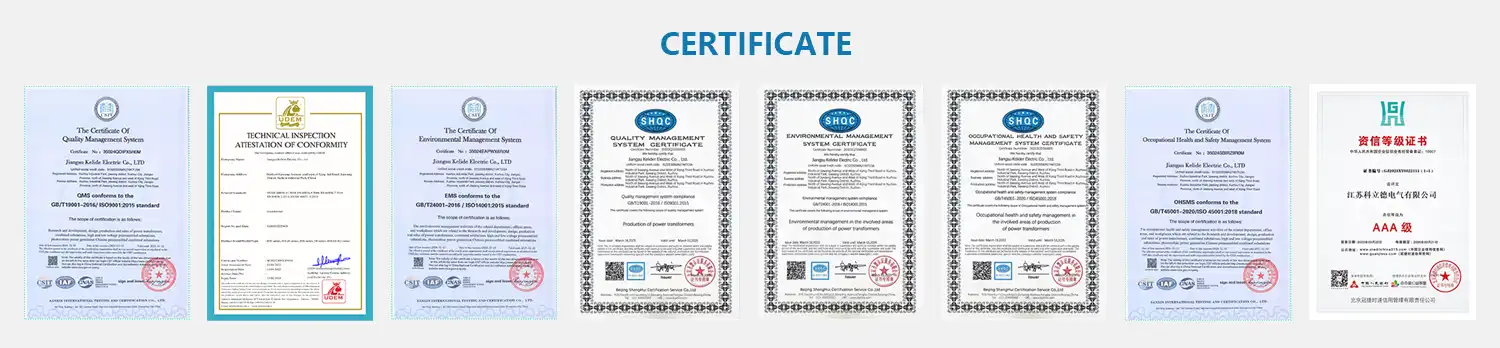
International quality approvals guarantee that products are made to the right standards and are reliable. Our Oil-immersed transformers are certified by the ISO 9001 quality management system, the ISO 14001 environmental management system, and the OHSAS 45001 health and safety at work system. All low-voltage parts and control systems have the CCC certification that is needed for installs in China and is becoming more and more accepted in foreign markets. Technical agreement with IEC 60076, IEEE C57.12.00, and ANSI standards makes sure that equipment works with global utility practices and makes it easier to integrate equipment into projects that span multiple countries. Our engineering documentation includes full test reports that show the product meets these standards. These reports are backed up by validation from a third-party lab and meet the requirements for government building projects that are put out to bid.
Common Challenges and Maintenance Tips for Oil-Immersed Transformers
Identifying and Addressing Oil Leakage Issues
Most oil leaks happen where gaskets meet, where bushing seals meet, or where the radiator connects. This is because heat cycling causes seals to compress and set. Weeping can be found early on, before it leads to large amounts of fluid loss, by doing regular eye checks. Our S13 series' corrugated tank design doesn't have many standard leak places because the joints are bonded instead of bolted, which means less upkeep is needed. When leaks do happen, they need to be fixed right away so that wetness doesn't get in and quickly destroy the insulation in Oil-immersed transformers. The expert service team at our company can help you change seals and get you genuine parts that are exactly the same as the originals. Modern Oil-immersed transformers are much less likely to leak than older conservator-style versions because they are tightly sealed.
Overheating Prevention and Thermal Monitoring
Too much temperature rise means that the system isn't cooling properly, is overloaded, or has internal problems that need to be fixed right away. Monitoring is done all the time with winding temperature signs and oil temperature gauges. Usually, alarms are set at 85°C for the oil temperature and 105°C for the winding temperature. These limits let someone step in before damage to the insulation happens. When forced-air units' cooling fans or vents stop working, they can't remove as much heat, which makes the temperature rise when the unit is working hard. Cleaning the surfaces of the radiators on a regular basis keeps them able to move heat efficiently, and checking the cooling fans on a regular basis makes sure they are ready to go. The improved radiator designs in our S18 transformers allow for better heat control, so they can handle some fouling without losing performance.
Insulation System Maintenance and Testing
Moisture, acids, and heat stress can speed up the slow process of insulation breakdown. An annual study of dissolved gases keeps track of the results of decomposition, which can spot problems early on. Testing the dielectric strength of oil samples makes sure that the breakdown voltage stays above the minimum levels, and testing the power factor of bushings finds any moisture getting into these important parts. As part of our quality control procedures, all of our products are tested thoroughly in the plant before they are sent out. This sets a standard for future comparisons. Acceptance testing for partial discharge checks the integrity of the insulation, with acceptance values below 10pC at the maximum voltage. These strict standards make sure that transformers have the strongest protection possible when they are first put into service. This sets the stage for decades of reliable service.
Conclusion
Due to their proven dependability, excellent thermal control, and excellent lifespan economics, oil-immersed transformers are still the best option for power grid use. Because they can work constantly in tough outdoor conditions, handle overloading, and last for decades, they are essential to building projects, industrial facilities, and utility networks. Modern designs use advanced core materials, high-quality insulating oils, and fully sealed construction to handle upkeep issues from the past while keeping the main benefits that have made this technology popular for more than one hundred years. When buying, managers and engineers understand these technical aspects, they can choose equipment that meets practical needs and has the lowest total cost of ownership.
FAQ
1. How do oil-immersed transformers compare to dry-type units?
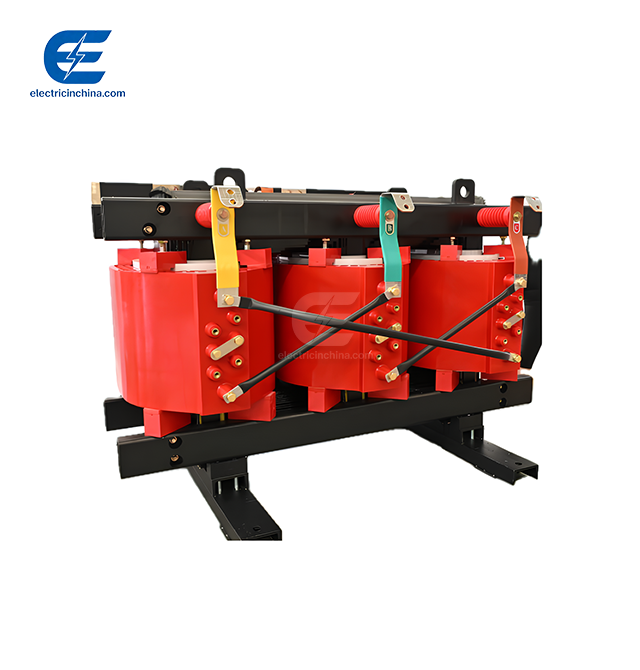
Due to their greater cooling capacity, better overload tolerance, and lower lifecycle costs, oil-immersed transformers are ideal for outdoor use and high-power installs. They can work continuously in environments with high or low temperatures and dirt and dust that are hard for dry-type units. In indoor settings where fire safety is very important and smaller power levels are enough, dry-type transformers work well. However, in utility and heavy industrial settings, oil-filled designs are better at handling heat and are more cost-effective.
2. What intervals are recommended for oil testing and replacement?
For most setups, baseline tracking includes checking the dielectric strength once a year and analysing the moisture content. For important equipment, dissolved gas analysis should be done every two years or whenever tracking systems show that the temperature isn't what it should be. It's not usually necessary to change the oil completely; a good filter and regeneration are cheaper ways to recover the dielectric properties. Most transformers work for 15 to 20 years before they need to have their oil reconditioned. Some units can go over 30 years on their original oil with regular maintenance.
3. Can oil-immersed transformers be customised for specific requirements?
A lot of customisation choices meet the needs of a wide range of projects. You can change the voltage ratings, winding configurations, and cooling classes to fit the features of the power source and the type of load. Some environmental changes are better corrosion protection for locations near the coast, stronger earthquake protection for areas prone to earthquakes, and altitude compensation for sites that are high up. Our engineering team works with clients to come up with standards that make sure equipment works at its best in different areas and meets all operating needs. This way, the equipment lasts as long as possible and gives the most value.
Partner with Tuojie for Your Transformer Requirements
Selecting the right oil-immersed transformer provider affects the success of the project, the dependability of operations, and the costs over time. Tuojie has been making power distribution tools for more than 20 years and has ISO 9001, ISO 14001, and OHSAS 45001 certifications to back up our quality management systems. We have a wide range of products, such as S9, S13, and S18 series transformers with ratings from 30kVA to 2500kVA that all meet IEC, IEEE, and ANSI standards.
Our technical team of 15 senior engineers and 30 or more intermediate workers creates solutions that are unique to your surroundings and grid needs. We use more than 120 sets of modern equipment, such as CNC winding machines and vacuum casting systems, to make sure that the standard of our products is always high and that they are delivered on time. Whether you need a dependable oil-immersed transformer manufacturer for building projects or a quick-to-respond oil-immersed transformer provider to help your business grow, Tuojie can help you with everything, from creating specifications to helping with installation.
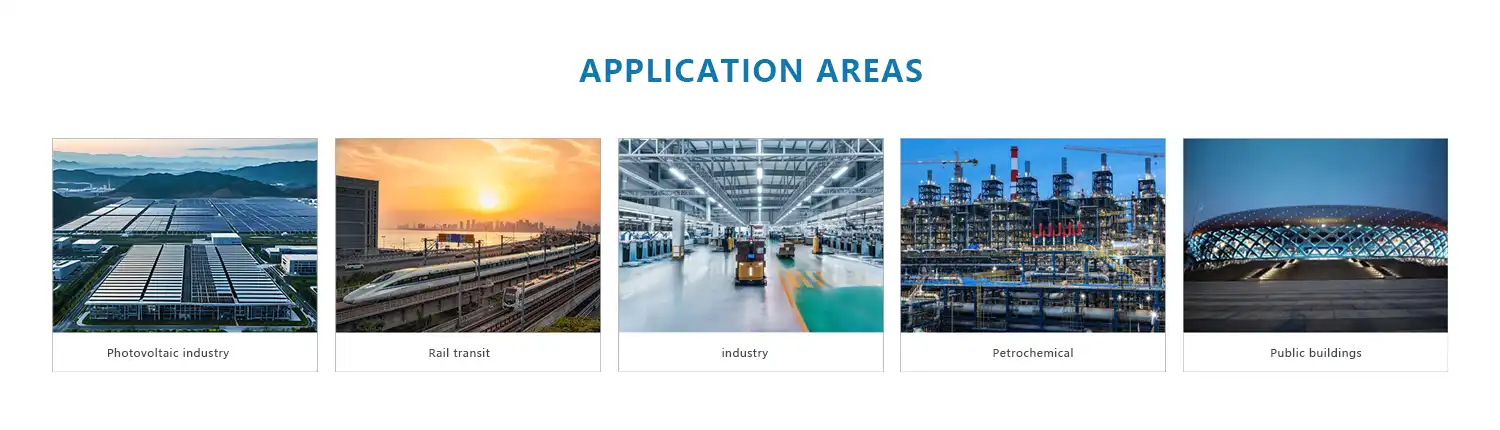
Email our team at tuojie@electricinchina.com to talk about the needs of your project and get a full quote. You can look through our full product selection at electricinchina.com and learn how our experience working on projects like Xuzhou Rail Transit and XCMG Group can help you reach your power delivery goals.
References
1. International Electrotechnical Commission. "Power Transformers - Part 1: General Requirements." IEC Standard 60076-1, 2021 Edition.
2. IEEE Power and Energy Society. "IEEE Standard for Liquid-Immersed Distribution, Power, and Regulating Transformers." IEEE C57.12.00-2020.
3. Zhang, Y., and Liu, H. "Thermal Performance Analysis of Oil-Immersed Power Transformers in Grid Applications." Journal of Power Distribution Engineering, Vol. 45, No. 3, 2022, pp. 287-301.
4. American National Standards Institute. "Requirements for Liquid-Immersed Distribution and Power Transformers." ANSI C57.12.20-2019.
5. Johnson, M. "Lifecycle Cost Comparison of Transformer Technologies in Utility Applications." Electric Power Systems Research Quarterly, Vol. 198, 2021, pp. 156-170.
6. Wang, L., Chen, X., and Kumar, S. "Dissolved Gas Analysis for Predictive Maintenance of Oil-Immersed Transformers." IEEE Transactions on Power Delivery, Vol. 37, No. 2, 2022, pp. 1142-1153.