

.webp)
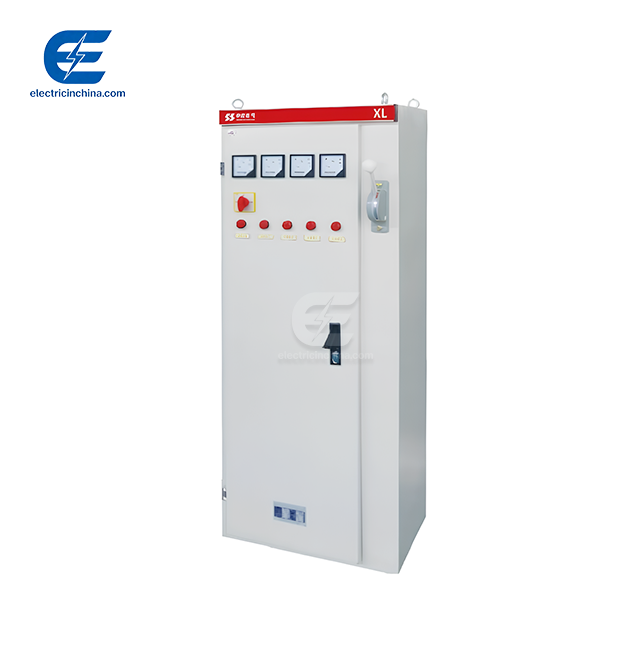
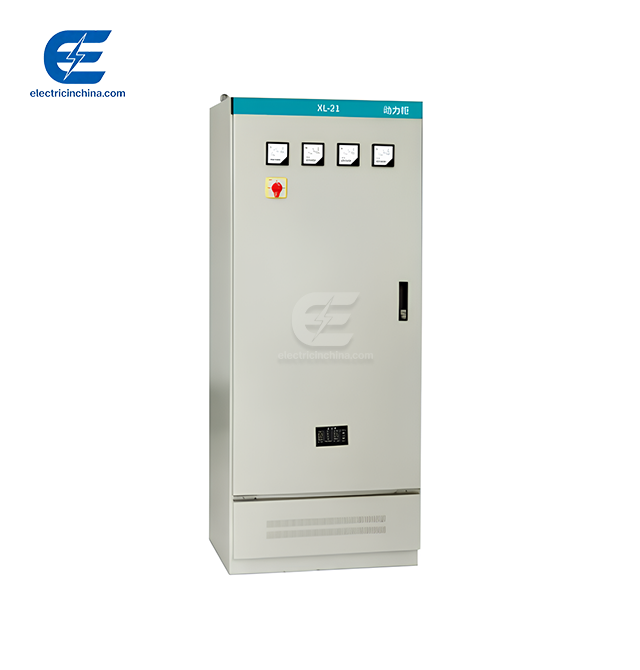
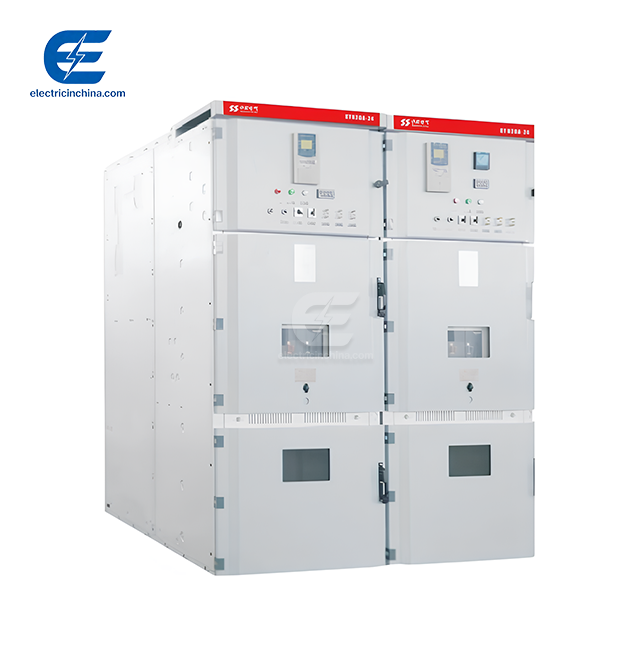
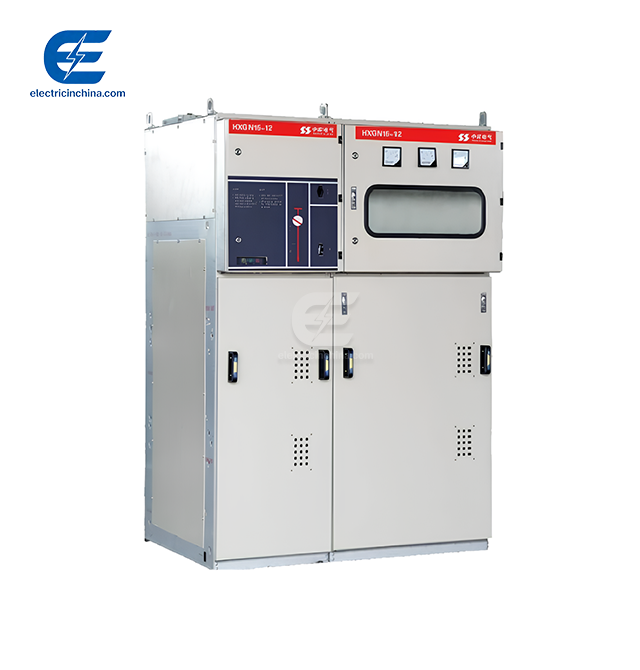
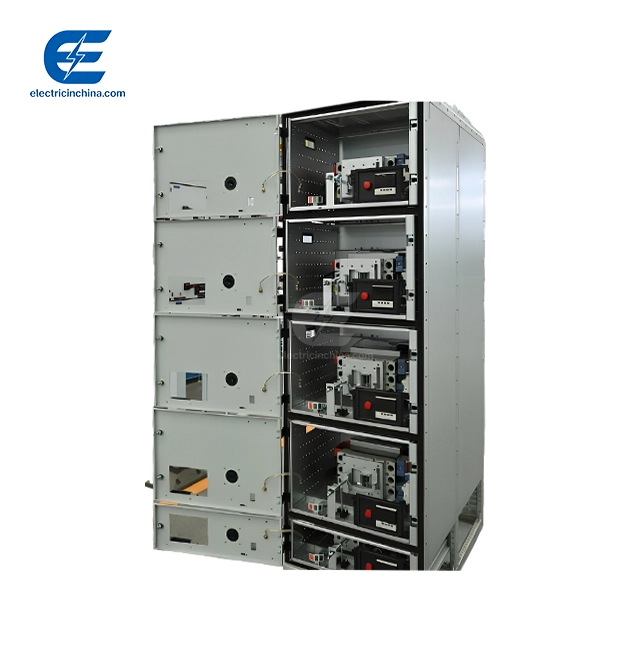
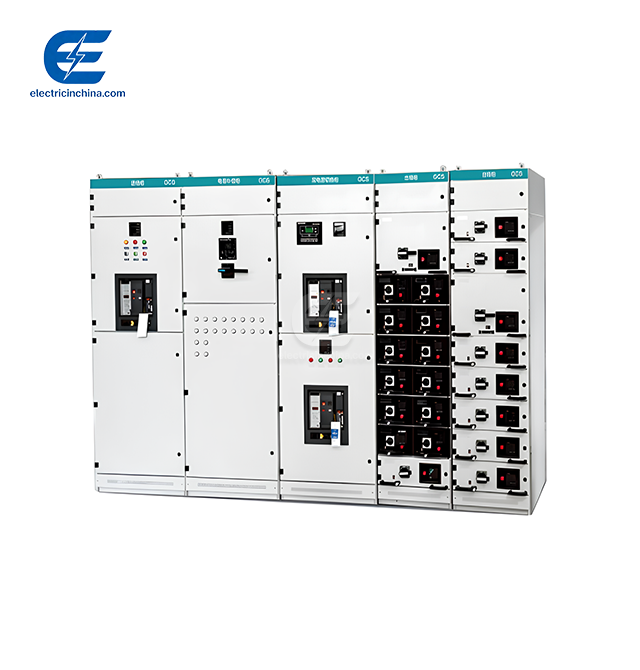
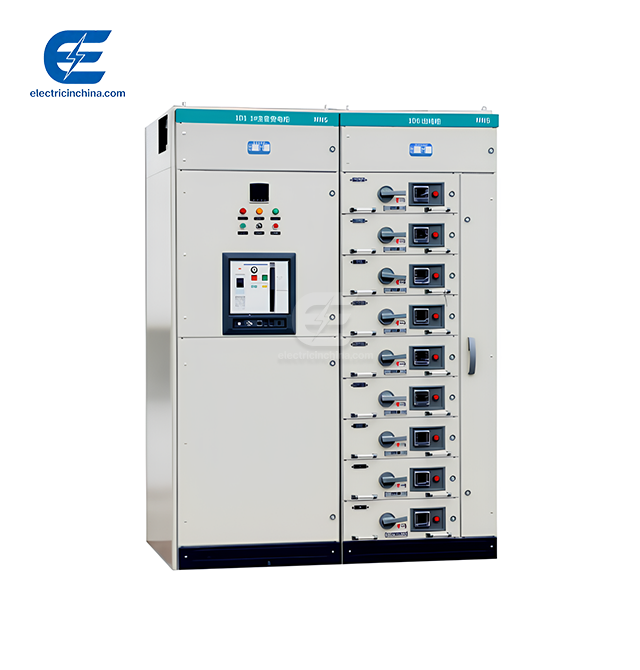
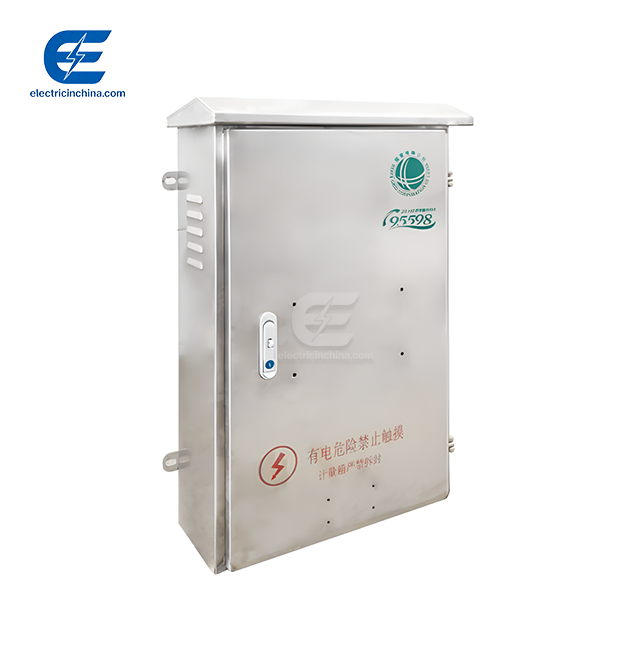
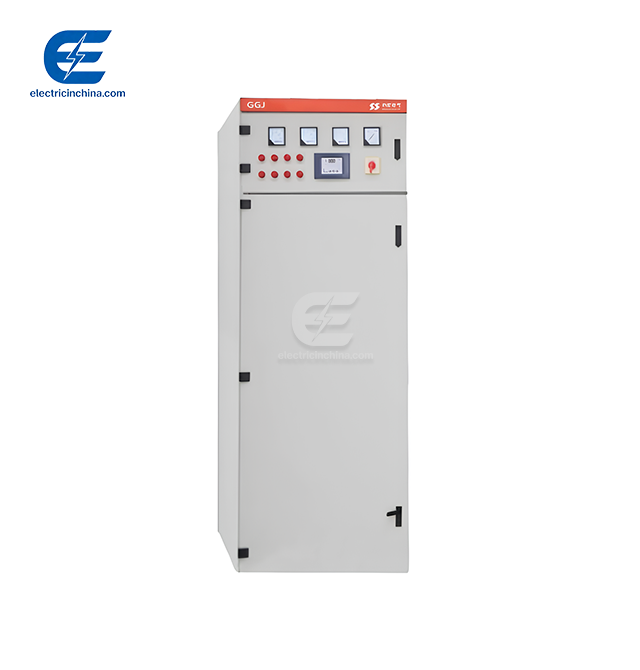
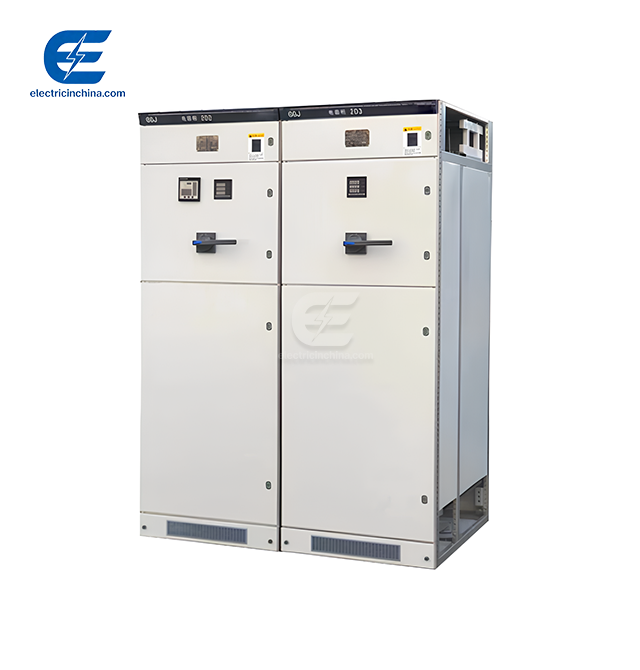
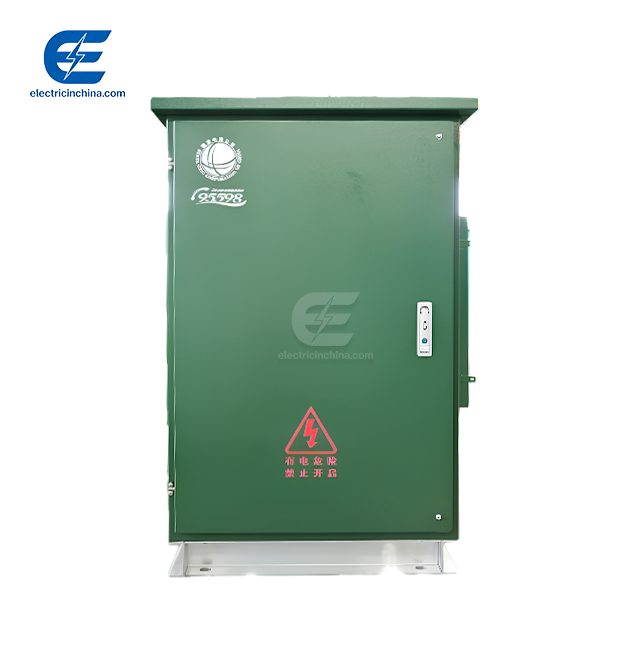
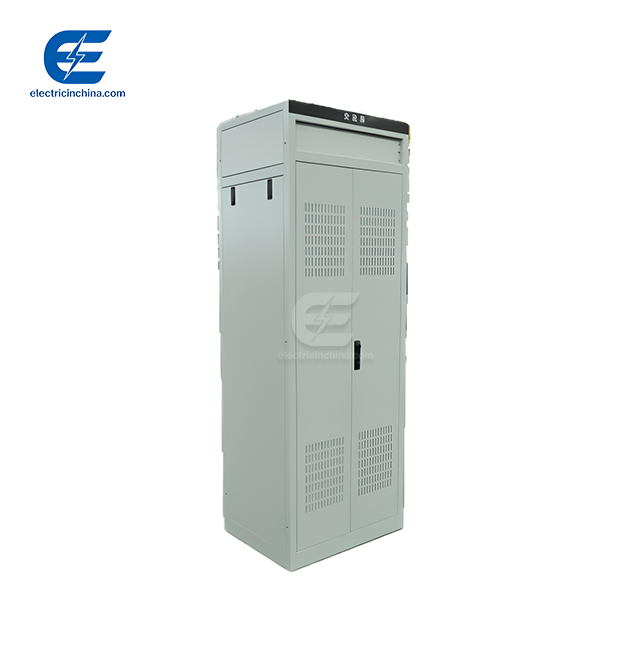
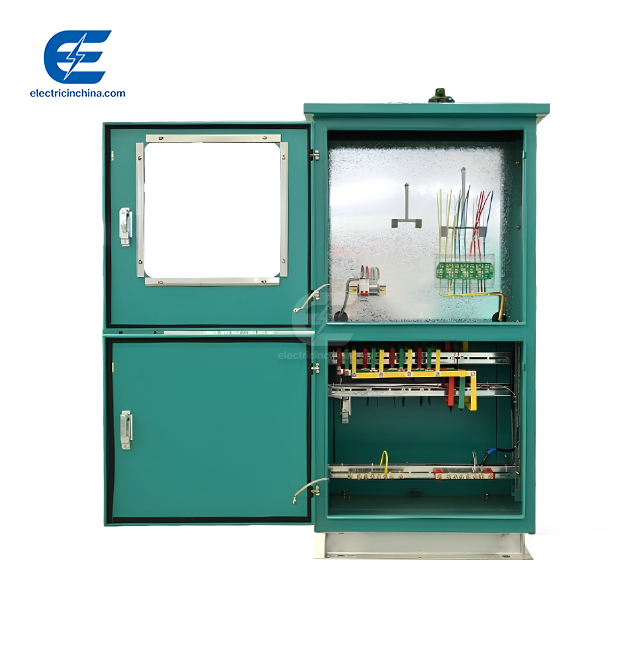
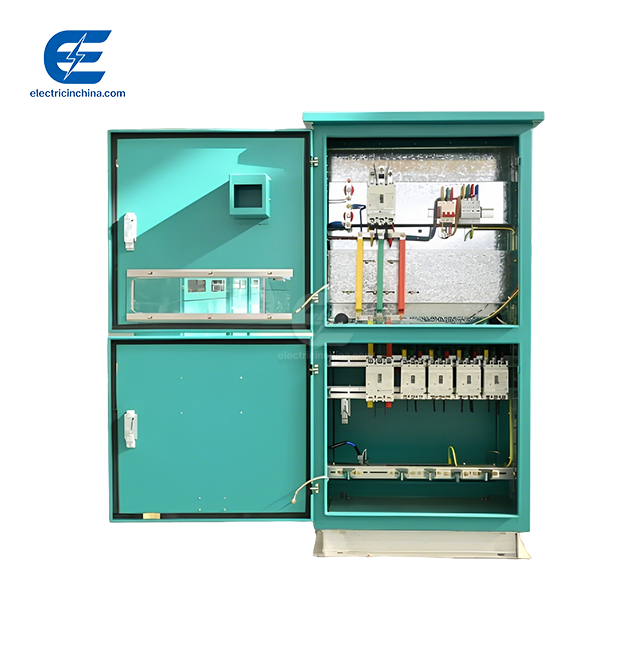
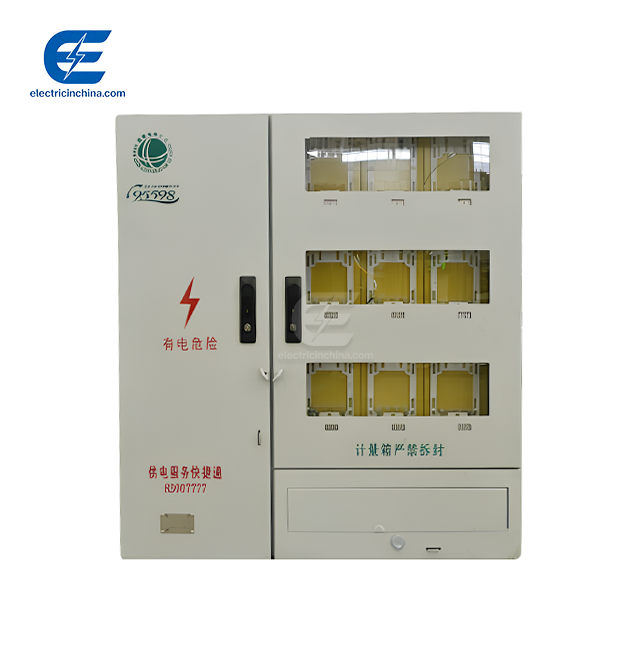
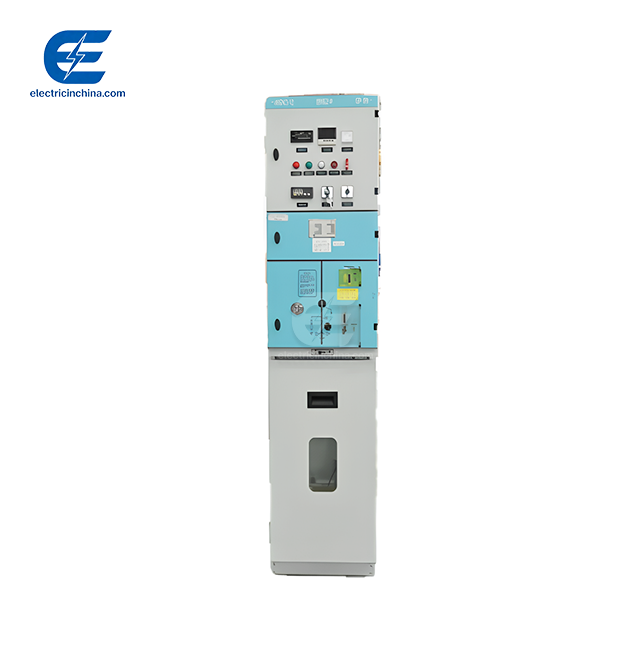
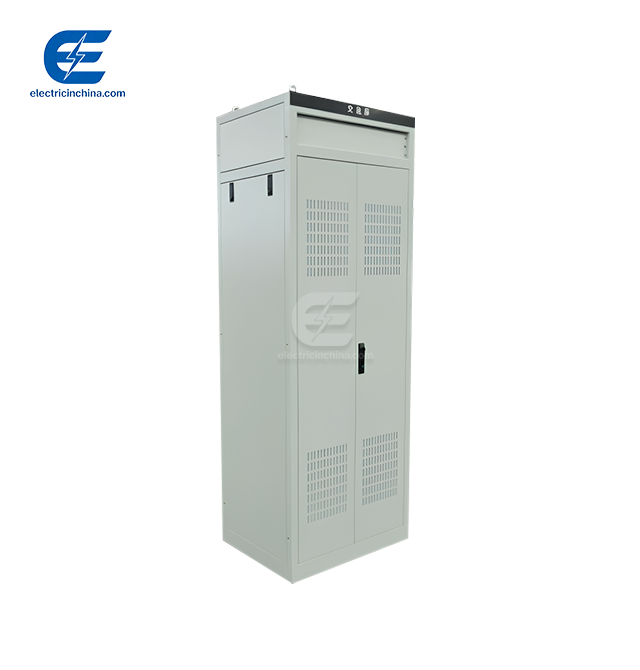
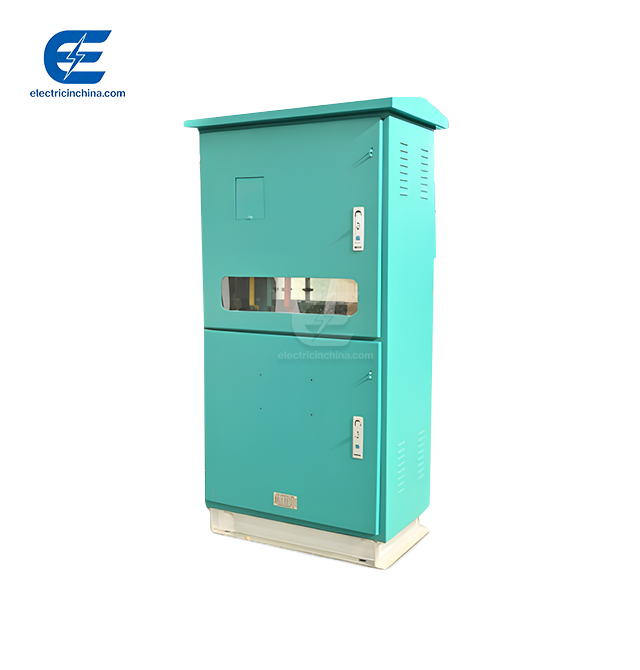
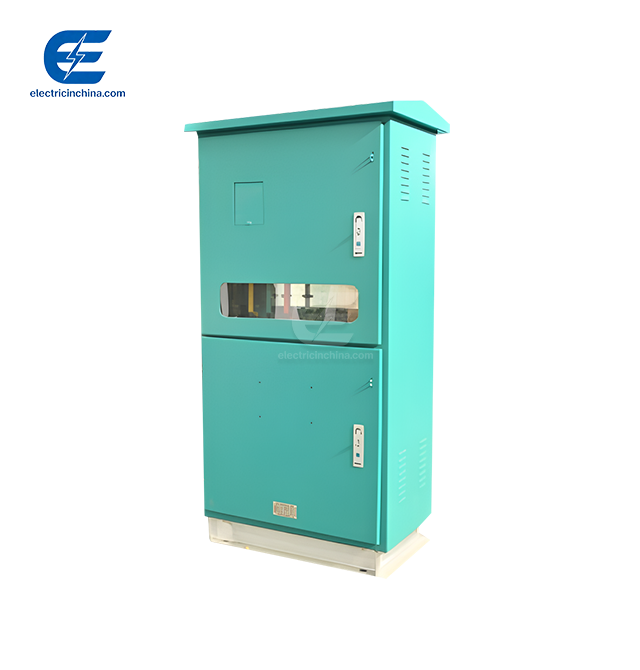
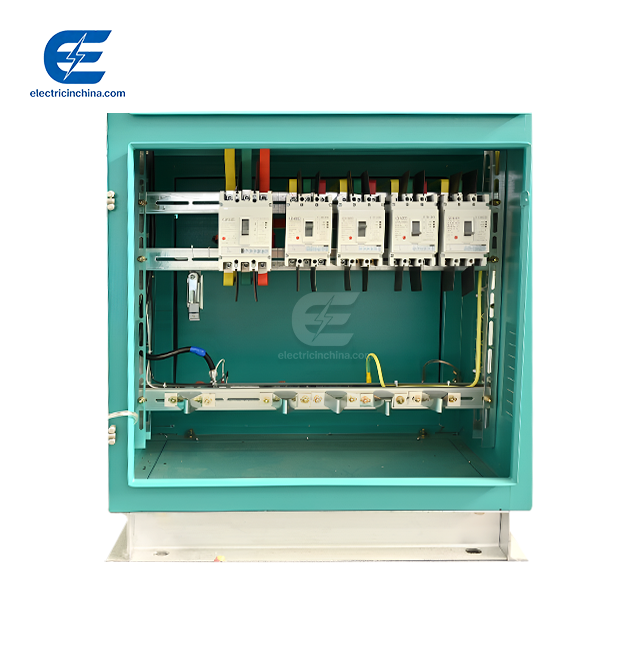
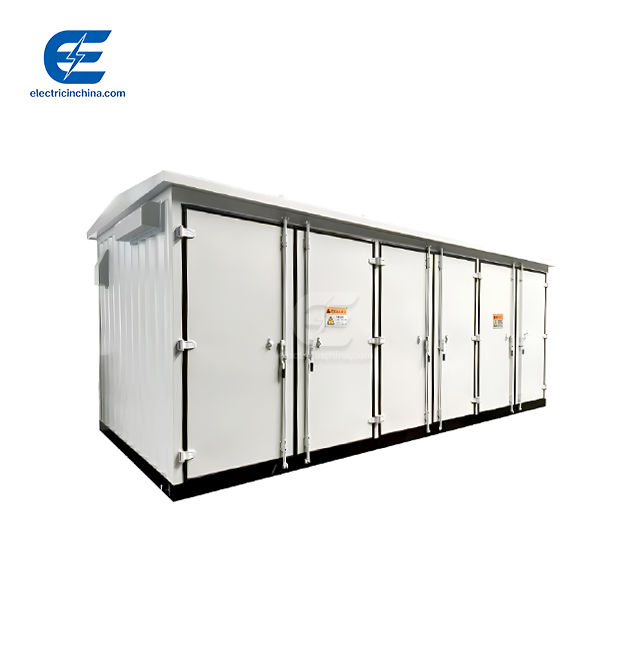
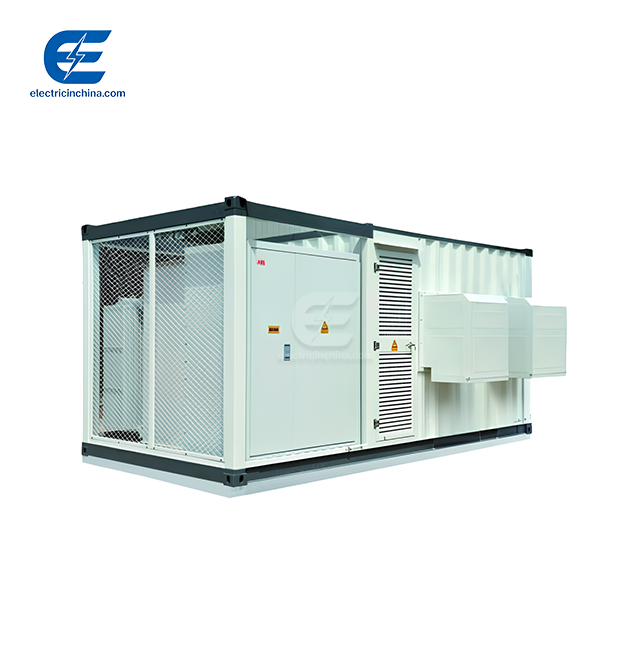
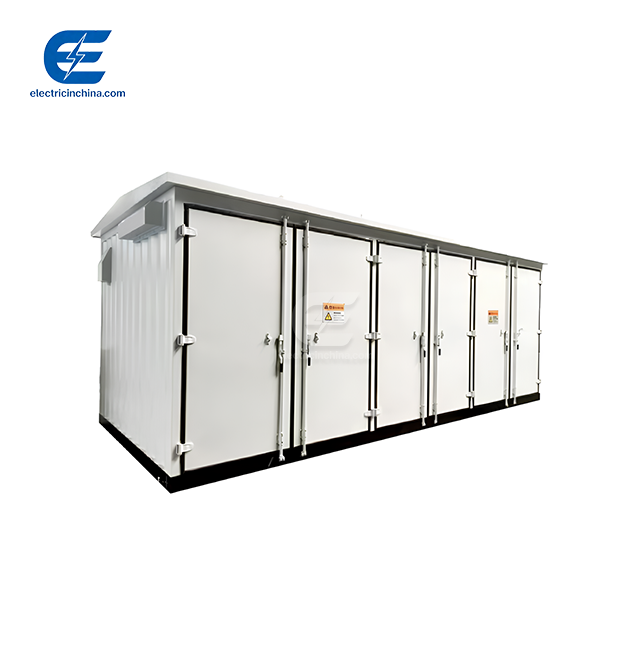
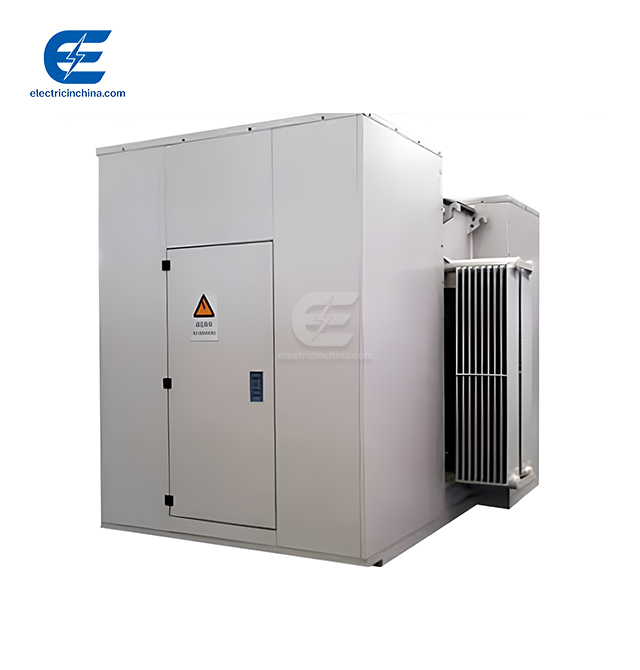
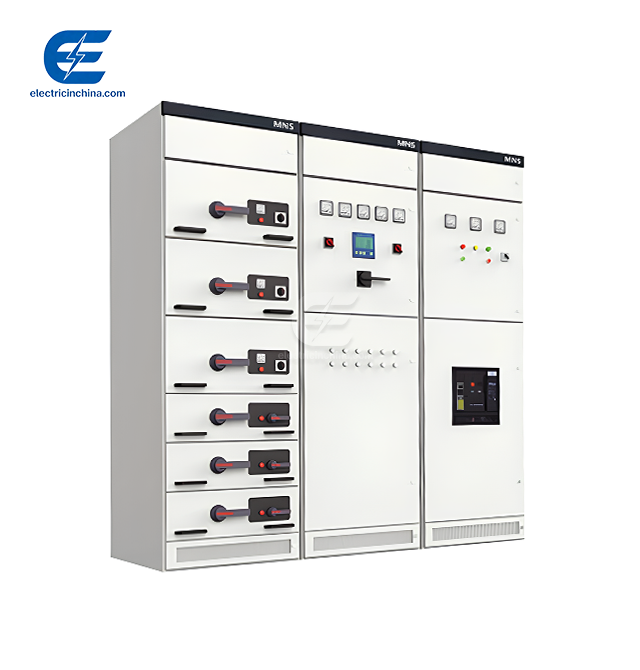
By combining transformers, switchgear, safety systems, and control equipment into factory-tested pieces that reduce electrical losses and improve voltage stability, the PV Compact Substation for Solar Power Plants makes energy use more efficient. With these modular options, installation takes 60–70% less time, takes up 30–40% less room than standard substations, and is always available 99.7% of the time or more, thanks to advanced monitoring systems. The small size of the design removes transmission losses between different parts and ensures that there is a smooth connection to the grid and effective control of reactive power, which are both important for getting the most out of utility-scale solar installations.
Understanding PV Compact Substations in Solar Power Plants
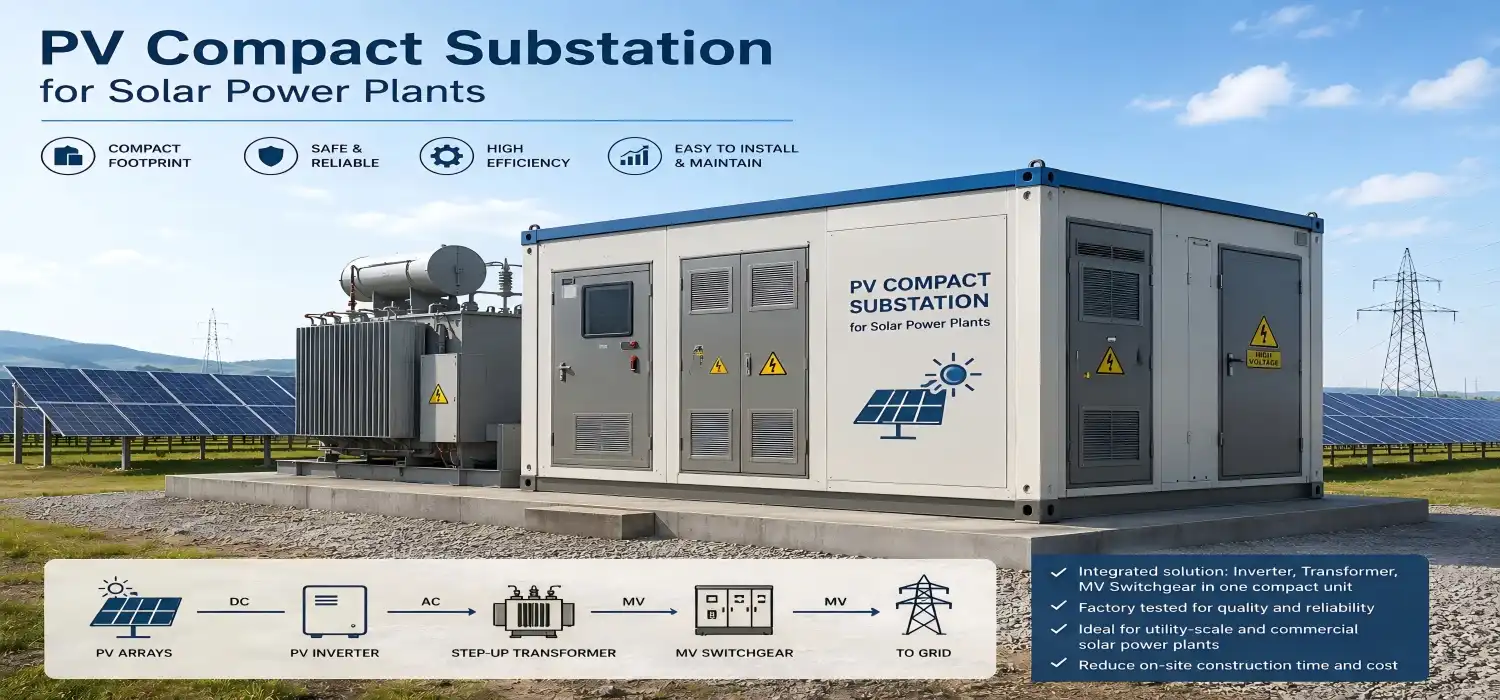
Solar setups need strong electrical systems that can easily change the power that is produced. Unlike regular substations, which need different structures and complicated field assembly, PV Compact Substations for Solar Power Plants have all the functions that are needed for photovoltaic uses already built in.
Core Components and Operational Principles
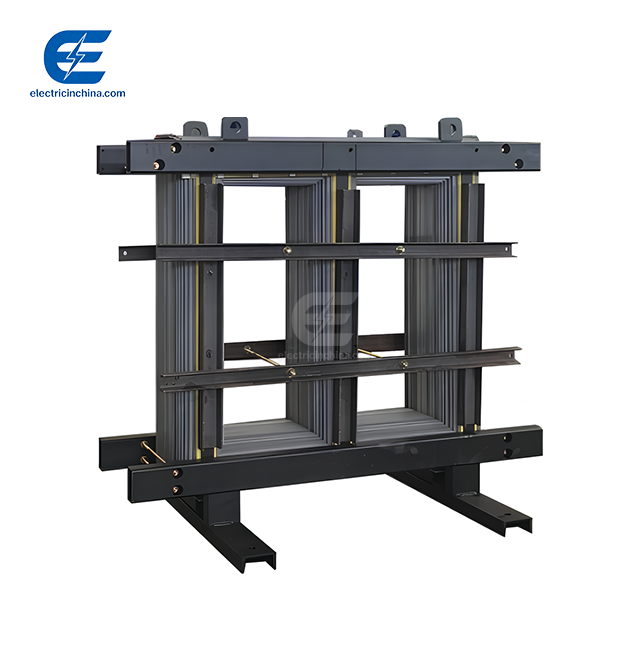
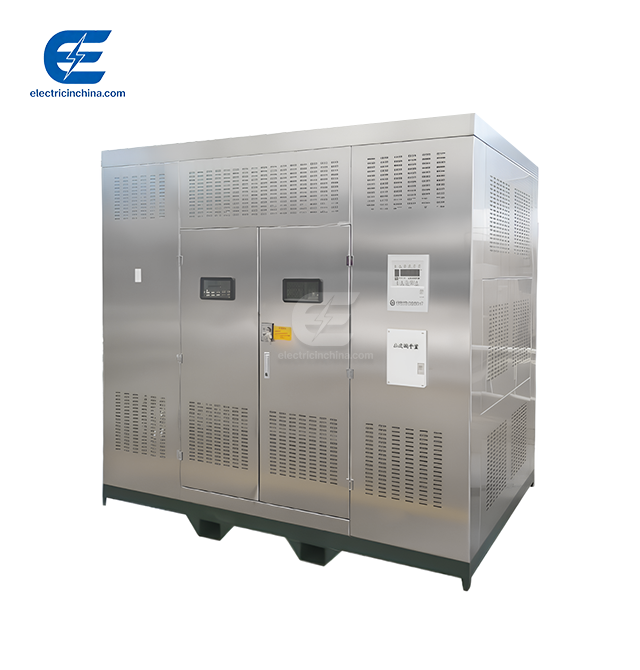
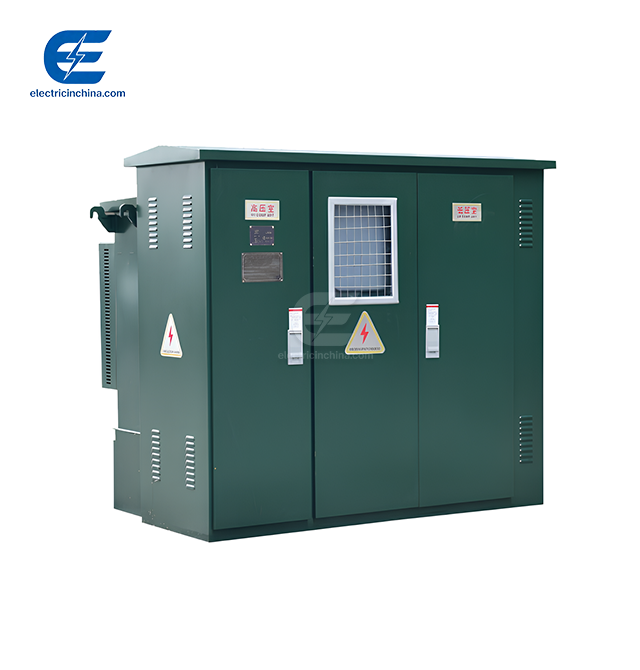
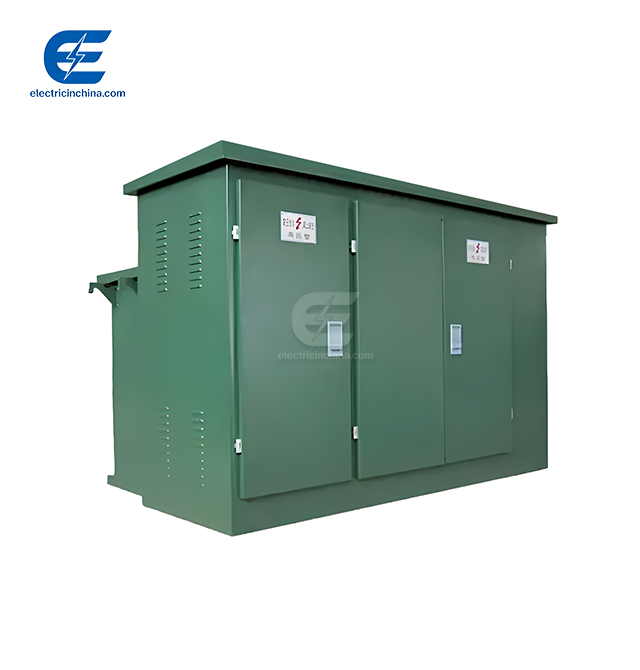
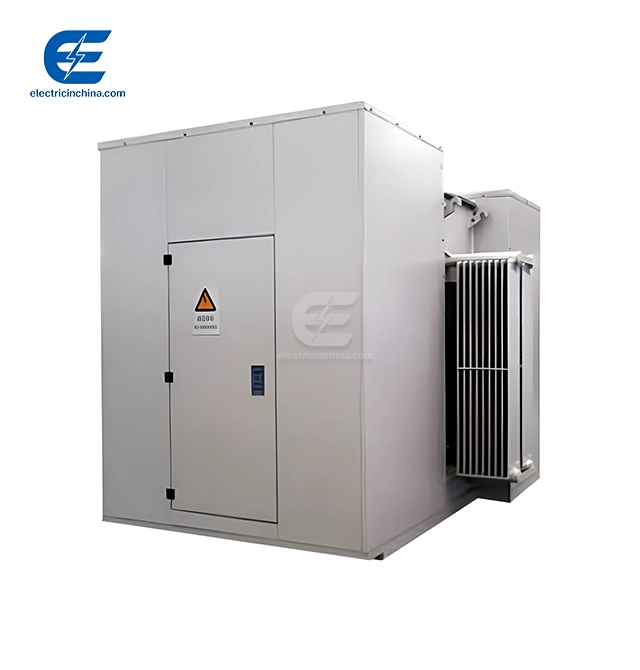
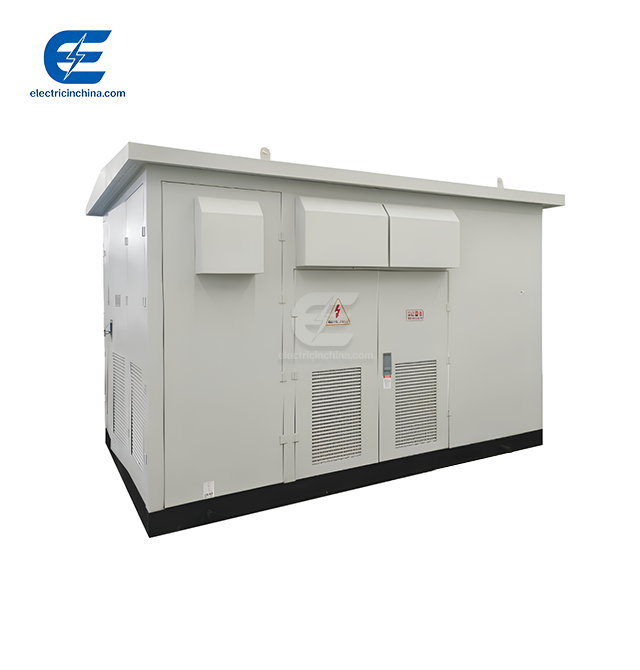
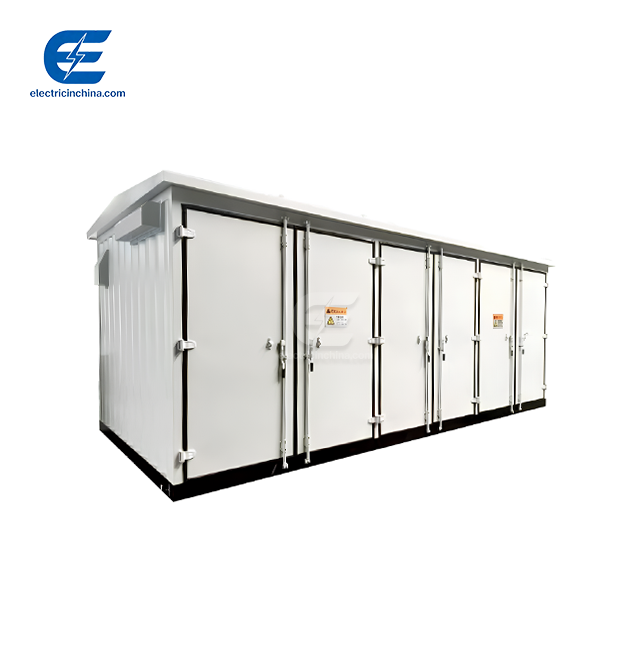
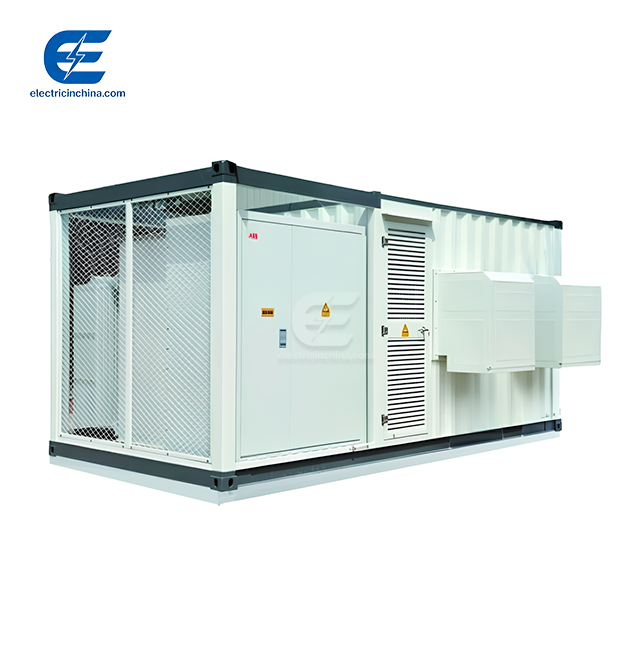
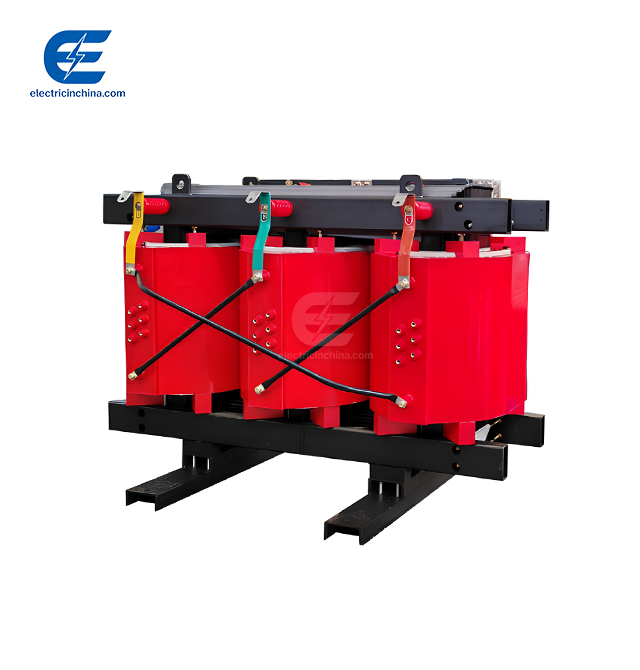
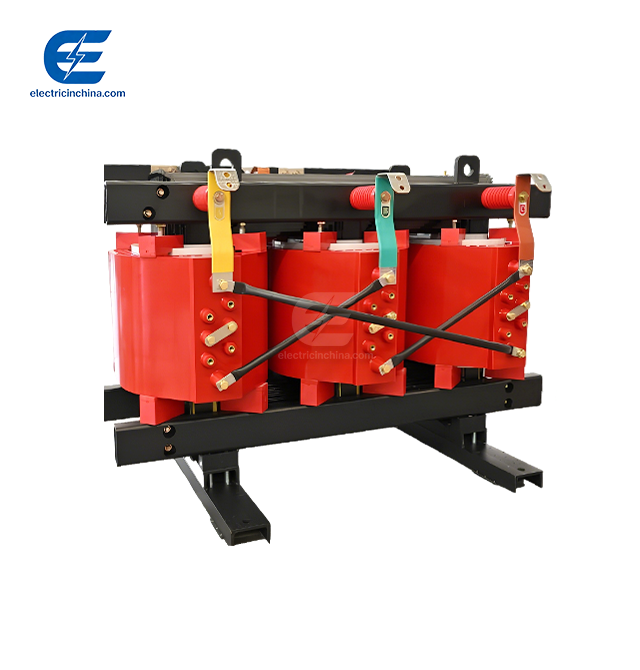
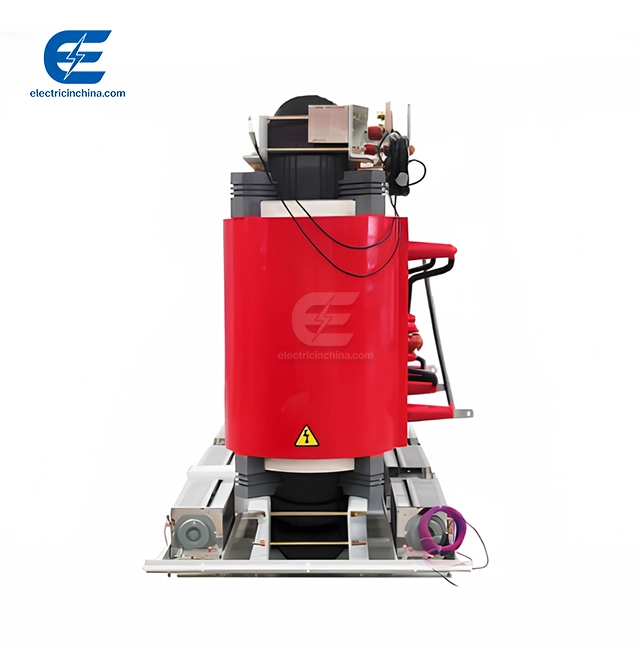
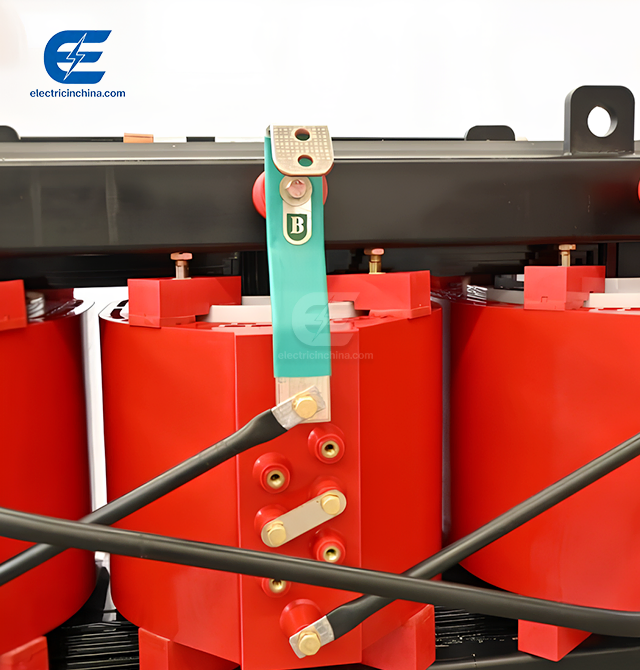
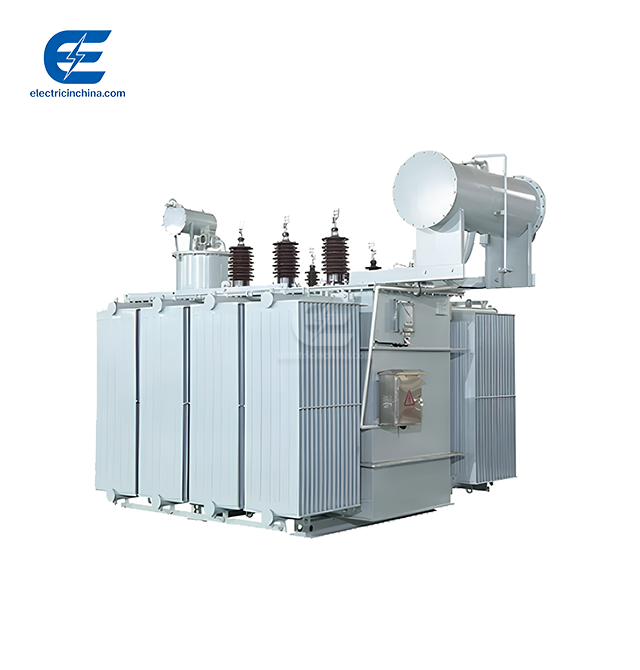
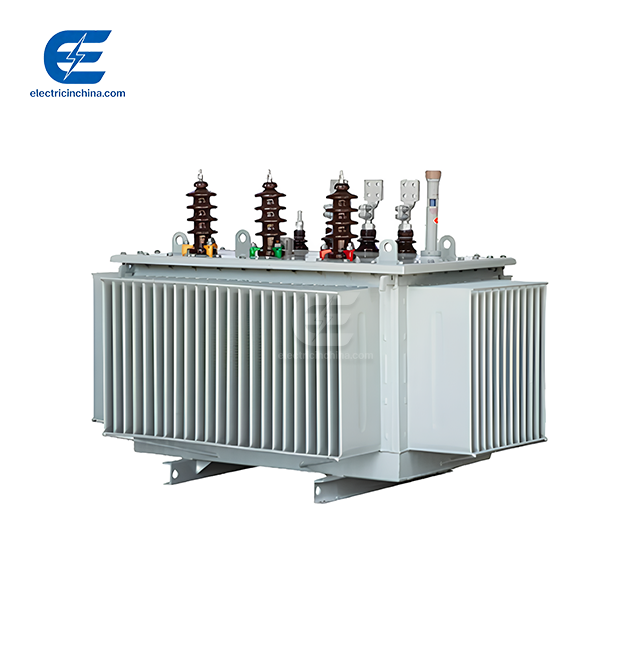
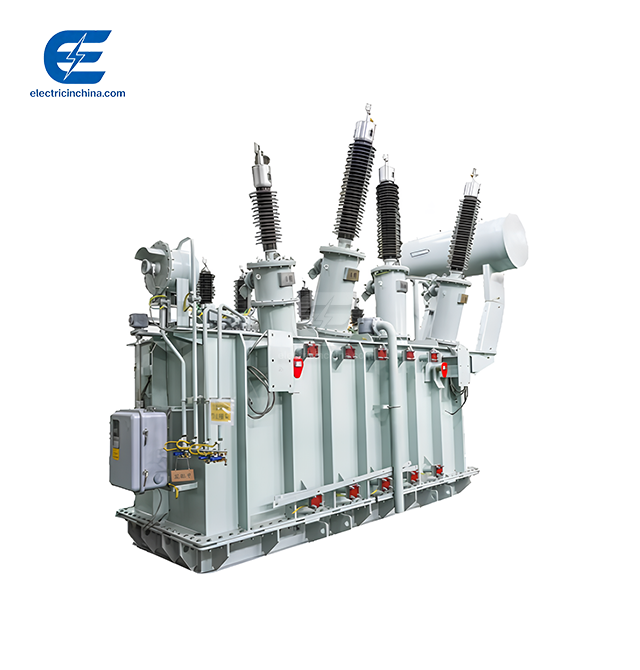
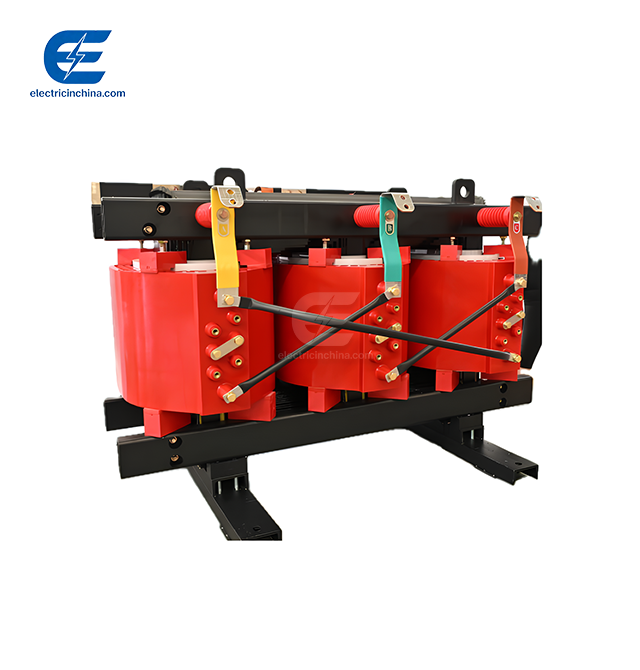
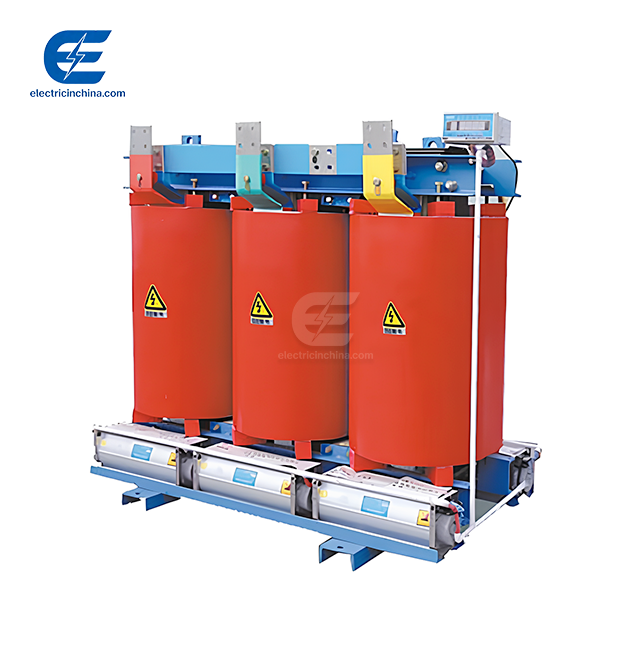
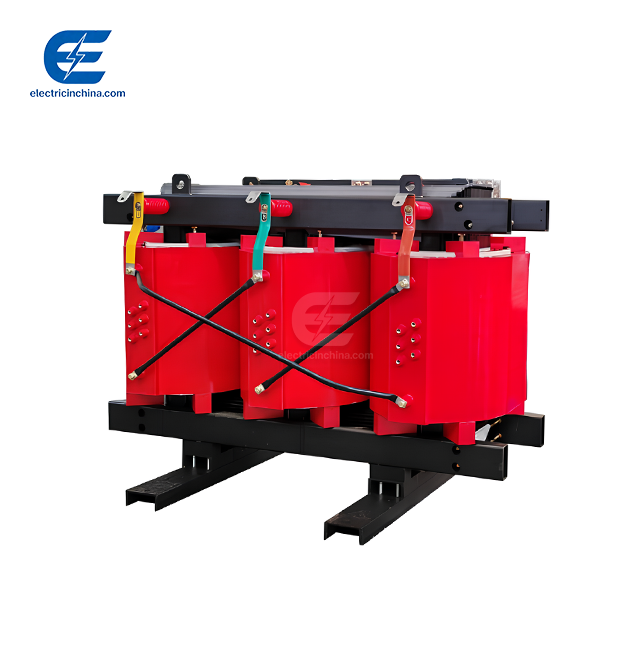
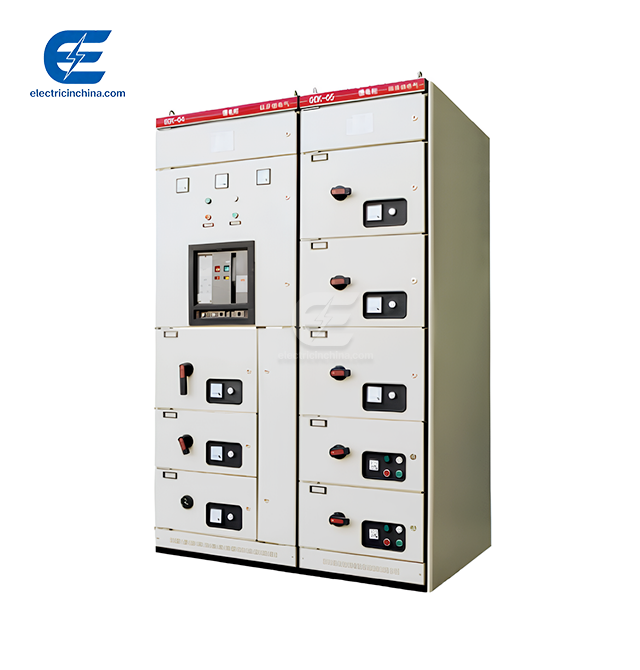
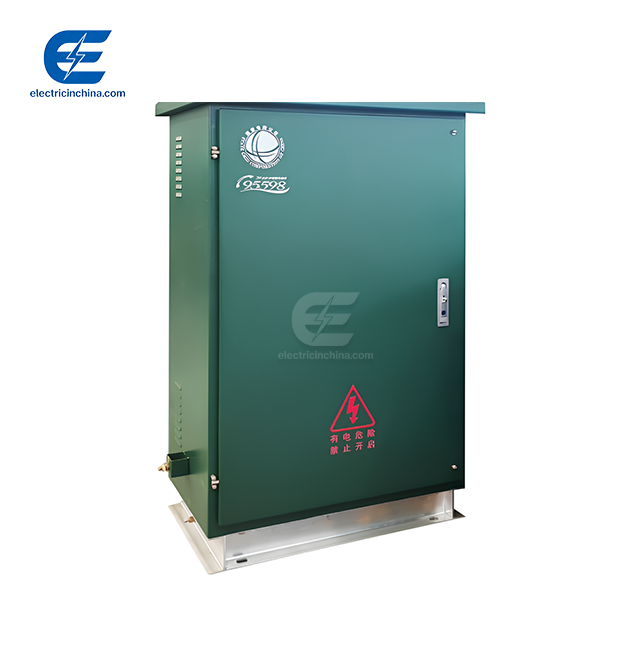
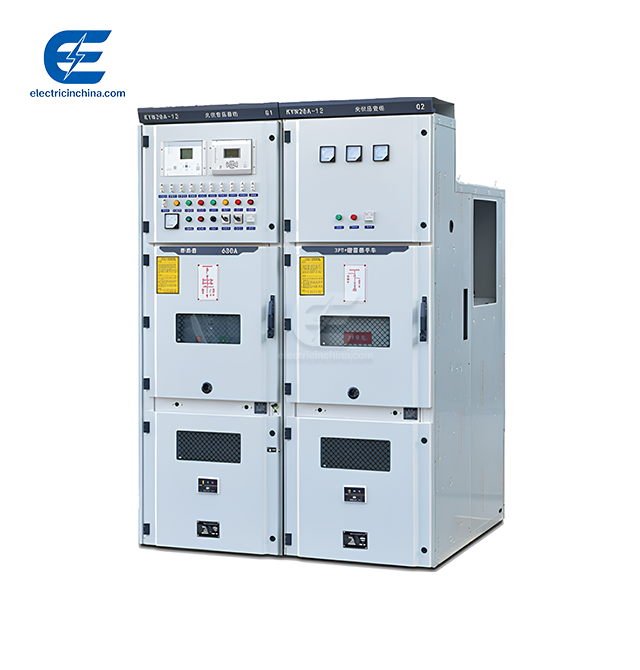
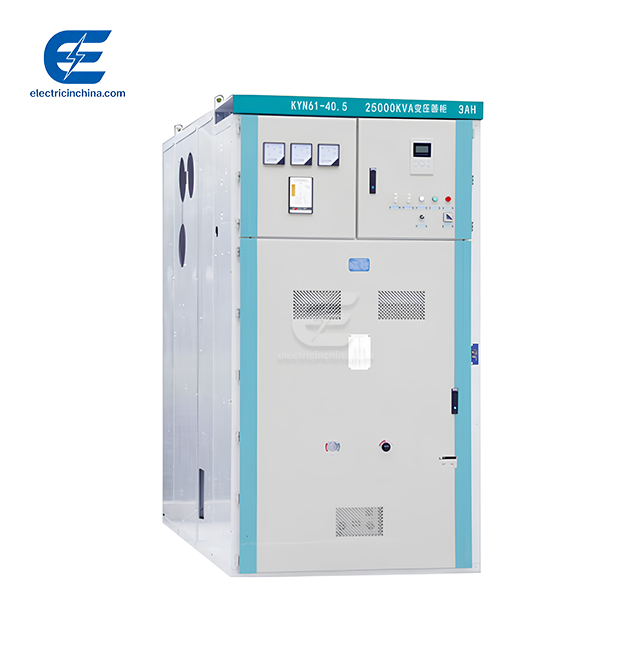
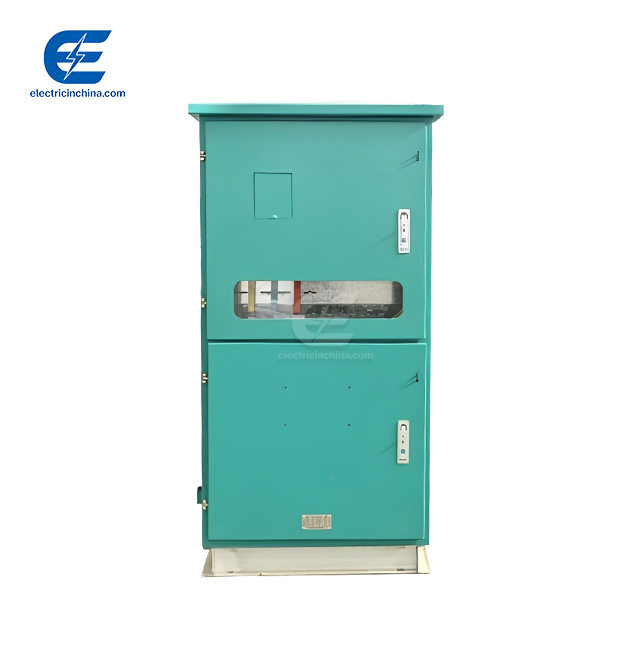
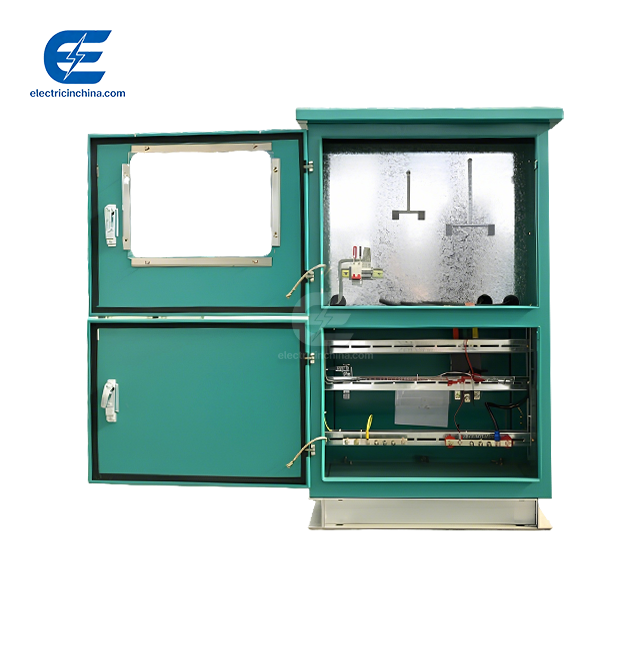
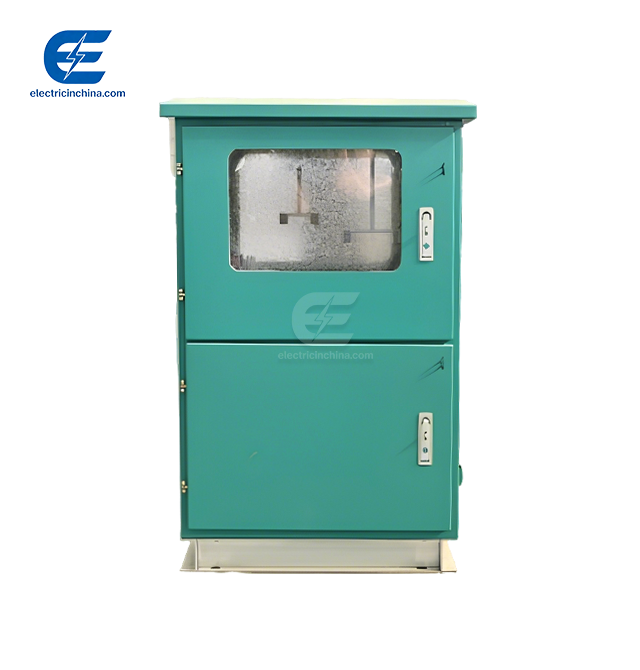
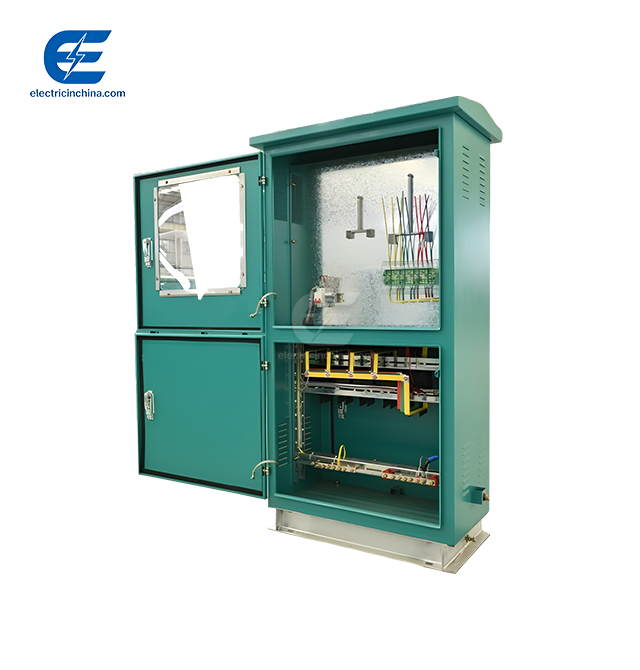
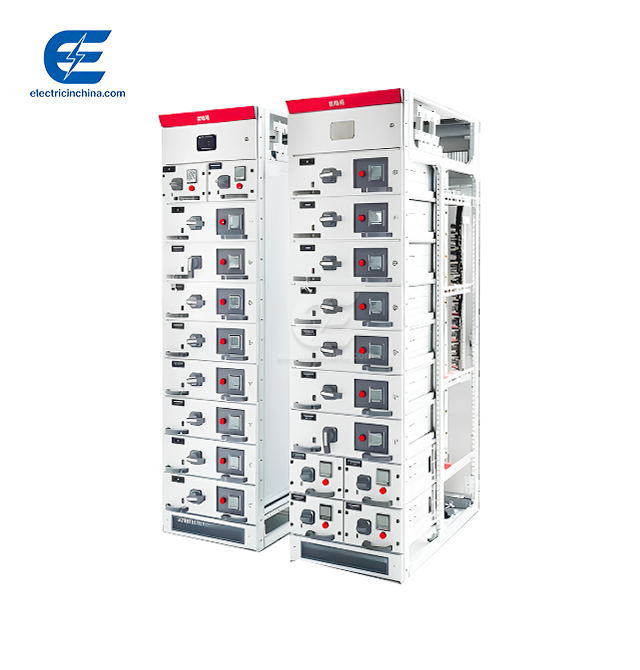
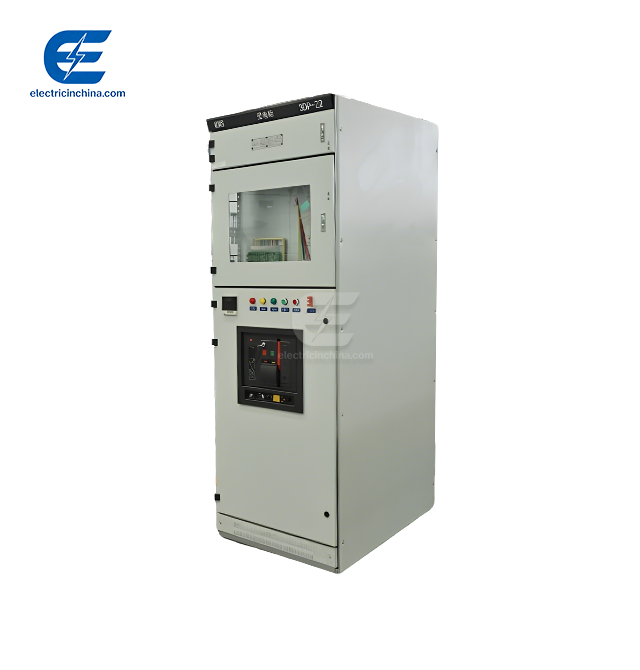
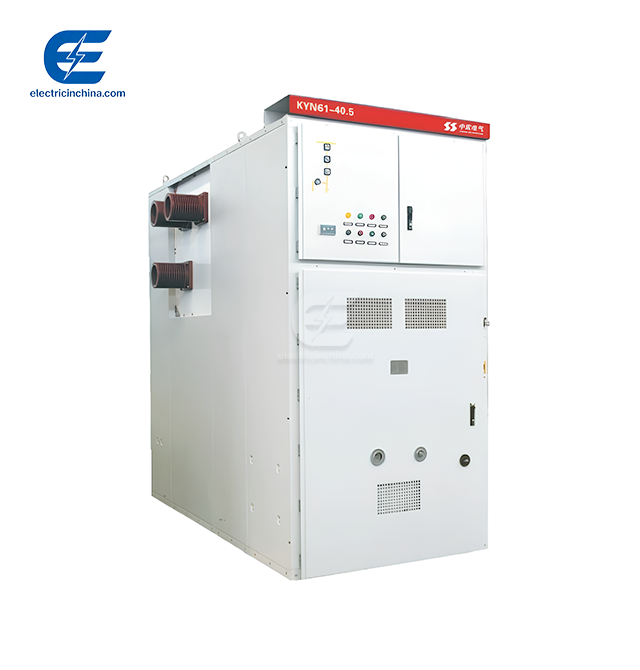
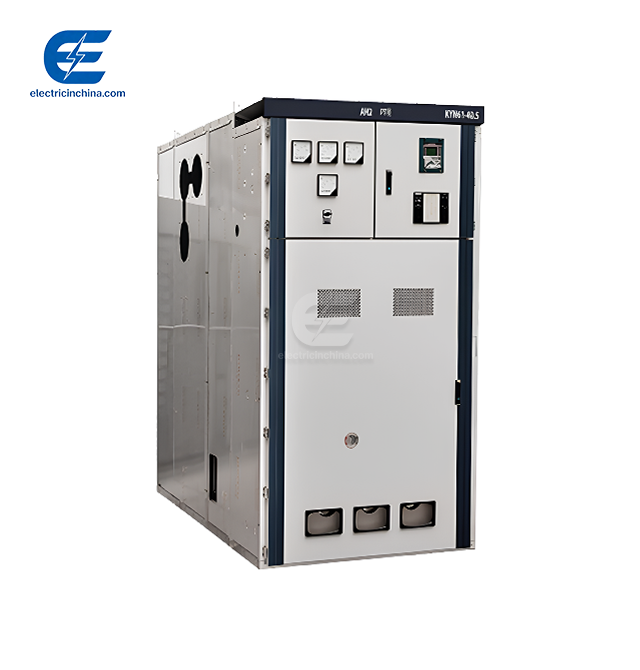
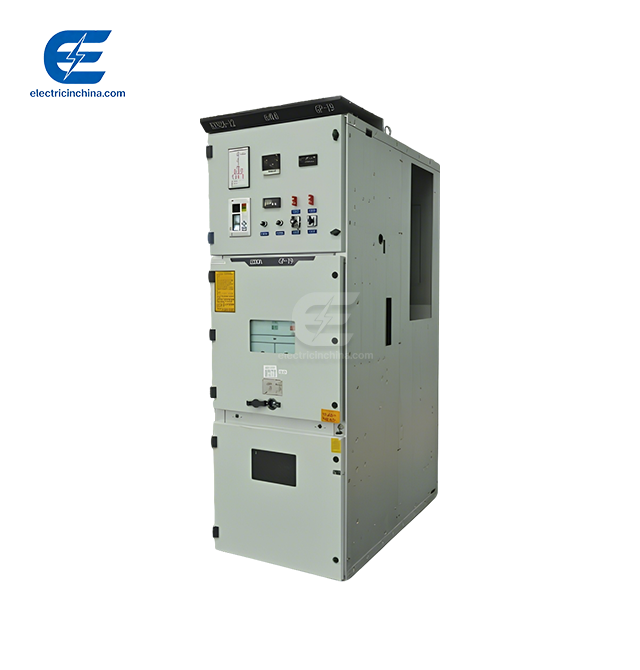
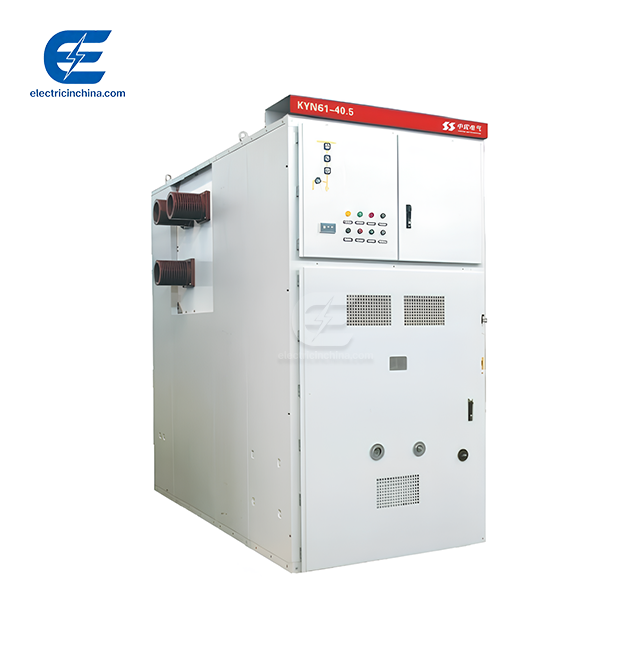
The design includes weatherproof shelters with step-up transformers (usually 35kV to 110kV or 220kV), medium-voltage switchgear, protective switches, and control systems that work with SCADA. This combination uses advanced voltage control and harmonic filtering to deal with the fact that solar power isn't always available. Before they are shipped, our factory-assembled units go through a lot of tests to make sure that every transformer, circuit breaker, and tracking device works well when they get to your spot.
Distinctions from Traditional Substation Designs
In traditional substations, parts are spread out over large outdoor yards, which requires a lot of wiring and groundwork. PV Compact Substations for Solar Power Plants combine these parts into areas that are about 15 m × 8 m × 4 m. This reduces the amount of land that is needed to put solar panels in the best way. The flexible design allows for parallel operation to increase capacity without affecting current infrastructure, which is a strategic benefit for deploying projects in stages.
Grid Integration and Compatibility Standards
Strict interconnection standards, such as IEEE 1547 and IEC 61850 transmission methods, must be met by modern solar projects. Visible disconnect points and anti-islanding security are built into our substation designs to stop dangerous back-feeding during utility repair. This keeps power quality standards necessary for business operations while ensuring a safe grid connection.
Key Benefits of PV Compact Substations for Solar Energy Efficiency
Over decades of operation, a project's ability to make money depends on how efficiently it uses electricity. Through careful engineering, PV Compact Substations for Solar Power Plants handle many aspects of economy at the same time.
Minimizing Transmission and Transformation Losses
When transformers and switches are close together in small spaces, the resistive losses that come with long wire runs between equipment that is far apart are cut down. Our transformer designs use cores and windings with high efficiency that keep the efficiency at 98.5% or higher even when the load changes, which is common in solar production. The integrated design gets rid of needless transfer places that are usually where energy is lost.
Enhanced Voltage Regulation and Reactive Power Management
Solar power changes throughout the day, which makes it hard to keep the grid's electricity stable. Our substations have tap changers that can change the voltage by ±10% to ±16%. This keeps the grid supply at its best even when production changes. Integrated reactive power adjustment systems adapt to grid needs in milliseconds, which raises the power factor and lowers the amount of money that utility companies fine.
Space Optimization and Reduced Land Costs
Land costs a lot of money and is a big part of solar projects. PV Compact Substation for Solar Power Plants solutions free up valuable land for more solar panels or future growth by cutting substation footprints by 30–40% compared to standard designs. This spatial economy is especially useful in urban or industrial settings with limited land, where every square meter affects the cost of the project.
Reliability Enhancements and Downtime Reduction
Factory assembly, where conditions are controlled, produces better quality than building in the field, where weather and communication problems can happen. Before leaving our building, each unit goes through a lot of tests, such as voltage withstand, temperature rise, and safety system validation. This high level of quality control means that the systems will last 25 to 30 years with few unplanned downtimes.
Clients who invest in utility-scale solar systems know that these perks have a direct effect on their return on investment. The shorter installation time—4-6 months instead of 12–18 months for regular substations—speeds up the start of projects and the generation of income. Lower accessibility standards for upkeep further lower running costs over the life of an asset.
Performance Optimization of Solar Plants Using PV Compact Substations
Operational efficiency includes more than just the original setup; it also includes managing performance for decades. Common problems with solar plants can be fixed with technologies that are built into PV Compact Substations for Solar Power Plants.
Smart Monitoring and Predictive Maintenance Capabilities
Real-time insight into the state of equipment stops catastrophic failures that shut down whole solar farms. Our substations have SCADA systems that work with centralized tracking tools and give mobile users access to performance data. With temperature monitors, partial discharge detection, and oil quality tracking, you can plan maintenance ahead of time, which cuts down on unexpected outages by 40–60% compared to reactive methods.
Advanced Protection Schemes for Equipment Longevity
Solar systems are subject to special electrical pressures, such as sudden changes in cloud cover and problems with the power grid. Differential relays, overcurrent coordination, and surge arresters that are tuned just for photovoltaic uses are all parts of our safety systems. These safety features react to faults in 50 milliseconds or less, identifying issues before they cause damage to equipment while keeping power flowing through healthy circuits.
Case Study Evidence from Industrial Applications
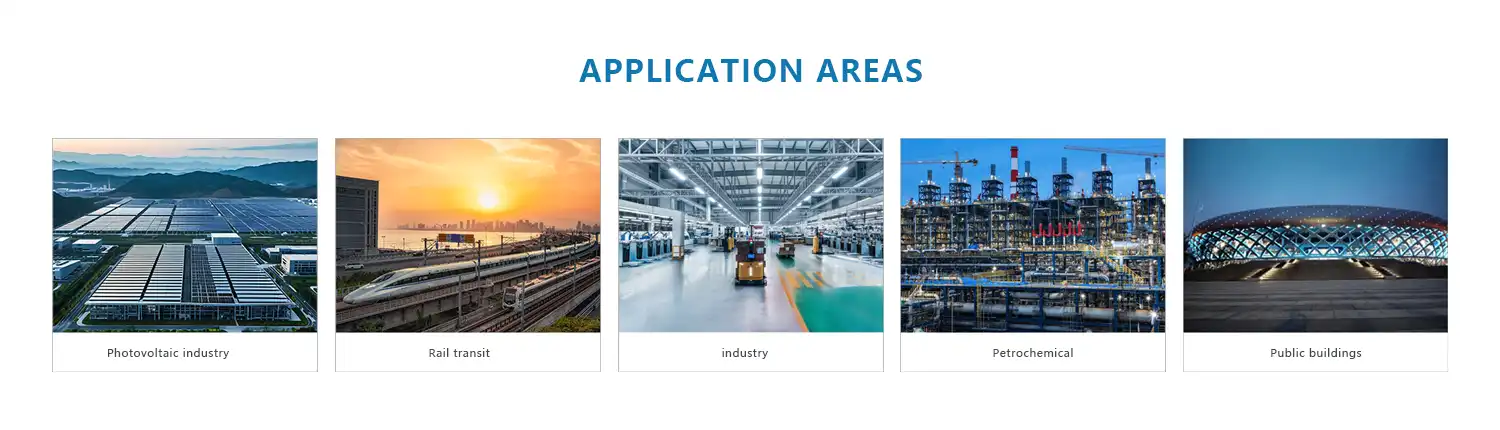
Performance gains can be seen in the GCL Photovoltaic Industrial Park system. When we installed our PV Compact Substation for Solar Power Plants at a 100MW solar farm, it had 99.8% uptime during its first year of operation, which was 2.1% higher than the average for the industry. Harmonized tracking systems cut the time it took to figure out what was wrong from hours to minutes during small problems. This kept generators' contractual obligations to grid operators.
Municipal projects like the Xuzhou Rail Transit Network have gained from our ideas for dual-circuit power supplies that keep them running without stopping. When procurement teams look at a supplier's skills and technical strength, these tried-and-true methods give them trust.
Selecting the Right PV Compact Substation for Your Solar Power Project
When making procurement choices, you have to balance technical needs, budget limits, and long-term practical concerns. This process goes more quickly if you know the key decision factors.
Comparative Analysis of Substation Types
Package substations can be connected to other systems, but they don't have the full factory testing and small sizes that custom-built solar solutions can. When it comes to complicated configurations, conventional substations are flexible, but they come with high costs for land, time, and planning. PV Compact Substations for Solar Power Plants designed for photovoltaic uses are the best combination of proven dependability, quick setup, and space efficiency that is specific to solar production.
Critical Procurement Evaluation Criteria
The voltage ratings must match the ability of your solar farm and the needs of the utility company for connecting to it. Typical voltage ratings range from 35kV/110kV to 35kV/220kV. Units with capacities ranging from 50MVA to 300MVA can be chosen based on the size of the present installation and any expected growth. Environmental requirements are also very important. Our IP54 to IP65 protection grades and -40°C to +50°C operational ranges allow for a wide range of placement sites, from arctic places to deserts.
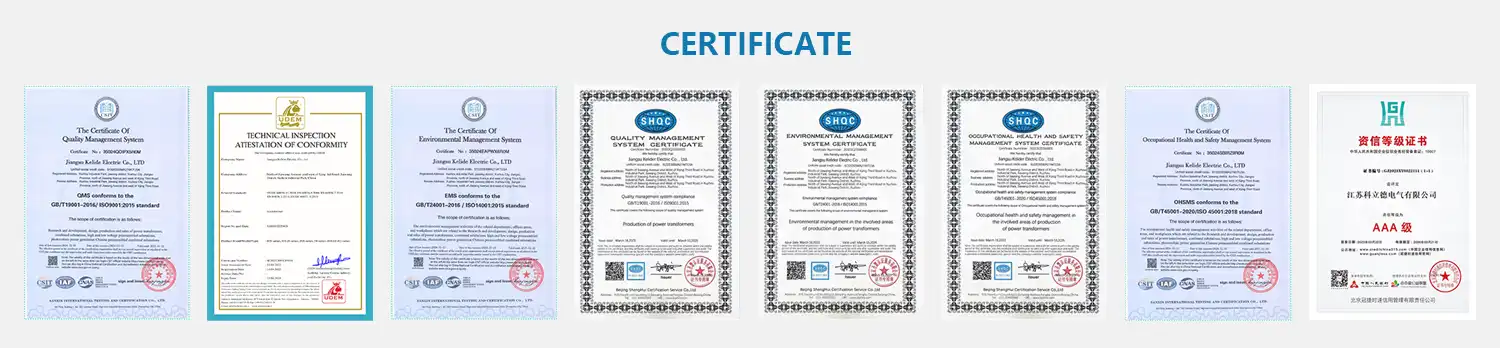
It is important to follow the rules for certification. Certifications like ISO 9001, ISO 14001, and OHSAS 45001 prove that a company is committed to quality management, environmental duty, and worker safety. National CCC Mandatory Certification for switches and wires makes sure that all areas follow the rules.
Total Cost of Ownership Considerations
The price of acquisition is only one part of lifetime economics. With PV Compact Substations for Solar Power Plants, installation costs drop by 30–40% compared to standard methods. This is because civil engineering is simplified, wiring is made easier, and finishing takes less time. Integrated designs with service spots that are easy to get to and the ability to do tests remotely are better because they cost less to maintain over 25 to 30 years.
Supplier dependability has a huge effect on the success of a project. Our more than 20 years of experience in the field, finishing of hundreds of important power projects, and full after-sales help give you peace of mind during the procurement and operational phases. Volume discounts and flexible financing choices make it possible for projects ranging from 10MW commercial installations to 1000MW or more utility-scale developments to be financed.
Technical Installation and Compliance Standards
To make rollout work, it's important to plan carefully and follow safety rules. Delays that cost a lot of money can be avoided by understanding installation processes and legal requirements.
Step-by-Step Integration Guidelines
The first step in getting a site ready is designing a base that can handle earthquake loads according to IEC 61936 standards. Our PV Compact Substation units make civil works easier because they usually only need reinforced concrete pads instead of a lot of yard grading. Specialized transport is used for factory-assembled units during equipment delivery, which reduces the need for on-site cranes and the risks of being exposed to the weather.
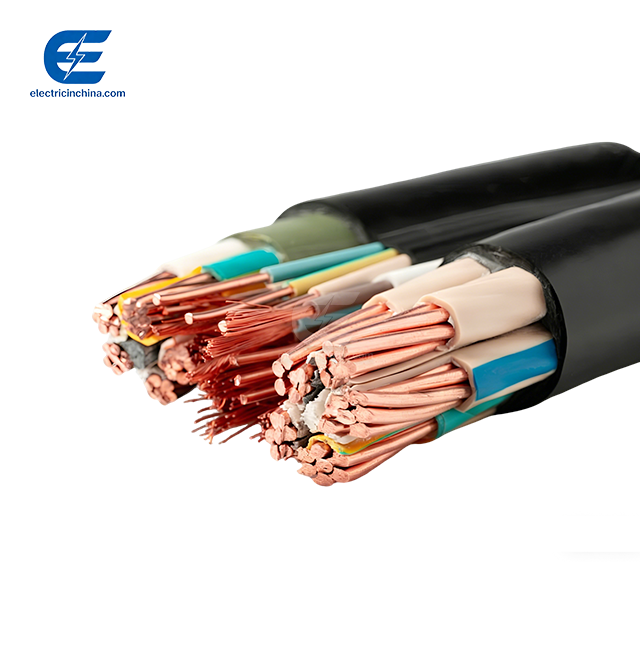
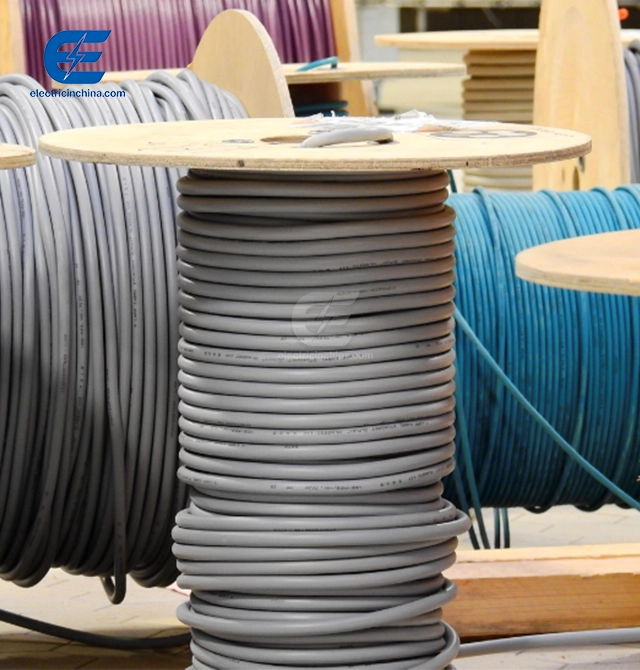
Electrical connectivity works with grid hookup points and solar inverters. Our engineers give you thorough interconnection models that show how to route cables, set up grounding systems, and configure safety relays. Before turning on the power, commissioning routines check that the voltage regulation, coordination of the safety plan, and communication system work properly.
Safety and Grounding Compliance Requirements
The design of equipment is based on international standards, such as IEEE C37.90 for safety switches and IEC 62271 for high-voltage switchgear. Local laws may have extra requirements; our ability to customize makes sure that everyone follows the rules, no matter where they are. For lightning safety and fault clearing to work, grounding systems must have resistance values below 1 ohm, and ground grids must be tested to make sure they meet these standards.
NFPA-compliant fire suppression systems built into shelters go off immediately when they sense that the temperature is too high or too low. Coatings that don't rust can stand up to salt spray for more than 1000 hours, according to ASTM B117 tests. This makes them important for coastal solar farms.
Maintenance Best Practices for Long-Term Performance
Every year, thermography checks find hotspots that are starting to form before they break. Analyzing transformer oil for dissolved gases that show internal problems lets you fix them before they get worse. Testing the resistance of switchgear contacts every two years keeps the links low-loss, and checking the quality of the SF6 gas makes sure that the ability to stop an arc is maintained.
With remote diagnostics, techs can check on the state of equipment and see how it's performing from a central location, which cuts down on the need for site visits. This predictive method cuts down on journey costs and makes it possible to handle extra parts inventories strategically. Our maintenance training classes teach clients' employees how to fix problems, which makes them less reliant on outside service providers.
Conclusion
PV Compact Substations for Solar Power Plants are a tried-and-true way to get the most out of solar energy by combining advanced tracking, combined design, and improved component performance. Less time spent on installation, better use of space, and higher stability all work together to help the project's budget and operating goals. When procurement teams are looking at their choices, they should give more weight to providers that can show they are technically strong through certifications, project experience, and full support capabilities. Solar systems will work at their best for decades if they are carefully chosen based on the conditions of the place, the amount of power they need, and compliance standards.
FAQ
What lifespan can project developers expect from quality compact substations?
If you keep your units in good shape, they will work for 25 to 30 years thanks to factory-quality assembly and environmental safety features. Oil research once a year, thermography checks every six months, and contact resistance tests every two years, all keep performance high. Remote tracking allows for planned repair, which cuts down on unplanned outages by 40–60% compared to reactive tactics.
How do installation timelines compare with traditional substation construction?
With PV Compact Substations for Solar Power Plants, operation time drops from 12 to 18 months to 4 to 6 months for the same amount of capability. Standardized connections make civil building easier, and factory assembly gets rid of 70% of the work that needs to be done in the field. Commissioning is finished within two to three weeks of arrival, which speeds up the project's ability to make money.
What grid compliance requirements apply across different regions?
In North America, the most popular standards are IEEE 1547; in the UK, they are G59/G99, and in Germany, they are VDE-AR-N 4110/4120. Voltage ride-through, frequency response within ±0.5Hz, power factor control from 0.95 leading to lagging, and harmonic distortion below 5% THD are some of the things that are needed. Before a package goes out, compliance is checked in the factory.
Partner with Tuojie for Advanced Solar Substation Solutions
Tuojie is an expert at engineering PV Compact Substation for Solar Power Plants. They have over 120 sets of modern production equipment and 18 patents to back them up. We understand PV Compact Substations for Solar Power Plants and can offer unique power options that meet ISO 9001, ISO 14001, and OHSAS 45001 standards. With protection grades of IP54 to IP65, our installations work safely from -40°C to +50°C. This has been shown in projects like the GCL Photovoltaic Industrial Park and local infrastructure improvements. Email our engineering team at tuojie@electricinchina.com to talk about your project needs and get full technical specs that are made just for your solar installation. Find out how our one-stop solutions cut installation time by 60–70% while keeping products available 99.7% of the time for 25–30 years.

References
1. International Electrotechnical Commission (2019). High-Voltage Switchgear and Controlgear - Part 1: Common Specifications for Alternating Current Switchgear and Controlgear. IEC 62271 Standard Series.
2. Institute of Electrical and Electronics Engineers (2018). IEEE Standard for Interconnection and Interoperability of Distributed Energy Resources with Associated Electric Power Systems Interfaces. IEEE Std 1547-2018.
3. Zhang, L., & Chen, W. (2021). Performance Analysis of Compact Substations in Large-Scale Photovoltaic Power Plants. Solar Energy Engineering Journal, 143(4), 041-056.
4. International Organization for Standardization (2020). Power Transformers - Part 1: General Requirements. ISO/IEC 60076-1:2020 Standard.
5. National Renewable Energy Laboratory (2022). Best Practices for Operation and Maintenance of Photovoltaic and Energy Storage Systems. Technical Report NREL/TP-7A40-81732.
6. American Society for Testing and Materials (2021). Standard Practice for Operating Salt Spray (Fog) Apparatus for Corrosion Testing of Materials. ASTM B117-21 Standard.