

.webp)
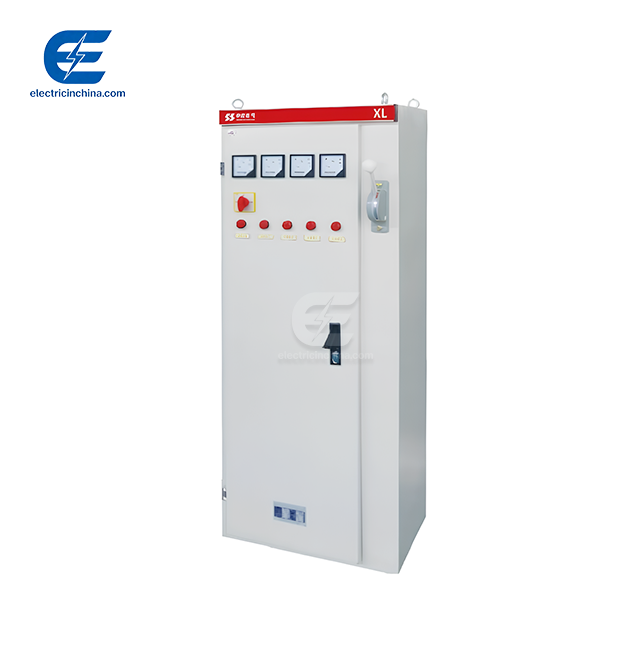
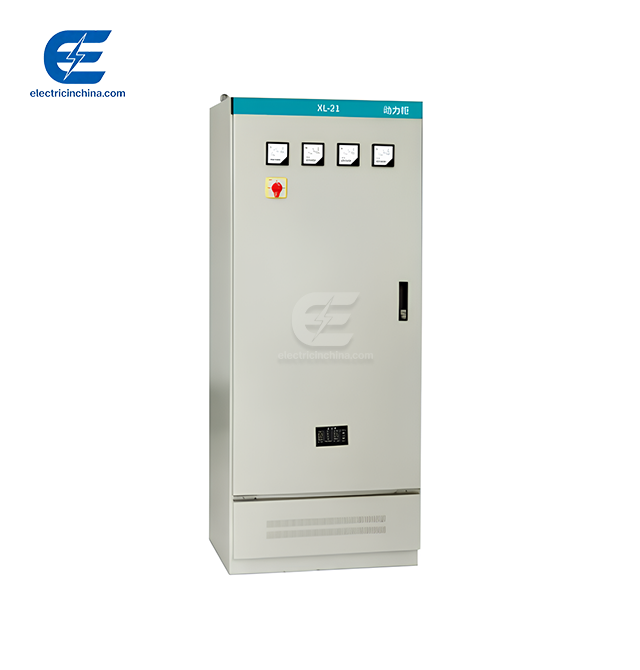
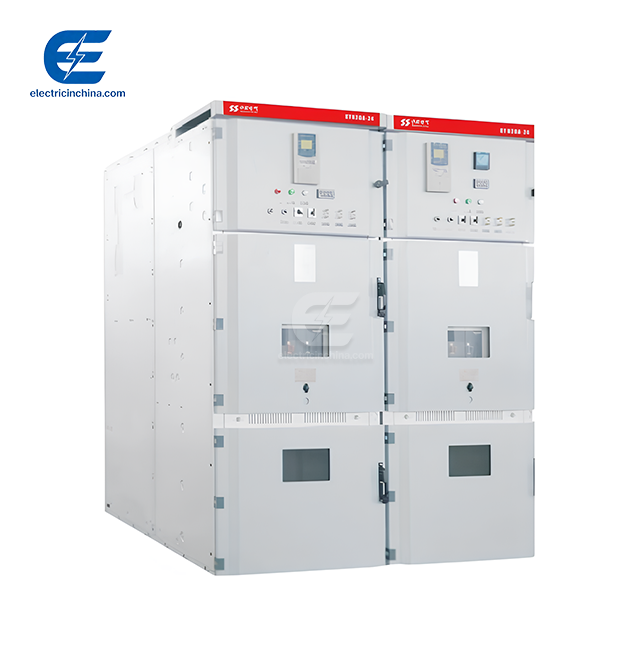
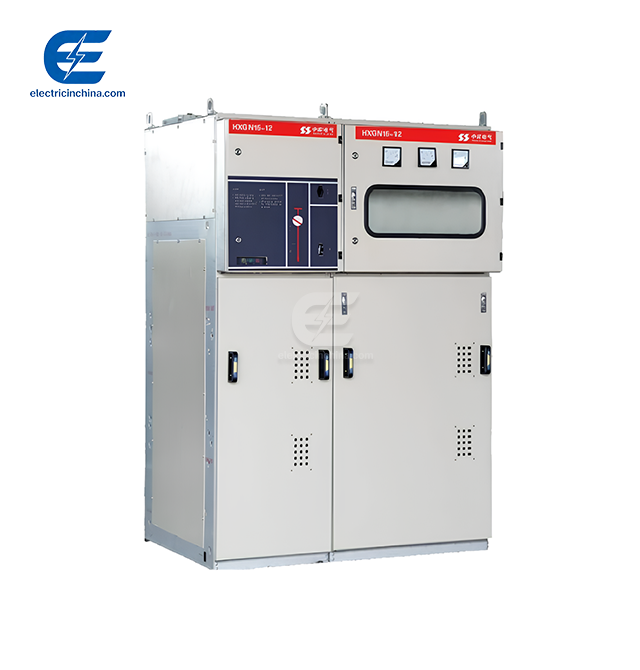
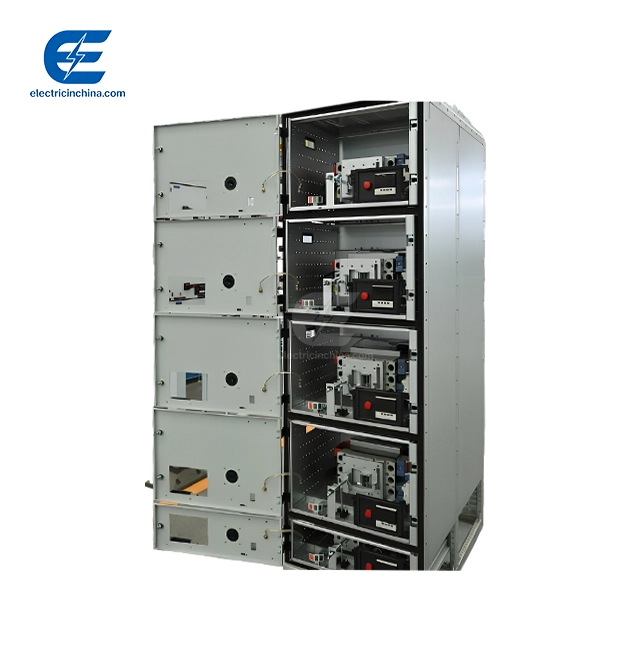
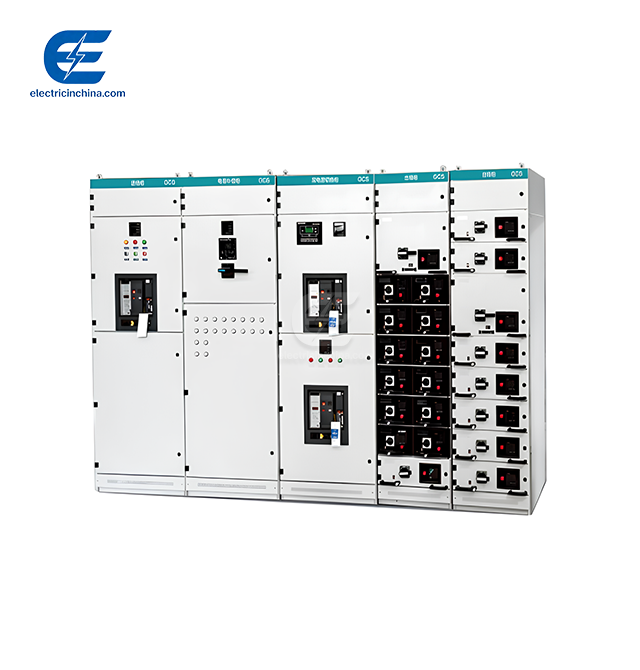
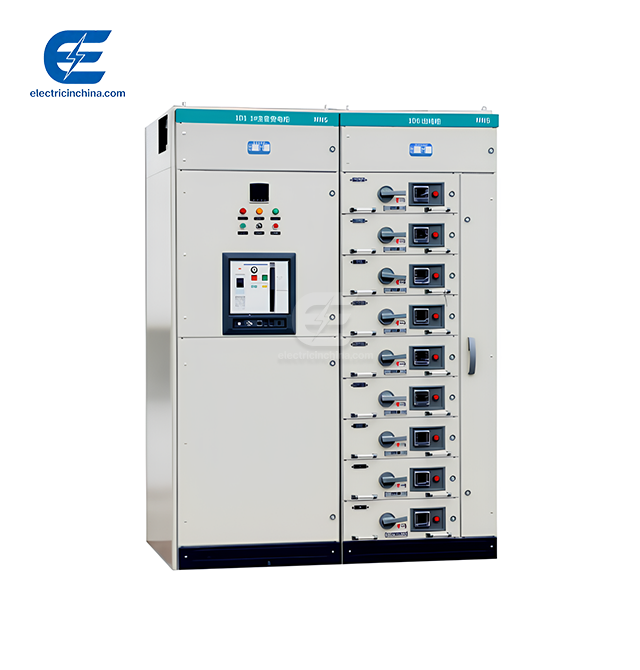
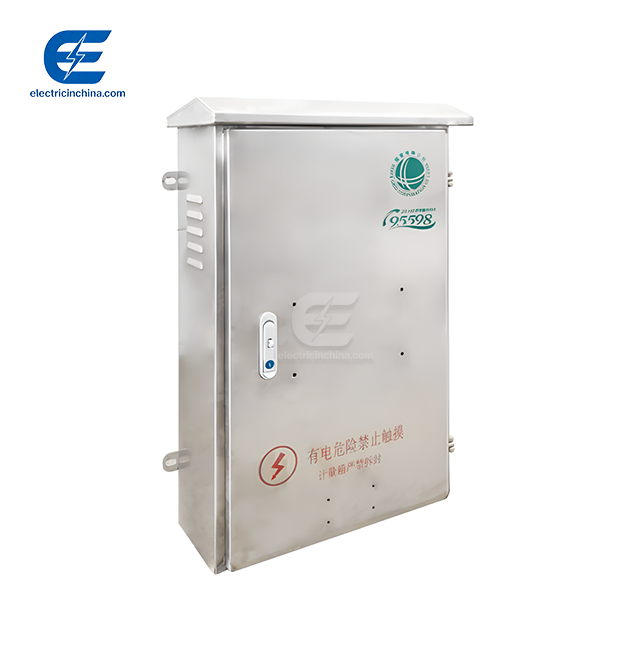
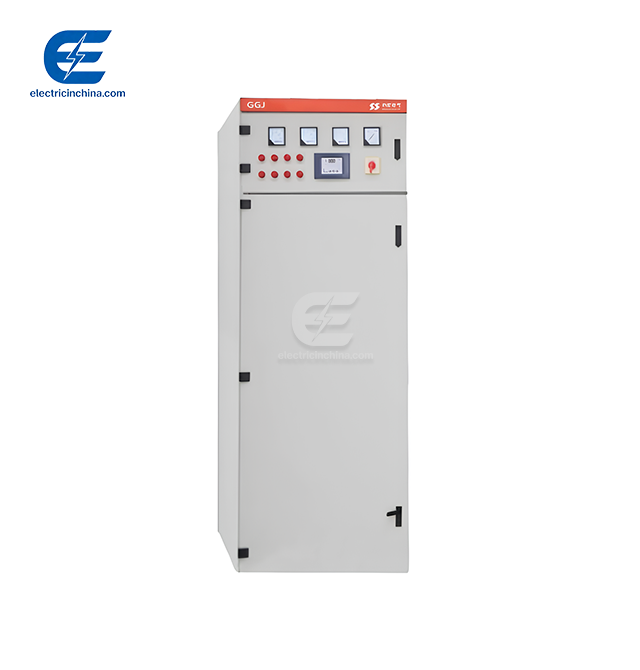
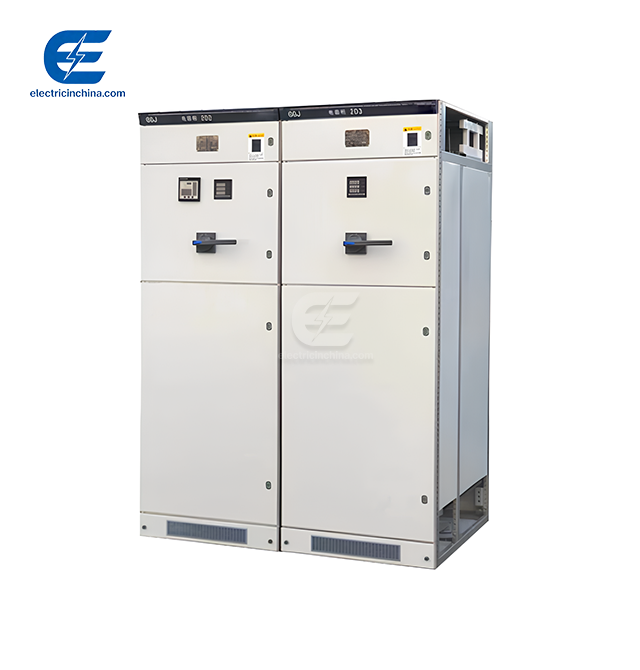
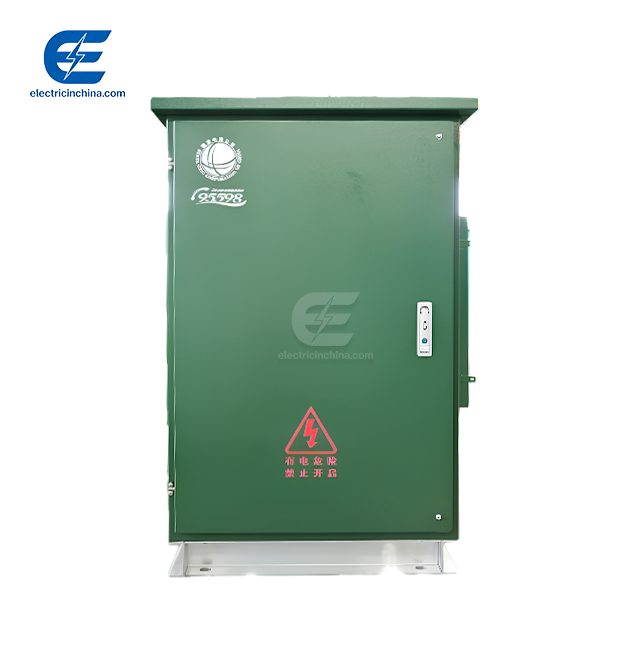
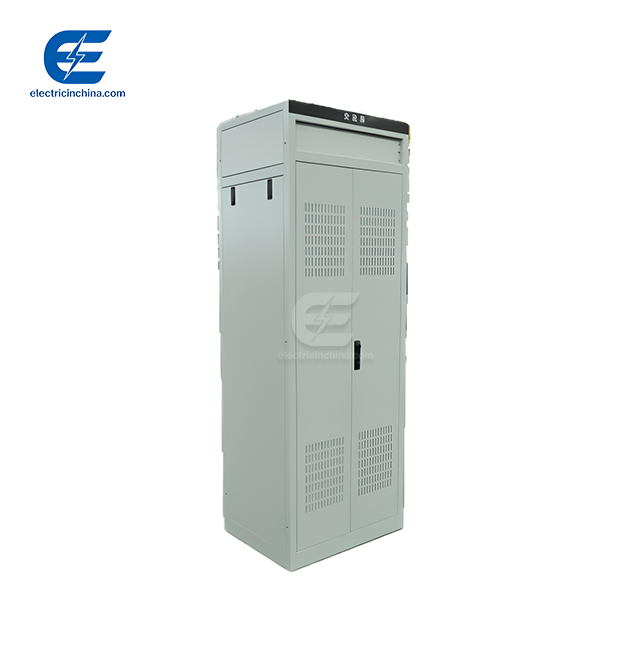
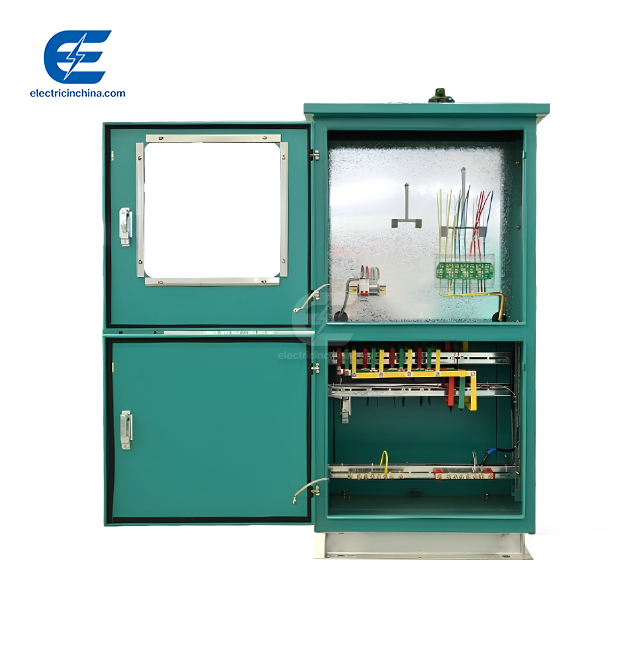
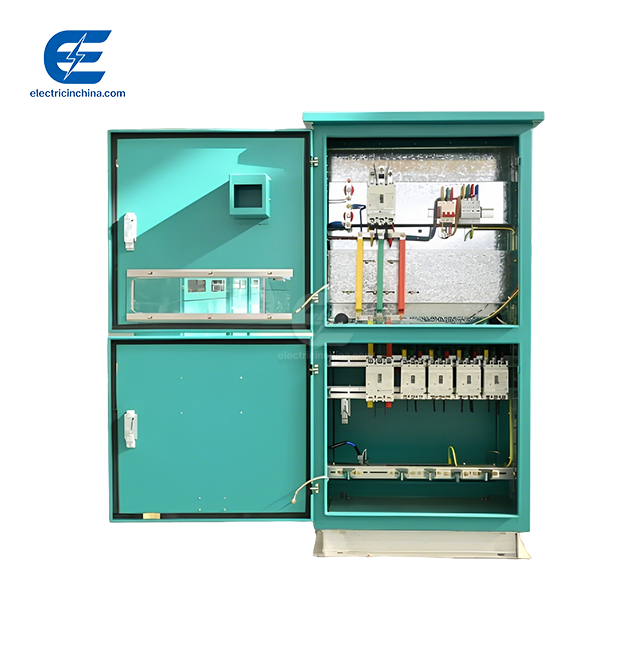
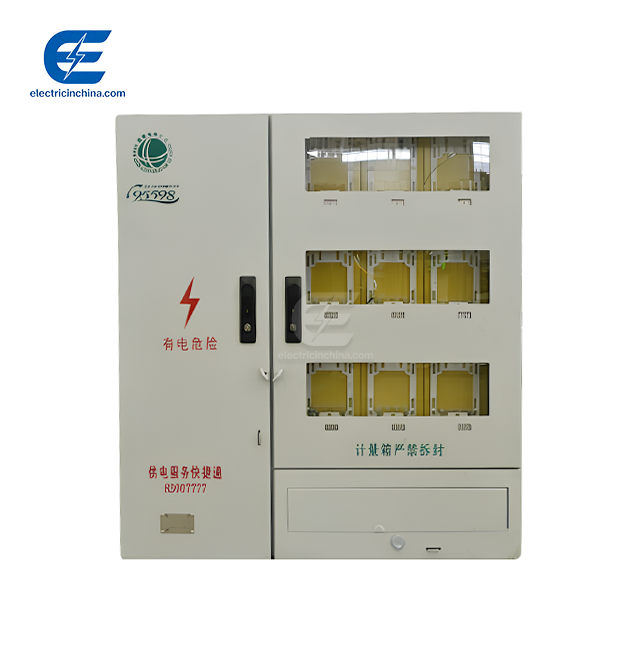
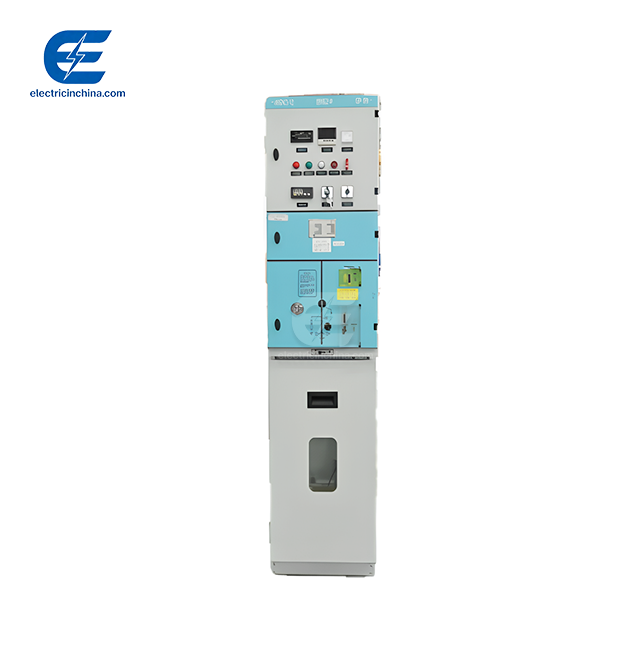
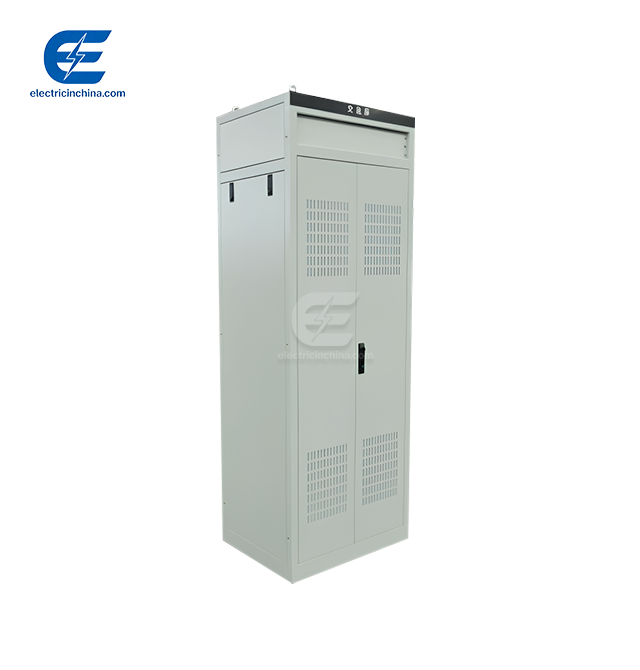
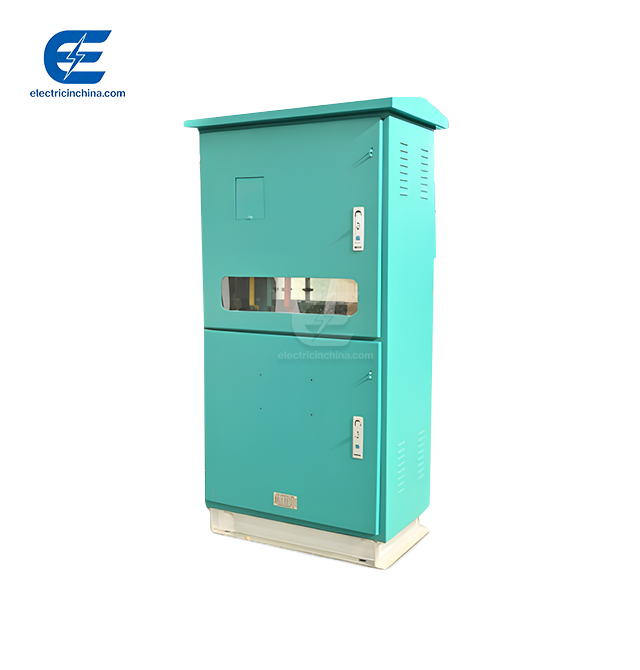
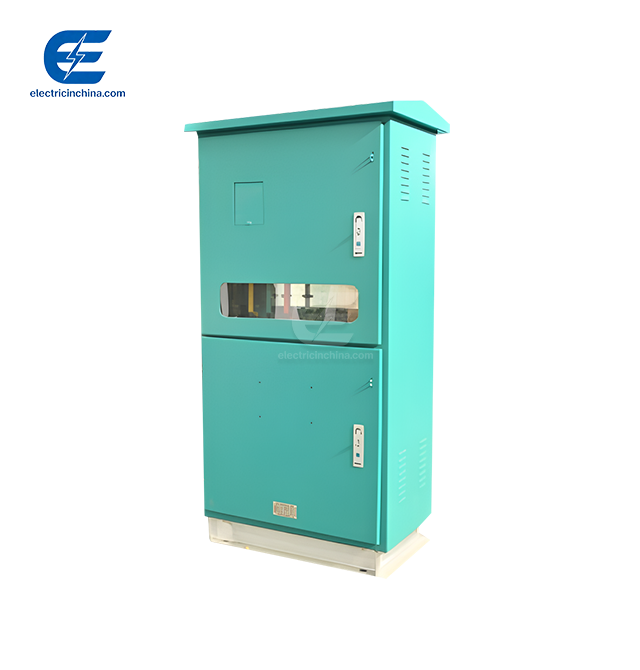
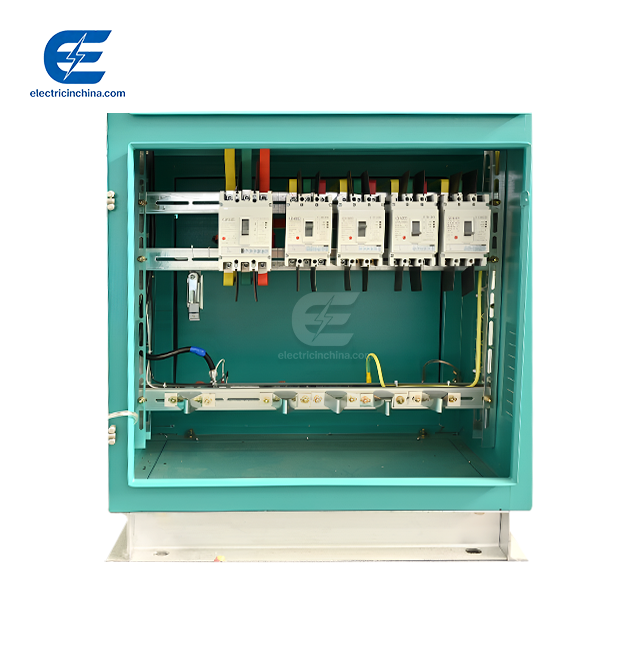
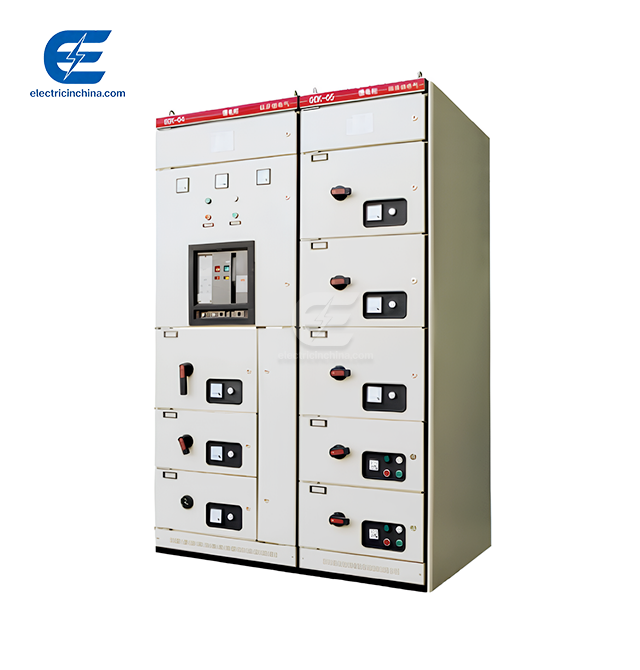
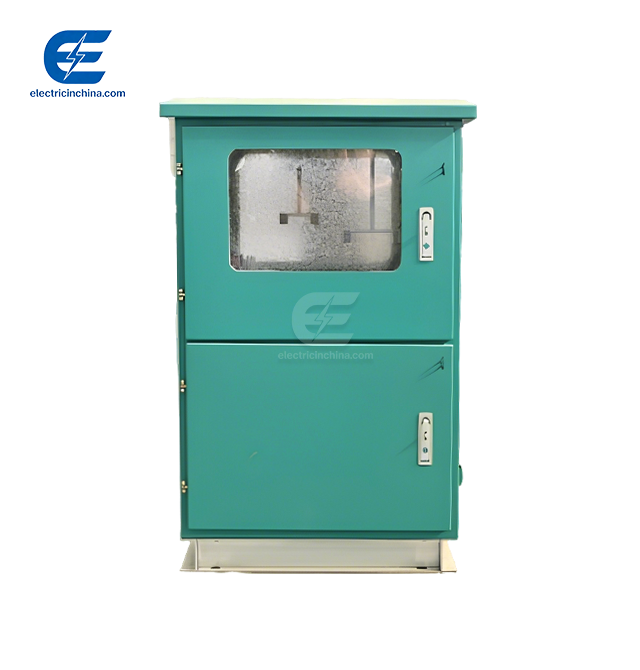
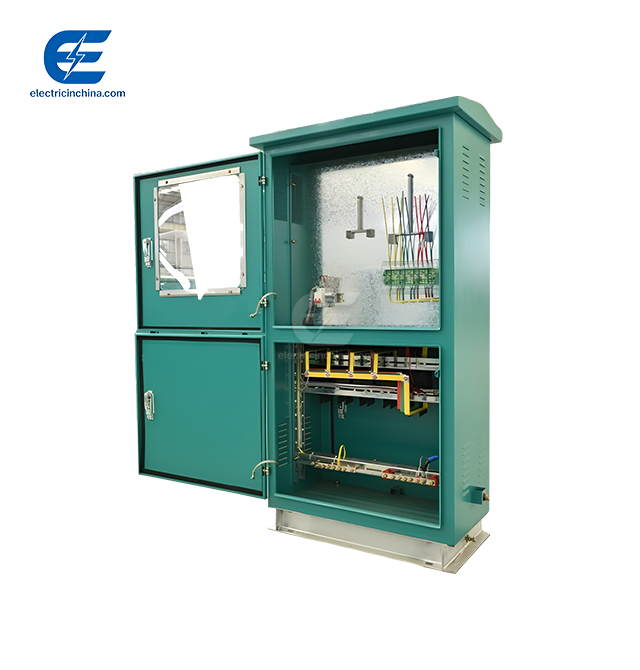
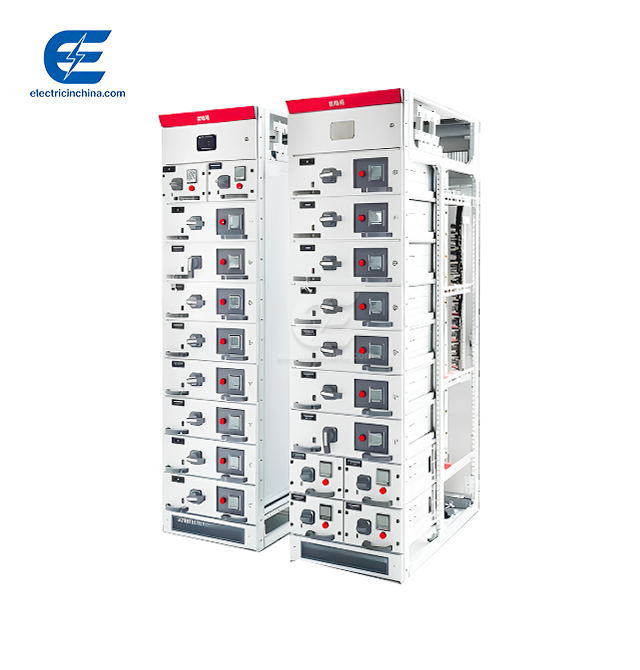
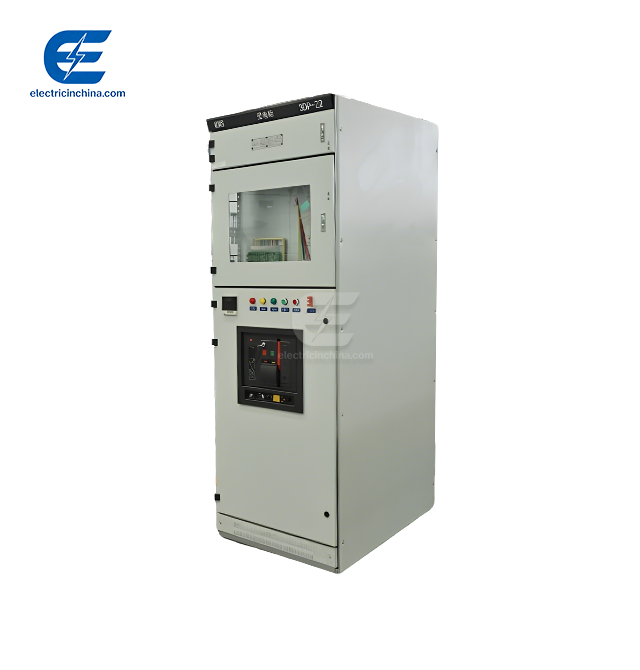
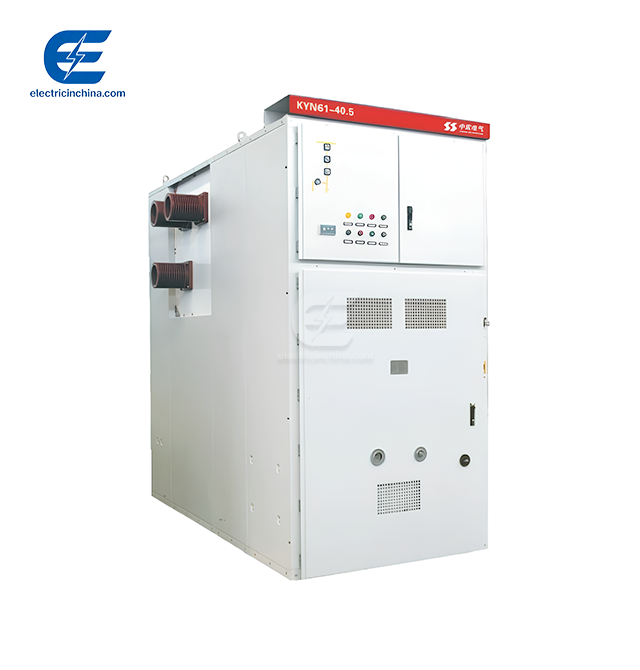
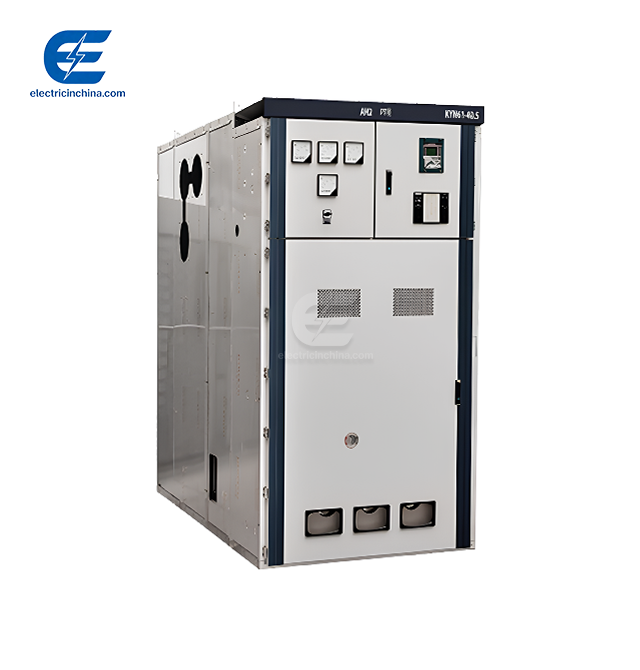
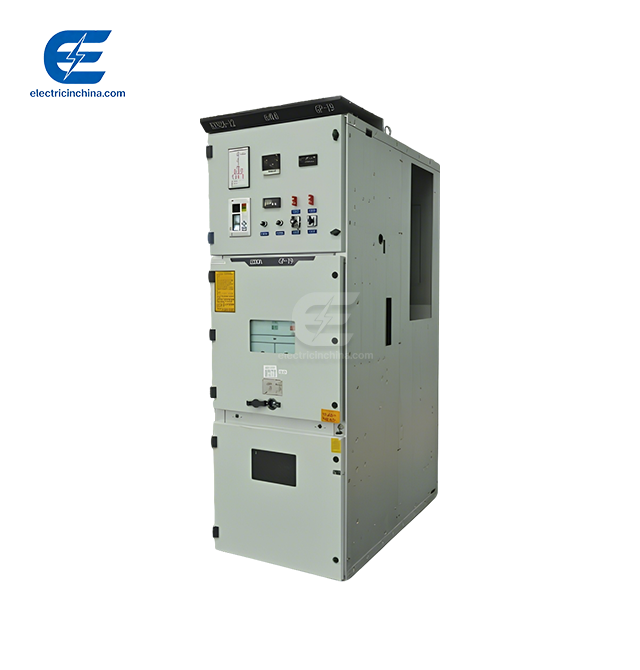
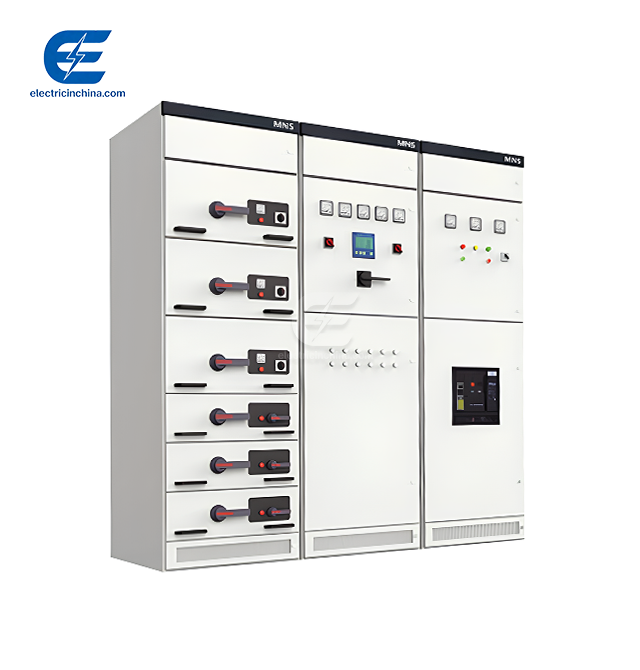
Medium Voltage Withdrawable Switchgear delivers transformative advantages for industrial and commercial power distribution systems. This metal-enclosed equipment operates at voltage levels between 3 kV and 36 kV, featuring circuit breakers that physically withdraw for maintenance without de-energizing the entire system. The withdrawable mechanism reduces planned downtime by up to 80%, enabling technicians to service individual components while the busbar remains energized, ensuring business continuity. The design of this equipment improves safety by separating different parts, makes maintenance easier and faster, allows for future upgrades as needed, and works well even in tough conditions, making it crucial for places where losing power is very costly, and safety rules must be strictly followed.
Understanding Medium Voltage Withdrawable Switchgear
When your facility demands uninterrupted power distribution with the highest safety standards, understanding the technical foundation of withdrawable switchgear becomes essential. This equipment represents a significant evolution in electrical infrastructure design, addressing critical operational challenges faced by industrial manufacturers, commercial developers, and infrastructure projects.
Core Components and Withdrawable Mechanism
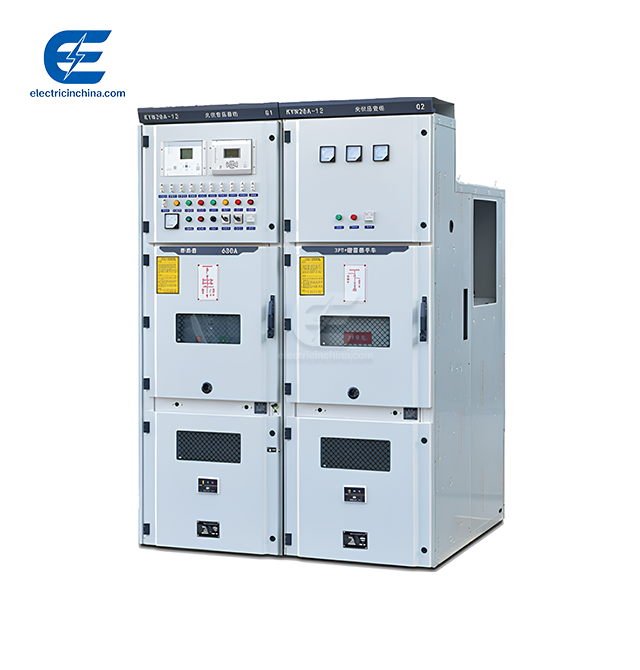
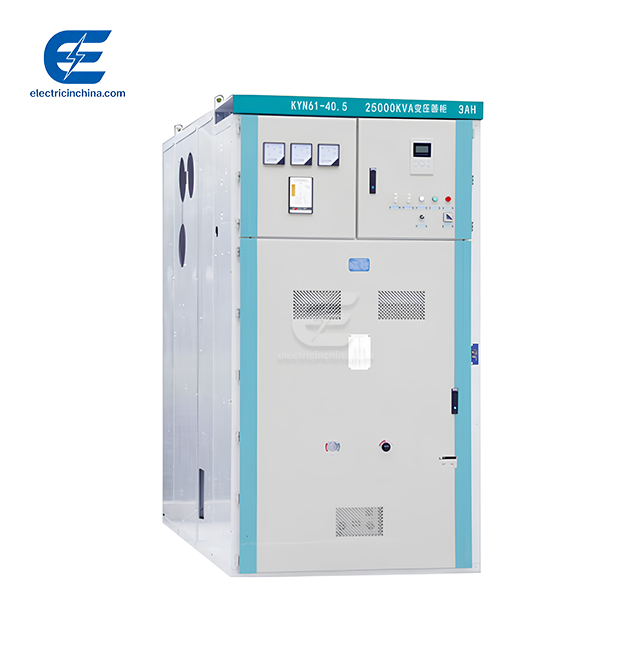
This system relies on its clever segmented architecture. Each unit has a circuit breaker, busbar, cable termination, and control equipment housing. The circuit breaker's precision-guided rails allow skilled personnel to manually remove it from operation using a racking mechanism. This withdrawable design has mechanical interlocks to prevent accidents. When you withdraw, the interlock system opens the circuit breaker before disconnecting from the busbar. Automatic shuttering systems cover bus connections as the breaker leaves, eliminating live parts. Visual position indicators show whether the circuit breaker is connected, tested, or fully withdrawn, preventing operating errors that could endanger staff. Our metal-enclosed distribution systems can contain 50kA arc faults and 4000A currents. Dead-front construction prevents ordinary maintenance teams from encountering electrified components. This technical approach addresses the industry's biggest safety problems while maintaining operational flexibility.
Types of Switchgear: Making the Right Choice
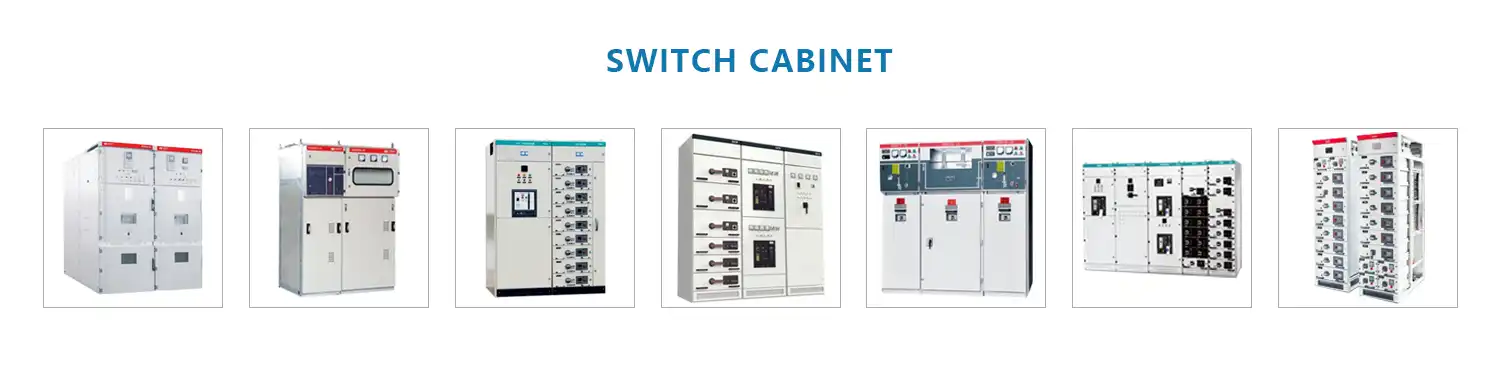
The electrical distribution industry has three main switchgear layouts for different operational needs. Fixed switchgear has permanently placed circuit breakers that require substantial de-energization, making maintenance time-consuming and expensive. Draw-out switchgear can be removed, although it needs more complicated procedures and specialized tools than withdrawable designs. Medium-voltage, withdrawable switchgear optimizes maintenance accessibility and operating safety. The simple racking mechanism removes components faster than draw-out options, decreasing maintenance windows and personnel costs. Our systems meet IEC 62271-200 and IEEE C37.20.2 standards for international procurement and regulatory compliance in varied markets. Switchgear procurement specialists should examine their facility's maintenance philosophy and downtime tolerance. Withdrawable designs reduce service interruptions in continuous processes like chemical plants, data centers, and hospitals. These modular solutions allow progressive expansion as your activities grow without replacing infrastructure.
Key Benefits of Medium Voltage Withdrawable Switchgear
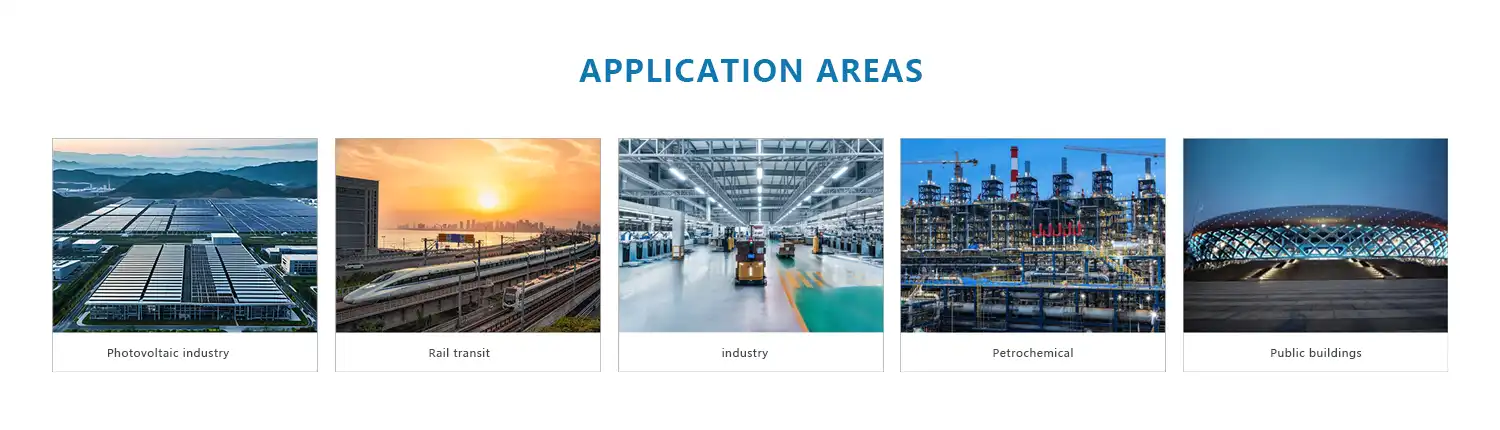
Knowing the clear benefits of withdrawable switchgear technology helps purchasing teams make smart investment choices and pick solutions that lead to noticeable improvements in operations. Our experience with hundreds of installations, including the Xuzhou Rail Transit Network Control Centre and XCMG Group facilities, demonstrates how these benefits translate into real-world performance.
Enhanced Safety Features That Protect Your Investment
We always discuss safety with project managers and facility engineers. Arc flash accidents cause serious injuries and equipment damage, exposing companies to liability and disrupting operations. Our compartmentalized design isolates the circuit breaker, busbar, cables, and control equipment with physical barriers. This sturdy design uses a minimum of 12-gauge steel with specific coatings for IP54 dust and water protection. Despite internal arc fault pressures, this cage keeps explosive energy from endangering personnel. The system retains structural integrity for 30 cycles at 50kA, exceeding industrial fault current norms. Mechanical interlocks throughout the system ensure a flawless operation. With the isolation central switch cabinet open, your technicians cannot rack the circuit breaker or open compartment doors with components powered. Physical protections add to training and processes to reduce human mistakes. Whether in frigid outdoor substations or hot industrial situations, temperature tolerance from -40°C to +55°C keeps maintenance workers safe.
Superior Maintenance Efficiency and Operational Continuity
Downtime destroys operating budgets and customer obligations. Our withdrawable technology allows complete maintenance while adjacent circuits carry load, unlike permanent switchgear. Independent compartments allow servicing one circuit breaker without affecting surrounding equipment or requiring facility-wide shutdowns. Technicians use common racking tools to remove circuit breakers for routine maintenance or component failures in minutes. The busbar powers critical loads throughout this operation. This "hot-swap" capacity is vital in facilities supporting production lines, medical equipment, or data processing processes where interruptions destroy income. Our installation performance statistics support these benefits. The Xuzhou High-speed Railway East Station EPC Project required complete passenger safety and operational schedule reliability. Our withdrawable switchgear allowed maintenance teams to service circuits overnight without disturbing daytime train operations, meeting the project's strict uptime requirements. The compartmentalized architecture simplifies troubleshooting. Technicians isolate questionable components, test in the withdrawn position, and return equipment to service swiftly. Efficiency improves system availability metrics that matter to your bottom line by reducing scheduled maintenance and unplanned outage recovery times.
Modular Scalability for Growing Operations
Growing businesses and changing electrical needs require flexible infrastructure without costly upgrades. Our modular design philosophy fulfills this demand with standardized portions that fit into current systems. When your business adds manufacturing capacity, equipment, or processing loads, switchgear sections connect to the busbar system without affecting operations. Scalability includes technology advancement as well as physical expansion. Control and protection systems work with existing automation systems for remote monitoring, maintenance predictions, and smart grid connections. Modular component replacement allows switchgear to adapt to Industry 4.0 or renewable energy sources without system overhauls. Multi-phase procurement teams appreciate this flexibility. Pre-planning accommodates future expansions while initial installations fulfill present requirements. Standardized designs decrease engineering effort in succeeding phases, decreasing project deadlines and minimizing costs. Our experience with Xinhuai Central and complicated Huaihai Xintiandi shows how staggered switchgear deployments serve complicated real estate projects with changing tenant needs.
Robust Performance Under Demanding Conditions
We test equipment reliability in challenging industrial situations. Electrical infrastructure faces corrosion in chemical plants, temperature extremes in outdoor substations, mechanical vibrations in factories, and humidity changes in coastal sites. We use materials, sealing technology, and structural design to solve these real-world situations. Cheaper options would fail due to chemical exposure and corrosion of the steel enclosures' coatings. Components resist condensation at 95% humidity, preventing insulation degradation and contact oxidation failures. For installations in seismically active areas or facilities with strict structural requirements, IEEE 693 seismic qualification protects your investment during earthquakes. Thermal management systems keep operating temperatures safe under overload and excessive ambient temperatures. The ventilation design balances cooling and contamination prevention for reliable operation in dusty mines and clean pharmaceutical plants. Thermal stability increases equipment lifespan and lowers maintenance, cutting the total cost of ownership over 25 years. Installations in various situations confirm its solid performance. The GCL Photovoltaic Industrial Park project faces high temperature cycling and dust. The Xuzhou Fantawild Adventure commercial facility must be reliable for thousands of daily visitors. The XCMG Group's manufacturing power supply upgrade manages heavy motor starting currents and industrial fault circumstances. Each application demonstrates the device's ability to function in harsh conditions.
Comparing Withdrawable Switchgear with Alternatives
Making informed procurement decisions requires understanding how different switchgear technologies compare across critical performance dimensions. Your specific operational requirements, maintenance philosophy, and budget constraints determine which solution delivers optimal value for your project.
Withdrawable vs. Fixed Switchgear: Maintenance and Safety
Classic fixed switchgear has circuit breakers permanently installed in the enclosure. Maintenance needs a complete shutdown of power, safety locks for important system parts, and long periods without electricity. Technicians work in tight spaces near electrical parts, increasing safety risks despite safeguards. Withdrawable designs eliminate these compromises. The racking mechanism fully removes the circuit breaker from the energized busbar zone, ensuring safe work conditions. The breaker is isolated during maintenance, but the busbar keeps unaffected circuits powered. This basic distinction decreases facility-wide shutdowns, lowers labor costs through speedier service procedures, and enhances insurance underwriter and regulatory agency safety criteria. Costs go beyond the buying price. Budget reviews favor fixed switchgear's cheaper initial cost, but operational expenses over its lifespan are different. Calculating downtime costs, maintenance labor needs, and safety event risks shows withdrawable switchgear's superior total cost of ownership, especially for locations where power interruptions are costly.
Draw-Out vs. Withdrawable Mechanisms: Functional Differences
Although some technical literature uses "draw-out" and "withdrawable" interchangeably, implementation specifics and operational features differ. Draw-out designs have more complicated disconnection mechanisms that require special tools and longer processes. Multiple intermediate positions of the circuit breaker during extraction complicate operations and procedures. We value simplicity and reliability in our withdrawable method. Each step of racking is intuitive and visually guided. Normal operations use standard tools, decreasing training and procedural errors. Mechanical interlocks with proven designs from thousands of installations provide confidence in safety systems that must work every time. Maintenance efficiency comparisons show significant variances. Withdrawable designs speed circuit breaker removal and reinstallation, minimizing maintenance windows and labor costs. Technicians can rapidly determine whether operational faults are caused by the circuit breaker, switchgear housing, or external sources due to the simple mechanism.
Leading Manufacturers: Quality and Innovation Benchmarks
Several prominent switchgear manufacturers add unique assets to the competitive field. Schneider Electric targets smart grid and predictive maintenance facilities with medium-voltage systems that emphasize digital integration and IoT connectivity. ABB supports multinational organizations with consistent standards across varied geographic areas through reliability and worldwide service networks. Siemens switchgear is commonly recommended for important infrastructure requiring high dependability due to its engineering knowledge and rigorous testing methods. Eaton targets North America with IEEE- and local utility-compliant products. GE optimizes switchgear for utilities and big industrial locations using power-generating expertise. At Tuojie, we combine proven technical concepts with production innovation and personalization that larger manufacturers cannot match. We give quality comparable to international brands and flexibility for project-specific requirements, with 18 patents covering important design improvements and over 120 sets of innovative production equipment. Our installations in municipal engineering, commercial real estate, and industry satisfy the highest standards. Worldwide brands or Tuojie frequently determine project priorities. Major manufacturers' specs and global support may assist large, uniform installations. Customized solutions, environmental adaptations, and comprehensive EPC services often fit better with manufacturers that offer engineering flexibility and responsive technical assistance throughout the project lifetime.
Procurement Considerations for Medium Voltage Withdrawable Switchgear
Successful procurement extends beyond technical specifications to encompass cost structures, supplier evaluation, and logistical planning. Understanding these factors helps procurement professionals navigate complex purchasing decisions and mitigate risks that could compromise project outcomes.
Cost Structures and Budget Planning
Switchgear prices vary greatly by voltage rating, current capacity, configuration complexity, and manufacturer. Simple 12kV withdrawable switchgear assemblies with 12.036kV systems rated 4000A with advanced arc-resistant characteristics cost more. Custom configurations for unique environmental conditions, certifications, or integrated control systems increase engineering and component costs. Manufacturing efficiency and lower per-unit expenses make bulk ordering for multi-phase projects or standardized facility designs cheaper. Lead times are another important cost consideration, especially for tight construction schedules. Custom designs take weeks to engineer, manufacture, and test, whereas standard configurations ship within industrial equipment timescales. Expedited delivery costs more than aggressive price negotiations. Installation, commissioning, spare parts, and long-term maintenance must be included in the cost analysis. Switchgear that requires special installation or long commissioning raises project expenses beyond equipment procurement. Designs that simplify installation and factory testing decrease field labor and speed project completion.
Supplier Evaluation: Quality, Warranty, and Support
Supplier selection affects product quality and support availability across the equipment's multi-decade lifespan. Verifying ISO 9001 quality management, ISO 14001 environmental compliance, and CCC for some markets' electrical safety certificates starts product quality assessment. Quality control, testing, and production capacity audits in manufacturing facilities boost confidence and delivery reliability. Warranty coverage varies widely by provider and product line. Standard warranties cover manufacturer's defects for 12-24 months; extended warranties for specific components or operational conditions cost more. Understanding warranty exclusions is crucial—many warranties are worthless under particular operating conditions or after prohibited changes, creating possible issues when failures occur. Extended supplier satisfaction is greatly influenced by after-sales service. Operational success depends on technical assistance, spare parts, field service, and training. Companies with localized service centers and parts inventories handle issues faster than those that send internationally for every service event. Technical training for client maintenance teams, detailed documentation, and quick engineering assistance for operational questions are part of our comprehensive service.
Delivery and Installation: Turnkey Services
Equipment size and weight affect transportation and site access, so logistics planning begins there. Delivery of switchgear assemblies in different parts requires precise timing and coordination. Switchgear suppliers and construction teams must coordinate early to avoid costly delays or revisions in site preparation—foundation specifications, cable entrance provisions, and ventilation arrangements. Design, manufacturing, delivery, installation, and commissioning turnkey services simplify project management and define roles. Single-source accountability speeds problem-solving and protects project schedules by eliminating finger-pointing. Our EPC experience on the Xuzhou Rail Transit Network Control Centre shows how integrated service delivery minimizes coordination overhead and enhances difficult installations. Installation best practices include careful unloading and positioning, foundation preparation for structural stability and grounding, cable termination according to manufacturer specifications, and thorough testing of all safety interlocks and protective functions before energization. Insulation resistance testing, contact resistance measurements, mechanical functioning verification, and protective relay calibration are commissioning requirements. As-built configurations and test results must be documented for future maintenance and troubleshooting.
Maintenance Tips and Best Practices
Effective maintenance programs protect your switchgear investment, maximize equipment lifespan, and ensure reliable operation supporting business continuity. Establishing routine inspection schedules and following manufacturer-recommended procedures prevents small issues from escalating into costly failures or dangerous conditions.
Routine Inspection Checklist
Regular visual checks spot problems before they fail. Inspect the enclosure outside for corrosion, physical damage, or seal degradation that could lower protection ratings. Inspect indicator lights and mechanical position displays for appropriate operation, which provide vital feedback. Blockages in ventilation apertures can reduce cooling and cause thermal damage. Inside checks during planned maintenance windows show issues that would be missed otherwise. Insulators and control components can accumulate dust, creating flashover tracking routes. Discoloration on bus connections indicates overheating, generally caused by weak connections or failing contact surfaces. Verify cable terminations for stress-free support and insulation. Ensure mechanical interlocks work smoothly without binding or wear. Testing measures component condition characteristics to supplement visual examinations. Insulation resistance measures degradation before collapse, predicting issues. Clean or tighten connections with contact resistance testing before hot spots form. Circuit breaker timing tests validate the trip mechanisms' proper functionality during faults. Trending data shows progressive degradation requiring correction.
Safety Procedures During Maintenance
Lockout/tagout protects maintenance workers from electrical risks. Clearly define energy sources, isolation mechanisms, and de-energization verification protocols. Use mechanical locks to prevent circuit breaker closing and tags to alert others to equipment hazards. Use suitable test tools to verify isolation, not only indicator displays. The circuit breaker is entirely withdrawn during withdrawable switchgear repair to separate it from powered components. This role requires ongoing awareness of safe work boundaries since nearby equipment may remain powered. Even while working on de-energized components, use insulated tools and PPE for the hazard. Never disable safety interlocks or use equipment against the manufacturer's directions. An arc flash hazard study determines PPE for electrified equipment repair. Many switchgear maintenance procedures can be done with the circuit breaker removed and the compartment de-energized, decreasing risk. Understanding your facility's arc flash research results and following safety protocols prevents injuries that would shatter families and expose organizations to liability.
Troubleshooting Common Issues
Symptoms help diagnose operational issues. Mechanical faults with the racking mechanism, electrical issues with the closing coil circuit, or protective relay conditions prohibit circuit breakers from shutting. Checking mechanical operation, electrical continuity, and relay status usually finds the problem. A nuisance trip indicates protective relay failure, load conditions exceeding equipment ratings, or problems that need investigation. To determine what caused the trip, review protective relay trip records. Compare real load currents to equipment ratings and relay settings. Check for loose connections or failing parts that could trigger protective relays. Some issues require manufacturer engagement or specialized test equipment beyond facility capability. Factory-trained service experts are sometimes needed for complex protective relay difficulties, suspected circuit breaker contact concerns, or insulation degradation necessitating high-potential testing. Our engineering team helps clients discern between simple issues that can be handled by in-house workers and difficult issues that require specialist expertise, optimizing maintenance efficiency and lowering costs.
Conclusion
Medium-voltage withdrawable switchgear offers significant benefits for industrial, commercial, and infrastructure projects that need dependable power distribution and safe operations. The withdrawable mechanism enables efficient maintenance without facility-wide shutdowns, reducing downtime costs while improving safety through physical isolation of components during service procedures. Robust construction withstands harsh environmental conditions, ensuring long-term reliability across diverse applications. Modular design supports scalability, accommodating future growth without costly infrastructure replacements. Our manufacturing capabilities, proven project experience, and comprehensive support services position us to deliver solutions meeting your specific requirements while maintaining competitive pricing and responsive customer service throughout your equipment's operational life.

FAQ
What are the primary safety advantages of withdrawable switchgear?
The compartmentalized design separates circuit breakers, busbars, cables, and controls into isolated chambers, containing arc faults and preventing personnel exposure to energized components. Mechanical interlocks create foolproof operational sequences, preventing unsafe actions like opening compartments while energized or racking breakers into incorrect positions. The withdrawable mechanism enables maintenance in a fully de-energized, physically isolated condition, eliminating the hazards associated with working near energized components found in fixed switchgear designs.
How does withdrawable design improve operational uptime?
Individual circuit breakers withdraw for maintenance while adjacent circuits continue operating and the main busbar remains energized, eliminating facility-wide shutdowns. This hot-swap capability reduces planned maintenance downtime by up to 80% compared to fixed switchgear requiring extensive de-energization. The independent compartment design means component failures affect only single circuits rather than causing cascading outages, improving system resilience and reducing unplanned downtime duration.
What factors should guide supplier selection?
Evaluate manufacturing quality through certifications like ISO 9001 and product-specific approvals, verifying compliance with IEC or IEEE standards applicable to your project. Assess technical capabilities through patent portfolios, engineering staff qualifications, and reference project experience in similar applications. Consider warranty coverage comprehensiveness and after-sales support capabilities, including spare parts availability, technical assistance responsiveness, and field service resources that determine long-term ownership experience and operational reliability.
Partner with Tuojie for Your Switchgear Solution
Your facility's electrical infrastructure demands a reliable medium-voltage withdrawable switchgear supplier who is familiar with the complexities of industrial power distribution. Tuojie brings over 20 years of expertise in power equipment design, manufacturing, and project execution, delivering solutions that meet international standards while addressing your specific operational requirements. Our ISO-certified quality management systems, comprehensive CCC certifications, and 18 patents demonstrate our commitment to innovation and manufacturing excellence.
We have completed hundreds of critical projects across municipal, commercial, and industrial sectors, including complex installations like the Xuzhou Rail Transit system and XCMG Group facilities. Our technical team includes 15 senior engineers and over 30 intermediate technicians ready to customize solutions for your environmental conditions and operational demands. Contact our engineering team at tuojie@electricinchina.com to discuss your project requirements and receive a detailed quotation. Visit electricinchina.com to explore our complete range of power distribution equipment and discover why discerning procurement professionals choose Tuojie as their trusted medium-voltage withdrawable switchgear manufacturer.
References
1. Institute of Electrical and Electronics Engineers (IEEE), "IEEE Standard for Metal-Enclosed Low-Voltage AC and DC Switchgear – C37.20.2," IEEE Standards Association, 2022.
2. International Electrotechnical Commission (IEC), "High-Voltage Switchgear and Controlgear – Part 200: AC Metal-Enclosed Switchgear for Rated Voltages Above 1 kV and Up to 52 kV – IEC 62271-200," International Electrotechnical Commission, 2021.
3. National Fire Protection Association (NFPA), "Standard for Electrical Safety in the Workplace – NFPA 70E," National Fire Protection Association, 2021.
4. Das, J.C., "Power System Analysis: Short-Circuit Load Flow and Harmonics, Second Edition," CRC Press, 2018.
5. Dudley, R., Jover, P., "Arc Flash Hazard Analysis and Mitigation in Medium-Voltage Distribution Systems," IEEE Transactions on Industry Applications, Vol. 54, No. 4, 2018.
6. McDonald, J.D., "Electric Power Substations Engineering, Third Edition," CRC Press, 2017.