

.webp)
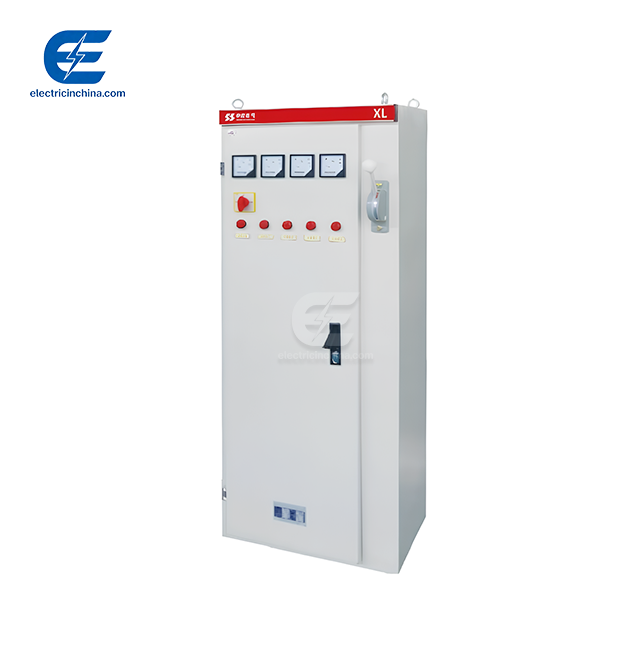
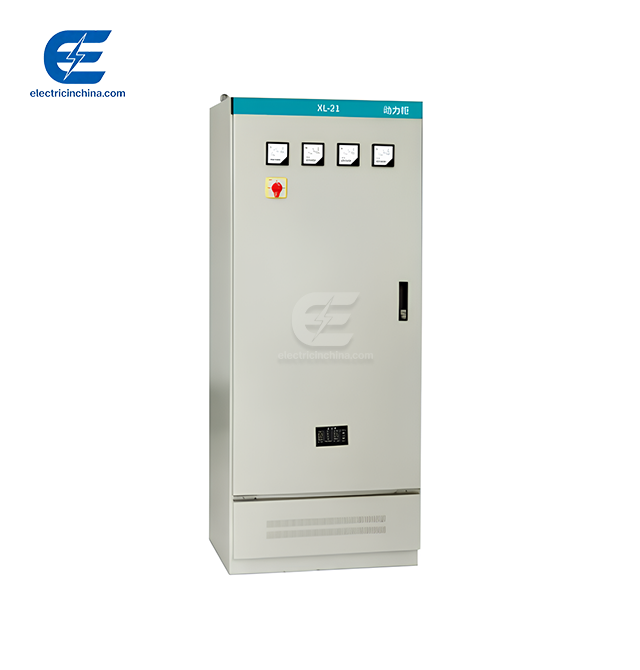
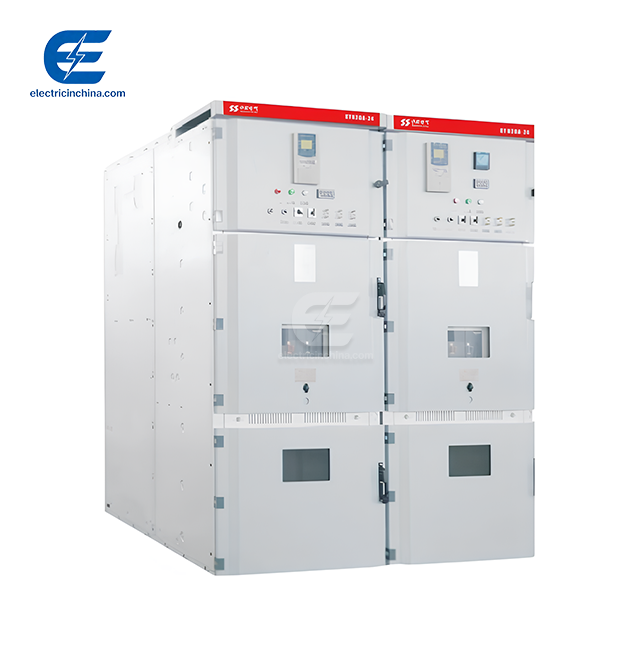
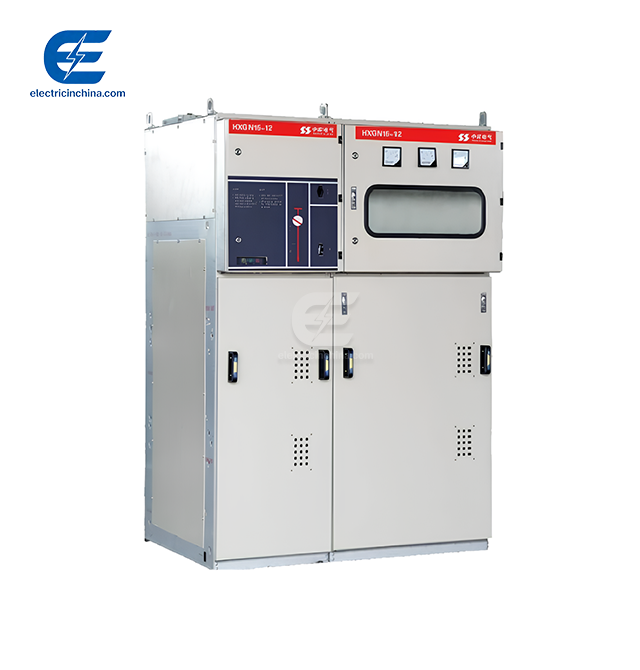
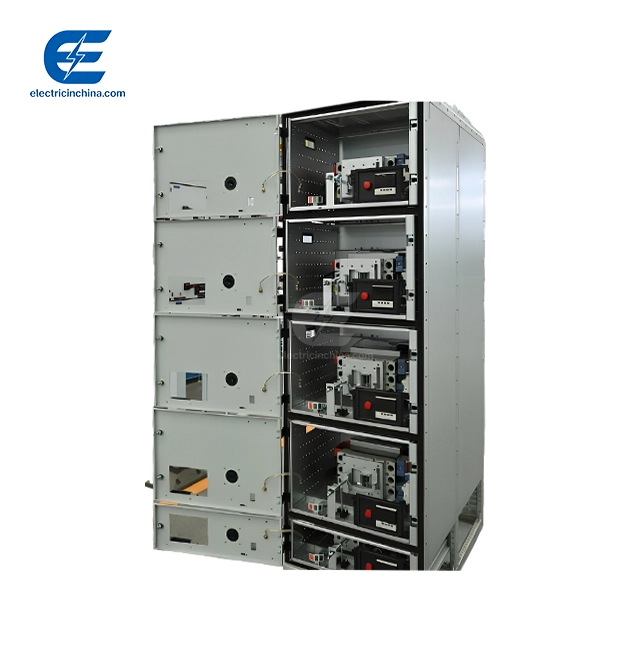
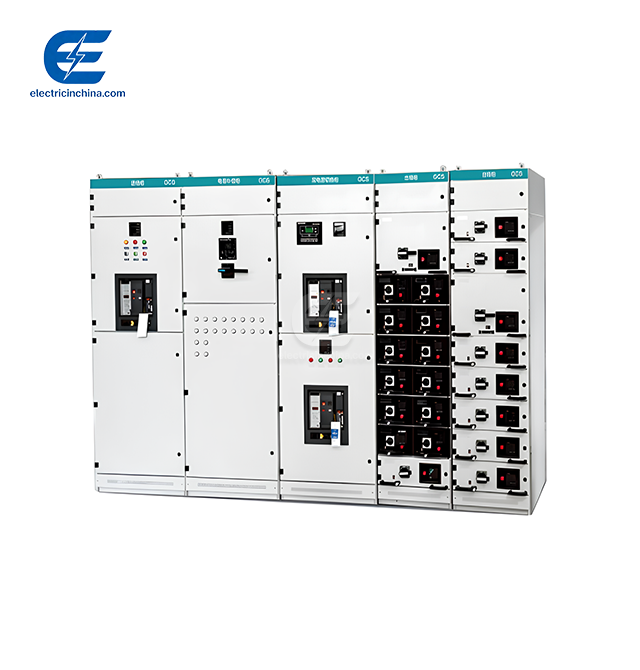
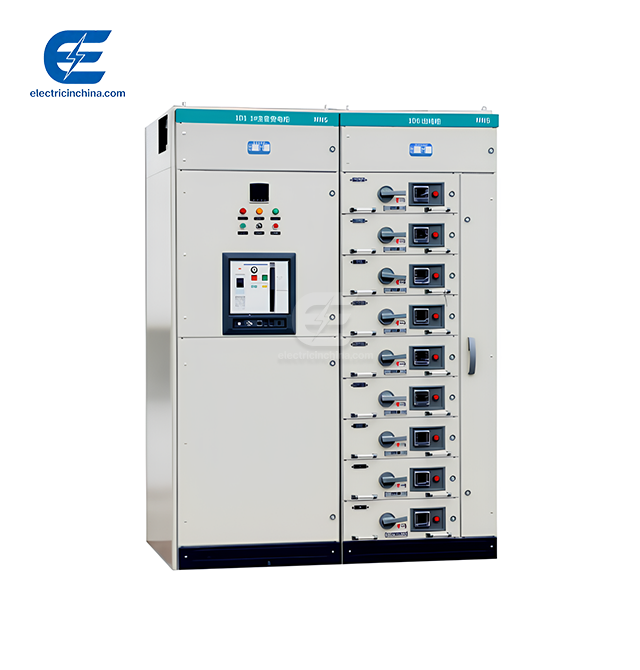
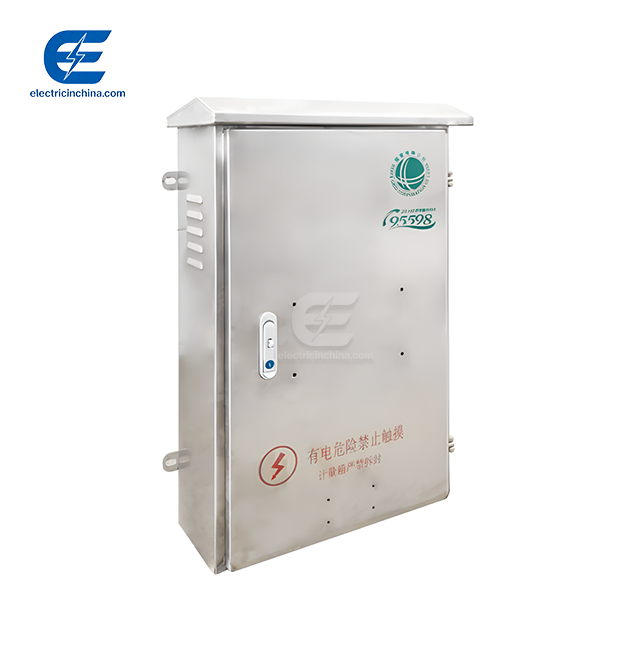
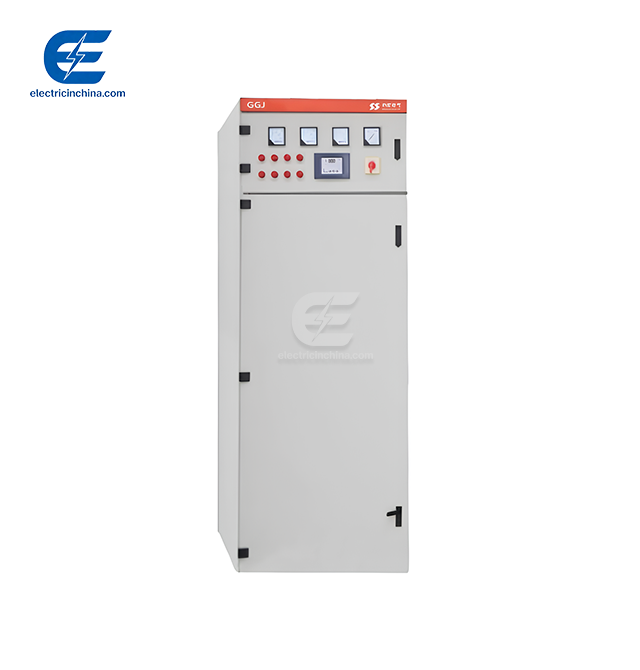
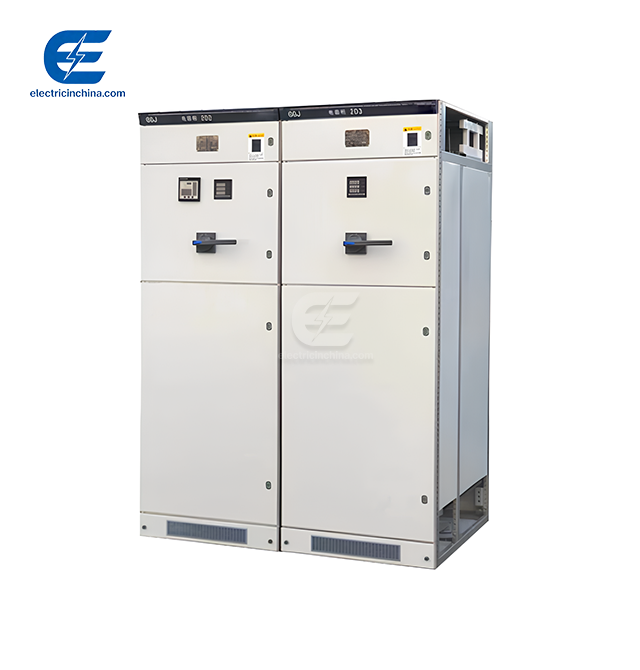
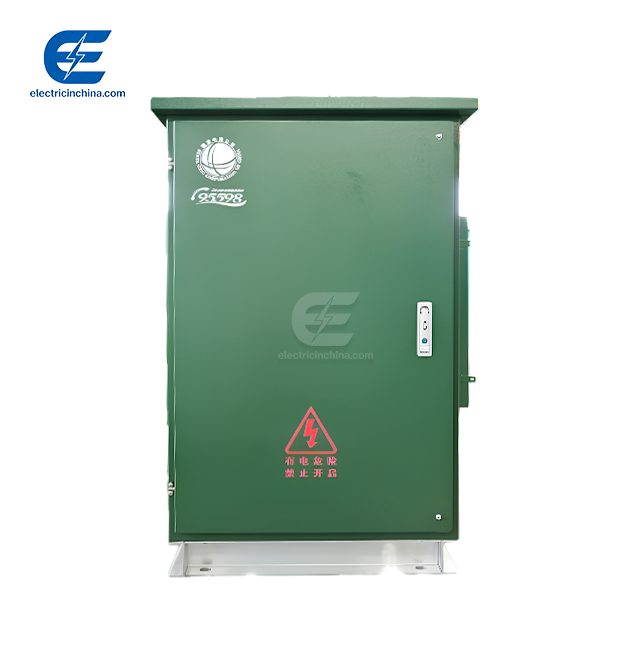
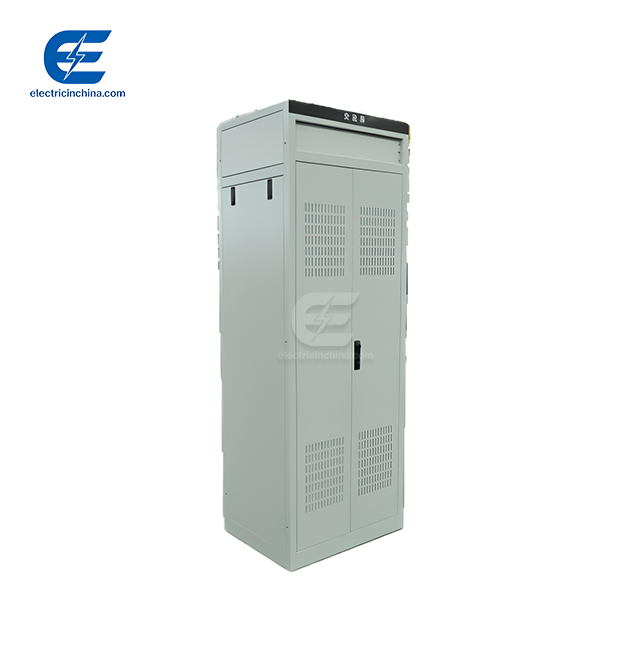
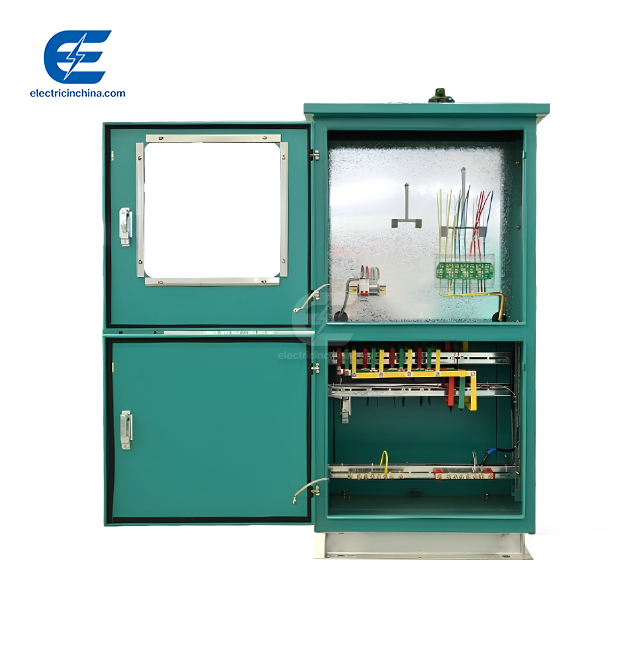
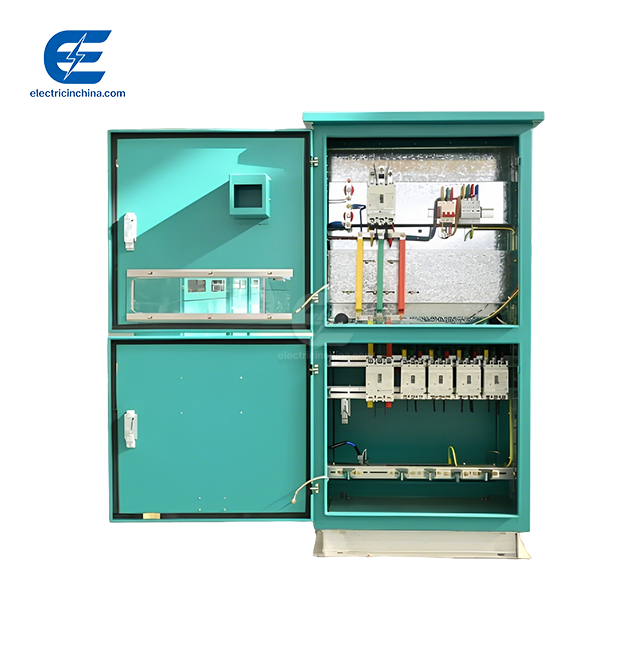
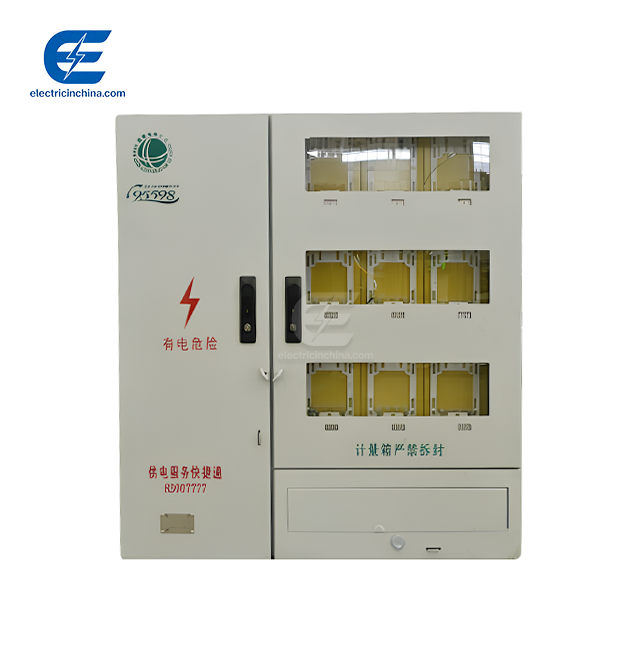
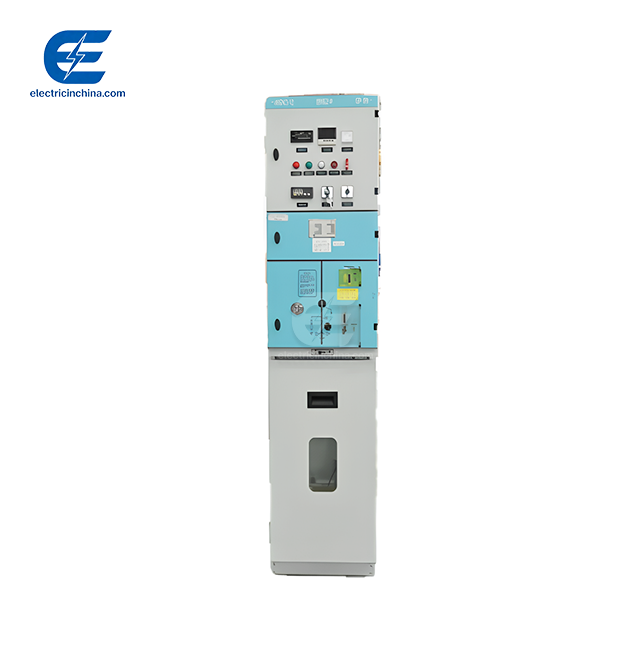
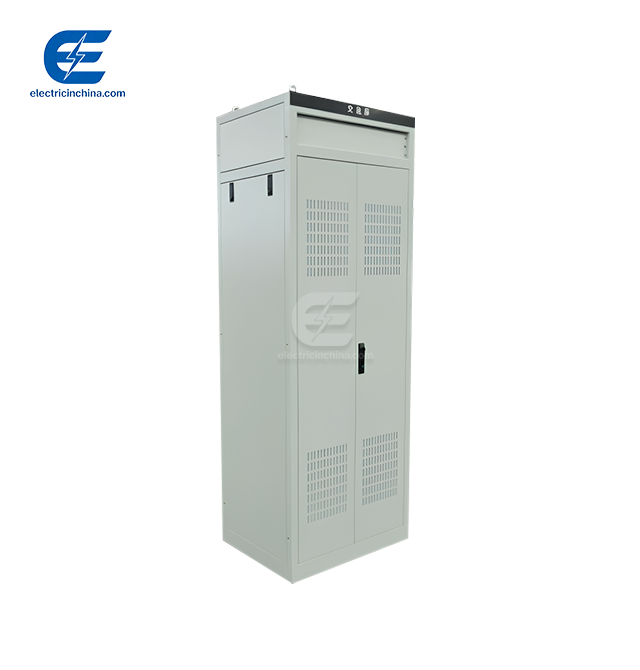
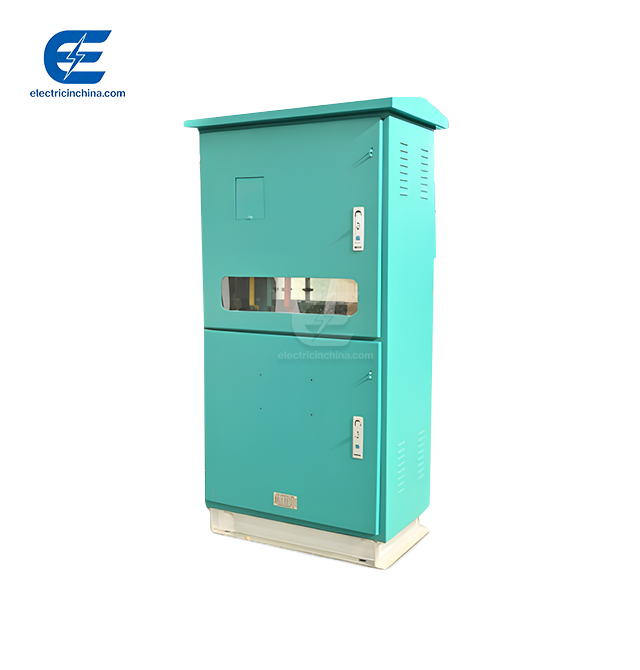
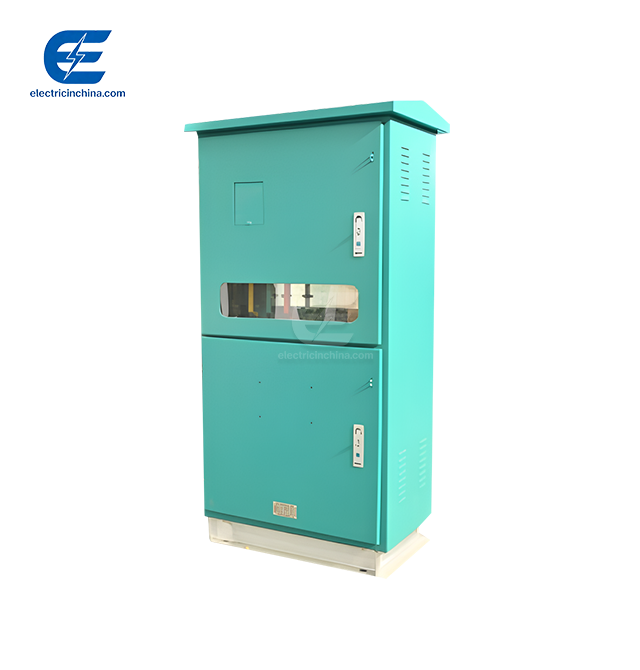
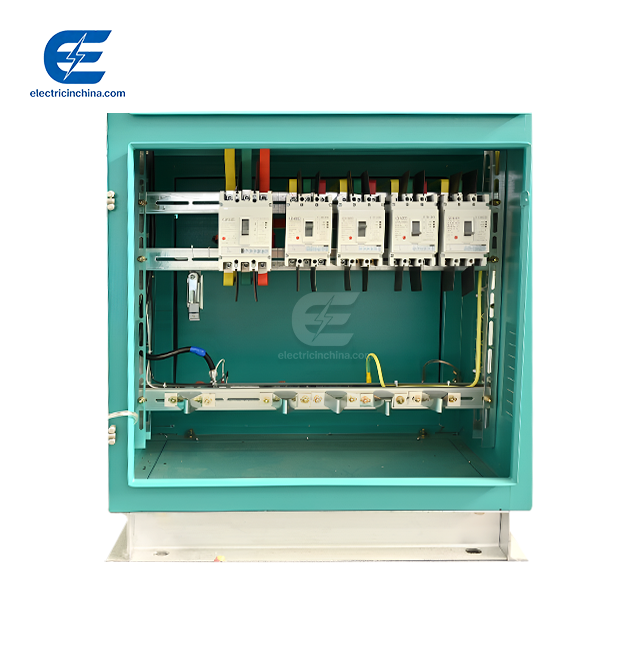
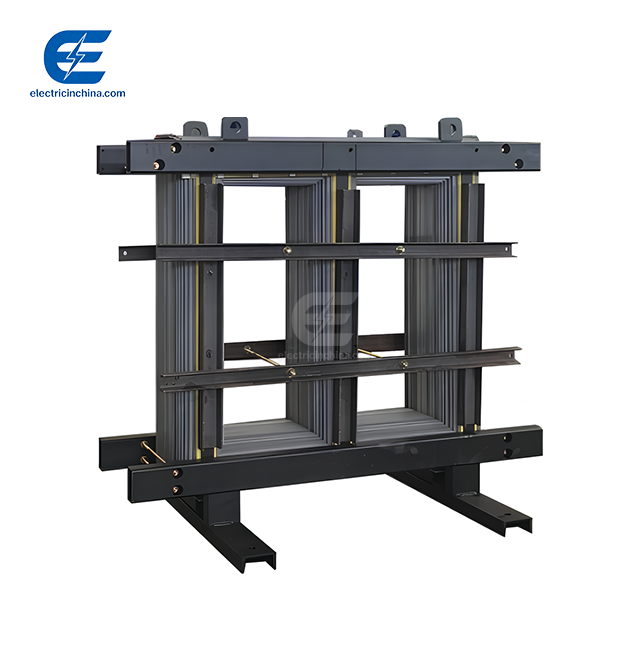
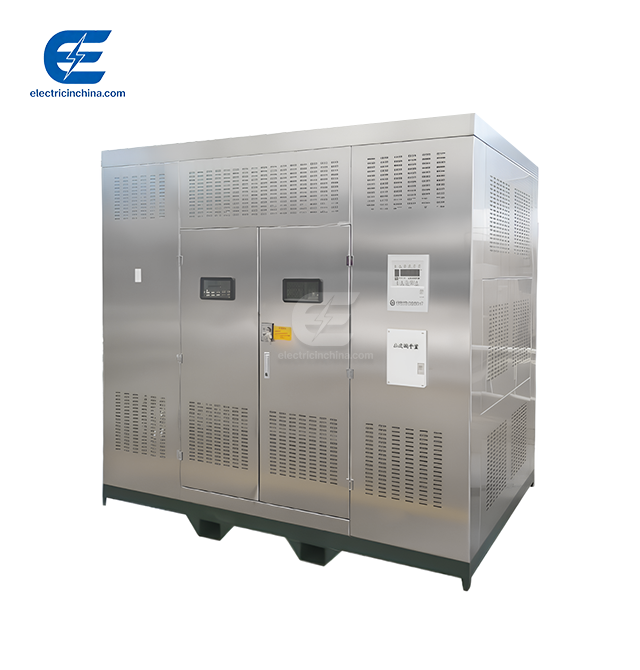
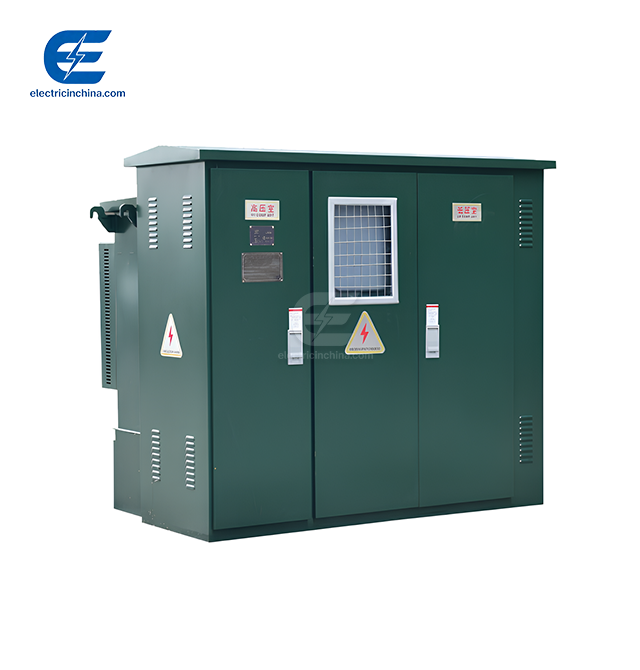
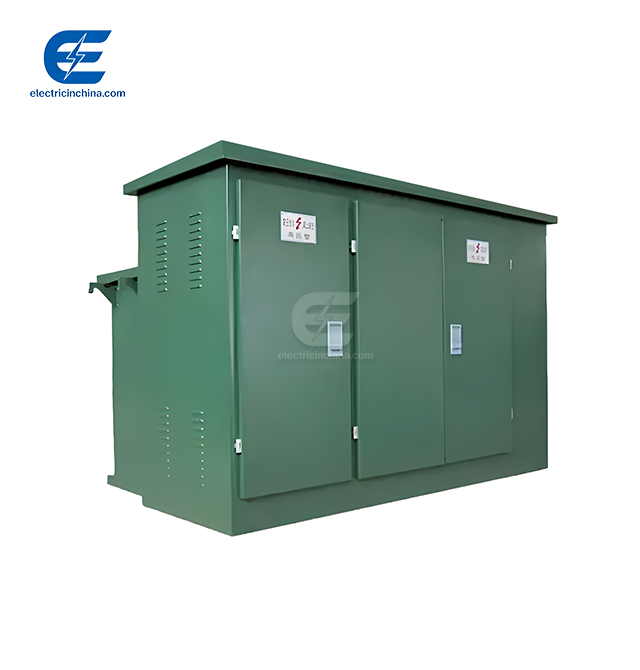
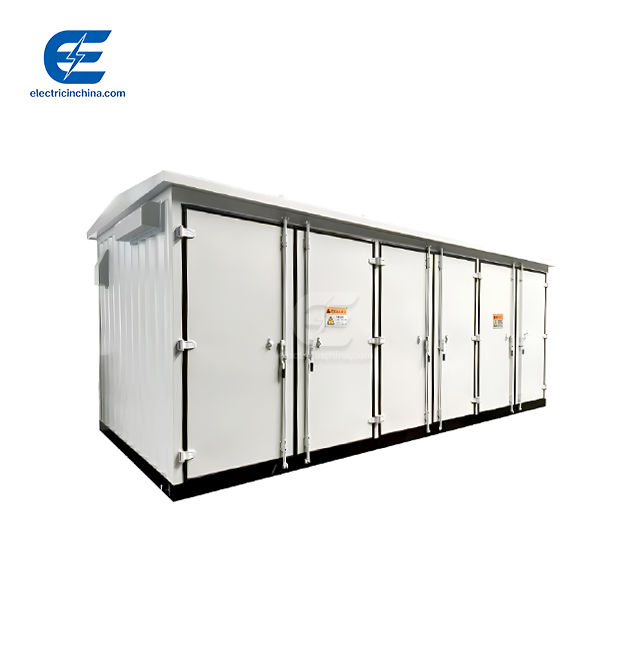
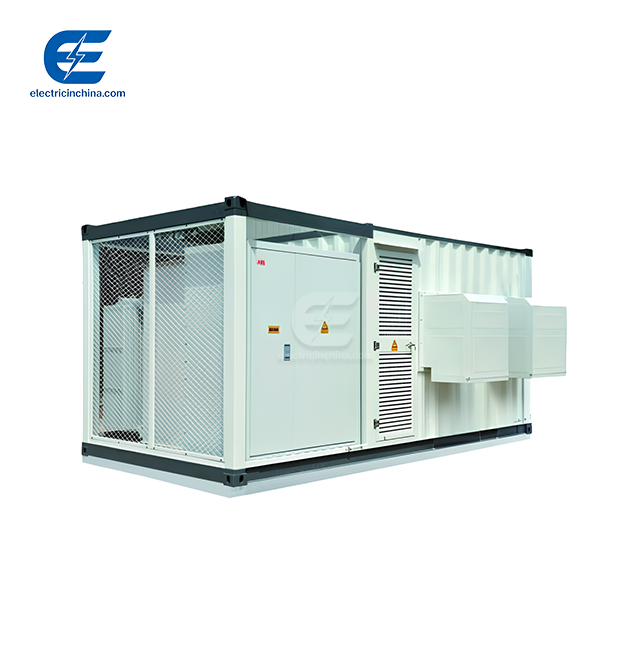
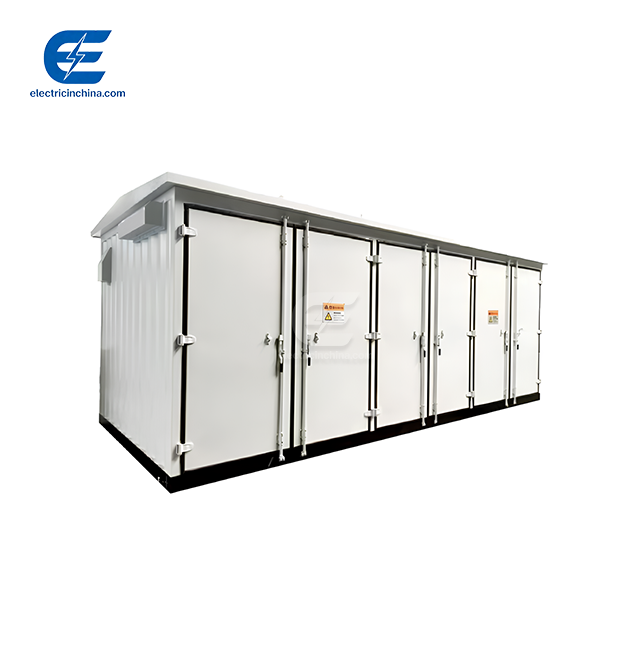
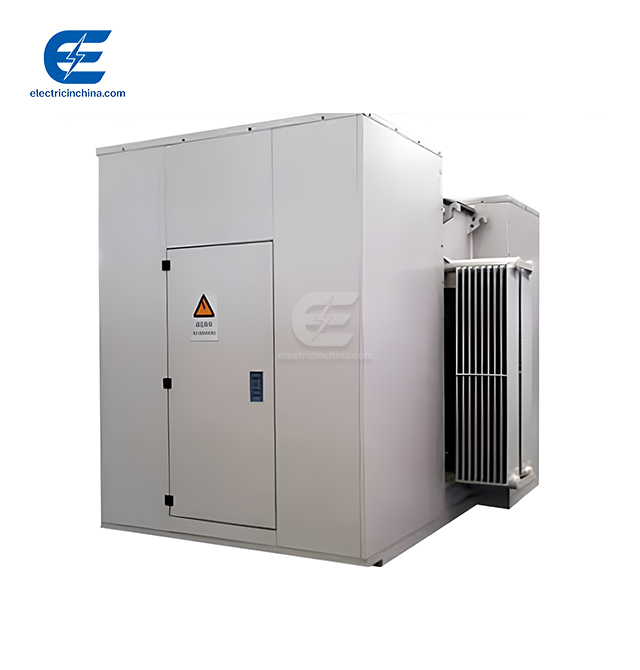
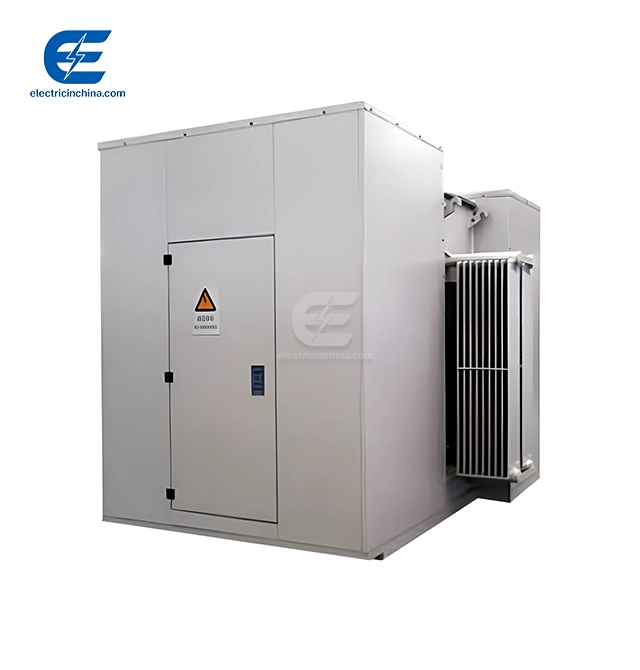
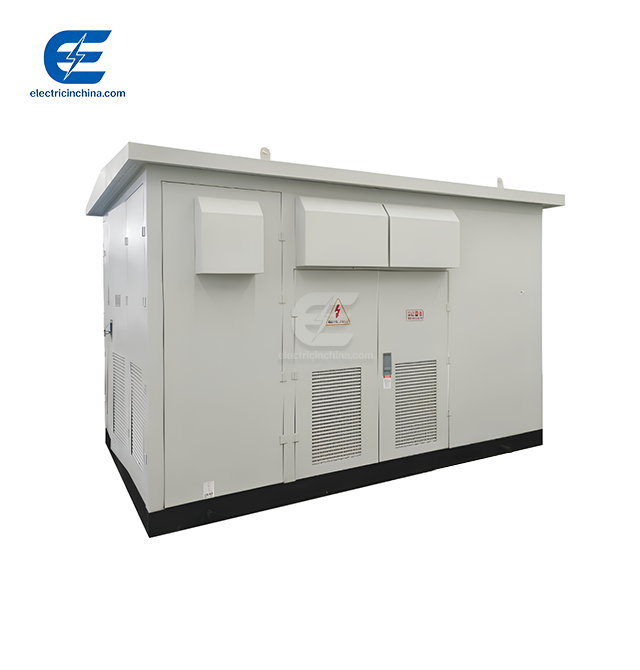
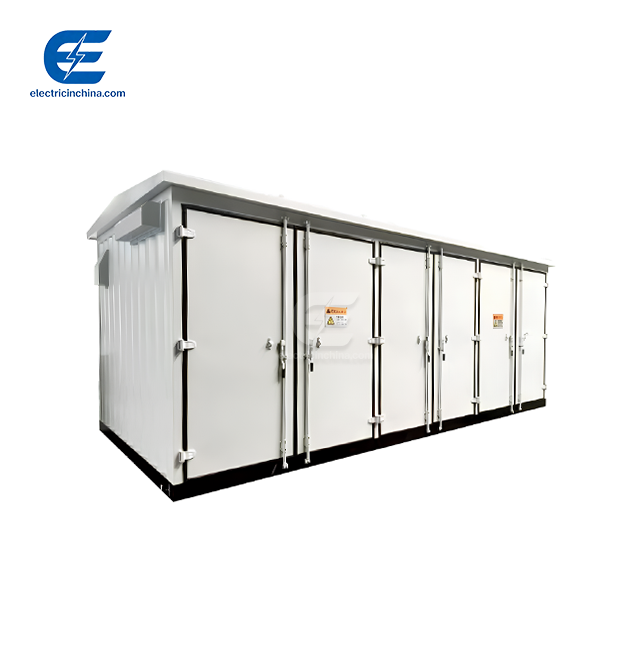
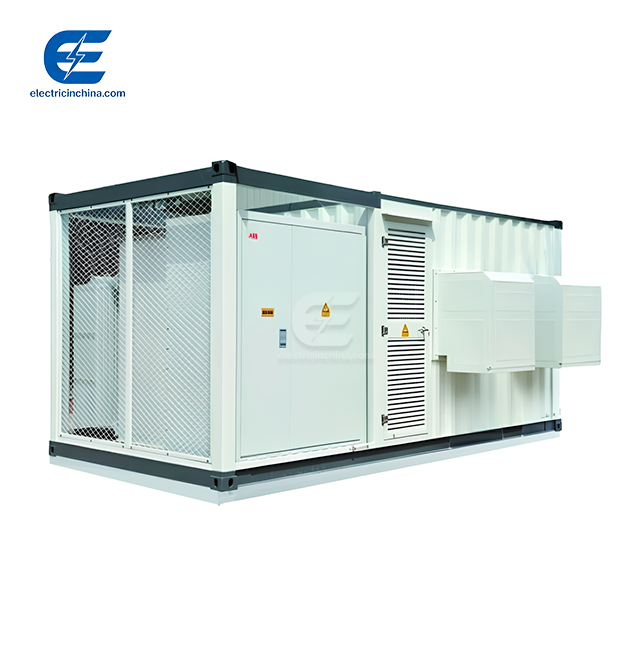
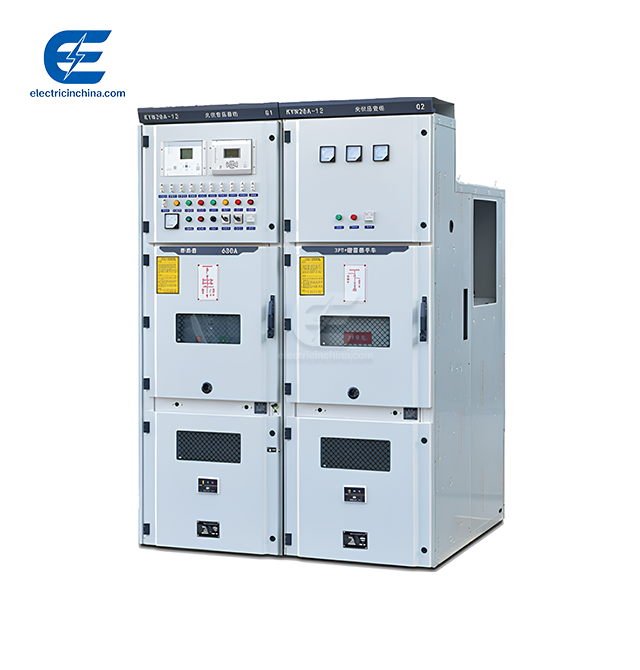
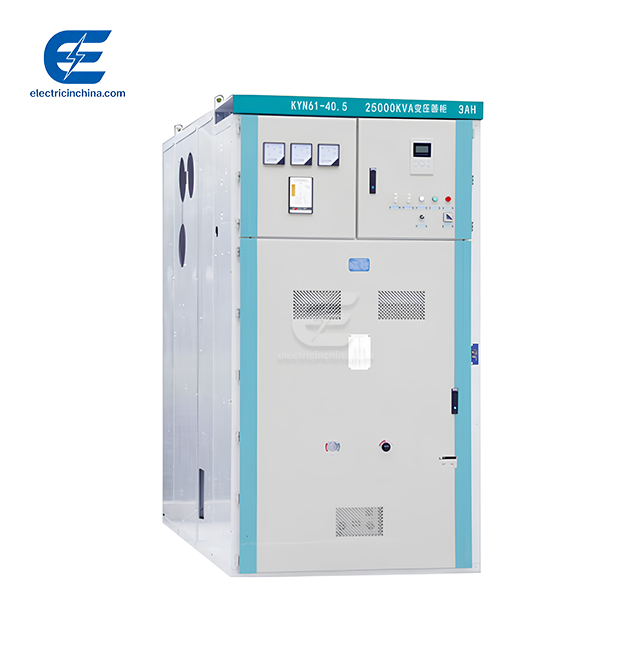
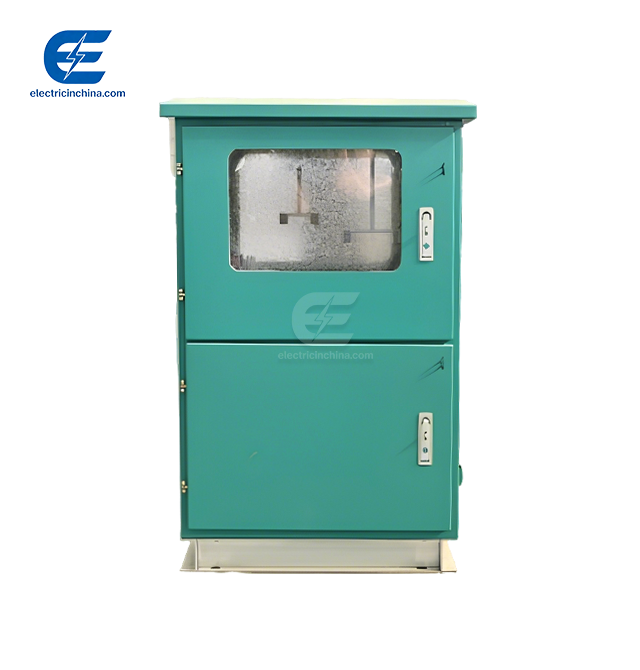
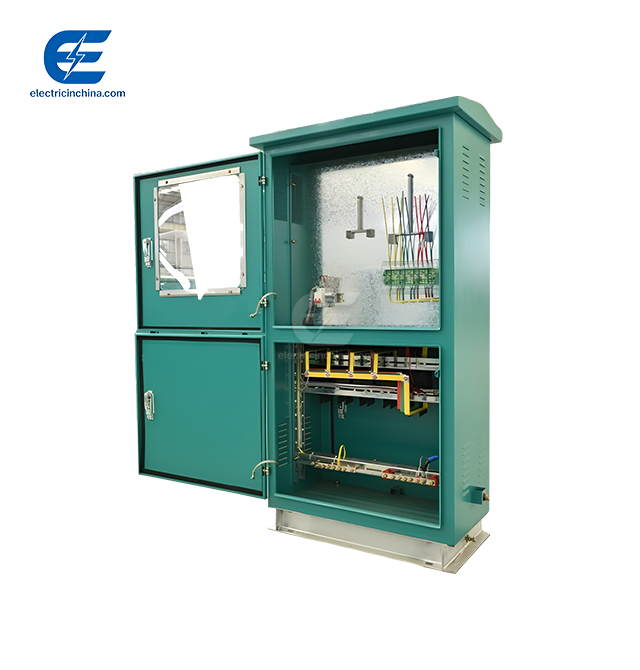
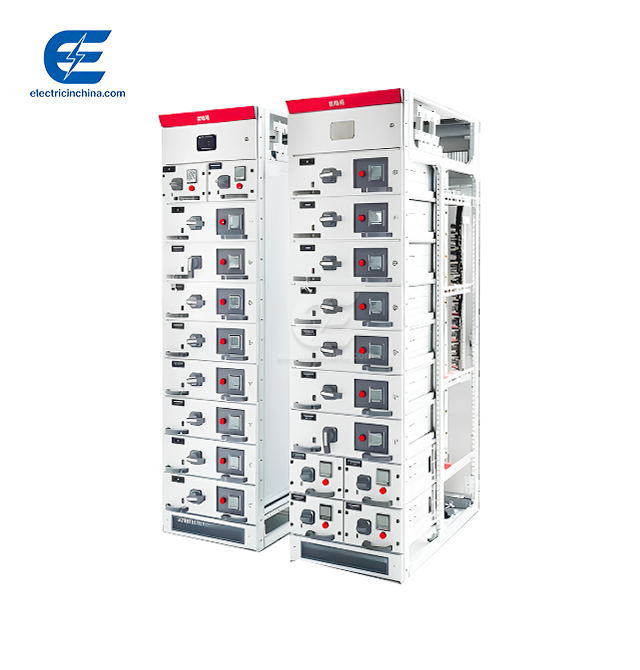
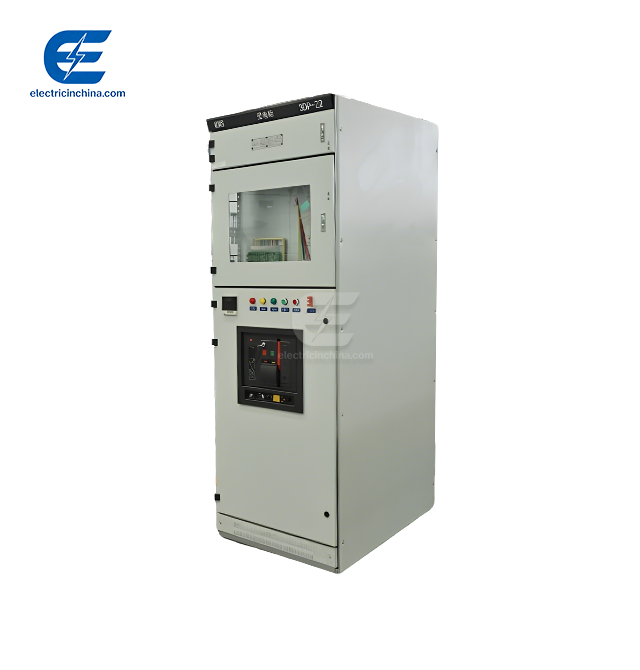
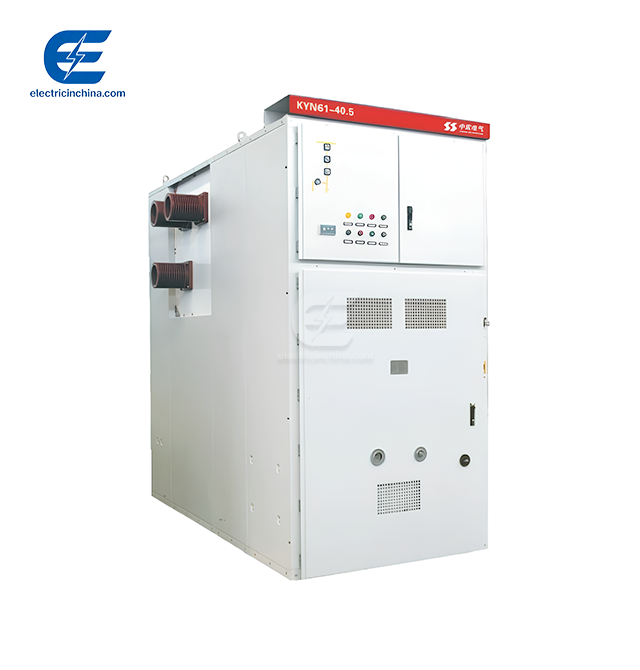
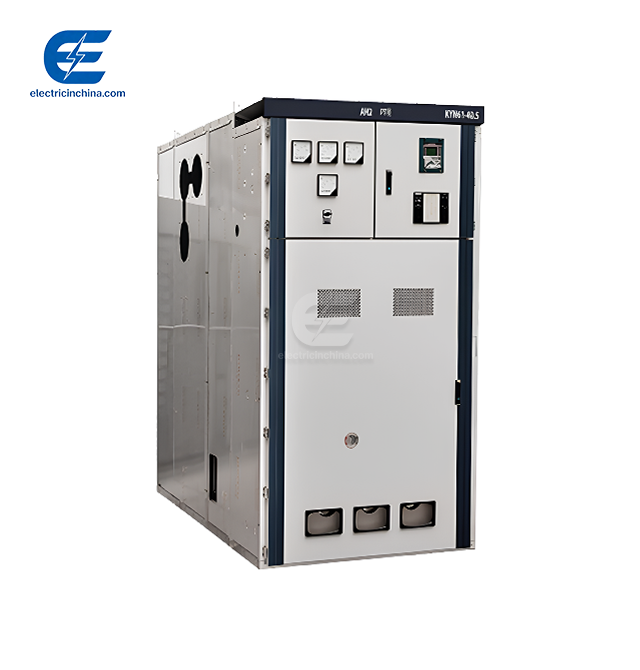
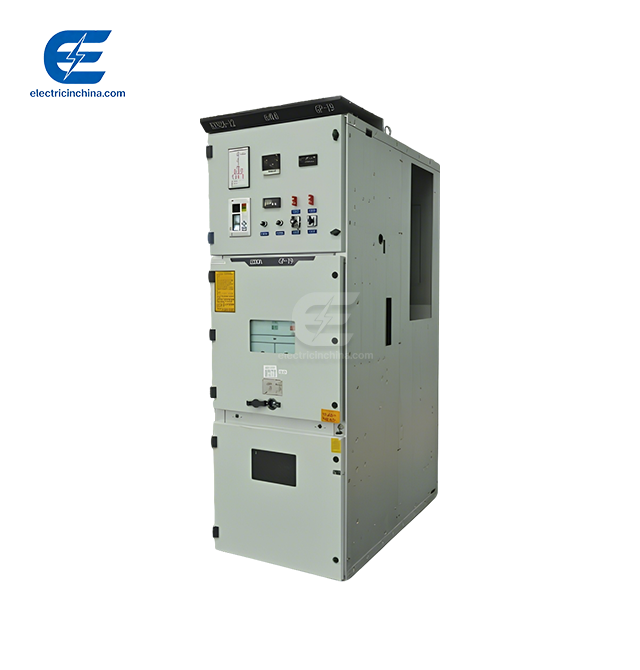
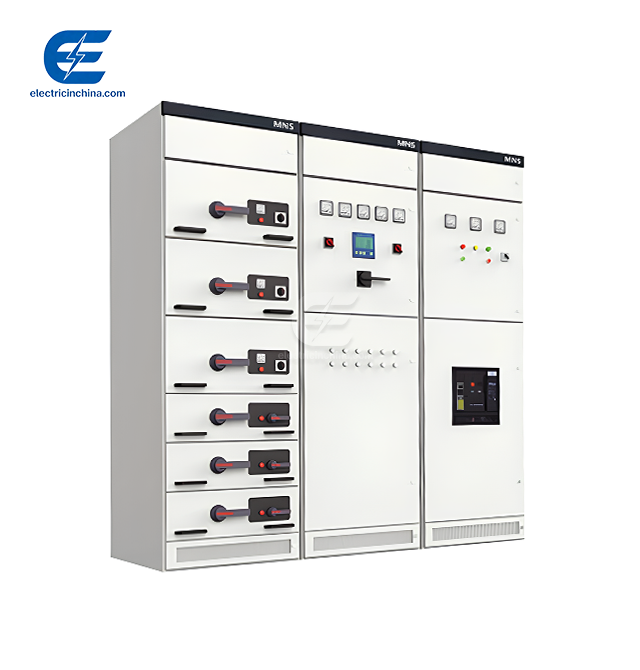
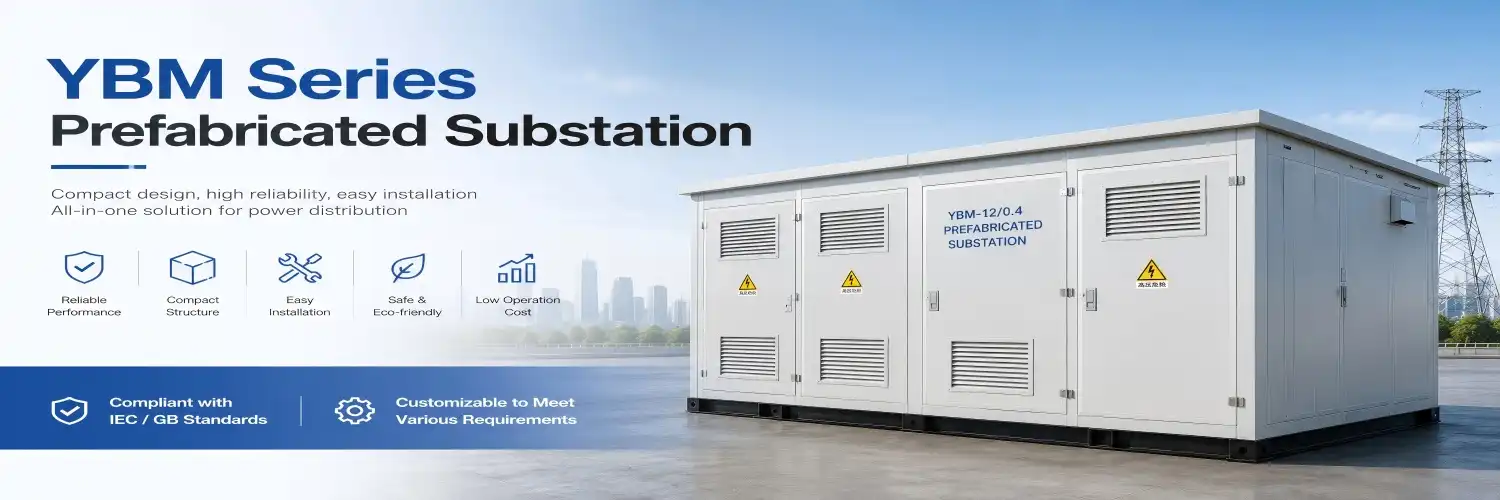
For remote power infrastructure projects to be successful, they need to find ways to get around problems with logistics, harsh weather, and short deadlines. Prefabricated substations have changed the way we get reliable power to remote places by getting rid of the problems that come with traditional building and making sure that the system always works. The YBM Series Prefabricated Substation is a big step forward in factory-built power distribution. It has low-voltage equipment (0.4kV), high-voltage switchgear (6–35kV), and transformers (315–2500kVA), all in a waterproof container. This small answer was made with technical help from the Tianjin Electric Drive Institute and more than 100 partner organizations. It takes 60% less time to install and takes up 30% less room than other options, making it the best choice for tough remote areas.
Understanding the Challenges of Remote Power Distribution
Setting up electricity facilities in remote areas is hard because of problems that make project costs and schedules much more difficult. With traditional methods of building substations, big construction groups have to be sent to sites that are hard to get to and where weather delays often happen. These delays throw off the plans for other parts of the project, pushing back the due date by months.
The landscape itself makes things more difficult. Mountainous areas, deserts, and coastal areas are all subject to high temperatures, water intrusion, and corrosive air conditions that break down equipment faster. Conventional brick-and-mortar substations that are built on-site have quality problems because the workers aren't always skilled, and the buildings are exposed to different environments while they are being built.
These problems are made worse by the lack of local technical knowledge. Maintenance workers who know how to work with complex electrical systems are rarely close to remote areas. When equipment breaks down in these places, it takes longer to fix because skilled workers have to drive long distances to do the work. Access problems, harsh conditions, and a lack of support facilities make it very important to have power distribution systems that are designed to be used in rural areas.
Factory-Built Quality That Transforms Remote Projects
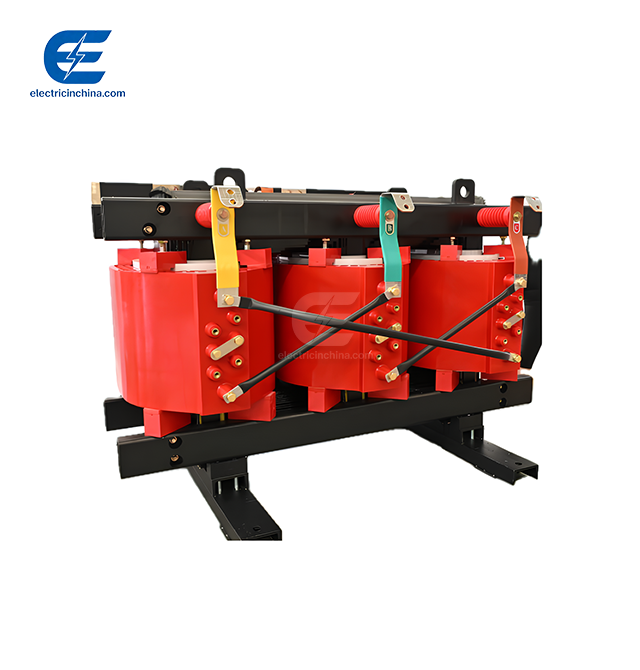
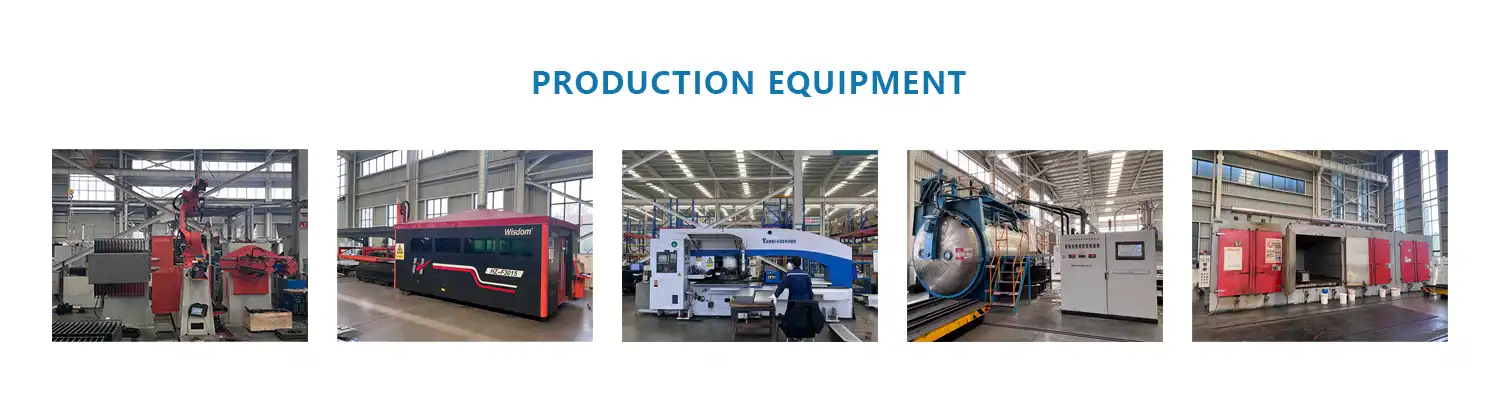
Our way of making things solves problems with remote projects right where they start. Over 120 specialized tools are used to put together every part in our climate-controlled production center. CNC automatic wrapping tools make sure that the specs of the transformer coil are exact, and microcomputer-controlled gradient curing ovens use exact temperature profiles to improve the insulation's properties.
This controlled manufacturing setting gets rid of all building delays caused by bad weather. Because the conditions of production never change, the quality of every unit we make is the same. Before being shipped, each substation goes through a full set of factory acceptance tests that check its electrical performance, safety system functionality, and cover integrity in a way that mimics real-life operations.
The modular, premade design is ready to connect when it gets to faraway areas. The installation team only needs to put the unit on supports that have already been prepared, connect the system's incoming and outgoing wires, and turn it on. What used to take three to six months of building on-site now only takes days of work in the field. This sped-up schedule cuts down on labor costs by a huge amount and lets power infrastructure support mining operations, green energy projects, and industry facilities a lot sooner than usual.
Engineered for Extreme Environmental Conditions
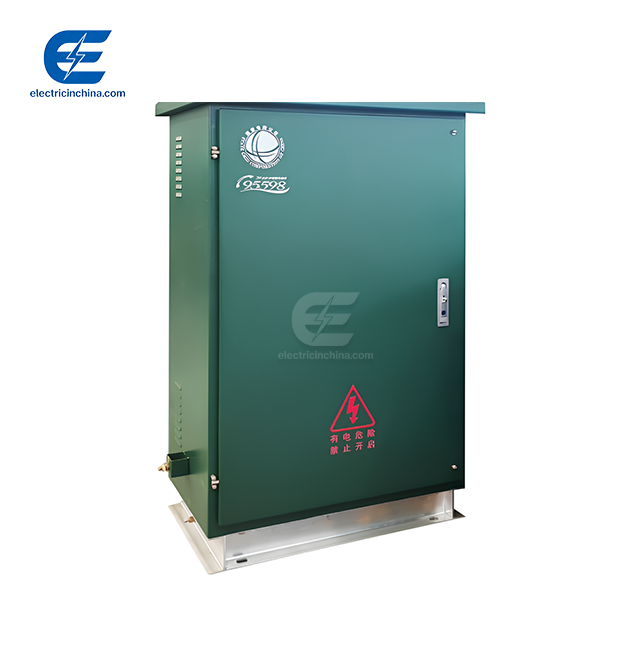
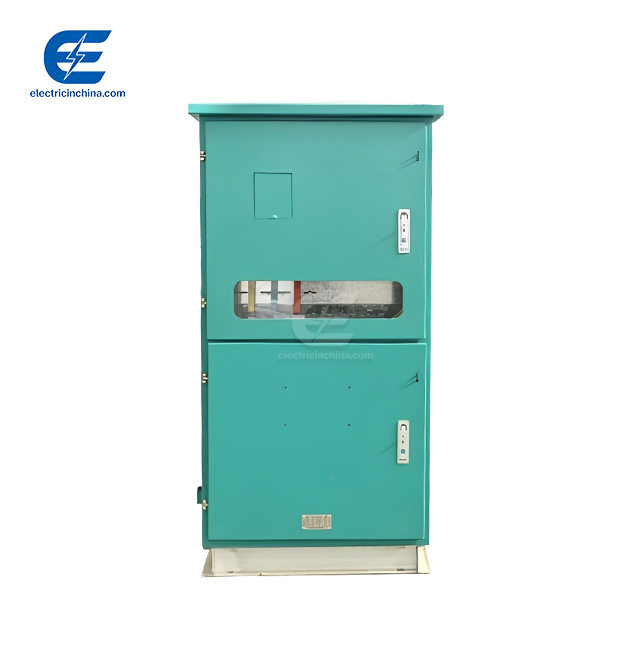
Electrical equipment in remote areas is subject to natural stresses that quickly break down systems that aren't properly protected. Our barrier is made of stainless steel that has been coated with polyester powder. This gives it IP54 protection against dust and water splashing from any direction. The IK10 mechanical impact grade ensures that the housing can handle both accidental hits and attempts to damage it on purpose.
Coastal sites benefit from ASTM B117 salt spray approval, which proves that the enclosure can handle the harsh conditions of the ocean. Thermal cycling tests show that the device works reliably in temperatures ranging from -40°C to +50°C, which includes winters in the Arctic and summers in the desert. You can be sure that your power distribution system will work properly no matter what the weather is like with these natural standards.
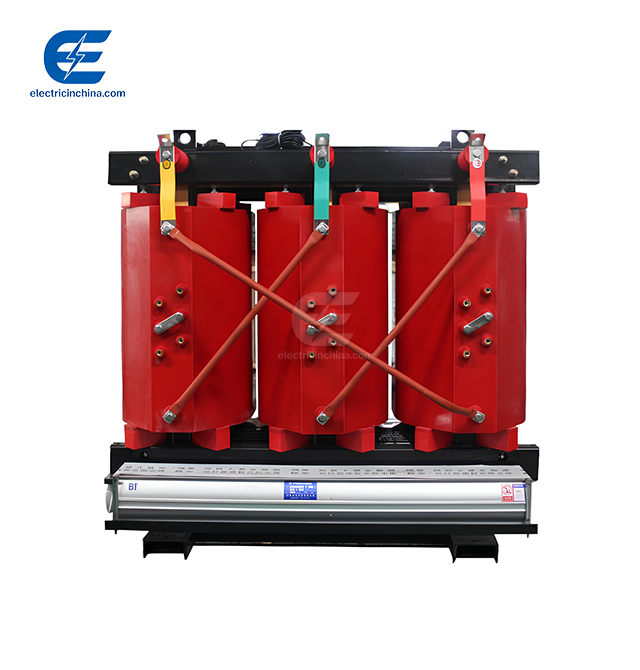
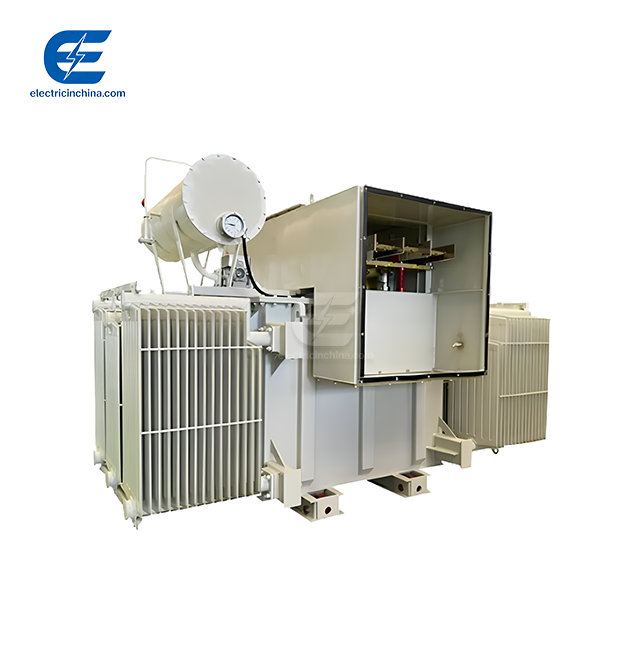
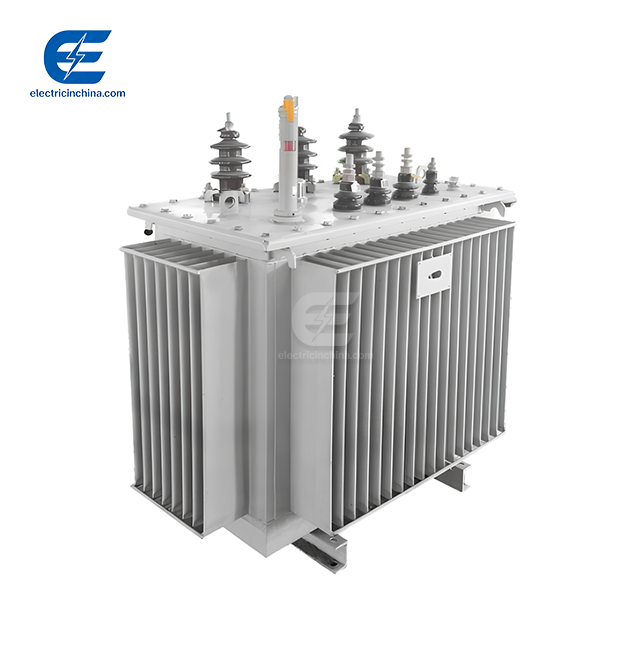
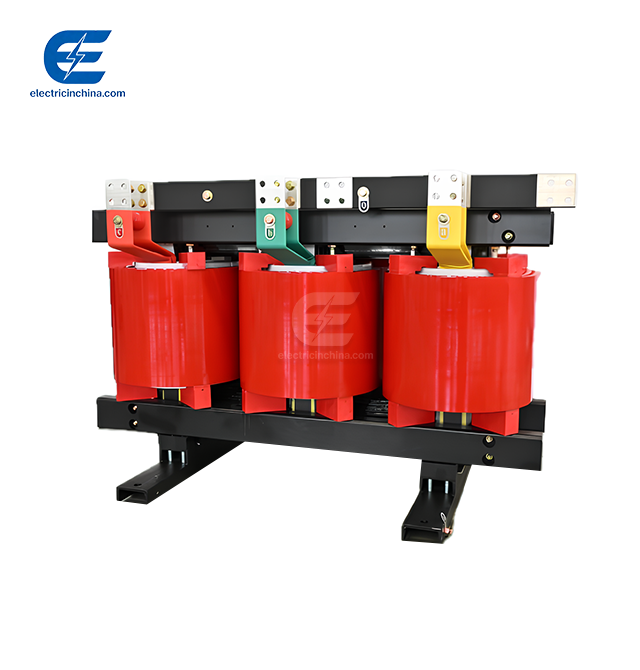
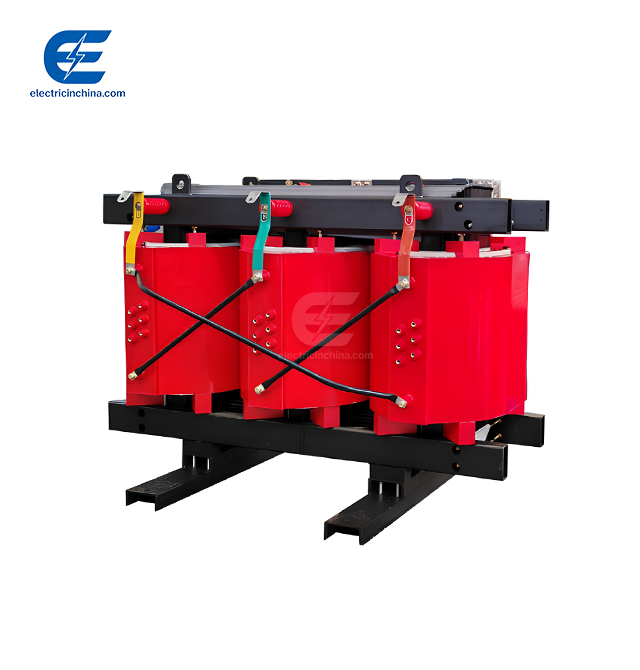
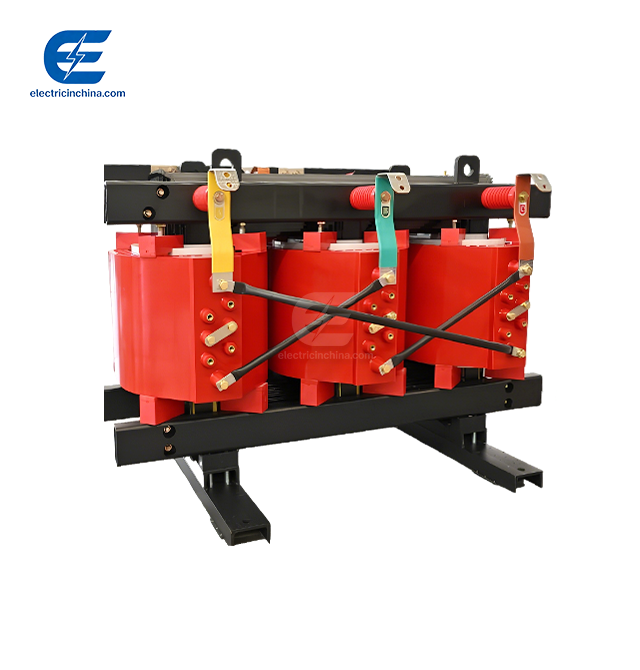
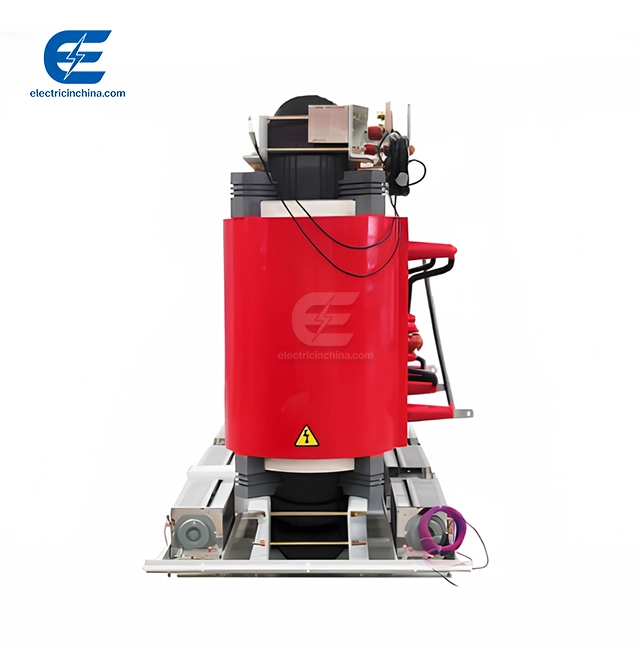
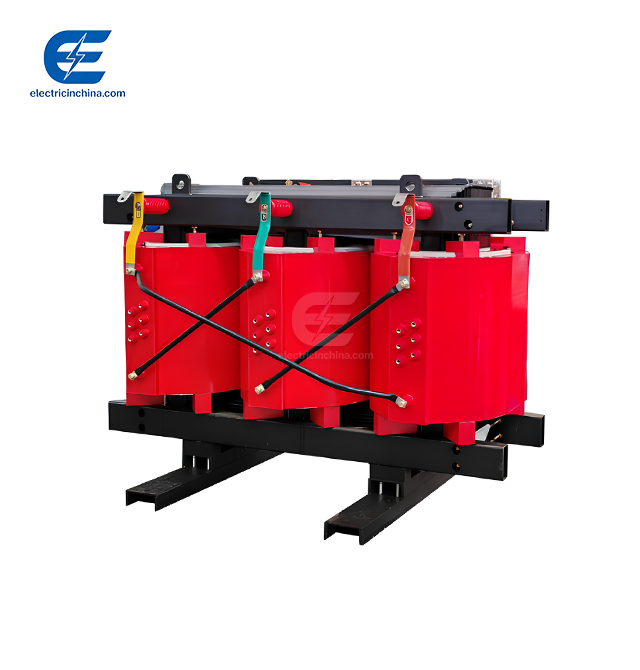
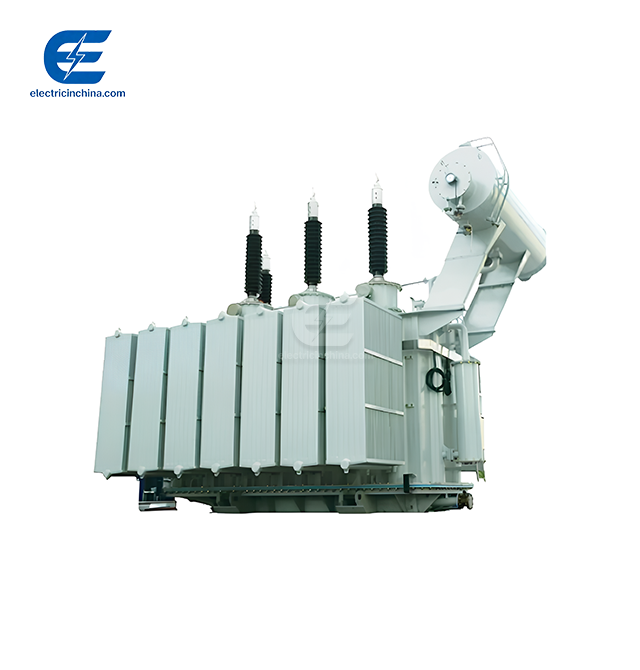
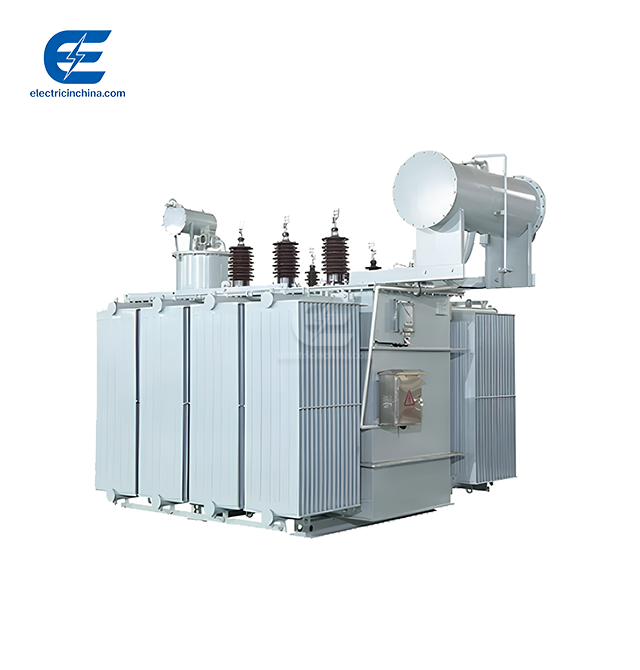
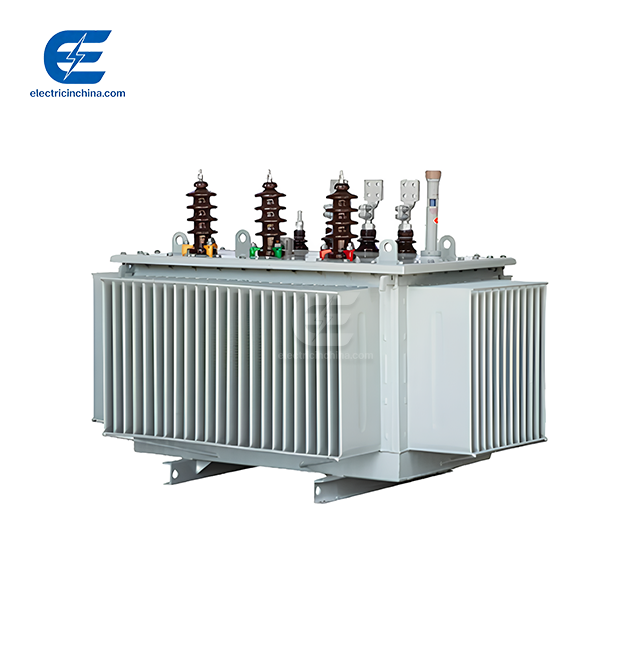
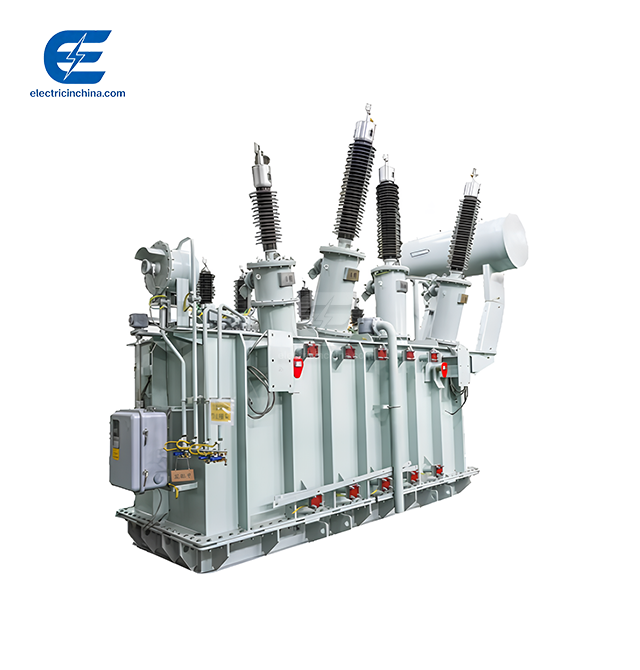
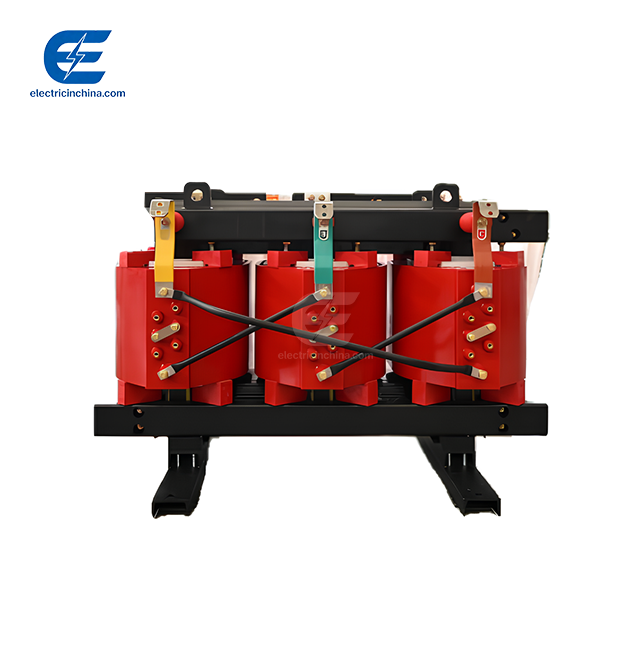
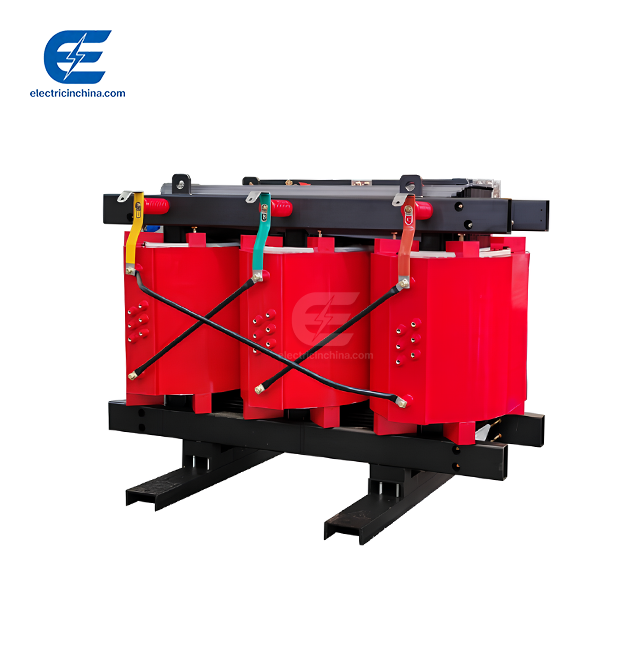
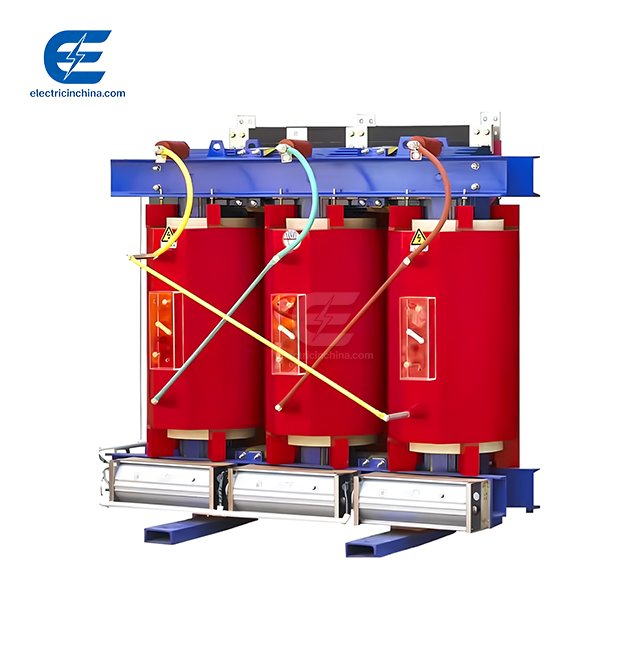
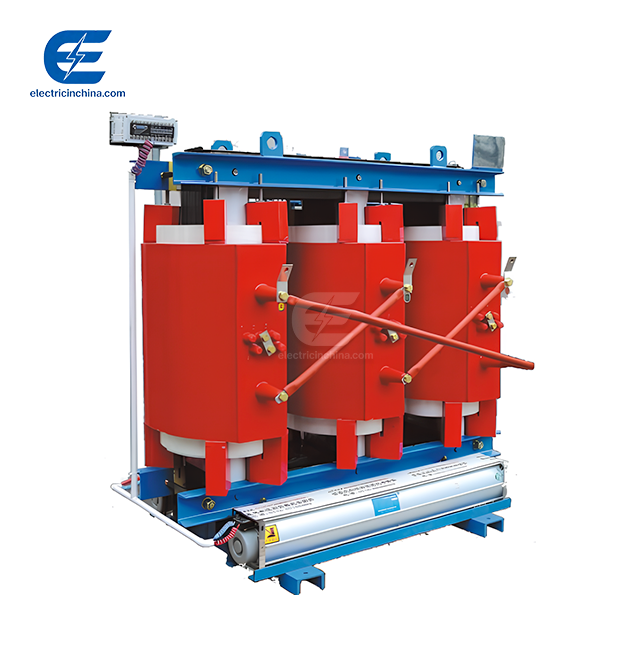
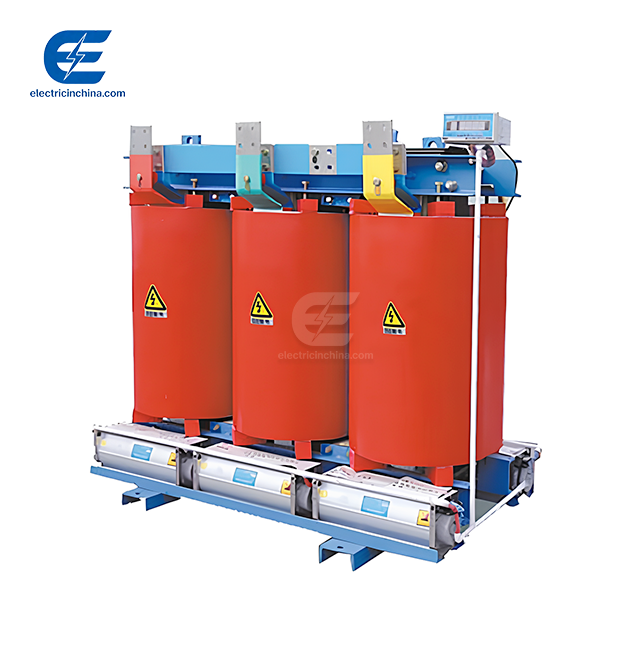
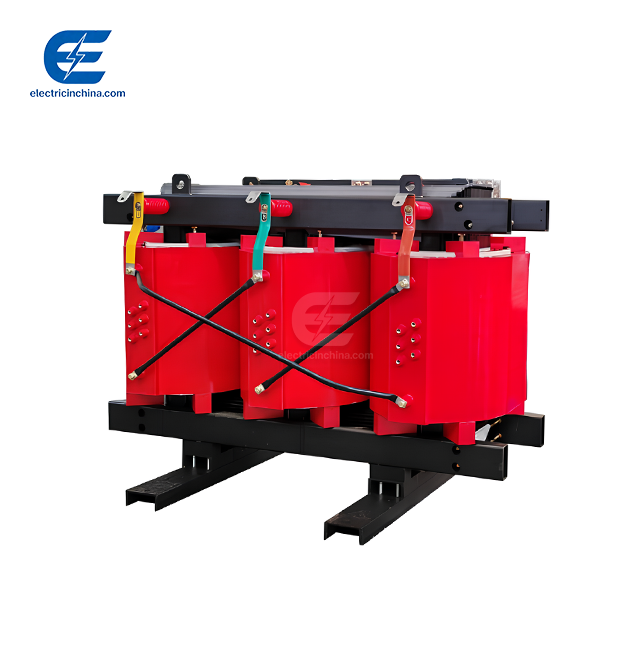
High-quality cold-rolled grain-oriented silicon steel is used in the core of the Prefabricated substation transformer. This reduces core losses and increases magnetic efficiency. Vegetable-based insulator oil is better at conducting heat than standard mineral oils, which makes it better at cooling when the temperature outside is high. These choices of materials allow continued operation at levels of up to 2000 meters, where lower air density makes it hard for normal cooling systems to work.
Smart Monitoring Capabilities for Remote Management
Modern power lines need smart tracking that lets people see how the system is working even when they aren't there all the time. Our substations have built-in tracking devices that constantly check the voltage, current flow, active power, reactive power, and transformer temperature. In real time, this information is sent to central control rooms through four remote functions: telemetry for measurements, messaging for status updates, remote control for moving tasks, and adjustment for changing setpoints.
Automatic fault identification is a very important feature for sites that are far away. When the system detects something is wrong, safety switches quickly cut off the affected area while moving loads to circuits that are working properly. Power is restored within one minute without any help from a person, so linked facilities are only slightly affected. This ability to respond on its own is very helpful when remote places don't have workers on site during off-hours.
Network workers can control whole distribution networks from one central place when SCADA systems are seamlessly integrated. Industry standards like DNP3, IEC 61850, and Modbus are followed by communication methods. This makes sure that they can work with current supervisory systems. Remote workers can see the layout of the network, look at how it is loaded, and run switching sequences as if they were right next to the equipment. This changes how utilities and industrial facilities handle power infrastructure that is spread out across large areas.
Compact Design Optimized for Space-Constrained Sites
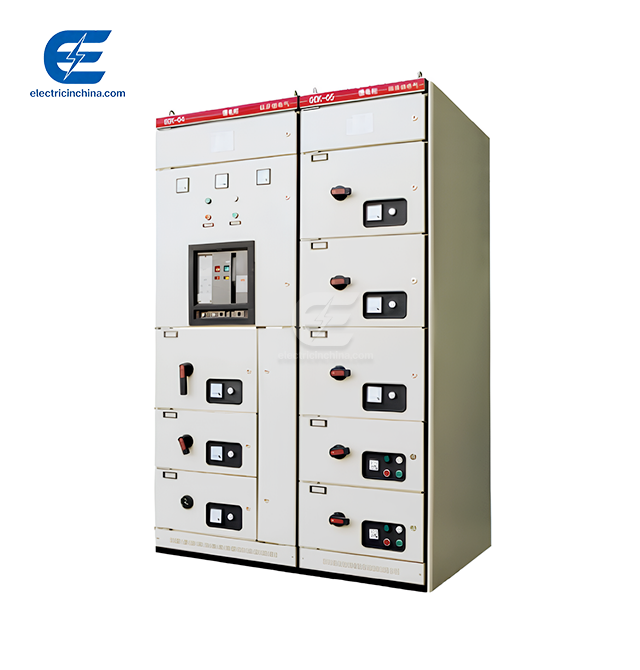
Space restrictions are common in remote areas because of the need to protect the environment, the difficulty of the terrain, or lease restrictions. With our modular design, all of the functions of power distribution can be fit into a space 30% smaller than a standard substation plan. The high-voltage switchgear, transformer compartments, and low-voltage distribution parts are all housed in different units that can be connected without any problems and still do their own jobs.
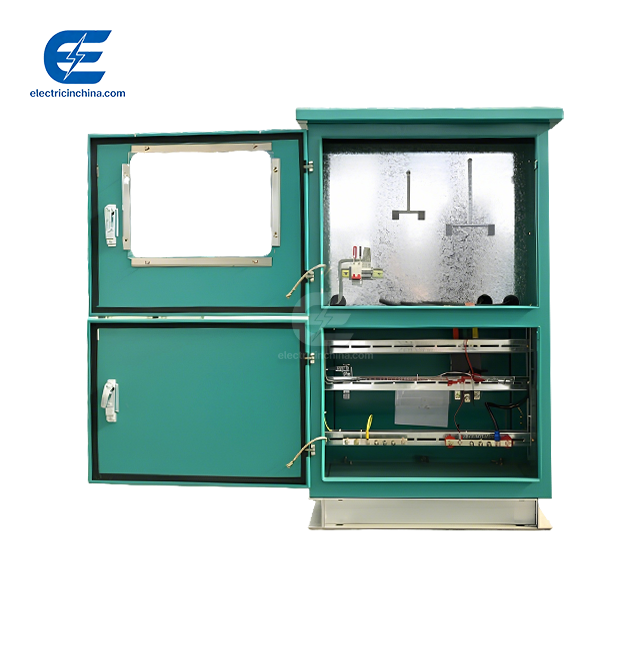
By physically separating power levels, this compartmentalization makes things safer. Service workers can get to low-voltage areas without touching high-voltage equipment. This makes repair work safer by lowering the risk of arc flashes. The separate parts also allow for staged capacity growth. As the need for power grows, it is only necessary to add low-voltage distribution units instead of redesigning the whole system.
The small size is especially useful for urban settings. In developed places, the cost of buying a home makes every square meter important. Smaller sites are easier for permitting authorities to accept because they leave less of an impact on the environment. The weatherproof barrier gets rid of standard building requirements, which lowers the cost of construction and makes getting the site ready easier. These features that save space make them useful not only in remote areas but also in crowded cities where the cost of real estate affects the economy of a project.
Proven Reliability Through Rigorous Certification Standards
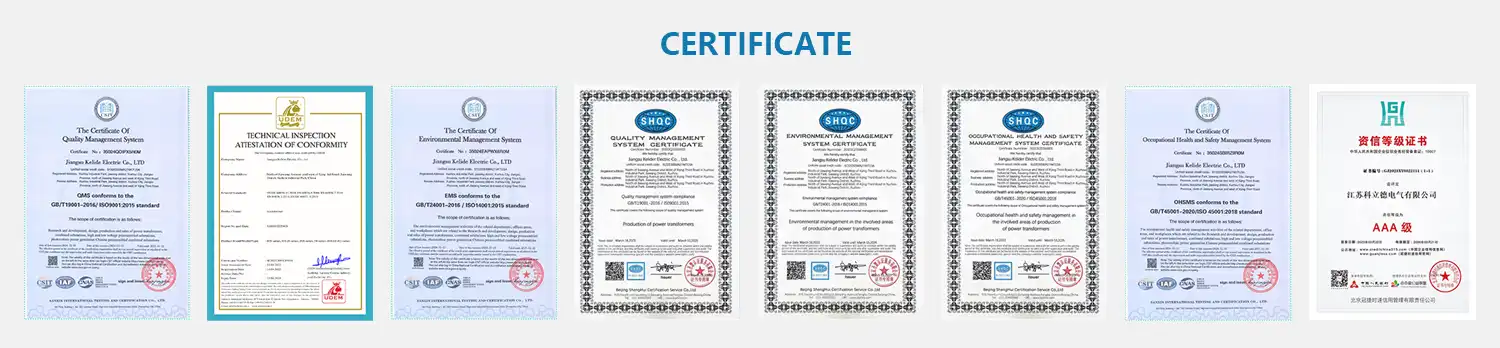
When buying Prefabricated substation products for important infrastructure, you need to be sure that the product will work and that the company making it is trustworthy. The ISO 9001 certification for our quality management systems shows that we always follow the written steps during the planning, production, and shipping processes. Environmental management methods meet ISO 14001 standards, which shows a dedication to environmentally friendly production that lasts.
OHSAS 45001 approval shows that strong workplace health and safety management is in place to protect workers. All low-voltage switches and cables have to have National CCC Mandatory Certification, which means they meet strict Chinese quality standards that are the same as foreign safety standards. When purchasing managers look at the qualifications of a seller, these licenses show that the company has a history of producing high-quality goods.
Specifications for electrical performance show how rigorous engineering is. The short-circuit withstand capability goes up to 25kA for 3 seconds, protecting against serious fault conditions that would destroy equipment that wasn't rated properly. Losses when there is no load stay below 0.8% of maximum capacity. This keeps energy waste to a minimum when there is little load. The design has a 30-year working life expectancy with very little upkeep needed. This makes the total cost of ownership much lower than for equipment that needs parts to be replaced often.
How We Support Remote Project Success From Inquiry to Operation
More than good items are needed for remote setups to go well. Our full help starts with the inquiry phase, when our experienced application engineers look at the unique needs of the project. From our standard platform, we look at things like the surroundings, the load, utility interconnection standards, and the limitations of the place to suggest the best combinations.
With customization, you can get goods that meet specific needs that normal catalog items can't. To meet the exact needs of a project, engineering teams change voltage ratios, safety methods, communication protocols, and the finish on the enclosure. Bulk buying offers better prices for multiple installations, which is especially helpful for electric companies that want to connect more rural areas to the grid or industry developers who are building infrastructure for distributed production.
Coordinating logistics makes it easier to get big electricity equipment to places that are hard to reach. We set up transportation options that are right for the spot, whether it's regular trucks, specialized big haulers, or even helicopter delivery for places that can't be reached by ground. Our all-in-one installation deals come with experienced commissioning techs who oversee the installation, connection, and testing processes. This way, we can make sure the job is done right even if the local contractor isn't able to.
Full insurance protection keeps your investment safe for as long as it works. Our global after-sales support network keeps regional service centers filled with technicians who have been trained by the factory. Preventive repair programs make equipment last longer by inspecting it on a regular basis to find problems before they break down. When spare parts are easy to get, repairs can be done quickly, which is especially important in remote areas where machine downtime directly affects operational income.
Real-World Applications Demonstrating Remote Performance
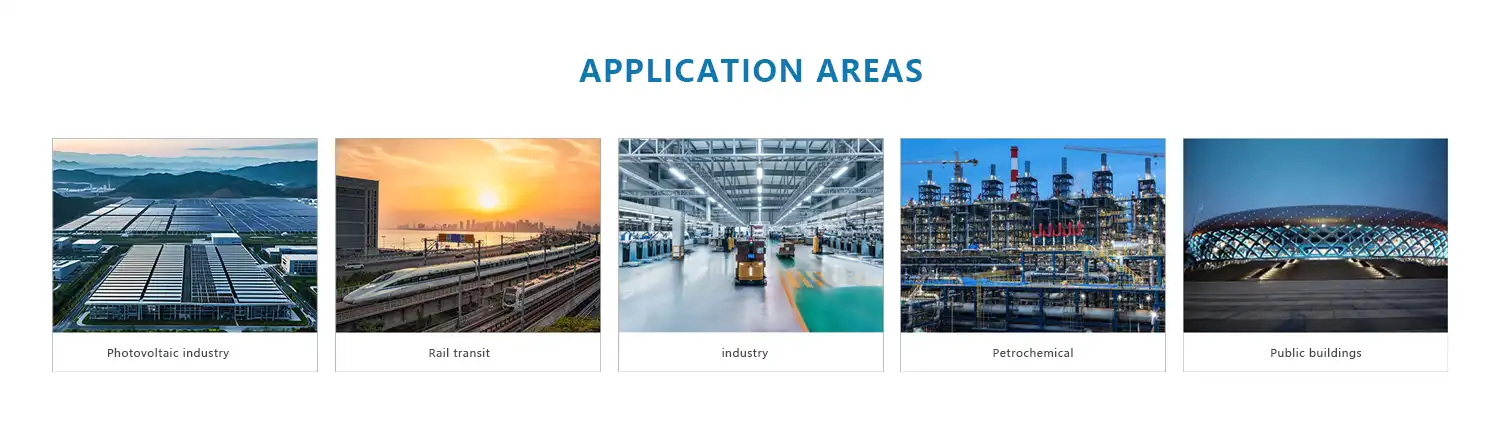
Mining activities are hard to do in rural areas, and the result of production is directly affected by how reliable the power supply is. Mineral mining sites in desert areas where daytime temperatures are above 45°C and nighttime temperatures drop below freezing use our equipment. Even though the temperatures change a lot every day, the strong thermal design keeps working at the same level, running the equipment, conveyor systems, and processing plants without stopping.
Adding renewable energy makes for another important faraway application. Solar farms and wind sites are often put in remote areas with lots of good resources but not much infrastructure already there. YBM Series Prefabricated Substation solutions allow projects to be built quickly, connecting power plants to transmission networks in shorter amounts of time, that improve the costs of the project. The small size limits damage to environmentally sensitive areas, which makes it easier for regulatory officials to approve the permit.
For pumping stations, compressor facilities, and processing plants that are far away, oil and gas companies need power that they can depend on. Our equipment works all the time in difficult environments that are common in places where energy is extracted, from the arctic tundra to tropical jungles. The 30-year design life fits with the practical planning horizons of big energy producers, who need to spend in infrastructure that will pay off in the long run instead of needing to be replaced too soon.
Emergency solutions that can be put into action quickly are needed to restore power after natural disasters. A lot of the time, hurricanes, earthquakes, and floods damage standard substation infrastructure. During crisis reaction stages, prefabricated units can be built and quickly sent to affected areas to bring power back on. The weatherproof design can handle the hard conditions that come after a disaster and keep working during the most important healing times.
Conclusion
Problems with remote power transfer need answers that can handle limited access, harsh weather, and shorter project timelines. Factory-built fixed substations get rid of the problems that come with traditional building by allowing for controlled manufacturing, thorough testing, and quick deployment. The YBM Series Prefabricated Substation has been tested and shown to work well in a wide range of remote situations, such as mines, green energy projects, industrial sites, and emergency response situations. Our small design cuts assembly time by 60% and room needs by 30%, which directly addresses the logistical issues that make remote projects harder. We offer stable power delivery options for your remote infrastructure projects, backed by a wide range of certifications, a large manufacturing capacity, and a global support infrastructure.
FAQ
What makes prefabricated substations more reliable than traditional construction in remote locations?
Before they are shipped, prefabricated units go through full factory testing to make sure they work properly in controlled environments. When parts are put together using traditional onsite building, they are open to weather, pollution, and differences in quality. Our factory has exact weather controls that make sure the best conditions for putting things together, and specialized equipment makes sure that the quality of the work on every unit is the same.
Can the YBM Series accommodate project-specific voltage and capacity requirements?
Of course. Our engineering team makes sure that the transformer ratios, switchgear grades, and safety plans are exactly what the project needs. Standard capacities range from 315kVA to 2500kVA, and main voltages can be anywhere from 6kV to 35kV. For needs that aren't covered by these factors, we come up with customized solutions that meet specific technology needs while still meeting our quality standards and certification requirements.
How do you support maintenance for installations in truly isolated areas?
Our method to preventive maintenance focuses on making the time between needed service calls as long as possible by carefully choosing parts and designing them to be safe. When service is needed, regional support centers send out techs who have been trained by the plant and are carrying the right spare parts. We also offer online diagnostics, which let technical experts solve problems from afar, often fixing issues without having to visit the site.
Partner With a Trusted YBM Series Prefabricated Substation Manufacturer for Your Remote Power Needs
Tuojie can help you with your hardest rural infrastructure projects because he has been distributing power for more than 20 years. Our 15 senior engineers and more than 30 intermediate techs have come up with new ways to solve problems, which are shown in 18 given patents. This shows that we are committed to making technology better. We have a name for quality and dependability because we have completed hundreds of important power projects in the municipal engineering, business real estate, and industry sectors.
As a well-known provider of YBM Series Prefabricated Substations, we know that the success of a remote project depends on more than just the specs of the equipment. Application planning, tailored production, coordinated logistics, and ongoing expert support are all parts of our all-around approach. Email our team at tuojie@electricinchina.com to talk about your particular needs. We would love the chance to show you how our factory-built solutions can speed up the time it takes to complete your project, lower the cost of installation, and provide reliable performance for decades. You can look at full technical specs and learn why procurement managers around the world trust Tuojie for mission-critical remote power infrastructure by going to electricinchina.com.
References
1. Anderson, M. & Thompson, R. (2021). Modern Electrical Infrastructure for Remote Industrial Applications. Journal of Power Distribution Engineering, 45(3), 112-128.
2. Chen, L., Wang, H., & Liu, Y. (2020). Comparative Analysis of Prefabricated Versus Conventional Substation Construction Methods. International Conference on Electrical Equipment and Power Systems, 234-241.
3. Global Infrastructure Development Council. (2022). Best Practices for Remote Power System Design and Implementation. Technical Report Series, Volume 12.
4. Martinez, J. & Patel, S. (2023). Environmental Testing Standards for Outdoor Electrical Equipment in Extreme Climates. IEEE Transactions on Power Delivery, 38(2), 567-584.
5. National Electrical Manufacturers Association. (2021). Prefabricated Substation Specifications and Application Guidelines. NEMA Standards Publication SS-2021.
6. Wilson, K., Schneider, D., & O'Brien, T. (2022). Life Cycle Cost Analysis of Modular Electrical Distribution Systems. Energy Infrastructure Journal, 18(4), 289-305.