

.webp)
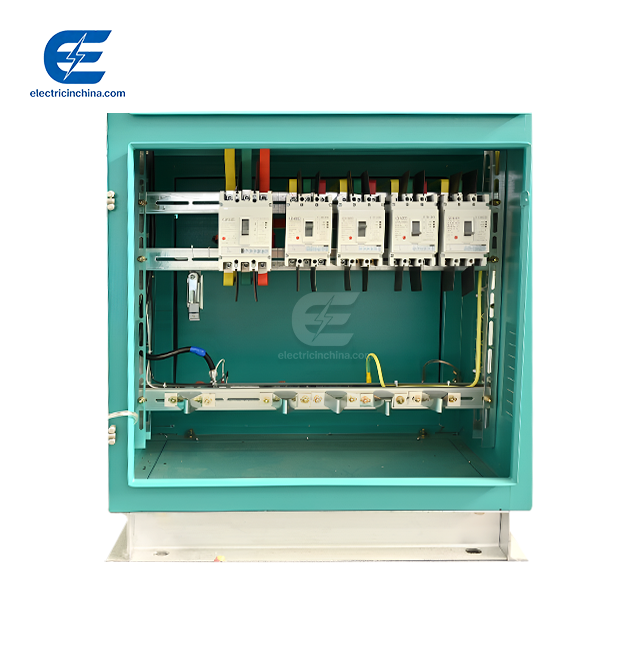
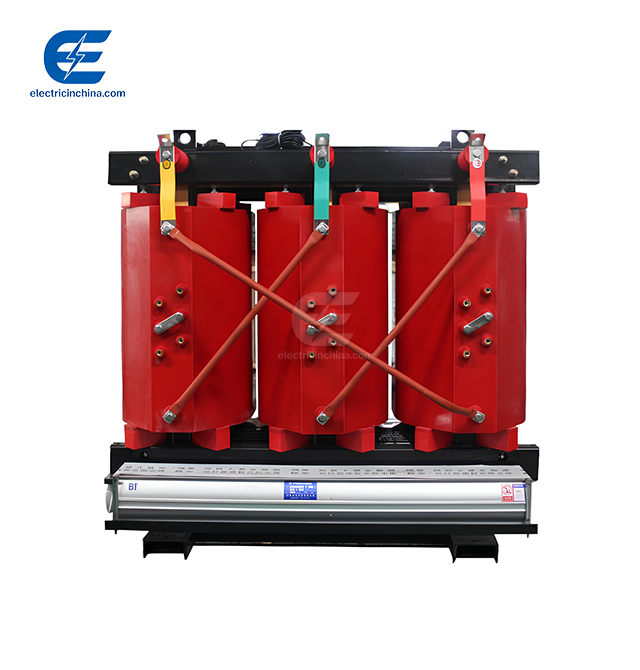
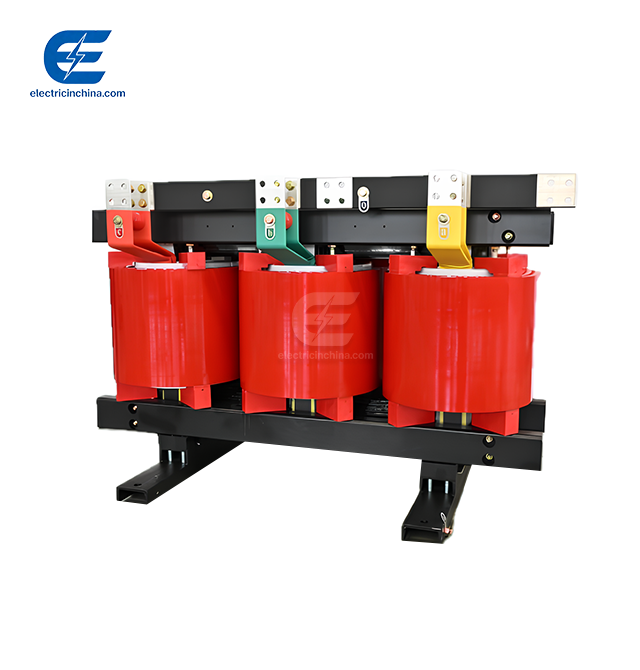
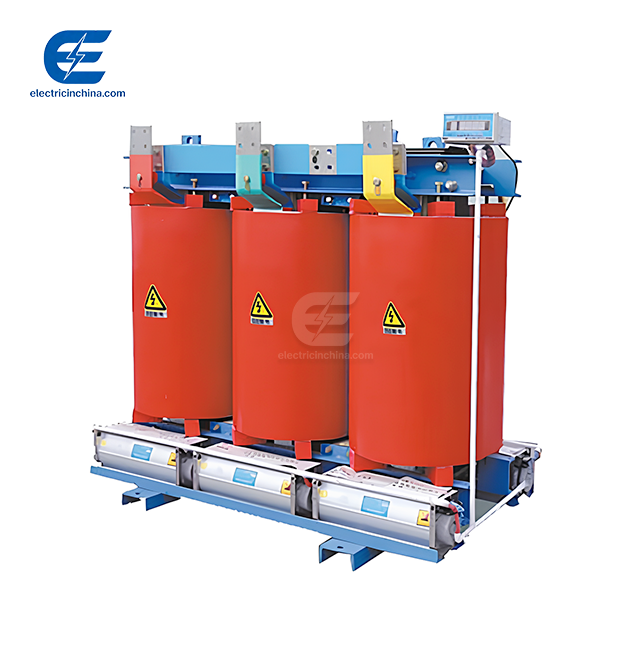
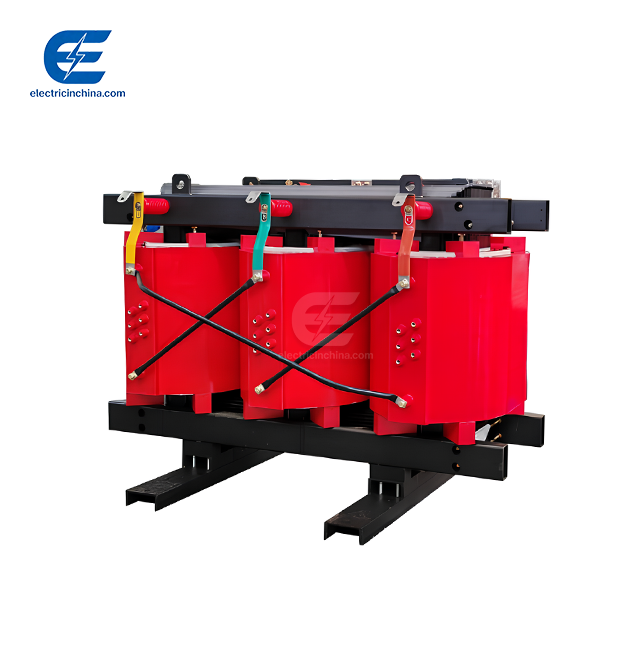
Amorphous metal dry-type transformers substantially reduce energy costs through their revolutionary core technology. These advanced units achieve 70–80% lower no-load losses compared to conventional silicon steel transformers, resulting in reduced electricity bills and operational expenses. The amorphous metal core has an atomic structure that isn't crystal-like, which helps reduce energy waste during magnetization cycles to only 0.1-0.2% of its rated Organizations running 24/7 operations benefit most significantly, as these efficiency gains compound continuously regardless of load conditions, delivering measurable cost savings within the first operational year. Energy costs represent one of the largest controllable expenses for government infrastructure projects, commercial developments, and industrial facilities. When procurement teams look at power distribution equipment, they are paying more attention to lifecycle economics than just the initial cost. This shift reflects growing awareness that transformer technology directly impacts bottom-line performance and sustainability commitments.
Understanding Amorphous Metal Dry-Type Transformers
The Core Technology That Changes Everything
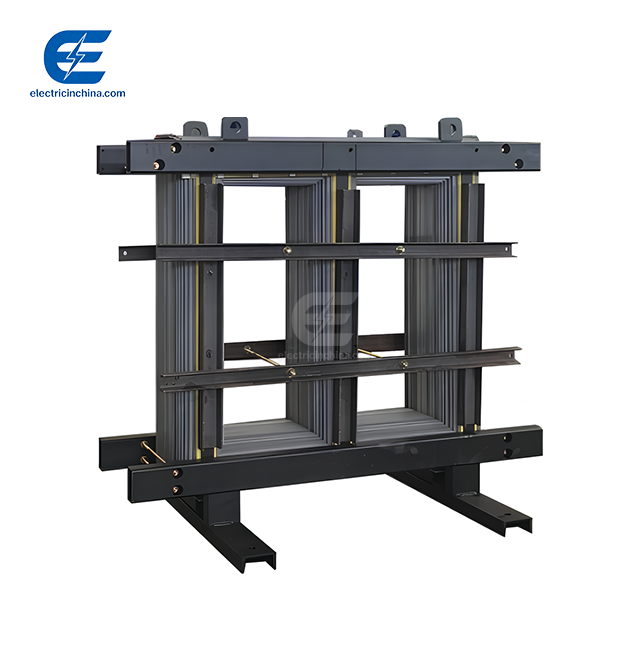
Traditional silicon steel transformers have served industry reliably for decades, yet they carry an inherent inefficiency. Their crystalline structure creates resistance during magnetic field reversals, generating heat and wasting energy continuously. Amorphous metal cores solve this fundamental problem through their unique atomic arrangement. The material composition typically includes iron, nickel, cobalt, boron, and carbon in precise ratios. During manufacturing, molten alloy cools rapidly, preventing atoms from organizing into regular crystalline patterns. This glassy metallic structure exhibits exceptional magnetic properties with minimal resistance to magnetic domain movement. The result transforms energy efficiency across all operating conditions. Core loss density measures just 0.16-0.22 W/kg in our amorphous units, compared to 0.9-1.3 W/kg in conventional transformers. This technical specification translates directly into financial performance. A 1000 KVA transformer operating continuously saves approximately $3,500–$5,000 annually in energy costs alone, depending on local electricity rates.
Key Features That Matter to Procurement Professionals
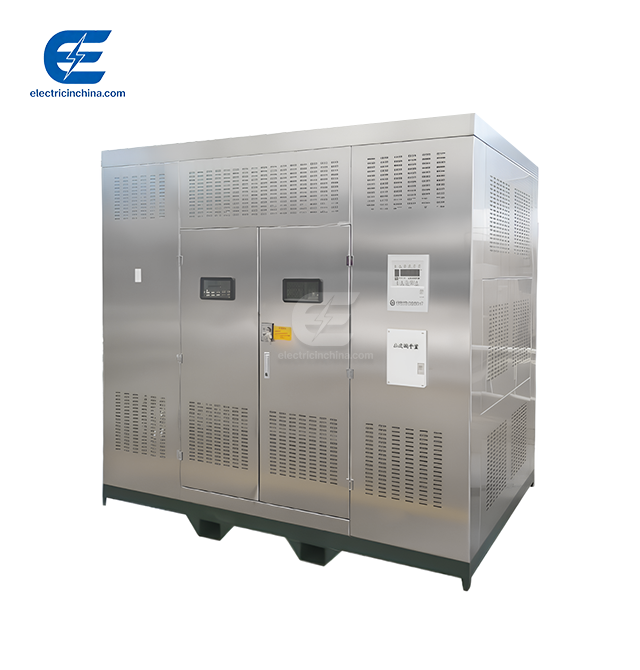
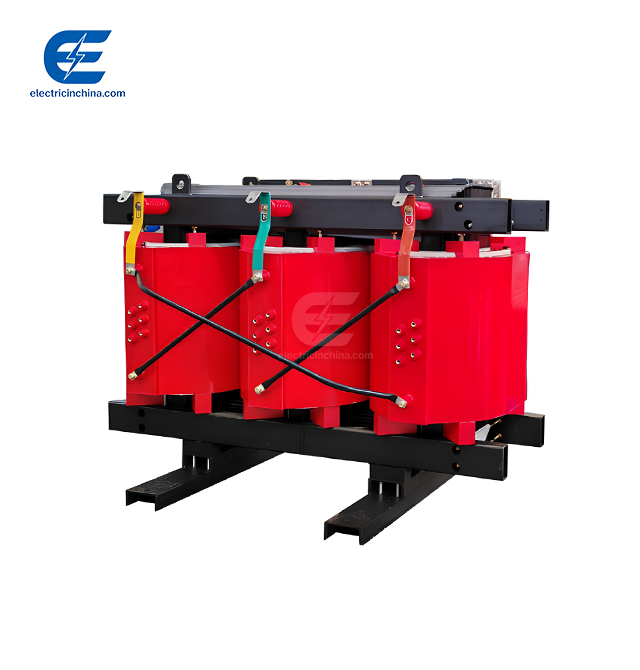
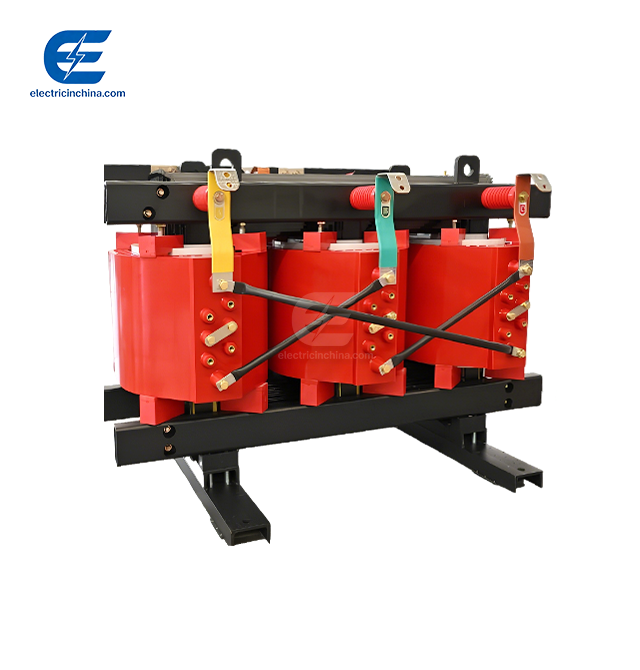
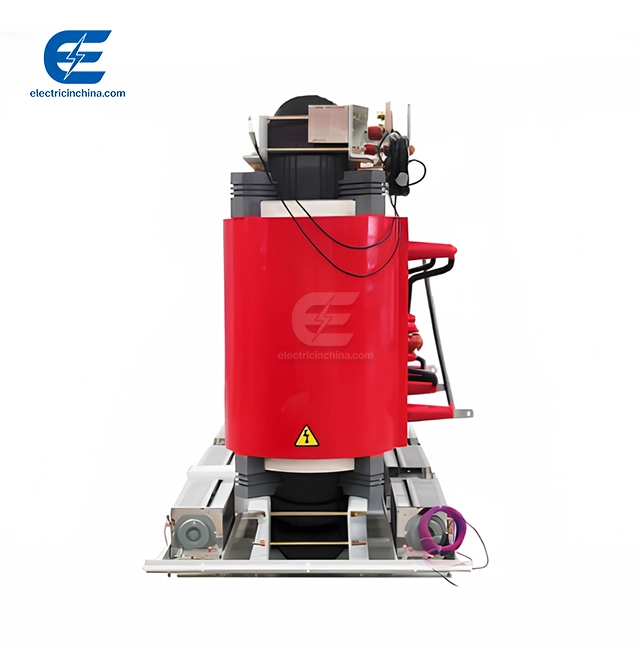
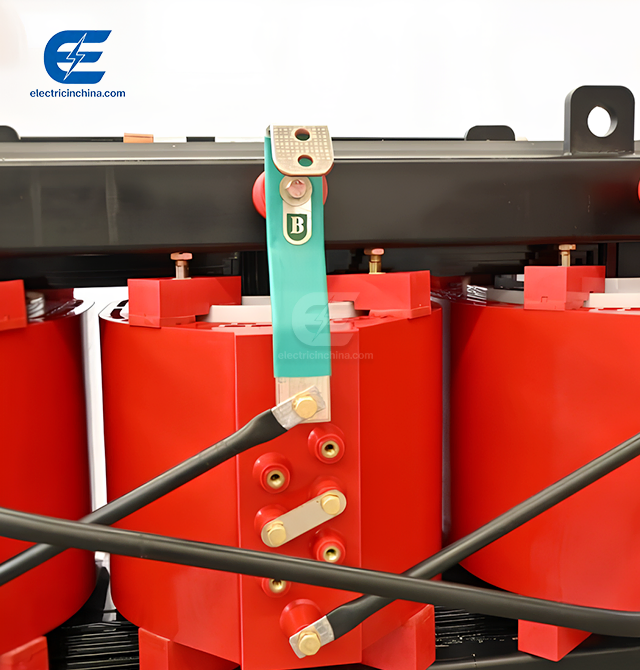
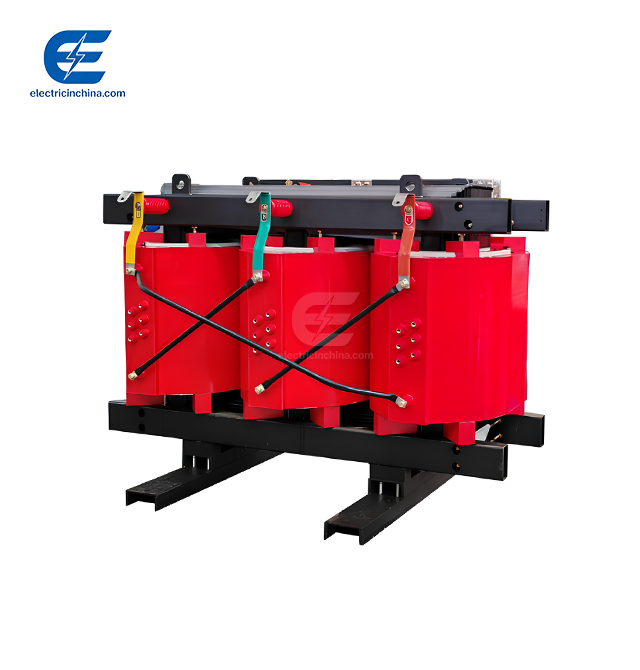
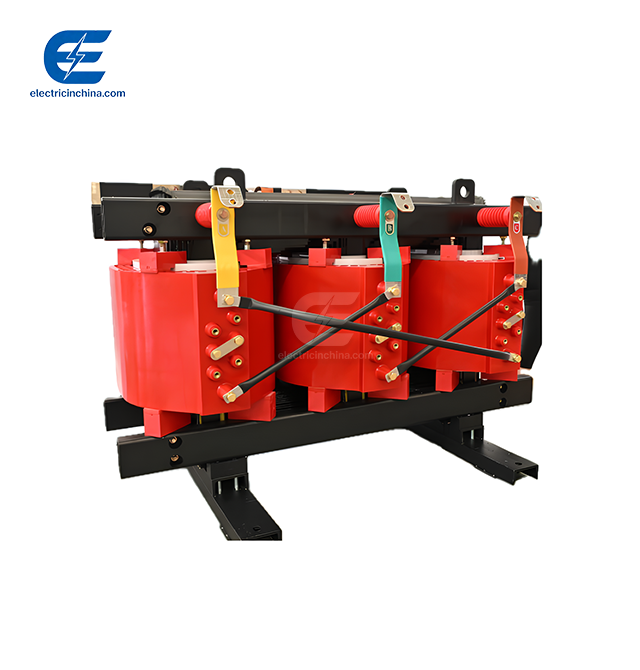
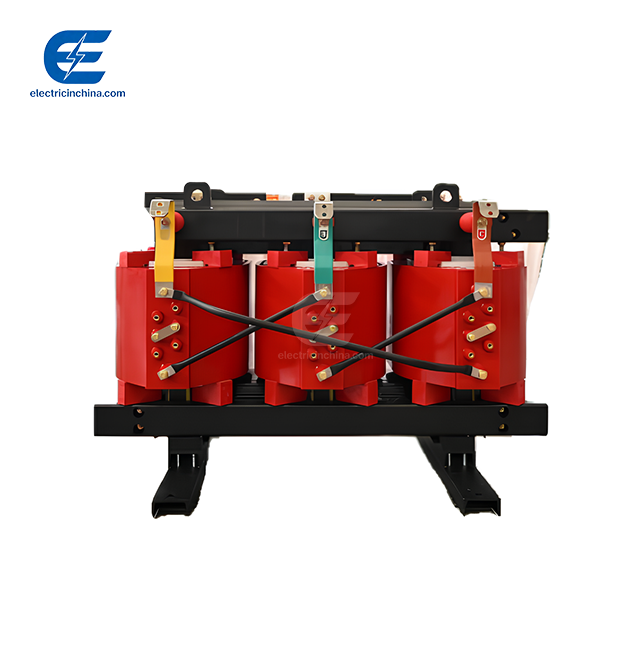
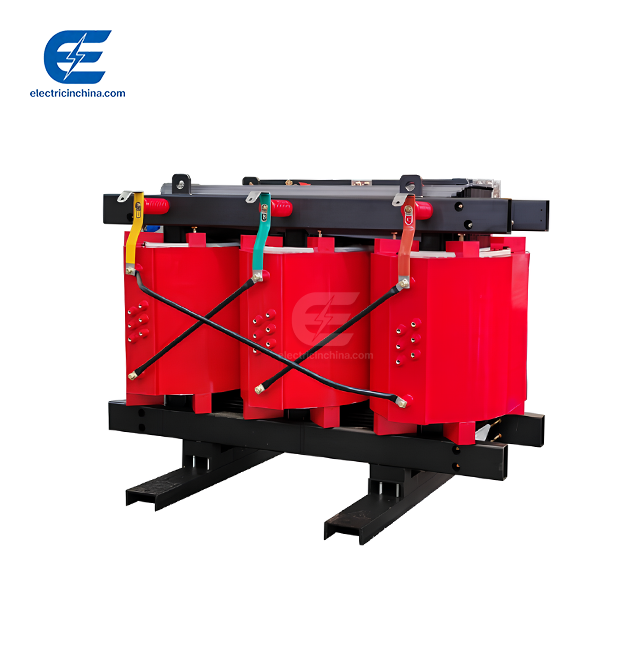
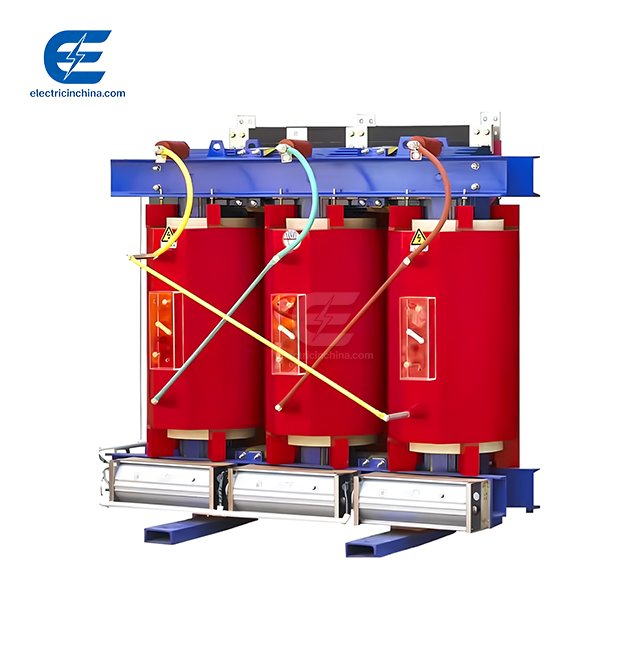
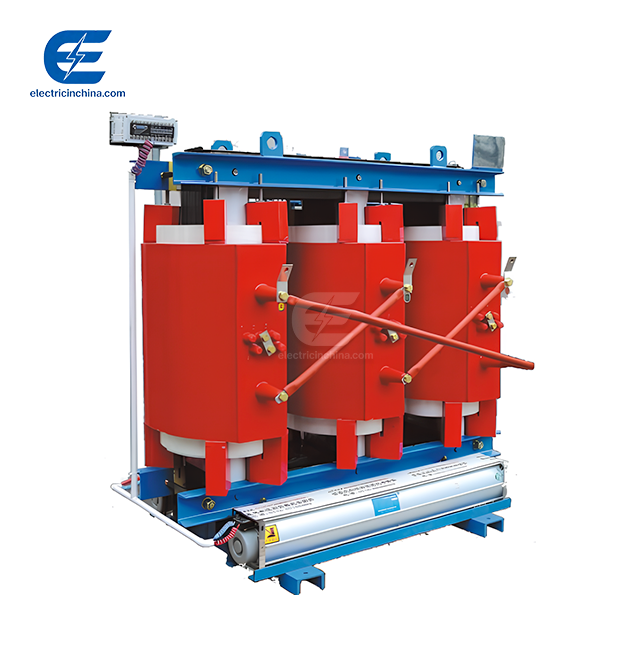
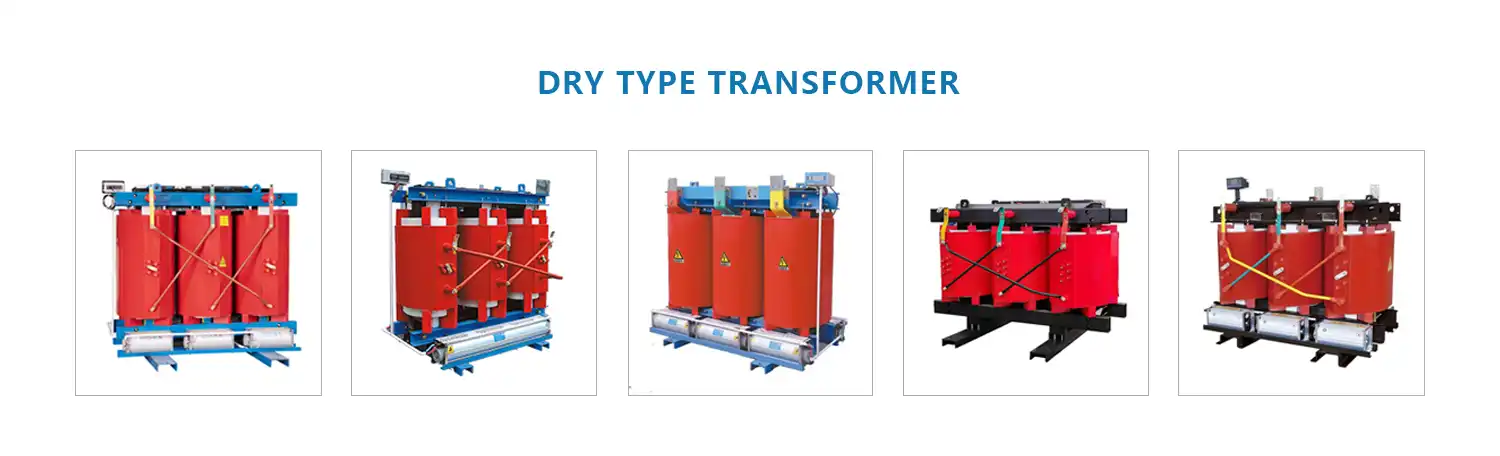
Our dry-type configuration eliminates oil-related maintenance requirements and environmental risks. The cast resin insulation system offers strong protection in temperatures from -25°C to +40°C, making sure it works well in different weather conditions throughout the United States. Operational reliability extends beyond 30 years without major maintenance interventions. This longevity stems from the stable amorphous structure that resists aging effects common in crystalline materials. Procurement teams appreciate how this extended service life improves capital equipment planning and reduces replacement frequency. Noise emissions stay below 45 dB during operation, a critical consideration for installations near occupied spaces. The low magnetostriction properties of amorphous metal create minimal vibration, making these units suitable for commercial buildings, healthcare facilities, and educational institutions where acoustic comfort matters. Fire safety certifications meet the most stringent requirements for indoor installations. The self-extinguishing properties and lack of flammable liquids help alleviate liability concerns that keep risk management teams awake at night. Real estate developers particularly value this feature when designing mixed-use properties where transformer vaults sit adjacent to public spaces.
Energy Efficiency and Cost Reduction Potential
How Transformer Losses Impact Your Operating Budget
Every transformer generates two types of losses that appear on your utility bills monthly. Load losses occur when transformers carry electrical current, increasing proportionally with load. No-load losses, also called core losses, persist whenever the transformer remains energized, regardless of actual power delivery. For facilities operating around the clock—data centers, manufacturing plants, hospitals, and municipal water treatment facilities—no-load losses represent pure waste. Traditional transformers continuously consume 0.4-0.8% of rated capacity just maintaining the magnetic field. An amorphous metal dry-type transformer reduces this figure to 0.1-0.2%, cutting waste by 60-80%. These percentages translate into substantial financial impact at scale. A facility with a 10 MVA installed transformer capacity wastes approximately 40-80 kW continuously with conventional units. Upgrading to amorphous technology reduces this waste to 10-20 kW, saving 30-60 kW every hour of every day. At $0.12/kWh, that's $31,500-63,000 in annual savings from reduced losses alone.
Real-World Performance in Municipal and Industrial Projects
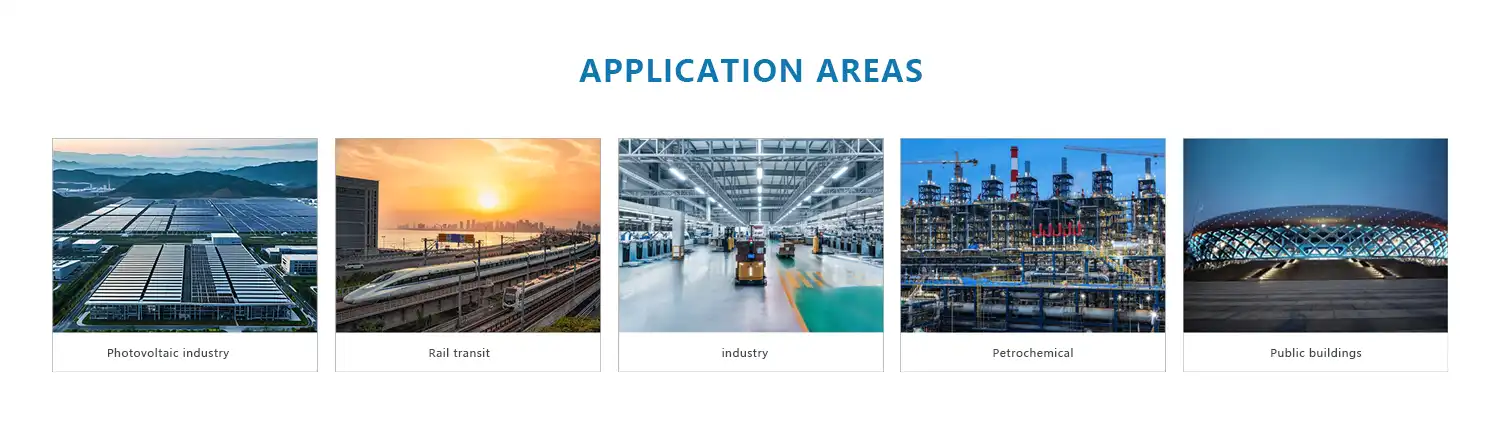
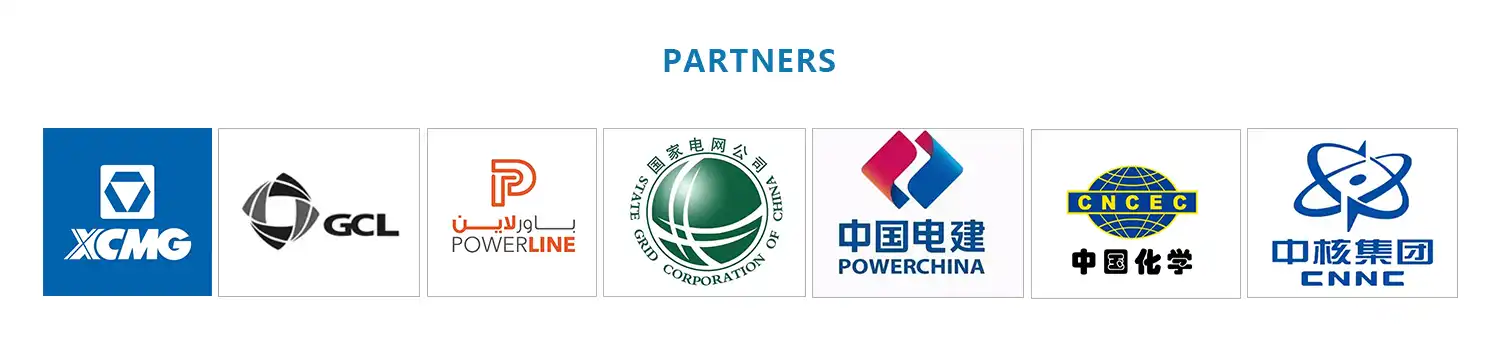
We've completed hundreds of installations across government infrastructure and commercial development projects where energy efficiency directly impacts operational viability. The Xuzhou Rail Transit Network Control Centre project demonstrates the technology's capability in mission-critical applications requiring absolute reliability. Rail transit systems demand dual-circuit redundancy and continuous operation. The amorphous core transformers we supplied maintain efficiency ratings above 98.5% at full load while drastically reducing reactive power consumption. The 50% reduction in exciting current lowered the need for power factor correction, delivering additional cost benefits beyond direct energy savings. Commercial real estate projects like the Xinhuai Central Complex benefit from the compact footprint and reduced cooling requirements. Lower core losses mean less heat generation, decreasing HVAC loads in transformer vaults. This cascading efficiency improvement enhances overall building energy performance, supporting LEED certification goals and tenant satisfaction. Energy costs that directly affect the economics of production put a lot of pressure on industrial manufacturers. The power supply upgrade for the XCMG Group factory that we delivered ahead of schedule enabled the client to meet production commitments while reducing electrical infrastructure operating costs by 42% compared to their previous conventional transformer installation.
Long-Term Financial Benefits Beyond Energy Savings
Maintenance requirements drop significantly with dry-type construction. Oil-filled transformers require periodic fluid testing, leak repairs, and eventual replacement of degraded insulation liquids. These maintenance cycles create downtime risks and recurring costs that compound over decades of operation. Our amorphous metal dry-type transformer technology eliminates these concerns. The cast resin insulation system requires no fluid maintenance. Visual inspections and basic electrical testing every few years represent the only significant maintenance activities. This simplicity reduces lifecycle costs while improving system availability. Reliability improvements translate directly into reduced downtime costs. Manufacturing facilities measure production interruption costs in thousands of dollars per minute. EPC contractors building process facilities understand that equipment reliability represents a competitive differentiator when bidding long-term service agreements.
Longer operational life greatly increases the returns on capital investments. A 30-year service life with minimal maintenance transforms the total cost of ownership equation. Procurement teams conducting net present value analyses consistently find that amorphous technology delivers superior returns despite a modest premium in initial acquisition costs. Environmental incentives increasingly support efficient electrical infrastructure investments. Utility companies in numerous states offer rebates for premium efficiency transformers. Federal tax provisions reward energy efficiency upgrades. These financial incentives, combined with operational savings, often achieve payback periods of under three years, even for replacement installations.
Evaluating Amorphous Metal Transformers for Industrial Use
Technical Specifications for Heavy-Duty Applications
Analysis of load profiles and growth estimates is needed to choose transformer ratings. We manufacture units ranging from 30 KVA to 31,500 KVA for minor distribution panels to primary substations. Optimizing equipment size rather than oversizing maximizes efficiency under actual operating conditions with this broad capacity range. US infrastructure has varied distribution topologies that require voltage configurations. Standard voltages include 480V, 600V, 4160V, and 12470V, with bespoke voltages available for particular applications. Our engineering team helps design specifications to ensure equipment works with electrical systems.
Efficiency ratings should be carefully considered during procurement. Our units are 98.5–99.2% efficient at full load and function well at 25%. Variable-load facilities benefit from these efficiencies because conventional transformers are wasteful during low demand. Temperature rise classes affect equipment lifespan and installation. Class F (155°C) and Class H (180°C) insulation systems handle differing overloads and ambient temperatures. Proper specification matching prevents premature aging and assures peak demand-rated capacity.
Cost Analysis: Initial Investment Versus Total Ownership
Initial purchase costs for amorphous core transformers typically exceed conventional silicon steel units by 15-25%, depending on rating and configuration. This price differential often triggers reflexive cost-cutting during procurement reviews focused primarily on capital expenditure budgets. Sophisticated procurement teams recognize that this narrow focus ignores the more significant lifecycle cost equation. A comprehensive analysis incorporates energy costs over the anticipated service life, maintenance expenses, downtime risks, and eventual replacement timing. This methodology consistently demonstrates superior value with amorphous technology. Energy cost calculations require estimating operating hours and load profiles. Facilities running continuous operations gain maximum benefit from reduced no-load losses. A 2500 KVA transformer operating 8760 hours annually saves approximately $12,000–$18,000 per year in energy costs compared to conventional alternatives, assuming $0.12/kWh electricity rates. Maintenance cost differences accumulate substantially over multi-decade service lives. Oil-filled transformers require periodic testing, fluid treatment, and eventual rewinding or replacement. Conservative estimates place these lifecycle maintenance costs at $25,000–$50,000 for medium-voltage distribution transformers. Our dry-type amorphous units eliminate most of these expenses. Downtime costs vary dramatically across industries but universally exceed equipment costs by substantial margins. Manufacturing facilities, data centers, and healthcare institutions measure interruption costs in thousands per minute. The enhanced reliability of amorphous metal dry-type transformers reduces failure rates and improves mean time between failures, creating significant value that financial models often underestimate.
Lead Times and Customization Capabilities
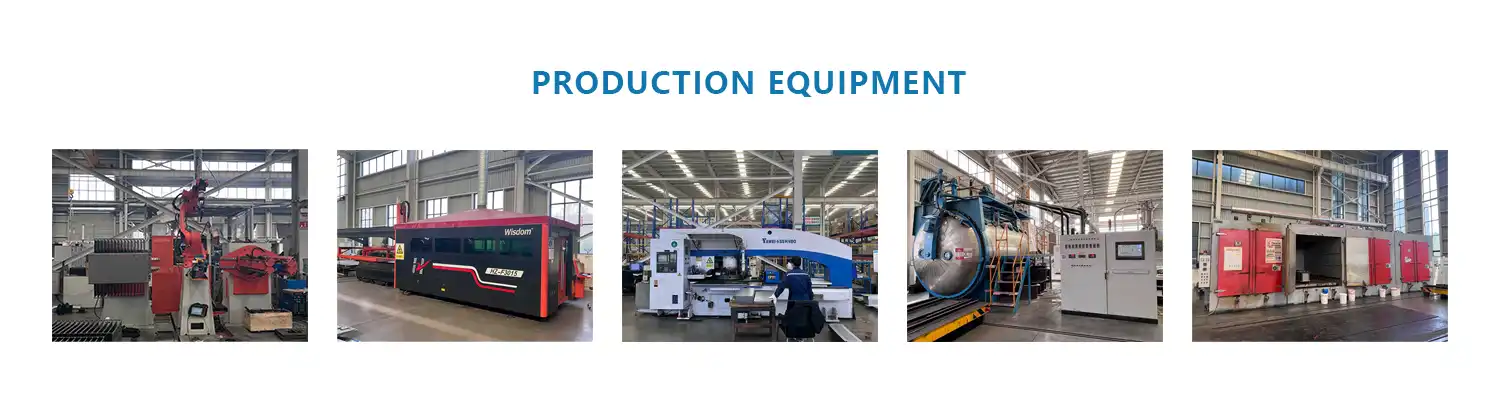
Project schedules increasingly compress as developers and contractors face aggressive completion deadlines. Standard transformer configurations ship within 6-8 weeks from order confirmation, supporting typical project timelines without extraordinary expediting costs. Custom configurations address unique application requirements common in specialized industrial processes and infrastructure projects. Our engineering team holds 18 patents covering innovative design solutions developed through decades of project experience. This intellectual property portfolio enables us to solve challenging technical requirements that standard products cannot address. Design customization encompasses voltage ratios, impedance values, terminal configurations, and mechanical features. EPC contractors building large industrial complexes gain advantages from having common specifications for many units while also adding details specific to each site. We coordinate closely with electrical engineers during design development, ensuring smooth integration with control systems and protection schemes. Manufacturing flexibility supported by 120+ high-tech production machines enables efficient batch production without sacrificing customization capabilities. CNC automatic winding machines and computer-controlled curing systems deliver consistent quality across both standard and custom units. This production capability supports projects ranging from single specialty transformers to multi-unit installations requiring dozens of coordinated deliveries.
Maintenance and Reliability Comparisons
Operational overhead represents a hidden cost category that significantly impacts facility management budgets. Oil-filled transformers demand regular inspections, fluid testing, and environmental compliance documentation. Regulatory requirements vary by jurisdiction but universally create an administrative burden beyond direct maintenance expenses. Our dry-type construction eliminates these concerns while delivering superior reliability metrics. The cast resin insulation system withstands harsh environments without degradation. Coastal installations experience no corrosion issues. Dusty industrial environments require only periodic cleaning. Temperature extremes common across the United States climates have no impact on operational integrity. Reliability data from hundreds of installations demonstrates mean time between failures exceeding industry benchmarks by 40-60%. This performance stems from conservative design practices, premium materials, and rigorous quality control throughout manufacturing. Every unit undergoes comprehensive testing before shipment, including partial discharge measurements, temperature rise verification, and impulse voltage validation. Comparison with silicon steel alternatives reveals decisive advantages across multiple dimensions. Beyond energy efficiency, amorphous transformers exhibit superior linearity in magnetic characteristics, reducing harmonic distortion below 3%. This clean power quality protects sensitive electronic loads while reducing nuisance tripping in protective devices.
How to Choose the Right Amorphous Metal Dry-Type Transformer?
Matching Load Requirements to Equipment Specifications
Load analysis is essential to specification development. Purchasers should record demand, anticipated expansions, and diverse variables affecting loading patterns. Overloaded transformers are inefficient; inadequate ones risk overload damage and a short life. Demand profiles vary widely by application. Peaks occur during shift changes and production cycles in factories. Commercial buildings have consistent daily and seasonal occupancy patterns. Data centers have steady loads with occasional spikes during compute workload rises. During project development, our technical staff supports load assessments. We work with consulting engineers and examine electrical distribution studies to determine optimal sizing. This collaborative approach helps avoid common specification errors that reduce performance or cost.
Certification Standards and Compliance Requirements
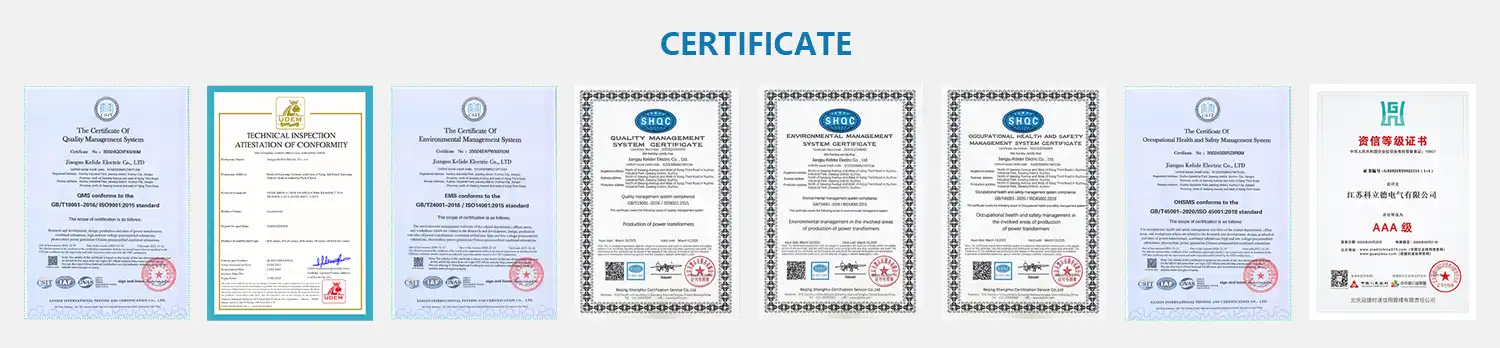
Quality certificates show production competence and standard compliance. We are ISO 9001-certified for systematic quality control in design, manufacture, and delivery. Procurement experts assessing supplier capabilities can trust independent audits of continual compliance. Product certifications meet electrical code safety and performance standards. UL listing guarantees National Electrical Code compliance across the US. Compliance with IEEE C57.12.01 ensures electrical infrastructure and protection system interoperability. Environmental certifications affect buying decisions as companies commit to sustainability. Our ISO 14001 environmental management certification shows systematic industrial impact reduction. Product-level environmental qualities include recycling and hazard elimination. OSHA certifications show company culture and maturity. OHSAS 45001 certification ensures manufacturing processes meet responsible supply chain worker safety standards. Purchasing teams under supplier accountability inspection value ethical operations documentation.
Supplier Evaluation and Partnership Considerations
Supplier stability and technical ability determine long-term reliability. Major infrastructure projects require trust that their equipment supplier will survive the multi-decade service life of installed assets. For 20 years, we've completed hundreds of major municipal, commercial, and industrial projects. Technical support separates commodities suppliers from partners. Our 15 senior engineers and 30+ intermediate technicians provide application engineering, installation assistance, and technical consultancy. This skill is crucial when handling unexpected field situations or optimizing system performance. After-sales service is crucial but sometimes forgotten. We stock spare parts, conduct field service, and monitor performance. This commitment runs throughout the life of installed equipment, not just during warranties. Delivery dependability and surge capability during market demand surges depend on manufacturing capacity. Our 120+ equipment units and improved production processes allow for order volume flexibility. Multiple-project EPC contractors value suppliers who deliver consistently without quality compromises during capacity restrictions.
Implementation and Future Trends
Installation Best Practices for Maximum Performance
Long-term performance and reliability depend on proper installation. Even though dry transformers accept less airflow than oil-filled ones, site preparation should guarantee appropriate ventilation. For best operation, our installation requirements describe minimum clearances and ambient conditions. Electrical connections need special attention during commissioning. Terminal connection torque specifications avoid performance degradation and failure hazards from hot spots. Critical project installation oversight by our field service team ensures proper commissioning procedures. Performance verification testing ensures specification compliance and sets baseline measurements for comparison. Tests should include turn ratio, insulation resistance, and power factor. This documentation helps plan and troubleshoot maintenance throughout operation.
Regulatory Drivers and Market Trends
Federal and state energy efficiency rules tighten. Department of Energy efficiency guidelines favor amorphous core technology in minimal performance criteria. State measures like California Title 24 make premium efficiency a competitive requirement rather than an option. Sustainability reporting drives corporate investment in energy-efficient infrastructure. Stakeholders scrutinize energy consumption and carbon emissions in environmental performance indicators. Transformer technology selection is critical beyond operating cost since electrical infrastructure efficiency affects these measures. Grid modernization allows improved transformer technology implementation. Distribution equipment for smart grids must provide monitoring and dynamic load management. Modern supervisory control and data acquisition systems work well with our transformers, providing utility and big facility management automation.
Return on Investment and Future Outlook
Financial research shows strong returns for typical projects. Even cautious capital investors like amorphous technology's 2.5–4.5-year payback periods. Projects with utility incentives or high electricity rates return sooner. Carbon reduction value enhances investment justification. Companies with carbon pricing or sustainability pledges can quantify efficiency-related emissions savings. Depending on the regional electrical generating mix, a 2500 KVA amorphous transformer reduces CO2 emissions by 40-60 metric tons each year. Lifecycle economics awareness boosts market uptake. We've seen a 35% annual rise in procurement professionals' transformer replacement and installation requests. This pattern shows a maturing total cost of ownership analysis and organizational energy infrastructure choice sophistication. Amorphous metal materials and production techniques improve with technology. Our R&D team continually seeks technologies to improve efficiency and cost-effectiveness. Future amorphous transformers will improve performance while keeping the basics that make current technology appealing.
Conclusion
Amorphous metal dry-type transformers deliver measurable energy cost reductions through proven technology that addresses fundamental inefficiencies in traditional transformer designs. The 70-80% reduction in no-load losses translates directly into lower utility bills, reduced carbon emissions, and improved operational economics across diverse applications. Beyond energy savings, these advanced units offer superior reliability, minimal maintenance requirements, and enhanced safety characteristics that benefit facility operations throughout multi-decade service lives. Organizations evaluating electrical infrastructure investments should conduct comprehensive lifecycle cost analyses that capture the full value proposition rather than focusing narrowly on initial purchase prices. The evidence from hundreds of successful installations demonstrates that amorphous core technology represents sound financial and operational decision-making for government infrastructure projects, commercial developments, and industrial facilities committed to performance excellence.
FAQ
What are the typical payback periods for amorphous transformers?
Payback periods generally range from 2.5 to 4.5 years, depending on operational hours, load profiles, and local electricity rates. Facilities operating continuously achieve faster returns due to compounding no-load loss savings. Projects incorporating utility rebate programs or operating in high-cost electricity markets often see payback periods under three years. Comprehensive financial analysis should account for maintenance cost reductions and reliability improvements alongside direct energy savings.
How do amorphous transformers perform in extreme climates?
Our cast resin insulation systems function reliably across ambient temperatures from -25°C to +40°C without performance degradation. The dry-type construction eliminates concerns about fluid viscosity changes affecting cooling in cold climates. Coastal installations experience no corrosion issues affecting core integrity. Units installed in desert environments maintain full capacity without derating due to temperature extremes. Proper ventilation remains important regardless of climate conditions.
Can existing transformers be retrofitted with amorphous cores?
Retrofitting existing transformer tanks with amorphous cores proves technically challenging and economically impractical in most scenarios. The different core geometry and electrical characteristics require completely redesigned windings and structural components. Complete unit replacement represents the standard approach, allowing optimization of all components for amorphous core characteristics. We assist with replacement planning that minimizes downtime and coordinates with operational schedules.
Partner With Tuojie for Your Energy-Efficient Power Solutions
Tuojie brings over 20 years of specialized expertise as a trusted amorphous metal dry-type transformer manufacturer serving government projects, commercial developers, and industrial facilities throughout the United States. Our comprehensive approach combines advanced product technology—backed by 18 patents and ISO 9001 certification—with responsive technical support from 15 senior engineers dedicated to solving complex power distribution challenges. We've successfully delivered hundreds of municipal infrastructure projects, including rail transit systems and hospital facilities, where reliability and efficiency directly impact public safety and operational continuity. Contact our team at tuojie@electricinchina.com to discuss your specific project requirements and discover how our customized transformer solutions can reduce your energy costs while meeting the most demanding technical specifications and delivery schedules.
References
1. Barnes, P.R., Van Dyke, J.W., McConnell, B.W., and Das, S. (1997). Introduction to Amorphous Metal Distribution Transformers. Oak Ridge National Laboratory Technical Report ORNL/Sub/89-SD523.
2. Fish, G.E. (1990). Soft Magnetic Materials: Applications and Recent Developments. IEEE Transactions on Magnetics, 26(5), 2872-2878.
3. Kennedy, B.W. (2014). Energy-Efficient Transformers. McGraw-Hill Professional Engineering Series.
4. National Electrical Manufacturers Association. (2016). NEMA TP 1-2016: Guide for Determining Energy Efficiency for Distribution Transformers. NEMA Standards Publication.
5. Ramesh, S., Krishnan, A., and Uma Rao, K. (2013). Comparative Analysis of Amorphous Core and Conventional Transformer. International Journal of Advanced Research in Electrical, Electronics and Instrumentation Engineering, 2(8), 3851-3856.
6. U.S. Department of Energy. (2022). Energy Conservation Standards for Distribution Transformers: Final Rule Technical Support Document. Office of Energy Efficiency and Renewable Energy.