

.webp)
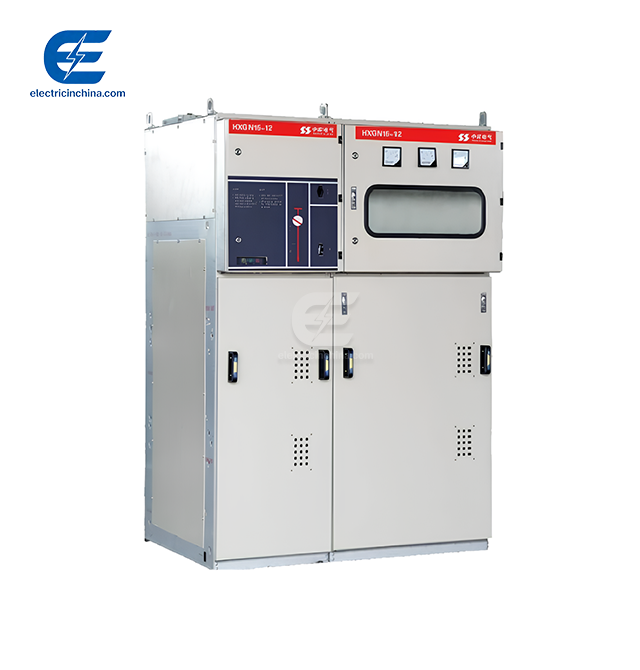
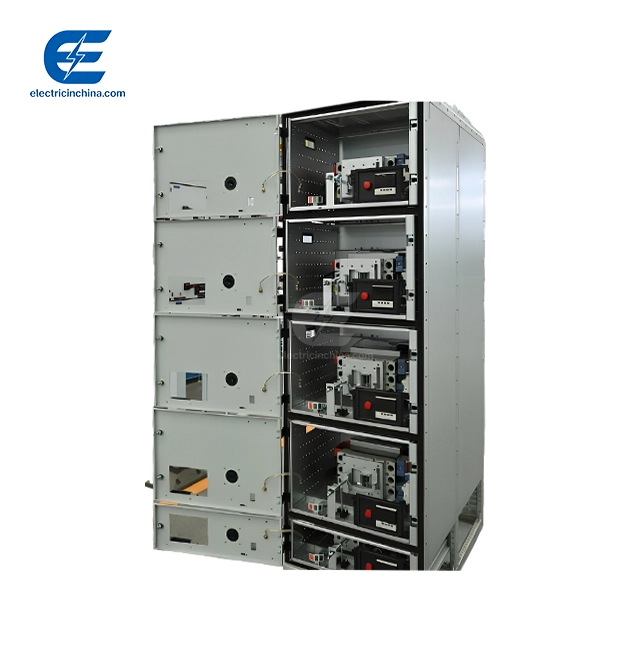
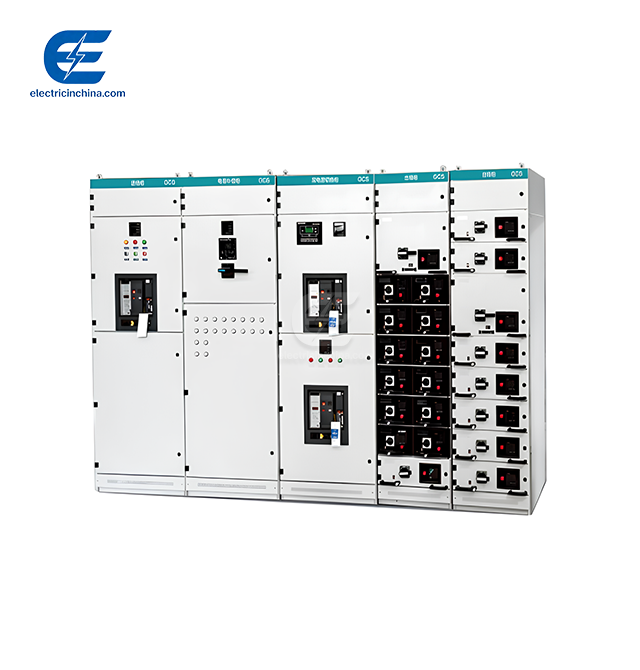
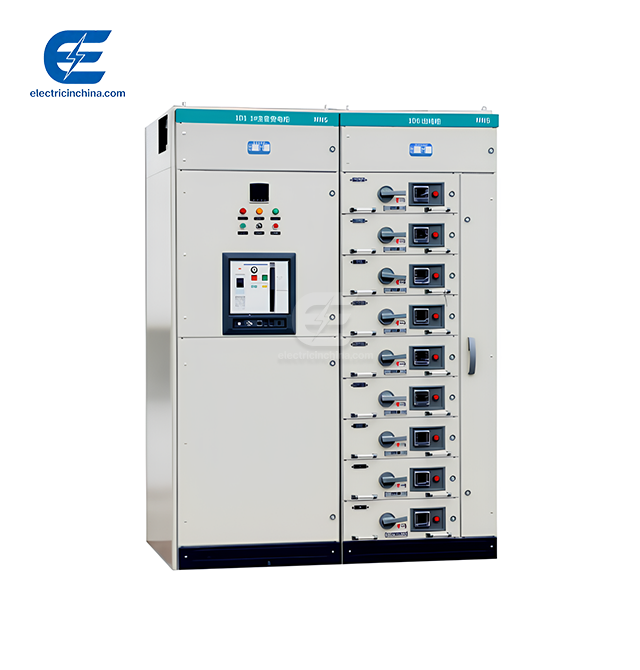
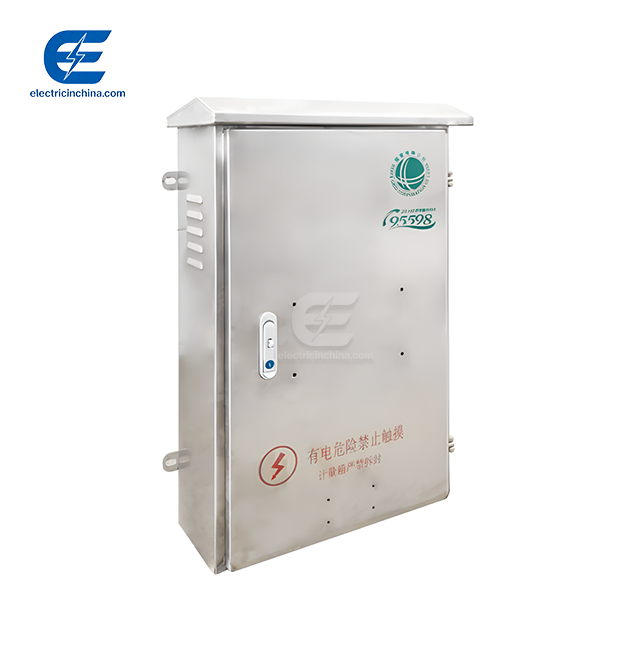
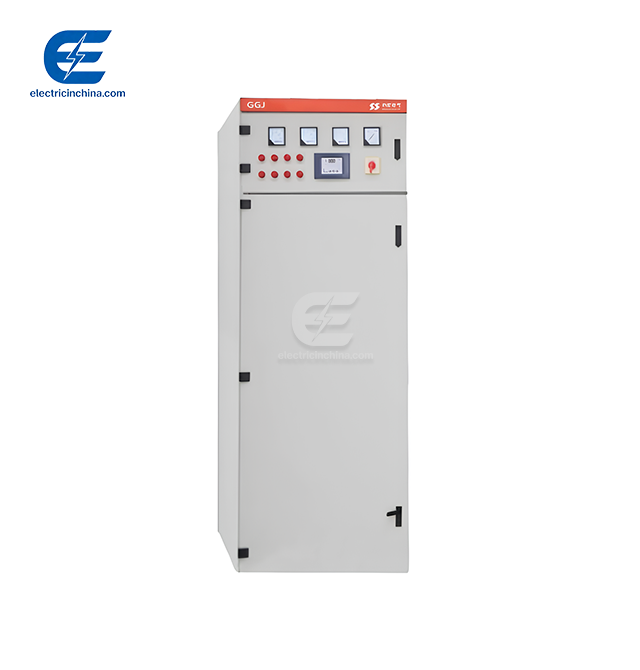
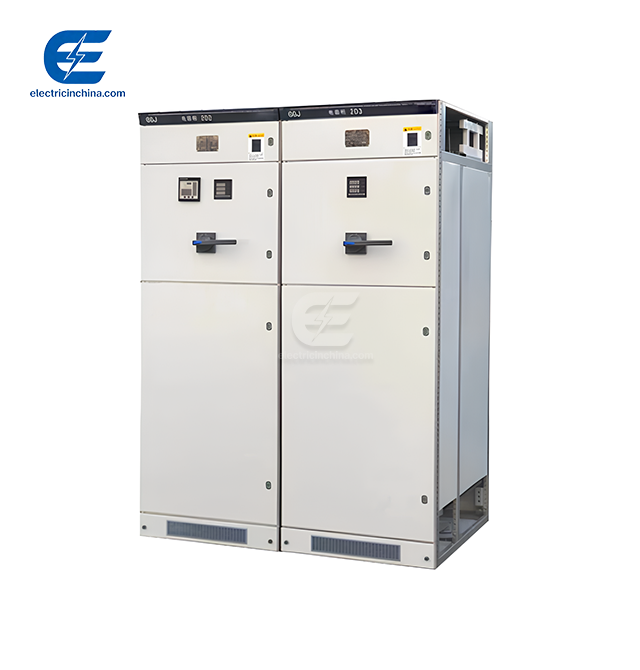
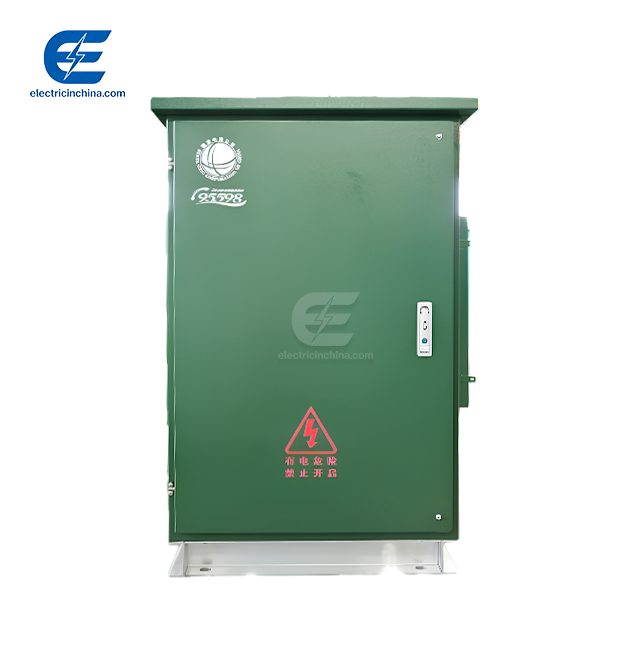
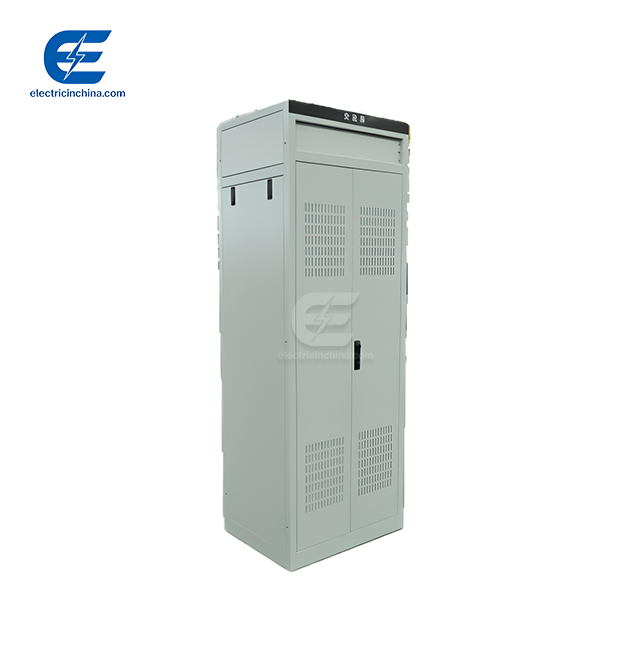
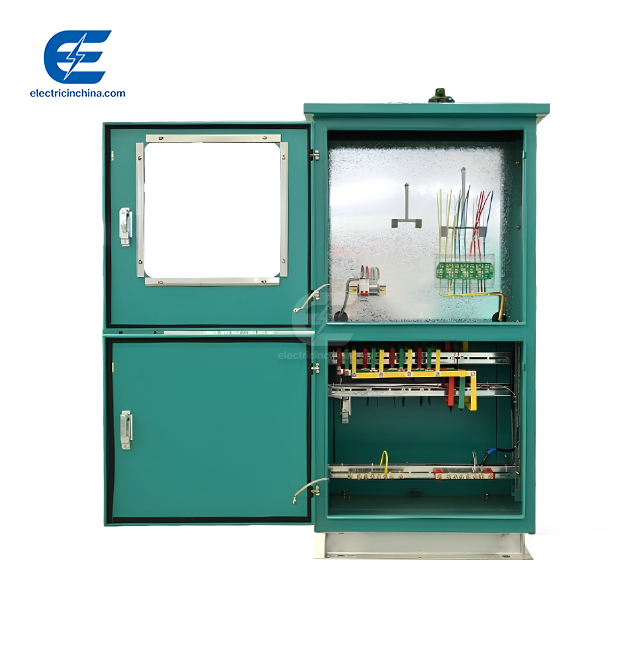
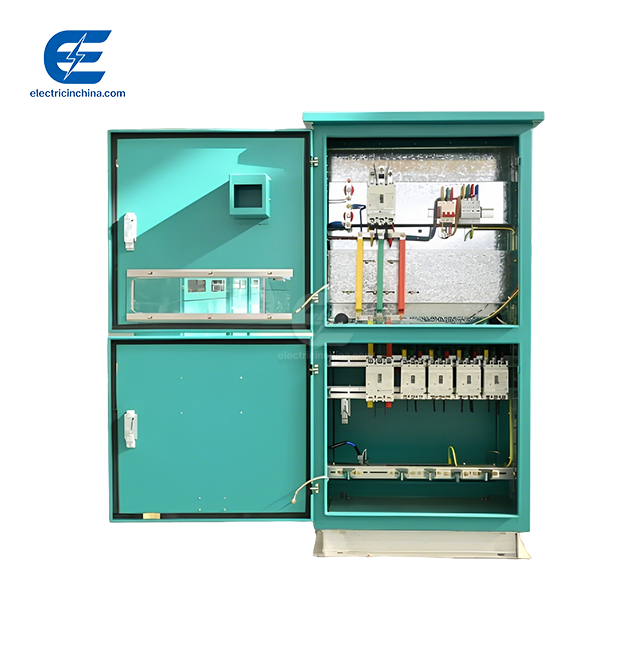
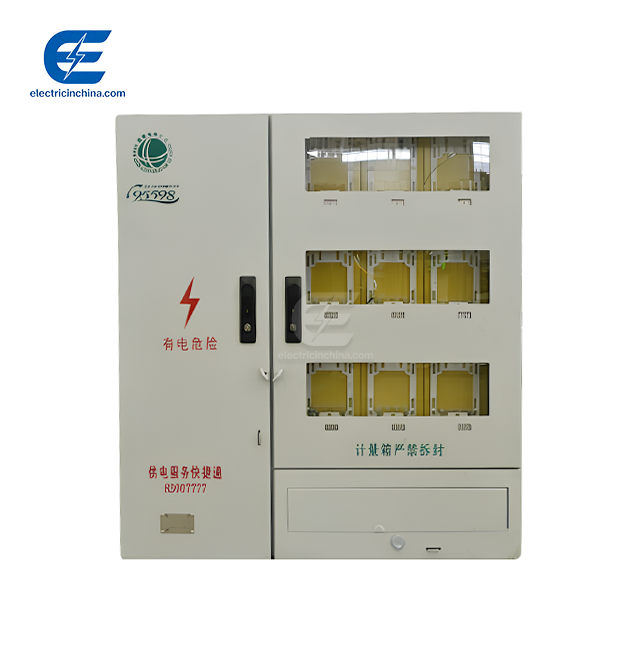
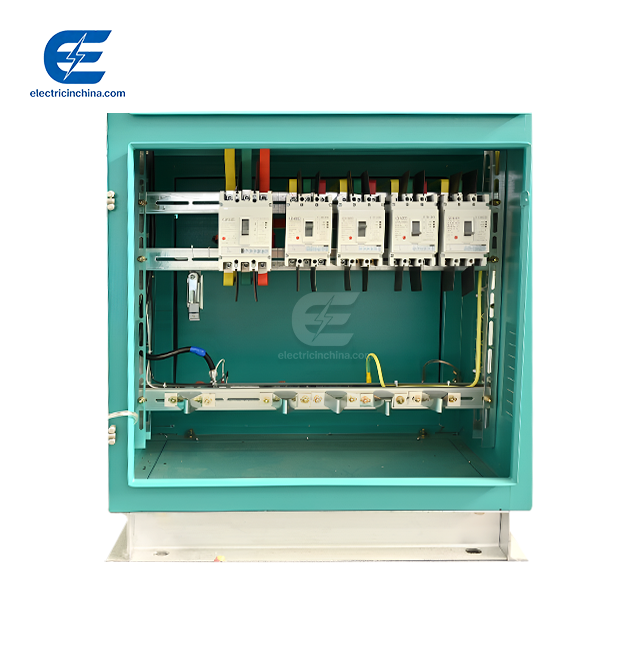
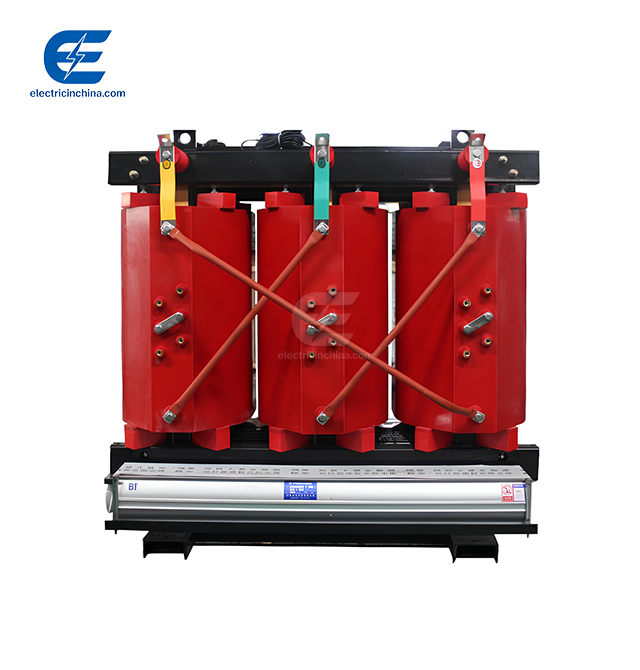
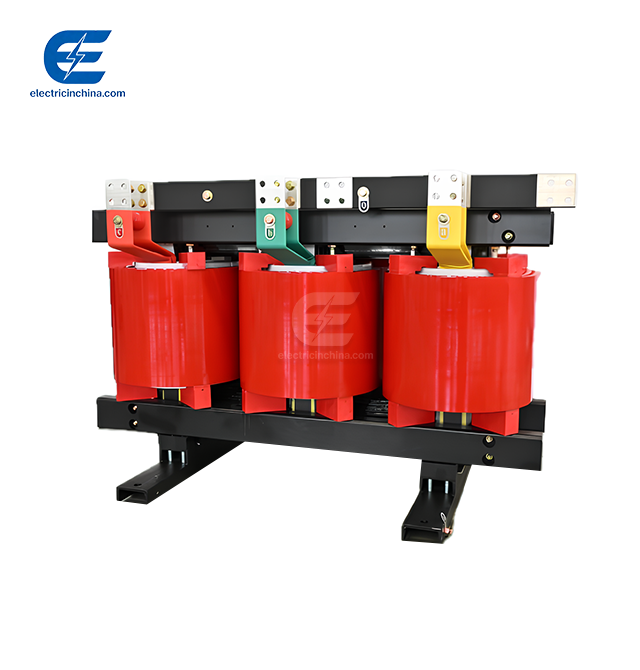
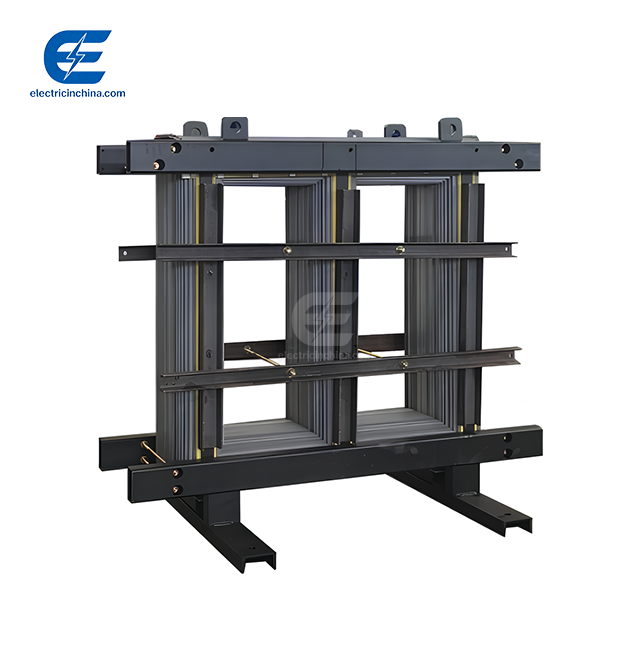
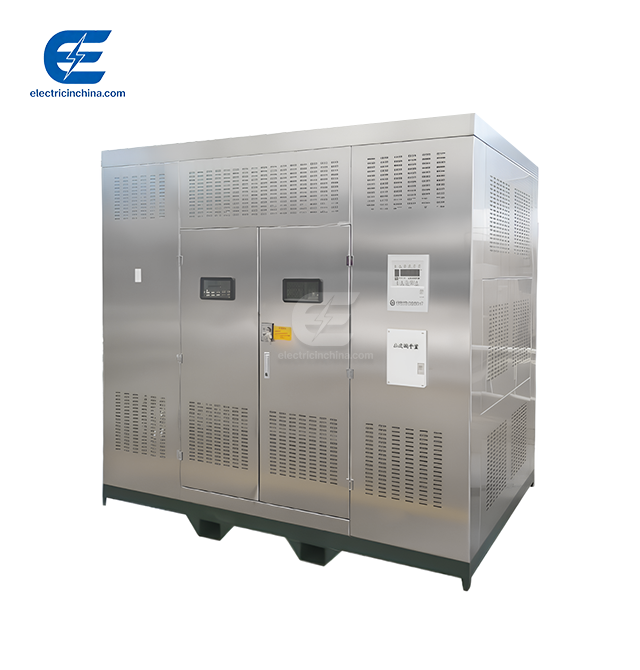
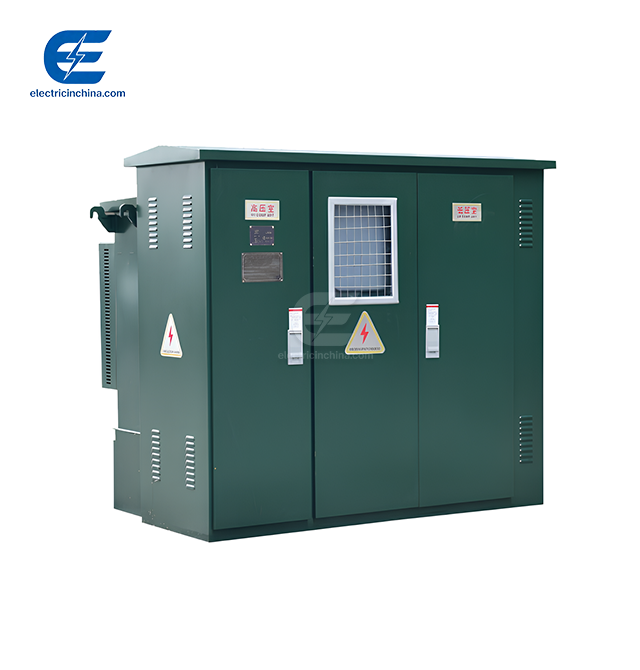
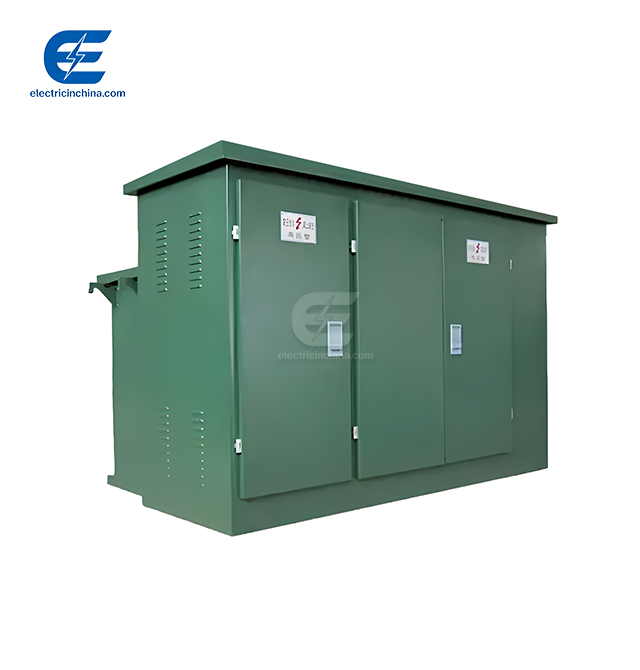
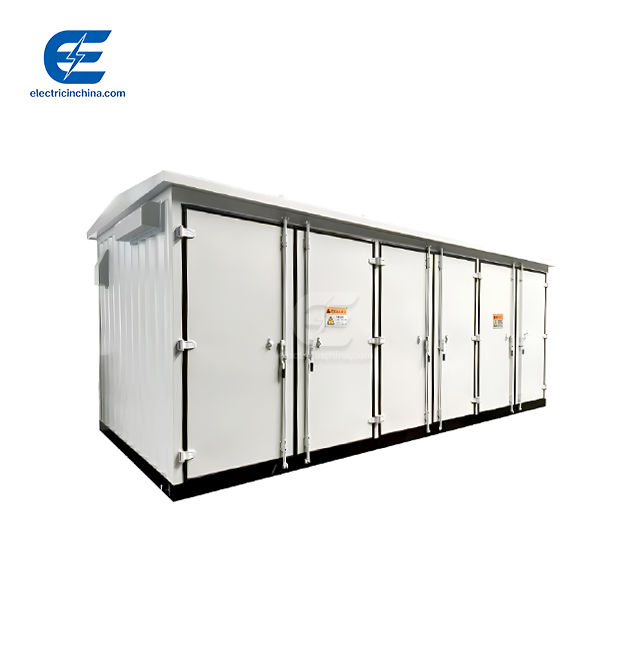
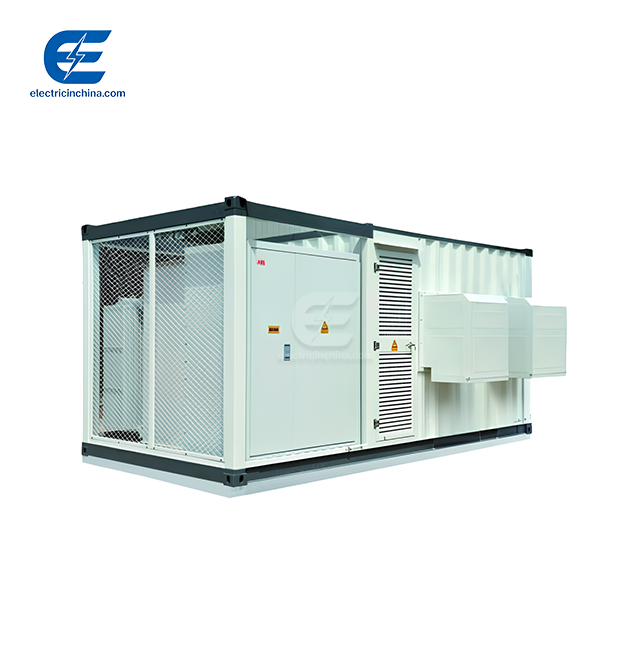
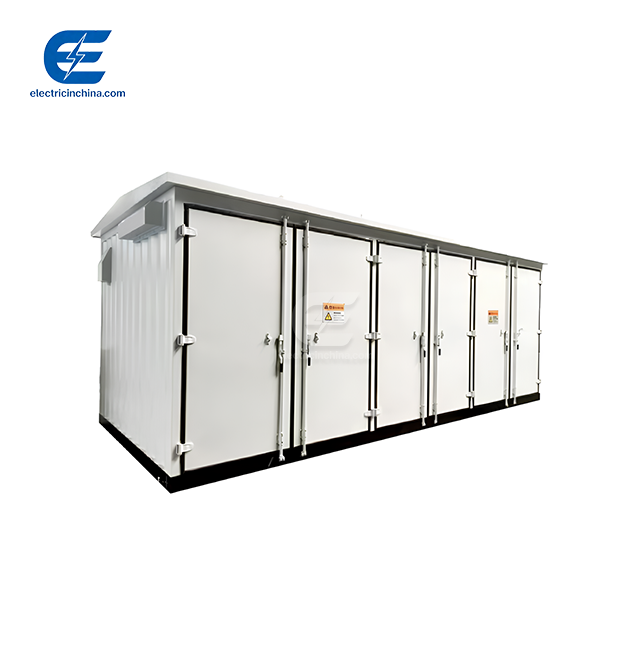
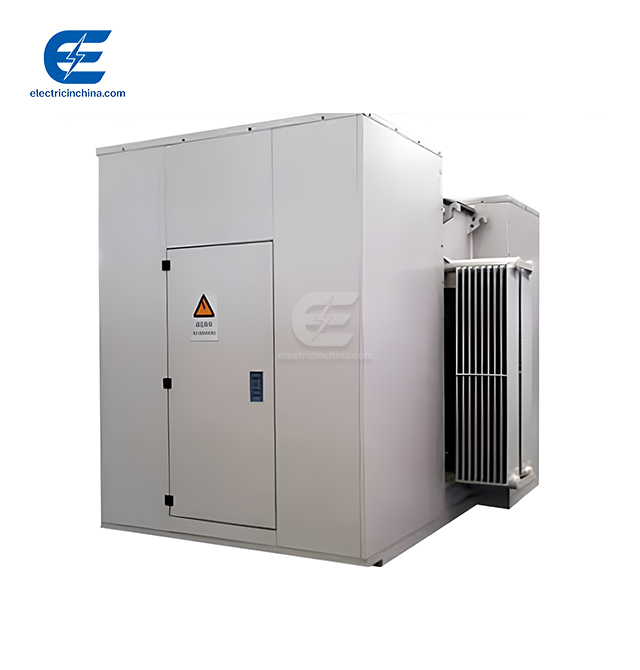
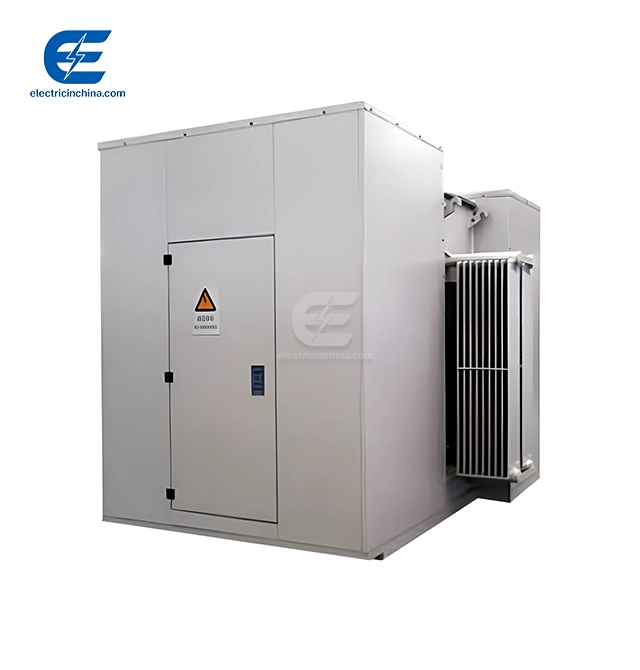
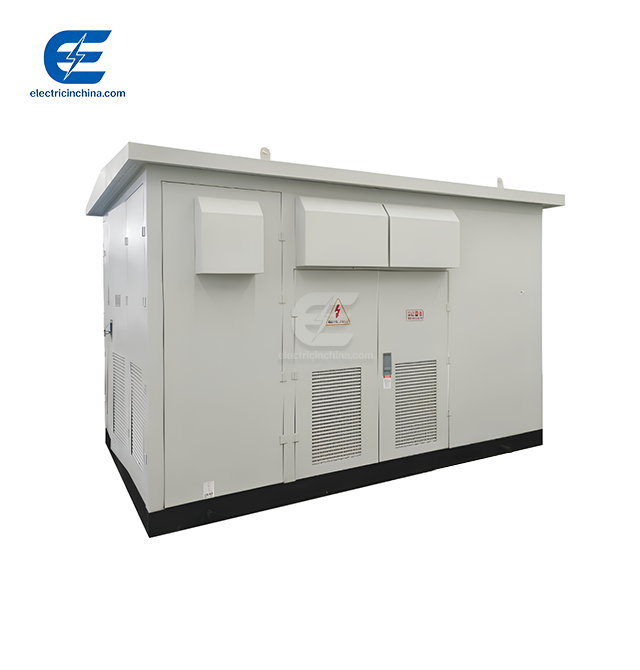
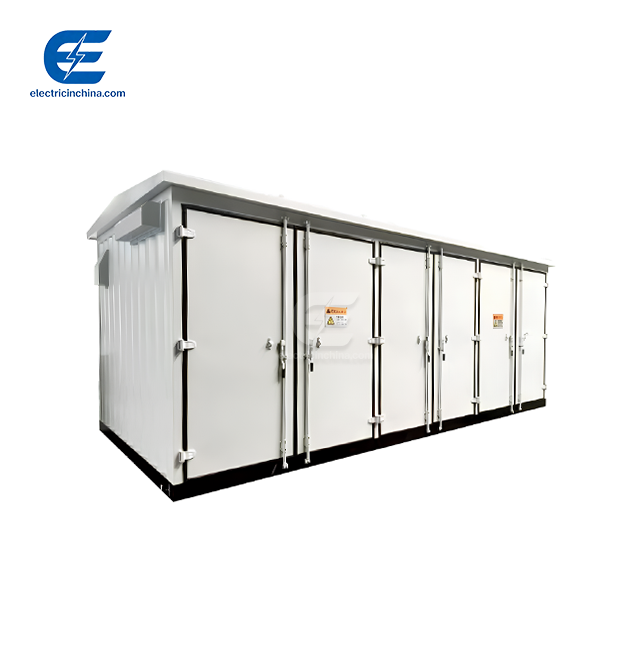
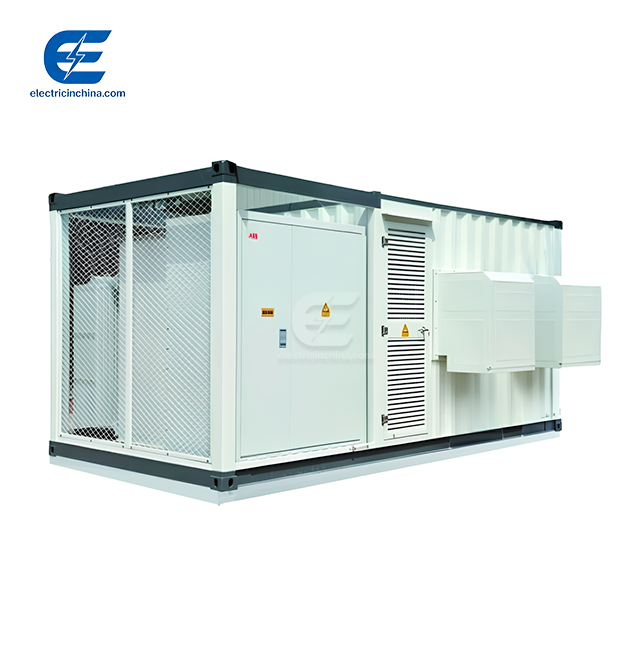
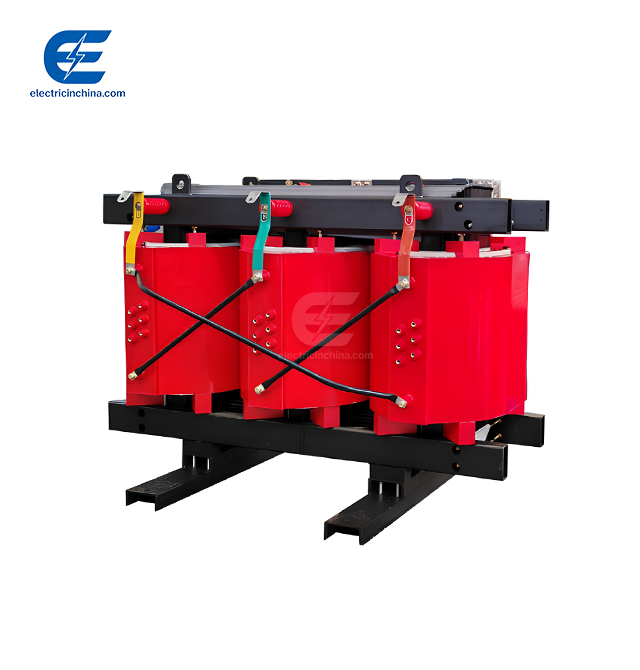
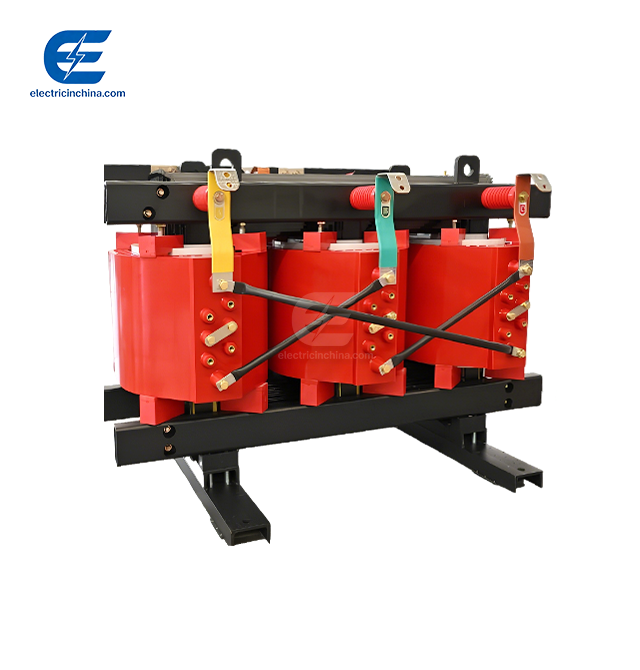
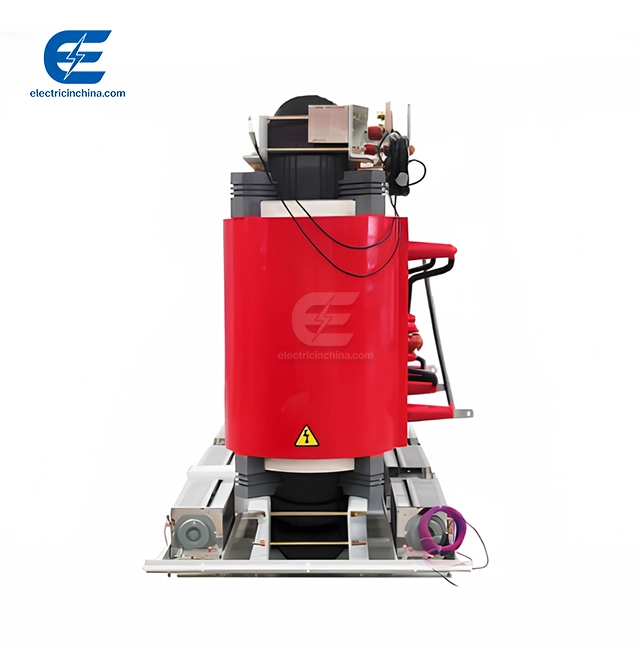
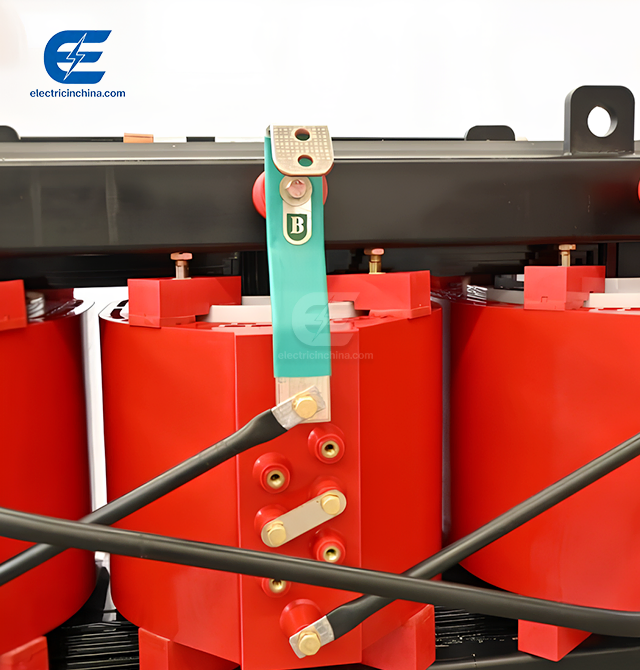
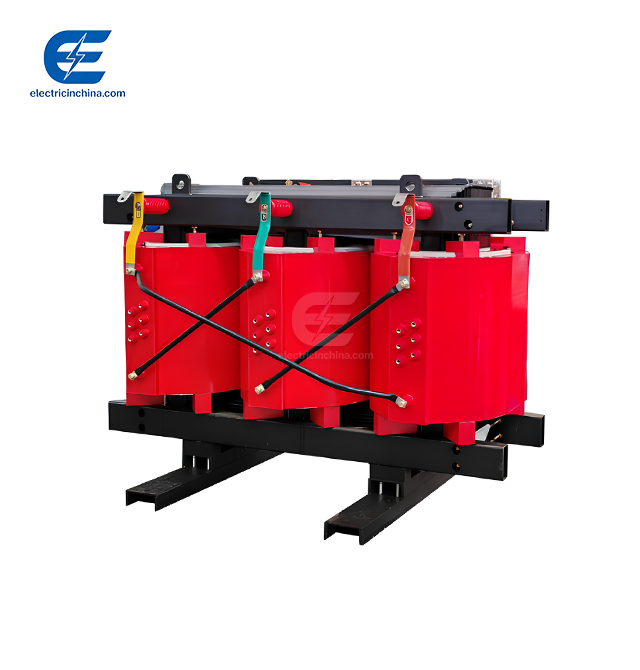
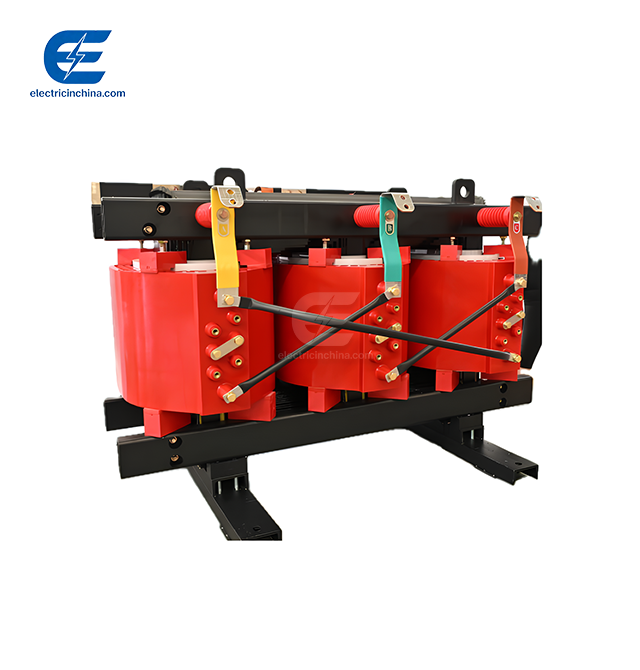
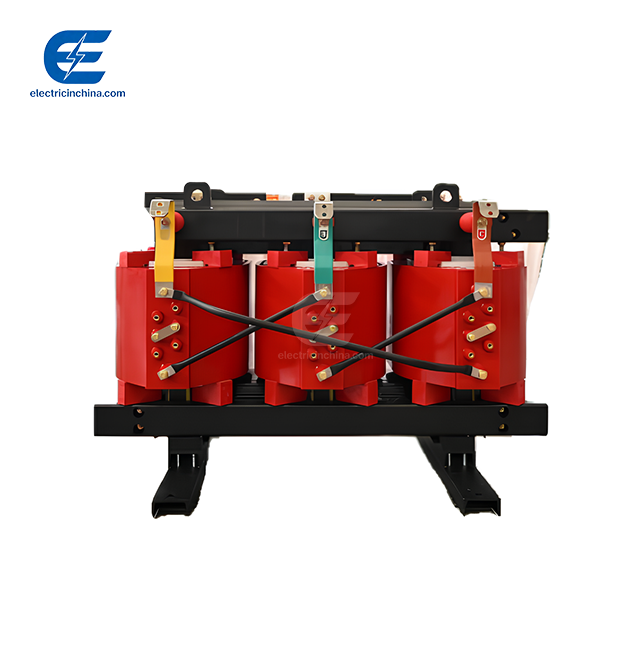
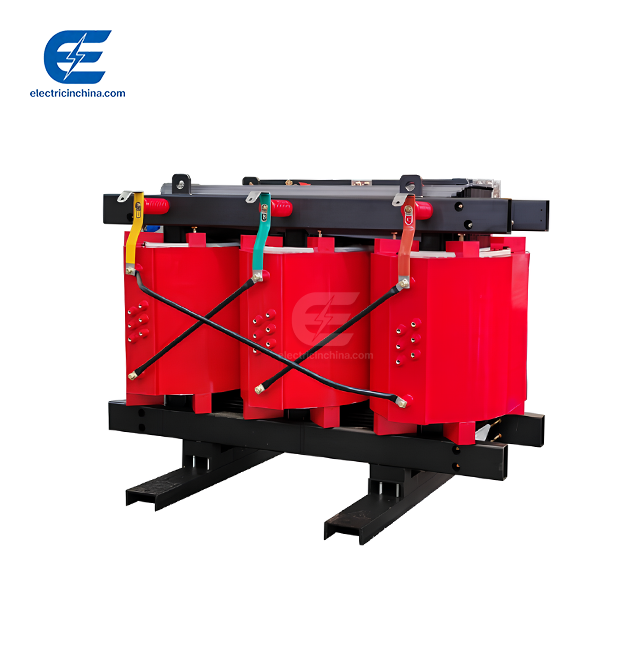
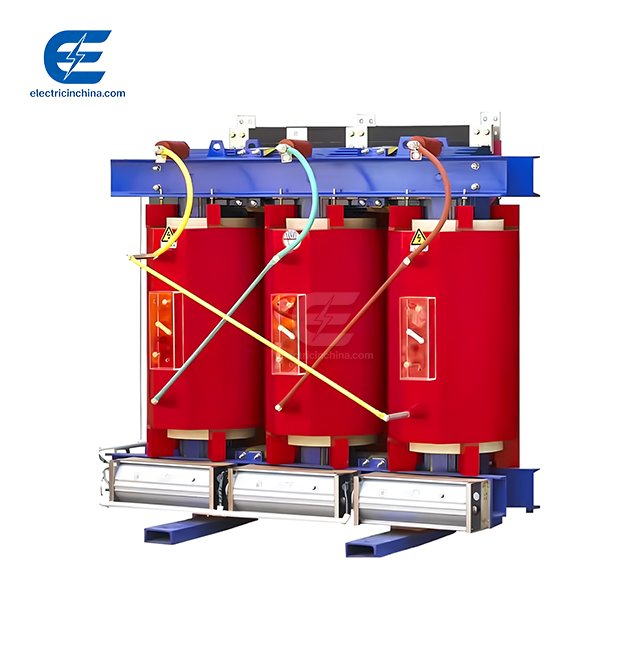
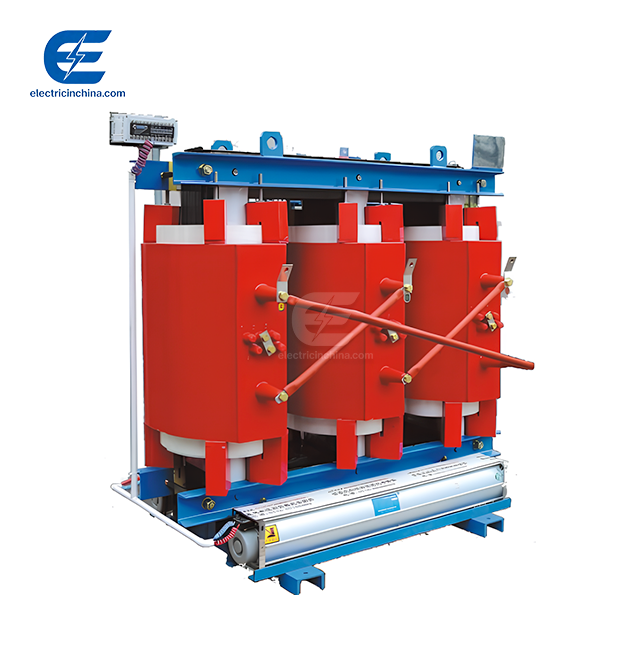
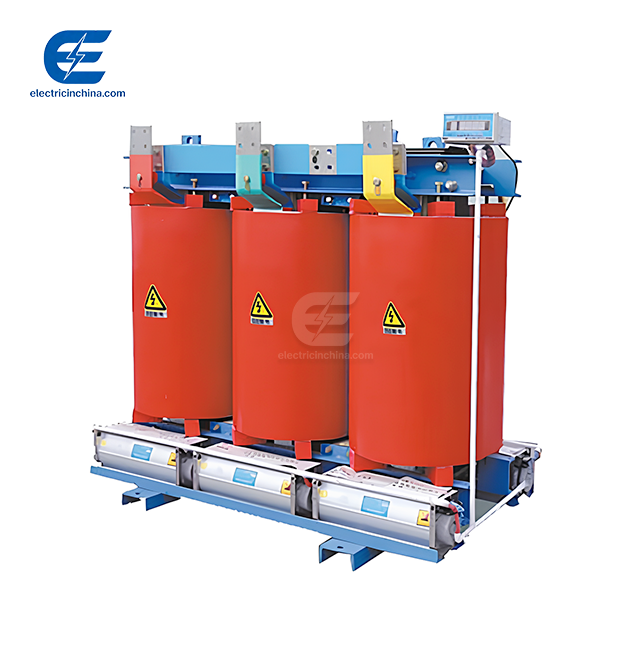
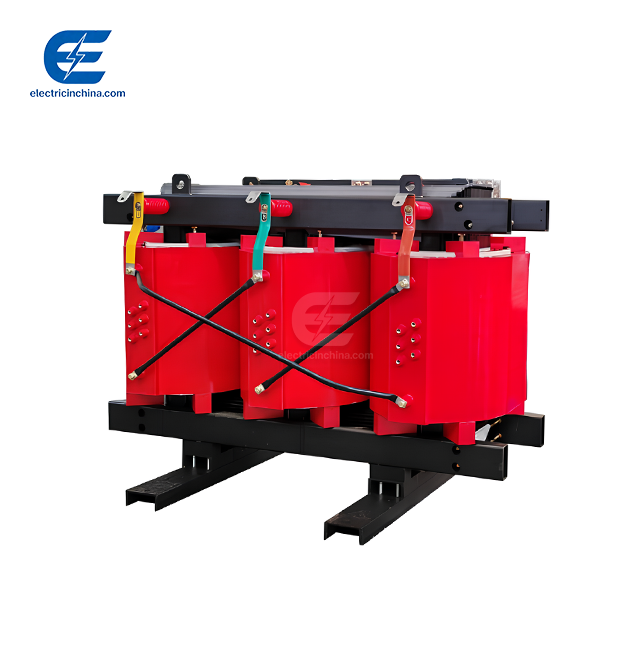
Solar systems often have to deal with harsh environmental problems that are hard for regular tools to handle. These problems can be solved by the SCB12 Cast Resin PV Transformer, which uses modern epoxy resin technology that can handle dust, water, high and low temperatures, and corrosive conditions. Unlike standard oil-immersed units, cast resin transformers don't pose a fire risk and can run for more than 25 years without any upkeep. These transformers protect your solar investment in places where harsh conditions would normally destroy less durable gear. They have efficiency scores above 98.5% and have been tested and shown to work reliably in coastal deserts and high-humidity areas.
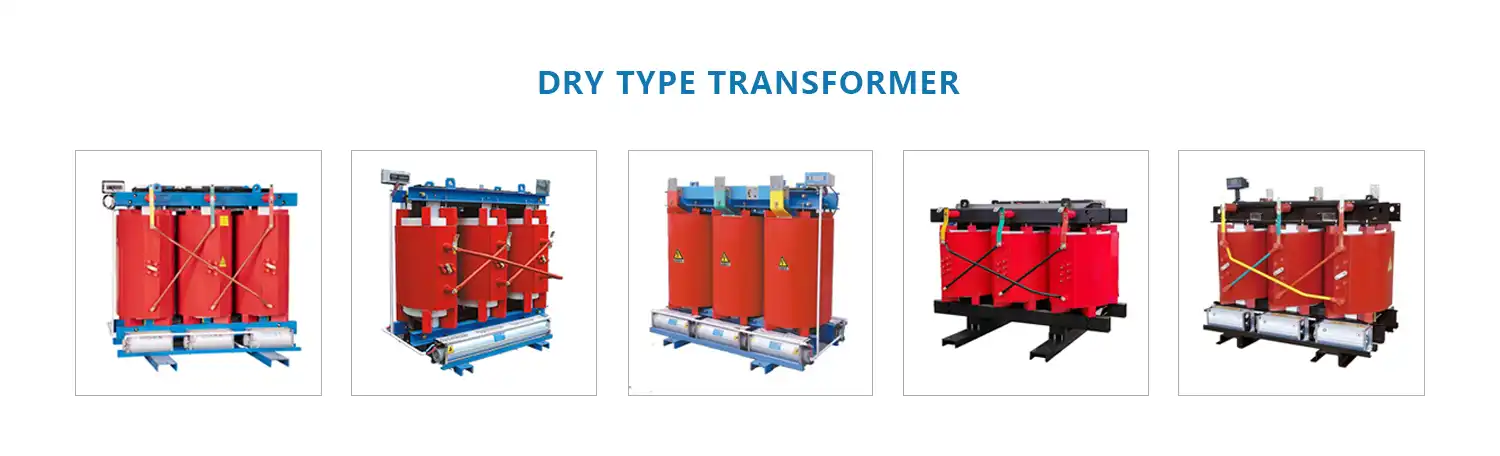
Understanding Cast Resin Technology for Solar Applications
What Makes Dry-Type Transformers Essential for PV Systems
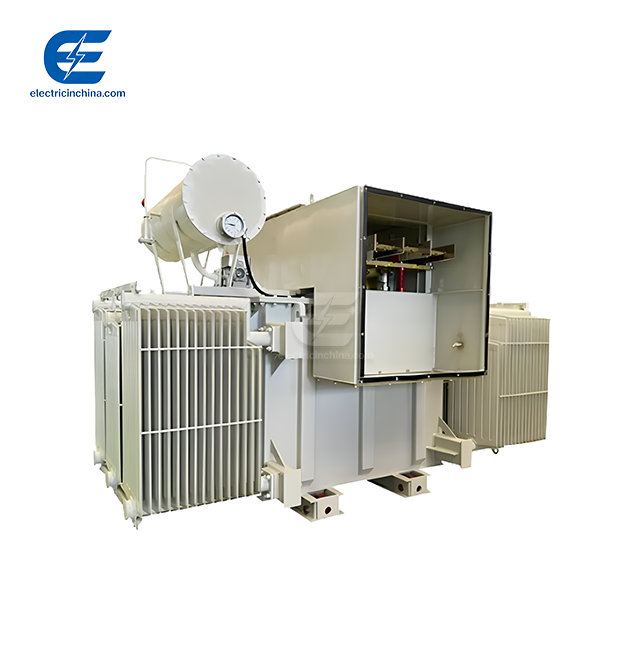
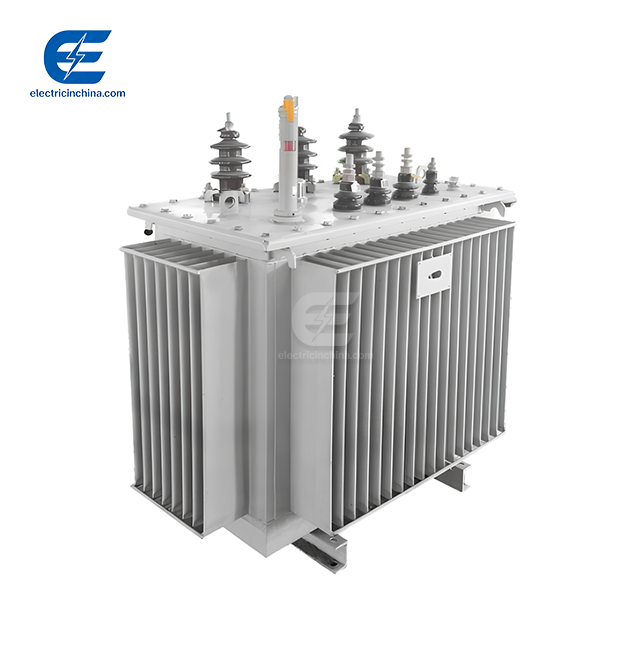
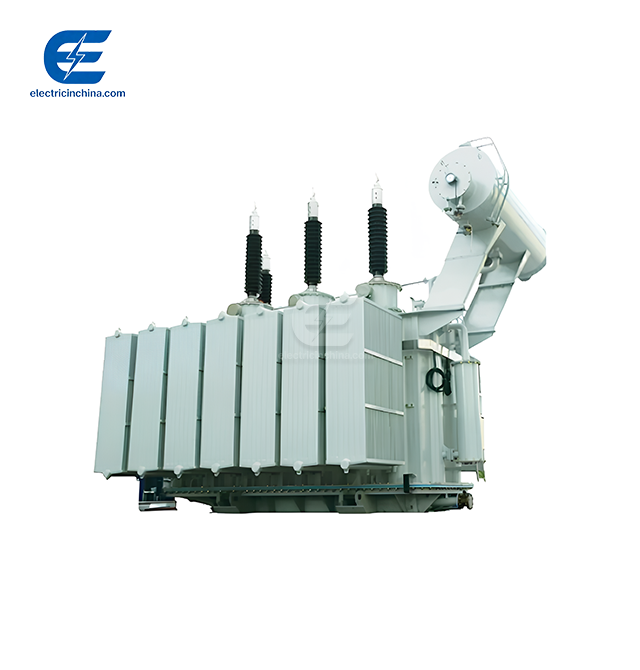
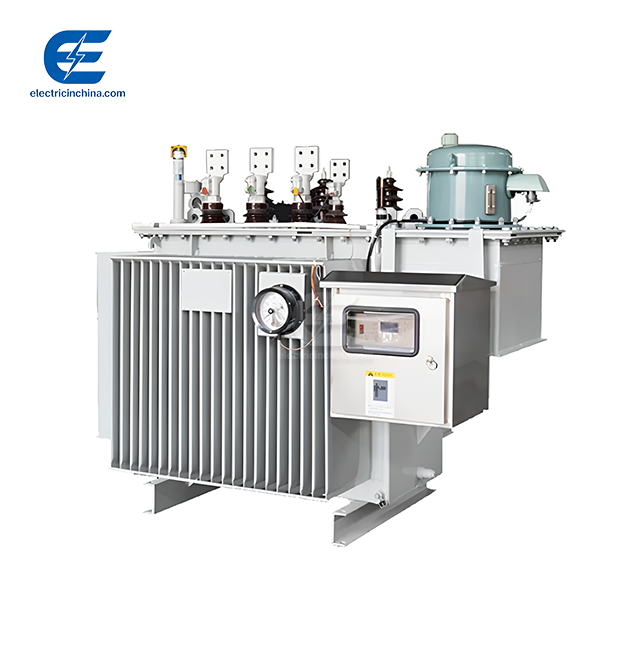
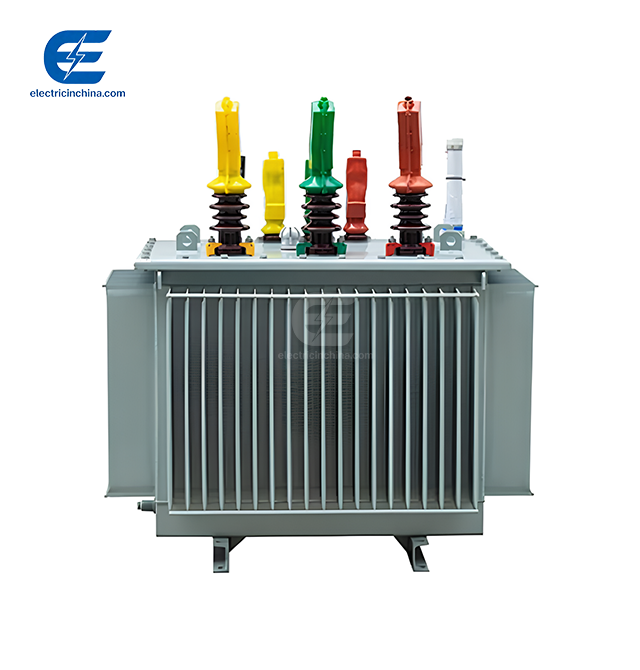
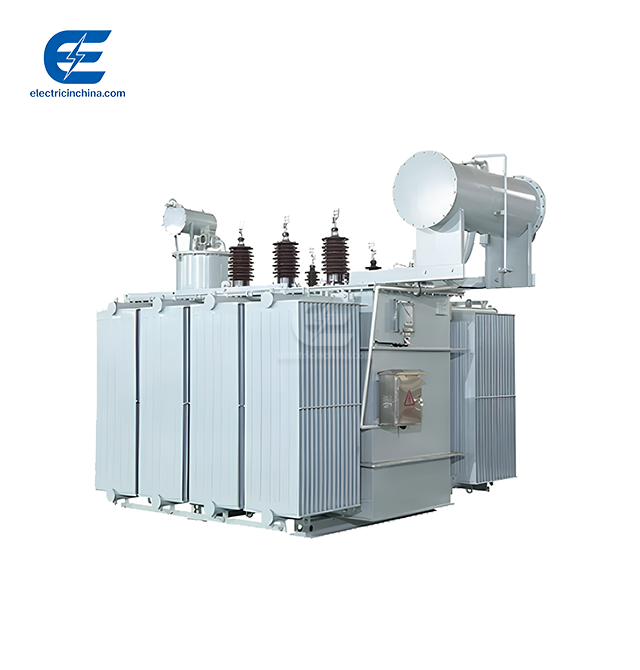
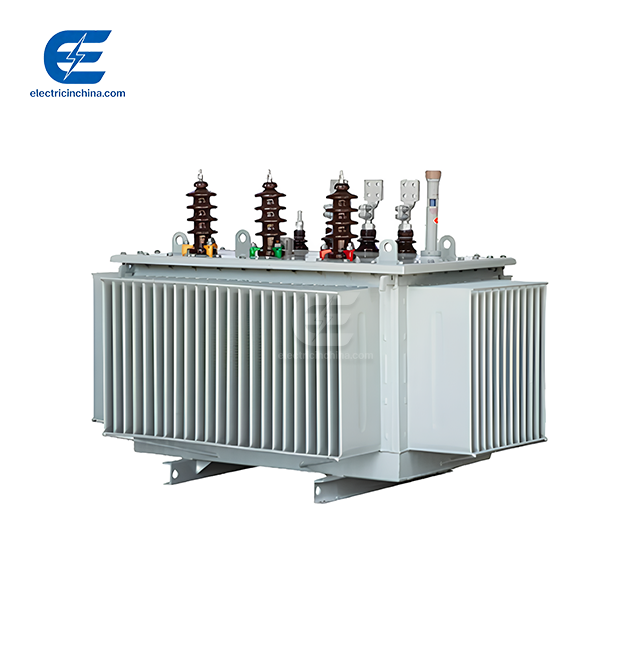
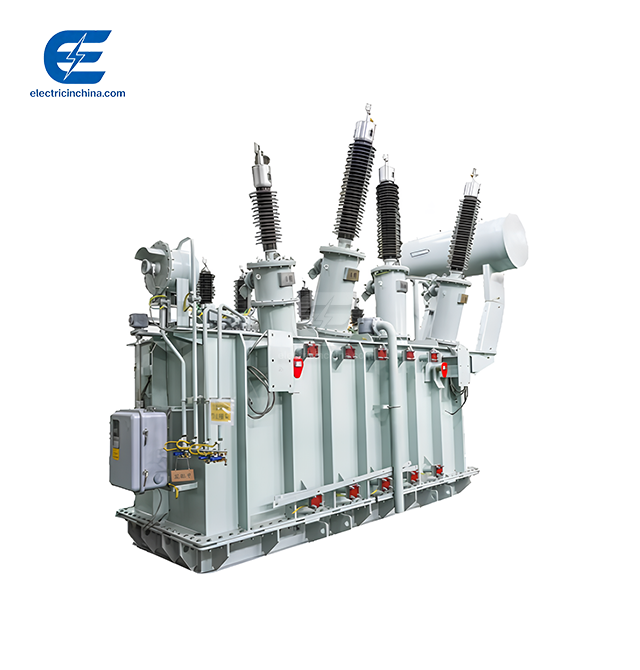
In green energy projects, traditional generators that are filled with oil have a lot of problems. Soil and waterways become polluted when oil leaks happen, making cleanup duties that go against green goals. Fire risks require pricey control systems and make your building's insurance rates go up.
In our dry-type cast resin design, flame-resistant epoxy resin coating is used instead of dangerous dielectric oil. With this basic change, there are no longer any risks of hydrocarbon pollution at all. When project sites are close to living areas or places that are sensitive to the environment, this safety must be included in order to get a permit.
Compared to oil-immersed options, the small size takes up 20–30% less room during installation. Large solar farms and business rooftop systems get extra square meters that can be used for more panels or to lower the size of structures they need. You don't need oil storage systems, leak detection equipment, or specialized fire control gear, so installation is easier.
How Epoxy Resin Encapsulation Survives Extreme Conditions
Electrical tools can be damaged in many ways by harsh conditions. Installations near the coast are exposed to salty air that breaks down insulation and corrodes metal parts. Sandstorms and temperature changes from freezing at night to 60°C in the afternoon are normal for projects in the desert. Transformers are exposed to toxic air in places where factories are close to chemical plants or farms.
Epoxy glue makes a barrier that keeps windings and inner components from getting air inside. The sealing surface stops moisture from getting inside, which stops the internal breakdown that leads to failure too soon. Our units work reliably at 100% relative humidity, so they don't lose performance or need to be turned off for drying processes.
Changing temperatures puts a lot of stress on common insulator materials until they break. Cast resin mixtures keep their shape from -40°C to +60°C, which is their full working range. As part of our testing procedures, our transformers are put through rapid temperature cycles that mimic decades of real-world stress. This ensures that they will work reliably for the expected duration of your project.
Proven Performance in Challenging Deployment Scenarios
In the harshest conditions, utility-scale solar farms in the Middle East and the southwestern United States show the benefits of cast resin transformers. Projects with more than 200MW can run nonstop through dust storms and high heat without having to deal with the problems that regular units have with oil degradation.
When floating solar plants are in water all the time, they face special problems. Marine-grade cast resin transformers have better sealing and casings that don't rust, so they can handle steady humidity and being submerged in water for repair tasks. Asia-Pacific floatovoltaics projects with more than 100MW of power depend on this technology because oil contamination in drinking water pools would be terrible for the environment.
Fire safety features that meet building rules and insurance companies' standards are good for commercial rooftop systems. Complete fire safety is needed for urban sites close to residential areas. Cast resin technology meets these strict safety standards without taking up as much room or costing as much to keep an eye on as oil-filled units do.
Technical Specifications That Deliver Project Value
Power Ratings and Efficiency Standards
Our SCB12 Cast Resin PV Transformers can handle loads from 30KVA to 2500KVA, so they can be used in a wide range of situations, from small businesses to large solar farms. The voltage settings can handle main connections from 10kV to 35kV, and the usual secondary outputs can be changed to meet your grid interconnection needs.
Ratings of more than 98.5% efficiency meet GB/T 10228 requirements and go above and beyond what is normally available on the market. This edge in efficiency saves a lot of energy over the course of 25 years of use. Large sites save tens of thousands of dollars a year because they lose less energy during change.
Insulation class F/H grades (155°C/180°C) give your investment heat headroom that keeps it safe when it's overloaded. When the rated load is applied, the temperature rise stays below 65K. This keeps the system stable even when the atmospheric temperature rises during peak production times. This temperature performance has a direct effect on how long parts last and how reliable the system is.
Overload Capability for Variable Solar Generation
When the clouds move, solar power production changes quickly. Your transformer has to be able to handle these short-term changes without going dark or getting damaged over time. Our forced air cooling system allows for a 150% overload capability that keeps the grid link stable during times of high production.
Normal transformer shielding breaks down over time because of thermal stress, but this overload limit guards against it. Projects in places where the weather changes a lot benefit from lower failure rates and longer equipment life. Because replacement cycles are much longer than with competing goods, your upkeep budget goes down.
Your investment is safe during grid faults because the short-circuit withstand capability was tested to 25 times the maximum current for two seconds. When equipment upstream or downstream fails, your transformer can handle the electrical stress that kills units that don't have enough mechanical bracing and thermal design reserves.
Handling Inverter-Generated Harmonics
Harmonic distortion is added to the power source by modern PV generators. When these non-sinusoidal currents flow through standard transformers, they get too hot and break down too soon. Harmonic content speeds up the aging of insulation and causes core losses that are higher than the official values.
Inverter uses are the only ones for which we include K-factor numbers from K-4 to K-13. Harmonic heating effects are lessened by using special core materials and coil setups that work best. The IEEE C57.110 testing standards make sure that the performance works in real-life harmonic loading situations that are similar to the ones you'll be using in the installation.
Because of this harmonic tolerance, competing goods don't have to meet the derating standards that lower their useful capacity. You get the full number performance you expect, without having to deal with unexpected capacity limits that force you to oversize and raise the cost of the project.
Comparative Advantages Over Alternative Solutions
Cast Resin Performance Versus Oil-Immersed Transformers
Over the course of their lifetime, oil-filled transformers cost a lot more because they need to be maintained and watched over all the time. For processes like oil sampling, dielectric testing, and filtering, you need trained people and special tools. These upkeep tasks are especially hard and expensive for solar sites that are far away.
Cast plastic units get rid of all the upkeep that comes with oil. The full scope of maintenance includes visual checks, checking the link torque, and sometimes doing thermographic scans. Compared to oil-immersed options, this simplicity cuts costs over the life of the product by 40 to 60%. Your operating budget puts money toward actions that make things, not servicing transformers regularly.
The benefits of fire safety go beyond protecting property; they also include lower insurance rates and following the rules. More and more places in cities and environmentally sensitive areas are making it harder to use oil-filled transformers. Cast plastic technology meets these new rules and lowers insurance costs by getting rid of fire risk categories.
Why SCB12 Outperforms Earlier Cast Resin Designs
The SCB12 Cast Resin PV Transformer line is a big improvement over the SCB11 types that came before it. Better core materials cut down on no-load losses, which leads to measured efficiency gains that build up over decades of use. Better thermal conductivity from improved resin formulas lowers working temperatures and increases the life of insulation.
Installations that are close to living areas or buildings that are sensitive to noise will benefit from noise emission reductions. Getting sound levels below 45dB is possible by improving the core building and mounting methods for acoustic optimization. Noise issues and permit problems that happen with setups that don't do a good job with soundproofing won't happen with your project.
Our 18 patents support improvements in manufacturing quality that make sure performance is the same across all production runs. Every part of the building is optimized by our 15 senior engineers, who have decades of experience designing transformers. This knowledge gives you benefits in terms of dependability that protect your project's schedule and image.
Procurement Considerations for Large-Scale Projects
Supplier Selection Criteria
As much as the specs of the equipment, the success of the project depends on picking the right cast resin transformer provider. Manufacturing quality, certification compliance, and help after the sale are what set trusted partners apart from sellers who disappear when problems arise.
Tuojie has worked in this field for more than 20 years and can help you with your solar project. Our ISO 9001, ISO 14001, and OHSAS 45001 certifications show that we handle quality in a way that makes sure our products always work well. All of the goods have National CCC Mandatory Certification, which means they meet strict Chinese quality standards that are the same as those around the world.
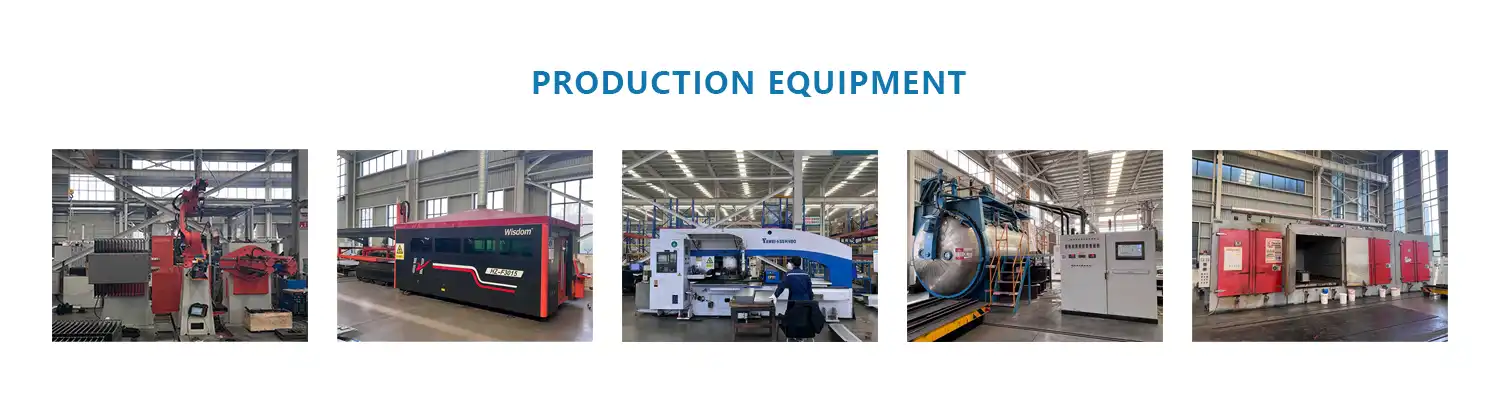
Our professional quality testing lab and advanced production facilities let us make solutions that are unique to your needs and the conditions of your surroundings. More than 120 sets of specialized equipment, such as CNC automatic wrapping machines and microcomputer-controlled gradient curing ovens, make sure that the products are made precisely, which gets rid of the flaws that lower-tier suppliers often have.
Technical Support and Customization Capabilities
Solar projects need more than just tools; they also need specialized know-how. For problems that are unique to a site, you need technical help that takes into account your special environmental conditions, grid interconnection needs, and installation limitations.
Our group of 15 senior engineers and more than 30 intermediate techs does application engineering to make sure that the transformer specs for your project are the best they can be. Customizing the voltage ratio, setting limits on temperature rise for harsh climates, and ensuring seismic safety in high-risk areas are all taken care of by experts, which keeps expensive field changes from being needed.
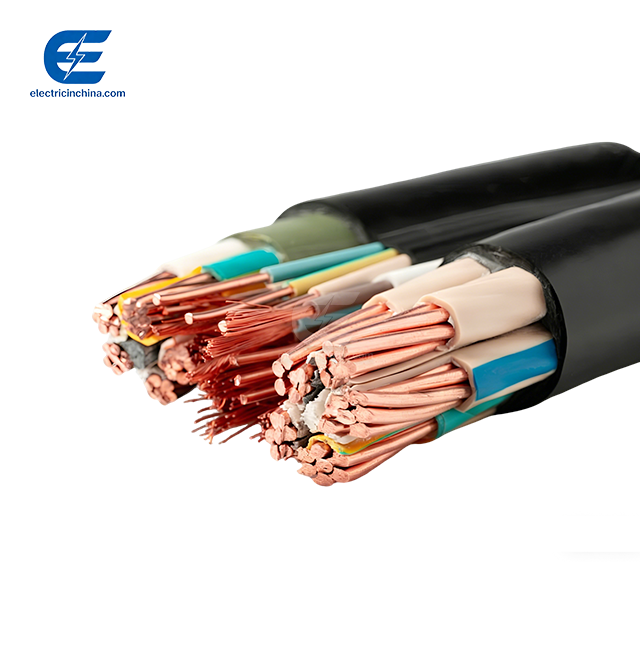
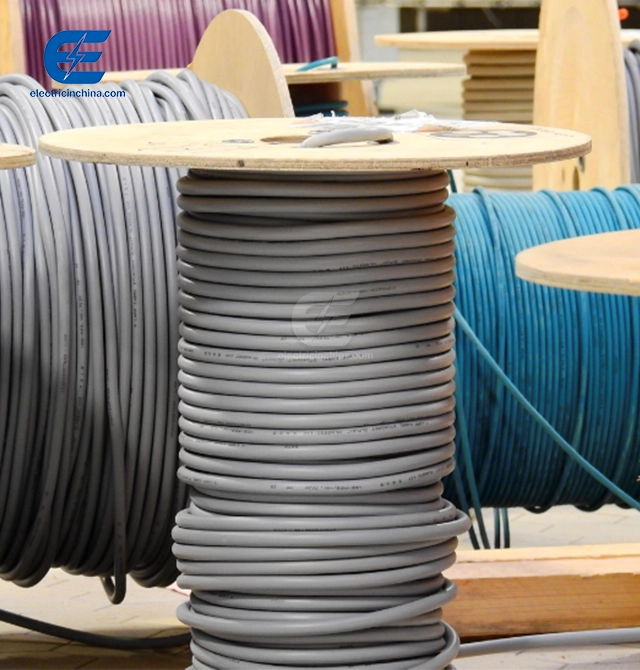
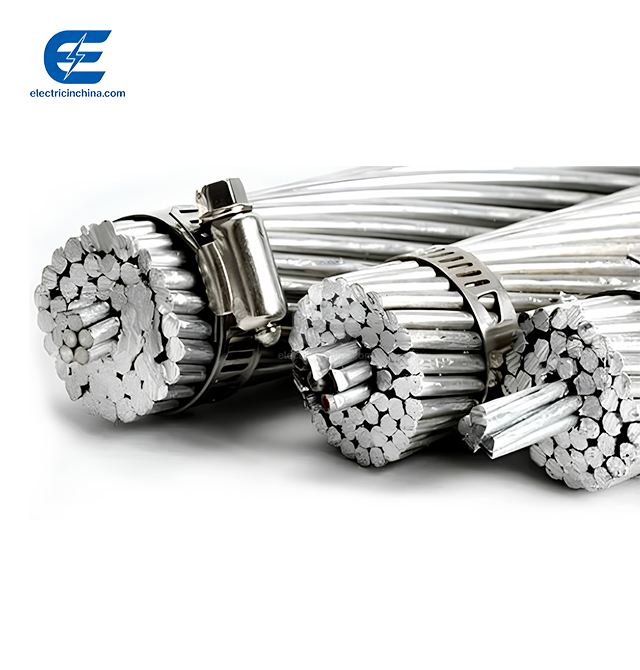
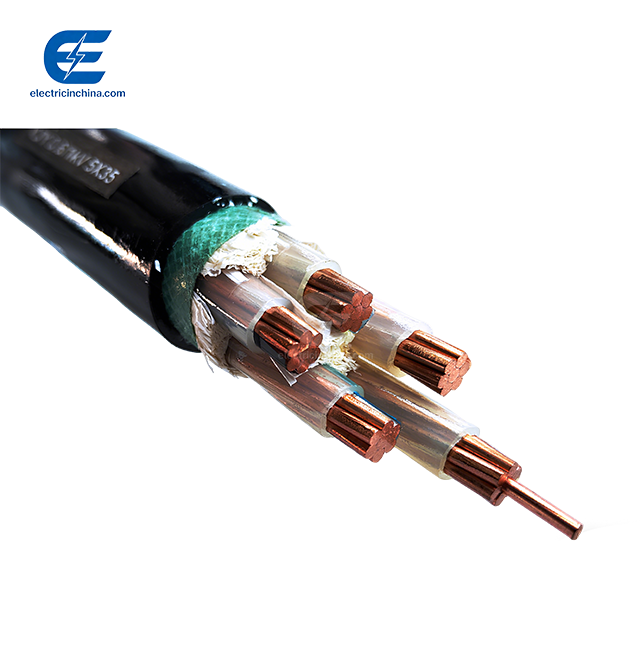
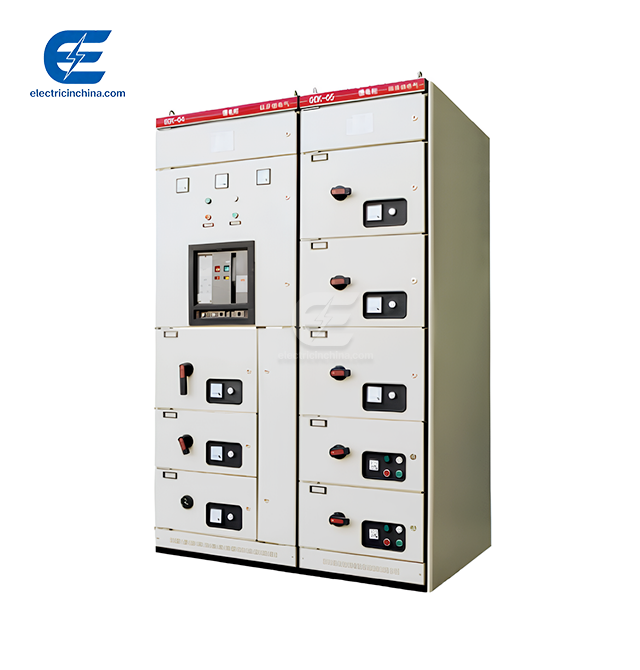
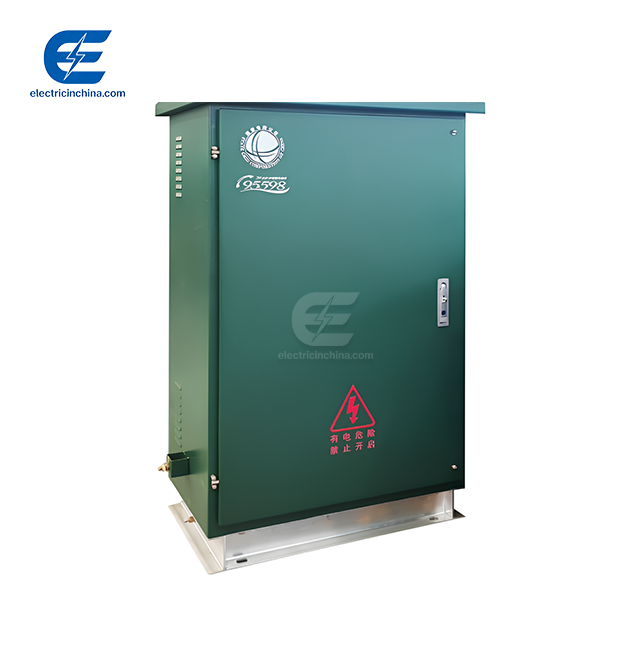
To truly provide a one-stop service, we organize the purchase of coordinating equipment such as low-voltage switches and cables. This all-around method gets rid of the problems that come up when working with different companies and makes sure that all the parts are compatible and work together smoothly.
Quality Assurance and Delivery Reliability
Government building projects and EPC companies can't stand delivery delays that cause construction schedules to slip for Cast Resin PV Transformer. Our strict quality control system makes sure that everything is closely watched, from getting the raw materials to delivering the finished product and helping with fitting.
Our company's "zero defects" attitude means that every transformer goes through a lot of tests before it is shipped. Checking the insulation resistance, measuring the partial discharge, checking for temperature rise, and making sure the equipment can handle impulse voltage, make sure it comes ready to be used.
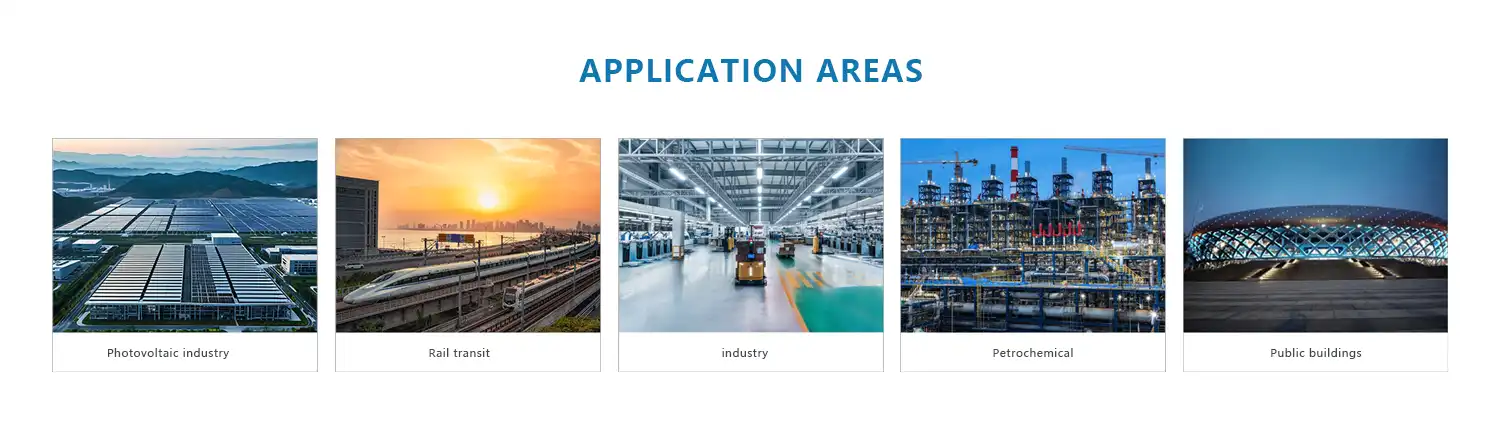
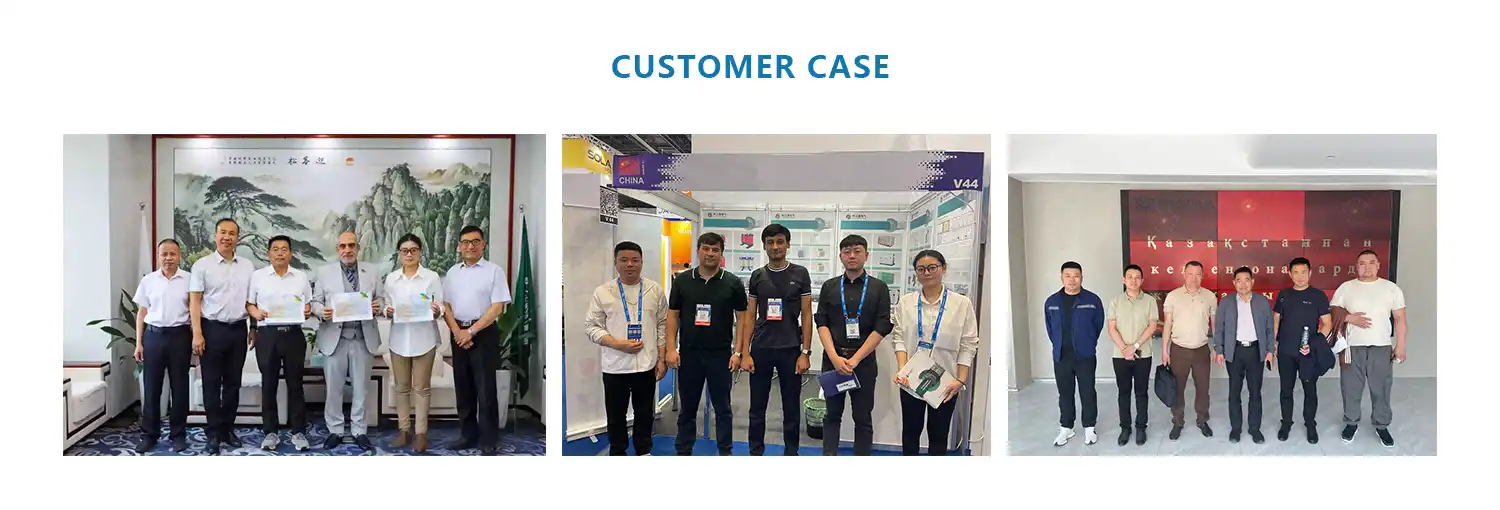
We have worked on hundreds of important power projects in the industrial, business, and local engineering fields. The Xuzhou Rail Transit Network project, the High-speed Railway East Station, and the improvements to the XCMG Group factories show that we can finish difficult jobs on time and to the highest quality standards.
Installation and Commissioning Best Practices
Site Preparation for Harsh Environments
When installed correctly, transformers work better and last longer in tough circumstances. When designing a foundation, it's important to think about seismic loads, vibration separation, and drainage so that water doesn't build up around equipment. Coastal sites need better sealing around the container and more corrosion protection for the structural parts.
Management of temperature includes more than just the design of the transformer's heat sink. It also includes where the installation is done and how air flows through it. For forced air cooling systems to work, the wind paths must be clear, and the manufacturer's instructions must be followed to the letter. Structures that provide shade help desert sites by keeping shelters from getting too hot from direct sunlight.
When you terminate an electrical link, you need to be careful to avoid partial discharge and burning. Our technical paperwork includes specifics about torque, conductor size, and connection tools that have been built over many years of field experience.
System Integration and Grid Compliance
Modern solar setups have advanced control and tracking systems that show how well the system is working right now. When these systems are connected to transformers, they can do forecast maintenance like watching temperatures, creating load profiles, and keeping an eye on partial discharges to find problems before they break.
Grid coupling rules are different depending on the area and the energy company. The safety arrangements, grounding configurations, and harmonic limits that are written into your power purchase agreement can be met by our transformers. Technical help during the review process speeds up the project and keeps it from having to be redone, which costs a lot of money.
Scalability is important for projects that plan to grow in stages. Our modular method lets us add more power without having to replace equipment that is already in place. As your solar farm grows, you can easily add more units because they can work together in parallel and have matched resistance properties.
Conclusion
For solar systems that have to deal with tough conditions, cast resin transformers are the best option. Our SCB12 Cast Resin PV Transformer line doesn't have the fire risks, maintenance problems, or environmental problems that come with oil-filled options. Instead, it uses modern epoxy resin technology to give better performance. Overload capacity of up to 150%, efficiency of over 98.5%, and maintenance-free running for 25 years or more protect your investment and get the most energy out of it. Tuojie's manufacturing know-how, extensive certifications, and track record of completing projects ensure that your solar equipment works reliably no matter what the weather is like. Choosing the right tools and provider is crucial to the success of a project in ways that build over many years of use.
FAQ
What lifespan can I expect from cast resin PV transformers?
It is common for cast plastic transformers to last between 25 and 30 years with little upkeep. According to IEC 60076-11 standards, accelerated age tests show that the insulation system will remain solid for a long time. This lasts as long as or longer than oil-filled units without the problems with oil degradation that cause early replacement.
How do these transformers perform during grid disturbances?
The SCB12 Cast Resin PV Transformer line has better short-circuit protection, as measured at 25 times the rated current for two seconds. Stable grid interconnection is maintained by better voltage control during power changes caused by clouds. Utility fault studies have shown that the system works reliably even when there are electrical problems, which is typical in solar setups.
Can SCB12 transformers operate at high altitudes?
Standard SCB12 Cast Resin PV Transformers work successfully up to 1000 meters above sea level without any changes. For installations above this height, up to 4000 meters, you need to use derating factors or special high-altitude designs. At very high levels, less dense air affects thermal performance and insulating strength. To fix this, better cooling provisions and changed insulation coordination are used.
Partner With Tuojie for Your Solar Transformer Needs
If you choose a trustworthy cast resin transformer provider, your solar project will be safe from equipment failures that cost you money and hurt your image. Tuojie has been making things for more than 20 years and has many standards (ISO 9001, ISO 14001, OHSAS 45001, and CCC) that make sure the quality is always the same. With 15 top engineers and 18 patents, we can make unique solutions for harsh conditions like the hot desert or the humid coast. We've finished hundreds of important power projects, such as rail transit systems, business developments, and factories. Our SCB12 Cast Resin PV Transformers are more than 98.5% efficient, can handle 150% overload, and don't need to be serviced for more than 25 years. Get in touch with Tuojie right away at tuojie@electricinchina.com to talk about your project needs with skilled cast resin transformer makers who know how hard it is to put solar panels in harsh conditions.
References
1. International Electrotechnical Commission. "Power Transformers - Part 11: Dry-Type Transformers." IEC 60076-11:2018 Standard Documentation.
2. Institute of Electrical and Electronics Engineers. "Recommended Practice for Establishing Liquid-Filled and Dry-Type Power and Distribution Transformer Capability When Supplying Nonsinusoidal Load Currents." IEEE C57.110-2018.
3. Zhang, Wei, and Liu, Hongyan. "Performance Analysis of Cast Resin Transformers in Photovoltaic Power Generation Systems." Journal of Electrical Engineering & Technology, Vol. 16, No. 4, 2021.
4. National Standards of the People's Republic of China. "Power Transformers - Part 1: General." GB/T 10228-2008 Technical Specifications.
5. Miller, Thomas J. E. "Reactive Power Control in Electric Systems." John Wiley & Sons Professional Engineering Series, 2019 Edition.
6. Solar Energy Industries Association. "Technical Specifications for Utility-Scale Solar Power Plants: Electrical Infrastructure and Grid Integration." SEIA Best Practices Report, 2022.