

.webp)
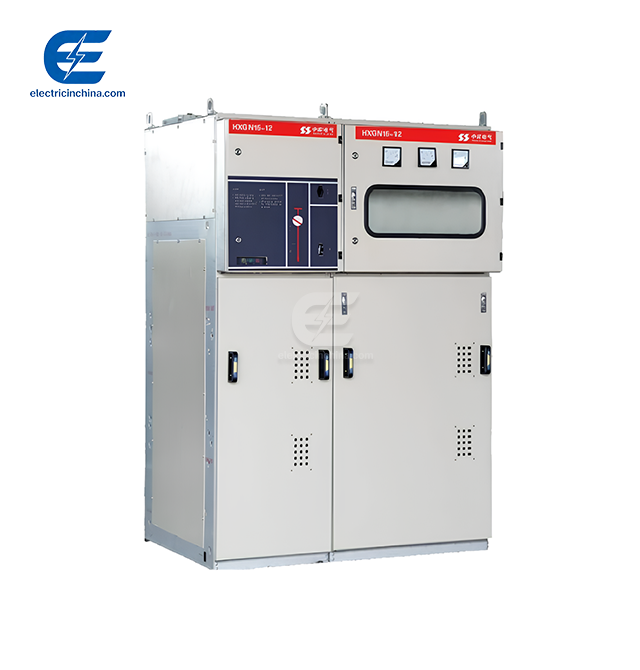
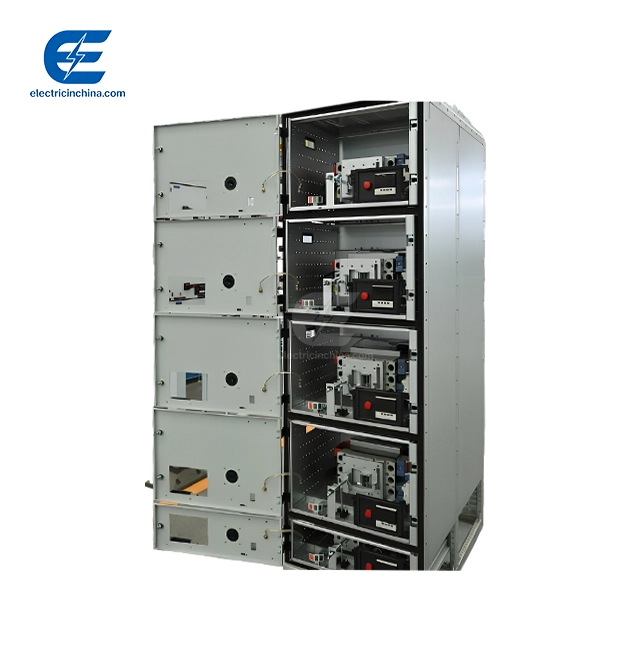
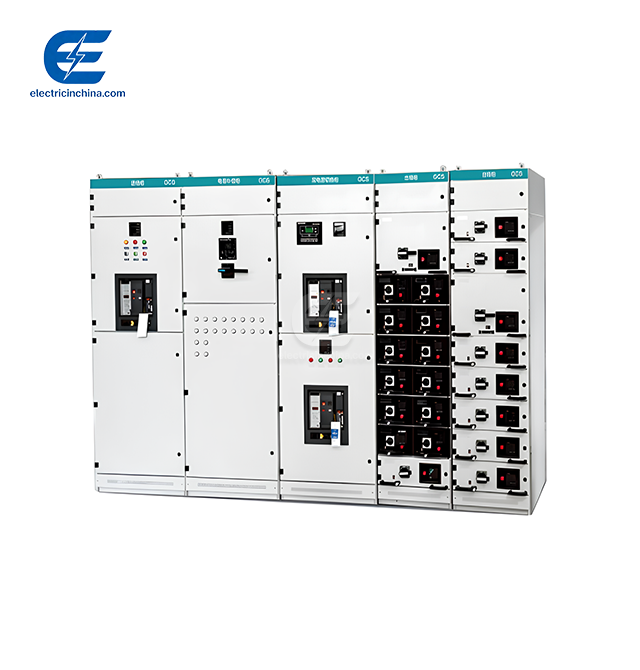
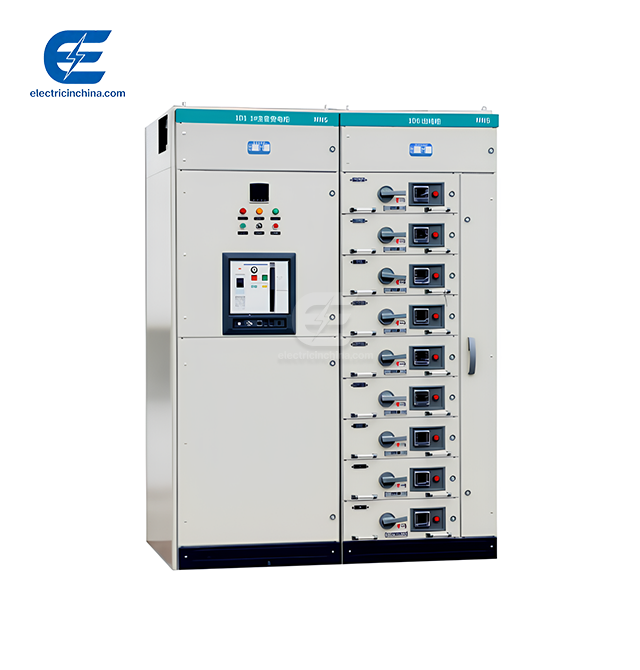
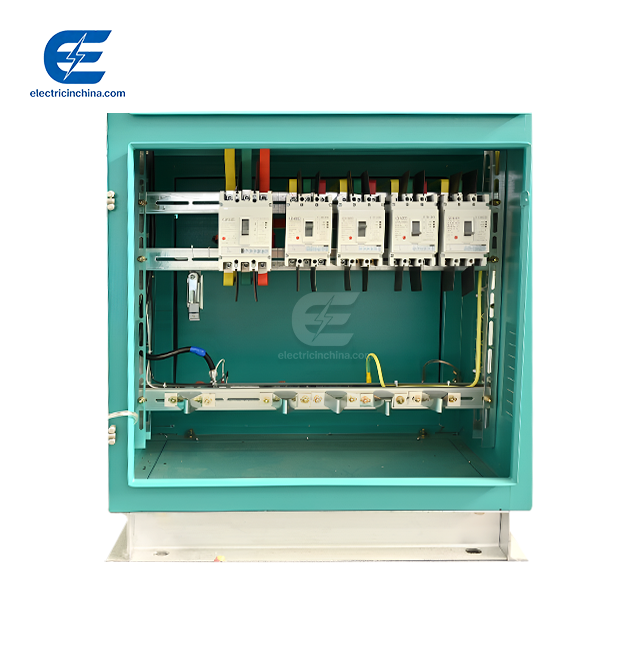
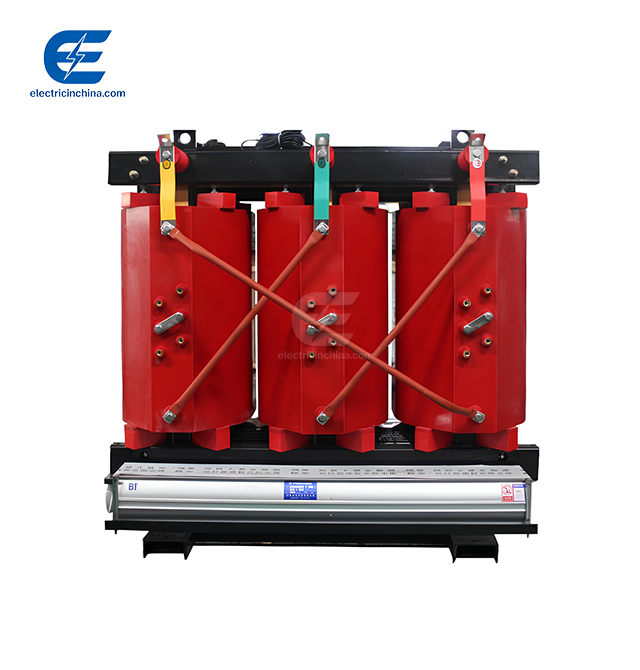
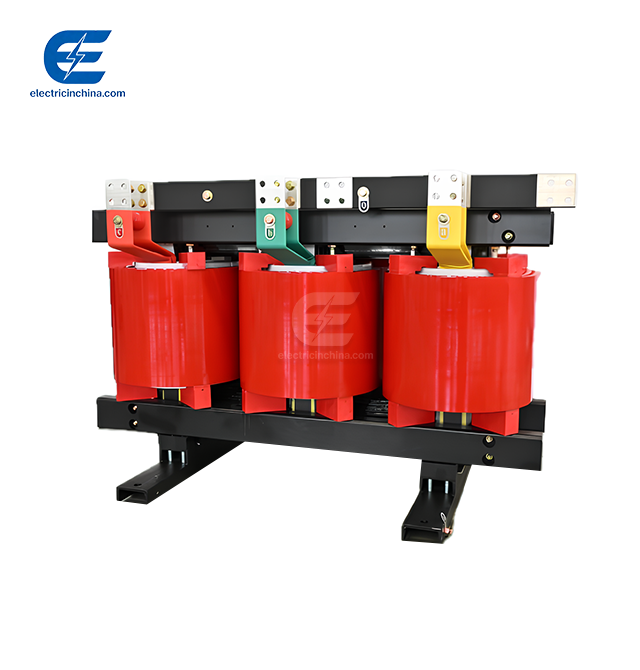
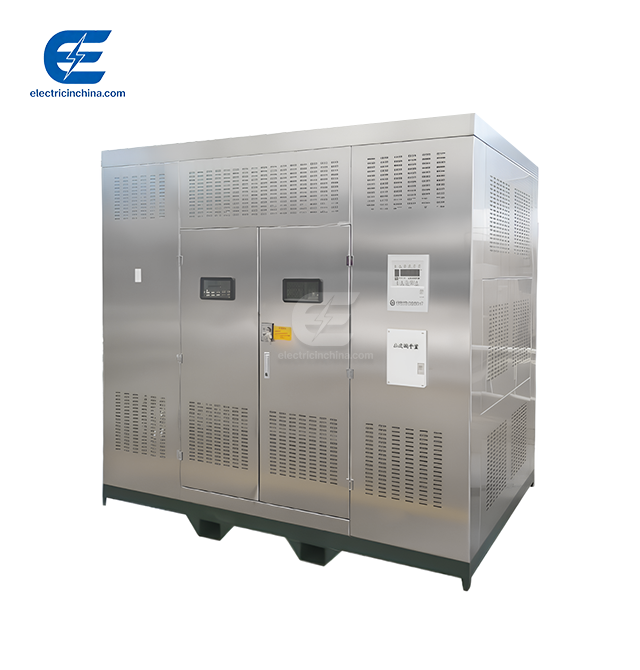
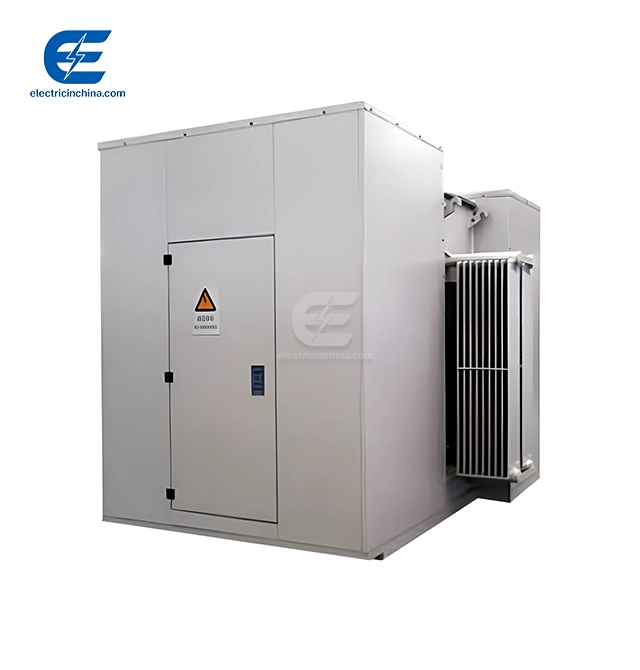
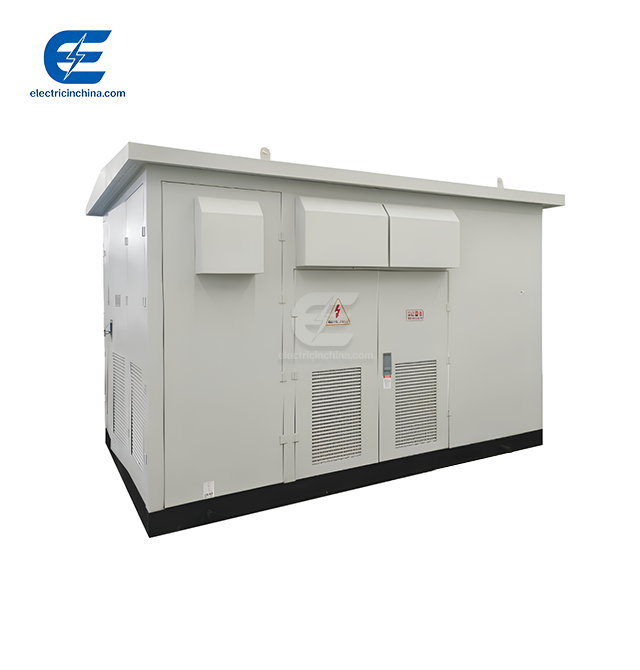
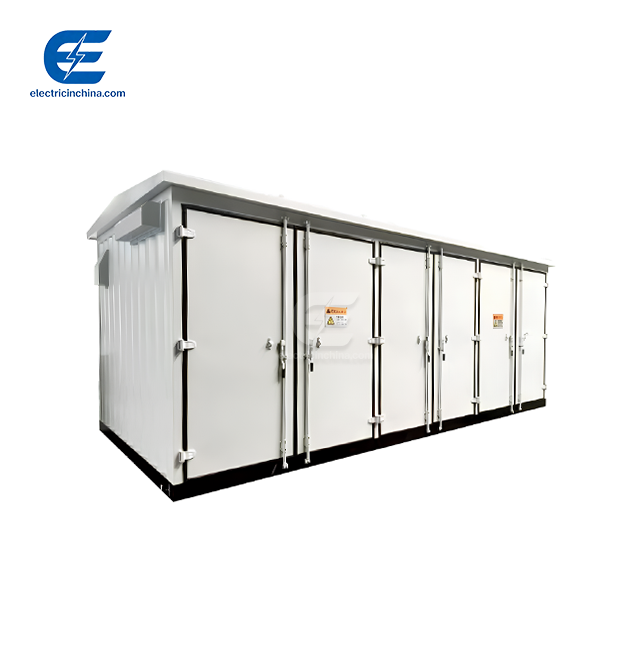
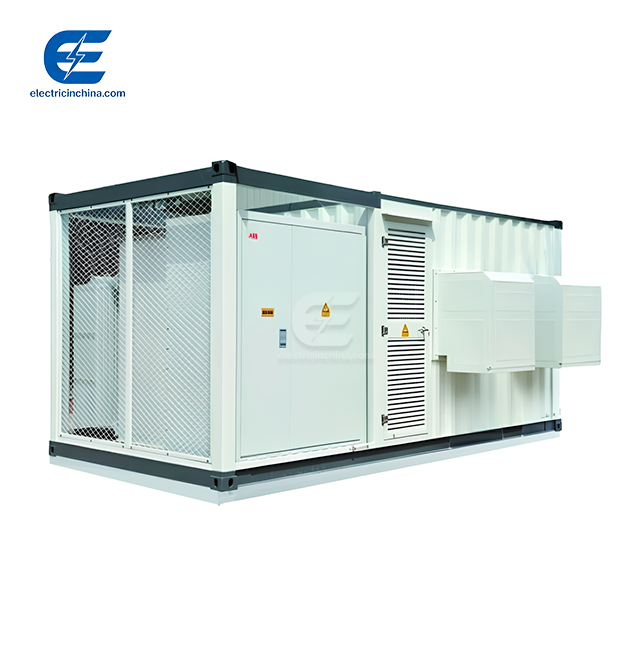
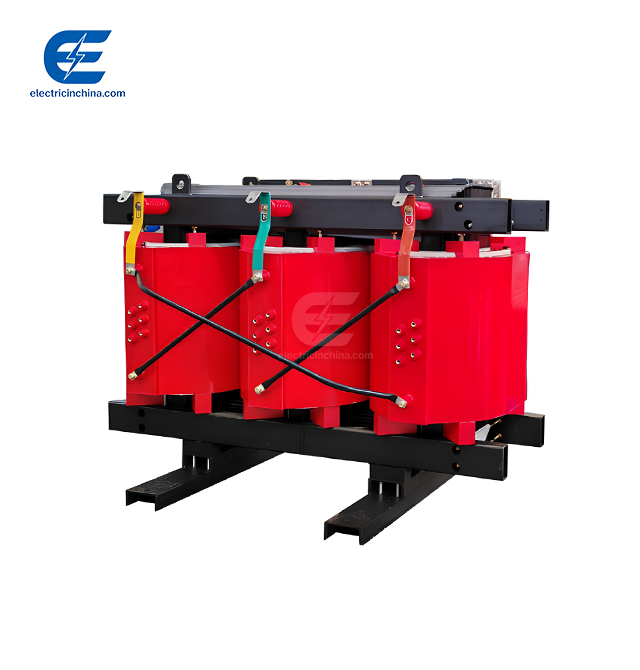
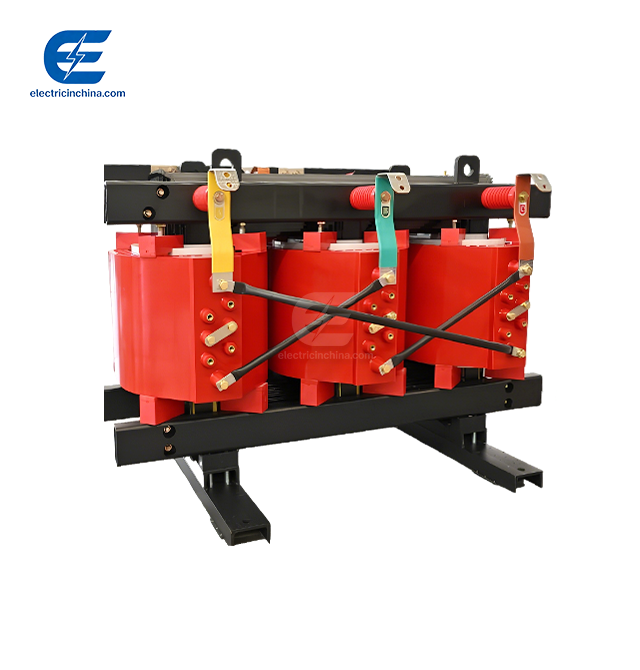
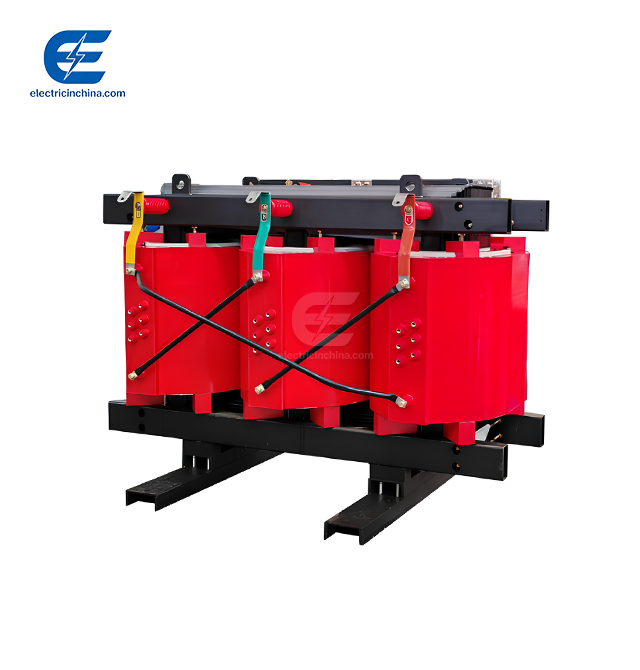
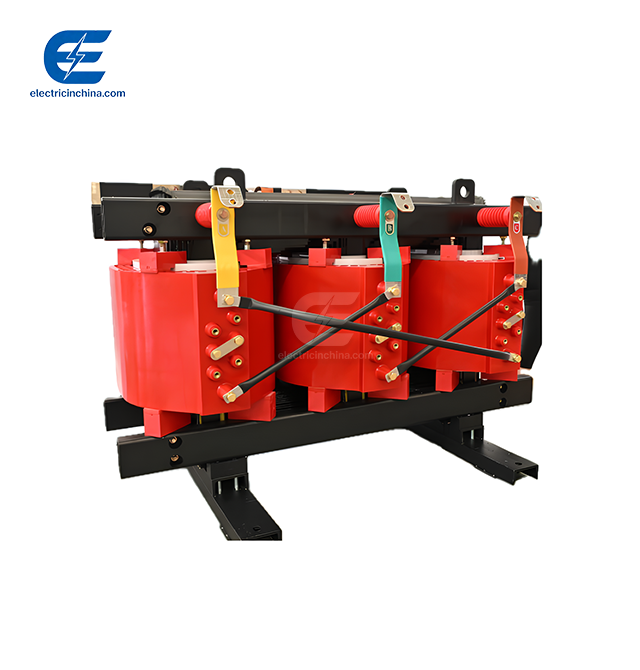
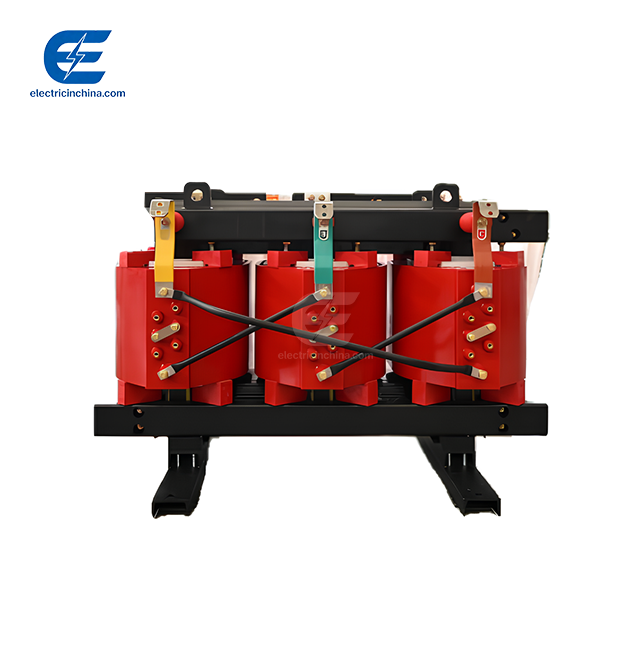
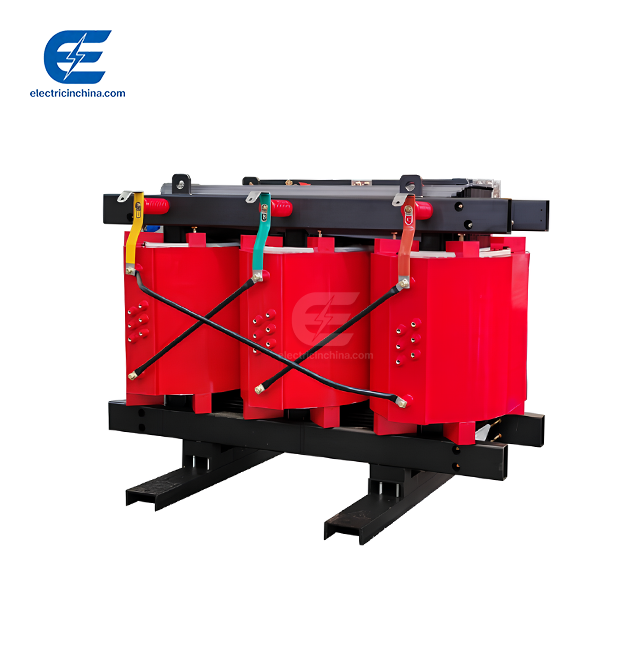
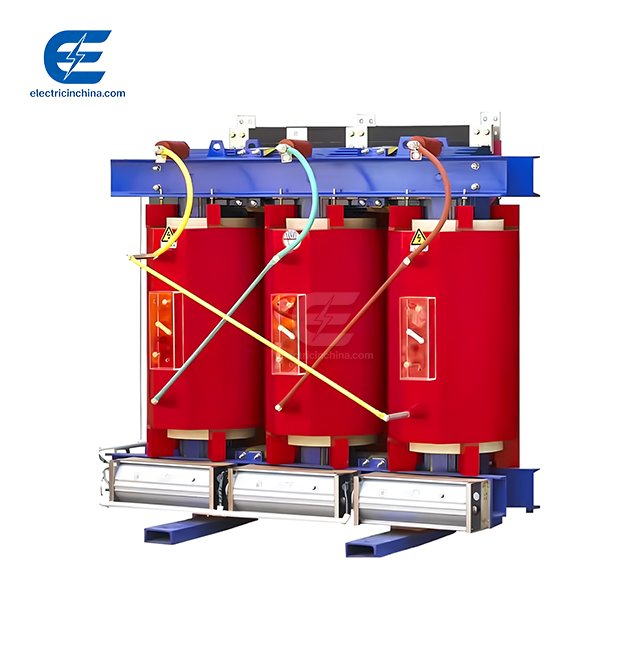
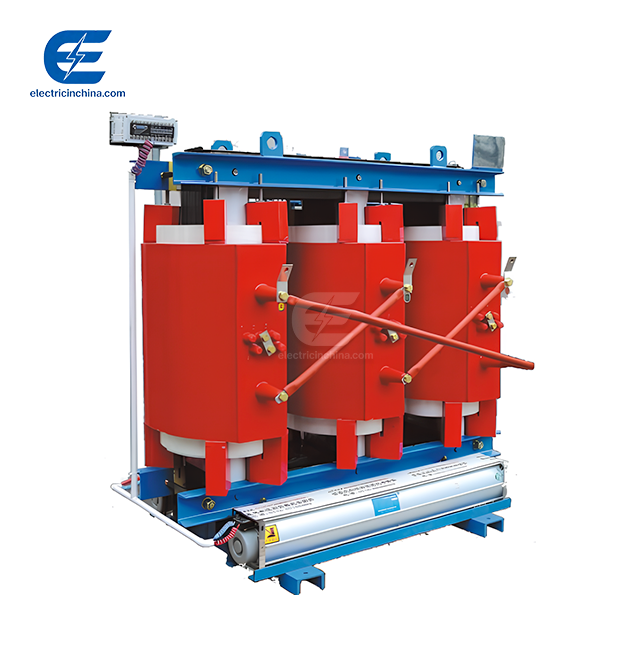
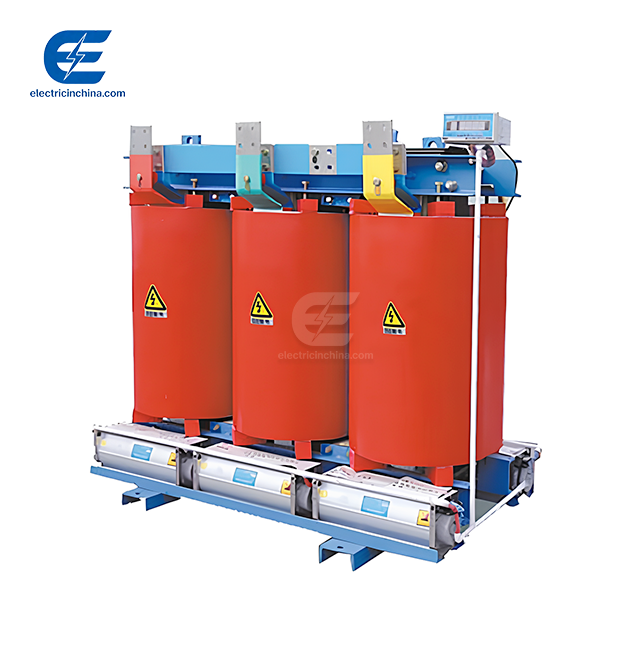
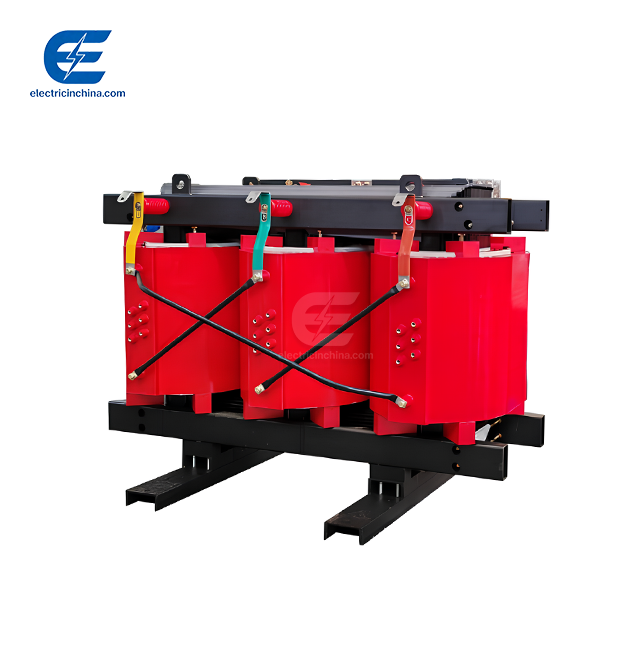
Cast Resin Transformers can make your operations much more reliable. These dry-type power distribution units use cutting-edge epoxy resin sealing technology to get rid of fire risks, lower the need for upkeep, and keep working well even in tough conditions. Unlike oil-immersed options, they don't need to be maintained for more than 25 years and can reach up to 99.5% efficiency rates. Their sealed design keeps out moisture, dust, and other harmful substances, so they can give power continuously in industrial, business, and infrastructure settings where downtime is not an option.
Understanding Cast Resin Transformers and Their Role in Reliability
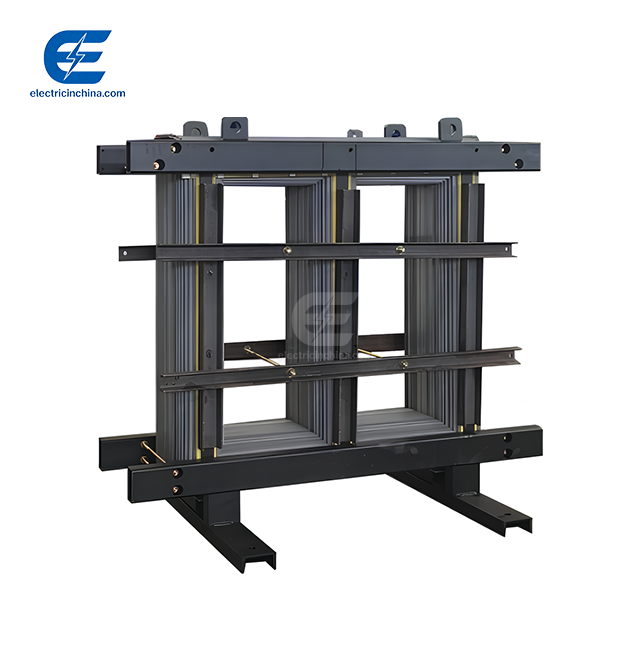
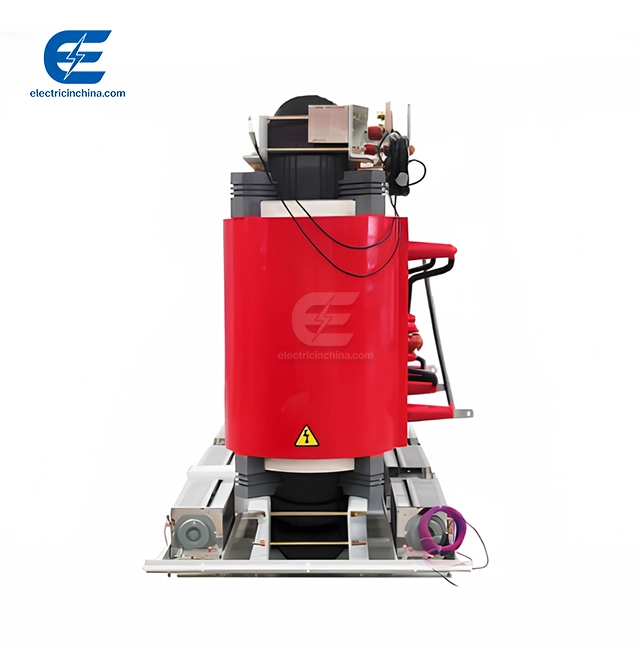
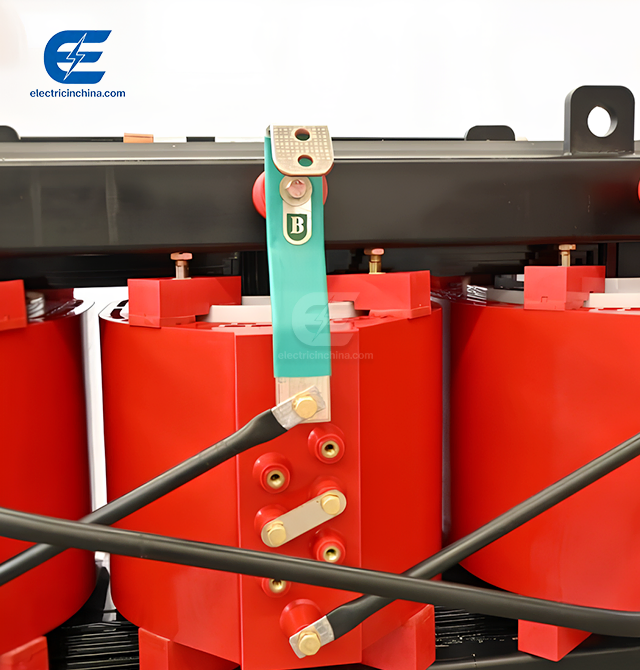
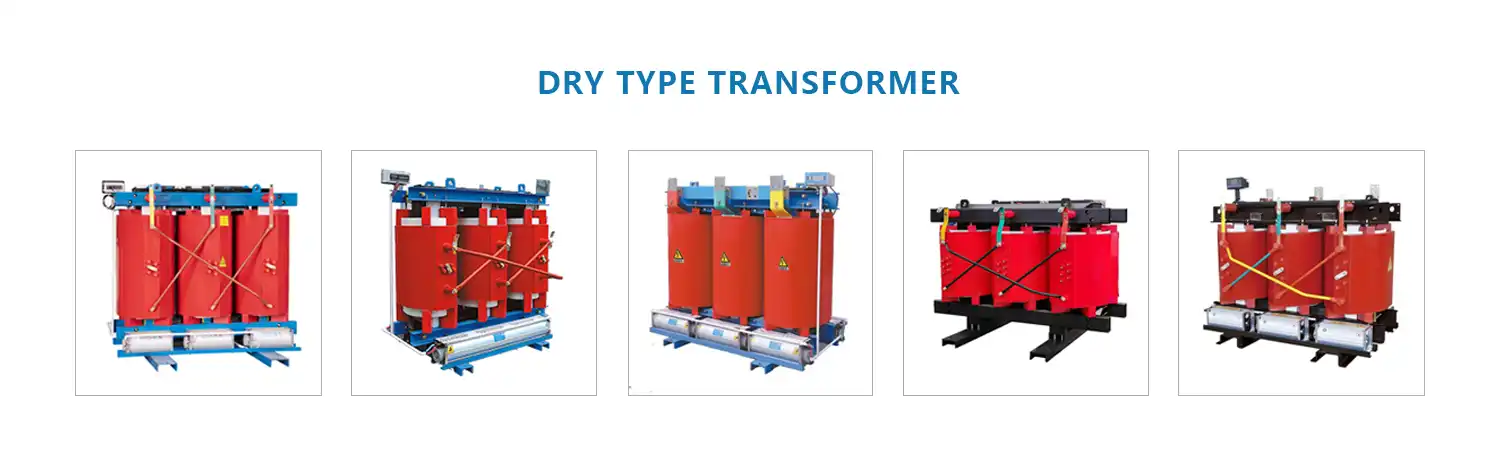
When your business counts on constant power, it's important to know what makes Cast Resin Transformer technology different. At its heart, this type of transformer uses vacuum-cast epoxy resin to fully surround the main and secondary windings. This makes a solid barrier for insulation that other designs just can't match.
The Epoxy Encapsulation Advantage
The vacuum casting method gets rid of air gaps and moisture intrusion, which are two typical places where traditional equipment breaks down. Our engineering team has improved this method by installing hundreds of these units and seeing them work perfectly in situations where oil-filled options would not. The epoxy matrix makes a lasting barrier against external stressors and keeps its good dielectric qualities, with a strength of more than 20 kV/mm. We've seen these transformers work through decades of temperature changes, humidity spikes, and industrial contamination without losing any of their performance.
Fire Safety That Changes Installation Possibilities
Modern epoxy versions meet the strictest safety standards, such as UL and IEEE requirements, because they can put out fires on their own. In real life, what does this mean? You can put units right at load centers inside buildings, even in the basement, which is not allowed for standard oil-filled transformers because of fire safety rules. We just finished a job for a business complex where this flexibility saved the developer a lot of money on building vaults and fire suppression systems. The insurance company cut rates by 18% just by getting rid of the chance of oil-related fires.
Durability That Extends Service Life
One of the most underrated factors of dependability is how well something can handle moisture. Traditional dry-type transformers can soak up water from the air, which slowly makes the shielding less effective. Our Cast Resin Transformers have an insulation resistance above 1000 MΩ, even after years of being in damp places; this has been proven by IEC 60076-3 testing methods. This permanent moisture barrier makes the operating life longer than 25 years with almost no upkeep. This is very different from oil-filled units, which need to have their fluids tested regularly and eventually be refurbished.
Comparing Cast Resin Transformers with Traditional Transformer Types
If you want to choose the right Cast Resin Transformer technology, you need to know more than just the changes in specs. We know what affects the total cost of ownership and operating trust because we've worked with procurement teams on both government building projects and industrial facilities.
Safety and Environmental Profile
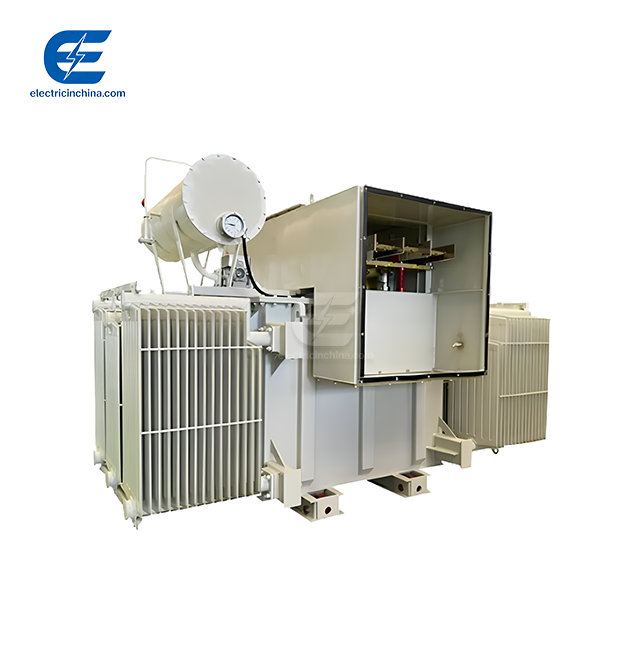
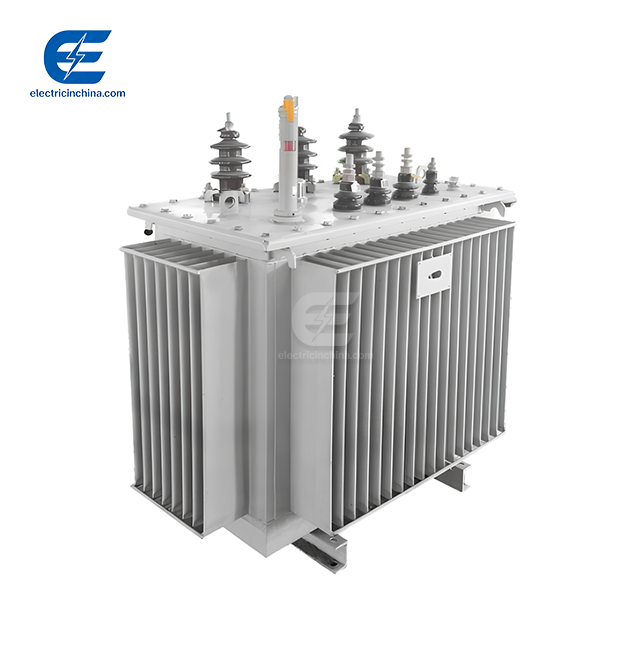
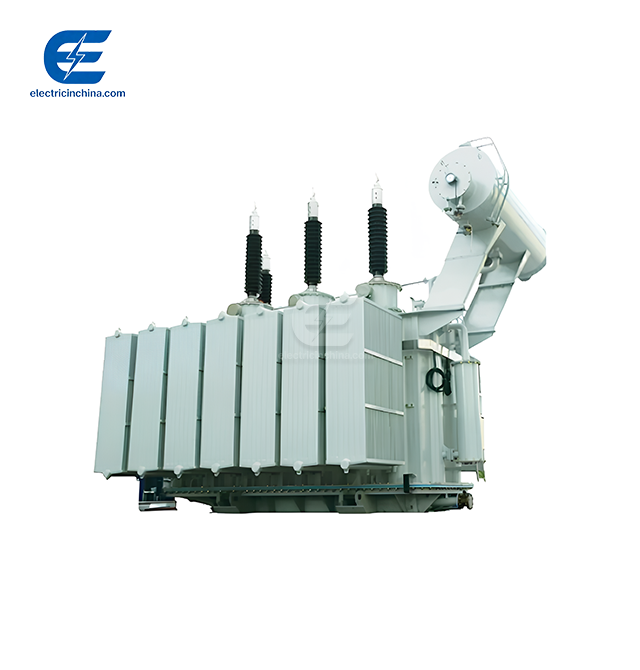
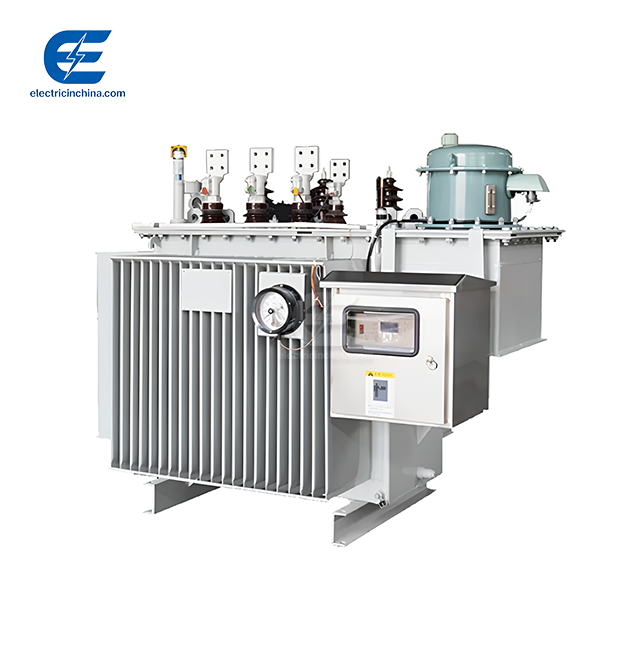
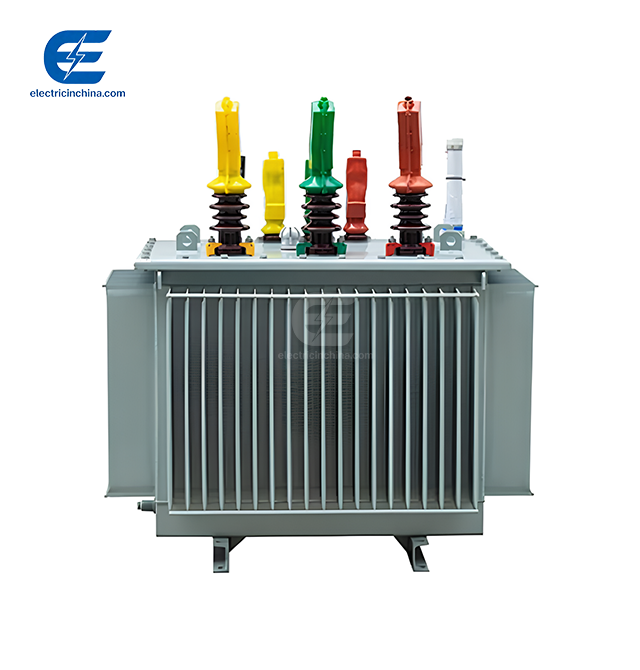
Transformers that are submerged in oil have inherent risks that are being punished by regulations more and more. Each unit has hundreds of gallons of dielectric fluid that needs to be kept in a safe place, tested regularly for PCB contamination, and eventually thrown away as toxic waste. As part of building upgrades, replacing oil transformers got rid of the need for yearly testing that cost more than $12,000 per unit and resolved environmental compliance issues. Cast Resin Transformer technology gets rid of all of these problems: there is no fluid to test, no need to control spills, and no contamination risk. When it's time to replace the epoxy insulating system, it can be recycled completely, which is in line with new government buying rules that require sustainability.
Noise and Thermal Performance
The sound quality is more important than many people think at first. Traditional dry-type transformers can make more than 65 dB of noise when they're loaded, which can disturb the work area and limit where the transformer can be installed. Noise levels in our Cast Resin Transformer designs are less than 45 dB thanks to improved core construction and sound damping that is built into the encapsulation process. Thermal management is also very different. The epoxy matrix is very good at getting rid of heat while keeping the structure intact. Units can handle 150% of their maximum load while being cooled by forced air. This is a feature we've used in sites that use variable green energy sources, where load changes can be hard for regular equipment.
Total Cost Analysis
Lifecycle economics tell the whole story, even though upfront prices change depending on rating capacity and specs. Even though Cast Resin Transformers may cost 10-15% more at first than normal dry-type options, they quickly save money over time. Zero oil changes, no fluid testing, lower fire insurance rates, and running without any upkeep for more than 25 years all add up to strong financial returns. A factory client recently found that their Cast Resin Transformer installations gave them a 340% ROI over 20 years when they compared them to their old oil-filled infrastructure. This was figured by taking into account the time and money they saved on downtime, maintenance work, and insurance changes.
How Cast Resin Transformers Address Common Operational Challenges
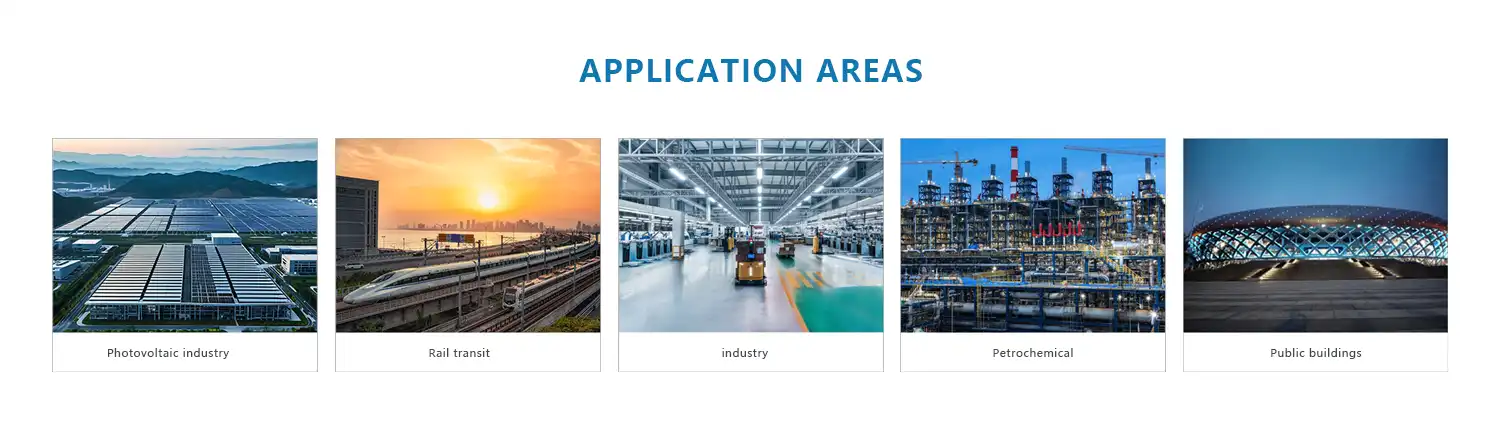
Installations in the real world show how design traits lead to operating benefits. From working with train transit systems, business developments, and industrial facilities, we know that these Cast Resin Transformers can fix long-lasting issues that lower reliability and raise costs.
Simplified Maintenance Programs
"Maintenance-free" sounds too good to be true until you look at what Cast Resin Transformer technology really gets rid of. No plans for oil samples. There is no dissolved gas measurement. After shutdown times, there are no pre-drying steps. No checking of the bushings for oil leaks. Visual checks and checking the connections between terminals are now the only maintenance tasks that need to be done. These tasks take minutes instead of hours. We kept track of the repair work that was done on different installations and found that, compared to oil-filled versions, transformer-related service hours were 87% shorter. This is very important when you're handling infrastructure that is spread out across various places with a few technical workers.
Environmental Stress Resistance
Every day in industrial settings, harsh working conditions test the reliability of transformers. The Cast Resin Transformer designs we use work in temperatures ranging from -40°C to +40°C without losing their effectiveness, even when the humidity level hits 95%. Corrosive atmospheres, salt spray in seaside sites, and dust contamination in factories are all kept out by the sealed construction. The work we did at a chemical processing plant keeps running even though normal transformer shielding would have been destroyed in five years by the weather. The epoxy coating makes a shield against the environment that lasts forever and doesn't break down over time.
Overload Capacity and Fault Tolerance
The reliability of power systems depends on how well they can handle unusual situations without breaking down. Our units can handle short-circuit currents of up to 25 times their rated capacity. This is proven by strict factory testing that follows IEEE C57.12.01 standards. This mechanical strength keeps the windings from moving and the insulation from getting damaged during fault events that would destroy less durable equipment. Overload capacity goes up to 130% for two hours when natural convection cooling is used, giving you important extra time in case demand suddenly goes up. We've kept track of many times when this built-in robustness stopped failures from spreading during grid disturbances, keeping power to important loads even as equipment nearby went dark.
When you put these skills together, they make measurable changes to uptime. Tracking performance across our installed base shows that unexpected outage rates are below 0.08% per year. This is a very high reliability that directly supports your business goals while lowering emergency service costs and production risk.
Procurement Considerations for B2B Clients: Selecting the Right Cast Resin Transformer
When choosing Cast Resin Transformers for project-based buying, you need to carefully consider more than just the electrical grades. For government building projects and EPC contracts to work, providers need to know how to meet compliance standards, keep delivery promises, and meet technical customization needs.
Technical Specification and Standards Compliance
The voltage class you choose should fit your distribution design while still leaving room for error. Typical main voltages are between 10kV and 35kV, and secondary configurations should be able to meet the needs of your load. Power ratings range from 30kVA to 31,500kVA, so they can be used for everything from single-building setups to distribution networks that cover the whole school. As energy costs rise, efficiency specs become more important. Look for designs that are more than 98.5% efficient and have partial discharge levels below 10 pC at 1.1 times the maximum voltage. Our engineering team came up with 18 unique technologies that increase efficiency to 99.5% while keeping the size 20–30% smaller than oil-filled alternatives.
Supplier Evaluation and Long-Term Support
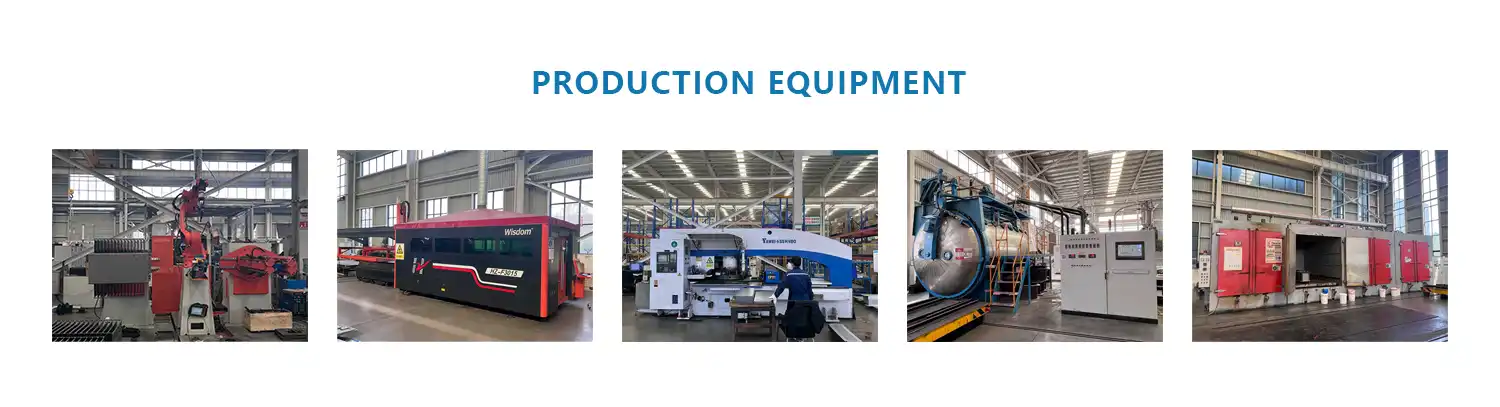
Supplier reputation is just as important to the success of a project as product specs. Check how well they can make things. They have more than 120 high-tech production systems, such as CNC automatic wrapping machines, static vacuum casting equipment, and microcomputer-controlled curing ovens, that make sure the quality stays the same even when they make a lot of things. Technical knowledge is just as important as business knowledge. Our team has 15 senior engineers and more than 30 intermediate techs who have a lot of experience making custom power solutions for tough situations.
Project knowledge is a better way to show that you can do something than marketing claims. We've finished a huge number of important power projects, such as the Xuzhou Rail Transit Network Control Center, EPC projects for high-speed railway stations, and installations for major makers in industrial parks. The train transit power source used dual-circuit designs to make sure that subway operations were completely safe. This is exactly the kind of dependability that infrastructure projects need.
Customization and Value-Added Services
Standard store items don't usually work best for certain operating needs. Choosing the right winding material affects both performance and cost. Copper windings offer the highest level of efficiency and overload capacity, while metal options require less initial investment. You can choose insulation class F (155°C) or H (180°C), depending on the temperature and load factors where you are. Protection grades from IP23 to IP54 can be used in a wide range of installation settings, from limited indoor areas to open industrial areas.
In addition to the transformer itself, complete support services are what set qualified sellers apart. We help you find products for all of your power distribution needs, give you advice on how to put them, and provide expert support for as long as they work. Our one-stop method makes it easier for EPC workers to buy things while keeping track of tight project schedules and coordination needs. When procurement teams have tight delivery deadlines, our production capacity and knowledge with transportation make sure that goods arrive on time and keep projects on track.
Future Outlook: The Role of Cast Resin Transformers in Enhancing Energy Efficiency and Reliability
As technology keeps getting better, it changes what is possible in terms of reliable and efficient power transfer. By spending money on research and development, we can keep our ideas ahead of changing business needs and new uses.
Smart Monitoring and Predictive Maintenance
When digital sensors and tracking systems are added to Cast Resin Transformers, they go from being inactive parts to smart assets. Our units have BWDK temperature tracking systems built in that keep an eye on the temperatures of the windings at several different measurement points. These systems provide overheat alarms and automatic trip functions that stop damage before it happens. This built-in safety goes beyond simple thermal cutouts; it allows predicted maintenance by finding strange thermal patterns that point to problems that are about to happen. Facility managers can see how things are in real time, which helps them make data-driven choices about care rather than just reacting to emergencies.
Material Science and Performance Enhancement
As new versions of epoxy glue are made, their thermal conductivity, mechanical strength, and resistance to the environment all get better. Our joint study focuses on creating hybrid materials that improve resistance to partial discharge and slow down the rate of thermal aging. These improvements make already long-lasting products last even longer and allow for more power to be stored in smaller spaces. Core materials also change over time. For example, newer types of silicon steel have better magnetic qualities across a wide range of temperatures while reducing no-load losses. Over many years of use, these small gains add up to performance levels that were not possible with earlier versions.
Sustainability and Regulatory Alignment
As the world moves toward more sustainable infrastructure, it creates both needs and chances. Cast Resin Transformer technology naturally handles environmental concerns that are becoming more important in purchasing decisions: it has no risk of oil exposure, a small carbon footprint because it is highly efficient, and can be recycled completely when it's time to throw it away. Energy efficiency regulations are getting stricter all the time. In the US, programs like the Department of Energy's efficiency guidelines set base performance levels that older technologies find hard to meet. Our plans go beyond what is needed now and what is expected in the future. This protects your infrastructure investment from becoming obsolete.
Compliance isn't the only strategic gain. Even small improvements of 0.5% in energy efficiency can save a lot of money on big installations. For example, a 2500 kVA transformer that works 8,000 hours a year with better efficiency saves over $3,200 a year at normal business rates. When you multiply this by a lot of different types of infrastructure, the effect on the budget is big. In the same way, risk management gets better when responsibility for oil spills is removed, fire risks are lowered, and fault tolerance is raised. These things are great for meeting the sustainability goals of a business and the expectations of stakeholders about how to care for the earth.
Conclusion
Cast Resin Transformer technology makes things more reliable by giving designers basic benefits that get rid of common failure modes and make things easier to use. The epoxy encapsulation method protects permanently against environmental stresses, water getting in, and fire risks that come with other options. Maintenance-free operating for more than 25 years, efficiency above 99.5%, and better fault tolerance all work together to lower the total cost of ownership while increasing uptime in important applications. These transformers have been tested and proven to work well, and they come with full expert support and strict quality standards. They are perfect for building projects, business developments, or upgrades to industrial facilities. The technology keeps getting better thanks to new developments in material science and the integration of smart tracking. This makes sure that these investments will be useful for decades to come while also meeting stricter requirements for efficiency and sustainability.
FAQ
What makes cast resin transformers more reliable than oil-filled types?
Solid epoxy coating stops moisture absorption and pollution risks that weaken oil-immersed transformers over time. If there is no fluid, there are no leaks, no worries about dissolved gases, and the dielectric properties don't change over time. Maintenance-free operation for more than 25 years greatly lowers the number of failure spots compared to oil systems that need to be tested regularly and eventually have their fluid replaced.
Can these transformers handle harsh industrial environments?
Of course. The sealed design can handle temperature changes from -40°C to +40°C, humidity levels of up to 95%, and toxic atmospheres that would normally kill other equipment. Chemical plants, sites near the coast, and dirty factories are all common examples of places where protecting the environment is important for success.
How do efficiency levels compare with other transformer types?
Modern Cast Resin Transformer designs achieve 98.5% to 99.5% efficiency, which is the same as or better than expensive oil-filled transformers and keeps working well for the whole time they are in use. Better temperature management and partial discharge levels below 10 pC help keep the efficiency high and don't decrease over time, as moisture-sensitive alternatives do.
Partner with Tuojie for Reliable Cast Resin Transformer Solutions
Tuojie has been making Cast Resin Transformers and providing full power distribution systems for more than 20 years. Whether you're looking for tools for industrial facilities, business developments, or government infrastructure, our 15 senior engineers and 18 patented technologies can make designs that are exactly what you need. Over 120 advanced production systems carefully check the quality of every unit, making sure that they meet ISO 9001 standards and arrive without any problems. We know how long EPC projects take and what the tender standards are. We can keep your projects on track by giving you quick expert help, full certifications, and on-time delivery. As a reliable provider, we can help you with all of your electrical needs. Our track record of success in hundreds of key power projects speaks for itself. Visit electricinchina.com or email tuojie@electricinchina.com to talk about your unique needs and find out how our solutions can improve your operating reliability while lowering your total cost of ownership.
References
1. International Electrotechnical Commission, "Power Transformers - Part 11: Dry-type Transformers," IEC 60076-11 Standard, 2018 Edition.
2. IEEE Power and Energy Society, "IEEE Standard for Dry-Type Distribution and Power Transformers," IEEE C57.12.01-2015, Institute of Electrical and Electronics Engineers, 2015.
3. Abdul-Malek, Zulkurnain, et al., "Reliability Assessment of Cast Resin Dry-Type Transformers in Tropical Environments," Electric Power Systems Research, Vol. 142, 2017, pp. 142-149.
4. Heathcote, Martin J., "The J&P Transformer Book: A Practical Technology of the Power Transformer," 13th Edition, Newnes Publishing, 2017.
5. Kulkarni, S.V. and Khaparde, S.A., "Transformer Engineering: Design, Technology, and Diagnostics," 2nd Edition, CRC Press, 2013.
6. National Electrical Manufacturers Association, "Guide for Loading Dry-Type Distribution and Power Transformers," NEMA Standards Publication TP 2-2008, Rosslyn, Virginia, 2008.