

.webp)
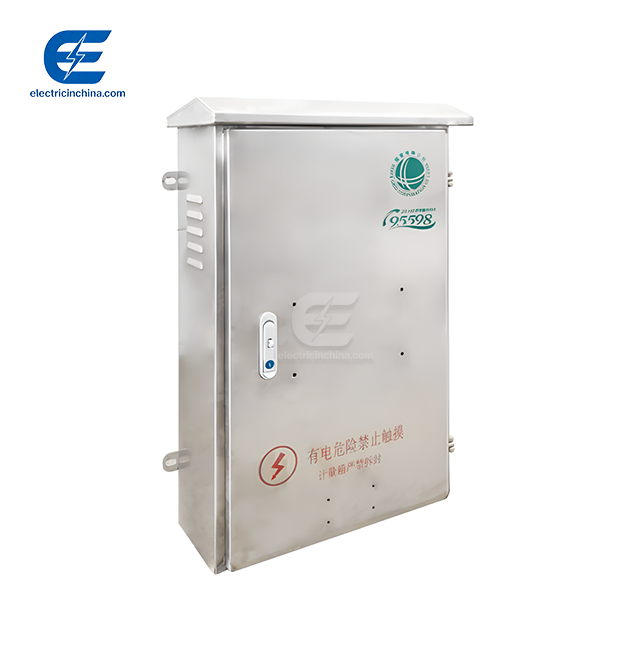
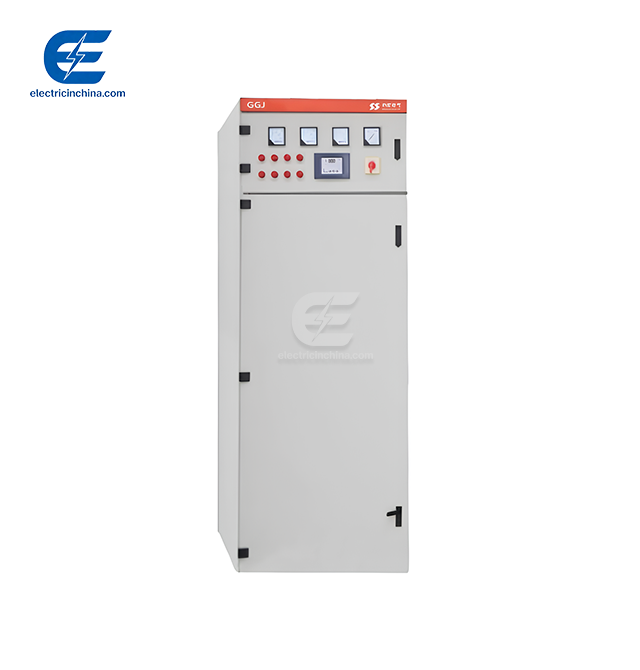
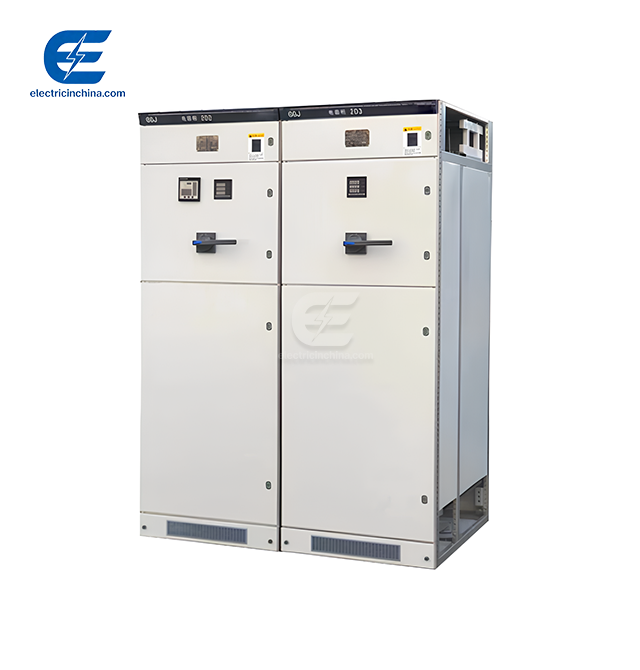
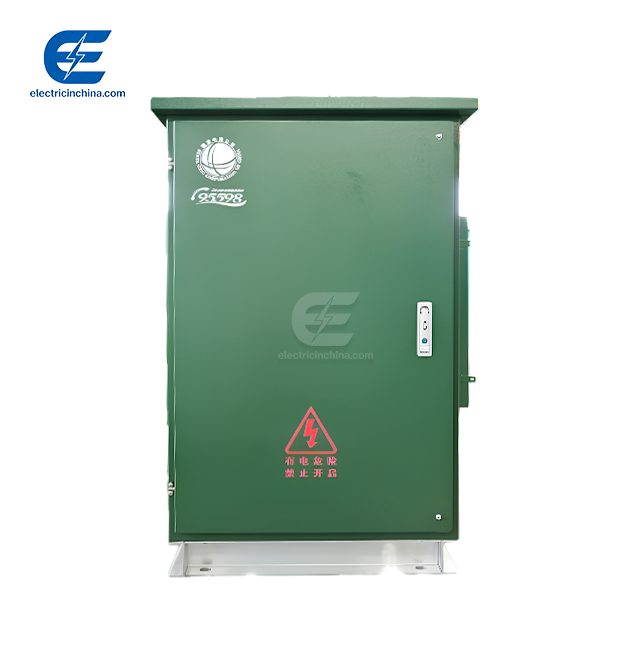
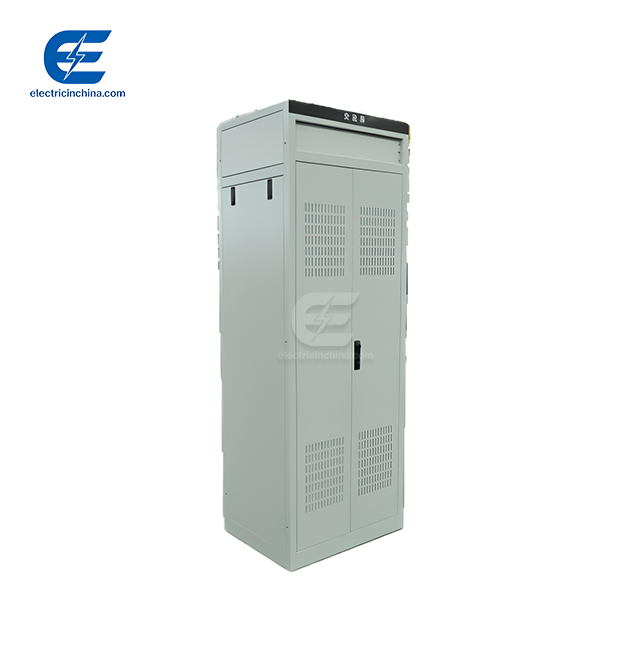
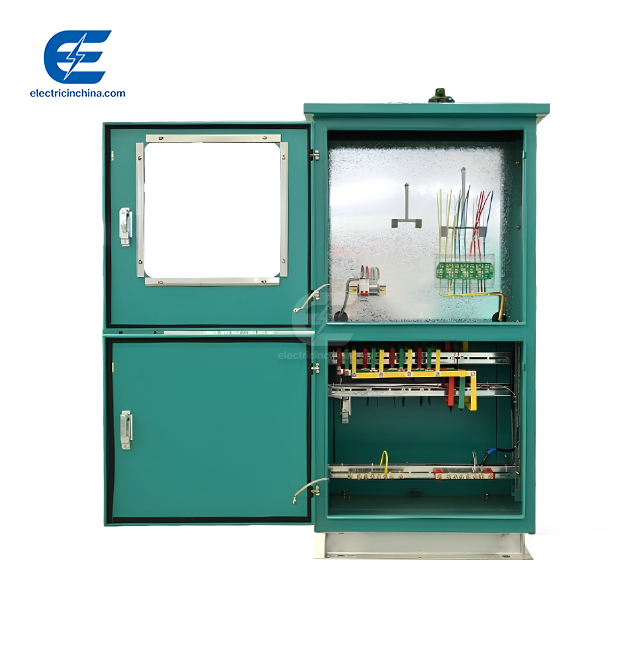
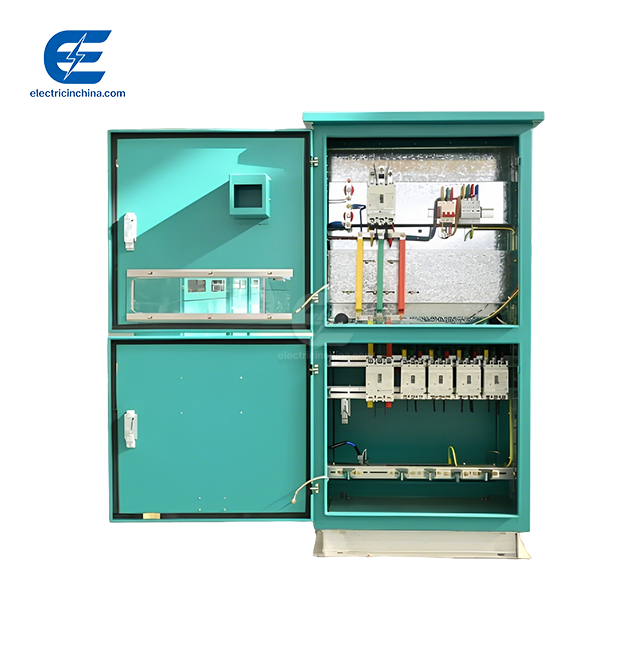
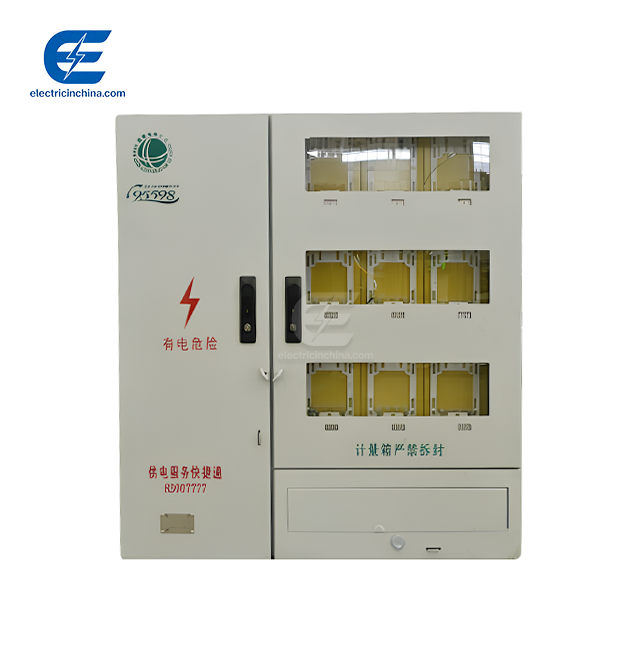
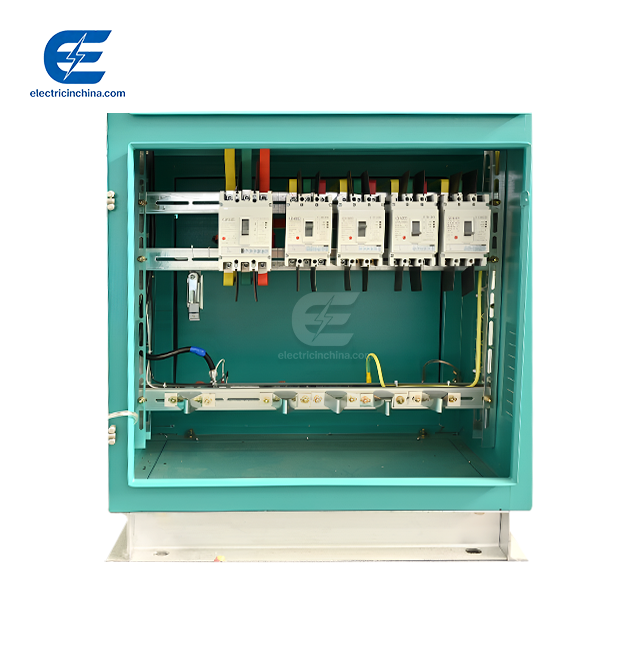
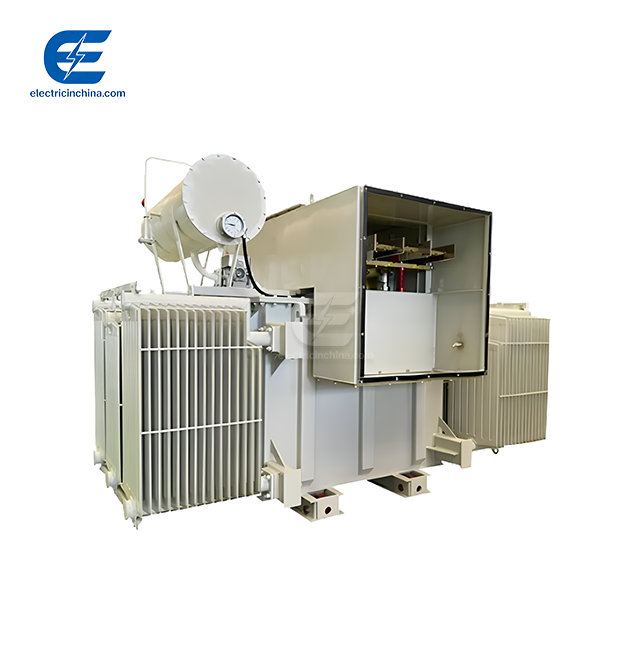
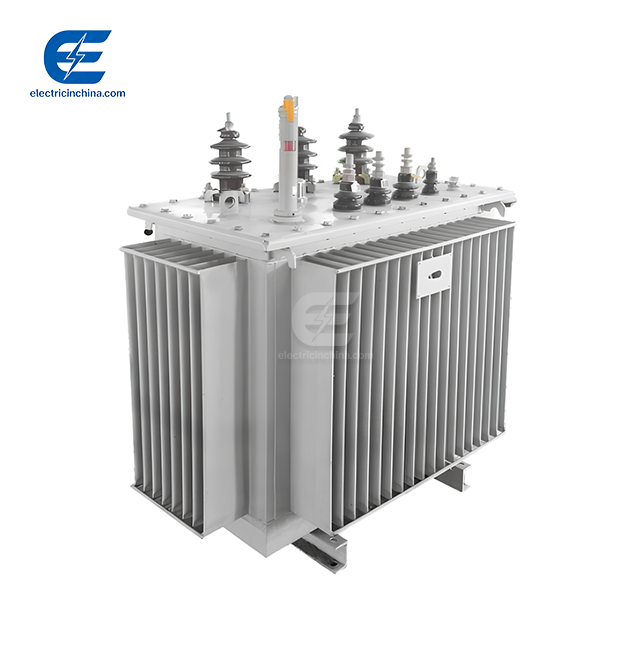
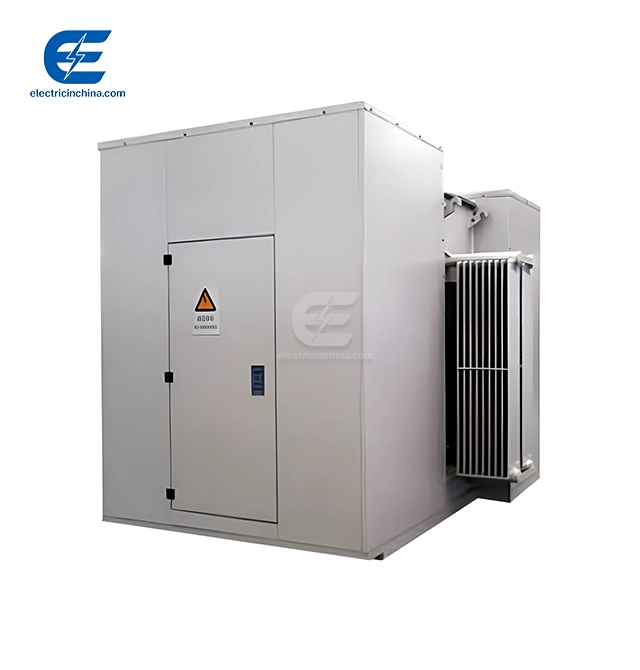
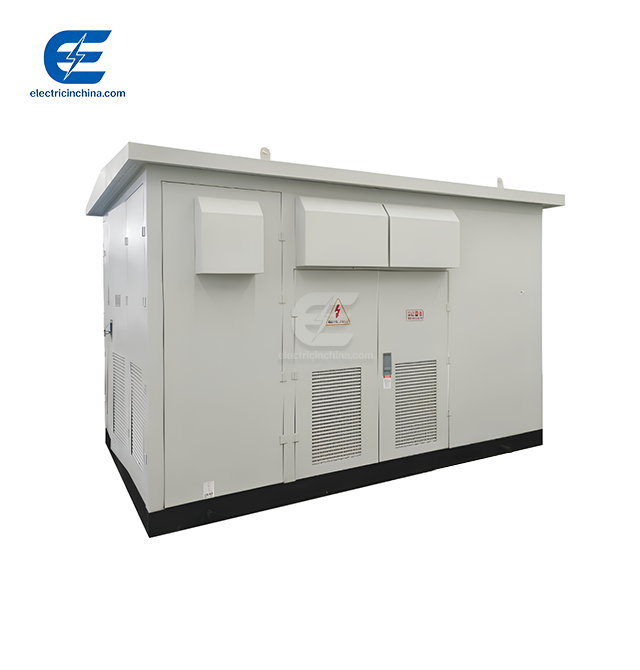
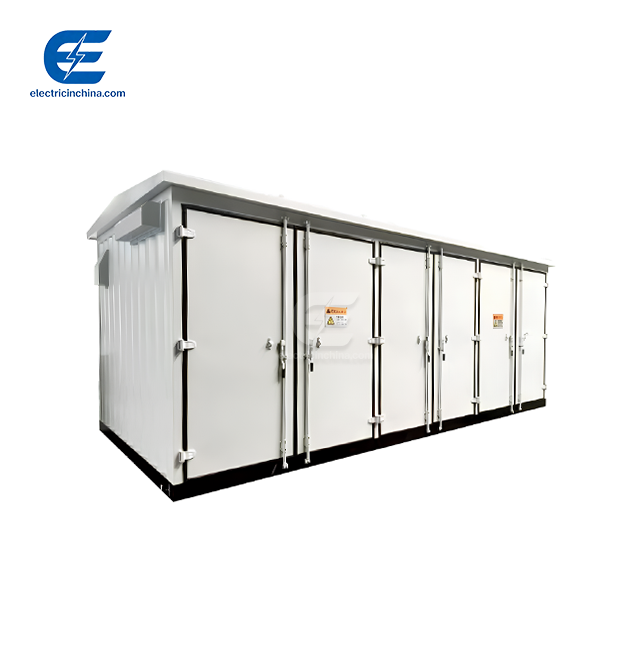
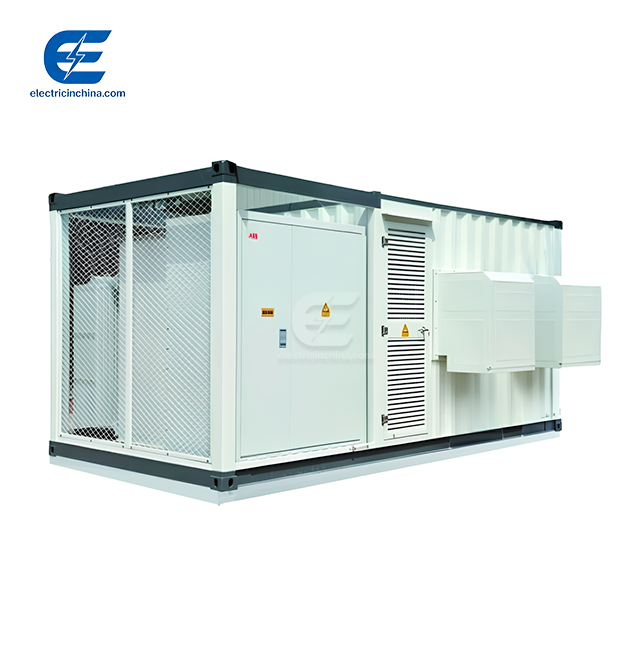
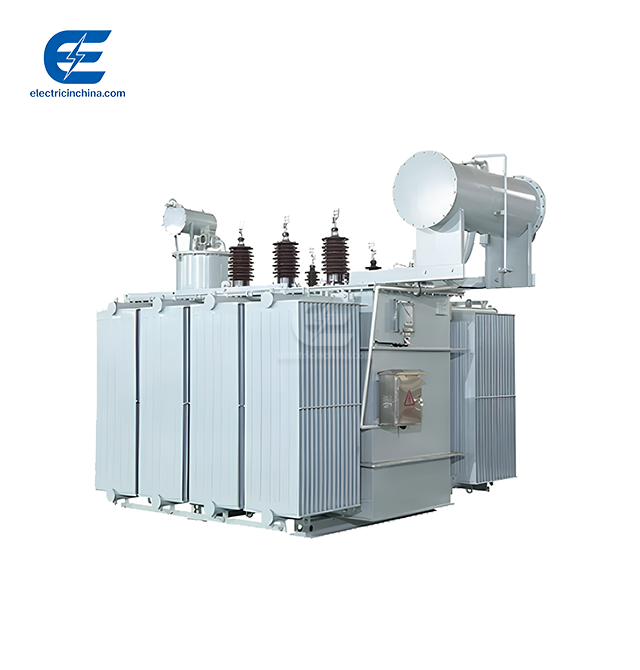
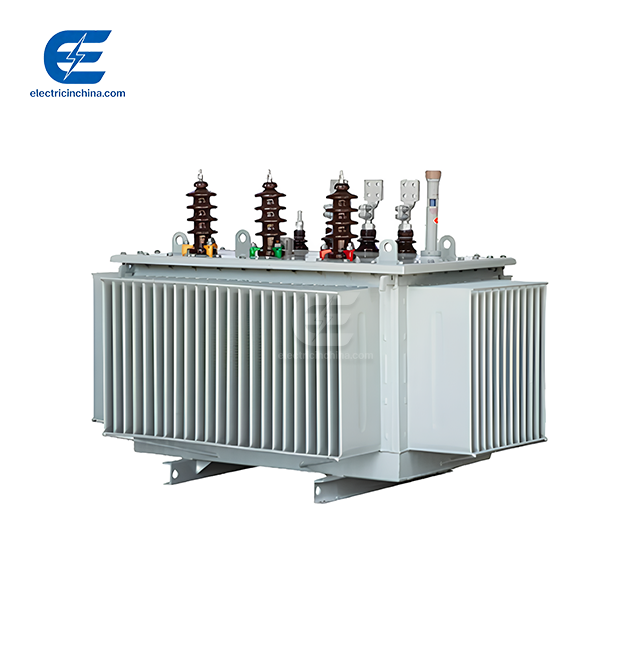
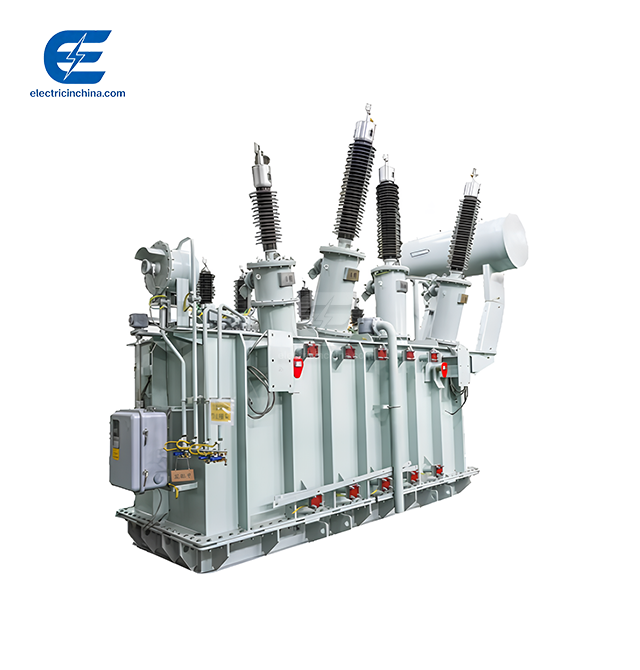
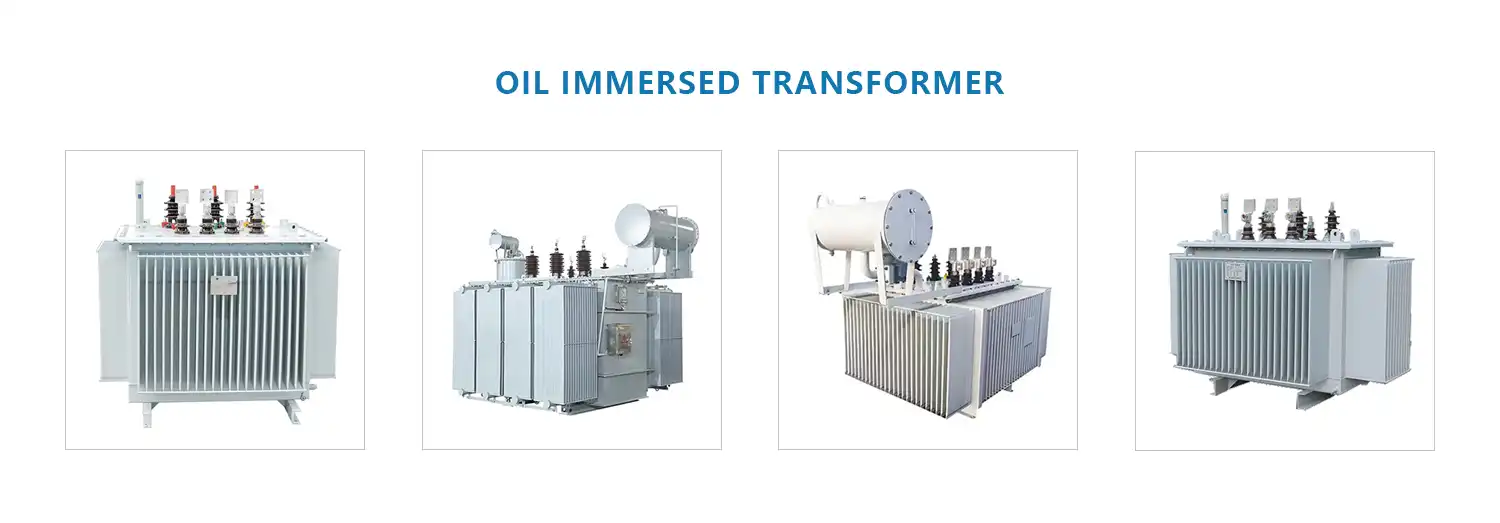
High efficiency oil immersed transformers are designed to work consistently in harsh conditions. These high-tech units are built to last and have special protection systems that keep them working at 98.5 to 99.7% efficiency even when the temperature changes from -40°C to +50°C, the humidity rises to 95% RH, and the elevation changes up to 3000 meters. These transformers work consistently even when other equipment fails because they have better cooling designs, more advanced tank sealing methods, and optimized grain-oriented silicon steel cores. This makes them essential for industry and important infrastructure operations.
Understanding High Efficiency Oil Immersed Transformers
When building projects that need to be reliable all the time, the transformer you choose becomes the most important part of the process. We've seen procurement teams deal with broken tools that caused millions of dollars in lost time. That's why it's so important to understand these complex systems for the success of your project.
Advanced Core Design and Energy Optimization
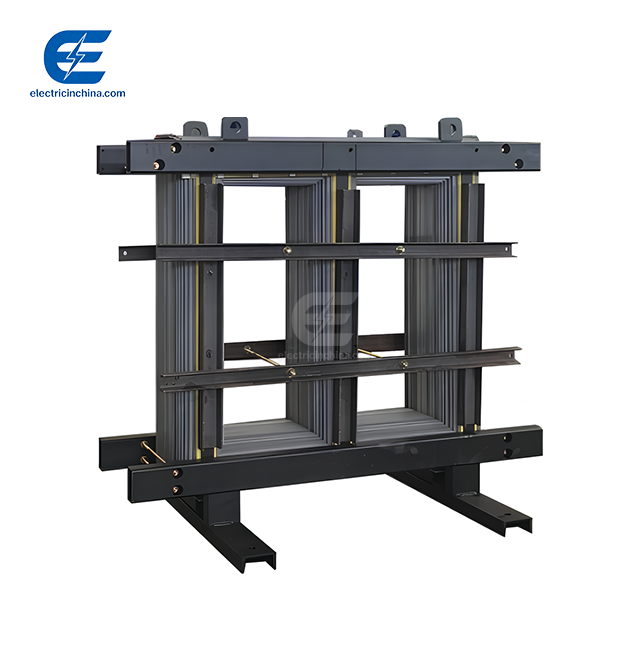
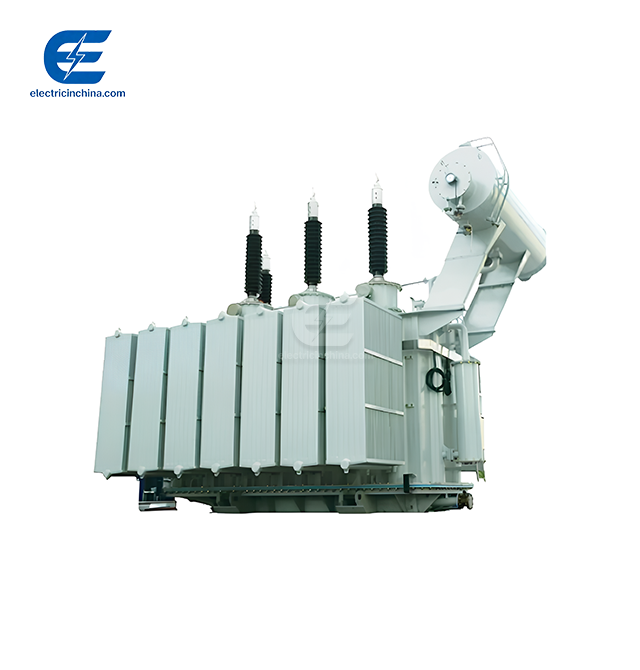
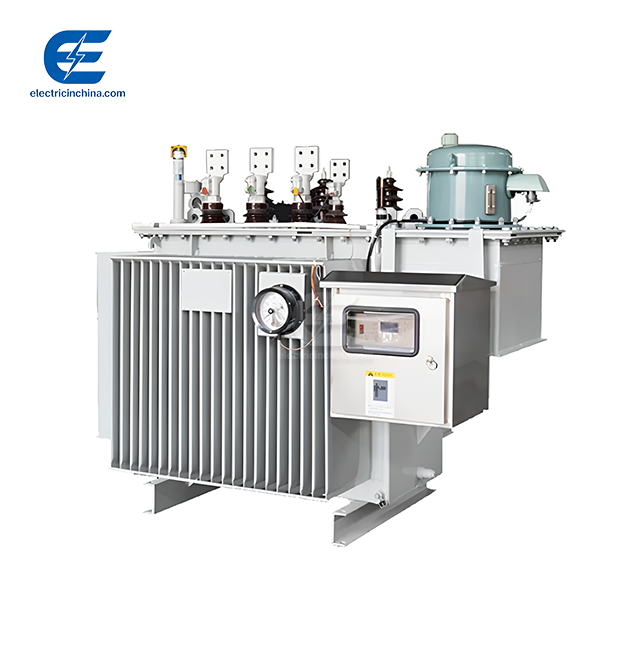
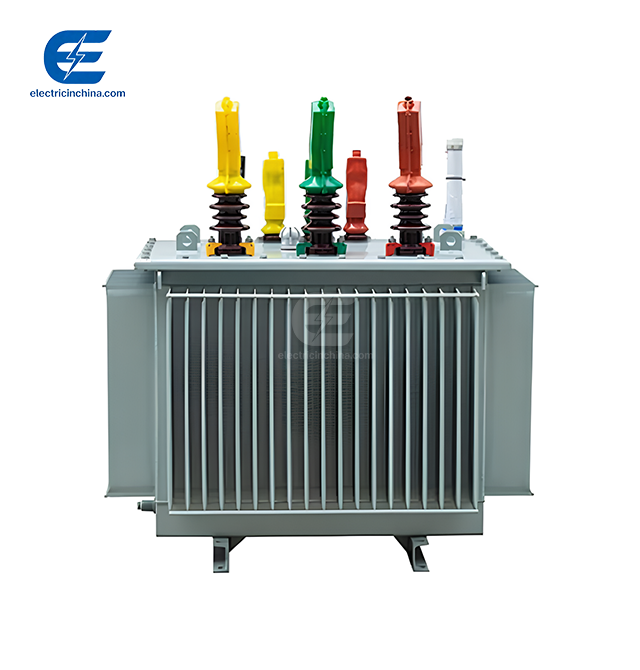
Our High efficiency oil immersed transformer is a big step forward in the field of electrical engineering. We use high-quality grain-oriented electrical steel (GOES) cores in the S13–S22 series transformers we make to cut down on eddy current losses to levels that have never been seen before. The energy loss stays below 1.5%, which means that 40–60% more energy is saved than with regular units. The technical skill that went into making these transformers goes beyond just meeting basic requirements. Our group of 15 senior engineers and more than 30 intermediate workers has been awarded 18 patents for new transformer ideas. This means that cutting-edge research has been turned into useful answers for real-world problems. This level of technical knowledge makes sure that every unit that leaves our building meets the strict requirements of government infrastructure projects, business developments, and industrial manufacturing operations.
The Critical Role of Insulating Oil Systems
The type of oil used has a big effect on how well a generator works in rough situations. We have three main types of protective oil, each one made to meet the needs of a different setting. Mineral oil is a cheap way to control heat in normal situations. It keeps the dielectric strength above 70kV and the moisture level below 10ppm. Synthetic esters extend operational life to 25-30 years versus 15-20 years for mineral oils, particularly valuable in temperature-sensitive installations. Natural esters are recyclable, which is great for projects that care about the environment, and they also cool better than other chemicals. These insulation fluids do two things that have a direct effect on your bottom line. They get rid of the heat that is made while the equipment is running and keep the power stable so that the equipment works at its best. The oil circulation system in our transformers keeps the temperature profiles stable even when the load changes quickly. This stops spikes that damage insulation and shorten the life of the equipment.
Measurable Benefits for B2B Procurement
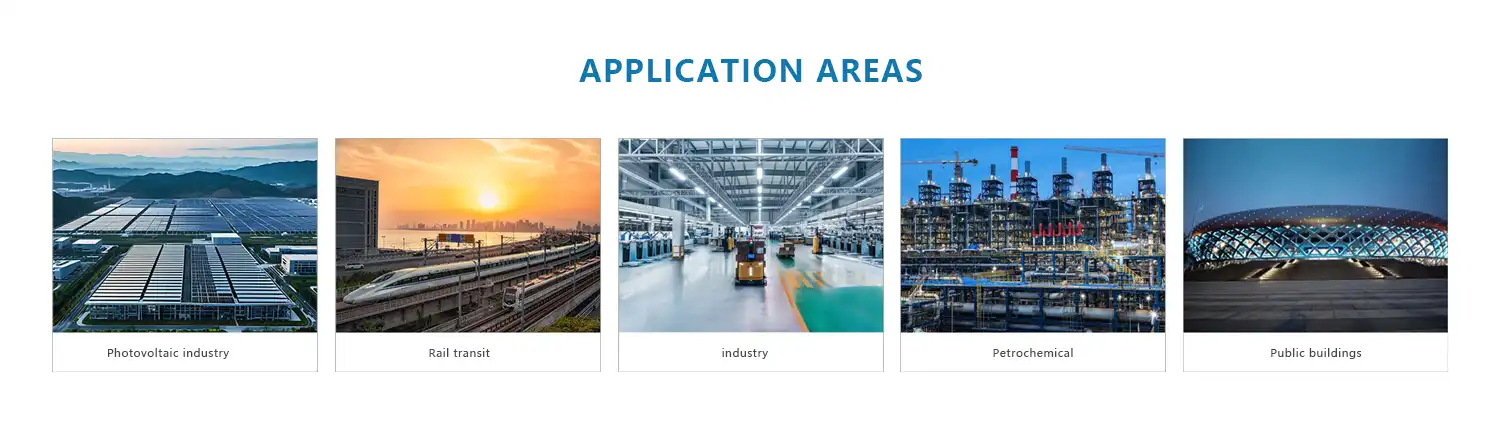
When making decisions about what to buy based on cost, you need to be able to measure the results. Our transformers offer measurable benefits. No-load losses are usually between 0.8% and 1.2%, compared to 2% to 3% in normal units. This means that a 10MVA transformer working at 80% load factor could save $15,000 to $25,000 a year in energy costs, assuming that power costs $0.10/kWh. Better temperature control makes equipment last 35 years or more, which lowers the number of times it needs to be replaced and the total cost of ownership by 15 to 25 percent. Over time, the gains in speed add up. The work we've done for XCMG Group and the Xuzhou Rail Transit Network Control Center shows that good temperature control can keep things running smoothly even after decades of use. These systems keep working at the stated efficiency, while similar conventional units need expensive upgrades or removal.
Can High Efficiency Oil Immersed Transformers Withstand Harsh Conditions?
The answer for High efficiency oil immersed transformer is not in marketing claims, but in the basics of engineering and how well it has worked in the field. Working on infrastructure projects in a wide range of climates for over 20 years has taught us that the ability to withstand tough environments depends on specific design features that take into account real-world stresses.
Robust Construction for Temperature Extremes
Changes in temperature are the most common thing that can shorten the life of a switch. Through improved cooling system integration, our units keep working at their best in temperatures ranging from -40°C to +50°C. The ONAN (Oil Natural Air Natural) design does a good job of handling base loads, while ONAF (Oil Natural Air Forced) systems handle up to 140% of their maximum capacity when demand suddenly rises. We've put transformers in factories where the summer temperatures typically reach over 45°C. According to IEC 60076-2 standards, thermal testing shows that our units stay below the 65K temperature rise limits even when they are under full load. This keeps the insulation from breaking down, which could lead to catastrophic failures. We use grain-oriented silicon steel cores that don't change much in these temperature ranges. This means that their efficiency scores stay above 98.5% no matter what the outside conditions are.
Moisture and Pollution Resistance
When transformers aren't built well, high humidity conditions speed up the breakdown of oil and insulation. Even when the relative humidity reaches 95%, our improved tank closing methods keep water out. We use pressure release systems and Buchholz relay safety to find contamination early on. This lets us do preventative maintenance before small problems become big ones. Heavy pollution in industrial areas means that extra safety steps need to be taken. We finished the project to send and distribute power in the GCL Photovoltaic Industrial Park, which was difficult because of the flying pollutants. Our transformers have sealed bushings and better filter systems that keep the oil pure and the moisture content below 15ppm while they're working and below 10ppm in the best conditions, as required by IEC 60422 standards.
Real-World Performance Validation
Data from our city engineering projects shows that we are truly resilient. To make sure that everyone is safe, the Xuzhou High-speed Railway East Station Official Power Supply EPC Project needed a power supply system with two circuits. Our transformers have been used in this demanding application for years without any unplanned downtime, which has saved money and kept passenger safety standards high. The places we work, like steel mills and chemical plants, are probably the roughest places to be. The limits of test tools are always being pushed by mechanical movements, changes in load, and dirty air. Even under these conditions, our transformers keep their efficiency rates and voltage stability within a ±1% range. This is proven by short-circuit withstand tests that go up to 25 times the rated current according to IEC 60076-1 standards.
Proactive Maintenance for Peak Performance
Testing for oil on a regular basis is the key to efficiency in tough settings. To find potential problems before they become problems, we suggest doing a dissolved gas analysis (DGA) once a year according to the guidelines in ASTM D3612. Monitoring the quality of the oil includes checking the electrical strength, the amount of water present, and the acidity level, all of which indicate early signs of degradation. Because our High efficiency oil immersed transformers have better cleaning systems and better materials, they don't need to be serviced every 24 to 36 months. Instead, they only need to be serviced every 5 to 7 years. Our condition tracking systems cut unplanned downtime by 85% thanks to their predictive maintenance features, which let workers know about problems before they affect operations. This proactive method has been very helpful for EPC workers who are in charge of several project sites at the same time.
Comparing High Efficiency Oil Immersed Transformers with Other Types for Harsh Environments
To choose the right transformer technology, you need to know how the different types deal with problems in the surroundings. We've used all three main types on several different projects, which has given us a good understanding of their relative pros and cons.
Oil Immersed vs. Dry Type Transformers
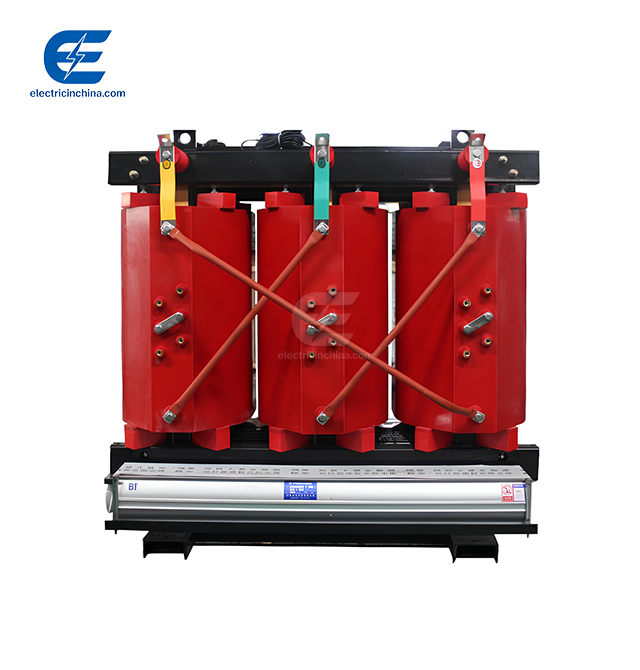
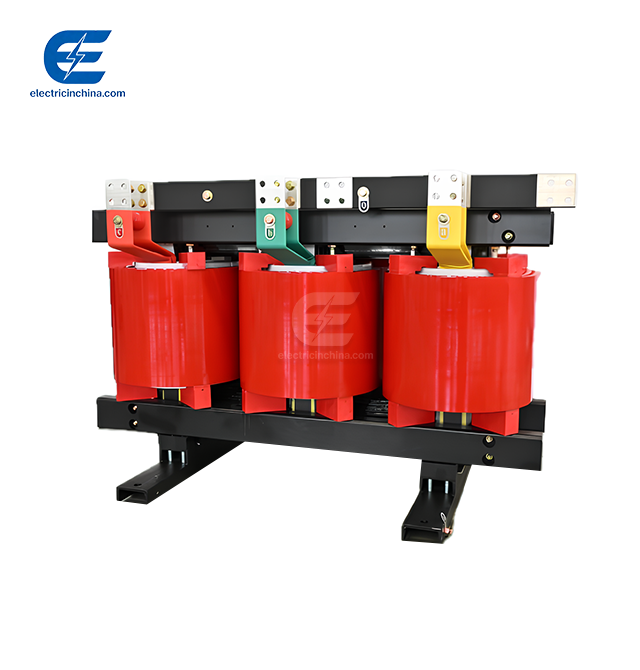
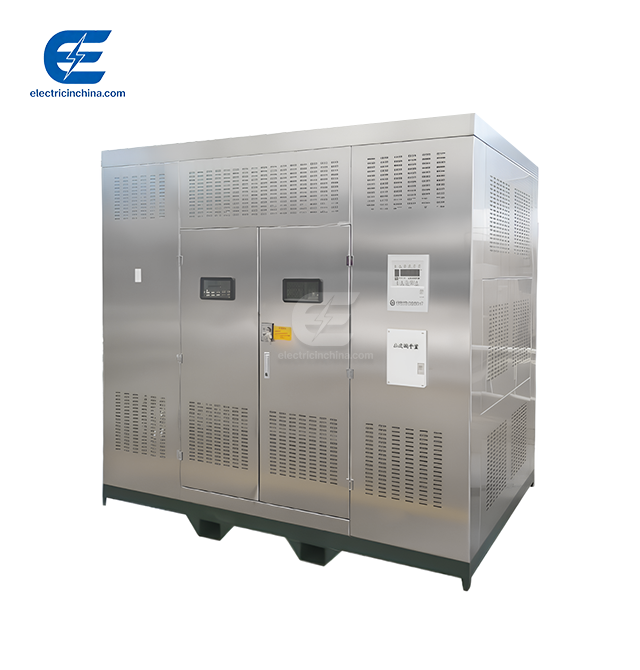
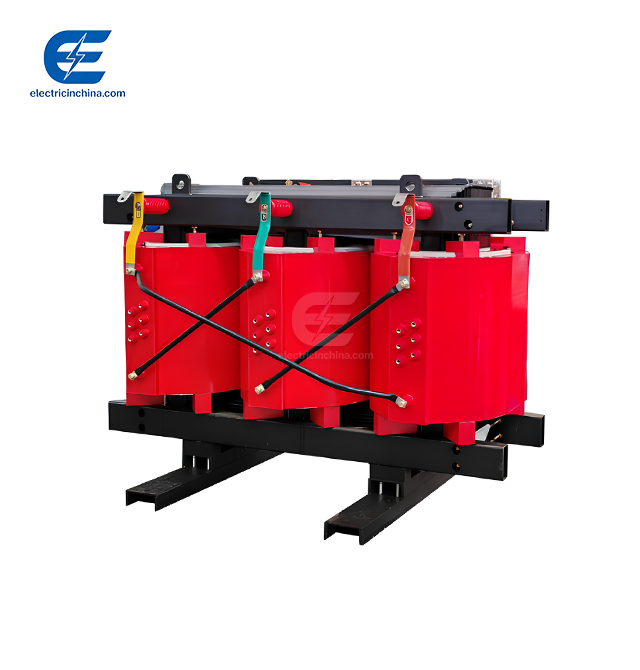
Dry-type transformers don't pollute the environment with oil, so they're a good choice for installations near sensitive areas. They need less upkeep because they don't need to be watched over for oil, which makes operations simpler. In high-temperature settings, on the other hand, thermal control problems become clear. Dry type units usually work less efficiently and have trouble getting rid of heat when the temperature outside is above 40°C.
Cast Resin Transformers for Corrosive Environments
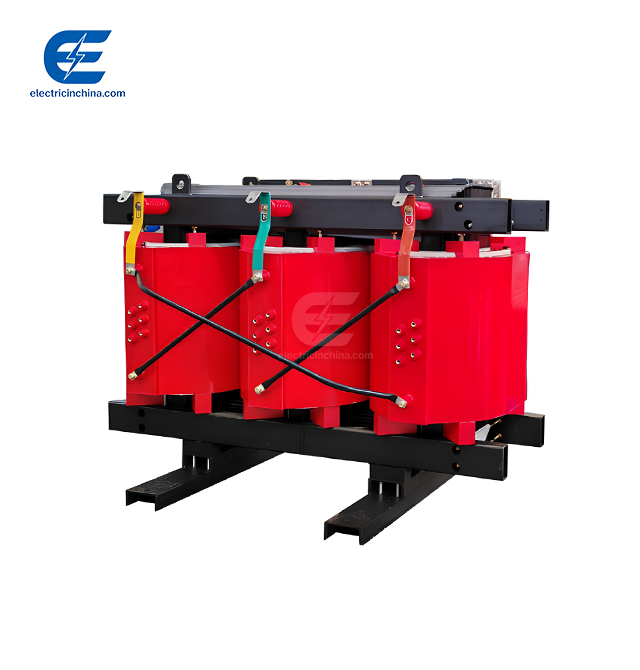
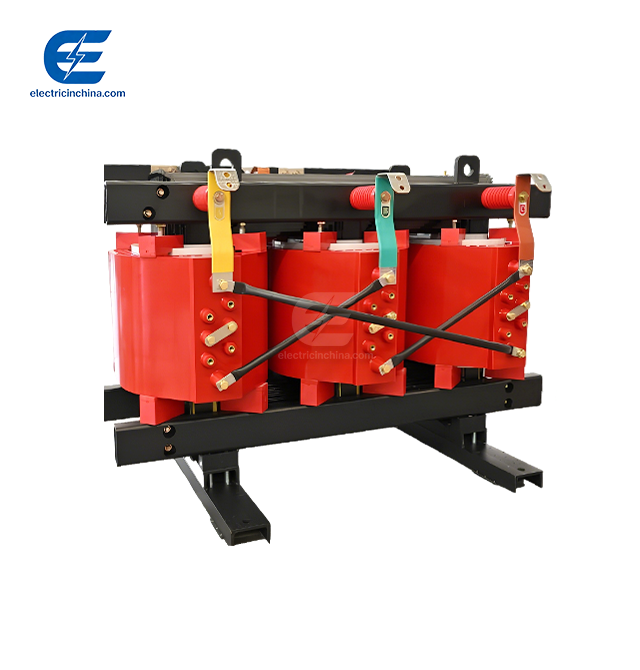
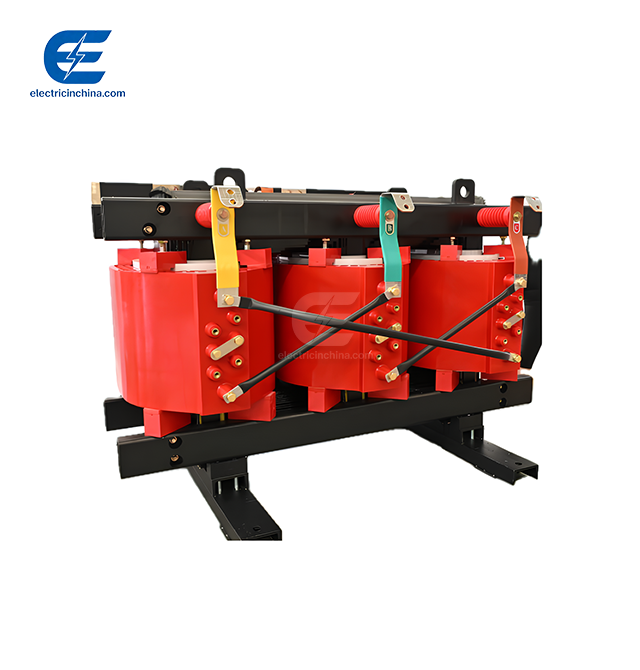
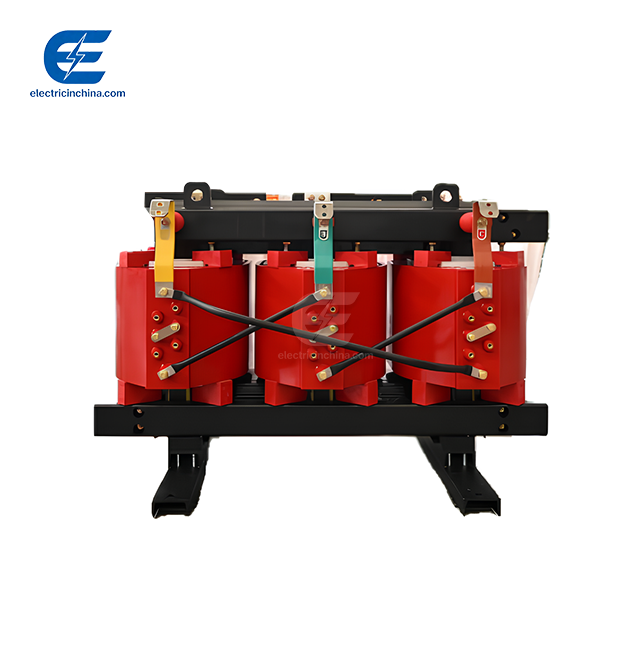
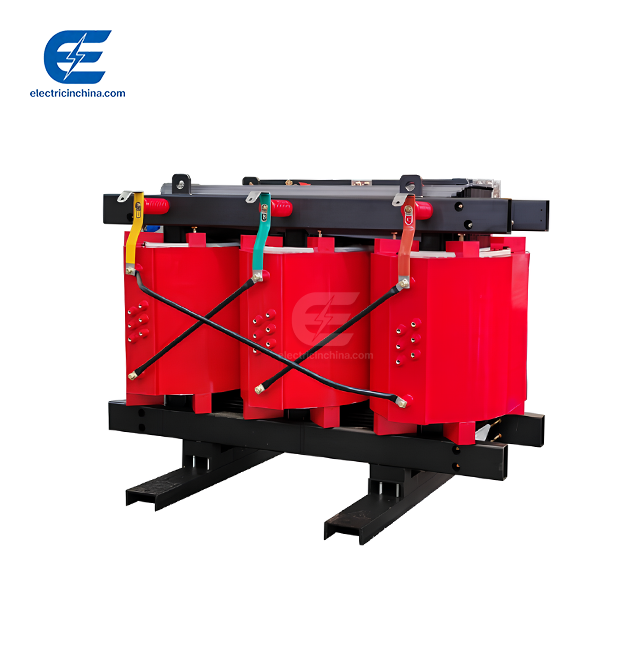
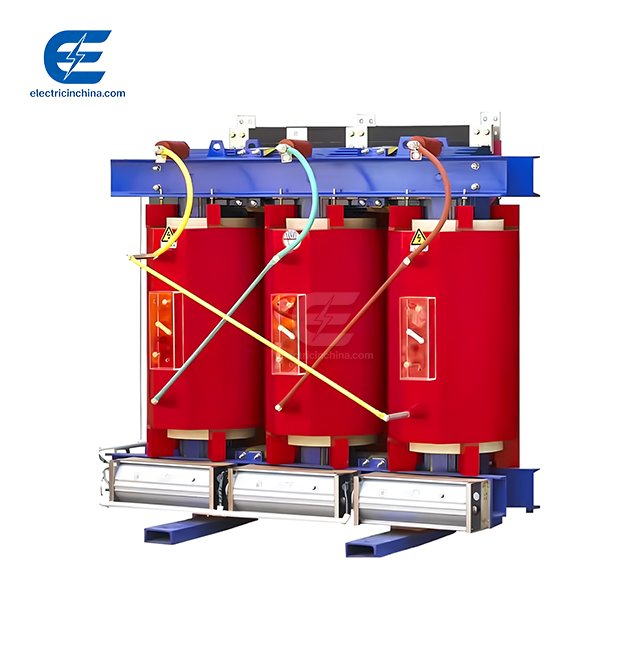
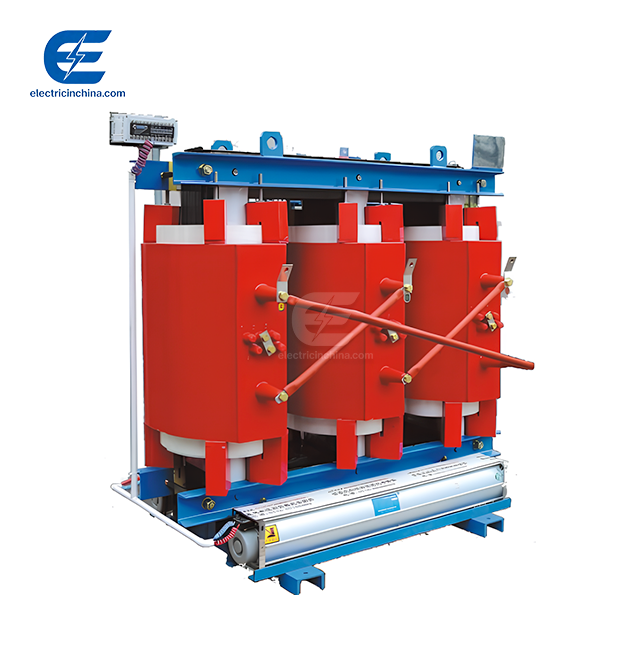
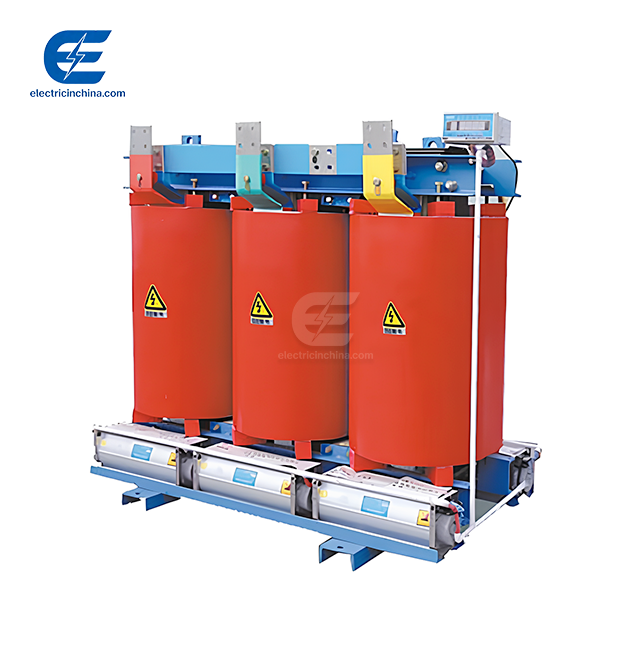
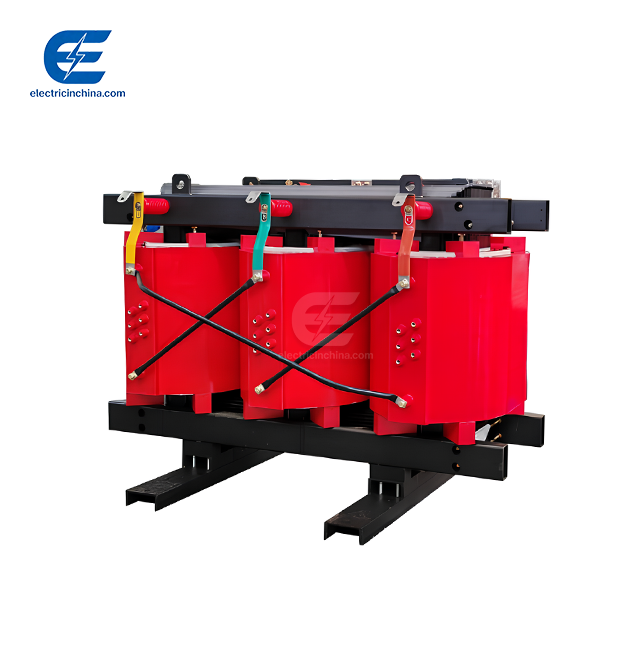
The epoxy covering of the windings in cast resin transformers makes them very resistant to water and rust. This means they can be used in places like chemical processing plants or sites near the coast where acidic air is always a threat. The sealed design successfully stops contaminants from getting in, which lowers the need for upkeep in some situations.
Cost-Efficiency Analysis for B2B Buyers
The purchase price is only one part of the total cost of owning. The lifecycle price study needs to look at how much energy is used, how often maintenance needs to be done, the risk of downtime, and the final cost of replacement. The XCMG Group power supply upgrade project showed us that investing in High efficiency oil immersed transformers at the start pays off in the long run by lowering operating costs and increasing service life.
Procurement Guide for High Efficiency Oil Immersed Transformers in Harsh Environments
For buying to go well, technical standards must be matched with project needs, and suppliers must be able to meet all requirements. We regularly walk clients through this process, and the results of projects are always determined by a few key factors.
Essential Technical Specifications and Certifications
Start by making sure that the power rating needs match the shape of your load with enough room for error. Our transformer options cover 50kVA to 500MVA and up to 800kV of operating power, so they can be used for a wide range of projects, from small business developments to large infrastructure installations. IEC 60076-1 loading tests and IEEE C57.12.90 measurement methods show that efficiency scores should be at least 98.5% to support lifetime investment.
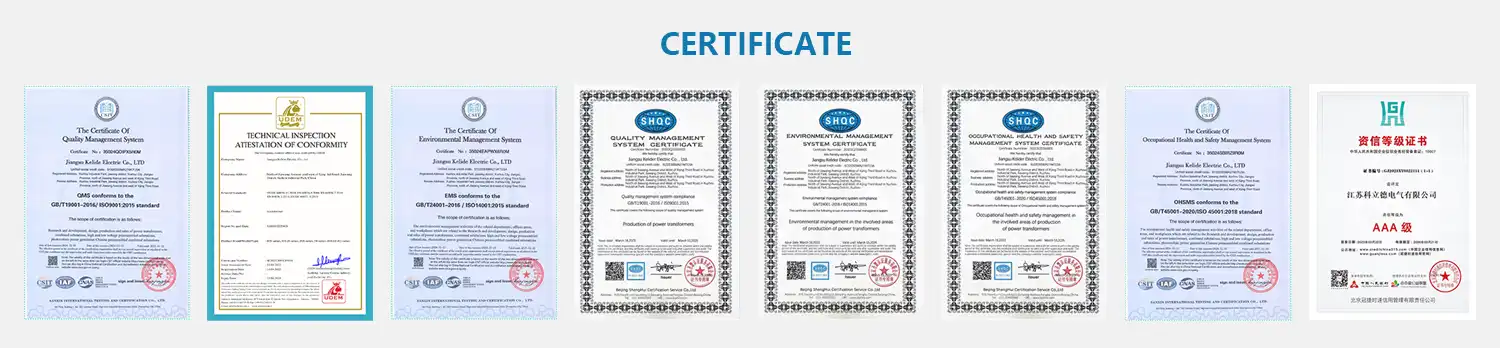
Certifications show that quality and compliance have been met. Our goods have been certified by ISO 9001, ISO 14001, and OHSAS 45001, and all of them have also been given National CCC Mandatory Certification. These credentials aren't just pieces of paper; they're a method for quality control that stops mistakes and makes sure performance is always the same. Before any transformer leaves our building, it goes through a full set of tests in the professional quality inspection laboratory we keep.
Customization Options for Project-Specific Needs
Environmental problems that are unique to government building projects and industry manufacturers often need custom solutions. We make custom transformer designs that take into account unique load patterns, environmental factors, and installation limitations. For the Xuzhou Rail Transit Network Control Center project, we designed and built unique dual-circuit setups that met all safety standards and made the best use of space.
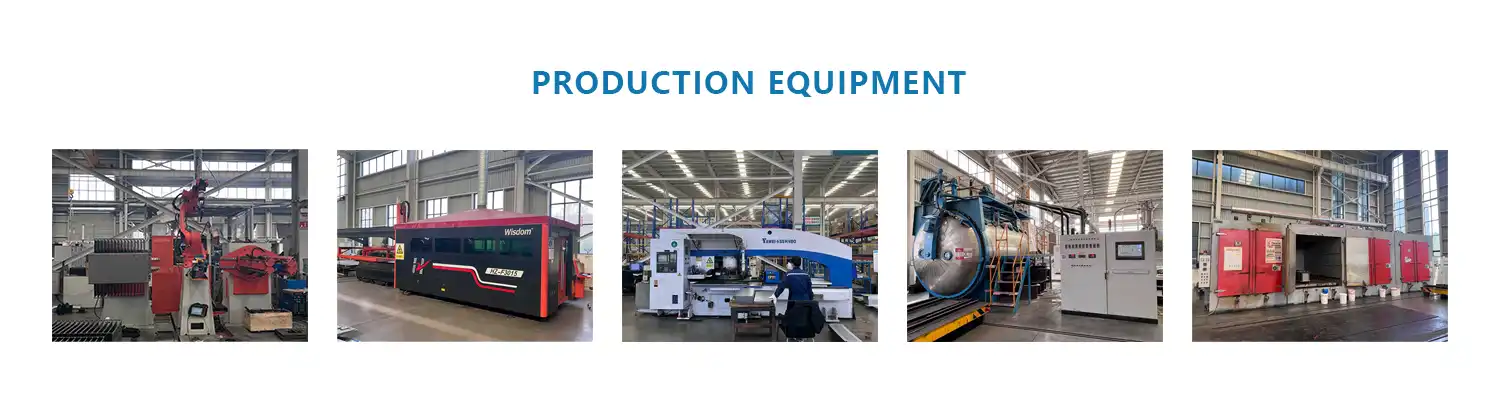
When installing above 2000 meters, where less dense air makes cooling less effective, altitude adjustment becomes very important. When the altitude changes by up to 3000 meters, we change the size of the radiators and the amount of cooling that the system can handle to keep the recommended performance. With this ability to be customized and the support of our strong technical team and current production equipment that includes more than 120 sets of specialized machinery, your transformer will work perfectly where it will be installed.
Supplier Validation and Quality Assurance
Verification of authenticity keeps your investment safe from fake parts and low-quality materials. We keep a close eye on the whole process, from getting the raw materials to delivering the finished product, to make sure that every step meets our high standards. "Zero defects" is an important part of our quality control mindset. This keeps bad goods from getting to customers.
Long-term happiness is often based on how well the company handles service after the sale. For planned maintenance, we offer online tracking, and when problems happen, we offer quick expert help. In our 20 years of experience in the field, we've provided complete power supply and delivery systems that include ongoing partnerships that go far beyond the initial installation. This dedication to seeing the needs of our customers as our own sets trusted providers apart from those who only offer transactional relationships.
International Trade Compliance and Logistics
Delays that cost a lot of money can be avoided by understanding shipping procedures, wait times, and compliance requirements. We regularly work with EPC contractors to manage the logistics of large projects like the installations at the Electronic Industrial Park, where on-time delivery had a direct effect on building plans. Our knowledge of how to deal with foreign trade rules makes sure that all of our transactions go smoothly, no matter where they go.
Negotiating bulk purchases can help coders who are working on multiple projects at the same time save money. Some of the business real estate projects we've worked on, like Zhongjun Huijingcheng and Xuzhou Fantawild Adventure, show how smart procurement planning can lower costs per unit while keeping quality standards high. We work together with buying workers to make deals that are good for both sides.
Maximizing Transformer Performance and Lifespan in Harsh Environments
Installation is only the beginning of managing a generator throughout its whole life. For best results in tough situations, you need to keep an eye on operational factors and make smart upgrades that meet changing needs.
Load Management and Cooling System Optimization
Thermal stress speeds up aging in a High efficiency oil immersed transformer, but good load control can stop it. For emergency operations, our transformers can handle overloads of 120% to 140%, but long-term use above their rated capacity should cause a review of the cooling system. Even though the advanced cooling systems we use keep temperatures at the right level even when the load changes, it's still important to have enough air flow and space around radiators for heat to escape.
As load needs rise, upgrading from ONAN to ONAF setups is sometimes needed to get the most out of a cooling system. We finished this change for a number of industry clients whose businesses grew faster than expected. Because our transformer cooling systems are made up of separate modules, these kinds of improvements can be made without having to replace whole units. This protects capital investment while allowing for growth.
Voltage Regulation Technology Integration
Modern tap changers and control systems keep the flow fixed even when the weather changes and affects the grid. We can add on-load tap changers that let us change the voltage without stopping the power flow. This is very important for sensitive manufacturing processes where even short breaks can lead to product loss. Voltage regulation with a limit of ±1% keeps linked devices from getting damaged and makes the best use of energy.
Better control is especially helpful for industrial sites that use variable green energy sources. We've helped with wind farm and solar installation projects that have had sudden changes in load that make standard transformers work hard. Our units handle these changes easily, keeping the power quality high enough to meet grid interconnection standards while getting the most out of green energy.
Energy Savings and Sustainability Initiatives
Global energy standards and business responsibility goals are in line with lowering carbon pollution and operating costs. Our transformers cut operational energy costs by 15 to 25 percent, which immediately leads to a smaller carbon footprint and less damage to the earth. Projects like the Tianyu Yayuan installation, which broke all records for quality inspection, show how making things more efficient can help with sustainability efforts while also making more money.
By keeping up with changing environmental laws, you can avoid having to pay more in the future to follow them. Our transformers are eco-friendly and meet RoHS and REACH standards for use in sensitive installations. We try to predict regulatory trends instead of just following the rules that are already in place. This forward-looking method keeps equipment useful for longer and stops it from becoming obsolete too soon as standards get stricter.
Conclusion
Through superior engineering that addresses real-world problems, High efficiency oil immersed transformers perform admirably in tough conditions. When you combine improved core materials, better insulating oil systems, and strong construction, you get reliable performance in areas with high humidity, temperature changes, changes in altitude, and pollution. Our S13–S22 series transformers are 98.5–99.7% efficient and lose less than 1.5% of their energy. This saves you money and gives them a longer useful life of more than 35 years. With twenty years of experience working on hundreds of important power projects, these transformers have been proven to last and work well in tough situations.
FAQ
How do I verify transformer efficiency claims from suppliers?
Ask for verified test results that follow the measurement rules in IEC 60076-1 and IEEE C57.12.90. Honest manufacturers will show proof of their factory acceptance test (FAT) results, which include no-load losses, load losses, and total efficiency at stated capacity. An expert third party has confirmed that our transformers are 98.5 to 99.7% efficient. When buying, make sure that testing is seen by others to make sure that the specs match the real performance before shipping.
What maintenance schedule should I implement for harsh environment installations?
Every year, dissolved gas analysis (DGA) tests find early signs of problems, and every three years, thorough oil analysis according to ASTM D3612 standards checks the stability of the insulation. In places with a lot of humidity, check the moisture content every three months and keep the amounts below 15ppm while the machine is running. Our condition tracking systems let workers know when problems start to show up. This increases the time between maintenance checks from the usual 24 to 36 months to 5 to 7 years, and it cuts unplanned downtime by 85%. Plan for big inspections to happen every ten years. These should include measuring the winding resistance and using thermal imaging to get a sense of the general health.
Can transformers be relocated after initial installation?
Technically, moving is possible, but it needs to be carefully planned. Before delivery, the oil must be drained and filtered, any safety features must be turned off, and the structure's strength must be checked. Our engineering team has successfully moved generators for clients whose businesses were growing. However, the costs of preparing the new site and checking the equipment after it is set up are about 20 to 30 percent of the price of the new equipment. Before committing to fixed placements, you should compare the costs of moving to long-term facility plans.
Partner with Tuojie for Reliable High Efficiency Oil Immersed Transformer Solutions
Transformers that break down in harsh settings are not an option for infrastructure projects or industry activities. Tuojie makes High efficiency oil immersed transformers that are designed to work in tough conditions. They have 18 patents to back this up and a technical team of 15 top engineers and over 30 intermediate techs. Our production plant is approved by ISO 9001, ISO 14001, and OHSAS 45001, and it has more than 120 sets of high-tech tools that we use to make custom solutions that meet your exact needs.
Whether you're an EPC contractor in charge of large building projects or an industrial manufacturer that needs stability 24 hours a day, seven days a week, we offer complete power supply options that have been tested and proven to work in government, business, and industrial settings. Get in touch with us right away at tuojie@electricinchina.com to talk about your project needs with our skilled staff. We are a reliable maker and seller of high efficiency oil immersed transformers. We offer fair prices, on-time delivery, and ongoing expert support to protect your investment for as long as it works.
References
1. International Electrotechnical Commission. (2018). Power transformers - Part 1: General, IEC 60076-1:2011+AMD1:2018 CSV. Geneva: IEC Standards.
2. Institute of Electrical and Electronics Engineers. (2015). IEEE Standard Test Code for Liquid-Immersed Distribution, Power, and Regulating Transformers, IEEE C57.12.90-2015. New York: IEEE Press.
3. Harlow, J.H. (2012). Electric Power Transformer Engineering, Third Edition. Boca Raton: CRC Press.
4. CIGRE Working Group A2.34. (2015). Guidelines for Transformer Fire Safety Practices. Paris: International Council on Large Electric Systems.
5. Tenbohlen, S., Coenen, S., Djamali, M., Müller, A., Samimi, M.H., & Siegel, M. (2016). Diagnostic Measurements for Power Transformers. Energies, 9(5), 347-382.
6. Martin, D., Lelekakis, N., Davydov, V., & Oommen, T. (2019). Condition Assessment of Insulating Oil in Aged Transformers. IEEE Electrical Insulation Magazine, 35(6), 12-25.