

.webp)
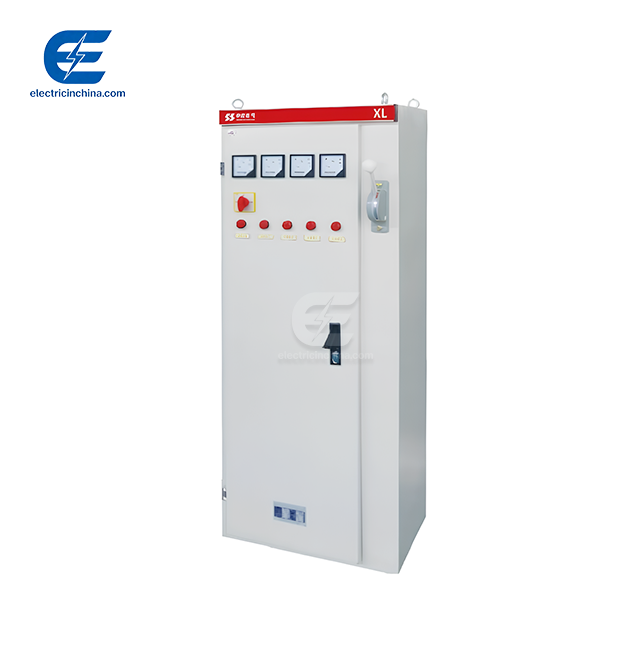
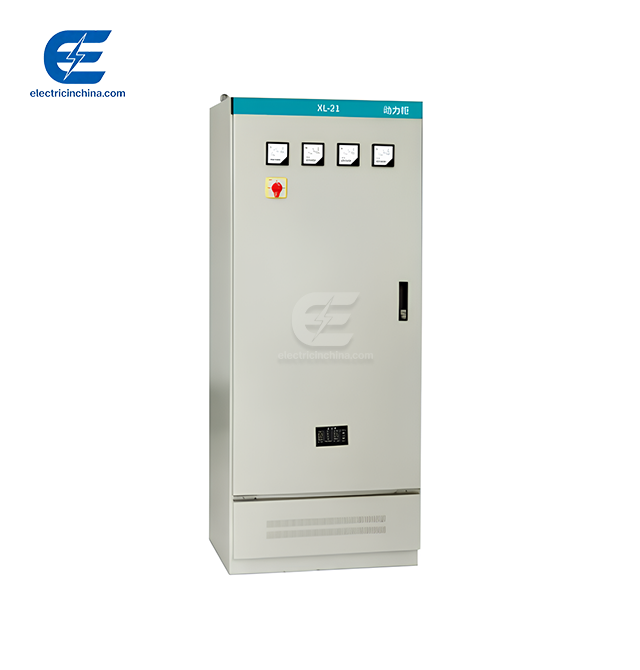
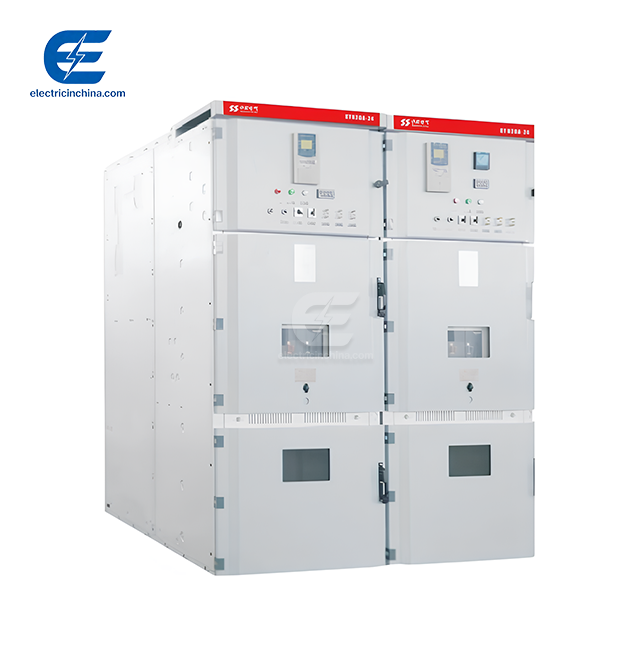
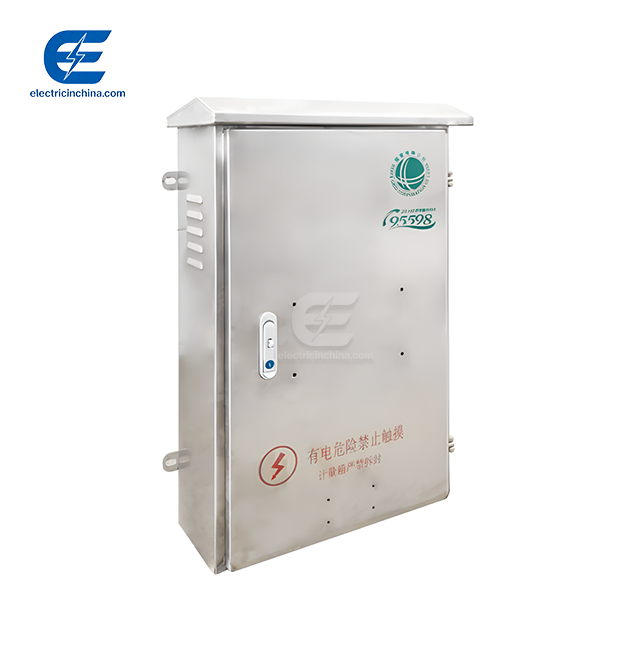
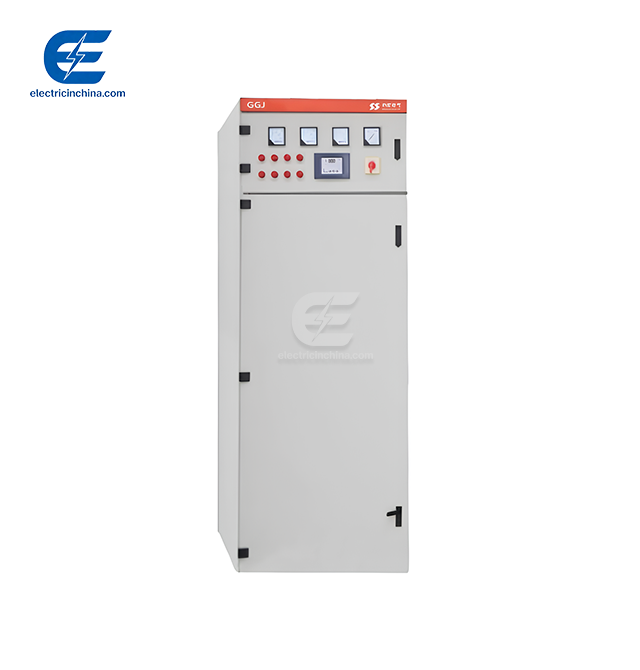
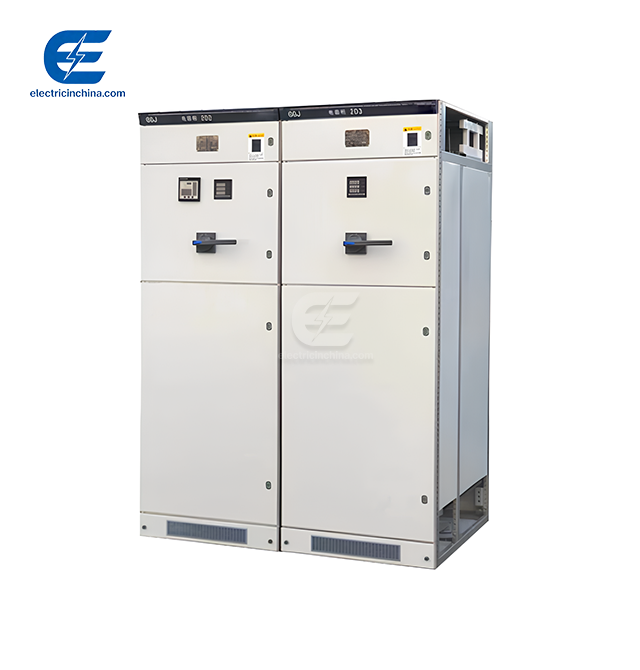
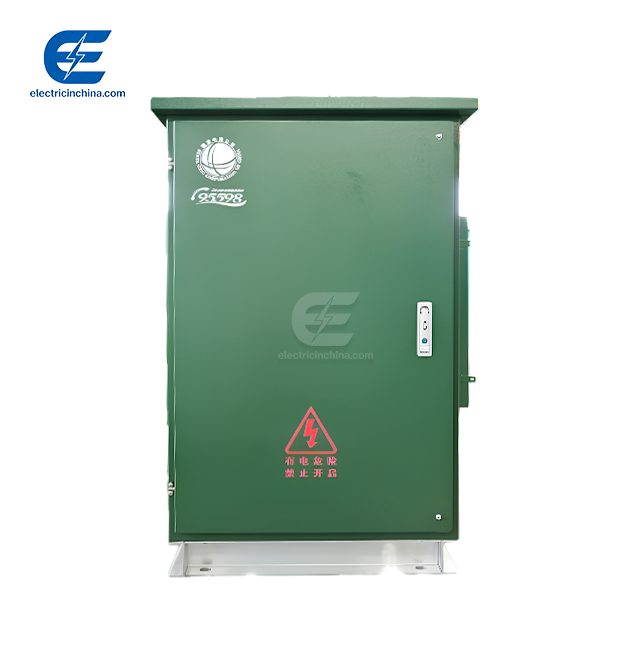
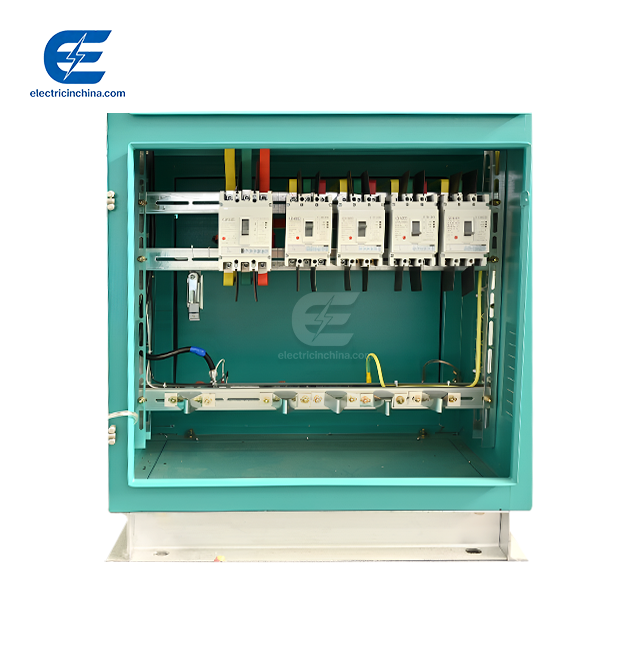
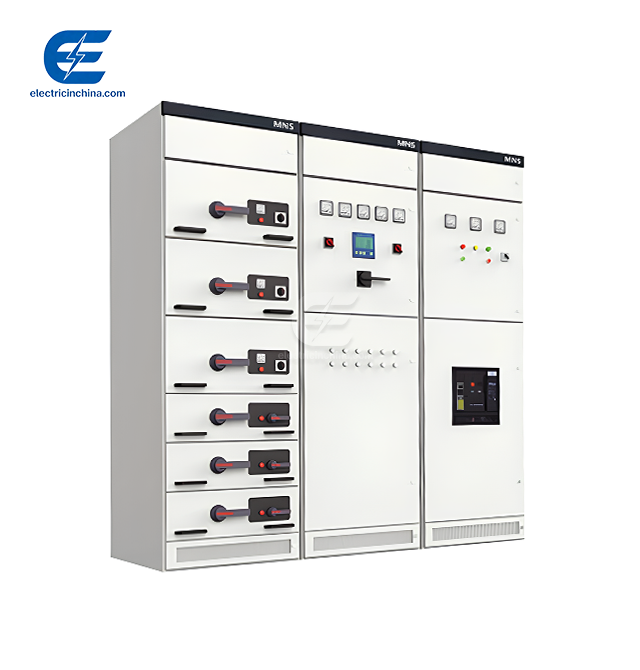
When choosing the right size industrial dry-type transformer, you need to think about three important things: the total load capacity, the voltage classification, and your needs for future expansion. The 10kV-35kV SCB10 Industrial Dry Type Transformer from Xuzhou Tuojie has a power range of 30KVA to 31,500KVA, so it can be used in a wide range of industry settings. When making your choice, you need to think about the related load calculations, the demand factors that are unique to your facility, and how much the facility is expected to grow over the next 25 years or more. Environmental factors like temperature, installation room, and humidity levels help make even better size choices. This makes sure that government structures, business projects, and manufacturing operations all work at their best and follow all the rules.
Understanding Industrial Dry Type Transformers and Their Applications
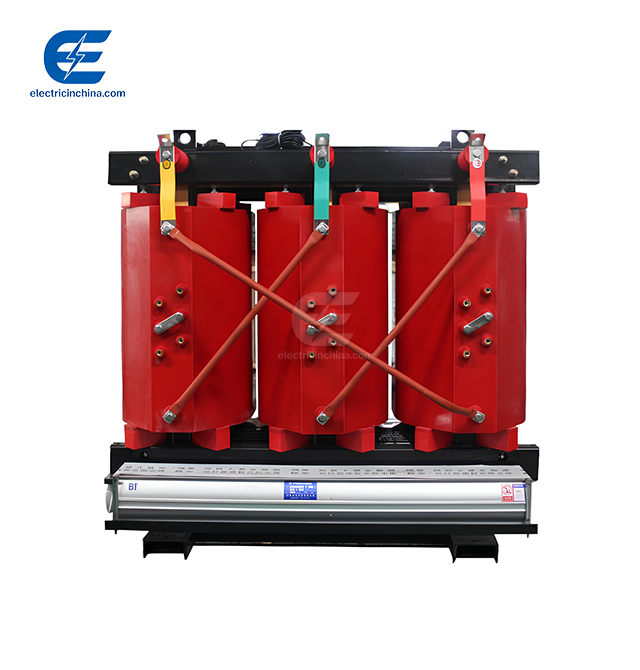
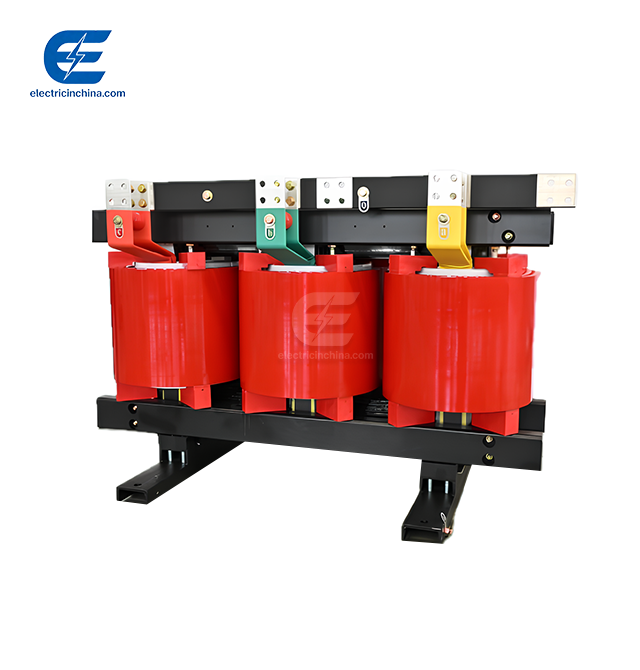
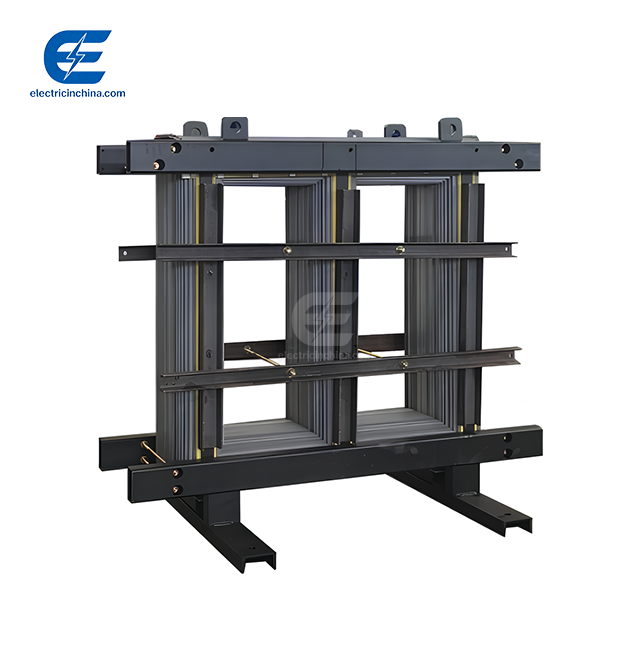
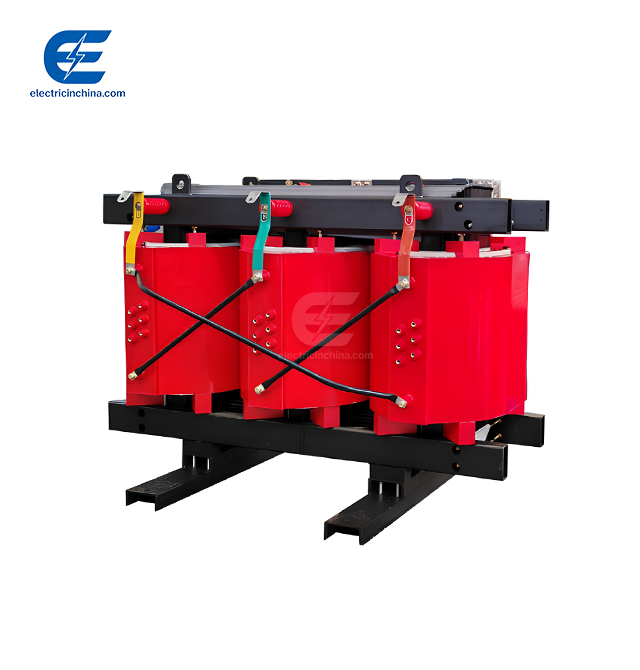
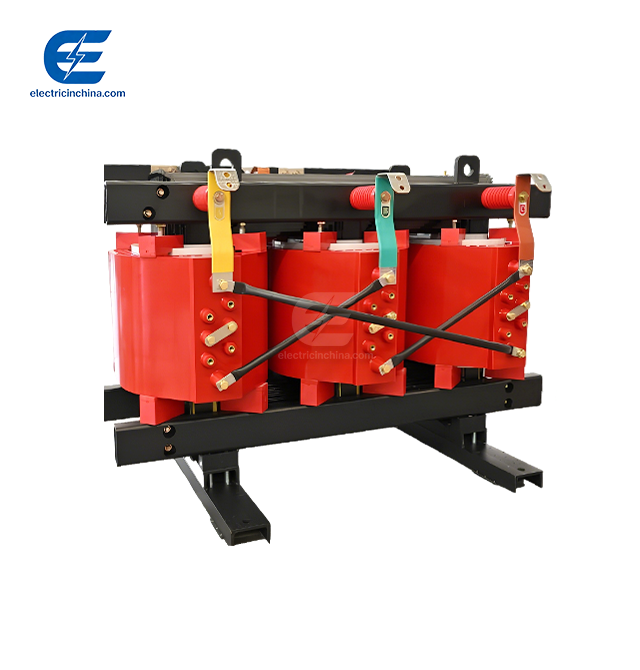
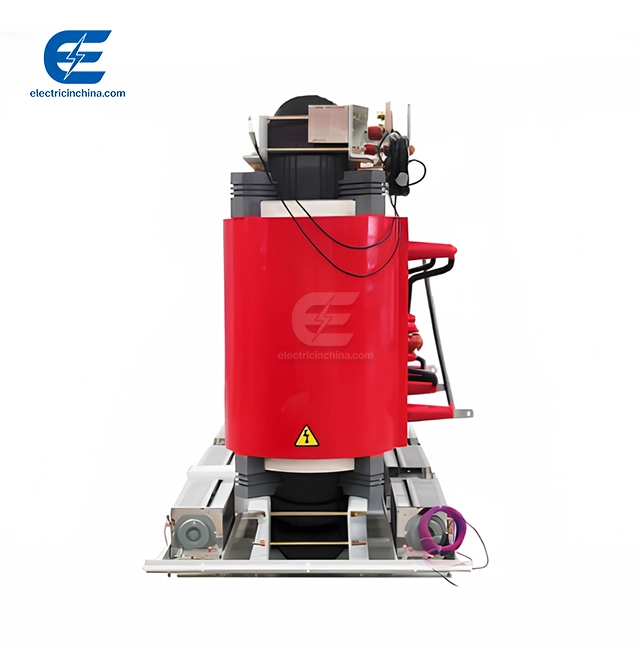
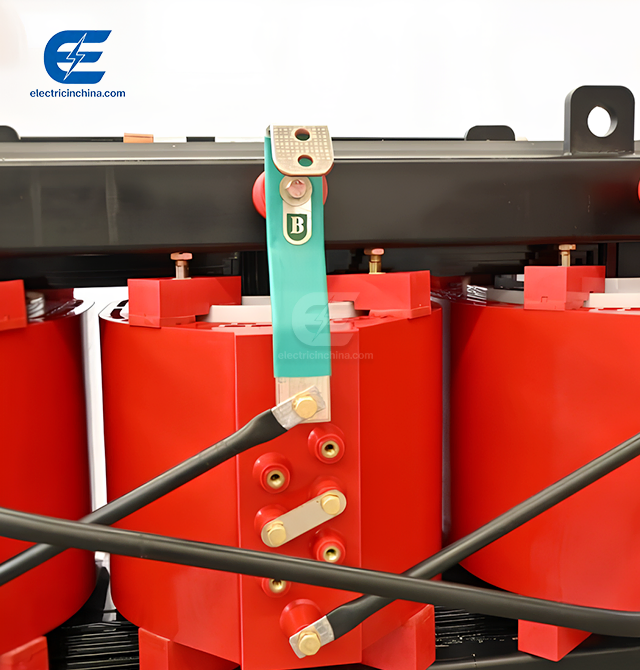
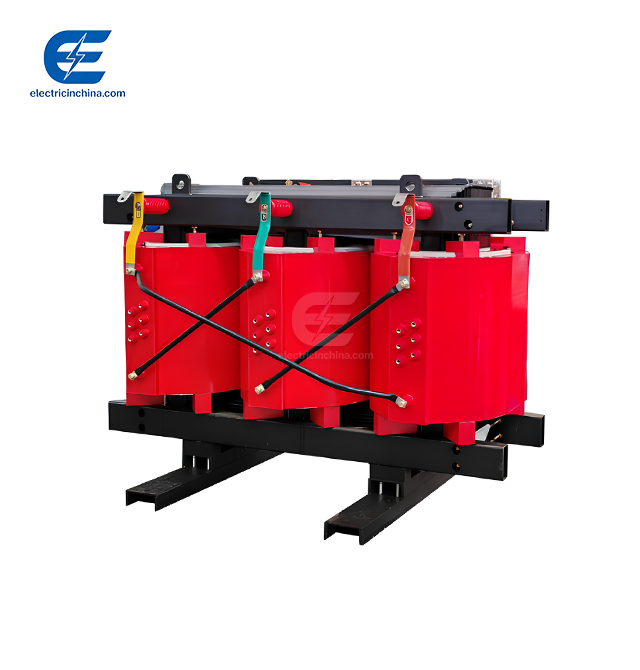
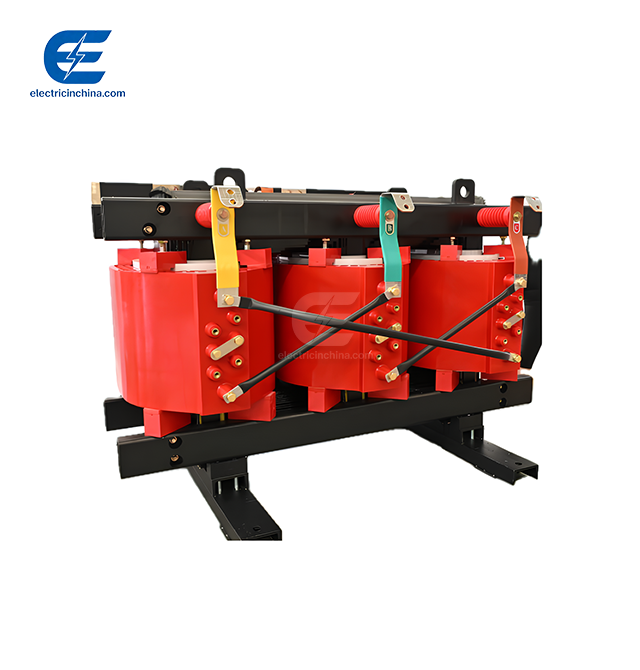
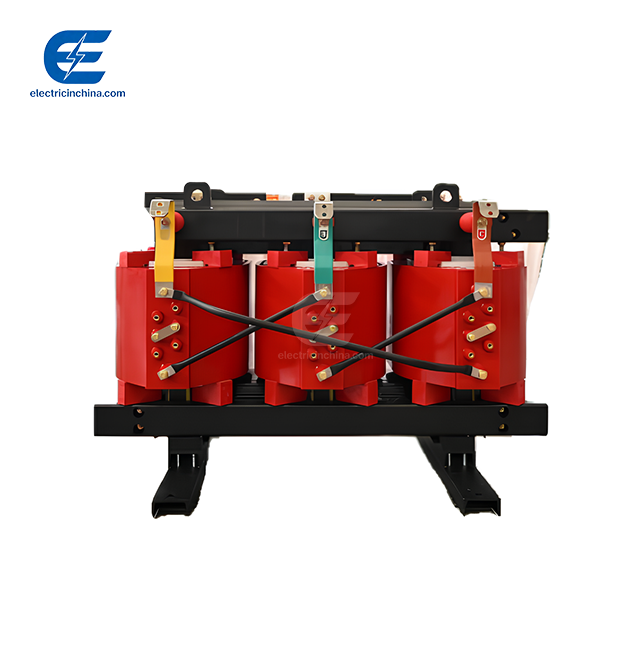
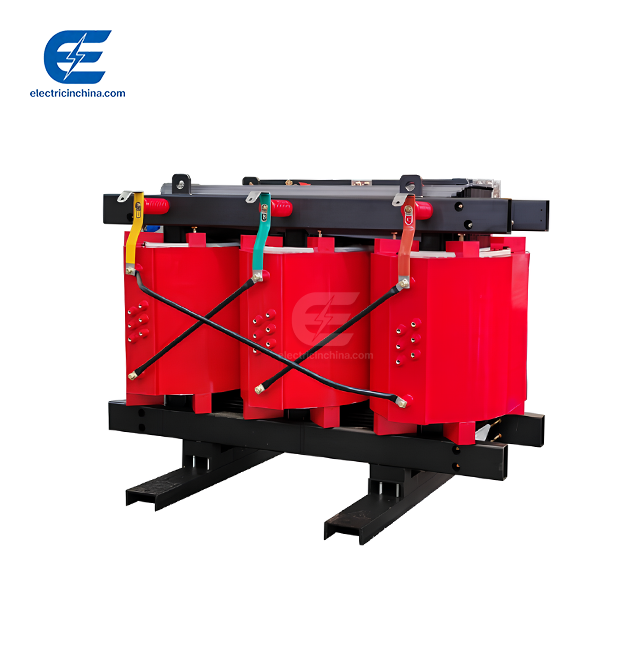
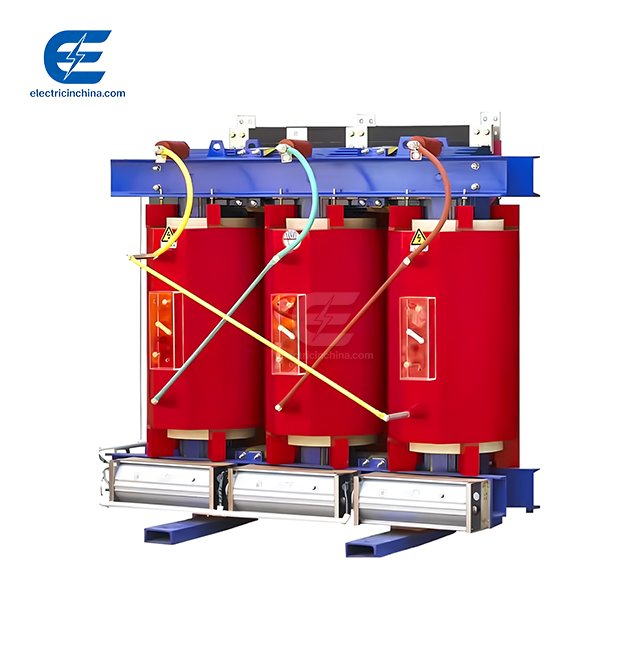
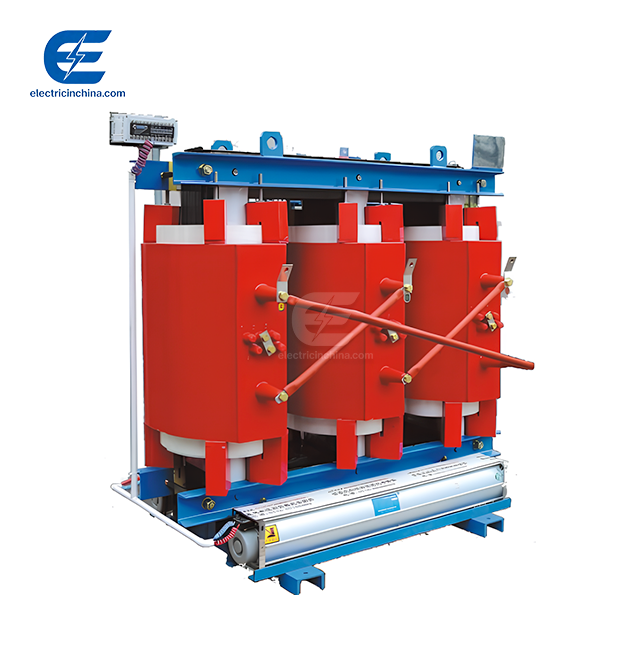
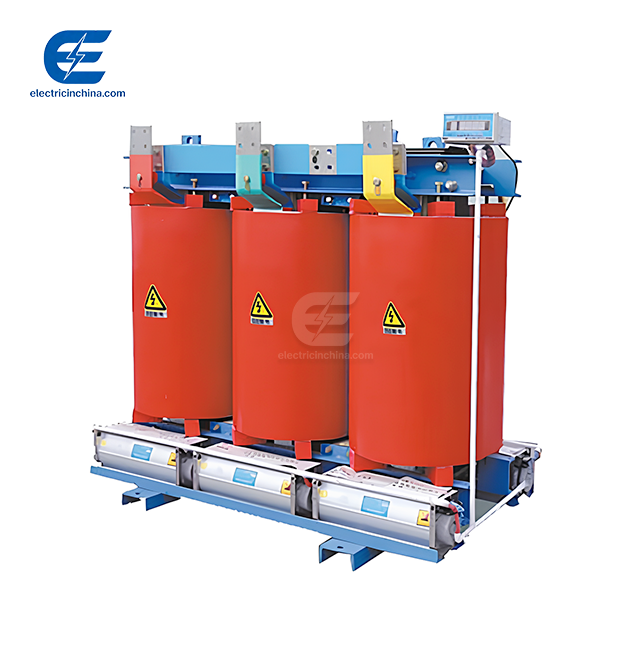
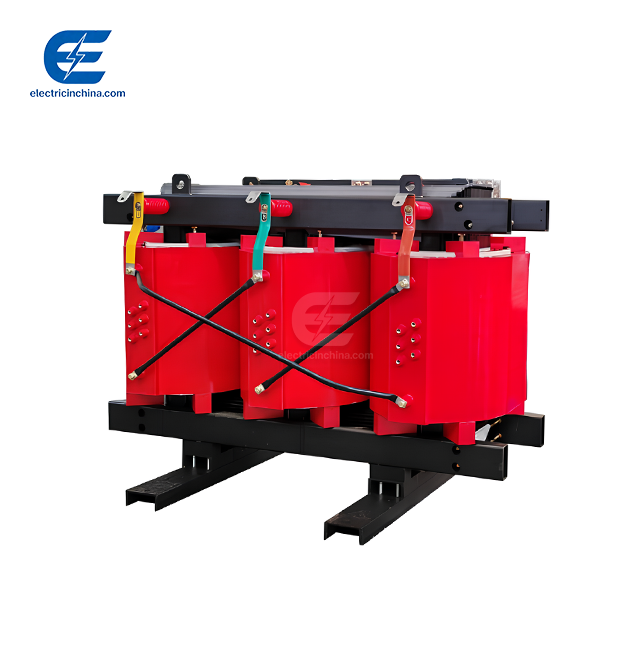
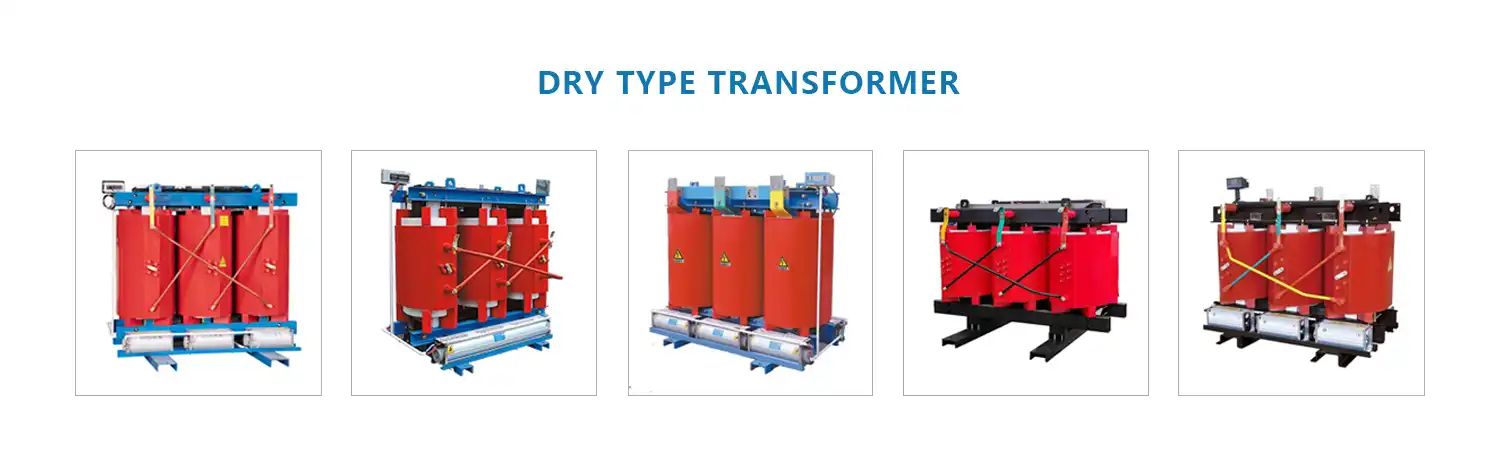
Cast plastic transformers are a big step forward in the technology used to distribute power in factories. Instead of using oil, these devices use epoxy glue to protect against electricity without using any burning liquids. This basic difference in form solves several practical problems at the same time.
Manufacturing plants all over the US are asking for dry-type units more and more for indoor setups where oil-filled equipment isn't allowed because of fire safety rules. Food processing companies, pharmaceutical labs, and semiconductor production sites are less likely to get contaminated because they don't use cooling oil. This technology is especially useful in data centers, where a leak in the cooling oil could damage expensive, sensitive electronics.
Enhanced Safety Features for Critical Infrastructure
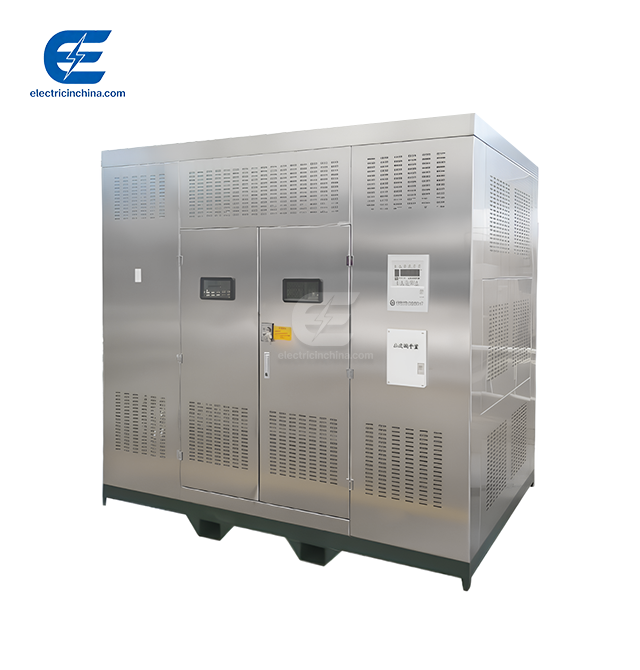
The 10kV-35kV SCB10 Industrial Dry Type Transformer meets the flame retardancy standards set by IEC 60076-11 by using materials that put out themselves when there is an electrical problem. Commercial and government building projects like this natural safety feature because it lowers insurance costs and gets rid of the need for expensive fire control systems. Installation options include electrical rooms in the basement, mechanical spaces on the roof, and areas next to production lines that don't need any special control measures.
Thermal Stability in Demanding Environments
When exposed to high humidity for a long time, epoxy resin insulation keeps its structural integrity at temperatures ranging from -25°C to +40°C. It also keeps its 30% higher dynamic insulation performance than other designs. Manufacturers of industrial goods who work in coastal areas or humid conditions can get solid performance after shutdown times without having to do pre-drying processes. This operational benefit directly leads to less downtime during repair times and faster restarts.
Proven Applications Across Industrial Sectors
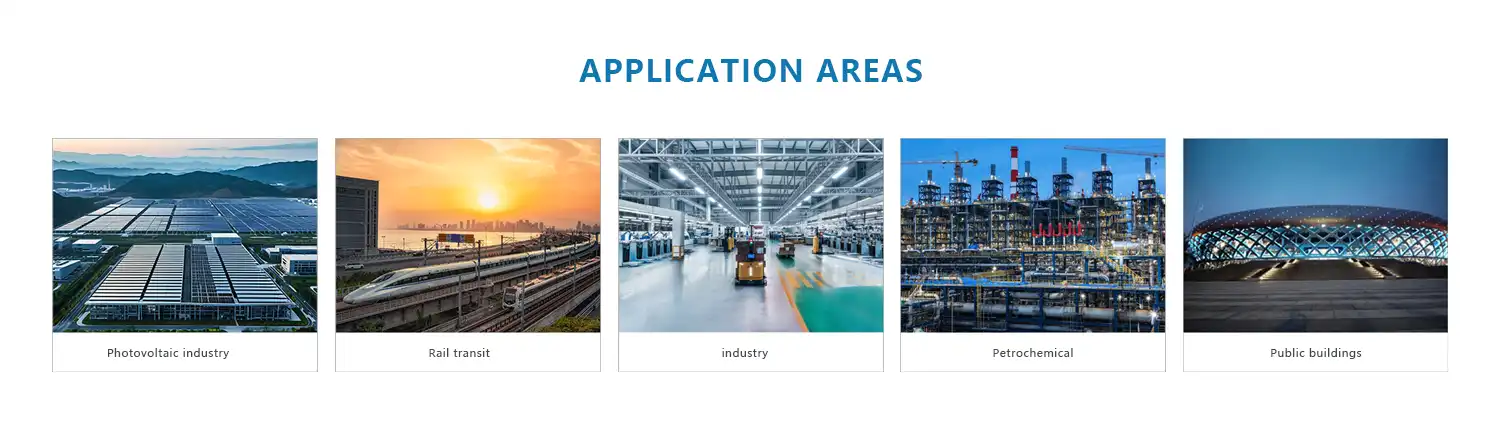
Commercial real estate developers use cast resin transformers in high-rise buildings that don't have a lot of room and need small, maintenance-free options for tenant safety. Advanced coil compression technology reduces the thickness by 28%, which lets installation happen in places that weren't possible before for power distribution equipment. EPC contractors working on projects for school sites, hospital buildings, and public transit systems depend on this space efficiency to stay within tight deadlines and follow all regulations.
Core Criteria for Selecting the Right Transformer Size
Getting the right size transformer saves your investment and makes sure it works well for the whole life of the equipment. Thermal stress causes units that are too small to fail early, while equipment that is too big wastes money and doesn't work well at partial loads.
Calculating Total Connected Load
Your load analysis starts with detailed electrical plans of the building that show all the equipment that is linked. Industrial makers have to think about starting currents for motors, inrush currents for welding equipment, and process heating loads that are higher than the nameplate values during beginning sequences. Oversizing can be avoided by using the right demand factors for each type of facility. For example, office buildings usually run at a 60–70% demand factor, while shift-based manufacturing plants can reach 80–90% joint usage. Diversity factors should be used in the load estimate to account for the fact that not all equipment runs at the same time. If you use reasonable demand and diversity factors, a business building with 2,000KVA of linked load might only need a 1,400KVA transformer. Government infrastructure projects benefit from conservative estimates that allow for future resident improvements without having to replace the transformer.
Voltage Classification Alignment
In the US, medium voltage systems usually work at 12.47kV or 13.8kV main distribution levels, which means that voltage class and winding design need to be carefully specified for 10kV-35kV SCB10 Industrial Dry Type Transformer. The voltage rating that is chosen must provide enough insulation coordination with equipment upstream and downstream, as well as be compatible with the features of the power source. Cast resin transformers with primary voltage ratings from 10kV to 35kV are used in a wide range of settings, from small business buildings to big industrial campuses. The choice of secondary voltage relies on the needs of the tools being used. Most industrial equipment and lights are powered by standard 480/277V three-phase systems. However, some processes may need 600V or custom voltage setups. The engineering team at Tuojie looks at your individual voltage needs and suggests the best primary and secondary options that keep distribution losses and equipment costs as low as possible.
Planning for Future Expansion
Transformers should be the right size for the amount of growth that is expected over the next ten years for both real estate investors and industrial makers. It's cheaper to add 20 to 30 percent more space for future growth than to replace equipment that is too small during building expansion projects. This method, which looks ahead, is especially helpful for phased building projects where the initial loads are only a small part of what the facility will need in the end. Environmental factors have a big effect on the size and efficiency of transformers. The ambient temperature has a direct effect on the thermal rating. Installations in machinery rooms that don't have enough air flow need to be derated or have forced-air cooling systems installed. The 10kV-35kV SCB10 Industrial Dry Type Transformer can use forced-air cooling to reach 150% of its stated capacity during times of high demand. This gives operators freedom without having to pay extra for permanently oversizing.
SCB10 vs Other Industrial Transformers: Key Comparison Factors
When procurement workers are looking at different power distribution choices, it's helpful to know how the different technologies perform. Depending on the needs of the application and the conditions of the place, each type of generator has its own benefits.
Safety and Environmental Considerations
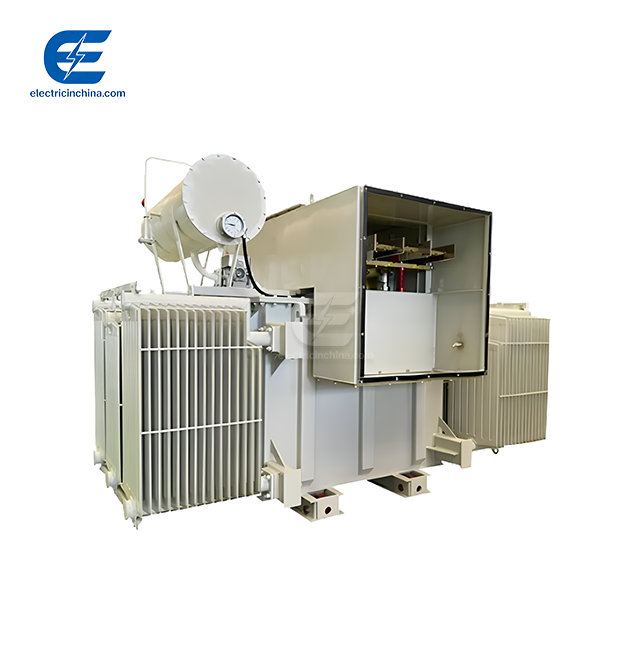
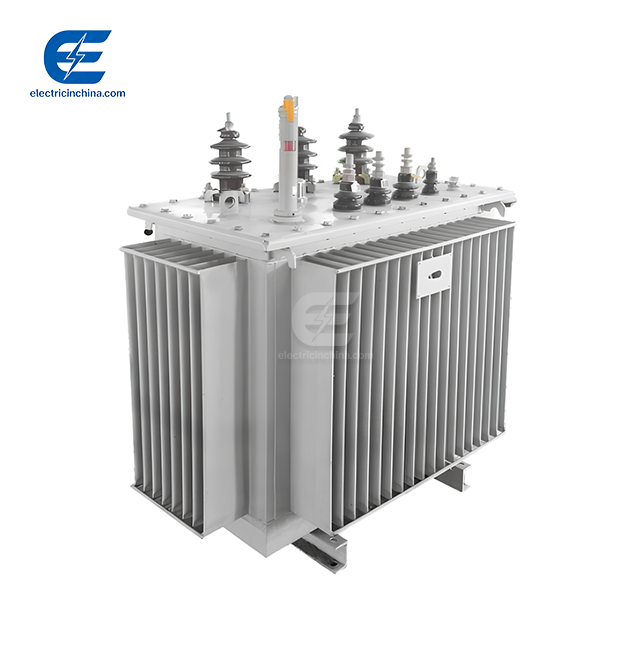
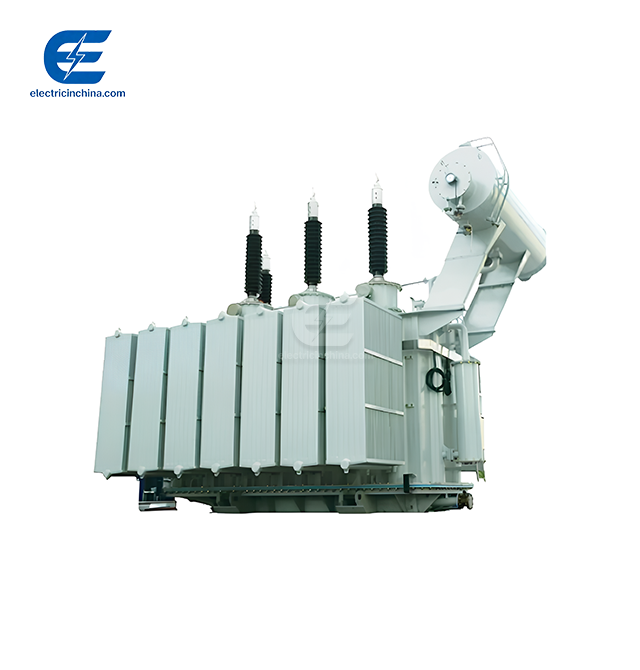
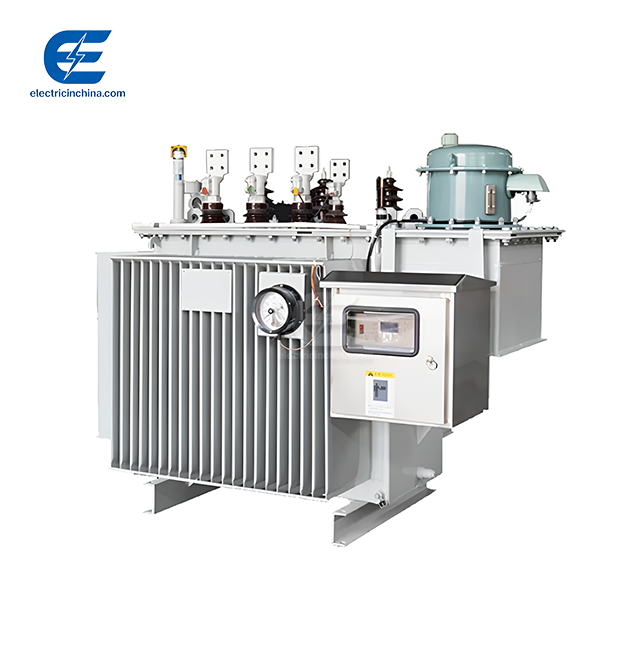
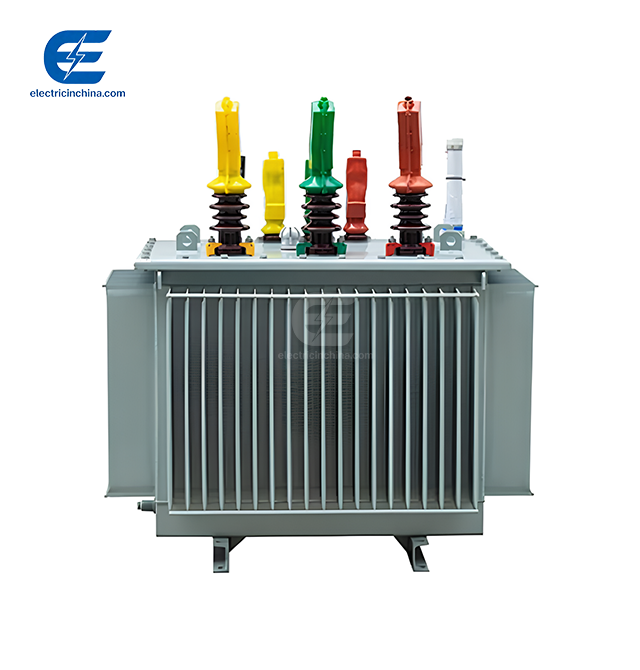
To keep the environment clean, oil-immersed transformers need storage systems, tools to find leaks, and regular oil analysis. The costs of following the rules go up a lot for sites that are close to waterways or other environmentally sensitive areas. These worries are completely taken away by the oil-free design of dry type units, which makes the approval process easier and lowers long-term lawsuit exposure. Different systems have very different fire safety needs. When oil-filled transformers are put indoors, they need to be protected by automatic water systems, fire-rated shelters, and at least a certain distance from buildings that could catch fire. Cast resin units can be put directly in occupied areas without the need for extra fire protection. This lowers the cost of building and makes the most of business projects' useful floor space.
Performance and Efficiency Metrics
The 10kV-35kV SCB10 Industrial Dry Type Transformer has 10-15% less load losses than older versions because the core materials and winding geometry have been improved. Over the 25–30-year service life, this improvement in efficiency lowers running costs, which saves a lot of money for buildings that are used a lot. These efficiency gains are most helpful for industrial producers with ongoing processes, since energy costs make up a big part of their total ownership costs. Acoustic performance affects where things are installed and how comfortable people are inside them. Noise is made by the dry-type transformers' core magnetostriction and coil vibration. But the 10kV-35kV SCB10 Industrial Dry Type Transformer keeps noise levels below 55dB by using improved methods for core assembly. Because of this sound quality, it can be installed in places like office buildings, hospitals, and schools where noise-sensitive areas are close to electrical rooms.
Total Cost of Ownership Analysis
The initial buying price is only one part of the economy of a transformer. The real costs of owning something are based on how much it costs to repair, how much it costs to maintain, and how much energy it wastes. Oil-filled units need to be checked for oil leaks, filtered, and then thrown away as toxic trash. Cast resin transformers get rid of these ongoing costs because they don't need any upkeep and last for decades. EPC contractors who are in charge of project costs, like how easy it is to put dry-type units. Less weight means less need for structural support, and small dimensions mean less need for electrical rooms and the costs that come with building them. All of these things work together to cancel out any extra costs in tools by cutting down on installation costs and speeding up the project's finish.
Practical Steps to Procure the Right SCB10 Dry Type Transformer
To do procurement right, you need to carefully look at technical requirements, seller skills, and project completion needs. Structured methods that make sure quality and accountability help medium to big companies that do project-based procurement.
Defining Technical Specifications
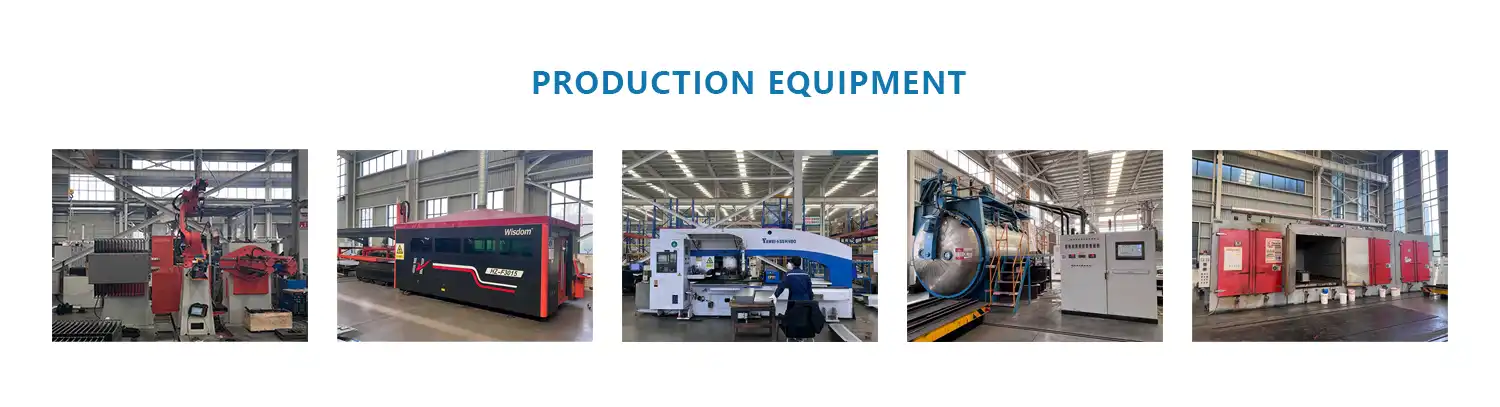
In your specification paper, you should list the voltage levels, capacity needs, winding layout, insulation class, and any standards that need to be met. In government building projects, IEEE and IEC standards are often used, and some areas have their own specific needs. Tuojie's engineering team has 18 patents in the areas of designing and making transformers, which gives them the knowledge to handle complicated standard requirements in a variety of regulatory settings. Customization choices solve problems that are unique to a site that normal catalog units can't. Specification improvements often include limits on temperature rise for sites with limited air flow, seismic approval for areas prone to earthquakes, and harmonic mitigation for facilities with variable frequency drives. Over 120 sets of CNC production tools are part of our manufacturing skills. This lets us make changes quickly and cheaply without having to wait for longer lead times.
Verifying Supplier Credentials
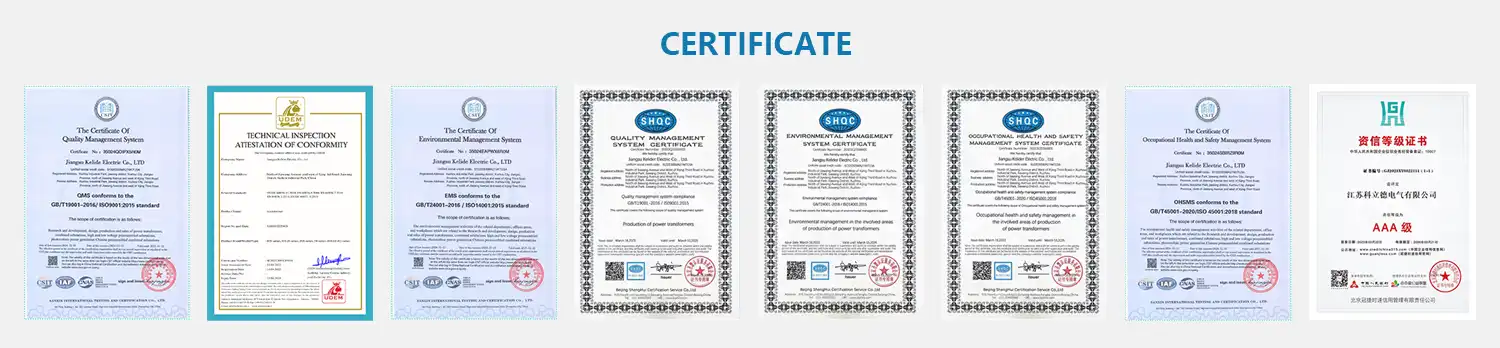
Choosing the right supplier has a huge effect on the success of a project and the long-term dependability of tools. Quality management systems that are certified, like ISO 9001, ISO 14001, and OHSAS 45001, make sure that industrial methods always meet quality standards. All of Tuojie's low-voltage switches and cables have National CCC Mandatory Certification, which shows that they meet strict Chinese and foreign safety standards. When comparing providers, project knowledge is important. Tuojie has finished hundreds of important power projects, such as the Xuzhou Rail Transit Network Control Center, which used dual-circuit power supply designs to make sure that important infrastructure was always up and running. Our work on upgrading the power source at XCMG Group's manufacturing building shows that we can handle difficult industrial projects with tight deadlines. Developers of real estate like our track record of success on projects like business buildings and high-rise residential developments, where quality has a direct effect on how happy tenants are.
Negotiating Terms and Delivery
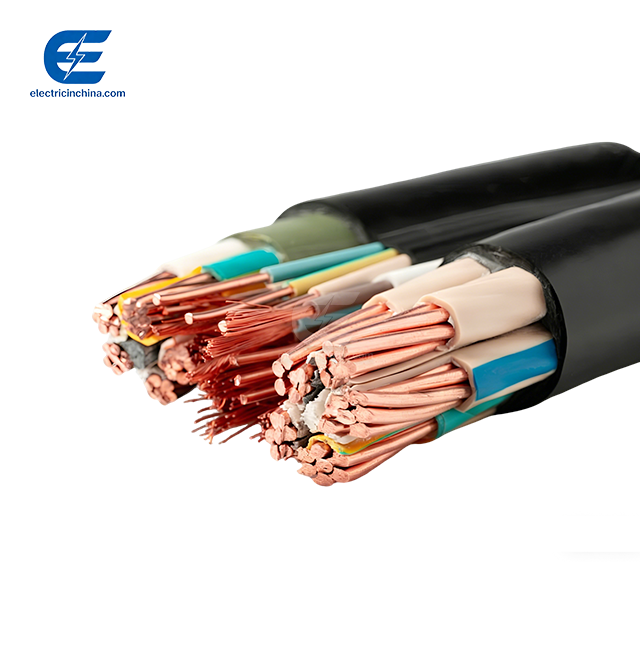
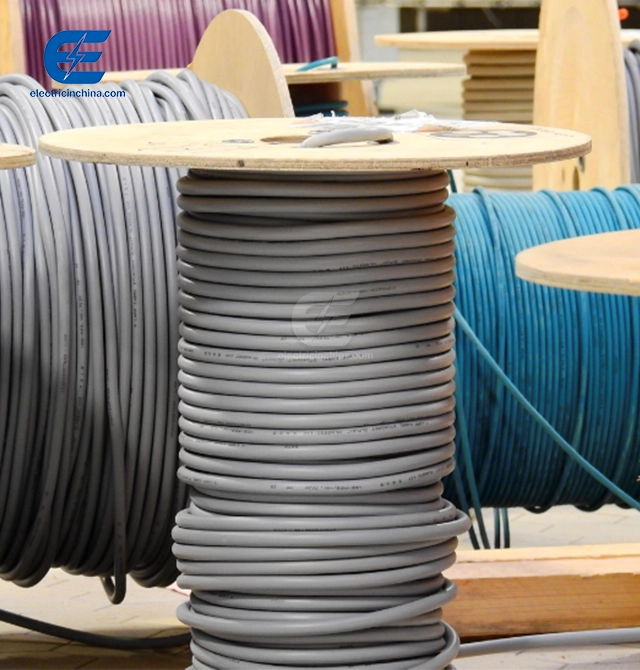
Flexible payment terms and transportation planning make it easier for EPC contractors who are in charge of multiple project steps to buy large amounts of goods. Our one-stop service includes helping you find related items like switches and cables, which makes managing vendors easier and makes sure that all the parts of an electrical system work together. Volume pricing systems encourage ties that last a long time and customers who buy from you again and again. Being clear about lead times boosts trust in project scheduling. Our high-tech production facilities and full inventory management systems help us stick to plans for deliveries that are in line with building milestones. For pressing needs, our fast manufacturing options keep project delays to a minimum while keeping quality standards that are checked by our professional inspection lab.
Maintenance and Long-Term Management of SCB10 Dry Type Transformers
Proactive repair plans extend the life of equipment and stop expensive breakdowns that aren't planned. Compared to oil-filled units, cast resin transformers don't need as much maintenance, but regular checks protect your infrastructure investment.
Routine Inspection Protocols
Visual checks done once a year find physical damage, loose links, and environmental factors that are impacting performance. Checklists for inspections should include notes on the state of the windings, the soundness of the bushings, the core assembly, and the operation of the cooling system if forced air cooling is used. Most of the time, these checks can be done by building maintenance staff without any special training and in less than two hours. Testing electrical systems every six months checks the resistance of the insulation, the power factor, and the resistance of the windings to find damage before it happens. Testing methods are based on IEEE C57.12.91 standards and use calibrated tools that look for patterns that show problems are starting to appear. Facilities for government assets and businesses that handle important loads can benefit from predictive maintenance programs that plan tests for planned outages instead of waiting for emergencies to happen.
Temperature Monitoring and Thermal Management
Temperature rise is directly linked to insulation wearing out and equipment breaking down. Monitoring systems constantly check the temperatures of the core and windings, giving you early notice if there are problems with the cooling system or too much load on the transformer. The 10kV-35kV SCB10 Industrial Dry Type Transformer design allows temperature sensors to be built in during production, which makes setting up the tracking system easier and ensures that the measurements are taken correctly. Adequate ventilation has a big effect on heat function. Electrical rooms need enough air flow to get rid of the heat from the transformers without making the room too hot. If a building has a lot of generators or not a lot of air flow, it might need mechanical cooling devices to keep the temperature at a safe level during peak load times. Our engineering support includes temperature analysis services that help you make the best decisions about the design of your electrical room so that it works well for a long time.
Noise Reduction Strategies
The happiness of people who work in business and industrial buildings with offices next to electrical rooms is affected by how well the buildings' acoustics work. Even though the 10kV-35kV SCB10 Industrial Dry Type Transformer is quieter than older models, extra noise control steps may be needed for setups that are very sensitive. Putting sound-absorbing materials on the walls of an electrical room lowers the noise that gets through, and putting vibration isolator pads under the mounting points of transformers lowers the sound that gets through the building. These upkeep steps make sure that cast resin transformers last 25 years or more, which makes them a good investment for infrastructure. Maintenance-free operation keeps costs low while providing stable power for business operations, which is especially helpful for industrial makers and commercial developers who want to own a facility for a long time.
Conclusion
To choose the correct industrial dry-type transformer size, you have to weigh your current capacity needs against your plans to grow in the future, as well as the costs of ownership over the whole life of the transformer. The 10kV-35kV SCB10 Industrial Dry Type Transformer has been used successfully in government infrastructure, business real estate, and industrial manufacturing. Its advanced epoxy resin casting technology and maintenance-free operation make it a reliable choice. For buying to go well, there needs to be a full load analysis, source verification, and specification alignment with practical needs. Tuojie has 18 patents, 20 years of experience in the field, and has finished hundreds of important power projects. We can help you with your toughest power distribution problems by creating custom solutions that meet international quality standards.
FAQ
What capacity range should I specify for a medium-sized manufacturing facility?
Depending on the production tools, manufacturing facilities usually need 500KVA to 2,500KVA of power, with diversity factors of 0.75 to 0.85 added to the connected load. Talk to Tuojie engineers. They will look at your collection of equipment and how it is used to make suggestions on the best size.
How does the SCB10 perform in coastal environments with high humidity?
The 10kV-35kV SCB10 Industrial Dry Type Transformer coating keeps 30% better insulation performance after long-term exposure to humidity than other designs. It works reliably up to 95% relative humidity without the need for pre-drying. Because it can handle wetness, the 10kV-35kV SCB10 Industrial Dry Type Transformer is perfect for placements near the coast, where salt air and humidity can be hard on other types of equipment.
What certifications validate quality for international projects?
Tuojie keeps its ISO 9001, ISO 14001, and OHSAS 45001 standards up to date, and all of its goods have National CCC Mandatory Certification. Our transformers meet the IEC 60076 and IEEE C57 standards that are needed for business and government building projects in the United States.
Partner with Tuojie for Your Next Power Distribution Project
Xuzhou Tuojie International Trade is a reliable supplier of dry-type transformers for important infrastructure developments because they mix high-quality manufacturing with full project support. Our 10kV-35kV SCB10 Industrial Dry Type Transformer gives your project the dependability, safety, and performance it needs. It is backed by more than 120 sets of CNC production tools and strict ISO9001 quality processes. You can email our engineering team at tuojie@electricinchina.com to talk about your unique needs and get solutions that are made to fit your operational setting. We offer full technical documentation, reasonable pricing for large purchases, and delivery plans that work with your building goals. This makes sure that the project is a success from the specification stage to the commissioning stage.
References
1. Institute of Electrical and Electronics Engineers, "IEEE Standard General Requirements for Liquid-Immersed and Dry-Type Distribution, Power, and Regulating Transformers," IEEE C57.12.00-2015, New York, 2015.
2. International Electrotechnical Commission, "Power Transformers - Part 11: Dry-Type Transformers," IEC 60076-11:2018, Geneva, Switzerland, 2018.
3. National Fire Protection Association, "National Electrical Code," NFPA 70-2020, Quincy, Massachusetts, 2020.
4. American Society of Heating, Refrigerating and Air-Conditioning Engineers, "Thermal Guidelines for Data Processing Environments," ASHRAE Technical Committee 9.9, Atlanta, Georgia, 2021.
5. U.S. Department of Energy, "Energy Conservation Program: Energy Conservation Standards for Distribution Transformers," Federal Register Vol. 78 No. 157, Washington, D. C., 2013.
6. Electric Power Research Institute, "Application Guide for Dry-Type Distribution and Power Transformers," EPRI Technical Report 1020097, Palo Alto, California, 2019.