

.webp)
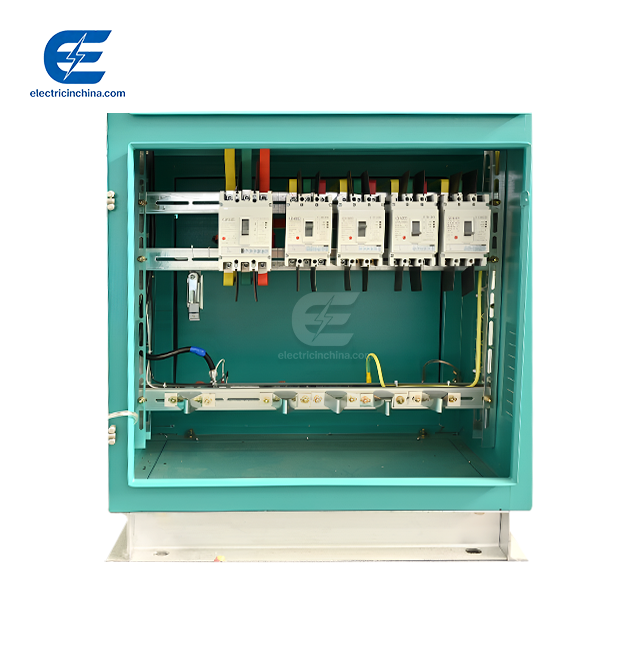
When evaluating whether a three-phase oil-immersed distribution transformer is easy to install, the answer balances both simplicity and complexity. Modern oil-immersed transformers feature standardized designs that facilitate installation when proper equipment and expertise are available. At Xuzhou Tuojie International Trade Co., Ltd., our transformers, ranging from 30KVA to 31,500KVA, incorporate installation-friendly features, including pre-assembled components, clear connection points, and comprehensive documentation. While the physical weight and oil management requirements demand specialized handling, the actual installation process follows systematic procedures that experienced teams execute efficiently, typically completing standard installations within several days, depending on capacity and site conditions.
Understanding the Installation Process of a Three-Phase Oil-Immersed Distribution Transformer
Installing a three-phase oil-immersed distribution transformer requires methodical planning and execution. The process involves multiple coordinated stages that procurement managers and engineering teams must understand to ensure successful project delivery.
Core Components That Affect Installation Logistics
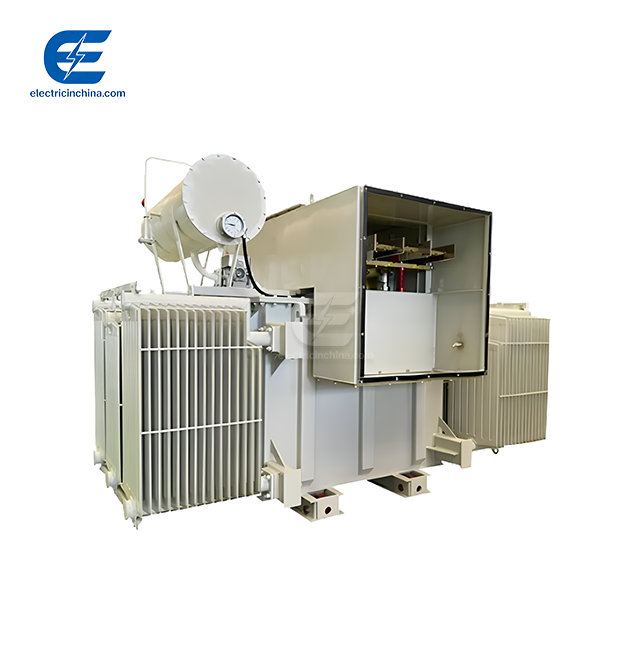
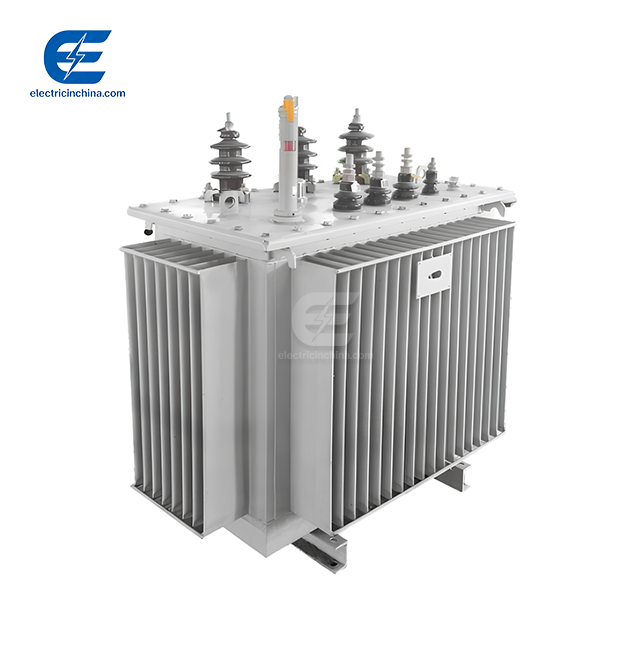
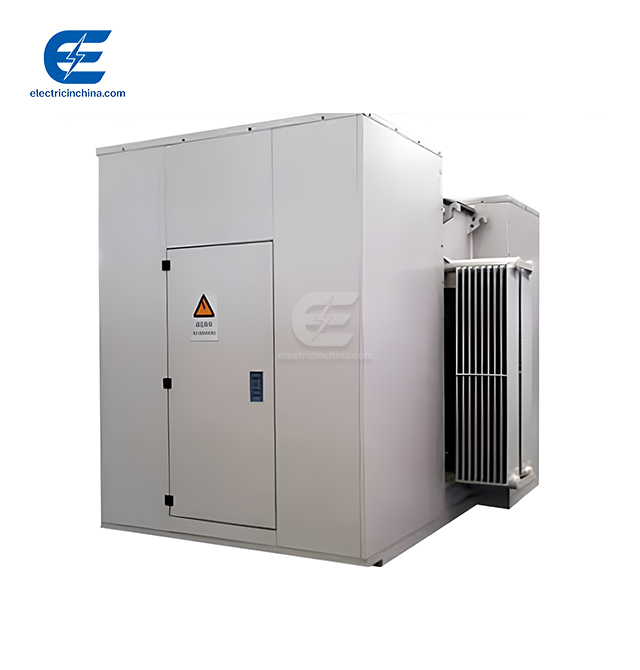
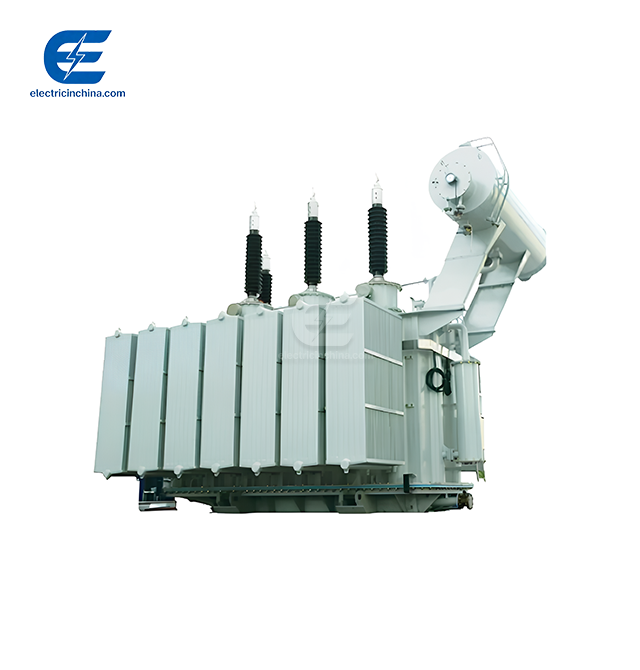
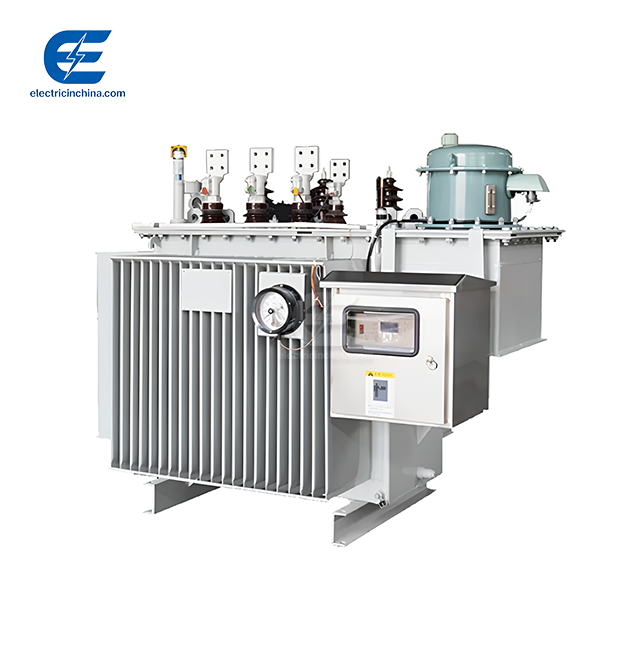
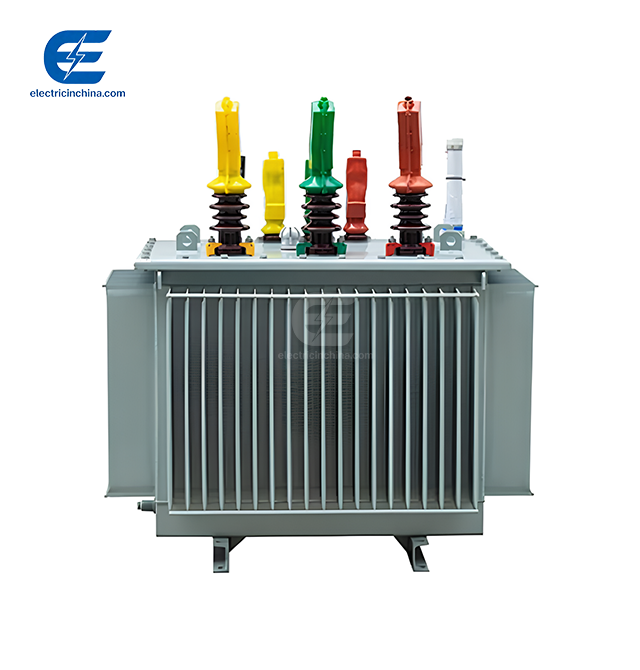
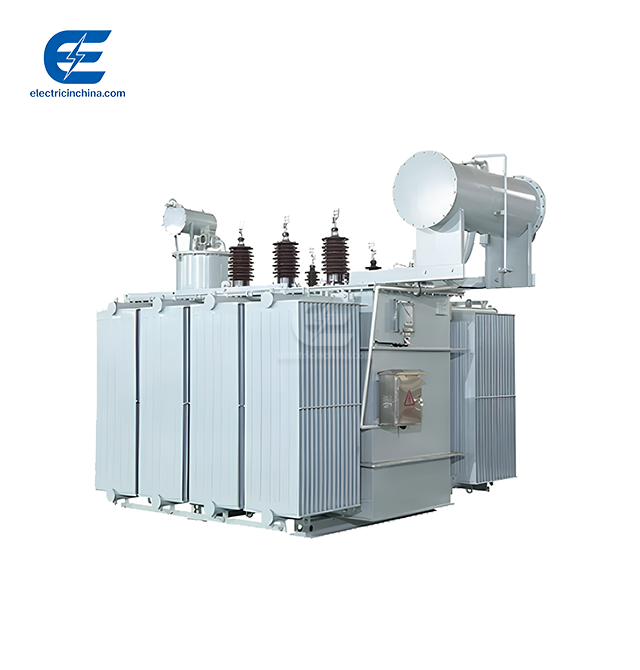
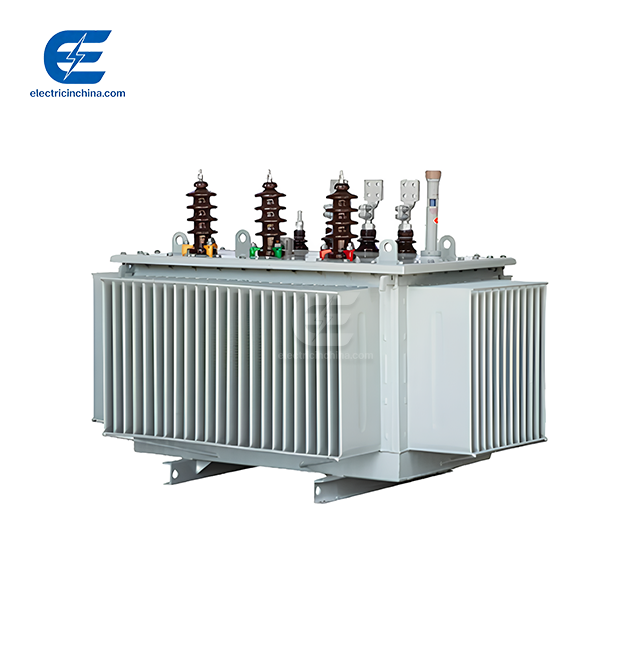
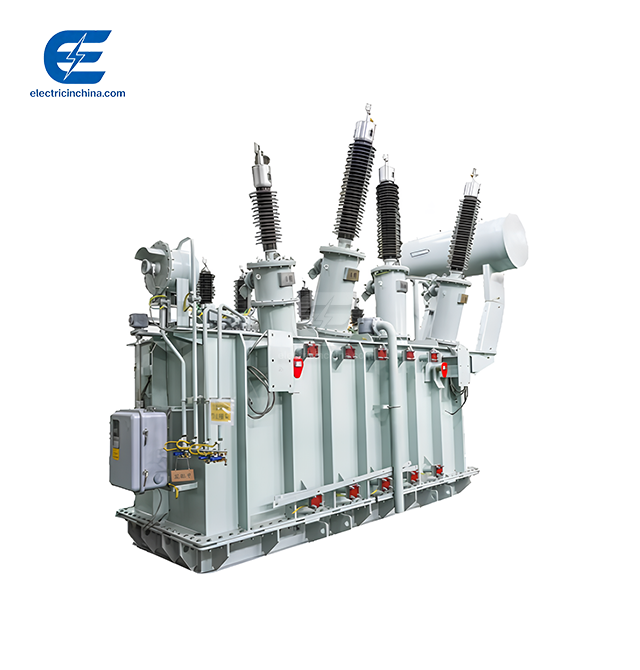
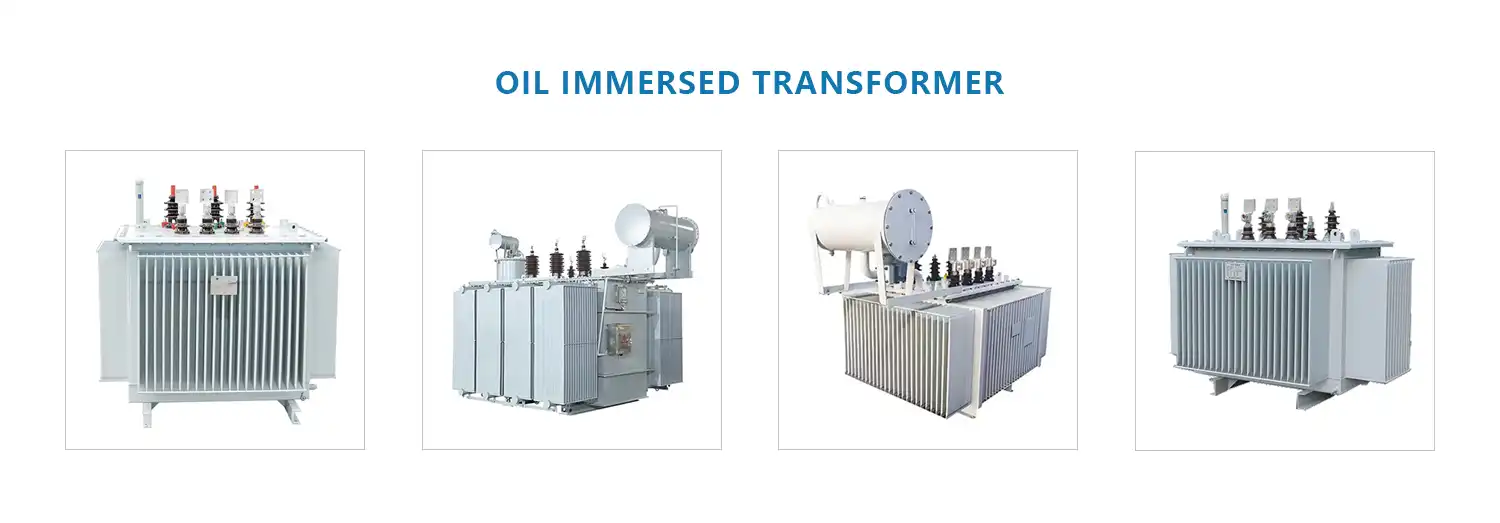
The transformer tank houses the core and windings submerged in mineral oil, creating the primary challenge during installation due to the combined weight. Compared to regular models, our Tuojie units have high-quality silicon steel cores and advanced copper windings that cut no-load losses by 30%. The bushings—ceramic or polymer insulators extending from the tank—require careful handling during transport and positioning to prevent damage. The conservator tank maintains oil levels during temperature fluctuations, while the cooling system with radiators or fans demands adequate clearance for airflow. These components collectively affect the requirements for site access, foundation design, and lifting strategies.
Step-by-Step Installation Overview
Site preparation begins weeks before equipment arrival. The foundation must support the transformer's full weight plus dynamic loads, typically requiring reinforced concrete pads with anchor bolts positioned according to manufacturer specifications. Our engineering team provides detailed foundation drawings for each unit, ensuring dimensional accuracy. Lifting operations represent the most critical phase. A 1000KVA transformer weighs approximately 3,500 kg, necessitating mobile cranes with sufficient capacity and reach. We recommend using spreader bars and specialized lifting lugs designed into our transformer tanks. Positioning accuracy within 10mm ensures proper alignment with cable trenches and adjacent equipment. Electrical connections involve both high-voltage and low-voltage terminations. Primary connections at 6kV to 35kV require trained electricians familiar with high-voltage safety protocols. Secondary connections at 400V or 480V follow standard industrial practices. Grounding systems must achieve resistance below 4 ohms per the national electrical codes, protecting personnel and equipment during fault conditions. Oil management during commissioning involves checking oil levels, testing insulation strength, and ensuring there is no moisture. Our transformers undergo vacuum drying processes at the factory, arriving with oil fully treated and degassed, simplifying on-site commissioning.
Common Installation Challenges and Practical Solutions
Heavy equipment handling poses injury risks and potential damage. We address these issues through detailed rigging plans included with each shipment, specifying lifting points, sling angles, and weight distribution. Our technical support team can conduct pre-installation consultations via video conference, reviewing site conditions and recommending equipment. Oil containment addresses environmental regulations that mandate spill prevention. Secondary containment systems—either concrete bunds or prefabricated steel basins—must hold 110% of the transformer's total oil volume. For a 2500KVA unit containing approximately 2,800 liters, the containment area requires careful calculation and construction verification. Minimizing downtime during replacements or upgrades demands precise scheduling. We've supported projects where existing transformers required replacement without extended power interruptions. In one municipal project in Xuzhou, our team coordinated a weekend installation that restored full capacity within 48 hours, meeting the client's strict operational requirements.
Factors That Influence Installation Ease and Time
Installation complexity varies significantly based on equipment design, site characteristics, and support infrastructure. Understanding these variables helps procurement teams set realistic timelines and budgets.
Design Differences Across Transformer Types
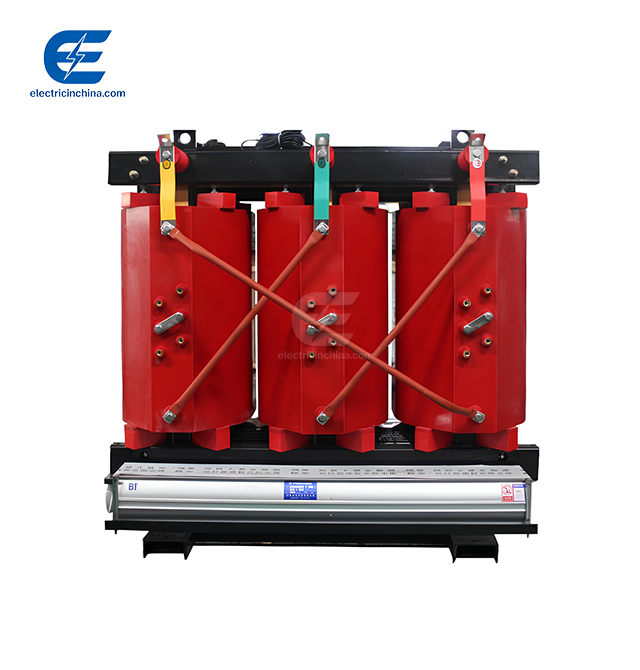
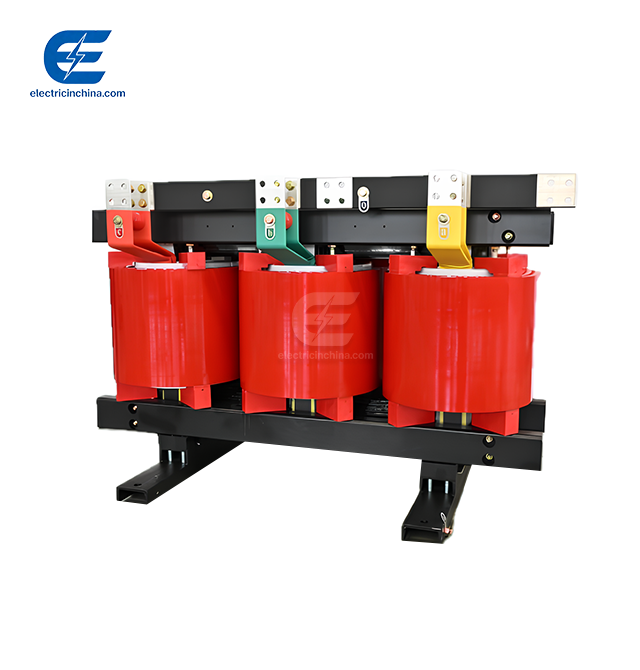
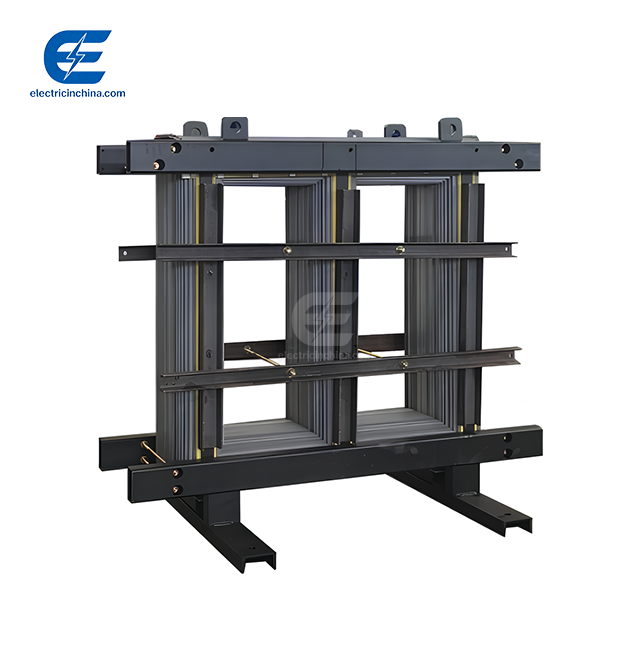
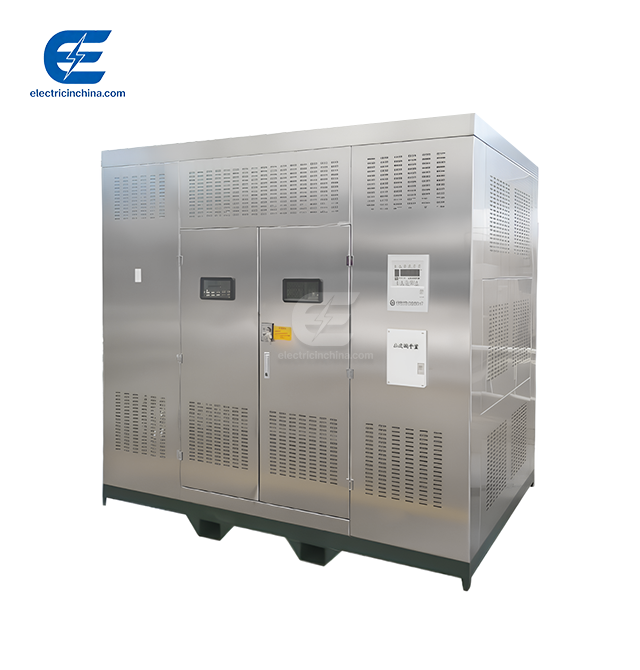
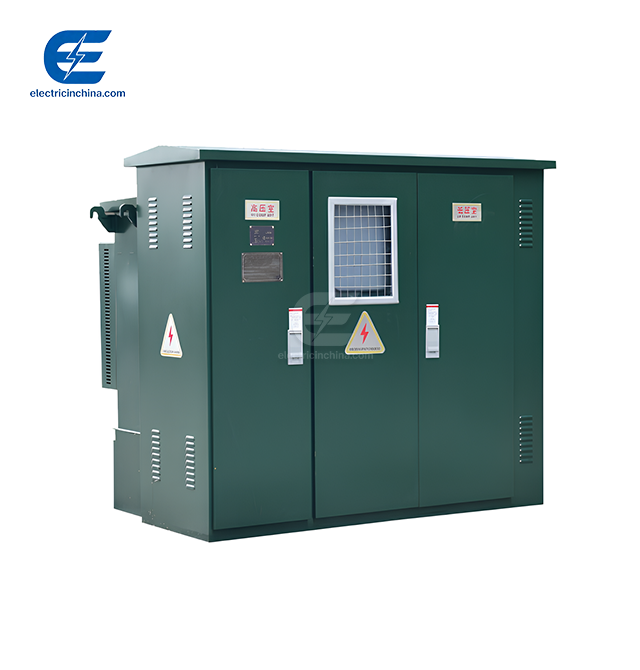
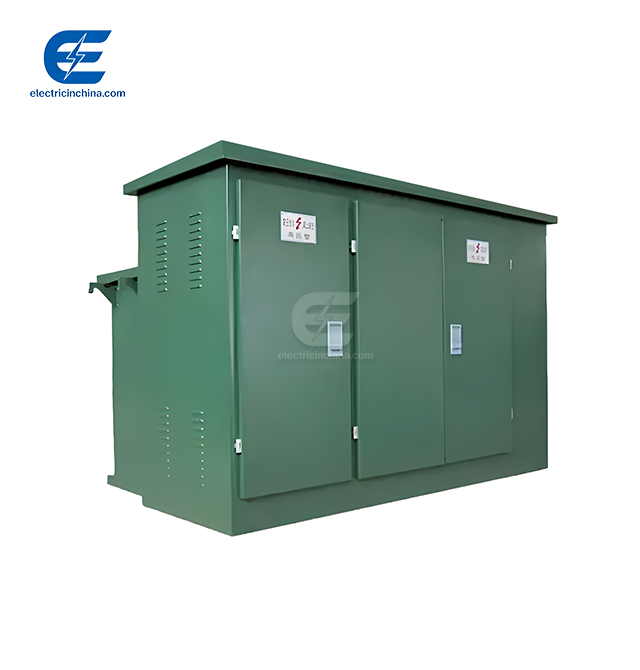
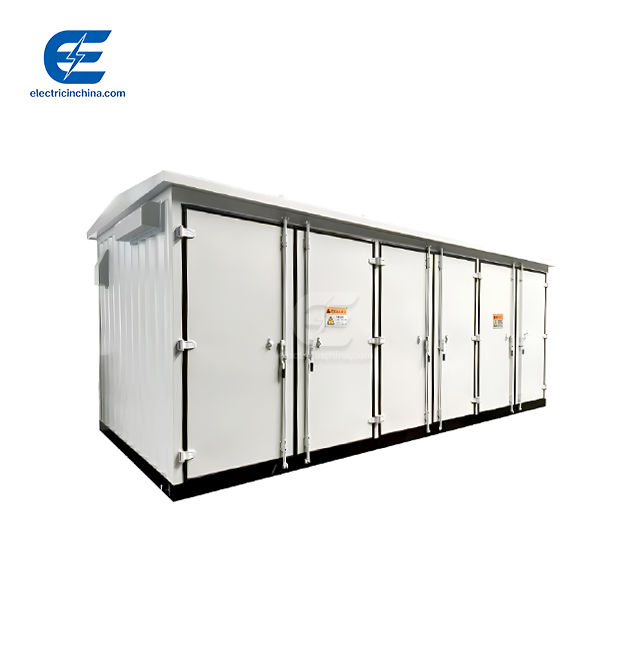
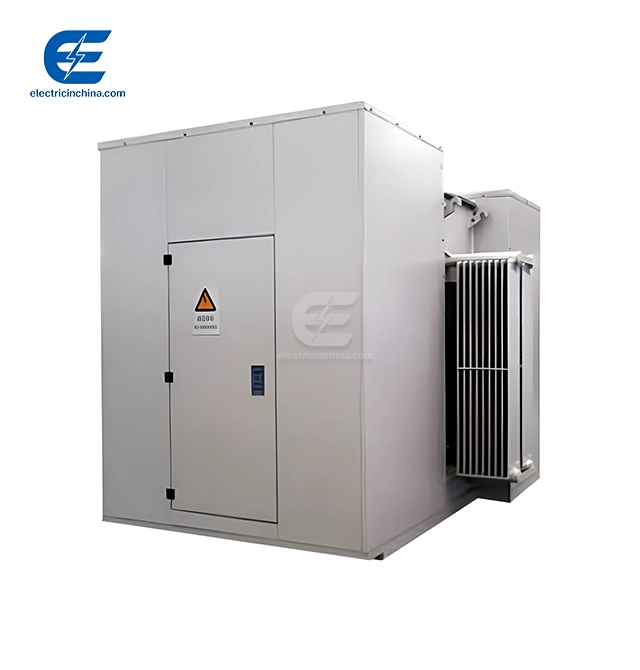
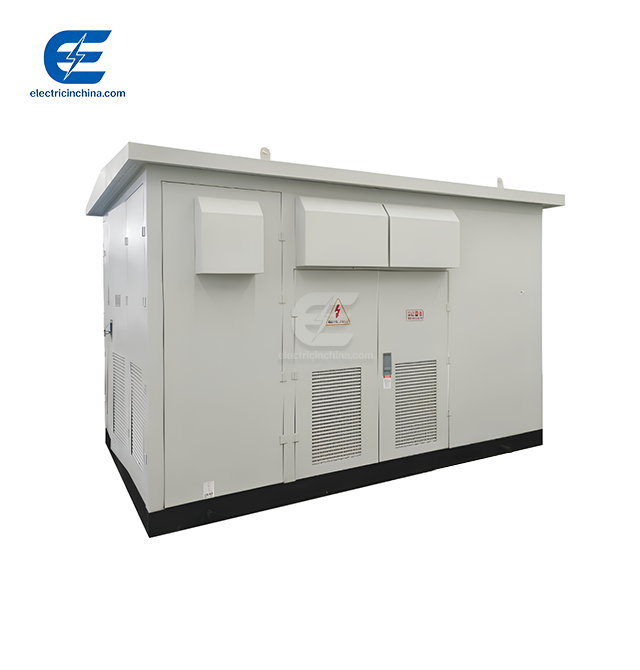
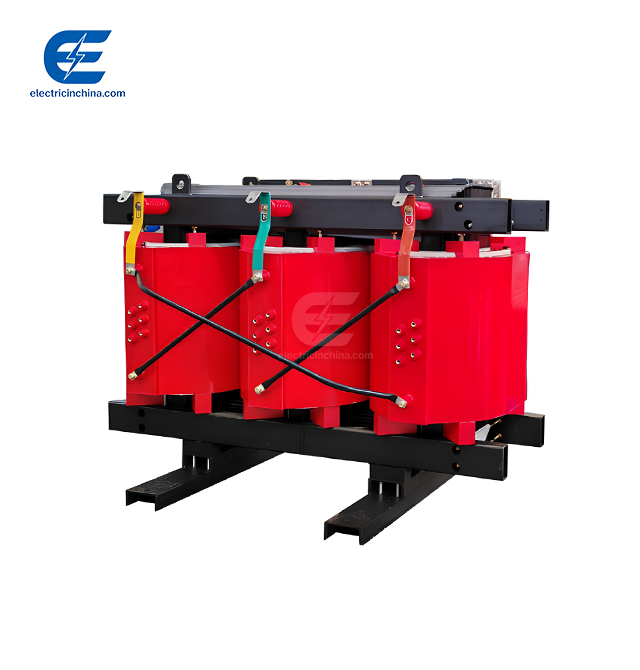
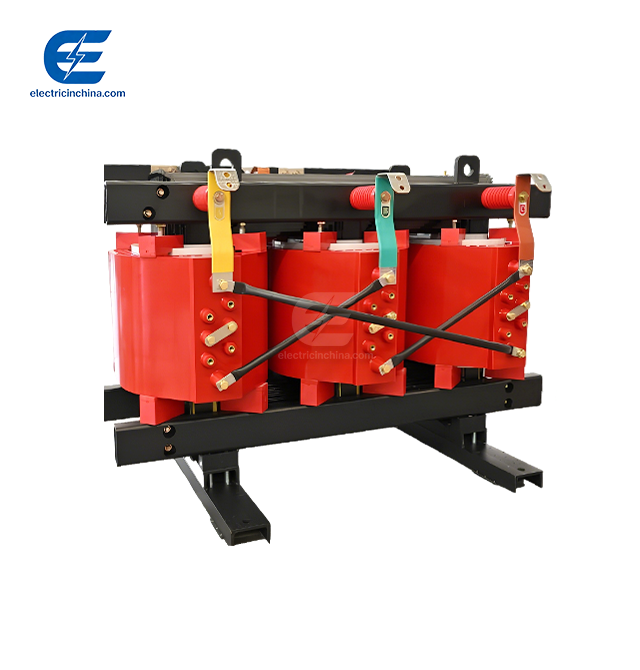
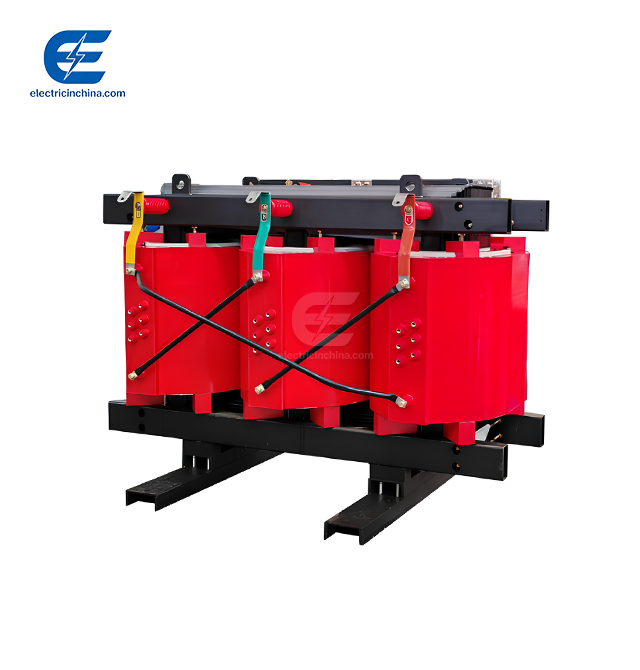
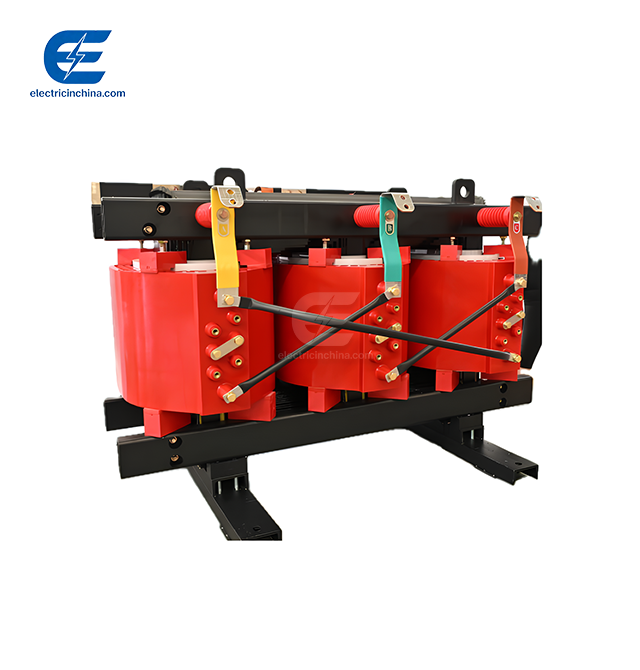
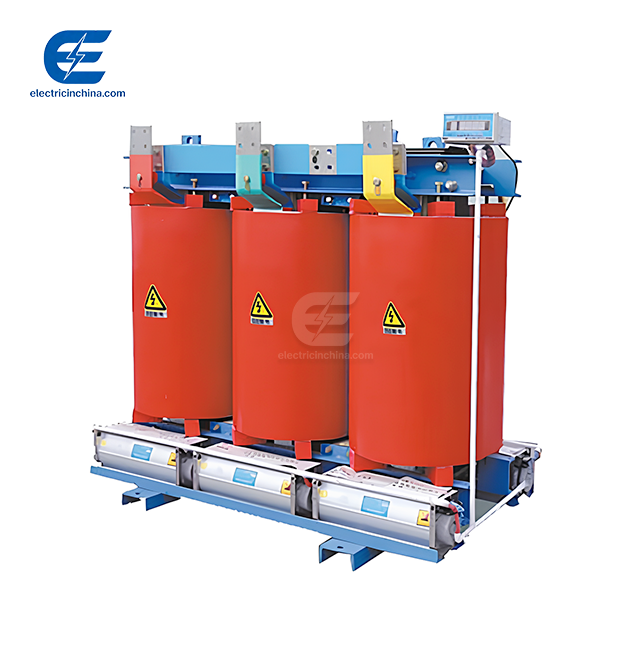
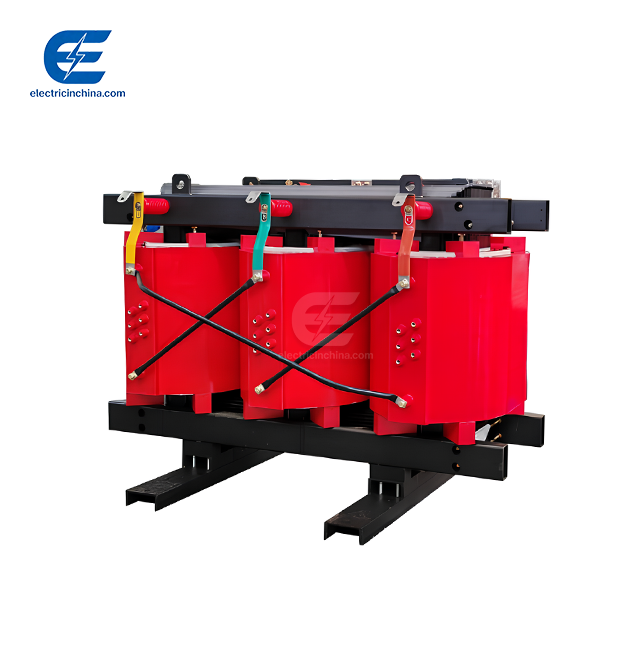
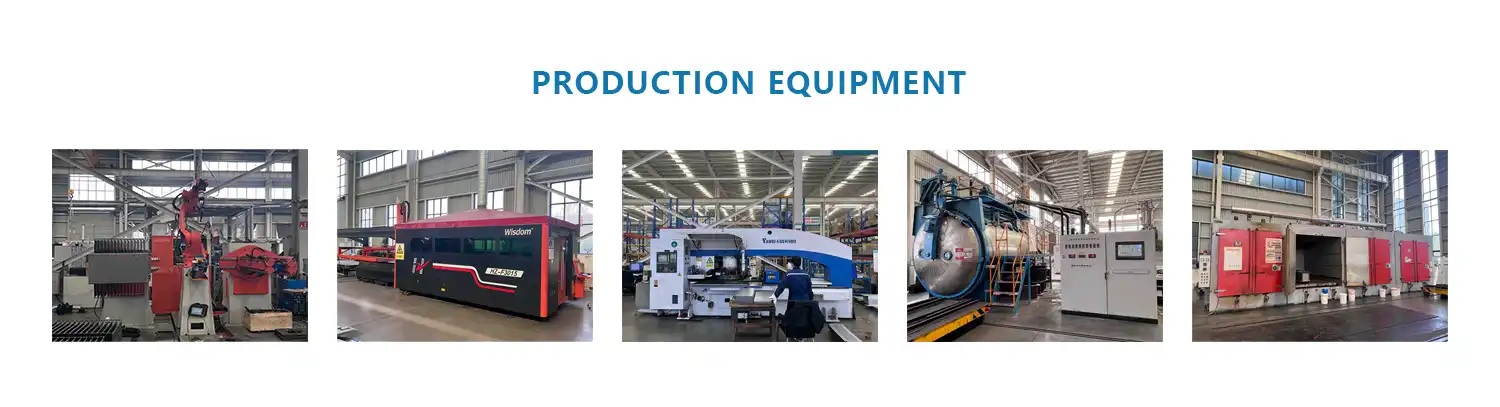
Oil-immersed units offer superior cooling efficiency, enabling compact footprints despite high power densities. Our S11-type transformers achieve over 98.5% efficiency while maintaining temperature rise limits of 65K for windings and 60K for oil. This thermal performance allows installation in enclosed spaces with adequate ventilation, unlike some dry-type alternatives requiring larger clearances. Dry-type transformers eliminate oil handling but typically weigh more per kVA rating and generate higher noise levels. Pad-mounted transformers integrate the tank, connections, and protective enclosure into a single unit, simplifying installation but limiting customization. We manufacture all three-phase power distribution oil transformers at our facility, equipped with over 120 sets of CNC automatic winding machines and vacuum casting systems, allowing clients to select configurations matching their specific installation constraints.
Site-Specific Factors and Accessibility Considerations
Space limitations in urban substations or basement installations require careful dimensional verification. Our standard 1500KVA transformer measures approximately 2,400mm length × 1,800mm width × 2,200mm height, requiring minimum clearances of 1,000mm on service sides and 800mm on non-service sides for maintenance access. Restricted access routes may necessitate disassembly, transporting the tank and radiators separately for reassembly on-site. Existing infrastructure compatibility affects installation complexity. Upgrading from older transformers to our modern units often requires foundation modifications to accommodate different anchor patterns. We provide retrofit kits and adapter plates that simplify these transitions, reducing civil work expenses. Climate conditions influence installation timing and methods. In regions experiencing temperatures below -25°C, our transformers incorporate cold-weather oil formulations, maintaining fluidity and insulation properties. Coastal installations require enhanced corrosion protection through specialized tank coatings and stainless steel hardware, features we've perfected through projects in harsh environments.
Importance of Comprehensive Supplier Support
Professional installation services distinguish reliable suppliers from commodity vendors. Our team of 15 senior engineers and over 30 intermediate technicians provides on-site commissioning support for projects requiring specialized expertise. During the Xuzhou Rail Transit Network Control Centre project, we deployed installation supervisors who coordinated with EPC contractors, ensuring the dual-circuit power supply design achieved the required safety certifications ahead of schedule. Local distributor networks extend our support capabilities across the United States. We partner with regional service providers offering warehousing, logistics coordination, and emergency response, reducing lead times from order to energization. Technical support includes detailed installation manuals, AutoCAD drawings, and 24/7 engineering consultation via email at tuojie@electricinchina.com.
Advantages of Choosing Easy-to-Install Three-Phase Oil-Immersed Transformers
Selecting transformers engineered for installation efficiency delivers measurable returns across project lifecycles. Our designs reflect decades of field experience and continuous improvement based on client feedback.
Reduced Installation Time and Labor Costs
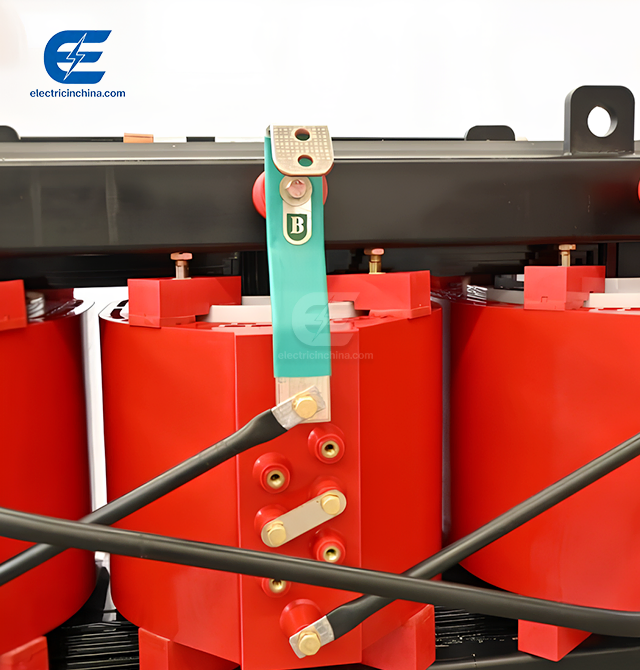
Installation-friendly features cut project schedules significantly. Pre-assembled components eliminate field assembly tasks prone to errors and delays. Our transformers arrive with bushings installed, control wiring terminated, and protective relays factory-tested, reducing on-site labor hours by approximately 35% compared to units requiring extensive field work. Standardized connection interfaces accelerate electrical work. Primary and secondary terminals follow industry-standard spacing compatible with cable lugs and bus bars readily available from electrical distributors. Clear labeling and color-coding prevent misconnections that cause commissioning delays. Labor cost savings compound over project portfolios. An EPC contractor managing multiple substations benefits from consistent installation procedures across identical transformer models. We supported one industrial park developer deploying fifteen 1000 kVA units across their facility, where standardization reduced the average installation time from five days to three days per unit, accelerating the overall project completion by six weeks.
Enhanced Safety Features and Compliance Benefits
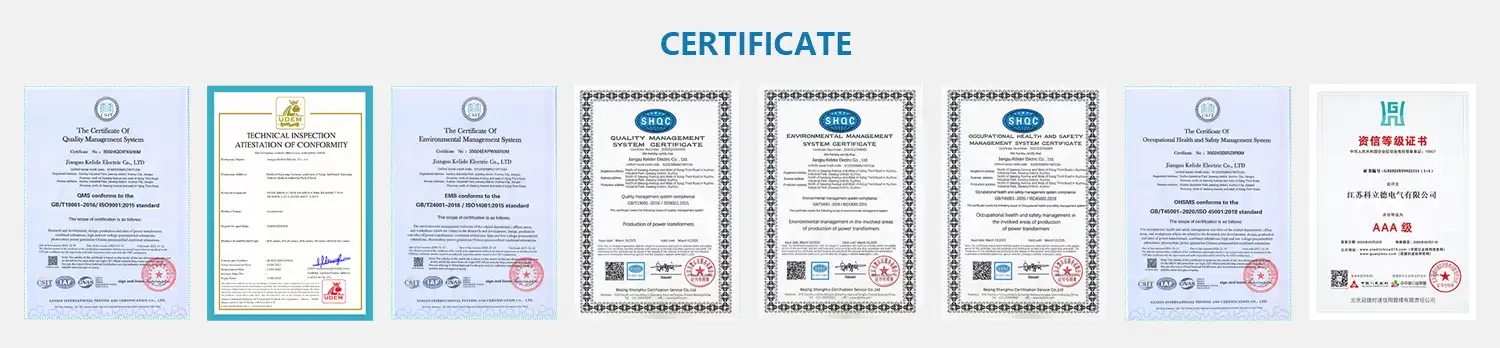
Modern safety engineering minimizes installation hazards. Our transformer tanks incorporate pressure relief devices calibrated to vent internal faults safely without rupturing the tank. Buchholz relays detect incipient faults through gas accumulation, providing early warning before catastrophic failures. These features, standard across our product line, protect installation crews and adjacent equipment. Oil handling risks decrease through improved designs. Quick-disconnect fittings on oil sampling valves allow testing without spillage. Magnetic level gauges provide visual oil level indication without requiring gauge glass, which poses breakage risks. We've integrated these safety enhancements based on ISO 45001 occupational health and safety standards implemented throughout our manufacturing processes. Compliance with international standards simplifies project approvals. Our transformers carry ISO 9001 quality management certification, ISO 14001 environmental certification, and product-specific CCC mandatory certification for Chinese markets. For U.S. projects, we provide IEEE C57 compliance documentation and UL listing upon request, ensuring permitting authorities approve installations without delays.
Improved Longevity Through Proper Installation
Correctly installed transformers achieve their designed 25 to 30-year service life. Precision leveling prevents uneven oil distribution that accelerates insulation aging. Our installation guidelines specify a maximum allowable tilt of 1 degree, easily verified using digital inclinometers. Foundation settlement monitoring during the first year ensures long-term stability. Simplified maintenance procedures extend operational availability. Accessible fill ports, drain valves, and inspection covers enable routine servicing without extensive disassembly. During the XCMG Group power supply upgrade project, our transformers were selected specifically for maintenance accessibility, critical given the client's continuous manufacturing operations, where unplanned downtime costs exceed $50,000 per hour. Lower total cost of ownership results from reliability and efficiency. Our advanced copper windings and optimized core design deliver efficiency exceeding 98.5% across load ranges from 25% to 100%. Over a 25-year operating period, this efficiency advantage saves approximately $85,000 in energy costs for a 2000KVA transformer operating at 70% average load compared to standard-efficiency alternatives. The initial investment in quality equipment pays dividends throughout the asset lifecycle.
Practical Tips for Ensuring Smooth Installation and Optimal Performance
Successful installations combine thorough planning, skilled execution, and systematic verification. These guidelines reflect our experience across hundreds of projects in municipal, commercial, and industrial sectors.
Pre-Installation Checklist for Specification Verification
Dimensional verification prevents costly surprises. Compare transformer dimensions from manufacturer drawings against site measurements, confirming adequate clearances for installation and future maintenance. Check door widths, ceiling heights, and floor load ratings along transport routes from the unloading point to the final position. Electrical specifications must match system requirements precisely. Verify primary voltage, secondary voltage, vector group (typically Dyn11 for grounded-wye primary and delta secondary), and tap positions. Impedance voltage affects fault current calculations and protective device coordination, requiring verification against electrical engineering studies. Logistical coordination involves multiple stakeholders. Schedule crane availability, coordinate utility disconnections for tie-ins, arrange site visits for inspection authorities, and confirm material deliveries, including cables, terminations, and foundation hardware. We provide detailed project timelines identifying critical path activities and dependencies.
Best Practices for Safe and Effective Installation
Safe transformer-weight and size-specific lifting equipment. Hydraulic gantry systems or crawler cranes are more stable than mobile cranes on soft ground for units over 5,000 kg. Rigging inspections examine sling ratings, shackles, and hook safety latches before lifting. Qualified staff matters. Local regulations need certified electricians for high-voltage terminations. Credential verification and safety briefings on arc flash dangers, tank inspection, confined space entrance, and emergency response are part of our installation supervision services. Strict grounding prevents lightning and fault currents. Transformer neutral grounding follows system grounding—solid, resistance-grounded, or ungrounded, depending on application. Tank grounding links to the facility ground grid via National Electrical Code Article 250 wires, usually 2/0 AWG copper for transformers over 1000 kVA. Oil management during commissioning demands precision. To avoid moisture condensation, ensure oil temperature is 10°C above ambient before energization. Portable oil test kits demonstrate new oil breakdown voltage exceeds 30 kV via dielectric strength. Adjust the oil level to 25°C on the liquid level indicator with the transformer off and at ambient temperature.
Post-Installation Protocols and Maintenance Scheduling
Performance testing verifies installation quality. Compare no-load excitation current and core losses to factory test records. Actual operating load testing ensures voltage regulation and temperature rises meet standards. Infrared thermography detects hot patches indicating loose connections or low contact pressure. Upon commissioning, routine maintenance occurs. We recommend quarterly visual inspections for oil leaks, noise, and cooling fan performance. We measure dissolved gas, moisture, and dielectric strength in oil annually to detect problems early. XCCx'daa's comprehensive checks every three years include interior tank inspection, contact resistance measures, and winding insulation testing. Integrating these standards into project procedures ensures long-term reliability. On the Tianyu Yayuan project, our detailed commissioning and maintenance planning led to record-breaking performance in Xuzhou Power Supply Company's quality assessment, showing how appropriate installation leads to operational excellence.
Making an Informed Purchase: Selecting Transformers That Simplify Installation
Strategic procurement decisions consider not only upfront equipment costs but also total project economics, including installation, commissioning, and lifecycle support. Evaluating suppliers across multiple dimensions reveals true value propositions.
Key Design Features That Facilitate Installation
Careful mechanical design makes handling easier. Rigging transformer tanks with integrated lifting lugs that balance the center of gravity is easier. Site access limits crane capacity; removable radiators reduce shipment weight. Our products come equipped with these capabilities, avoiding the need for logistics-complicating handling arrangements. Cooling efficiency affects installation and operating expenses. Oil circulation and air cooling (ONAN) requires little equipment and no parasitic electricity. For bigger capacity applications, forced-air cooling (ONAF) adds thermostatically controlled fans to increase rating by 25% without tank expansion. This flexibility optimizes capacity without altering foundations or electrical infrastructure. Over-specification is avoided by matching capacity to project needs. Detailed load analysis determines electricity needs, avoiding unnecessary safety margins that raise costs without benefit. Our engineering team helps clients with load evaluations to prevent paying for unused capacity when expansion never happens.
Comparing Established Suppliers and Their Capabilities
Global brands have track records. Schneider Electric, Siemens, and ABB have comprehensive product lines and global support. Their high prices reflect their engineering resources and brand equity. Standard units take 16–24 weeks; bespoke ones longer. Regional producers like Tuojie offer compelling value through specialization and efficiency. Over 20 years, we have specialized in power transformers and distribution equipment, earning 18 patents for design and production improvements. Production flexibility from 120+ equipment sets provides customization without premium pricing. Standard lead times are 8–12 weeks, with expedited delivery for urgent jobs. Quality technical support distinguishes top vendors. Responsive engineering support during specification creation prevents misapplication. Technical personnel are available by email at tuojie@electricinchina.com and phone during business hours throughout time zones. After sales, we provide troubleshooting, spare parts, and field service dispatch. We provide consistent support across all customer touchpoints with our ISO 9001 quality management system.
Leveraging Supplier Services to Optimize Procurement Outcomes
Manufacturer installation packages ease EPC contractor coordination. Complete packages include foundation design, rigging plans, commissioning, and on-site supervision. Client input identified areas where manufacturer expertise delivers the most value; therefore, we structured these services. Our turnkey installation services helped the Xuzhou High-Speed Railway East Station Official Power Supply EPC Project achieve rigid railway operational deadlines. Support after sales determines long-term satisfaction. Warranty lengths longer than one year demonstrate the manufacturer's confidence in product reliability. Extended warranties up to three years cover materials and workmanship, protecting clients against premature failures. Regional distribution centers stock spare parts for fast component changes, reducing unnecessary downtime. Confident buyers consider these complete characteristics rather than pricing. Transformers are 25–30-year facility infrastructure investments. Selection strategies that prioritize total cost of ownership, supplier stability, technical expertise, and support infrastructure outperform lowest-bid alternatives that optimize solely upfront spending.
Conclusion
Equipment design, site preparation, and supplier support determine the simplicity of three-phase oil-immersed distribution transformer installation. When planned and executed well, modern transformers with installation-friendly features decrease complexity, labor, and project schedules. Technical competence, manufacturing capability, and extensive support services are important when evaluating suppliers because they lower costs, improve safety, and increase long-term reliability. Procurement techniques that prioritize value over price regularly improve project outcomes. Transformer providers with quality products, engineering support, and lifecycle services are increasingly important to project success as power distribution infrastructure demands rise in industrial, commercial, and municipal sectors.
FAQ
What site preparation is required before transformer installation?
Site preparation begins with a reinforced concrete foundation designed to support the transformer's full weight plus dynamic loads without settlement. The foundation must be level within 1 degree tilt tolerance and include anchor bolts positioned precisely according to manufacturer drawings. Adequate clearances—typically 1,000mm on service sides and 800mm on non-service sides—must be verified for maintenance access. Secondary containment systems meeting environmental regulations should hold 110% of the total oil volume. Electrical infrastructure, including cable trenches, grounding grids achieving less than 4 ohms resistance, and protective enclosures, must be completed before equipment arrival.
How long does typical transformer installation take?
Installation duration varies with transformer size and site complexity. Standard installations of 1000KVA to 2000KVA units typically require 3 to 5 days, including unloading, positioning, electrical connections, and commissioning. Larger units above 5000 kVA may extend to 7 to 10 days. Site-specific factors like restricted access requiring component disassembly or foundation modifications can add several days. Our standardized transformer designs with pre-assembled components reduce installation time approximately 35% compared to units requiring extensive field assembly.
What safety measures are essential during installation?
Critical safety measures include using appropriately rated lifting equipment inspected before operations, employing certified high-voltage electricians for electrical terminations, implementing arc flash protection protocols, and establishing oil spill containment procedures. Personnel must wear appropriate PPE, including dielectric gloves, safety glasses, and protective hats. Lock-out/tag-out procedures prevent accidental energization during installation. Our transformers incorporate pressure relief devices, Buchholz relays, and quick-disconnect oil fittings that enhance inherent safety during installation and operation.
Partner with Tuojie for Your Next Power Distribution Project
Selecting a reliable three-phase power distribution oil transformer manufacturer directly impacts your project timeline, budget, and long-term operational success. Tuojie delivers comprehensive solutions backed by over 20 years of specialized experience, ISO 9001-certified quality management, and proven performance across hundreds of municipal, commercial, and industrial installations. Our transformer range from 30KVA to 31,500KVA features advanced copper windings, achieving 98.5% efficiency and a 25 to 30-year service life. With 120+ advanced manufacturing equipment sets and a dedicated team of 15 senior engineers, we provide customized power solutions meeting the strictest international standards while maintaining competitive lead times. Contact our technical team at tuojie@electricinchina.com to discuss your specific requirements and discover how our installation-friendly designs and comprehensive support services can optimize your procurement outcomes.
References
1. IEEE Standard C57.12.00-2015, "IEEE Standard for General Requirements for Liquid-Immersed Distribution, Power, and Regulating Transformers," Institute of Electrical and Electronics Engineers, New York, 2015.
2. International Electrotechnical Commission, "IEC 60076-1:2011 Power Transformers - Part 1: General," Geneva, Switzerland, 2011.
3. Harlow, J.H., "Electric Power Transformer Engineering," Third Edition, CRC Press, Boca Raton, Florida, 2017.
4. Kulkarni, S.V. and Khaparde, S.A., "Transformer Engineering: Design, Technology, and Diagnostics," Second Edition, CRC Press, Boca Raton, Florida, 2013.
5. National Electrical Manufacturers Association, "NEMA Standards Publication TR 1-2018: Transformers, Regulators, and Reactors," Rosslyn, Virginia, 2018.
6. Heathcote, M.J., "The J&P Transformer Book: A Practical Technology of the Power Transformer," Thirteenth Edition, Newnes Publishing, Oxford, United Kingdom, 2007.