

.webp)
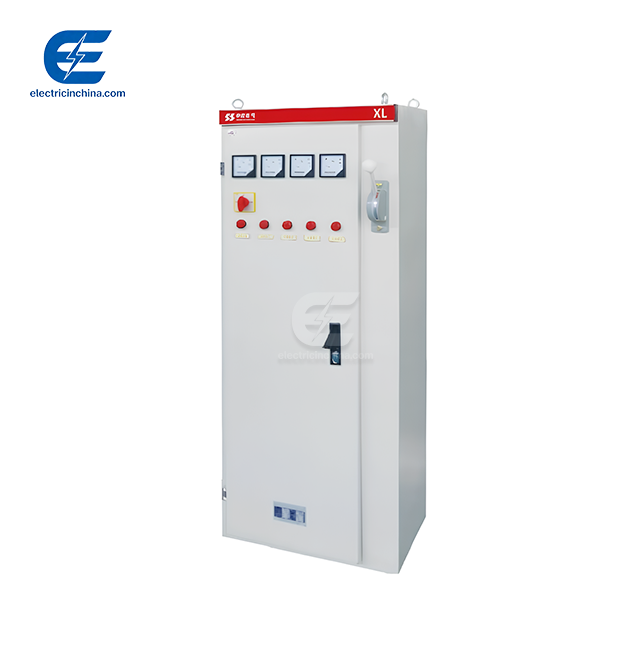
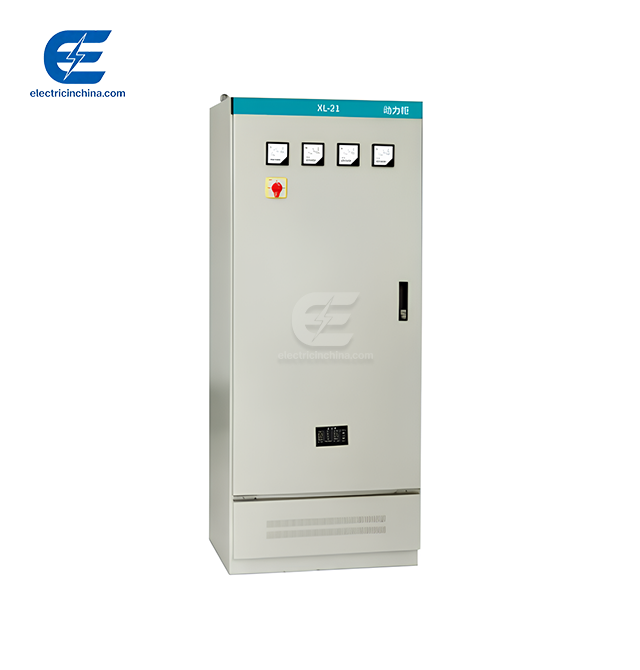
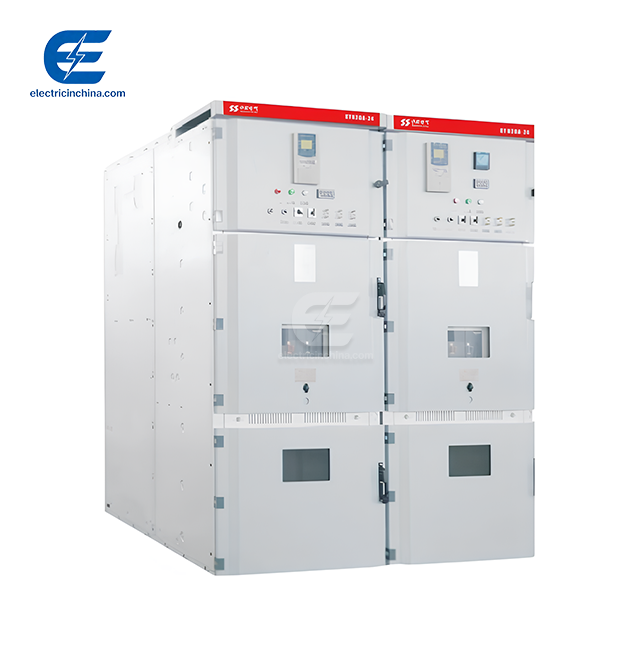
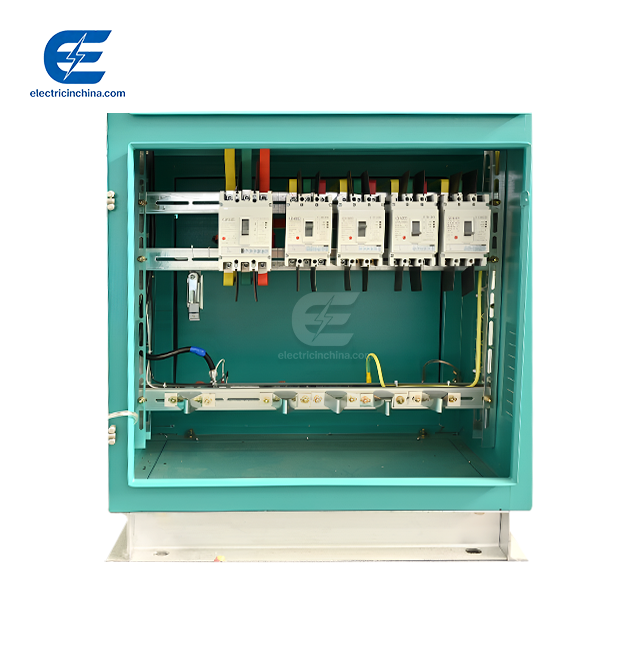
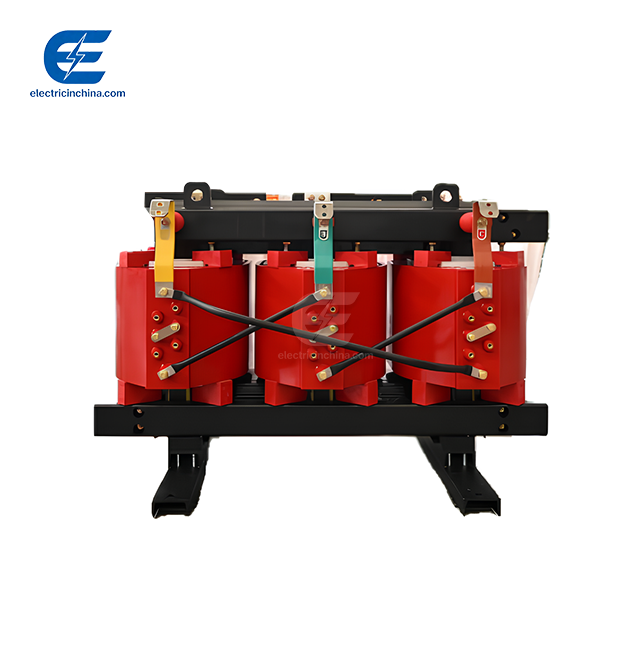
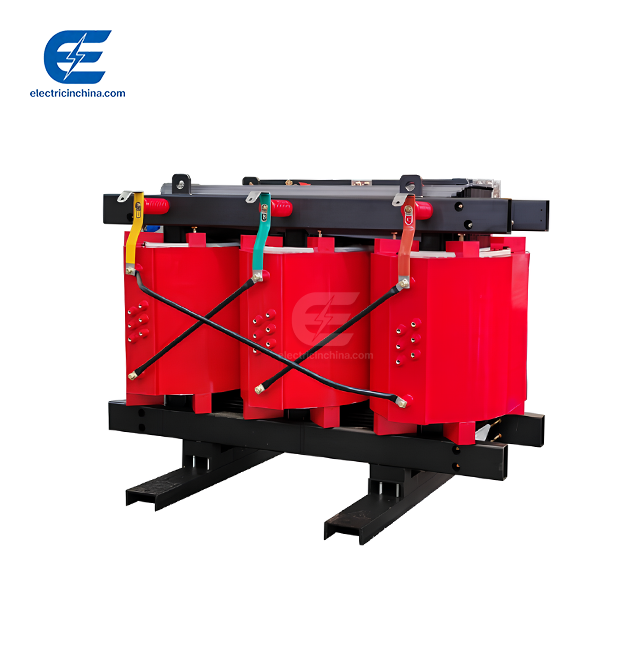
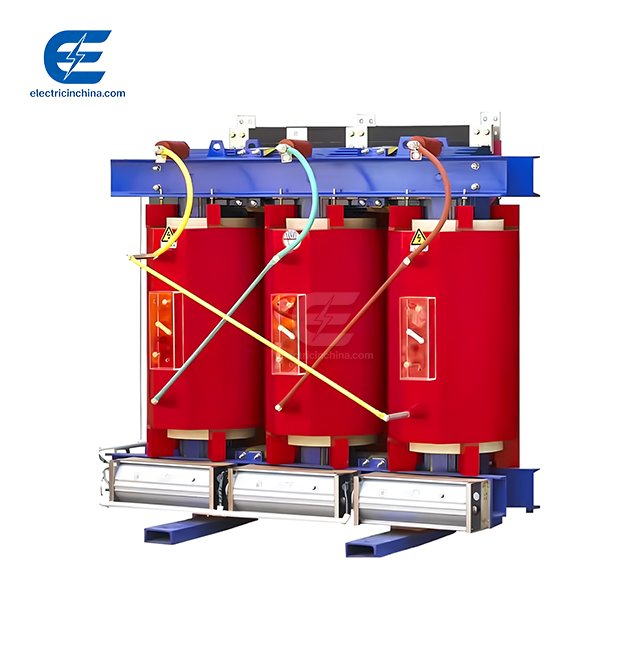
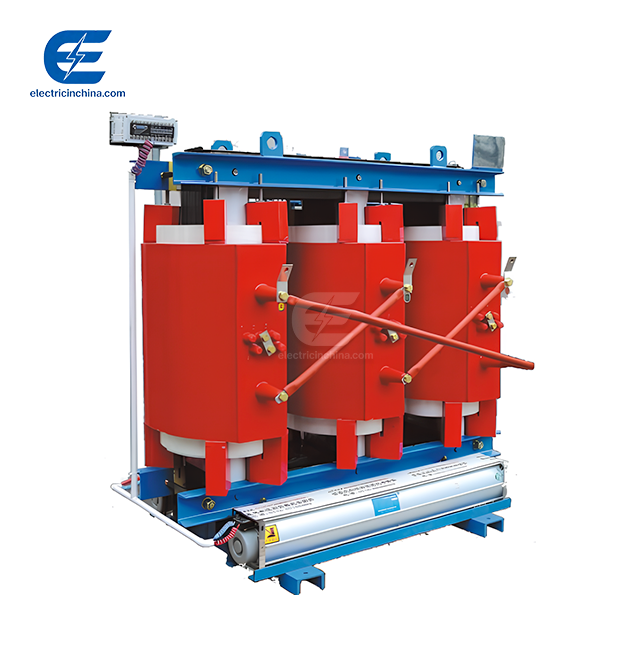
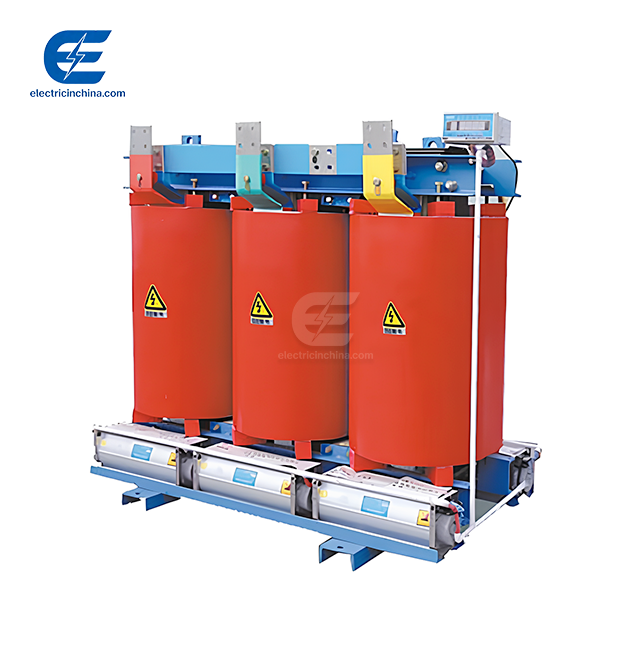
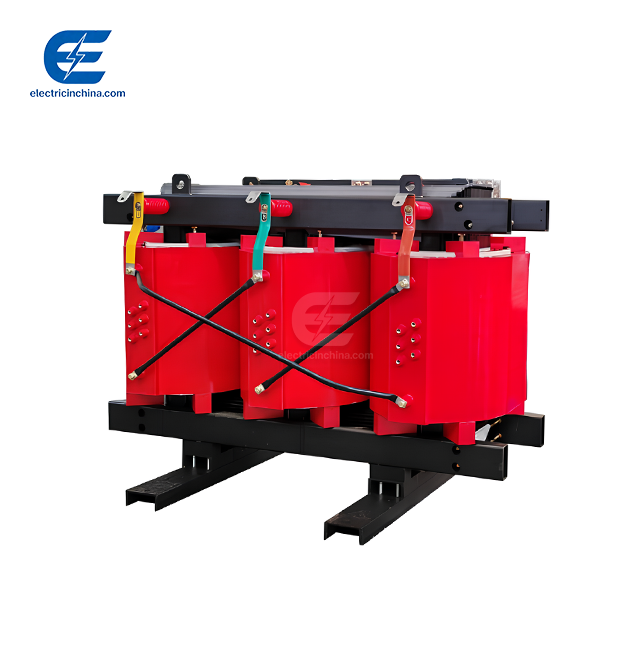
Choosing the right power tools is important for both short-term and long-term operating success and financial performance when planning infrastructure upgrades or industry installations. An Amorphous metal dry-type transformer is a cutting-edge, energy-efficient technology that cuts costs and meets strict safety requirements. For project managers, EPC contractors, and building engineers working on big installations, this complete guide makes clear the technical benefits, buying factors, and choice criteria that mean the most.
Understanding Amorphous Metal Dry-Type Transformers
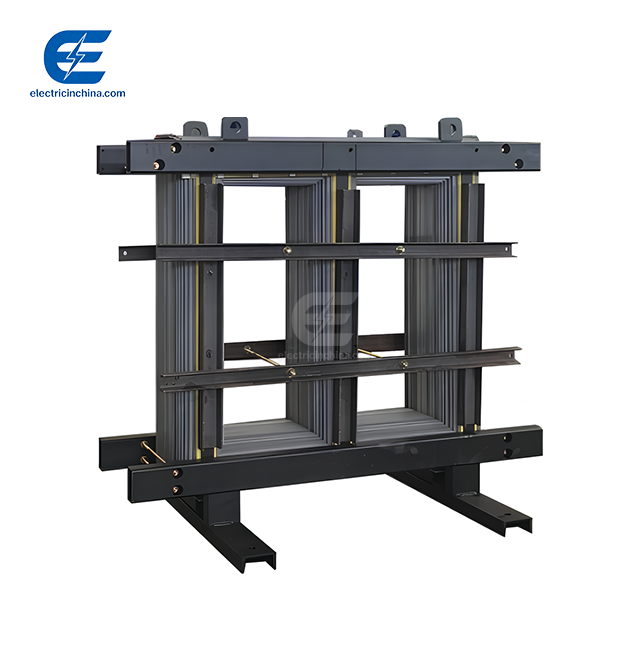
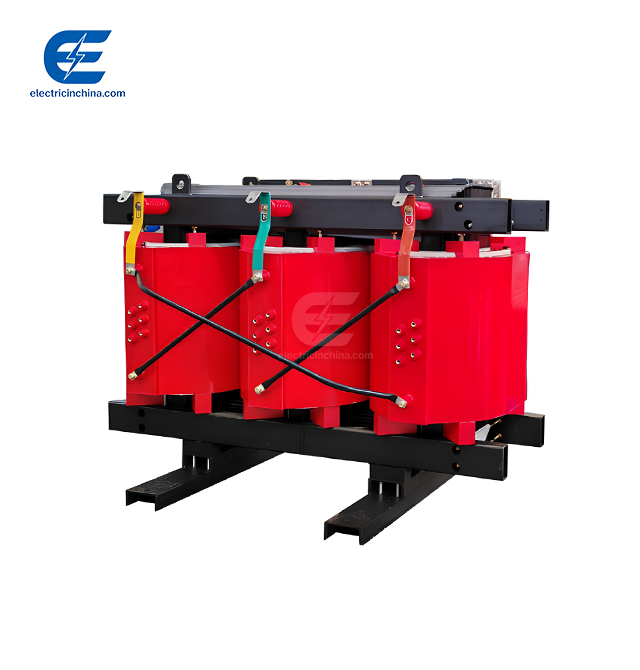
The modern cores of transformers figure out how much energy is turned into useful work and how much is lost as heat. In traditional silicon steel cores, the solid atomic structures don't react well to changes in the magnetic field. This means that extra energy is lost every time the switch is made. Amorphous metal dry-type transformers are different because the core material has an uneven ordering of atoms. This is caused by quickly cooling a liquid alloy that has iron, nickel, cobalt, boron, and carbon in it.
Core Material Properties That Matter
The magnetic resistance is greatly reduced by this non-crystalline structure, which achieves core loss levels between 0.16 and 0.22 watts per kilogram, which are much lower than those of usual designs. The material has a magnetic permeability of more than 100,000 μH/m and a coercivity of less than 0.5 A/m, which makes magnetic flux changes smoother. Because of these qualities, there are fewer no-load losses, which are usually only 0.1 to 0.2 percent of rated capacity compared to 0.4 to 0.8 percent in normal silicon steel units.
Operational Benefits in Real-World Applications
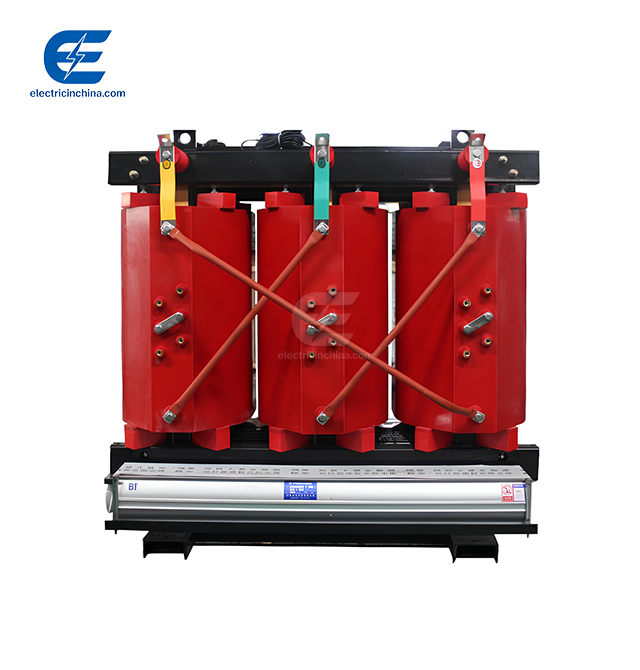
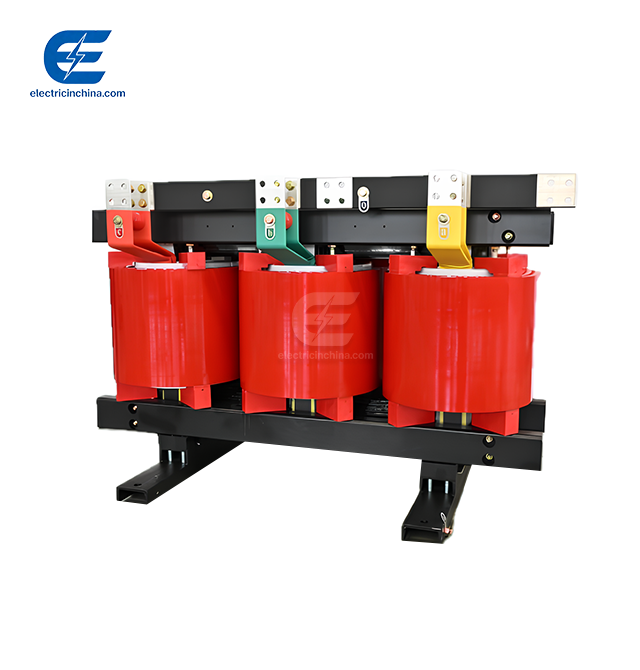
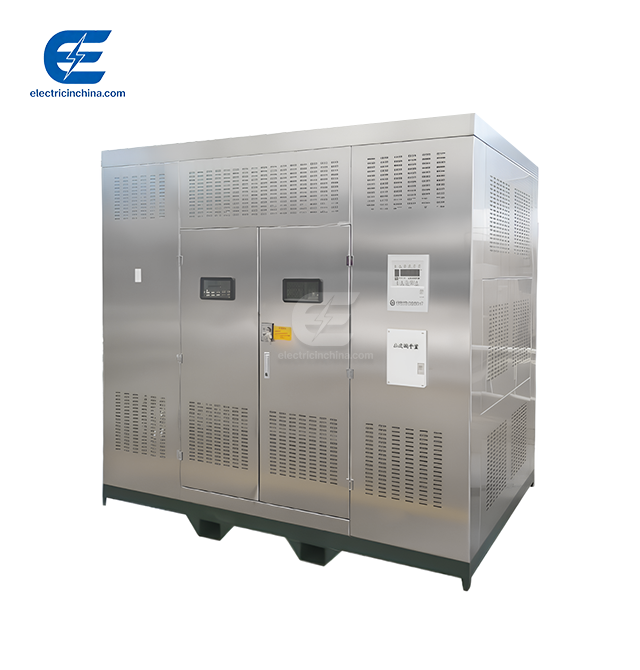
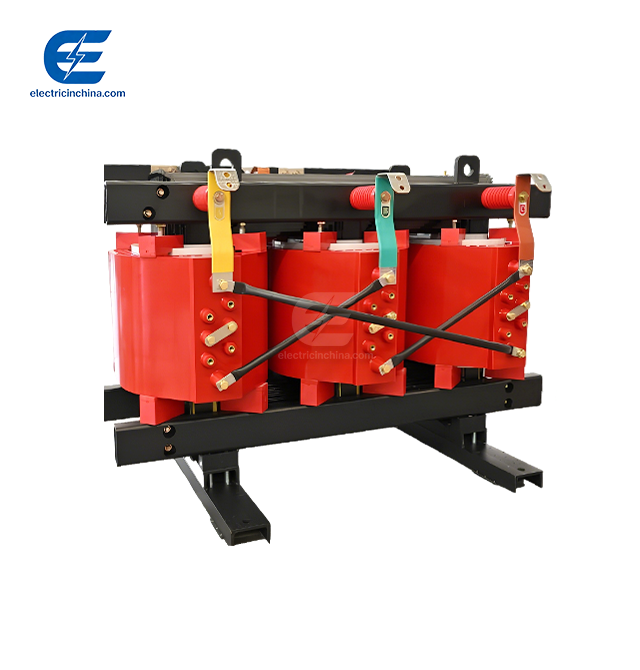
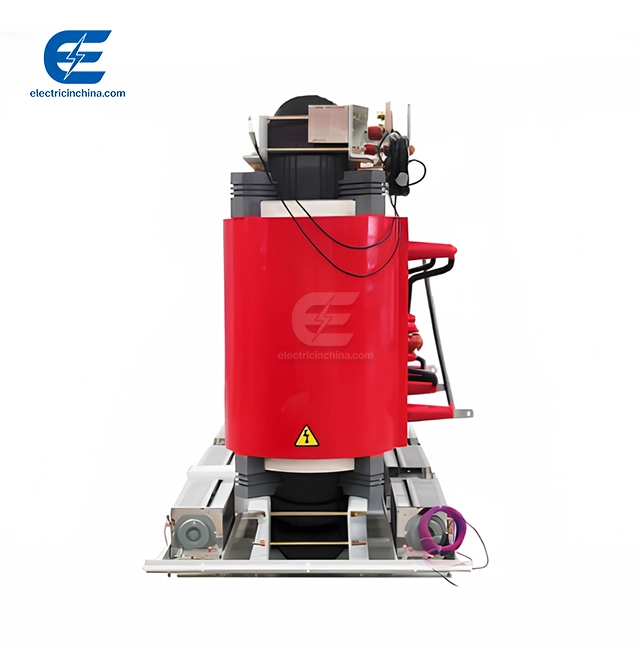
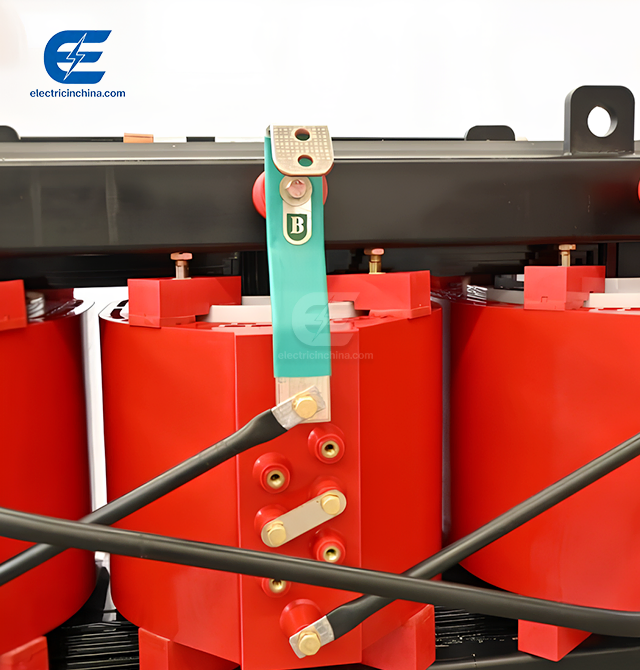
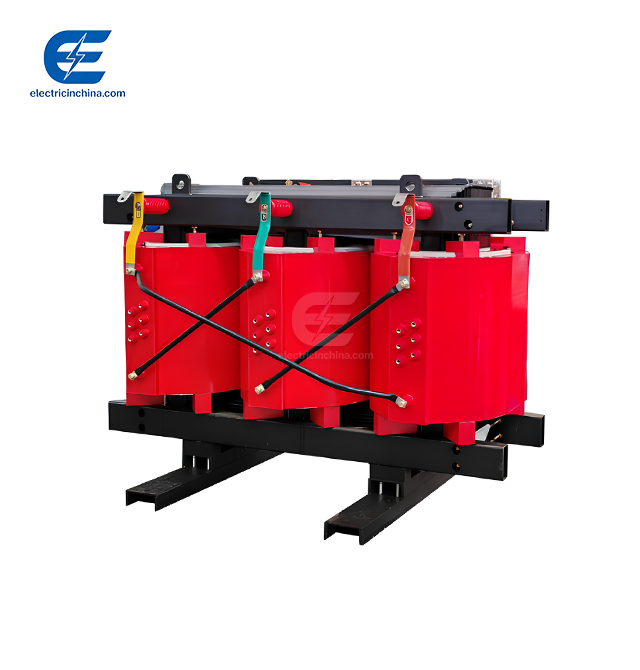
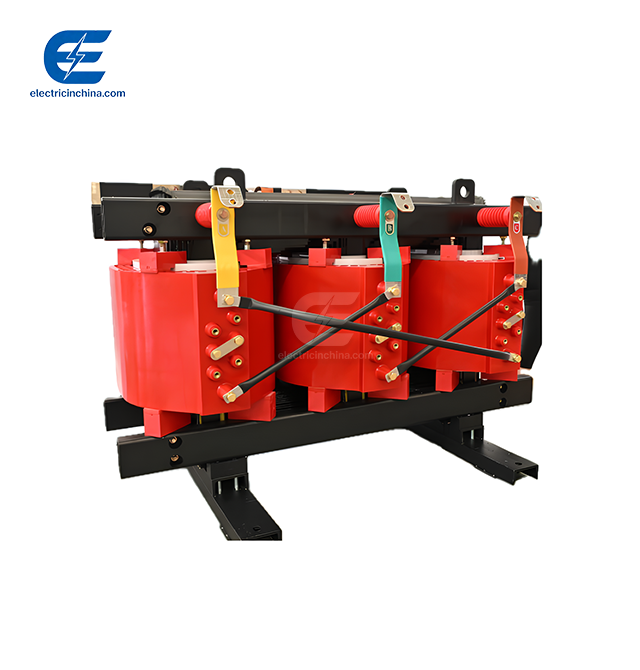
Facilities that are aware of their energy use see instant changes in how they work. As long as the temperature stays between -25°C and +40°C, the cast resin insulation system will protect you. It still has Class H insulation grades at 180°C. Facilities like factories, data centers, shopping malls, and transportation hubs can get reliable performance without the upkeep and environmental problems that come with oil-filled equipment. At normal measurement distances, noise levels stay below 45 decibels, keeping working environments comfortable even when the space is full.
Comparing Amorphous Metal Dry-Type Transformers with Other Transformer Types
When procurement teams know how different transformer technologies compare to each other, they can make better investment decisions and estimate how much operations will cost in the long run. There are differences in how well oil-immersed units, standard dry-type transformers, and newer, more energy-efficient designs work. These differences affect everything from how hard it is to install to how much energy you use each year.
Safety and Maintenance Considerations
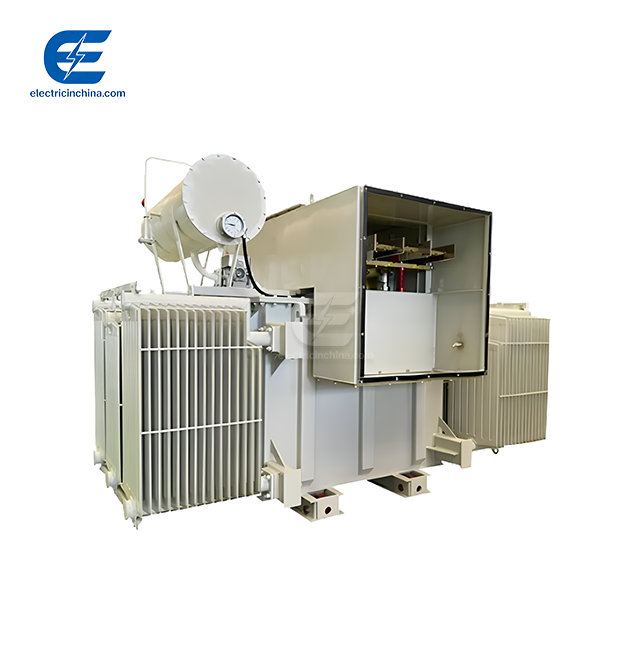
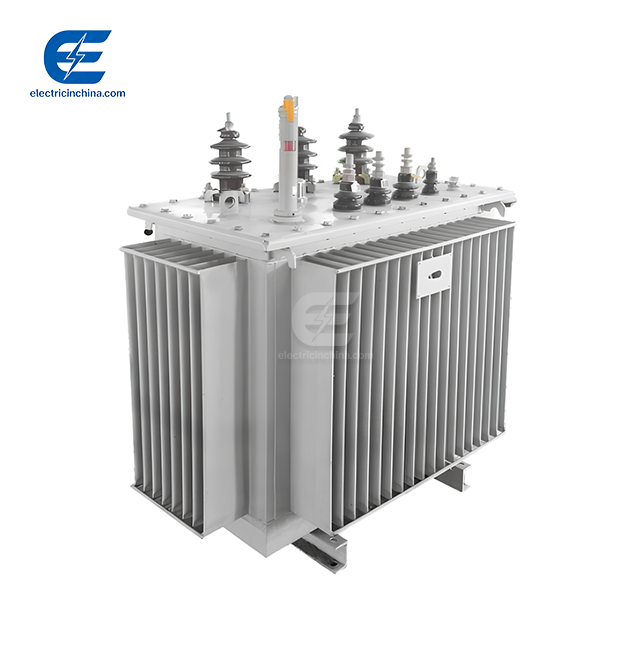
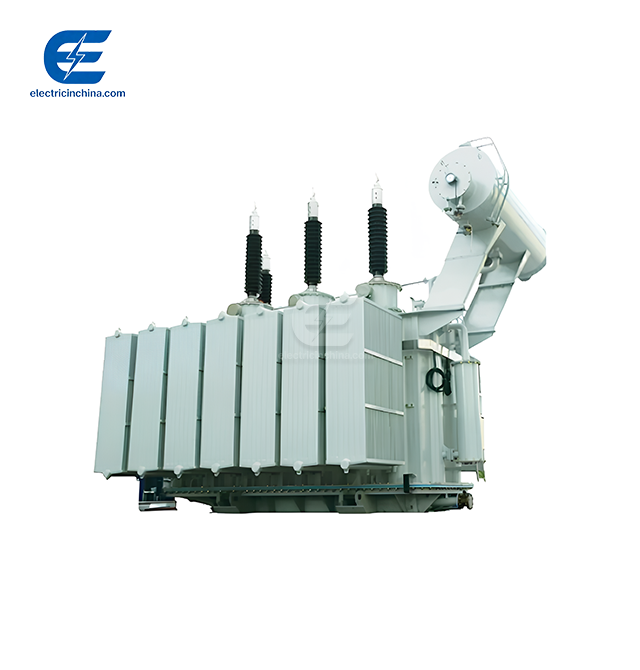
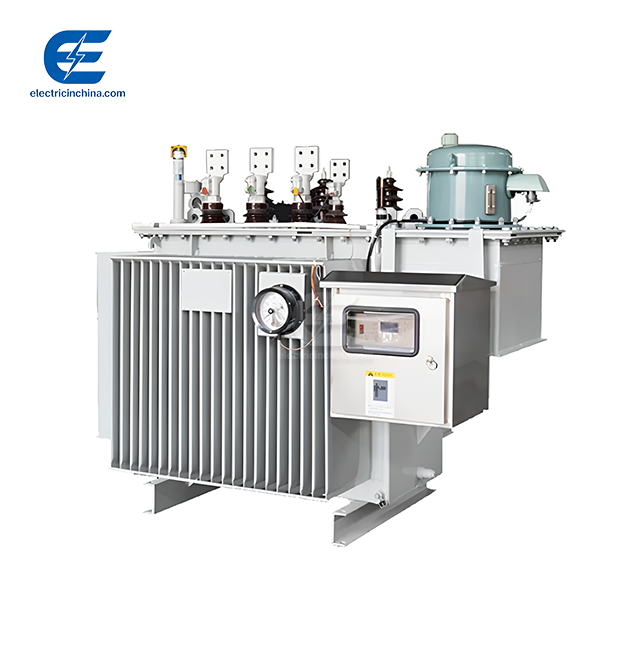
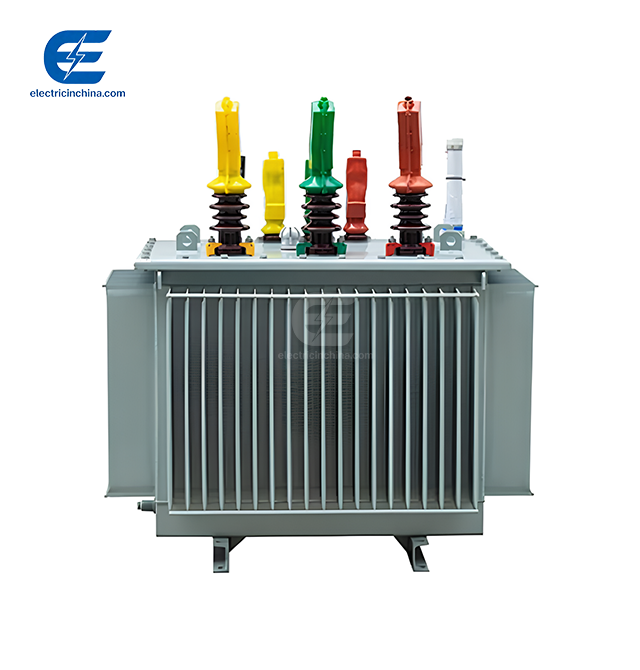
Oil-filled transformers need to be constantly checked for leaks and need environmental control systems and fluid samples to be taken on a regular basis. These upkeep tasks add costs that keep coming up and cause possible liabilities. These worries go away completely with Amorphous metal dry-type transformers with amorphous cores, which also provide self-extinguishing fire protection that is good for buildings, shopping centers, and other tight areas where strict fire safety rules must be followed. Not having any explosive beverages makes getting permission from regulators easier and lowers the cost of insurance.
Total Cost of Ownership Analysis
Because transformers work around the clock, no matter what the load is, energy savings keep adding up. Compared to regular designs, a 1000 KVA unit with 70% lower no-load losses saves around 6,000 kilowatt-hours per year. When applied to industrial electricity rates, this decrease leads to big savings that cover the initial investment cost within three to five years. Over a normal 30-year working lifetime, the total savings in energy costs are more than the cost of the equipment itself many times over. At full load, efficiency rates always hit 98.5 to 99.2 percent, which meets IEC 60076 and IEEE C57.12.01 standards and cuts carbon emissions by 60 percent while in use.
Technical Performance Metrics
Amorphous transformers have better electrical properties that keep sensitive equipment safe. Total harmonic distortion stays below 3 percent, which keeps electronic parts from breaking down in modern buildings with LED lighting, variable frequency drives, and computerized control systems. Compared to silicon steel units, the exciting current drops by 50%. This lowers the reactive power used and raises the overall power factor. Short-circuit withstand can handle surges of up to 20 times the rated power, giving strong safety when there is a fault.
Key Design Principles and Maintenance Tips
To make Amorphous metal dry-type transformers last as long as possible, you need to understand the physics behind amorphous metal technology and use the right methods when running them. If you put it correctly and check on it regularly, you can keep it working at its best for decades without it breaking down.
Material Science and Thermal Management
Regular cores lose their magnetic properties over time, but the flexible ribbon core design keeps them stable forever. Cast resin encapsulation offers void-free insulation with IP20 to IP23 ratings, which stops water and dirt from getting in. Thermal management systems can handle brief demand spikes without damage, even when they exceed their carrying capacity by up to 120% for two hours at a time. IEC 60076-11 temperature rise testing shows that hotspot temps stay within design limits, which keeps the integrity of the windings safe during peak loads.
Installation Best Practices
Enclosed electrical rooms can stay cool as long as they have enough ventilation. Keep the space between things as described in the manufacturer's instructions so that air can naturally flow around all of them. Make sure the grounded links follow the rules in your area, which will set up safe paths for fault currents. Place transformers so that mechanical vibrations don't get into building structures too much, even though noise levels are already below most facilities' background noise levels.
Preventive Maintenance Protocols
Every year, thermographic checks find hotspots that are starting to form before they cause problems. During planned outages, make sure that the core clamping hardware and electrical connections are tight. Use portable or securely placed detection systems to keep an eye on the partial discharge levels. Take readings as a standard and keep track of changes over time. Unlike equipment that is filled with oil, these units don't need to be tested for dielectric or fluid samples. This means that maintenance labour costs are 60% less than with traditional installations.
Procurement Insights and Supplier Selection
To buy an Amorphous metal dry-type transformer successfully, you need to carefully look at the technical skills, quality systems, and help infrastructure of the makers. Modern power distribution projects are very complicated, so providers need to know how to meet unique needs and offer full solutions instead of just quoting standard goods.
Certification Standards and Quality Assurance
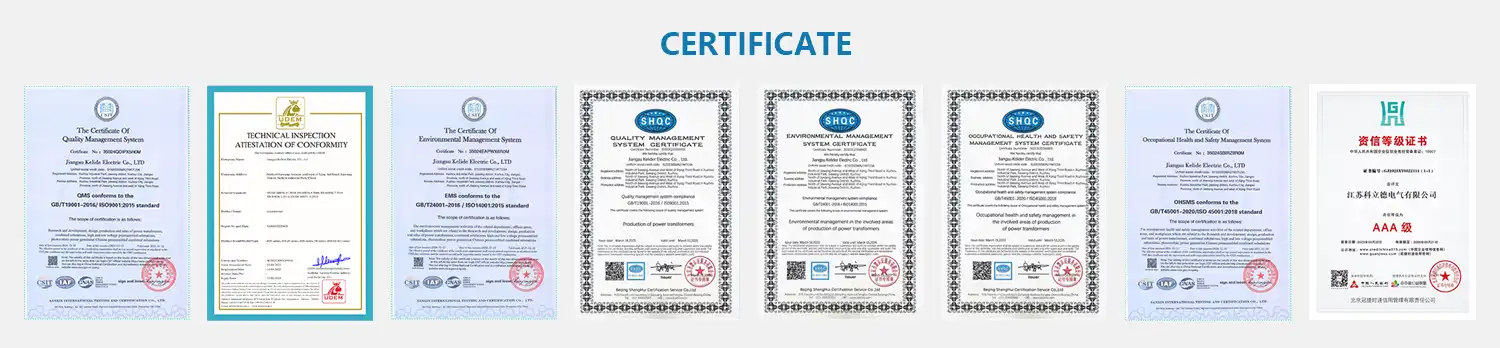
Look for companies that have ISO 9001 certification for quality management, ISO 14001 certification for environmental compliance, and OHSAS 45001 certification for workplace safety. These certifications show that consistent production and constant growth are achieved in a planned way. National CCC certification proves that safety and performance rules have been followed. Instead of depending only on testing done on the production line, manufacturers with well-established quality inspection labs offer independent confirmation.
Technical Capabilities and Customization
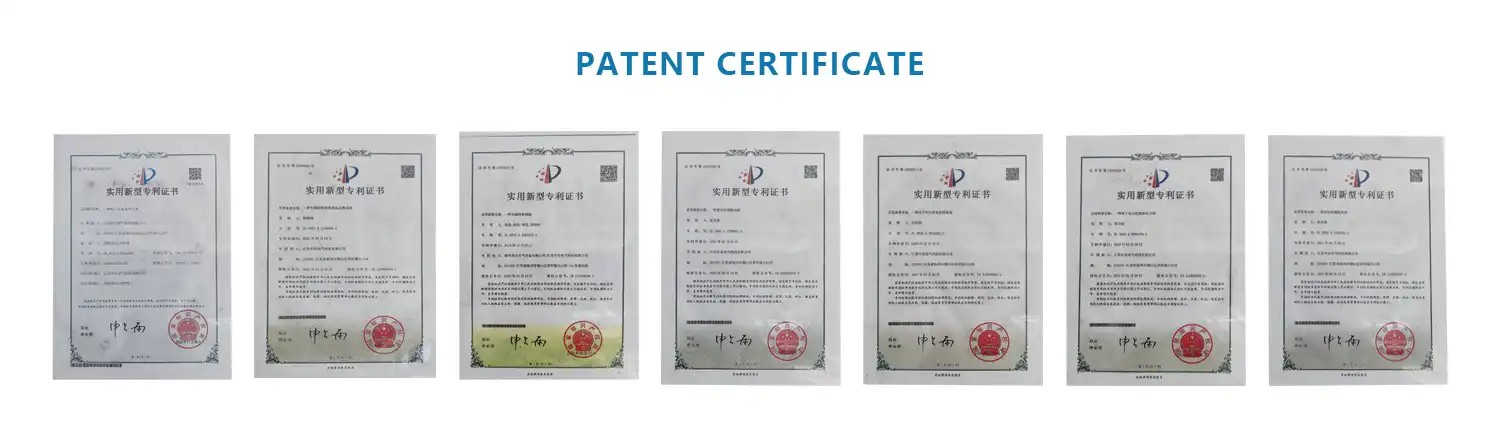
Engineering teams with a lot of depth and experience can handle problems that are unique to a project well. We keep 15 senior engineers, over 30 intermediate technicians, and 17 senior production technicians on staff. Together, they offer a wide range of design and production skills. This technical feature lets you make changes to fit harsh environments, unusual voltage needs, or specific performance requirements. Our 18 patents show that we are constantly coming up with new ideas and finding solutions to problems that help customers who are having trouble with installation.
Production Capacity and Lead Time Management
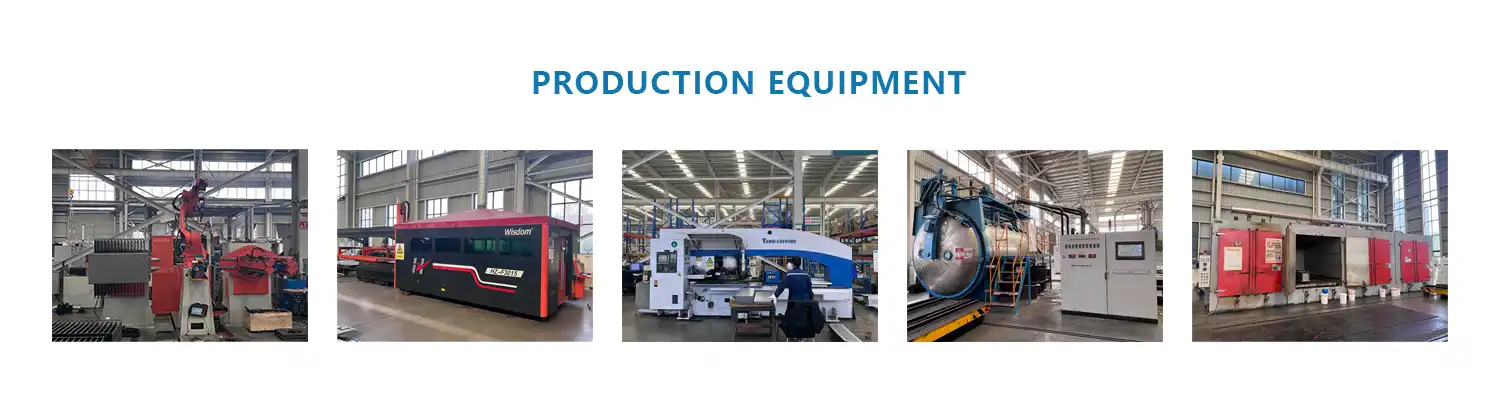
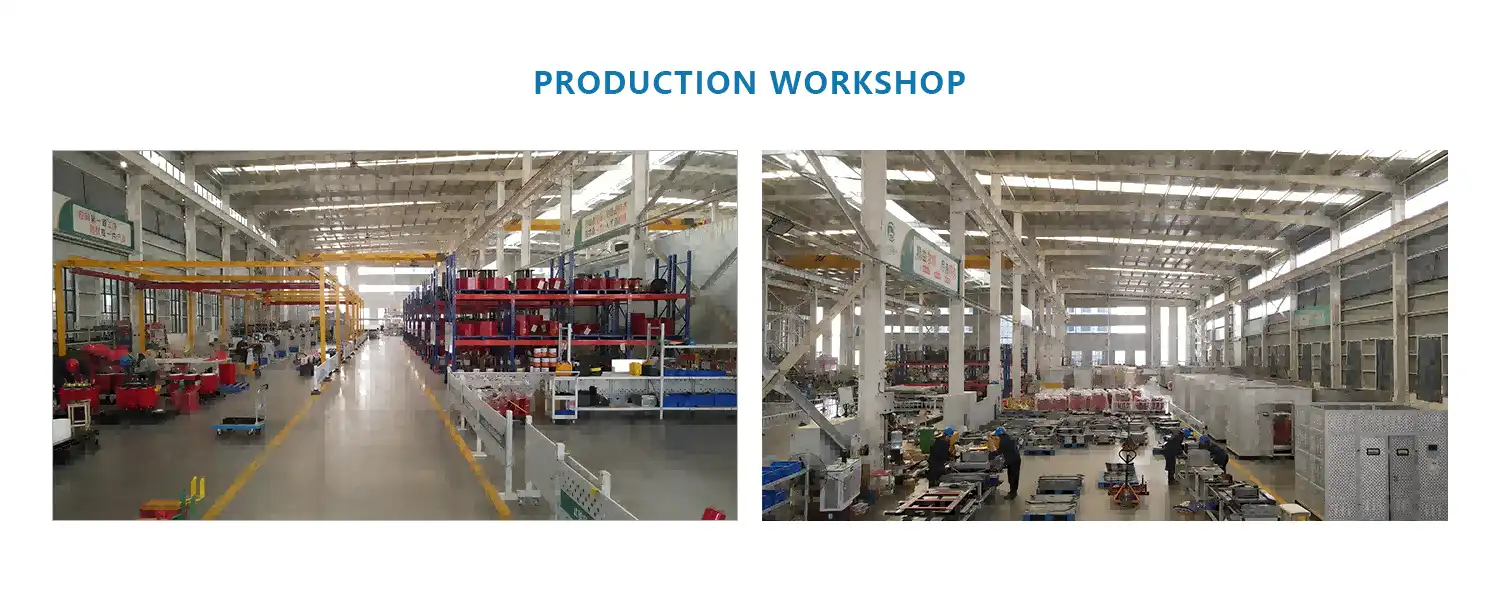
How reliable shipping is depends on how well the manufacturer can make things. We use more than 120 sets of specialized machinery, such as CNC automatic winding machines, CNC static vacuum casting systems, automatic foil winding machines, and gradient curing ovens that are managed by microcomputers. This large collection of tools can handle production amounts ranging from 30 KVA to 31,500 KVA while keeping quality standards high. Cutting down on lead times without lowering quality is what production optimisation does. This helps project managers meet tight building plans.
Post-Sale Support and Warranty Terms
Full support includes more than just delivering equipment. Look at suppliers that offer supervision during installation, help with commissioning, and training for operators. The warranty should cover both problems with the way the product was made and promises of good performance, and there should be clear steps for handling claims. Having access to technical help for more than 30 years adds value that often exceeds the difference in price between rival suppliers at the start.
Making the Right Choice – Decision Support for B2B Buyers
For various uses, Amorphous metal dry-type transformers need to have certain features that balance operating needs with long-term strategy goals. Setting evaluation criteria before asking for quotes helps suppliers focus their talks and make plans that really meet the needs of the project instead of just giving general options.
Application-Specific Requirements
Reliability and following the rules are given top priority in government infrastructure projects. Municipal buildings need equipment that doesn't need to be maintained for decades and meets environmental standards. Commercial developers figure out the return on investment over the lifecycle of a building by comparing the initial costs to the ongoing costs. Industrial makers need units that can handle loads that are harmonically rich from robotic equipment without degrading. EPC contractors look for suppliers who can provide full documentation, reliable delivery, and quick technical support during installation.
Performance Evaluation Criteria
Ratings of how efficient something is have a direct effect on running costs and environmental goals. Units that are more than 98.5 percent efficient at full load are proof of high-quality design and production. No-load losses below 0.2 percent of rated capacity keep energy from going to waste at night and when there isn't much use. Stable power quality for sensitive processes is maintained by voltage control within ±5 percent from no-load to full-load.
Lifecycle Value Assessment
The initial purchase price only makes up 20 to 30 percent of the total costs of ownership over the next 30 years. Less core loss means less energy use, which has long-term value that grows every year. Maintenance-free running gets rid of the costs of hiring technicians, replacing fluids, and following environmental rules. Long-lasting equipment keeps building operations from being interrupted when it needs to be replaced too soon. Cutting down on a company's carbon footprint helps it stick to its environmental goals and may help it get green building certifications or energy rebate programs.
Conclusion
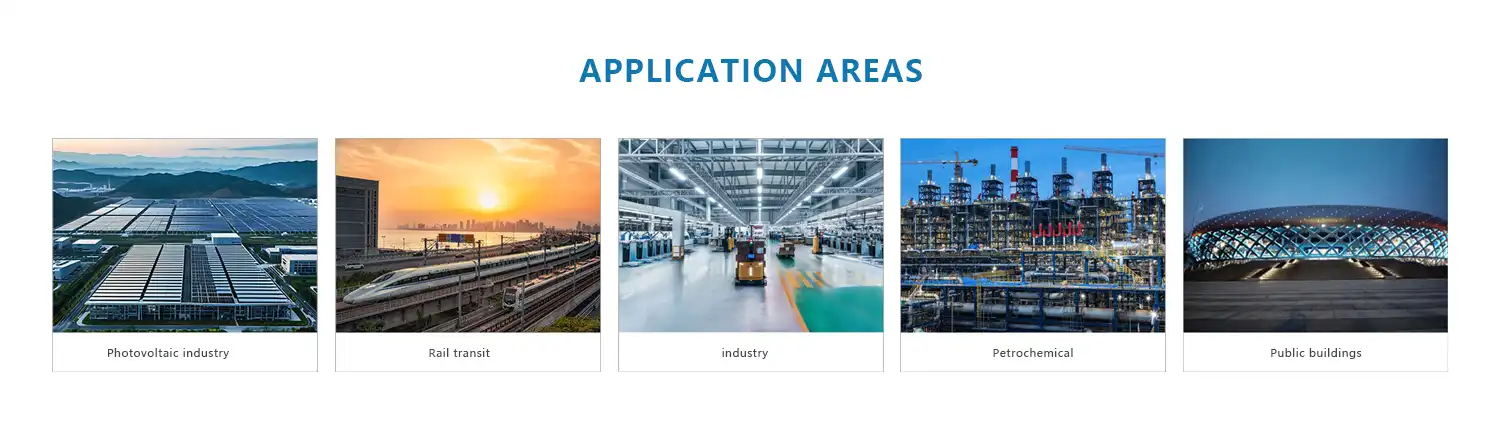
Choosing the right generator technology affects the operating, financial, and environmental success of a project. Amorphous metal dry-type transformers have measurable benefits, including 70 to 80% less no-load losses, operation that doesn't need any upkeep for more than 30 years, and better safety features that get rid of the fire risks that come with oil-filled equipment. Understanding the differences between core technologies, figuring out the total costs of ownership, and working with reliable providers will help your projects do their best over the long run. We have completed hundreds of installations, such as the Xuzhou Rail Transit Network Control Center, the Xuzhou High-speed Railway East Station, and upgrades to XCMG Group facilities. This shows that we are experts in difficult tasks.
FAQ
1. How Do Efficiency Improvements Translate into Real Savings?
Use this formula to figure out how much you save each year: kilowatt-hours saved equals no-load loss reduction times 8,760 hours of operation each year. A unit with 500 watts less core loss saves 4,380 kWh per year. At normal industrial energy rates, this drop leads to big discounts in ongoing costs over the life of the equipment.
2. What Maintenance Activities Do These Units Actually Require?
Oil-filled transformers need to be checked for fluid leaks and tested regularly. Amorphous metal dry-type transformers with amorphous cores, on the other hand, only need to be visually inspected once a year and photographed every so often using infrared technology. Make sure the electrical connections are tight, and keep an eye on the partial discharge levels to find insulation degradation early.
3. Can Amorphous Transformers Handle Modern Electronic Loads?
These units work great with loads that are high in harmonics, like LED lights, variable frequency drives, and switching power supplies. Total harmonic distortion stays below 3%, and K-factor rates hit K-13. This keeps the transformer from overheating and breaking down too soon, which can happen with regular transformers and loads that aren't linear.
Partner with Tuojie for Your Next Power Distribution Project
Tuojie has been providing full power solutions for government infrastructure, business developments, and industry sites for more than 20 years. We are a top company that makes Amorphous metal dry-type transformers. We use cutting-edge technology that is backed by 18 patents and have quality management systems that are approved to ISO 9001, ISO 14001, and OHSAS 45001 standards. Our engineering team makes plans that are specific to your needs based on the surroundings and performance standards. They use more than 120 pieces of modern production equipment to make sure that the quality is always high and that the products are delivered on time. We offer a full range of services in one place, such as planning advice, equipment delivery, installation supervision, and ongoing expert support. You can email our experts at tuojie@electricinchina.com to talk about your project needs and find out how our proven skills can help you get reliable, energy-efficient power distribution solutions that go above and beyond your expectations.
References
1. Chen, W., & Liu, X. (2021). Advanced Amorphous Metal Materials for Energy-Efficient Power Transformers. Journal of Electrical Engineering Technology, 16(4), 1825-1836.
2. International Electrotechnical Commission. (2019). IEC 60076-11: Power Transformers - Part 11: Dry-Type Transformers. Geneva: IEC Publications.
3. Kumar, S., & Patel, R. (2020). Comparative Life Cycle Cost Analysis of Transformer Technologies in Industrial Applications. IEEE Transactions on Industry Applications, 56(3), 2847-2858.
4. National Electrical Manufacturers Association. (2020). NEMA TP-1: Guide for Determining Energy Efficiency for Distribution Transformers. Rosslyn: NEMA Standards Publication.
5. Zhang, Y., Wang, H., & Li, M. (2022). Performance Optimization of Amorphous Alloy Dry-Type Transformers Under Harmonic Loading Conditions. Electric Power Systems Research, 208, 107891.
6. Zhou, J., & Thompson, D. (2021). Procurement Strategies for Energy-Efficient Electrical Equipment in Large-Scale Infrastructure Projects. Engineering Procurement and Construction Management Quarterly, 15(2), 112-128.