

.webp)
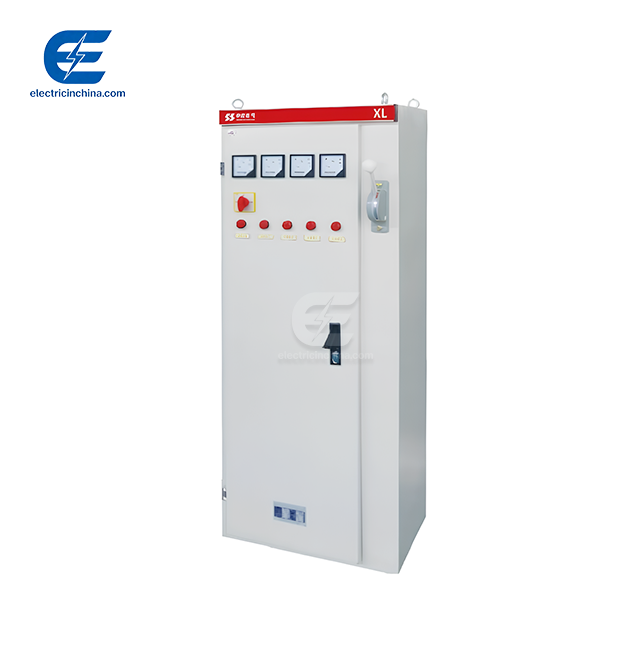
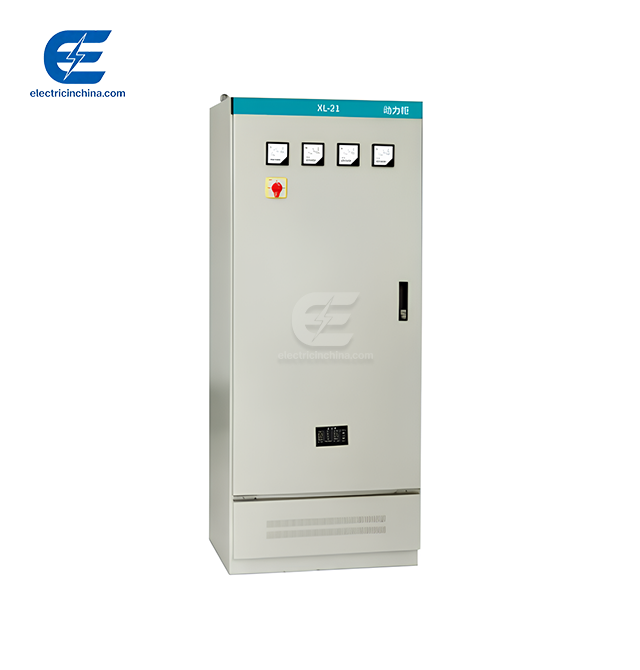
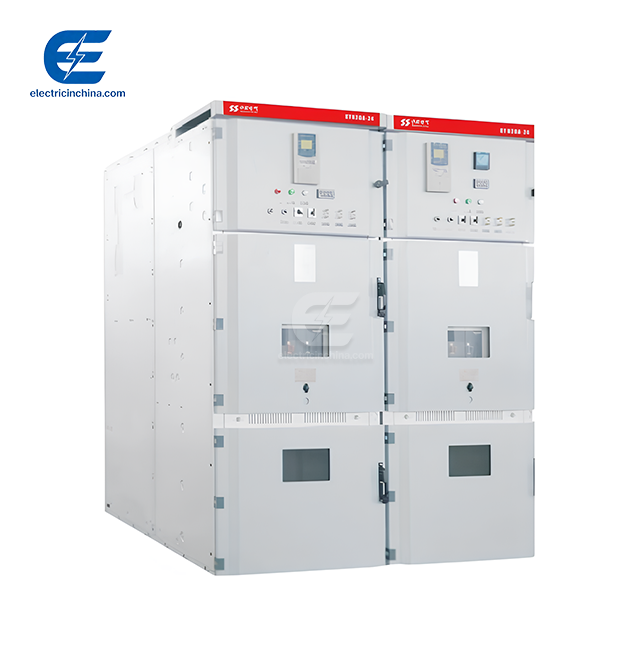
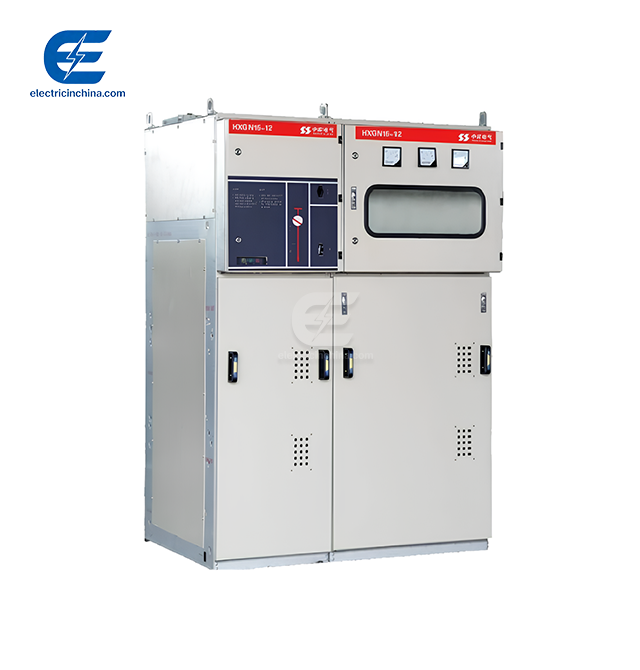
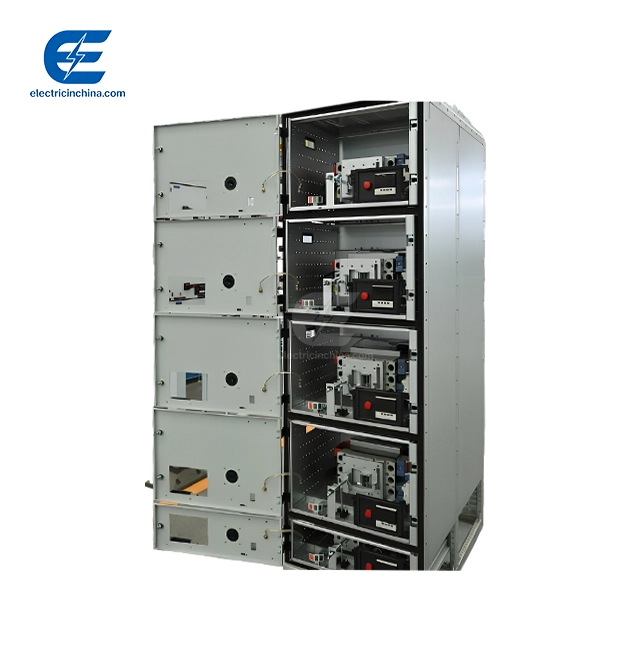
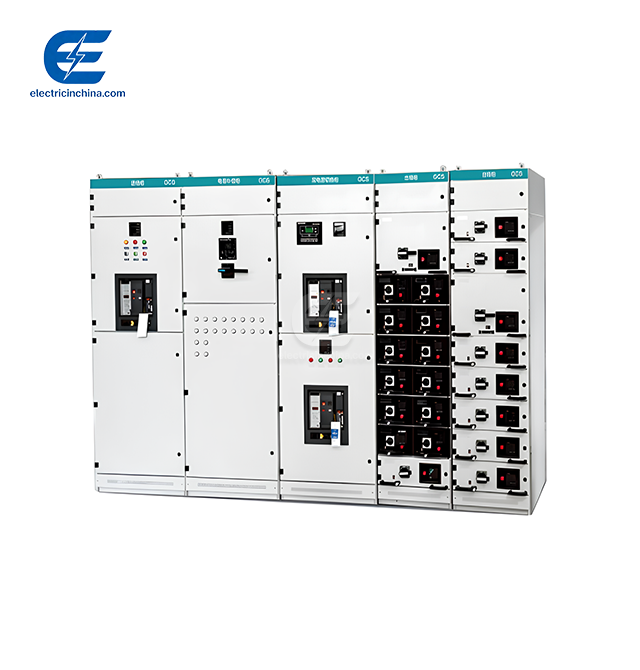
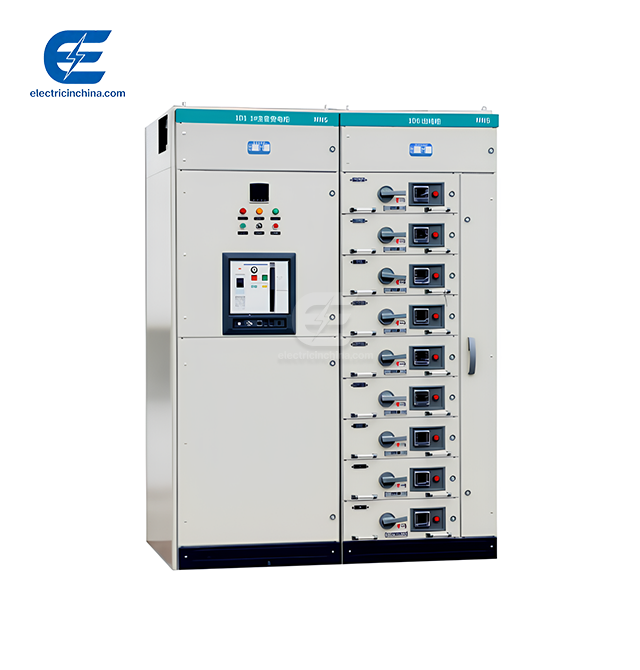
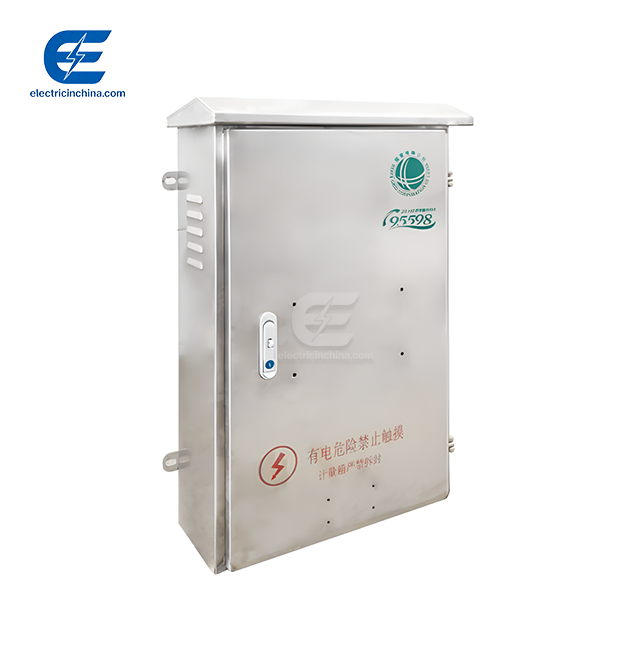
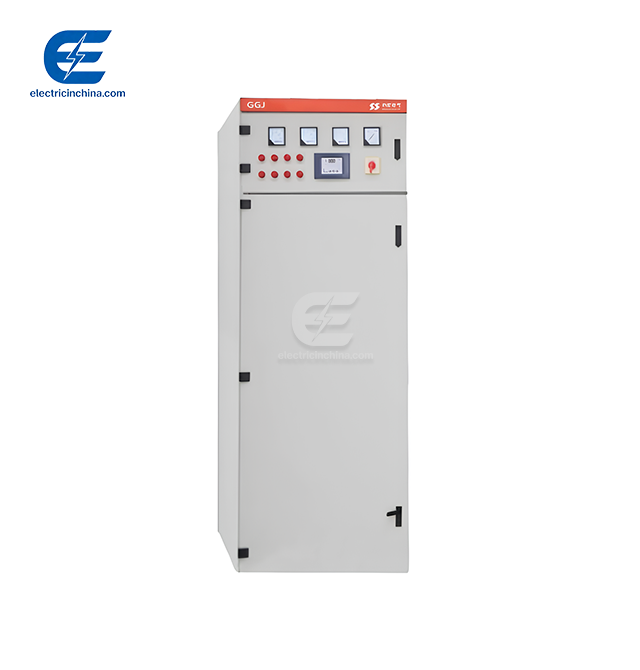
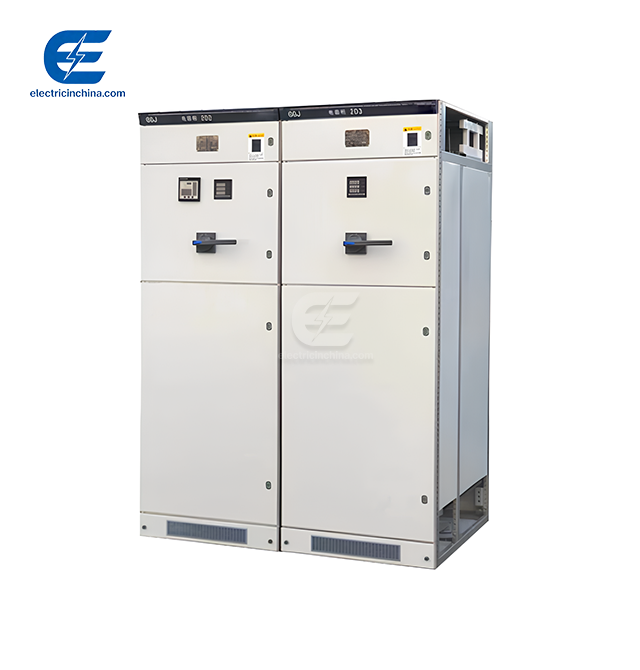
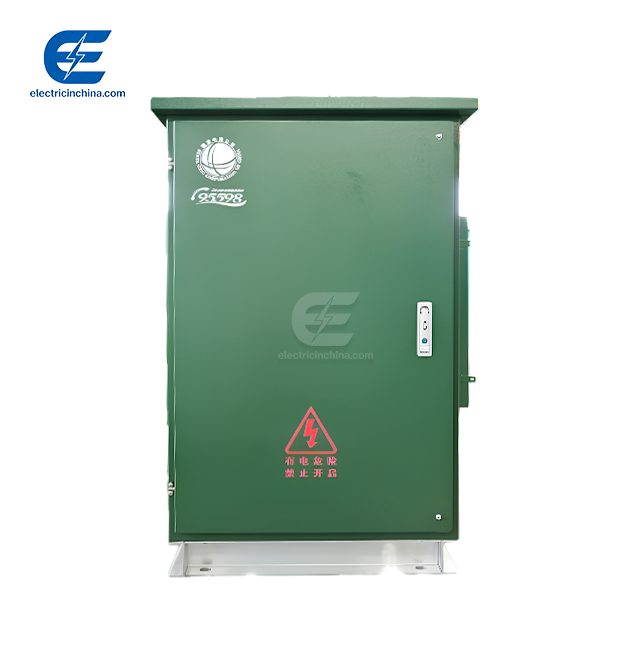
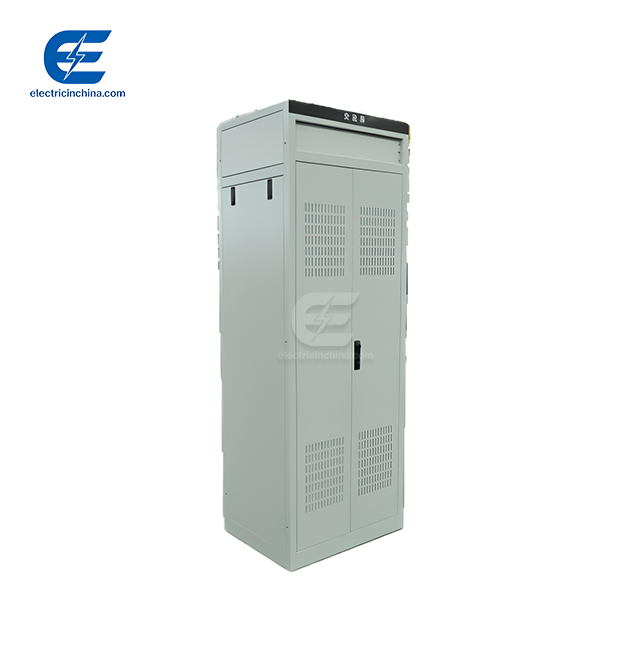
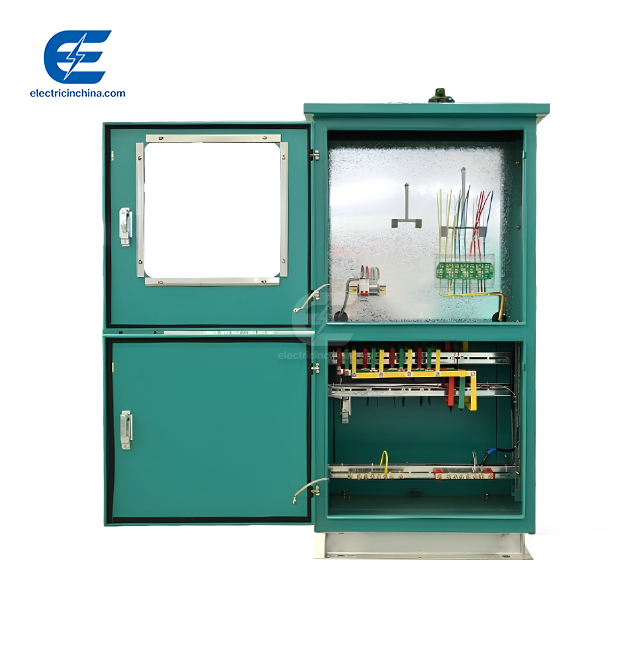
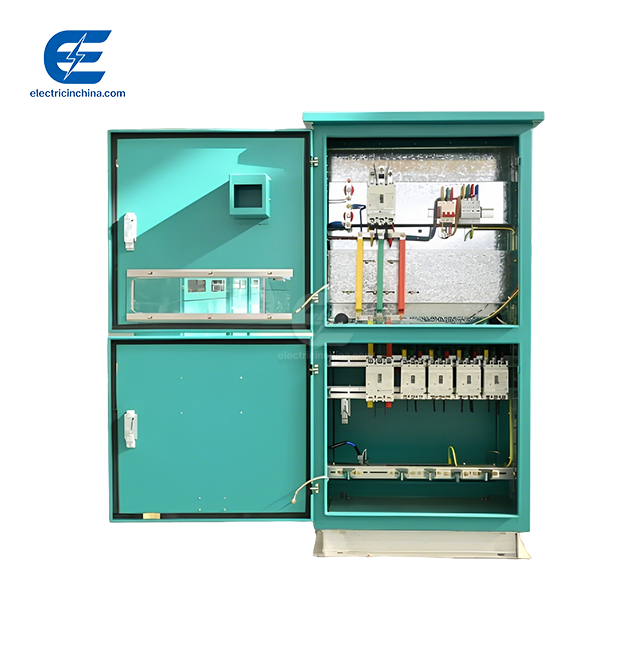
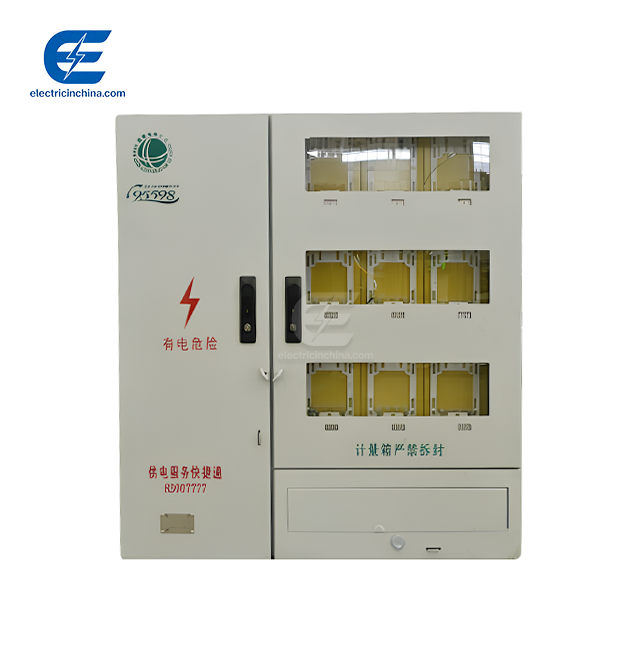
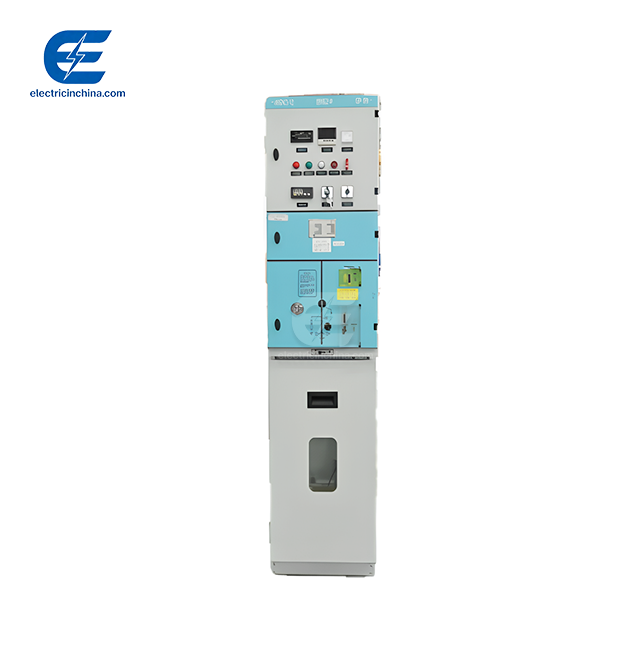
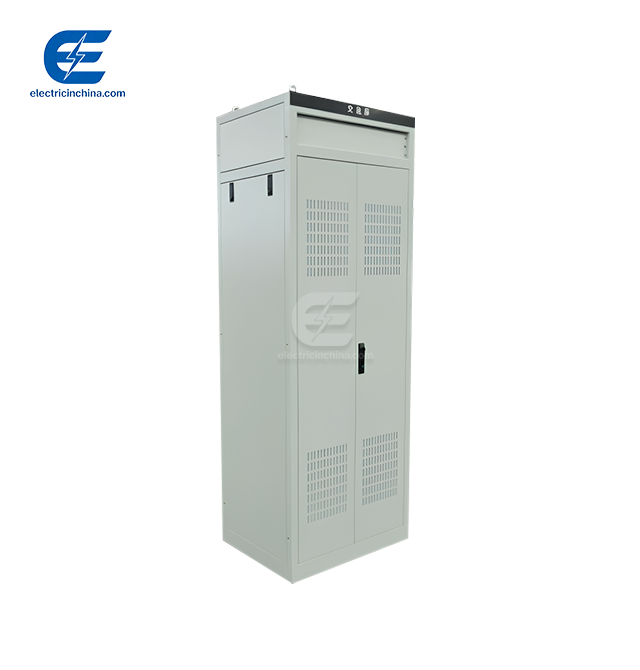
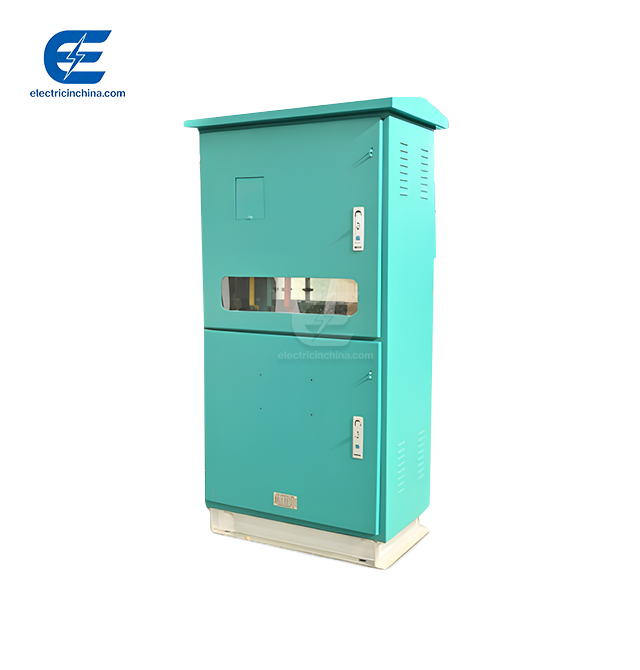
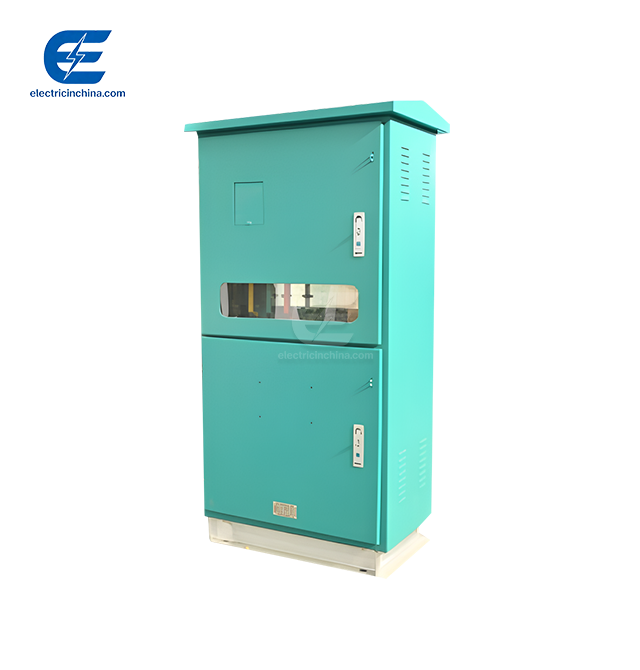
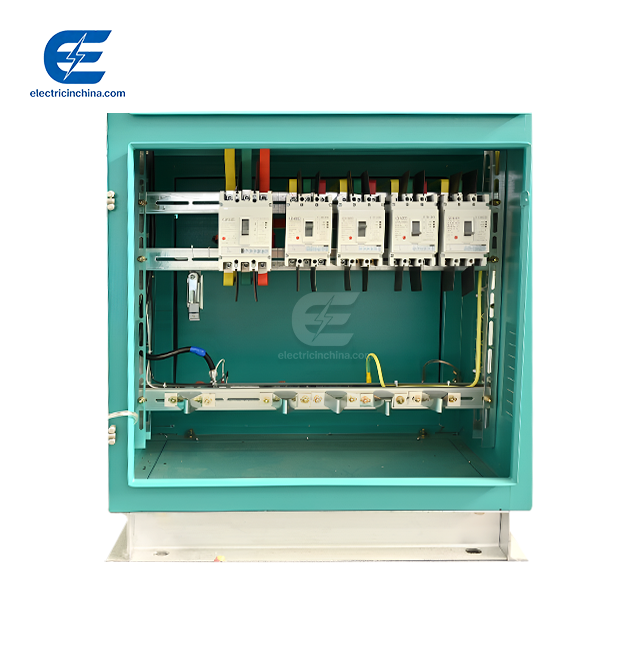
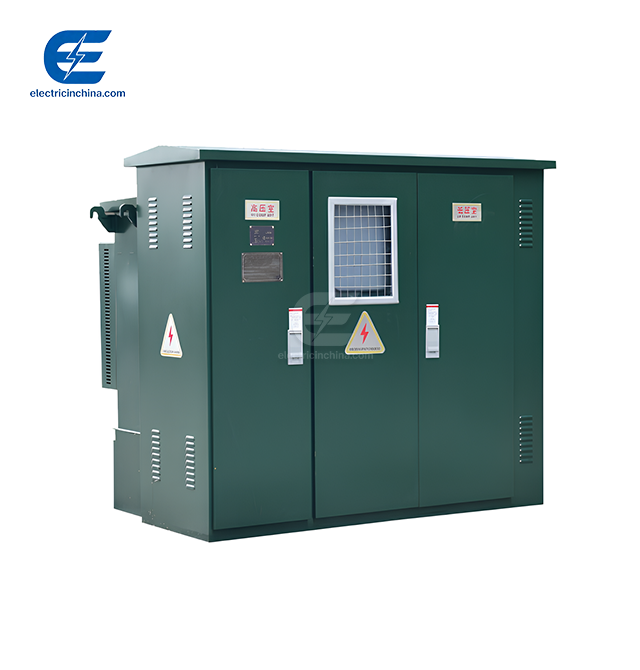
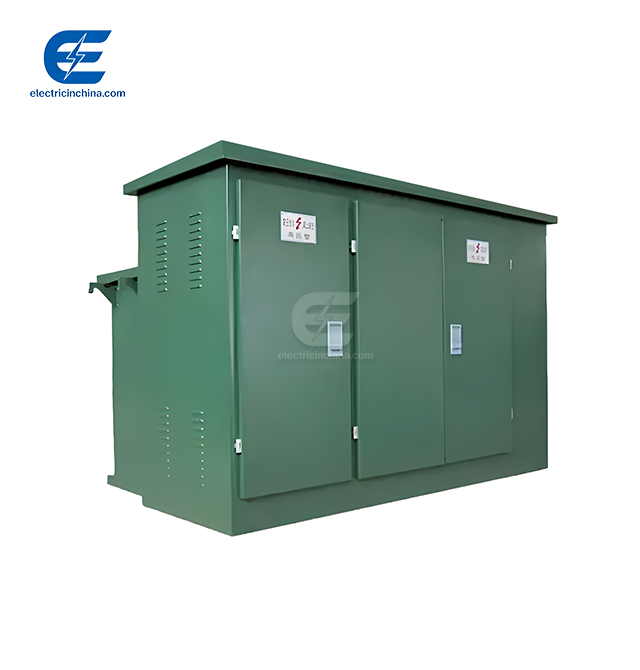
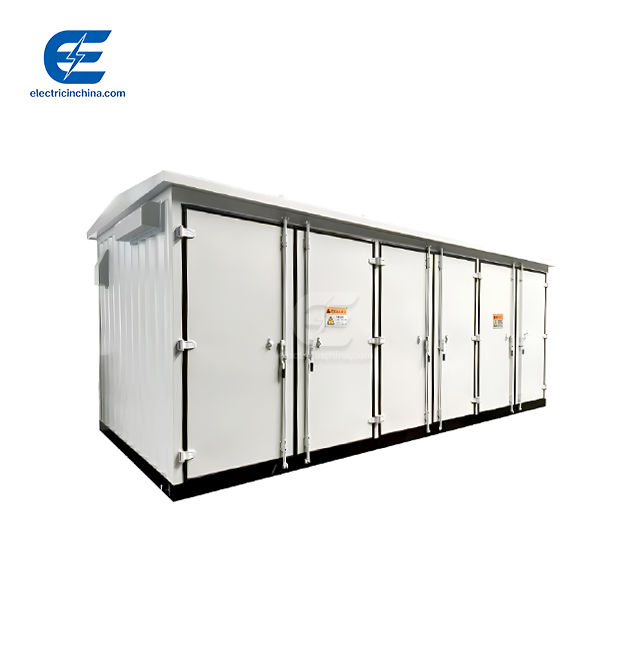
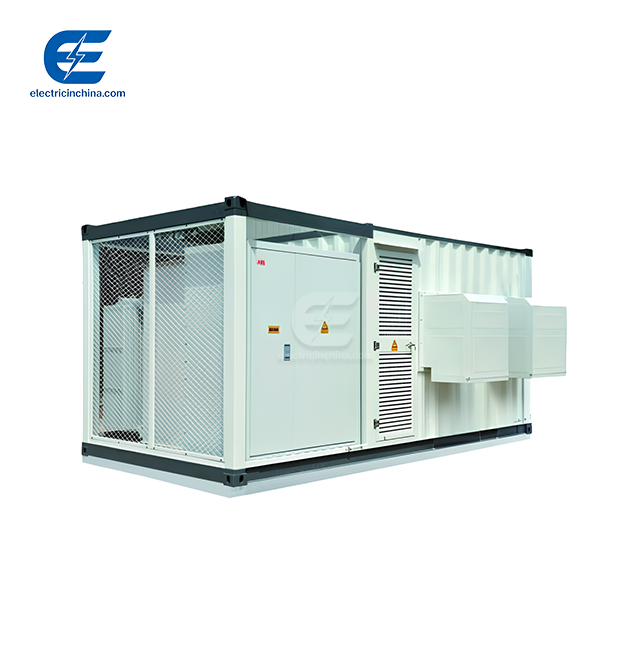
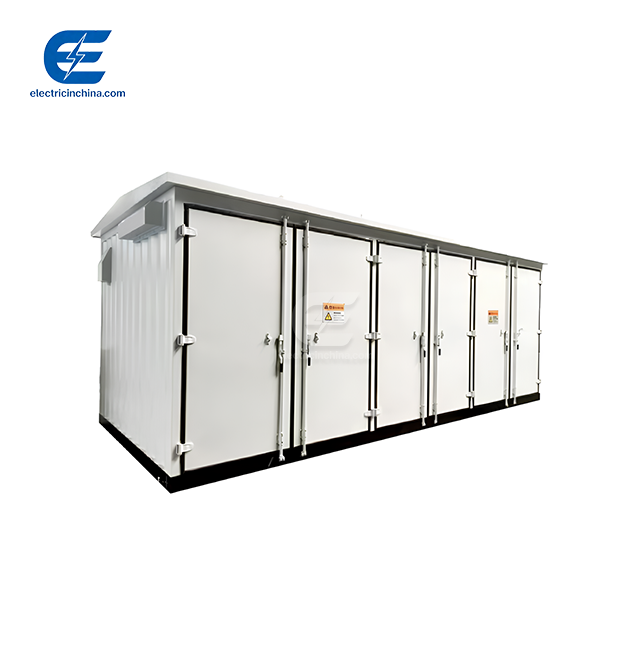
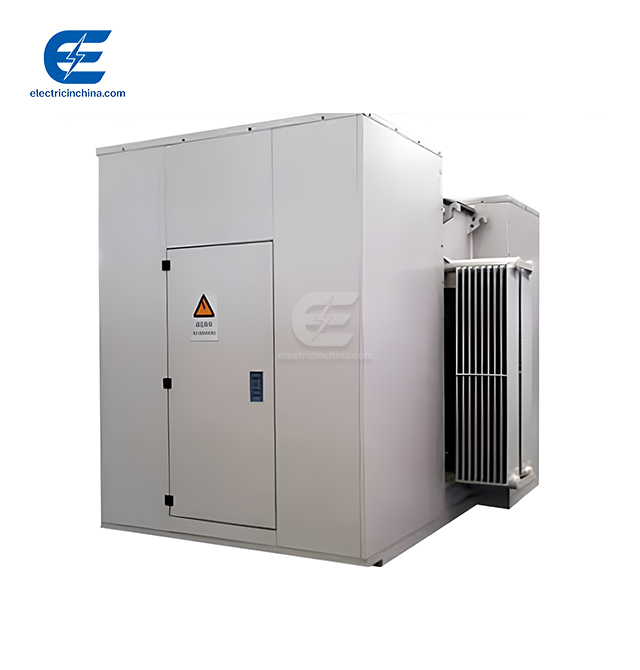
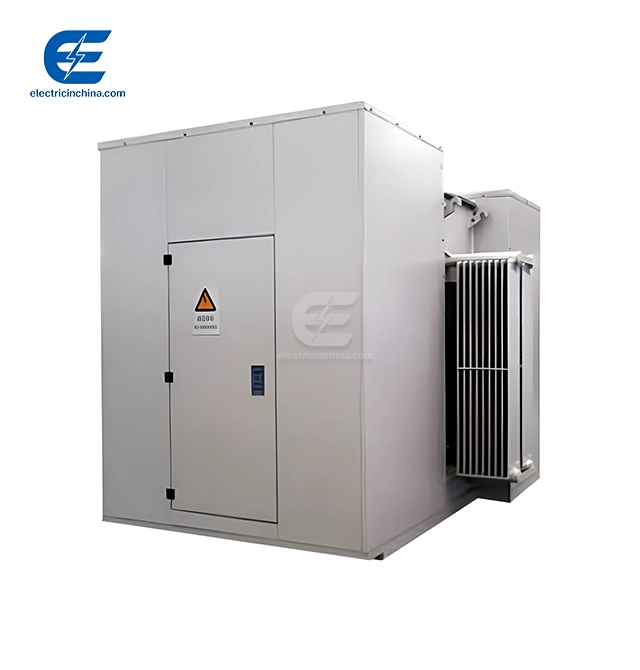
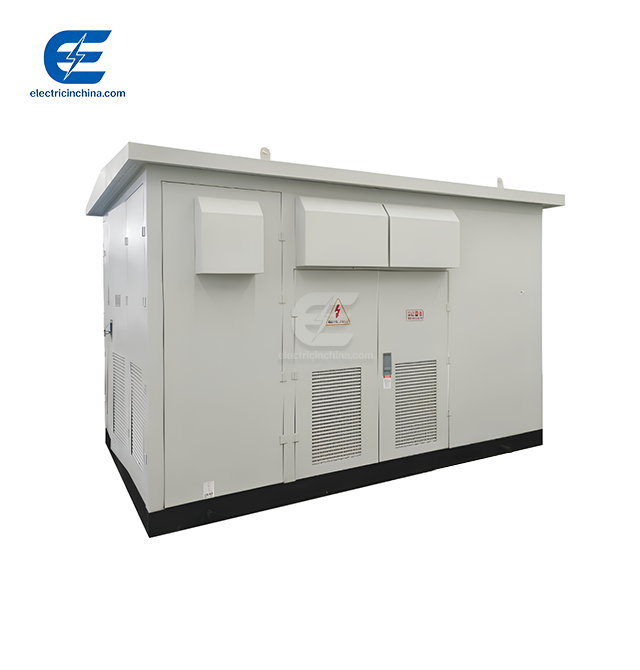
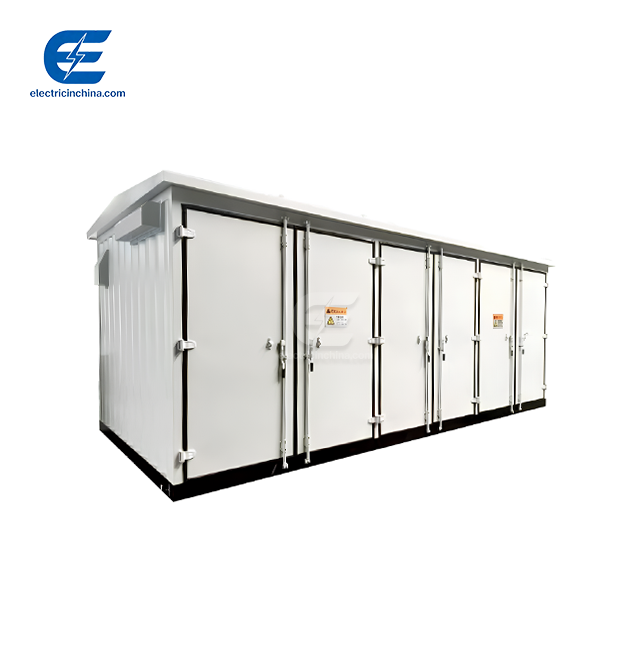
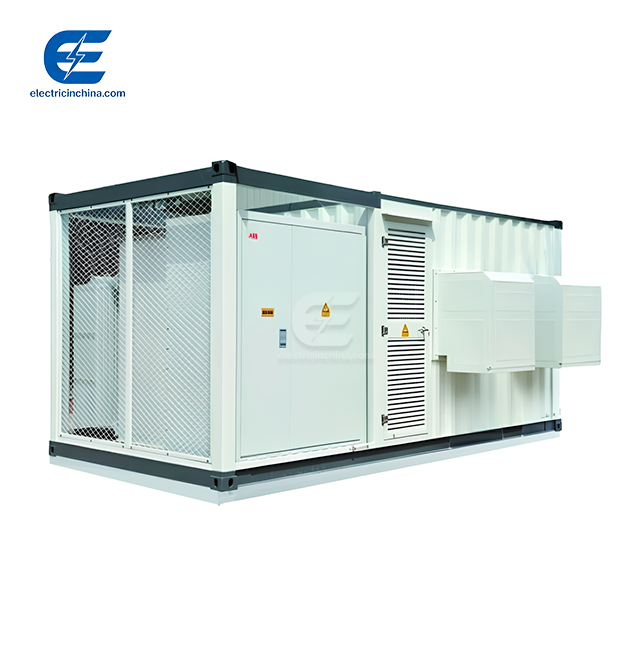
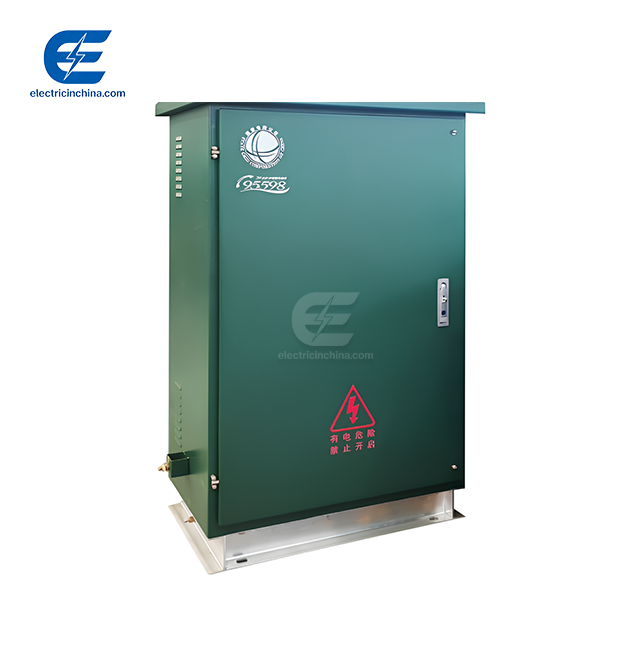
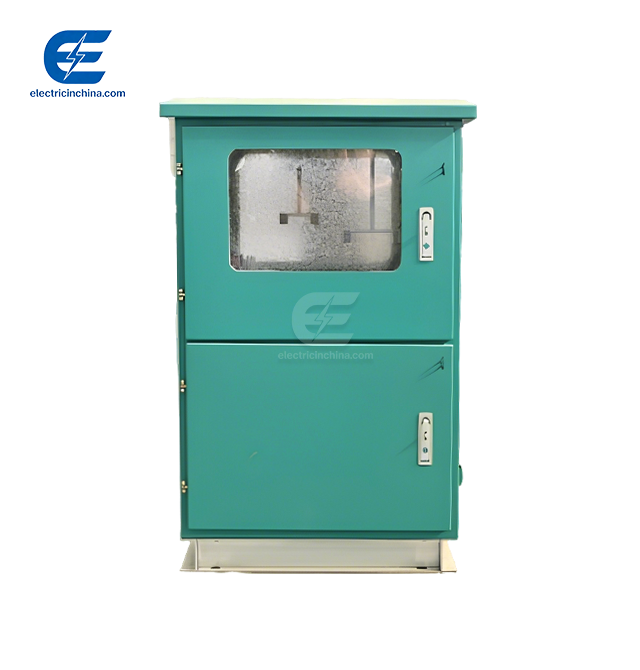
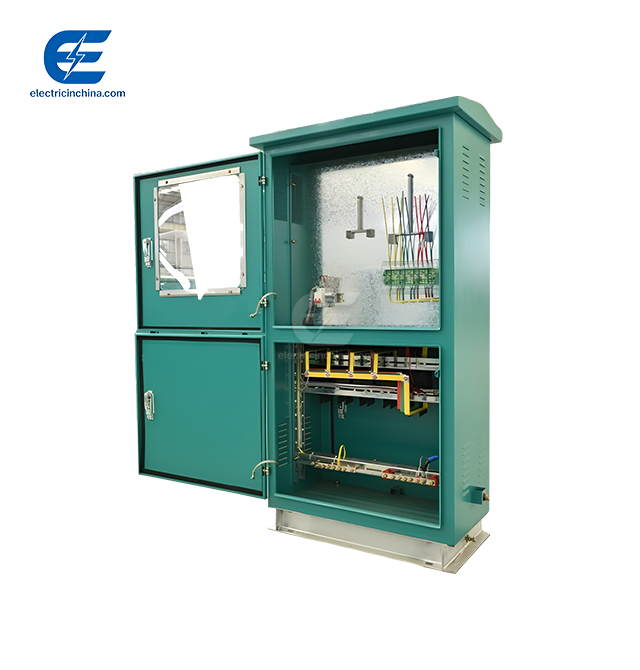
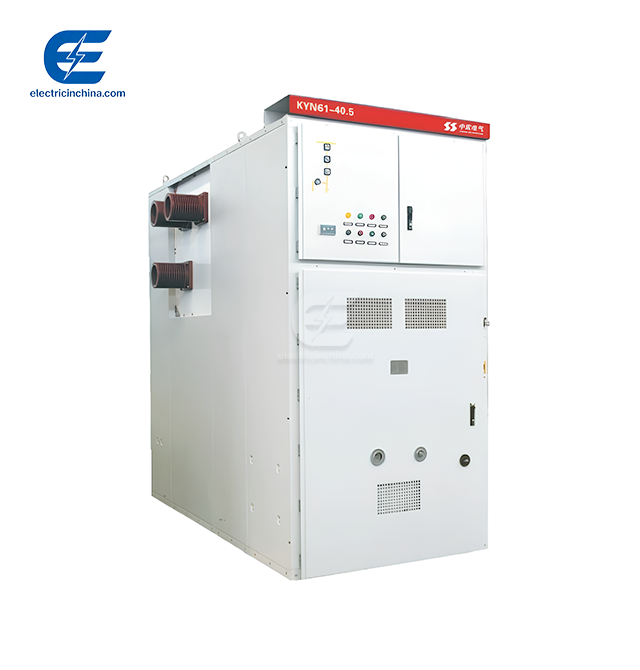
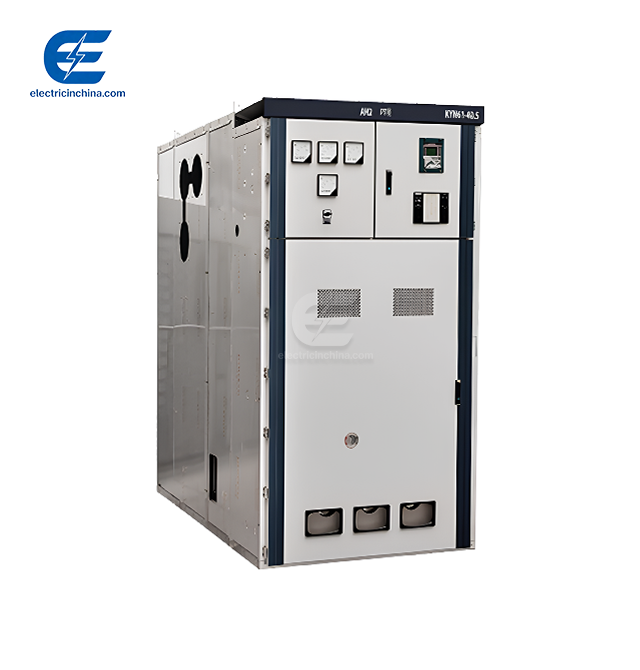
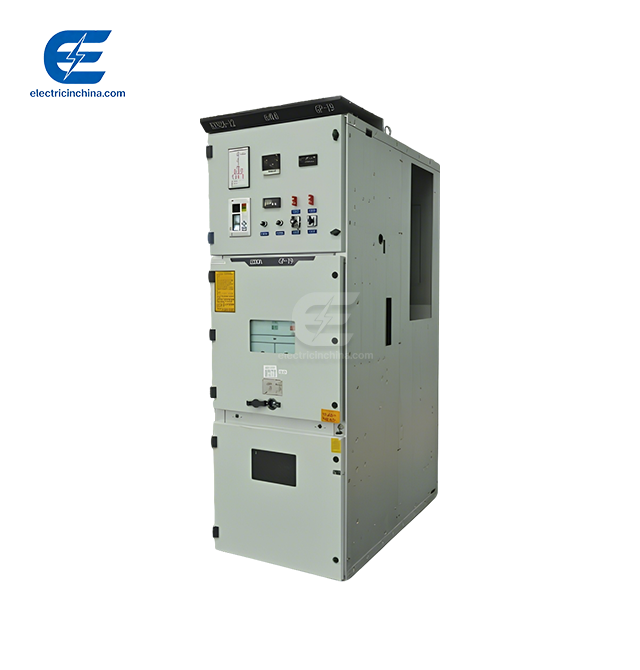
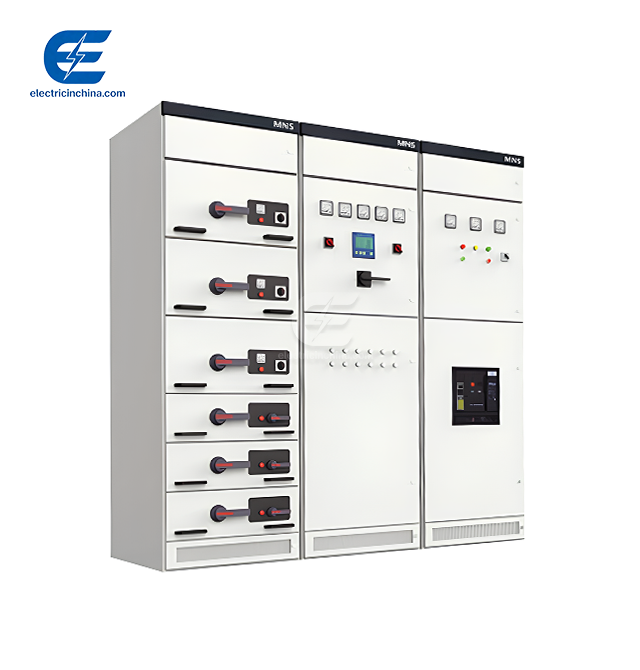
Installation costs usually take up 30 to 40 percent of your budget when you're planning a utility-scale solar project. This problem is solved by the PV Compact Substation for Solar Power Plants, which comes in factory-assembled units that include transformers, switchgear, protection systems, and control equipment. This modular approach cuts down on construction time on-site by 60–70%, reduces the need for civil engineering, and lowers labour costs by standardising the installation process. By combining many parts into small areas measuring about 15m × 8m × 4m, these substations remove the need for a lot of wiring and cut the time it takes to get them up and running from 12 to 18 months to just 4 to 6 months.
Understanding PV Compact Substations in Solar Power Plants
To raise the voltage from photovoltaic panels to grid transfer levels, solar infrastructure needs special electrical gear. The important link between your solar farm and the power grid is a PV Compact Substation for Solar Power Plants built specifically for solar uses. This substation changes voltage from 35kV to 110kV, 132kV, or 220kV transmission levels.
What Makes Compact Substations Different
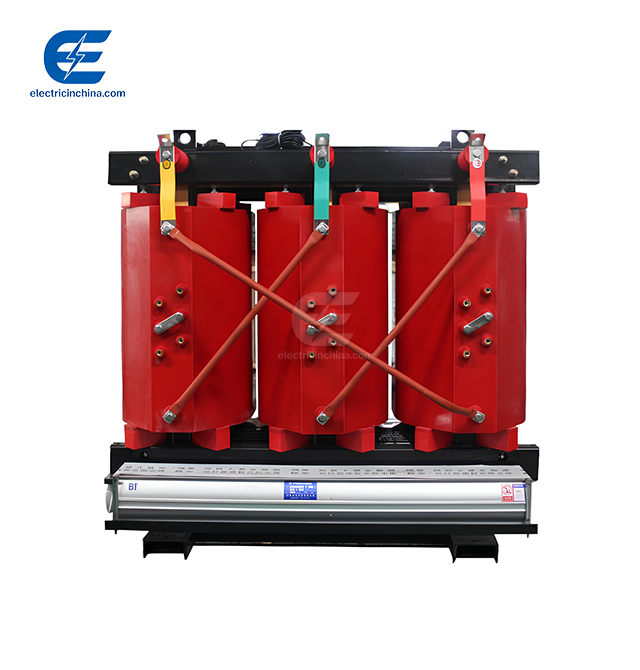
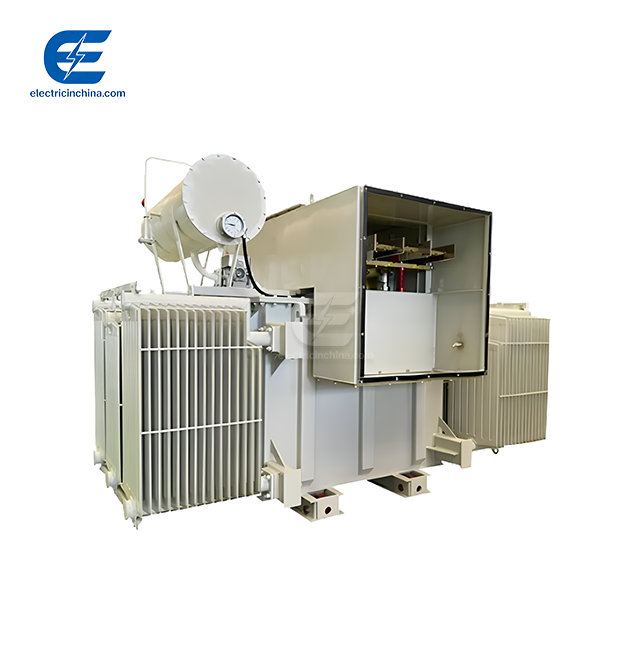
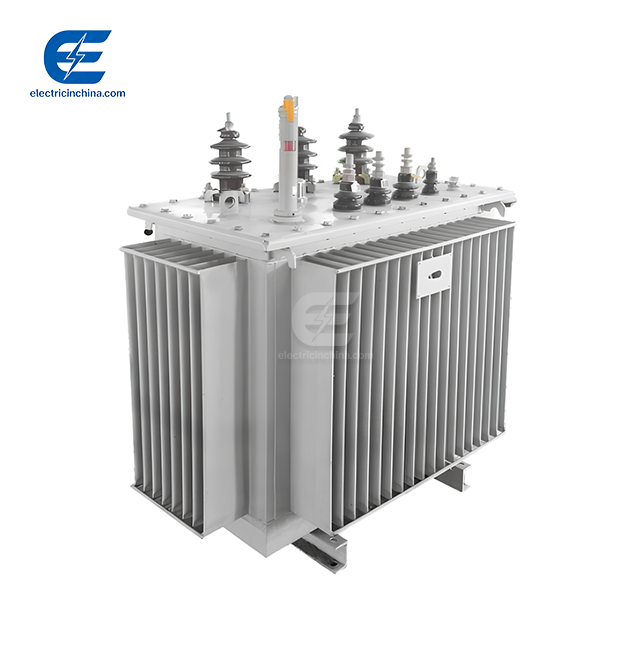
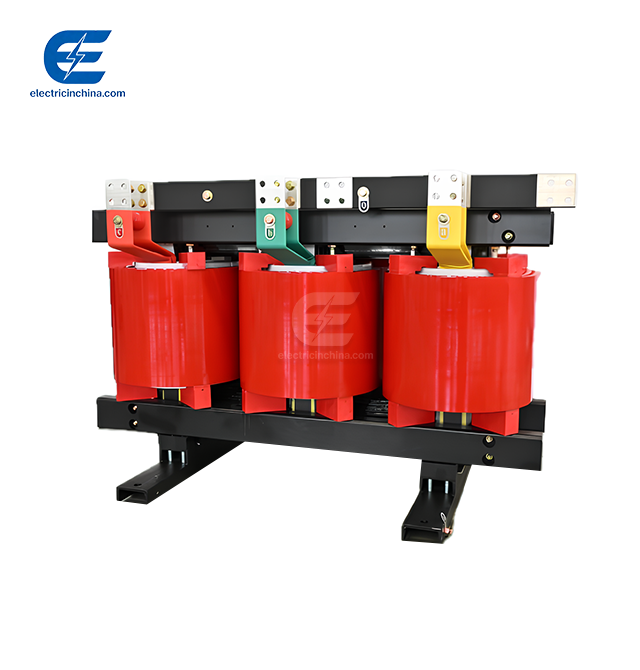
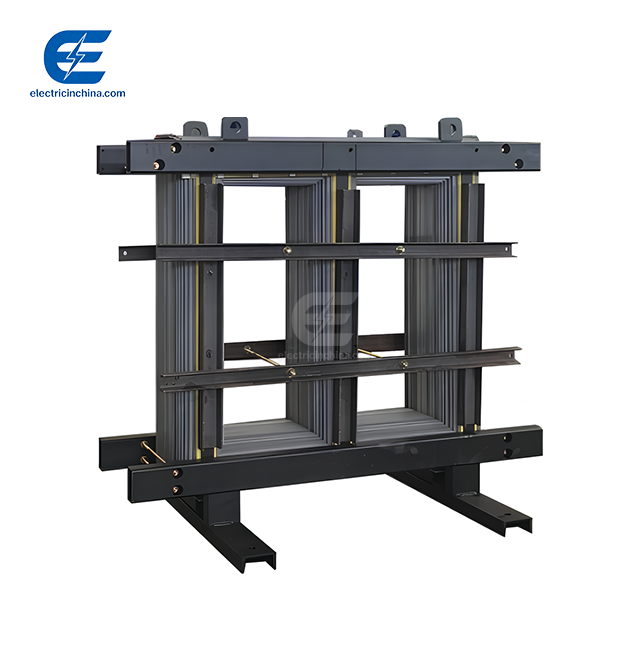
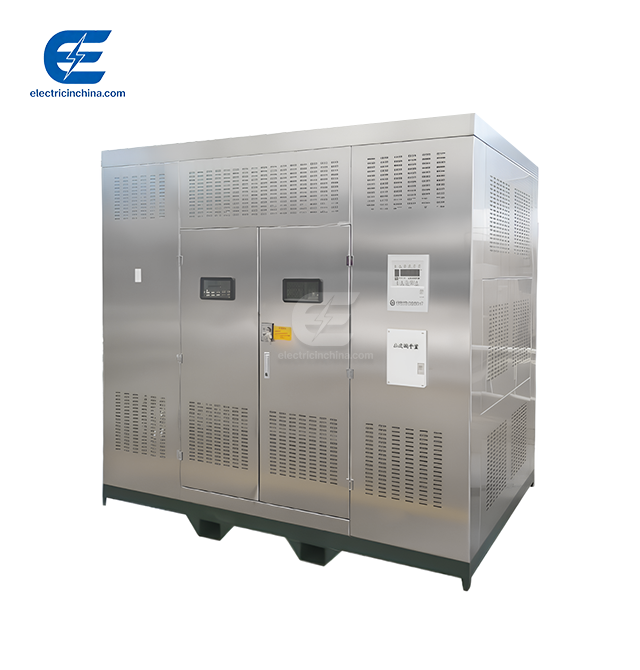
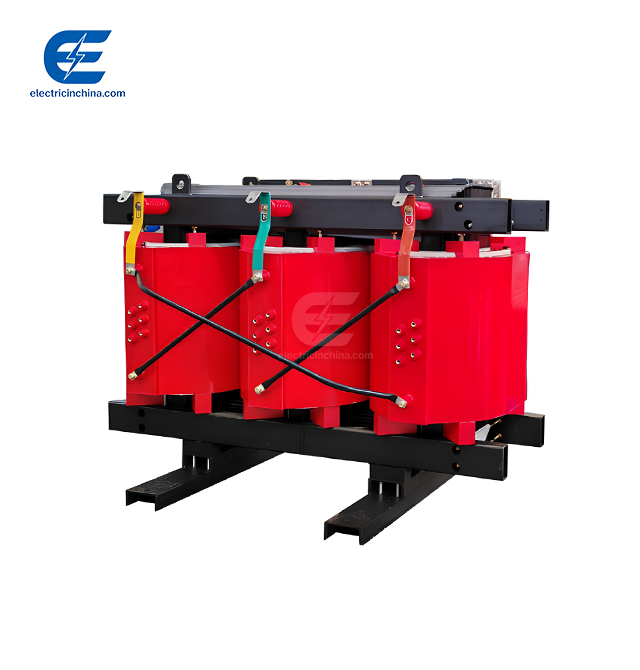
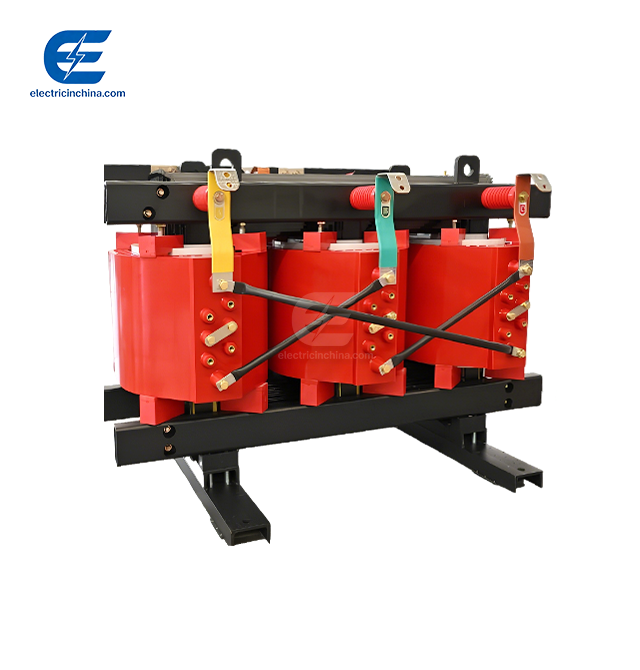
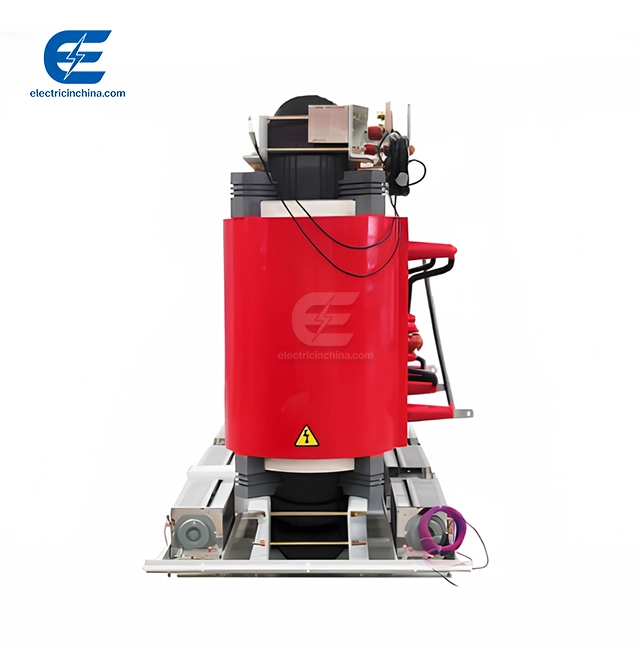
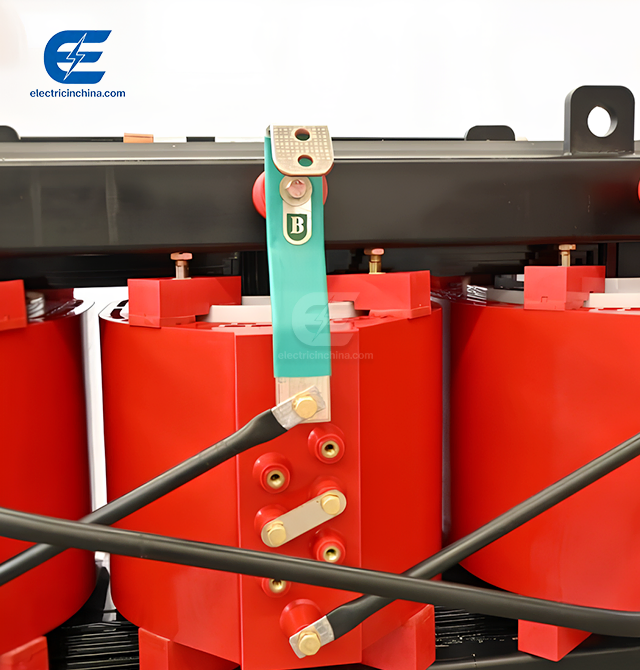
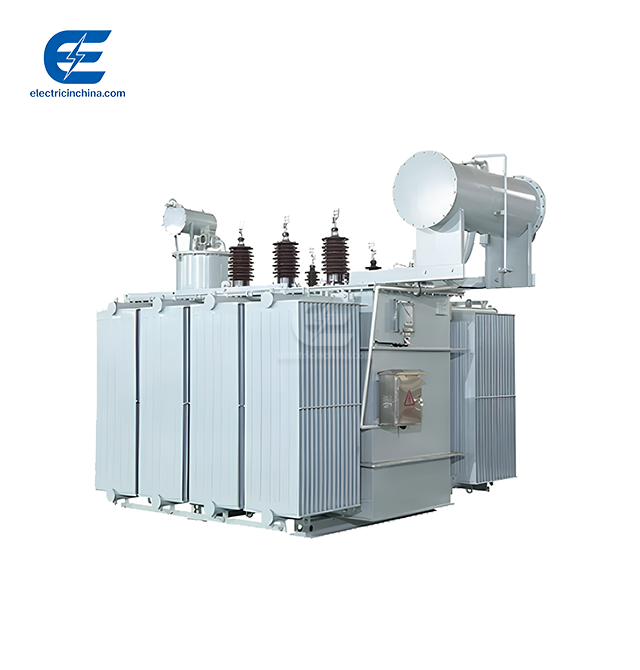
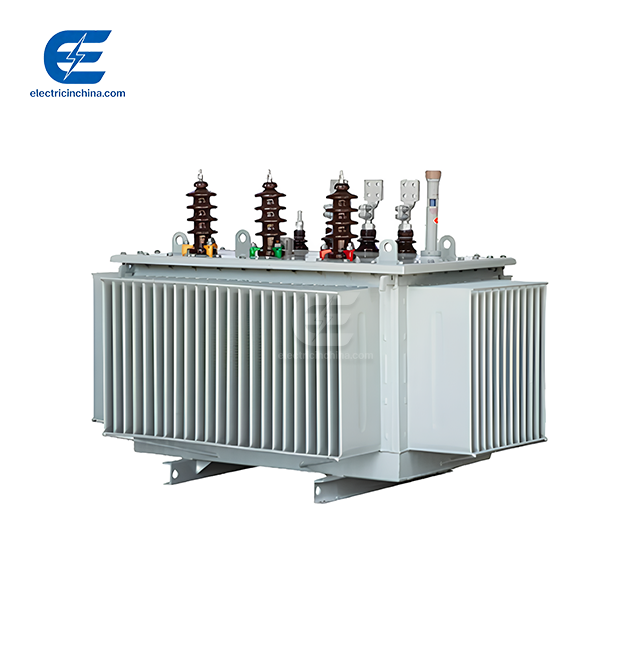
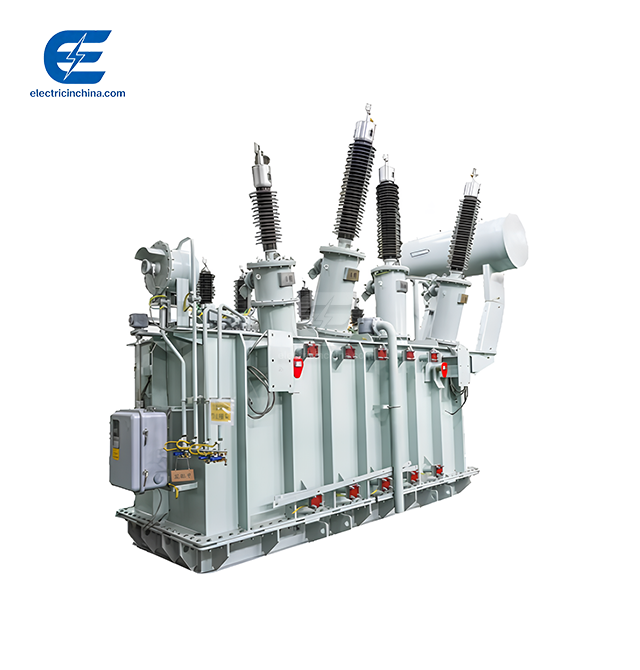
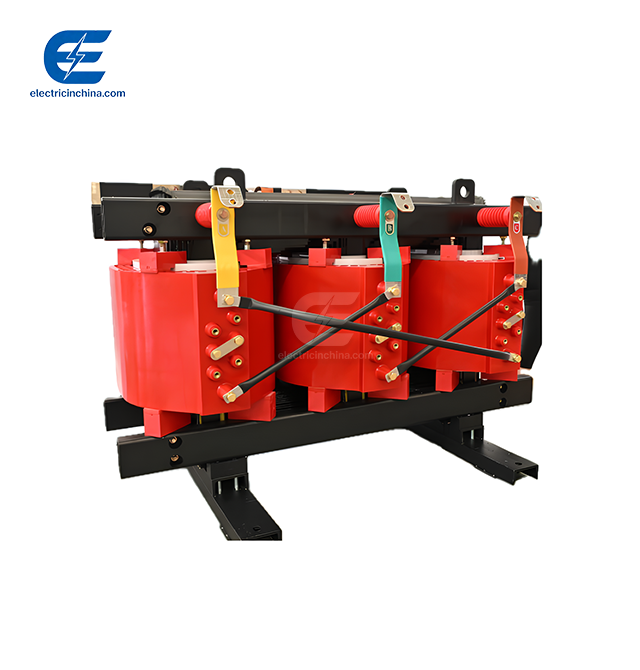
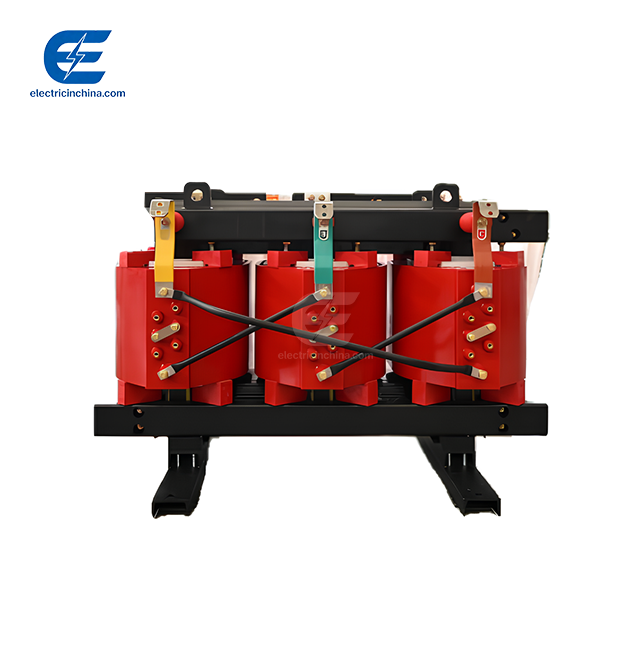
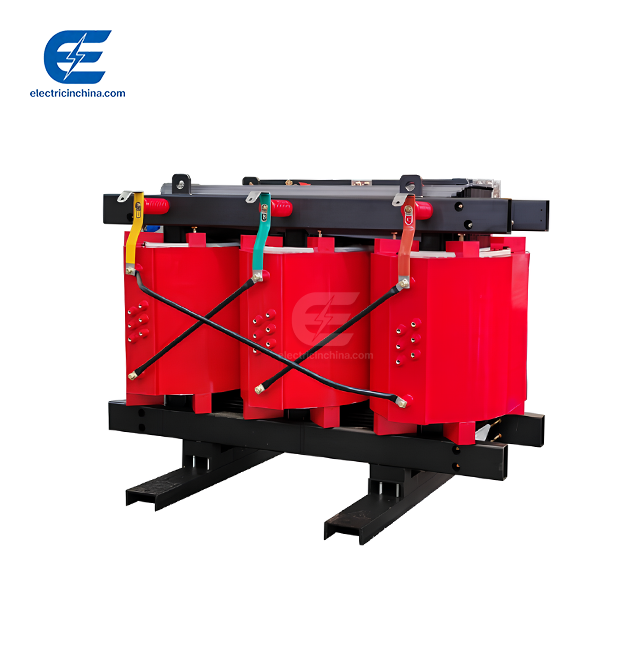
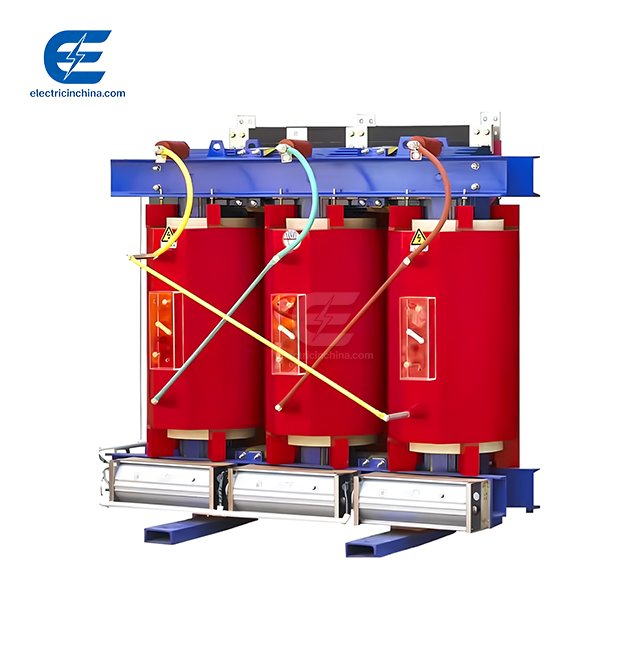
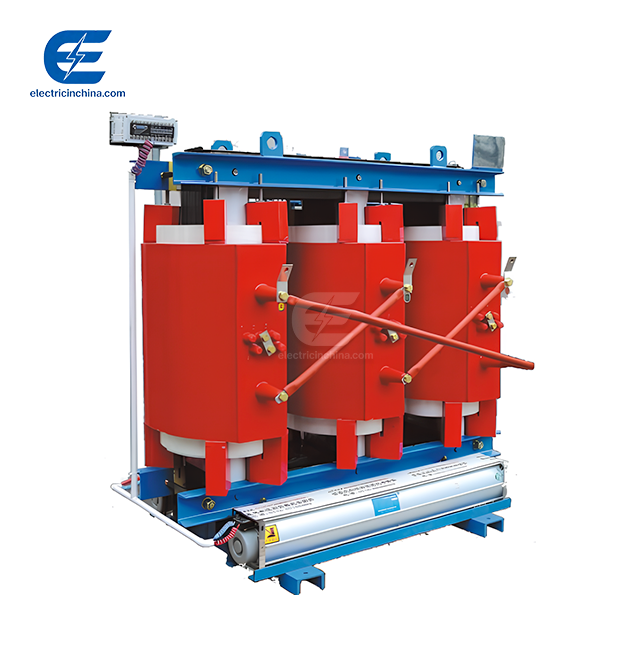
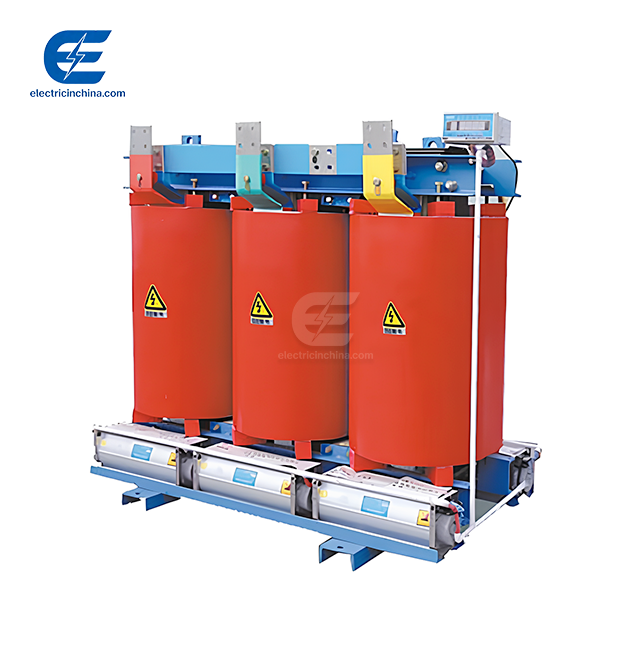
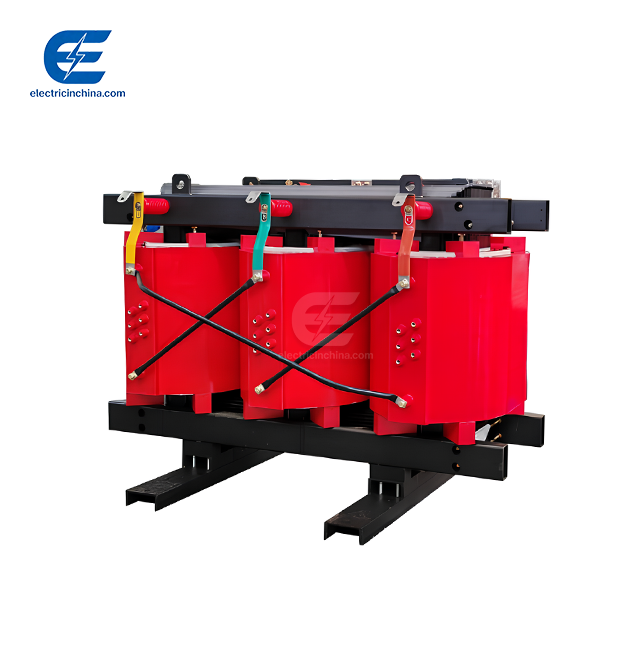
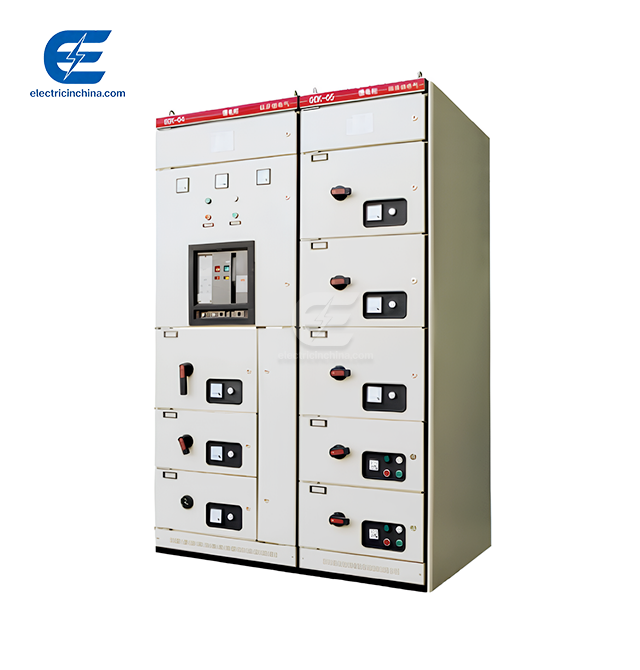
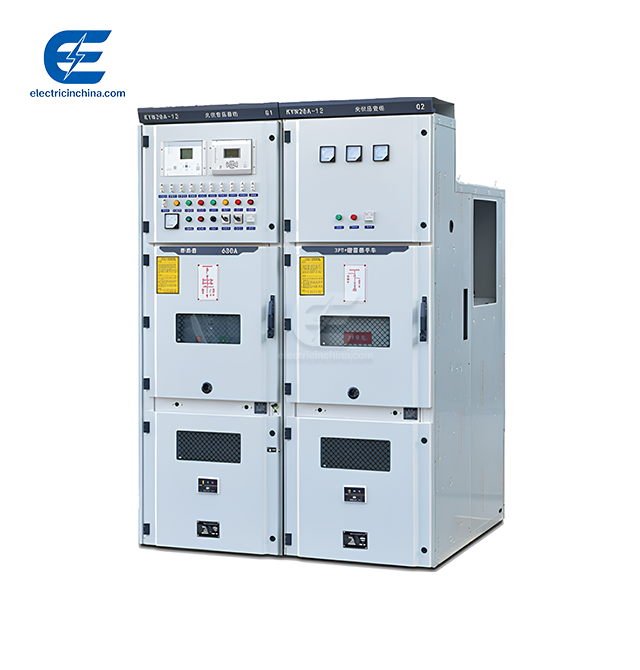
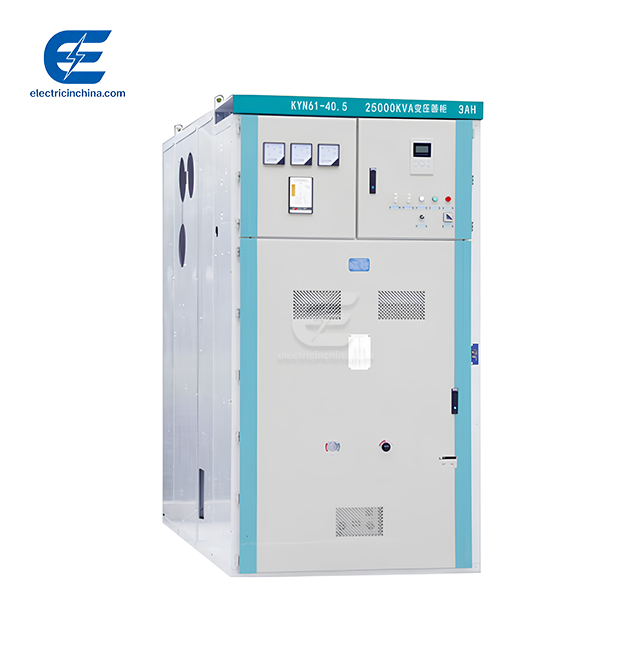
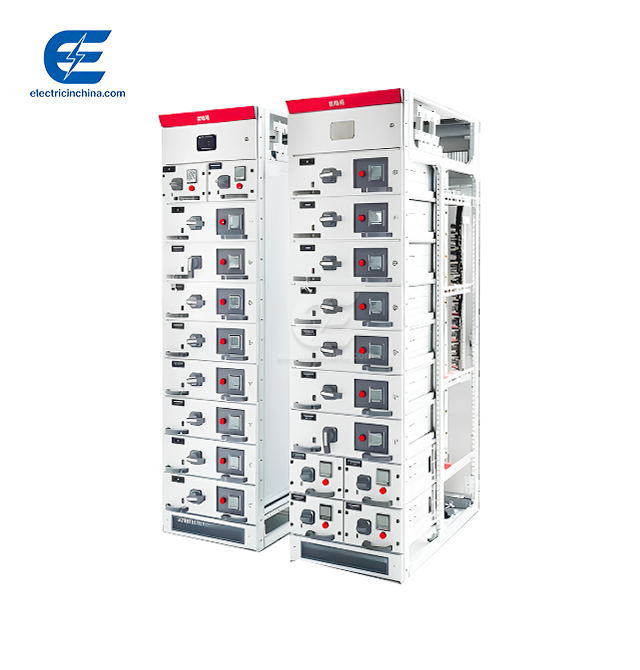
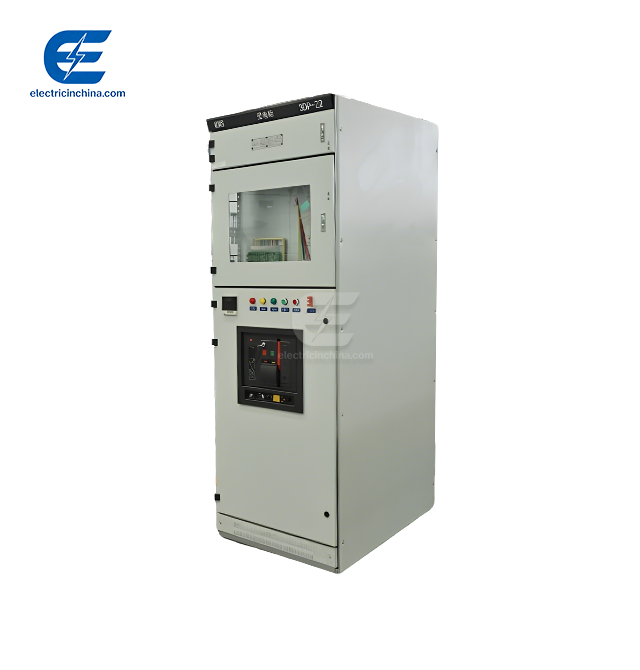
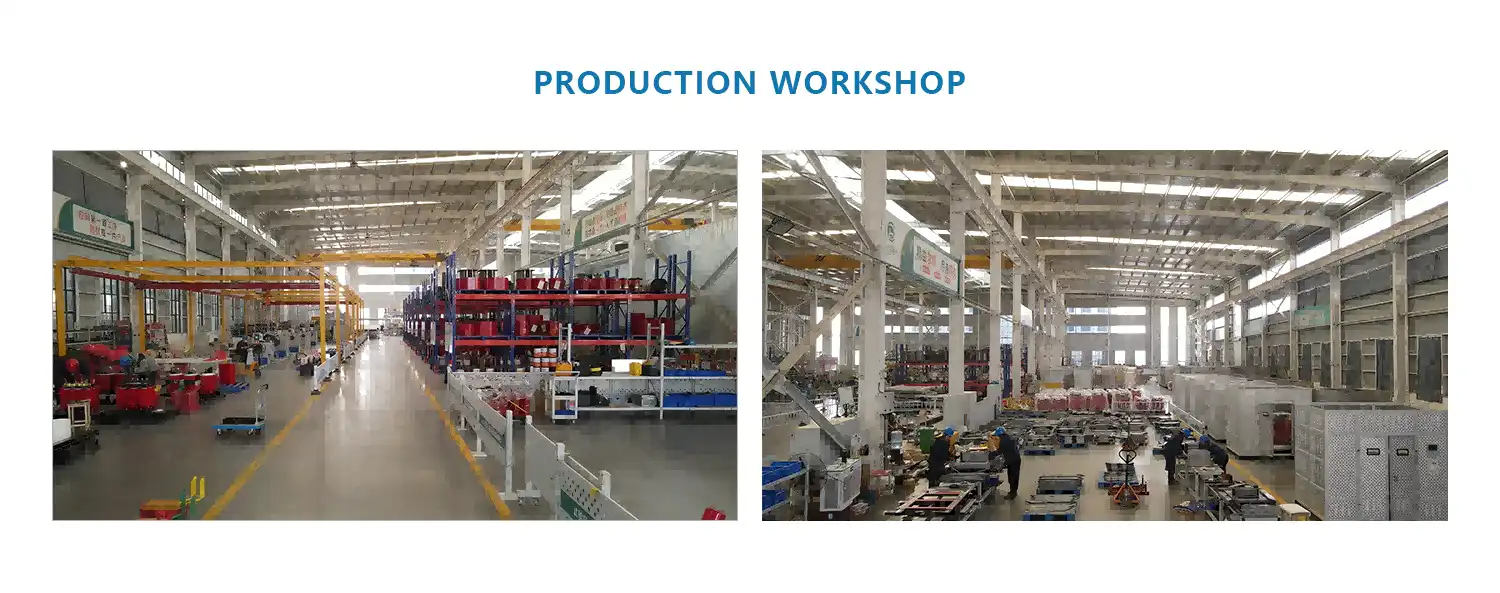
Traditional substations have parts that are spread out over several buildings and need a lot of work to get ready for installation. Modern, small solutions put everything into pieces that have already been made. Power transformers with ratings from 50MVA to 300MVA, vacuum circuit breakers, SF6 or air-insulated switchgear, digital safety switches with IEC 61850 protocols, and monitoring systems that work with SCADA are all built into our factory-assembled units. This merging takes place in a controlled workplace setting, with more than 120 sets of high-tech equipment, making sure that the assembly is done correctly.
Technical Standards That Matter
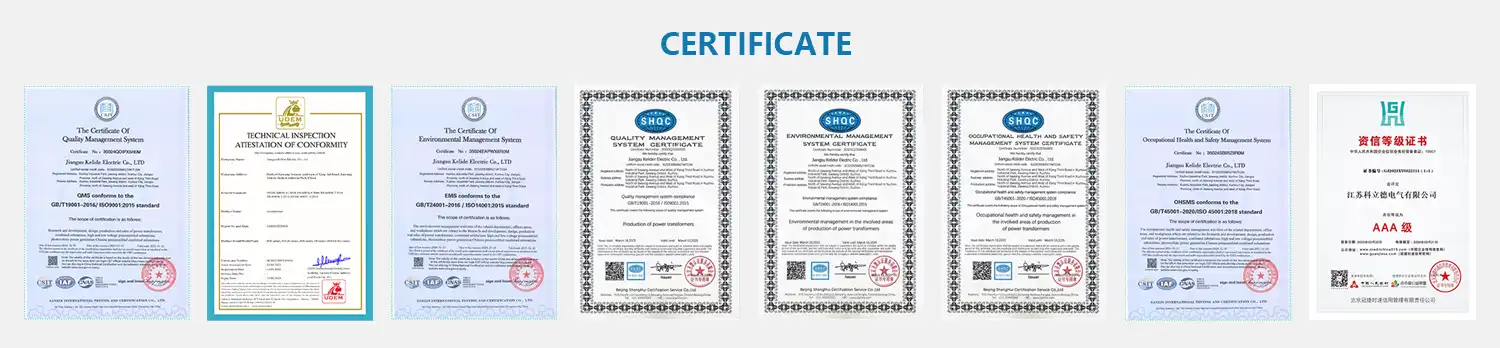
Following international standards will protect your investment and make sure it works with the grid. When we make power transformers, we follow IEC 60076; when we make high-voltage switchgear, and when we make protective relays, we follow IEEE C37.90. Each unit goes through strict factory acceptance tests, which check for insulation resistances higher than 1000M at 2.5kV, as well as power frequency withstand and shock voltage tests. With ISO 9001, ISO 14001, and OHSAS 45001 standards to back them up, these quality controls make sure that the equipment is reliable 99.7% of the time or more.
Key Components Working Together
The transformer core can handle the irregular power flow that comes from solar panels thanks to its strong overload capacity. Harmonic filtering keeps the power quality stable so that the grid can work. This protects both your devices and the utility system. Safeguarding utility workers, visible disconnect points with anti-islanding protection stop back-feeding that could be dangerous during maintenance. When compared to traditional systems, remote troubleshooting and predictive maintenance that can be accessed from mobile devices cut down on unplanned outages by 40 to 60%.
Installation Challenges of Traditional Substations in Solar Power Projects
Problems arise during conventional transformer installs that have a direct effect on your project's budget and schedule. Knowing about these problems makes it clear why buying professionals are favouring PV Compact Substation for Solar Power Plants options more and more.
Space and Site Preparation Issues
Traditional substations need a lot of land, more than 40m x 30m, because they need a lot of digging, base work, and civil building. Separate installations are planned by your project team for transformers, switchgear buildings, control rooms, and cable trenches. This level of complexity makes it take longer to prepare the spot and makes it harder to coordinate the work of many workers. In places far away from solar farms, it costs a lot and takes a long time to get to specialized civil building tools.
Labour-Intensive Installation Processes
For transformer installation, switchgear configuration, protection relay programming, and control system integration, on-site assembly needs technicians with the right skills. Different fields work at different times, which makes it hard to coordinate. Weather delays make it harder to predict when things will be done, especially if your solar farm is in the desert or at a high elevation. When building teams stay on-site for 12 to 18 months, handling the different stages of construction, labour costs go up.
Budget Unpredictability and Risk
Adding factors to complicated on-site work makes it harder to keep the budget in check. Cost overruns happen because of things like late deliveries of materials, bad weather, a lack of skilled workers, and problems during testing. There are more safety risks during high-voltage installations, which means that insurance costs and possible lawsuits go up. It can be hard to do maintenance when parts are spread out over a large area. This can also raise long-term operational costs that affect your total cost of ownership calculations.
How PV Compact Substations Reduce Installation Costs: Core Principles
Through engineering methods that fix common installation problems, PV Compact Substation for Solar Power Plants units bring down costs in a way that can be measured.
Factory Assembly Advantages
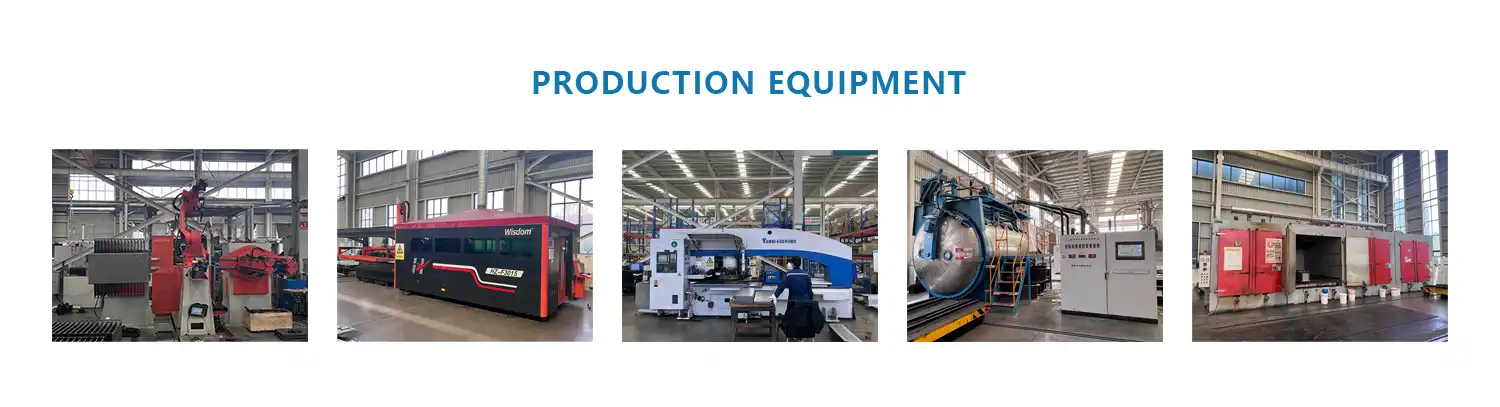
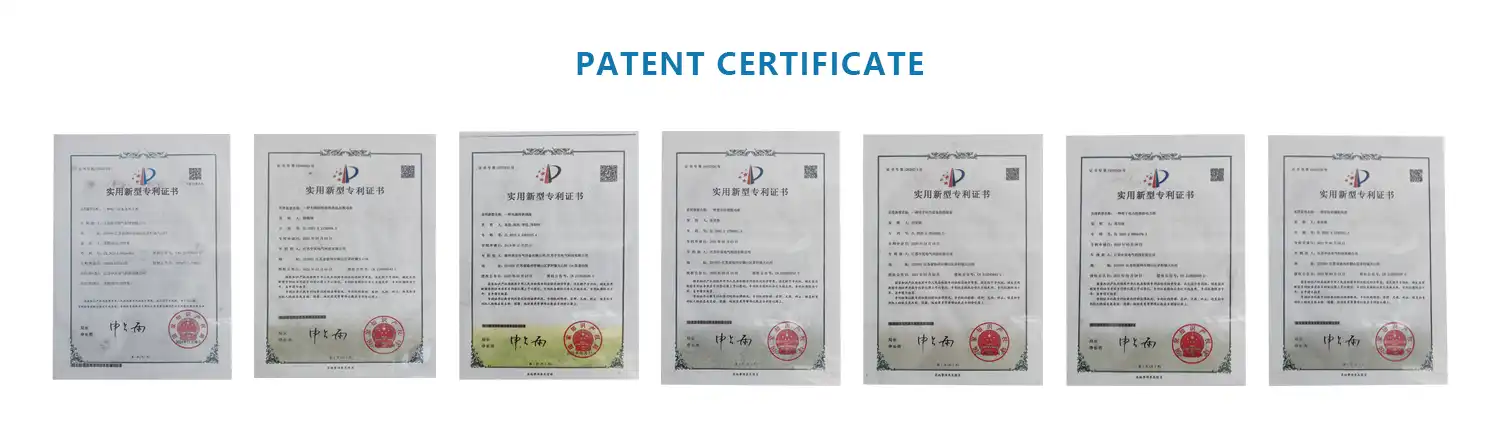
Our 15 senior engineers and 30 intermediate workers manage production using CNC automatic winding machines, CNC static vacuum casting equipment, and microcomputer-controlled gradient curing furnaces. Production takes place in controlled environments. Full testing in the workplace makes sure the product works well before it's shipped, so there are no delays caused by fixing problems on-site. This method guarantees quality stability that can't be reached when putting things together in the field. These 18 patents show that we are always coming up with new ways to make manufacturing more efficient and improve product performance.
Quality management includes all steps, from getting the raw materials to delivering them. Inspections of incoming materials make sure that component standards are met. Production monitoring checks the accuracy of assembly. Testing the electrical performance of the finished product according to IEC 62271-200 standards is part of the proof process. This strict process keeps broken equipment from getting to your project site, which saves you money by avoiding delays in starting.
Modular Design Benefits
Modules that have already been put together come ready to be plugged in and used. Standardized connectors make it easier to connect electronics and place machines. Your assembly team puts the unit in place with little foundation work, connects the incoming and outgoing wires, and, within two to three weeks, commissioning is done. Because of this simplified process, transformers, switchgear, control screens, and other systems don't have to be installed separately.
Making the best use of space adds value. Our small size takes up 30–40% less land than traditional designs, which means you can add more solar panels to your building to make it more productive. Costs for digging, concrete work, and site restoration go down when the scope of civil engineering work is limited. Logistics that are easier to manage mean fewer deliveries of tools and lower shipping costs.
Integrated Systems Reduce Complexity
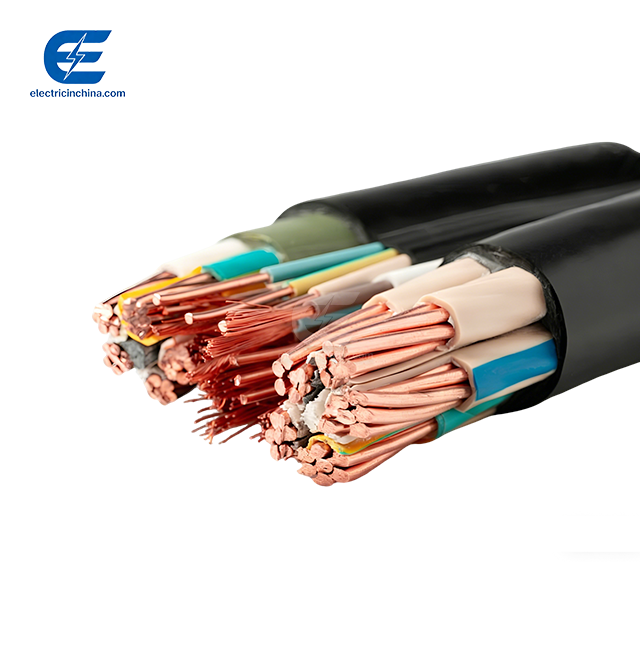
When components are grouped, they don't need as much wiring, which usually costs a lot of money in materials and labour. Field closure work that can go wrong is avoided when internal wiring is done at the machine. The factory-assembled package includes fire control systems, infrastructure for managing cables, and extra power sources. IEC 61850 communication protocols allow for remote monitoring that gives real-time performance data. This lets you plan preventative maintenance that makes equipment last longer and costs less to run.
Case Studies: Proven Cost Savings from PV Compact Substation Deployment
In solar applications, real-world projects show that the PV Compact Substation for Solar Power Plants technology saves money.
GCL Photovoltaic Industrial Park Project
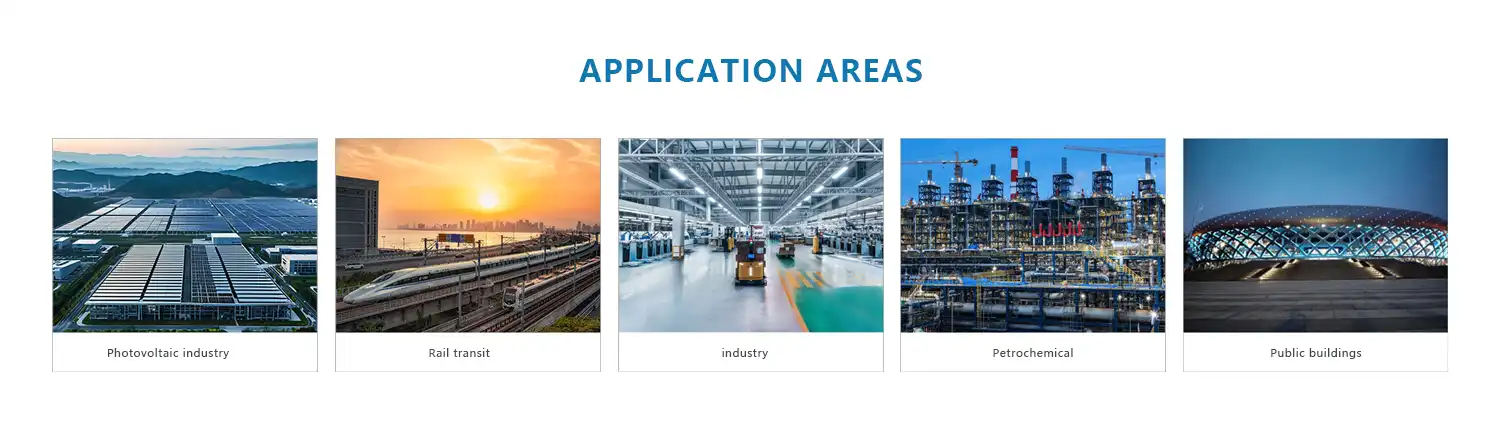
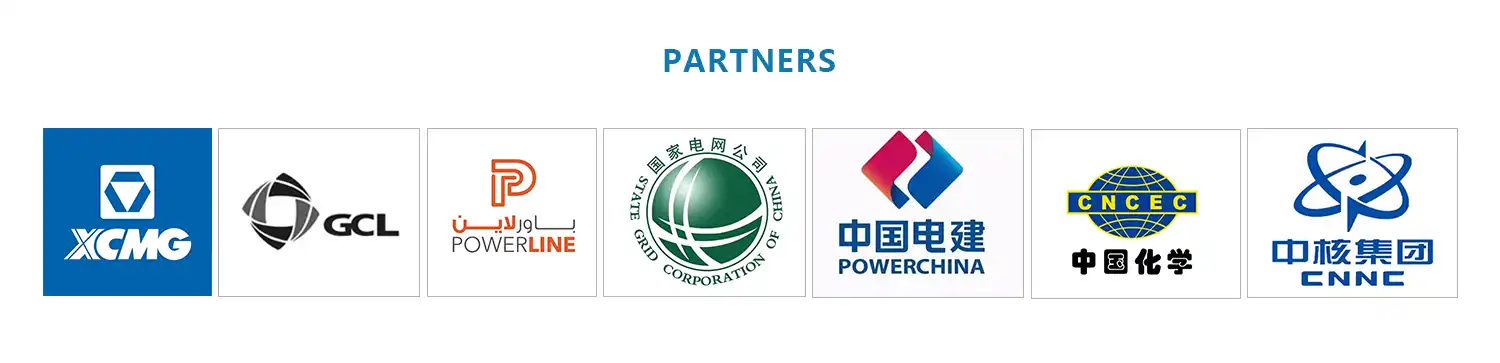
Our work in the GCL Photovoltaic Industrial Park showed big improvements in how efficiently installations were done. For large-scale solar manufacturing and grid connection, the project needed a safe way to distribute power. By using factory-assembled PV Compact Substation for Solar Power Plants units, the project was able to finish installation on time, which was necessary for business activities. About 65% less work had to be done on-site thanks to the integrated design, and the small footprint saved important industrial park land for other buildings.
Procurement managers agreed that standard tests and quality checks gave them faith in the system's dependability. The equipment works in harsh situations, like high temperatures and a lot of dust, which are common in industry settings. Protection ratings from IP54 to IP65 and working temperatures from -40°C to +50°C make sure that the equipment always works the same way, which helps keep production schedules.
Commercial Solar Farm Implementation
After looking at all the costs of the project, a commercial-scale solar installation that meets the needs of the regional grid chose PV Compact Substation for Solar Power Plants technology. A traditional substation installation takes about 14 months and costs a lot of money for civil engineering. The compact option cut the time it took to install to 5 months, which meant that power sales could start making money sooner. The cost of materials went down by 35% because different buildings weren't built on-site, and cable equipment was cut down.
The project's return on investment (ROI) was sped up by faster start-up and lower upkeep costs. Remote tracking cuts down on the need for site visits, which is especially helpful for setups that are far away. Predictive maintenance can find problems before they happen, which is important for keeping uptime rates above 99.7% and meeting the terms of the power purchase agreement.
ROI Analysis Insights
Cost advantage trends are consistent when you look at detailed financial modelling across multiple projects. When all construction costs are taken into account, the initial capital cost of PV Compact Substation for Solar Power Plants units is 20 to 25 percent less than that of traditional options. Lifecycle cost savings of 10-15% are added by lower operational costs caused by easier upkeep and remote tracking. Speeded-up commissioning timelines bring in money months earlier, which helps project IRR calculations that matter to investors and EPC contractors comparing bids.
Selecting the Right PV Compact Substation for Your Solar Project
Before making a purchase choice, you need to carefully look at the technical requirements, the supplier's abilities, and the service help they offer.
Voltage and Capacity Requirements
The PV Compact Substation for Solar Power Plants' power ratings are based on how much power your solar farm can produce. Transformers with powers between 50MW and 300MW+ are needed for installations running from 50MW to 300MW+. The voltage transformation ratios change the voltage from 35kV collection voltage to 110kV, 132kV, or 220kV transfer levels. These ratios rely on how the grid is connected. Tap switches that offer ±10% to ±16% voltage control can handle changes in the grid voltage and provide the best power delivery.
Modular Versus Fixed Configurations
When projects are planned in stages, modular designs make them easier to expand. Adding standard modules to your installation can increase its capacity without stopping the work that is already being done. Fixed designs are the most cost-effective way to do single-phase projects with clear capacity needs. Multiple units can share the load when they can operate in parallel, which improves system redundancy and maintenance flexibility.
Environmental Adaptation Features
The factors at the project site determine what kind of security is needed. For installations in the desert, you need sealed enclosures with positive pressure systems and air filtration that can handle damage from sandstorms. Coastal areas need coats that don't rust and can stand up to salt spray, as proven by ASTM B117 tests that lasted 1000+ hours or more. High-altitude places need better cooling systems to keep working at levels of up to 3000 meters. Our working temperature range, which is from -40°C to +50°C, covers a wide range of regions, from the Arctic to the tropics.
Supplier Evaluation Criteria
Some technical skill signs are the qualifications of the engineering team, the level of complexity of the manufacturing equipment, and the number of patents that show innovation. Our 15 senior engineers, 30 intermediate technicians, and 17 senior technicians have 18 patents to back up their design skills. Quality standards like ISO 9001, ISO 14001, and OHSAS 45001 show how strict a management system is. Experience working on projects for the government, commercial developers, and industrial manufacturers shows that they can do well in a wide range of situations.
Service support is important at all stages of a project's lifecycle. Your investment is safe because of help with installation and testing, warranties that last 10 to 15 years for transformers and 20 years or more for buildings, easy access to spare parts, and service networks that are easy to use. As part of our full support, we can help you find additional tools, so you only have to deal with one company for all of your project needs.
Maintenance and Operational Tips to Maximize Cost Efficiency
When operating practices take advantage of the capabilities of PV Compact Substation for Solar Power Plants, cost benefits go beyond installation.
Preventive Maintenance Protocols
Regular checks keep equipment working well and stop it from breaking down without warning. A once-a-year study of the oil in transformers finds problems before they become breakdowns. Thermography checks find hot spots that mean connections are loose or parts are breaking down. Testing the contact resistance of switchgear every six months makes sure that it works reliably. Verification of the quality of the SF6 gas for shielded switchgear protects the dielectric strength. These regular tasks, which are easier to do with PV Compact Substation for Solar Power Plants designs, are much cheaper than fixes that need to be done right away.
Remote Monitoring Implementation
Modern solar operations need to be able to see how the substation is working in real time. SCADA integration lets you keep an eye on multiple installations from one place. IEC 61850 communication methods let plant control systems share info in a standard way. Mobile access to performance data lets workers check on things from afar, so they don't have to go to the spot as often. Automated alerts let maintenance teams know right away when parameters are outside of their normal ranges. This lets them act quickly and stop small problems from getting worse.
Environmental Protection Measures
Protecting equipment from external stresses will make it last longer. Cleaning ventilation systems on a regular basis keeps dust from building up and making it harder to cool. IP protection ratings are maintained by checking the door seals and gaskets. Keeping an eye on corrosion in seaside areas helps find damage early. Verification of thermal management makes sure that cooling systems work properly when the temperature outside is at its highest. These simple steps will protect your investment for the 25–30 years it needs to work.
Compliance and Safety Standards
Being in line with international safety standards reduces operating risks and costs. Equipment and people are kept safe by regularly checking that safety systems work properly when there is a fault. Arc flash hazard assessments make sure that safety rules are based on how things are actually installed. Testing the stability of the grounding system ensures that lightning and fault safety work. Keeping records up to date for regulatory checks shows that you did your research, which is required by liability insurance.
Conclusion
Installation costs are lower with PV Compact Substation for Solar Power Plants technology because it is put together in the factory, which cuts down on work that needs to be done on-site, and it has modular designs that make handling easier and combined systems that get rid of the need for complicated field building. When compared to standard methods, real projects show installation times that are 60–70% shorter, room savings of 30–40%, and capital costs that are 20–25 % lower. These benefits are especially useful for government infrastructure projects, commercial developers, and industrial manufacturers who have to deal with tight project schedules and competitive bid processes. When you add in the practical benefits of easier upkeep, the ability to watch from afar, and longer equipment life, PV Compact Substation for Solar Power Plants units offer appealing total cost of ownership improvements that boost project financial returns.
FAQ
1. How much faster are compact substation installations compared to traditional substations?
With PV Compact Substation for Solar Power Plants, building times drop from 12 to 18 months to 4 to 6 months, which is a 60 to 70 percent reduction in time. Factory assembly gets rid of the need for different building construction stages, a lot of wiring work, and installing parts one at a time. Plug-and-play commissioning can be done within two to three weeks of receiving positioning equipment thanks to standard interfaces. This speeds up the project, starting to make money earlier and lowering the costs of carrying things while they're being built.
2. What cost savings percentages can projects realistically expect?
When you take into account less civil engineering, fewer workers needed, and buying tools from fewer places, projects usually end up with 20–25% less capital spending. Operating costs go down by 10 to 15 percent because maintenance is easier and monitoring can be done from afar. A space economy that cuts the project's size by 30–40% could allow for more solar panels, which would make the project even more cost-effective. Actual savings depend on the conditions of the site, the size of the project, and the cost of labour in the area.
3. Can compact substations accommodate project-specific customization?
Manufacturers let you make a lot of changes to common systems. Different projects have different voltage ratings, transformer capacities, switchgear configurations, protection relay settings, and communication protocols. Environmental protection levels, cooling system designs, and rust resistance requirements are all changed depending on where the system is installed, from the cold to the desert to the coast. Phased capacity growth and parallel operation setups can both be used with modular designs. Suppliers with a lot of experience work with engineering teams to come up with solutions that meet the needs of each operation and each grid code.
Partner with Tuojie for Cost-Effective Solar Power Solutions
To lower construction costs, you need to work with a PV Compact Substation for Solar Power Plants provider that has been in business for a while, has a track record of making quality products, and can provide full project support. Tuojie specializes in factory-assembling PV Compact Substation for Solar Power Plants units that are designed to work with solar panels. They have been in this business for over 20 years and have completed hundreds of important power projects successfully, such as the GCL Photovoltaic Industrial Park and several utility-scale solar installations. Our factory has more than 120 high-tech production systems, and our expert team of 15 top engineers makes sure that the quality meets ISO 9001, ISO 14001, and OHSAS 45001 standards. You can reach us at tuojie@electricinchina.com to talk about how our customized solutions can help you save money on project installation costs and make sure that the system works well for a long time.
References
1. International Electrotechnical Commission. "IEC 62271-200: High-voltage switchgear and controlgear – Part 200: AC metal-enclosed switchgear and controlgear for rated voltages above 1 kV and up to and including 52 kV." Geneva: IEC Publications, 2021.
2. Institute of Electrical and Electronics Engineers. "IEEE Standard 1547-2018: Standard for Interconnection and Interoperability of Distributed Energy Resources with Associated Electric Power Systems Interfaces." New York: IEEE Standards Association, 2018.
3. Solar Energy Industries Association. "Utility-Scale Solar Power: Best Practices in Project Development and Procurement." Washington, DC: SEIA Publications, 2022.
4. Renewable Energy World. "Compact Substations for Solar Farms: Engineering Advances Driving Cost Reductions in Large-Scale PV Projects." Published in Renewable Energy Technology Review, Vol. 45, Issue 3, 2023.
5. International Renewable Energy Agency. "Solar Power Generation Costs: The Role of Balance-of-System Components in Project Economics." Abu Dhabi: IRENA Technical Papers, 2023.
6. Electric Power Research Institute. "Substation Equipment Reliability: Comparative Analysis of Traditional and Compact Designs in Renewable Energy Applications." Palo Alto: EPRI Technical Update, 2022.