

.webp)
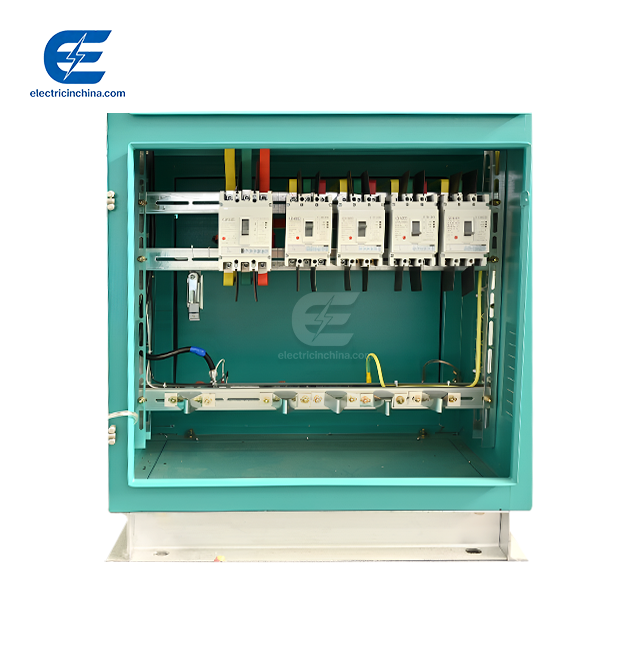
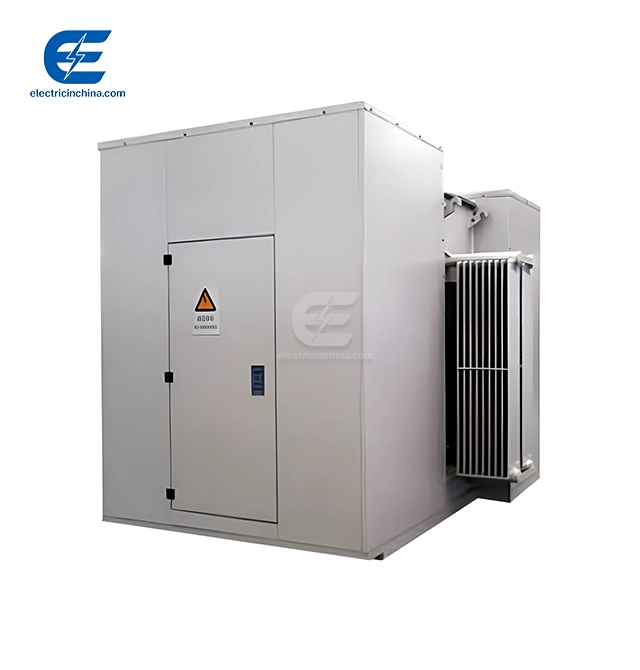
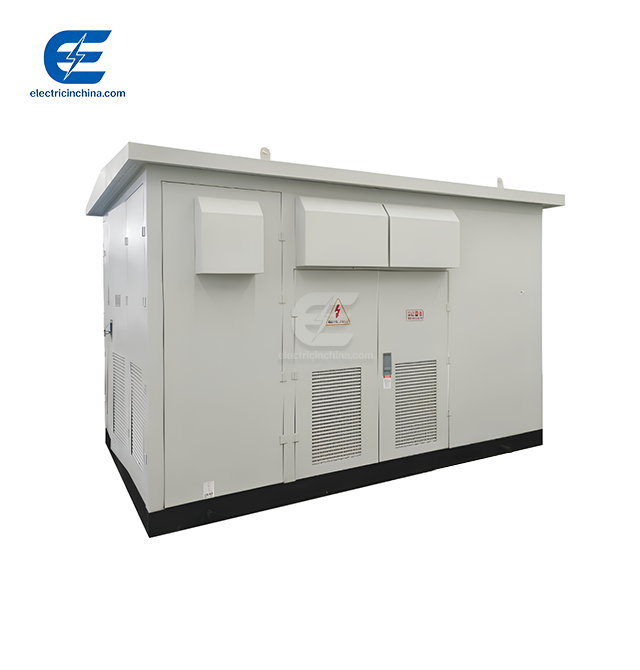
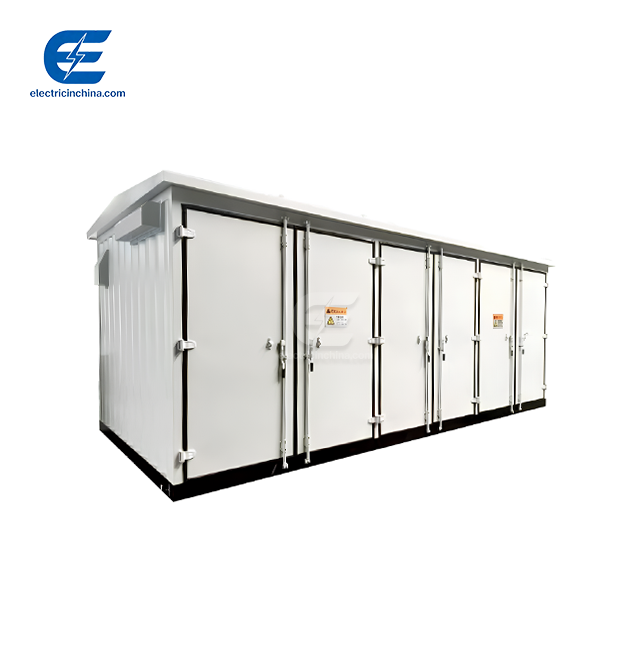
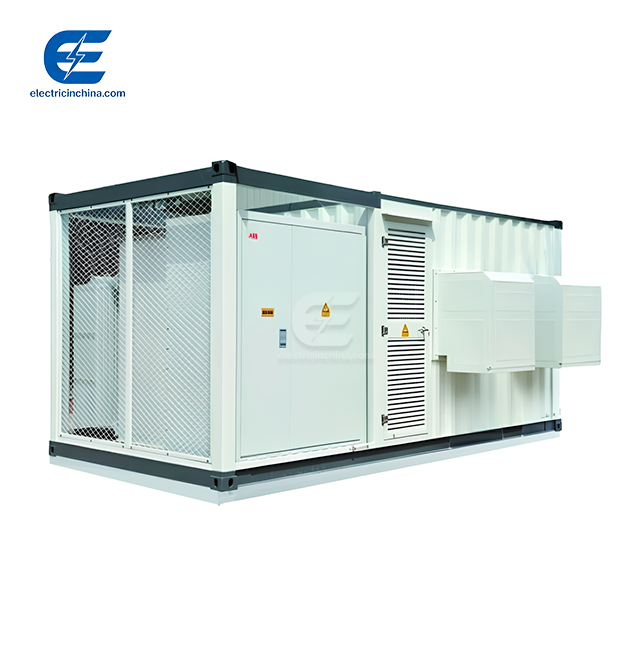
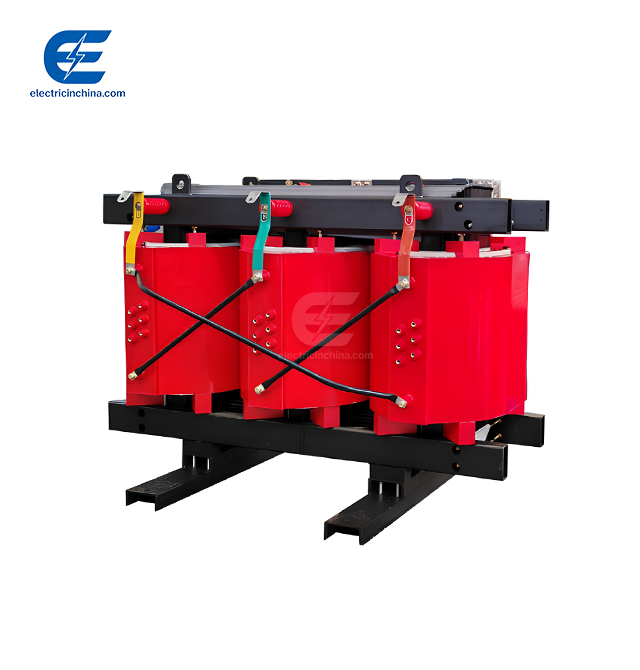
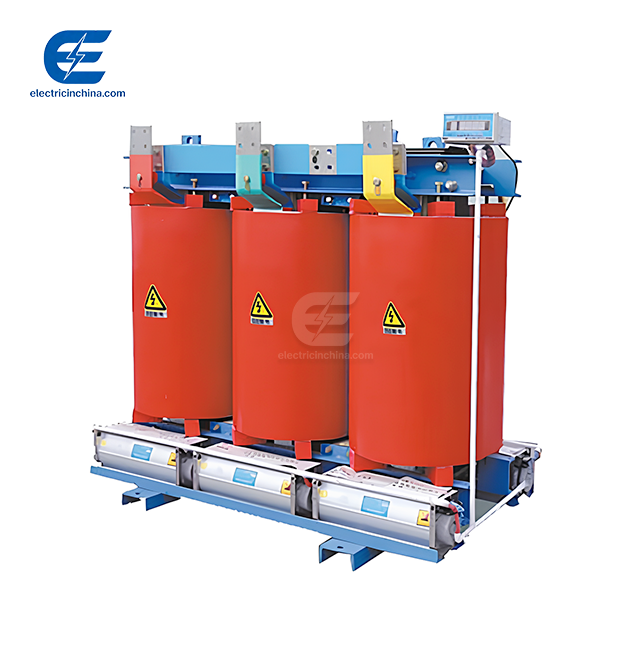
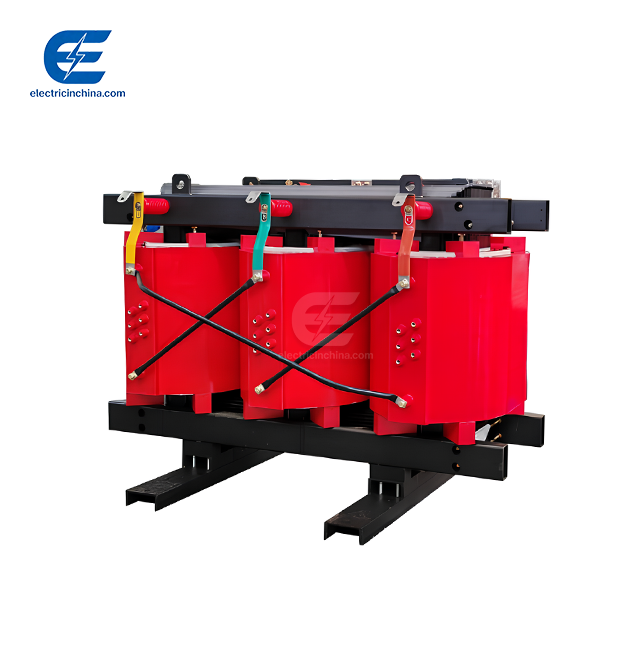
In industrial, business, and infrastructure projects where fire safety, environmental compliance, and operating dependability are very important, Cast Resin Transformers play very important roles. The epoxy resin coating technology in these dry-type transformers gets rid of the dangers that come with oil. This makes them perfect for use indoors, in cities, in factories, data centres, green energy systems, and transportation networks. Because they don't need to be maintained and can work in difficult situations (-40°C to +40°C and up to 95%), they are the best choice for government projects, real estate developments, and manufacturers who need long-lasting, reliable power distribution equipment.
Understanding Cast Resin Transformers: Design and Advantages
Advanced Insulation Technology
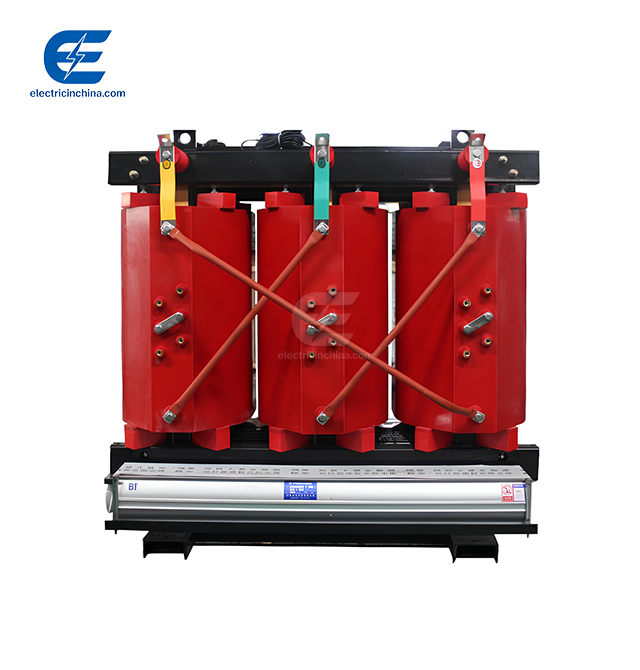
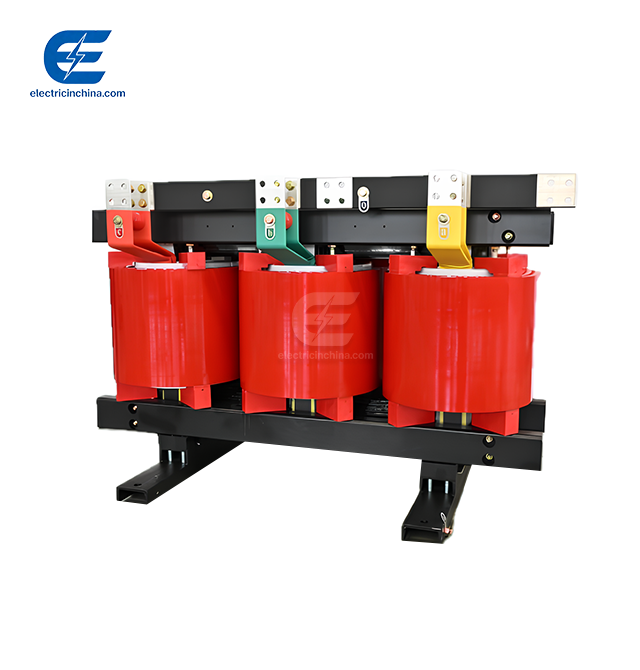
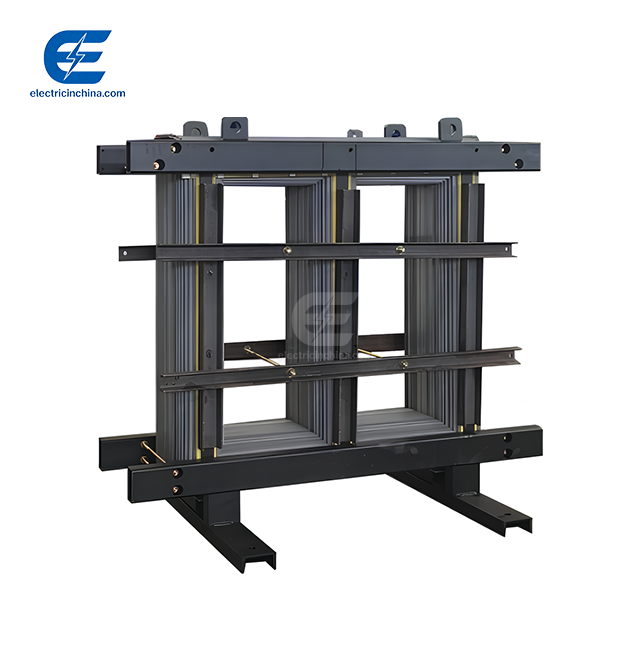
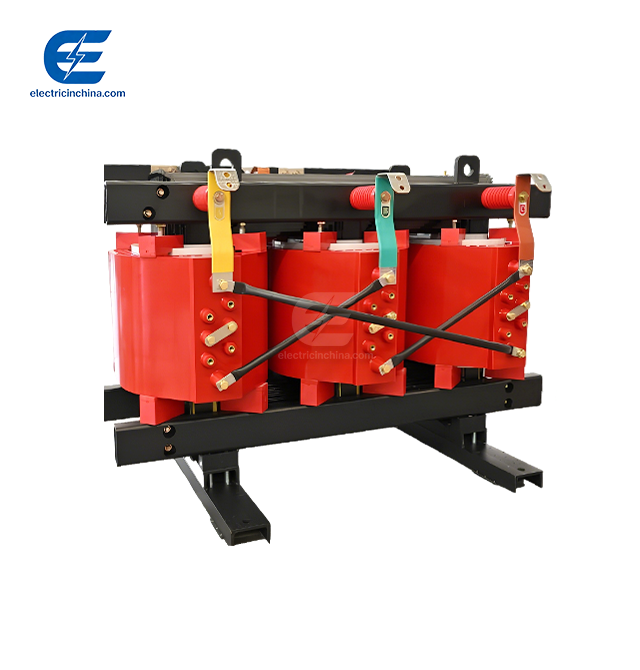
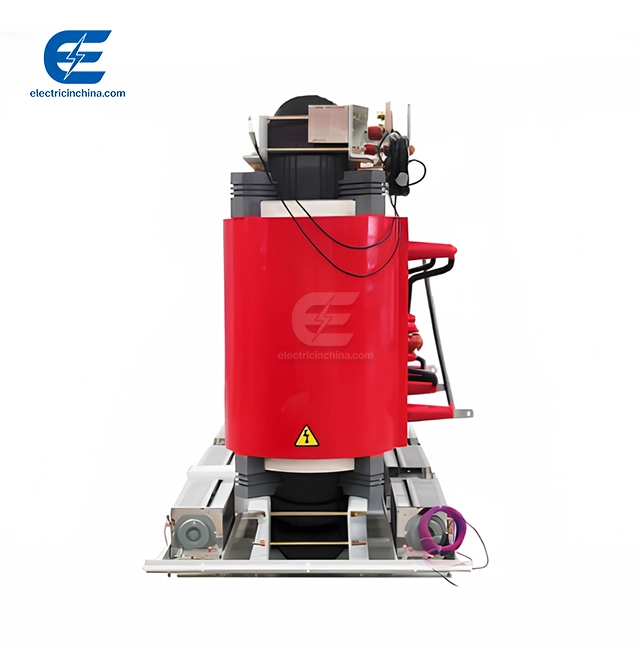
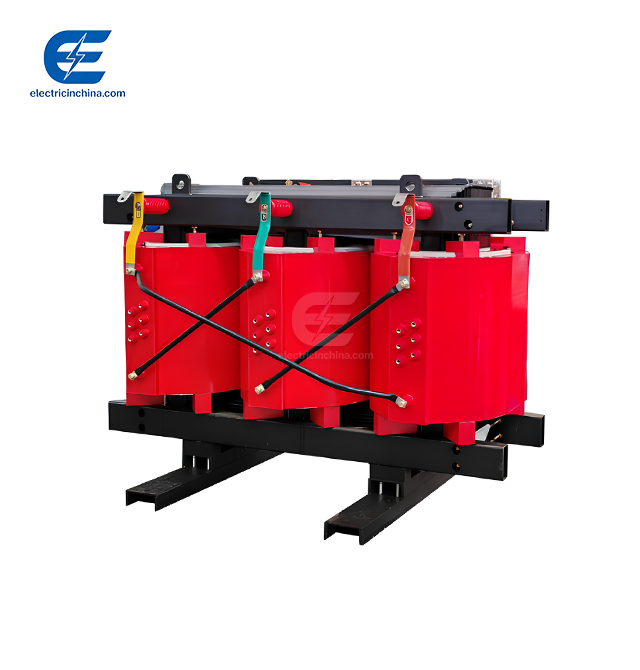
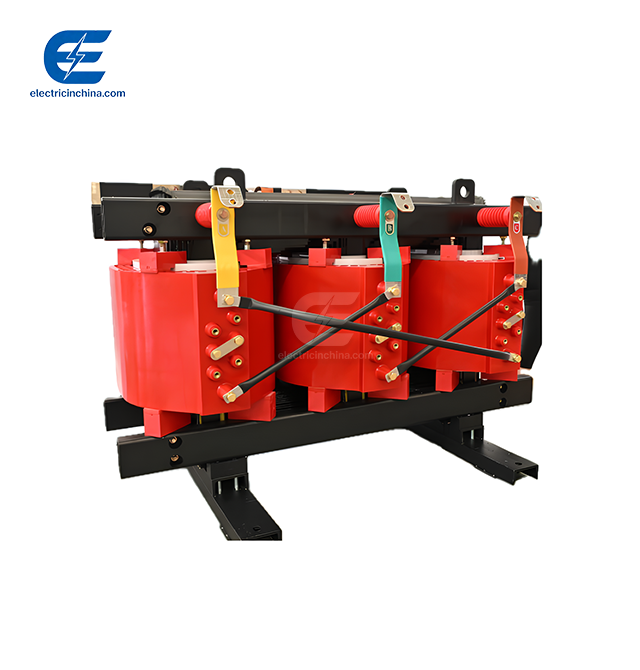
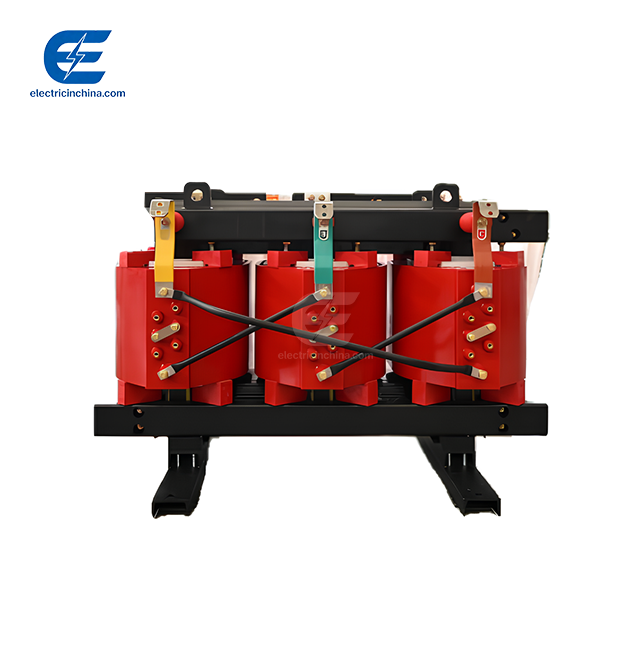
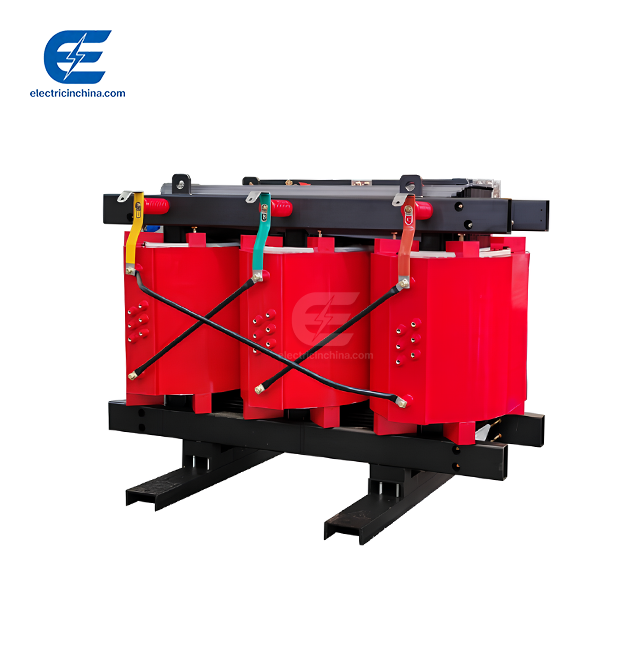
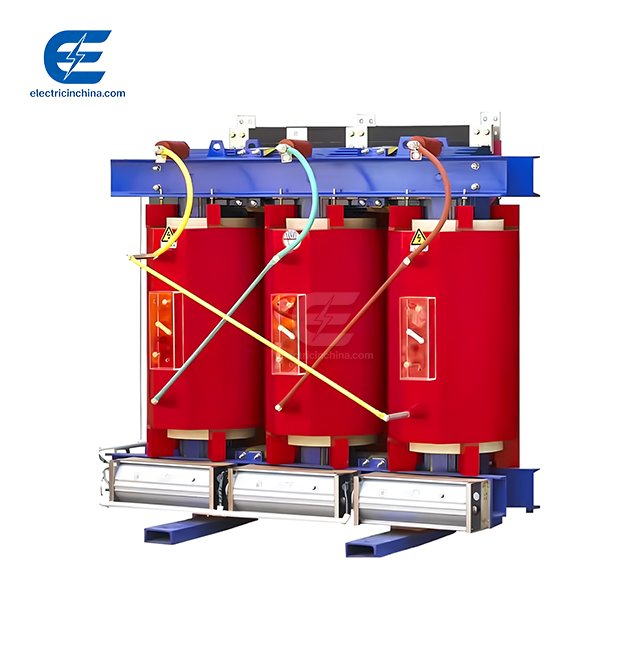
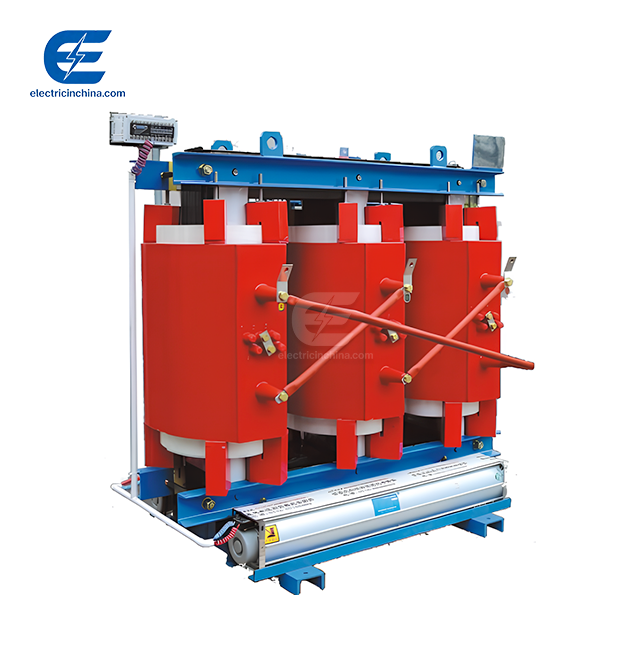
The main new idea in Cast Resin Transformer design is the way of encasing things in epoxy resin. During production, coils are put into precise moulds and filled with a specially made epoxy glue under pressure. This method gets rid of air gaps and makes sure that all winding areas are covered. When the resin hardens, it creates a solid insulation system with a dielectric strength greater than 20 kV/mm, which is a lot higher than most insulation materials.
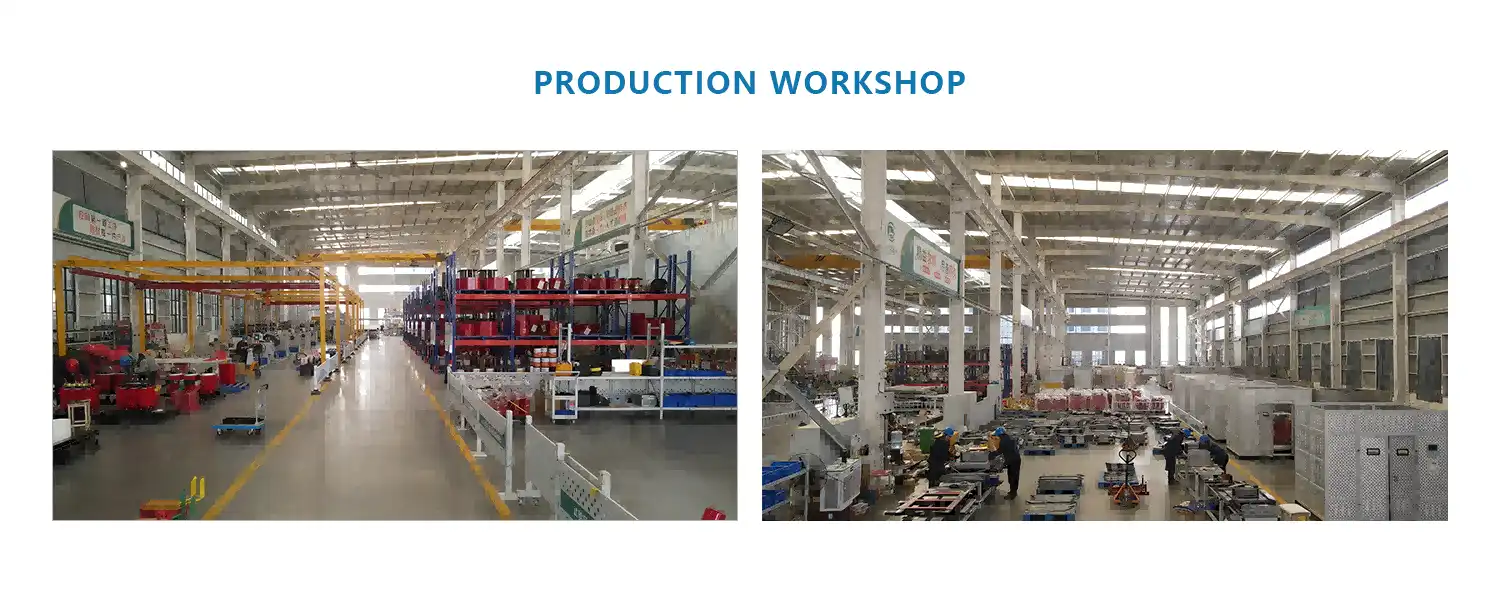
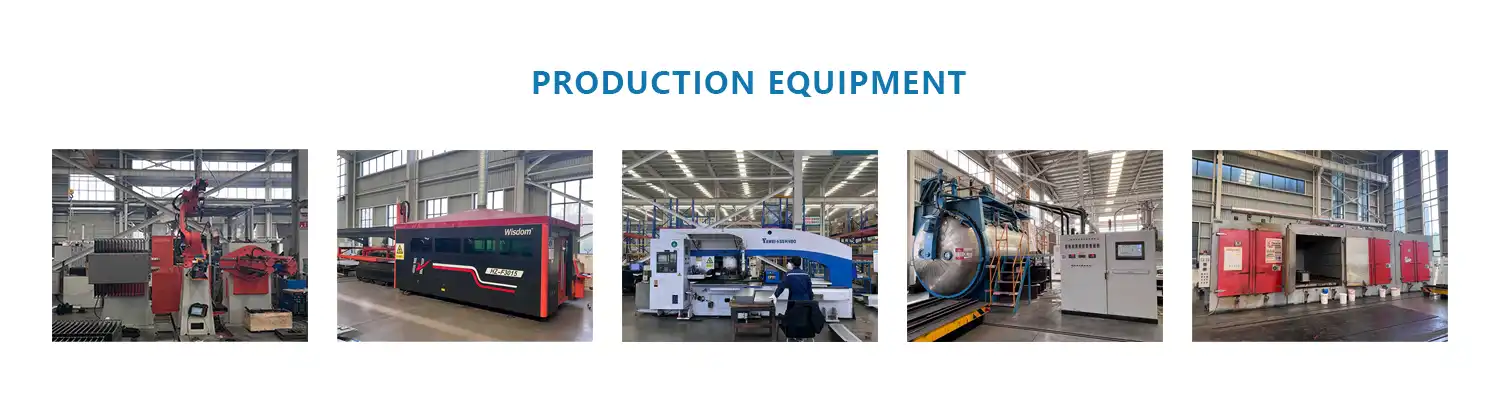
Over 120 sets of high-tech tools are used in our manufacturing process. These tools include CNC static vacuum casting machines and microcomputer-controlled gradient curing furnaces. With this technology, the standard will stay the same from one production run to the next. Before being sent out, every unit goes through a lot of electrical tests to make sure that the partial discharge levels stay below 10 pC at 1.1 times the rated voltage. This is a requirement that guarantees reliable operation and a longer service life.
Comparative Advantages Over Oil-Immersed Units
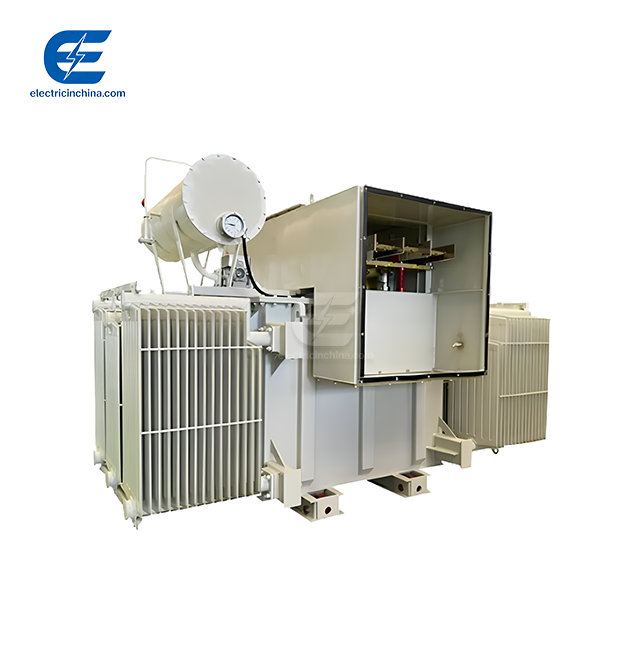
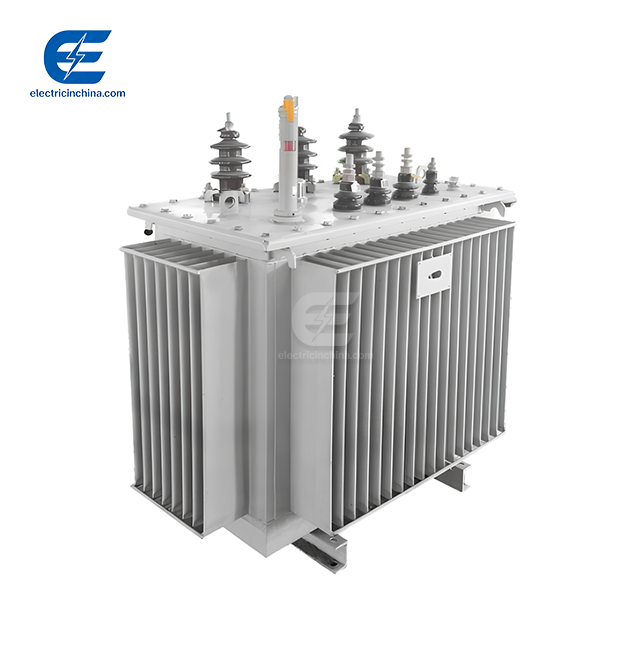
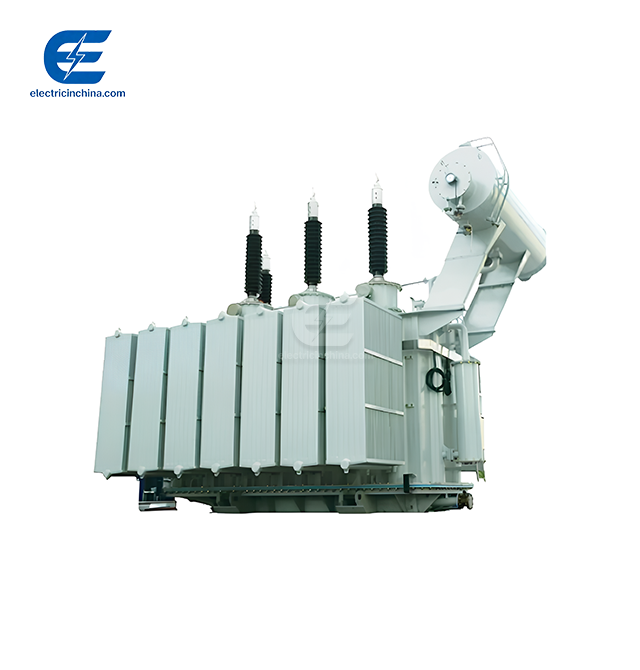
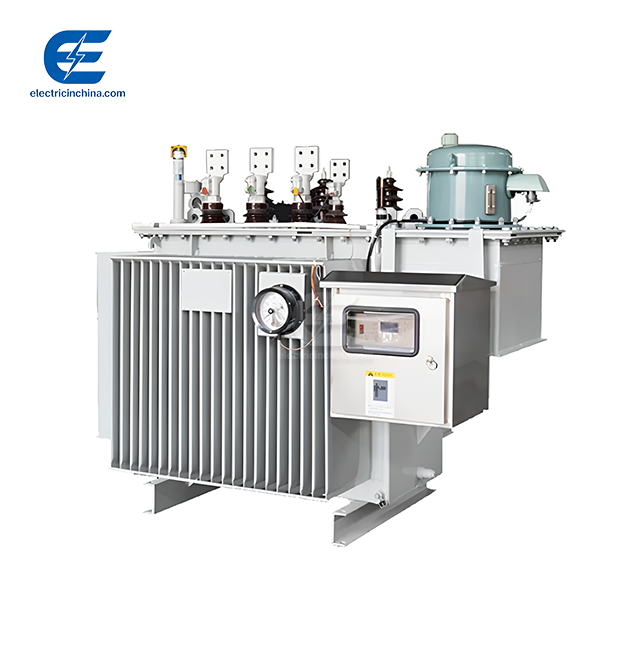
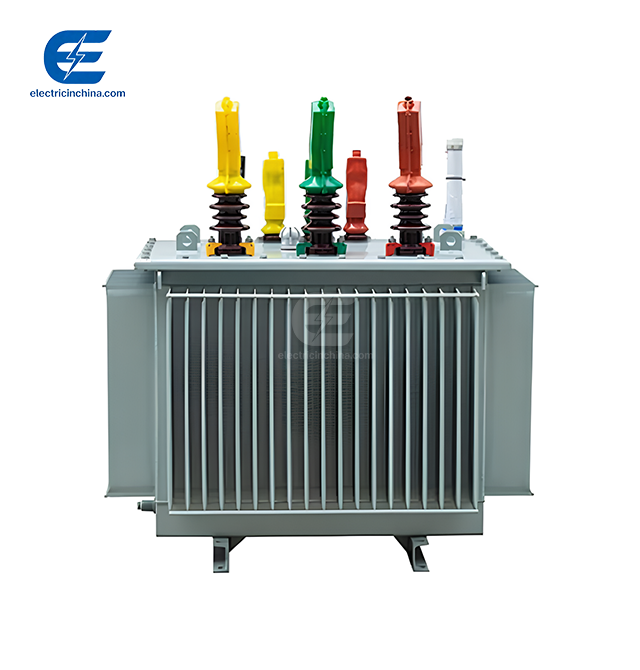
Procurement managers often compare Cast Resin Transformers to traditional oil-immersed designs when they are looking at different transformer options. The lack of oil has instant benefits, including no risk of oil leaks that could pollute water or earth systems, no need for oil testing and replacement programs, and no need for complicated disposal processes when units reach the end of their useful lives. Underwriters know that Cast Resin Transformers are less likely to catch fire, so when facilities change oil-filled units with them, their building insurance costs usually go down by 15 to 25 per cent.
Another important benefit is that installation is flexible. For oil-filled transformers to work, they need special rooms with fire control tools, oil containment systems, and a lot of air. Cast Resin Transformers don't need to be contained in any special way; they can be put right at load points in basements, on the ground floor, or even in production areas. This closeness to loads cuts down on cable runs, which lowers the cost of installation and the amount of energy that is lost over time.
Compliance and Environmental Benefits
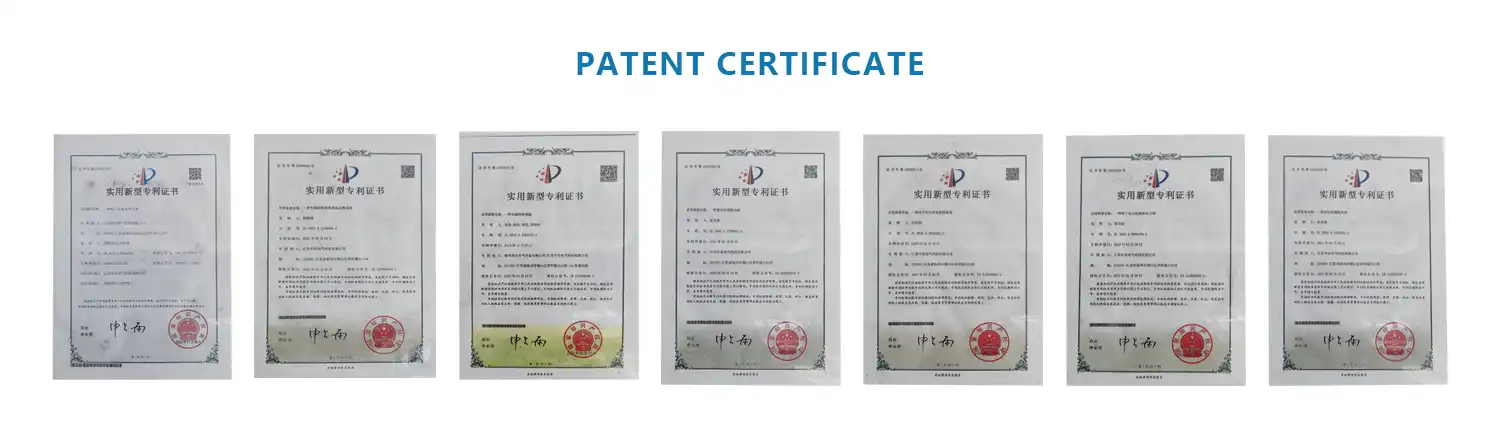
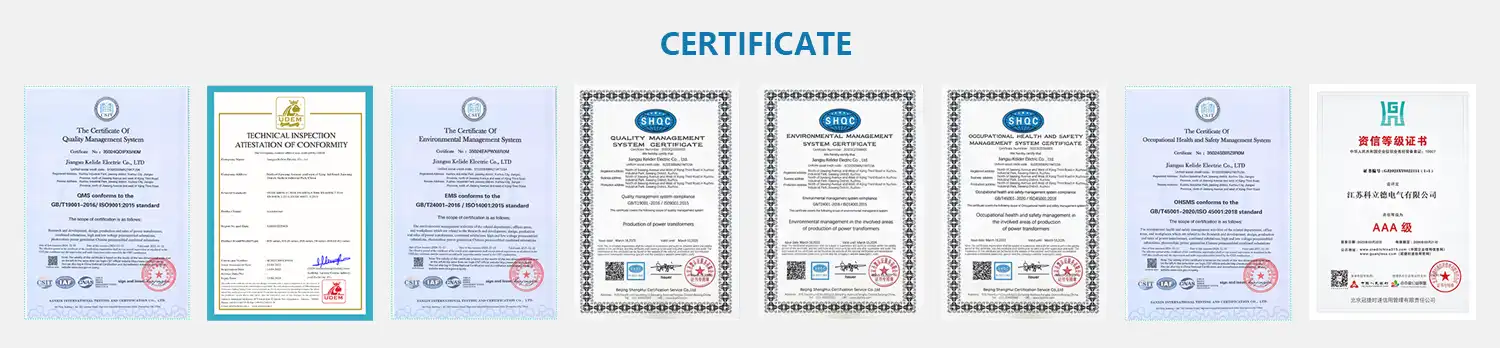
The design and function of transformers are governed by international standards such as the IEC 60076 series, IEEE C57.12.01, ANSI guidelines, and CSA requirements. Our units fully meet these standards; they have ISO 9001 certification for quality management, ISO 14001 certification for environmental management systems, and OHSAS 45001 certification for health and safety at work. This set of certifications ensures that the product will be accepted on all global markets and meet the requirements of government agencies and international contractors.
The environmental impact of Cast Resin Transformers is in line with efforts that many businesses are now putting a high priority on. The resin doesn't react with chemicals and doesn't absorb more than 0.1% of its own weight in water. UV stability keeps the performance intact even when used outside in the right enclosures. When the units need to be thrown away, the materials can be processed without having to go through the dangerous trash processes that oil-filled transformers require.
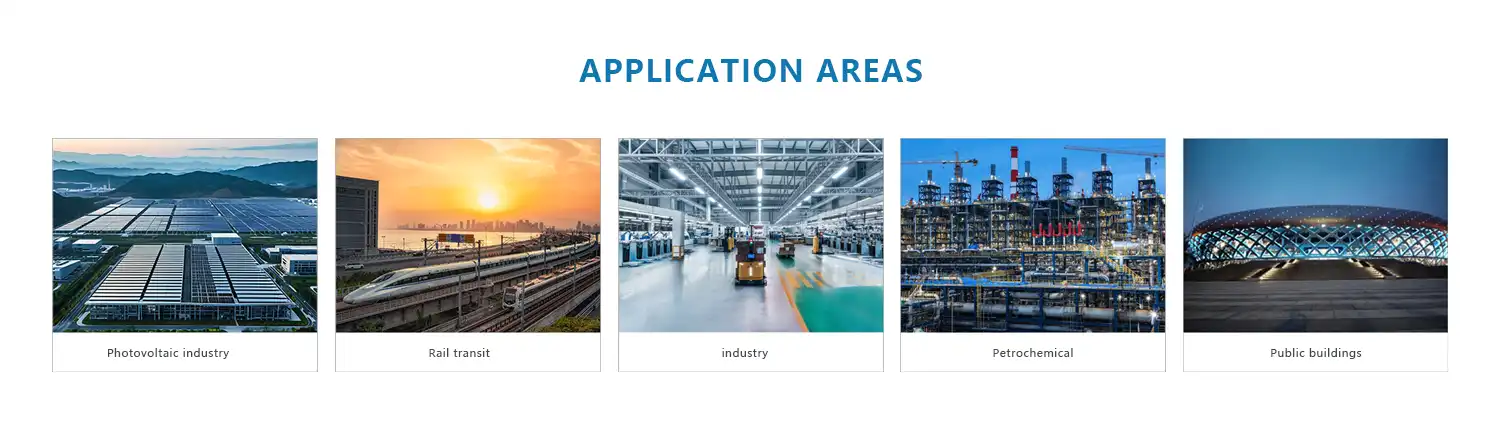
Core Industrial and Commercial Applications of Cast Resin Transformers
Manufacturing and Heavy Industry
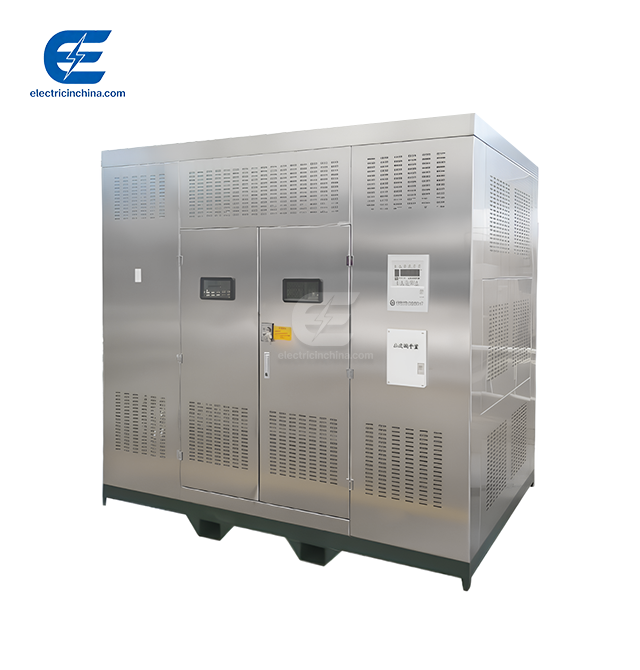
Steel mills, chemical processing plants, mines, and factories that make cars all work in tough settings where electrical equipment has to deal with harsh conditions. Changes in temperature, dust poisoning, chemical exposure, and vibrations from heavy machinery are all things that can go wrong with standard transformer designs. Cast Resin Transformers come with IP23 protection as standard because they are sealed, and IP54 protection is available for really harsh environments.
We've installed power distribution systems in industrial parks like the GCL Photovoltaic Industrial Park and places that make electronics, where keeping up production has a direct effect on income. Even when the temperature outside is between -40°C and +40°C and the humidity level is 95%, our transformers keep working the same way. The epoxy covering stops rust from working environments and keeps dirt from getting into the insulation system. Production managers like how reliable it is when units are made just for industrial punishment and not for commercial uses that have been changed.
In factory settings, the skill to handle overload is very important. Equipment that can handle high demand during startup sequences or peak operations is often needed for production schedules. Our designs can handle 140% of their rated load for 30 minutes and 125% for two hours without breaking down. These specs were confirmed by temperature modelling that followed the rules in IEC 60076-7. This capacity cushion stops trips that aren't needed during normal operations and protects against real breakdown situations.
Commercial Buildings and Data Centres
Commercial developments in cities, like office parks, shopping malls, and mixed-use buildings, have limited space, which means that they need electrical equipment that is small. Cast Resin Transformers take up 30–40% less room than oil-filled transformers of the same size, which frees up important space that can be used to make money. When something is running quietly (usually below 45 dB), tenants in nearby places don't have to worry about noise, which is a problem that facility managers often bring up.
We've helped with all of the power needs of projects like the Xinhuai Central Complex and the Huaihai Xintiandi business developments. Modern generator technology makes it possible to build densely in cities, as shown by these installations. Building rules allow units to be put in basements or electrical rooms on the first floor without the need for separate generator vaults, oil containment systems, or better fire control infrastructure. This makes things easier, which speeds up the building process and lowers the cost of cash.
For example, data centres have to be very reliable, be open 24 hours a day, seven days a week, and be sensitive to problems with power quality. If they go down, it can cost a lot of money. Our transformers have thermal class F (155°C) or H (180°C) protection systems that let them work continuously at high temperatures that are typical in data centres. Ratings of 99.5% or higher reduce the amount of heat that is produced in buildings where cooling costs are a major operational expense. Intelligent temperature tracking with built-in BWDK thermometer systems sends data to building management systems in real time, which lets them plan for repair needs.
Infrastructure and Transportation Projects
Rail transit systems, airports, water treatment plants, and public buildings are all examples of government infrastructure projects that need equipment that has been shown to be reliable and last a long time. Our work on the Xuzhou Rail Transit Network Control Centre project and the Xuzhou High-speed Railway East Station shows that we can handle large-scale infrastructure projects. For redundancy, rail transit power systems need to be designed with two circuits. Our units support this layout while also fitting into small spaces in underground sites.
Limited air flow, high humidity from condensation, the possibility of water getting in during heavy rain, and limited entry for repair work make tube stations and tunnels difficult places to work. These worries are directly addressed by the fact that Cast Resin Transformers don't need any upkeep. Sealed construction keeps out wetness that could damage oil-filled units, and not having to do regular upkeep cuts down on lifecycle costs by a large amount.
Critical systems at airports need power all the time. These include navigational aids, communication equipment, runway lights, and guest facilities. We've made power delivery systems that put stability first by using redundant setups and strong component choices. Type testing has shown that our transformers can handle short-circuit currents up to 25 times their rated current. This gives you peace of mind that the equipment will protect both people and connected loads during fault conditions.
Renewable Energy Installations
A lot of wind farms and solar installations are put in harsh environments that are hard to get to for maintenance. Cast Resin Transformers are perfect for these uses because they are sealed and don't need any maintenance. Changing temperatures during the day and night, humidity from coastal or agricultural areas, and dust from the ground would quickly damage transformers that need to be vented outside. The sealed design of our units keeps these contaminants out while natural convection and radiation keep the temperature stable.
To connect photovoltaic arrays to power lines, solar farms need step-up transformers. Because our units are small, they can be put in tight areas near power stations. Specifications for efficiency levels above 98% reduce conversion costs, which directly improves the economics of the project. Transformers for wind turbines have to deal with extra problems like vibration and the need to be able to work offshore. Our epoxy encapsulation gives it mechanical strength that doesn't wear down from constant vibration, and its corrosion resistance means it can be used in offshore installations after the right salt spray testing according to IEC 60068-2-52 standards.
Choosing the Right Cast Resin Transformer for Your Application
Capacity and Voltage Selection
To get the right Cast Resin Transformer size, you need to carefully look at the load and think about how it will grow in the future. From 30 KVA for small business uses to 31,500 KVA for big factories and power plants, we have a wide range of products. This range lets you buy from a single source for whole buildings or projects, which makes managing vendors easier and makes sure that quality standards are always met.
Both the features of the main supply and the needs of the secondary distribution must be met by the voltage ratings. In the US, the common main voltages for medium-voltage distribution are 13.8 kV, 12.47 kV, and 4.16 kV. Lower voltages are used for certain tasks. For business buildings, secondary voltages are usually set up as 480Y/277V or 208Y/120V, but industrial buildings may need different setups. Our engineering team works directly with the project's electricity designers to make sure that the standards match the needs of the utility and the way the load acts.
Classifications of temperature rise have a direct effect on operating life and extra capacity. Class F insulation (155°C) works well in most situations, while Class H insulation (180°C) is better for places with high outdoor temperatures or situations that need to be overloaded often. This choice has an effect on both the original cost and the long-term dependability, so it's an important specification to talk about during the buying process.
Technical Standards and Compliance
Transformers that meet several national and regional standards are needed for international projects. Our designs meet the standards set by ANSI, IEEE, GB, IEC, and CSA, so they can be sold in all over the world. This approach with multiple standards works well for EPC contractors who are in charge of projects in several countries or for multinational companies that want to make sure that all of their facilities have the same equipment.
Certification paperwork is an important part of deal submissions. Consulting engineers and procurement teams can get the type test results, regular test certificates, and thorough technical datasheets they need from us. This paperwork has measurements of insulation resistance, partial discharge test results, temperature rise validation, and short-circuit withstand verification. All of these tests were done in our accredited testing laboratory using procedures that are known around the world.
Quality management system certifications, such as ISO 9001, show that a company is dedicated to using uniform production methods and making improvements all the time. Our "zero defects" philosophy means that there are checks at every stage of production, and there is a final, thorough inspection before the goods are sent out. This level of strictness leads to low failure rates and few warranty claims, which are important factors for procurement managers to consider when choosing suppliers for important projects.
Customization Capabilities
Because each project is different, it's often necessary to make changes that go beyond what's in the catalogue. Our group of 15 senior engineers and more than 30 junior techs has the skills to create custom solutions. Copper or aluminium can be chosen as the material for the windings, depending on the price and performance needs. Copper windings have lower losses and better heat performance, while aluminium windings are cheaper to buy and can be used for projects that need to stay within a budget.
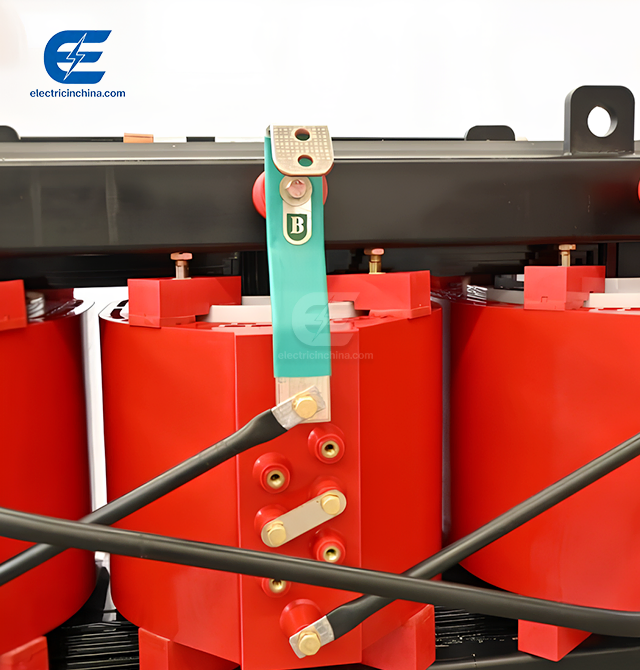
The types of terminals, mounting setups, and accessories can be changed to fit the needs of the placement. Different vault plans can use side-entry, bottom-entry, or top-entry cable links. Wheeled bases make it easier to place things in tight areas, and seismic bracing meets the needs of places that are prone to earthquakes. Temperature monitoring systems can be as simple as a dial thermometer or as complex as a digital system that can communicate with other computers and work with building automation systems.
To meet company standards or project needs, you can ask for custom paint colours, nameplate details, and paperwork packages. This adaptability is useful when the look of the equipment is important (for example, in architecturally exposed installations) or when clear labels help maintenance workers. Our work on hundreds of projects for the government, businesses, and industries gives us useful knowledge about which customisation choices really add value and which ones just make things more expensive.
Maintenance and Lifespan Considerations for Cast Resin Transformers
Routine Inspection Requirements
The fact that Cast Resin Transformers don't need any maintenance is a big operational benefit. Unlike oil-filled units that need to have their oil tested, drained, and eventually replaced on a regular basis, these transformers only need to be visually checked and electrically tested every so often. An annual check usually includes looking for physical damage, making sure the temperature tracking systems are working correctly, cleaning the vents, and using infrared scanning to find hot spots that mean problems are starting to happen.
Electrical testing programs are different depending on how important the application is and what the insurance company needs. Insulation resistance tests with megohm meters show that the epoxy coating has not been damaged by water or dirt. IEC 60076-3 standards say that measurements should be more than 1000 MΩ at the rated voltage. Power factor testing finds insulation degradation before it fails, so replacements can be planned ahead of time instead of being done in a situation where failures happen.
Checking the integrity of the connection stops problems caused by thermal cycling and mechanical vibration. All bolted connections should have their torque checked once a year to make sure they have the right contact resistance. This keeps hot spots from forming that speed up the ageing of insulation. These simple steps don't take long and can be done by building workers who haven't had special training. This is different from oil-filled units, which need to be serviced by professionals.
Operational Life Expectancy
If you keep them in good shape, they should last 30 to 35 years, which is about the same amount of time as oil-filled transformers but with a lot less upkeep costs over that time. The epoxy covering keeps the windings safe from damage from the surroundings that would otherwise shorten the life of other shielding systems. Accelerated ageing tests according to IEC 60076-11 confirm thermal performance over long periods of time, giving confidence in predictions of how long something will last.
Several things affect real working life. The ambient temperature affects the rate of thermal ageing. Units that are constantly used at temperatures close to their maximum rated temperatures age faster than those that are kept at a constant temperature. Thermal and mechanical stresses build up over time during load cycling. Applications that have steady loads tend to last longer than those that have loads that change a lot. Frequency and length of overload have a direct effect on insulation life, so it's important to get the right size when specifying for lifetime cost optimisation.
Conditions in the environment are also important. Coastal sites are exposed to salty air that speeds up the rusting of metal parts, even when they are sealed in cement. Units in chemical processing plants may be exposed to harsh vapours that damage external parts. Our design takes these things into account by choosing the right materials, but knowing the real operating environment before buying helps make sure that the specifications match the conditions.
Troubleshooting and Failure Prevention
Finding problems early on keeps them from becoming costly failures and the downtime that comes with them. Temperature monitoring systems are the first sign of trouble; a slow temperature rise could mean that connections are breaking down, airflow is being blocked, or there are too many people using too many resources. Sudden temperature rises are a sign of failure that needs to be fixed right away.
Strange noises like humming, buzzing, or cracking can be a sign of problems like loose laminations, failed connections, or partial discharge activity. Transformers make some noise when they work, but any changes from the usual rhythms should be looked into. Because our units are designed to be low-noise, problems are easy to spot. This is not the case with louder standard transformers, where problem sounds may be hidden.
Regular thermal imaging surveys find hot spots before they break down. Infrared cameras can find problems with connections, hot spots, and blocked airflow that a visual inspection might miss. Trending data that supports predictive maintenance strategies is gathered every three months in important applications through polls. Finding temperature rises of 10 to 15°C above the baseline lets you fix problems before they happen.
Procurement and Ordering Process: Ensuring a Smooth Purchase Experience
Pricing Factors and Budget Planning
Transformer costs depend on many factors, such as capacity, voltage ratings, insulation class, choice of materials, and needs for customisation. For the most part, Cast Resin Transformers cost about 15 to 30 per cent more at first than similar oil-filled transformers. This higher price is due to more improved manufacturing methods, better materials, and more safety measures. Lifecycle cost analysis usually shows that this connection is the opposite of what it seems to be. Within 3–5 years, lower upkeep costs, lower insurance premiums, and easier installation make up for the higher initial investment.
Choosing copper or aluminium winding has a big effect on prices. Copper windings are about 20–25% more expensive than aluminium ones, but they work better in terms of economy and heat transfer. Copper is usually chosen for projects that care more about operating savings than starting cost, while aluminium may be okay for projects that are on a tight budget. Our engineering team does research that shows payback times for different setups so that you can make smart decisions.
Custom specs raise the cost in line with how complicated they are. Combinations of voltages that aren't standard need custom coil designs and tools. Unusual hanging setups or extras that are only available with that product take more time and effort to design and make. By getting involved early in the planning stages of a project, our team can suggest different ways to do things that meet functional needs while keeping costs low. This is something they have learned over the course of 20 years working on hundreds of projects.
Lead Times and Project Scheduling
Standard catalogue units usually ship 8 to 12 weeks after an order is confirmed, which lets projects get done quickly. Engineering, making the tools, and testing in the factory take longer for custom designs—usually 12 to 16 weeks, depending on how complicated they are. Times may be pushed back even more if the units have a capacity of more than 10,000 KVA or if they have strange voltage combinations. Schedule conflicts can be avoided by involving suppliers early on in the planning stages of a project.
Our ability to produce, which includes more than 120 sets of production tools, lets us work on multiple projects at once without the delays that happen with smaller manufacturers. This feature is useful for EPC workers who are in charge of several projects at once or for developers who have tight deadlines for finishing their work. We have shown that we can do this by completing big projects on time, like the XCMG Group power supply upgrade, which was finished ahead of schedule despite having a lot of work to do.
Adding factory acceptance testing to plans takes about a week, but it's worth it for big or important projects. Watching type tests, regular tests, and operating checks before shipping makes sure that the specifications are met and finds any problems quickly so they can be fixed. A lot of procurement managers for building projects think this step is important for risk management, especially when equipment failures would have a big effect.
Supplier Evaluation Criteria
There's more to choosing the right transformer supplier than just comparing prices. Technical skills are very important—suppliers need to show that they fully understand application needs, relevant standards, and customisation options. With 15 senior engineers and many technicians on our team, we have the skills to deal with tough technical problems and find the best solutions for each application.
Reliability and shipping performance are directly affected by the ability to manufacture and the quality systems that are in place. Our quality management system, which is ISO 9001-certified, makes sure that everything is done the same way, from getting the materials to testing them all. Using "zero defects" concepts in every step of the manufacturing process stops problems before they happen instead of finding them after the fact. This dedication leads to a few failures and a few guarantee claims, which can be seen in examples of similar finished projects.
Support after the sale and warranty terms protect the money you spend on procurement. Comprehensive guarantees that cover materials and labour for set amounts of time (usually 18 to 24 months from starting or 24 months from delivery, whichever comes first) show that the maker is confident in the quality of the product. During the supplier evaluation process, it is important to make sure that spare parts are available, that technical support is available for troubleshooting, and that field service is available for large projects. Our dedicated support team and large network of services make sure that customers get help when they need it.
Conclusion
To choose the right power distribution tools, you have to weigh technical performance, safety, operational costs, and the needs of the individual project. Cast Resin Transformers have clear benefits in many situations, ranging from heavy industry to critical infrastructure, commercial developments to renewable energy installations. The lack of oil-related dangers, maintenance-free operation, small size, and strong resistance to the environment all solve real problems that site managers and project engineers face every day.
We can help your project succeed because we can make things, we have professional knowledge that we've built up over more than 20 years, and we are committed to quality through approved management systems. Whether you're in charge of building government infrastructure, business real estate, expanding an industrial facility, or carrying out an EPC project, our wide range of products, from 30 KVA to 31,500 KVA, has options that fit your needs.
FAQ
1. How do cast resin transformers differ from other dry-type transformers?
There are many different types of dry designs, but Cast Resin Transformers stand out because the windings are completely vacuum-impregnated with epoxy resin. This is not the same as styles that are varnish-impregnated or open-ventilated structures. The solid insulation system is better at keeping out moisture, doesn't cause problems with partial discharge at rated voltage, and has higher mechanical strength than other options. This technology allows for higher voltage ratings and better resistance to the environment than other dry-type methods.
2. What maintenance activities are actually required?
Visual inspections once a year, check the body's condition, and make sure airflow paths stay clear. Electrical testing on a regular basis, such as measuring insulation resistance and power factor, can find things that are getting worse before they break. Thermal cycling can cause problems, but connection torque testing stops them. In contrast to oil-filled units, there is no need to sample, test, or change the oil. There is also no need for pre-drying after shutdown, dissolved gas analysis, or oil filtering. For everyday tasks, total upkeep time is usually less than 4 hours per year.
3. Can specifications be customised for unique project requirements?
Our engineering team creates unique solutions to meet specific needs, such as those involving strange voltage combinations, difficult mounting conditions, harsh weather, or connecting to certain tracking systems. Material choice (copper or aluminium windings), insulation class (F or H), security grades (IP23 to IP54), and accessories can all be changed to fit the needs of the project. This gives projects the freedom to find the best options instead of being forced to settle for less-than-ideal standard offers.
Partner With Tuojie for Reliable Cast Resin Transformer Solutions
Tuojie is ready to help you succeed with their extensive technical knowledge, proven manufacturing quality, and helpful customer service as you look at your power distribution choices for upcoming projects. With 18 patents and over 120 sets of modern equipment, our Cast Resin Transformer range, which goes from 30 KVA to 31,500 KVA, gives your projects the dependability they need. We've helped build and run hundreds of infrastructure, business, and industry projects, such as rail transit systems, shopping malls, and large factories.
Our expert team of 15 senior engineers works directly with your designers to make sure that specs are optimised, that standards are followed, and that solutions are suggested that balance performance with cost. Before it is shipped, every unit goes through a lot of quality testing that meets ISO 9001 standards. This makes sure that it meets the specifications and works reliably. Whether you're looking for tools for government infrastructure, business growth, industrial expansion, or the completion of an EPC project, our experience in these areas can help you make the project better.
Contact Tuojie today to discuss your specific requirements. Email our team at tuojie@electricinchina.com for detailed technical information, competitive quotations, and reference project documentation. As a trusted Cast Resin Transformer maker that serves markets around the world, we know the difficulties you face when it comes to buying things. We offer solutions that will help your project succeed right away and provide long-term business value.
References
1. International Electrotechnical Commission. "IEC 60076-11: Power Transformers - Part 11: Dry-type Transformers." Geneva: IEC Standards Publication, 2018.
2. Institute of Electrical and Electronics Engineers. "IEEE C57.12.01: Standard for General Requirements for Dry-Type Distribution and Power Transformers." New York: IEEE Standards Association, 2020.
3. Johnson, M. and Williams, R. "Comparative Life Cycle Cost Analysis of Dry-Type Versus Liquid-Filled Distribution Transformers in Commercial Applications." Journal of Electrical Engineering & Technology, vol. 16, no. 3, 2021, pp. 1247-1258.
4. National Electrical Manufacturers Association. "NEMA ST 20: Dry-Type Transformers for General Applications." Rosslyn: NEMA Standards Publication, 2019.
5. Zhang, L., Chen, H., and Wang, S. "Environmental Performance and Reliability Assessment of Epoxy Resin Cast Transformers in Harsh Industrial Environments." International Journal of Power Systems Engineering, vol. 12, no. 2, 2022, pp. 89-103.
6. Thompson, P.K. "Modern Transformer Technologies: Design, Applications, and Maintenance Strategies for Industrial Power Distribution Systems." Boston: Technical Publishing International, 2023.