

.webp)
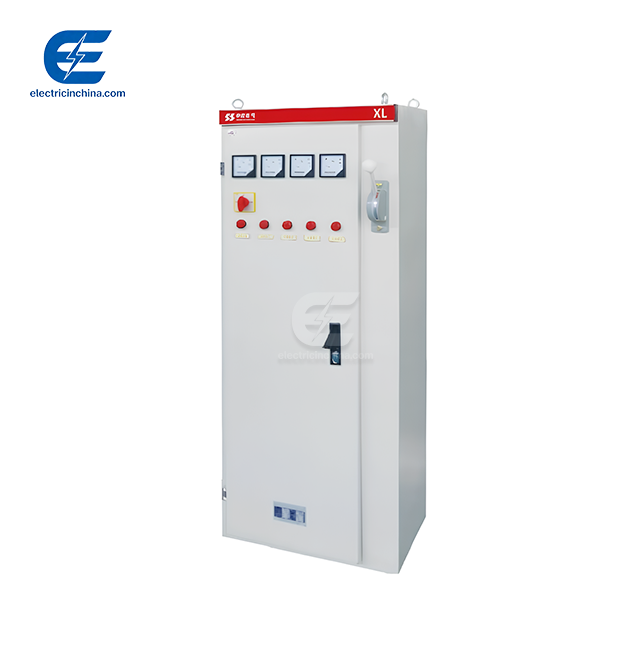
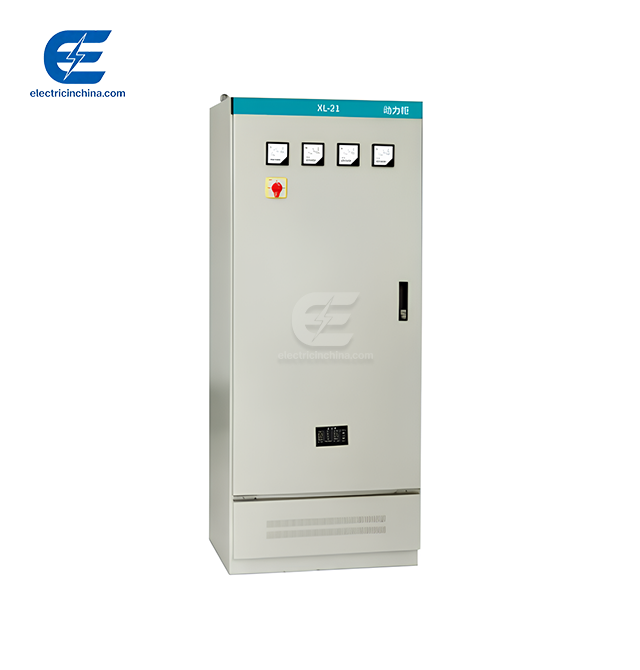
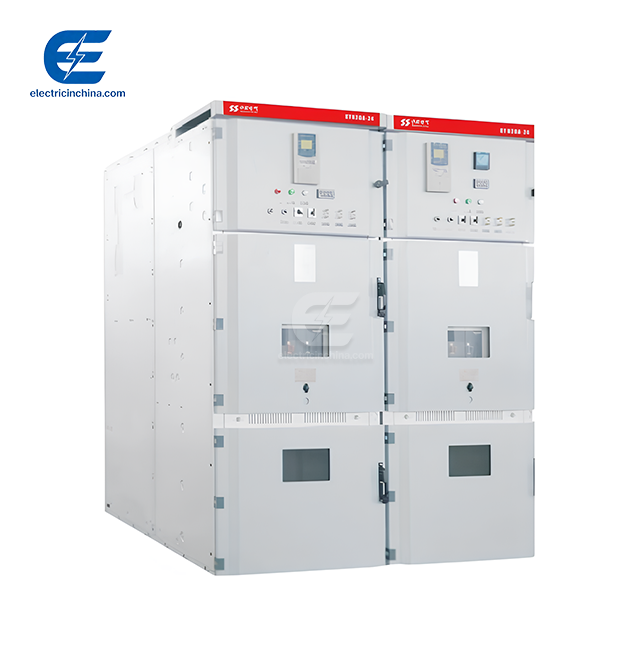
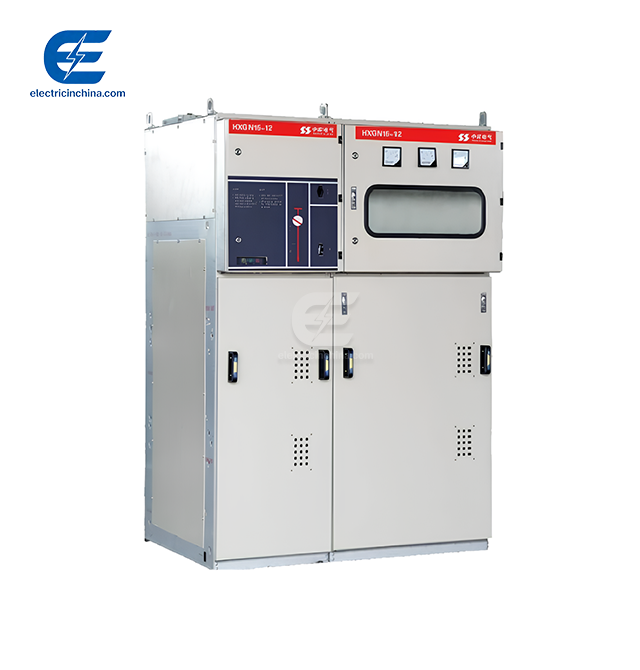
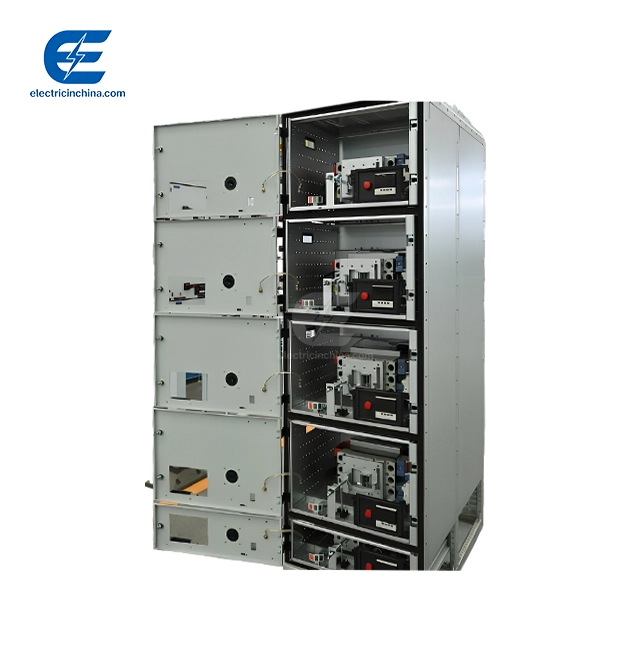
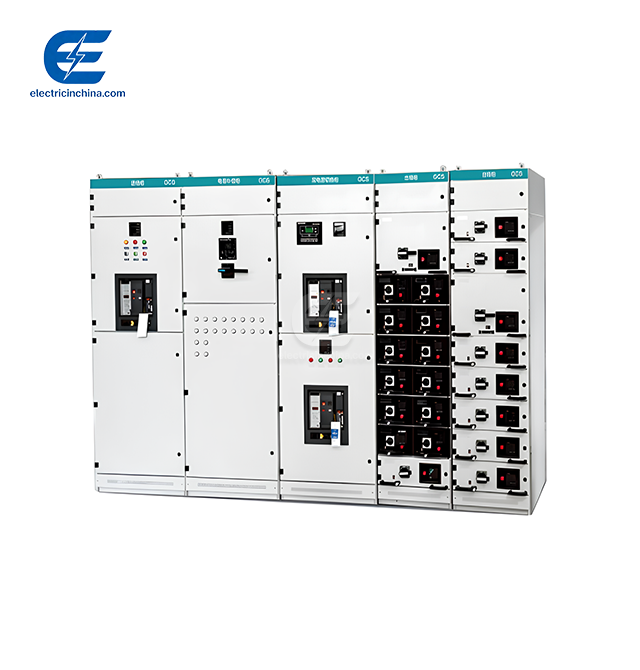
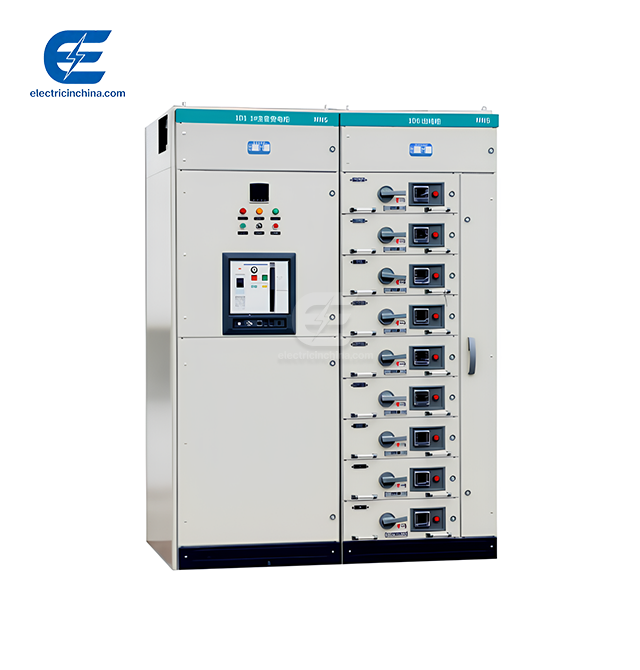
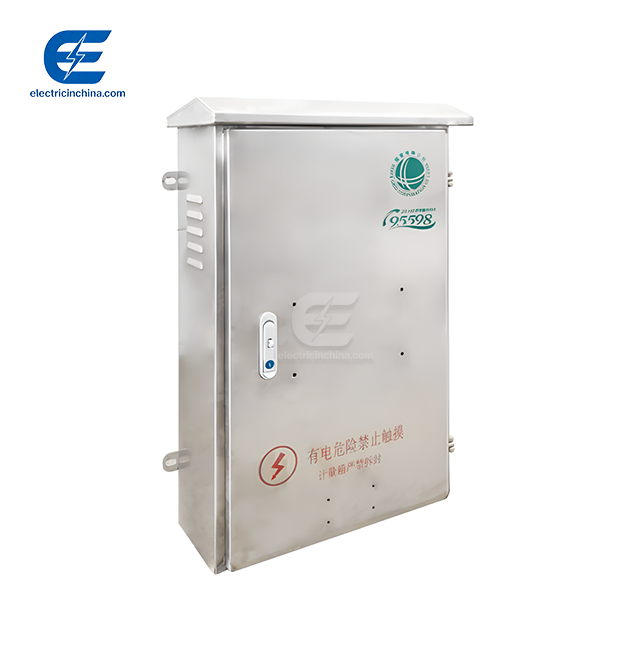
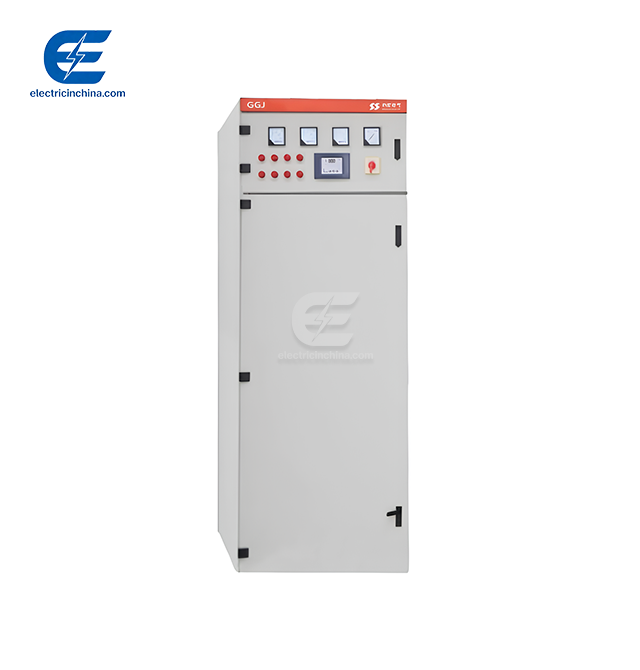
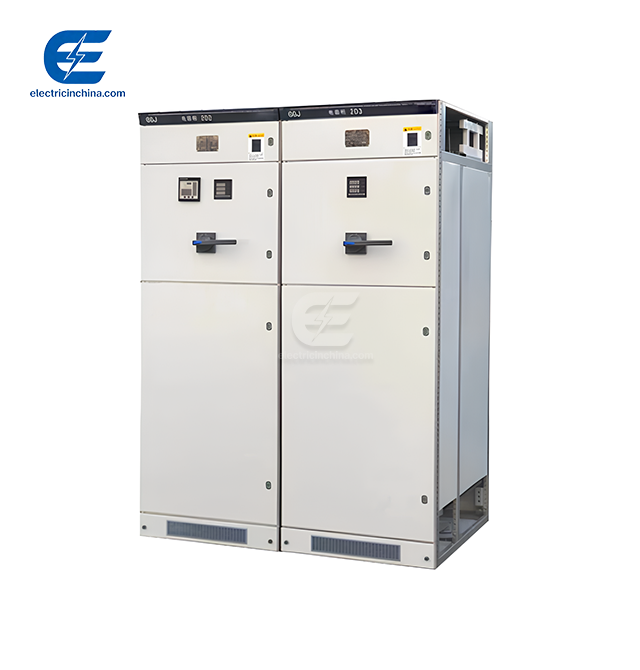
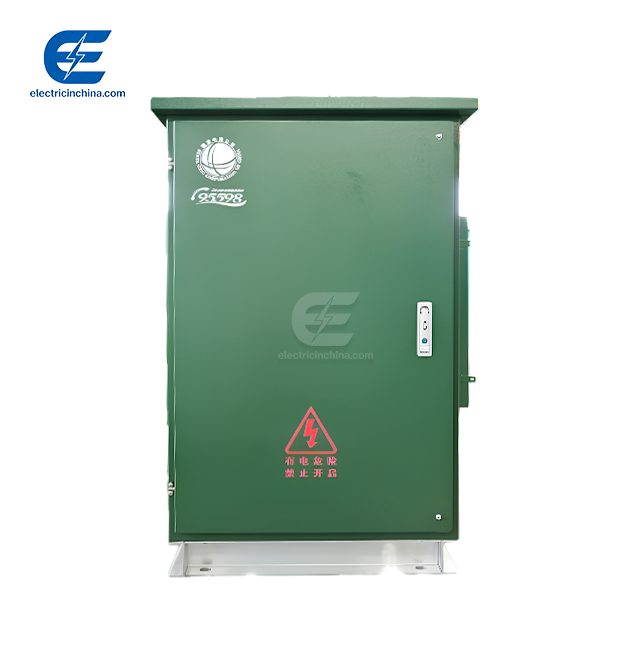
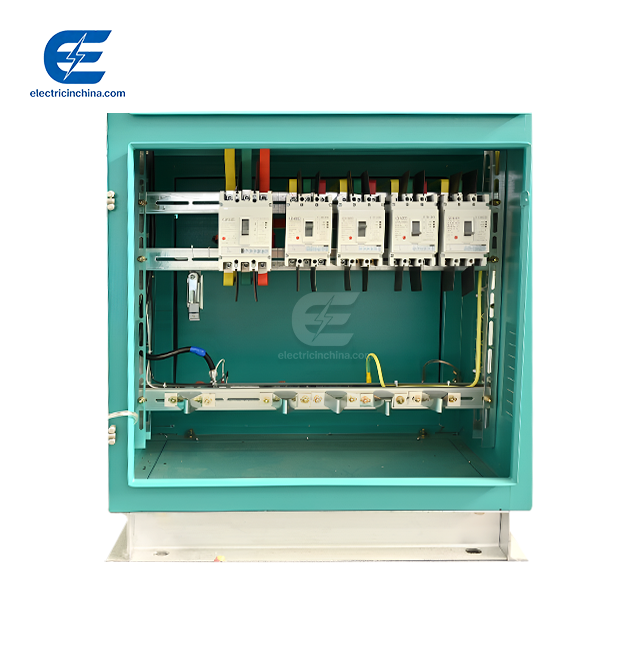
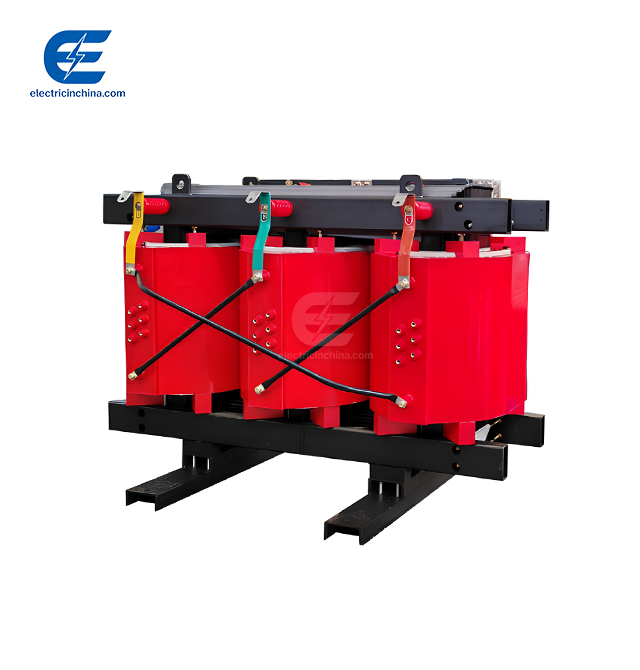
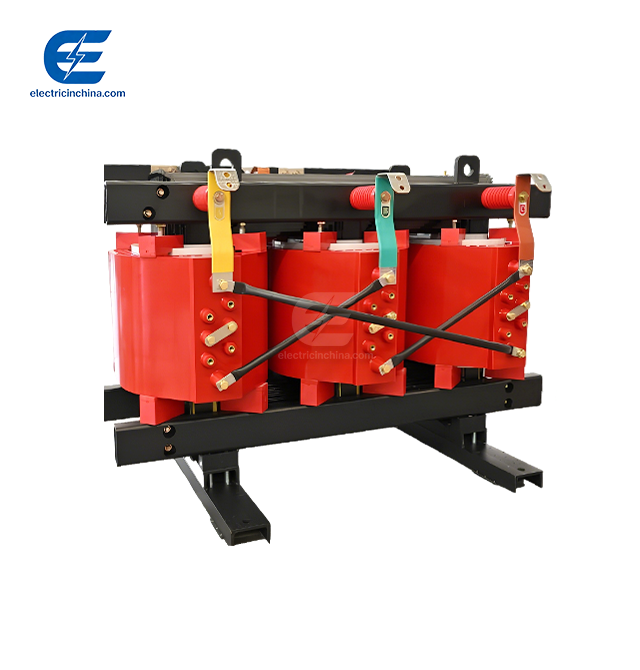
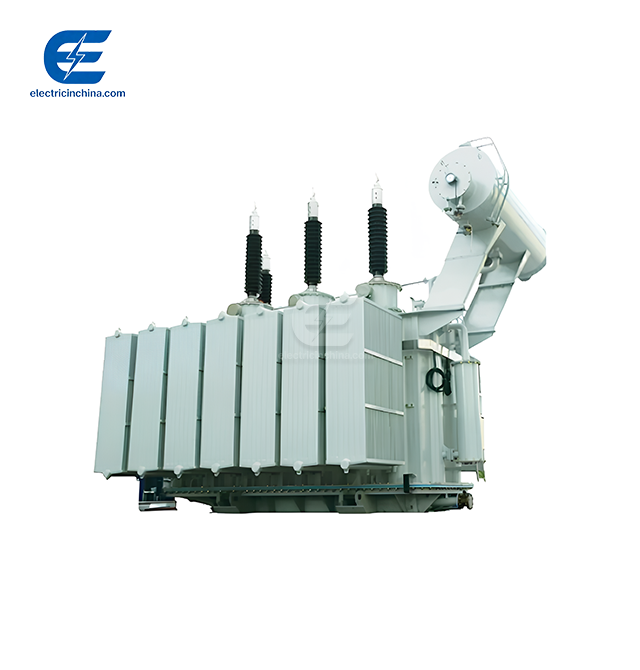
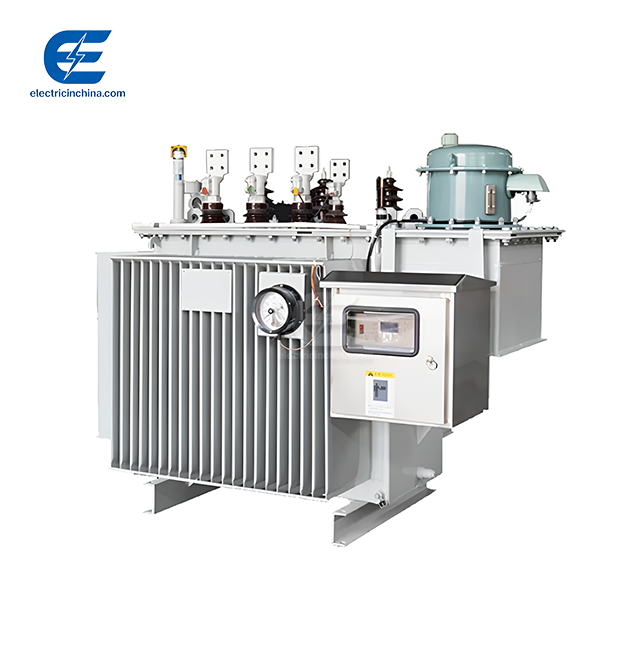
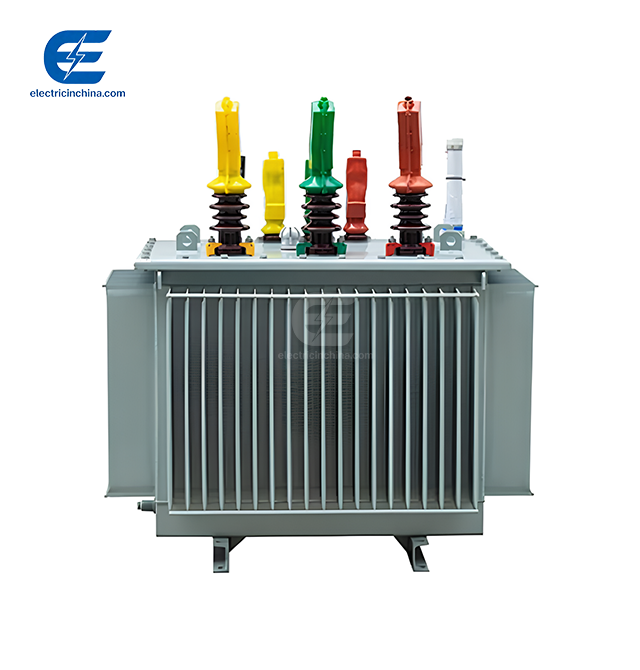
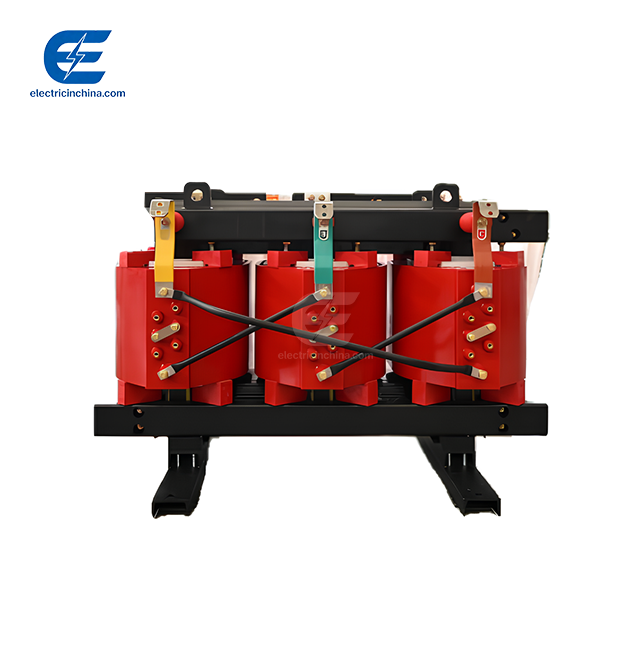
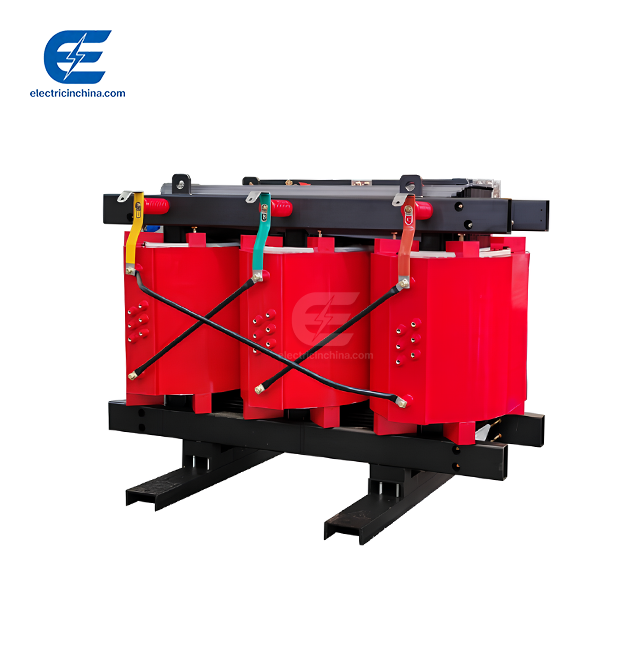
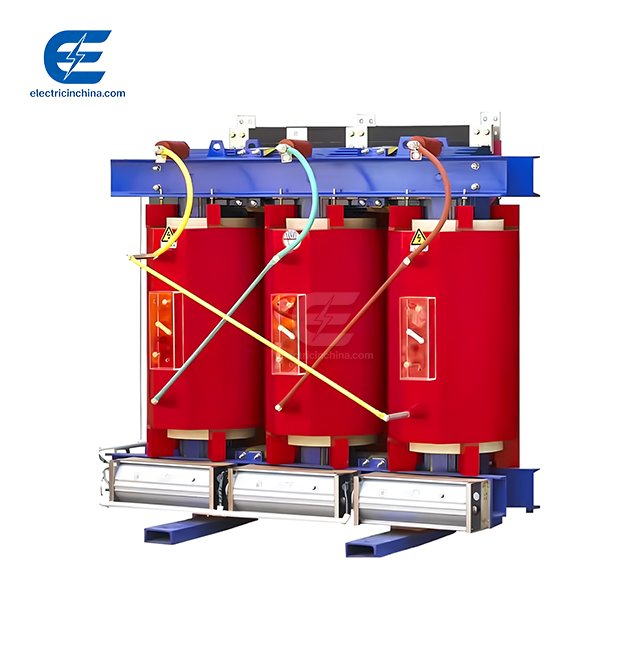
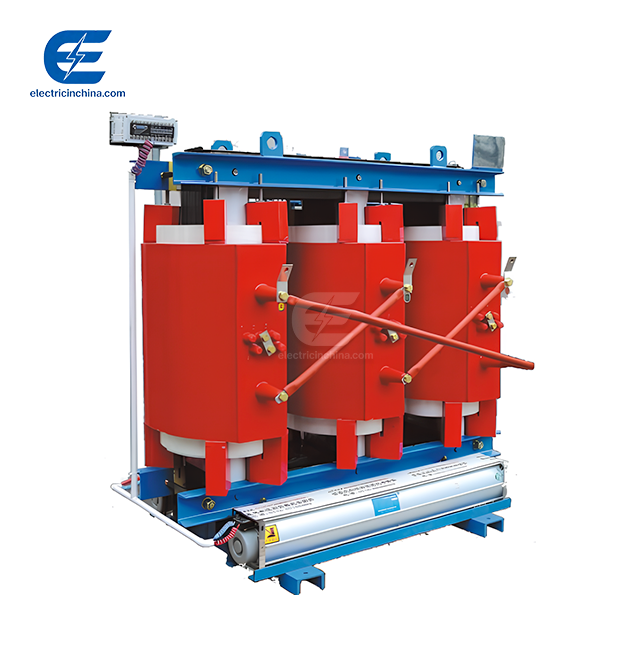
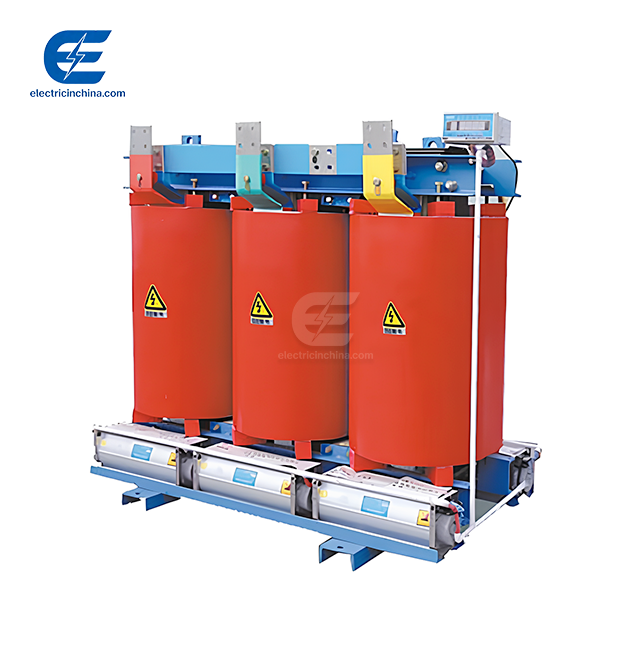
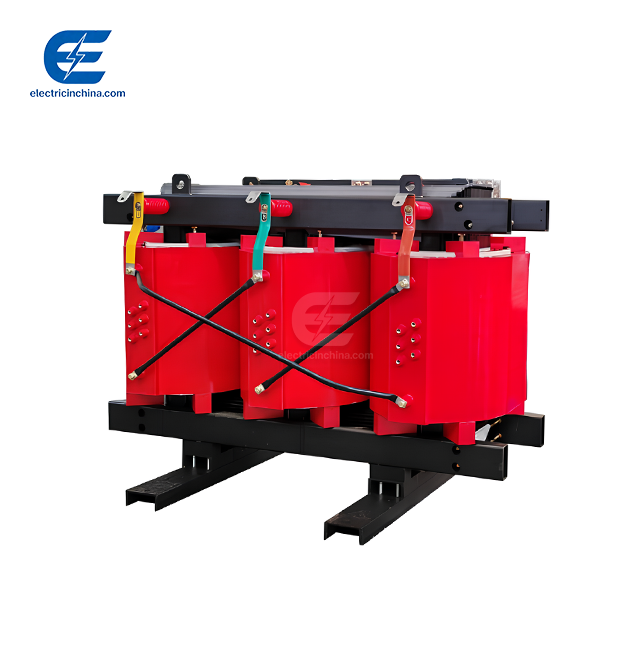
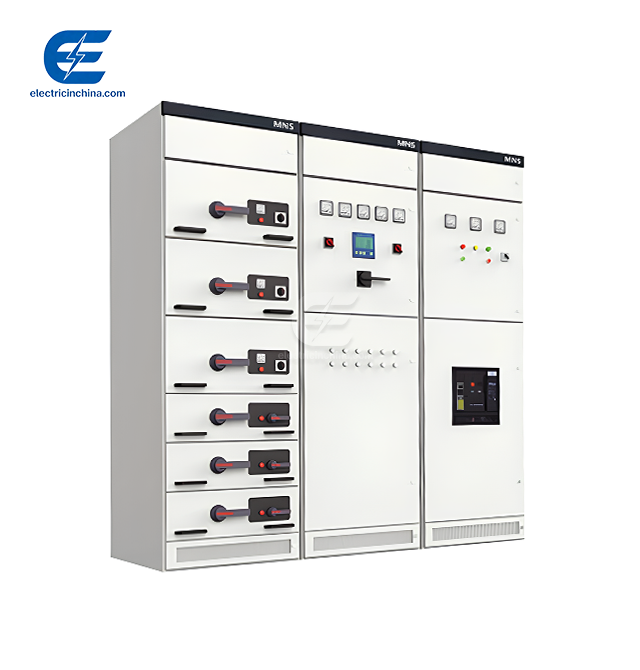
For businesses that need dependable, cost-effective power distribution solutions, high-efficiency oil-immersed transformer applications in industrial networks represent a crucial investment decision. The premium insulating oils and grain-oriented silicon steel cores in these high-tech electrical devices help them achieve efficiency ratings of 98.5% to 99.7%, which means they use 40–60% less energy than regular units. More and more, modern factories, renewable energy installations, and urban infrastructure projects depend on these transformers to keep running, lower their carbon footprints, and meet the high-performance standards set by government agencies, EPC contractors, and commercial developers.
Understanding High-Efficiency Oil-Immersed Transformers in Industrial Networks
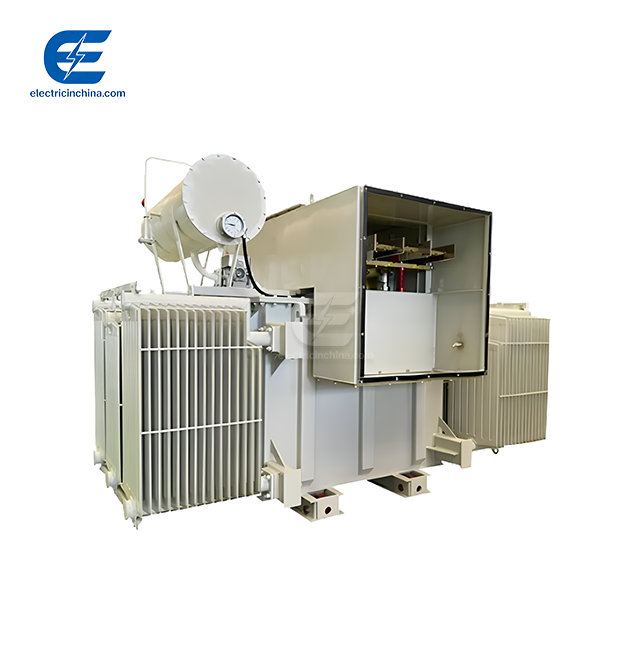
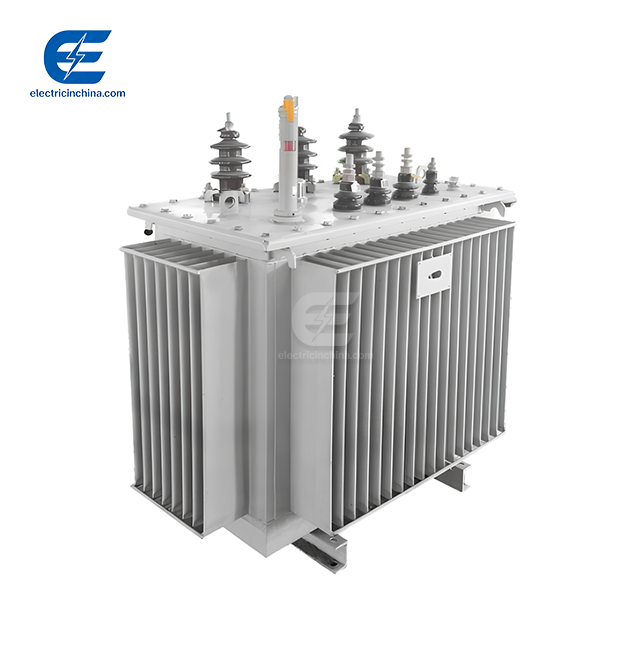
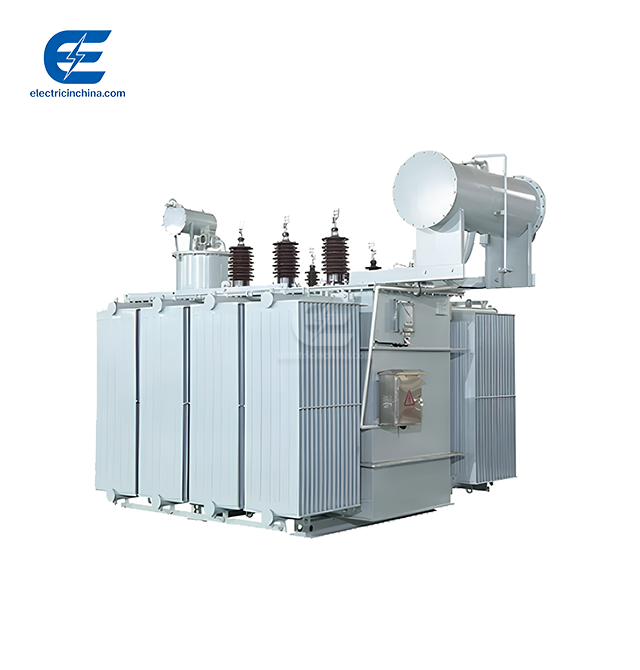
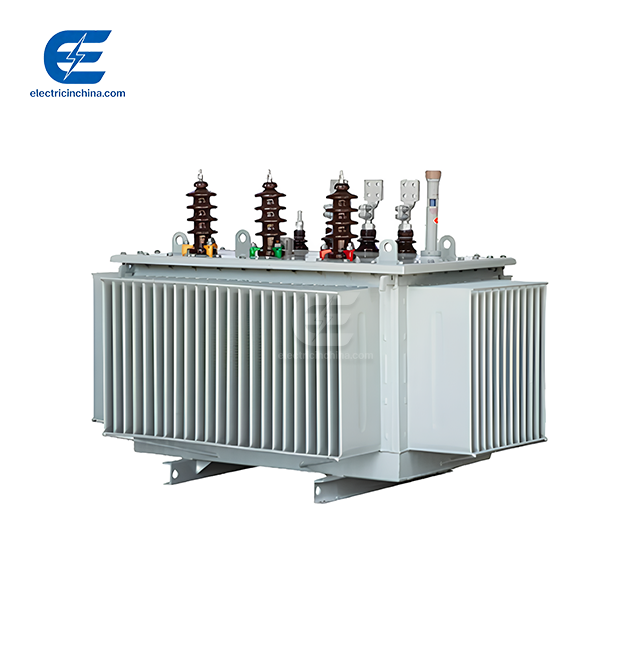
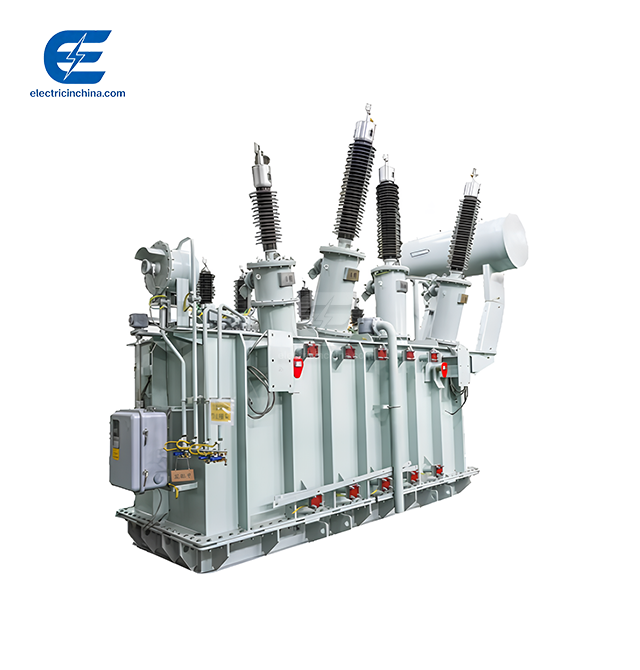
Power distribution equipment that is oil-immersed has a complex cooling system that uses high-quality insulating oil to remove heat and keep internal parts from touching each other electrically. This dual functionality makes thermal management better than other cooling technologies, especially in industrial settings where load conditions change often.
Core Design Principles
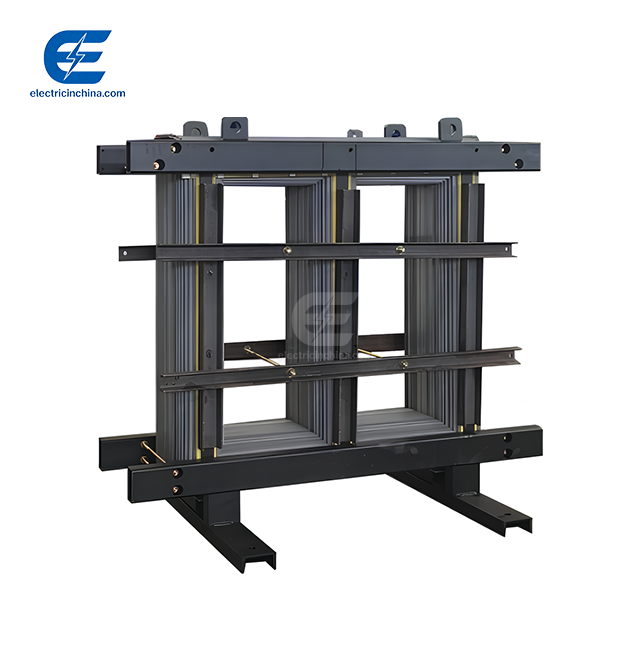
Performance is based on electrical steel cores with grain orientation that reduce eddy current losses while magnetic flux is being changed. Our S13–S22 series transformers use improved GOES materials that lower no-load losses to 0.8–1.2%, which is a lot less than the 2–3% that most normal units have. This way of engineering makes the working lifetime longer—35 years or more—while keeping the efficiency scores the same over the whole service life. The optimised winding configurations cut copper losses even more, working together to achieve performance levels that are the best in the business.
Industrial Network Integration
Manufacturing plants, mines, and large industrial buildings need to be able to easily connect to both current power grids and new smart grid technologies. Modern units that are High efficiency oil immersed transformer provide accurate voltage regulation within a ±1% range, which is necessary for controlling sensitive equipment and processes. Modern designs have small footprints that allow installations in limited spaces without sacrificing thermal performance or ease of maintenance. This solves practical problems that facility managers and project engineers face.
Technical Specifications and Standards Ensuring High Transformer Performance
When procurement workers understand technical factors, they can tell the difference between marketing claims and performance skills that can be checked. The IEC 60076 series of standards sets internationally recognised standards for safety requirements, efficiency classes, and thermal performance. These standards have a direct effect on how much equipment costs to run and how long it lasts.
Efficiency Classifications and Thermal Management
Our transformers are 98.5–99.7% efficient thanks to 18 patents that cover new ways of making transformers and multiple design improvements. Two main types of cooling are ONAN systems, which use natural oil circulation and ambient air convection for base load operations, and ONAF configurations, which add forced air cooling to handle 120–140% overload capacity during peak demand periods. Which of these methods to use depends on the study of the load profile and the temperature at the installation spot.
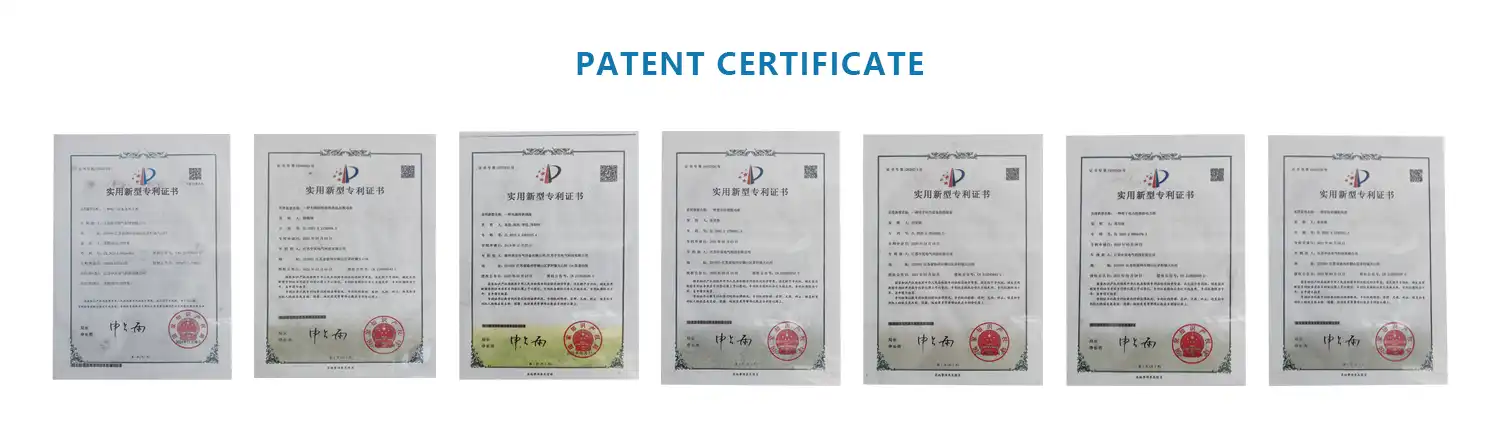
A dielectric strength greater than 70kV guarantees that the insulation will stay in place, and a moisture content below 10ppm keeps the electrical properties from breaking down over time. Our quality inspection lab checks these factors against IEC 60076-1 standards by putting them through strict factory acceptance testing. This gives us proof that meets the requirements of tenders and the compliance checking processes that are common in government and building projects.
Material Improvements Driving Performance
Recent improvements in protective oil systems and insulation materials have made transformers much more useful. Synthetic ester fluids are better for the environment than traditional mineral oils because they break down naturally and are less likely to catch fire. This is important in urban settings and sensitive areas like subways and hospitals. The acid number staying below 0.01mgKOH/g means long-term chemical stability. This means that maintenance intervals can be shortened from the usual 24–36 months to 5–7 years, which saves industry users a lot of money over the course of the product's life.
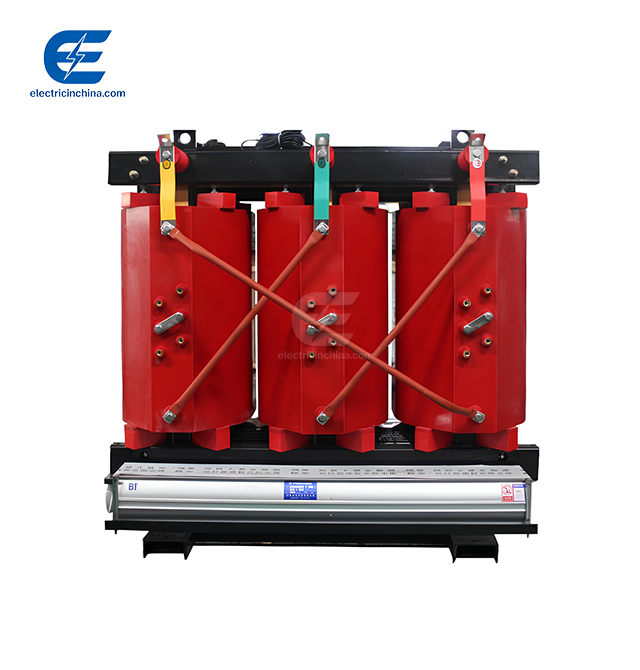
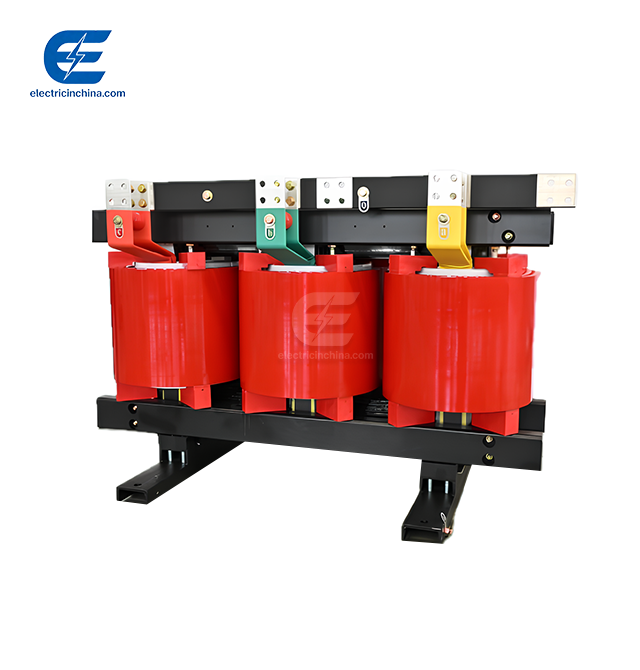
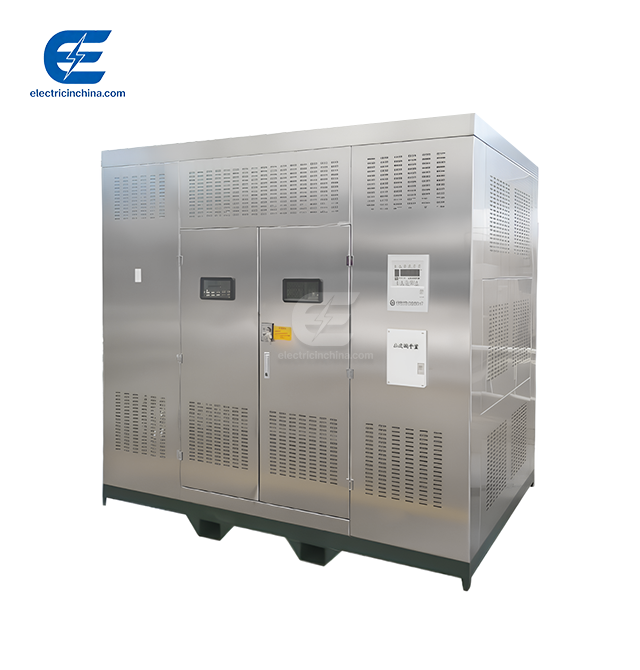
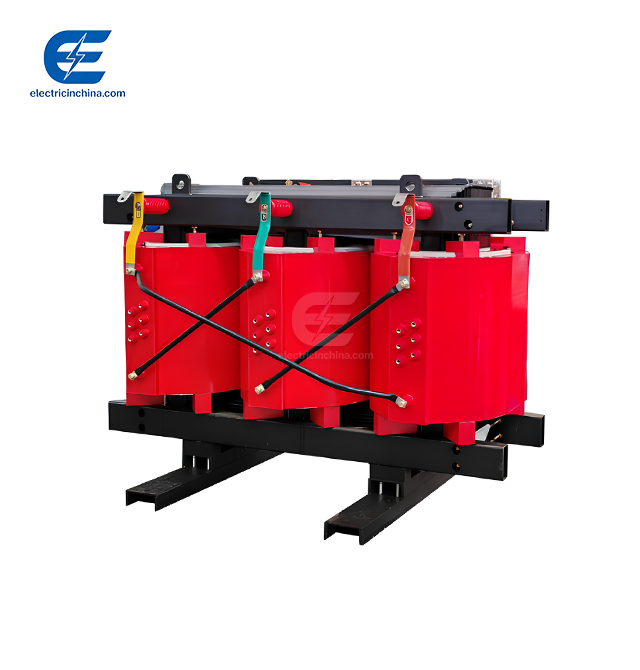
Comparison and Decision-Making: Choosing Oil Immersed vs Dry Type Transformers
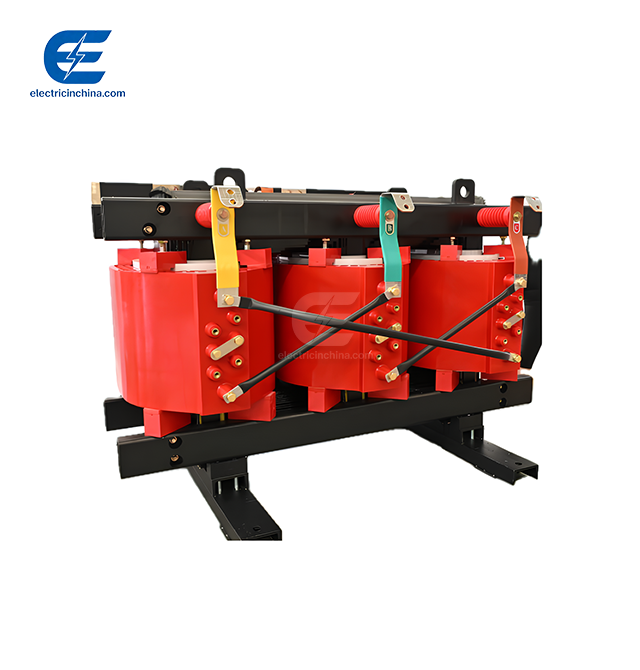
When making a procurement decision, you have to weigh a lot of things, like the initial capital expenditure, the operational efficiency, the maintenance needs, and the suitability of the environment. Oil-immersed transformers usually have higher efficiency ratings and longer service lives, which makes them a good choice for installations that want to save money over many years of use.
Efficiency and Lifecycle Cost Analysis
When losses are cut down, energy is saved, which directly leads to lower operating costs. When efficiency goes from 97% to 99%, a 10MVA transformer running at 80% load factor saves between $15,000 and $25,000 a year at normal industrial energy rates. Over the course of 35 years, these savings add up to more than $500,000. This is a lot more than the difference in cost between standard and high-efficiency oil-immersed transformer units. Dry types may have lower initial costs and a lower risk of fire, but their efficiency ratings are usually 1-2 percentage points lower than oil-immersed designs. This means that they will cost more to run over the course of their lifetime.
Noise and Environmental Considerations
Acoustic performance is very important for urban building projects and sites that are close to living areas. At a distance of one metre, our oil-immersed designs keep sound levels below 45dB, which means they meet strict city noise laws without the need for expensive soundproofing. The higher thermal mass of oil cooling systems also makes them better at handling overloads in emergencies, which is very important for places where losing power can have big financial effects.
Environmental laws are pushing for designs that use less carbon and materials that can be recycled. The 15–25% drop in practical energy use directly leads to lower greenhouse gas emissions, which supports companies' efforts to be more environmentally friendly and follows new rules for the environment. Certifications like ISO 14001 and OHSAS 45001 show that we are committed to making products in a way that is good for the environment and is valued by government agencies and socially conscious developers.
Maintenance and Operational Best Practices for High-Efficiency Oil-Immersed Transformers
Putting in place disciplined repair procedures and proactive monitoring systems is key to long-term dependability. Dissolved gas analysis, which is done once a year according to ASTM D3612 standards, finds small problems before they become major ones that cause equipment failures. This lets maintenance plans be more accurate, which cuts down on unplanned downtime.
Routine Oil Quality Monitoring
Oil analysis methods keep track of a number of factors that show how healthy a transformer is. To make sure the insulation is strong, the dielectric breakdown voltage should be higher than 70kV. If the moisture content is higher than 25ppm, oil needs to be filtered or replaced. If the acid number is less than 0.05 mgKOH/g, the chemical is stable. If it's more than 0.1 mgKOH/g, it needs to be looked into right away and fixed. Modern condition monitoring systems take these readings automatically and send real-time alerts so that maintenance teams can plan their work for planned downtimes instead of having to respond to emergencies.
Thermal Management and Load Optimisation
Temperature rise limits of 65K for windings and 60K for oil set safe working conditions that protect insulation systems and make devices last longer. Variations in the ambient temperature are taken into account by seasonal load management strategies. For example, peak summer temperatures lower the amount of cooling capacity that can be used, and in extreme cases, load shedding may be needed. Facilities that work at elevations up to 3000m need to do derating estimates to keep their thermal gaps because atmospheric cooling doesn't work as well at lower elevations.
There are many ways to find faults and protect devices, such as pressure relief systems, Buchholz relay protection, and the ability to watch from afar. These safety features keep major failures from happening that could stop operations for weeks while new equipment is found and set up. This keeps costs from going over the cost of full monitoring systems.
Procurement Guide for High-Efficiency Oil-Immersed Transformers in Industrial Networks
To get through the purchase process, you need clear evaluation criteria that make sure that technical specs match project limits and application needs. Before choosing a capacity, it's important to do a load study that looks at things like expected future growth, power factor, and peak demand scenarios. These help figure out what KVA rates are needed, which are usually between 50kVA and 500MVA for industrial uses of High efficiency oil immersed transformer.
Supplier Evaluation Criteria
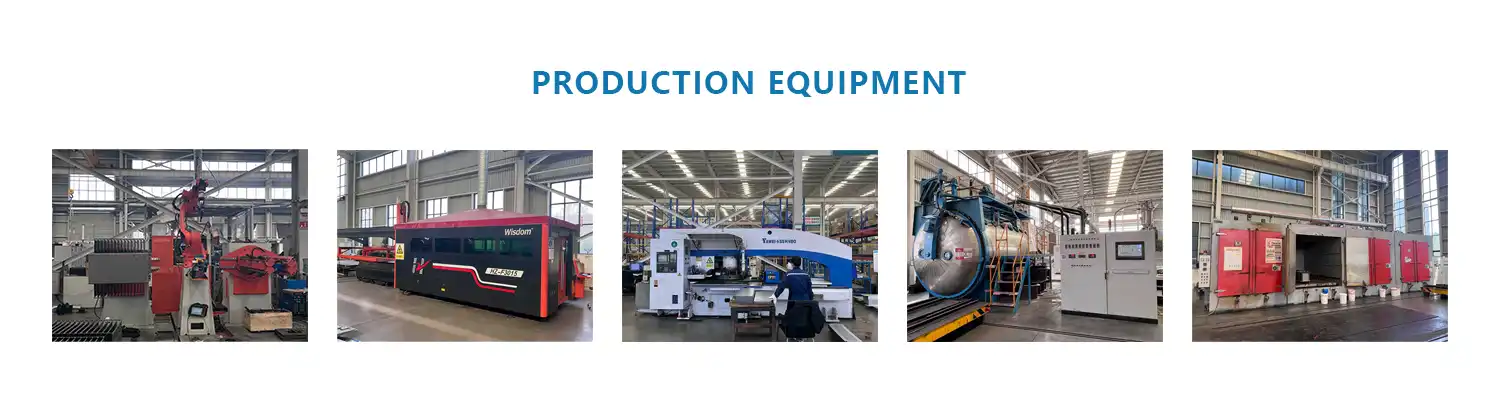
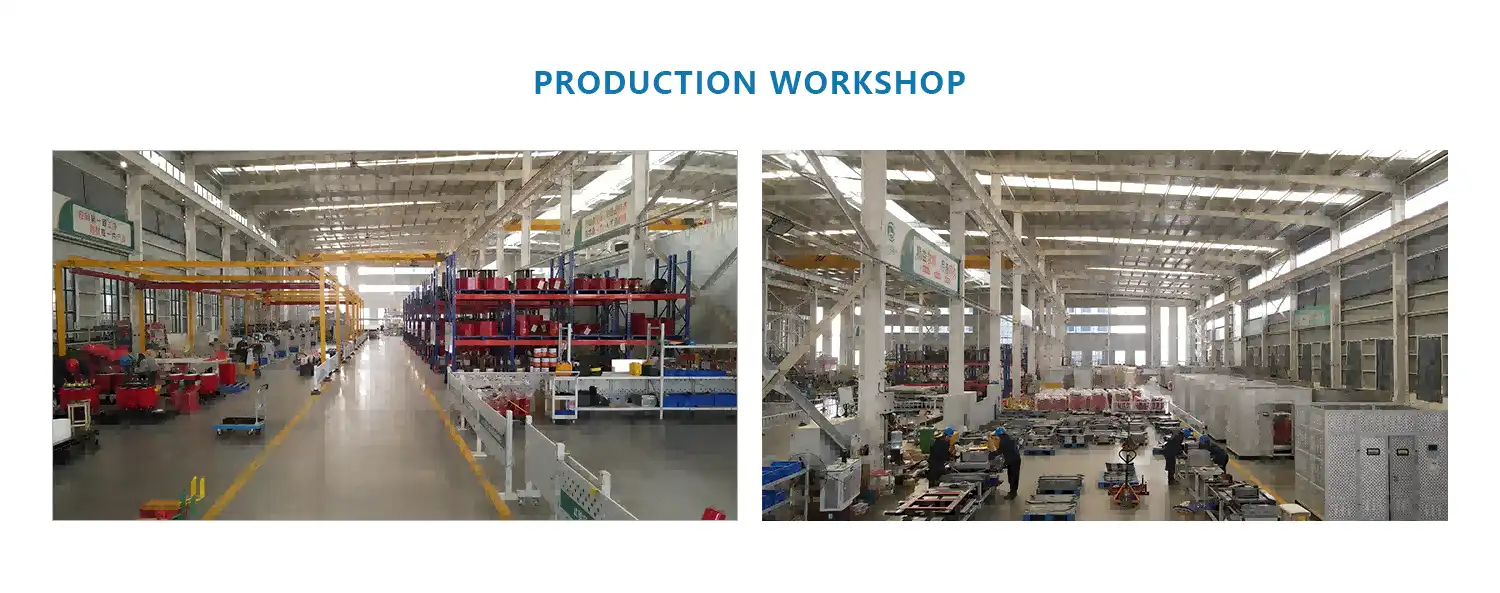
As part of a technical capability review, engineering tools, manufacturing facilities, and quality control systems should be looked at. There are 15 senior engineers and more than 30 intermediate workers on our team. They work with more than 120 sets of advanced production equipment, such as CNC automatic winding machines and microcomputer-controlled gradient curing ovens. This framework makes it possible to create solutions that are specifically designed for the climate, voltage needs, and physical limitations that are common in difficult industrial setups.
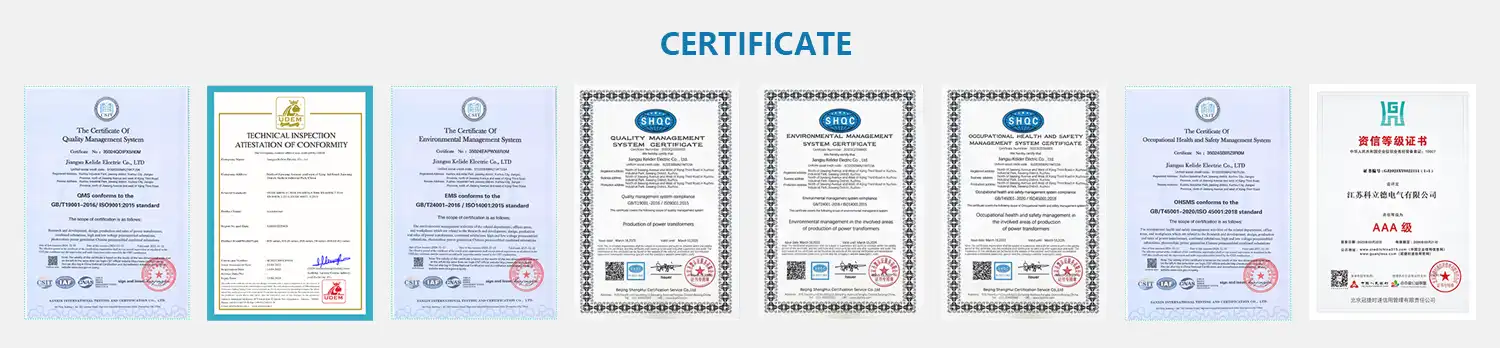
Verification of certification gives objective proof of quality management and product compliance. ISO 9001 certification proves that quality control processes are organised, and National CCC Mandatory Certification proves that electrical equipment meets safety standards. Buyers should ask for factory acceptance test procedures that list the measures of efficiency, dielectric performance, and thermal performance that were done before the equipment was shipped. This will make sure that it meets the promised specs when it arrives.
OEM Partnership Benefits
Long-term ties with suppliers are more valuable than just one trade. Developers who are working on multiple projects can save money by using bulk buying deals, and technical collaboration can lead to better designs that lower the cost of installation and make maintenance easier. Our more than 20 years of experience working on government building projects, business developments, and industrial facilities gives us a good understanding of the problems that come up in each application. This helps us make product suggestions and provide engineering support throughout the lifecycle of a project.
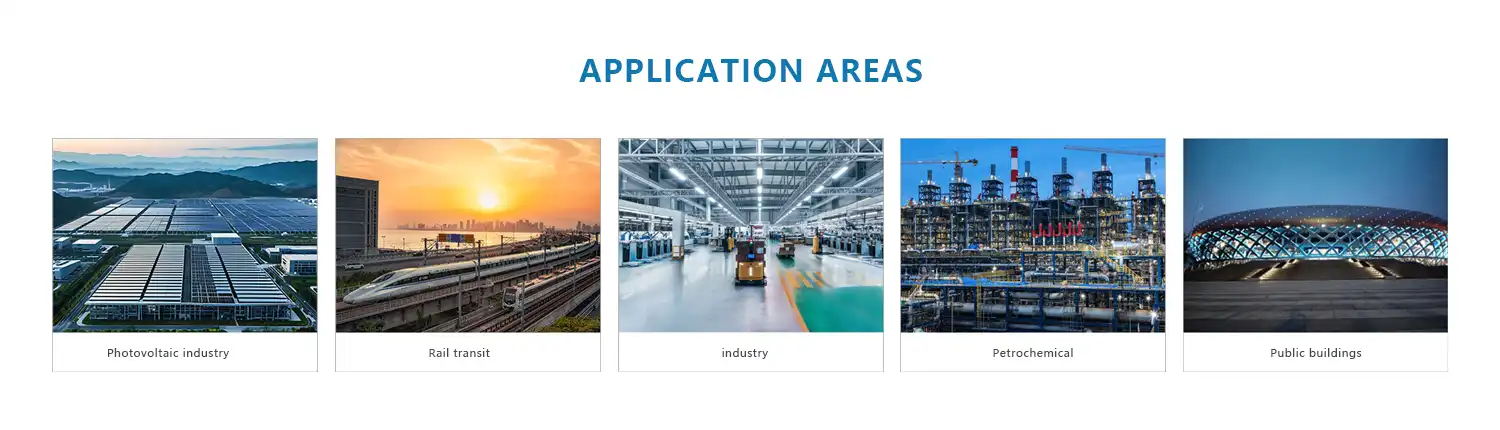
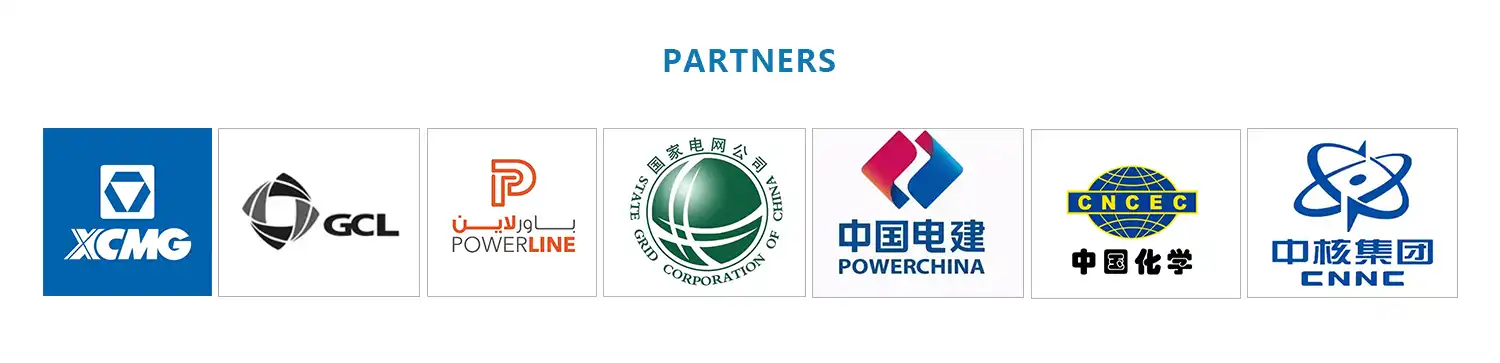
When judging suppliers, project experience is very important. We finished the Xuzhou Rail Transit Network Control Centre power supply system using dual-circuit designs to ensure complete operational safety. We also delivered the XCMG Group power supply upgrade early, showing that we can meet tight deadlines without lowering the quality of our work. These example projects show that we have the technical skills and project management skills that EPC contractors and project managers in charge of installing vital infrastructure.
Conclusion
Buying high-efficiency oil-immersed transformers is a big choice that will have an effect on running costs, environmental performance, and the dependability of equipment for decades to come. The technical benefits of better thermal management, less energy loss, and longer service life make it worth choosing high-end equipment for mission-critical tasks where downtime can have very bad results. To make a good procurement decision, you need to carefully look at the technical specs, the supplier's abilities, and the product's lifecycle costs, which include more than just the purchase price and include things like repairs and increased operational efficiency. When businesses work with experienced makers, they get customised planning, proven project execution, and full support. This turns buying equipment into a strategic advantage that helps them reach their long-term business goals.
FAQ
1. What factors determine energy efficiency in oil-immersed transformers?
Efficiency mostly relies on the quality of the core material, the shape of the windings, and how well the cooling system works. Grain-oriented silicon steel cores cut down on magnetic losses, and the right size of conductors cuts down on resistive losses. Our transformers have an energy loss of less than 1.5% thanks to integrated design methods that have been checked by IEC 60076-1 testing standards. This means that they will save you money on operational costs for decades to come.
2. How do environmental conditions affect transformer performance?
Temperatures ranging from -40°C to +50°C, humidity levels up to 95% RH, and changes in elevation up to 3000m all have an effect on thermal performance and the stability of insulation. Our designs include environmental compensation features that make sure they work reliably in the wide range of conditions that are common in industrial sites around the world. These features are backed up by thermal testing that confirms the limits of temperature rise under maximum load conditions.
3. What customisation options address project-specific requirements?
Voltage settings, tap changer setups, safety systems, and physical measurements can all be changed to fit the needs of the installation and operation. Our engineering team works with clients to come up with solutions that meet the specific needs of tender-based procurement processes. These solutions are backed by manufacturing flexibility that lets custom designs be made without having to wait longer for lead times.
Partner with Tuojie for Superior Transformer Solutions
Tuojie stands as your trusted high-efficiency oil-immersed transformer supplier, combining cutting-edge engineering with a track record of getting projects done. Our wide range of products includes power transformers, low-voltage switchgear, and cable systems. All of them are made to meet international standards and are approved by the ISO 9001, ISO 14001, and OHSAS 45001 quality management systems. We offer custom power distribution solutions that meet the high standards of government infrastructure, commercial developments, and industrial facilities around the world. Our over 120 sets of advanced production equipment and strict quality control that follows the "zero defects" principle help us do this.
Our technical team helps with every step of the process, from the initial meeting to installation and planning for long-term upkeep. This way, your project will benefit from our 20 years of experience in the field. You can email Tuojie at tuojie@electricinchina.com right now to talk about your unique needs, get full technical specs, and get competitive quotes for high-efficiency oil-immersed transformer solutions.
References
1. International Electrotechnical Commission. (2021). Power Transformers - Part 1: General Requirements and Test Methods. IEC 60076-1 Standard.
2. IEEE Power and Energy Society. (2020). Standard for Liquid-Immersed Distribution, Power, and Regulating Transformers. IEEE C57.12.00 Guidelines.
3. CIGRE Working Group A2.34. (2019). Guide for Transformer Maintenance: Condition Monitoring and Diagnostics. CIGRE Technical Brochure Series.
4. American Society for Testing and Materials. (2022). Standard Test Method for Analysis of Gases Dissolved in Electrical Insulating Oil by Gas Chromatography. ASTM D3612 Procedure.
5. Zhang, H., & Liu, Y. (2023). Advances in High-Efficiency Power Transformer Design and Materials Engineering. Journal of Electrical Equipment Technology, 45(3), 127-145.
6. Kumar, R., & Patel, S. (2022). Lifecycle Cost Analysis of Oil Immersed versus Dry Type Transformers in Industrial Applications. International Journal of Power Systems Engineering, 38(2), 89-107.