

.webp)
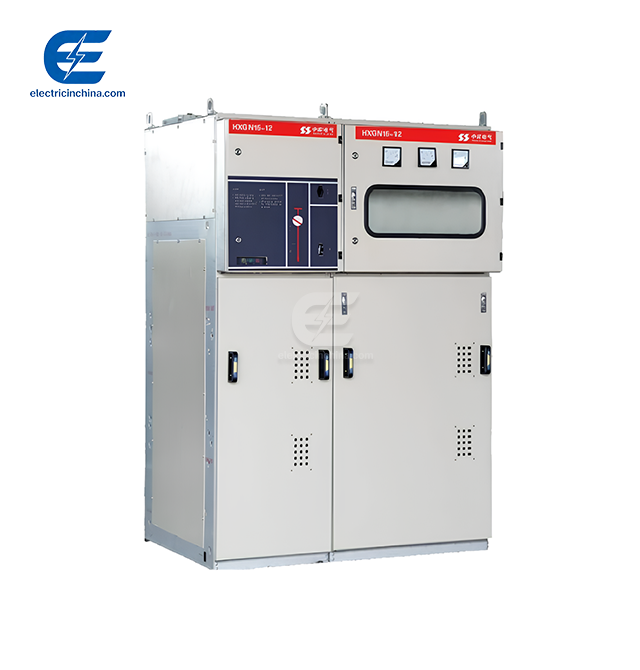
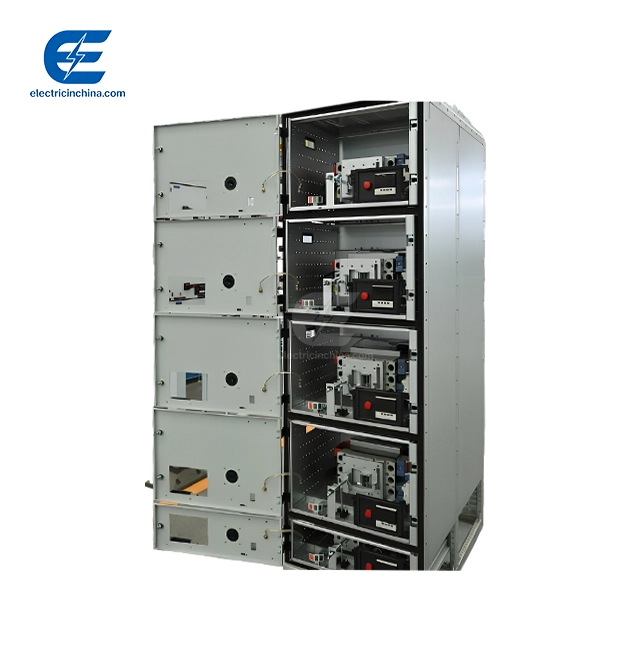
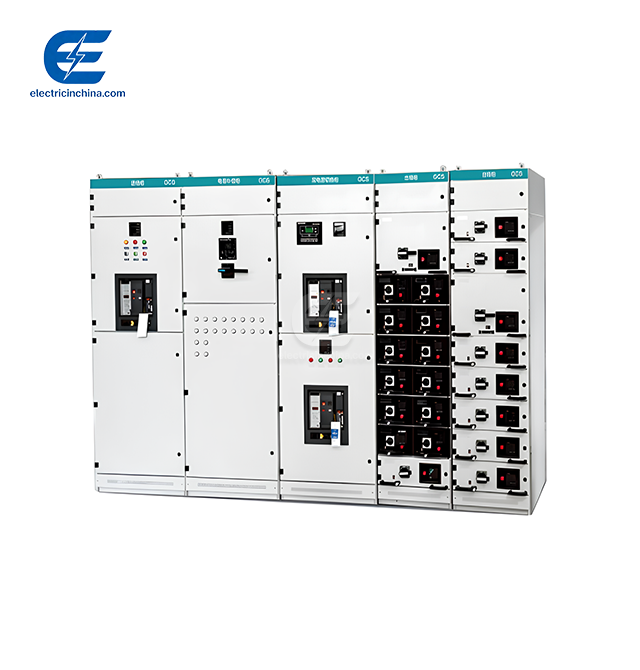
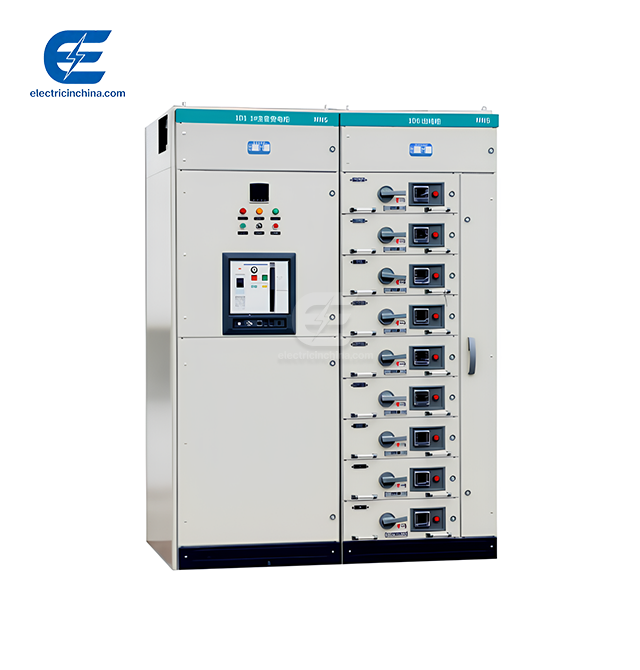
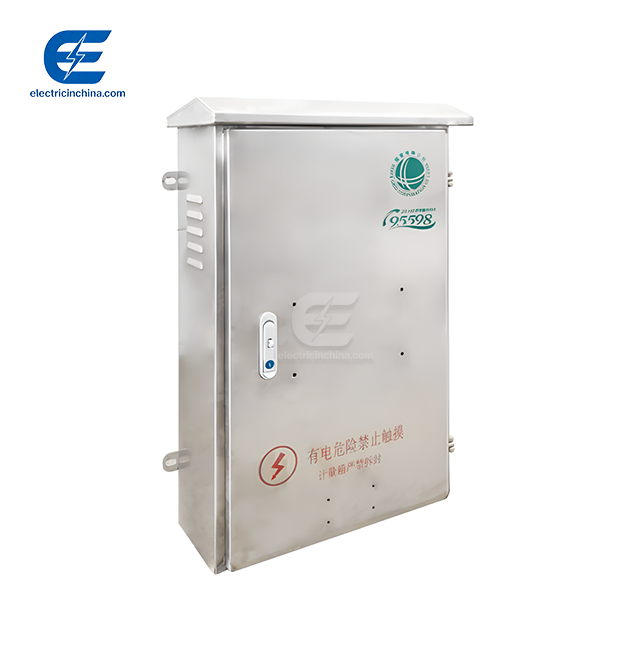
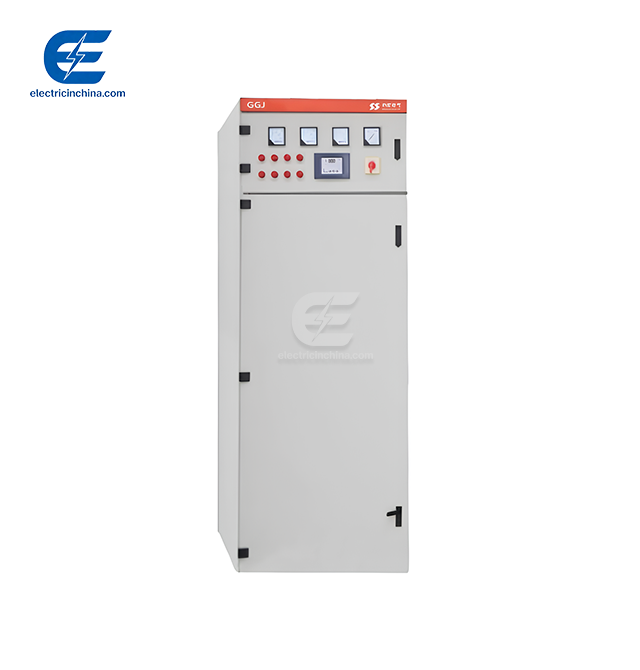
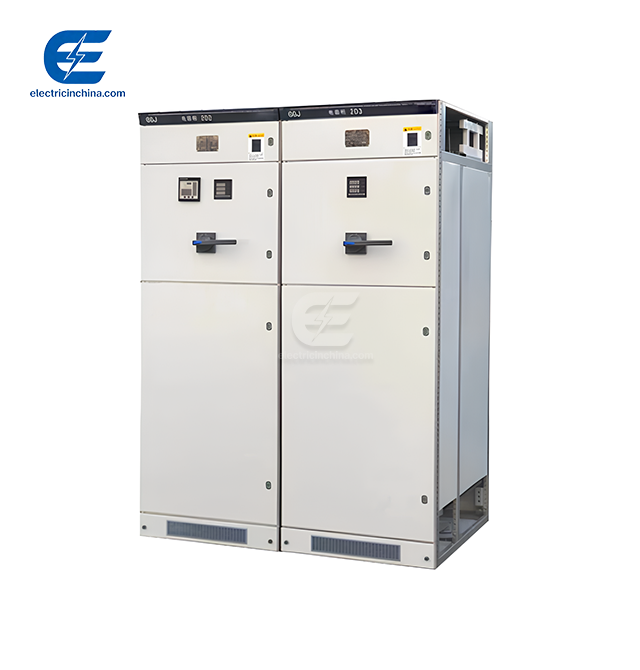
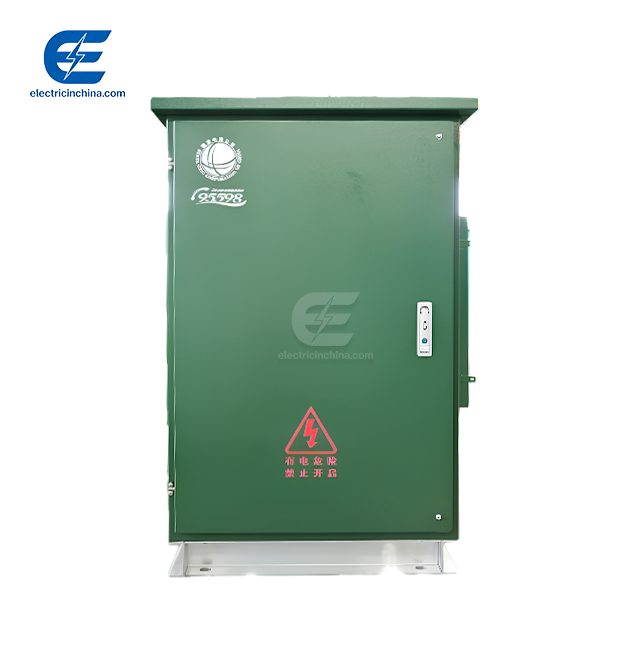
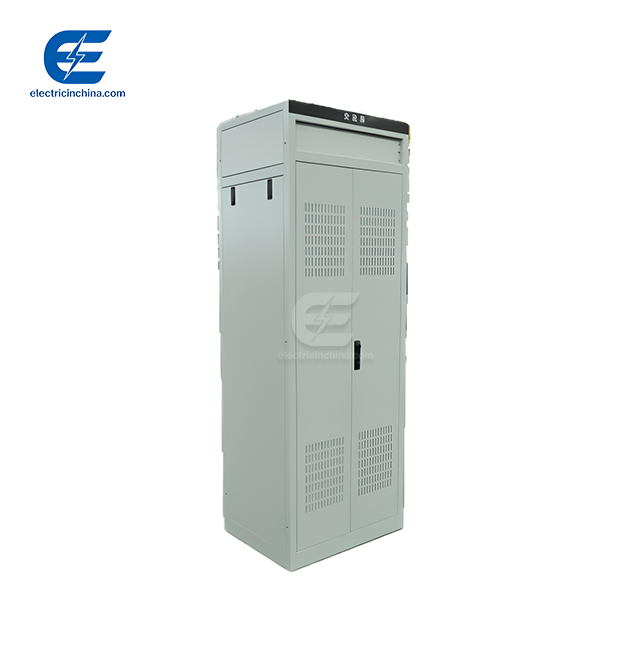
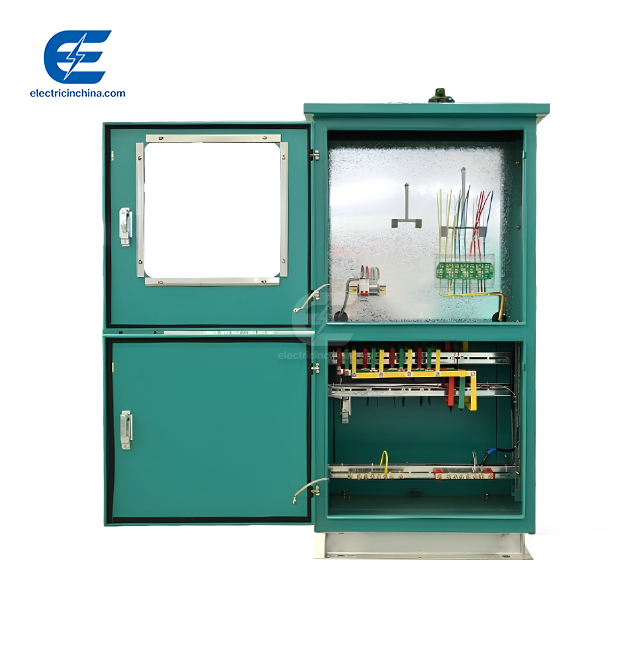
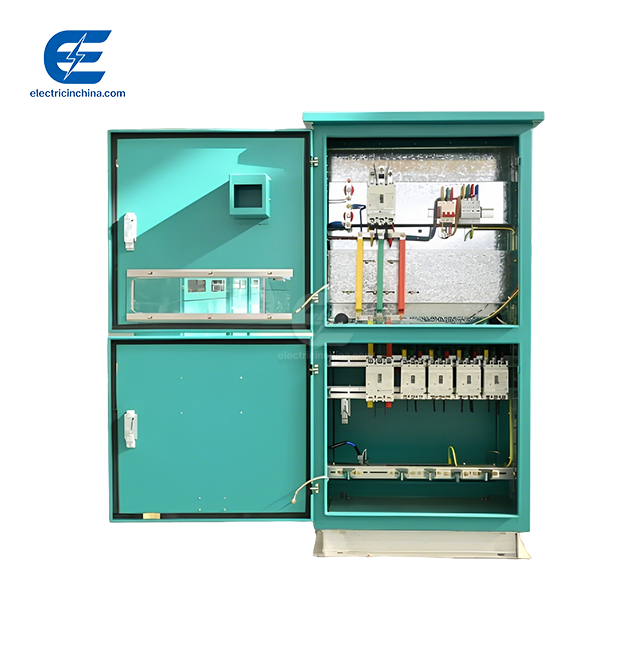
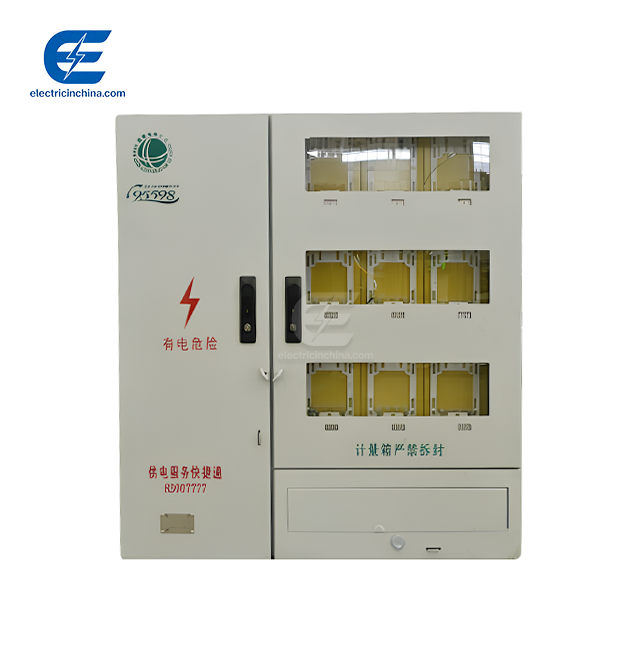
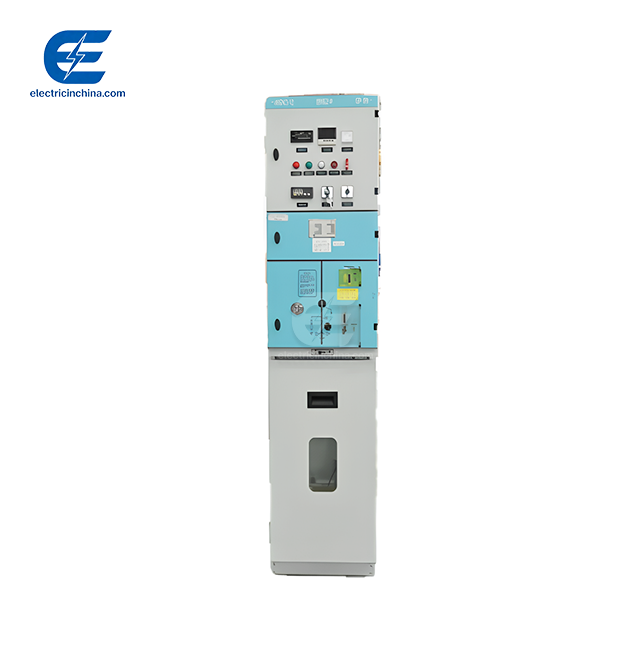
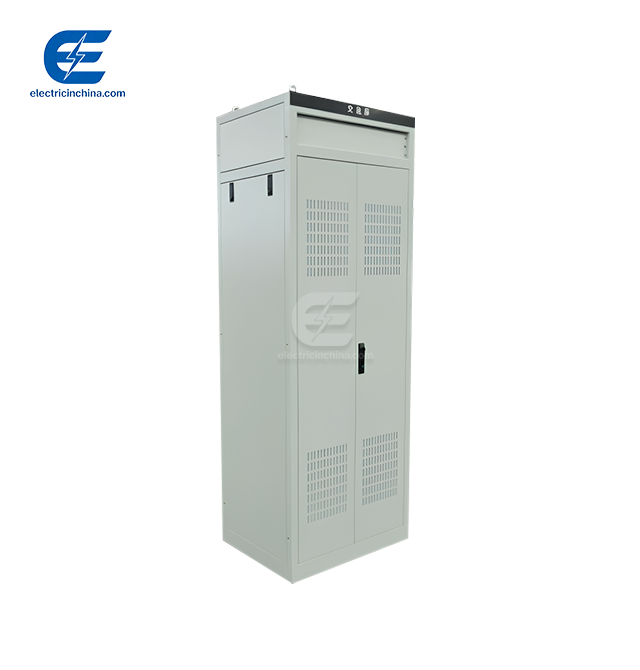
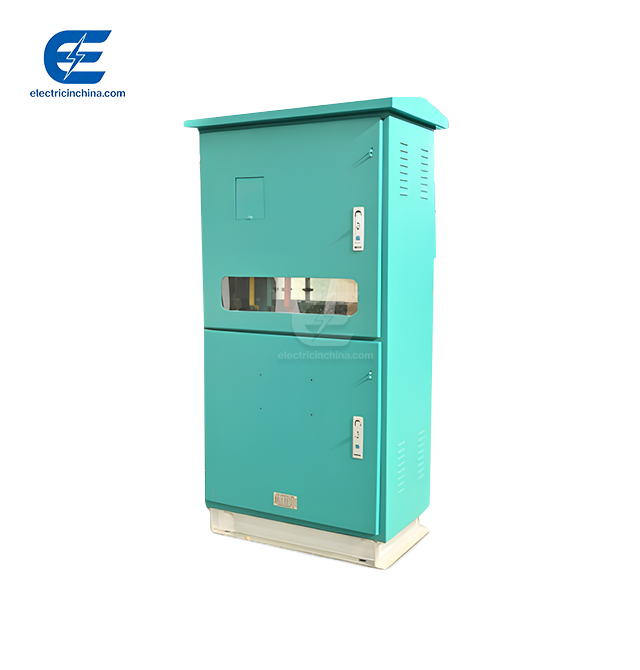
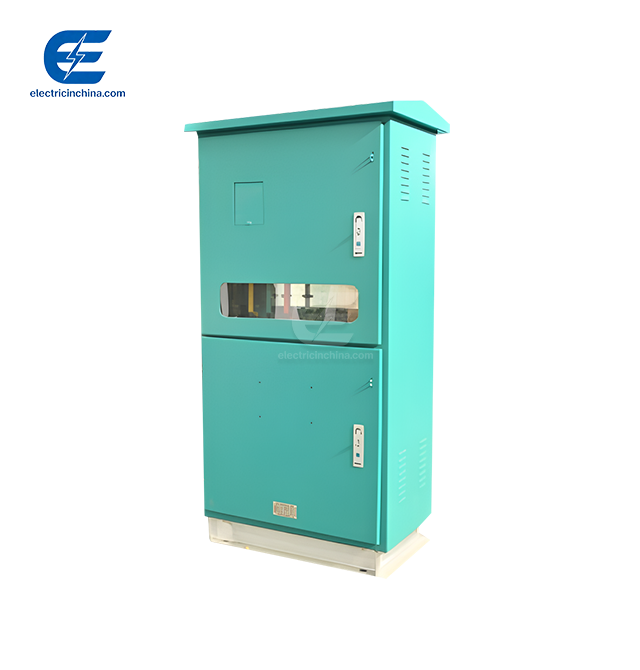
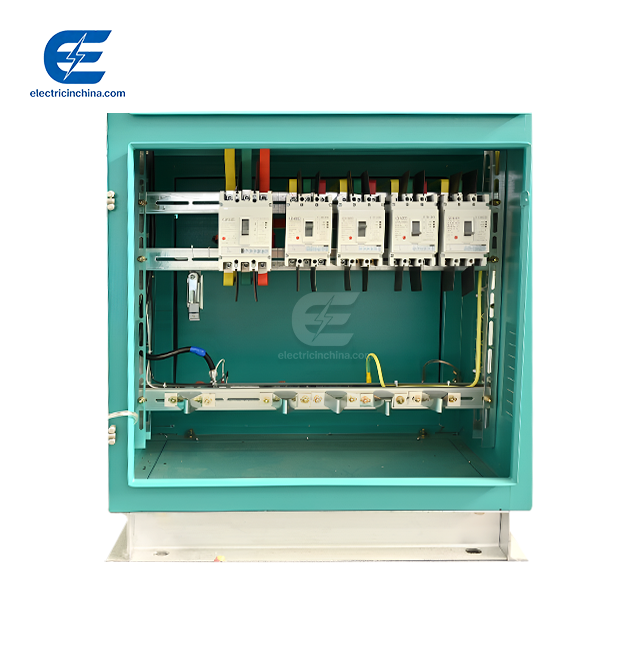
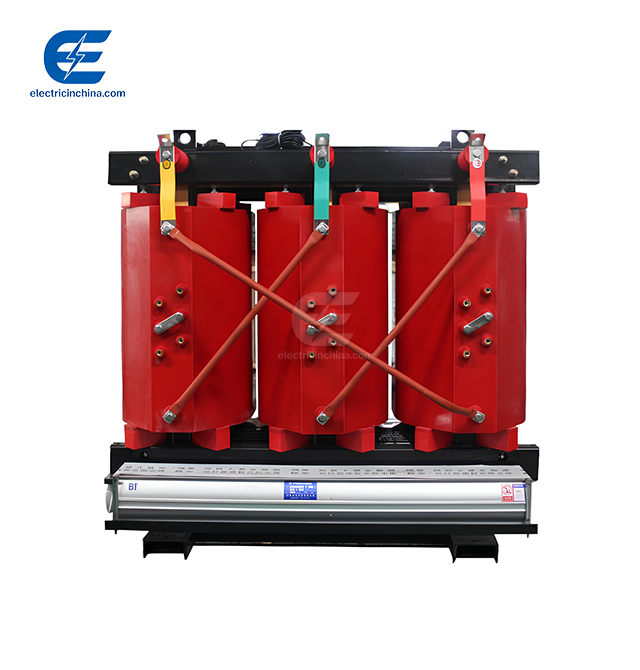
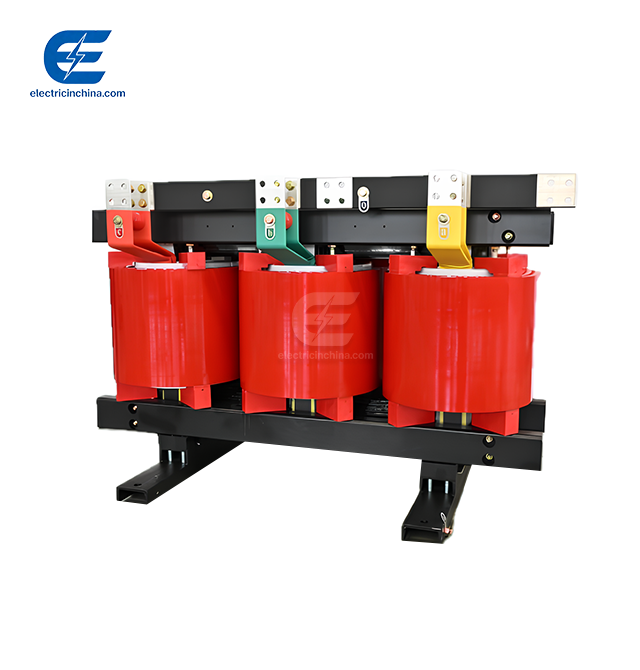
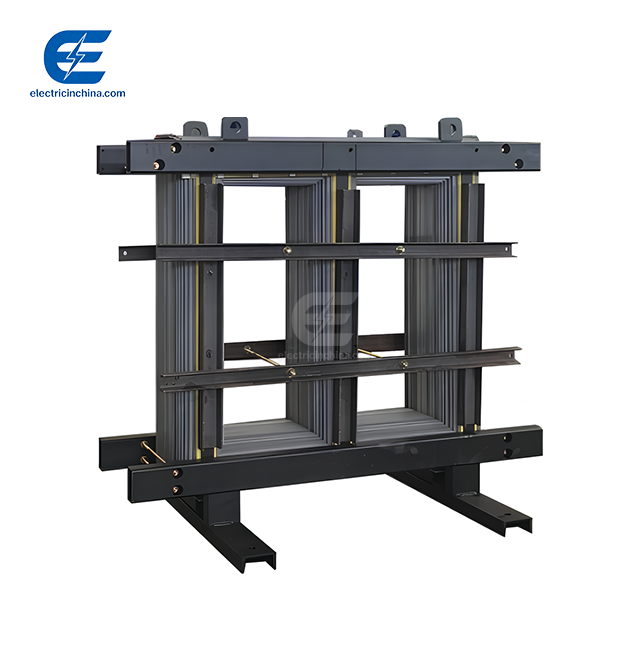
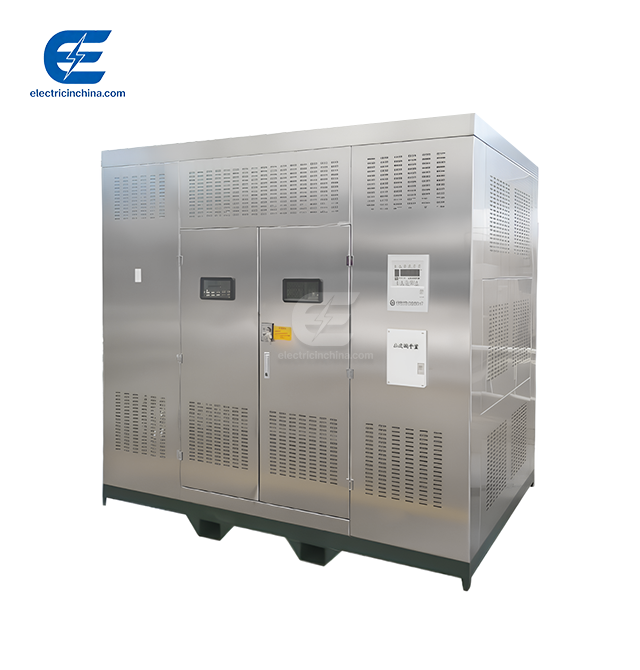
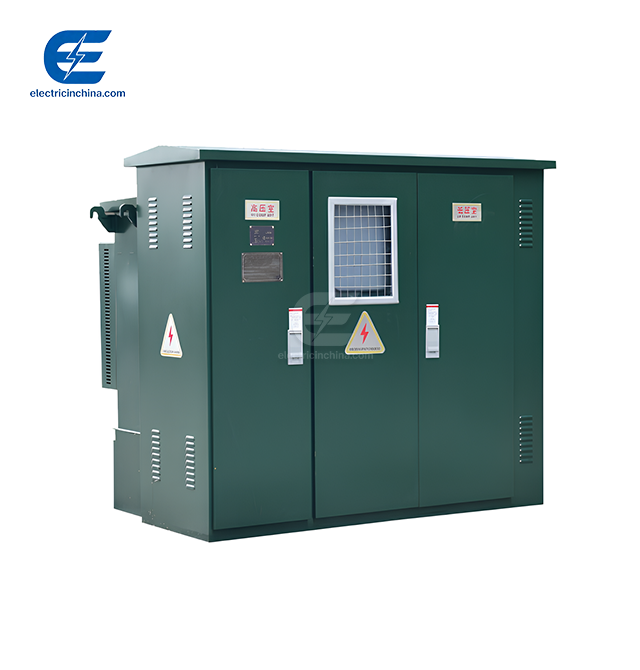
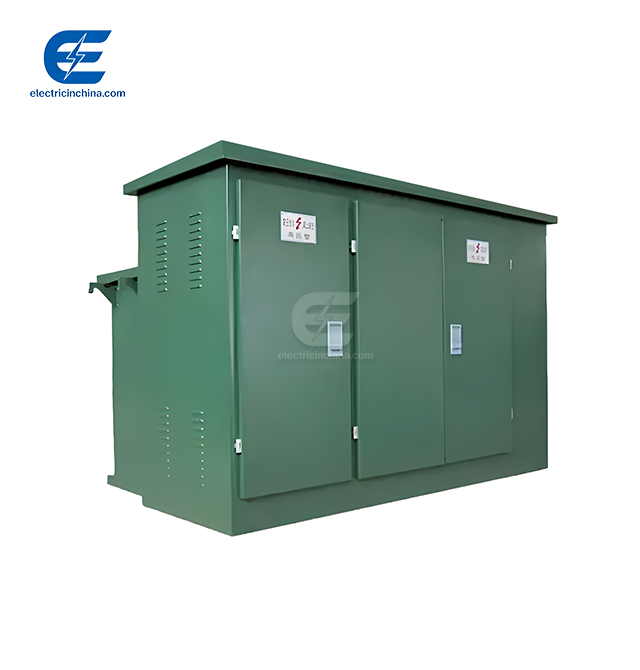
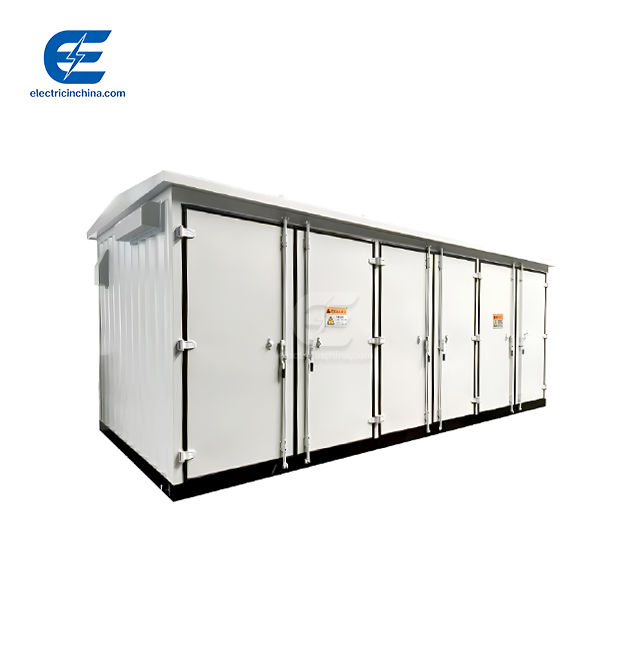
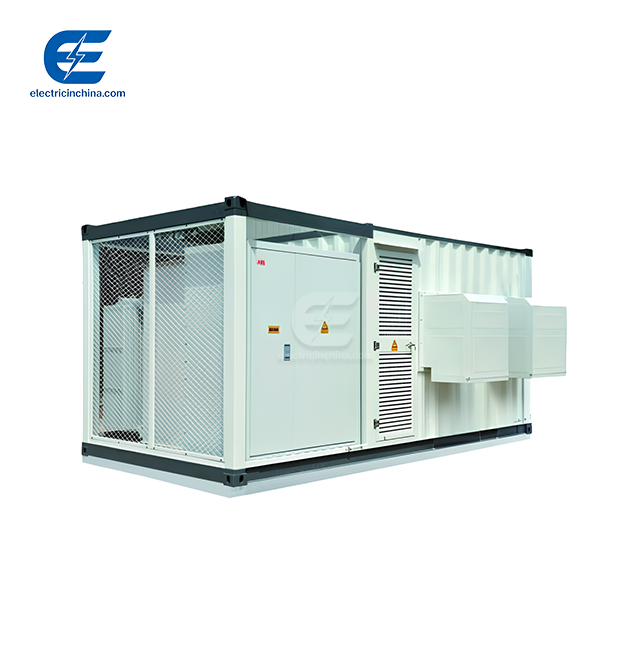
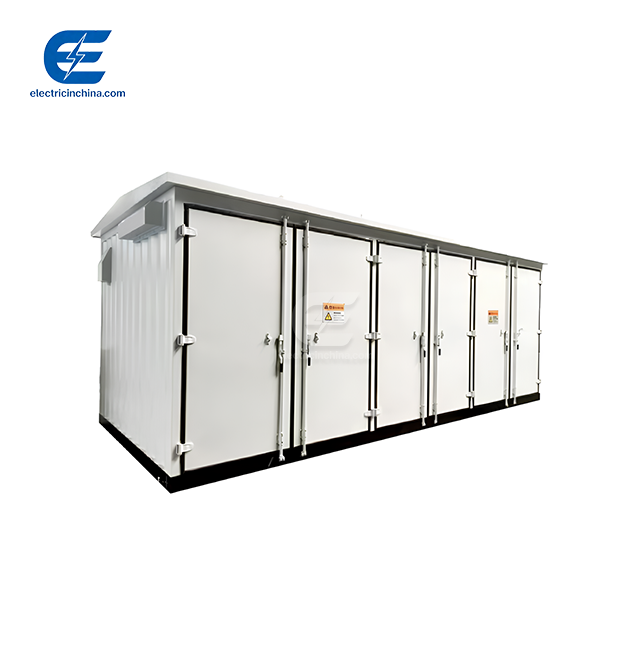
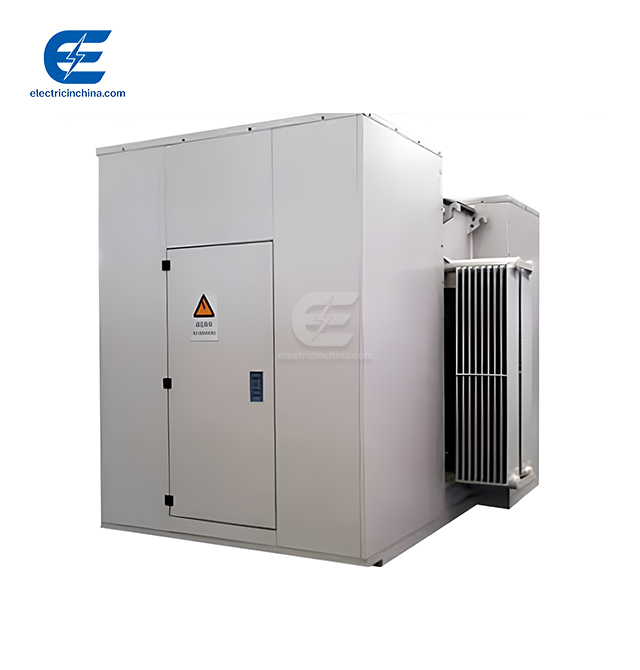
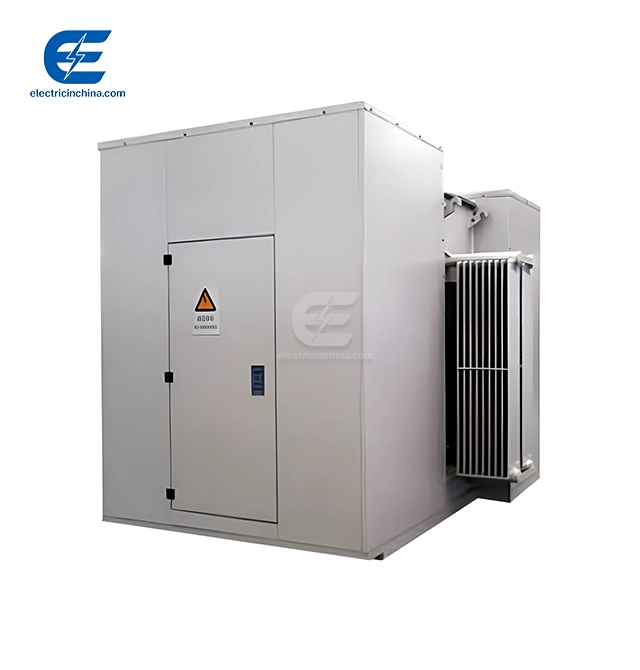
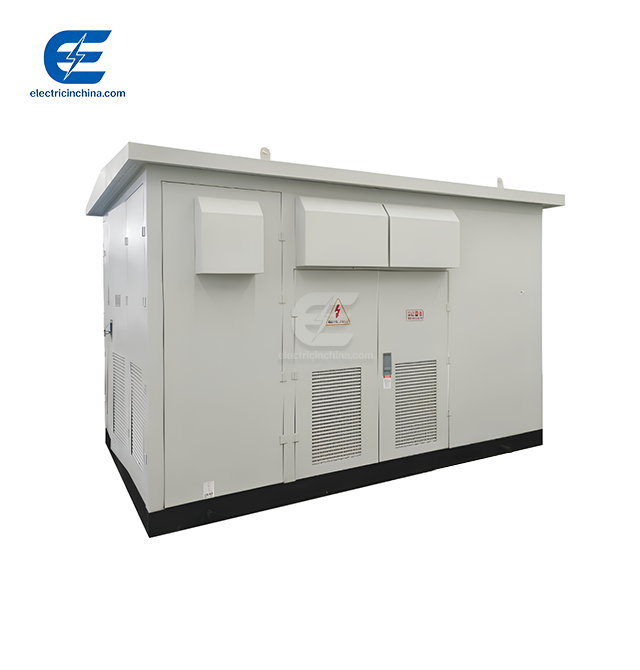
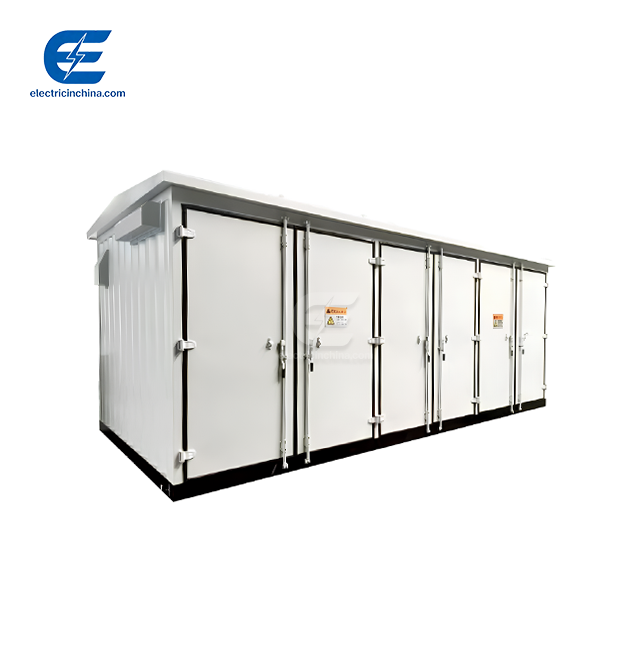
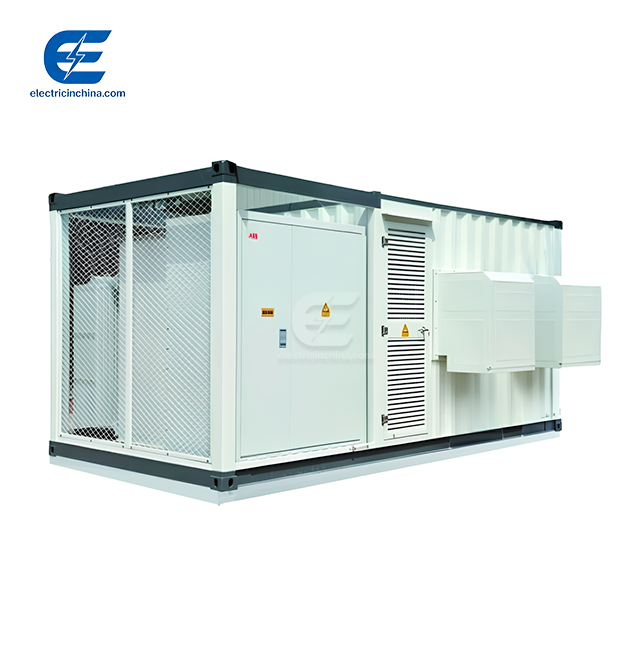
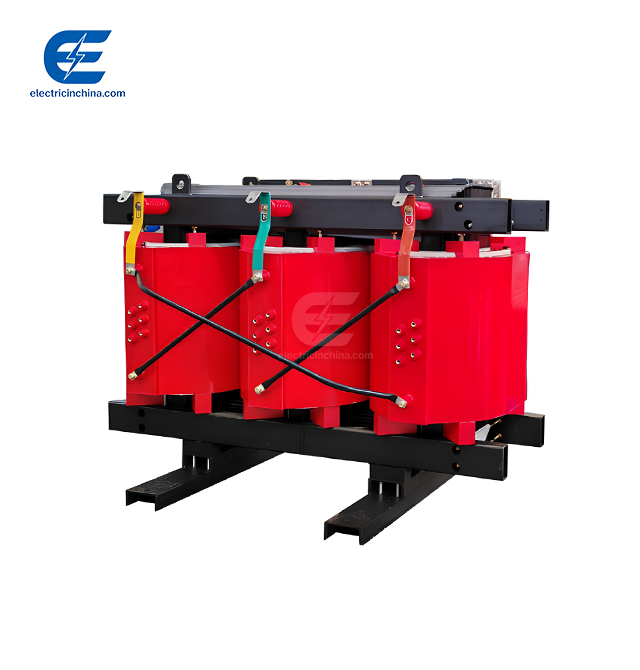
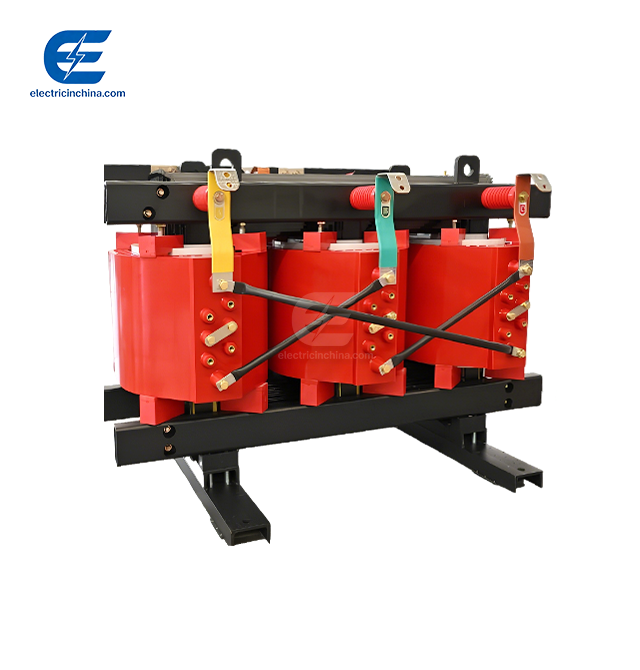
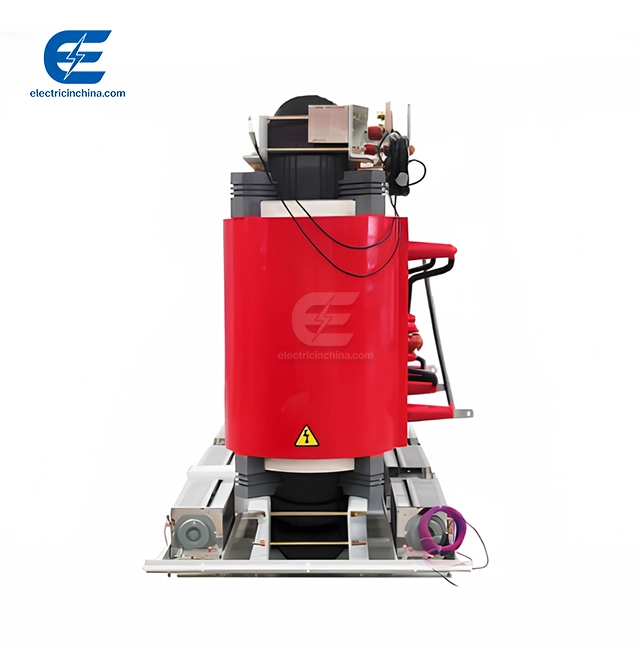
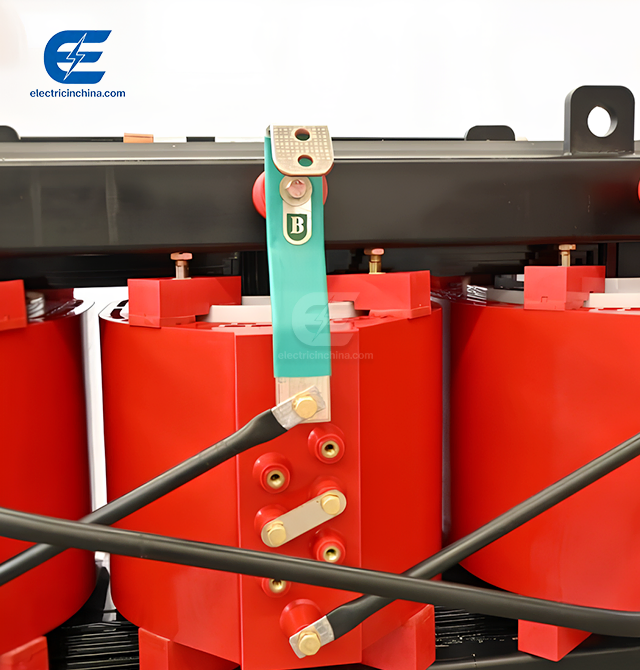
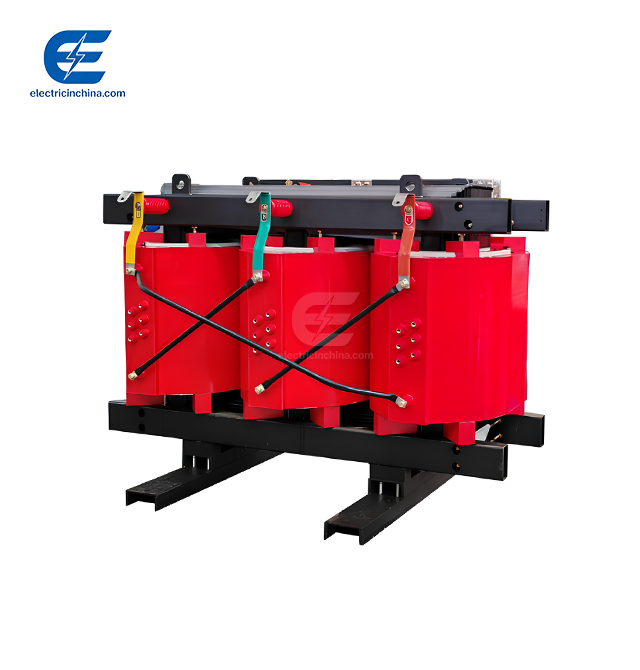
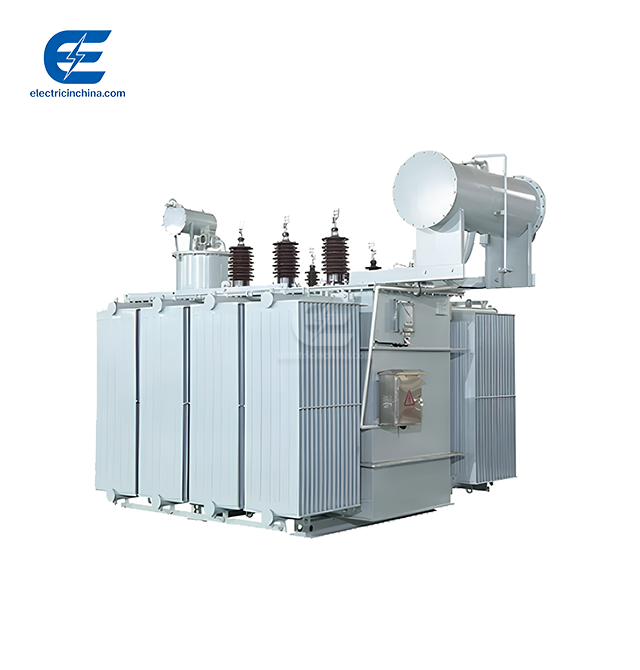
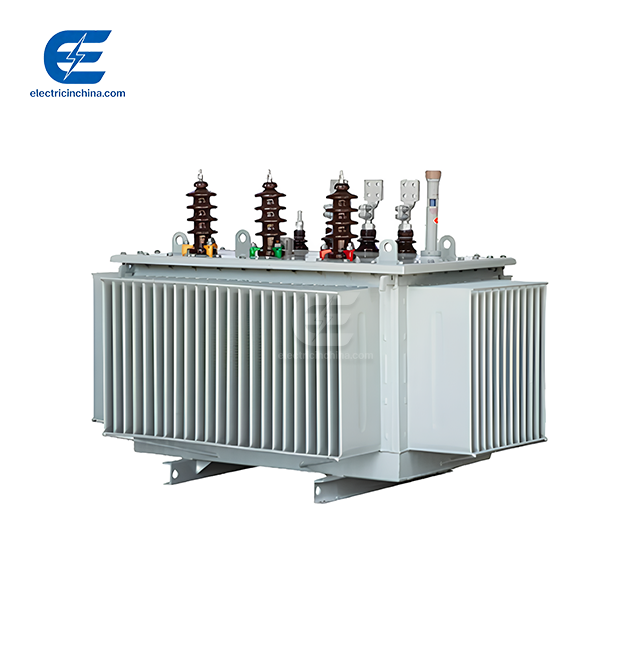
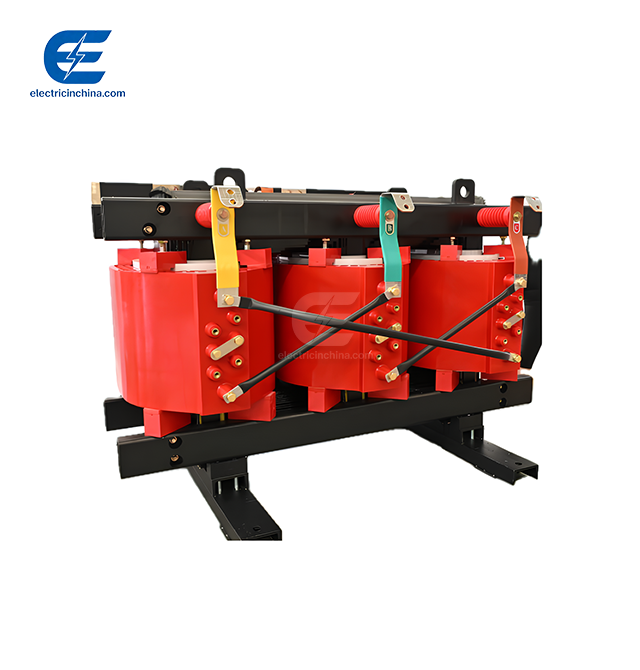
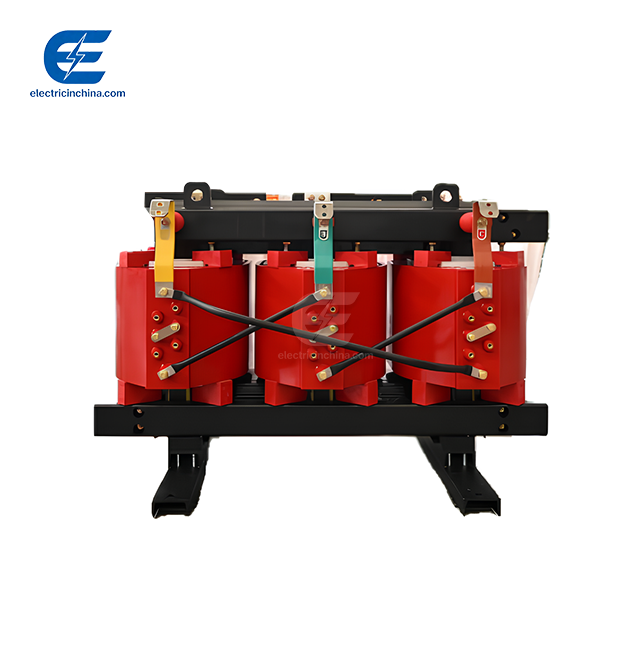
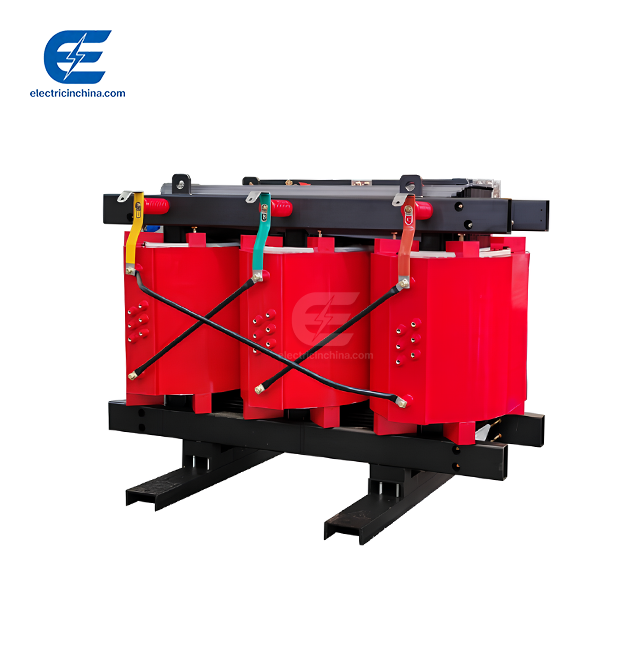
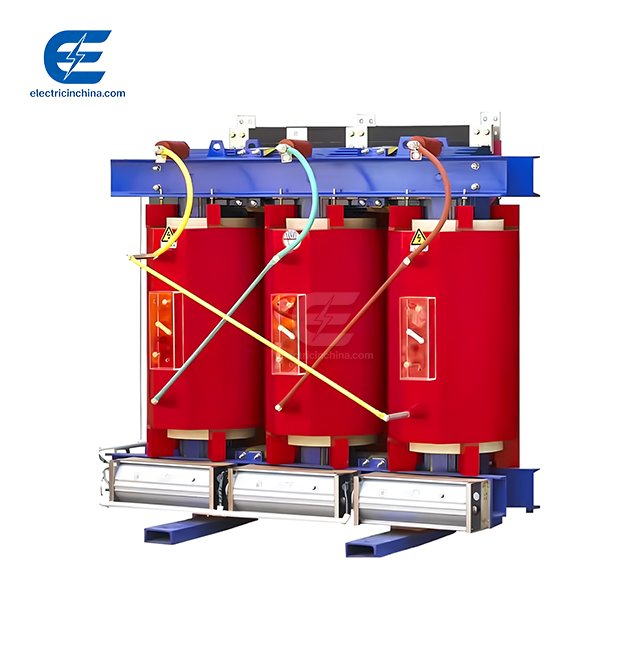
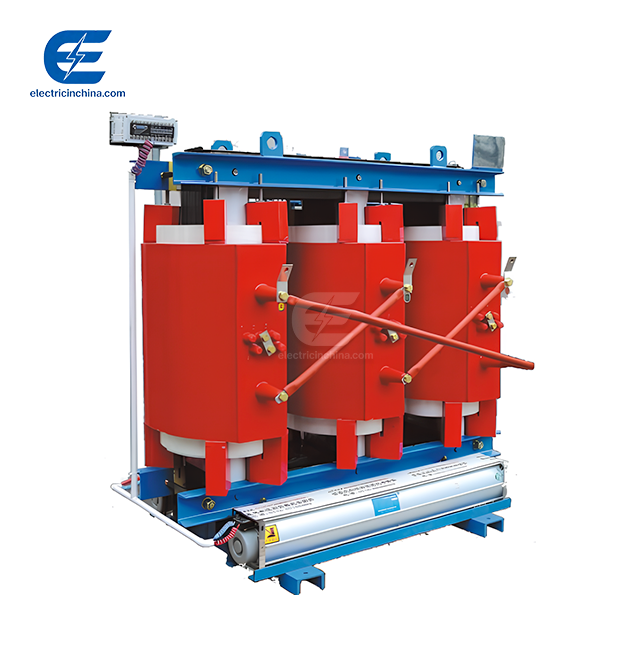
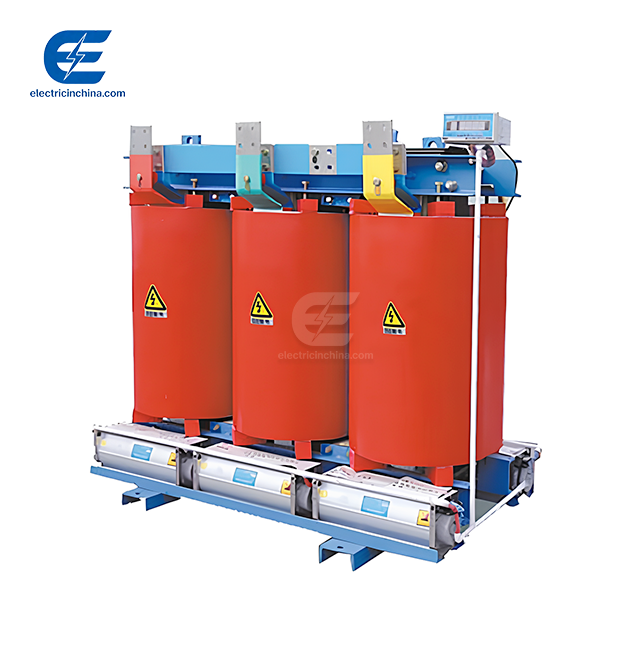
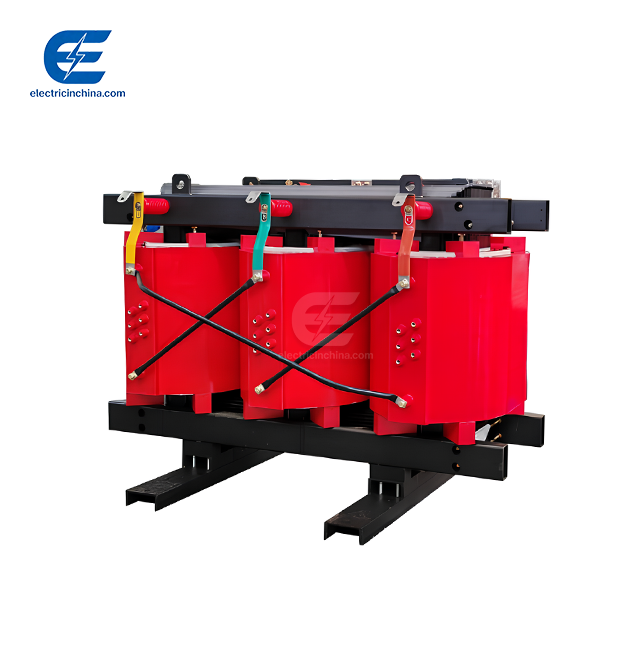
The SCB12 Cast Resin PV Transformer is a unique dry-type distribution system designed especially for solar power systems and infrastructure for green energy. These transformers work great in hybrid renewable energy systems, business rooftop installations, and utility-scale solar farms that need to keep fire safety, environmental protection, and low upkeep at the top of their lists. Their epoxy resin-encased windings prevent oil leaks and give efficiency ratings above 98.5%. This makes them the best choice for government infrastructure projects, industrial manufacturers, and EPC contractors who are in charge of large-scale solar deployments in tough environments.
Understanding SCB12 Cast Resin PV Transformer Technology
What Defines This Advanced Power Solution?
When you put money into solar systems, you get safe tools that work well and last a long time. Traditional transformers are filled with oil, but our SCB12 Cast Resin PV Transformer technology is very different. The number "12" on the front of the appliance means it is from the newest series, which has higher energy efficiency ratings that go beyond international standards. The epoxy resin-encased windings in these units make them better at protecting against noise and the surroundings than other options.
The design philosophy is based on getting rid of the fire risks that come with oil-filled units and making remote PV installations less maintenance-intensive. These transformers can handle power levels between 30KVA and 2500KVA and have an efficiency level above 98.5%, which is high enough for current green energy projects. With 15 top engineers and 18 patents, we've made sure that the system can handle 150% overload and use forced air cooling to keep performance stable even when solar radiation changes a lot.
Core Technical Advantages You Can Rely On
You may be curious about why SCB12 Cast Resin PV Transformer technology is important for your solar system. Old transformers that were filled with oil pose fire and environmental risks that don't meet the standards for green energy today. Our dry-type design uses an epoxy resin coating that is resistant to flames, so there are no fire risks at all. There won't be any damage to the earth, and there won't be any cleanup to do later.
It takes up 20 to 30 percent less room than choices that are filled with oil. Every square metre is important when building a solar farm or a system on top of a building. Your structural needs will go down, and it will be easier to install. You will like how well it keeps water out. These transformers work fine when the humidity is 100%. Once the machine is turned off, it can be turned back on right away without having to dry it out first. This feature is very helpful if you live near the coast or somewhere wet where your PV system works.
Primary voltages range from 10kV to 35kV, and the insulator class is F/H (155°C/180°C). Partial discharge levels are below 10pC, and the surge voltage can handle up to 200kV. The operating temperature range is -25°C to +40°C, and the protection ratings range from IP23 to IP54, so they can be used in a variety of settings. The advanced core materials and winding configurations keep the noise levels below 45dB, so they can be used in places where there are concerns about noise pollution, like near people.
Primary Applications of SCB12 Cast Resin PV Transformers
Utility-Scale Solar Farms and Ground-Mounted Installations
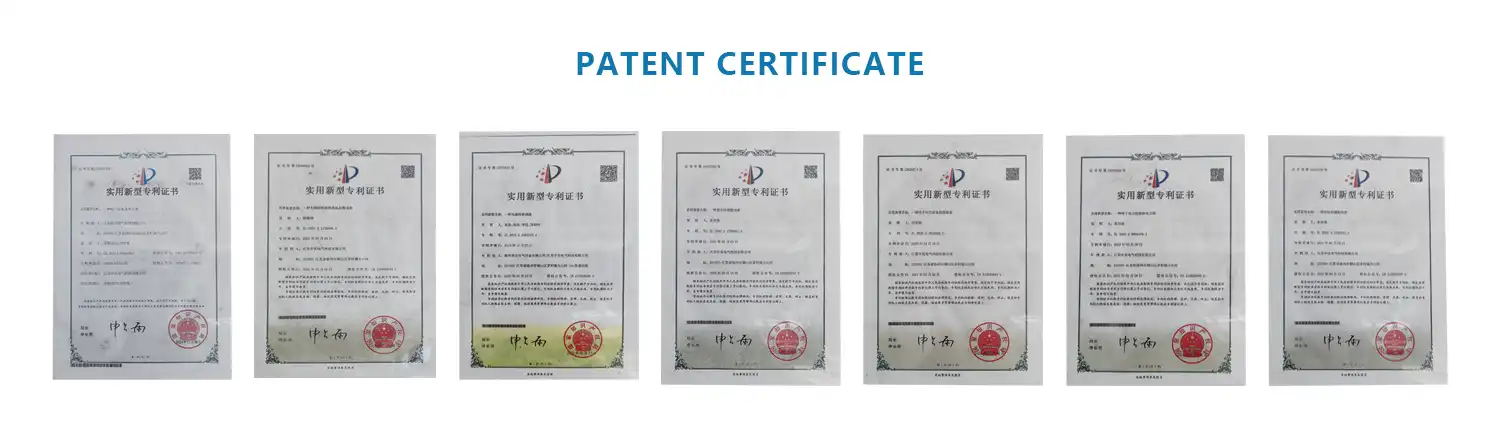
Large ground-mounted PV installations with 50MW to 500MW of capacity in desert and coastal areas have special problems because of the salt spray, dust storms, and high temperatures that put equipment to the test. The Cast Resin PV Transformer design gets rid of the worry of oil leaks while keeping performance stable in temperatures ranging from very hot deserts to cold winters. There is a history of success in projects in the Middle East, Australia, and the southwestern United States, all of which have harsh environments that require very long-lasting equipment.
Your investment is safe during grid problems thanks to the short-circuit withstand capability, which was tested to 25 times the maximum current for 2 seconds. While other systems are down, yours stays up and running. When clouds move, solar power generation experiences sudden changes in power. Your voltage-changing equipment needs to be able to handle these changes without any problems. When our units are cooled by forced air, they give 150% of their full capacity. This keeps the grid link stable even when the amount of sunlight changes quickly.
Commercial Rooftop and Urban Solar Systems
For multi-megawatt installations in factories, shopping malls, and office buildings, strict fire safety rules that don't allow oil-filled transformers must be followed. The small size lowers the load that needs to be supported by the structure, and the flame-retardant features meet building rules and insurance requirements. This benefit for safety is especially useful for rooftop setups in cities or near neighbourhoods with homes. Insurance companies usually give lower rates for your project because there is less danger.
Take a moment to think about how much it will cost to run over time. Oil-immersed units need to be filtered, sampled for oil, and given dielectric tests regularly. These upkeep jobs cost money and time. If you use dry-type technology, these costs will not happen. Visual checks, link checks, and thermographic scans every once in a while are all that's needed. The lifecycle costs are 40 to 60% less than with oil-filled options because they are simpler. The 25-year operational life with little maintenance is the same as or longer than traditional units, and there are no worries about oil degradation.
Floating Solar Installations and Harsh Marine Environments
Specialised marine-grade SCB12 Cast Resin PV Transformers are used for solar installations near water. They have better protection against moisture and enclosures that won't rust. These uses need better sealing against the elements and protection from salt fog. Successful installations in Asia-Pacific floating solar farms with more than 100MW of power show that standard oil-filled units would seriously pollute the environment. These transformers keep working properly even when there is 100% humidity. You can restart right away after shutting down without having to go through any drying steps.
When mixed with special coatings, the IP54 grade gives strong security against water getting in and corrosive atmospheres. As required by ASTM B117, environmental performance validation tests include 96 hours of salt spray, 100 cycles of temperatures between -25°C and +40°C, and 240 hours of resistance to humidity at 95% RH. These strict tests make sure that the equipment will work reliably even in the roughest sea circumstances, where failure would hurt both the project's finances and the safety of the environment.
Industrial Manufacturing and Commercial Facilities
Epoxy resin insulation systems are reliable and work well in harsh industrial and business settings where strong electrical equipment is still needed. Manufacturing plants, data centers, and logistics centers need power that doesn't go out and maintenance downtime that is as short as possible. They can work at high elevations, which makes them good for solar setups in mountainous areas. Standard units can work up to 1000 meters above sea level, and special high-altitude designs are available for installs up to 4000 meters above sea level.
Harmonic instability from modern PV inverters can make regular transformers boil or break down too soon. Because they are used in inverters, we've added K-factor ratings from K-4 to K-13. Testing guidelines set by IEEE C57.110 confirm that our unique core materials and coil configurations work. You get reliable operation without failures caused by harmonics or the need to lower the rating. This high level of technical skill ensures that it works with the newest generation of string inverters and central inverters used in large-scale utility systems.
Smart Grid and Microgrid Infrastructure
Compatible with smart grid and microgrid systems, it allows for decentralised, adaptable energy sharing that keeps up with changing energy trends around the world. These transformers work well with modern metering systems, energy storage options, and distribution automation systems. The fast reaction features handle the two-way flow of power that is needed in microgrids, where solar power, battery storage, and the grid link all change how they work throughout the day.
Cast Resin PV Transformer technology is flexible, which makes it useful for wind farms and hybrid green designs. The strong construction can handle the mechanical stress of being shipped and set up in remote areas. According to IEEE 693 standards, seismic qualification ensures that operations continue during earthquakes. This gives infrastructure in areas that are prone to earthquakes important resiliency. Because they take a complete approach to system integration, these transformers are important parts of modern architectures for renewable energy.
Why Choose SCB12 Over Other Transformers?
Performance Comparison with Traditional Solutions
Comparing this advanced SCB12 Cast Resin PV Transformer technology to others, like the SCB10 series or standard oil-immersed transformers, in terms of technical superiority and cost-effectiveness, is necessary to make the choice. Performance measures make it clear that there are clear benefits in terms of dependability, efficiency, and upkeep costs. You can get good performance from SCB10 transformers, but the SCB12 series has better efficiency scores that save you money on energy costs over many years of use.
The total cost of ownership estimate shows that there are big benefits, like saving energy and making the product last longer. Lower no-load losses and lower operating losses both lead to measured drops in the amount of energy used. Over the course of 25 years, these improvements in efficiency add up to big financial gains that are many times greater than the original cost. Not having to maintain, test, and eventually get rid of oil makes the economic case even stronger.
Compliance with International Standards
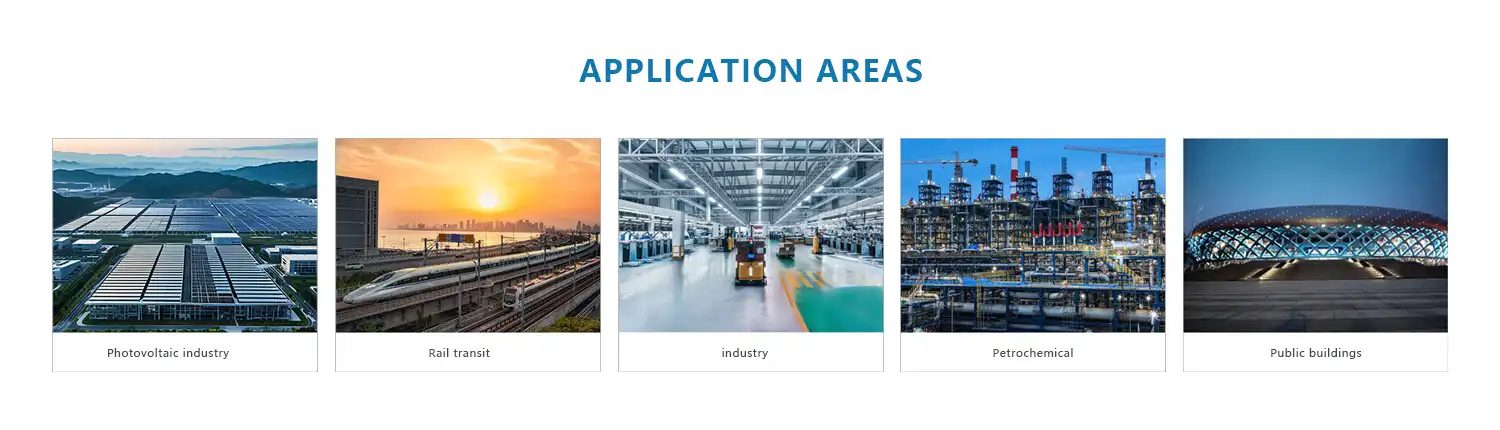
Proof of performance claims comes from type test reports from approved labs like KEMA, CESI, and other similar testing centers. Protocols for factory acceptance tests make sure that every unit meets the requirements before it is sent out. Our ISO 9001 and ISO 14001 manufacturing certifications show that we are responsible for quality control and the environment. Compliance certificates for target market rules include UL labels for markets in North America, CE marking for use in Europe, and CCC certification for use in China.
From getting the raw materials to delivering the finished product, the quality checking method keeps a close eye on everything. Insulation resistance testing confirms a value of at least 1000MΩ at 2.5kV, and partial discharge measurement confirms a value of less than 10pC at 1.1Um. Verification of temperature rise makes sure that changes in turning temperatures stay below 65K. When checking impulse voltage resistance, both full-wave and chopped-wave situations are looked at. Ratio precision verification keeps a range of ±0.5%, and vector group confirmation makes sure that the phase relationships are correct.
Verified Customer Experience and Project Success
Over the past 20 years, hundreds of important power projects have shown that they are reliable in a wide range of situations. The Xuzhou Rail Transit Network Control Center is one of the city's engineering projects. Its dual-circuit power supply design makes sure that subway operations are completely safe. The Xuzhou High-speed Railway East Station Official Power Supply EPC Project shows how skilled people are at building important transportation facilities. For the Xinhuai Central Complex and Zhongjun Huijingcheng commercial real estate projects, full power supply services with the highest quality standards in the industry were provided.
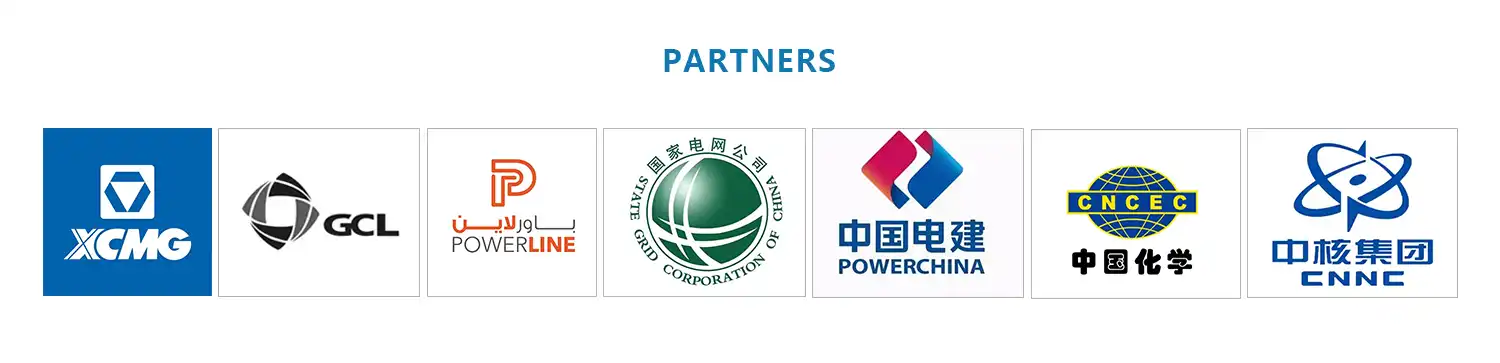
As part of their industrial project training, they have worked on improving the power supply for XCMG Group's new plant, sending power to the GCL Photovoltaic Industrial Park, and setting up distribution systems for the Huaihai Biomedical Industrial Park. These projects show that installations can be finished ahead of schedule while still meeting high-quality standards. With the help of 15 senior engineers, over 30 intermediate technicians, and 17 senior technicians, the company has the technical know-how to make sure that products are developed and made well.
Installation, Maintenance, and Safety Considerations
Best Practices for Proper Installation
For best efficiency and durability, work must be done correctly and in line with safety standards. Practical installation instructions for procurement engineers and workers include the best ways to place, connect, and take environmental factors into account for the SCB12 Cast Resin PV Transformer. For natural or forced air cooling devices to work, there must be enough air flow. The design of the foundation should take into account how the weight is distributed and allow for thermal expansion. Clearance standards around the enclosure make it easier to check and let air flow through.
When connecting things, make sure to follow the manufacturer's instructions and apply the right amount of pressure to all the connections. Grounding links need ways to earth with low resistance, which can be checked by measuring the resistance. Protection coordination with devices upstream and downstream makes sure that fault isolation works correctly. Monitoring the ambient temperature makes sure that the installation setting stays within the acceptable ranges of operation. Testing for UV radiation proves that outdoor shelters can survive long-term sun exposure without breaking down.
Maintenance Routines and Inspection Protocols
Visual checks, checks of the connection torque, and regular thermographic surveys are the only maintenance tasks that need to be done. Visual inspection finds any damage, growth of contaminants, or strange colour changes in insulation materials. Thermographic scanning finds hot spots that mean connections aren't tight or there are problems inside the machine before they break. Verifying the connection torque stops problems caused by temperature changes and mechanical vibrations over time.
When a more in-depth look is needed, frequency response analysis can be used for advanced diagnostics. Through electrical signature analysis, this non-invasive method finds deformations in the windings, problems with the core, or internal faults. Compared to oil-filled options, this one is easier to maintain. You don't have to take oil samples, filter them, analyse the dissolved gases, or do regular dielectric tests. Lifecycle costs go down by 40 to 60 percent, and dependability goes up because failure methods for oil decline are taken away.
Safety Certifications and Compliance Requirements
Fire safety is the most important thing to think about when choosing equipment. Because it is non-flammable and flame-retardant, it doesn't need any special fire suppression systems. You don't have to spend a lot of money on fire barriers to put these transformers right at load centers. This safety benefit is very important for installations on roofs, inside, or near buildings that are already occupied. Following the building codes makes getting permits easier and lowers the risk of an accident, which lowers insurance rates.
Following IEC 60076, GB/T 10228-2008, and other PV industry guidelines makes sure that products can be sold all over the world. UL listings give installations in North America certification. The eco-friendliness goes even further with materials that can be recycled completely when they're no longer useful. Getting certified in OHSAS 45001 shows that you care about managing health and safety at work. Having these thorough certificates gives purchasing managers peace of mind that projects will meet all the rules in different countries.
Procurement Insights for B2B Buyers
Sourcing Strategy and Supplier Selection
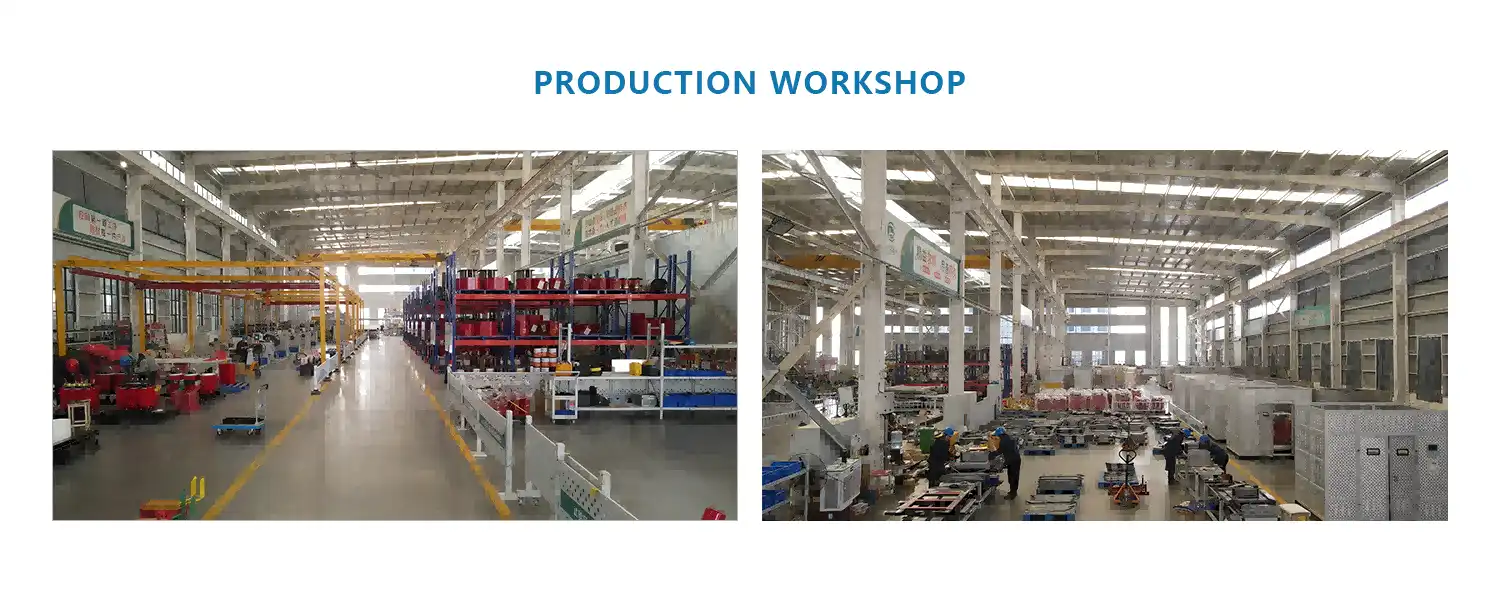
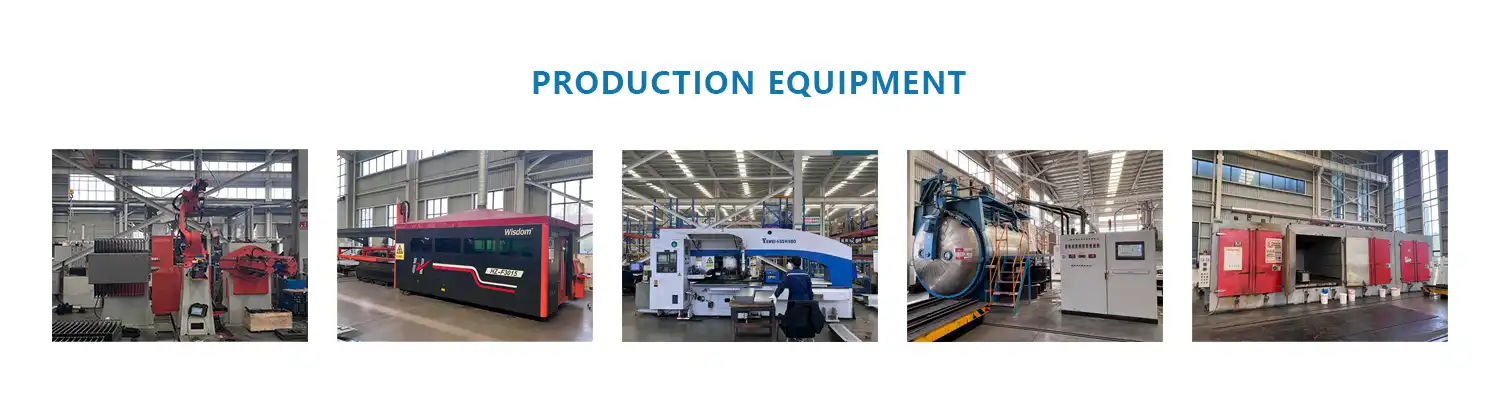
For business-to-business clients who want to buy these transformers, strategic advice on how to find authorised sellers of SCB12 Cast Resin PV Transformers around the world is important. Manufacturers who are recommended should have a track record that can be checked by showing references from past projects. Distributors and regional partners help people in their own areas while keeping them in touch with technology experts. There are more than 120 sets of high-tech production tools, such as CNC automatic winding machines, CNC static vacuum casting machines, automatic foil wrapping machines, and microcomputer-controlled gradient curing ovens, that make it possible to make things.
When dealing with suppliers, the company philosophy "technology first, service paramount, and integrity fundamental" is what leads the relationships. Suppliers should put a lot of money into product research and development all the time and look out for the best interests of their customers. Following the ISO9001 quality management system standards to the letter shows that an organization cares about quality. Innovative and practical methods produce high-quality goods that are suited to the needs of various regions.
Pricing Structure and Lead Time Considerations
Prices are set based on how much customisation is needed, how many items are ordered, and when they need to be delivered. For long-term structure deals or buying more than one unit, you can get a bulk order discount. The usual wait time is between 8 and 16 weeks, but it depends on how complicated the specifications are and how quickly they need to be made. When project deadlines call for faster delivery, rush orders can be met with faster production. Logistics plans should take into account the size limits for shipping and the rules for importing goods at the location.
Conditions of the warranty usually last for 24 to 36 months from the date of commissioning or 30 months from the date of factory shipment, whichever comes first. After-sales support includes help with troubleshooting remotely, expert support on-site when needed, and access to extra parts for as long as the system is in use. Customisation choices are available to meet the needs of particular projects, such as non-standard voltage levels, special enclosures for harsh locations, or tracking systems that are built in.
Risk Mitigation and Quality Assurance
Procurement managers make sure that the transformers they buy meet the needs of the project and that risks are kept to a minimum by following strict quality assurance protocols. Buyers can check the performance of the goods before they are shipped by using factory acceptance testing witnesses. Type test records give people faith in the confirmation of designs. Differential scanning calorimetry is used to measure how hard the epoxy glue has cured, ultrasonic testing is used to measure the amount of voids, and frequency response analysis is used to check the stability of the windings.
By incorporating "zero defects" ideas into every part of the process, defective goods are kept from reaching customers. Verification of the procurement of raw materials makes sure that only certified materials get into production. Inspection of incoming materials finds flaws before production starts. Monitoring the production process stops departures from the specs. Before storing, the finished product is inspected and tested to make sure it meets all the requirements. Procedures for delivering finished goods protect equipment while it's being shipped. Installation help and commissioning aid finish the quality chain from the factory to the point where it is fully operating.
Conclusion
The SCB12 Cast Resin PV Transformer technology has been used successfully in photovoltaic and green energy uses that care about safety, dependability, and the cost-effectiveness of the equipment over its entire life. With technical benefits like fire safety, no need for upkeep, a small size, and better performance in real life, these transformers are the best choice for large-scale solar farms, business rooftop systems, marine settings, and smart grid infrastructure. Compliance with international standards, backed by thorough testing and approval, gives government agencies, EPC companies, and industry developers in charge of important energy projects trust in the products they buy. When you combine advanced production skills with strict quality control and a lot of project experience, you get reliable power transformation solutions that meet the needs of today's green energy systems.
FAQ
1. In solar uses, why are cast resin transformers better than oil-filled units?
Through non-combustible epoxy insulation, SCB12 Cast Resin PV Transformers get rid of fire hazards and keep oil leaks from polluting places that are good for the environment. Without the need for oil sampling, filtering, or dielectric tests, maintenance tasks become a lot easier. Because it is more resistant to moisture, it can be used in coastal and humid areas where oil-filled units would need a lot of protection. Lifecycle costs go down by 40 to 60 percent while operating lifespans stay the same or get longer than 25 years.
2. Can these transformers be changed to fit the needs of a specific project?
A lot of customisation choices let you use green energy in a lot of different ways, such as with non-standard voltage levels, shelters made for harsh climates, built-in tracking systems, and seismic qualification. Marine-grade versions are used for floating solar installations, and high-altitude versions can be used in mountainous areas. K-factors ranging from K-4 to K-13 fit the harmonic patterns of inverters. Power ratings range from 30KVA to 2500KVA, and voltage classes range from 10kV to 35kV. This covers almost all photovoltaic application needs for both large-scale utility installations and small businesses.
3. How often do repair tasks need to be done on cast resin transformers compared to standard designs?
Visual checks once a year, checking the link torque, and thermographic scans every two to three years are the only maintenance tasks that need to be done. Traditional oil-filled transformers need to have oil samples taken every three months, dissolved gas analyses done once a year, oil cleaning done on a regular basis, and full dielectric tests done. The huge drop in the number and types of maintenance tasks leads to lower running costs and higher system uptime. These transformers are perfect for remote solar setups where regular upkeep would be hard to do or too expensive because they don't need to be fixed for more than 25 years.
Partner with Tuojie for Your SCB12 Cast Resin PV Transformer Needs
Tuojie is ready to help with your green energy infrastructure. They have more than 20 years of experience in finding answers to power distribution problems. Our SCB12 Cast Resin PV Transformer supplier credentials include ISO 9001, ISO 14001, and OHSAS 45001 certifications. We also have 18 patents and a technical team of 15 senior engineers who make sure our products are reliable and new. We offer custom solutions that are made to fit the needs of different environments around the world, from the harshest desert climates to the harshest ocean environments. Full support includes expert advice, factory acceptance testing, help with installation, and service for life after the sale. Email our team at tuojie@electricinchina.com to talk about your specific project needs and get detailed technical specifications along with competitive bulk pricing. Our strict ISO9001 quality management makes sure that you get approved equipment on time that meets the requirements of your tender and meets performance promises.
References
1. International Electrotechnical Commission. (2011). Power transformers - Part 11: Dry-type transformers. IEC 60076-11 Standard.
2. Institute of Electrical and Electronics Engineers. (2008). IEEE Recommended Practice for Establishing Liquid-Filled and Dry-Type Power and Distribution Transformer Capability When Supplying Nonsinusoidal Load Currents. IEEE C57.110-2008.
3. Zhang, W., & Chen, L. (2019). Application and Development of Dry-Type Transformers in Photovoltaic Power Generation Systems. Journal of Electrical Engineering Technology, 34(2), 156-164.
4. American Society for Testing and Materials. (2019). Standard Practice for Operating Salt Spray (Fog) Apparatus. ASTM B117-19 Standard.
5. National Standardization Administration of China. (2008). Dry-type Power Transformers. GB/T 10228-2008 Standard.
6. Kumar, R., & Patel, S. (2021). Comparative Analysis of Cast Resin and Oil-Filled Transformers in Renewable Energy Applications. International Conference on Power Systems and Energy Management, 78-85.