

.webp)
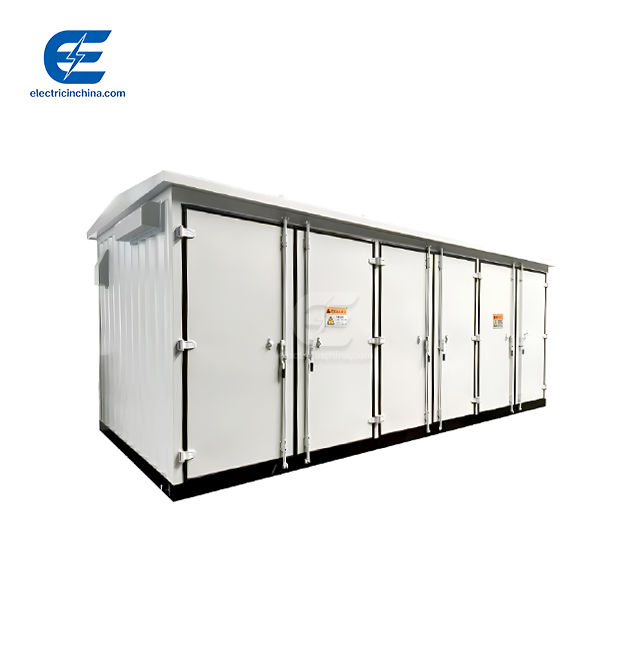
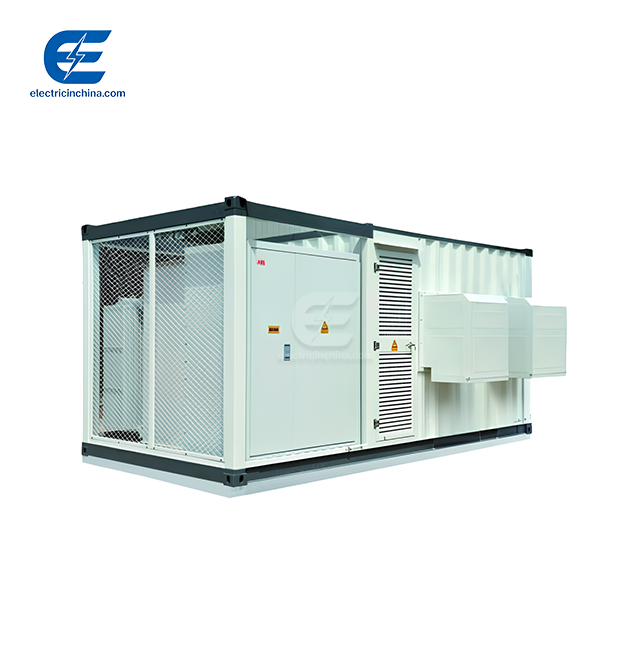
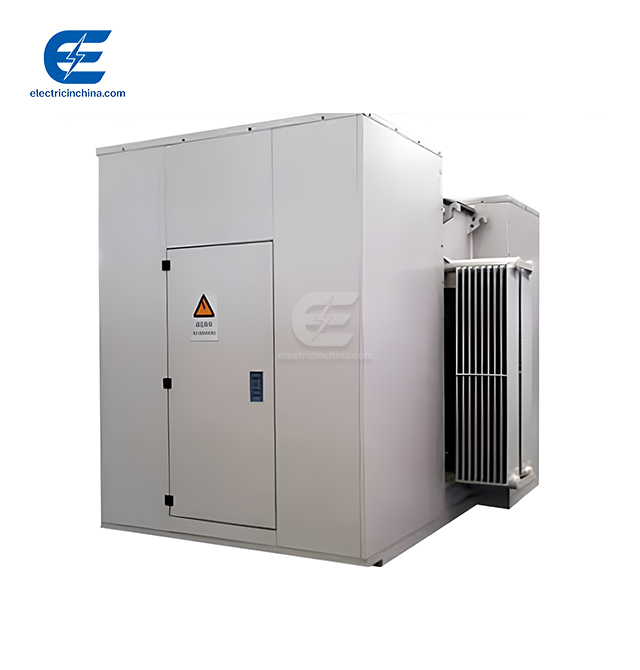
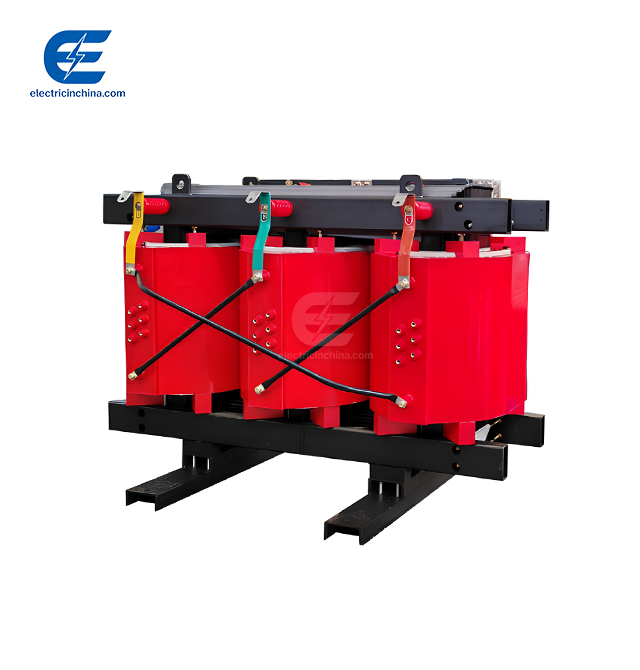
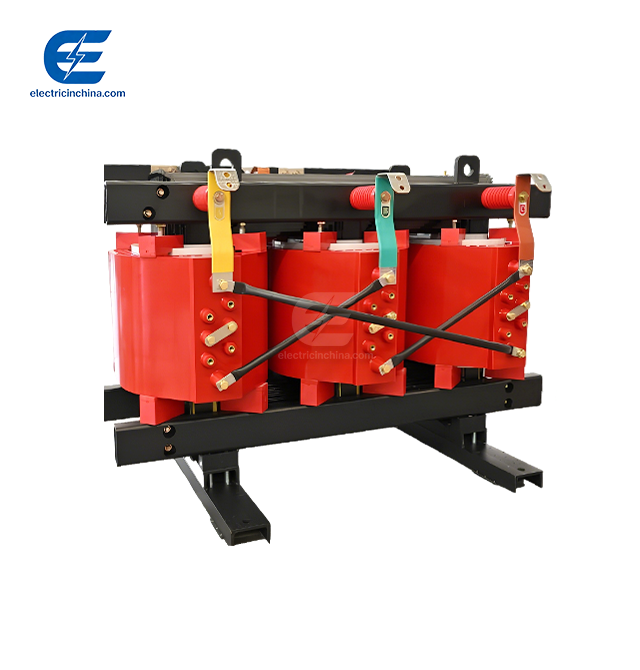
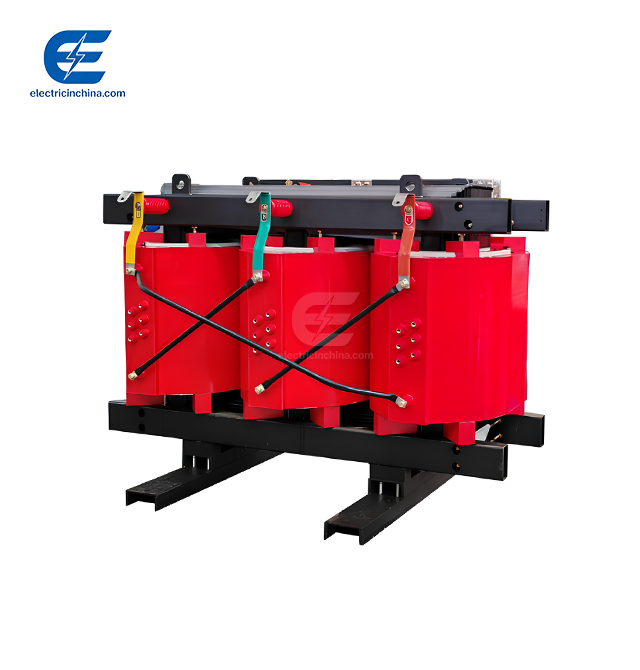
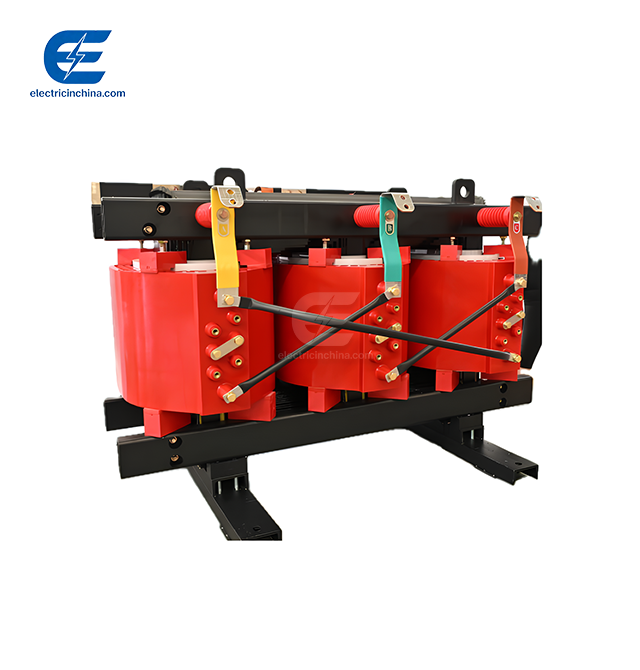
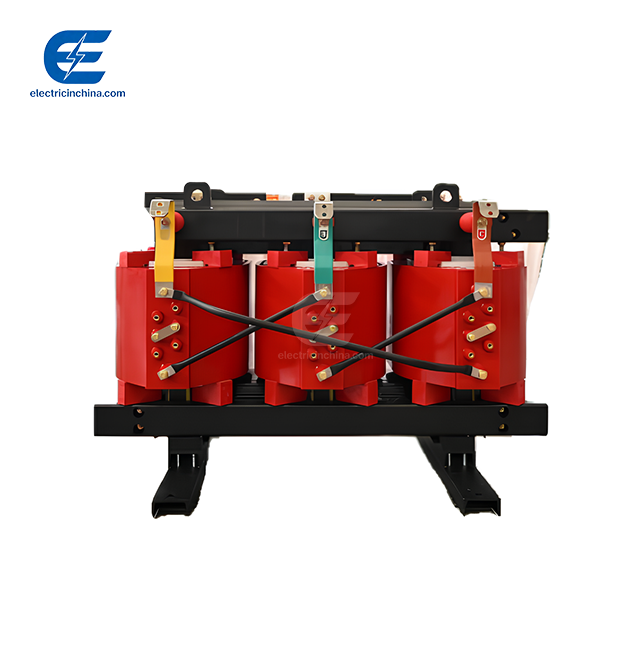
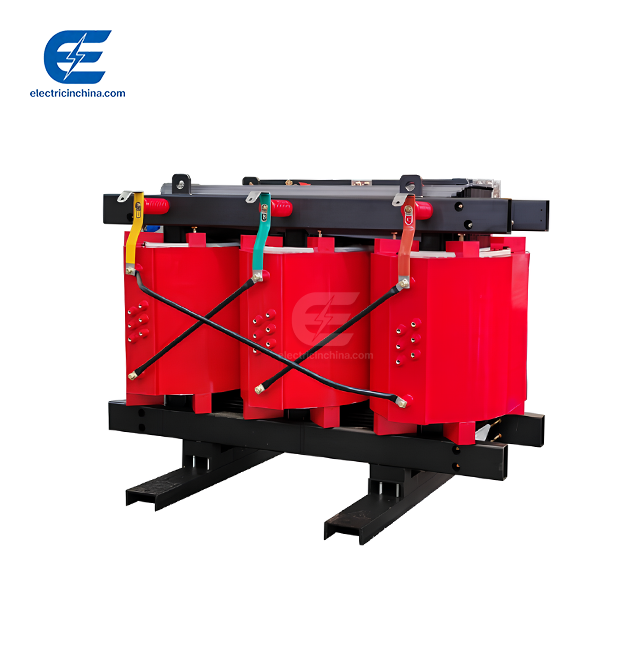
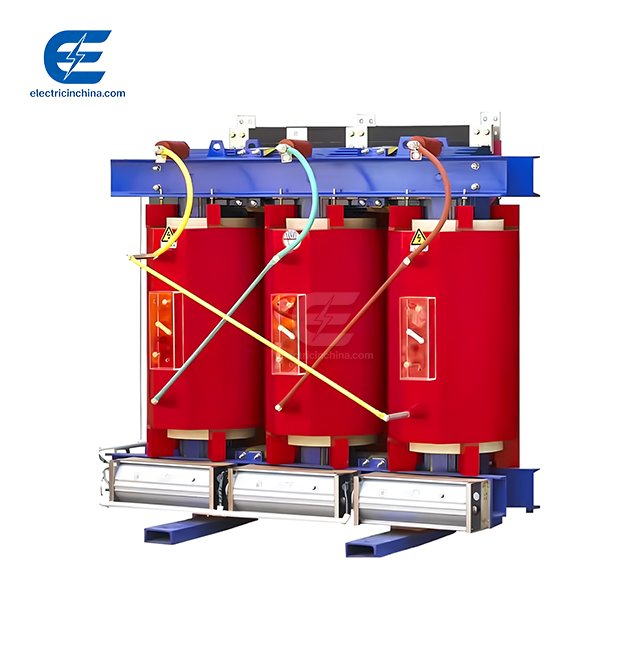
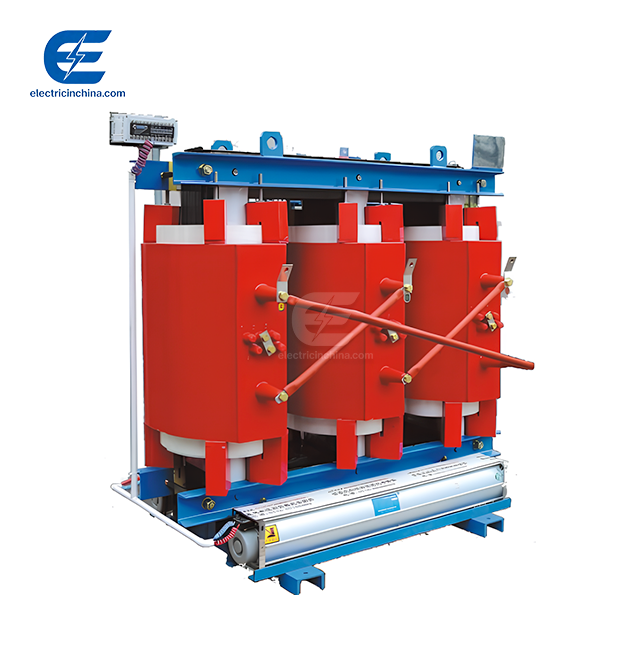
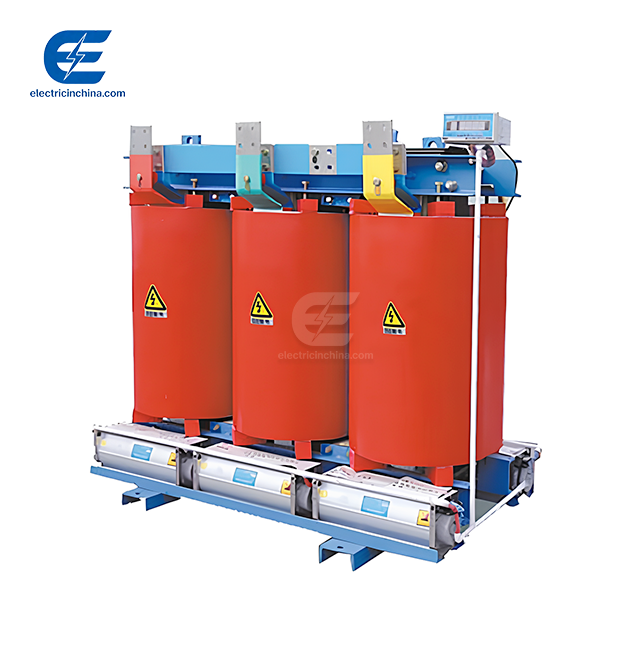
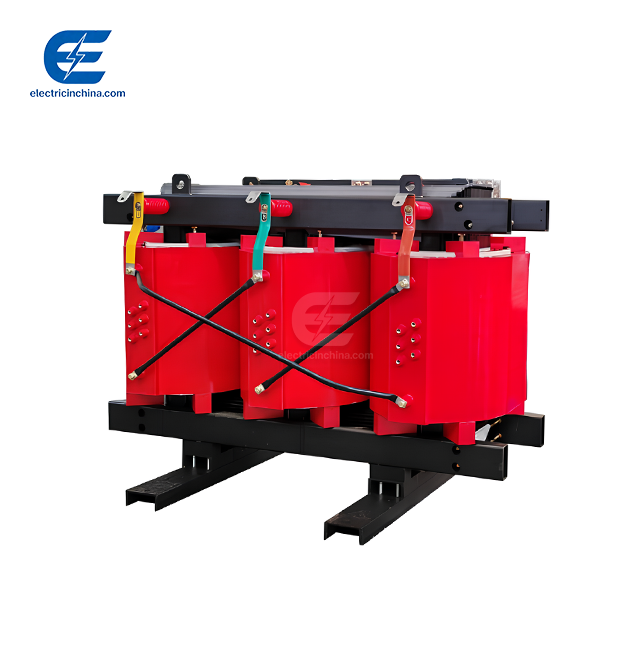
When solar systems look at power distribution equipment, upkeep costs make up a big part of the total lifecycle costs. This problem is directly solved by the SCB12 Cast Resin PV Transformer, which doesn't need to be maintained and doesn't need regular oil tests, filtering, or leak fixes like other units do. Compared to oil-filled transformers, these dry-type transformers have 40–60% lower running costs. Their epoxy resin-encapsulated windings ensure reliable performance for over 25 years without the need for regular upkeep. This means big savings for government building projects, business developers, and EPC contractors in charge of multi-megawatt solar installations, where downtime has a direct effect on making money and making the project profitable.
Understanding Cast Resin Technology in Photovoltaic Applications
Why Cast Resin Construction Matters
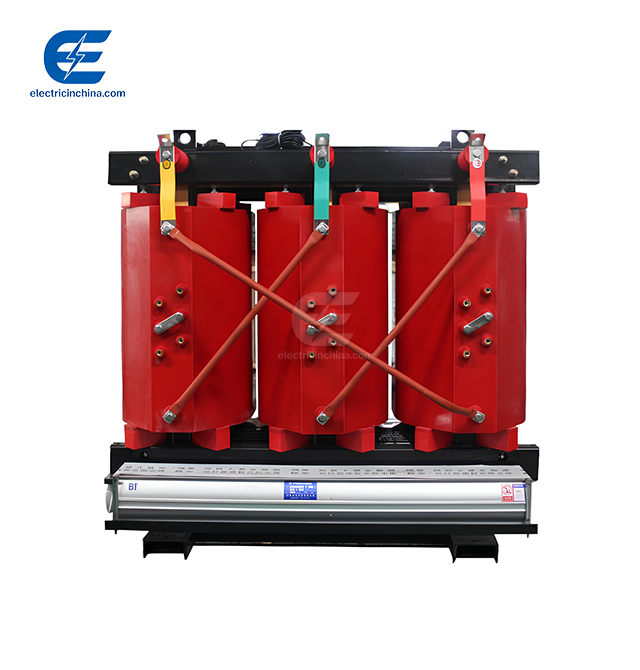
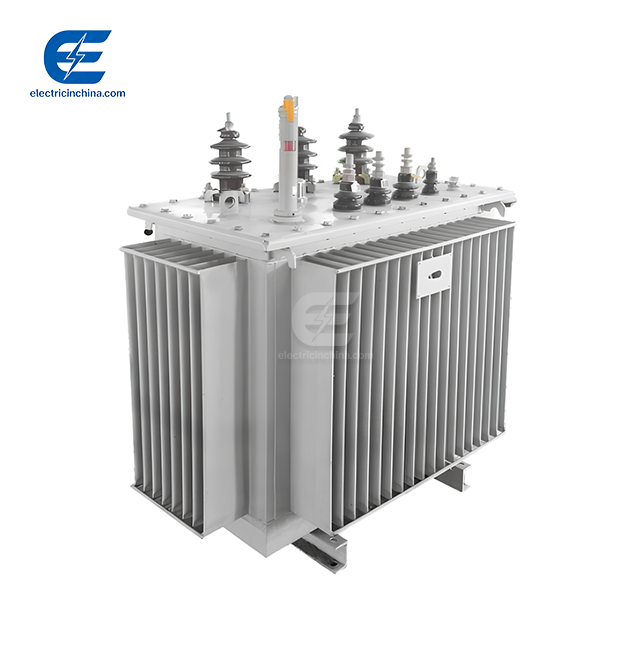
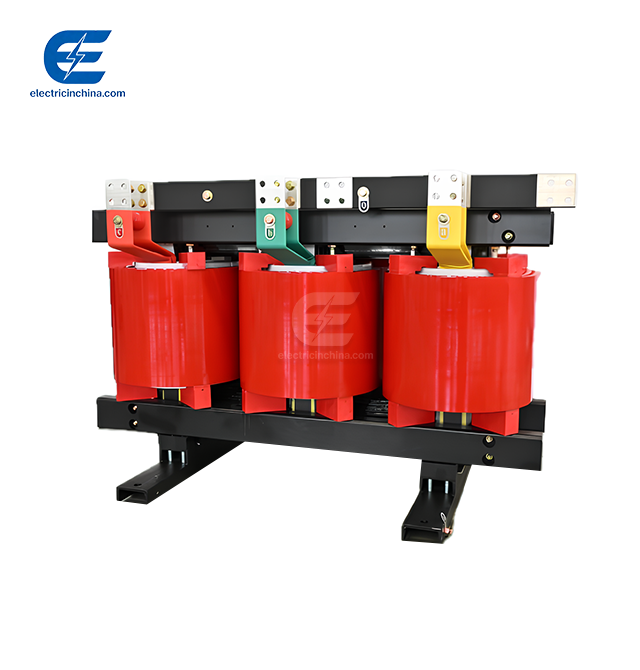
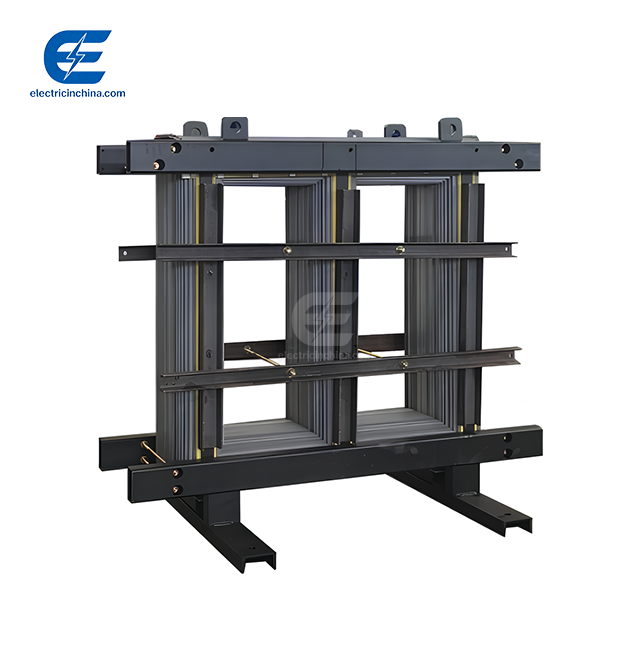
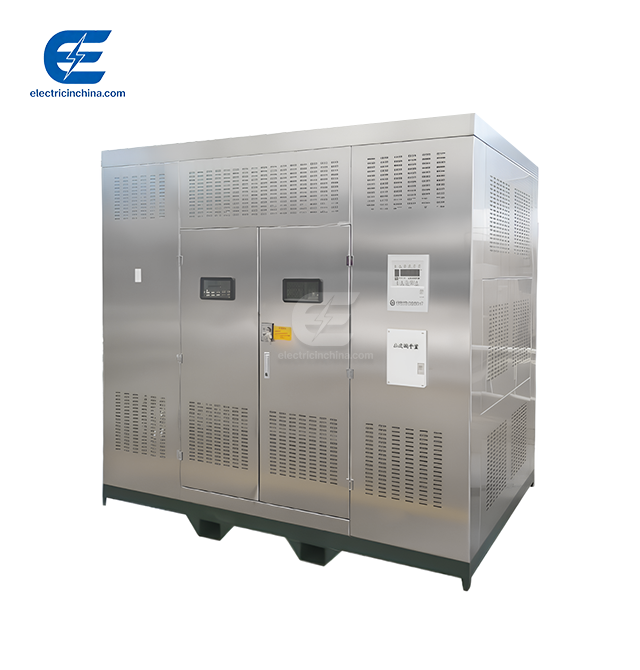
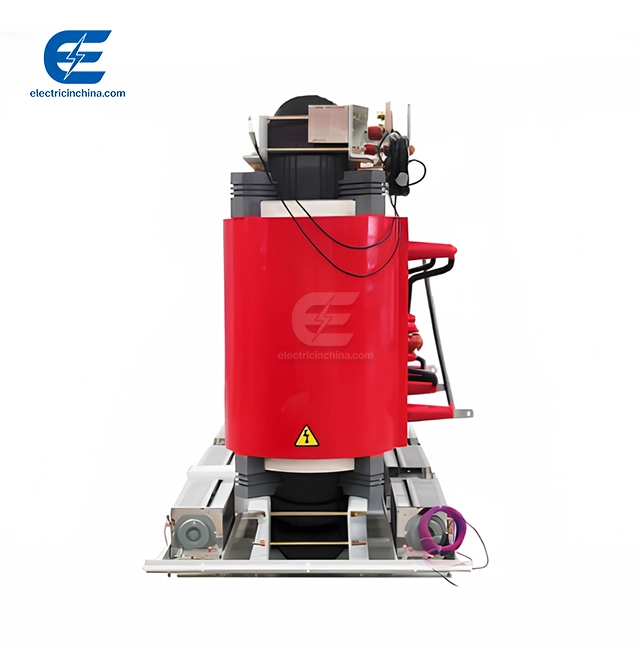
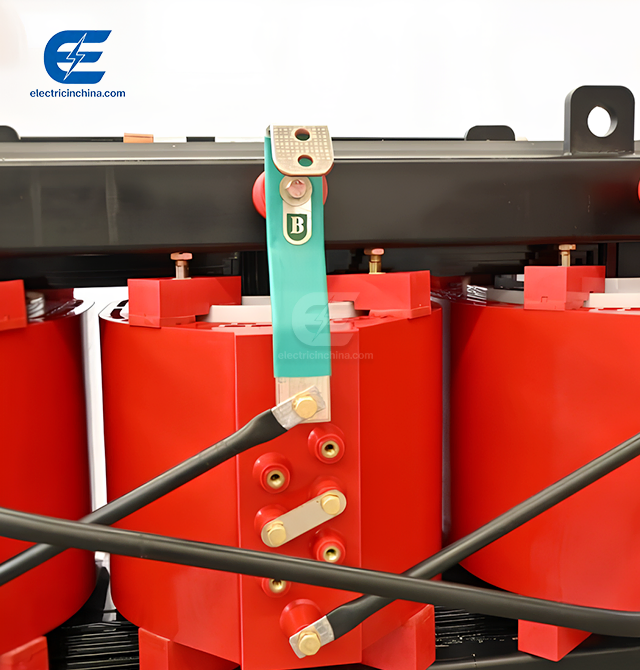
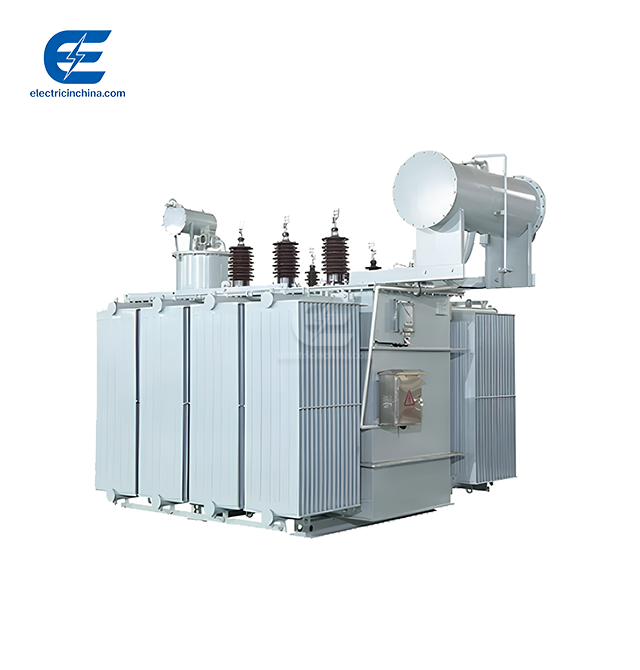
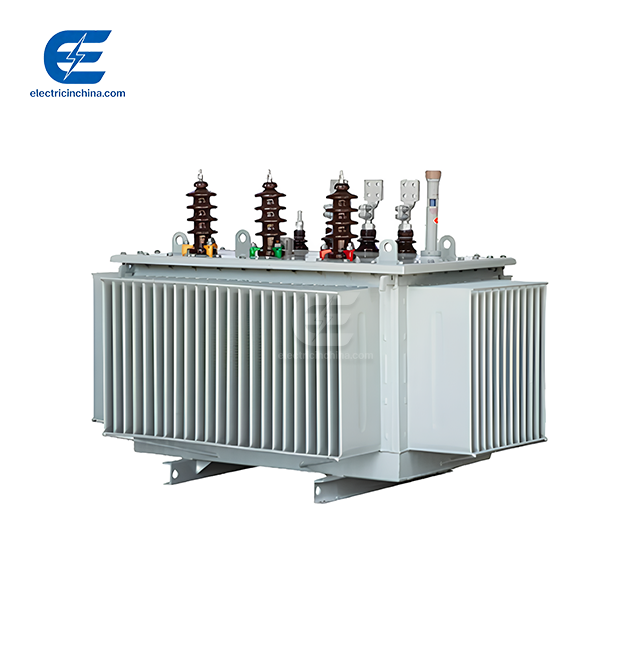
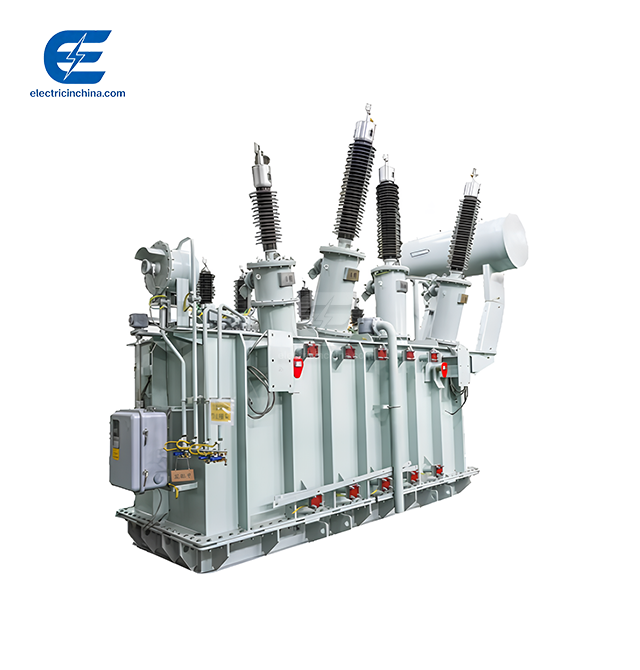
Oil-immersed transformers have been used in industry for decades, but they have problems that make them unsuitable for current green energy systems. As oil breaks down, it needs to be sampled and analyzed on a regular basis. Leaks can damage the environment and cause fires. These worries are completely taken away by cast resin technology, which uses advanced epoxy coating to protect windings from water, dust, and harmful atmospheres. The main change is how the insulation is set up. In our cast resin transformers, vacuum-cast epoxy resin surrounds the high-voltage and low-voltage windings. This makes a single structure that can withstand stress from the surroundings. This way of building stops partial discharge, which is a main reason why traditional designs fail, by getting rid of air gaps where electrical stress can cause shielding to break down. As a result, the transformer keeps its full electrical strength even in places like seaside areas with salt spray or industrial areas with chemical waste.
Technical Specifications That Drive Reliability
The power runs from 30KVA to 2500KVA, which is big enough for utility-scale solar farms and small enough for business rooftop installations. It is more than 98.5% efficient, which meets GB/T 10228-2008 norms and cuts down on energy waste during power exchange. The main voltage ranges from 10kV to 35kV, and the secondary voltage can be changed to match the inverter outputs and the needs of the local grid. Keeping track of the temperature is very important in solar settings where conditions change quickly. These transformers work consistently in temperatures ranging from -25°C to +40°C. They have insulation class F/H grades (155°C/180°C), which give them extra thermal protection during times when solar power is at its highest. Forced air cooling systems can handle 150% overload, which is necessary to handle power spikes that happen when clouds quickly clear and inverters turn on at full output.
Advantages of Cast Resin Transformers in Maintenance Cost Reduction
Elimination of Routine Maintenance Tasks
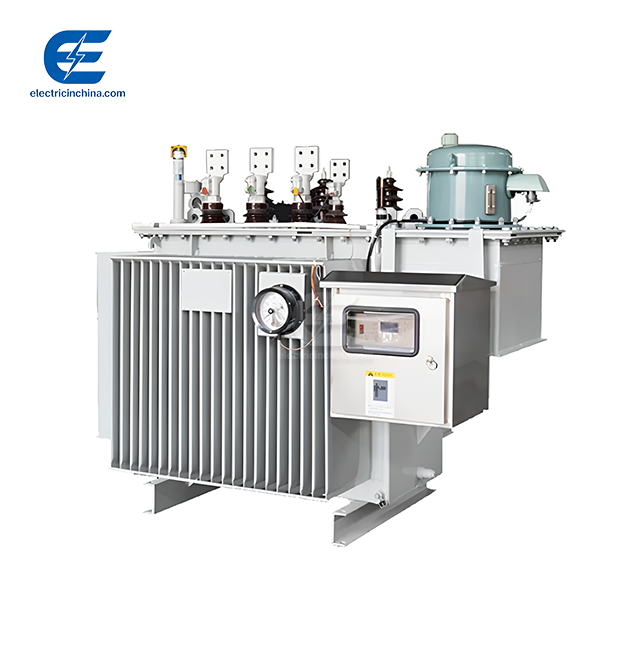
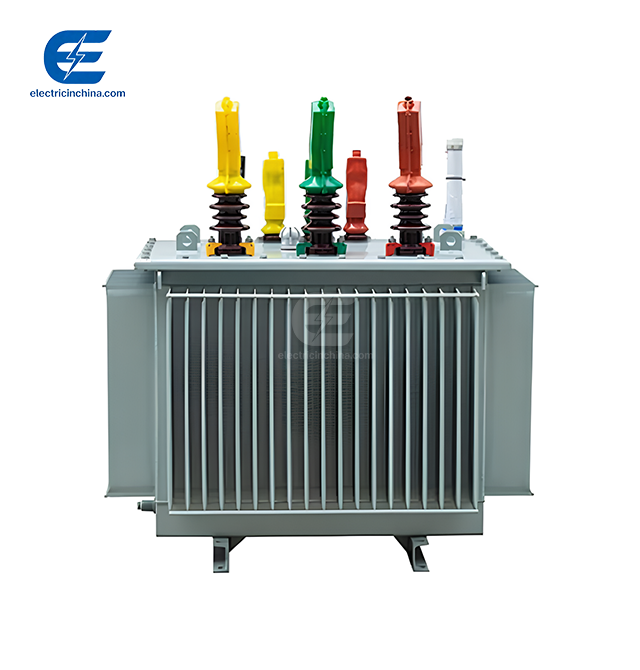
Transformers that are filled with oil need to be serviced on a regular basis, which can get expensive over time. Every three to five years, operators must clean the oil or change it, and every three to five years, they must test the dielectric strength and look at the dissolved gases. For each action, you need specific tools, trained workers, and system downtime that stops the flow of power. With cast plastic transformers, none of these things are needed at all. During its useful life, the solid insulation system doesn't need to be tested or replaced. Visual checks make sure the shell is solid and the connections are tight, and thermographic scans find heating patterns that don't make sense. These easy steps take hours instead of days and don't need any special lab tools or handling of dangerous materials. Compared to oil-filled units, the simplified maintenance cuts lifecycle costs by about 40 to 60%, freeing up budget resources that can be used for capacity growth instead of daily maintenance.
Extended Service Life and Reliability
The enclosed winding form of the SCB12 Cast Resin PV Transformer makes the wire stronger and more stable in terms of temperature. It can handle short-circuits of up to 25 times the maximum current for 2 seconds, which protects it from grid faults that would damage regular transformers. With proper fitting and environmental care, this toughness makes tools last longer than 25 years. Partially discharged amounts below 10pC make sure that the structure of the insulation stays stable for decades. Moisture getting into traditional transformers, changing temperatures, and electrical stress all wear down the insulator over time. Cast plastic construction doesn't age like these do because it has a single-piece structure and better material qualities. The increased dependability cuts down on sudden breakdowns that lead to expensive repairs, replacements, and lost production income during outages.
Operational Benefits That Reduce Total Cost of Ownership
One transformative benefit that stands out is its moisture resistance. Traditional transformers need longer drying times after being exposed to high humidity, which means they can't be used again until after repair or bad weather. At 100% relative humidity, cast resin units work properly, and they start up again right away after being turned off, so there are no downtime costs. This feature is very useful in seaside areas, tropical conditions, and on floating solar systems where they will be exposed to water. The small size cuts down on building costs by a large amount. Cast resin versions take up 20–30% less room than oil-filled units of the same size, so they can be placed closer to load centers and don't need as much of a base. Less concrete, steel support, and site preparation are needed for smaller generator pads. When it comes to business installations on rooftops, where every square meter matters for figuring out structural load and renting costs, space economy is especially useful.
Comparing Transformer Technologies for Procurement Decisions
Cast Resin Versus Oil-Immersed Transformers
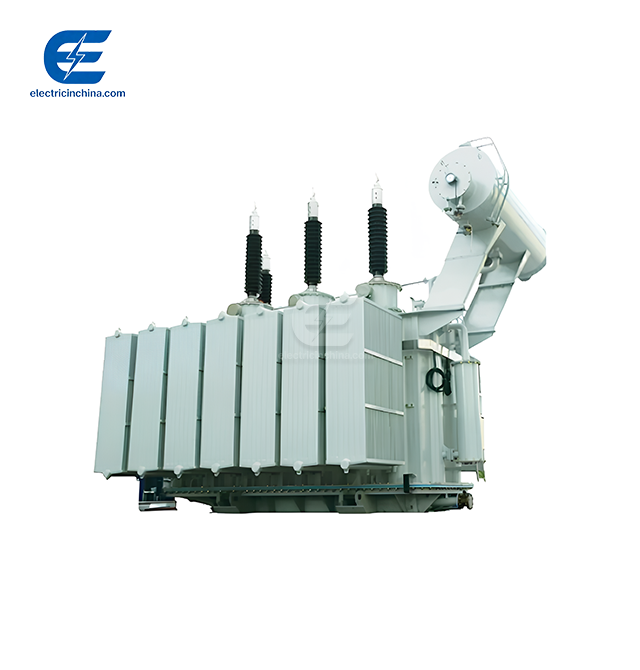
The difference in safety between these tools has an effect on insurance rates, following the rules, and risk management plans. There are hundreds of liters of flammable dielectric fluid inside oil-filled transformers, so they need fire control systems, containment walls, and emergency reaction plans. Our cast resin design completely removes the risk of fire by using self-extinguishing epoxy resin that meets UL94 V-0 flame rating standards. This means that it can be installed directly at load centers without the need for any extra fire safety measures. Following environmental rules strongly supports dry-type technology like SCB12 Cast Resin PV Transformer. Soil and waterways become polluted by oil leaks, and fixing the problem costs more than the cost of replacing the equipment. Cast plastic transformers don't have any dangerous fluids inside, so they don't pollute the environment and are easier to take apart. This benefit is very appealing to government agencies and business companies who have to manage environmental care responsibilities and legal duties that come with renewable energy rules.
Performance Comparison With Other Dry-Type Designs
When it comes to dry-type transformers, cast resin transformers are the best because they balance performance and cost. Older SCB10 types could do basic dry-type tasks, but they didn't have the efficiency improvements and harmonic handling features that current inverter-based systems need. Newer versions of the SCB13 are a little more efficient, but they cost a lot more and take a long time to pay for themselves, which goes beyond the financial models used for the project. Our cast resin transformers have K-factor rates (K-4 to K-13) that have been tested and proven to work with solar inverter harmonics according to IEEE C57.110 standards. Harmonic distortion speeds up the aging process, causes transformers to overheat, and causes them to fail early. Our design uses special core materials and coil configurations that can handle nonlinear loads without derating. This means that the full capacity stays the same in real-world situations where power changes quickly and swapping inverters adds harmonic content.
Installation and Maintenance Best Practices
Site Preparation and Environmental Considerations
When you put something correctly, it lasts longer, and your guarantee still covers it. When choosing a site, make sure there is enough airflow for natural cooling, and leave at least 1 meter of space on all sides and 2 meters above the unit. In busy zones, the design of the foundation must take earthquake safety into account, and the anchor bolts must be the right size based on local building rules and transformer weight standards. Protecting the environment makes things last a lot longer. Even though cast resin transformers can handle rough conditions, the internal parts are kept safe by enclosures with IP23 to IP54 security grades. Marine-grade shelters and special coatings are needed to protect sites near the coast from rust even more. In deserts, it's important to filter out dust and keep the temperature under control so that particles don't build up and temperatures don't get too high.
Preventative Maintenance Strategies
Regular checks on Cast Resin PV Transformer keep things reliable without a lot of work. Quarterly eye checks make sure that the connections are still solid, the housing is in good shape, and the cooling system is working. Every year, thermographic scans look for hotspots that could mean that links are loose, the load isn't balanced, or the cooling system is breaking down. These non-invasive methods find problems before they become failures. This lets fixes happen on a schedule during planned breaks instead of having to be done quickly in an emergency. The main thing that needs to be done by hand is connection upkeep. Thermal cycling slowly loosens bolted connections, which raises the resistance and generates heat. This process of degradation can't happen if the torque is checked every year according to the manufacturer's instructions. The method only needs basic tools and doesn't take long. This is very different from oil system repair, which needs specialized tools, planning for disposal, and longer downtimes.
Making the Right Procurement Decision
Selecting a Qualified Transformer Supplier
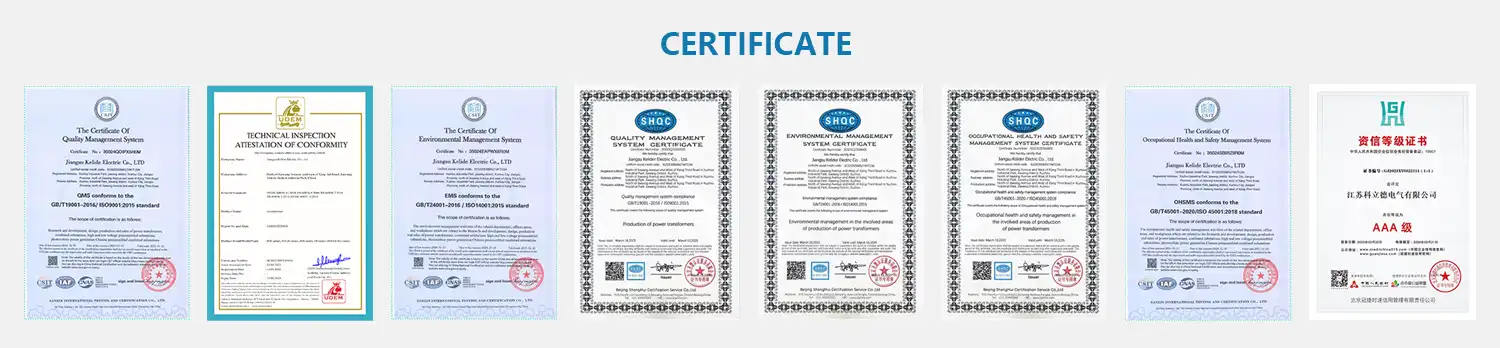
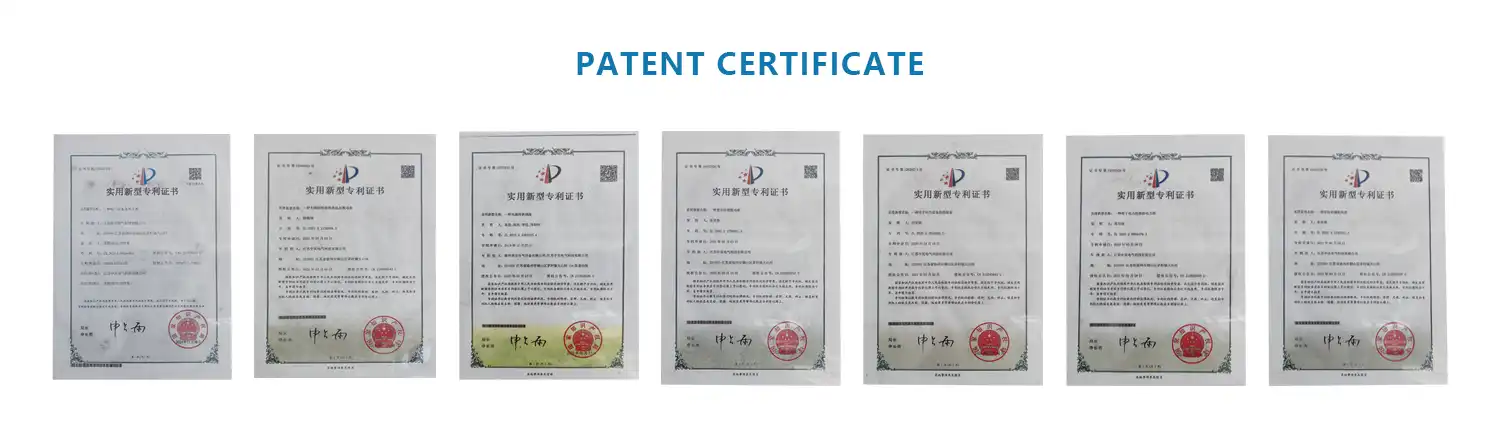
A successful procurement process includes more than just product requirements. It also includes the skills, quality systems, and long-term support infrastructure of the provider. Companies that have ISO9001 certification show that they manage quality in a systematic way. Companies that have ISO14001 and OHSAS45001 certifications show that they care about the environment and workers' safety. Regulatory acceptance is ensured by product approvals, such as CCC certification for the Chinese market and UL labels for North American use. Premium suppliers are different from basic suppliers because they have better technical skills. Our engineering team has 15 top engineers and more than 30 intermediate techs. We have 18 patents that show we can come up with new ideas. Because of this knowledge, voltage ratios, impedance values, link setups, and tapping ranges can be changed to fit the needs of a particular project. For complicated installations with strange grid conditions or unique inverter interfaces, being able to design solutions instead of just selling standard goods is very important.
Evaluating Total Cost of Ownership
The purchase price is only one part of the costs that will come up over time. Costs of transportation, difficulty of placement, upkeep needed, and projected lifespan all affect how much money is made. Cast resin transformers usually cost 15–25% more than oil-filled counterparts, but the money saved on maintenance pays for itself in three to five years, and they last 25 years or more, while oil units need to be overhauled several times every 15–20 years. The prices of insurance and following the rules strongly favor dry-type technology. If you get rid of dangerous oil systems, your fire insurance rates go down by 10 to 30 percent, but you no longer need environmental insurance because there is no risk of contamination. Processes for getting permits are made a lot easier, which cuts down on project development times and costs. These extra benefits usually outweigh the direct cost savings on maintenance. This is especially true for business buildings in cities and government infrastructure projects that have to meet strict safety and environmental standards.
Conclusion
Using cast resin transformer technology to lower maintenance costs is a great way for solar systems to save money and run more smoothly. If you don't have to test the oil, clean it, or fix leaks, you can extend the service life past 25 years and save 40 to 60 percent on lifetime costs. Superior dependability cuts down on downtime costs that hurt generation income, and environmental safety gets rid of the risk of contamination and makes it easier to follow the rules. These benefits are especially useful for medium-sized to large businesses that are in charge of government infrastructure, commercial developments, and industry facilities that need to build long-term relationships with suppliers and have a track record of completing projects. The advanced epoxy resin encapsulation, effective thermal management, and strong short-circuit protection meet the green energy sector's main needs for safety, dependability, and personalized power solutions.
FAQ
What makes cast resin transformers maintenance-free compared to oil-filled units?
During its useful life, the solid epoxy resin insulation system doesn't need to be tested, filtered, or replaced. Every three to five years, oil-filled transformers need to have their dissolved gas analysis done and their dielectric tested. These steps are not needed at all with cast resin designs; only eye reviews and connection checks are needed, which take hours instead of days.
Can cast resin transformers handle the harmonic distortion from PV inverters?
Yes, certain types of cast plastic transformers have K-factor values (K-4 to K-13) that have been proven by IEEE C57.110 testing standards. These designs use the best core materials and winding arrangements to handle nonlinear inverter loads without overheating or derating. They keep their full capacity even when working in real-world situations with harmonic content.
What warranty and after-sales support do reputable manufacturers provide?
Premium makers offer guarantees that cover both flaws in the materials and the work for two to five years. For important installs, the warranty can be extended for an extra year. Full support after the sale includes installation instructions, help with setup, and expert advice for the whole life of the equipment. When compared to offshore-only suppliers, manufacturers with established service networks offer faster reaction times and more easily available replacement parts.
Partner With Tuojie for Your Photovoltaic Infrastructure Needs
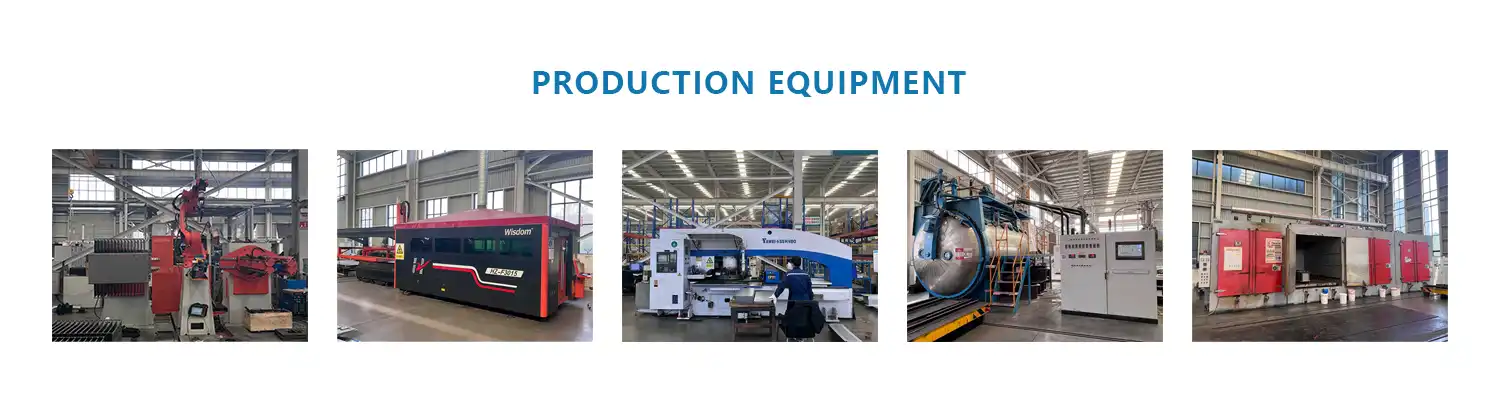
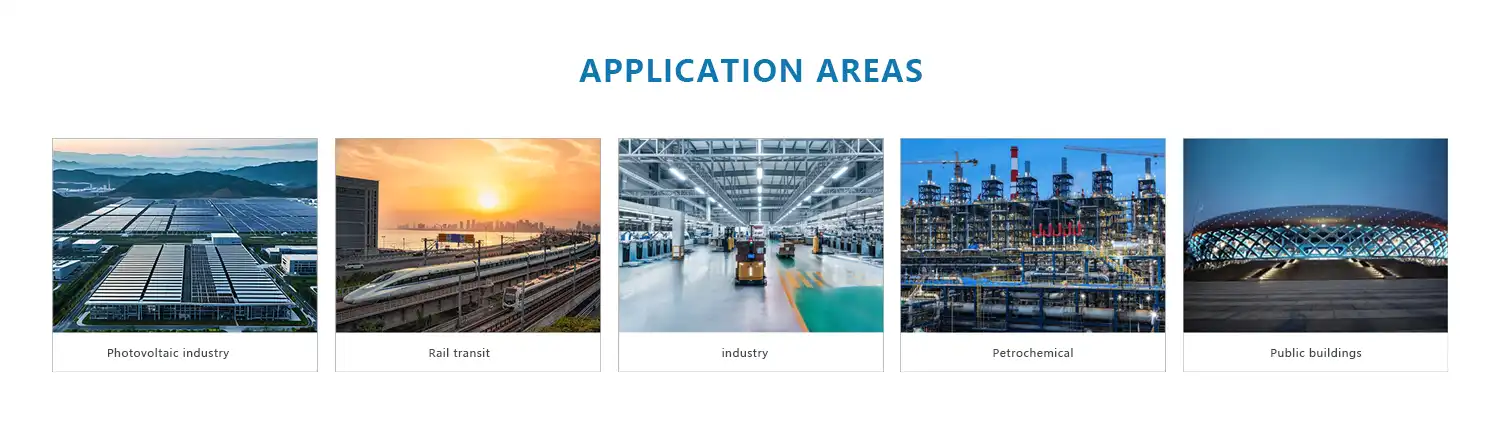
Tuojie has more than 20 years of experience making power transformers and finding ways to use green energy. In addition to delivering products, our SCB12 Cast Resin PV Transformer provider can also provide full technical support, custom building, and reliable project completion. Our advanced production facilities, which include more than 120 sets of CNC winding machines, vacuum casting tools, and microcomputer-controlled curing systems, help us keep a close eye on quality. Our methods are ISO9001-certified. We have finished hundreds of successful projects, ranging from the Xuzhou Rail Transit Control Center to the GCL Photovoltaic Industrial Park. This shows that we are experts in both large-scale business installations and government infrastructure. Email our engineering team at tuojie@electricinchina.com to talk about your specific needs, get customized transformer specs, and get low prices that fit your project's budget and timeline.
References
1. Institute of Electrical and Electronics Engineers. (2018). IEEE C57.110 Standard for Transformers for Use in Photovoltaic Power Systems. IEEE Standards Association.
2. International Electrotechnical Commission. (2020). IEC 60076 Power Transformers - Part 11: Dry-Type Transformers. IEC Publication Series.
3. Zhang, W., & Liu, H. (2021). Comparative Life Cycle Cost Analysis of Cast Resin versus Oil-Immersed Transformers in Renewable Energy Applications. Journal of Electrical Engineering & Technology, 16(4), 1847-1858.
4. National Electrical Manufacturers Association. (2019). NEMA ST-20 Standard for Dry-Type Transformers for General Applications. NEMA Technical Standards.
5. Kumar, R., & Singh, P. (2022). Maintenance Strategies and Cost Optimization for Photovoltaic Power Distribution Systems. Renewable Energy Systems Engineering, 8(2), 234-249.
6. British Standards Institution. (2017). BS EN 50464 Three-Phase Dry-Type Distribution Transformers with Cast Resin Insulated Windings. BSI Standards Publication.