

.webp)
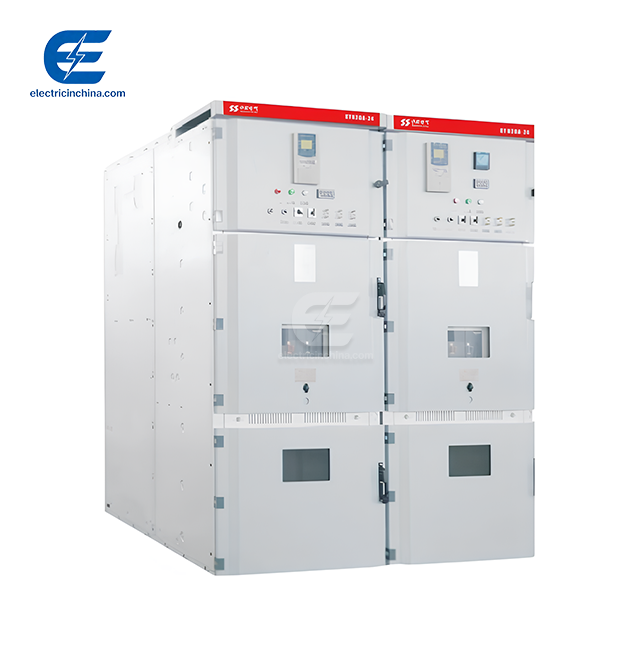
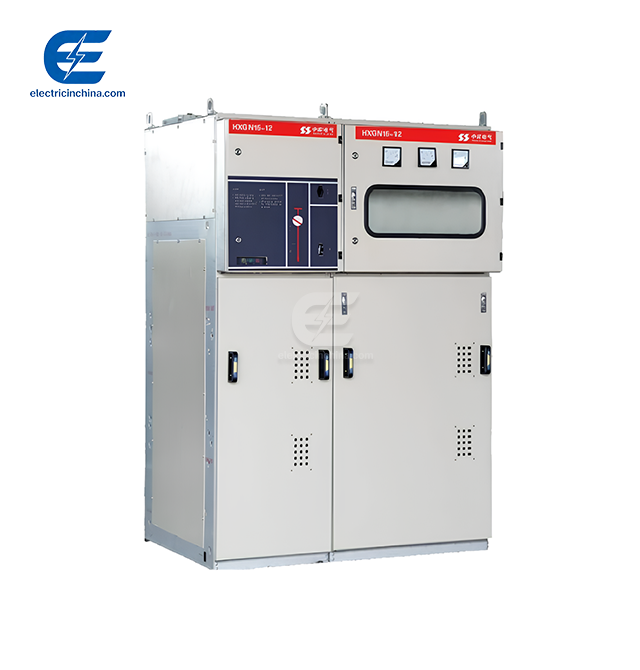
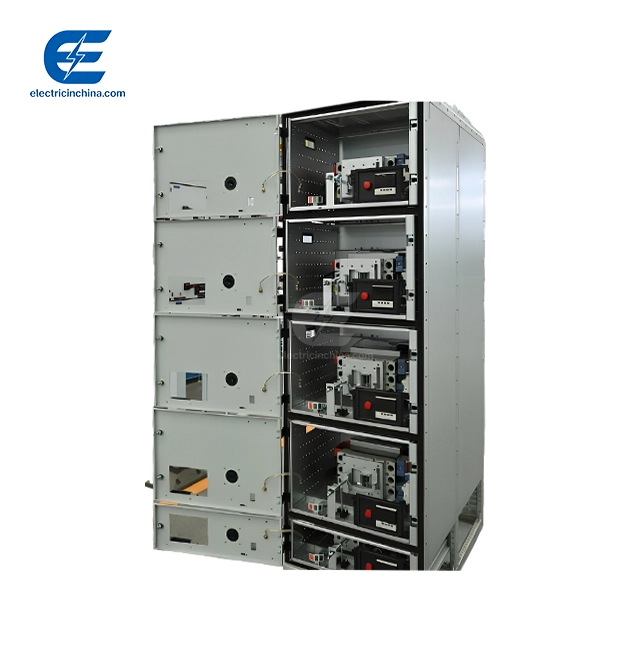
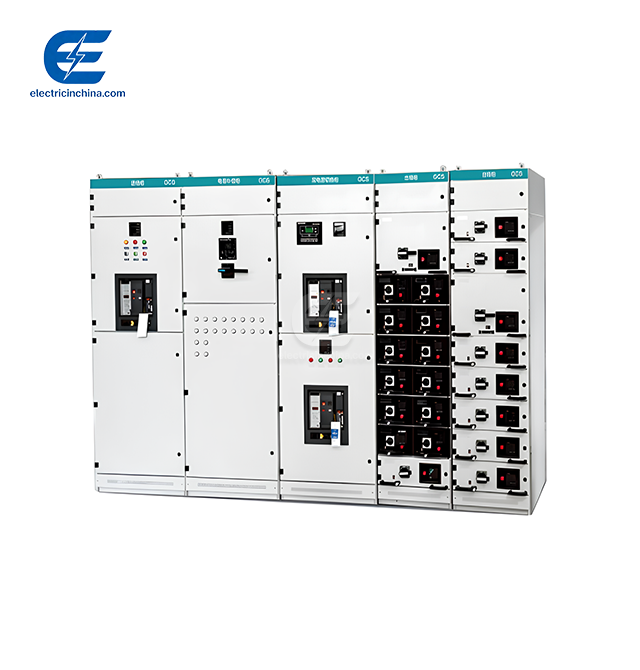
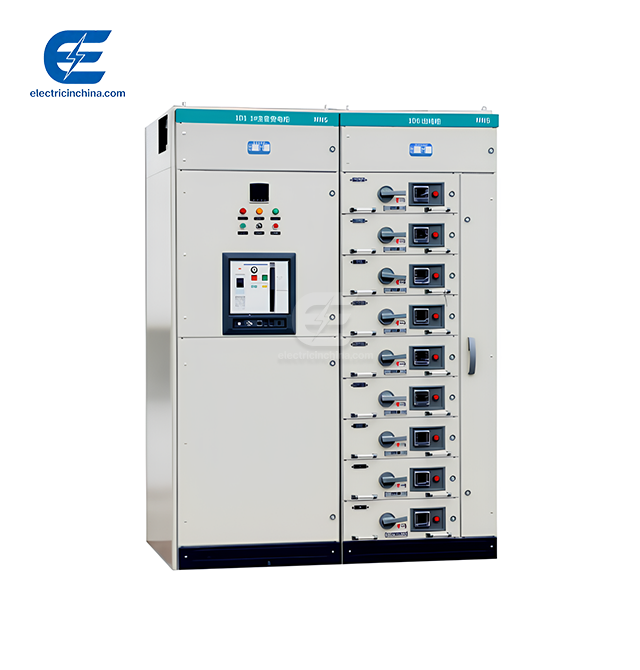
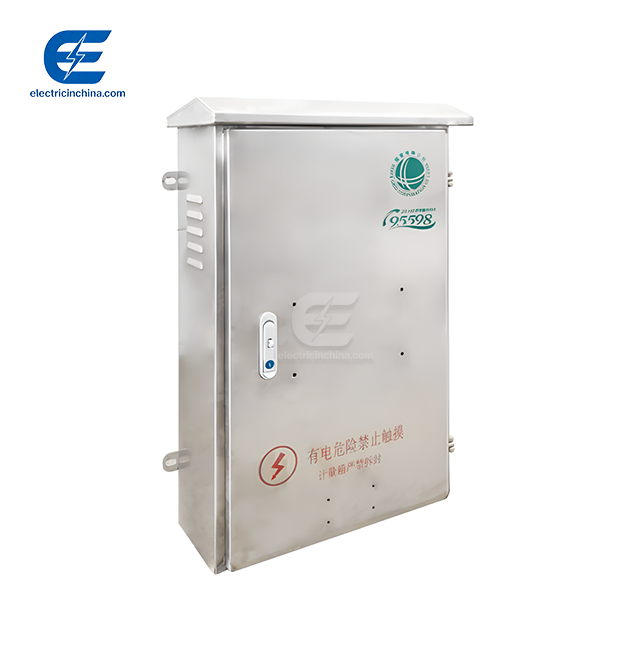
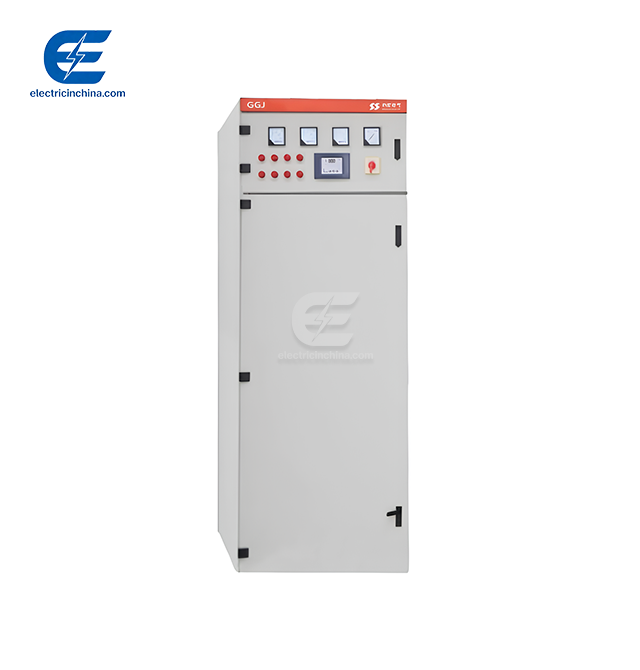
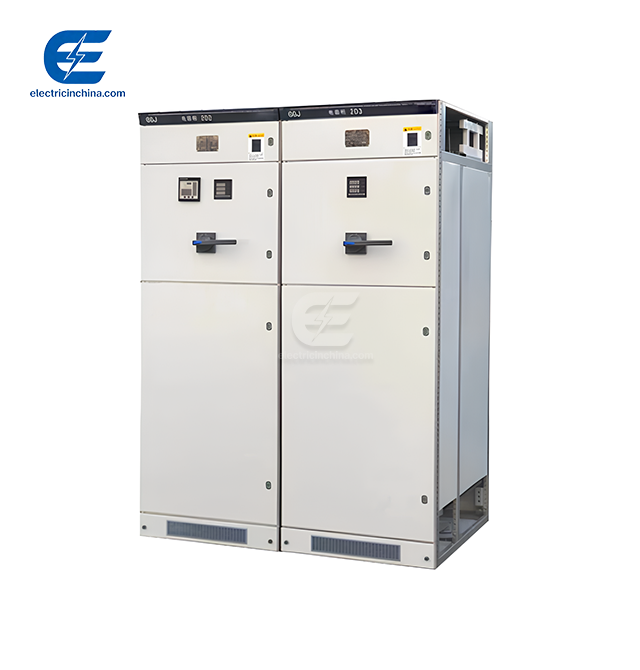
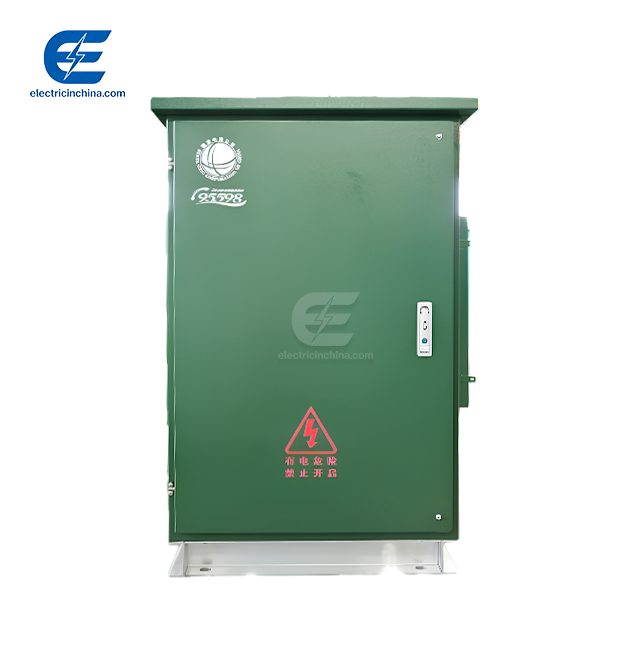
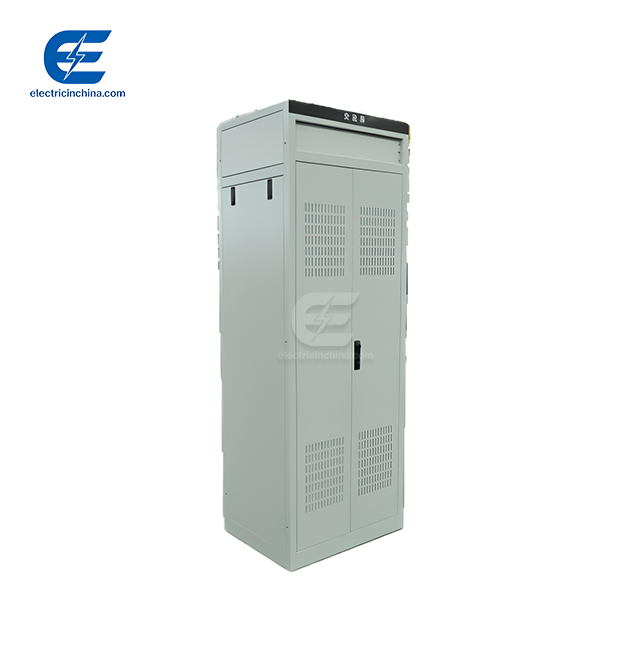
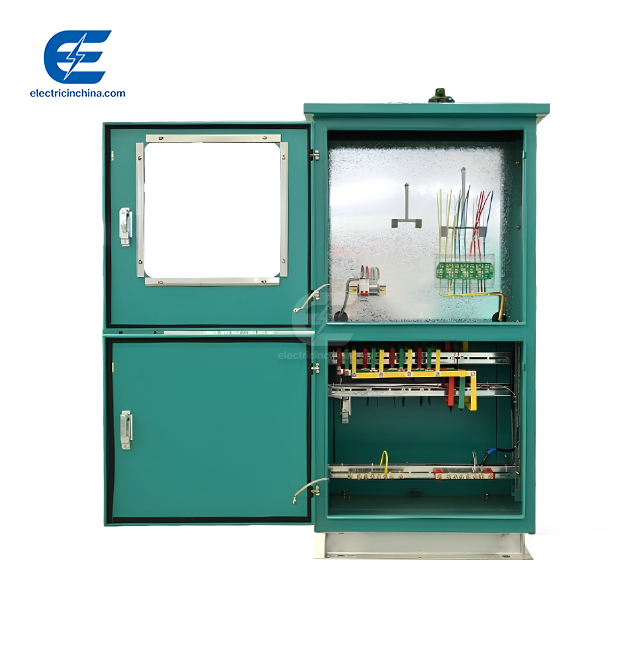
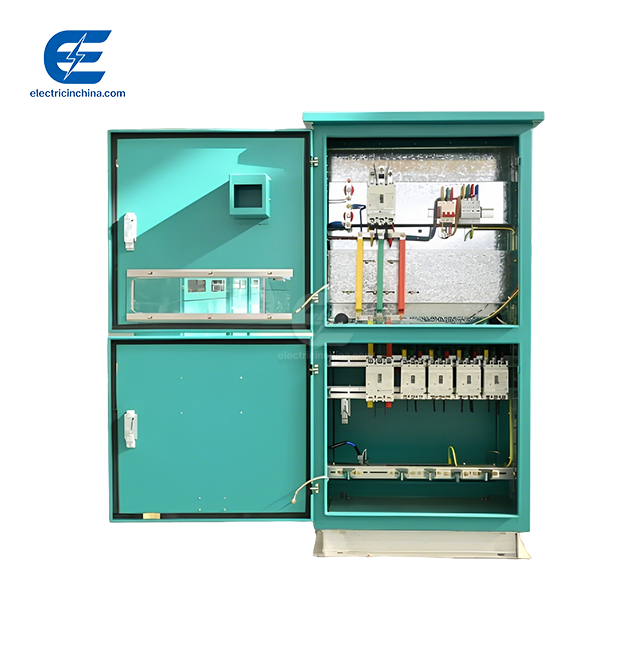
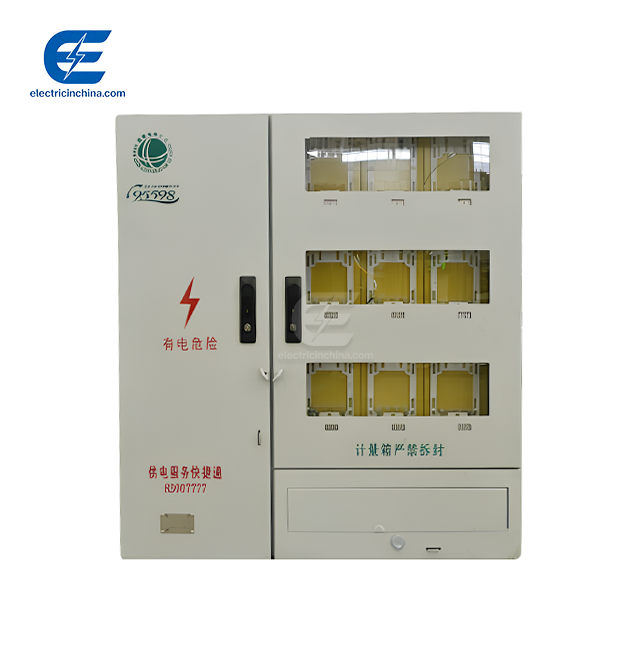
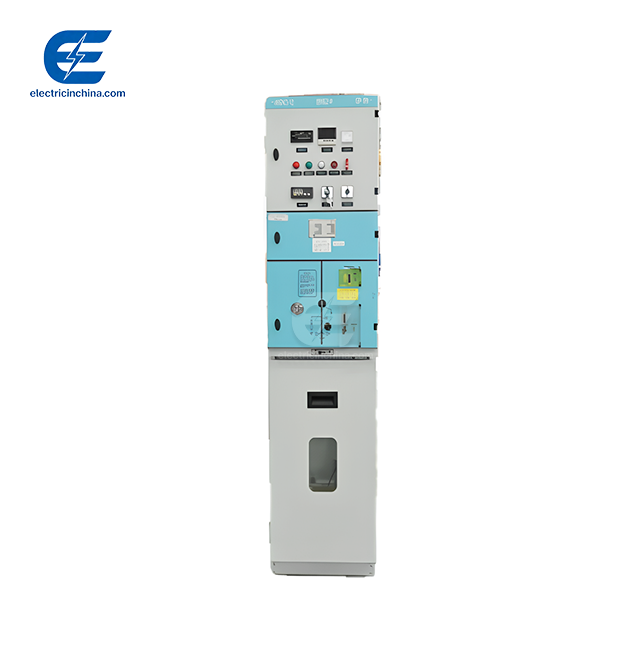
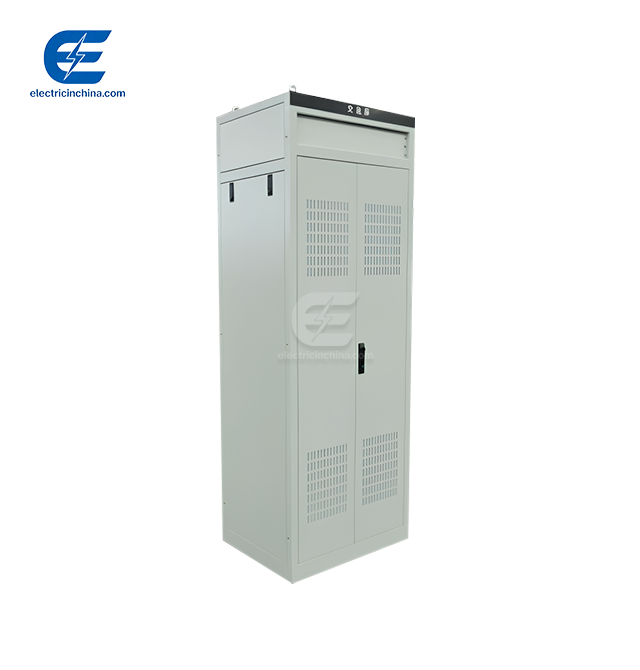
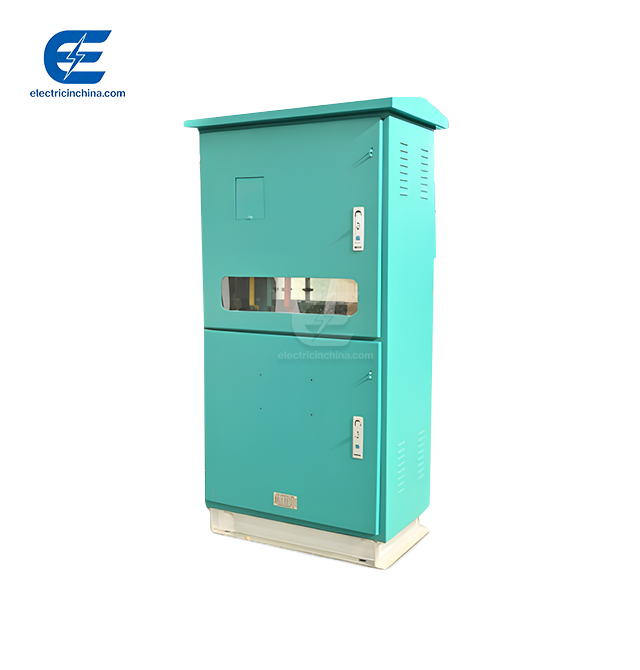
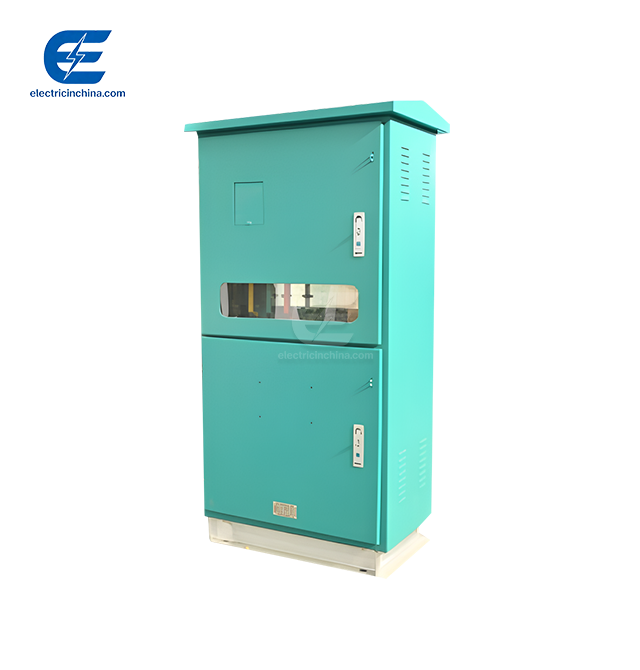
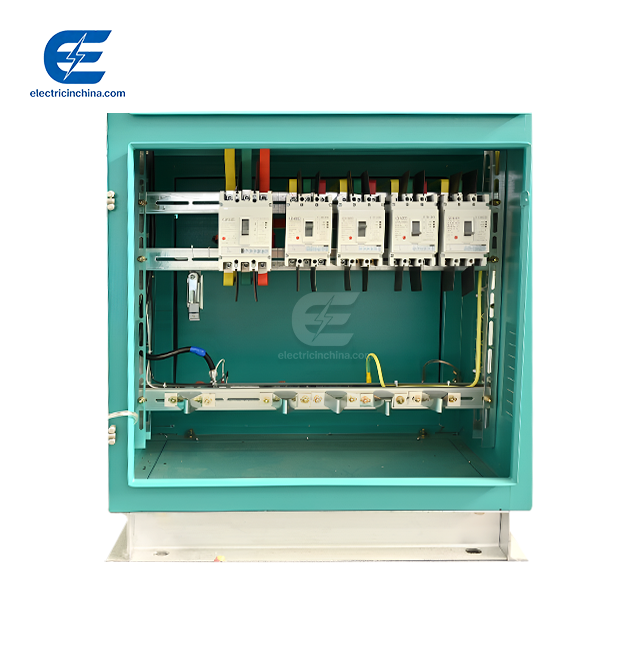
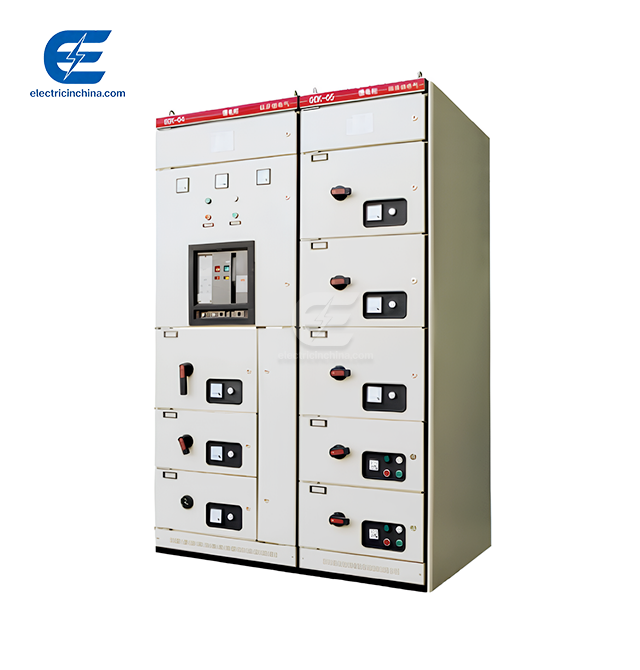
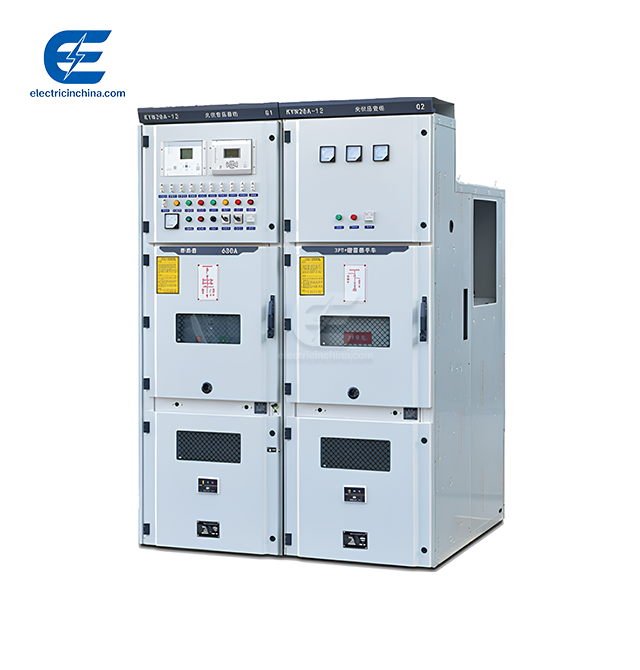
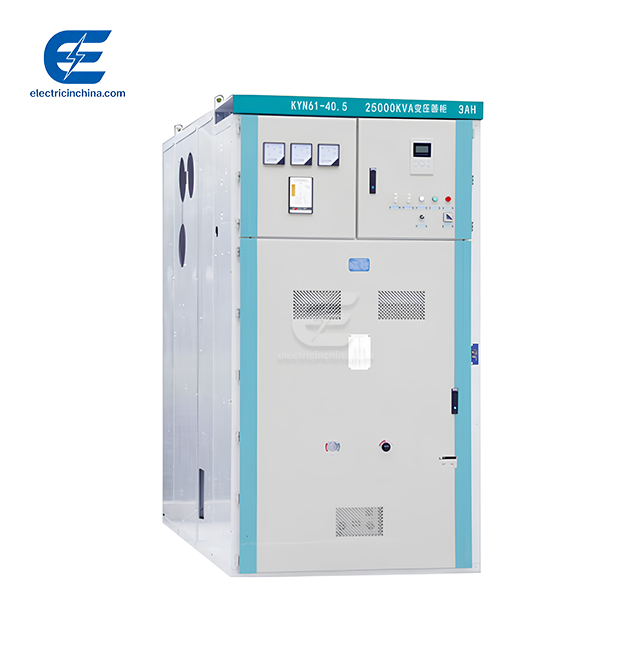
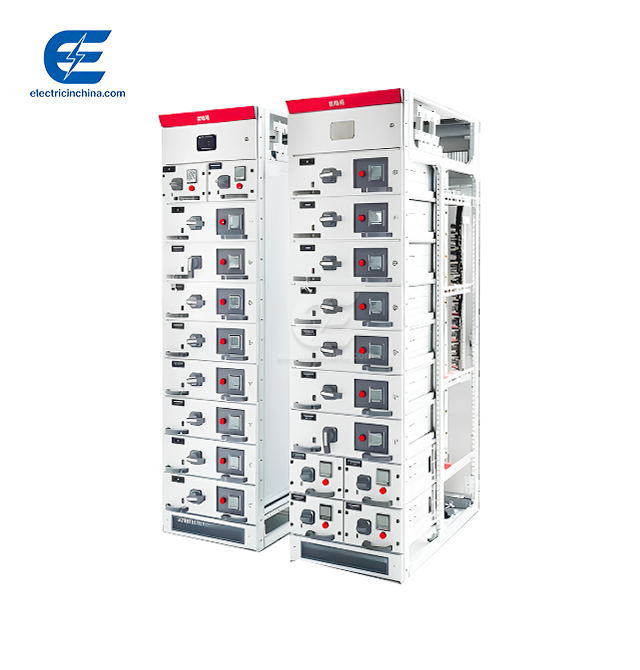
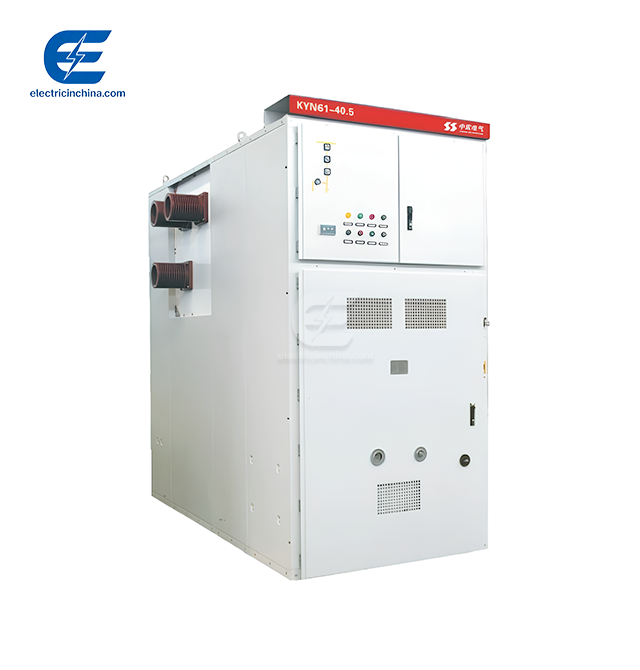
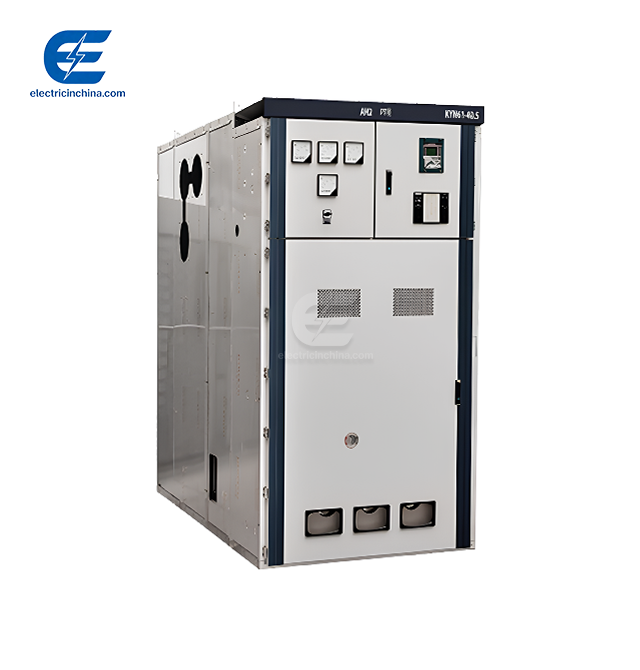
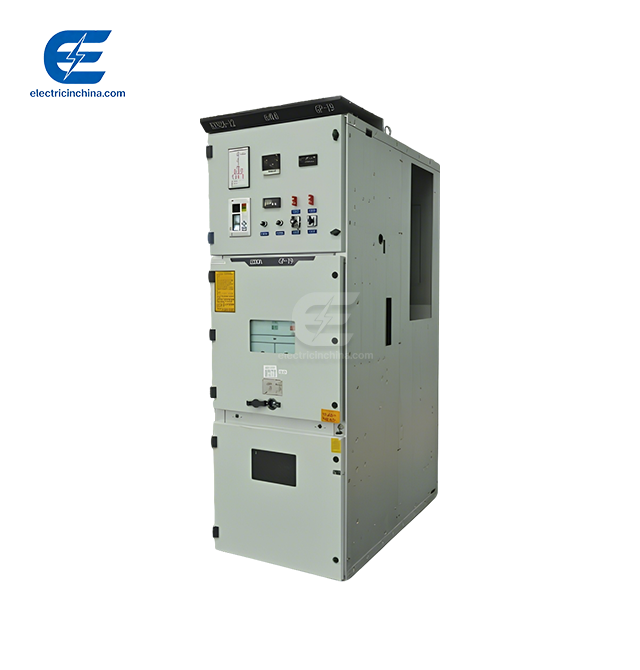
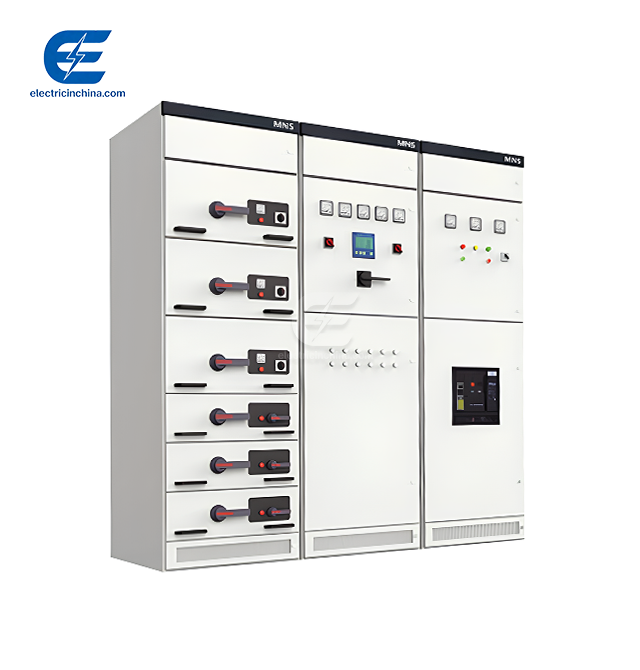
By using advanced compartmentalization, arc-resistant enclosures, and draw-out devices that physically separate powered components during repair, Medium Voltage Withdrawable Switchgear systems lower the risk of fire. The modular design keeps possible arc faults in their own rooms with pressure release vents. This keeps the fire from spreading to other parts of the electrical system. Withdrawable circuit breakers make sure that live busbar connections are covered automatically when units are taken out of service, so there is no room for error. These technical advances change fire prevention from an emergency reaction to a planned prevention, keeping people and property safe in areas where power is distributed critically.
Understanding Medium Voltage Withdrawable Switchgear and Fire Risks
Every year, electrical fires in power distribution systems cost businesses and factories billions of dollars in damage. About 13% of non-residential building fires are caused by electrical equipment going wrong, according to the National Fire Protection Association. Switchgear failures are some of the worst kinds of problems that can happen. These terrible things happen because of three main types of failure that need expert care.
The Core Fire Hazards in Electrical Distribution
When electrical energy vaporizes sensitive materials during a short circuit, an arc flash happens. This creates temperatures above 35,000°F, which is four times hotter than the sun's surface. Our metal-enclosed distribution systems that work with voltages between 3kV and 36kV are constantly under heat stress from the flow of current. Over time, insulation materials break down due to changes in temperature, moisture infiltration, and contamination exposure. This makes way for electricity to track, which can set nearby flammables on fire. Another major risk is links that get too hot. Localized hot spots happen when end links have more resistance because they are corroding or becoming loose. In a 2000A circuit, one bad connection can cause enough heat to melt wire insulation in just a few hours. Without full thermal scanning tools, it is very hard to find these developing problems in traditional fixed setups.
Why Withdrawable Architecture Matters for Fire Prevention
The main benefit of retractable construction is that it can be easily removed for repair. Our systems let workers take out circuit breakers for inspections while keeping the building running. This lets us check the contact resistance every three months, which finds connections that are breaking down before they start a fire. This feature cuts unexpected downtime by 80% compared to fixed setups that need to be shut down completely for regular checks. Compartmentalization creates firewalls between useful areas. Busbars, circuit breakers, wires, and control equipment can be kept separate in rooms with an IP54 rating or higher. This keeps the fault energy at the failure point. During an incident at a manufacturing plant, this architectural concept was very important. An insulation failure in one feeder compartment was contained without spreading to nearby circuits, which kept production from stopping completely, which would have cost $2.3 million per day.
How Withdrawable Switchgear Designs Mitigate Fire Risks
Modern retractable systems use several fire safety technologies that work together to keep you safe. Our engineering team built these safety features after a lot of testing and project approval in the real world, involving hundreds of installs.
Physical Barriers and Containment Strategies
The best level for interior fault containment is arc-resistant construction. Our designs, which are in line with IEC 62271-200 and IEEE C37.20.2 standards, can handle internal arc fault currents of up to 50kA for certain amounts of time without releasing flames or metal into the air. The steel frames are made of at least 12-gauge steel and have special protection coatings that keep the structure strong even when temperatures are very high.
When there is a fault, pressure relief devices keep the enclosure's structure. When arc energy causes gases to expand quickly, controlled venting moves the pressure and hot gases away from the people who are working. Gas-tight seals between sections stop faults from spreading through paths of gaseous conduction. We've made sure these systems work by testing them internally with arcs that mimic the worst-case fault scenarios. This makes sure that operators are safe in approved entry areas.
The dead-front building concept of Medium Voltage Withdrawable Switchgear gets rid of parts that are exposed to electricity. When withdrawable units are moved to the service or disconnect position, automatic shuttering systems cover the main disconnect contacts automatically. This fail-safe design prevents accidental contact with live components during maintenance operations, addressing a leading cause of arc flash injuries.
Intelligent Protection and Rapid Fault Clearing
Full tracking systems find problems as they start to happen, before they get worse and start a fire. Protective relays built into our systems look at current peaks, voltage imbalances, and ground fault currents all the time. Thermal imaging can find hot spots that are hotter than certain levels, sending out alerts that need to be looked into right away.
Interlocking devices make sure that operations are done in a safe way. Mechanical and electrical interlocks stop people from pulling out circuit breakers that are under load, closing disconnects while grounding connections are still in place, or getting into spaces that have powered parts inside them. These built-in safety features keep people from making mistakes during important switching activities that could otherwise cause faults. We put in triple-redundant interlocking at the Xuzhou Rail Transit Network Control Center during installation. During the 18 months of commissioning activities, there were no safety issues.
The ability to hot-swap components during maintenance windows provides substantial fire prevention benefits. Technicians can take out circuit breakers they think might be broken and do a full check, which includes measuring the contact resistance to be less than 50 microhms and the insulation resistance to be more than 1000 megohms at 2500VDC. Identifying degraded components before they fail catastrophically represents the most effective fire prevention strategy available.
Design Features That Contain Thermal Events
Our equipment is more resistant to fire because we carefully chose the materials we used. The insulating properties of the parts stay the same at temperatures ranging from -40°C to +55°C. Cable entry sections have fire-stopping systems that stop flames from spreading through conduit holes, which is a major weakness in many setups.
Designing ventilation takes into account both the need for cooling and the need to keep fires from spreading. Natural airflow cooling keeps the inside from getting too hot, which speeds up the aging process of insulation. Fire-rated shutters close automatically during thermal events to contain combustion products. To make sure that this engineering balance works, careful temperature modeling is needed to make sure that the parts cool down enough without making ways for fire to spread.
Withdrawable vs Fixed Medium Voltage Switchgear: Safety and Fire Risk Comparison
Choosing between withdrawable and fixed designs during procurement has a big effect on how well fire safety works in the long run. Knowing the differences between these terms helps engineering teams make decisions that are in line with the facility's risk tolerance and practical needs.
Superior Fault Isolation Capabilities
Withdrawable systems have better fault control because they physically separate parts that are more likely to fail. When an internal failure happens in a retractable circuit breaker, the damage stays in that one retractable unit and its own section. To replace a breaker, the broken one must be taken out, and a tested extra must be put in within hours. Fixed systems often need major repairs to nearby equipment that was damaged during fault spread, which can make outages last for hours or even weeks.
Maintenance accessibility determines inspection thoroughness and frequency. Our designs that can be taken out of service allow for close inspection of main contacts, insulation surfaces, and mechanical working processes without turning on nearby circuits. Because of this, condition-based maintenance plans can be used to fix problems as they arise, before they become fire hazards. For comparable inspection access to fixed switchgear, the plant has to be shut down. This puts economic pressure on maintenance to be put off until a major failure happens.
Total Cost of Ownership Considerations
Due to their precise mechanical parts and separated construction, initial capital costs for withdrawable systems are usually 15–25% higher than those for fixed installations. But looking at the total cost of ownership shows strong benefits. When equipment needs to be replaced, production is lost, and the company is exposed to risk; a single arc flash event can cost between $1 and $15 million. Our methods lower the chance of an incident happening by making security better and maintenance easier to access.
Insurance carriers recognize superior fire safety performance in premium calculations. Facilities that use switchgear that can be removed and have recorded repair plans often get lower property insurance rates because they are less likely to lose things. These savings add up over the 20–30-year lifecycles of the tools, making up for the higher costs of purchase while offering much better safety.
Best Practices to Maximize Fire Safety with Withdrawable Switchgear
To get the most out of fire protection, you need to pay close attention to the quality of the installation, the discipline of upkeep, and the skill of the operators. We came up with these suggestions after working on projects for decades and starting projects to make things better all the time.
Comprehensive Maintenance Protocols
Most mistakes that start fires in Medium Voltage Withdrawable Switchgear can be avoided by putting in place structured inspection plans. As required by IEEE standards, annual checks should include dielectric tests at 125% of the rated voltage for 60 seconds to make sure the insulation is still in good shape. The usefulness of a retractable device is checked by mechanical operation testing, which includes full insertion and withdrawal processes with and without force. These processes find problems as they're starting to happen, when they're still small enough that they can be fixed before they get worse.
Thermal imaging provides non-invasive detection of overheating connections and components. Thermal scans with calibrated infrared cameras are done every three months to find hot spots before they get hot enough to catch fire. Temperature differences of more than 10°C between stages or compared to baseline data need to be looked into right away. At XCMG Group sites, thermal tracking found a developing busbar connection problem with an 18°C temperature rise. This allowed for remedial maintenance that stopped the failure that was expected to happen in 30 days.
Optimal Installation Environment and Infrastructure
When switchgear rooms are built correctly, they have fire-resistant walls and climate control that keep equipment safe and prevent accidents from happening. When building a room, the walls should be fire-rated so that they can withstand a fire for at least two hours. Enough airflow keeps heat from building up, and fire-rated dampers close automatically when temperatures rise. Dedicated HVAC systems keep the temperature and humidity within the equipment's tolerances. This lowers the stress on the insulation, which speeds up the aging process.
Fire suppression systems appropriate for electrical environments provide rapid response capability. Clean agent devices, like FM-200 or Novec 1230, put out fires without leaving behind any dust that could damage electrical equipment. Early discovery through smoke intake systems lets suppression systems start working seconds after the fire starts, often putting it out before it does a lot of damage. Integrating fire detection and protection relaying in switchgear makes it possible for load shift and circuit separation to happen automatically during fires.
Operator Training and Procedural Discipline
Comprehensive training programs make sure that workers know how to properly use tools and what to do in an emergency. The training should cover how to properly use interlocking systems, how to mechanically operate retractable mechanisms, and how to spot unusual working conditions that point to problems that are starting to form. Hands-on practice with supervised tools boosts confidence and skill, which stops mistakes from happening during operations.
Lockout/tagout procedures formalize safe work practices during maintenance activities. Before starting work, procedures must make sure that circuit breakers are open using visual signs, that there is no voltage using approved testing tools, and that the right grounding connections are made. Emergency reaction methods spell out what to do in case of a fire, such as getting everyone out of the building, activating the fire suppression system, and calling the emergency services.
Choosing Reliable Medium Voltage Withdrawable Switchgear Suppliers
The supplier you choose has a big effect on how reliable your equipment is, how well it works for fire safety, and how good your long-term help is. To find partners who can support vital infrastructure throughout its service life, procurement teams should look at more than just the original price.
Essential Certifications and Technical Capabilities
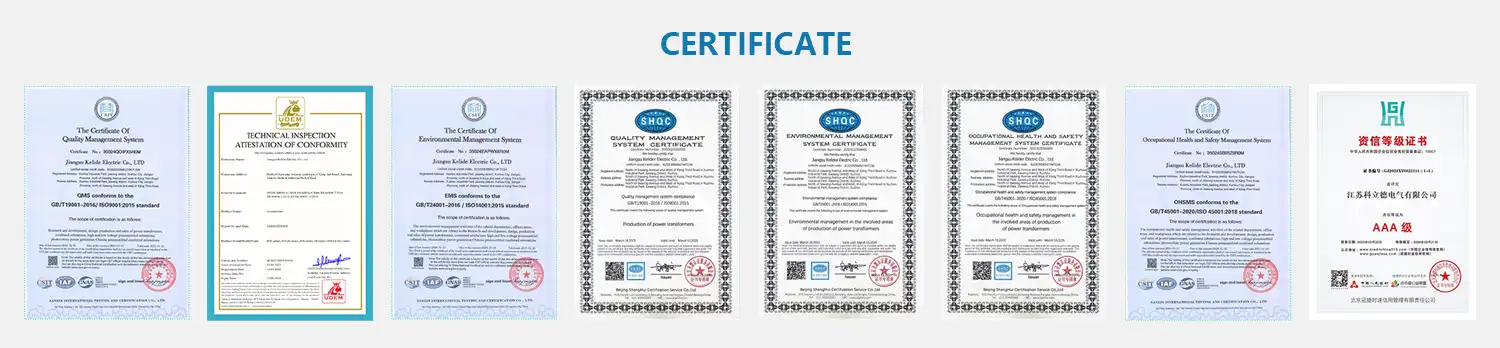
Quality management certifications for Withdrawable Switchgear demonstrate systematic approaches to manufacturing consistency. Our ISO 9001, ISO 14001, and OHSAS 45001 certifications show that we have complete quality systems that cover the planning, making, and testing stages. With these certificates, you can be sure that fire safety features are always taken into account in every produced unit, no matter when or where it is made. National CCC Mandatory Certification for electrical equipment confirms compliance with safety standards governing Chinese market access. International approvals, like UL listing and CE marking, show that a product meets the rules of different places around the world. Accreditation of testing laboratories ensures that makers can do the necessary verification tests, such as arc fault control, dielectric strength, and mechanical endurance checks.
Manufacturing Infrastructure and Project Experience
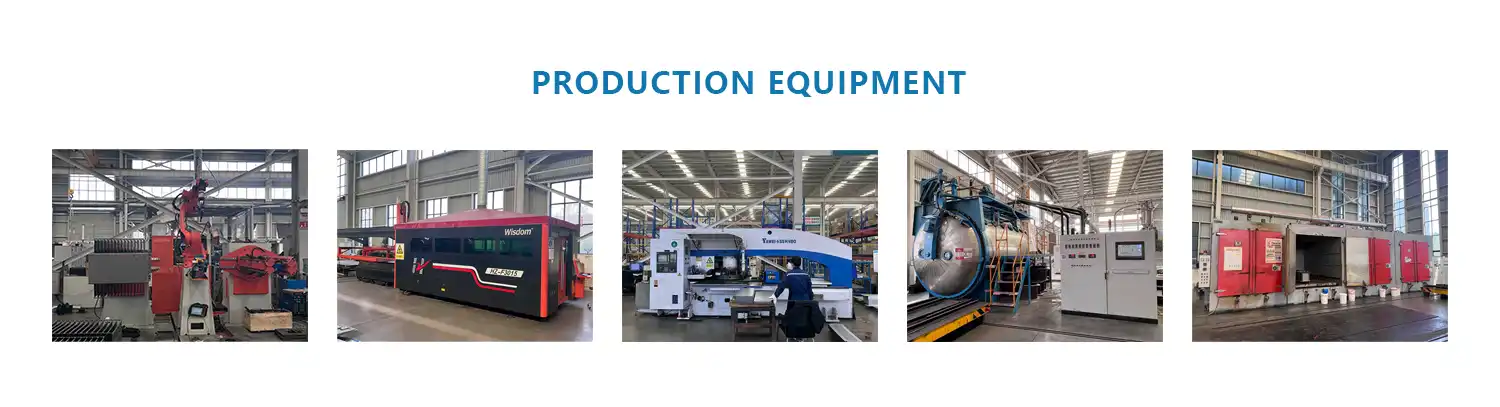
Production equipment sophistication directly impacts manufacturing precision and quality consistency. Over 120 sets of specialized tools are used at our plant. These include CNC automatic winding machines, CNC static vacuum casting machines, and microcomputer-controlled gradient curing ovens. This level of automation guarantees consistent quality in parts that can't be done by hand, which is especially important for important parts like shielding systems and contact connections. Project portfolio diversity demonstrates capability across application types and operating environments. We've successfully provided solutions for municipal infrastructure, such as the Xuzhou Rail Transit project, which used a dual-circuit power supply system to make sure it was safe to use. Commercial areas like the Xinhuai Central Complex and Huaihai Xintiandi Phases 7-8 got full power supply services. Industrial projects, like the XCMG Group's power supply changes, show that they can handle tough production settings. With this much knowledge, providers can be sure that they know how to meet the fire safety needs of each application.
Support Capabilities and Long-Term Partnership Potential
Support after the sale decides how well the equipment works over its entire useful life. Check to see how quickly the provider can send extra parts, how quickly they can respond to service calls, and how easy it is to get expert help. As part of our promise to provide complete power supply and distribution options in one place, we help customers buy other products that they may need, making the service easier. This partnership method knows that all parts of the electrical system need to work together to make sure there is no fire. Customization capabilities enable adapting standard designs to specific site requirements. Our engineering team creates solutions that are specific to each country or region's needs and natural situations. Engineers need to be able to change container materials for corrosive environments, adjust seismic bracing for high-risk areas, or add custom safety systems. This kind of engineering flexibility is needed for complicated projects.

Conclusion
To keep electricity distribution systems from catching on fire, engineers need to come up with methods that protect against multiple types of failure. Medium Voltage Withdrawable Switchgear design offers better fire safety through compartmentalized construction, arc-resistant enclosures, and easy repair access that lets you check on the state of the equipment before it breaks down. The technology lowers the chance of a fire happening and limits the damage when something goes wrong, saving both people and the operations of the building. Companies that know how important fire safety is for their finances and operations are choosing designs that can be taken apart more and more when weighing the initial investment against the total cost of ownership. By choosing providers with a lot of knowledge, technical know-how, full certifications, and a promise of long-term support, you can be sure that installations will provide reliable protection for as long as they are used. The technology keeps getting better thanks to new ideas, which means that future generations will be even safer.
FAQ
How often should withdrawable switchgear undergo fire safety inspections?
Comprehensive checks once a year, which include thermal imaging surveys, contact resistance measurements, and insulation tests, are a minimum acceptable way to handle the risk of fire. Hospitals and data centers, which are high-criticality places, should do thermal scans and visual inspections every three months. The regularity of maintenance should go up depending on how bad the working environment is. Applications with a lot of job cycles or contaminated air should need more frequent attention. Write down everything that was found during the check so that you can create a growing database that can spot problems before they happen.
What distinguishes withdrawable from fixed switchgear regarding fire prevention?
Drawing designs that can be taken out offer better separation of parts because they keep fault energy in specific areas instead of letting it spread across whole lines. Accessibility for maintenance allows for thorough condition assessments and preventative component replacements that can't be done in set installations without long power cuts. Draw-out devices with automatic shuttering cover any live parts that are left open during maintenance, which lowers the chance of an arc flash happening. Because of these design benefits, fire safety is better in a wide range of situations.
Can existing facilities retrofit withdrawable switchgear to improve fire safety?
Retrofitting is possible if there is enough room, the infrastructure is in good shape, and there are no operating issues. For draw-out devices to work, equipment that can be pulled out usually needs more space than set installations. Facilities with enough room can do partial replacements during planned downtime, which makes the updated parts safer right away in case of fire. Before starting retrofit jobs, you should do a full engineering review that looks at things like room needs, structural loads, and how well the new systems will fit in with the old ones.
Partner with Tuojie for Advanced Electrical Fire Protection
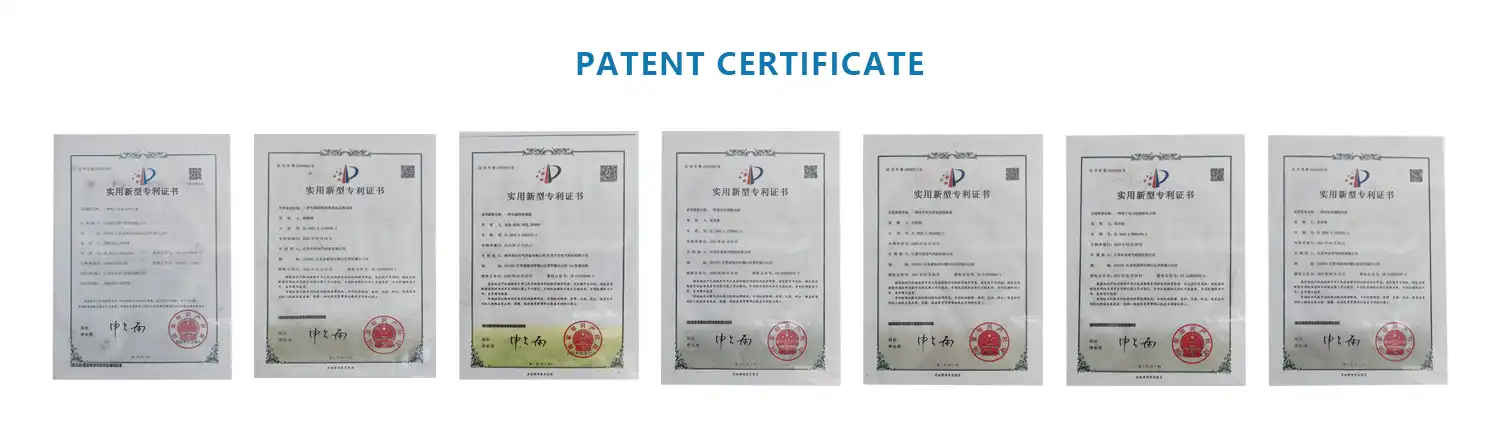
To keep your important assets safe from electrical fires, you need to choose a Medium Voltage Withdrawable Switchgear maker with a track record of technical success and project management. Tuojie is an expert at creating, producing, and selling high-tech power transfer systems that meet the strictest safety standards around the world. Our tools, which are used on hundreds of important projects like Xuzhou Rail Transit and XCMG Group buildings, have proven to be reliable in tough situations. We offer a full quality guarantee with ISO 9001, ISO 14001, and OHSAS 45001 certifications, as well as National CCC approval for all of our goods. Our engineering team has 18 patents and operates more than 120 pieces of modern production equipment. They can provide answers that are specific to your needs and the situations you're working in. Talk to our technical experts about your project needs at tuojie@electricinchina.com, and find out how our medium voltage withdrawable switchgear supply services can improve your building's fire safety while keeping operations running smoothly.

References
1. National Fire Protection Association. (2021). NFPA 70E: Standard for Electrical Safety in the Workplace. Quincy, MA: NFPA Publications.
2. Institute of Electrical and Electronics Engineers. (2020). IEEE C37.20.2: Standard for Metal-Clad Switchgear. New York: IEEE Standards Association.
3. International Electrotechnical Commission. (2019). IEC 62271-200: AC Metal-Enclosed Switchgear and Controlgear for Rated Voltages Above 1kV and Up to and Including 52kV. Geneva: IEC Publications.
4. Das, J.C. (2017). Arc Flash Hazard Analysis and Mitigation. Piscataway, NJ: IEEE Press.
5. Jones, R.A., & Liggett, D.P. (2018). Electrical Safety in Industrial Facilities: A Practical Guide. Boston: Technical Publications International.
6. Zhang, W., & Kumar, S. (2022). "Comparative Analysis of Fire Risk Mitigation in Withdrawable and Fixed Medium Voltage Switchgear Systems." Journal of Electrical Engineering & Technology, 17(4), 2156-2168.