

.webp)
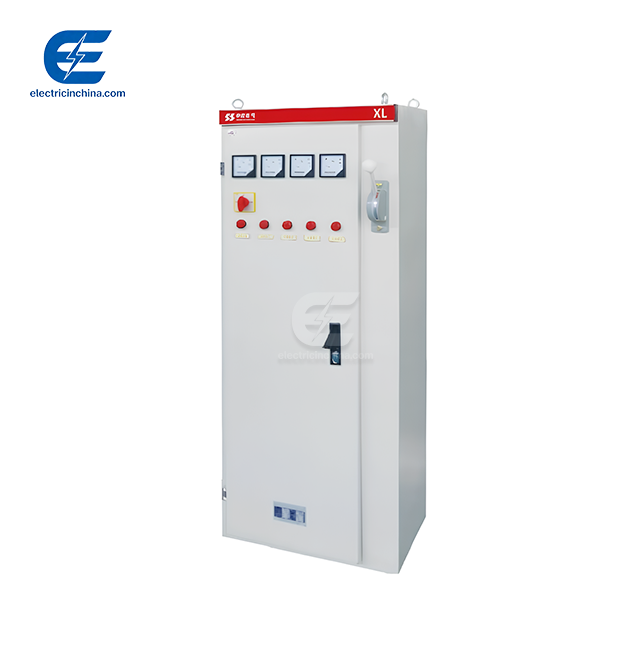
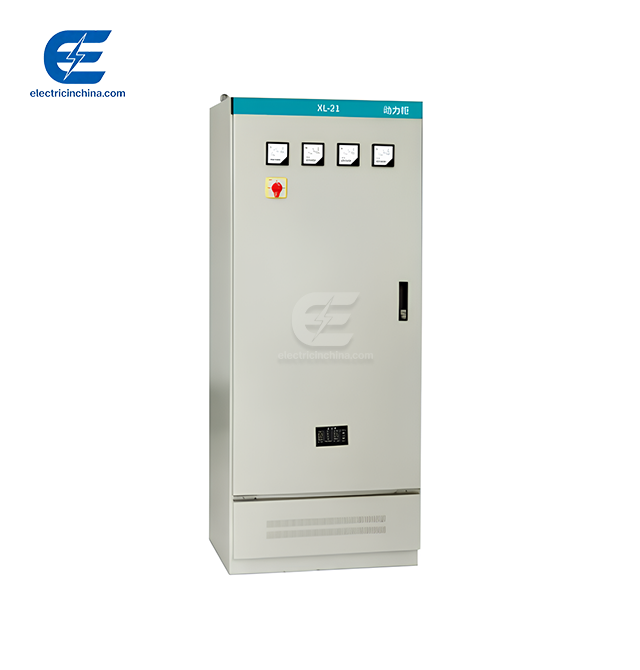
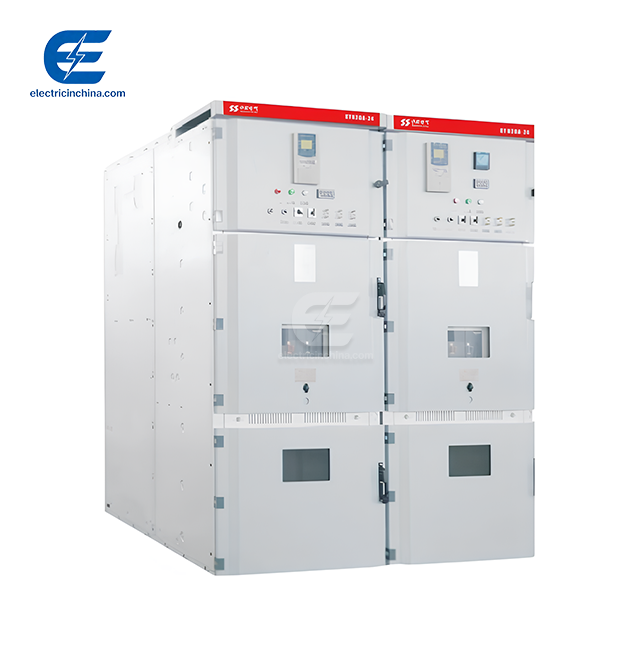
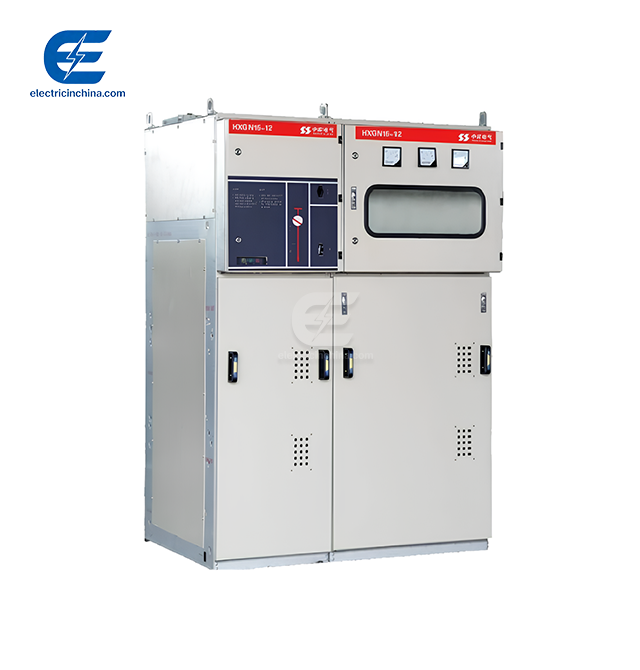
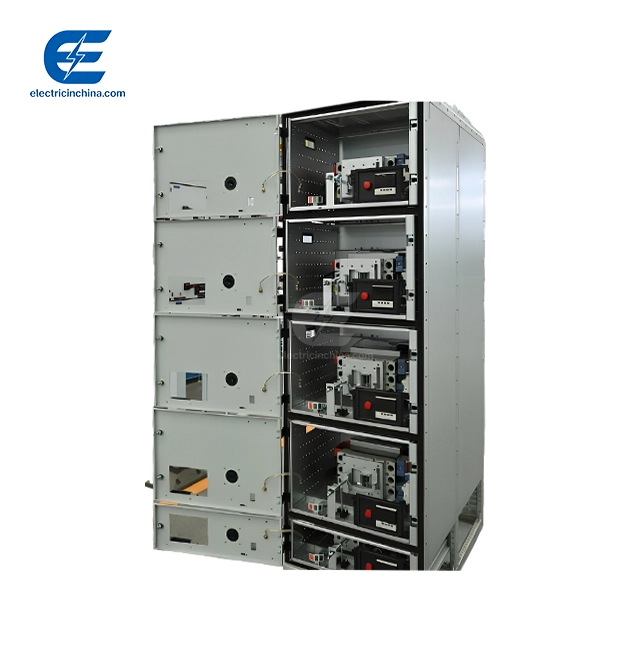
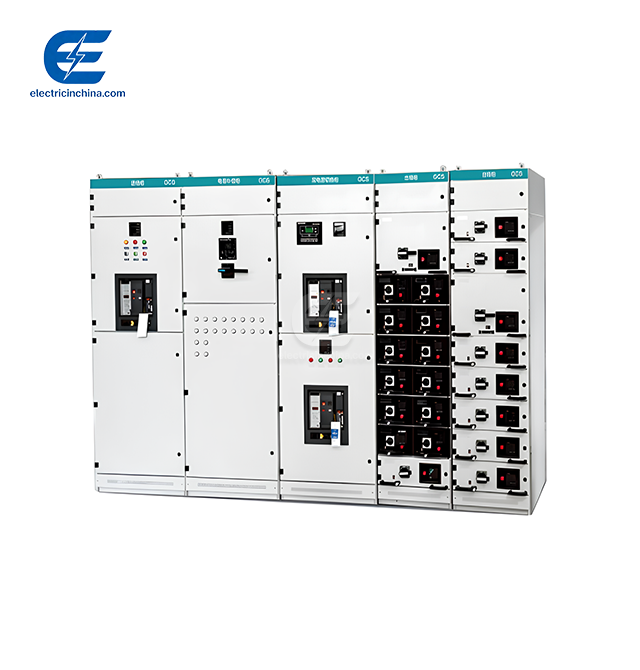
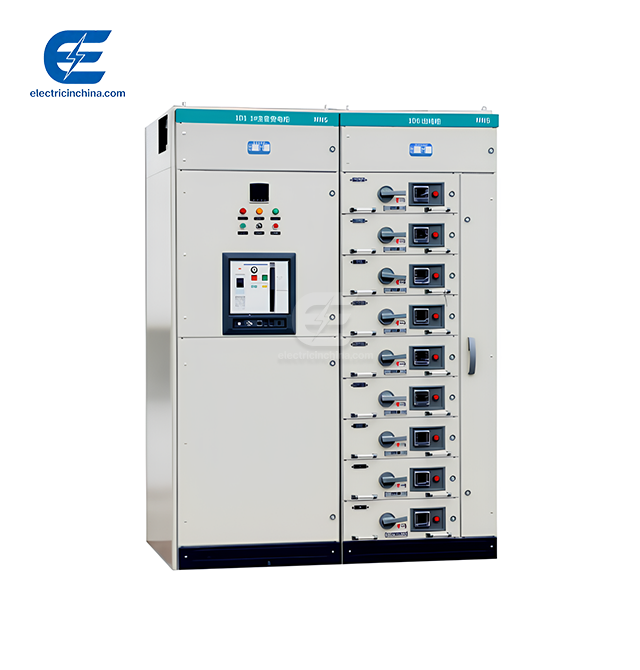
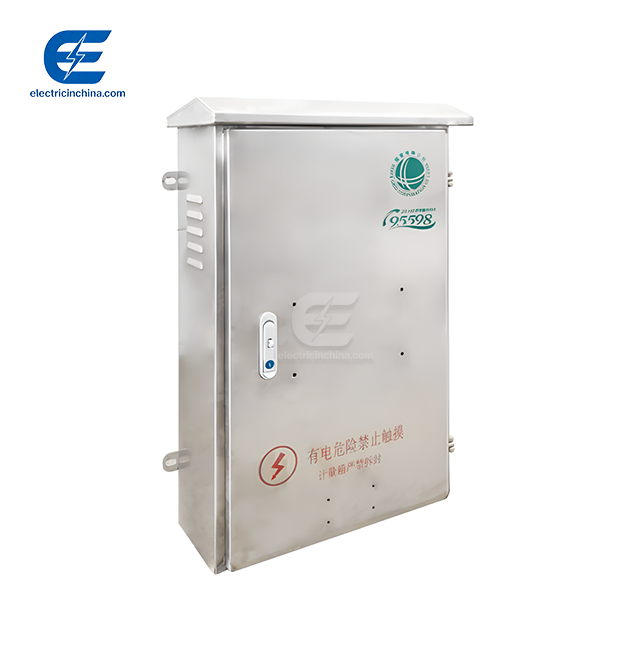
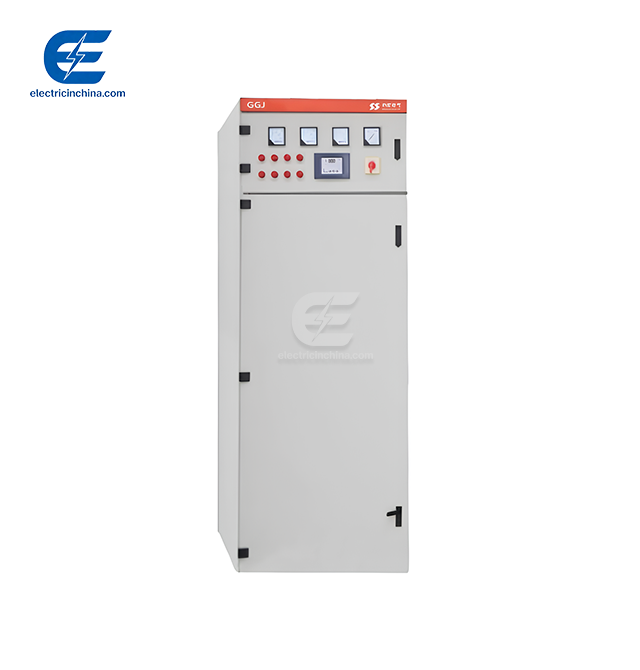
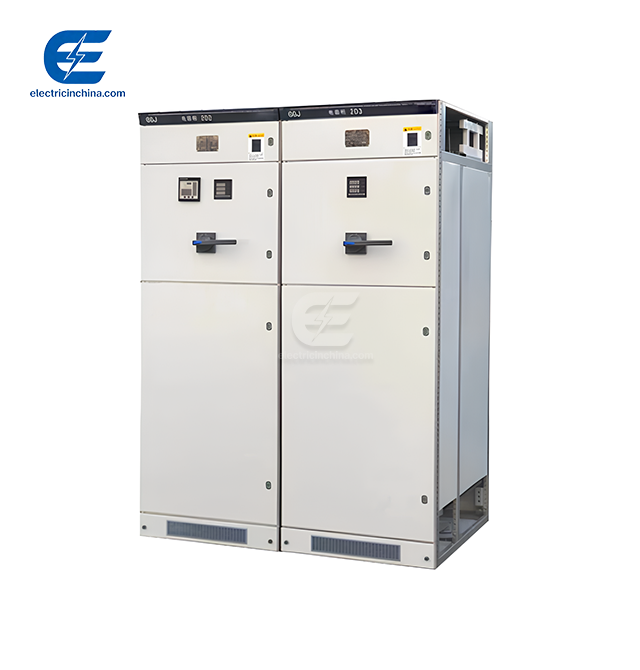
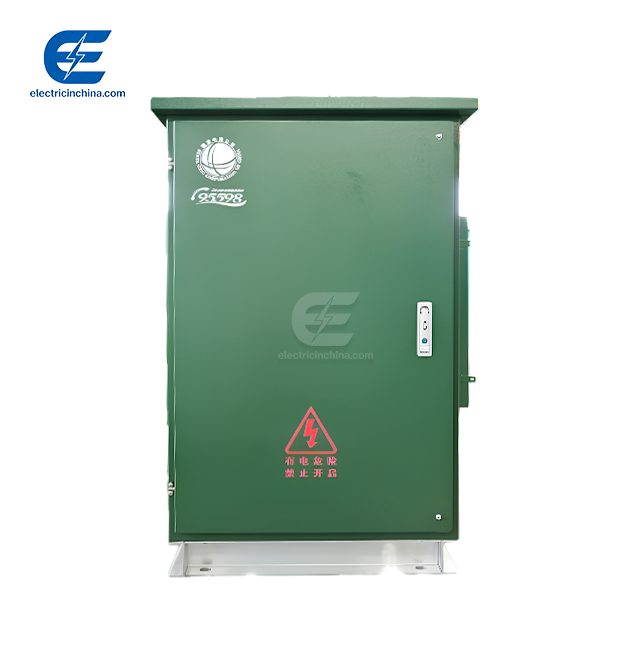
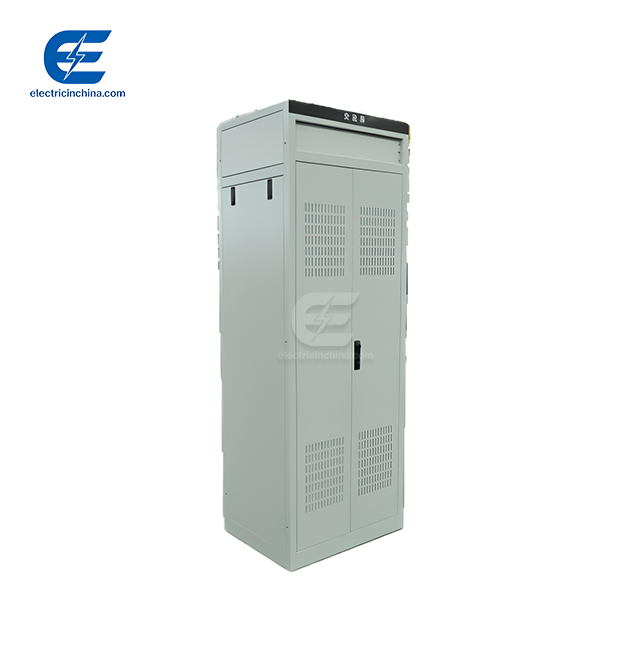
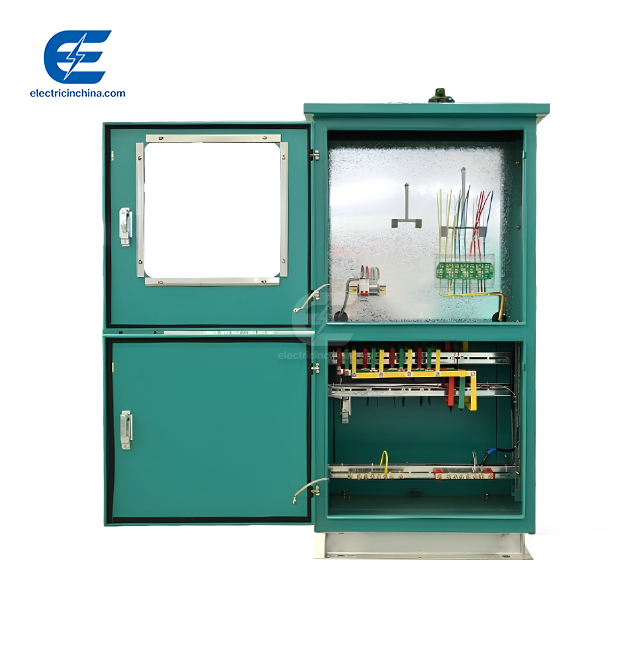
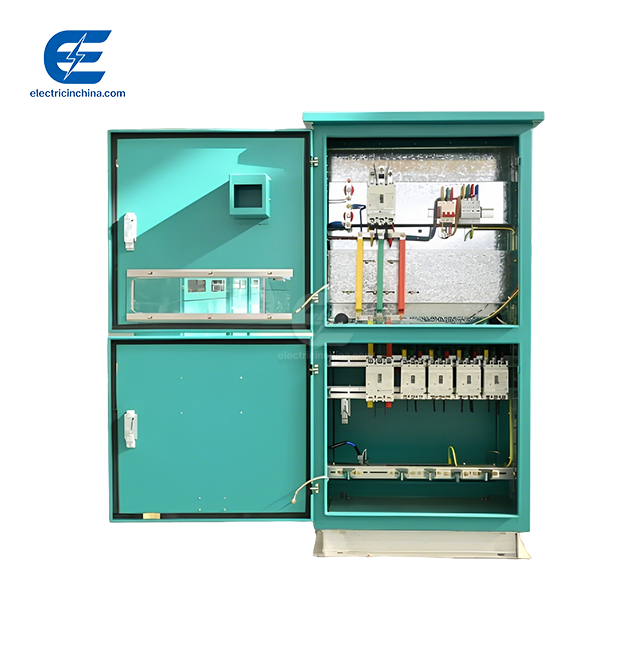
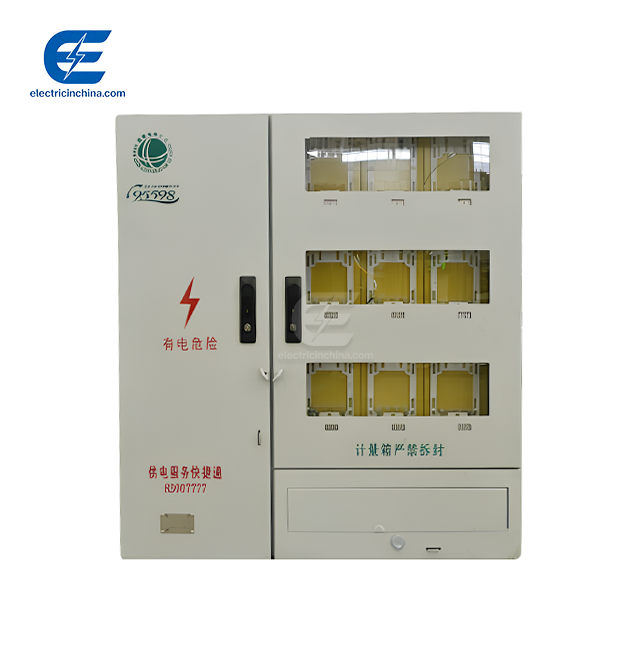
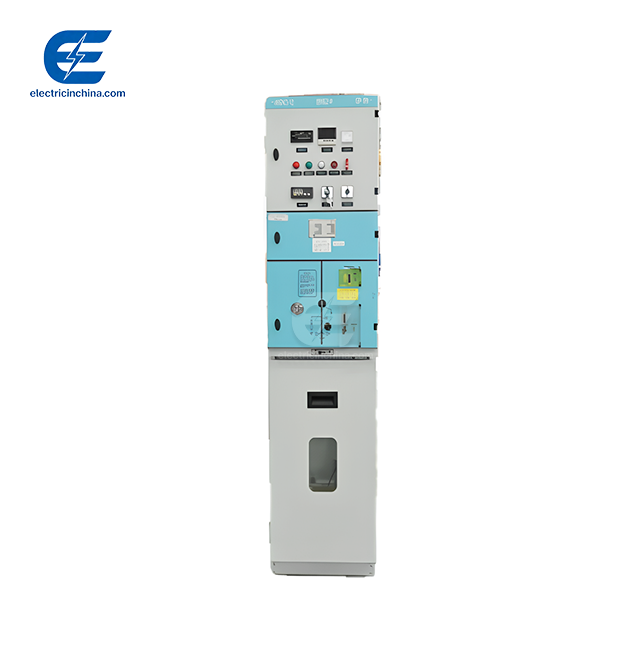
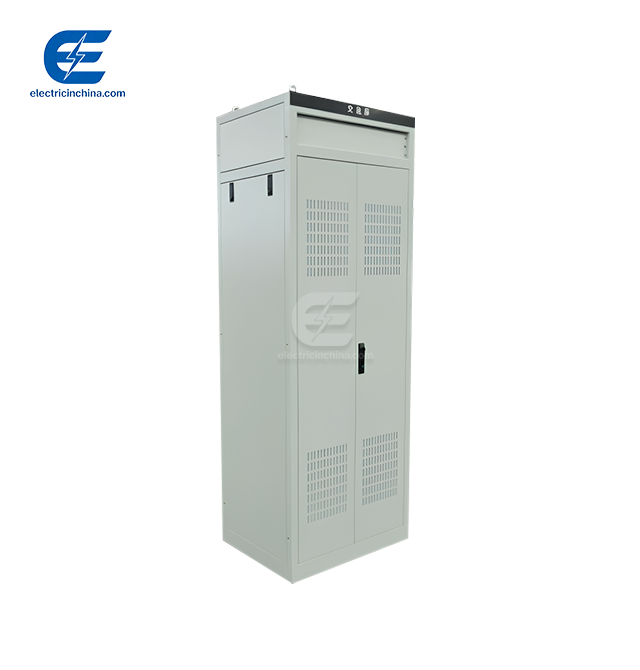
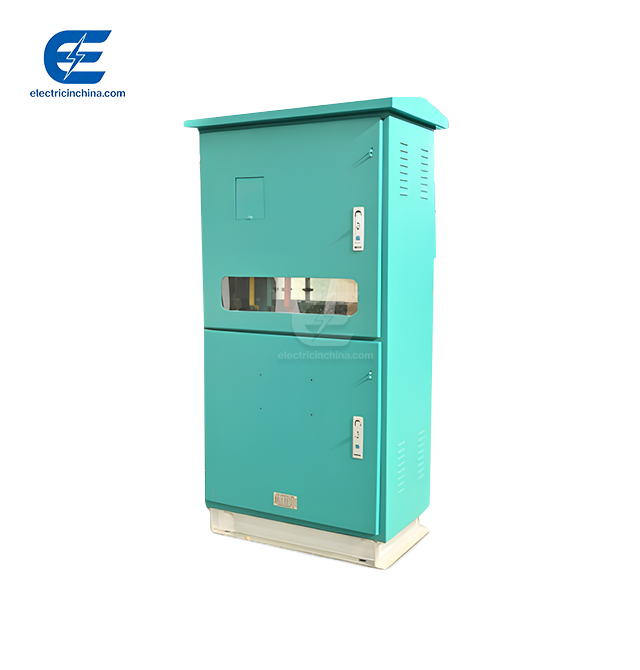
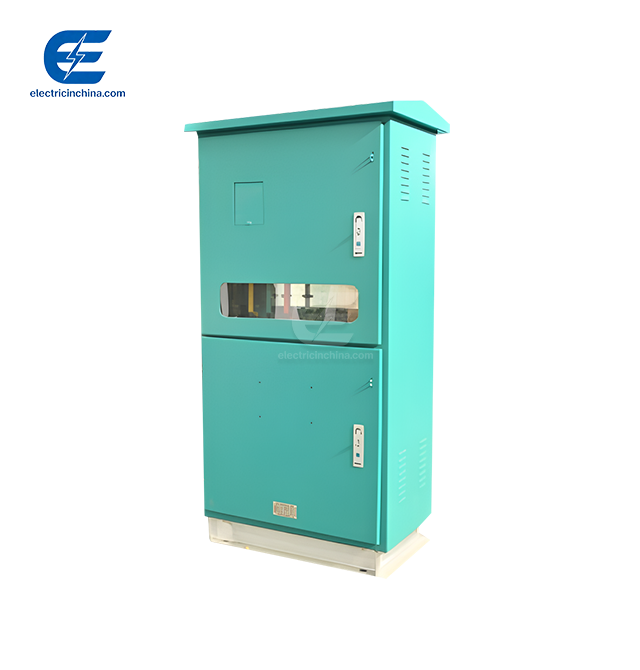
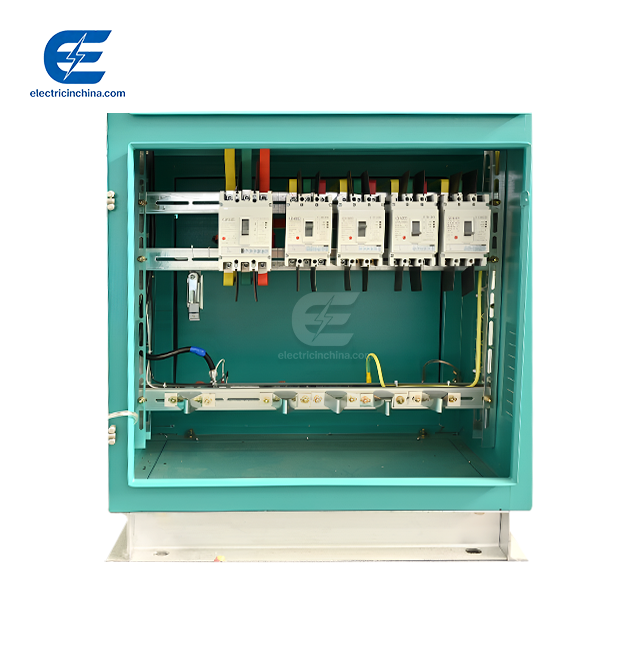
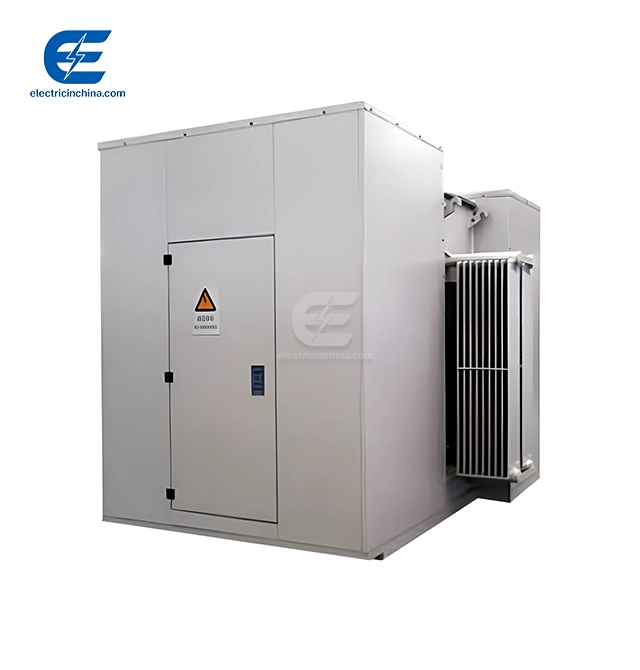
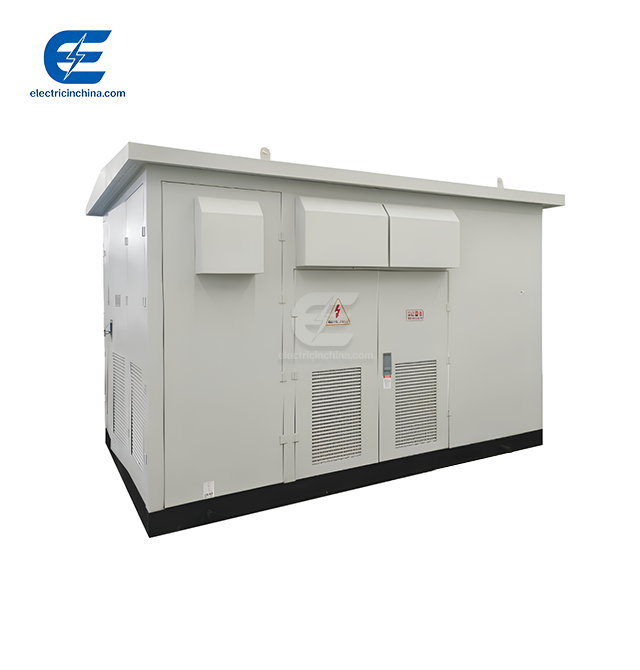
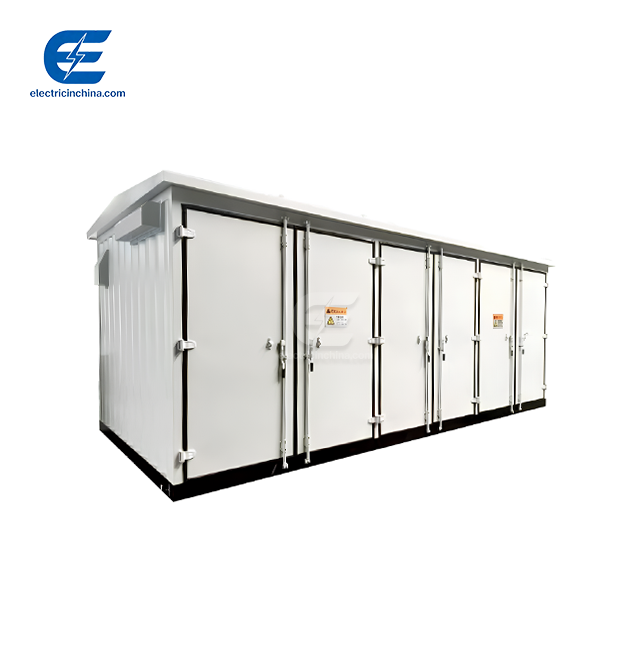
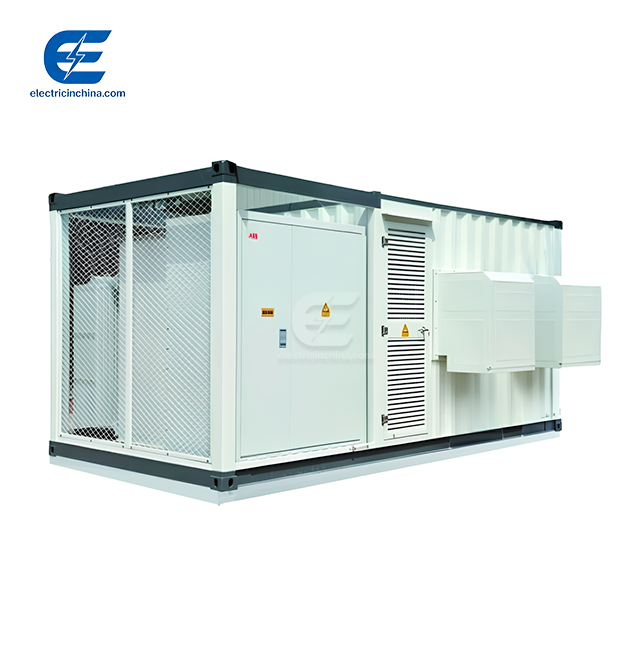
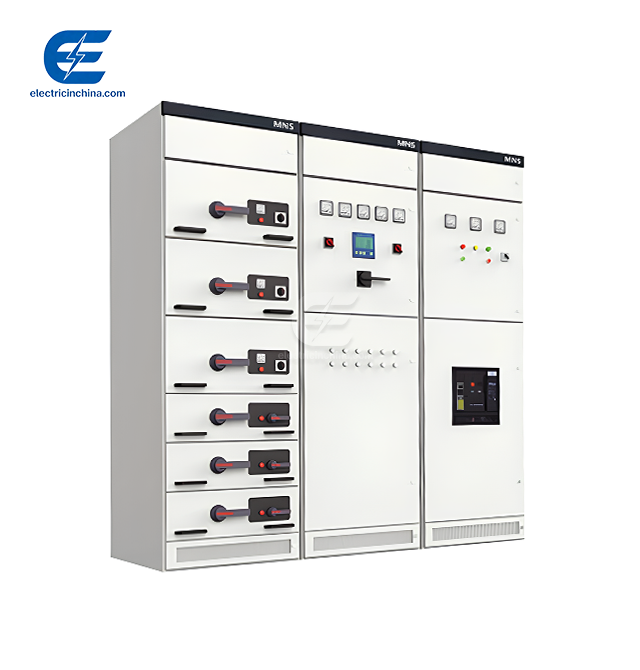
Prefabricated substations improve the efficiency of power distribution by integrating components in a factory, which cuts down on building delays and quality problems that happen on-site. This new technology is shown by the YBM Series Prefabricated Substation, which can be installed 60% faster and takes up 30% less space than traditional options. By putting high-voltage switchgear, transformers, and low-voltage distribution equipment in one weatherproof enclosure, these modular units reduce energy loss, make maintenance easier, and improve operational reliability. This saves project managers money and makes sure that critical industrial and commercial applications always have power.
Understanding the Challenges in Traditional Power Distribution Systems
Traditional infrastructure for distributing power continues to cause a lot of problems for project managers. Conventional substation building requires a lot of work to be done on-site, which means that projects can be delayed by bad weather, have inconsistent work, and have installation plans that last for months. These things make financial risks and practical uncertainties even worse.
Prolonged Installation Timelines and Quality Risks
On-site building adds variables that make it harder to plan a job. Changeable weather conditions stop work without warning. Problems with finding workers throw off plans. Conditions in the field are very different from those in controlled settings, so each weld, link, and part placement is different. Statistics show that installation mistakes are more likely to happen, which could cause outages that threaten business stability.
Escalating Maintenance Costs and Downtime
Problems with maintenance drive up running costs by a large amount. In traditional substations, checks of all the parts that are spread out must be done often. In order to get to equipment, systems often have to be shut down, which breaks up production cycles. Finding replacement parts takes longer because of the longer lead times. This means that there is more downtime, which directly affects income lines. These ongoing upkeep costs add a lot to the total cost of ownership, on top of the original capital costs.
Space Constraints in Urban and Industrial Settings
Urban growth projects have a hard time finding enough space. Traditional substations take up a lot of space and need their own buildings and large cleared zones. The steps for getting permits for these big areas make project timelines even longer. Similar problems happen in industrial sites, where putting electrical equipment on important floor space lowers their ability to make things. These wasted spaces have hidden costs that affect the ability to complete the project and the freedom of operations in the long run.
What Are Prefabricated Substations? A Closer Look at the YBM Series
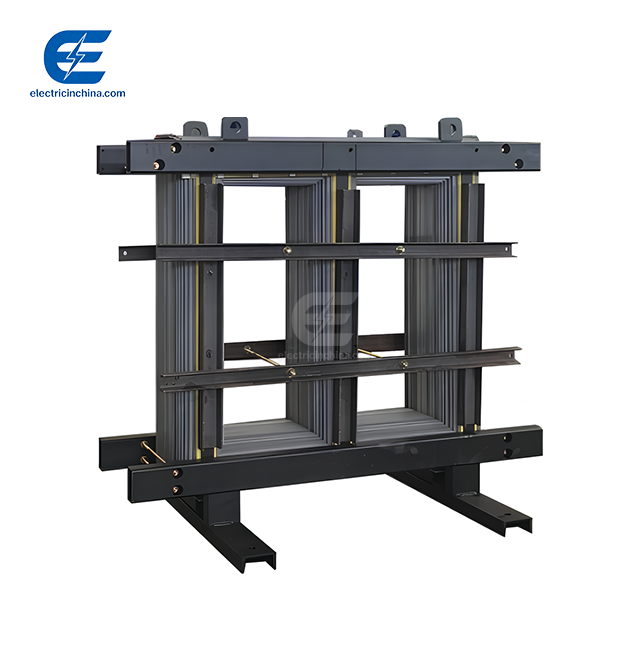
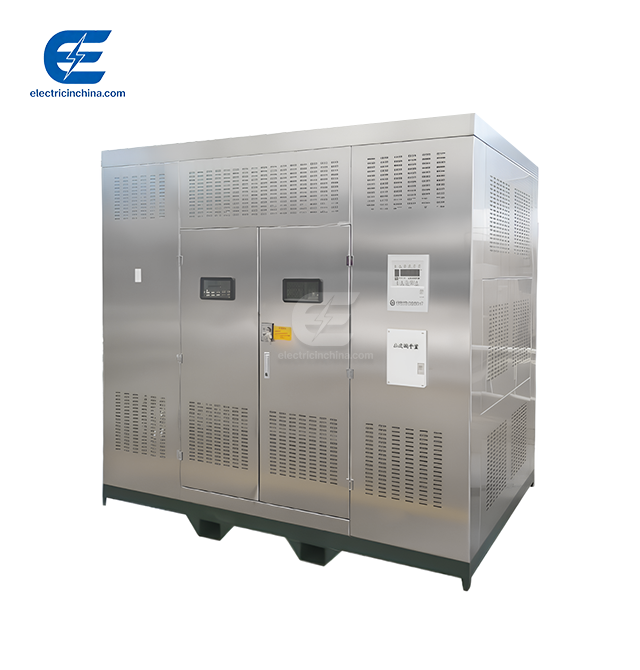
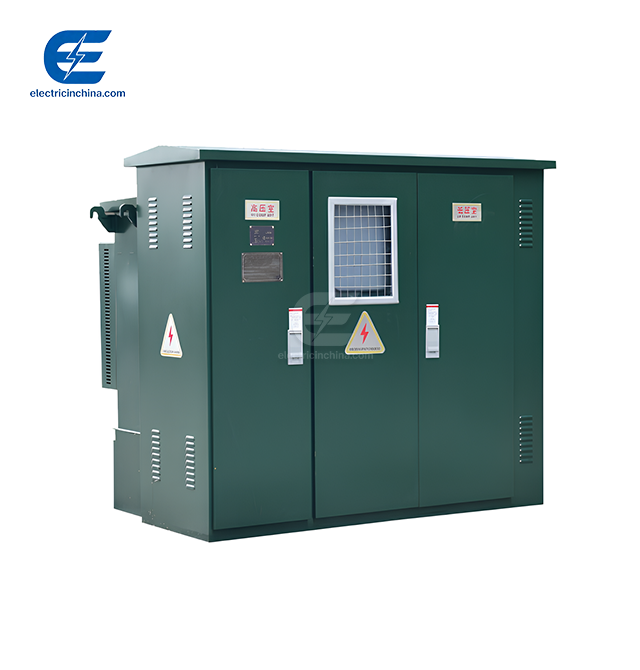
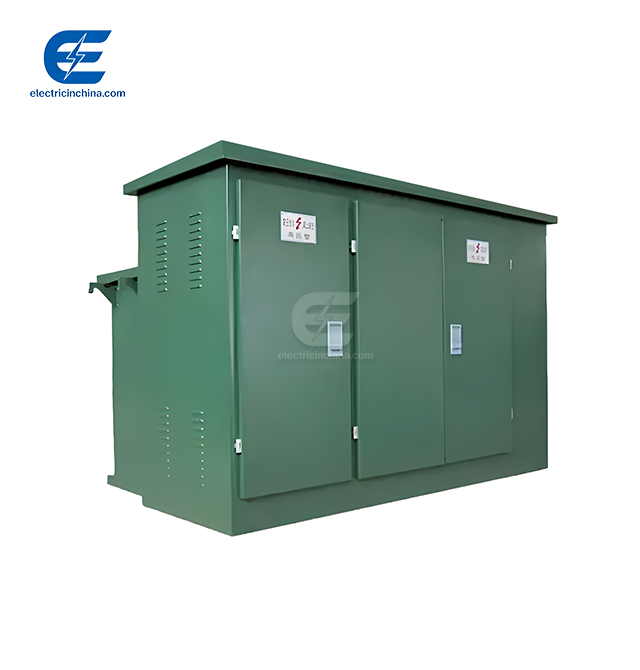
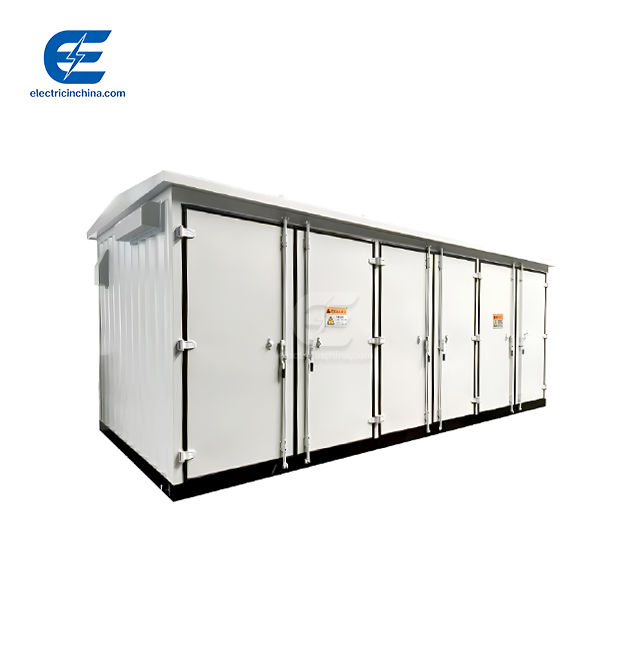
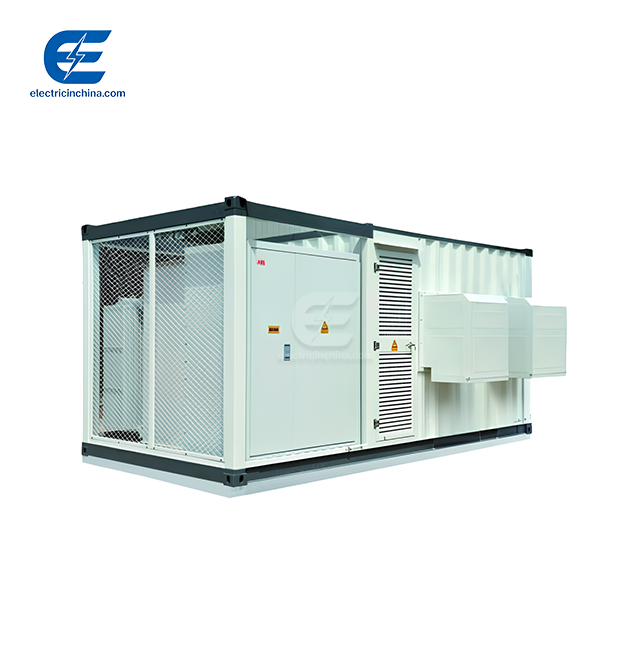
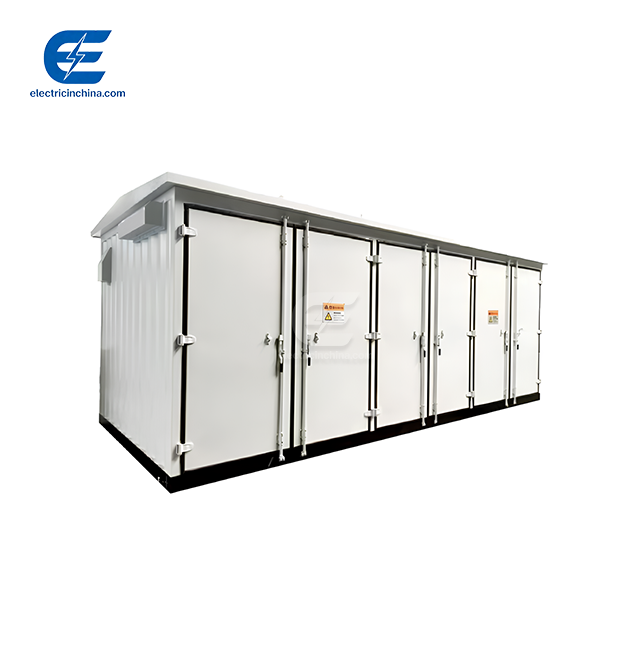
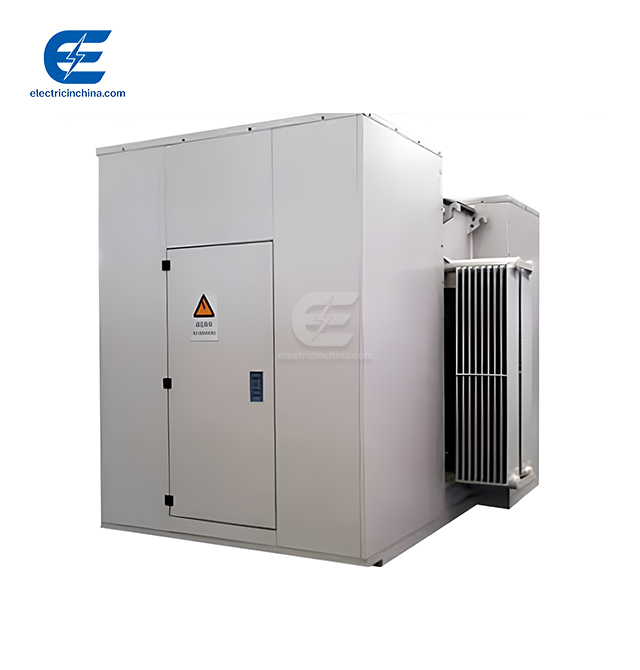
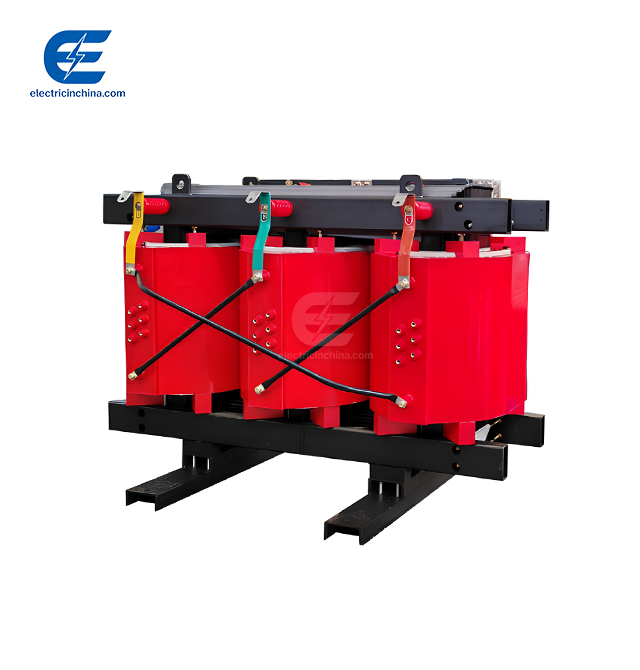
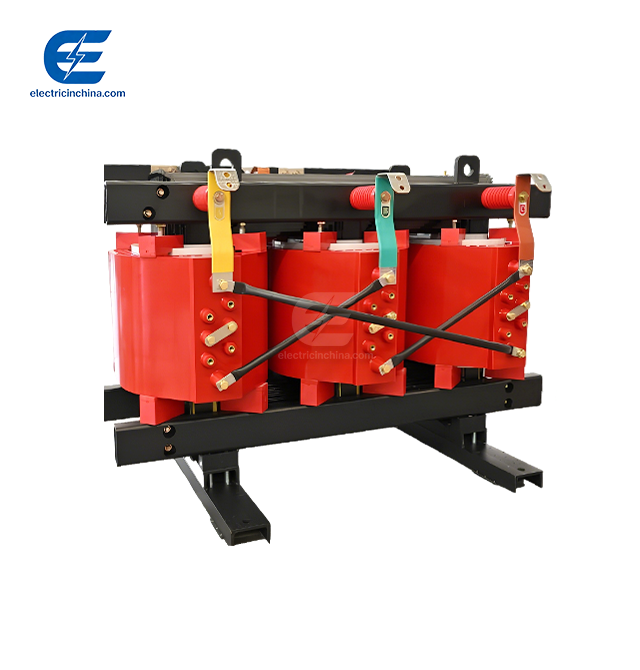
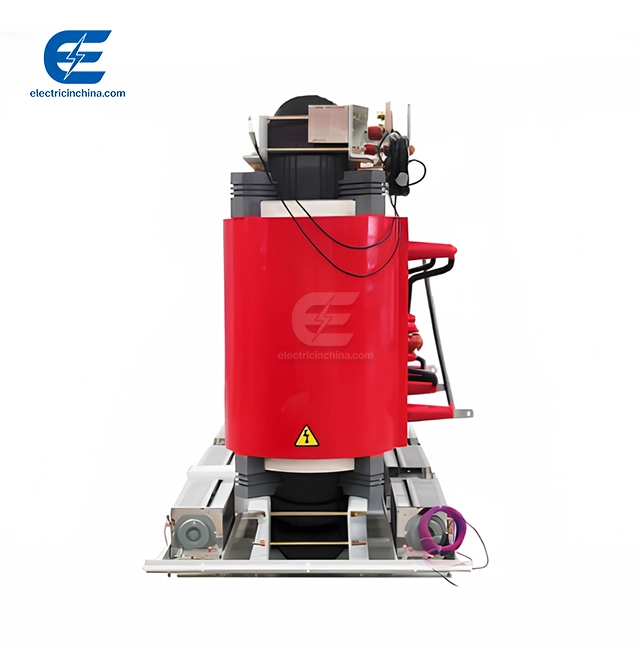
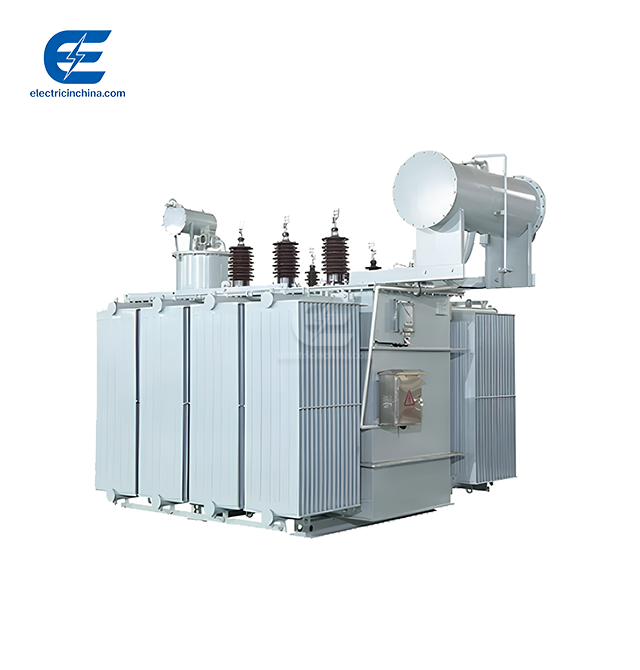
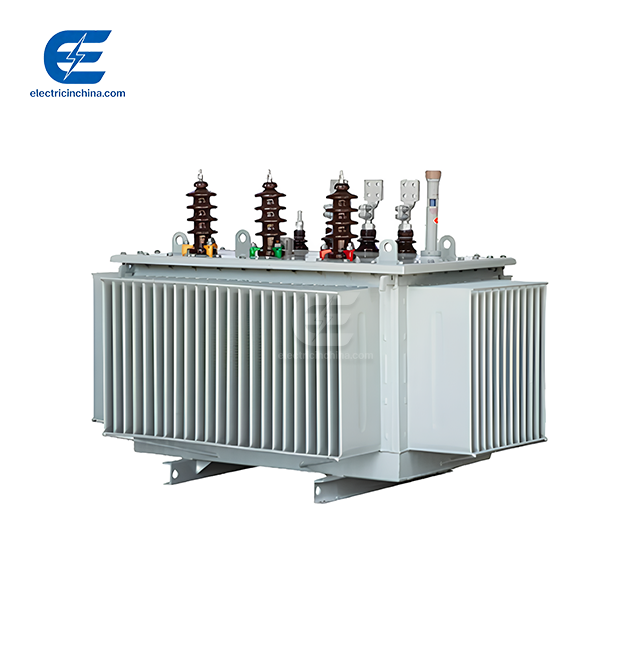
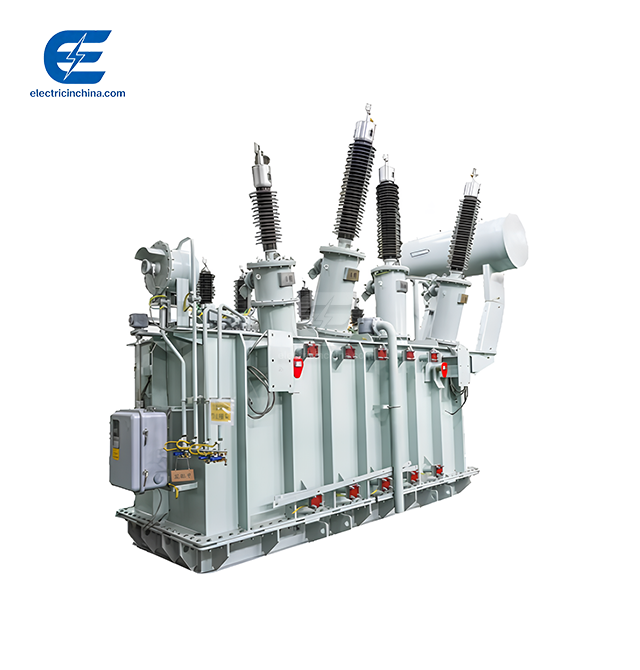
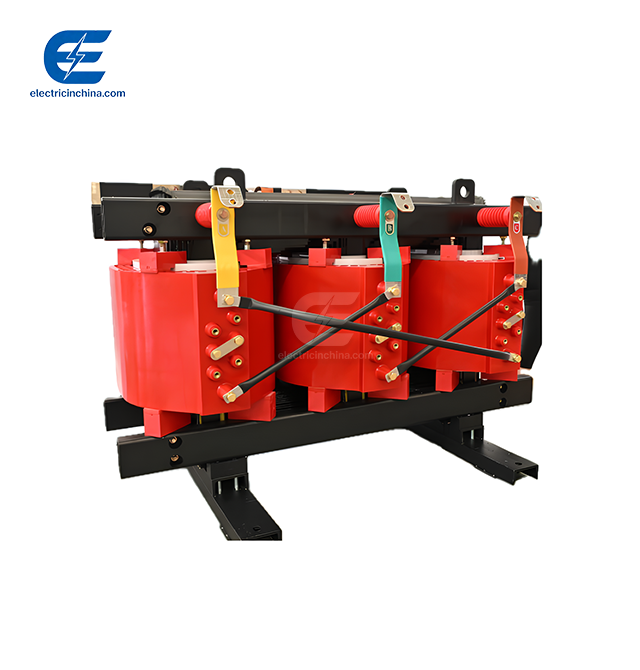
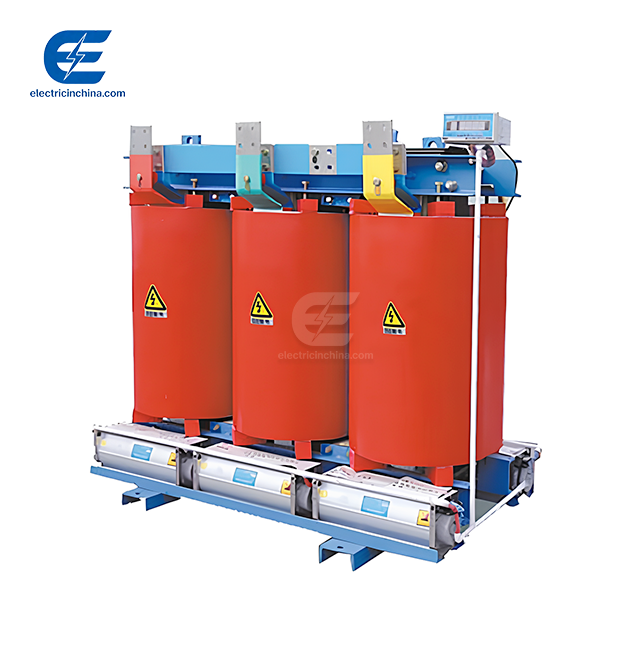
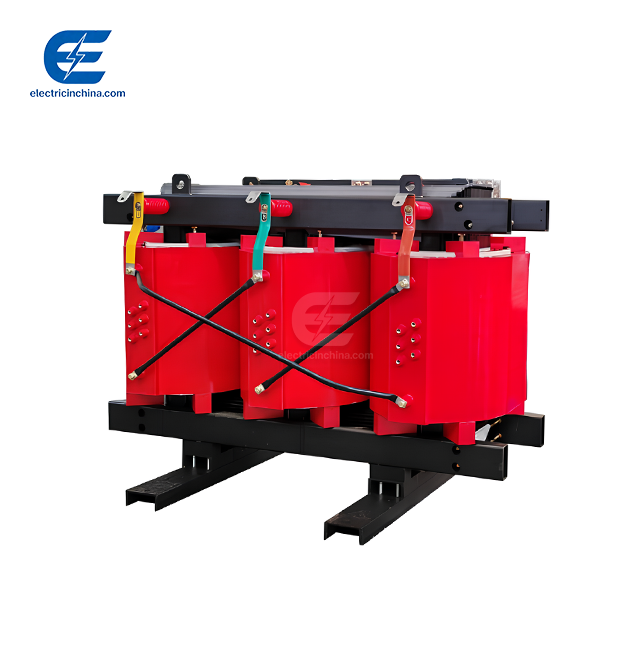
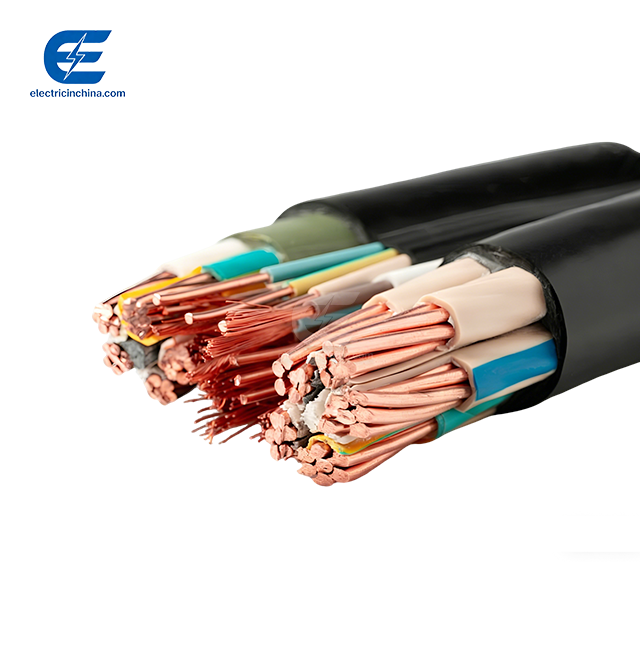
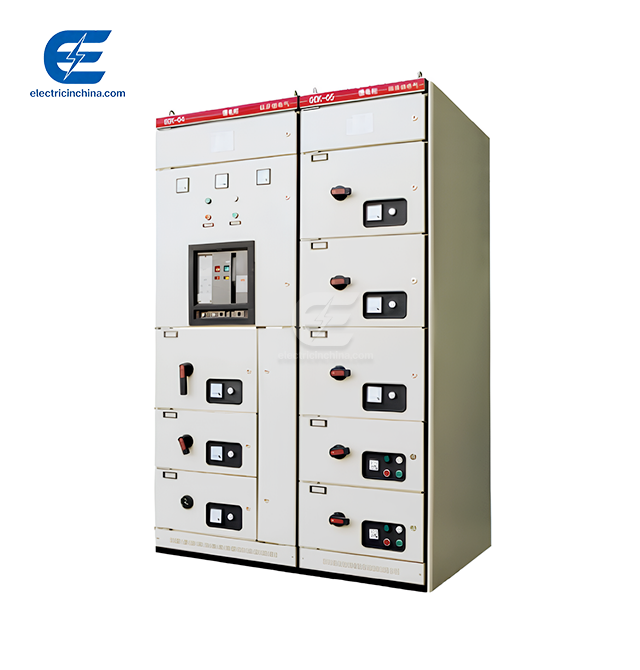
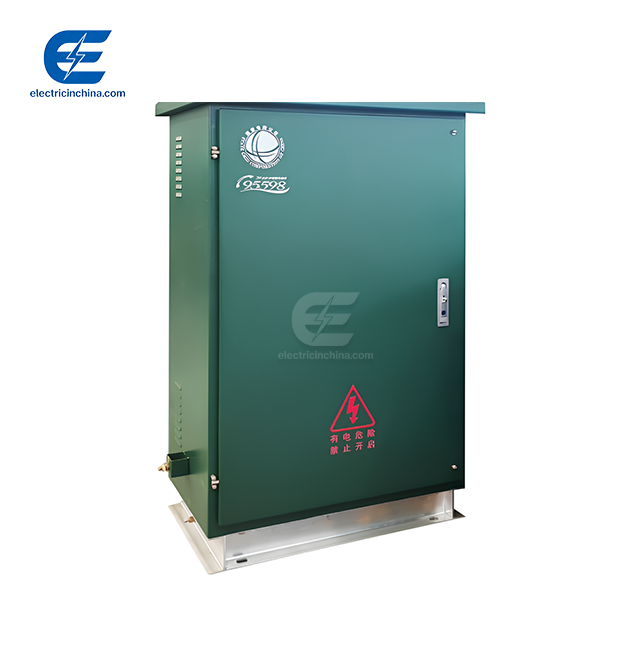
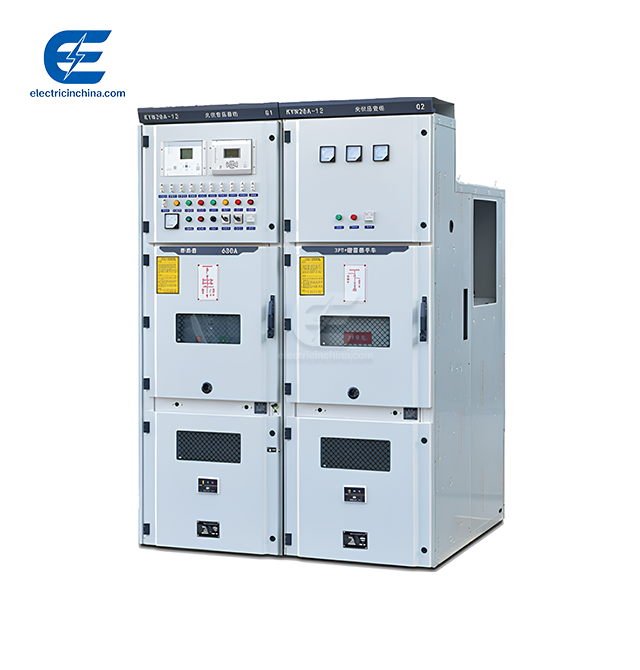
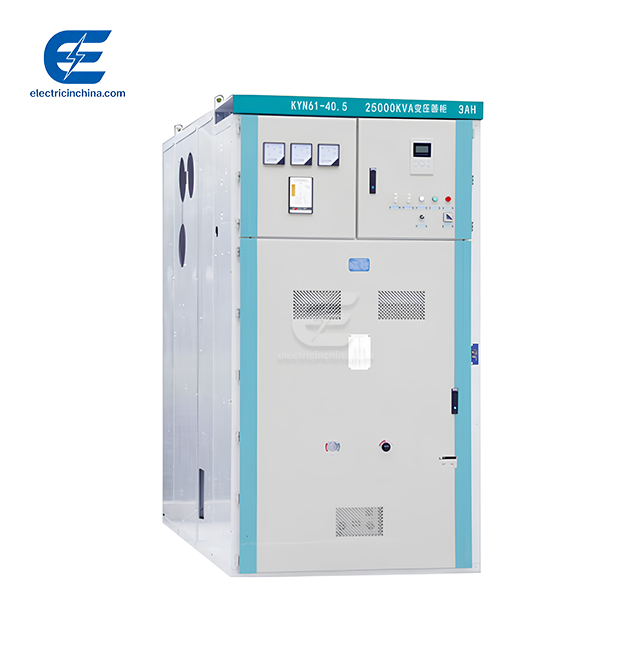
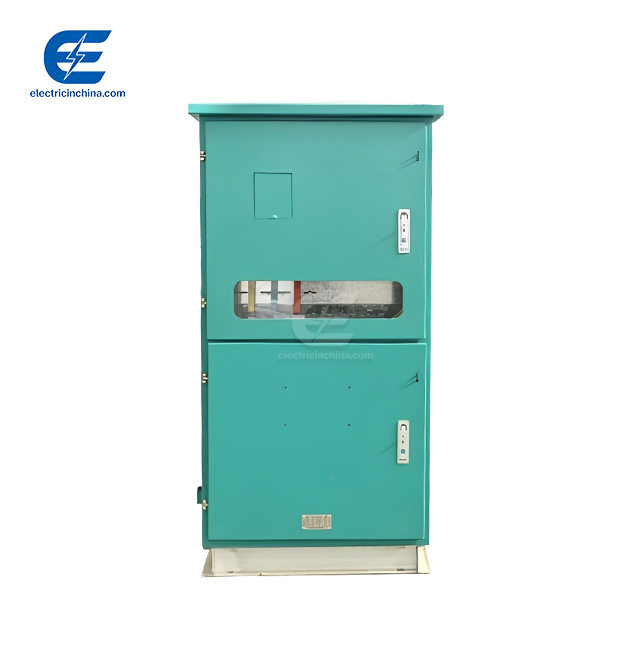
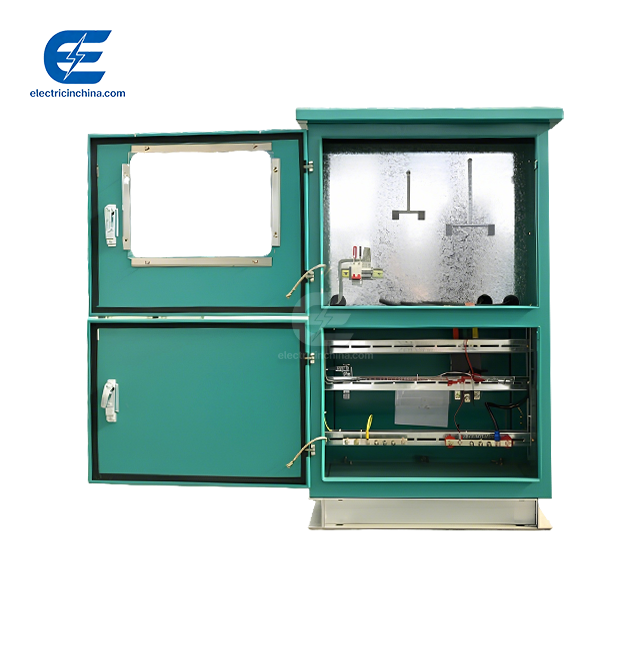
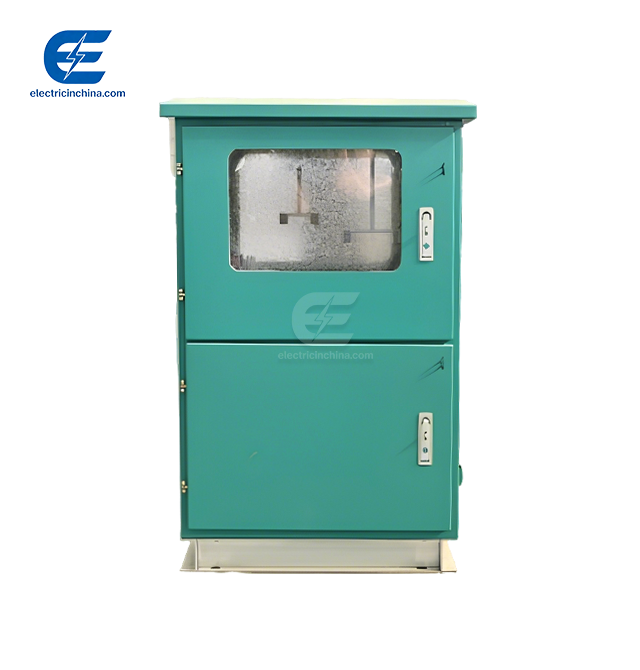
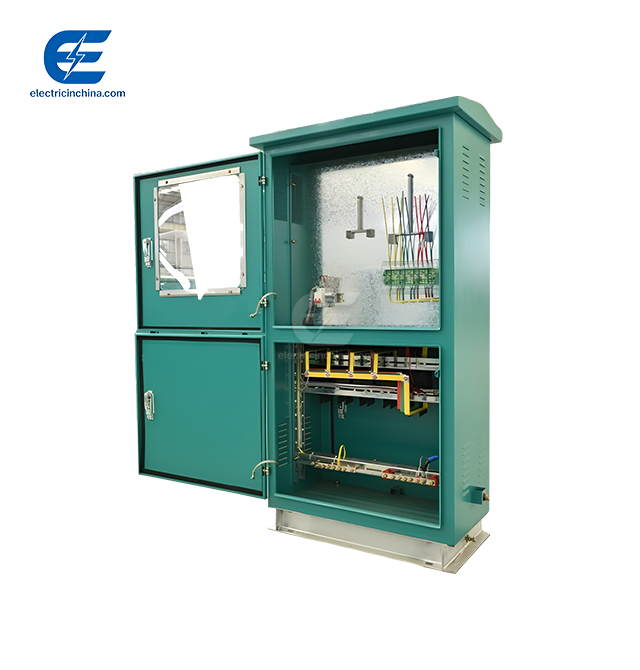
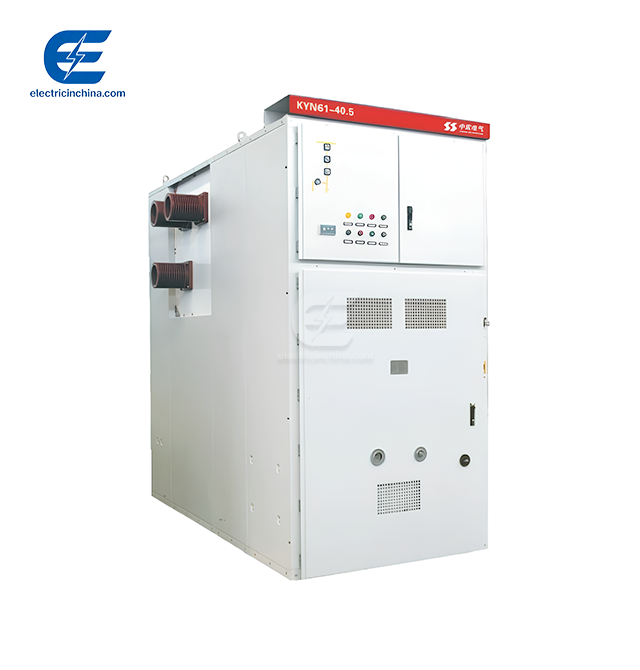
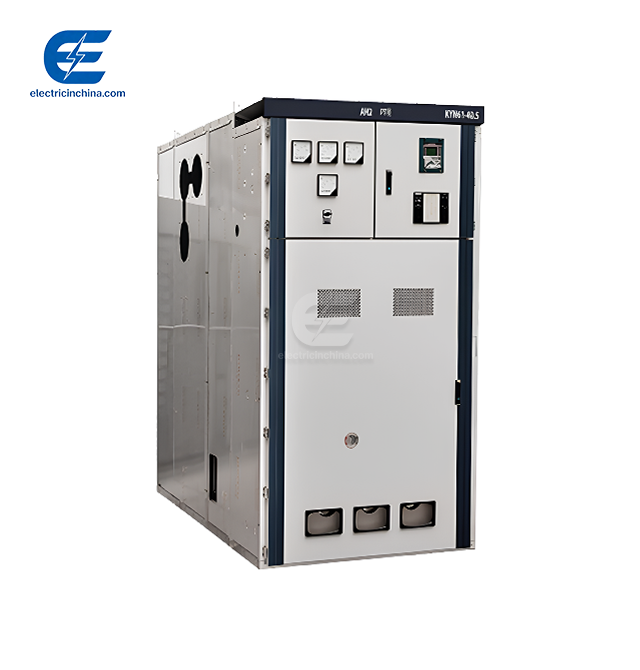
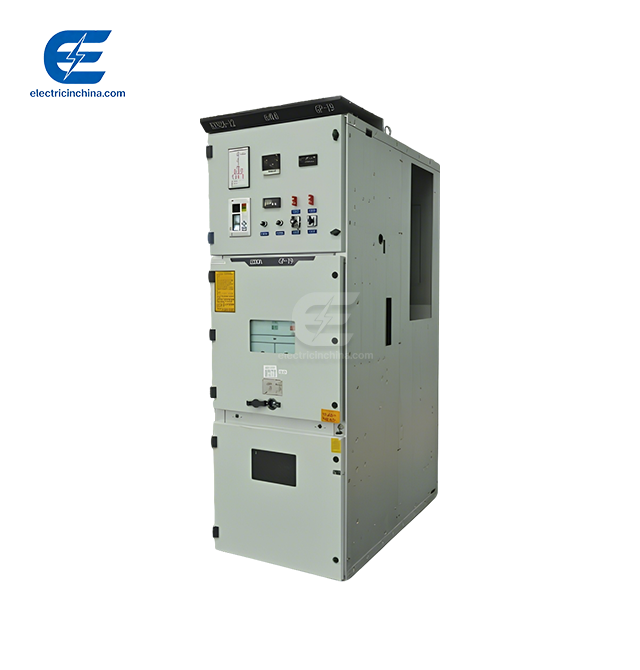
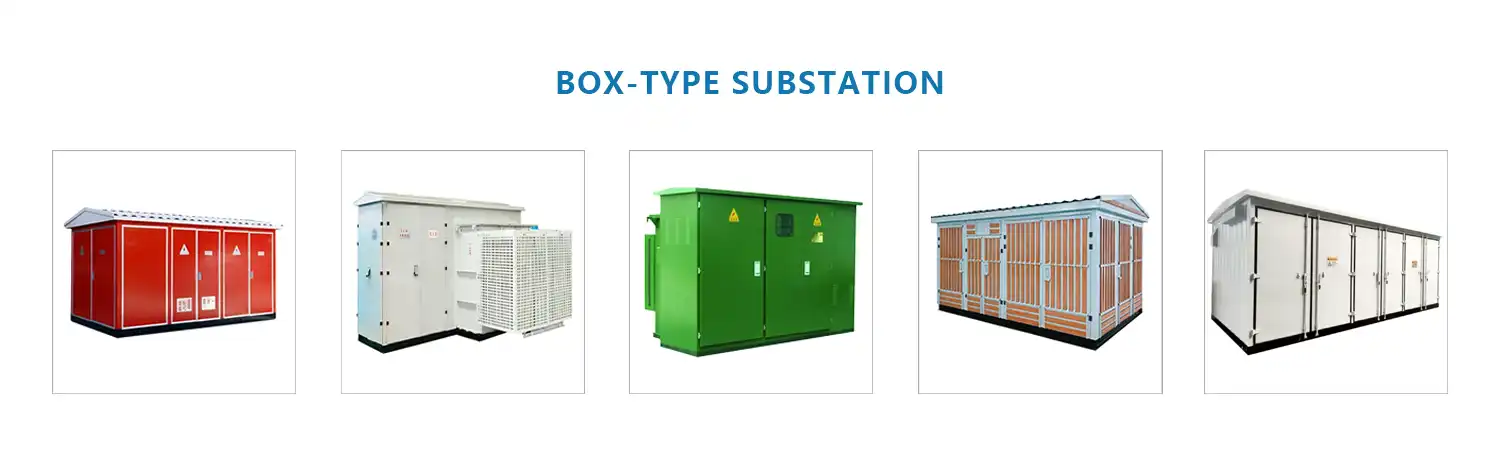
Prefabricated substations are a big change from the way things have been built in the past. When these units come to job areas, they are already put together and tested, ready to be connected right away. The YBM Series Prefabricated Substation has low-voltage distribution equipment at 0.4kV, high-voltage switchgear working at 6–35kV, and transformers ranging from 315kVA to 2500kVA all inside a single, weatherproof enclosure.
Factory-Controlled Manufacturing Excellence
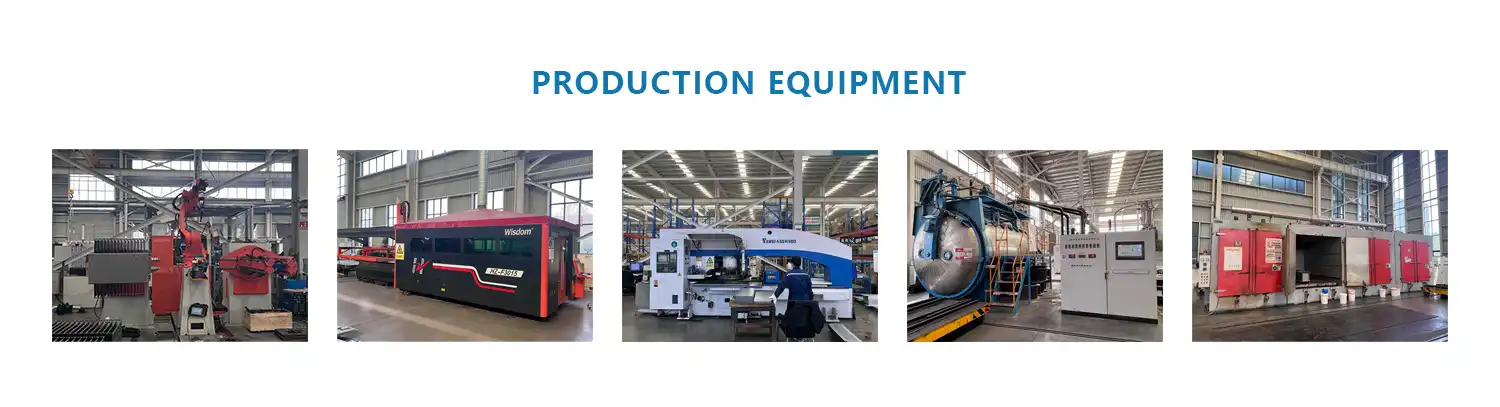
Manufacturing takes place in climate-controlled factories that keep out external factors that could affect quality. We use more than 120 sets of high-tech equipment, such as CNC automatic winding machines and microcomputer-controlled gradient cure ovens. This controlled setting makes sure that all units are the same size, have the same material features, and have the same level of assembly quality. Before being put together, each part is put through a lot of tests to make sure it meets performance standards. Our technical base is stronger because we work with the Tianjin Electric Drive Institute and more than 100 partner companies. This large network gives you access to the latest studies, tried-and-true component providers, and the best practices in your field. The end products show the combined knowledge that has been developed over many years of progress in electrical engineering.
Comprehensive Integration and Standards Compliance
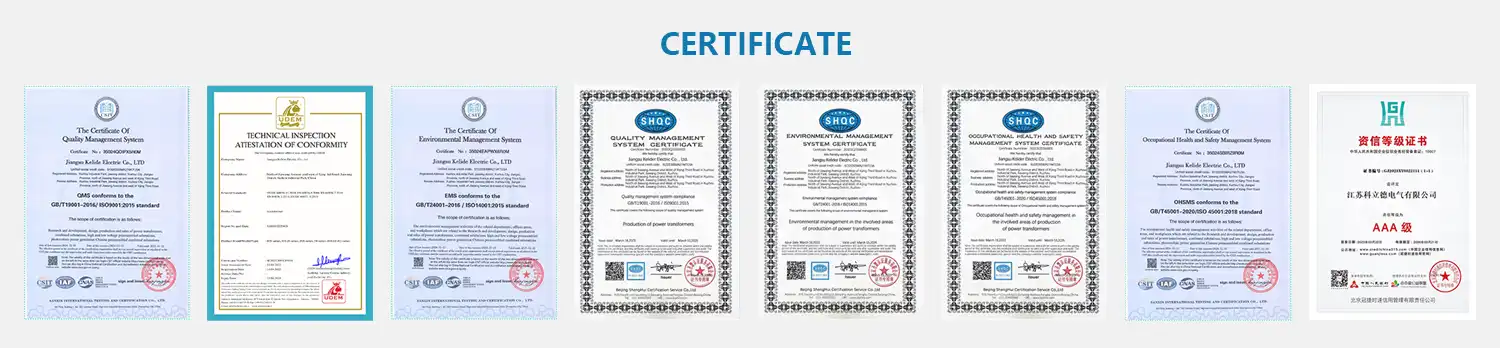
Every part of setting up a substation is based on the idea of modular design. The high-voltage rooms, transformer parts, and low-voltage spaces all work separately but together perfectly. By isolating the electrical systems, this compartmentalization improves safety while making upkeep easier. With an IP54 grade, internal parts are protected from dust and water spray, so they can work reliably in harsh weather conditions. IK10 mechanical impact resistance can handle the physical forces that come up during shipping and installation. Getting certified shows that you are committed to meeting foreign quality standards. Our quality control methods are proven to work by ISO 9001 certification. ISO 14001 confirms the rules for managing the environment. Occupational health and safety systems are checked by OHSAS 45001 approval. With these certificates, purchasing teams can be sure that the goods they are buying meet strict global standards. The 25kA short-circuit current withstand capability protects you during fault conditions, and the expected 30-year working lifespan gives you a good return on your investment over time.
Plug-and-Play Deployment Readiness
Complete testing in the plant gets rid of any questions about activation. Before we ship, we do a lot of electrical testing, such as impulse voltage withstand tests according to IEC 60060-1 standards, no-load loss measurements, and making sure the safety system works. These steps make sure that substations are ready to be turned on right away when they come. Follow the easy steps spelled out in full installation guides as installation teams connect incoming feeders, outgoing wires, and grounding systems. With this simplified method, deployment goes from being months-long building projects to activities that only take a few days to complete.
How YBM Series Prefabricated Substations Enhance Power Distribution Efficiency
Efficiency improvements show up in many areas of operations. The YBM Series Prefabricated Substation fixes important problems with the way delivery infrastructure is usually set up by carefully improving the design and making the products.
Accelerated Installation and Reduced Human Error
When compared to standard methods, installation times are cut down by a huge amount. Preparing the site makes installing the base and arranging the cables easier. When the small substation arrives, special moving tools make it easy to put it on supports that have already been prepared. Following written steps, grounding connections, high-voltage wire terminations, and low-voltage distribution hookups are done quickly. This streamlined process cuts the time it takes to install by 60%, which means the job can be finished faster and money can be made earlier. Factory production greatly reduces the chance of mistakes made by people. In traditional on-site building, thousands of separate links are made in fields that are always changing. Every link is a possible point of failure. These factors are not present in our workplace setting. Standardized assembly processes are carried out by trained workers using precise tools. Before units leave our building, quality checks make sure that every link works. This organized process guarantees levels of stability that can't be reached by building in the field.
Simplified Maintenance and Extended Component Life
Access for repair is made easier by modular compartmentalization. There are separate entry points for the high-voltage, transformer, and low-voltage areas. Maintenance workers can work on certain parts without turning off power to parts that aren't connected, which cuts down on system downtime. Standardized patterns and clear labels make debugging go faster. Replacement parts are made to exact original specs, which ensures that the system continues to work properly. The design of the transformer uses high-quality silicon steel cores that are cold-rolled and grain-oriented. This keeps no-load losses to less than 0.8% of the maximum capacity. Vegetable-based insulating oil manages heat better than mineral oil options, which makes insulation systems last longer. These decisions about materials help the 30-year operational lifespan while also cutting down on energy waste during constant operation. Less energy loss directly leads to lower operating costs over many years of service.
Smart Grid Integration for Real-Time Management
Electrical factors are constantly tracked by built-in tracking systems. Getting real-time info on things like current flow, voltage levels, power use, and generator temperature is possible. This data goes straight into SCADA systems, which lets network control be done from one place for all of the sites that are spread out. From control centers, operators keep an eye on the whole delivery network, looking for performance trends and possible problems before they happen. The ability to automatically find faults makes the system much more resilient. Within milliseconds, protective switches can tell when something is wrong. The system instantly cuts off problematic areas, moves loads to other lines, and returns power within one minute, usually before people even notice that it was cut off. This automated reaction gets rid of the need to switch between tasks by hand, which wastes time during important outages. Operators can balance network parts, improve load distribution, and use demand response strategies without sending out field teams thanks to remote control and adjusting functions.
Measurable Performance Improvements
Our collection of projects shows real gains in productivity. The Xuzhou Rail Transit Network Control Center project used a dual-circuit power source design that made sure train systems could work safely at all times. The speed of installation meant that the job was finished ahead of schedule, which meant that train operations could start earlier than expected. The XCMG Group's project to upgrade the power source also finished early, meeting strict client deadlines while still meeting quality standards. These results are not just the result of one successful project, but rather the regular benefits built into YBM Series Prefabricated Substation technology.
Comparing YBM Series Prefabricated Substations With Other Solutions
Buying things needs to be able to tell the difference between the tools that are offered. Comparing the YBM Series Prefabricated Substation to traditional substations and other premade options shows that it has clear benefits.
Cost-Effectiveness Analysis
The total costs of ownership include the initial investment, the cost of installation, the cost of running the business, and the costs of upkeep over the service life. Traditional substations require a lot of construction work and a long time to handle the job. Getting a site ready means laying foundations, putting up structures, and setting up weather controls. These things cost money before the fitting of electricity equipment starts. Our factory-assembled method gets rid of most of the building work, which lowers installed costs by a large amount, even though the equipment specs are the same. Costs of operations strongly favor premade systems. When transformers are designed better and connections have less resistance, they lose less energy, which means that less power is used all the time. If a normal 1000kVA unit can cut energy loss by 0.5%, it will save a lot of money over the course of 30 years of running. When repair processes are made easier, technicians don't have to spend as much time on them and don't have to keep as many spare parts on hand. These factors add up to big savings over the course of an investment's life, which makes the original investment decisions worthwhile.
Environmental and Sustainability Considerations
Energy economy has a direct effect on how well the world works. Reducing transportation losses lowers the amount of power that needs to be generated, which lowers the carbon emissions that come with making electricity. Transformer oil made from plants breaks down more quickly than oil made from gasoline, which lowers the environmental impact of any spills that might happen. Small tracks reduce the damage that land use does, protecting green space in cities and minimizing harm to sensitive environments. Material choices are based on how easily they can be recycled. When something is no longer useful, steel cases and copper wires still have a lot of value, which makes recycling more cost-effective. This circular economy method fits with the goals of corporate sustainability that are being pushed harder by governments and businesses around the world.
Technical Differentiation and Certification Depth
Premium prefabricated substations are different from basic competition because they have more advanced technology features. Our ability to integrate SCADA helps with modern energy control. Automatic fault separation and power restoration features are better than what passive distribution equipment can do. Condition-based service, which lowers maintenance costs, is made possible by features like temperature tracking and predictive maintenance. Certification depth gives buyers peace of mind. In addition to basic product certifications, our quality control systems make sure they are in line with ISO 9001 by auditing them on a frequent basis. Occupational safety under OHSAS 45001 and environmental management under ISO 14001 show that a company is committed in ways that go beyond product standards. These systematic certifications show stages of growth that are linked to how reliable a seller is and how long a partnership can last.
Supply Chain Advantages for Procurement Teams
Lead times have a big effect on job plans. When compared to custom-built options, our manufacturing ability allows for shorter arrival times. Standardized plans make it possible to schedule production in a way that fits the needs of the project. Discounted prices are available for multi-site projects when they buy in bulk. When EPC companies are in charge of big infrastructure projects, having uniform specs across multiple sites makes it easier to standardize designs and keep track of extra parts. Infrastructure for after-sales help makes sure that operations don't stop. Our network of approved dealers covers many areas, so we can offer expert support and spare parts in those areas. Remote diagnostics make it possible to quickly fix problems without sending out experts for small problems. Comprehensive warranty coverage backed by recorded service records shows that you care about your customers' success after the sale.
Procurement and After-Sales Guide for YBM Series Prefabricated Substations
When buying systems that work well, they match up technical needs with business goals. Our model works with the different ways that government agencies, business developers, industrial makers, and EPC contractors buy things.
Structured Quotation and Customization Process
When you first ask a question, you get a thorough technical answer that addresses your unique application needs. We look at the site's elements, such as the range of temperatures, the site's elevation, its seismic zone classification, and its natural risk factors. Recommendations for Prefabricated substation YBM Series size and switchgear design are based on load patterns, voltage requirements, and needs for future growth. This consultative method makes sure that the offered solutions are in line with real working needs instead of just generic requirements. Customization options let you meet the specific needs of a job. We change the size of the cage to fit construction sites that are limited. As shown by ASTM B117 salt spray tests, certain paint systems are made to work in harsh coastal settings. For use in cold climates, the insulation and heating features are better, as proven by tests that go from -40°C to +50°C. These changes show that production is flexible enough to support a wide range of world uses.
Quotation documentation makes the review of buying clearer. Detailed specs list all the parts and give links to the manufacturers. Performance promises list the levels of efficiency, the types of losses, and the environmental scores. Delivery plans show how long it takes to make something and ship it. Terms of payment allow for a range of financial plans, such as letters of credit and goals based on progress. This detailed paperwork makes it easier for internal review processes and evaluations of competitive bids.
Logistics and Installation Support
International shipping experts make sure that deliveries get to project sites safely all over the world. We organize containerization that keeps equipment safe while it's being shipped by sea or by land. Customs declarations, certificates of origin, and technical specs that help with import processing are all part of documentation packages. Tracking tools let you see where your package is at all times during the shipping process. On-site installation support can include anything from simple technical help to full service setup. Our expert teams give you thorough installation plans that show what kind of foundation you need, how to get cables in, and how to ground the system. Questions that come up during installation can be answered through remote assistance. When asked, we send experienced techs to oversee installation, run starting tests, and teach client staff how to run the system. This help model is scalable, so it can adapt to different client skills and project levels of difficulty.
Warranty Coverage and Ongoing Technical Assistance
Full warranty plans protect clients' interests. Coverage for standard items includes generator windings, switching mechanisms, control systems, and building parts. Options for extended warranties give important installations extra safety for longer amounts of time. Processing warranty claims follows written steps that make sure problems are fixed quickly when they happen. Ongoing technical support keeps operations running smoothly throughout the lifecycles of tools. We give upkeep instructions that include instructions for how often to check, lubricate, and replace parts. Repairs can be done on time because spare parts are available from approved dealers. Remote diagnostics make it possible to help with fixing without having to go to the site for many problems. Annual maintenance contracts include regular checks by factory-trained techs. This improves reliability and makes maintenance budgeting more predictable.
Conclusion
Prefabricated substations greatly increase the efficiency of power distribution by allowing for factory-controlled production, faster installation, and better operating performance. These benefits are shown by the YBM Series Prefabricated Substation, which can be set up 60% faster, takes up 30% less room, and uses 60% less energy than standard infrastructure. These solutions are smart investments for government building projects, business developments, industrial sites, and EPC contractors because they work with smart grids, come with a lot of certifications, and have been used on previous projects. When procurement teams choose modern modular substations with strong technical support and warranty programs, they get dependability, cost-effectiveness, and long-term relationship value.
FAQ
What distinguishes prefabricated substations from traditional construction?
Prefabricated substations are fully assembled and tested in the plant before they are shipped, so there are no changes that can be made during building on-site. This controlled production setting makes sure that the quality is always the same, cuts installation time by 60%, and lowers the risk of mistakes that come with putting things together in the field. High-voltage switchgear, transformers, and low-voltage distribution can all be housed in weatherproof cases with an IP54 grade in compact modular designs that take up 30% less room.
How quickly can installation proceed?
Instead of taking months, as with most substations, installation times are cut down to days. Installing the base and connecting the cables are part of preparing the site. Once they are in place, grounding connections and electrical terminations are quickly made by following written instructions. The YBM Series Prefabricated Substation comes factory-tested and ready to be powered up, which speeds up the finishing of projects and the start of operations.
What customization options accommodate specific project requirements?
Customization takes into account things like the surroundings, limited space, and operating needs. We change the enclosures to work in high temperatures (-40°C to +50°C thermal cycling tests), make sites near the coast more resistant to corrosion (ASTM B117 salt spray tests), and change the transformer values from 315kVA to 2500kVA to match load profiles. Voltage setups can meet the main needs of 6–35kV and the secondary needs of 0.4kV. Modern utility management is made easier by integrating SCADA.
Partner With Tuojie for Reliable Power Distribution Solutions
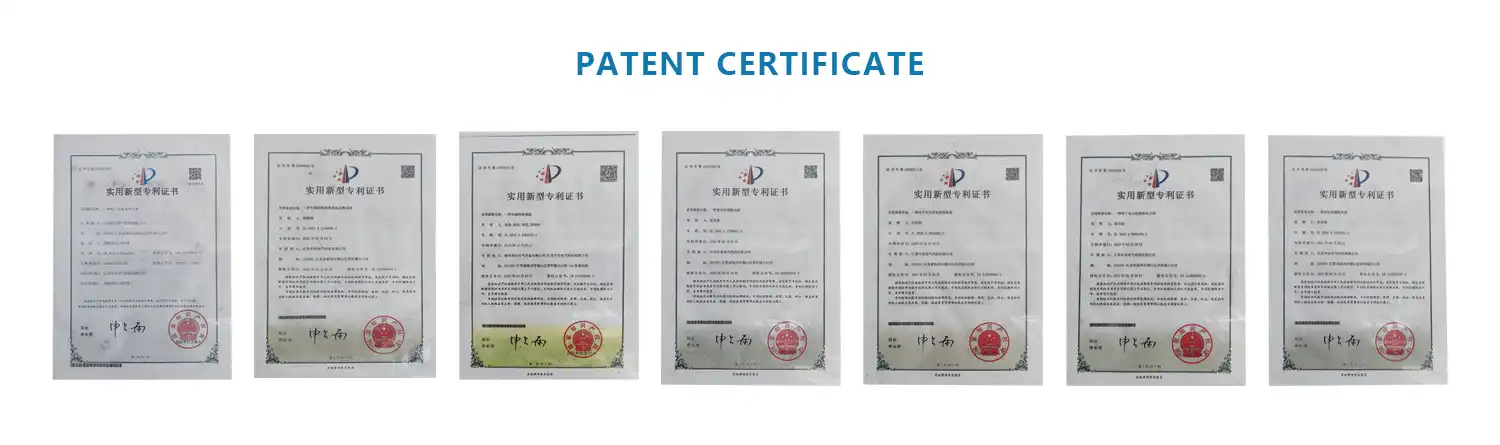
Through its YBM Series Prefabricated Substation manufacturing knowledge that spans more than 20 years, Tuojie provides tried-and-true power delivery infrastructure. Transformer design, low-voltage switchgear production, and full electrical systems that meet ISO 9001, ISO 14001, and OHSAS 45001 standards are all part of our integrated skills. We offer customized one-stop solutions that are made to fit your surroundings and business needs. We have 15 senior engineers, over 30 intermediate techs, and 18 patents that show we are leaders in innovation. You can email our technical team at tuojie@electricinchina.com to talk about project details, get full quotes, or set up technical meetings. You can look at our full line of products at electricinchina.com and learn how global EPC companies, industrial makers, and infrastructure developers work with Tuojie to improve the efficiency of power distribution.
References
1. Institute of Electrical and Electronics Engineers. (2019). IEEE Guide for the Application of Gas-Insulated Substations Rated 1 kV to 52 kV. IEEE Standards Association.
2. International Electrotechnical Commission. (2018). Power Transformers - Part 1: General Requirements. IEC 60076-1 Technical Specification.
3. National Electric Energy Association. (2020). Best Practices for Substation Design and Construction. NEEA Technical Publication Series.
4. American Society for Testing and Materials. (2017). Standard Practice for Operating Salt Spray Apparatus. ASTM B117-17 Testing Standards.
5. Electric Power Research Institute. (2021). Prefabricated Substation Technology: Performance Analysis and Cost-Benefit Evaluation. EPRI Research Report.
6. International Council on Large Electric Systems. (2022). Smart Grid Integration of Distribution Substations: Technical Guidelines and Implementation Strategies. CIGRE Technical Brochure.