

.webp)
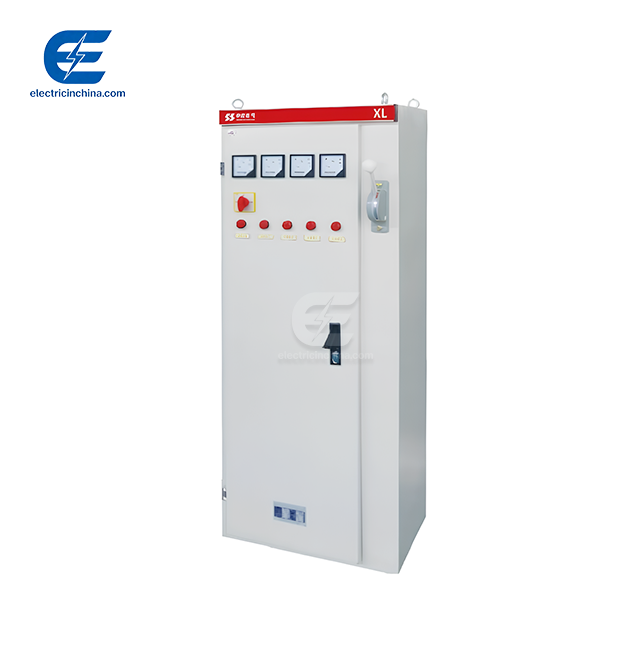
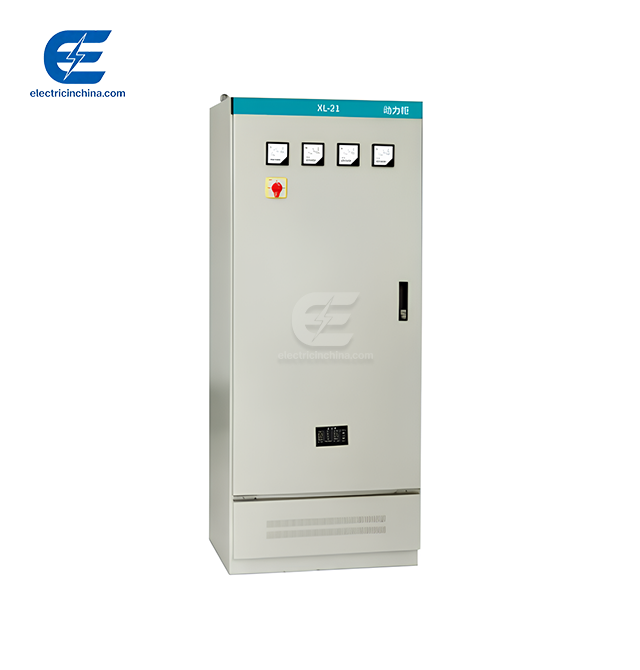
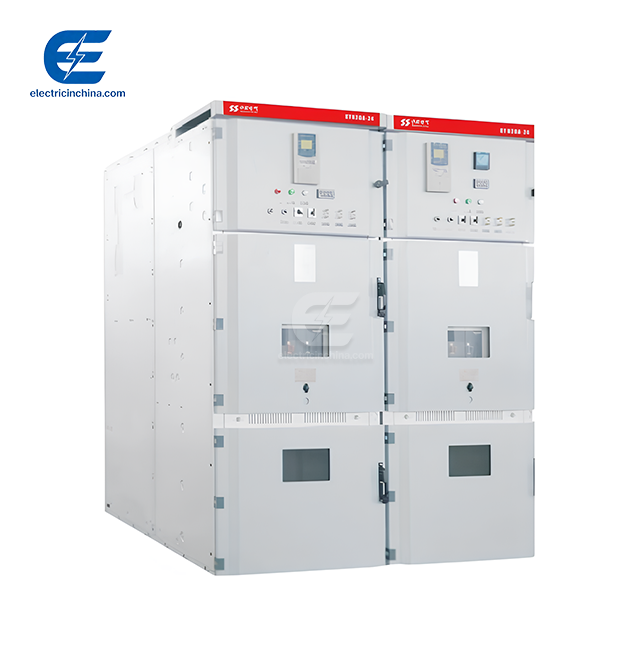
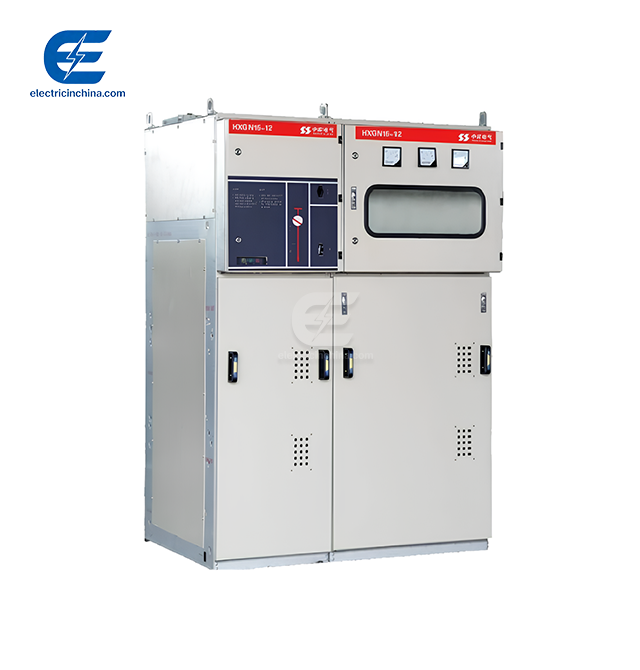
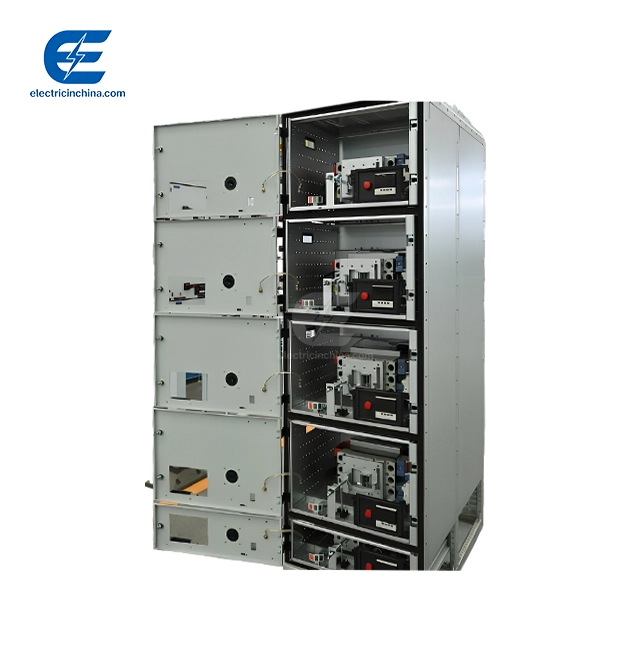
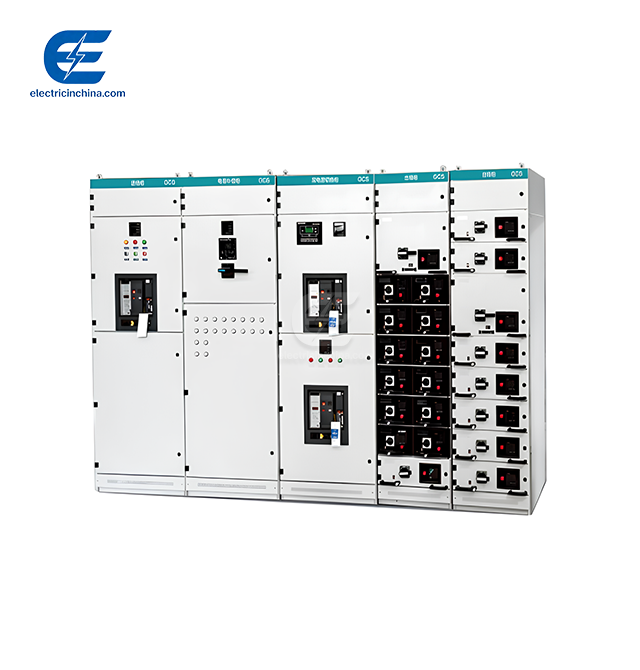
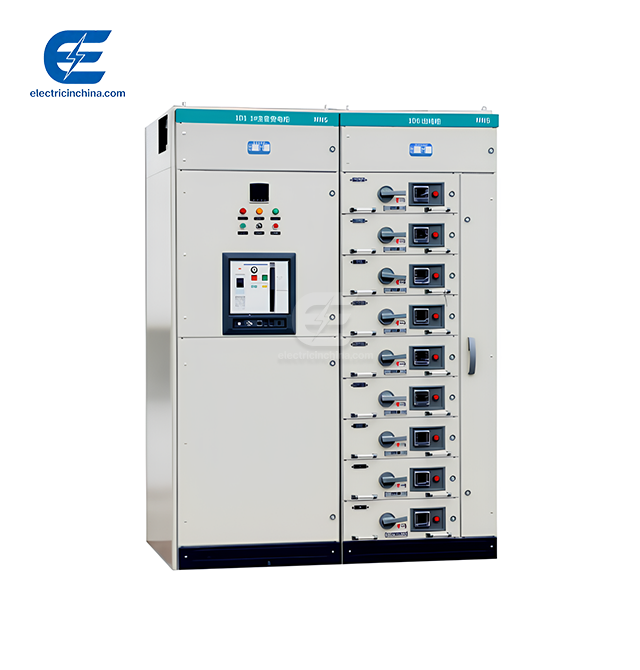
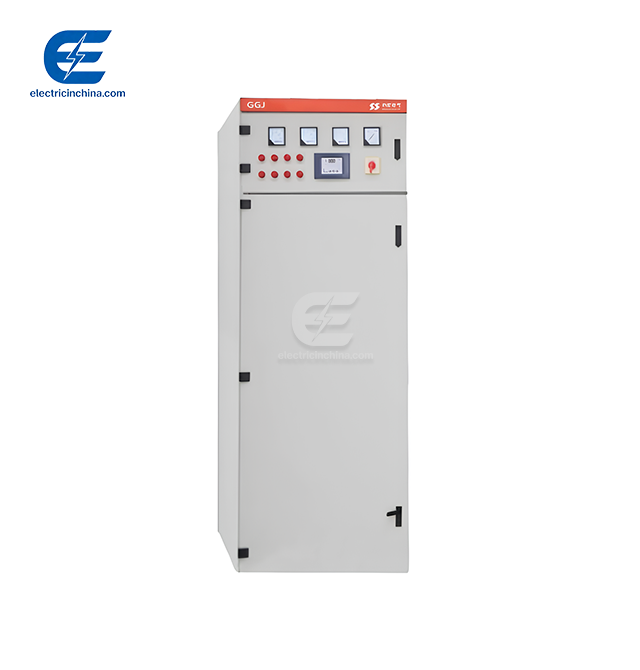
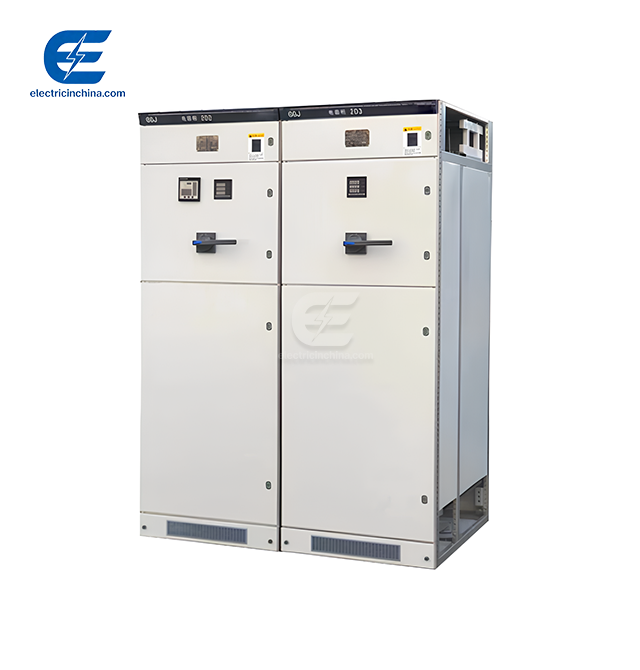
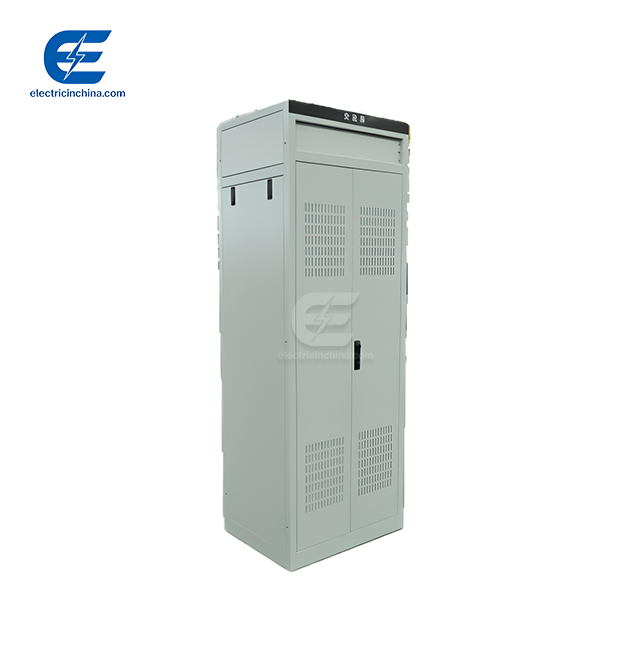
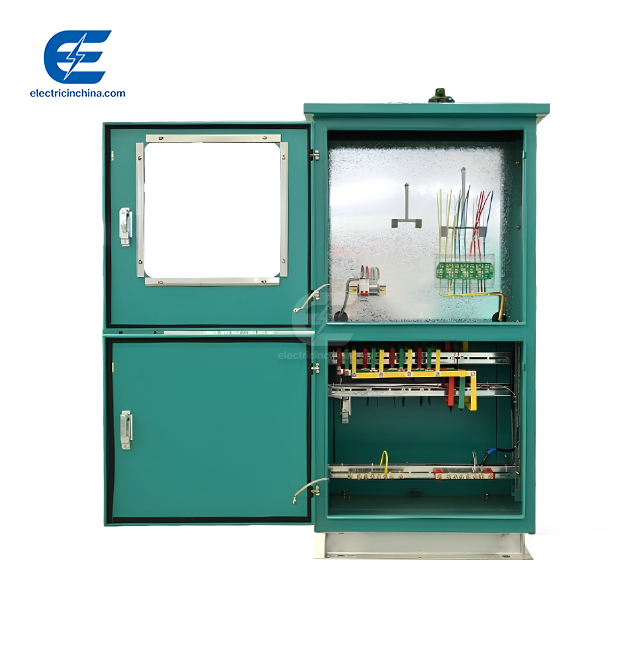
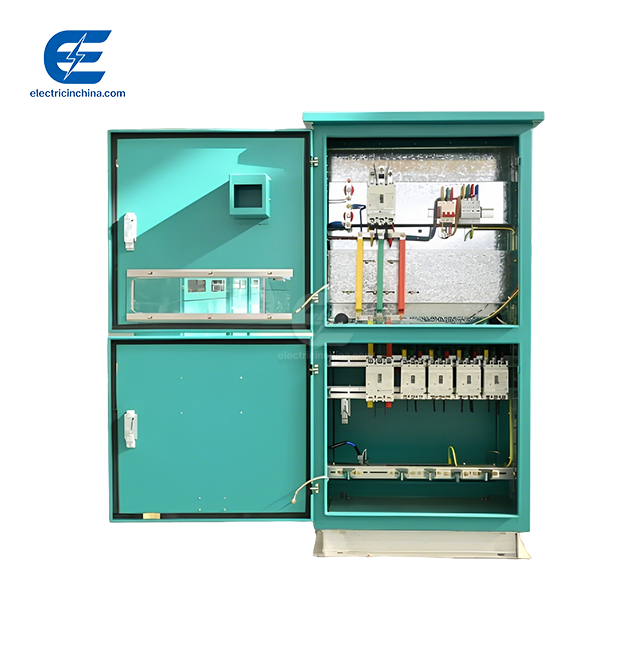
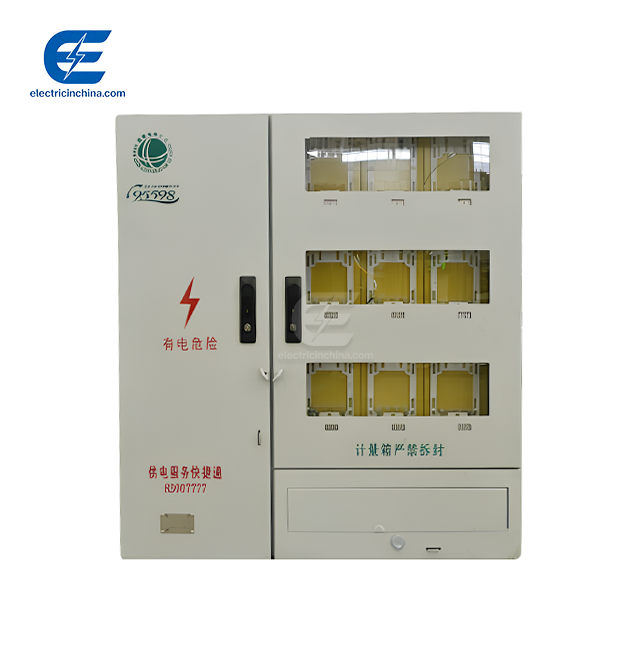
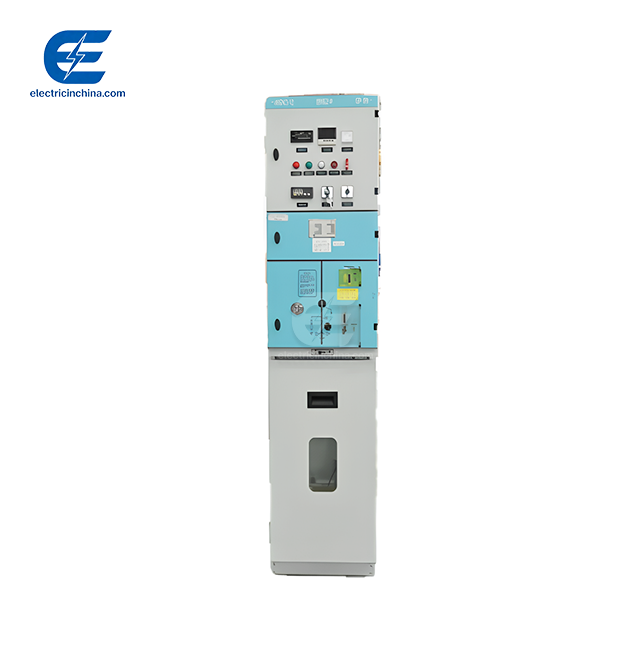
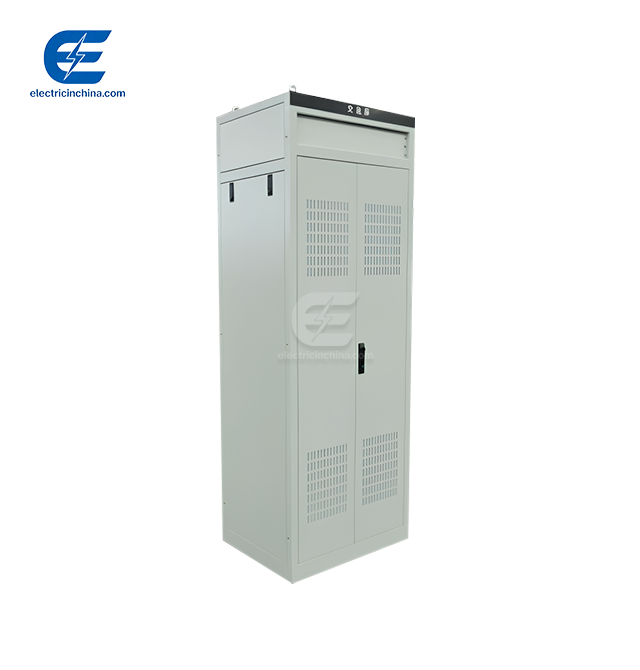
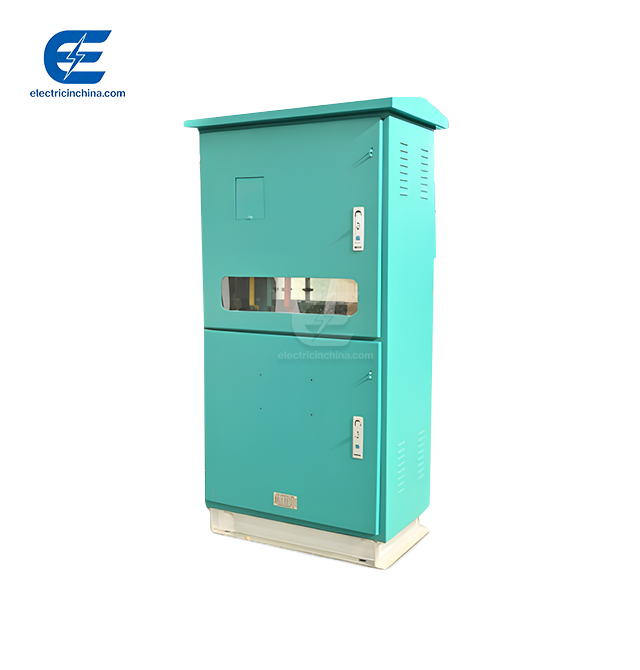
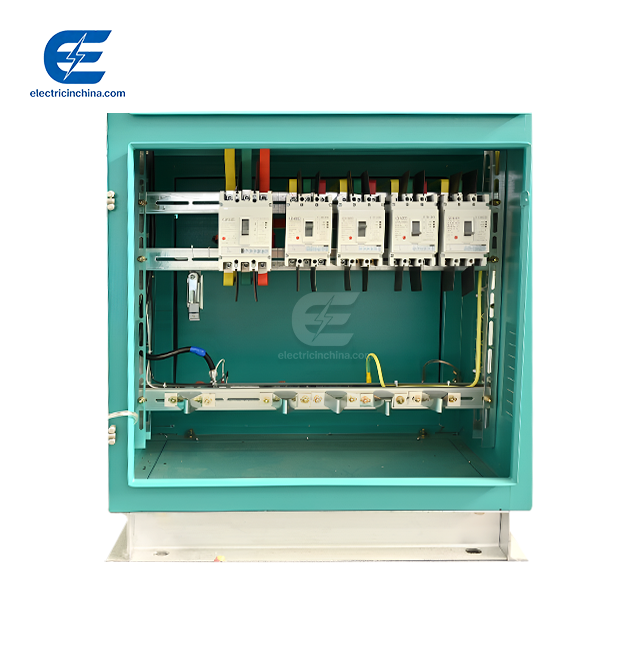
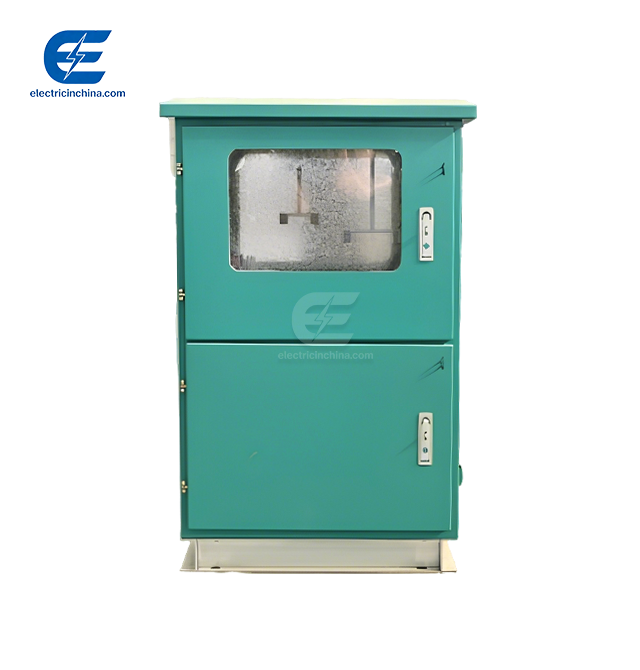
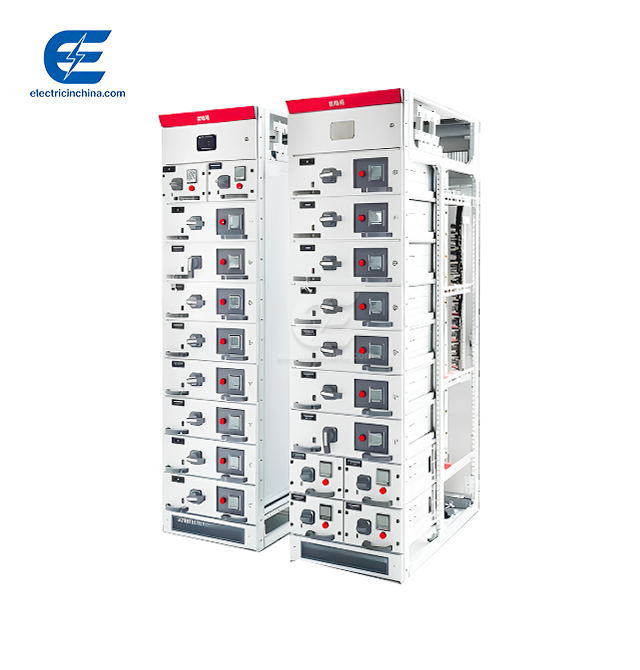
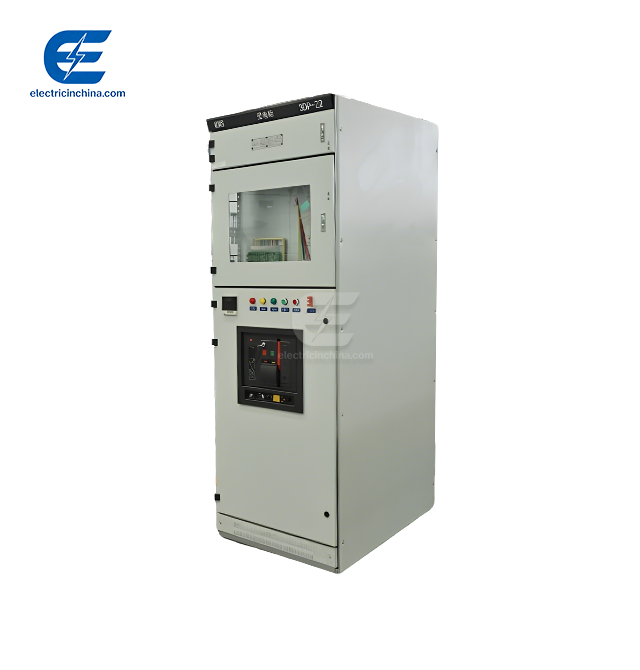
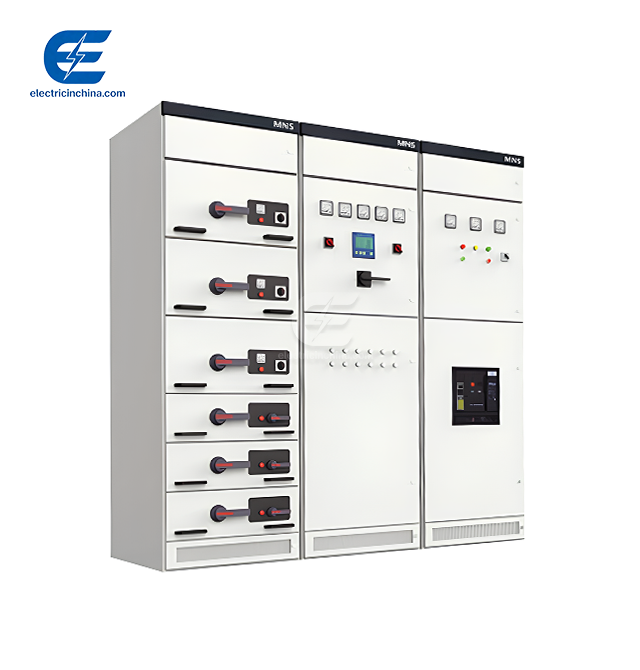
Power companies need electricity distribution systems that work all the time and are safe, reliable, and efficient. Medium Voltage Withdrawable Switchgear is now the best choice for these dangerous places because it lets repair teams work on circuit breakers and other parts without having to turn off the power to the whole building. This metal-enclosed distribution equipment works with voltages between 3kV and 36kV. It lets workers physically remove circuit breakers from their workplaces while the busbar stays live. This cuts down on downtime by up to 80% compared to fixed installations. The compartmentalized design quickly separates problems, keeping people and equipment safe while keeping power on for important plant operations.
Understanding Medium Voltage Withdrawable Switchgear
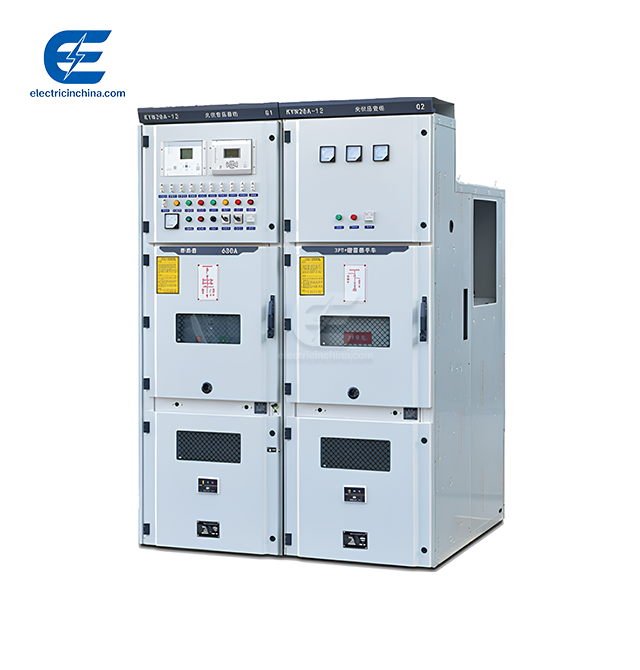
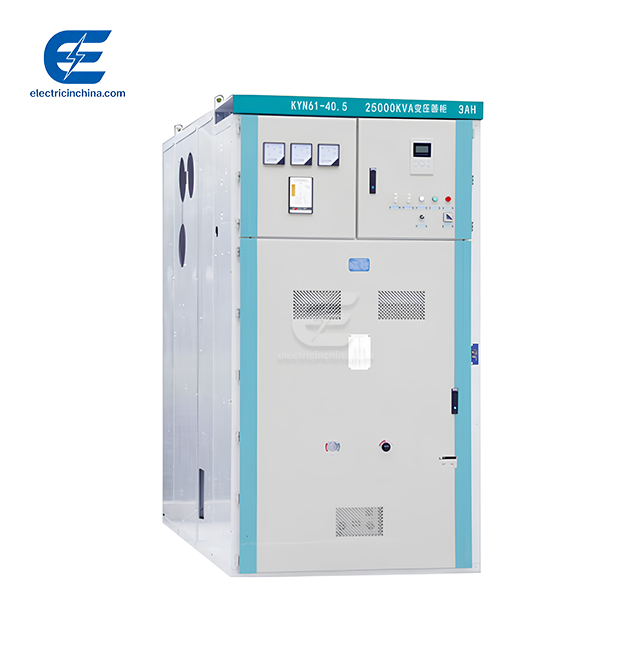
Core Components and Modular Design
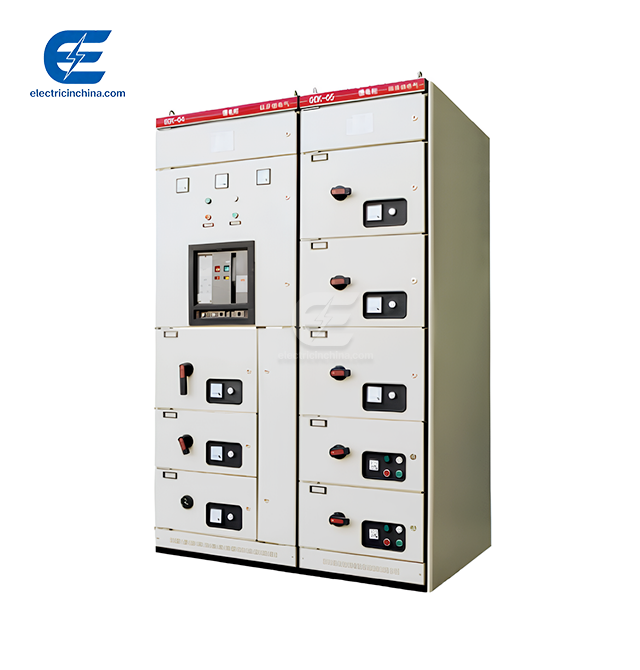
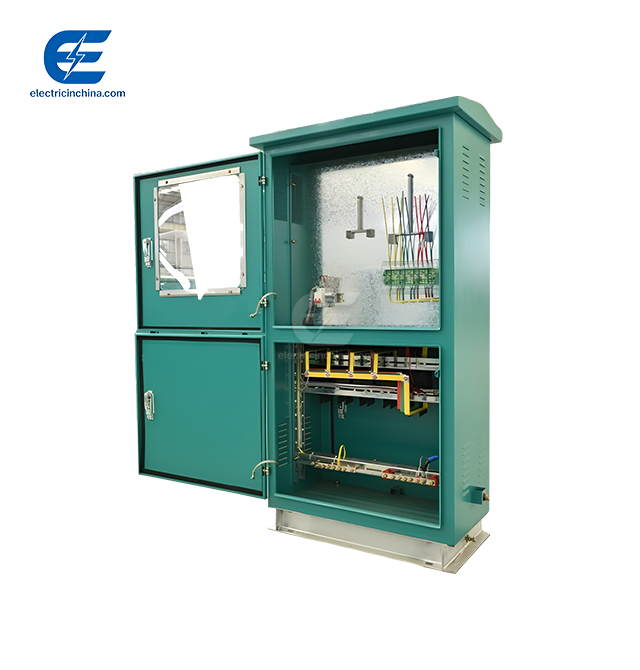
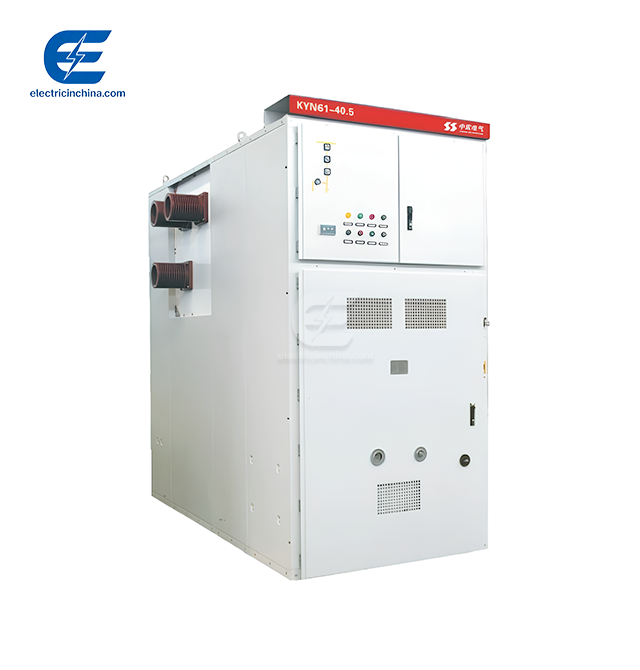
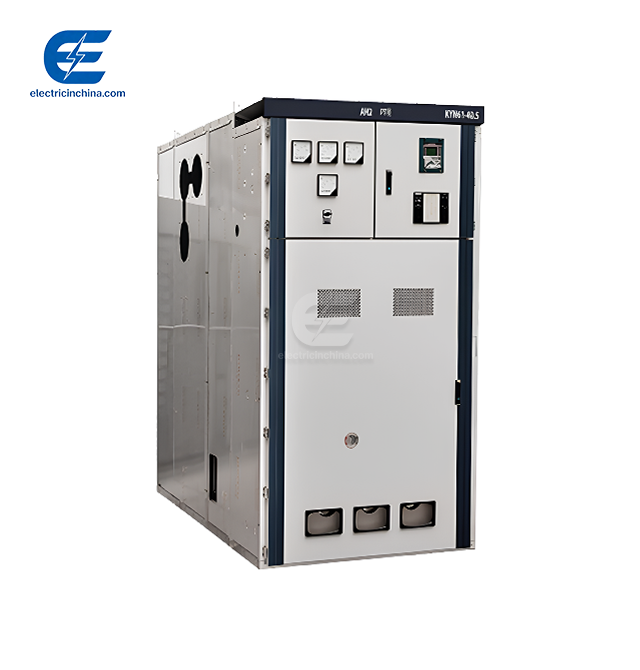
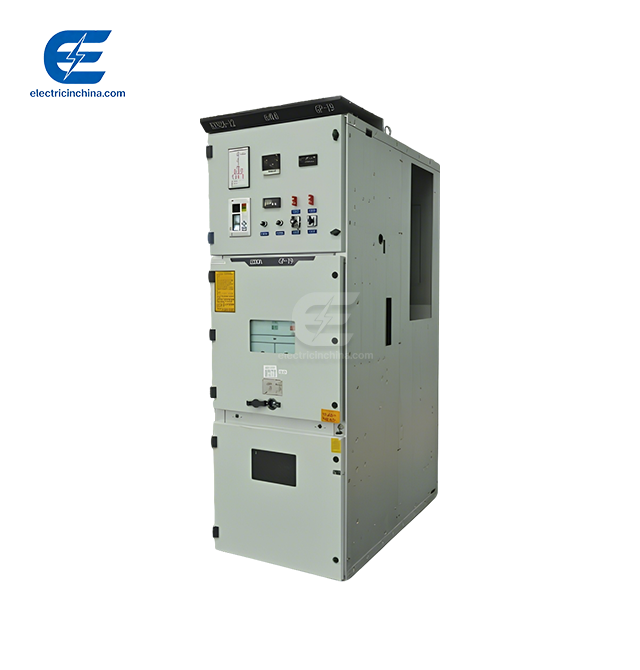
This switchgear system is made up of different sections that hold control tools, busbars, circuit breakers, and wire connections. Each compartment works on its own, forming physical walls that stop electricity problems from spreading through the system. The device that can be pulled out has precision-engineered primary and secondary disconnect contacts with silver-plated surfaces. This makes sure that the electrical link stays strong even after hundreds of rack operations. Circuit breakers can be mounted on wheeled wagons or rail systems. Trained staff can use special racking tools to move them between the connected, test, and disconnected places.
The customizable design lets configurations be changed easily to fit different plant layouts. Utilities can add or remove parts of the distribution network without having to rethink the whole thing. This lets them handle capacity increases as power production goes up. This flexibility is very helpful when adding green energy sources or gradually updating old equipment instead of having to pay for expensive replacements.
Working Principles and Isolation Mechanisms
The tools can be used in three different modes: connected, test, and removed. When it's in the linked state, both the main and secondary contacts are fully engaged, which lets power flow normally and sends control signals. The test setting disconnects the main power circuits while leaving the control circuits connected. This lets you try functionality without turning on the main circuit. In the withdrawn position, the circuit breaker is fully cut off, so it can be safely taken out of the enclosure for repair or replacement.
By making sure that the right steps are taken in the right order, mechanical interlocks stop dangerous actions like pulling out a circuit breaker while it is loaded or opening room doors when live parts are nearby. When a circuit breaker is pulled, automatic shuttering systems hide the busbar connections right away. This keeps people from touching live parts by mistake. At a glance, visual position indicators show the state of the circuit breaker, which cuts down on mistakes made by hand during switching operations.
Compliance with International Standards
Our tools are compliant with IEC 62271-200 and IEEE C37.20.2, which means they can be used anywhere in the world and in a variety of legal settings. These certifications cover things like dielectric strength, temperature rise limits, mechanical endurance, and the ability to handle short circuits. For switchgear rated for 50kA internal arc fault containment, strict tests are done to make sure that the shelters can survive an explosion of explosive energy without flame projection or metal ejection, which keeps people nearby safe.
Specifications for equipment include IP54 grades for ingress protection, which stop dust buildup and water splash damage in tough plant settings. Insulation systems can handle power frequency test voltages at 2.5 times their standard levels. This gives them safety gaps that let them handle voltage changes that happen a lot in power plants. Temperature ranges from -40°C to +55°C make sure that the equipment works reliably in a wide range of places, from substations in the Arctic to industrial buildings in the tropics.
Why Withdrawable Switchgear Is Preferred in Power Plants
Superior Reliability and Minimal Downtime
Power plants are always working, so unexpected power outages are very expensive. For repair on traditional fixed switchgear, the whole system has to be shut down, which stops production and risks damaging equipment from rapid temperature cycles. This problem is solved by Medium Voltage Withdrawable Switchgear designs that can be pulled out, which lets technicians repair individual circuit breakers while the circuits next to them stay working.
This feature has changed how repairs are scheduled at our clients' sites. This benefit was shown when repair teams changed old circuit breakers during normal production hours without stopping production lines during the XCMG Group power supply upgrade project that we finished ahead of schedule. Because each section was separate, work on one feeder circuit never touched parallel circuits that supplied important loads.
Enhanced Safety for Personnel and Equipment
In power plants, electrical accidents usually happen when repair workers come into contact with live parts or when there is an arc flash. The divided structure protects against both risks by separating them physically and keeping faults inside strong walls. Different areas, such as circuit breaker rooms, busbar chambers, wire termination areas, and low-voltage control sections, are separated by metal walls.
Within milliseconds, arc fault protection systems notice when there is an abnormal flow of current. This sets off pressure release vents that move dangerous gases away from people working on the machine. Our switchgear can handle internal arc problems of up to 50kA for the amount of time required by IEEE standards, keeping the event inside the box. With a dead-front design, there are no visible live parts, and interlocking mechanisms stop doors from opening or parts from being pulled out when circuits are live. These built-in safety features have worked well in hundreds of sites, such as the Xuzhou Rail Transit Network Control Center project, where dual-circuit designs made sure that all operations were completely safe.
Simplified Maintenance Procedures
The efficiency of maintenance has a direct effect on the prices of running a business. Medium Voltage Withdrawable Switchgear makes servicing easier by using standard methods that don't require a lot of special training. Technicians always follow the same racking procedures, even if the manufacturers are different. They move the circuit breakers to a safe place to work and measure the contact resistance, test the insulation resistance, and check the time.
Instead of system-level failures, service at the component level is used. Instead of turning off whole substations to get to a single broken breaker, repair teams separate and pull out only the unit that is broken. This focused method cuts down on work hours and gets rid of the risks that come with restarting multiple systems at the same time. Spare circuit breakers can be checked ahead of time and kept on-site, so they can be quickly replaced in an emergency without having to wait for fixes to be done elsewhere.
Modular Expansion Capabilities
The amount of electricity a power plant needs changes as its production capacity rises or its working needs shift. Fixed switchgear installations don't always allow for growth, so utilities have to put in parallel systems that make it harder to coordinate security and take up important substation room. Medium-Voltage Withdrawable Switchgear gets around this problem by being built in a way that allows for future growth.
It is possible to add more circuit breaker places to the current lines without changing the equipment that is already in place. The standard compartment sizes and busbar connection points make it easy to add new parts without any problems. This keeps the system balanced and the protection plan consistent. This ability to grow was very important for the GCL Photovoltaic Industrial Park power transfer project, which added capacity in stages that lined up with the installation of solar panels over three years.
Comparing Withdrawable Switchgear with Other Switchgear Types
Technical Distinctions Between Designs
Fixed switchgear securely mounts circuit breakers inside enclosures, which means that a lot of removal is needed to get to the parts. The starting costs are lower with this design, but it becomes harder to maintain over the 25-year life of the equipment. Draw-out switchgear is often used in low-voltage situations. It has easier withdrawal methods than medium-voltage systems, and it doesn't have the strong isolation and arc containment features that are needed for power plant service.
Medium Voltage Withdrawable Switchgear makes things safe and easy to use at the same time. They do this by using engineered mechanical systems that move circuit breakers along exact lines when they are being put in and taken out. Even after many processes, the contact alignment errors stay within micrometers. This keeps the contact resistance low and stops it from getting too hot. The racking forces needed for hand operation are usually less than 400 newtons, which means that a single person can operate it safely.
Reliability and Operational Lifespan
When power companies have to switch loads and fix system problems a lot, the mechanical longevity of circuit breakers becomes very important. During factory acceptance testing, our withdrawable units are put in and taken out 50 times. This makes sure that the system is durable both when it's not loaded and when it is. Compartmentalized construction keeps sensitive parts from getting contaminated by the surroundings, which makes them last longer than open-frame designs.
Insulation systems that use epoxy resin casting don't let water in or let partial discharge break them down, so they keep their electrical stability for decades of use. Contact materials that are chosen to have low wear rates can handle thousands of fault breaks without losing much of their shape. Components made to meet the requirements of IEEE 693 seismic standards protect investments in areas prone to earthquakes by stopping mechanical damage that could risk safety or require replacement too soon.
Maintenance Requirements and Cost-Effectiveness
The total cost of ownership includes more than just the purchase price. It also includes the cost of upkeep work, spare parts, and downtime. Medium-Voltage Withdrawable Switchgear lowers these ongoing costs by making repair windows shorter and easier to reach. Inspections that happen once a year and need to measure contact resistance, test insulation, and check time can be done in hours instead of days, saving money on labor costs and lost production income.
Standardized component connections let you get new parts from more than one seller. This keeps you from being locked into one supplier, which drives up lifecycle costs. When specs match, circuit breakers from different makers can often work with the same switchgear lineup. This gives buyers more options when they need to replace their equipment. This interoperability came in handy when we helped clients upgrade safety relays across a variety of setups without having to replace any mechanical parts.
Criteria for Making Procurement Decisions
To choose the right types of switchgear, you need to look at more than just general specs. Although they cost more up front, power plants that need to be operating 24 hours a day, seven days a week put flexibility in upkeep at the top of their list of priorities. Facilities that aren't as important might be able to handle longer repair periods, which would explain the cost savings of fixed equipment.
The environment affects the choice of material and the grade of the shelter. Coastal areas need special coatings and stainless steel gear to protect against rust even more. For sites at high elevations, derating estimates need to be done to take into account the lower dielectric strength of the air. These needs for tailoring work well with the modular design of Medium-Voltage Withdrawable Switchgear, which lets changes be made to specific sections without having to replace whole assemblies.
Market Overview and Leading Brands for Medium Voltage Switchgear
Industry Leaders and Product Portfolios
Well-known companies like ABB, Siemens, and Schneider Electric are in the global Withdrawable Switchgear market. Each of them has a wide range of products for different power levels and uses. Siemens focuses on digital integration through smart sensors that check for contact wear and insulation state, while ABB's SafePlus line focuses on arc-resistant construction with pressure release systems. Schneider Electric's Premset line is designed for small setups, which means smaller substation footprints in places with limited room.
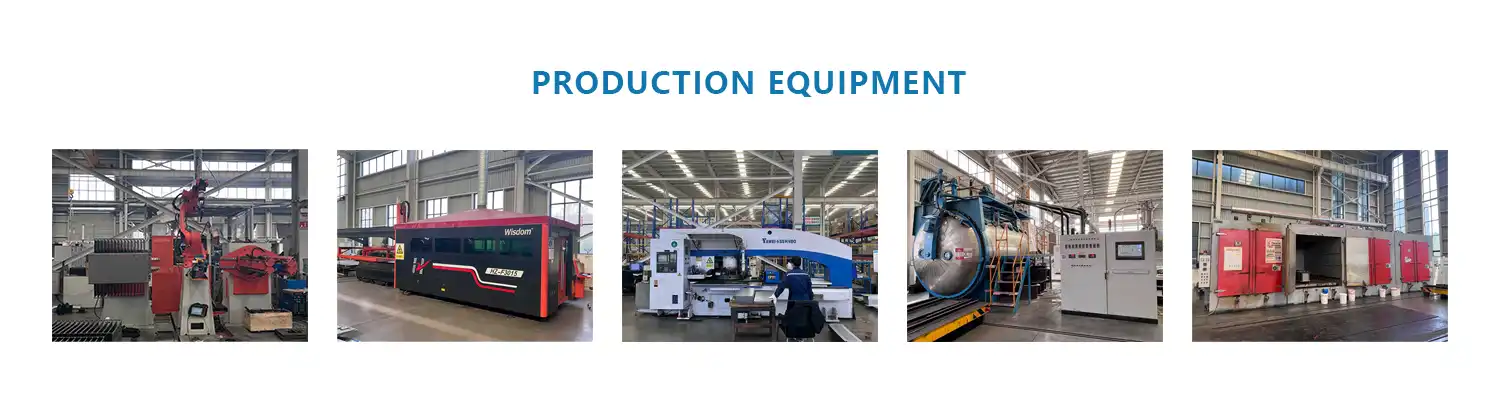
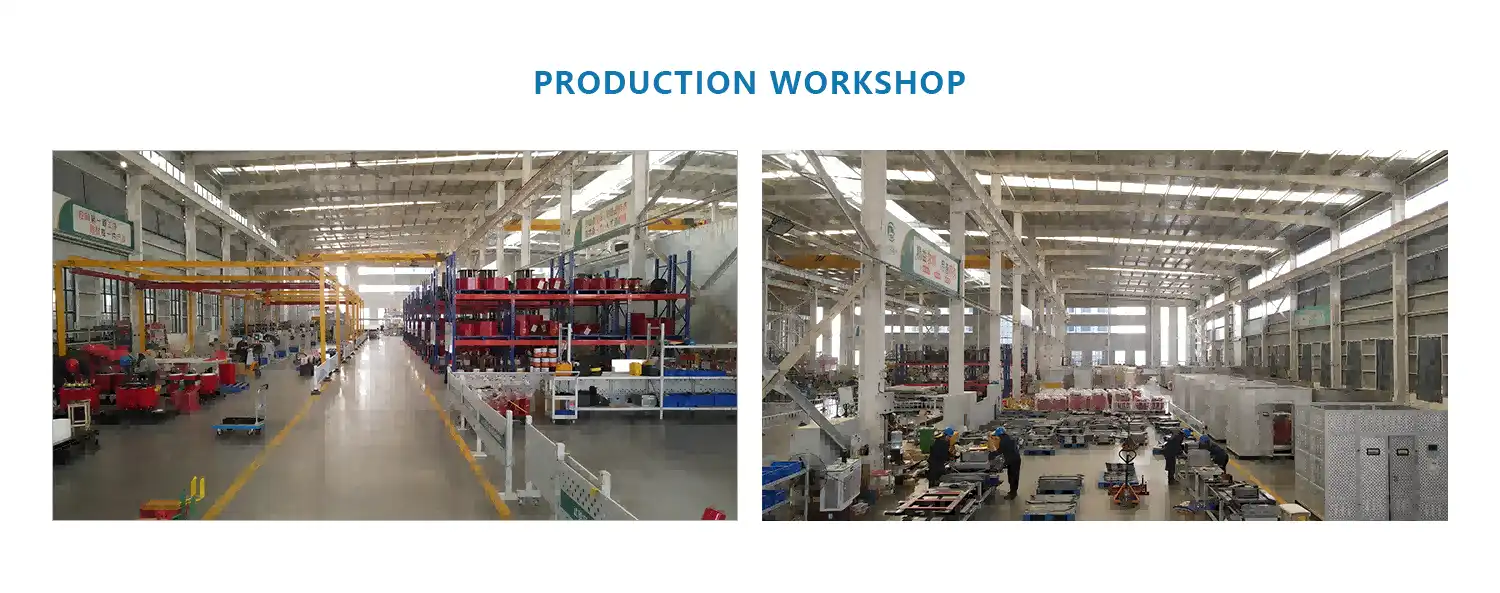
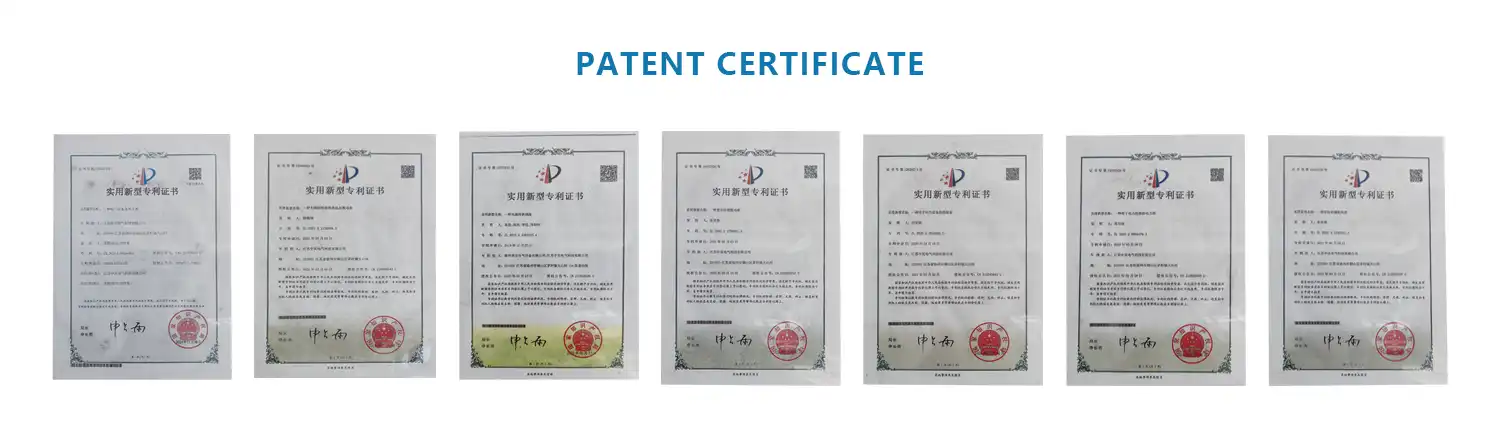
Manufacturers from the East, like our company, have won market share by offering competitive prices and following worldwide standards. Our 18 patents in switching technology show that we are always coming up with new ideas that go beyond just competing on price. More than 120 sets of advanced equipment, such as CNC automatic winding machines and microcomputer-controlled gradient curing ovens, are used for production. This allows for tailoring that bigger producers often can't afford for orders of a moderate size.
Technological Innovations and Differentiation
Embedded sensor networks have been used to make recent progress in condition tracking and predictive repair. Temperature sensors keep an eye on the formation of hotspots at busbar links and let workers know when problems start to form before the insulation gets damaged. Partial discharge sensors find insulation failures before they get too bad, so replacements can be done during planned breaks instead of having to be done quickly after a major failure.
Digital communication methods connect switchgear to SCADA systems that run the whole plant. These systems give real-time operating data that helps improve load management. In the future, remote racking systems will make it possible for circuit breakers to be removed from control rooms, which will make workers even safer. Gas-insulated switchgear versions that use alternatives to SF6 address environmental issues while keeping their small size, but their higher costs mean that they can only be used in certain situations right now.
Pricing Trends and What Buyers Can Expect
The price of Medium Voltage Withdrawable Switchgear in 2024 is based on the cost of raw materials, the difficulty of modification, and the need for approval. Prices for standard configurations with common voltage ratings range from $15,000 to $45,000 per circuit breaker bay, based on the ability to stop faults and the current ratings. Arc-resistant buildings cost 20–30% more, but it's worth it because it protects people better in substations that are already occupied.
Lead times range from 12 weeks for catalog items to 20 weeks for engineered-to-order systems with unique environmental grades or custom security plans. Compared to the past few years, problems in the global supply chain have become less frequent. However, shortages of semiconductors sometimes cause digital security relays to be delivered later than planned. These risks can be reduced by making long-term supply deals with reputable sources. This way, EPC workers who are in charge of multiple installations can be sure that their projects will run on time.
Installation and Help After the Sale
Tests in the plant, careful shipping, precise assembly on-site, and thorough commissioning are all needed for switchgear distribution to go smoothly. According to IEEE guidelines, insulation must be tested at 125% of its rated voltage for 60 seconds to make sure it is still intact before it is turned on. Primary injection testing makes sure that the current transformer is accurate and that the safety relays work together at the rated current level. This stops problems from happening or from tripping for no reason.
In mature markets, providers that offer full after-sales help stand out. We translate thorough operation and maintenance instructions for local teams, train utility workers on-site, and keep spare parts in stock so they can be used within 48 hours. We helped with completion and first-year operations for projects like the Xuzhou High-speed Railway East Station Official Power Supply EPC Project, making sure that the change from construction to revenue service went smoothly.

Conclusion
Power plants mostly use Medium Voltage Withdrawable Switchgear units because they solve basic practical problems that come up with important power distribution. Maintenance work that can be done on equipment without shutting down the whole system directly cuts down on revenue losses, and a compartmentalized building keeps workers safe from arc flash dangers. Modular designs allow for more capacity without replacing infrastructure, which means that assets can last for decades as power patterns change. Even though the original investments are higher than fixed options, the lifecycle costs are lower because less maintenance work is needed, outages are shorter, and safety rules are better followed. When making a purchase choice, these long-term benefits should be weighed against how the building is used, its environment, and plans for growth.
FAQ
What maintenance intervals are recommended for withdrawable circuit breakers?
Manufacturers suggest visual checks once a year and more in-depth repair every three to five years, based on the conditions of the machine and how often it breaks down. To make sure the required tests are done, the contact resistance must be measured and kept below 50 microohms. The insulation resistance must be tested and kept above 1000 megohms at 2500VDC, and time tests must be done to make sure the speeds of opening and closing are correct. SF6 gas-insulated units need to be analyzed for gas contamination according to IEEE C37.09 standards. This includes looking for moisture contamination and breakdown results that show internal arcing.
How do environmental factors affect withdrawable mechanism performance?
Temperature changes cause parts to expand and contract, which can change the alignment tolerances between parts that are fixed and parts that can be pulled out. If the humidity is higher than 95% and there is mist, the contact surfaces could rust, and the rack mechanisms could become stuck. Regular lubrication with substances recommended by the maker stops wear and tear, and IEC 62271-1 standards-based environmental sealing inspection finds gasket wear before it lets water in. Hardware made of stainless steel and better protective coatings that are added during manufacturing are better for installations in corrosive environments.
What safety procedures are necessary during emergency circuit breaker withdrawal?
For emergency measures to work, two approved people must follow lockout/tagout rules. Operators use visual signs to make sure the circuit breaker is open, approved testing tools rated for the working voltage to make sure there is no voltage, and mechanical interlocks to start the withdrawal process. NFPA 70E arc flash safety rules say that the right grounding connections must be made. Any entry or removal forces that aren't normal and are higher than 400 newtons are a sign of misalignment or mechanical damage that needs to be looked into right away before moving forward.
Partner with Tuojie for Reliable Medium Voltage Withdrawable Switchgear Solutions
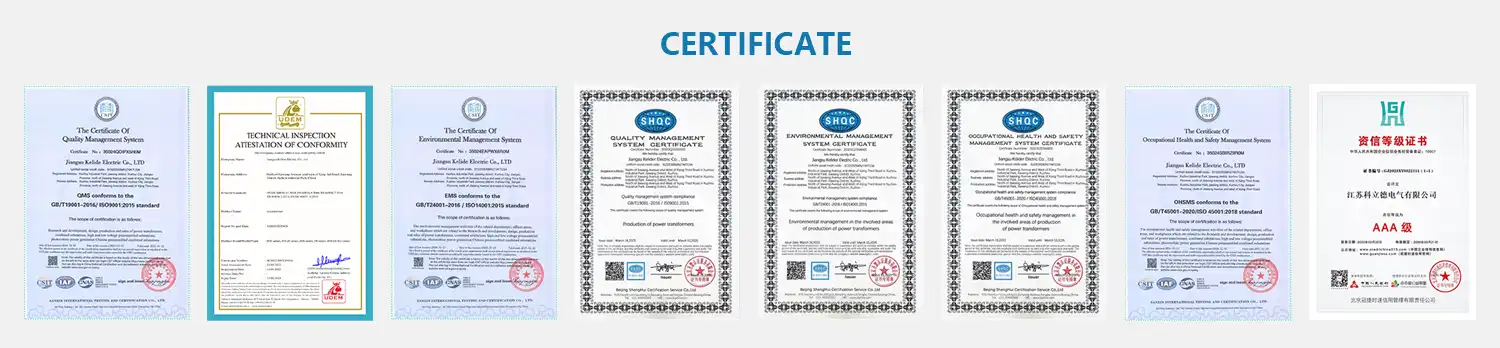
When you compare your current electrical distribution infrastructure to modern Medium Voltage Withdrawable Switchgear, you may find ways to improve operating safety and lower upkeep costs. Tuojie designs and makes Medium-Voltage Withdrawable Switchgear that fits the needs of power plants. We have ISO 9001, ISO 14001, and OHSAS 45001 certifications that make sure the quality of our production processes. In the 20 years we've been providing custom power distribution solutions, we've done successful setups at the Xuzhou Rail Transit Network Control Center and XCMG Group sites, where our equipment stays online during important operations.
Our engineering team works directly with plant engineers and procurement managers to come up with setups that match voltage levels from 3kV to 36kV and current values of up to 4000A. We offer full help, from the first meeting to commissioning and ongoing training for maintenance. You can email our sales representatives at tuojie@electricinchina.com to talk about your unique needs, ask for technical information, or set up a visit to our site. As a well-known company that makes Medium-Voltage Withdrawable Switchgear, we offer reasonable prices, consistent wait times, and the ability to customize our goods in ways that standard catalog items can't.

References
1. Institute of Electrical and Electronics Engineers. IEEE Standard for Metal-Enclosed Low-Voltage AC and DC Power Circuit Breaker Switchgear (C37.20.2). IEEE Standards Association, 2022.
2. International Electrotechnical Commission. High-Voltage Switchgear and Controlgear - Part 200: AC Metal-Enclosed Switchgear and Controlgear for Rated Voltages Above 1kV and Up to and Including 52kV (IEC 62271-200). IEC Central Office, 2021.
3. Zhang, Wei and Liu, Hongming. Reliability Analysis of Withdrawable Switchgear in Power Distribution Systems. Journal of Electrical Engineering & Technology, Volume 18, Issue 4, 2023, pp. 892-904.
4. National Fire Protection Association. Standard for Electrical Safety in the Workplace (NFPA 70E). NFPA Publications, 2021 Edition.
5. Kumar, Rajesh. Comparative Study of Fixed and Withdrawable Medium Voltage Switchgear for Industrial Applications. International Journal of Power System Operation and Energy Management, Volume 12, Number 3, 2023, pp. 156-168.
6. American National Standards Institute. American National Standard for Switchgear - Metal-Enclosed Low-Voltage Power Circuit Breaker Switchgear (ANSI C37.20.1). ANSI Standards Store, 2020.