

.webp)
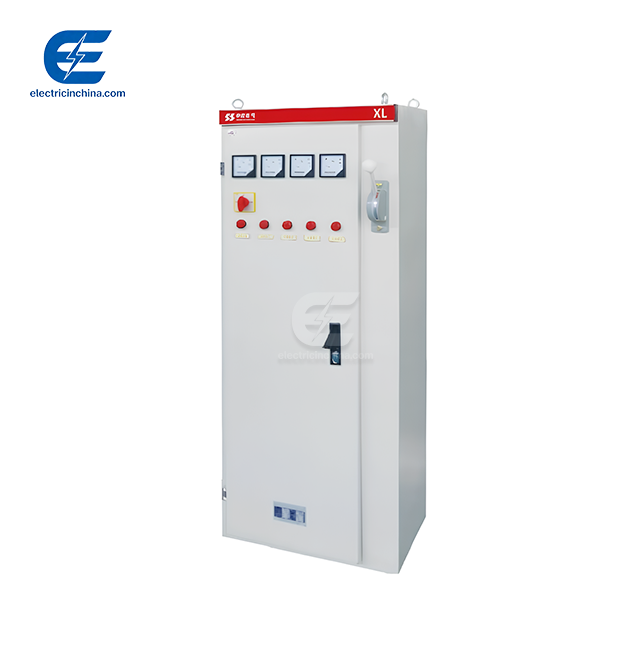
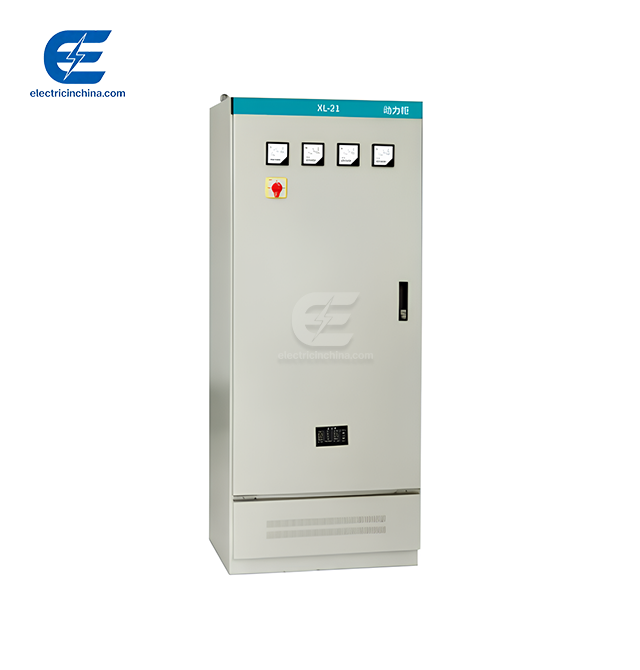
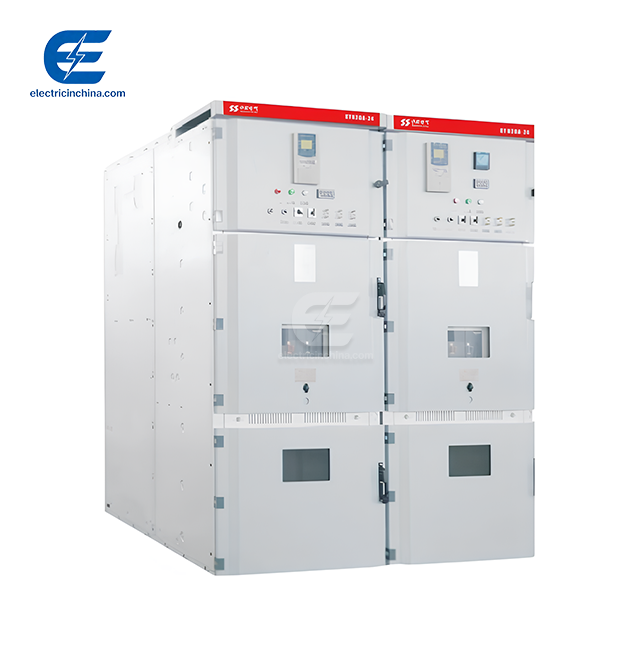
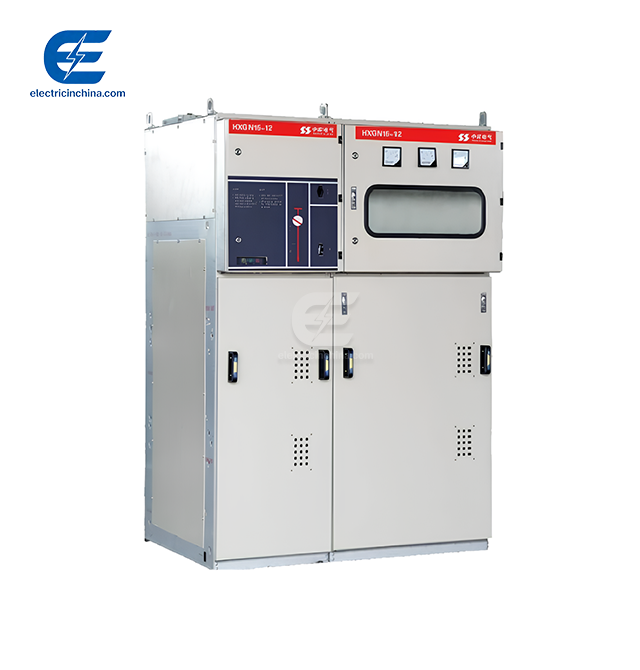
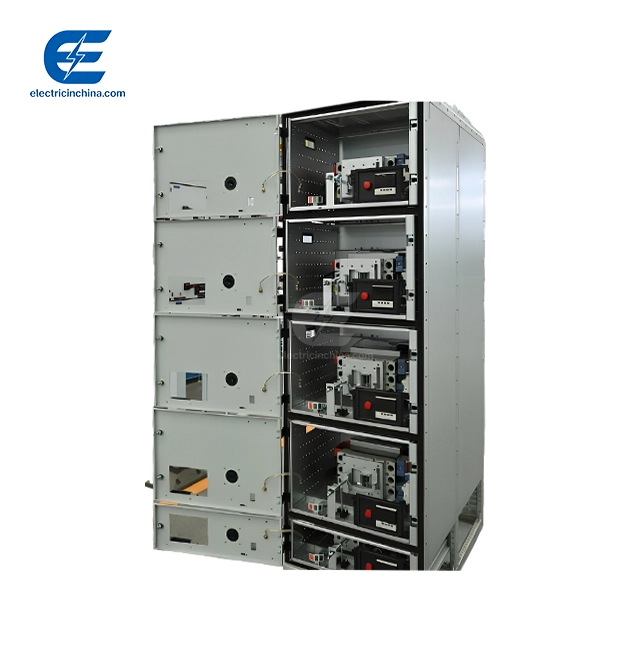
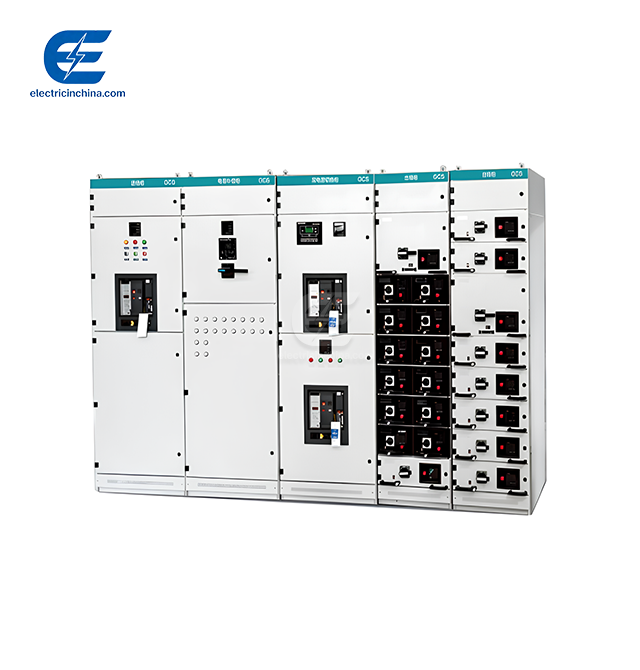
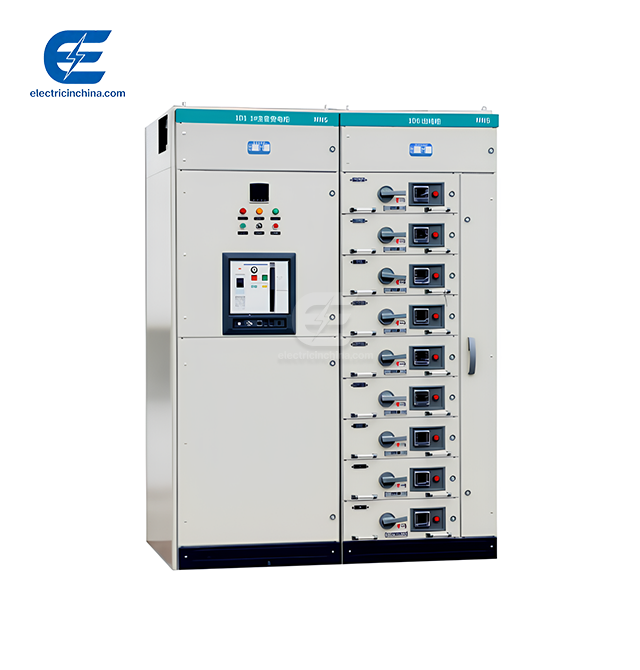
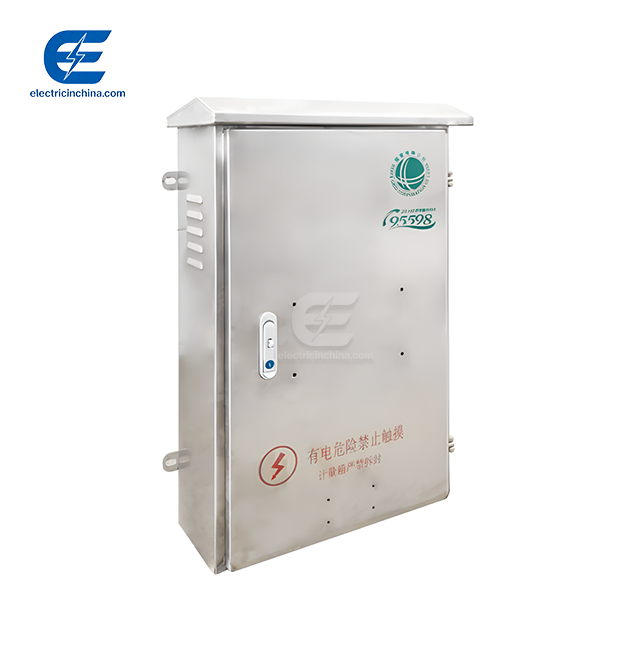
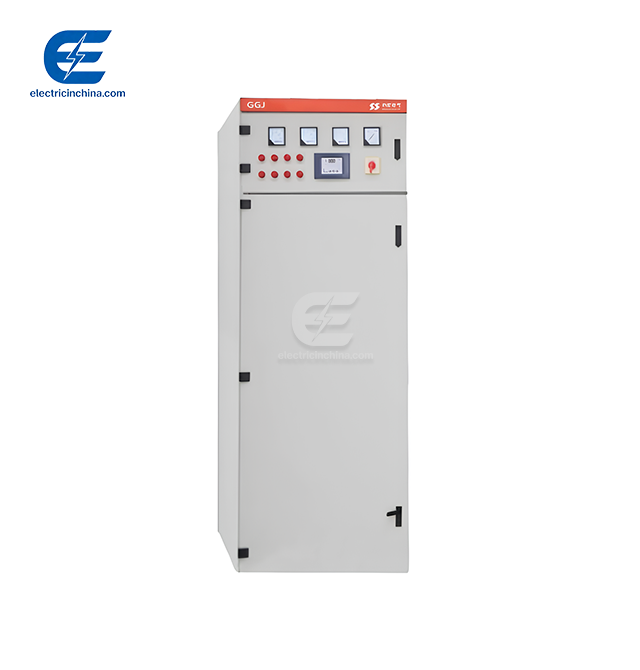
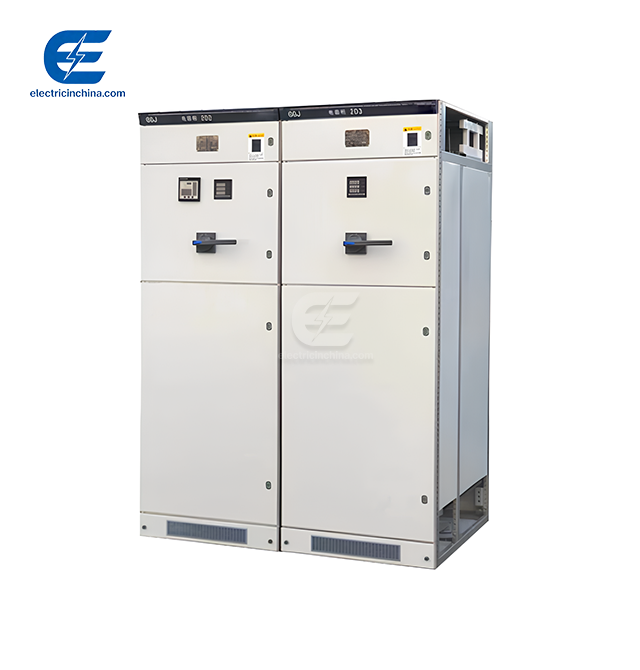
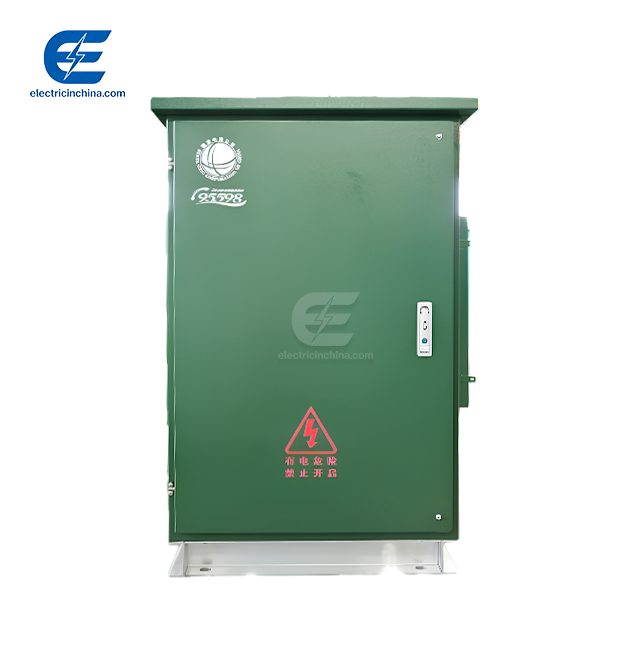
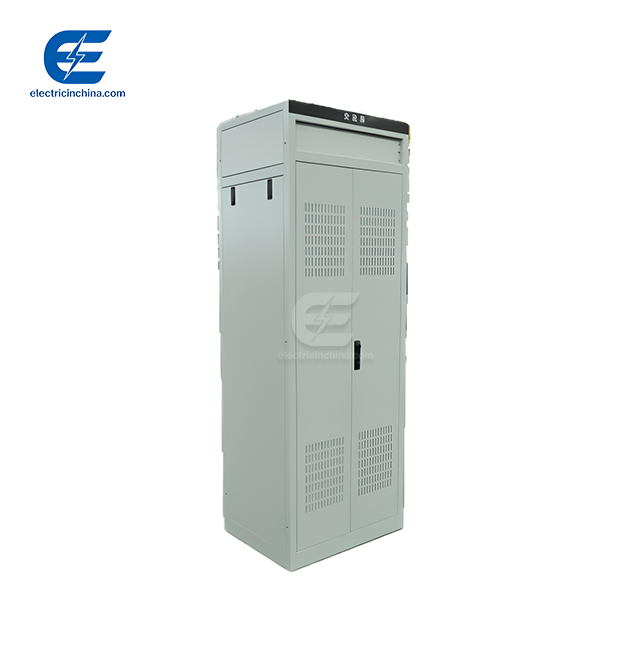
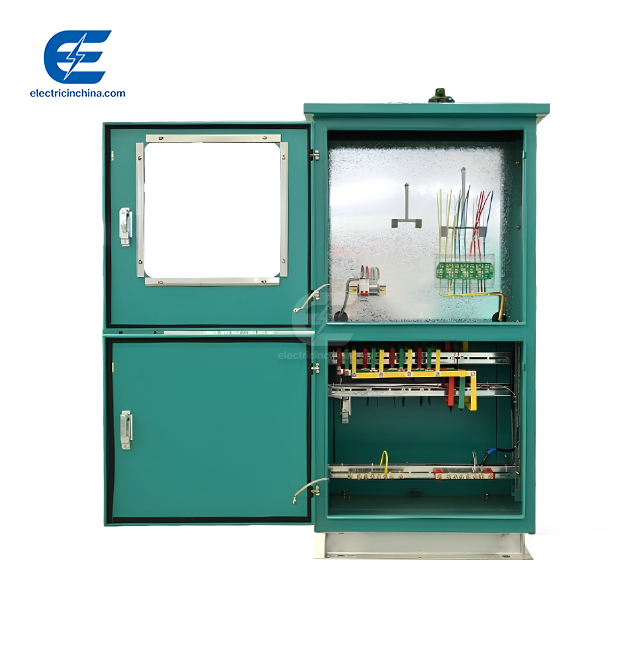
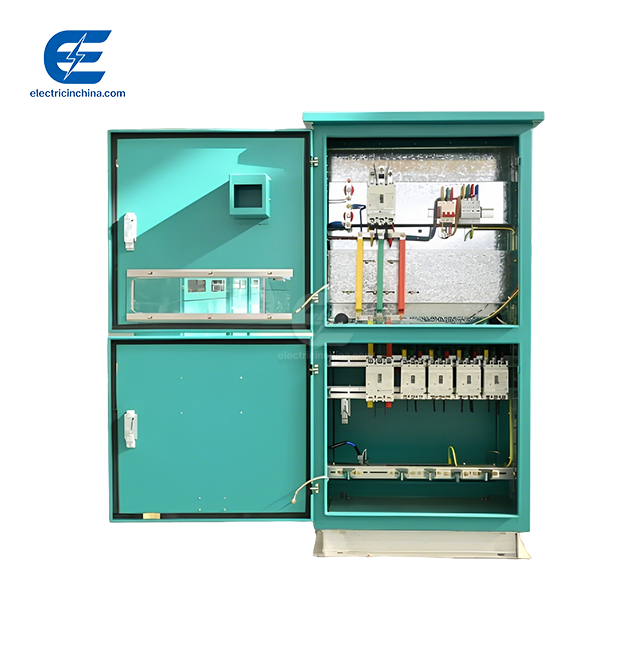
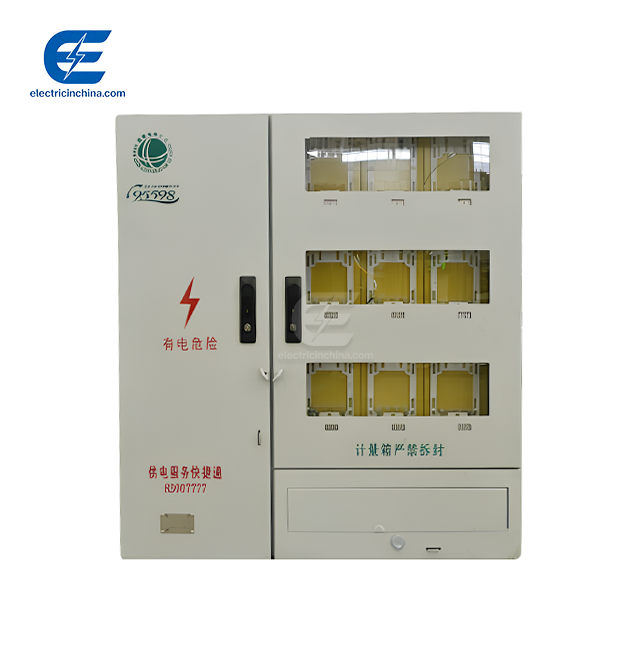
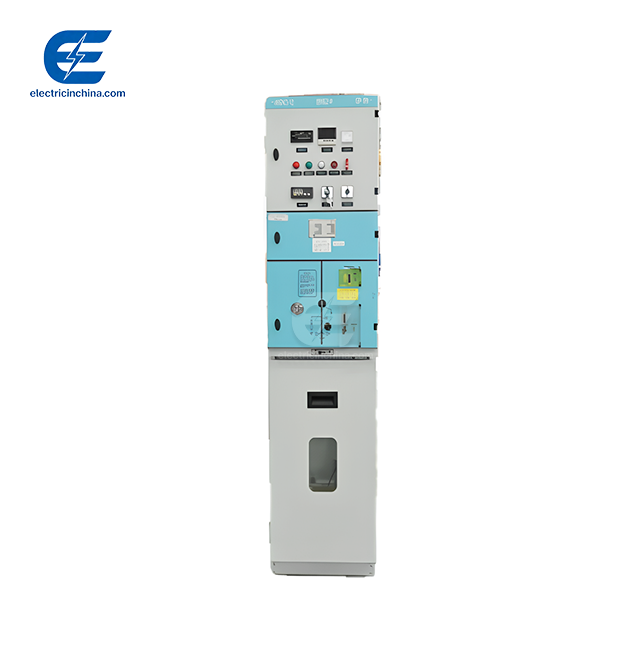
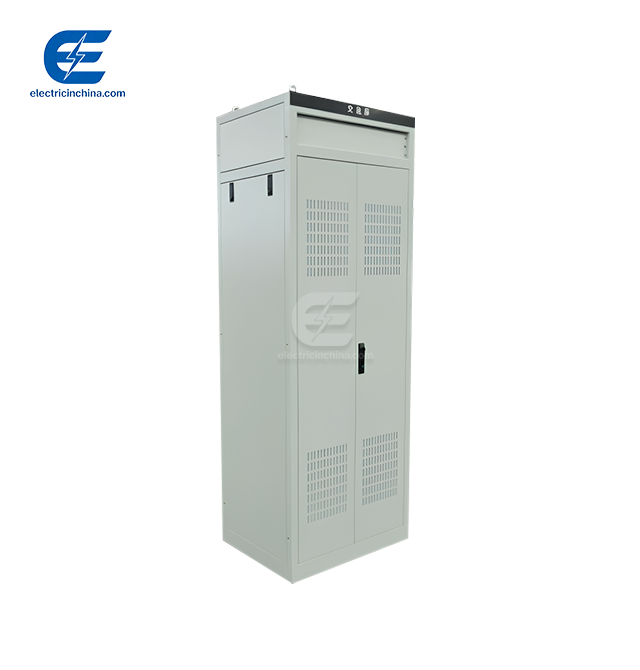
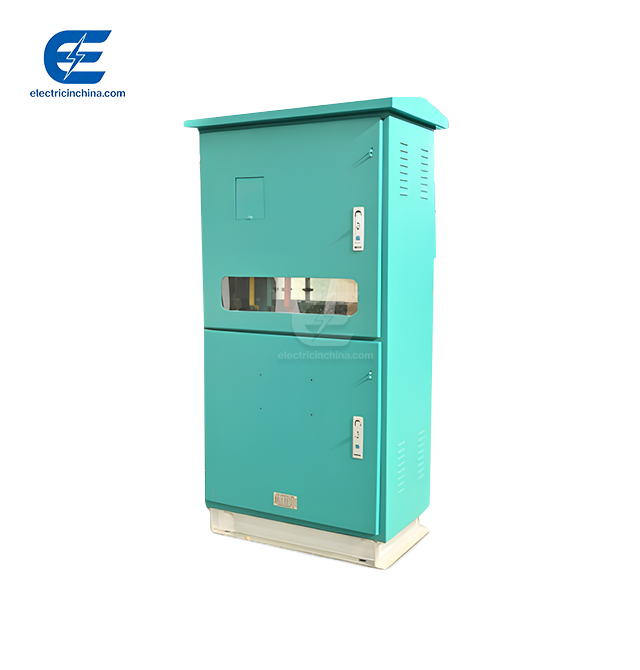
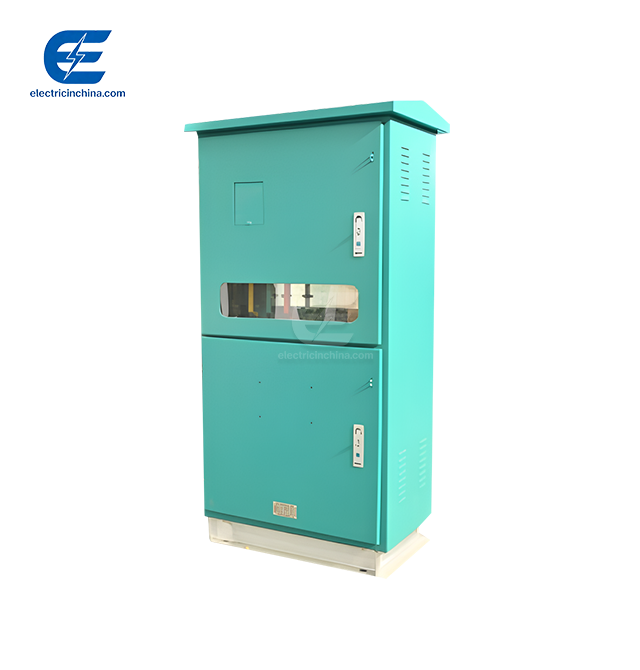
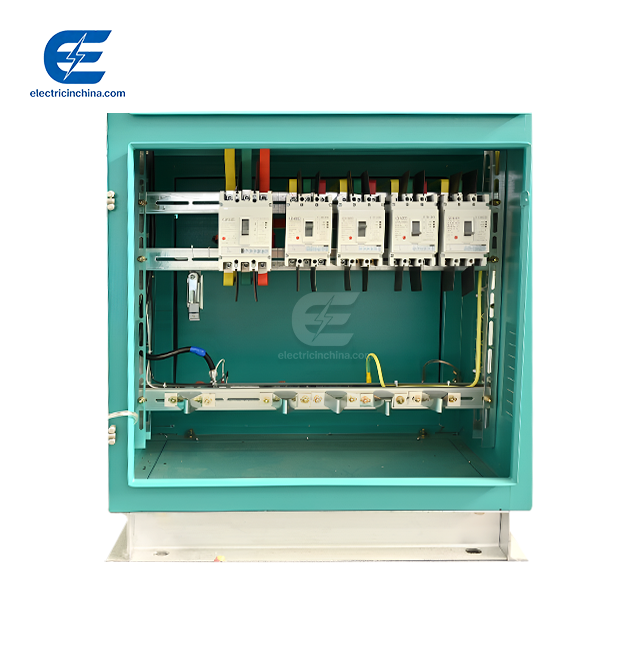
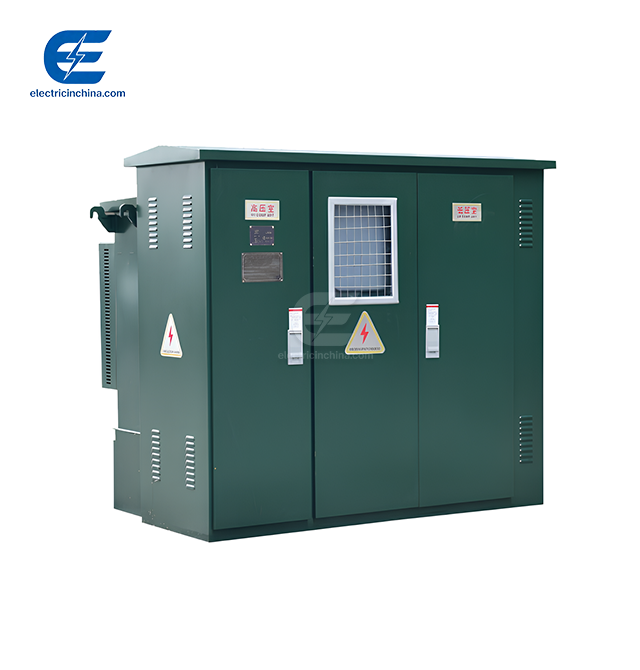
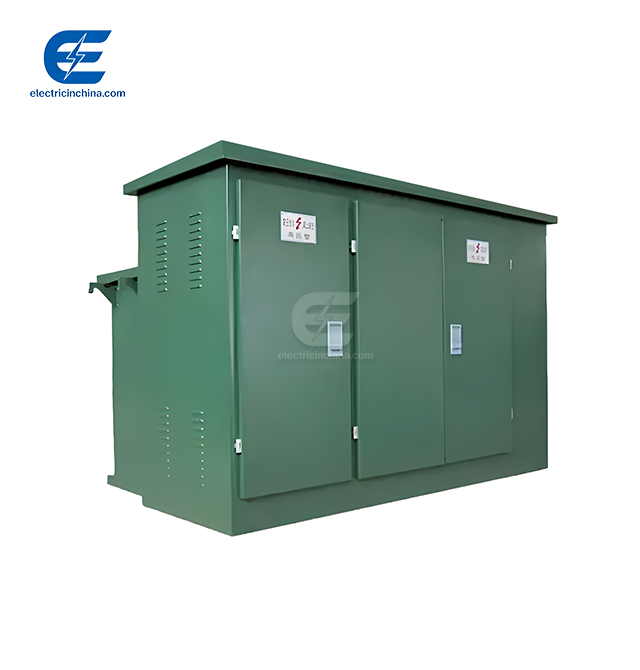
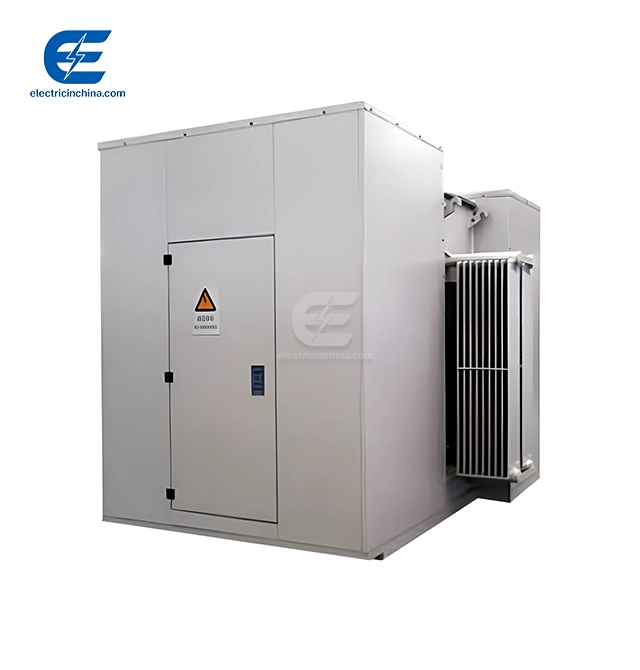
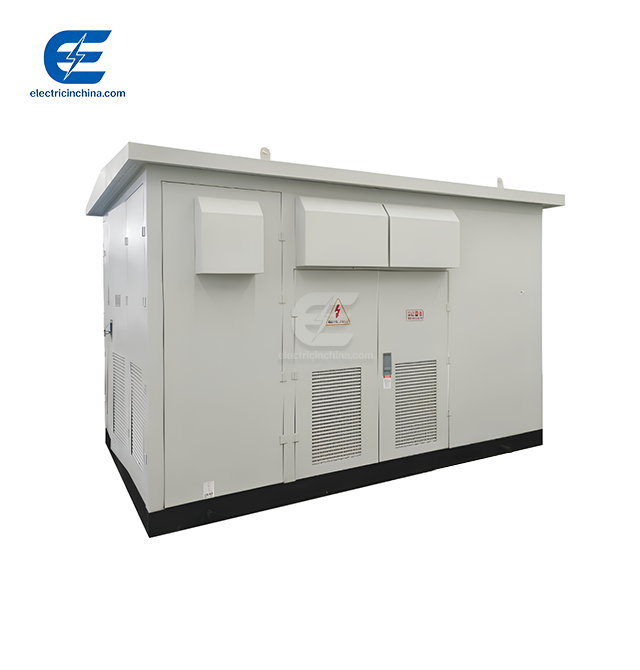
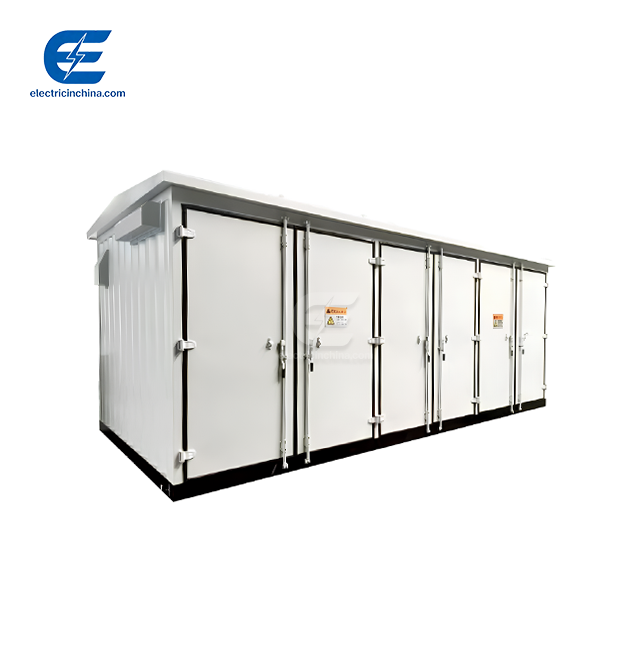
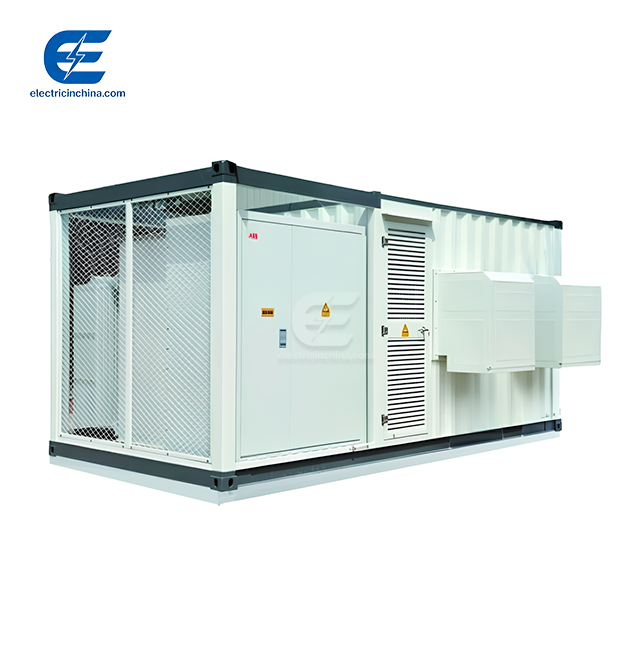
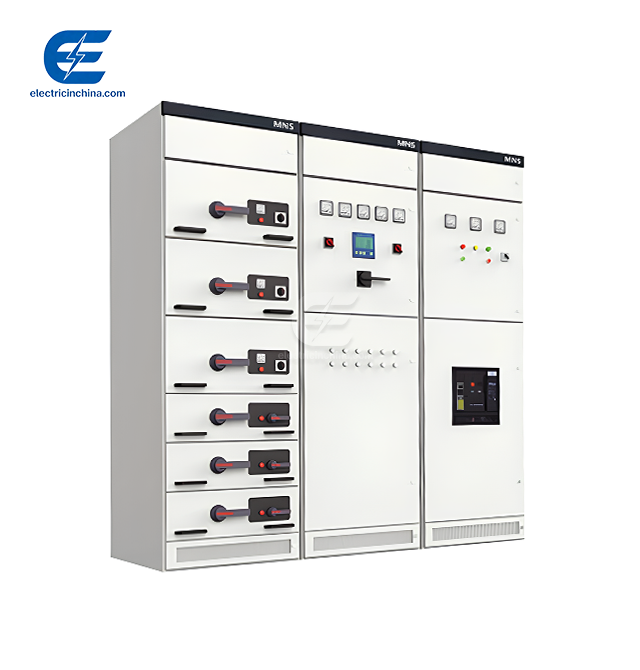
Unfortunately, modern substations are not designed to handle changes in load very reliably. The YBM Series Prefabricated Substation has advanced load management systems, such as smart relays and real-time tracking sensors, that can instantly spot changes in power demand and take action. These small units can easily adapt to both sudden spikes in load and slow changes in load thanks to smart automation and a strong transformer design made of high-grade cold-rolled grain-oriented silicon steel. They keep the voltage stable and protect connected equipment from stress-related failures. Their quality control is built into the workplace, so it works the same way in all kinds of operating situations.
Understanding Load Fluctuations and Their Impact on Substations
Changes in load are one of the biggest problems that current power distribution networks have to deal with. Every working day, these changes in electricity demand happen all the time. They are caused by things like industrial equipment cycling and changing weather that affect HVAC systems in business buildings.
Traditional substations that are built in buildings often have trouble when the load changes quickly. When demand suddenly rises, equipment that was made for steady-state operation is put under thermal stress, and safety systems that were set for average loads may not work properly in dynamic conditions. This difference makes operations less efficient, speeds up the aging of parts, and raises the risk of sudden breakdowns that stop important operations.
The Cost of Poor Load Management
There are effects on more than just technical measures when substations can't adjust to changing electricity needs. Manufacturing plants have breaks in their work. Tenants can worry about commercial projects, and lease problems can happen. Government building projects run the risk of delivering services that don't work, which hurts the public's trust.
When equipment is put under stress, it breaks down faster than its stated lifecycle standards. Insulation systems get worse when transformers are operating outside of their ideal temperature ranges. When circuit breakers are used a lot, they lose their ability to accurately calibrate. The effect builds over time and directly leads to higher upkeep costs and shorter repair cycles.
How Modern Substations Address These Challenges
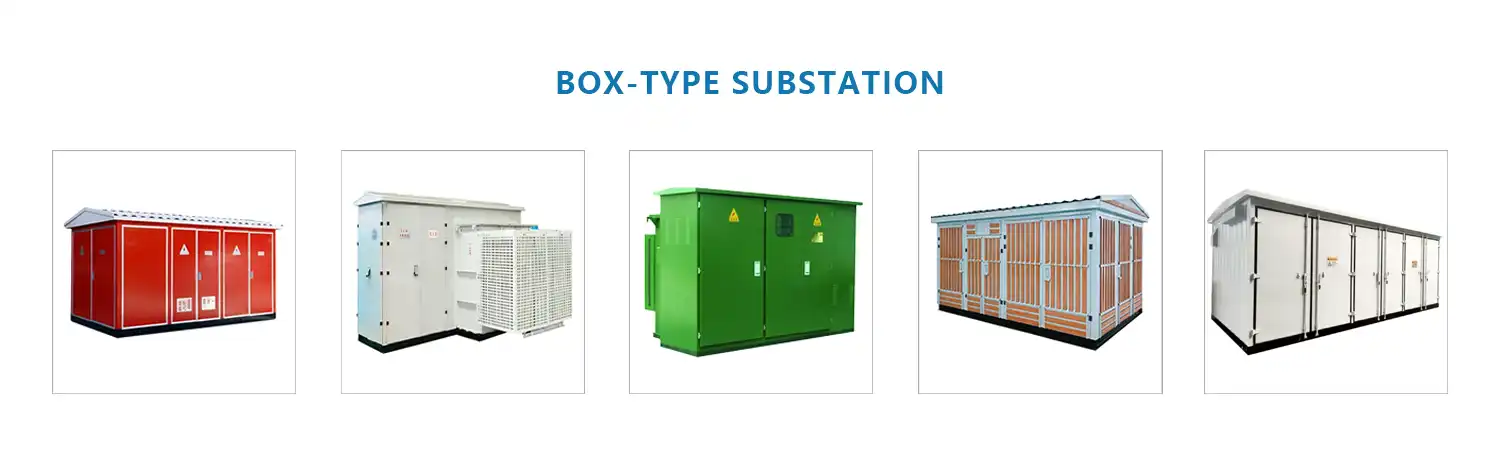
Because of these problems, the YBM Series Prefabricated Substation was designed to get around them. The Tianjin Electric Drive Institute and more than 100 partner companies worked together to make these small units. They use cutting-edge technologies that turn load management from a constant problem into a business benefit.
With precise instruments, built-in tracking tools keep an eye on the current, voltage, power factor, and temperature of the transformer all the time. This real-time data is used by complex control systems to predict changes in demand before they put too much stress on equipment. When changes happen, automated systems change the settings for the taps, move the loads to different parallel transformers, and change how the cooling system works to keep the temperature just right.
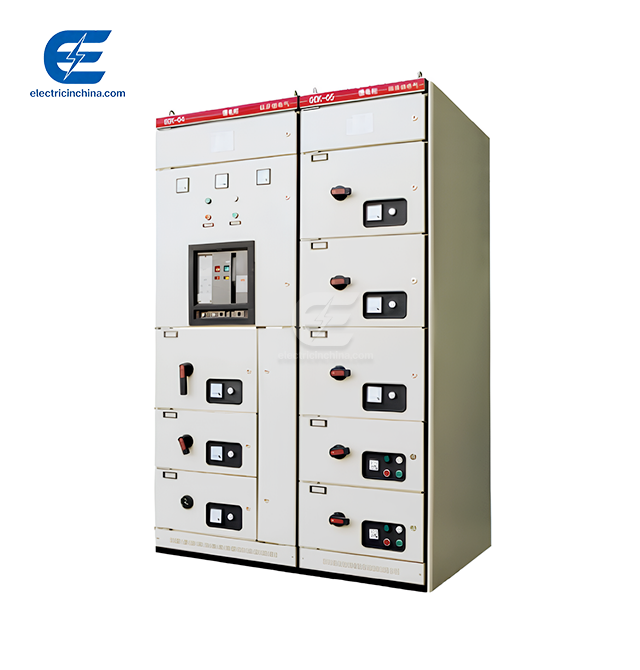
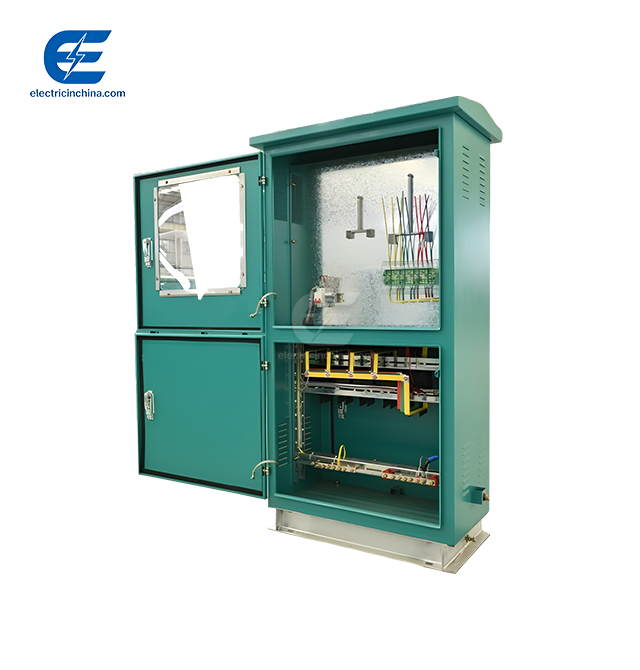
The modular design divides the high-voltage switchgear, transformer compartments, and low-voltage distribution into different but connected parts. This separates the parts so that each one can work at its best while planning how to handle changes in the system's load. Fault detection programs separate the bad parts, move the loads to the healthy circuits, and turn on the power again within one minute without any help from a person.
Technical Features of YBM Series Prefabricated Substations That Enhance Load Adaptability
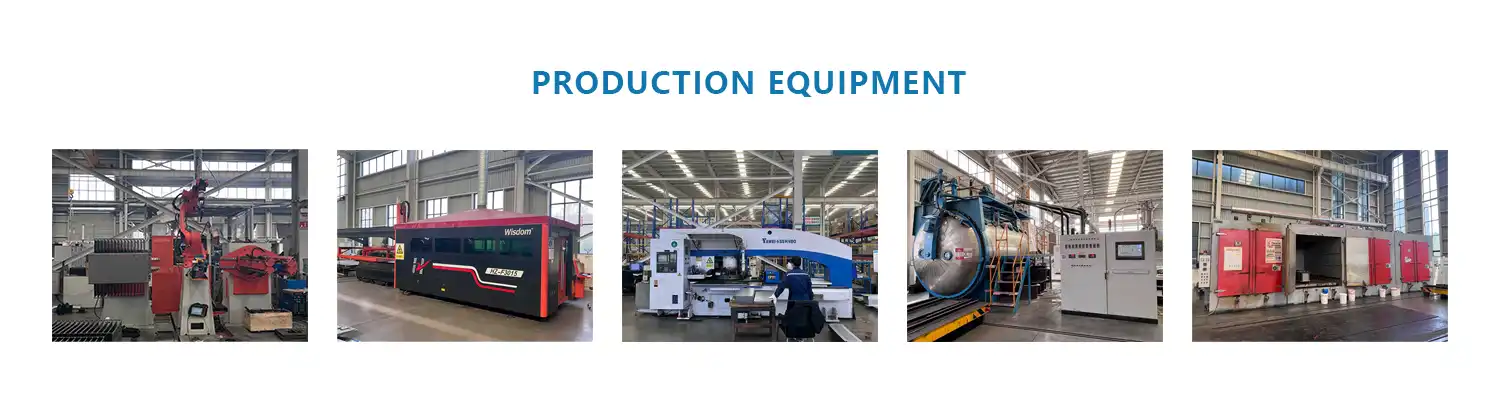
Our solutions are put together in a workshop and offer performance features that directly address the load management concerns of EPC contractors, industrial makers, and infrastructure developers. Every technical standard has a real-world use in keeping power distribution stable and reliable in tough working circumstances.
Modular Design for Scalable Response
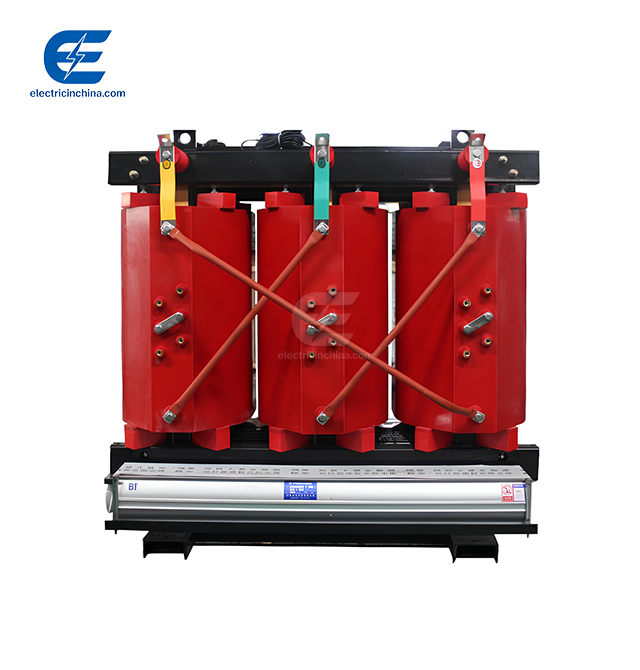
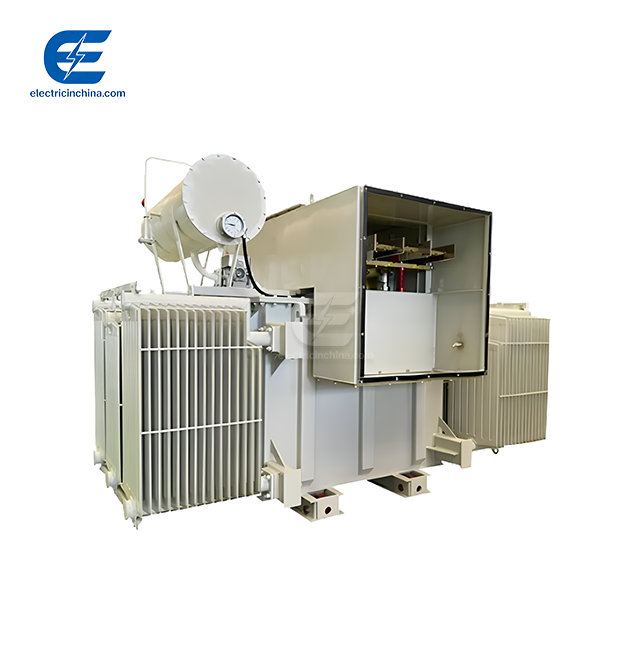
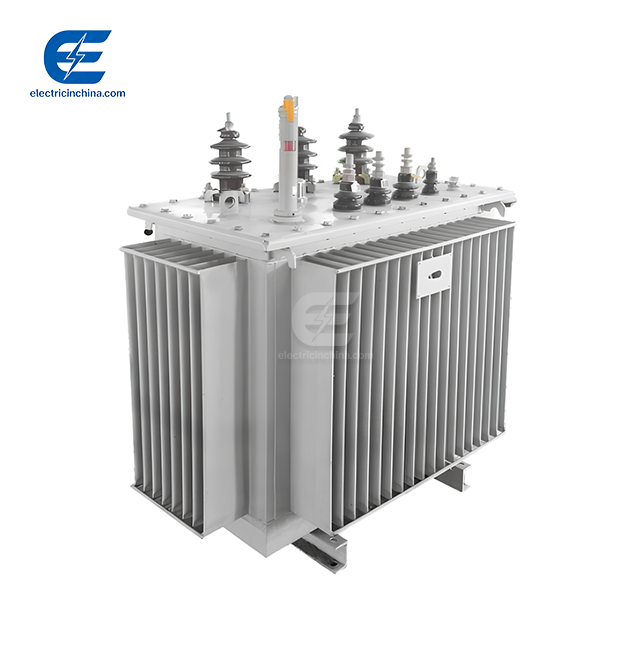
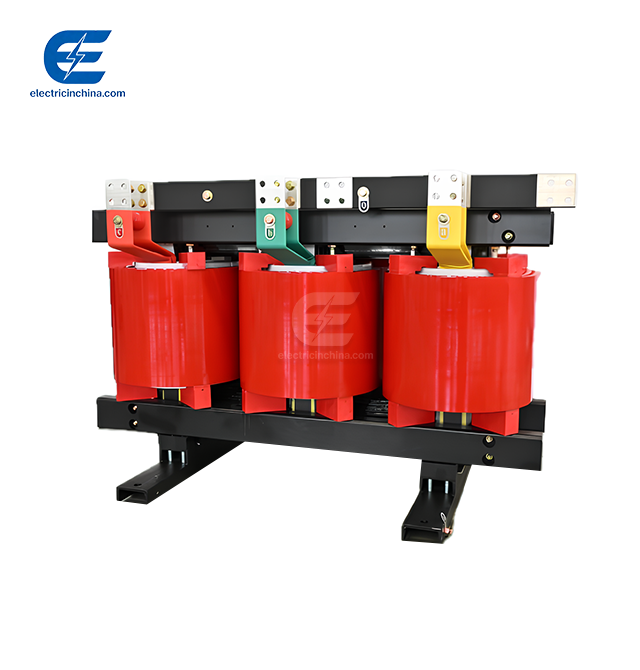
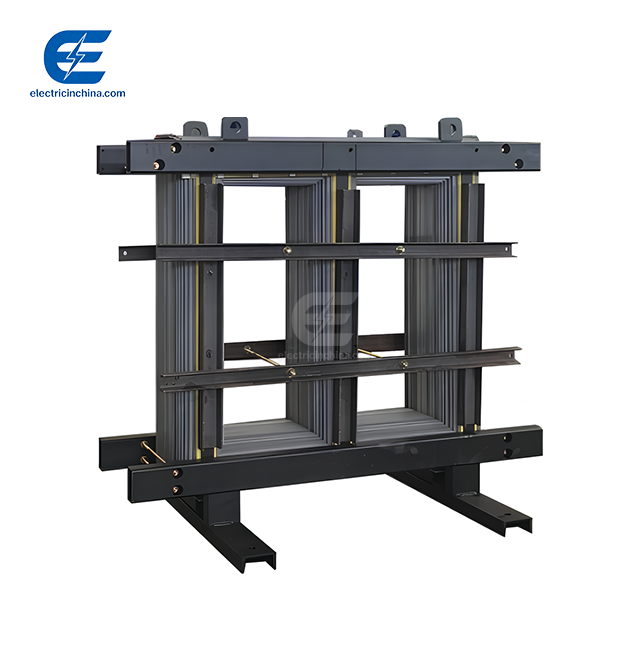
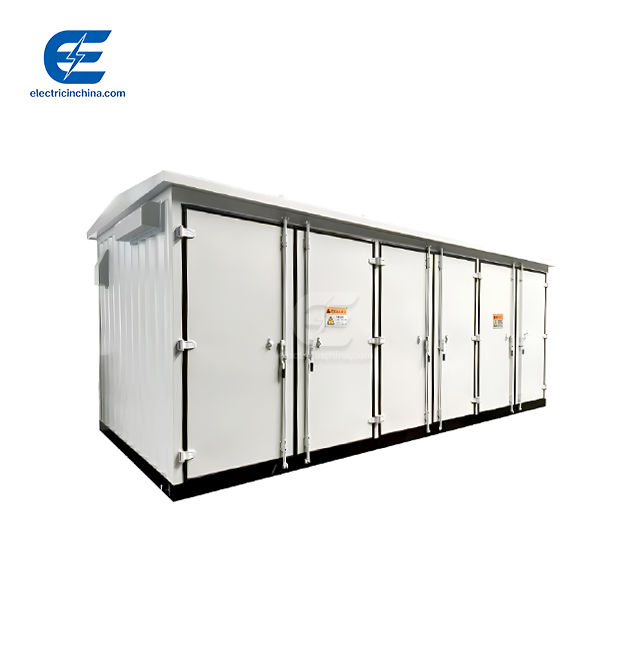
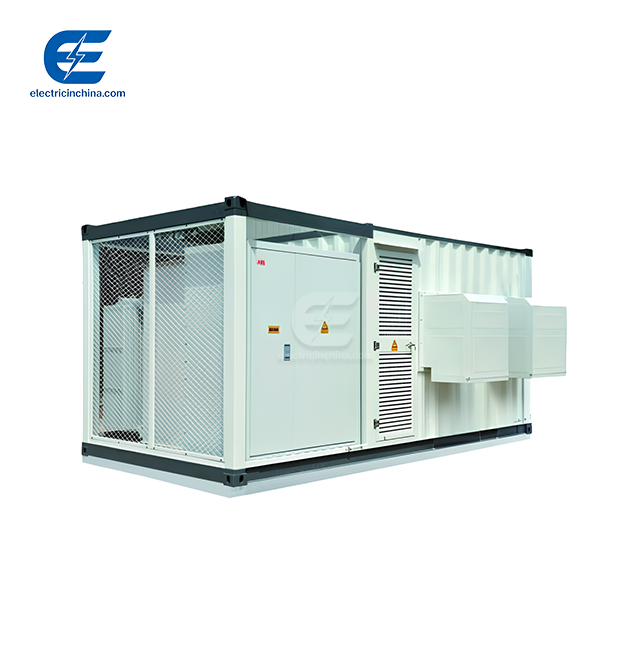
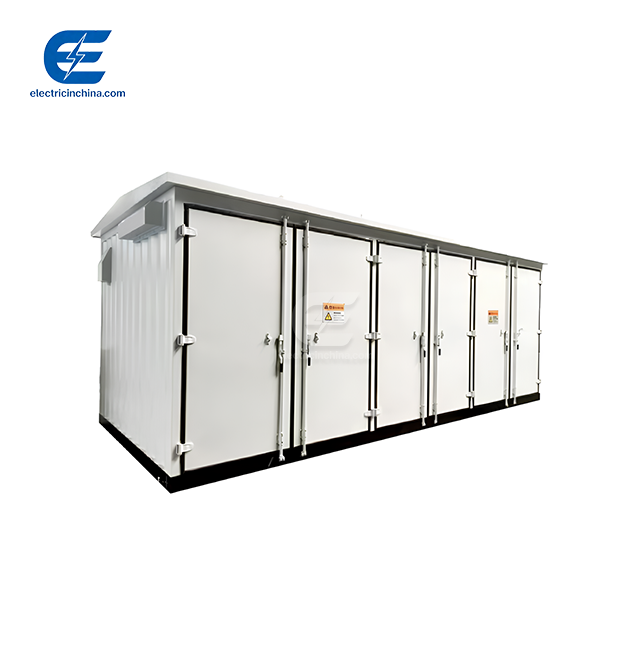
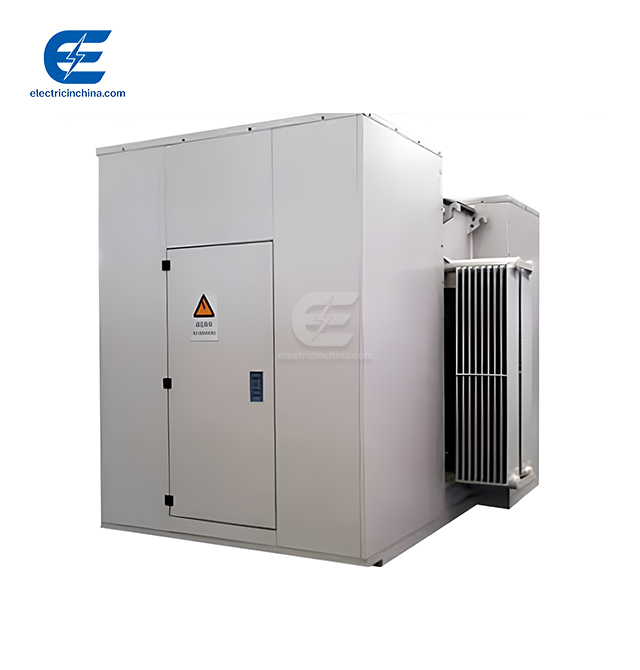
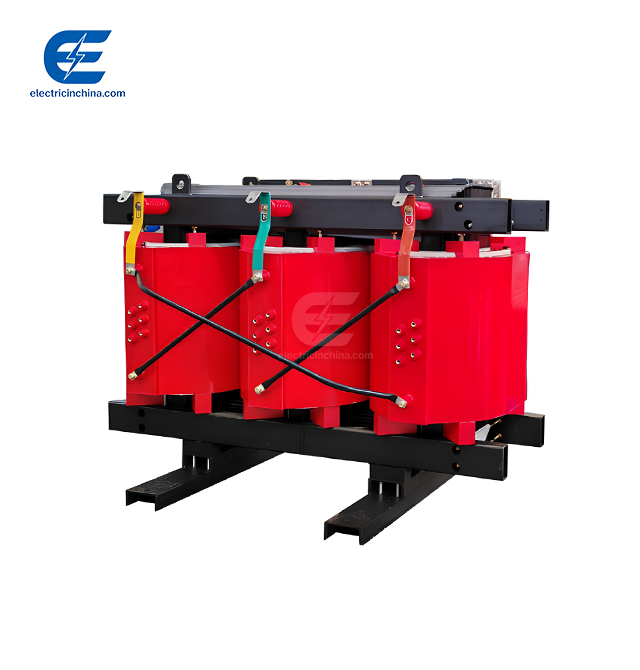
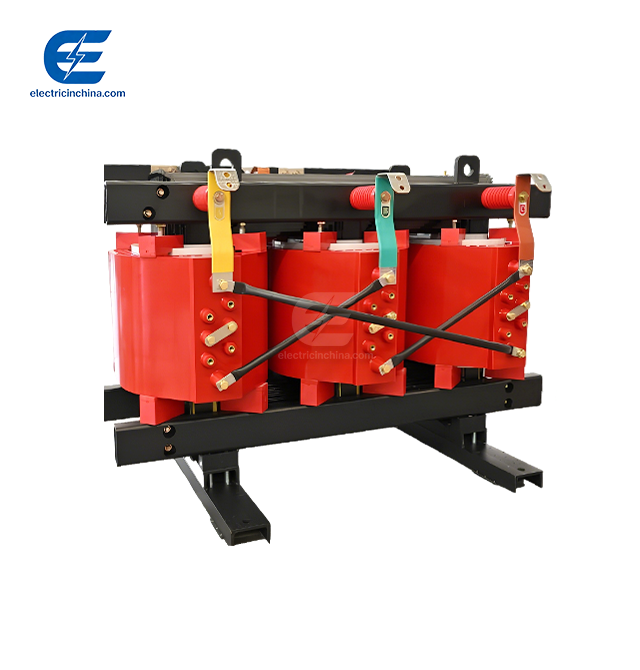
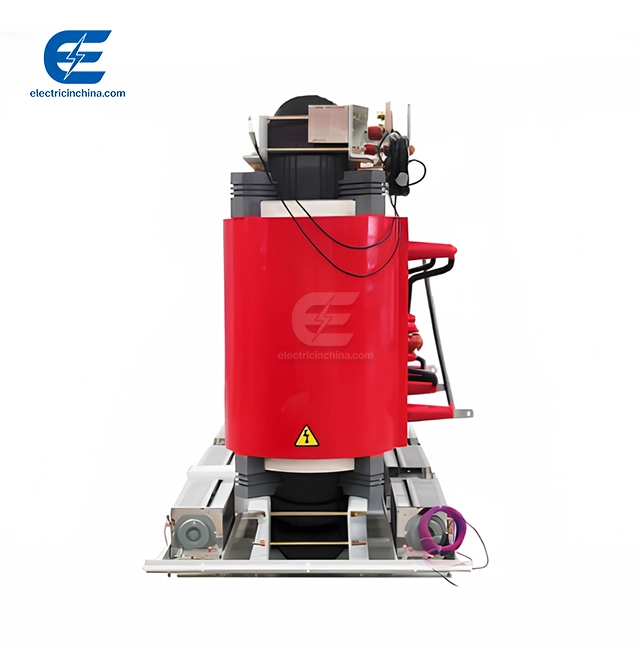
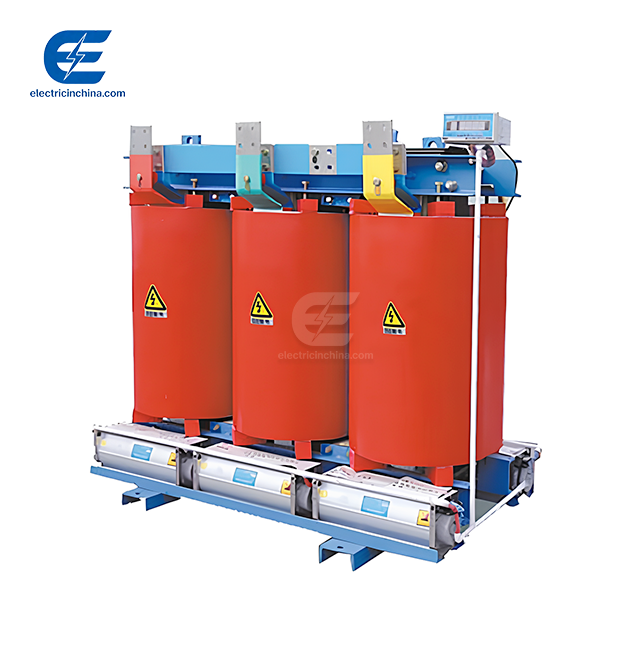
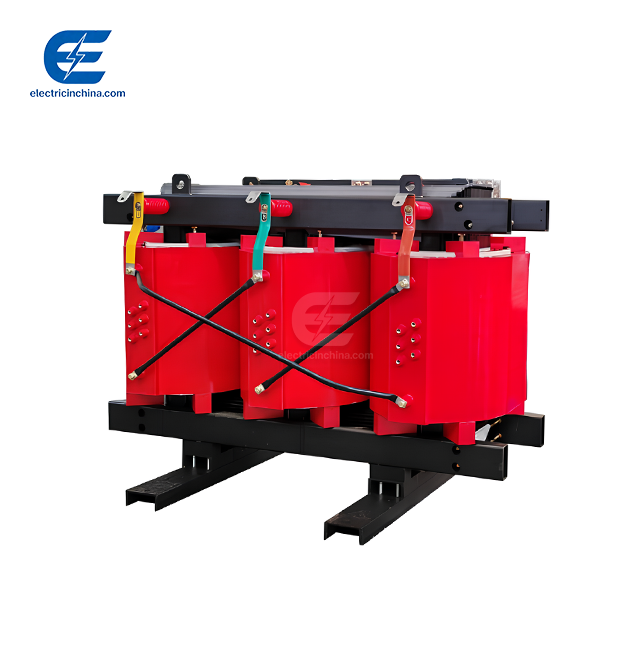
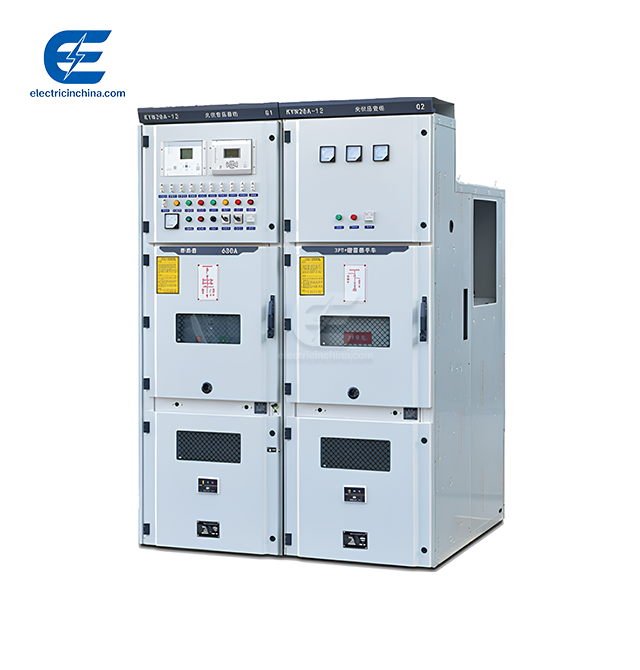
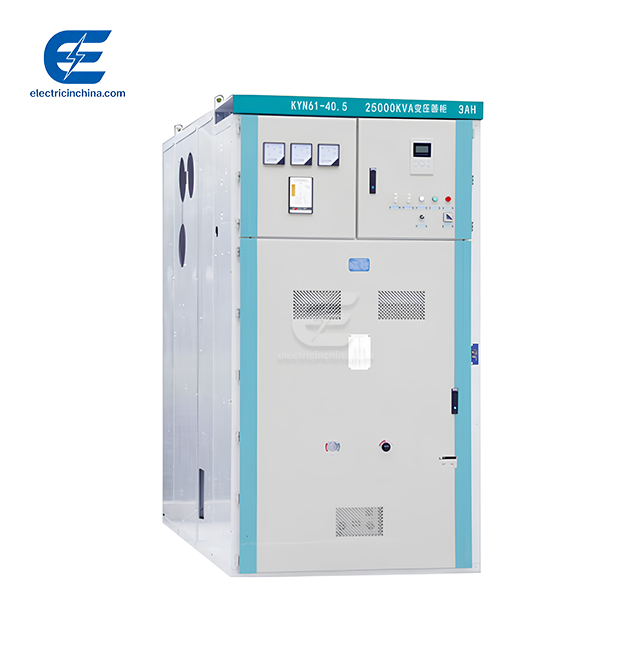
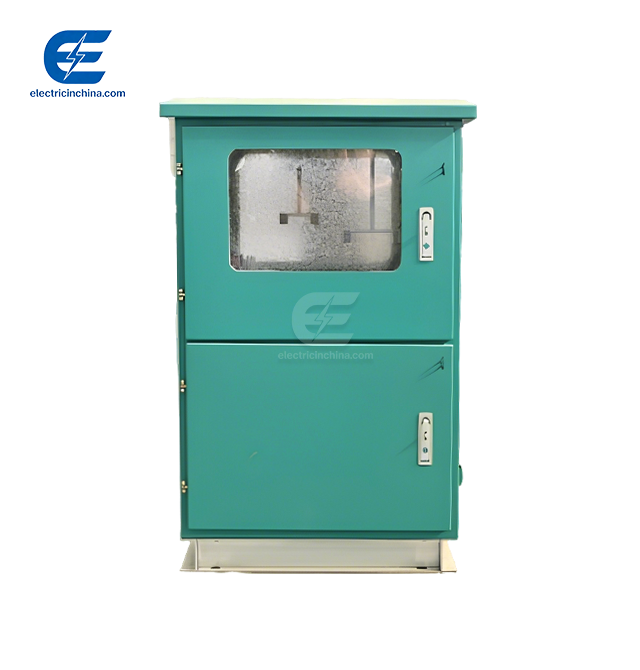
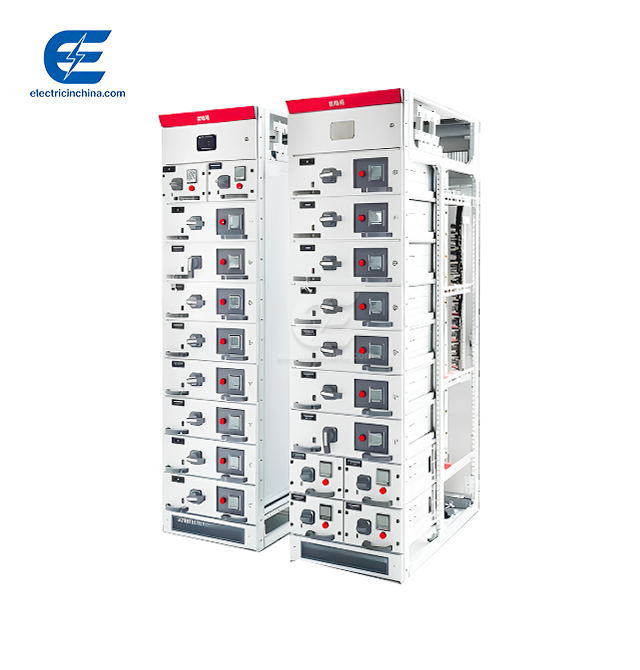
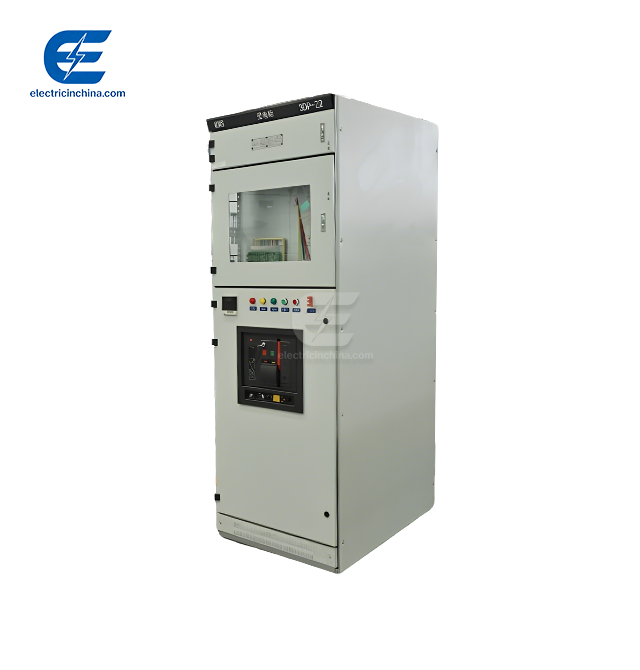
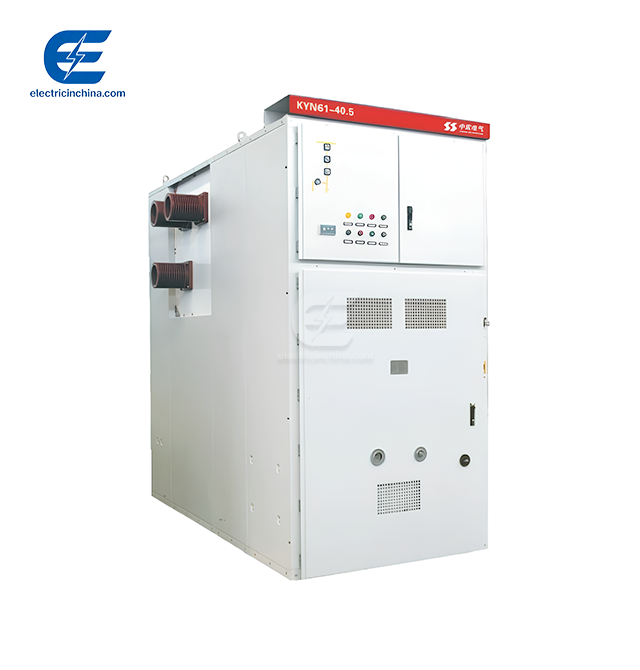
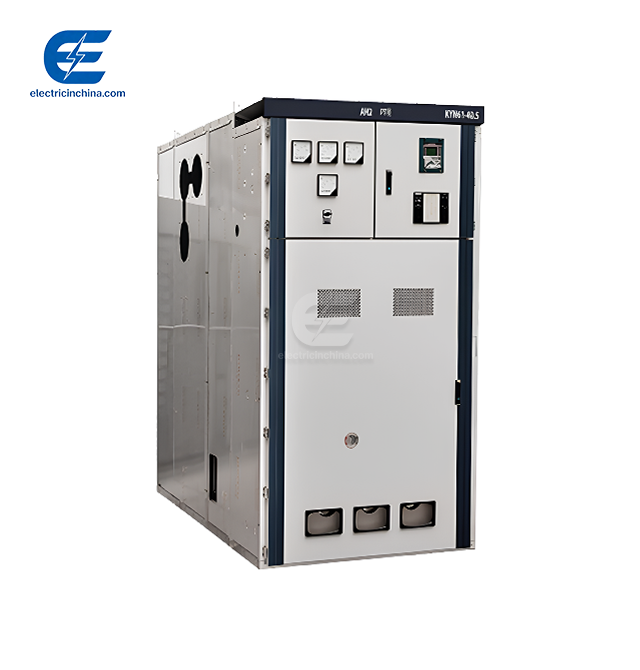
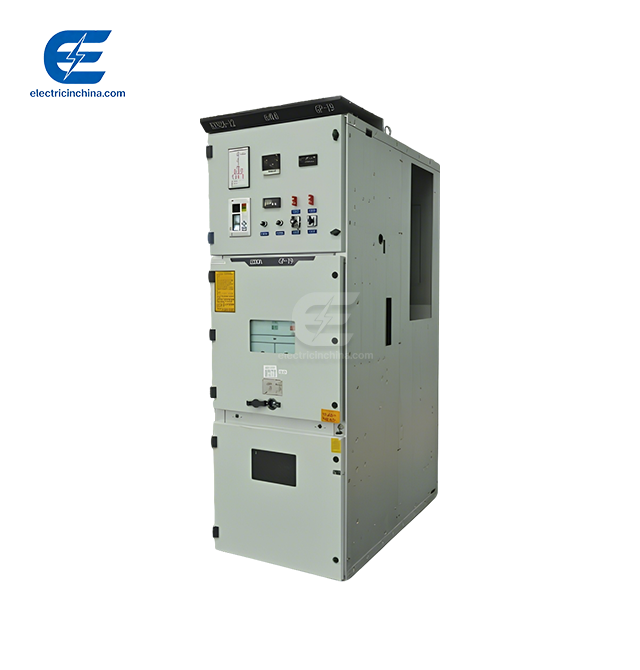
The YBM Series Prefabricated Substation design splits up functions into separate sections that work well with each other. High-voltage switchgear that can handle 6-35kV operates in separate areas with arc-resistant walls that meet IAC AFLR standards. Transformer sections house units with capacities between 315kVA and 2500kVA. They are made with premium cold-rolled grain-oriented silicon steel cores and vegetable-based insulation oil that does a great job of managing heat. Busbar systems that were carefully designed join low-voltage distribution equipment that works at 0.4kV to end circuits.
This separation gives operations a level of freedom that can't be found in other systems. When your building needs more space, the low-voltage part can grow without stopping what's already being done. Upgrades that are done in stages follow your project's schedule instead of the schedule set by the building company. When gradual growth fits better with your business plan, you don't have to spend a lot of money changing whole systems.
Intelligent Load Management Systems
The YBM Series can be connected to the smart grid, which turns it from inactive distribution equipment into an active network member. Electrical factors are constantly tracked by built-in tracking, which creates data streams that are used by both local control systems and centralized SCADA platforms. You get four remote functions: telemetry to see measurements in real time, signaling to see what the state is, control to do moving tasks, and adjustment to make the parameters work better.
Here are the main benefits that this smart feature gives you:
Predictive Response Capability: Algorithms look at past load patterns and current working conditions to guess how demand will change before it does. This lets them make changes that avoid stress situations instead of just fixing problems as they happen.
Automatic Fault Management: Detection systems find problems within milliseconds, separating the affected areas through combined circuit breaker operations and moving loads to healthy circuits at the same time. This restores power in less than sixty seconds.
Coordinated Transformer Operation: When multiple transformer units work together in parallel, the control system makes sure that the load is spread out evenly across the available capacity, stops flowing currents that waste energy, and makes sure that the cooling system works together to keep things running as efficiently as possible.
Integration with Renewable Sources: If your building has solar panels or wind turbines, the control systems will be able to handle the two-way flow of power, voltage changes from irregular sources, and harmonics that are normal in modern electrical settings.
These smart systems are always working in the background, making thousands of small changes that keep things running smoothly without the operator having to do anything. Your repair teams work on long-term goals instead of reacting to small changes that happen all the time.
Robust Construction for Operational Reliability
More complex circuits are needed for load flexibility. The way substations are built affects how well they work when weather conditions go against the equipment's ratings. We planned every step of the process of choosing materials and putting them together to make sure that they would last thirty years, even in tough conditions.
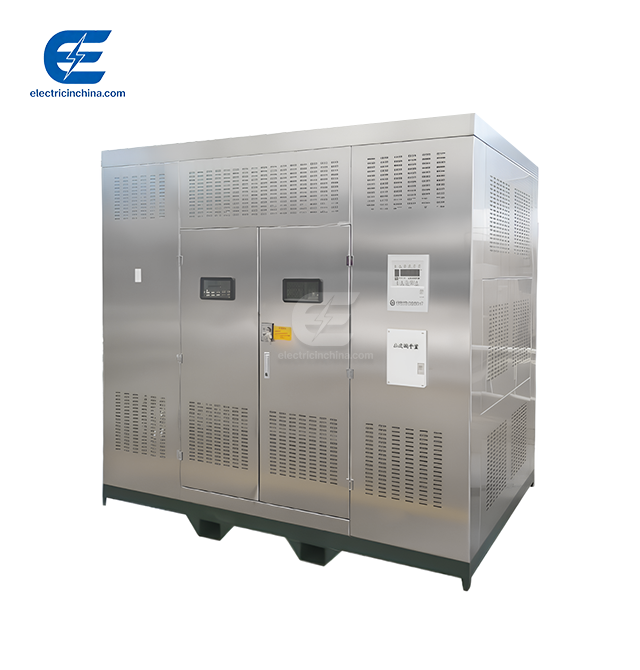
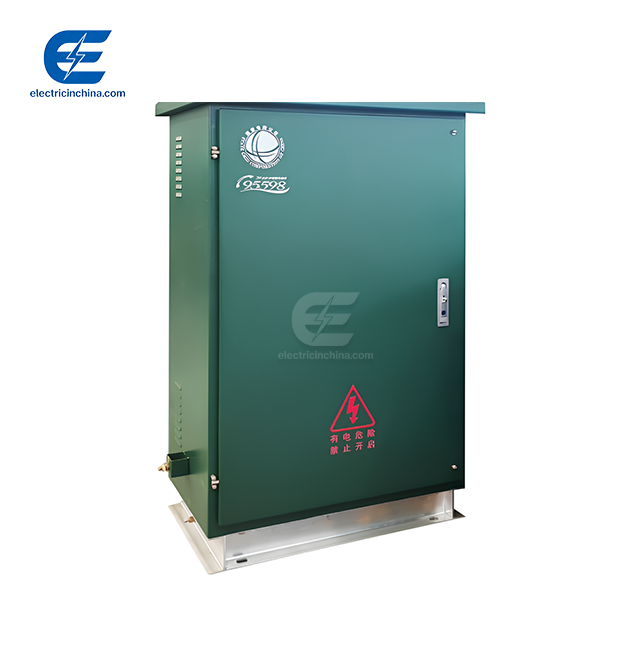
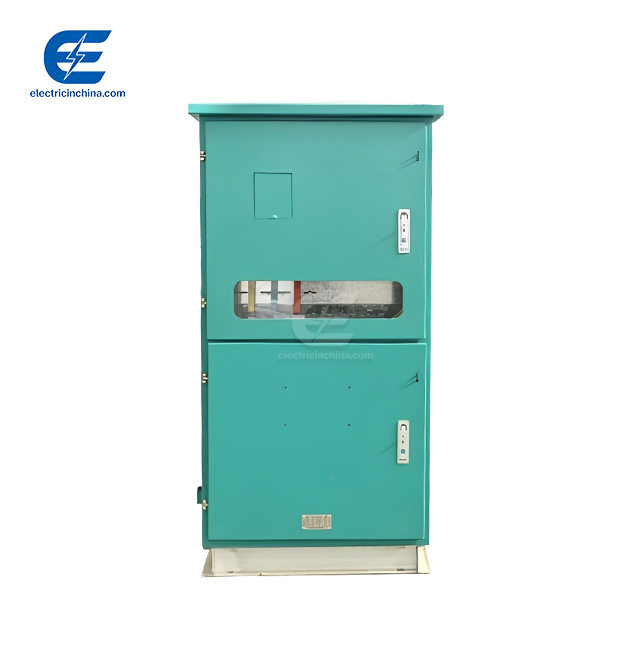
The waterproof cover is made of galvanized steel that has been coated with polyester powder. It has an IP54 rating for protection against dust and water getting in and an IK10 rating for resistance to mechanical impact. The ASTM B117 salt spray test shows that it can be used in seaside settings where corrosive air speeds up the breakdown of equipment. Thermal cycling tests prove that the device can work in temperatures ranging from -40°C to +50°C, so it will always work well no matter what climate zone you are in.
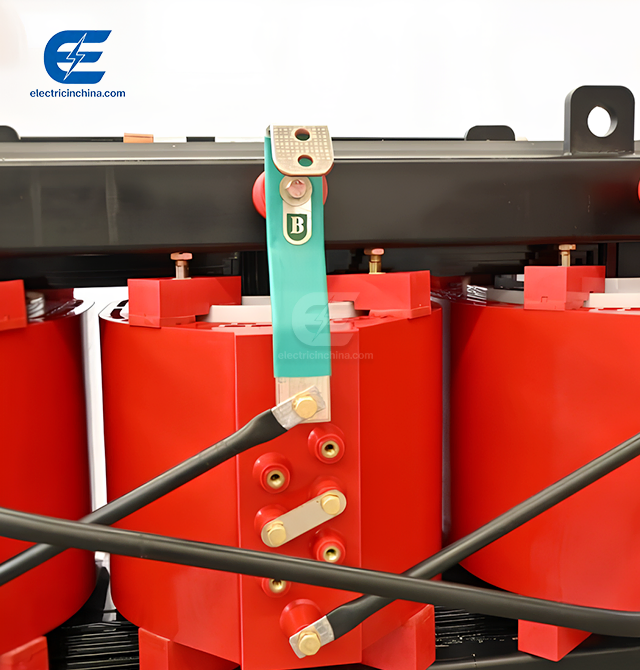
The requirements for internal parts are just as strict. Copper or metal busbars in high-voltage switchgear spaces are big enough to handle 25kA short-circuit currents for three seconds without breaking down. CNC automatic winding machines are used to make transformer windings with a uniform shape that reduces stray losses and hot spots. When you use vacuum casting, you get rid of any holes in the insulation that could cause partial discharge to happen.
Comparing YBM Series Prefabricated Substations with Other Solutions on Handling Load Fluctuations
Knowing how various substation technologies react to changes in load helps you make smart purchasing choices that meet the needs of the project, your budget, and your long-term operating goals.
Traditional Substations vs. YBM Series Performance
Traditional brick-and-mortar substations that were built using old methods have a lot of problems when it comes to handling changing loads. Changes in demand can't be handled automatically by fixed-tap transformers; they need to be changed by hand. The values for the protection relays that were adjusted when they were first set up become less effective over time as the loads change. When you build across multiple buildings, the wire runs are longer, which raises the impedance and slows down the reaction time.
The YBM Series Prefabricated Substation takes care of each problem in a planned way. When compared to spread plans, integrated design cuts internal wire lengths by 60%. This makes voltage regulation better and cuts down on losses. Inconsistent field calibrations that hurt security coordination can be avoided by putting the parts together in the factory. Smart tracking lets you keep improving instead of leaving settings that become less useful over time.
Competitive Prefabricated Solutions Comparison
It's not true that all premade substations can handle loads the same way. There are big differences in performance that become clear in tough operational situations that depend on the design mindset, the quality of the parts, and the production methods.
Because we work with more than 120 equipment providers, we can choose parts that have been proven to work in the field instead of using stock catalog items. CNC automatic wrapping machines and microcomputer-controlled gradient curing ovens are two examples of specialized manufacturing tools that make sure uniform quality that can't be reached by hand.
Total Cost of Ownership Advantages
The ability to handle loads has a direct effect on the financial success of many areas. Better voltage control makes related equipment use less energy and keeps motors and electronics working longer. When faults are dealt with more quickly, production stops less often, which saves a lot of time and money in industrial settings. When upkeep needs are cut down, skilled workers have more time to do activities that add value.
Improving the speed of installation has instant benefits. When compared to traditional methods, the YBM Series cuts on-site building time by 60%. This speeds up project timelines and lowers labor costs. Compact footprint standards use 30% less valuable land, which is especially important for business projects in cities where land values make space allocation very important. Factory testing gets rid of the need for expensive fixing in the field, which often pushes back the schedule for activation.
Installation, Maintenance, and Safety Guidelines for Optimal Load Handling
To get the load control performance that is built into YBM Series Prefabricated Substations, they need to be installed correctly, have regular maintenance checks, and follow strict safety rules that protect both people and equipment.
Streamlined Installation Process
With our factory-assembled method, installation goes from being a complicated building project to a simple task of putting equipment in place. When the units get to your site, they've already been through a lot of testing at the plant to make sure they work properly. This testing includes checking all the electrical parameters, safety functions, and control system operations while third-party witnesses watch if needed.
As part of the site preparation requirements, a foundation must be built that can hold the weight of the unit and allow for safe mounting. Leveling correctly makes sure that internal parts stay in the position defined by the maker. Both high-voltage and low-voltage connections can be made through the bottom closing plates, which also maintain the waterproof integrity. When you install a grounding system, you connect the two main grounding ends, the neutral point of the transformer, and the grounding points on the lightning arrestor to a shared grounding grid that has resistance less than four ohms.
Proactive Maintenance for Sustained Performance
Load management tools only work as long as upkeep activities keep equipment in good shape and up to the standards set by the designers. We give detailed care instructions based on many years of experience working in a wide range of settings and uses.
Visual inspections of important parts, thermographic scans to find hot spots before they cause failures, and functional testing of protection and control systems are all important parts of routine inspection plans. Analyzing transformer oil at regular times can find signs of insulation decay, moisture entry, or contamination that could make the system less reliable. Switchgear contact resistance readings make sure that the lines that carry current stay low in resistance, which is necessary for the system to work properly.
Safety Protocols for Load Handling Operations
Safety of people and safety of equipment are two important things to think about when handling electrical distribution systems that are facing changes in load. There are many safety features built into the YBM Series that lower the risk of harm during normal activities and in unusual situations.
If there is an internal arcing failure in a Prefabricated substation, which is very rare, the fault energy is directed away from the operator locations by an arc-resistant design rated to IAC AFLR. Interlocking systems stop dangerous switching processes that could turn on repair equipment or cause faults from the phase to the ground. Gas monitoring and fire suppression devices are designed to automatically fix small problems before they become big problems.
Real-World Applications and Case Studies Demonstrating YBM Series Performance
The load control features built into YBM Series Prefabricated Substations have been proven to work in the real world across a wide range of industries. These projects show how well the equipment works in real-world situations that are very different from what it would be tested for in a lab.
Manufacturing Facility Applications
In industrial manufacturing settings, load profiles are very difficult to handle because of things like big motor starting currents, variable frequency drive harmonics, and production schedules that make demand change a lot from shift to shift. Our small substations have been used successfully in a wide range of settings, from making parts for cars to processing chemicals.
One installation for an automobile provider serves a building with several stamping presses, robotic welding cells, and ovens for drying paint. Load changes range from 40% of the transformer's capacity during setup times to 95% of its capacity during peak production runs. The smart tracking systems keep an eye on these changes all the time and adjust the voltage taps automatically to keep control within ±2%, even when demand changes too quickly for regular equipment to handle.
Commercial Real Estate Projects
Office buildings, shopping malls, and mixed-use properties are just some of the commercial projects that need reliable power distribution that can handle changes in renter load, HVAC system cycling, and seasonal demand patterns. In cities, where space is limited, the need for a small size is even more important.
The fact that we're working on projects like mixed-use buildings shows how flexible substations can help with these problems. The 30% smaller space needs compared to traditional designs freed up valuable square footage that could be used to make money and made the building process easier in places with strict setback rules.
Infrastructure and Utility Applications
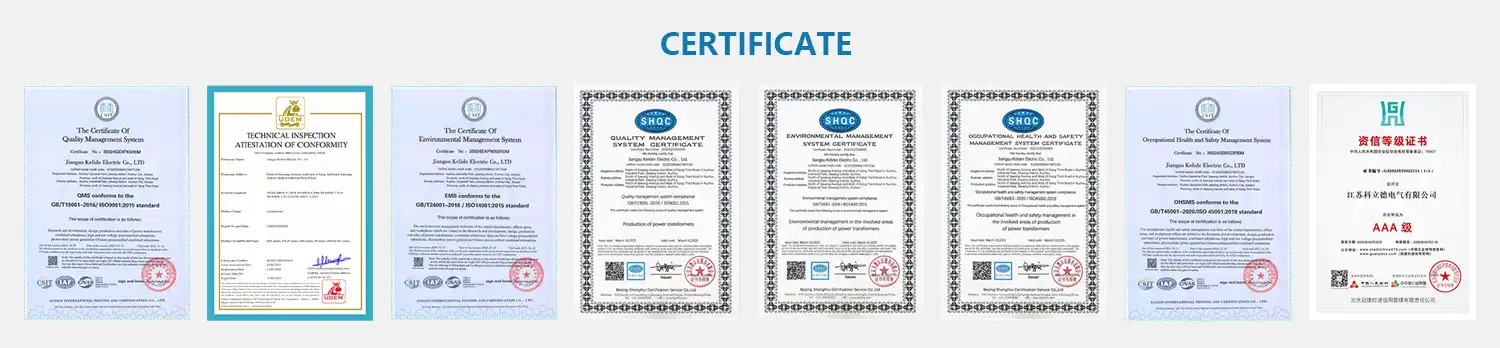
Government building projects and plans to expand energy services need solutions that will work for a long time and require little upkeep. Our thirty-year operational life expectancy, which is backed by ISO 9001, ISO 14001, and OHSAS 45001 certifications, is great for public sector buying rules that put lifetime value over beginning cost.
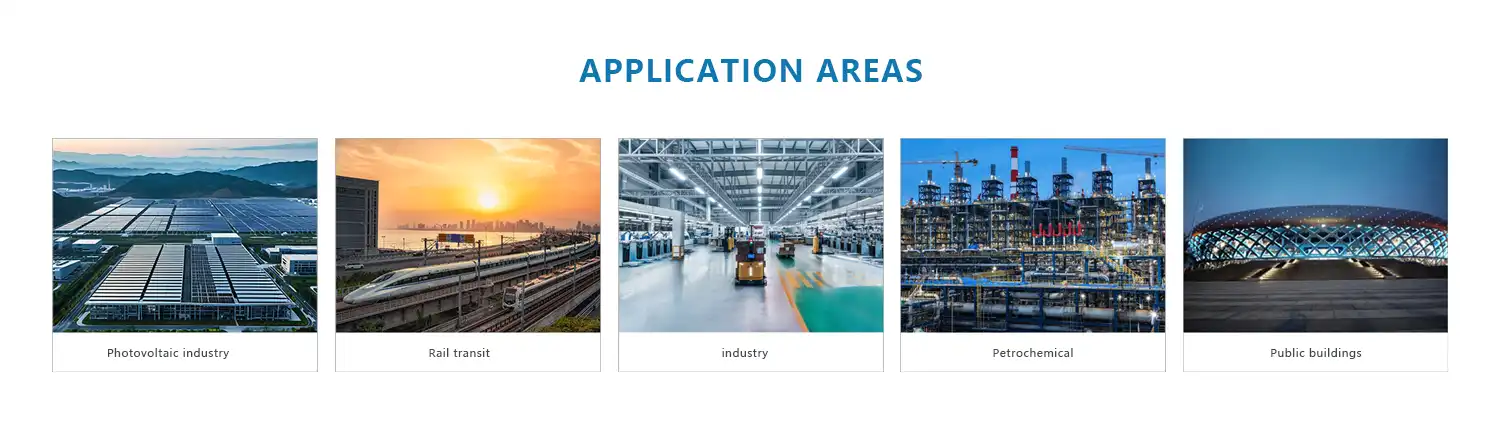
Rail transit apps need to be very reliable because power outages can threaten public safety and service delivery promises. Our substations are used in projects that use dual-circuit power supply designs because they can respond to faults quickly and restore service within one minute through automatic load transfer operations. This quick return keeps passengers as comfortable as possible while sticking to the plan.
Customer Testimonials and Performance Metrics
When companies put in YBM Series substations, they regularly report better operations in a number of performance areas. The lower downtime numbers show that the system can handle faults better and has preventative tracking that finds problems before they become problems. Because parts last longer and need to be serviced less often, repair costs go down. Increasing energy efficiency directly helps reach environmental goals while lowering costs.
Total cost of ownership benefits come from technical performance, installation efficiency, and lifecycle value. These benefits are appealing to government agencies, commercial developers, industrial manufacturers, and EPC contractors who are in charge of complex projects with strict quality standards and tight deadlines.
Conclusion
It is important to be able to handle load fluctuations in order for power distribution systems to work properly and for tools to work well in real life. The YBM Series Prefabricated Substation offers complete solutions with smart tracking, automated control systems, strong building, and a modular design that allows for future growth. Quality control that is made in a factory using more than 120 sets of modern manufacturing equipment makes sure that every installation works the same way. Our work with the Tianjin Electric Drive Institute and our large network of partners gives us scientific advantages that no other method can match. These small substations offer the load adaptability, reliability, and efficiency that demanding uses need, whether your project is government infrastructure, commercial development, or industry manufacturing.
FAQ
What capacity range do prefabricated substations offer for varying load requirements?
Transformer values range from 315kVA to 2500kVA in standard steps, so modern prefabricated substations can meet a wide range of application needs. This range works well for most business, light industrial, and infrastructure needs. Modular design lets you add low-voltage sections or parallel transformers to increase capacity without having to replace the whole system. This gives you options as your facility grows.
How quickly can prefabricated substations respond to sudden load changes?
Intelligent tracking and control systems can pick up on changes in load within milliseconds and automatically take the right steps to fix the problem. On-load tap changers change transformer ratios without stopping power delivery to make changes to voltage control. When a fault happens, circuit breakers work together to separate the problems and move loads to healthy circuits. Usually, power is restored within one minute without any help from a person.
What maintenance activities sustain optimal load management performance?
Visual checks, thermographic surveys to find hot spots, transformer oil analysis at regular intervals, measuring contact resistance on switchgear connections, and testing the functionality of safety and control systems are all important parts of routine maintenance. Predictive maintenance methods that find the best time to intervene and lower lifecycle costs are made possible by documentation practices that set baseline parameters and track trends over time.
Partner with Tuojie for Your Next Power Distribution Project
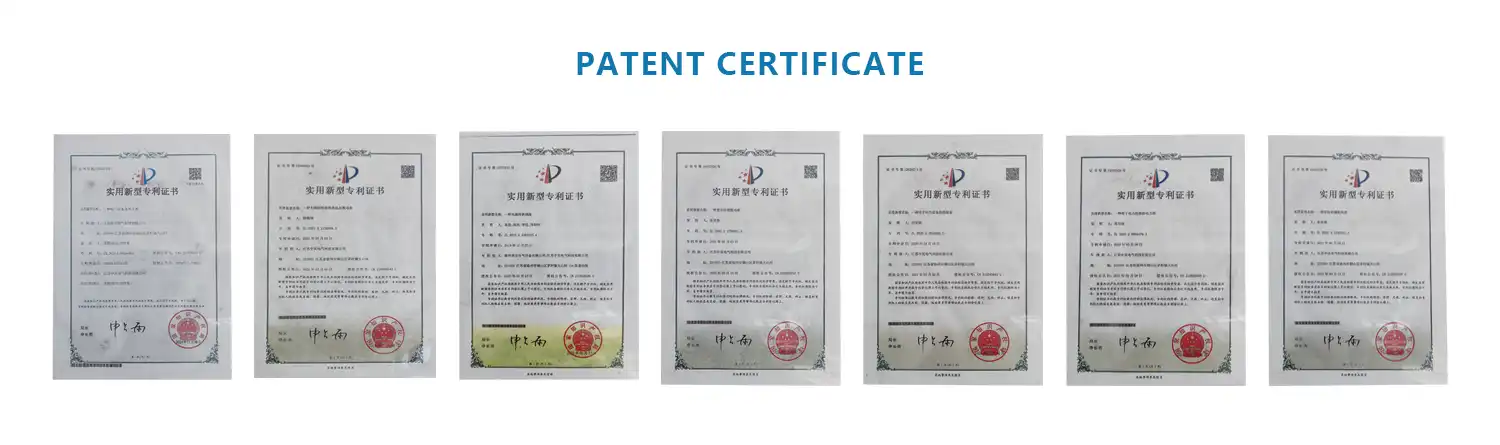
Tuojie has been providing custom electrical solutions to government building projects, business developers, industrial makers, and EPC companies around the world for more than 20 years. As a top YBM Series Prefabricated Substation maker, we make sure that every project meets the highest international standards by combining our advanced technical skills with a wide range of quality certifications, such as ISO 9001, ISO 14001, and OHSAS 45001. Our technical team, which includes 15 senior engineers and more than 30 intermediate techs, gives professional advice from the time the first specifications are made until the system is fully installed and tested. Get in touch with us at tuojie@electricinchina.com to talk about how our small, factory-assembled substations can help you handle your load while cutting the time and space needed for installation by 60% and 30%, respectively. You can look at our full line of transformers, switches, and integrated power distribution systems at electricinchina.com. We have 18 patents and have finished hundreds of projects effectively.
References
1. Institute of Electrical and Electronics Engineers. "IEEE Guide for the Application of Power Distribution Apparatus in Industrial and Commercial Power Systems." IEEE Standards Association, 2019.
2. International Electrotechnical Commission. "Power Transformers - Part 1: General Requirements." IEC 60076-1 Technical Specification, 2021.
3. National Electrical Manufacturers Association. "Pad-Mounted Compartmental-Type, Self-Cooled, Three-Phase Distribution Transformers with Separable Insulated High-Voltage Connectors." NEMA Standards Publication, 2020.
4. Electric Power Research Institute. "Load Management and Voltage Optimization in Modern Distribution Systems." EPRI Technical Report, 2022.
5. American Society for Testing and Materials. "Standard Practice for Operating Salt Spray Testing Apparatus." ASTM B117 International Standard, 2019.
6. International Council on Large Electric Systems. "Prefabricated Substations: Design, Installation, and Operational Performance." CIGRE Working Group B3.28 Final Report, 2021.