

.webp)
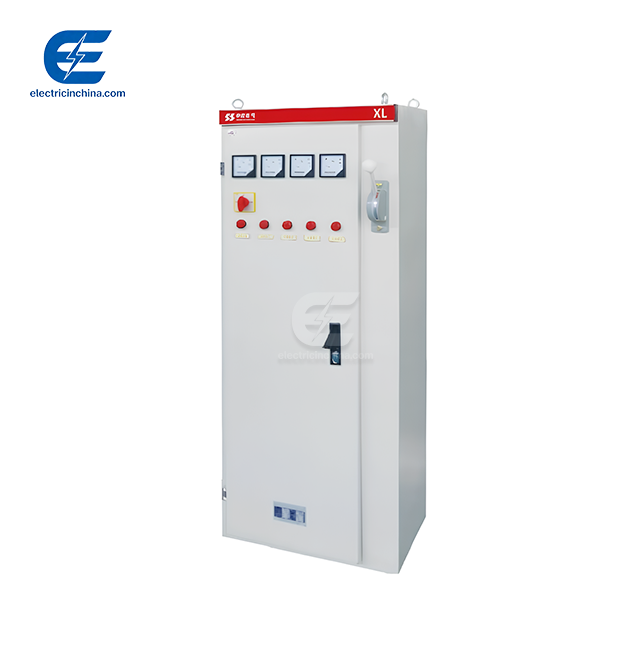
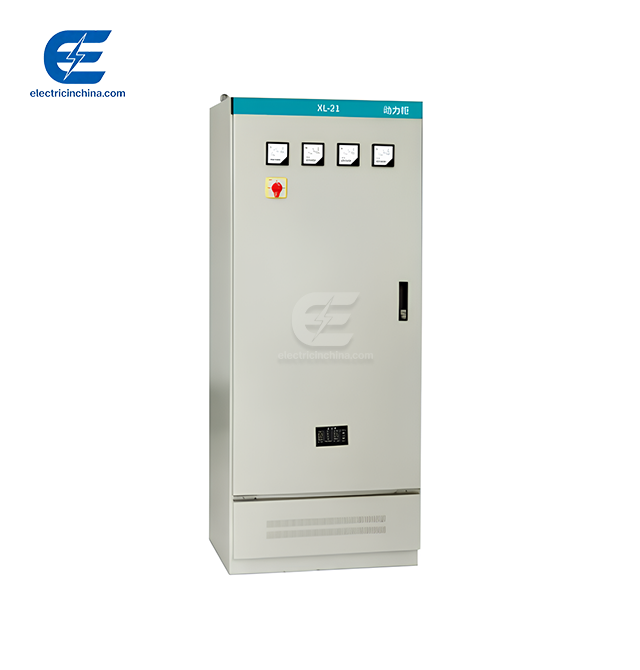
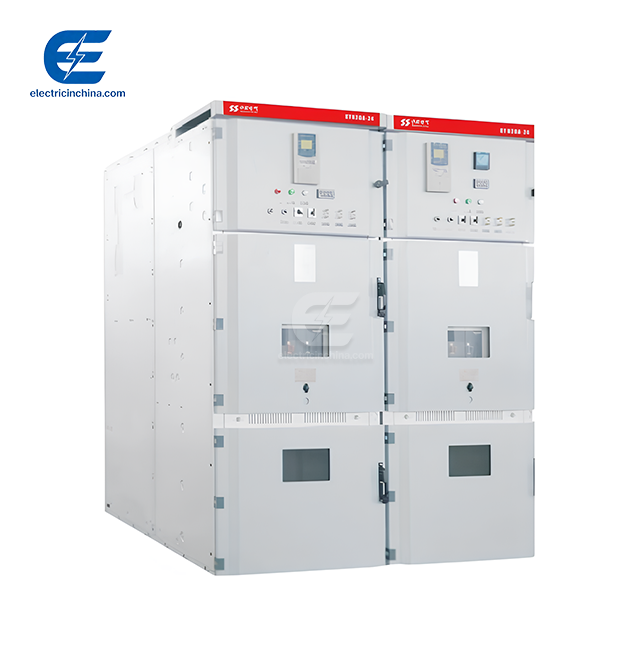
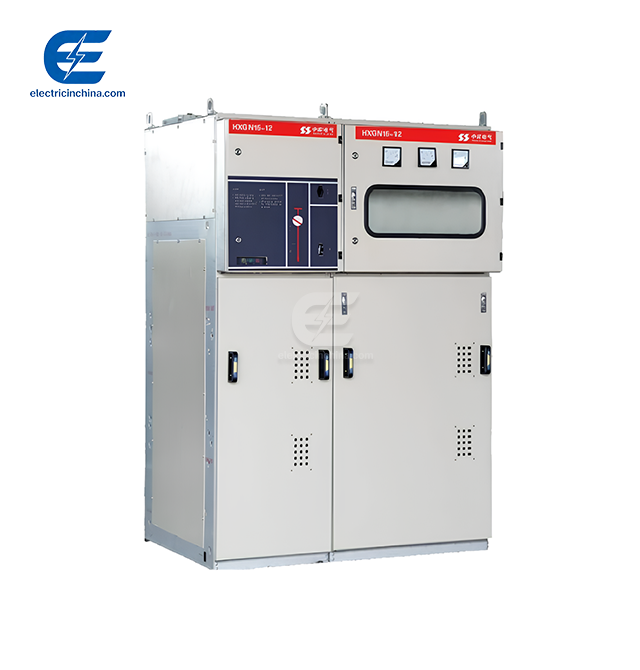
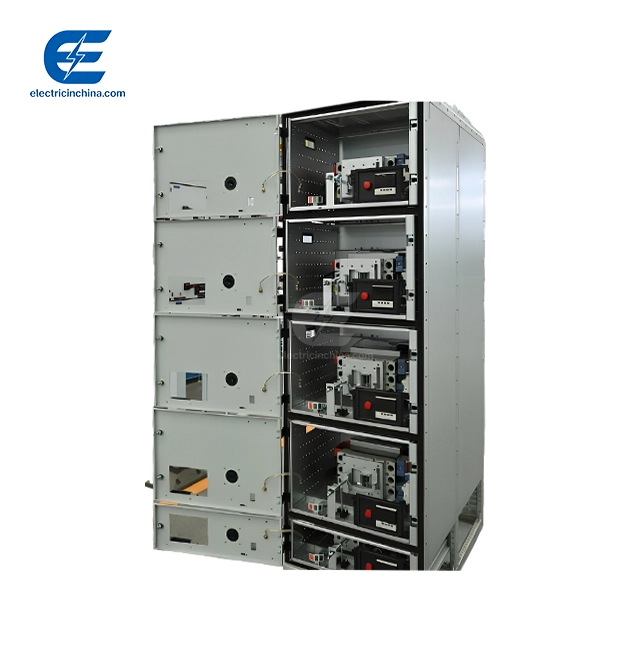
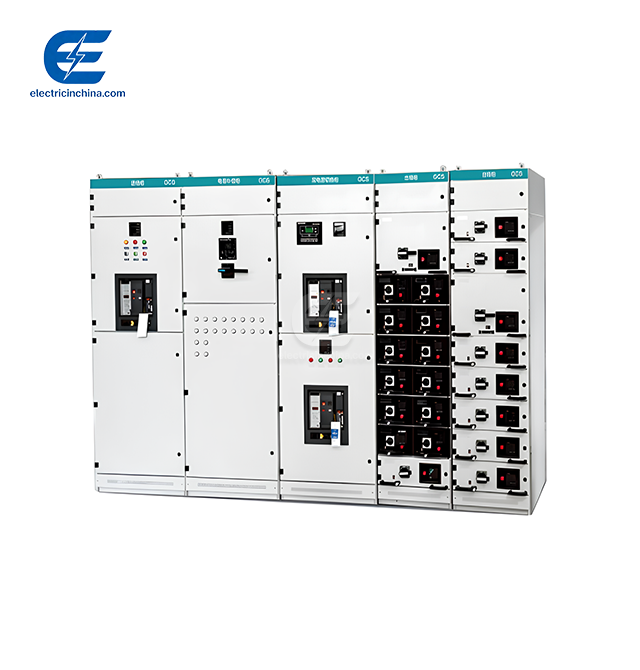
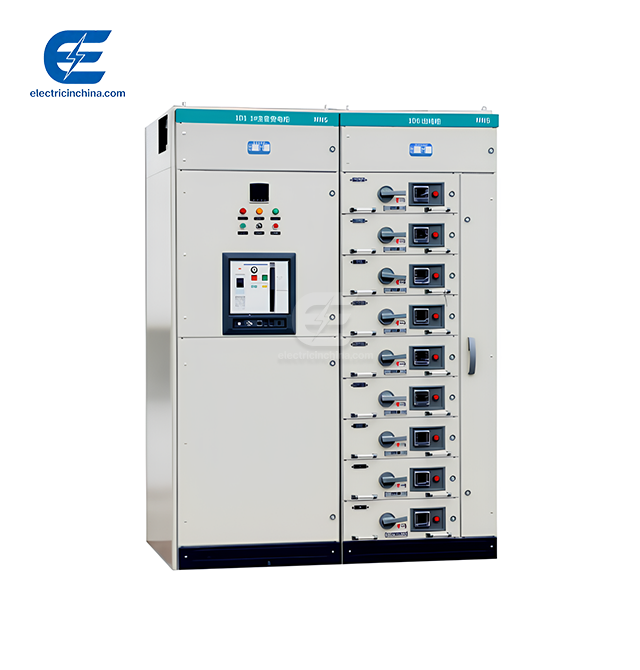
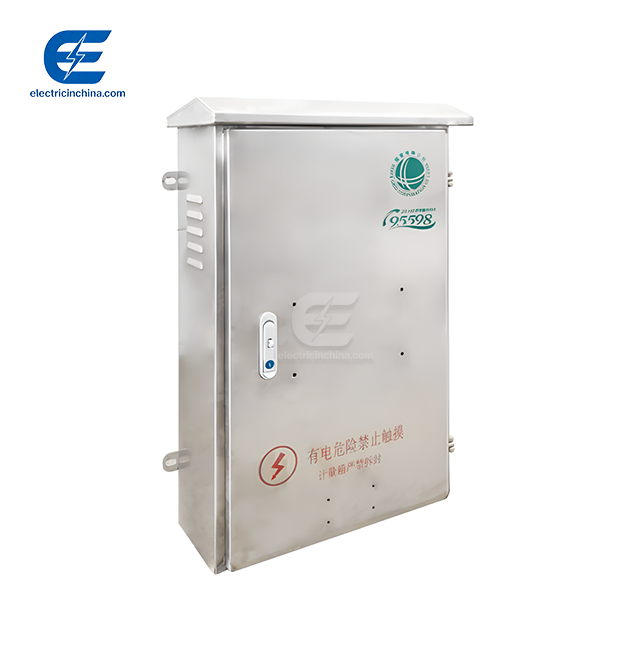
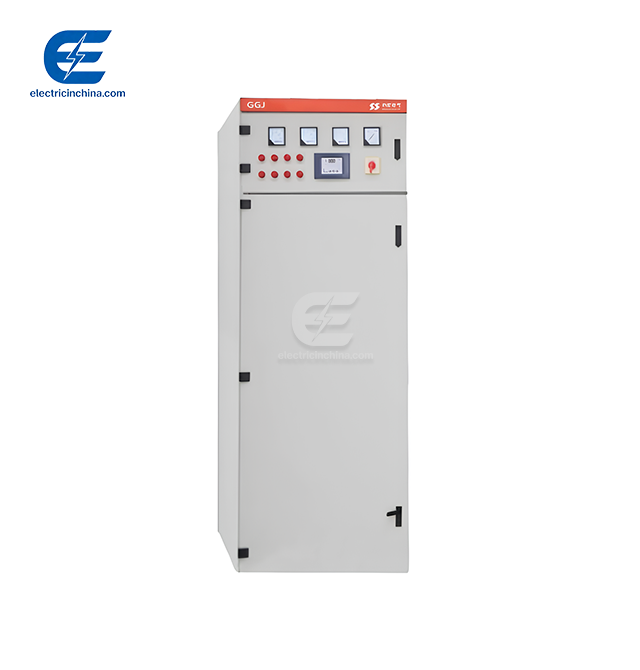
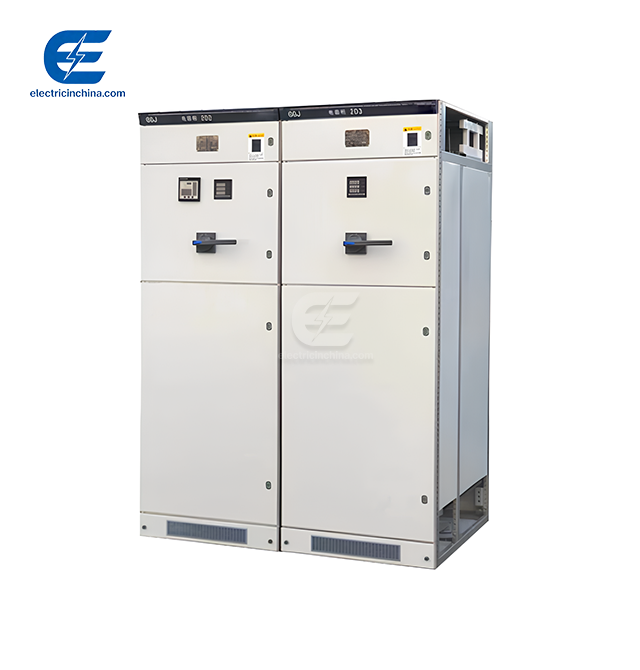
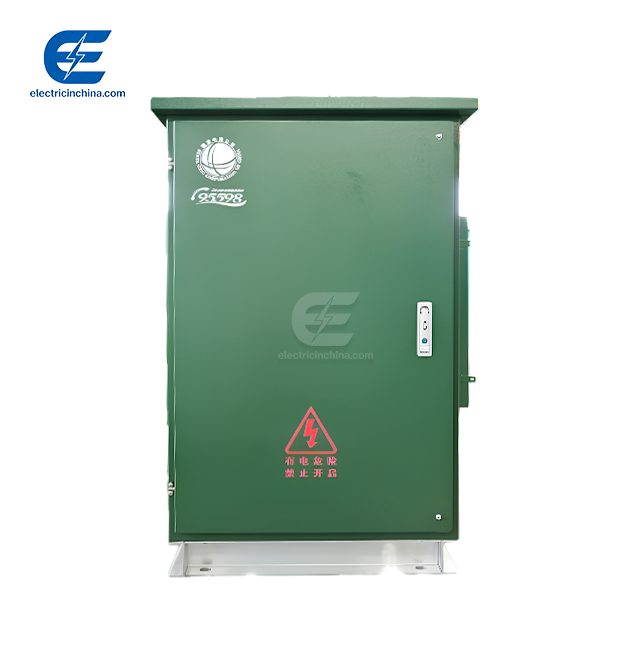
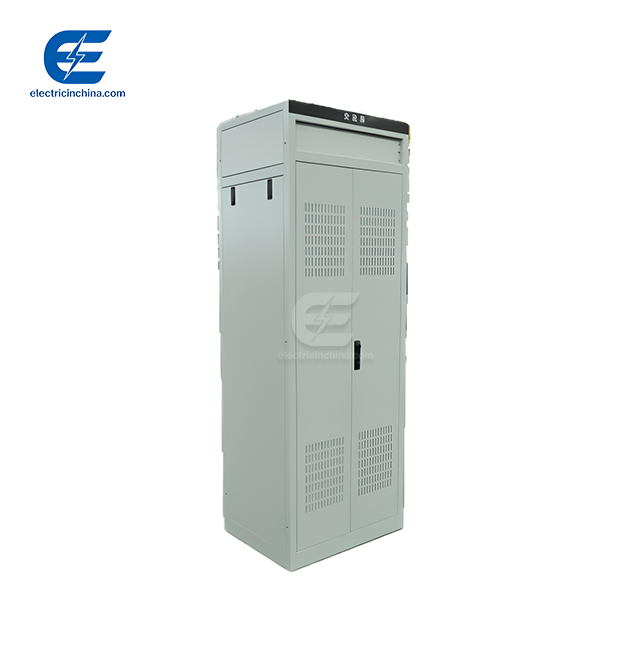
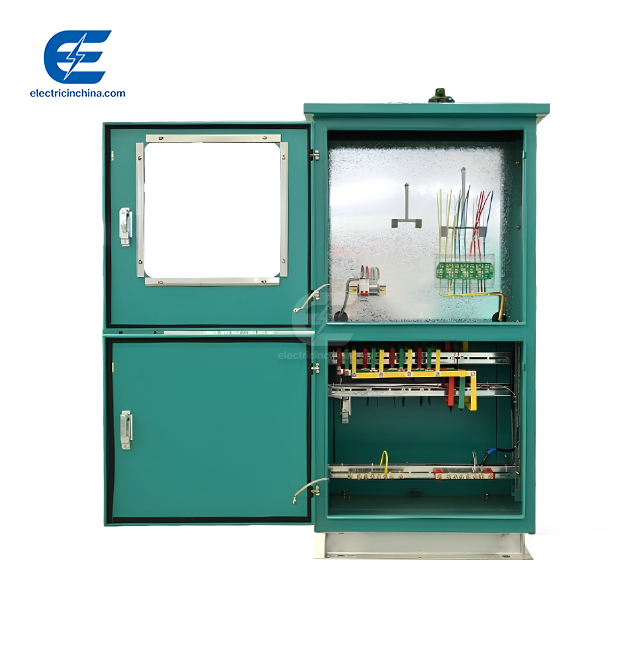
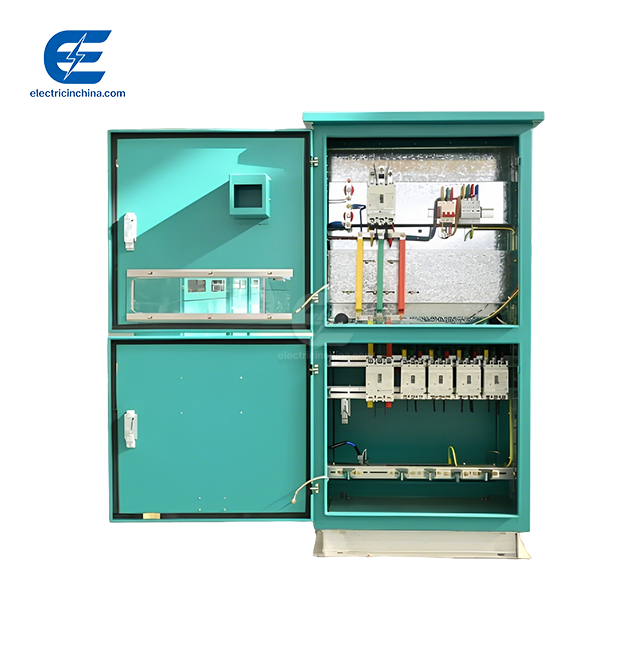
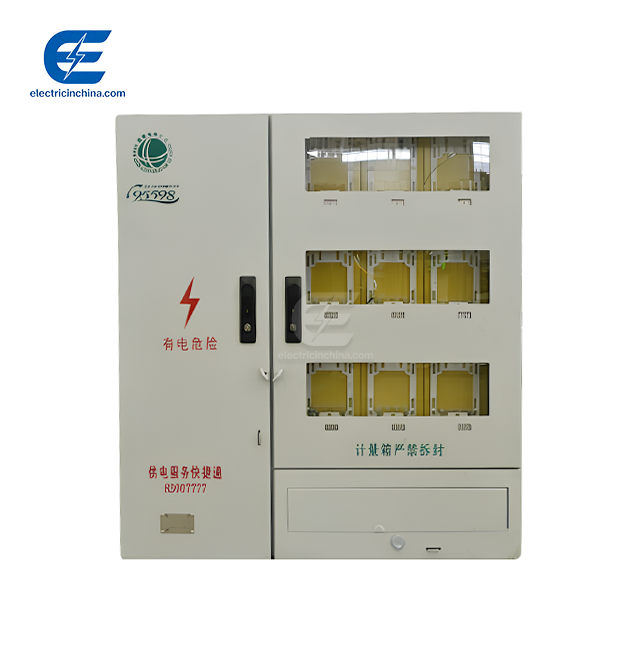
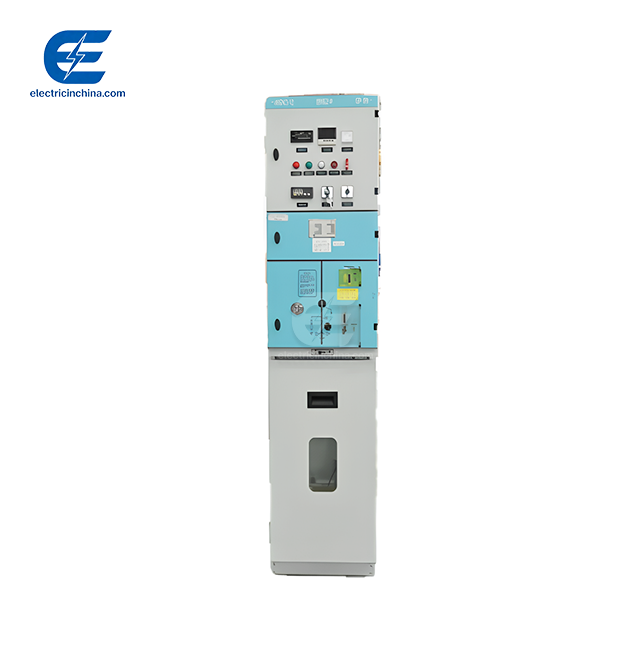
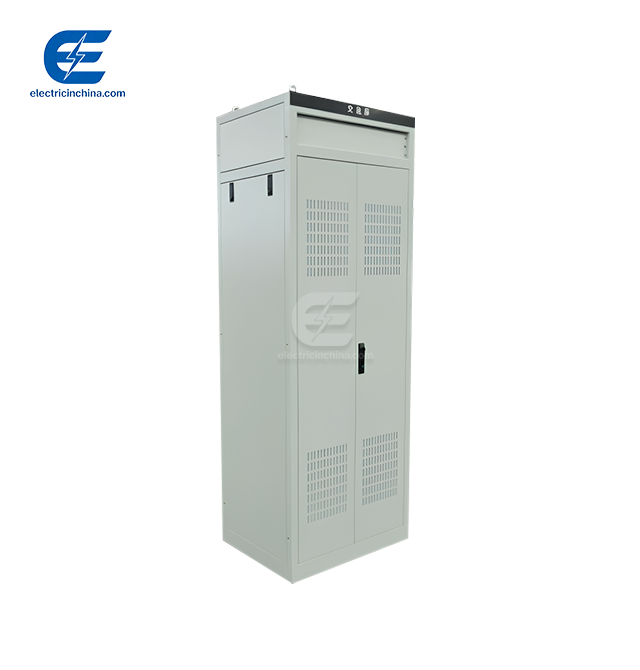
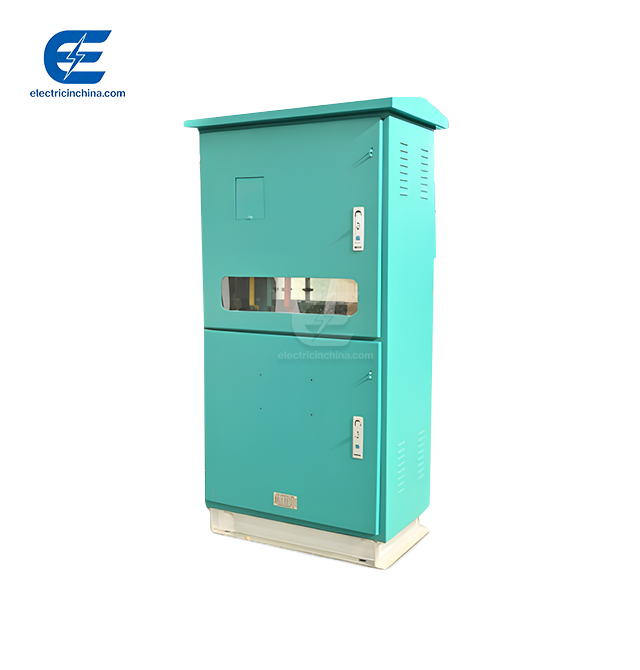
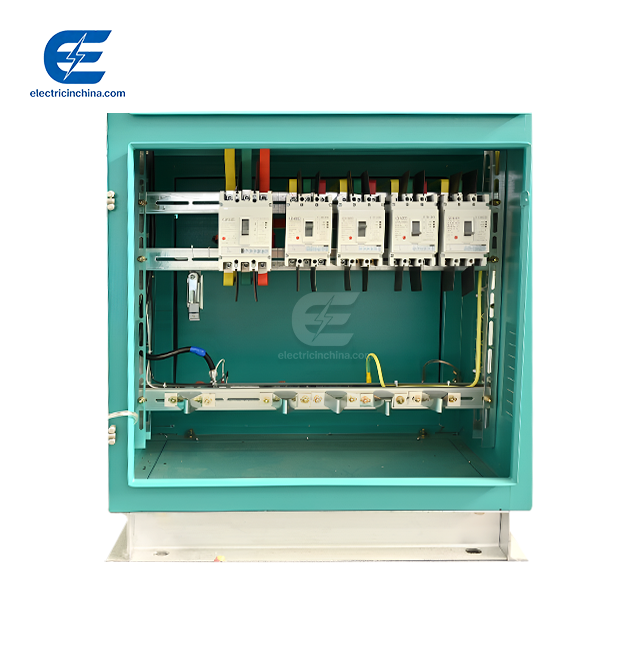
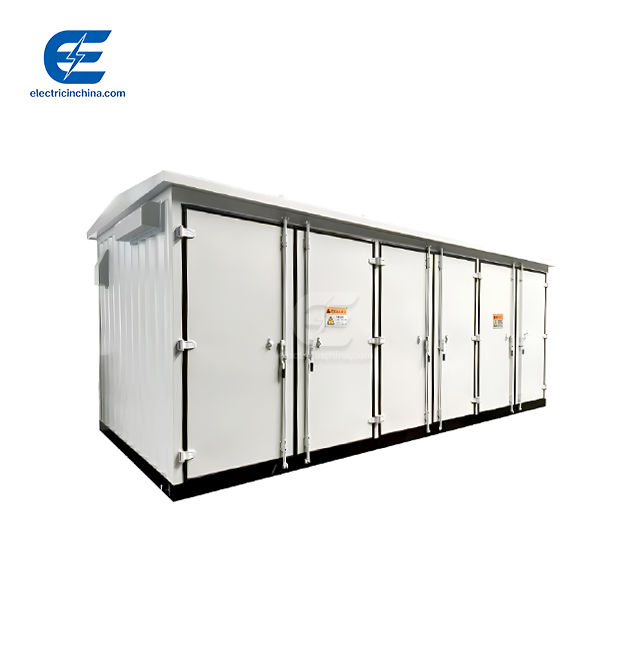
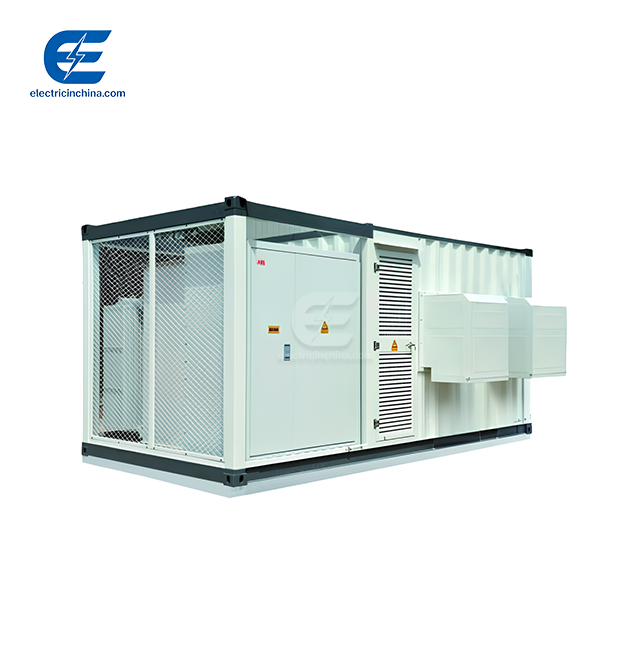
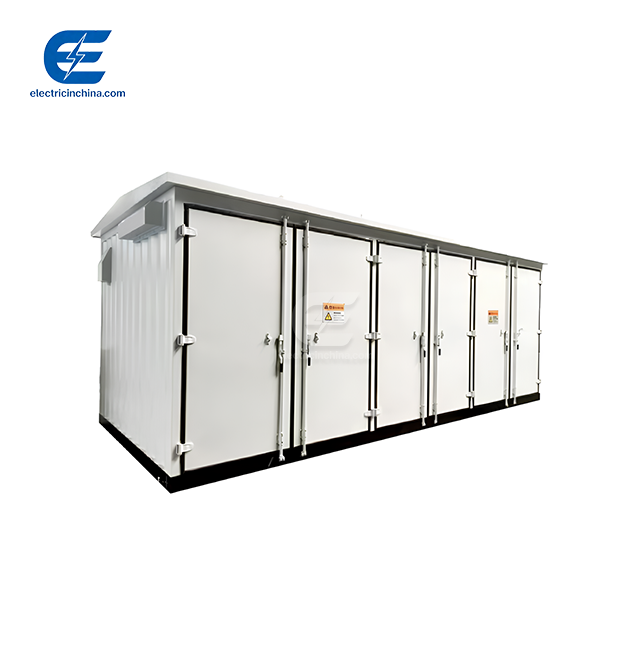
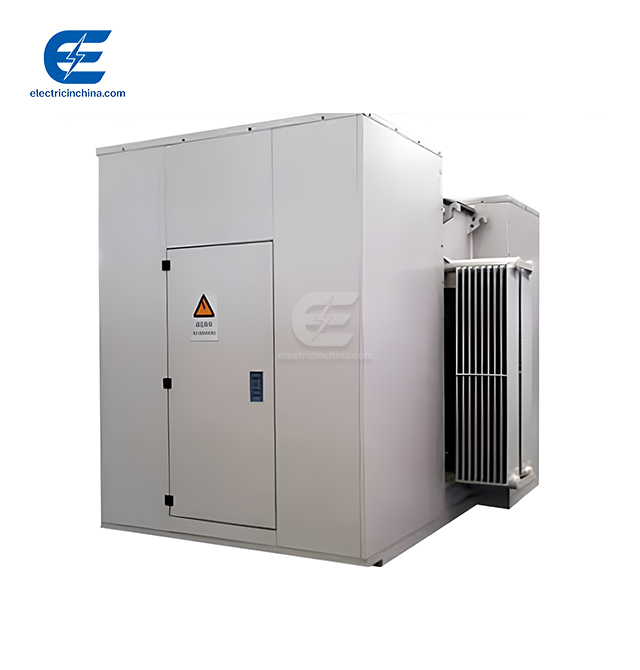
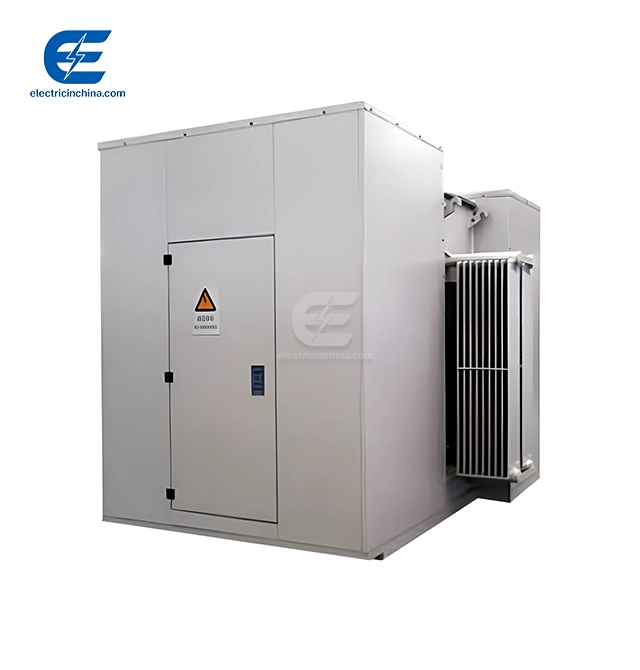
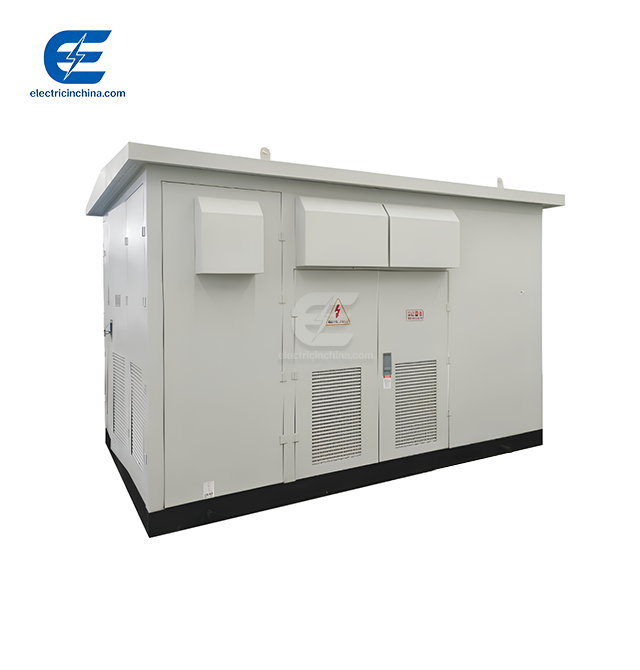
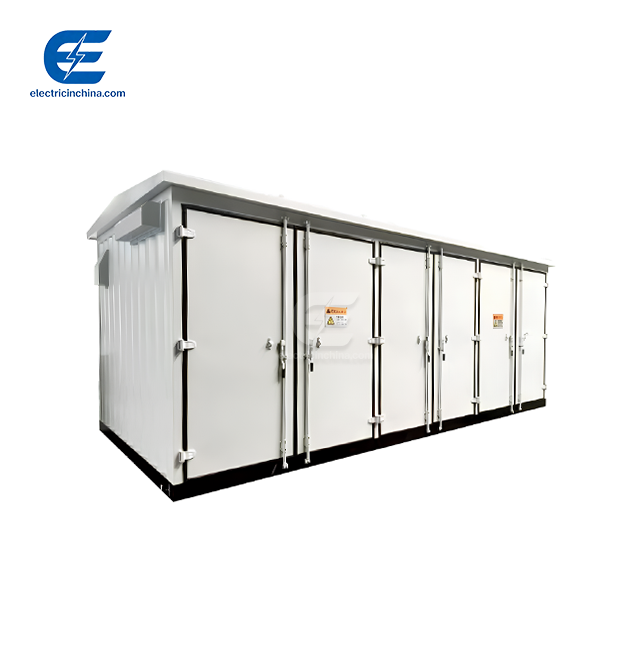
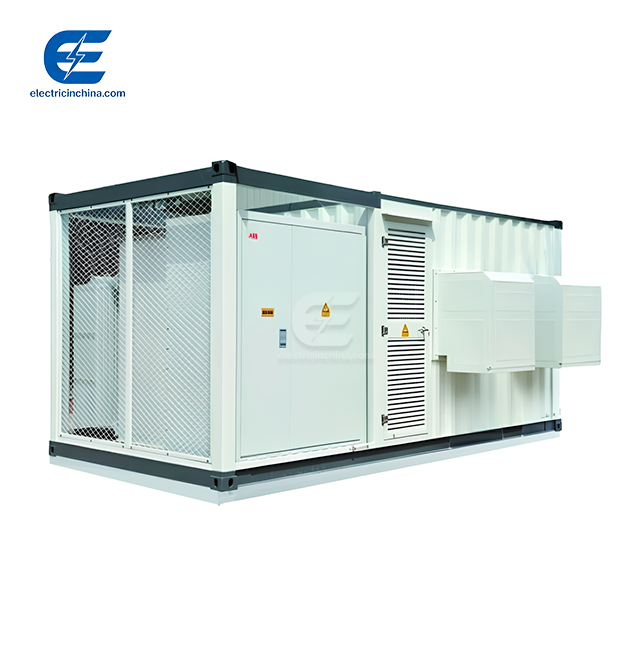
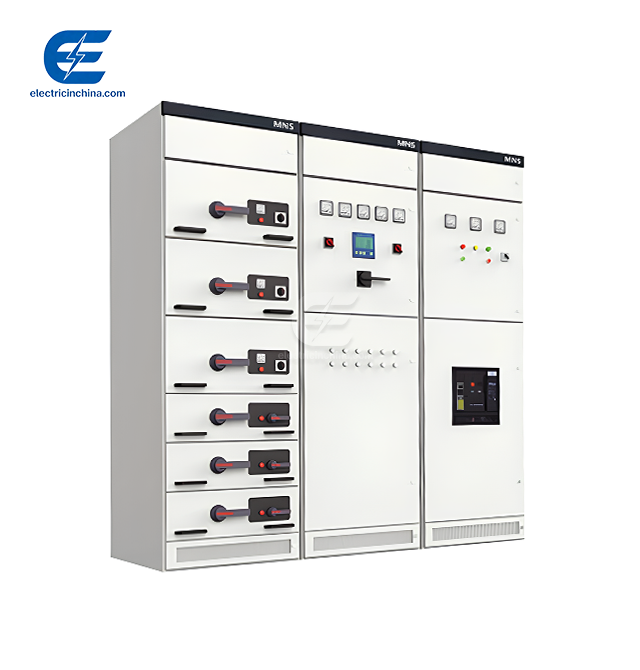
Solar projects in cities need creative solutions that make the best use of limited space and follow strict rules. A PV Compact Substation for Solar Power Plants solves these problems by combining transformers, switchgear, safety systems, and control gear into a single unit that has been tried at the plant. When compared to traditional substations, this integrated method cuts installation time by 60–70%, takes up 30–40% less room, and ensures uniform quality through pre-commissioning testing. This makes it the best choice for solar installations in cities where every square meter counts.
Understanding PV Compact Substations in Solar Power Plants
When it comes to green energy systems, cities have their own problems. Space limitations, zoning rules, and the way the neighborhood looks are all very important in approving a project. We've solved these issues with our small substations by cleverly combining many electrical parts into fewer, more compact housings.
What Makes These Substations Different
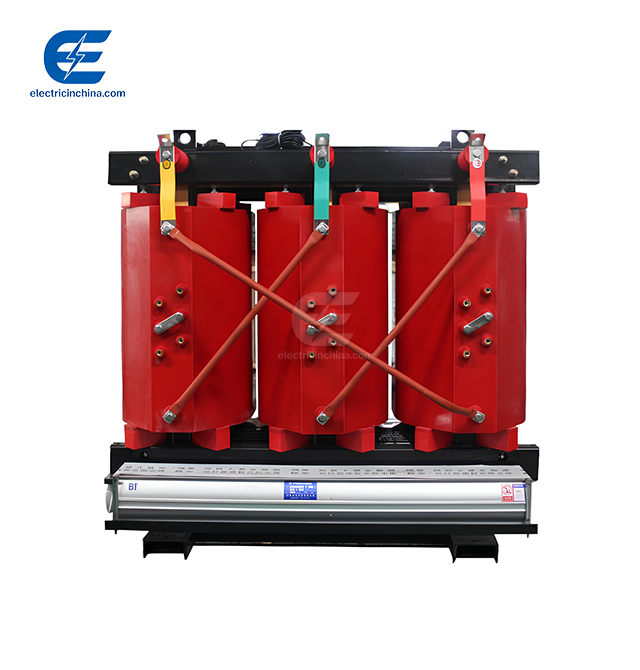
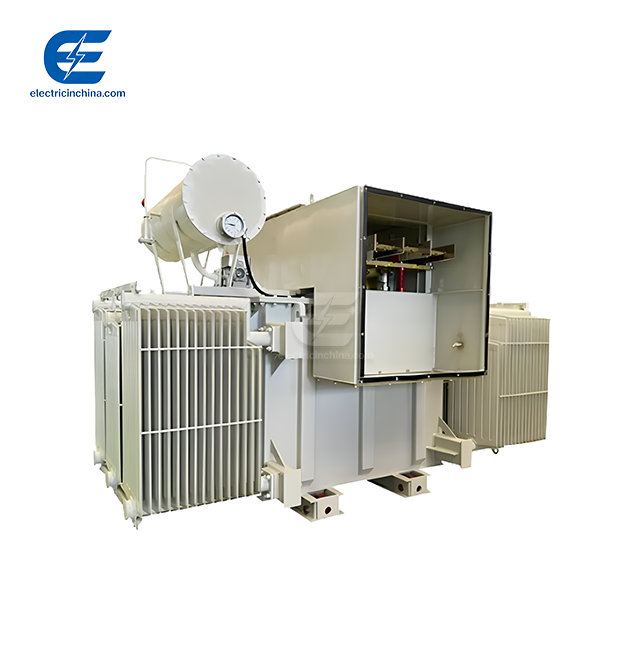
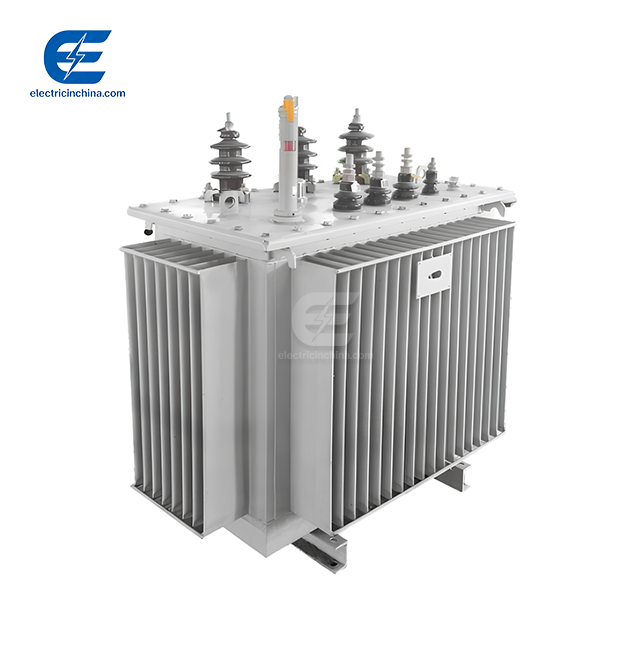
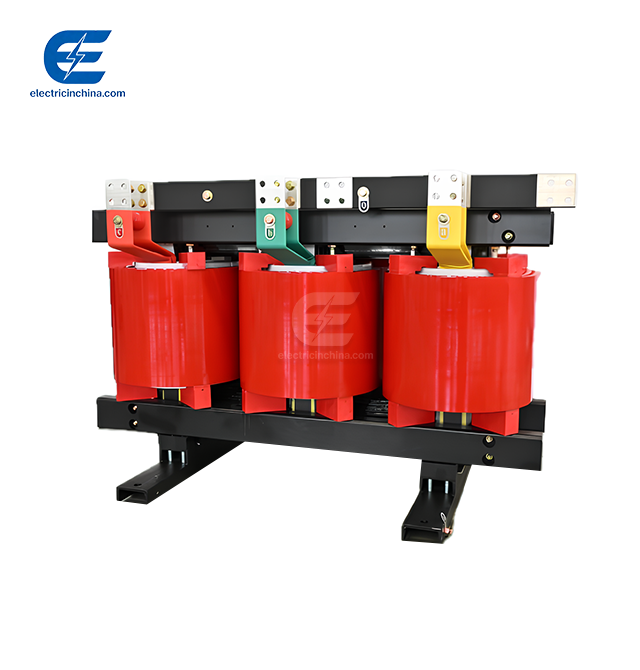
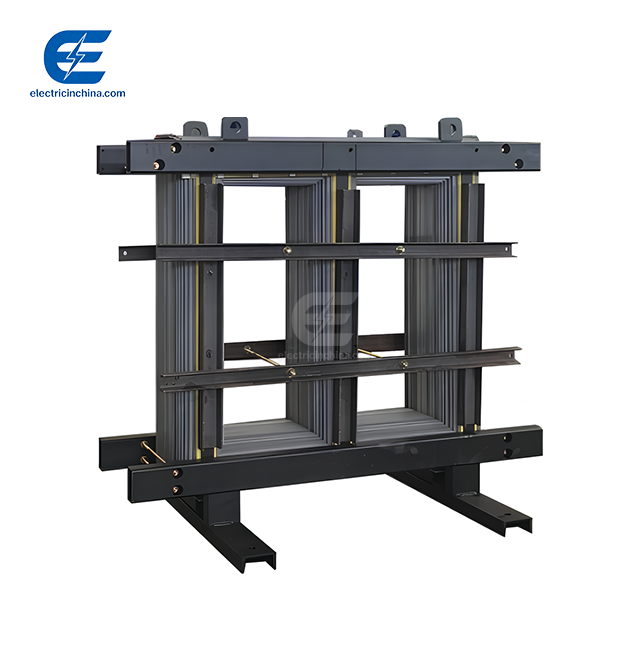
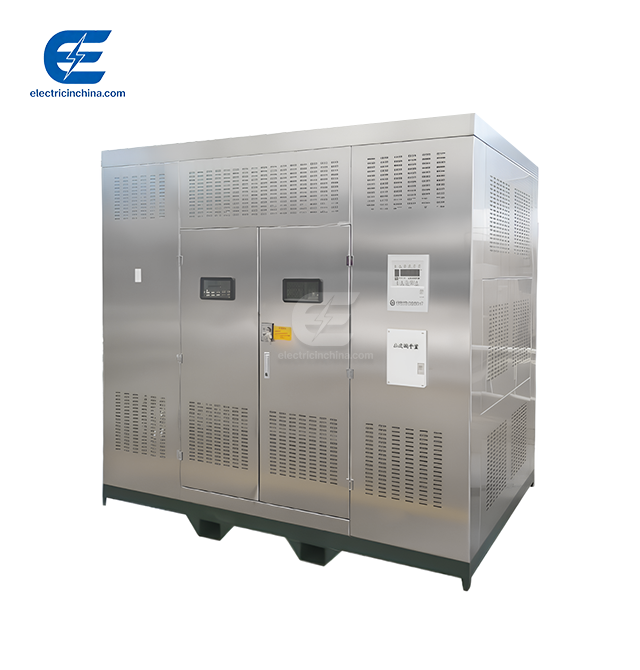
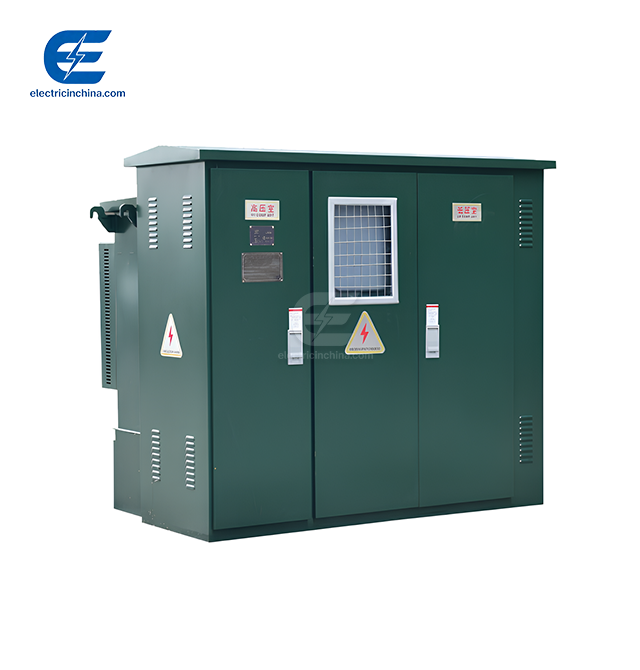
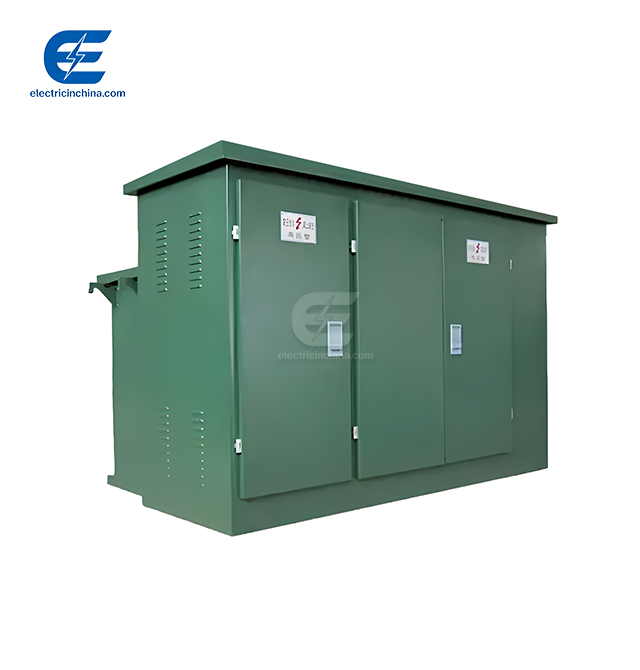
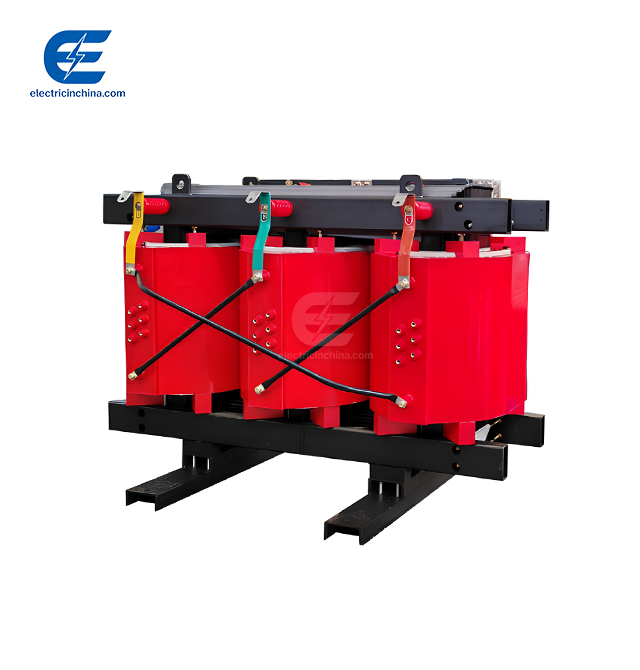
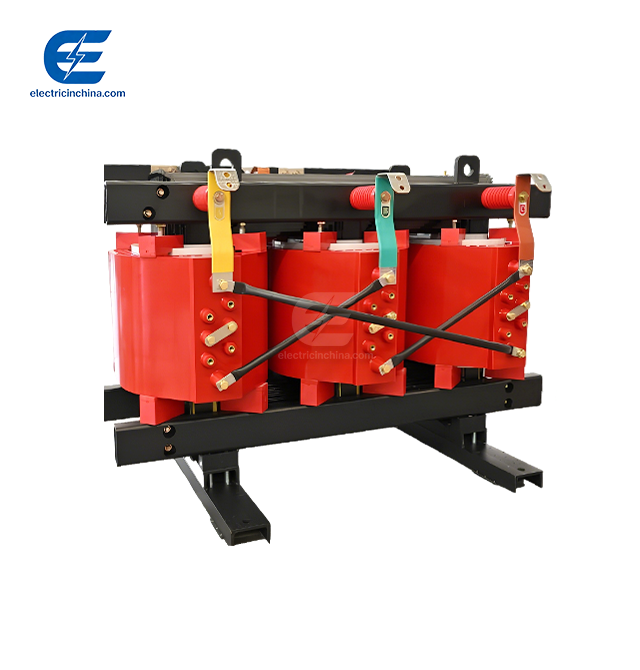
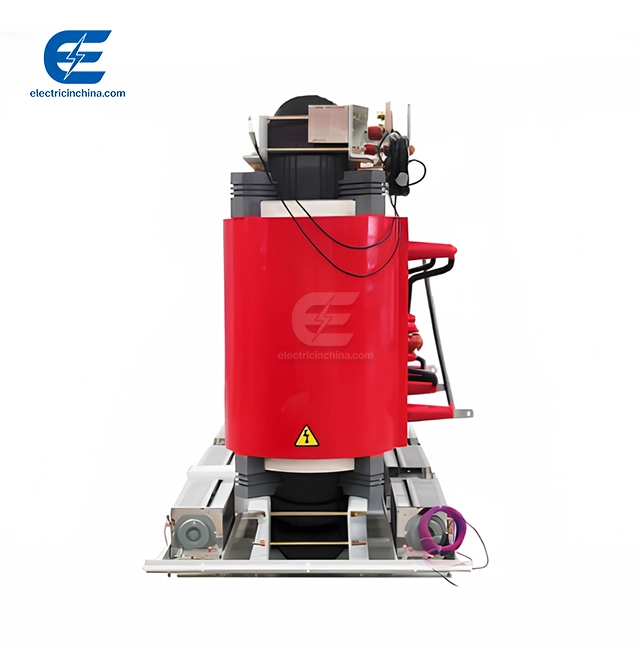
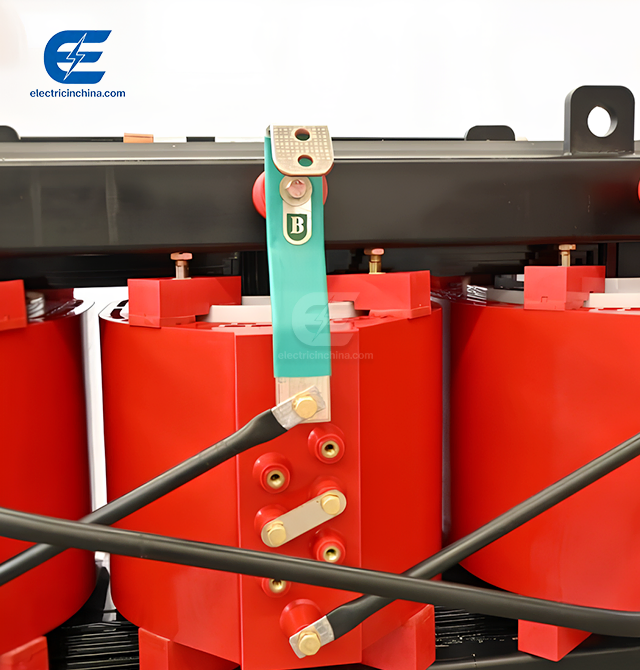
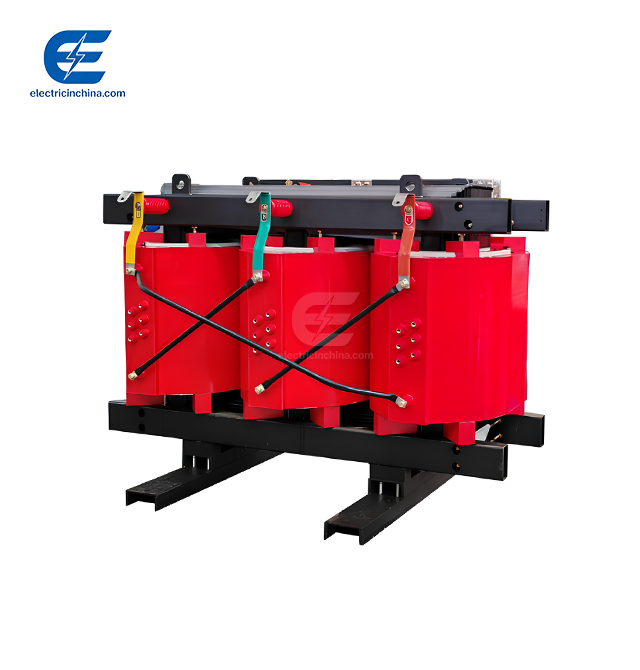
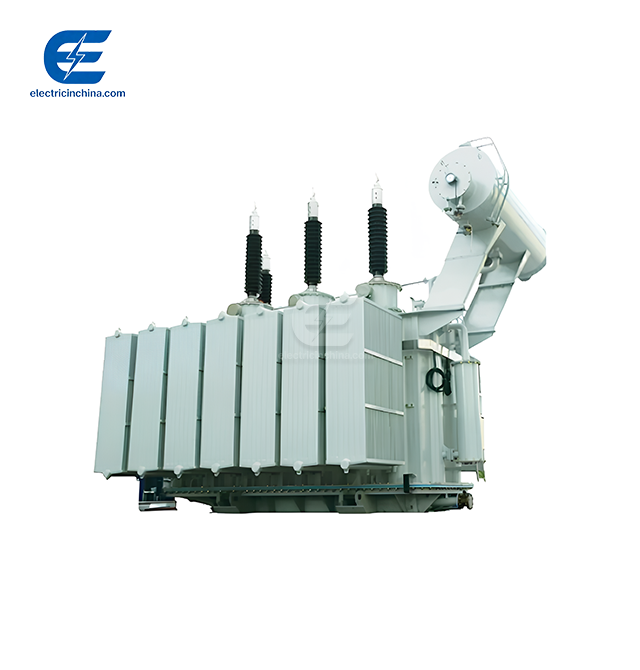
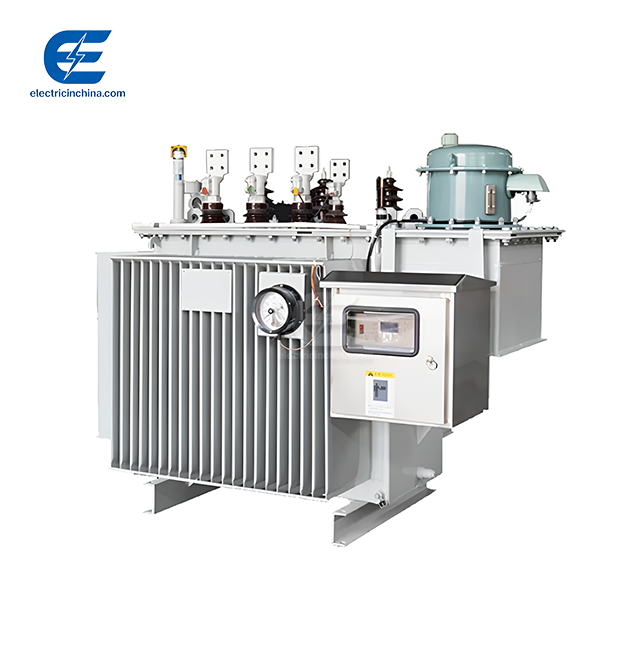
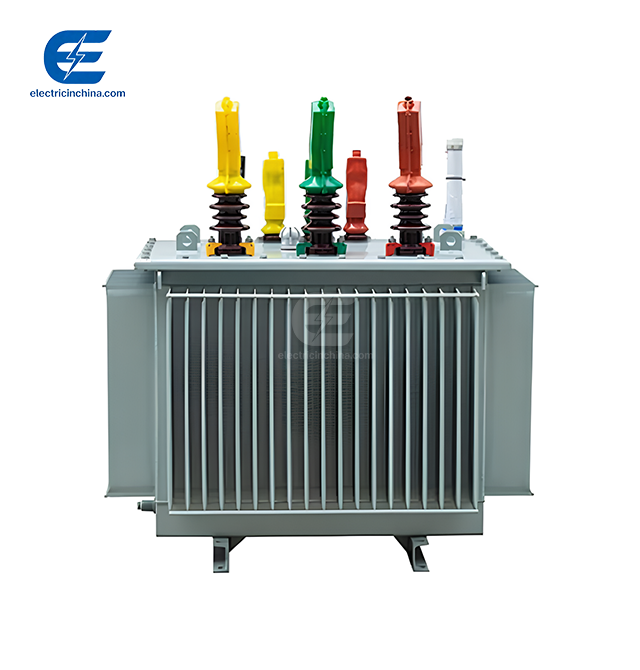
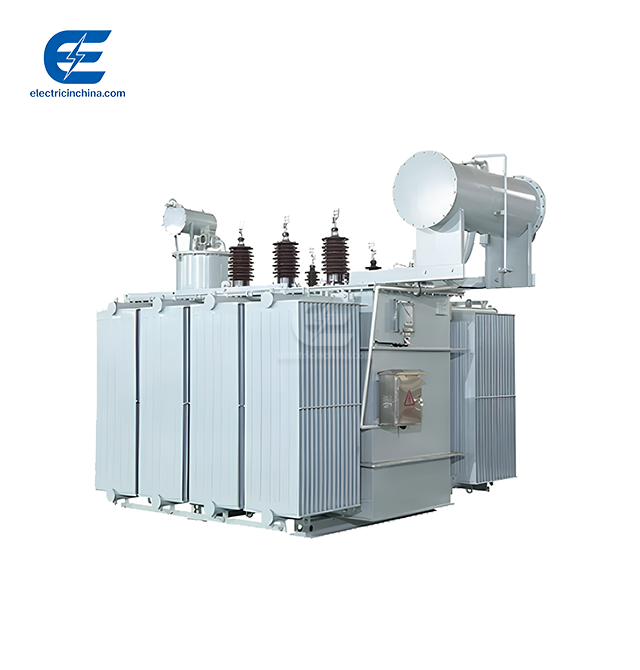
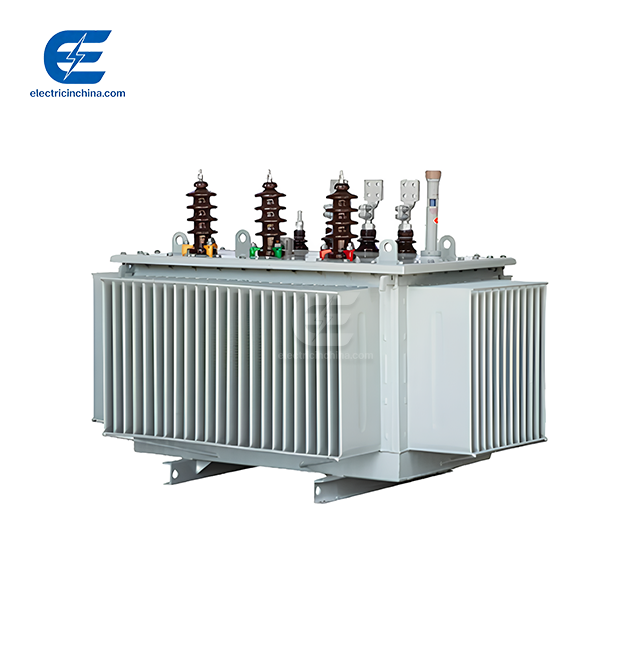
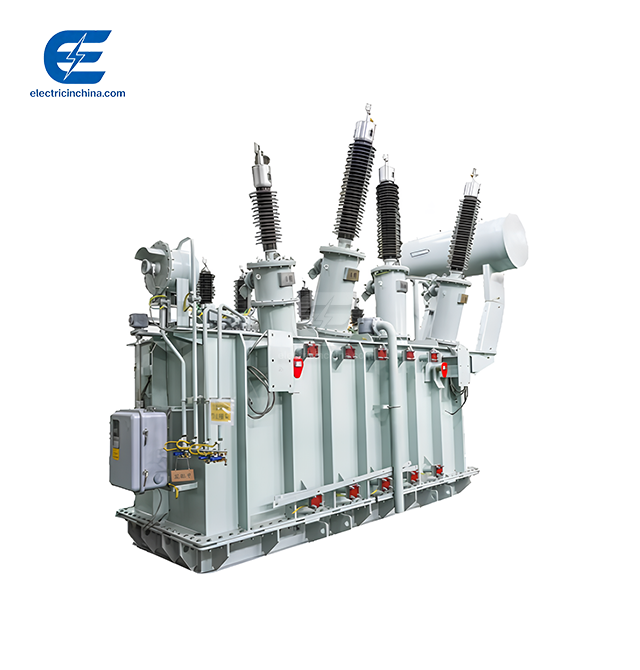
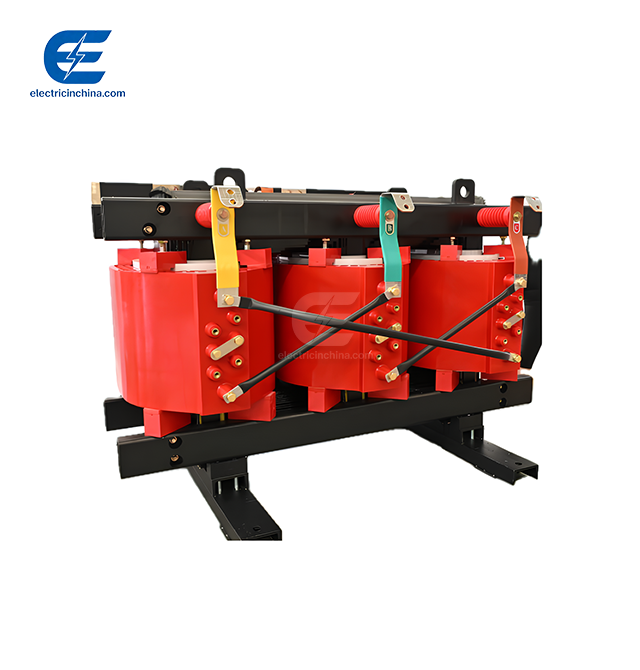
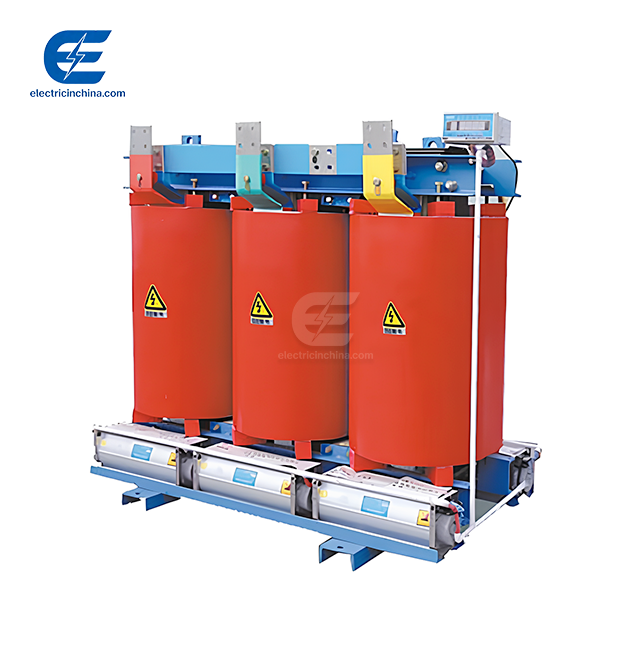
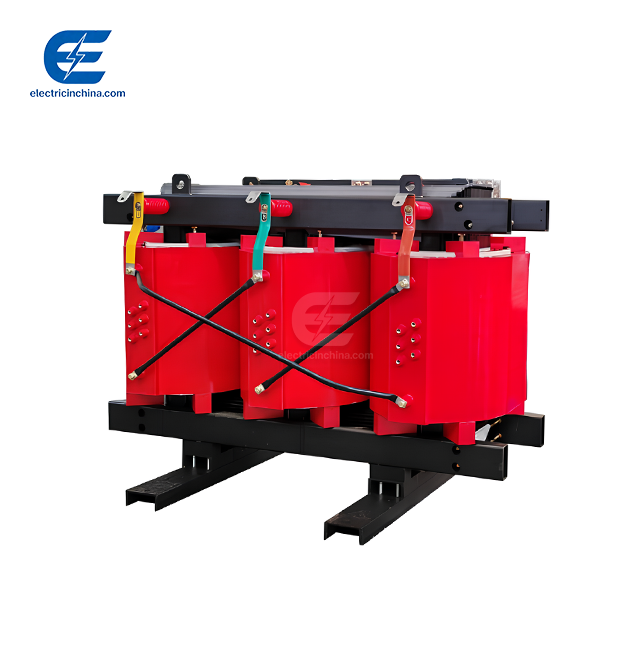
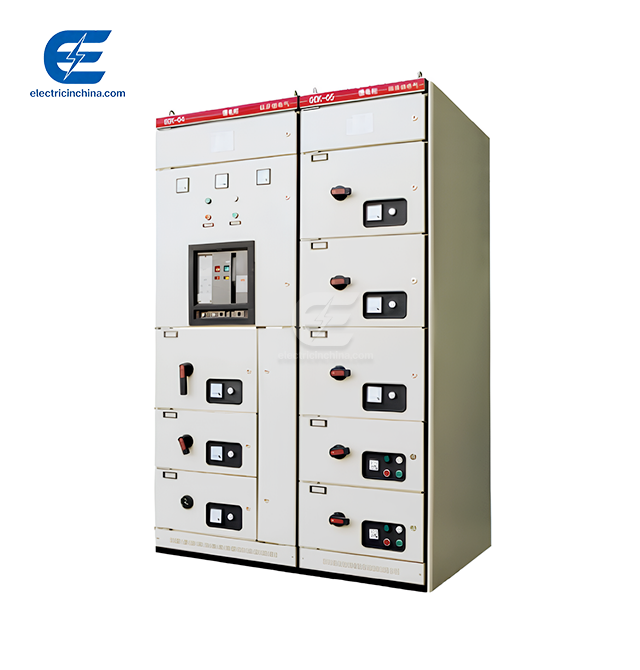
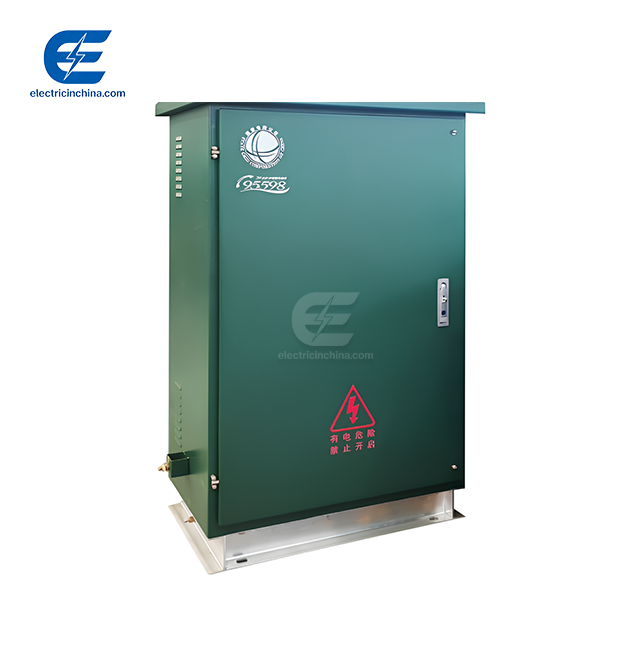
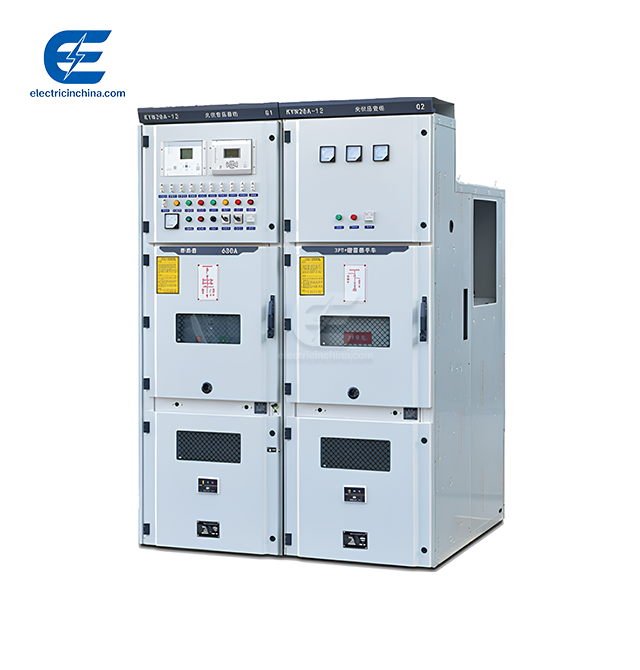
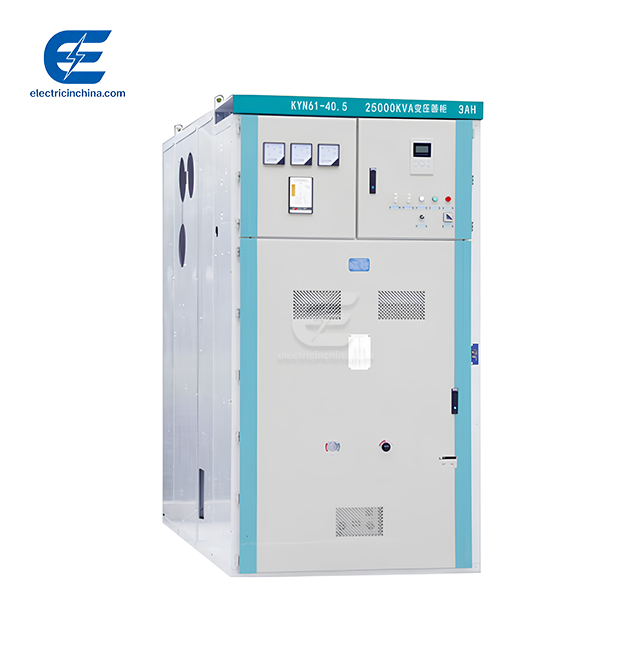
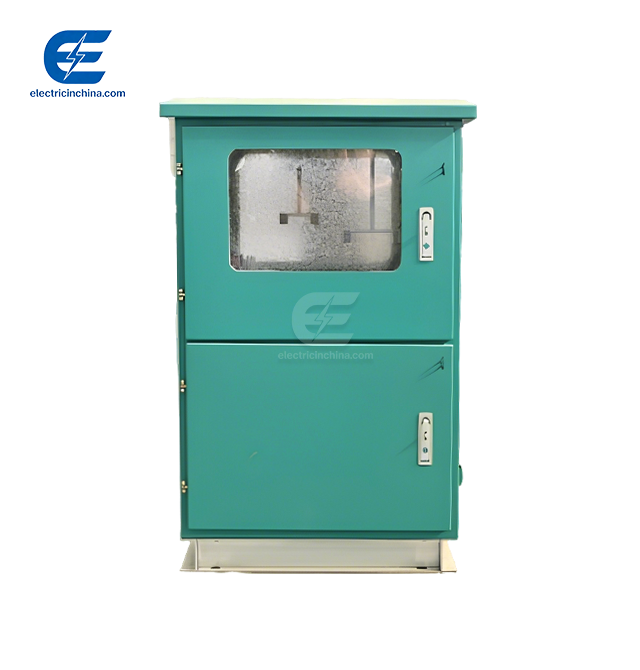
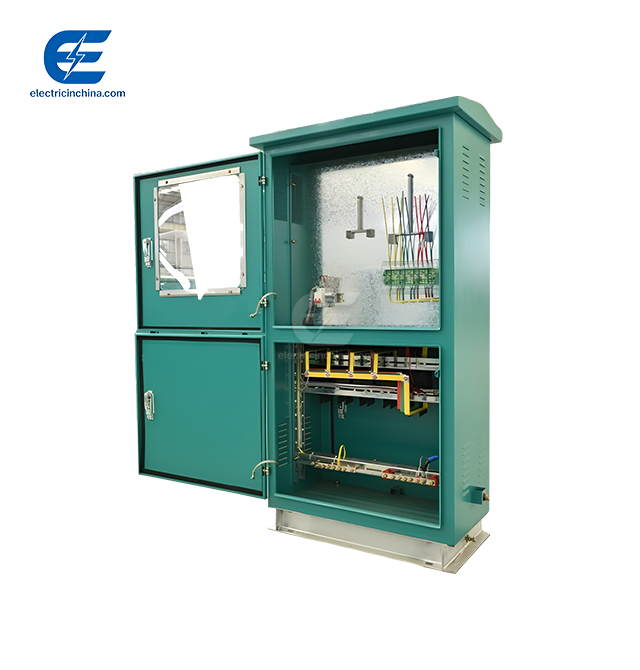
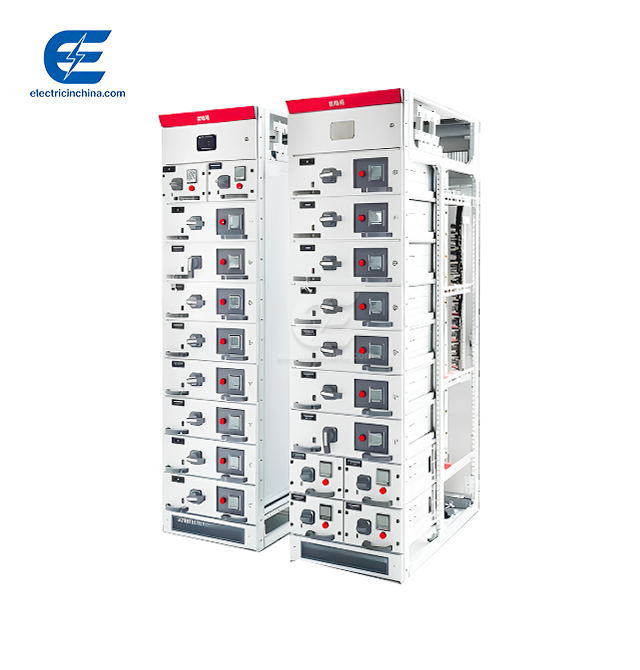
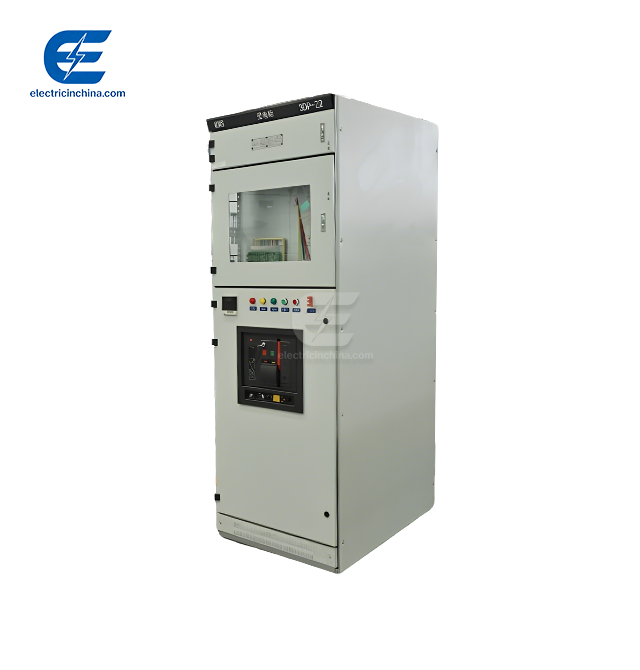
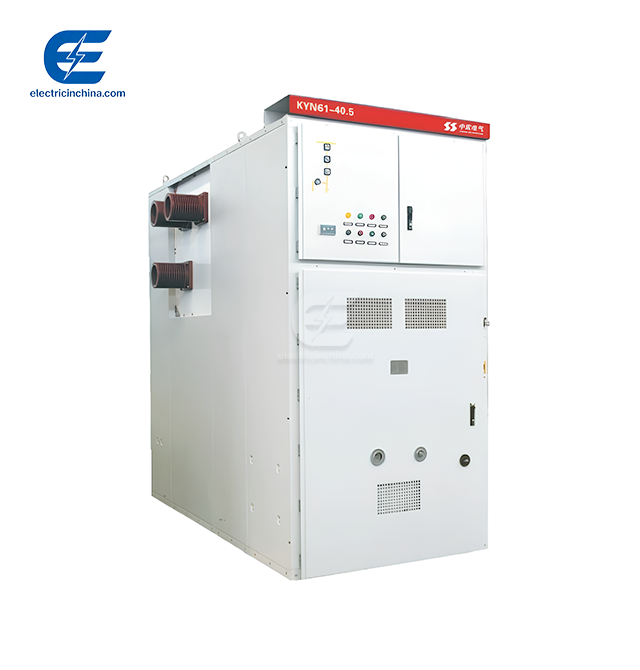
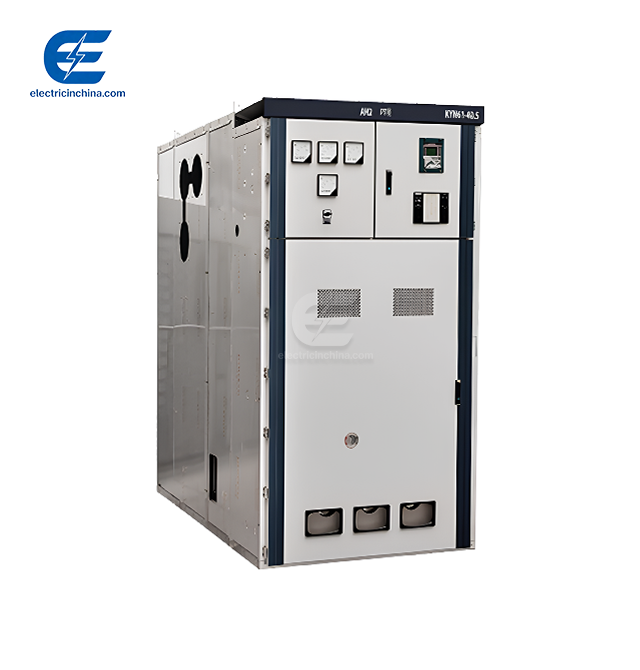
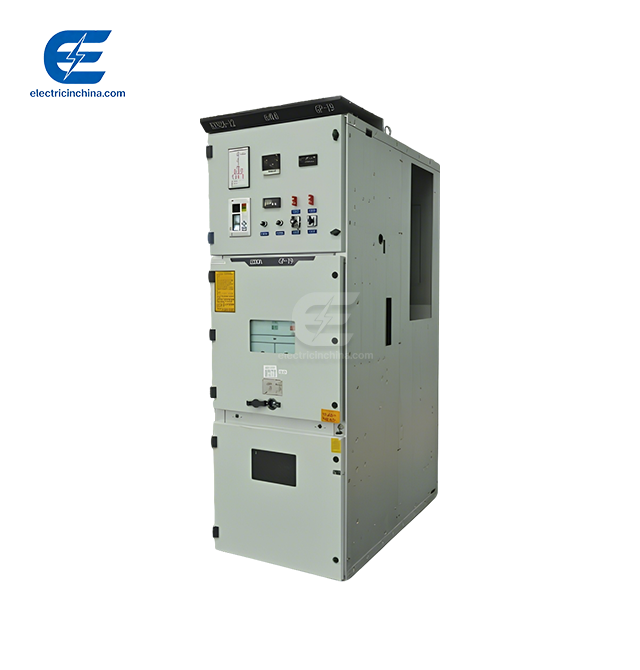
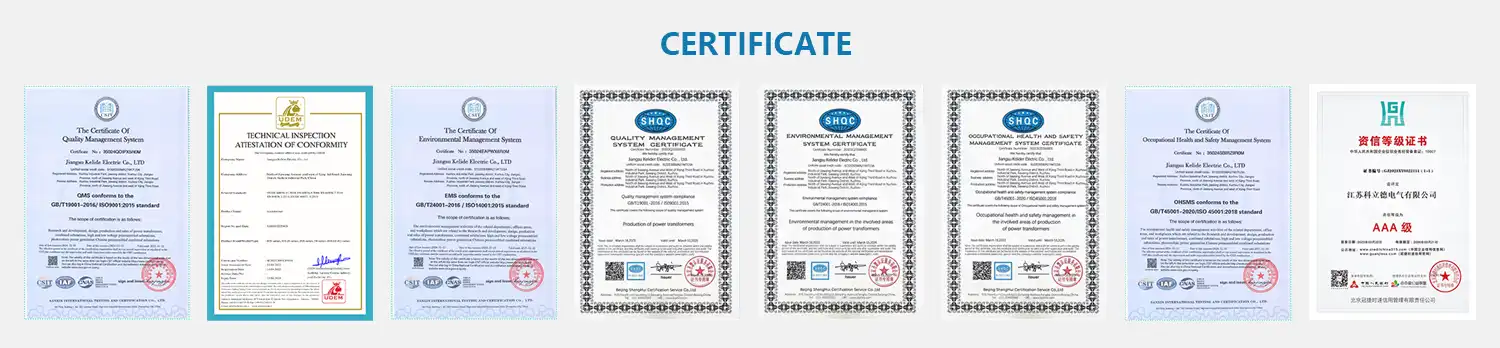
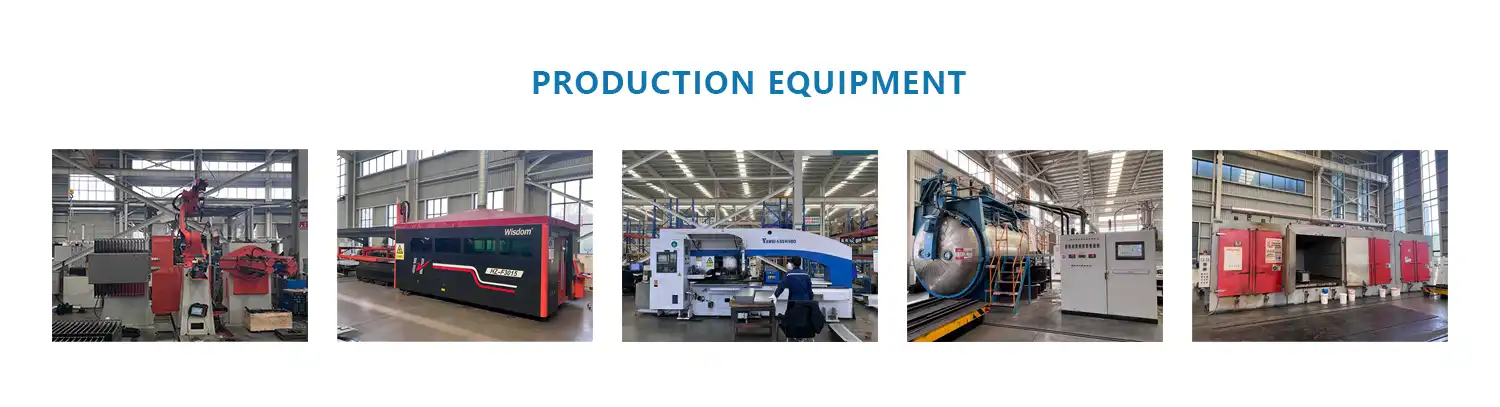
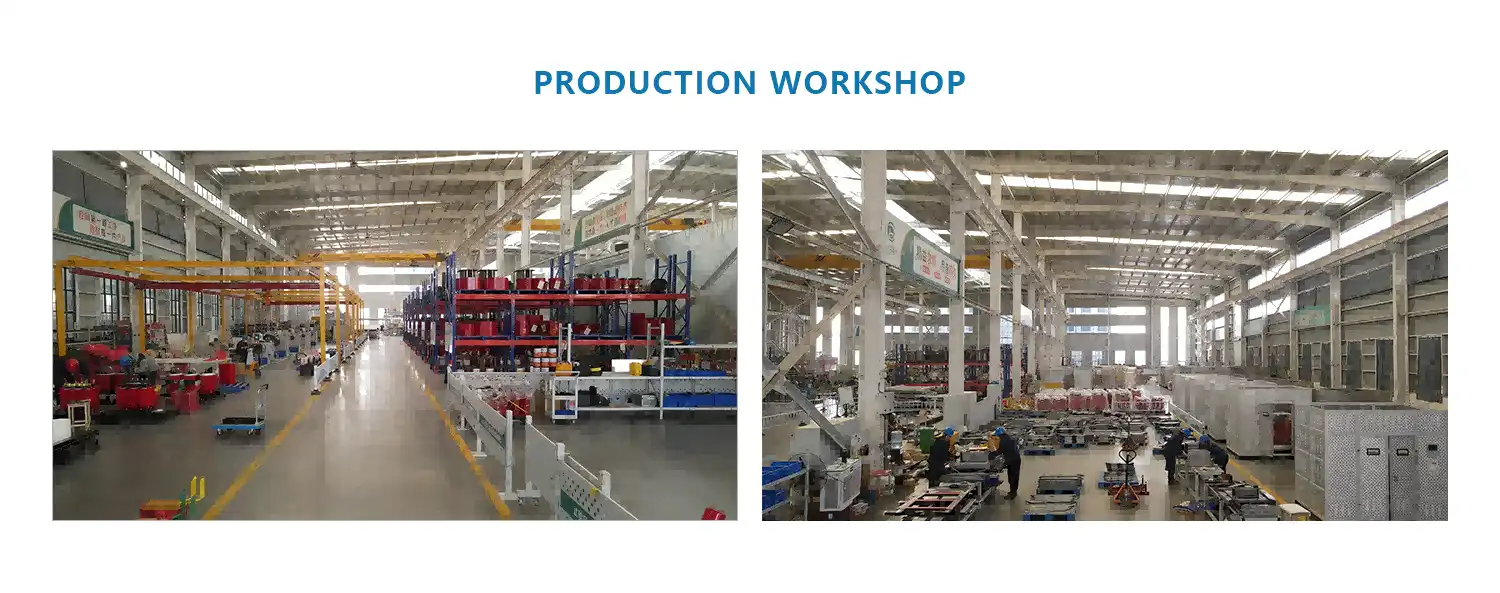
To make solar power, you need special electricity equipment that can handle outputs that change from DC to AC. Unlike most substations, which have parts spread out over big areas, our factory-assembled units have everything they need to connect to the grid in a small space that's only 15m x 8m x 4m. Each substation has safety relays, SCADA systems, auxiliary power sources, step-up transformers ranging from 1MVA to 40MVA, medium-voltage switchgear up to 36kV, and all of these things are checked before they leave our building. Over 120 sets of high-tech tools are used in our production process. These include CNC automatic winding machines, CNC static vacuum casting machines, and microcomputer-controlled gradient curing ovens. Fifteen senior engineers and thirty intermediate techs run this precise equipment to make sure that every unit meets strict standards. We are dedicated to developing new ideas in PV Compact Substation for Solar Power Plants design, as shown by the 18 patents we have.
Technical Specifications for Urban Applications
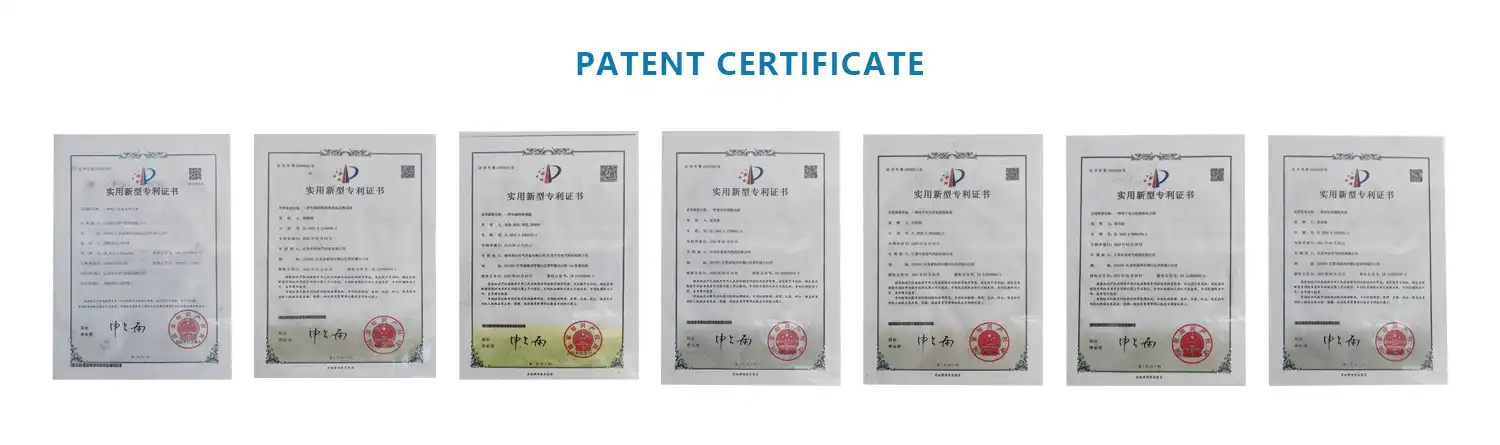
Voltage levels usually range from 35kV/110kV to 35kV/220kV, and each unit can handle between 50MVA and 300MVA of power. Our transformers have ONAN/ONAF cooling systems, and tap changers keep the voltage within a range of ±10% to ±16%. Protection grades range from IP54 to IP65, which protect internal parts against dust and water jets. This is very important for installations on rooftops and in places where the weather is bad. Temperature ranges of -40°C to +50°C allow for a variety of urban microclimates, such as coastal fog zones and heat islands. Seismic protection meets IEC 61936 standards, which protect capital in places where earthquakes are common. All of the units meet the requirements for OHSAS 45001 worker health and safety, ISO 9001 quality management systems, and ISO 14001 environmental standards. This gives the certifications that government projects and EPC companies need.
The flexible design lets multiple units work together, which lets the capacity grow as urban solar parks do. Modern SF6 or air-insulated switchgear with vacuum circuit breakers makes sure that work can be done safely in places where people. Integrated protection relays use IEC 61850 communication methods, which makes it easy for them to work with smart city infrastructure and building control systems that are already in place.
Why PV Compact Substations Outperform Traditional Substations in Urban Solar Projects
Traditional substation designs for PV Compact Substations for Solar Power Plants came about for utility uses in rural areas where land wasn't limited. When you're in an urban area, you have to think about different things, like limiting your impact, minimizing construction damage, speeding up project timelines, and making sure that your building looks good with the other buildings around it.
Space Efficiency in High-Value Real Estate
In business areas of cities, land can cost more than $500 per square foot. Traditional substations need 40m x 30m footprints, which takes up valuable land that could be used to build more solar panels or buildings that make money. This need is cut by 50–70% with our small substations, making room for other project parts. We finished the Xuzhou Rail Transit Network Control Center project, which had very little room. The dual-circuit power supply system we used keeps train operations completely safe while taking up very little space. This project shows how small substations make it possible to use green energy in cities with a lot of infrastructure, where regular equipment just wouldn't fit.
Rapid Installation Reduces Project Risk
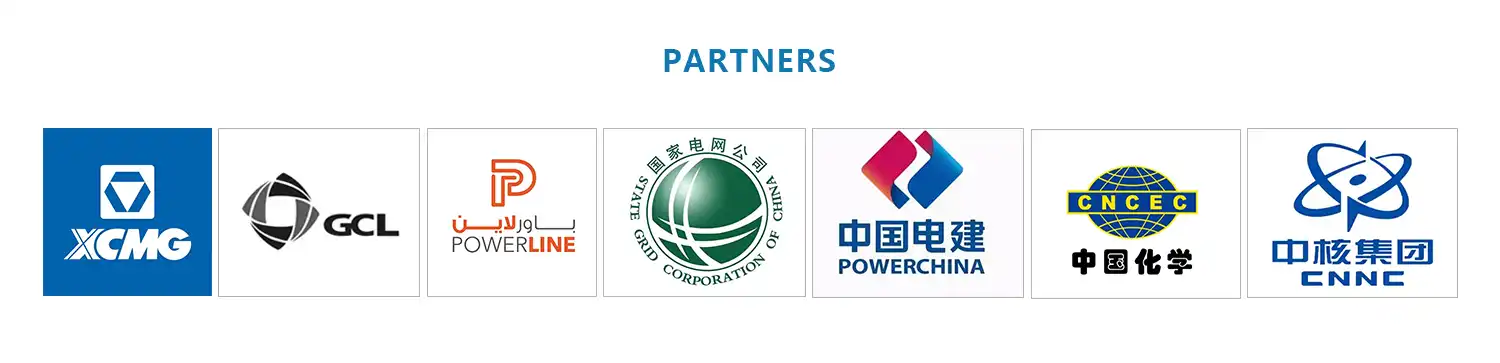
There are many things that slow down urban building, such as a lack of permits, noise laws, traffic restrictions, and resistance from the public. Longer building times make things more expensive and put financing plans at risk. Our factory-assembled method cuts down on field work by 70%, cutting installation times from 12 to 18 months to 4 to 6 months. Foundation work isn't needed for site preparation because structure loads are spread out over small bases. Plug-and-play design lets you start using it within two to three weeks of delivery. As part of the XCMG Group power supply upgrade project, we finished work early so that the client could start doing business right away. This dependability is important for B2B clients who have to keep track of tight project deadlines and contractual fines.
Regulatory Compliance and Permitting Advantages
When it comes to safety, looks, and how it affects the neighborhood, urban zoning boards look closely at electricity infrastructure. Our built-in shelters have a clean, professional look that fits in with both business and home settings. Noise-optimized transformers work below 65dB, which is quiet enough for household areas without the need for expensive sound walls. All of the tools that you receive have already been tried and shown to meet the standards set by IEEE 1547, IEC 62271, and IEC 60076. This paperwork speeds up the process of getting a permit because it lets officials check the safety and performance of the system before it is installed. Our substations got quick approvals for the Xinhuai Central Complex and other business real estate projects like it, which kept the projects' schedules on track.
Key Benefits of PV Compact Substations for B2B Solar Power Clients
When buying solar equipment, you have to weigh the up-front costs, the ongoing costs, the need for dependability, and the long-term value. We know that our small substations are better in all of these ways because we've been in the business for over 20 years and finished hundreds of jobs.
Enhanced Reliability Through Integrated Design
Problems with component compatibility happen a lot in standard substations where equipment from different manufacturers has to work together. These risks are taken away by factory integration. Before sending any of the substations out, we test them all with all of their protective relays and SCADA communications turned on. This all-around method guarantees availability scores of 99.7% or higher, even in tough situations. The GCL Photovoltaic Industrial Park project works in tough conditions, including places with high temperatures and a lot of dust. Our sealed shelters with positive pressure systems keep the inside clean, and our corrosion-resistant coatings can stand up to 1000 hours of salt spray tests according to ASTM B117 standards. Because it lasts longer, it needs less upkeep and costs less over its lifetime.
Cost-Effectiveness Beyond Initial Investment
Budget research for PV Compact Substation for Solar Power Plants needs to look at how much the whole project will cost, not just how much the tools cost. Our combined design gets rid of the need for separate low-voltage cabinets, makes on-site wiring 40% simpler, and lowers the amount of civil engineering work that needs to be done. These savings often cover the cost of tools, making the total cost of the job 15–25% less than with traditional methods. Operational savings continue for 25 to 30 years after the equipment is purchased. By using SCADA integration and IEC 61850 standards for remote tracking, predictive maintenance is possible, which cuts down on unplanned outages by 40–60%. Performance data that can be accessed from a mobile device lets building managers find problems before they become failures. This way, repair can be planned for planned downtime instead of being done in response to situations.
Scalability for Growing Energy Demands
Solar systems in cities don't stay put for long. More power is needed because buildings are getting bigger, people are using more energy, and the grid is getting updated. Our modular design allows parallel operation, which makes it easy to add more features without having to replace current systems. Three years after the system was first installed, the Huaihai Biomedical Industrial Park needed more space, so we added extra units that worked perfectly with the main system. This adaptability safeguards investments and increases the usefulness of equipment as project needs change—an important thing for industrial makers and business developers planning multi-phase developments to think about.
Environmental Compliance and Sustainability Goals
Procurement choices are being influenced more and more by government rules and companies' promises to be environmentally friendly. Our substations help us reach these goals in a number of ways. High-efficiency transformers keep energy losses to a minimum while changing power, so end users get the most green energy possible. Instead of mineral oil, you can use an eco-friendly ester fluid, which lowers the environmental risks that could come from spills. Meeting the environmental management standards set by ISO 14001 shows that we are dedicated to using sustainable production methods. Our quality management stops mistakes and loss from the time we buy the raw materials until we deliver the finished product. These approvals are becoming more and more important for government projects and infrastructure improvements. This makes our substations the best choice for the public sector.
Procurement Considerations and Choosing the Right PV Compact Substation Supplier
Choosing power infrastructure is a long-term decision that will have an impact on the project's progress for decades. A thorough evaluation of the seller shields your investment and makes sure that the equipment meets operating needs for the duration of its useful life.
Technical Specification Alignment
The needs of the project depend on its ability, how it will link to the grid, the environment, and the rules that govern it. Detailed blueprint matching stops mistakes that cost a lot of money. Our engineering team works directly with clients to set up substations that meet their specific needs. For example, high-altitude sites may need better cooling, earthquake-prone areas may need seismic mounting, and sensitive electronic manufacturing facilities may need special harmonic filters. We keep a wide range of tools, from 50MVA utility-scale units to 10MVA commercial uses. This range lets you choose the right size tools instead of buying too big, which saves money and improves performance. Voltage options range from 35kV to 220kV transmission levels, meeting the needs of different grid links in North America and other countries.
Warranty Terms and After-Sales Support
Most equipment guarantees last between 2 and 5 years, but for important parts like transformers, which are designed to last 25 to 30 years, the warranty may last longer. We offer full service agreements that include regular checks, maintenance at the component level, and expert help 24 hours a day, seven days a week. With remote tests, our techs can look into problems without having to visit the site, which speeds up the problem-solving process. Transformers should have an annual oil analysis and thermography check, and switchgear should have contact resistance tests and SF6 gas purity proof every other year. This will keep them running at their best for the whole time they are in use. Our service network serves sites all over the country, so we can respond quickly to pressing situations locally.
Delivery Timelines and Project Coordination
Urban building plans depend on getting tools to the site at the right time and coordinating when it arrives. Custom-configured compact substations usually take 12 to 16 weeks to manufacture. Shipping and handling can add another 2 to 4 weeks, based on where the substation is going. During production, we keep communication open by giving regular updates and making changes to the plan when conditions on the job site change. During the Xuzhou High-speed Railway East Station power supply project, we timed deliveries with building milestones and staged the arrival of equipment to reduce the amount of storage space needed on-site while still meeting tight targets for activation. This project management skill makes things easier for clients and keeps plan changes from being too expensive.
Evaluating PV Compact Substation Suppliers
When evaluating possible providers of PV Compact Substations for Solar Power Plants, the ability to make things is important. Our building has CNC winding tools, static vacuum casting equipment, and automatic testing systems that make sure the quality is always the same. Our dedication to quality at every stage is shown by our documented quality management, which includes buying raw materials, keeping an eye on the production process, checking final products, and helping with installation. Having experience in a field gives you a valuable view for PV Compact Substation projects. We've worked on hundreds of projects in city engineering, business real estate, and industrial installations, so we know the unique problems that each one brings. This information can be used to create useful answers that meet real-life needs instead of just academic ones.
Maintenance, Safety, and Long-Term Support for PV Compact Substations in Solar Plants
For things to work reliably over many decades of service, they need to be maintained regularly and follow strict safety rules. There are special risks that come with installations in cities, like fire risks in places with a lot of people, as well as worries about vandalism and public safety during upkeep work.
Routine Inspection and Preventive Maintenance
Scheduled repair helps equipment last longer and stops it from breaking down without warning. Every year, transformers need to have their oil analyzed to check the dielectric strength and find any released gases that could mean there are problems inside. Inspections using thermography find hot spots in links before they break. Switchgear needs to be tested for contact resistance every six months to make sure the breakers work and for SF6 gas purity every six months to make sure the insulation stays in good shape. Our small substations make these tasks easier by having service buttons that are easy to reach and monitoring ports that are built in. Technicians can do regular checks in two to four hours instead of having to shut down distributed equipment for the whole day. This efficiency cuts down on working interruptions, which is especially helpful for makers in industries where downtime has a direct effect on output.
Urban-Specific Safety Protocols
In places with lots of people, fire safety is given extra care. Integrated temperature tracking, fire suppression systems, and automatic shutdown processes stop problems before they become a threat to nearby buildings. Our shelters meet strict fire resistance standards, which keep the fire from spreading to other parts of the building while protecting the ones inside. Vandalism defense is important for things on the ground that can be reached by people who aren't supposed to be there. Strong barriers, tamper-evident fasteners, and intruder detection systems keep interference at bay and let security staff know when someone tries to get in without permission. During the Fantawild Adventure project, these features kept equipment safe in an entertainment area with a lot of foot traffic where full public entry couldn't be denied.
Long-Term Technical Support and Remote Monitoring
Modern substations produce constant operational data that lets repair plans be made ahead of time. Our SCADA interface lets you see voltage levels, current flows, temperatures, and warning conditions in real time. Facility managers are notified automatically when factors are outside of normal levels. This lets them take action before problems get worse. Our tech team can check on the state of equipment, figure out what the fault signs mean, and suggest fixes without having to go to the site. During the Electronic Industrial Park project, this feature came in very handy when our workers had to fix a problem with the setup of a protection relay from afar, which saved the site from having to be shut down and saved a lot of money on costly emergency service calls.
Conclusion
Urban solar systems need electrical infrastructure that works with limited space, follows the rules, can be set up quickly, and will last for a long time. These needs are met by compact substations, which have factory-integrated designs that cut installation time by 60–70%, reduce space by 30–40%, and guarantee reliable operation for 25–30 years. We can make substations that meet the strict requirements of government projects, business developments, and industry uses thanks to our advanced manufacturing skills, experienced engineering teams, and thorough quality management. Our track record of success on hundreds of finished projects shows that we can provide customized solutions that meet the needs of our clients. This guarantees the success of the project from the beginning of the procurement process through decades of practical service.
FAQ
What lifespan can we expect from PV compact substations?
When properly kept, PV Compact Substation for Solar Power Plants usually lasts between 25 and 30 years. Transformers are the most durable parts; their core and winding systems are made to last for 30 years. Every 15 to 20 years, parts of switchgear and safety switches may need to be replaced. Planned repair for major parts every 5–10 years, along with checks and tests every year, ensures that equipment lasts as long as it was made to. The basis for this longevity is our plant testing and quality control throughout production.
How do these units perform in extreme weather compared to traditional substations?
Our small substations are more resistant to bad weather because they have factory-sealed shelters and built-in temperature control. Temperature ranges of -40°C to +50°C allow for use in both cold and desert heat islands. The IP54 to IP65 grades protect against dust, water jets, and floods. Coatings that don't rust can stand up to ocean salt spray for more than 1000 hours of ASTM B117 tests. Better cooling devices keep working at elevations of up to 3000 meters. These traits allow scores of 99.7%+ availability even in difficult urban microclimates.
What certifications matter most for solar projects in cities?
Compliance rules change from place to place, but for North American grid connections, they usually include IEEE 1547, IEC 62271 for high-voltage switchgear, and IEC 60076 for power transformers. ISO badges show that a company is good at making things and taking care of the world. Equipment that is put in certain places has to have national CCC approval. For urban jobs, extra paperwork may be needed to show how well the building handles noise, fire, and earthquakes. When our substations arrive, they come with full test results and compliance certificates that make the process of getting a permit faster.
Partner with Tuojie for Your PV Compact Substation for Solar Power Plants Needs
Tuojie has been working in this field for more than 20 years and can help you with your urban solar projects. Our combined substations have safety systems, transformers, and switchgear all in one IP54-IP65 rated enclosure that can work in temperatures ranging from -40°C to +50°C. They are made with more than 120 precision tools and are backed by 18 innovation patents. We send factory-tested equipment because we are a qualified supplier with ISO 9001, ISO 14001, and OHSAS 45001 certifications. This cuts installation times by up to 70% compared to traditional methods. Whether you're an EPC contractor in charge of complicated bids, a business developer looking to make the best use of space, or an industrial maker needing custom power solutions, our engineering team can help you with everything, from developing specifications to providing long-term maintenance support. Email our technical experts at tuojie@electricinchina.com to talk about your project needs and find out why top companies choose Tuojie as their PV Compact Substation for Solar Power Plants maker.
References
1. Solar Energy Industries Association, "Utility-Scale Solar Power: Technical Considerations for Urban Integration," 2023.
2. Institute of Electrical and Electronics Engineers, "IEEE Standard 1547: Interconnection and Interoperability of Distributed Energy Resources," 2022 Edition.
3. International Electrotechnical Commission, "IEC 62271: High-Voltage Switchgear and Controlgear Standards," Technical Specification Series.
4. National Renewable Energy Laboratory, "Best Practices for Operation and Maintenance of Photovoltaic Systems," U.S. Department of Energy Publication, 2023.
5. American Society for Testing and Materials, "ASTM B117: Standard Practice for Operating Salt Spray Apparatus," Annual Standards Compilation.
6. Electrical Power Research Institute, "Compact Substation Design Guide for Renewable Energy Applications," Industry Technical Report, 2022.