

.webp)
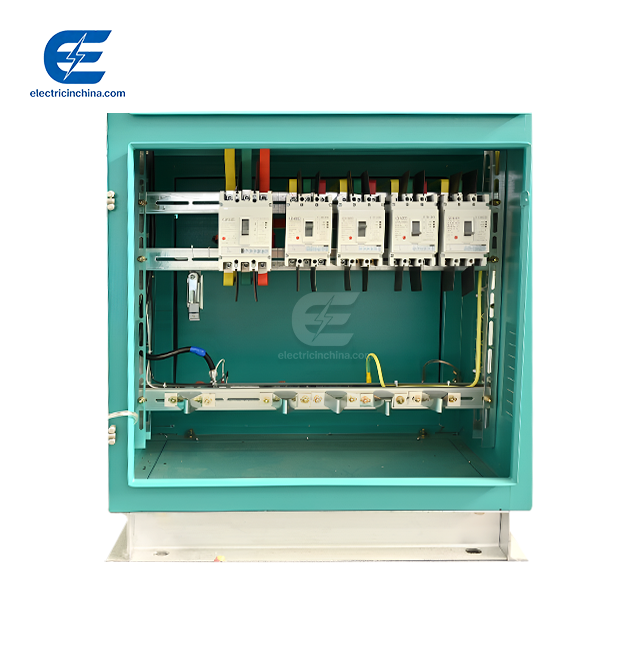
When procurement and project managers ask if transformer iron cores can handle high-frequency loads, the answer relies on the shape of the core and the choice of material. Standard layered silicon steel cores work consistently at normal power frequencies (50–60Hz), but they have more problems as the frequency goes up. When the frequency goes up, changes in magnetic flux happen much faster, which makes core losses worse through eddy currents and hysteresis effects. These problems can be solved, though, with advanced core structures like ultra-thin laminations, specialized grain-oriented silicon steel, amorphous alloys, and ferrite materials. To choose the right core type, you need to know your frequency range, power rate, thermal limits, and efficiency goals in order to get the best performance without sacrificing stability or service life.
Understanding Transformer Iron Cores and High-Frequency Challenges
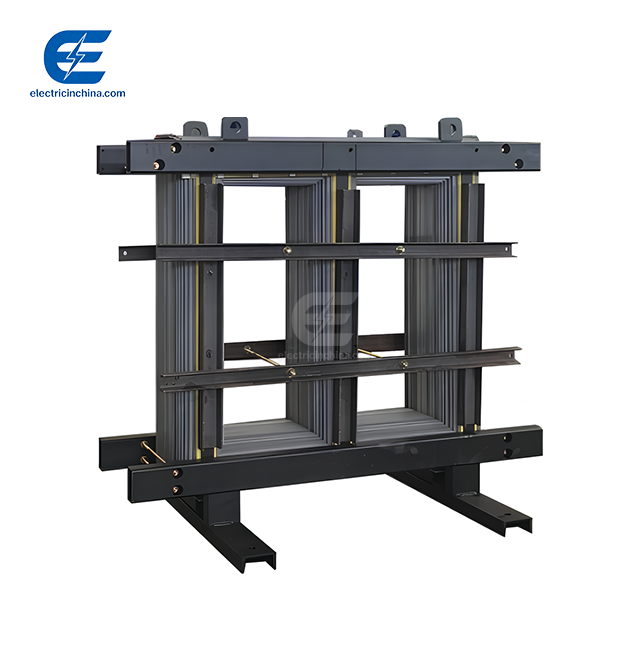
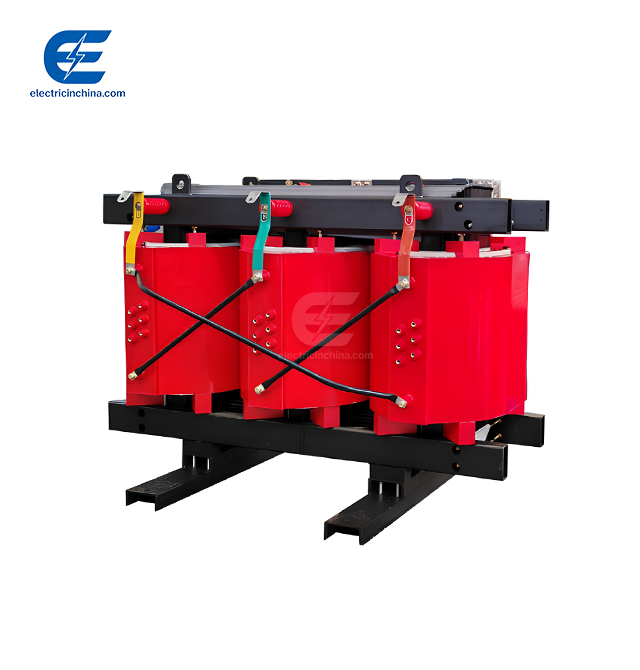
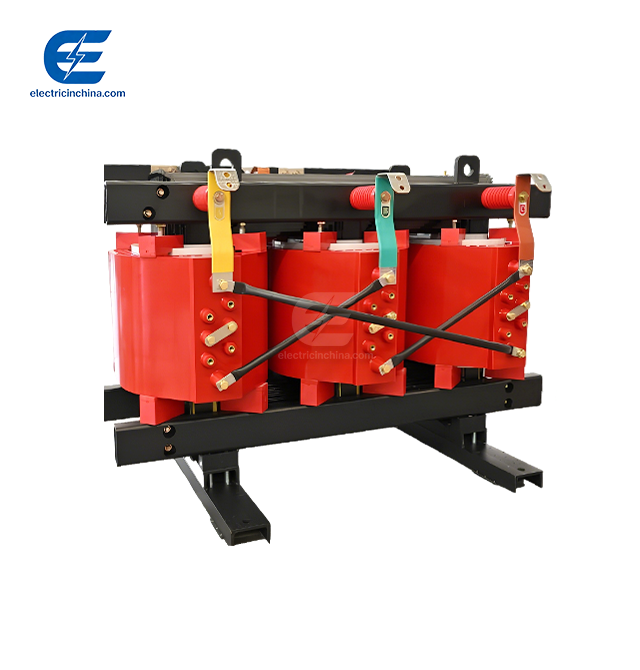
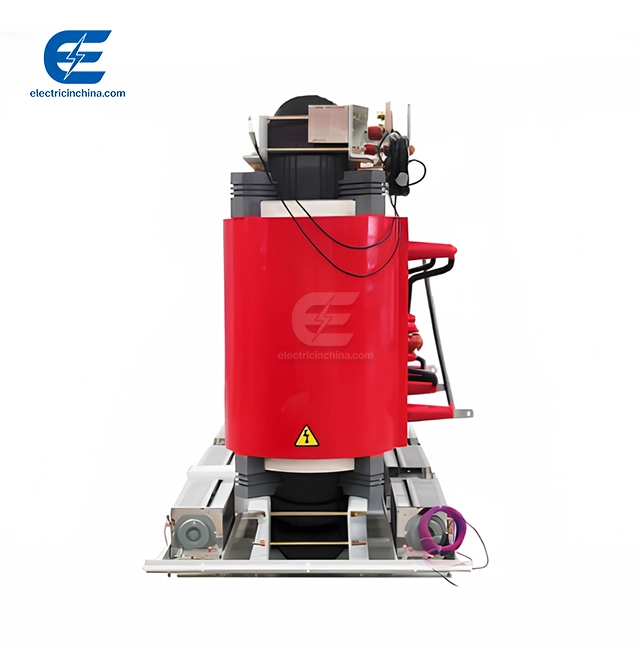
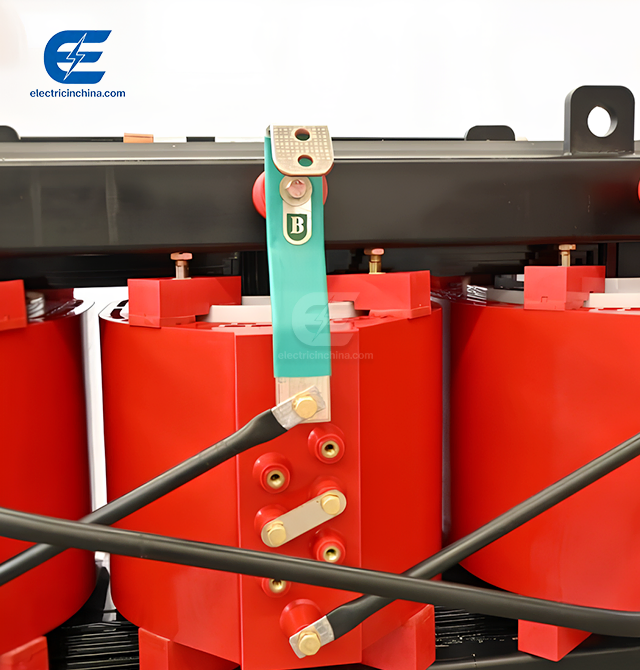
How well electrical energy moves between windings is controlled by the magnetic circuit part of any transformer. Our Transformer iron core products at Xuzhou Tuojie International Trade Co., Ltd. are made from high-quality grain-oriented silicon steel that has a magnetic permeability of over 1800 H/m. These products form the electromagnetic backbone that lets your power distribution network change voltage.
How Frequency Impacts Core Performance
Changes in the magnetic flux level inside the core structure are directly affected by the operating frequency. As the frequency goes above the normal range of 50 to 60 Hz, the rate of flux reversal speeds up in the same way. This fast magnetic cycle creates two main loss processes that make the core less efficient. As frequency goes up, eddy current losses go up in a quadratic way. Within each lamination, these moving currents flow at right angles to the magnetic flux line, giving off heat as they go. Our laminated silicon steel structure blocks these current routes, but as the frequency goes up, smaller laminations are needed to keep the loss levels at a good level.
Critical Material Properties for Frequency Response
Hysteresis losses go up with frequency too, but they do so in a straight line instead of an exponential way. To readjust the magnetic domains inside the steel frame, each magnetic cycle needs energy. Higher rates mean more cycles per second, which makes the total amount of energy used for hysteresis go up by the same amount. The amount of eddy current is directly related to the electrical resistance of the core materials. Electrical steel with silicon in it has higher resistance, which slows the flow of eddy current. Our cores are made of specially chosen types of silicon steel that match the magnetic properties with the electrical resistance, letting us get a core loss density of less than 1.0 W/kg at 1.7 T and 50 Hz.
Another important factor is the thickness of the laminate. Laminations that are 0.35 mm or 0.5 mm are common in standard power transformers. To successfully stop eddy currents in high-frequency uses, materials must be thinner—often 0.1 mm or less. Precision cutting equipment that keeps thickness standards tight across production runs is one of the things we can manufacture.
The magnetic permeability of a substance tells you how easily it moves magnetic flux. More permeability lowers the amount of magnetizing current needed, which raises the power factor and makes the system more efficient. Our silicon steel sheets have a grain-oriented structure that lines up magnetic domains along the rolling direction, making the flux path direction as permeable as possible.
Key Design Principles and Material Considerations for High-Frequency Transformer Iron Cores
When designing cores for high-frequency function, you need to be smart about which materials to use and how to arrange the shapes. Our technical team of 15 senior engineers and 30 or more intermediate workers uses tried-and-true methods to combine different performance needs.
Lamination Strategy and Core Geometry
At higher frequencies, reducing the width of the laminate is the best way to stop eddy current losses. CNC automatic winding tools are used in our stepped lamination methods to make sure that the layers are perfectly lined up. The 45° miter joints in our Transformer iron core design keep the flux well distributed throughout the magnetic circuit by reducing resistance at the corner joints. Losses and thermal efficiency are both affected by the stacking factor, which is the amount of active magnetic material compared to the overall core volume. Tighter stacking makes the magnets work better, but it may stop air from moving to cool the magnets. Our improved design gets efficiency levels above 99.5% while keeping the same temperature during constant use.
Comparative Material Analysis
Silicon steel is still the most common material used in power tools. Standard types have about 3% silicon in them, which gives them good magnetic qualities at a reasonable cost. When the magnetic field is the same, our grain-oriented silicon steel needs less magnetizing current, meaning that your electrical system has a better power factor. Because their atoms are not solid, amorphous metal alloys work better at high-frequency ranges. At power frequencies, these materials have core losses that are about 70% lower than those of regular silicon steel. Amorphous cores are still more difficult to make and cost more in materials, so they are only economically possible for specific uses where their energy efficiency supports the higher price.
Ultra-high-frequency uses above a few kilohertz are mostly made of ferrite materials. These clay materials have a high electrical resistivity and almost no eddy current loss. But compared to solid cores, their lower saturation flux density limits the amount of power they can hold. Ferrite cores work better with rotating power sources and high-frequency inductors than with regular transformers that distribute power.
Advanced Coating Technologies
The efficiency of the core is greatly affected by the surface shielding between the laminations. During the manufacturing process, we use special layers that keep the electrical isolation while also being able to handle changes in temperature and mechanical stress. The treatment that stops rusting guards against external damage for decades of service life. New covering ideas use materials improved by nanotechnology that lower the capacitance between layers. This new development is especially helpful for cores that work near the highest frequency limits of silicon steel use, where capacitive coupling between neighboring laminations can make it harder to reduce loss.
Comparing Transformer Iron Core Types for High-Frequency Applications
To choose the best core design, you need to look at how different combinations work at high-frequency levels. When making choices about what to buy, people look at the qualities of the materials, how they are made, and how much they cost.
Laminated Versus Solid Core Structures
While solid iron cores are good at concentrating magnetic flux, they make too many eddy currents at any useful frequency. Solid cores worked well in DC uses in the past, but nowadays all AC systems use Transformer iron cores with laminated construction to stop eddy current movement. Our layered cores are made up of several thin pieces that are not connected electrically. Eddy currents are forced into smaller, higher-resistance lines within each layer by this structure. In almost all power-frequency uses, the lower loss that results explains the extra work that goes into making it.
The direction of the lamination changes how the flux is distributed and how much it is lost. Our fully angled joint processes make sure that the flux changes smoothly at the corners. This keeps localized saturation to a minimum, which would otherwise cause extra losses and noise.
Silicon Steel Versus Ferrite Cores
From DC to several kilohertz, silicon steel cores are the most common type of core used in power applications. The material has a high saturation flux density (usually between 1.7 and 2.0 Tesla) and reasonable core losses when it is bonded correctly. Our cores keep working well even when fault currents are higher than 63kA, which is important for distributing power to businesses and utilities. From about 10kHz and up, ferrite cores work great for radio frequencies and switching tasks. Their high electrical resistance gets rid of worries about eddy currents, but their low saturation flux density (about 0.3 to 0.5 Tesla) limits how much power they can handle. Ferrite works well in places where small size and light weight allow for lower power density.
The frequency range between 1 and 10 kHz, which is the crossing frequency, makes choosing hard. In this intermediate area, amorphous metal alloys or ultra-thin silicon steel laminations are often the best options because they balance cost, power density, and efficiency.
Amorphous Versus Conventional Silicon Steel
Amorphous metals have better loss properties because they cool down quickly while they are being made. The non-crystalline structure that is made lowers hysteresis losses and makes it possible to use thinner ribbon shapes that successfully stop eddy currents. One vaguely defined core disadvantage is that it is hard to install. When putting the ribbon together, it needs to be handled carefully because it is brittle. Our strong clamping structures keep the dimensions stable and protect the delicate core materials during shipping, installation, and temperature cycling during operation.
Total lifetime costs must be taken into account in economic research. While amorphous cores are more expensive to buy, they save a lot of energy over many years of use. Long-term projects that focus on efficiency, like integrating green energy and building up public infrastructure, usually pay for themselves through lower ongoing costs.
Procurement Considerations for High-Frequency Transformer Iron Cores
To get parts that can work at high-frequency levels, you have to carefully evaluate each provider. Our Transformer iron cores are manufactured in an ISO9001-certified production facility following strict quality control rules that make sure all of the production runs work the same way.
Supplier Assessment Criteria
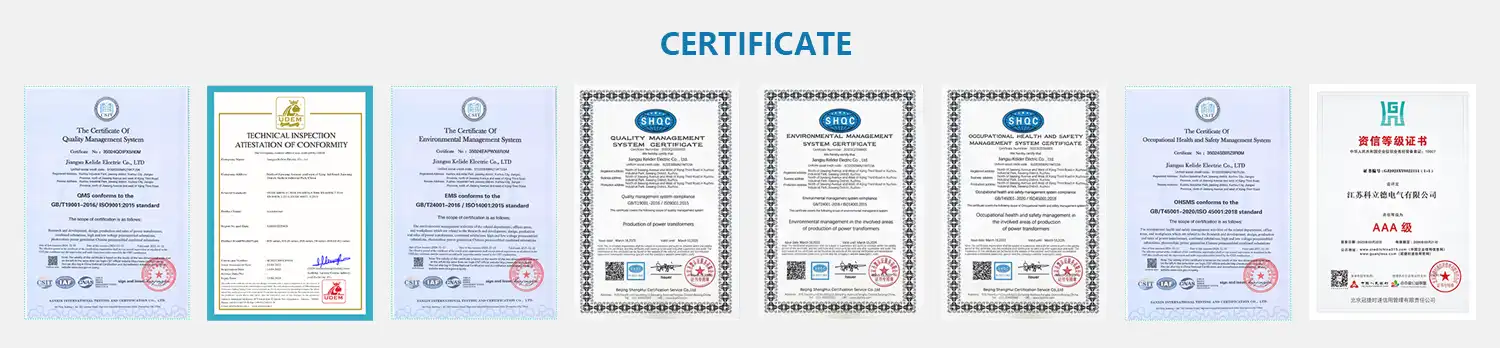
Material approvals check the magnetic properties and makeup of the core. Our goods come with full paperwork that shows how much silicon is in them, how thick the lamination is, how permeable they are, and how much they lose. Certifications like ISO 9001, ISO 14001, and OHSAS 45001 show that quality control is carried out in a planned way throughout the manufacturing process.
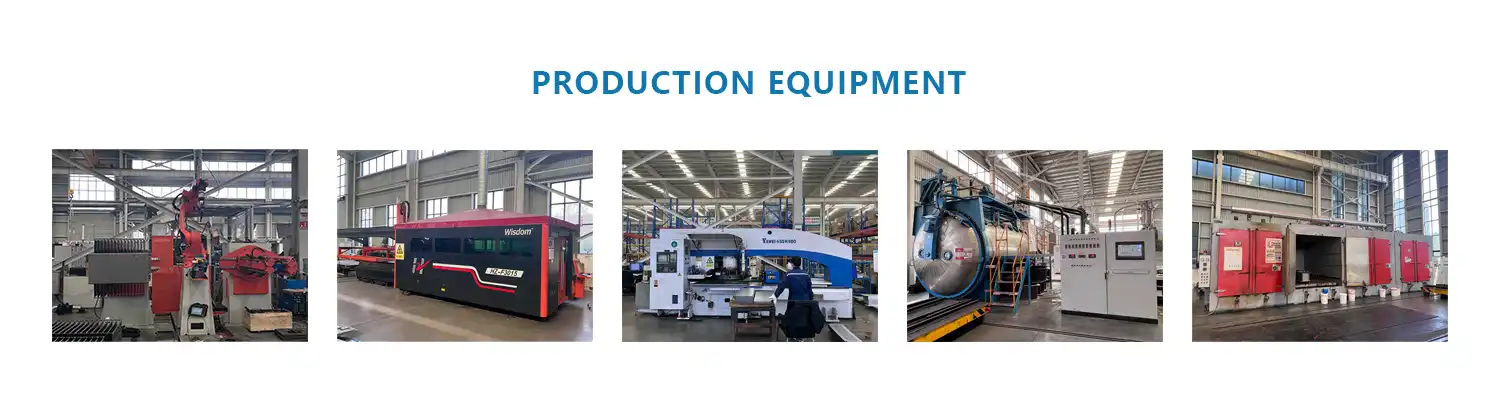
A production capability review checks to see if providers have the right tools and technical know-how. Over 120 sets of high-tech tools are used at our building, including microcomputer-controlled gradient curing ovens and automatic foil winding machines. This complete production system makes it possible to consistently deliver complicated custom designs.
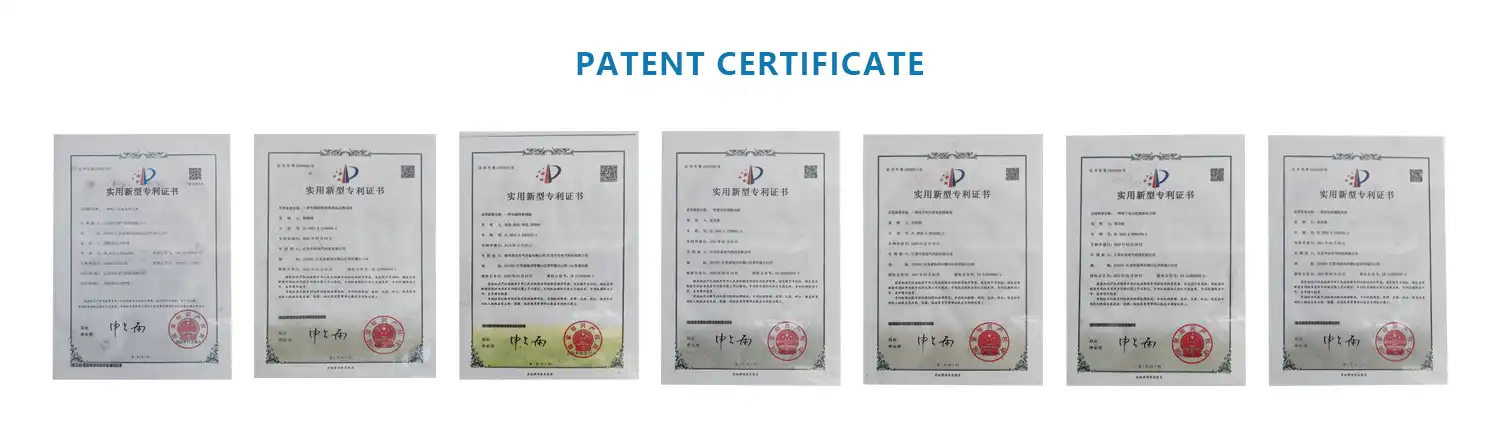
When questions about specifications come up during installation or testing, after-sales help is very important. We use our 18 patents to show how deeply we know about technology when we help customers with application engineering problems. This discussion method helps purchasing teams make sure that details are perfect before orders are finalized.
Lead Times and Order Quantities
Minimum order numbers are a way to combine how efficiently products are made with how flexible customers can be. Standard core designs usually ship from stock, which helps keep project timelines short. For custom setups, the manufacturing wait time is based on how complicated the design is and how many units are being made.
Big projects, like the XCMG Group plant power supply upgrade, that we've already finished on time, are part of our track record. This dependability comes from carefully planning how to make things and having a lot of facilities to help out, keeping up steady output even during times of high demand.
Pricing systems take into account the cost of materials, the difficulty of production, and the number of orders. While normal types of silicon steel are cheaper, grain-oriented silicon steel is more expensive because it performs better. Larger orders allow for economies of scale in production that lower costs per unit while keeping quality standards high.
When Custom Solutions Add Value
Standard core shapes work well for many uses, but if you have specific needs, you may need a custom design. Up to 4000 m above sea level, sites need to make changes to their thermal performance to make up for the fact that they can't cool as well. To survive the acceleration forces of an earthquake without losing their magnetic orientation, structures in seismic zones need to be more mechanically stable.
Our expert team looks at the needs of the application to see if standard goods are enough or if custom development would make the application run better. This method helps customers weigh the costs and benefits of using the product, so they don't have to make changes that aren't necessary and make sure that important needs are met.
Real-World Applications and Cases Highlighting Transformer Iron Core Performance Under High-Frequency Loads
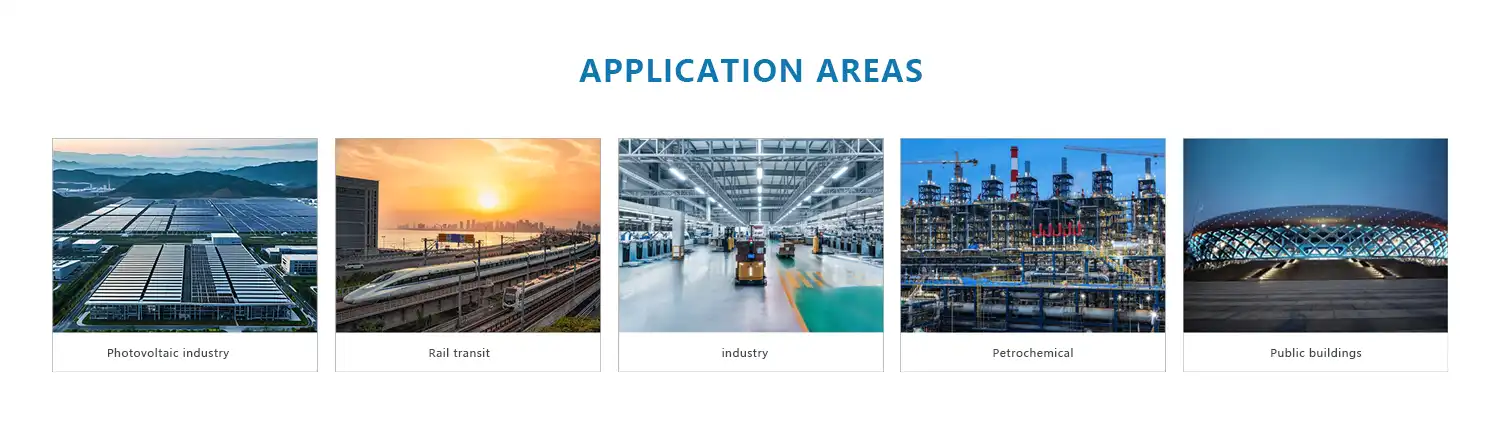
The project experience shows how smart selection of a Transformer iron core can be used to deal with tough working conditions. Our work in a wide range of areas, from rail travel to green energy, gives us useful information about how to perform at our best in tough situations.
Power Distribution Facing Elevated Frequency Challenges
For the Xuzhou Rail Transit Network Control Center project to go forward, train operations had to be completely reliable. Dual-circuit power source systems made sure that the power would keep going even if some of the parts failed. Our cores kept working well even though they had to deal with harmonic distortion from the train network's traction power systems and variable frequency drives.
Different problems come up with commercial projects like the Xinhuai Central Complex. Mixed-use buildings have loads from homes, offices, and stores, which have different power factor traits. Repeated short-lived events happen in elevator banks and HVAC systems. Our cores provide constant performance across this wide range of loading conditions, and they keep noise levels below 55dB to keep interiors comfy.
High-Frequency Inductors and Specialized Transformers
Switching power sources that work at tens or hundreds of kilohertz are being used more and more in industrial settings. High-frequency parts are used in data centers, industrial robotics, and green energy inverters, but standard cores don't do a good job of handling them. Transformers were needed to connect solar inverters to power distribution lines for projects like the GCL Photovoltaic Industrial Park. Harmonic content that goes well beyond the basic power frequency is created by inverters swapping frequencies. Our core designs reduce these harmonics by choosing the best materials and laminating them in the best way possible. This way, we can keep the losses low even when the pattern is difficult.
When wind turbines are used overseas, they have to deal with harsh environmental conditions and high-frequency electricity demands. Exposure to salt spray, constant vibration, and repeated load cycles test the strength and reliability of materials. Our cores can handle these harsh conditions for longer because they are treated to be more resistant to rust and have strong binding structures.
Conclusion
It's important to carefully look at working factors, material properties, and application needs in order to figure out if Transformer iron cores can handle high-frequency loads. Standard silicon steel cores work great at power levels, but they have more problems as the frequency goes up. Silicon steel can work in lower kilohertz ranges thanks to ultra-thin laminates, materials with aligned grains, and new finishing technologies. When efficiency is important, amorphous metals work better than ferrite materials, which are the most common in ultra-high-frequency areas. When making a purchase choice, people need to think about both performance needs and cost limits. They also need to think about the total lifecycle value, not just the original purchase price. Because of our technical skills, manufacturing infrastructure, and project experience, we can help customers through these difficult decision processes, making sure that key specs match practical needs and remain reliable for decades of service.
FAQ
Can Standard Laminated Cores Work at Frequencies Above 60Hz?
Standard power transformer cores with 0.35 mm or 0.5 mm silicon steel laminations can work at rates a little above 60Hz, but they lose a lot of power. Normal materials with thicker layers can be used for applications up to 400Hz, but they will have to deal with higher losses. When the temperature goes above this range, smaller layers or different materials are needed to keep the efficiency and thermal performance at a good level.
What Makes Core Losses Increase with Frequency?
The two main ways that loss happens are eddy currents and hysteresis. The amount of eddy current losses goes up with frequency squared, while the amount of hysteresis losses goes up in a straight line with frequency. The amount of loss is affected by the resistance of the material, the thickness of the laminate, and its magnetic qualities. The right way to build a core takes these things into account by carefully choosing the materials and making sure the shapes are just right for the frequency ranges that the core will be used.
How Do You Choose Between Ferrite and Iron Cores?
The right material decision is based on the operating frequency. Silicon steel cores are good for power uses up to about 10kHz because they offer a high power density at a low cost. Above 10kHz, ferrite cores work best because their high resistance gets rid of the problem of eddy current. To find the best options for each application in the 1-10kHz band, you need to carefully look at power levels, efficiency goals, size limitations, and cost factors.
Partner with Tuojie for Advanced Transformer Iron Core Solutions
Xuzhou Tuojie International Trade Co., Ltd. makes high-quality Transformer iron core goods that are designed to meet the strict high-frequency needs of a wide range of industrial settings. Our grain-oriented silicon steel cores have a magnetic permeability of over 1800 H/m and a core loss rate of less than 1.0 W/kg. They are backed by 18 patents and quality control that is ISO9001-certified and follows the zero-defect principles. Our technical team can help you with your project, whether it needs standard laminated cores for infrastructure uses or unique solutions for high-frequency environments. They can do this with the help of over 120 sets of advanced production equipment. We have a track record of reliability in government, industry, and business projects with efficiency rates above 99.5% and noise levels below 55dB. Get in touch with our engineering team at tuojie@electricinchina.com to talk about your needs with seasoned transformer iron core providers who know how to find the best mix between performance, cost, and delivery reliability. You can look at all of our power delivery options at electricinchina.com.
References
1. Steinmetz, C.P. "On the Law of Hysteresis and Eddy Currents in Magnetic Materials." Proceedings of the IEEE Historical Materials, Vol. 72, pp. 197-221.
2. Amoiralis, E.I., Tsili, M.A., and Kladas, A. G. "Transformer Design and Optimization: A Literature Survey." IEEE Transactions on Power Delivery, Vol. 24, No. 4, pp. 1999-2024.
3. Hasegawa, R. "Applications of Amorphous Magnetic Alloys in Electronic Devices." Materials Science and Engineering Reports, Vol. 19, pp. 1-24.
4. Moses, A. J. "Energy Efficient Electrical Steels: Magnetic Performance Prediction and Optimization." Scripta Materialia, Vol. 67, pp. 560-565.
5. Kazimierczuk, M.K. High-Frequency Magnetic Components. 2nd Edition, Wiley Publishing, pp. 145-289.
6. McLyman, C.W.T. Transformer and Inductor Design Handbook. 4th Edition, CRC Press, pp. 2-1 through 2-78.