

.webp)
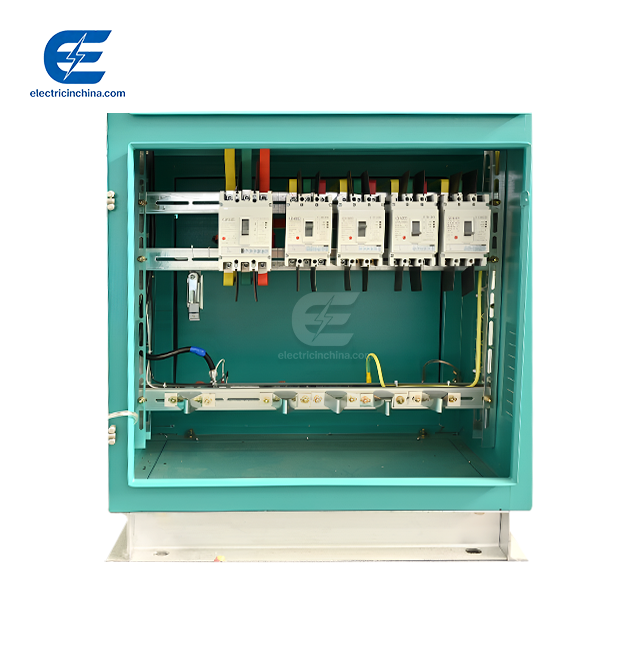
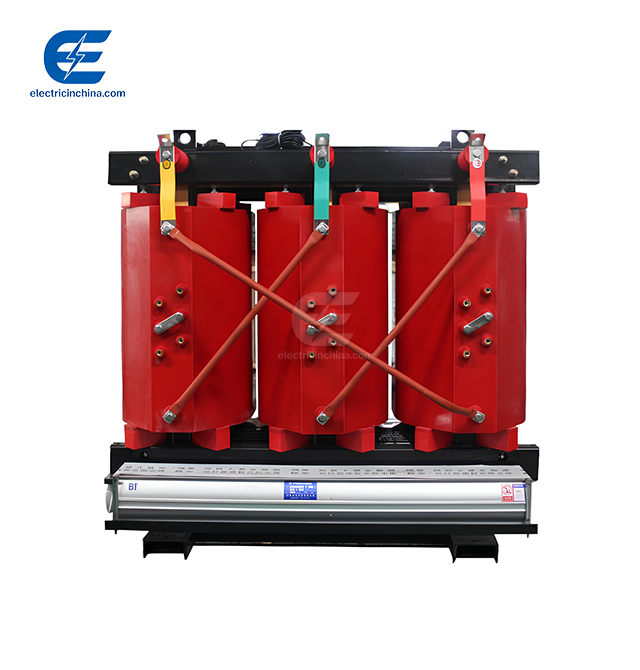
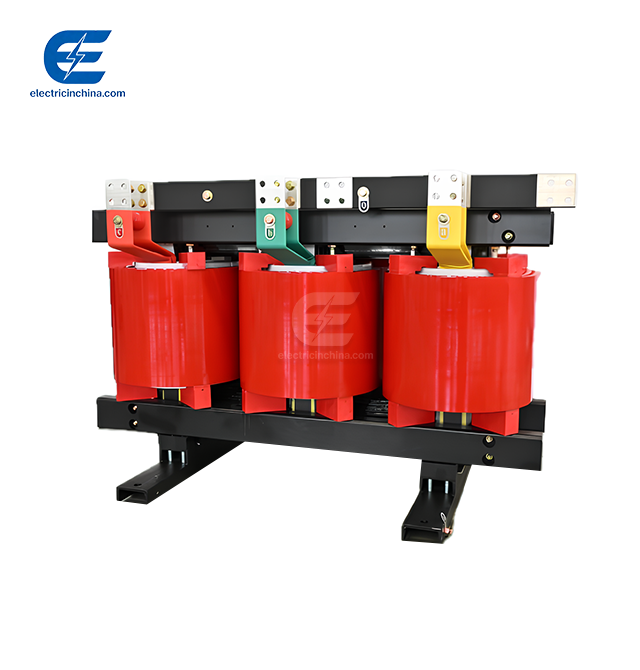
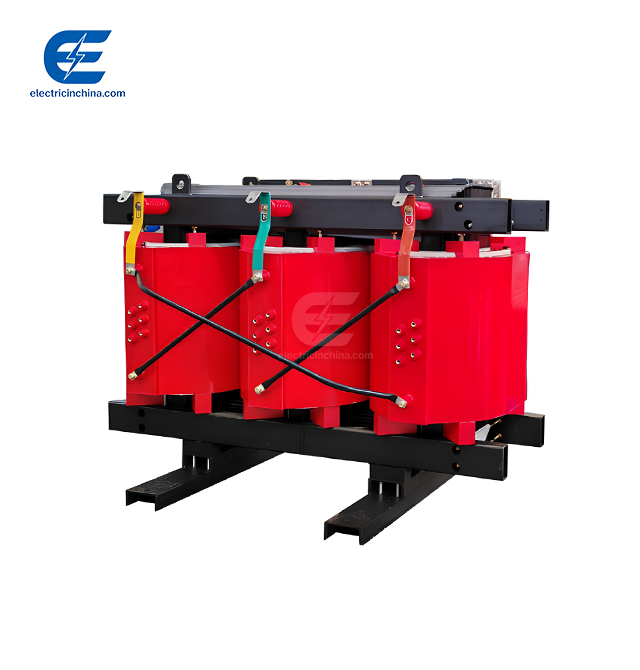
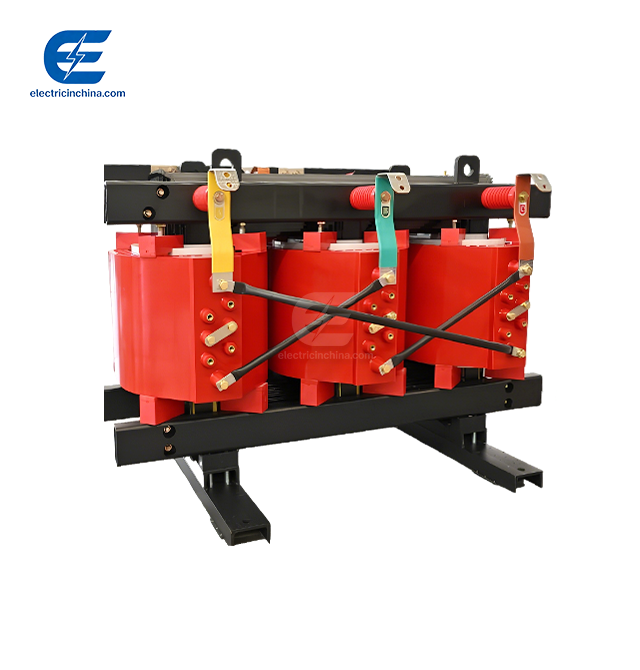
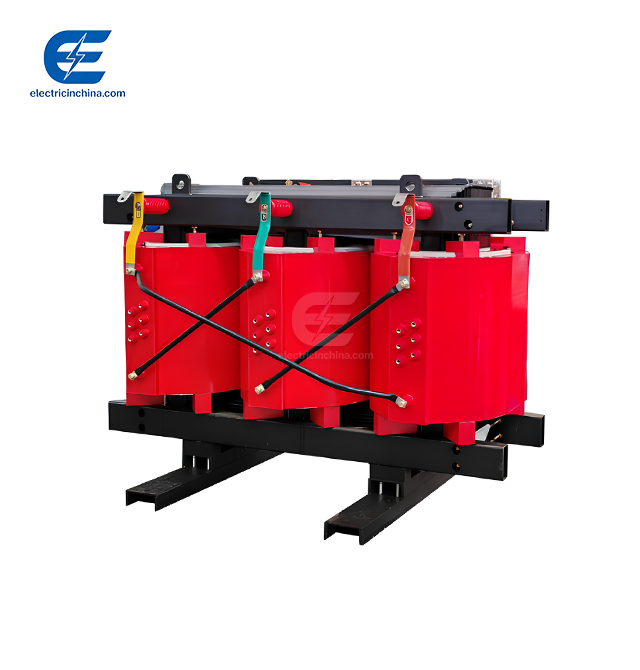
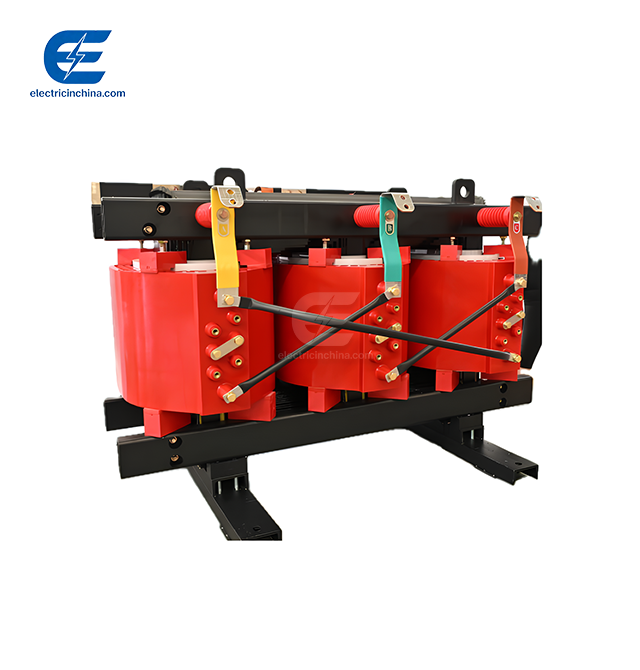
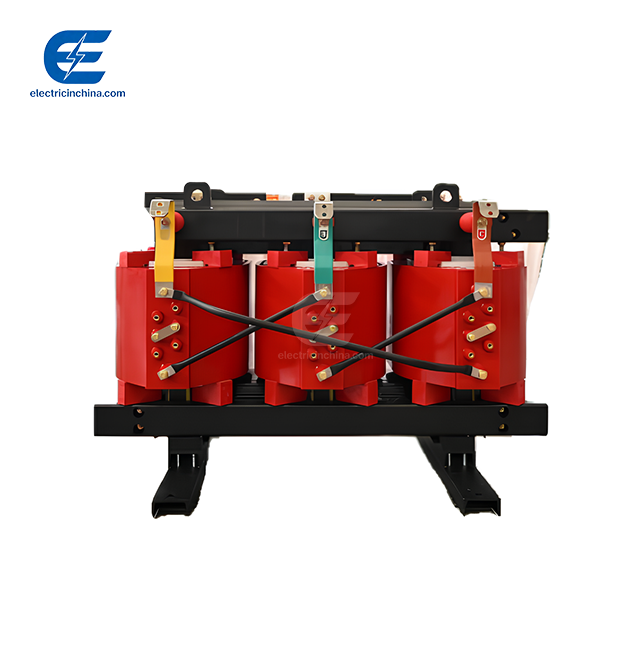
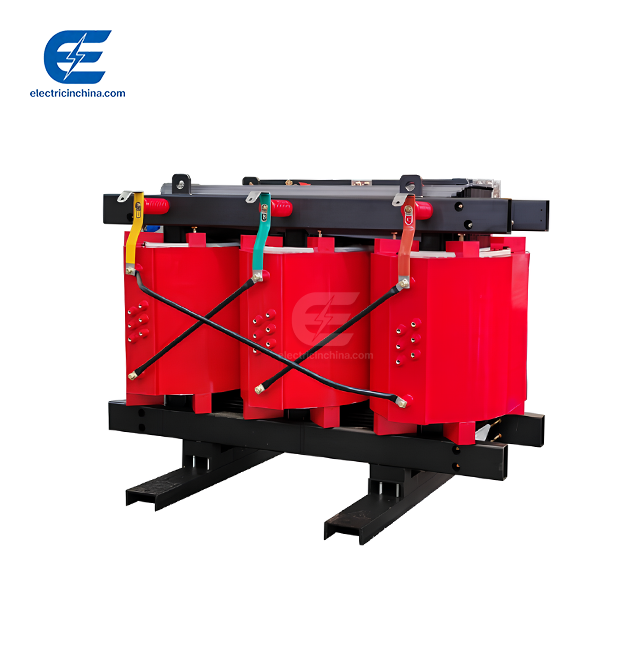
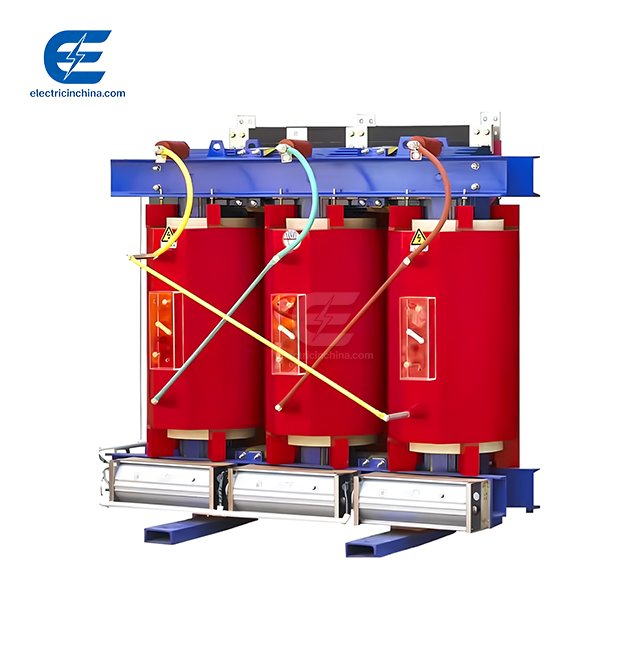
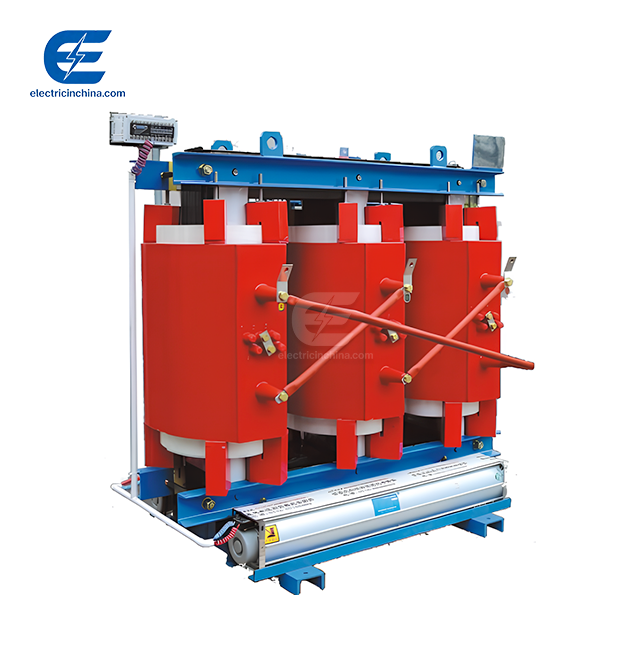
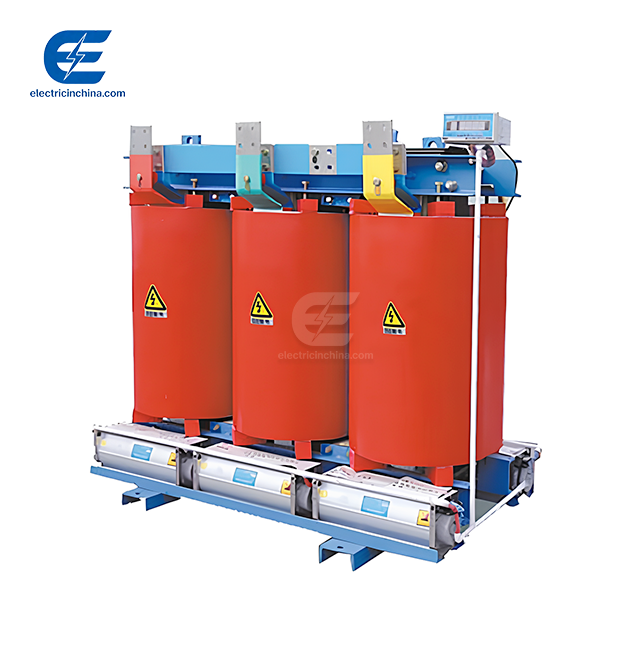
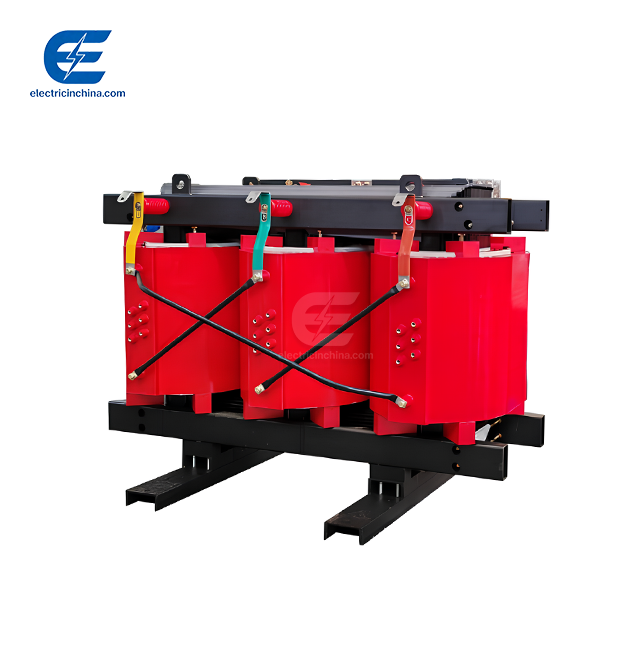
When evaluating power distribution equipment for medium to large-scale projects, the answer becomes clear: amorphous alloy dry-type transformers deliver superior long-term value despite higher initial costs. These advanced units reduce no-load losses by 70-80% compared to silicon steel alternatives, achieving 98.5-99.2% full-load efficiency. For government infrastructure, commercial developments, and industrial facilities operating continuously, the energy savings from amorphous technology typically recover the purchase price premium within 3-5 years while delivering decades of maintenance-free service. At Tuojie, our SC(B)H15 series demonstrates this advantage across hundreds of installations, combining cutting-edge core technology with proven reliability that meets IEC60076, IEEE, and GB standards across a capacity range from 30KVA to 31,500KVA.
Understanding Dry-Type Transformers: Core Materials and Working Principles
Core Material Fundamentals
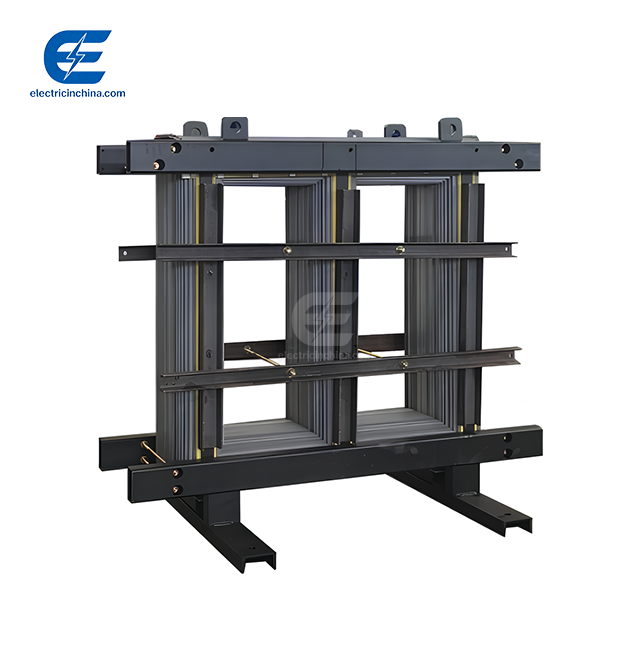
How well a transformer changes voltage while wasting as little energy as possible as heat depends on the material used for the core. Silicon steel has been used in industry for many years and is reliable. It is made of solid iron-silicon alloys that are grouped in sheets that are about 0.27 to 0.35 mm thick. This common material does its job, but because its atoms are arranged in a crystalline structure, it naturally loses energy during each spin cycle. Amorphous alloy dry-type transformer technology is a major step forward in the field of materials science. In manufacturing, liquid metal is quickly cooled down by mixing iron, nickel, cobalt, boron, and carbon. This keeps the atoms from making crystalline patterns. The result is a string that is only 0.025 mm thick and has an atomic structure that is not organized. This greatly lowers hysteresis losses. This isotropic soft magnetic material keeps energy loss to a minimum when the magnetic field changes, which directly leads to measured efficiency gains.
Electromagnetic Performance Differences
Cores made of silicon steel have a magnetic permeability of about 30,000 to 50,000 H/m, and their core loss density is usually between 0.8 and 1.2 W/kg at normal working flux. Because of these qualities, silicon steel has become the standard in the business. Its performance is good enough, and it can be made using standard methods. Our Amorphous alloy dry-type transformer units have a magnetic permeability of more than 100,000 H/m and a core loss rate of between 0.16 and 0.22 W/kg, which is more than 70% less than that of silicon steel. This benefit grows during working hours, especially in places where transformers are on all the time and the loads change. Both hysteresis losses during magnetization cycles and eddy current losses within the core material are cut down by the jumbled atomic structure.
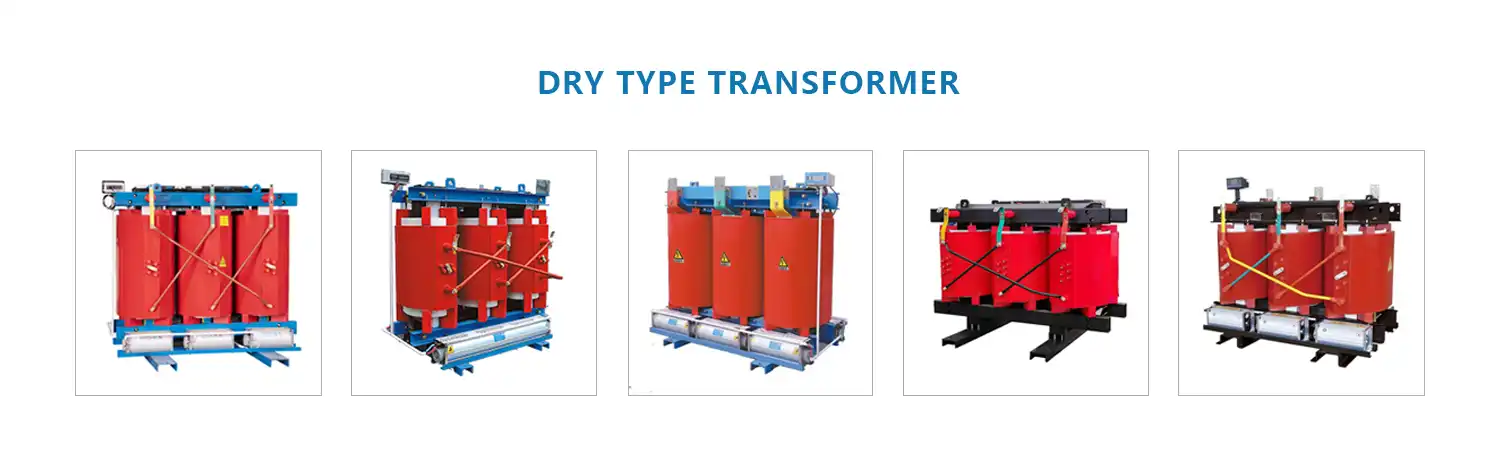
Performance and Efficiency Comparison Between Amorphous Alloy and Silicon Steel Core Transformers
Energy Loss Analysis
No-load losses, which are the energy used to keep a transformer tied to the grid, are an ongoing cost of doing business that doesn't depend on how much load is being used. No-load losses for silicon steel transformers are usually between 0.4% and 0.8% of their maximum capacity. A normal 1000KVA silicon steel unit could use 4 to 8 kilowatts of power all the time, adding up to 35,000 to 70,000 kWh per year even when it's not working.
Modern Amorphous alloy dry-type transformers cut down on losses when there is no load to just 0.1% to 0.2% of the maximum capacity. That same 1000KVA transformer set up with Amorphous alloy dry-type transformer technology uses about 1-2 kilowatts when it's not in use, which adds up to 8,700–17,500 kWh per year. At $0.12/kWh average business rates, this difference means that over a 30-year working life, this transformer will save $95,000 to $189,000. This is a lot more than the normal purchase price premiums.
Thermal and Acoustic Advantages
Lower core losses directly lead to less heat production, which improves thermal control and makes parts last longer. Our Amorphous alloy dry-type transformer units work with temperature rises well within Class F and Class H insulation levels, even when they are overloaded by up to 120% for two hours straight. All transformers make noise because of magnetostriction, which is the actual expanding and contracting of core materials during magnetic cycles. Because of how they are made, Amorphous alloy dry-type transformer ribbons make a lot less mechanical shaking, so even when they are fully loaded, the noise level is below 45dB. This benefit is very important in places that can't have a lot of noise, like hospitals, data centers, research facilities, and mixed-use projects, where silicon steel transformers making 55 to 65dB would be too loud.
Full-Load Efficiency Metrics
Ratings of efficiency give standard ways to compare things under certain working situations. When they are brand new, good silicon steel dry-type transformers usually have an efficiency of 97.5 to 98.2% at full rated load. However, after decades of use, their performance starts to drop slightly as the insulation wears out and the joints rust. Independent tests using IEC 60076 and IEEE C57.12.01 standards have shown that Tuojie's Amorphous alloy dry-type transformers have a full-load efficiency of 98.5 to 99.2%. This half-point to full-point efficiency edge grows as the number of hours worked each year goes up. A factory that runs a 2000KVA transformer at 80% average loads for 7,000 hours a year would save about 112,000 kWh compared to using silicon steel, which is worth $13,440 a year at normal industry rates and more than $400,000 over the course of 30 years.
Cost Factors and Long-Term Economic Benefits
Initial Capital Investment
When making budgets for purchases, people naturally look at how much something costs, which is where silicon steel converters stay ahead. Depending on the features and the market, a standard 1500KVA silicon steel dry-type transformer could cost between $35,000 and $45,000. Amorphous alloy dry-type transformer units are similar in cost between $48,000 and $62,000, which is a 25–40% markup due to the need for special production methods and higher raw material costs. This difference right away often causes quick worries during budget reviews. If a procurement professional's only concern is capital spending, silicon steel might seem like the most cost-effective option. This view doesn't take into account the operational facts that affect estimates of the total cost of ownership over expected 30-35-year service lives.
Lifecycle Cost Analysis
As part of a full economic analysis, the costs of removal, energy use, and repairs must all be taken into account. Throughout their working life, silicon steel transformers lose energy continuously. They need regular upkeep, such as tightening connections and checking insulation, and eventually need to be refurbished as thermal cycling breaks down parts. Amorphous alloy dry-type transformer technology gets rid of most upkeep needs by providing better thermal performance and not requiring any oil-related service. The energy savings alone—estimated at $95,000 to $189,900 per 1000KVA unit over 30 years—far outweigh the extra costs of buying the unit. Amorphous alloy dry-type transformers have a 35–55 percent lower total cost of ownership in most industrial settings. This is because they don't need as much upkeep, don't need as much cooling equipment, and last longer before they need to be replaced.
Environmental Compliance and Incentive Programs
Increasingly, regulations are punishing people who waste energy by putting a price on carbon, requiring efficiency, and requiring environmental reports. A lot of states and companies give rebates for electrical equipment that is more efficient than the bare minimum requirements. These benefits, which usually cover 10 to 25 percent of the extra costs for high-efficiency equipment, lower the real price premium for Amorphous alloy dry-type transformer technology. Getting rid of carbon emissions is also good for businesses that have to meet environmental goals, do ESG reporting, or get green building approval. Compared to silicon steel options, a 2000KVA Amorphous alloy dry-type transformer stops about 75 to 95 metric tons of CO2 emissions every year. This helps with LEED certification and business environmental goals while lowering the risk of a carbon tax.
Practical Applications and Suitability for Different Industrial Scenarios
High-Reliability Commercial Installations
Data centers, banking institutions, and healthcare facilities need systems to be up and running all the time with short repair gaps. For these uses, transformers are usually run with an average load of 40–70%, and the power is always on, so low no-load losses are very important. Stable temperature is also very important, because even small amounts of overheating can cause safe shutdowns in electrical settings that are sensitive. Our 315KVA to 2500KVA Amorphous alloy dry-type transformers with 11kV to 0.4kV configurations are perfect for these needs. For the Xuzhou Rail Transit Network Control Center project, two-circuit power supply systems were needed so that the power could fail over right away. We put in six 1600KVA transformers with special tracking systems, and they were up 99.97% of the time for three years of nonstop use.
Industrial Manufacturing Environments
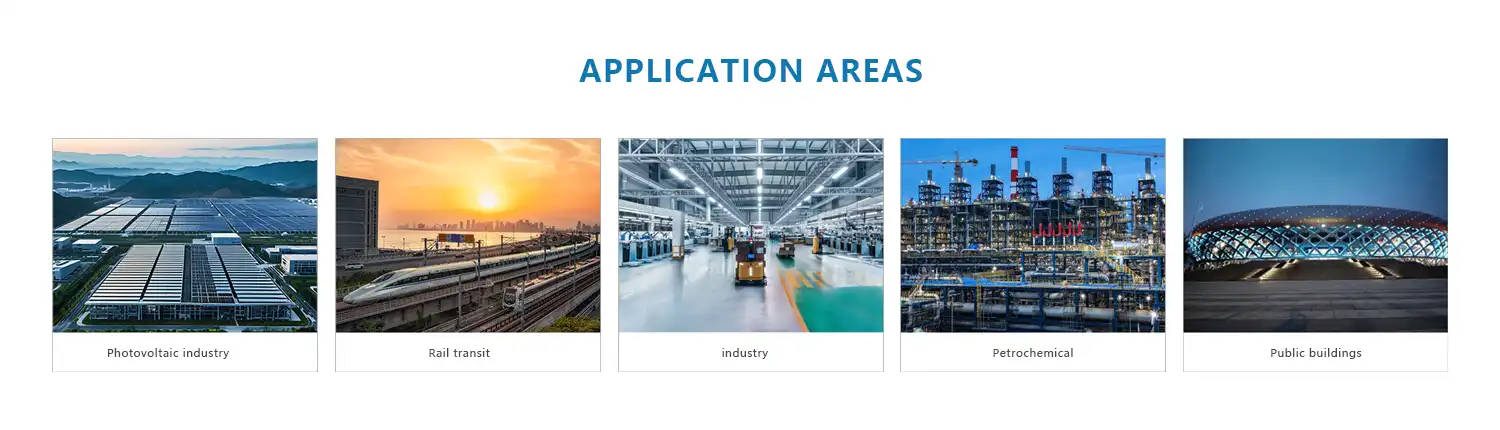
In industries like chemical processing, pharmaceutical production, and heavy manufacturing, there are difficult working conditions that include high and low temperatures, high and low humidity, toxic atmospheres, and nonlinear loads from variable-frequency drives. In these places, buildings need to be strong, able to handle a lot of weight, and able to withstand climatic stress. With Tuojie's vacuum casting method, epoxy resin coating is made that can withstand up to 95% humidity without breaking down. Our Amorphous alloy dry-type transformers keep working at their rated levels in temperatures ranging from -40°C to +40°C. The design doesn't crack, so thermal cycling doesn't affect the insulation. Partially discharge tests at 1.5 times the recommended voltage confirm performance of less than 10pC. This toughness is shown by the GCL Photovoltaic Industrial Park project, where we supplied 12 units to power production machines with harmonic content.
Infrastructure and Renewable Energy Projects
Government building projects and renewable energy installations are often put in remote areas that are hard to reach for upkeep and are exposed to harsh weather. They also have to meet strict delivery schedules that are tied to construction goals. Long-term dependability, environmental stability, and source responsiveness are important for these projects. As part of our work on the Xuzhou High-speed Railway East Station official power supply EPC project, we provided 14 Amorphous alloy dry-type transformers with power ratings between 800KVA and 2500KVA. Even during the harshest winter months, the equipment has worked consistently. Maintenance-free operation is especially helpful for wind farms and solar installation projects. Our 630KVA to 3150KVA types are perfect for these uses because they come with extra features like better lightning protection, earthquake mounting, and the ability to connect to remote monitoring systems.
Buying Guide: How to Choose the Right Dry-Type Transformer for Your Business
Critical Specification Parameters
To avoid having to replace capacity too soon, it should be chosen based on current rates plus a growth range of 20 to 30 percent. Voltage ratios must exactly meet the needs of power supply and distribution, since making changes after production is expensive. Environmental requirements like temperature range, humidity tolerance, altitude derating, and earthquake classification make sure that the equipment will work well for a long time in real installation sites. Ratings of efficiency should be carefully looked at beyond the top numbers. To understand how efficient something is in real-world working conditions, look at performance graphs that show loads ranging from 25% to 120%. Our Amorphous alloy dry-type transformers keep their efficiency above 98% from 30% loading to 120% overload, which means that you can save the most money in a wide range of situations.
Certification and Quality Standards
International approvals give third parties a way to check the accuracy of performance claims and the quality of the manufacturing process. The IEC 60076 series sets the rules for designing, testing, and performing Amorphous alloy dry-type transformers that are known all over the world. IEEE C57.12.01 gives North American standards that make sure grid compatibility and safety are met. Getting ISO 9001 approval shows that you handle quality in a planned way throughout the whole production process. Our goods are certified by ISO 9001, ISO 14001, and OHSAS 45001. Our quality inspection lab does a lot of tests, such as measuring core loss at exact flux densities, testing insulation resistance at 2500V DC, testing applied voltage, validating temperature rise, and verifying partial discharge. These rules make sure that every unit meets the requirements before it is sent out.
Supplier Evaluation Criteria
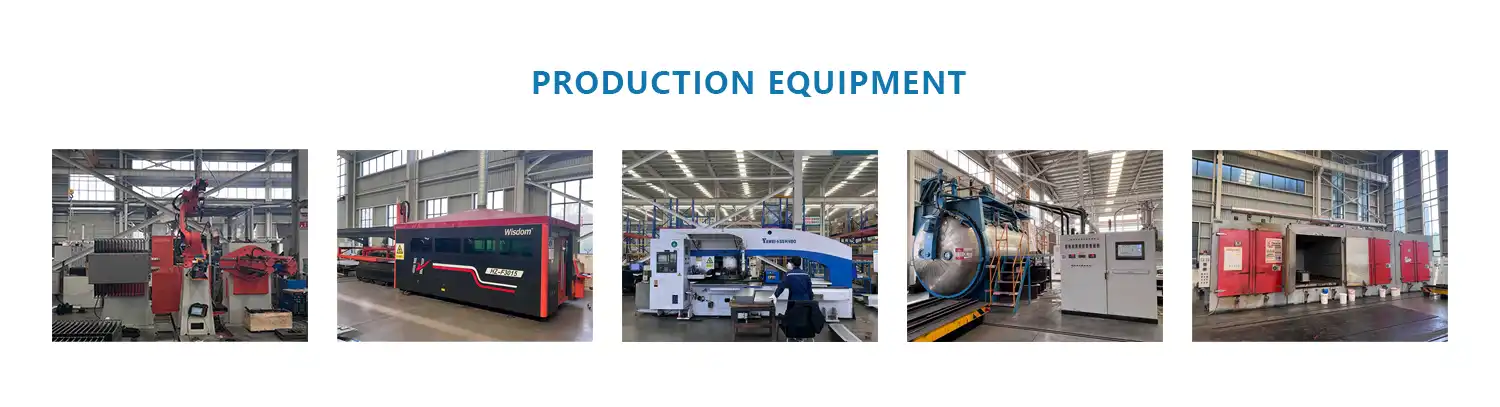
Technical ability is what sets competent providers apart from equipment vendors. Our engineering team is made up of 15 senior engineers who are experts in Amorphous alloy dry-type transformers, as well as over 30 intermediate technicians and 17 senior production technicians. This depth makes it possible to make custom solutions that meet the specific needs of each project. Reliability of delivery depends on production capacity and tools. We take care of more than 120 sets of specialized machinery, such as CNC automatic winding machines and CNC static vacuum casting systems. This system lets us make more than 200 units a month across our full production range while keeping quality standards high. Our portfolio includes hundreds of setups for businesses, factories, and cities, ranging from single-transformer building services to full EPC projects.
Procurement Process Considerations
Custom Amorphous alloy dry-type transformer lead times range from 8 to 12 weeks from the time an order is confirmed until it is tested in the plant and shipped. These times can change depending on the complexity of the specifications and the production schedule. Making sure that suppliers are aware of project deadlines during the design development phase helps them set priorities for production scheduling. The warranty should cover defects for at least 24 months after the product is put into service. Our warranties cover both the parts and the work, and they also cover endless technical support for as long as the transformer is in use. Pricing patterns change based on the number of orders, the difficulty of the specifications, and the time frame for delivery. Volume savings usually start at 5 or more units, and talking about the project scope early on can identify cost-effective options.
Conclusion
For companies that look at the total cost of ownership rather than just the original investment, Amorphous alloy dry-type transformers offer better cost-performance ratios. The 70–80% drop in no-load losses directly translates to big energy savings that pay for the higher buying price within 3–5 years and provide 30+ years of trouble-free service. More value is created by higher efficiency, lower noise, better heat performance, and no fire risks. This is especially important in business, healthcare, data center, and infrastructure settings. Silicon steel transformers aren't very useful when money is tight and minimizing initial costs is more important than operating efficiency. However, they are becoming less and less useful as energy costs rise and environmental rules get stricter. Amorphous alloy dry-type transformer technology clearly gives the best return on investment for procurement workers in charge of medium to large projects with long-term operating goals.
FAQ
How do Amorphous alloy dry-type transformers and silicon steel transformers compare in real-world efficiency?
When compared to silicon steel options, Amorphous alloy dry-type transformer units have no-load losses that are 70–80% lower, with 0.1-0.2% no-load loss compared to 0.4-0.8% for standard designs. This means that for every 1000KVA transformer that runs all the time, the owner saves between 26,000 and 52,000 kWh per year, which is about $3,100 to $6,200 a year at current business energy rates. In real life, these savings are increased by full-load performance differences of 0.5 to 1.0 percentage points.
In exchange for Amorphous alloy dry-type transformer technology, what are the cons?
The primary consideration involves higher initial purchase costs, typically 25 to 40 percent more than similar silicon steel units. This extra covers the costs of special production methods and raw materials. Some Amorphous alloy dry-type transformer designs have a slightly higher excited current, but modern units have made this feature almost unnoticeable. Physical dimensions may increase marginally due to core geometry requirements, though proper specification addresses space constraints during design phases.
What lead times should we expect for custom transformer orders?
Standard configurations ship between 8 and 10 weeks after the order is confirmed, after plant acceptance testing, and after delivery. Depending on the needs, timelines can be extended to 10 to 14 weeks for specs that are complicated and need engineering customization. We prioritize large projects and coordinate production schedules. Getting involved early on in the process of developing specifications lets you make accurate time promises that are in line with your building milestones.
How does warranty coverage protect our investment?
Our comprehensive warranty extends 24 months from commissioning, covering materials, workmanship, and performance guarantees. Technical support remains available throughout the Amorphous alloy dry-type transformer's operational life without time limitations. We maintain component inventory for rapid response to service needs and provide on-site troubleshooting assistance when required. Quality control protocols, including rigorous factory testing, minimize warranty claims, with defect rates below 0.3% across our production history.
Partner with a Trusted Amorphous Alloy Dry-Type Transformer Manufacturer for Superior Power Solutions
Tuojie is an expert at sending high-tech power distribution tools all over North America for use in tough industrial, business, and infrastructure settings. We are a well-known company that has been providing Amorphous alloy dry-type transformers for over 20 years. We use cutting-edge core technology and offer full project support from developing specifications to testing and beyond. We have 18 patents on our SC(B)H15 series transformers, and they meet strict quality control standards set by ISO 9001, IEC60076, IEEE, and GB. They are 98.5–99.2% efficient across 30KVA to 31,500KVA capacity ranges. You can email our technical team at tuojie@electricinchina.com to talk about your project needs, get detailed specifications that are tailored to your working conditions, and get fair quotes that include volume discounts and delivery times that work with your building plan.
References
1. IEEE Standards Association. IEEE Standard for General Requirements for Dry-Type Distribution and Power Transformers (C57.12.01-2020). Institute of Electrical and Electronics Engineers, 2020.
2. International Electrotechnical Commission. Power Transformers - Part 11: Dry-Type Transformers (IEC 60076-11:2018). IEC Standards, 2018.
3. U.S. Department of Energy. Energy Conservation Program: Energy Conservation Standards for Distribution Transformers. Federal Register, Vol. 78, No. 177, 2013.
4. Kulkarni, S.V. and Khaparde, S.A. Transformer Engineering: Design, Technology, and Diagnostics. CRC Press, 2nd Edition, 2017.
5. National Electrical Manufacturers Association. Guide for Determining Energy Efficiency for Distribution Transformers (NEMA TP 1-2022). NEMA Standards Publication, 2022.
6. Heathcote, Martin J. The J&P Transformer Book: A Practical Technology of the Power Transformer. 13th Edition, Newnes Press, 2007.