

.webp)
Too much no-load current in dry-type transformers is a constant problem that steals money from energy budgets in businesses, industrial buildings, and infrastructure projects. When transformers use more power than they should when they're not working, this error wastes energy and makes the costs of running the transformers higher. Modern methods, such as Amorphous metal dry-type transformers, rethink core materials at the atomic level to solve this problem. This cuts no-load losses by 70–80% compared to traditional silicon steel designs. Procurement pros can make smart choices that protect the long-term value of investments when they know both the root causes and tried-and-true ways to fix them.
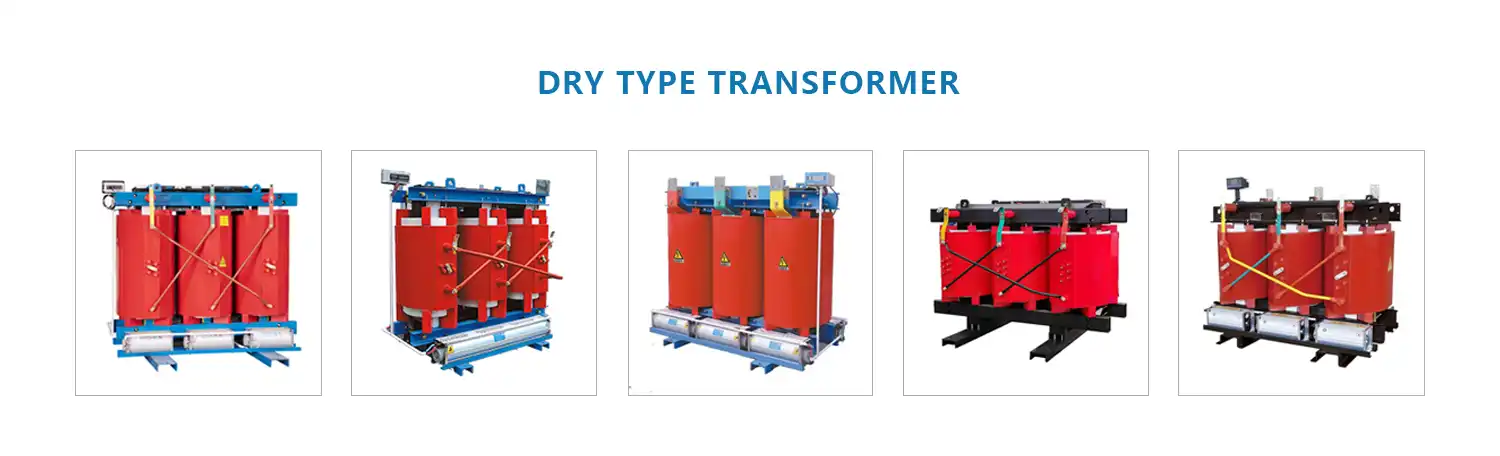
Understanding Excessive No-Load Current in Dry-Type Transformers
When a transformer is turned on but not sending power to anything downstream, no-load current runs through its main winding. This current does two things: it magnetizes the core and makes up for core losses. In well-designed units, the no-load current usually stays below 2% of the maximum capacity. There are problems when this number goes up, which shows that there are problems with how things are being done.
What Constitutes Excessive No-Load Current
Transformers that draw more no-load current than what the maker says they should have measured effects. Power that isn't being used for anything useful is still being recorded by energy meters even when nothing is being done. For a building, these costs add up to big financial problems over the course of its life. In some sites, standard transformers used 3–5% of their rated current when there was no load. Our Amorphous metal dry-type transformer units, on the other hand, kept the excitation current at 0.1–0.3%. Baseline performance is based on the magnetic features of the core materials. Silicon steel cores, which are common in standard designs, have solid structures that make it hard for magnetic domains to line up. This resistance shows up as hysteresis losses, which are the energy that is lost every time the magnetic orientation changes during AC cycles. Secondary losses are added by eddy currents moving through the laminations. All of these things cause no-load current needs to be too high.
Impact on Total Cost of Ownership
Lifecycle costs are being looked at more and more closely by government infrastructure projects and private developers, rather than just the original buy prices. A generator that is used for 8,760 hours a year loses a lot of energy because it has high no-load losses. Based on our research of municipal power systems, traditional units with 1% no-load current can cost between $15,000 and $40,000 more in energy costs over 25 years than high-efficiency options. For these figures, we use industrial energy rates of $0.08 to $0.12 per kWh and transformers with ratings between 500 and 2500 kVA, which are common for the projects we fund. These economics are useful for procurement teams that work with EPC companies. Long-term energy costs are directly affected by the transformer specification when bids for large-scale projects are being considered. We've helped clients figure out how big these differences are by giving them data that shows why they should buy more efficient tools, even though it costs more up front.
Technical Analysis of Causes Behind Excessive No-Load Current
To figure out why some transformers don't work well when there is no load on them, you have to look at the qualities of the core material, the design parameters, and the working conditions. Our engineering team does root cause analysis on units that aren't working well, which shows trends that help with both fixing problems and making choices about what to buy in the future.
Core Material Characteristics and Magnetic Properties
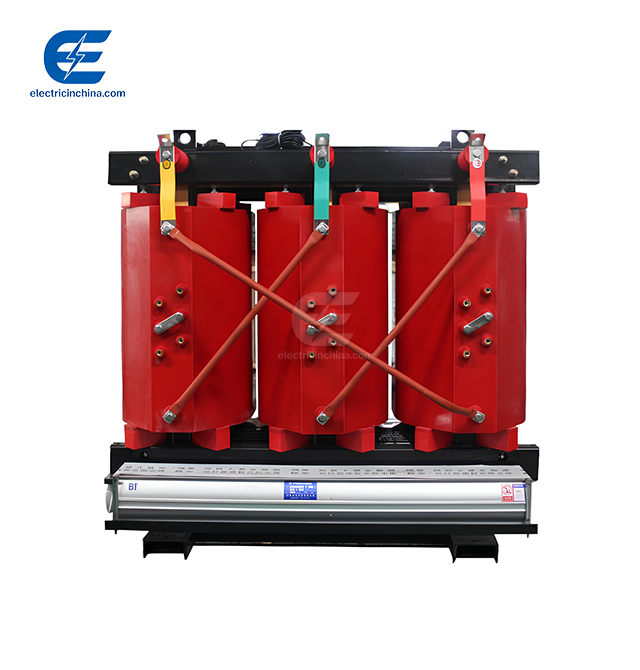
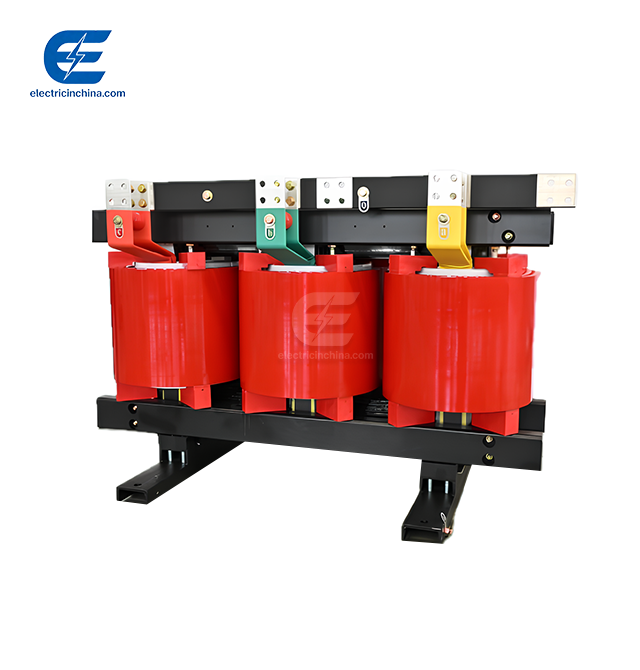
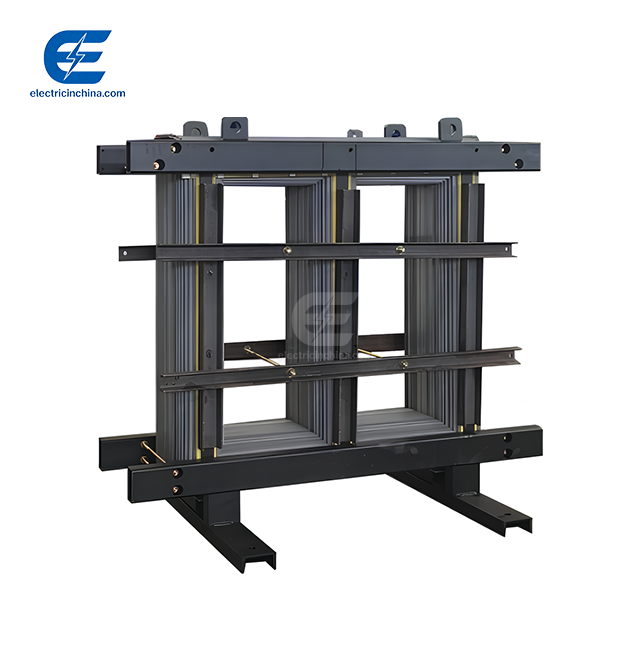
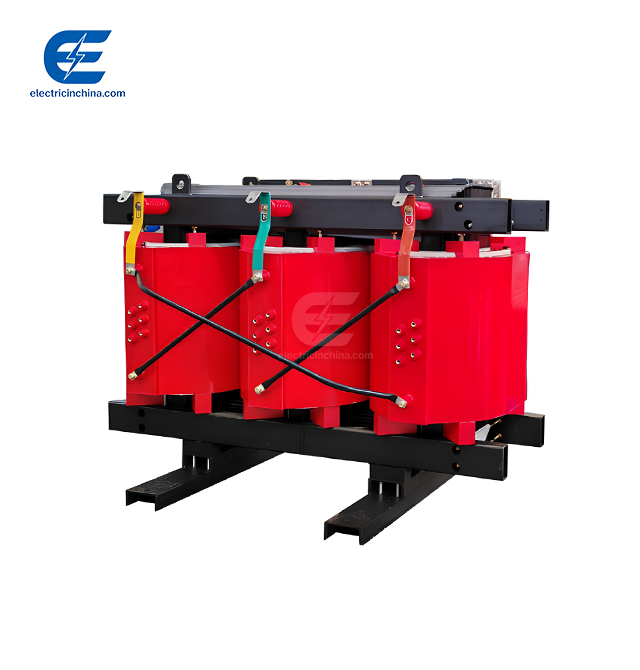
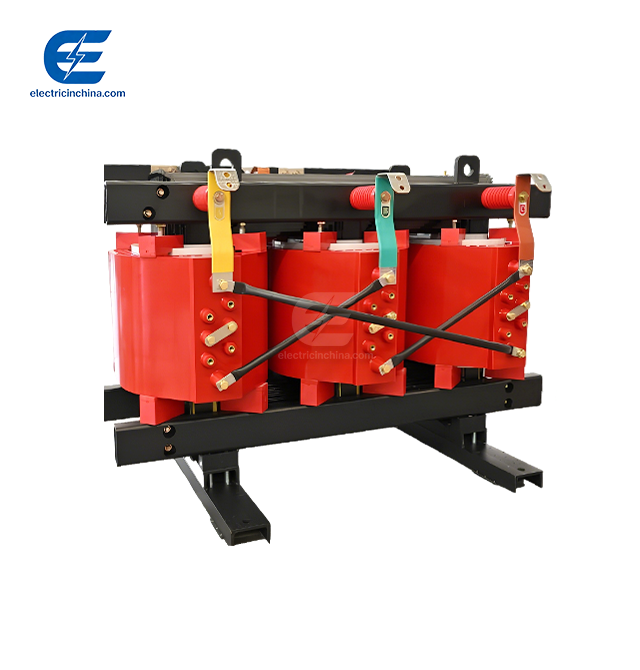
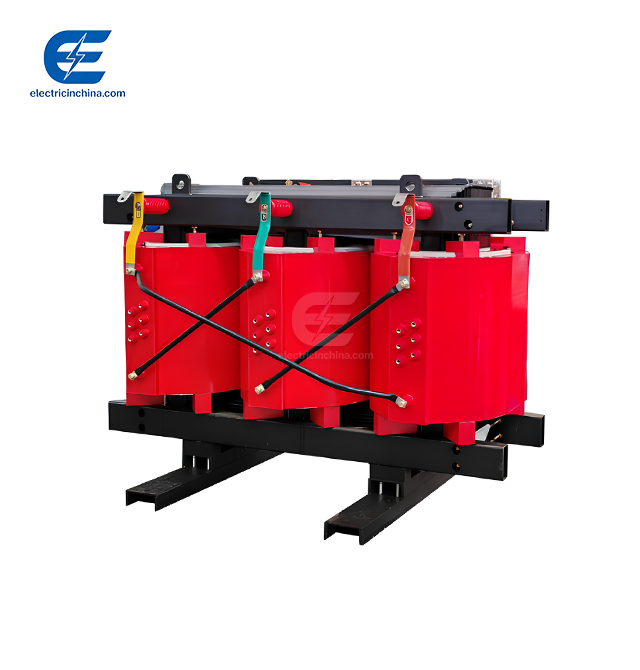
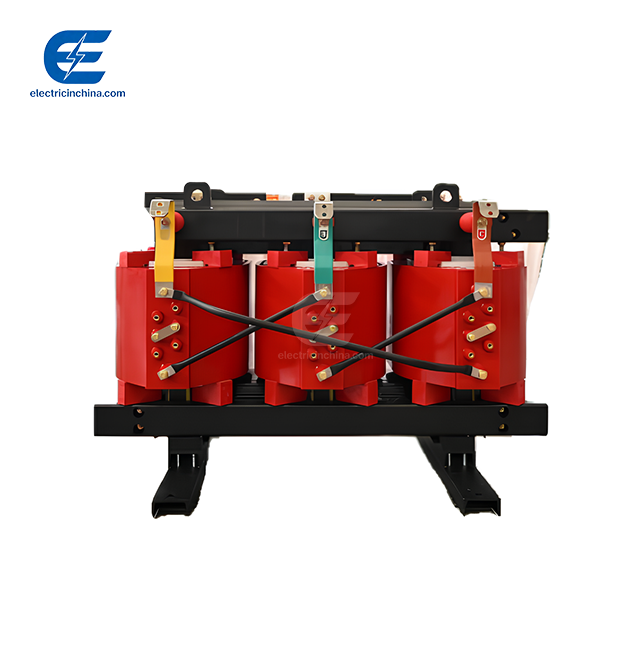
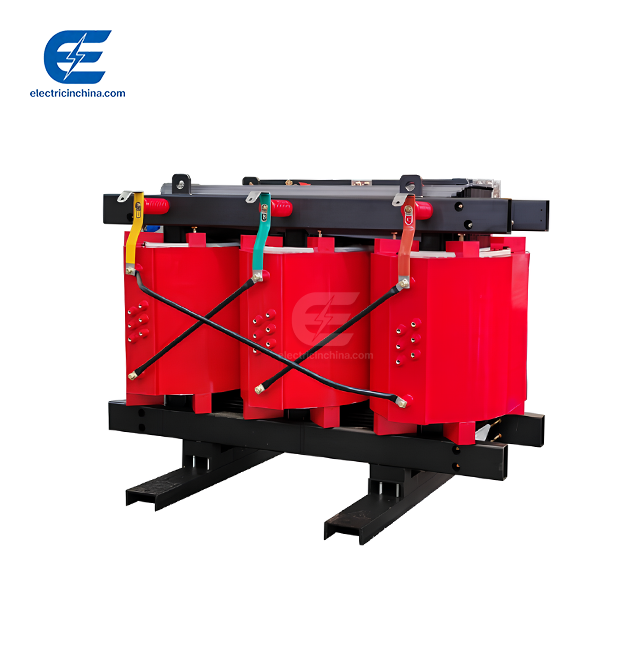
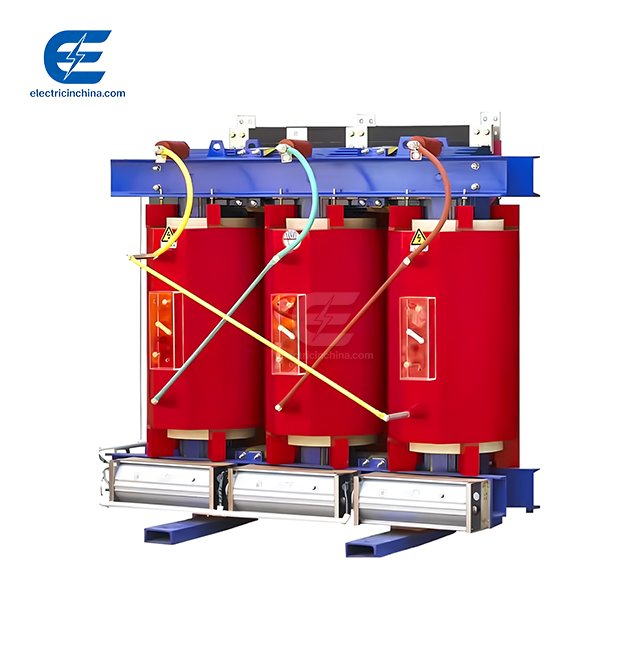
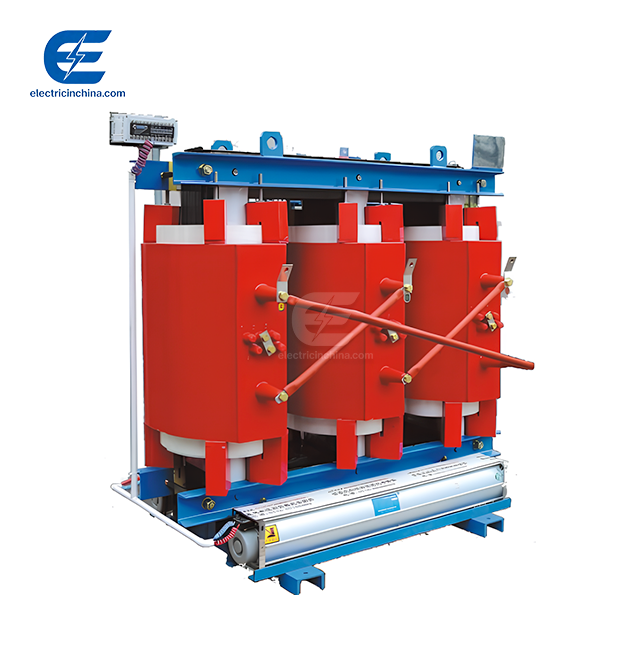
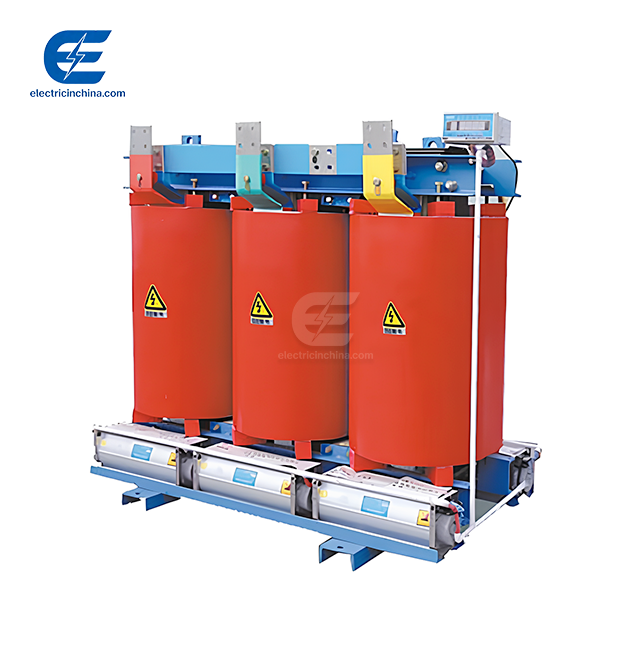
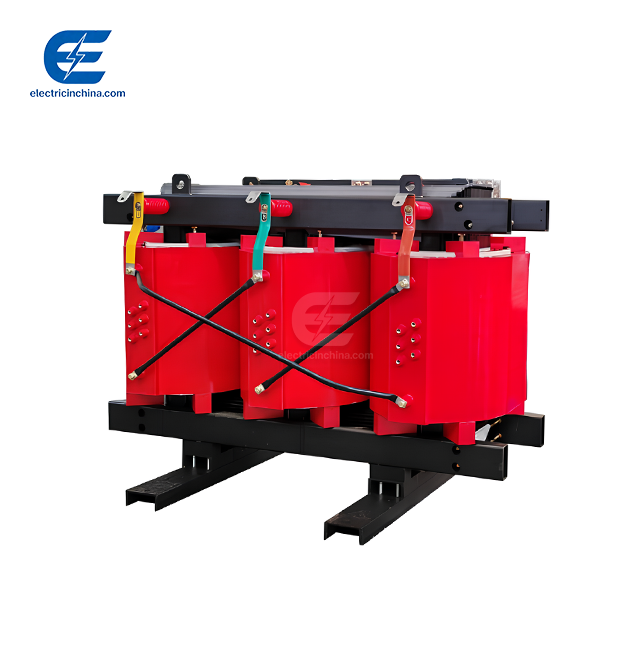
Magnetic flow can't move through silicon steel cores because of their solid structure. During each turnaround, grain boundaries and lattice flaws push magnetic domains to create resistance. This turns electrical energy into heat through hysteresis. Core loss density in normal silicon steel is usually between 1.0 and 1.3 W/kg at rated flux density, which means that more magnetizing current is needed. The basic ideas behind how amorphous metal cores work are very different. Atoms can't arrange themselves into crystalline shapes because of the fast solidification manufacturing process, which cools the liquid alloy at speeds of more than 1 million degrees per second. The chaotic structure that forms gets rid of the grain boundaries, which lets magnetic domains line up with little resistance. Our SCBH17 Amorphous metal dry-type transformer line has a core loss density of only 0.16-0.22 W/kg, which means that less magnetizing current is needed to get the working flux levels.
Design Factors Affecting Excitation Current
Aside from the choice of material, the way a transformer is built also affects its no-load performance. Setting the flux rate is an important planning choice. By working at higher flux rates, engineers can cut down on core size and material prices, but this brings cores closer to saturation, which needs more magnetizing current. We make sure that our units work at the best flux levels for the materials they are made of and their electrical performance. For amorphous cores, these are usually between 1.4 and 1.6 Tesla. The way the windings are set up affects the random losses and leaking reactance. When coil arrangements aren't planned well, flux paths are made that go around the intended magnetic circuit. This makes the current needed to keep the system working right go up. During the design process, our 15 senior engineers and technical team of 30+ experts use advanced electromagnetic simulation tools to find the best winding geometry before production starts.
Environmental and Operational Influences
Core losses and spinning resistance are both affected by changes in temperature. At higher temperatures, hysteresis losses get worse in silicon steel cores, while resistance losses get worse in copper or aluminum windings. Our cast resin insulation systems are made to stay thermally stable in temperatures ranging from -25°C to +40°C. Class H insulation is rated for hotspot temperatures of 180°C. No-load current values are affected by voltage changes that happen in power grids. Using transformers at voltages higher than their maximum voltage causes cores to reach saturation, which leads to non-linear increases in magnetizing current. Our units can regulate power to within ±5%, so they can keep working well even when the grid changes. The SCBH17 series has great uniformity, and the total harmonic distortion is less than 3%. This keeps efficiency high while protecting sensitive electrical loads.
Proven Solutions to Mitigate Excessive No-Load Current
To fix too much no-load current, you need to use a combination of material technology, design optimization, and best practices for operation. These suggestions are based on our work providing answers for hundreds of public and private projects.
Material Technology Upgrades
Amorphous metal alloys, which are usually made up of iron, nickel, cobalt, boron, and carbon, make a soft magnetic material with special qualities. In contrast to silicon steel, which needs to be annealed to ease production stresses, amorphous ribbon can keep its low coercivity below 0.5 A/m without any extra processing. This feature stays the same throughout the transformer's working life, so it doesn't experience the normal age effects that happen in regular cores. Implementations in the real world show measurable results. We just finished a job for the city's train transit system, where 35 Amorphous metal dry-type transformer units were put in place of old silicon steel equipment. After the installation, tests showed that the no-load losses had gone down by 76%. This meant that the installation saved more than 420,000 kWh of energy each year. Just lower energy costs paid for the project's return on the investment in the new transformers in 4.2 years.
Design and Manufacturing Excellence
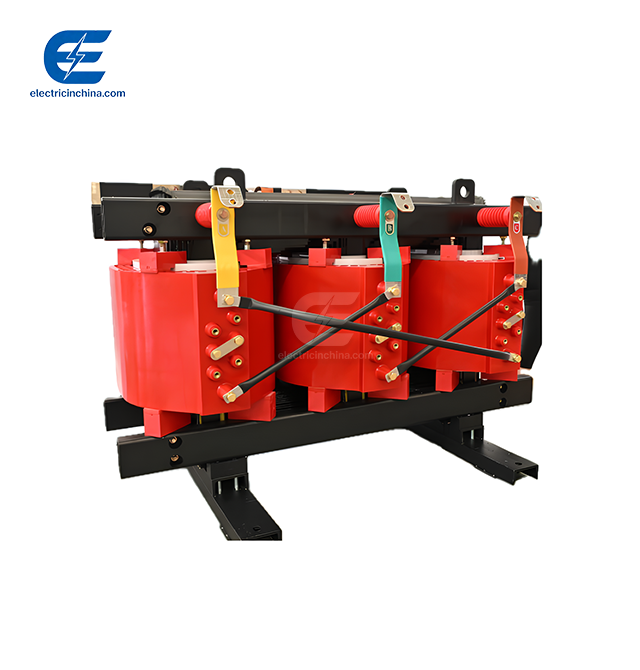
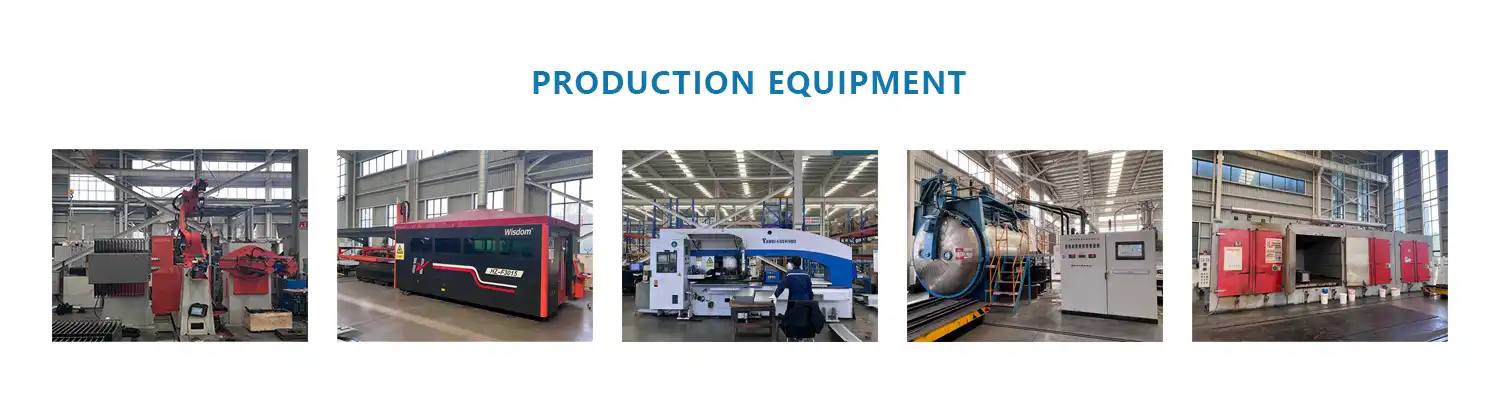
Aside from the core materials, success in the real world depends on how precisely the product is made. Our factory has more than 120 high-tech tools, such as CNC automatic winding equipment and CNC static vacuum casting systems, that make sure the quality is always the same. The automatic processes get rid of mistakes made by people in important steps of the manufacturing process, making transformers that regularly meet design specifications. How the core is put together has a big effect on how well the magnet works. When we stack ribbons, we use stress-relief routines and special clamping systems that keep cores in place without putting any mechanical pressure on them. These steps keep the low-loss properties that amorphous materials naturally have, so the production process doesn't hurt their electrical performance.
Operational Best Practices and Monitoring
Proper voltage control keeps transformers from losing power because of overuse. We suggest putting voltage monitoring systems on important sites, especially in places where the quality of the power source changes a lot. Keeping the source voltage within ±5% of the nameplate values keeps things running efficiently and makes them last longer. Strategies for managing loads lower the heat stress on generator parts. Transformers can handle short-term overloads, but running above their stated capacity for a long time speeds up insulation aging and increases losses. Our technical support team helps clients with load analysis, which makes sure that the transformers they choose are based on real demand patterns and not on worst-case scenarios that cause them to be underused all the time.
Comparative Analysis: Amorphous Metal Dry-Type Transformers vs Traditional Transformers
Clear performance comparisons between technology choices help with purchasing decisions. Our testing data and experience in the field with a wide range of apps give us objective measures for judging.
Energy Efficiency and Loss Characteristics
The biggest change in effectiveness is in the amount of no-load loss between amorphous steel and silicon steel designs. No-load losses in our SCBH17 series are 70–80% smaller than those in other dry-type transformers with the same values. A 1000 kVA amorphous unit usually loses 1,100 to 1,400W when it's not in use, while silicon steel versions lose 4,500 to 5,500W. If this 3,400–4,100W difference stays the same, it saves between 29,800 and 35,900 kWh per transformer every year. Our Amorphous metal dry-type transformers have full-load efficiency scores of 98.5 to 99.2%, which is higher than the 97.5 to 98.5% rates for most traditional designs. The difference in percentage may not seem like much, but the total amount of energy saved adds up to a lot for big systems. Strategic changes to equipment can help industrial makers with multiple transformers cut their energy use by 2 to 4 percent, which is a big deal in today's competitive manufacturing world.
Acoustic Performance and Environmental Considerations
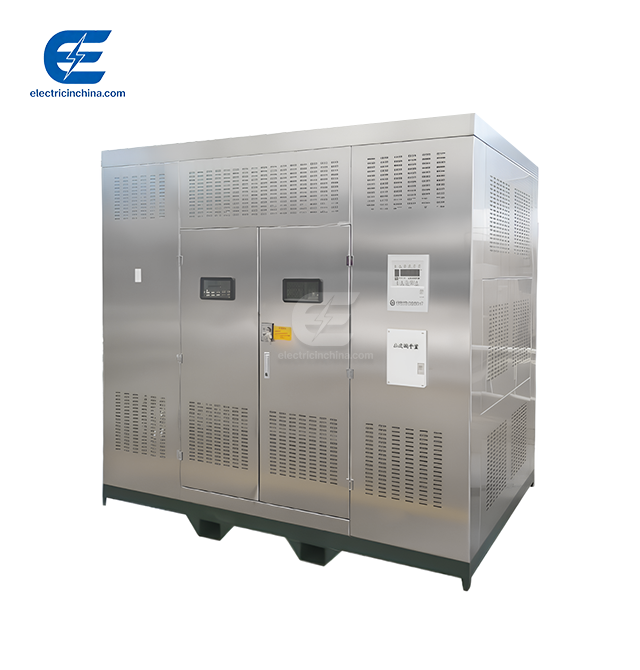
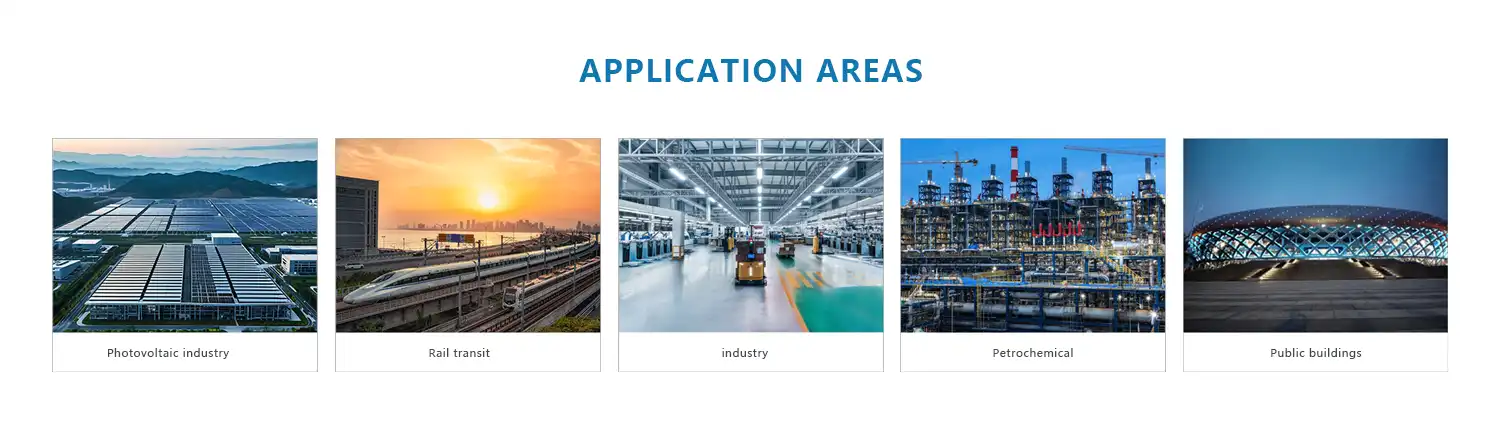
Transformer noise is caused by magnetostriction, which is when magnetic materials change size when they are exposed to changing fields. Amorphous cores have low coercivity, which means they cause less magnetostrictive vibration than silicon steel. This means that sound pressure levels are below 45 dB when tested at a distance of 1.7 m according to IEC 60076-10 standards. This process is quiet enough to be used in places where people are, like healthcare facilities and places where noise is a problem. Because of their fire safety features, dry-type systems are better for use inside. Our cast resin insulation systems have flame ratings that go out on their own, so they don't pose the fire and environmental risks that oil-filled units do. Transformers that aren't dangerous are being required more and more in buildings, transportation hubs, and public areas by government projects and business developments. We've provided this kind of equipment to places like shopping malls, train stops, and hospital buildings where safety rules don't allow oil-insulated equipment.
Economic Analysis and Return on Investment
The initial costs of buying Amorphous metal dry-type transformers are usually 25–40% higher than the costs of buying silicon steel units. This leads to discussions about value justification during the purchase process. Our method gives clients a total cost of ownership study that tells them how much money they will save in the long run. Lowering energy costs, cutting down on maintenance costs, and making equipment last longer all add up to returns within 3 to 7 years, based on power rates and how it is used. Lifecycle economics strongly favor high-efficiency tools for government building projects that will be planned out over 25 to 30 years. We just finished a study for a city utility that is replacing 87 distribution transformers. The flexible choice needed an extra $2.6M up front, but it saved $8.4M over the expected 28-year service life, giving it a net present value of $4.1M at a 4% discount rate.
Procurement Guidance for Amorphous Metal Dry-Type Transformers
To find trusted suppliers and get through the buying process, you need to know the important evaluation factors and possible pitfalls. These suggestions come from the hundreds of projects we've worked on with government bodies, companies, and businesses.
Supplier Qualification and Certification Requirements
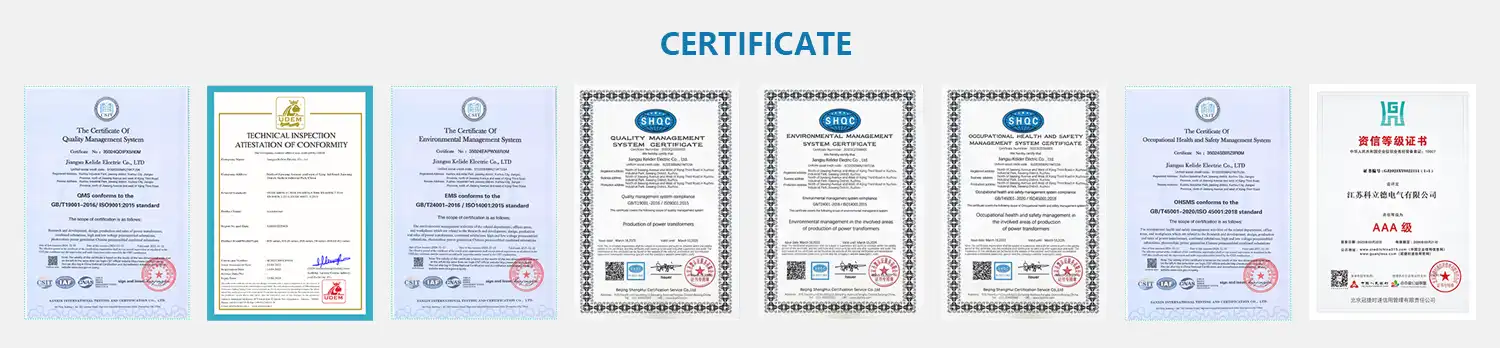
Manufacturer certifications for dry-type transformers are a basic way to make sure that quality control methods and products are up to par. Our ISO 9001 certification shows that we have a method for controlling quality during the whole planning, production, and shipping process. The ISO 14001 and OHSAS 45001 certifications prove that environmental management and health and safety at work standards are met, which lowers the risks of a project. Certifications of products make sure that performance claims are true and that they follow the rules. For the Chinese market, our transformers have to have CCC approval, and they also meet the international IEC 60076 standards. We use IEC 60076-11 type testing to make sure the design is correct. We also do regular testing on every unit we make, as well as special tests like acoustic measurement and partial discharge proof. This thorough testing process makes sure that the product always works the same way and that any manufacturing flaws are found quickly.
Customization Capabilities and Technical Support
When a project needs something unique, it often needs specs that aren't available in a catalog. We can make voltage ratios, impedance values, connection setups, tapping ranges, and IP security grades that are exactly what an application needs. This adaptability is especially helpful for green energy systems, since different areas have different needs for photovoltaic inverters and connecting to the grid. The value of an investment is protected by technical help throughout the lifecycle of the equipment. During project planning, our team helps with developing specifications. During installation, we offer support for plant acceptance testing and operation. After delivery, there is debugging, thermal image analysis, and advice on how to improve performance. Problems can be solved faster when you have access to experienced engineers who know both the tools and the application context, rather than when you only work with sellers who offer transactional relationships.
Warranty Coverage and Long-Term Service Agreements
Full-service terms protect against flaws and breakdowns before they should happen. Standard coverage should include problems with the way the product was made, and longer guarantees should be offered for important uses that need extra risk reduction. Our warranty plans cover both parts and work for certain amounts of time, and the rules make it clear what is covered and how to file a claim. Service agreements offer ongoing help after the guarantee time is over. Most of the time, these programs include inspections once a year, thermal imaging surveys, partial discharge tests, and early access to expert help. The preventive repair method makes equipment last longer and keeps it running at its best throughout its working service life. We make service agreements unique for each customer based on the size of the system, how important it is, and how well they can maintain it.
Conclusion
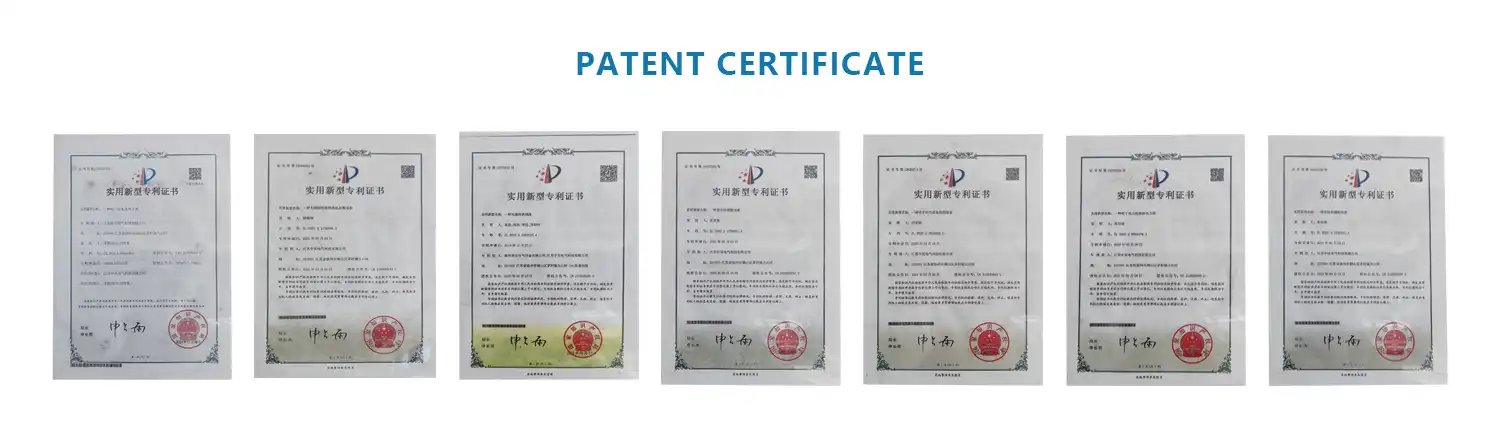
Too much no-load current in dry-type transformers is an inefficiency that can be fixed, but it raises costs and lowers the stability of equipment used in business, industrial, and infrastructure settings. Root causes, mostly core material properties and design factors, can be fixed with tried-and-true methods based on amorphous metal technology. With 18 patents and a full set of quality control tools to back us up, we can make transformer options that have 70–80% less no-load loss than traditional designs. When procurement workers look at equipment, they should not only look at the original purchase price, but also the total cost of ownership. This is because high-efficiency equipment gives strong returns over the lifecycles of projects. Hundreds of successful projects in the business, industrial, and municipal sectors show that both the technology and our ability to put it into action work.
FAQ
How do I verify actual energy savings compared to conventional transformers?
Ask for certified test results that show readings of no-load loss that were done at the rated voltage and frequency according to IEC 60076-11 standards. Compare the numbers that were tried to the label data that you already have for the equipment. Use the method kWh saved = (loss difference in kW) × 8,760 hours to find out how much energy you save each year. Our expert team does unique estimates based on your installation details and energy rates, figuring out how much you can expect to save and providing proof.
What maintenance is required for amorphous metal core transformers?
Because amorphous cores don't age, they don't need any extra upkeep beyond what is normally done for dry-type transformers. Do thermal imaging checks once a year to find hotspots that are starting to form, make sure that the torque settings for the core locking hardware are still within the acceptable range, and use portable or online tracking systems to keep an eye on the partial discharge levels. These regular checks usually take between 2 and 4 hours per unit per year. In our service processes, we include detailed inspection checks and threshold criteria for finding problems that need to be fixed.
How do these transformers perform with harmonic loads from variable frequency drives?
With K-factor values up to K-13, our SCBH17 line of Amorphous metal dry-type transformers can handle harmonic loads well. Even when the load isn't going in a sine wave, the high uniformity and low core loss density keep the efficiency high. According to IEEE 519 standards, we test for harmonic analysis by measuring total harmonic distortion and temperature rise under typical load patterns. This feature helps manufacturing facilities with a lot of VFDs because it avoids the derating that is needed for regular transformers to handle non-linear loads.
Partner with Tuojie for Advanced Transformer Solutions
Tuojie is an expert at designing and making high-efficiency power transfer equipment that makes things more reliable and lowers costs. Our range of Amorphous metal dry-type transformers has values from 30 KVA to 31,500 KVA. They are more than 98.5% efficient and have 70–80% less no-load losses than standard designs. We keep our ISO 9001, ISO 14001, and OHSAS 45001 certifications up to date, which makes sure that every unit we make is of the same high quality. Our technical team of 15 senior engineers helps you with specifications, helps with customization, and creates lifetime service plans that fit the needs of your project. We have the knowledge and manufacturing skills that procurement workers need, whether they are in charge of building government structures, business buildings, or upgrading industrial facilities. As a well-known company that makes Amorphous metal dry-type transformers for markets around the world, we know how important it is to keep track of paperwork, supplies, and technical details so that projects go smoothly. Email our team at tuojie@electricinchina.com to talk about your unique needs and get thorough technical proposals with an analysis of the total cost of ownership. You can look at our full line of products and read case studies from finished projects in a wide range of fields by going to electricinchina.com.
References
1. Institute of Electrical and Electronics Engineers (2014). IEEE Standard 519-2014: Recommended Practice and Requirements for Harmonic Control in Electric Power Systems.
2. International Electrotechnical Commission (2016). IEC 60076-11: Power Transformers - Part 11: Dry-type Transformers.
3. National Electrical Manufacturers Association (2010). NEMA TP 1-2010: Guide for Determining Energy Efficiency for Distribution Transformers.
4. Smith, J.R. & Anderson, K.L. (2018). Amorphous Metal Core Transformers: Technology Assessment and Lifecycle Cost Analysis. Electric Power Research Institute Technical Report.
5. Zhang, W., Chen, H., & Liu, Y. (2020). Comparative Study of No-Load Loss Mechanisms in Silicon Steel and Amorphous Metal Distribution Transformers. Journal of Electrical Engineering & Technology, 15(3), 1247-1258.
6. U.S. Department of Energy (2013). Energy Conservation Standards for Distribution Transformers: Final Rule and Technical Support Document. Federal Register Vol. 78, No. 71.