

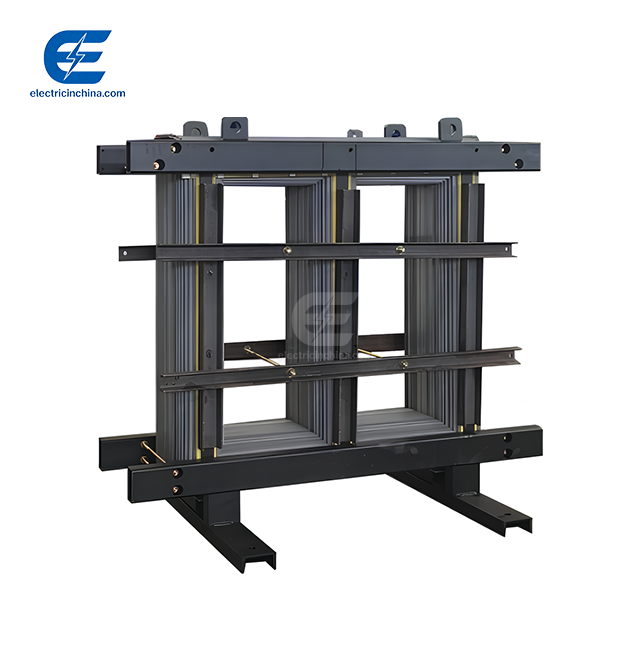
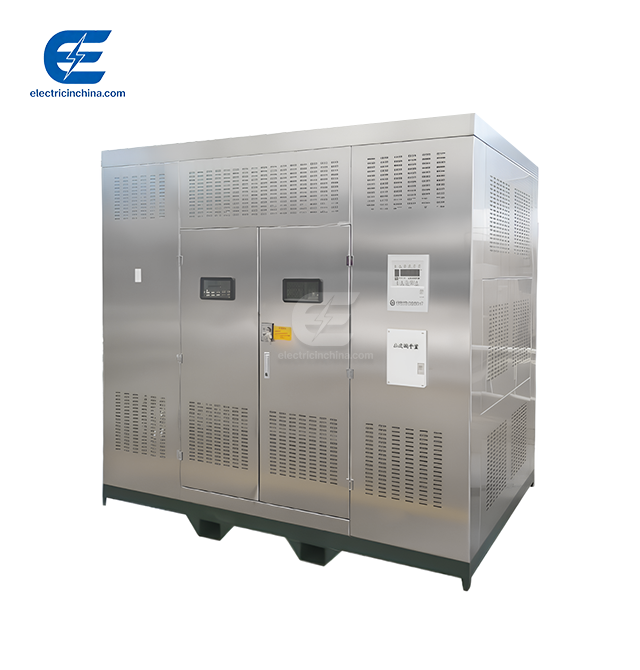
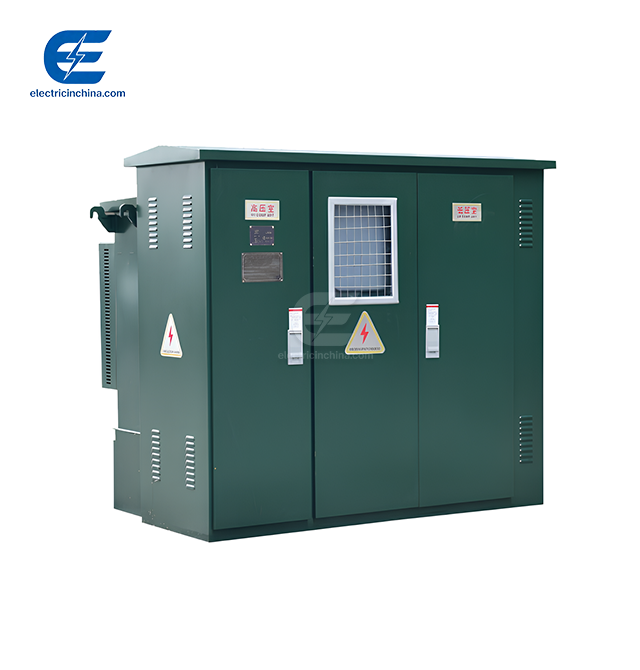
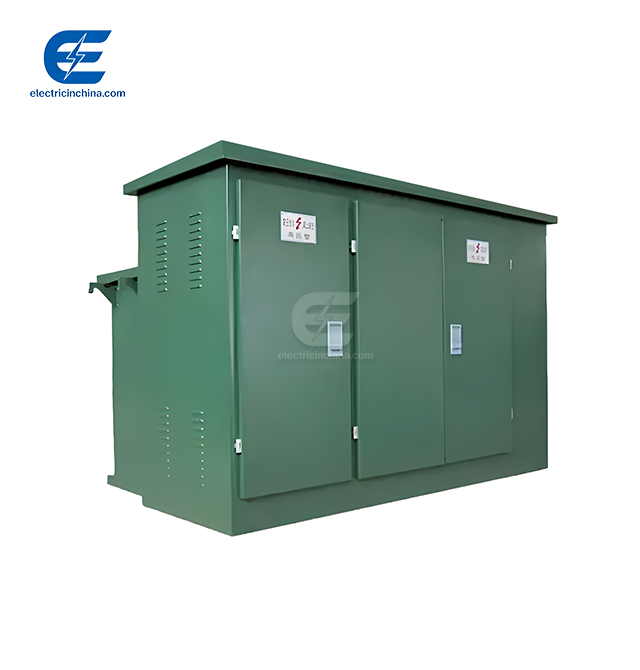
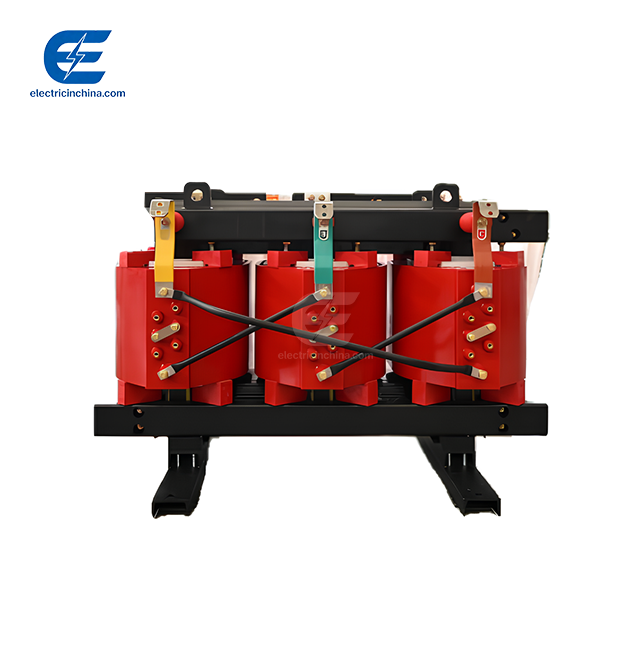
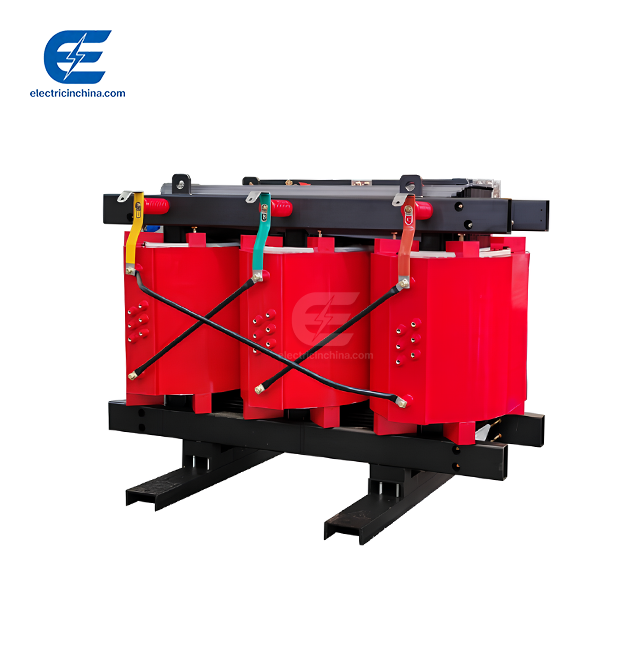
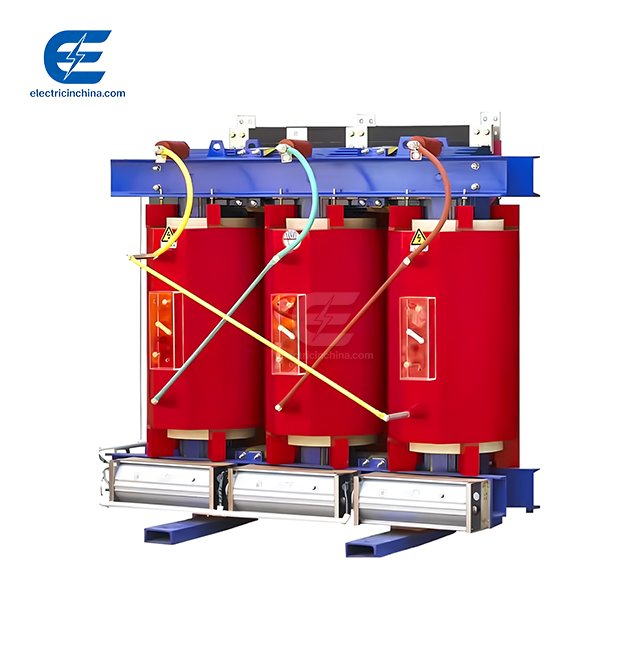
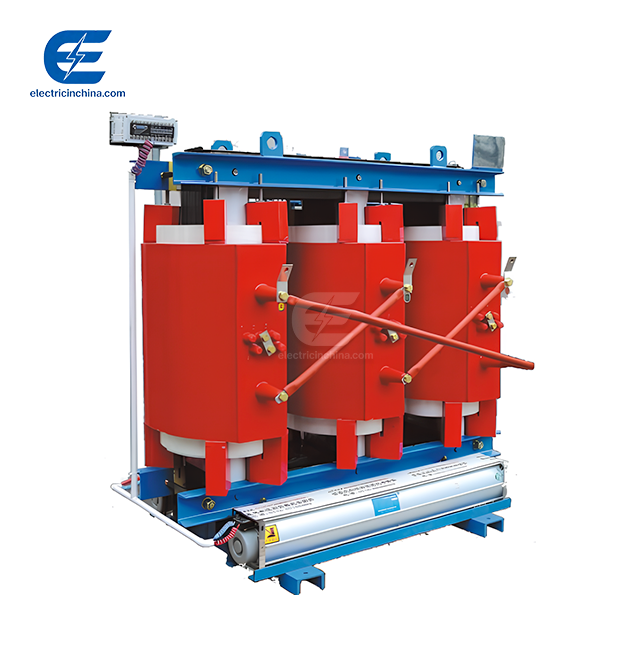
.webp)
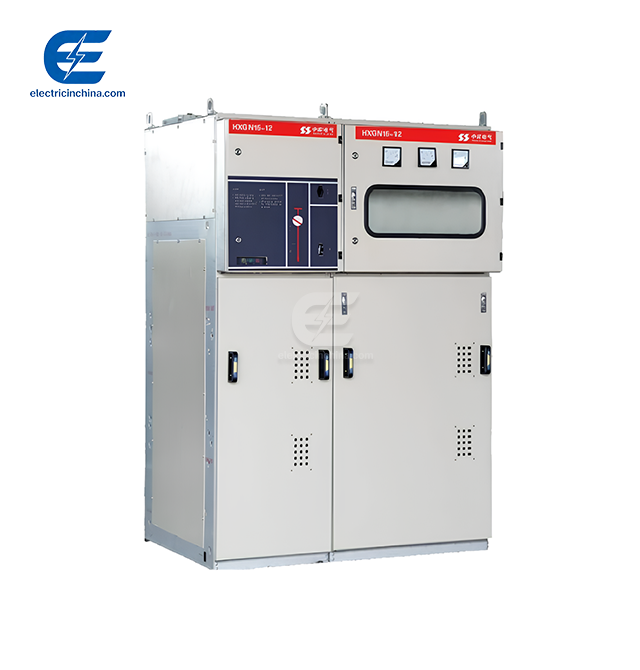
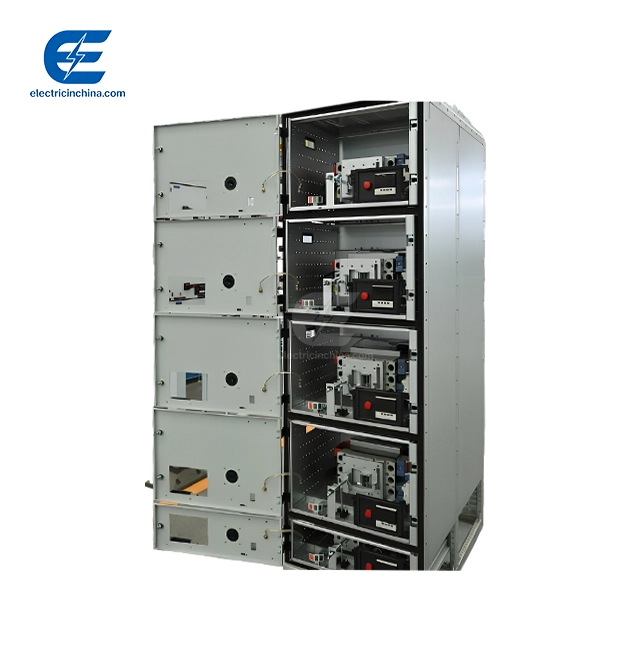
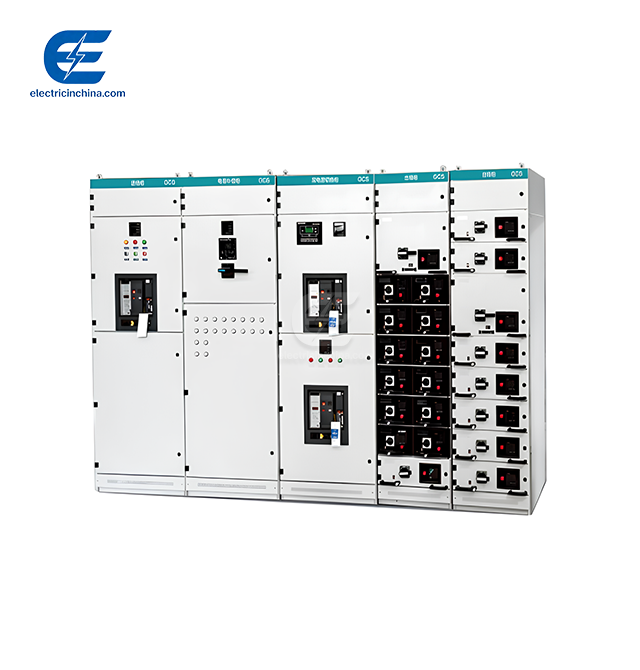
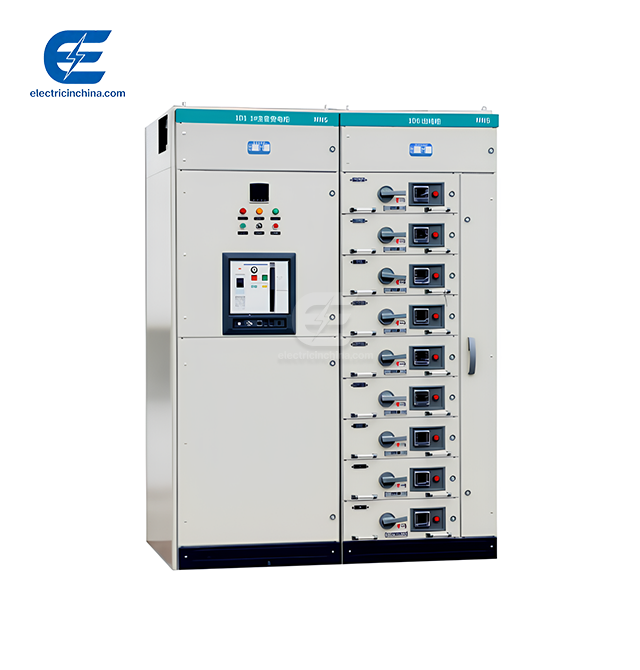
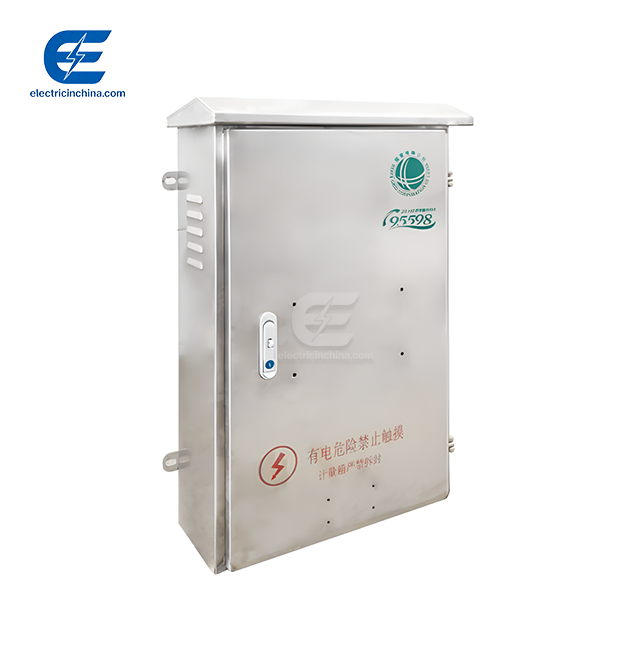
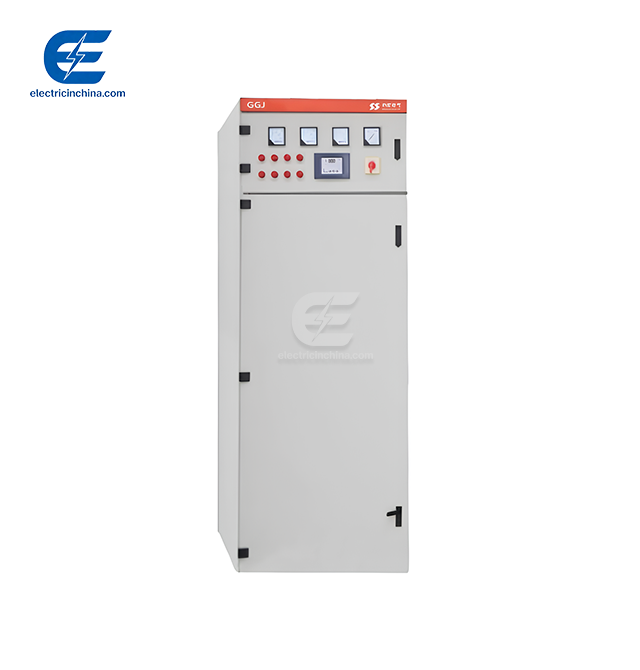
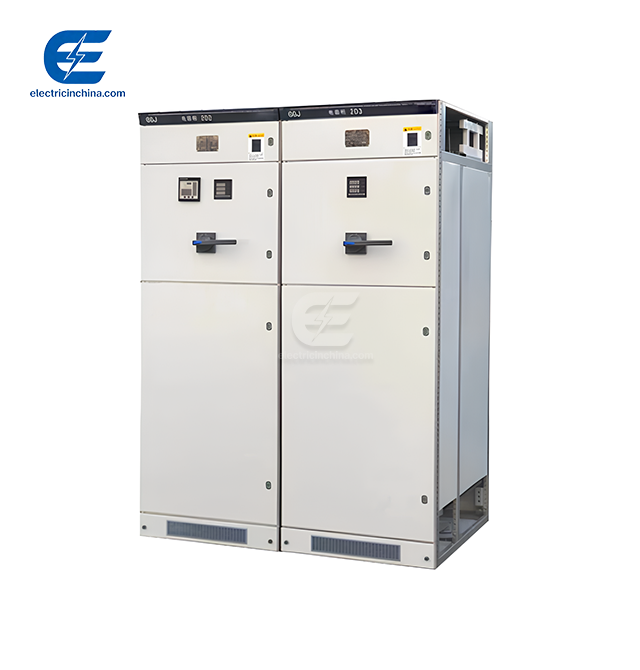
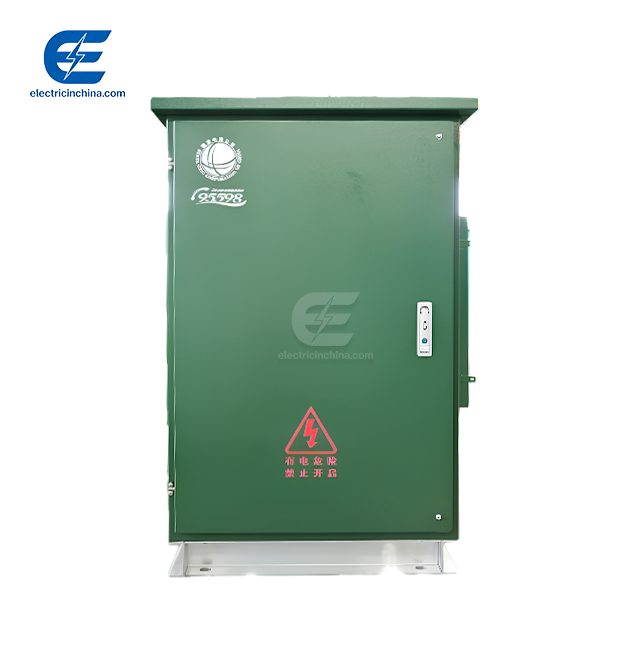
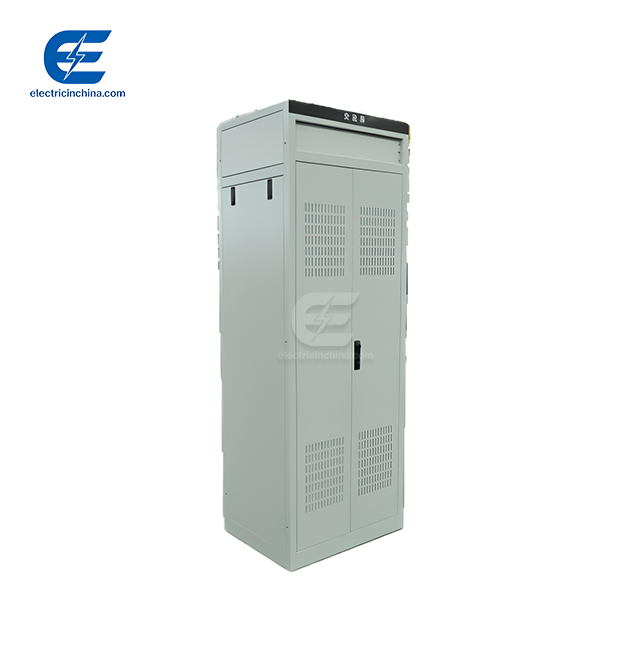
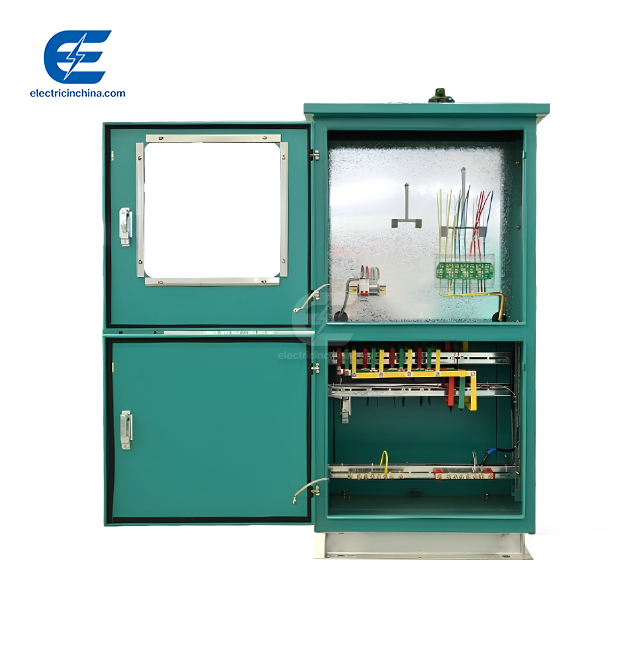
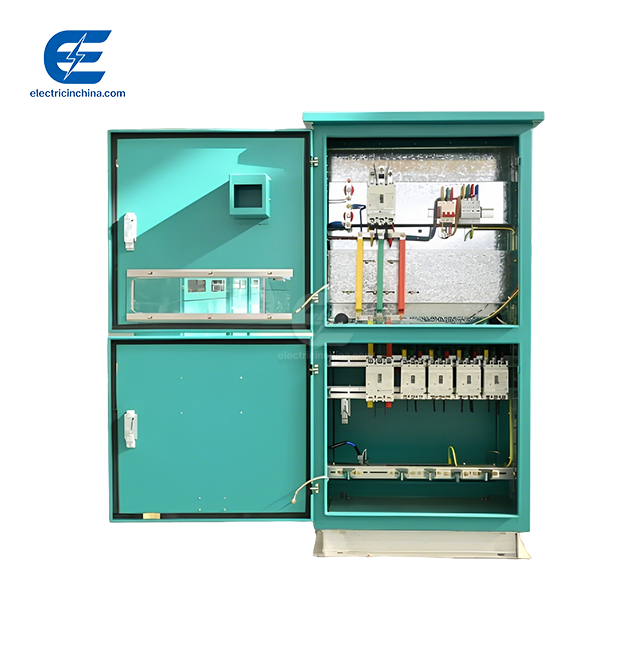
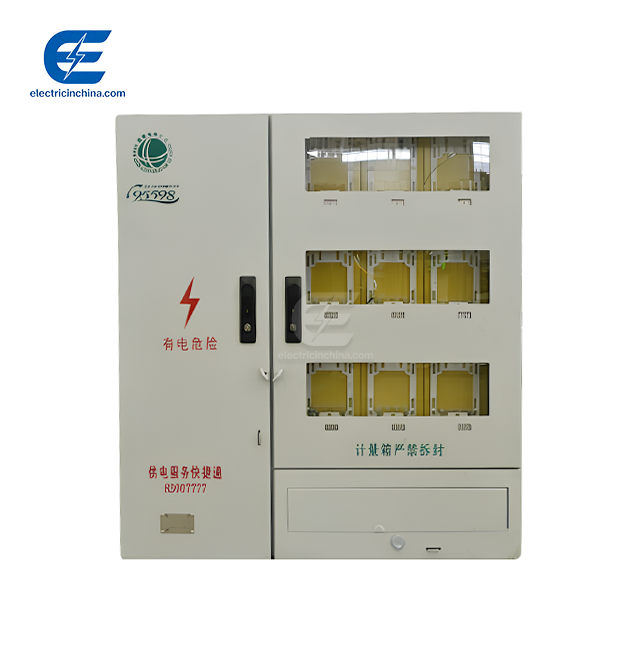
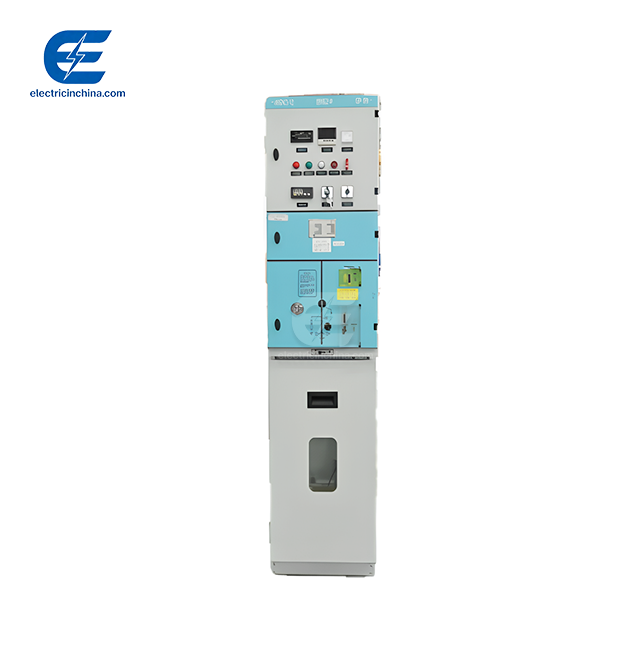
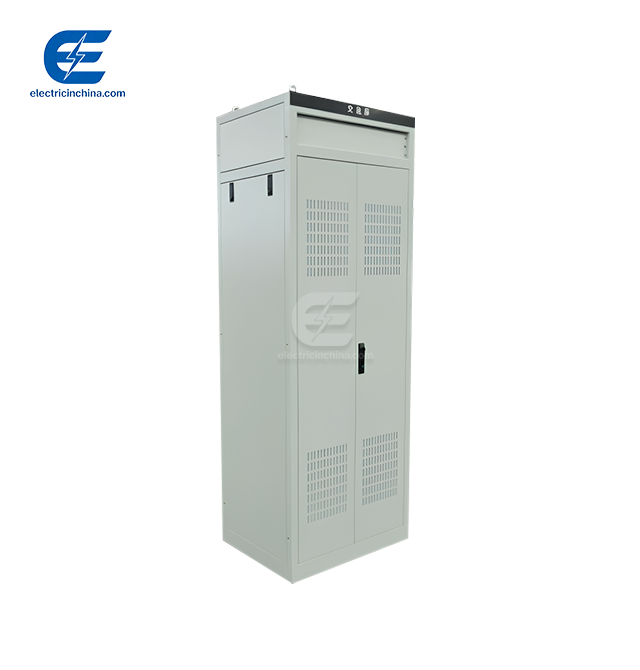
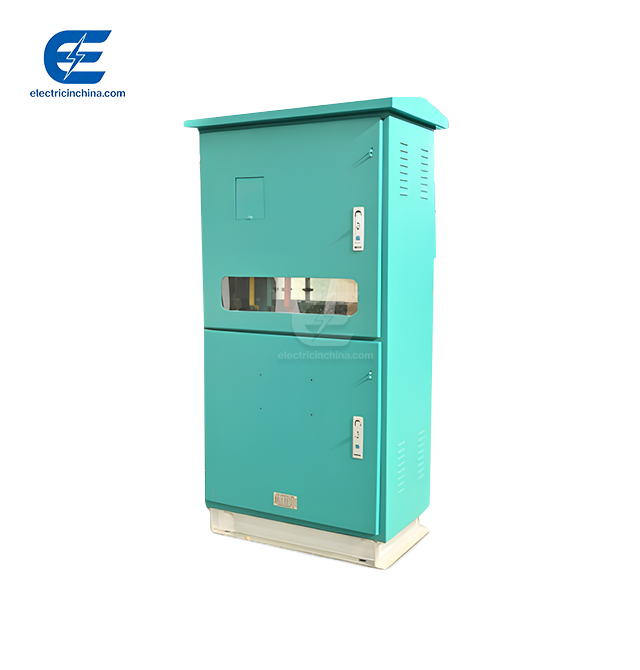
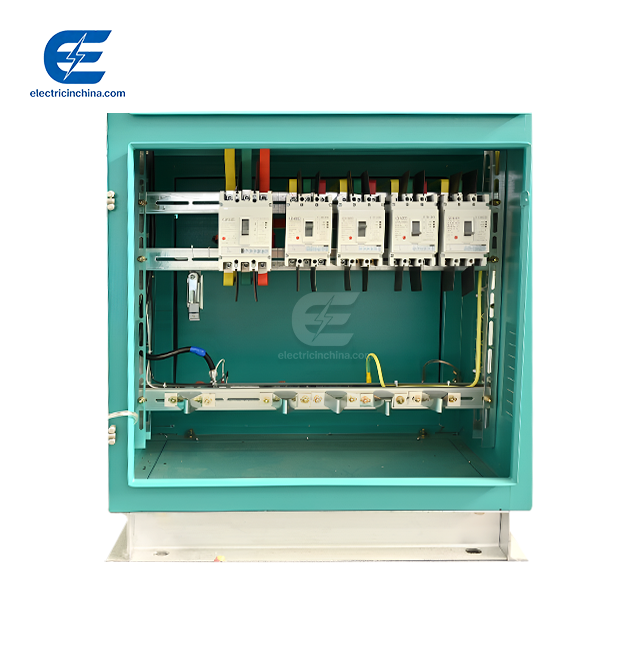
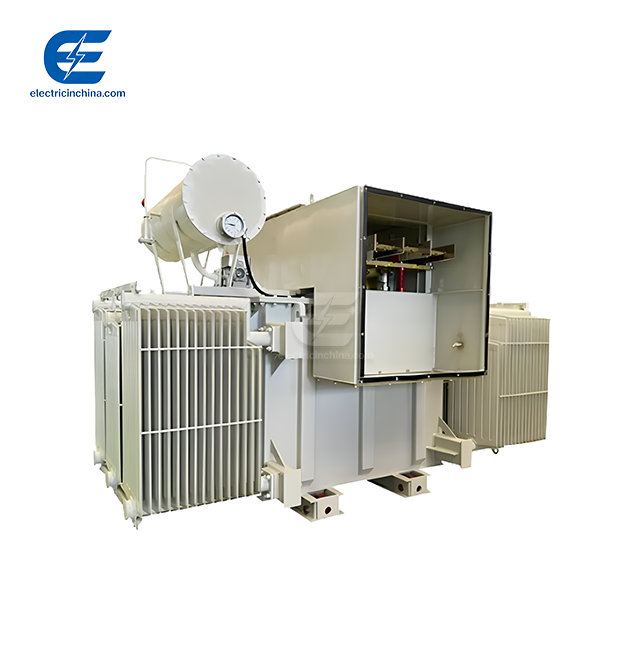
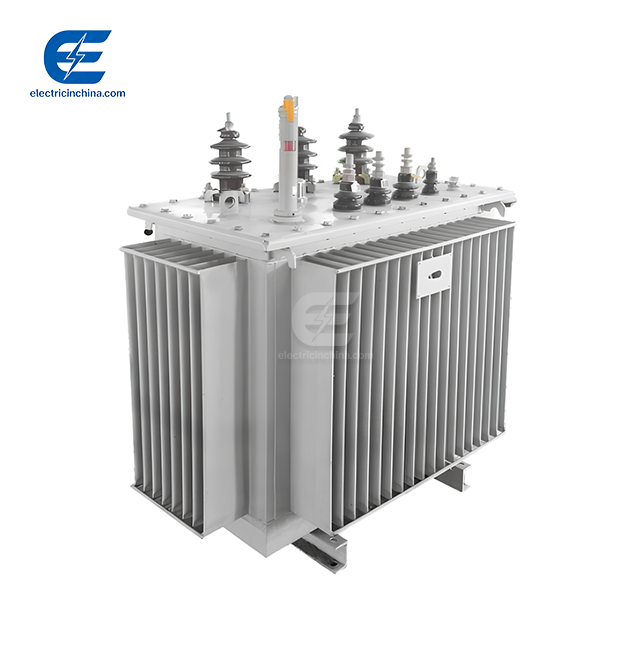
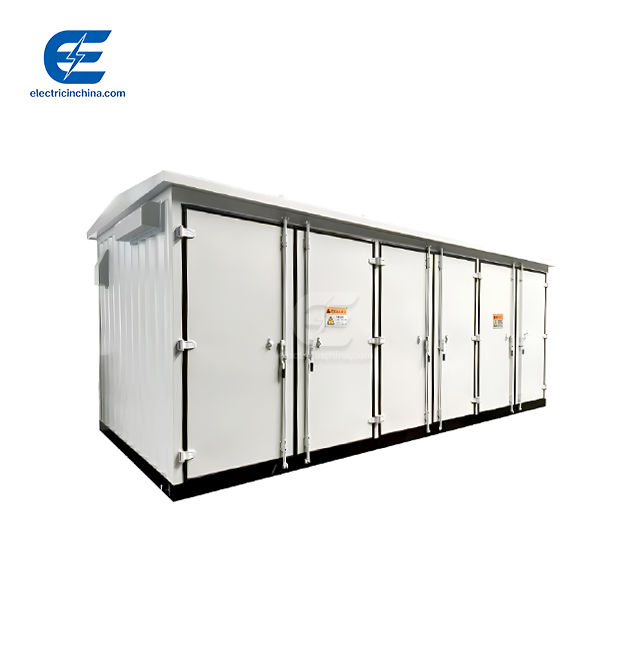
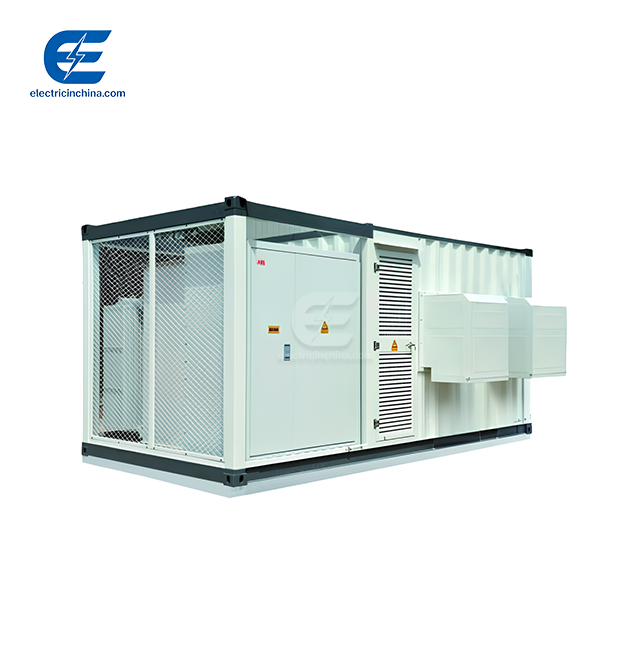
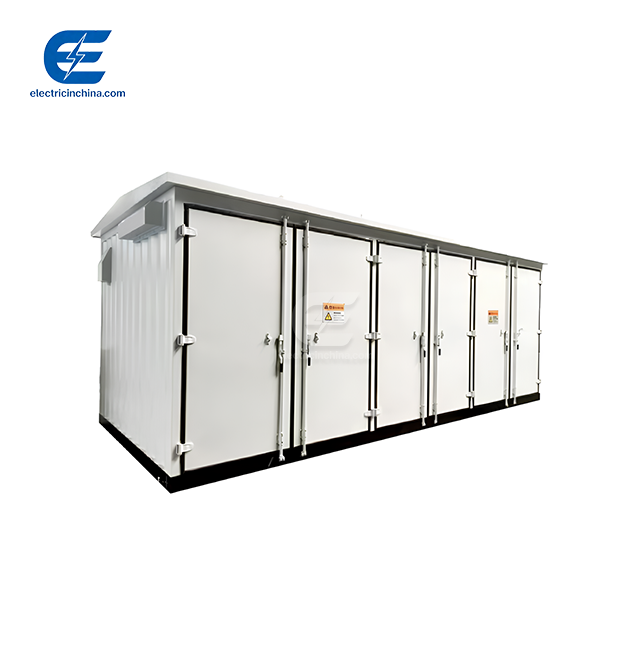
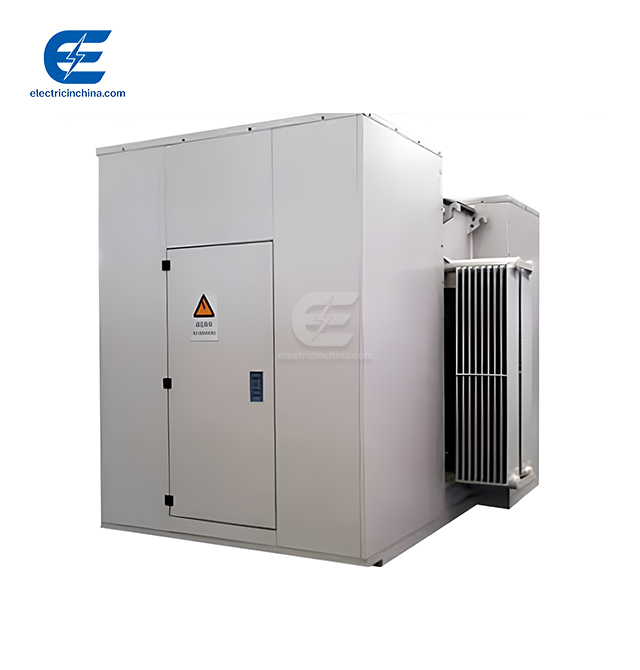
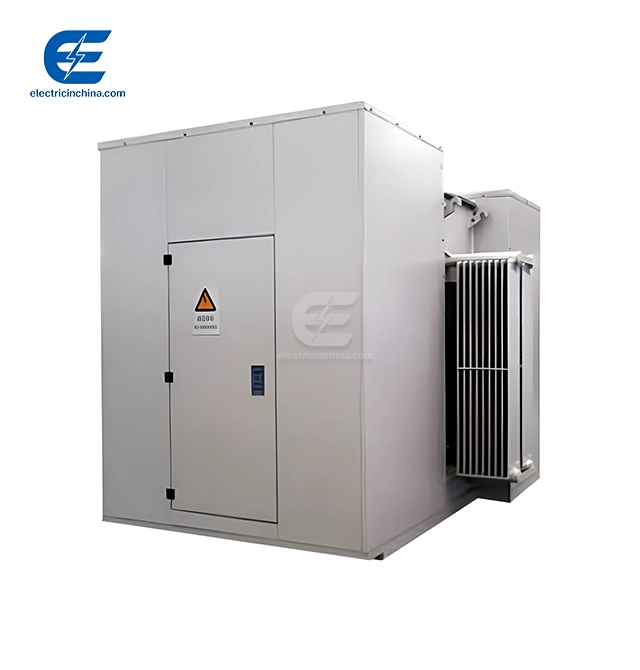
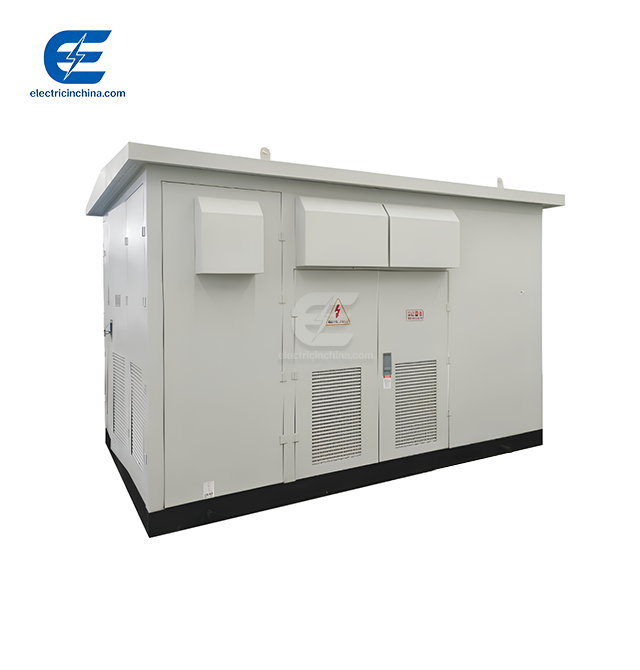
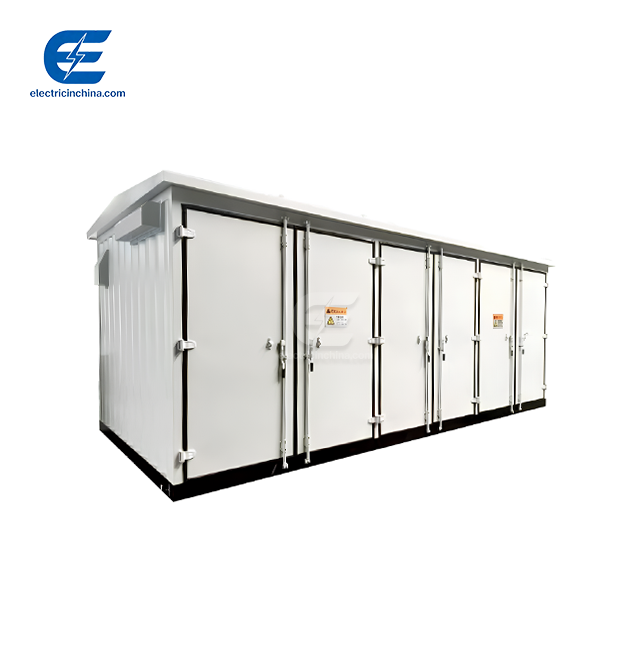
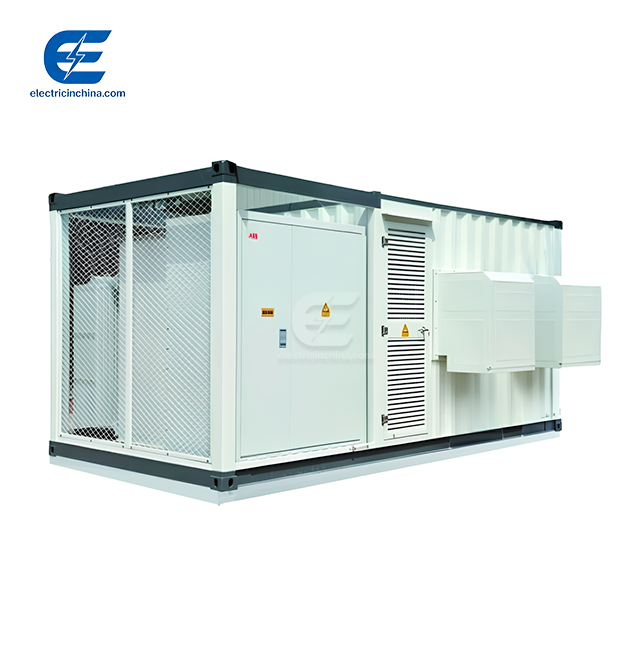
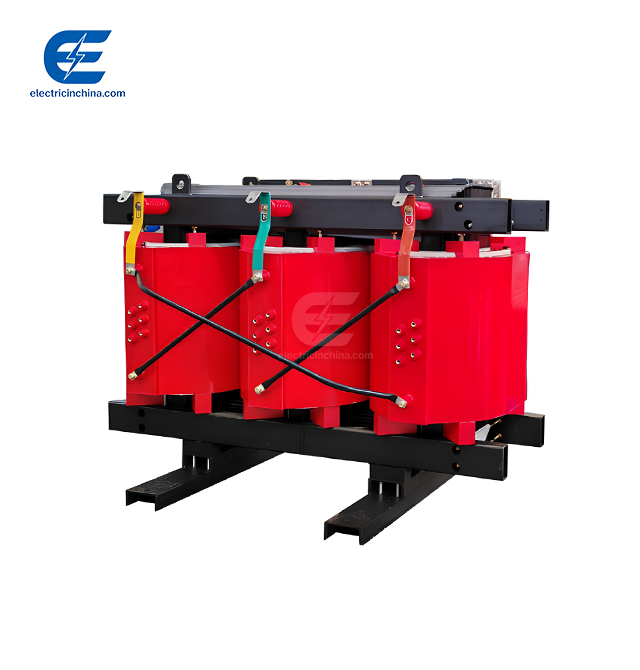
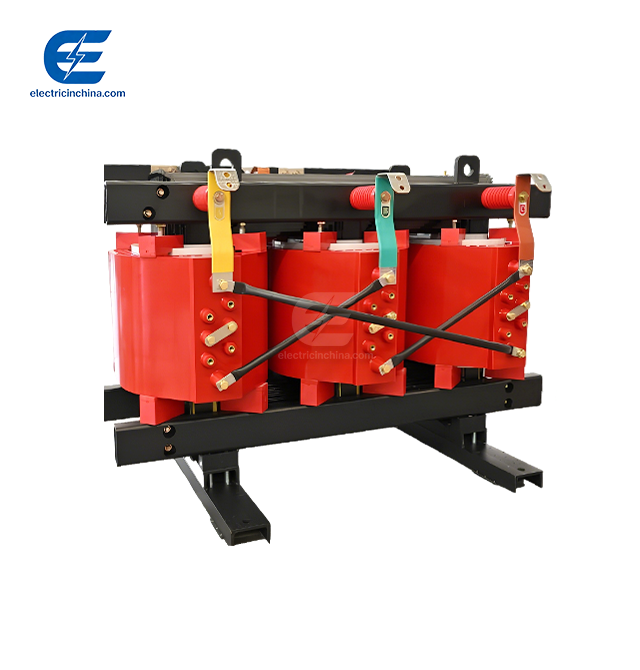
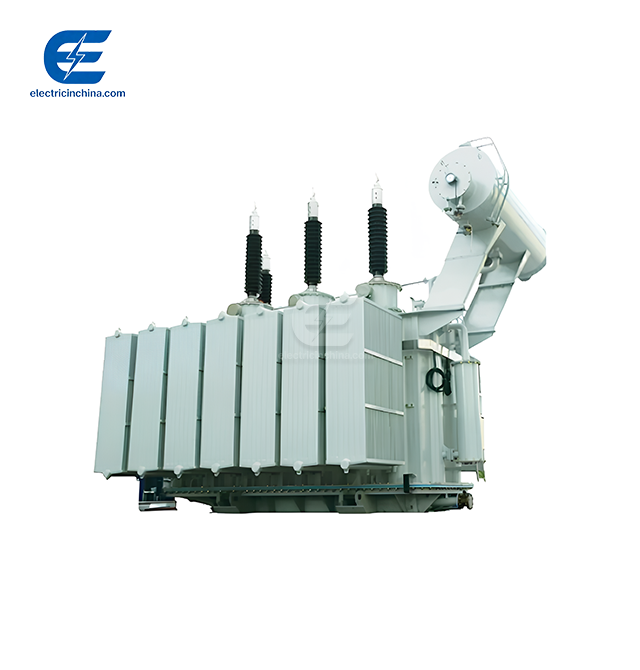
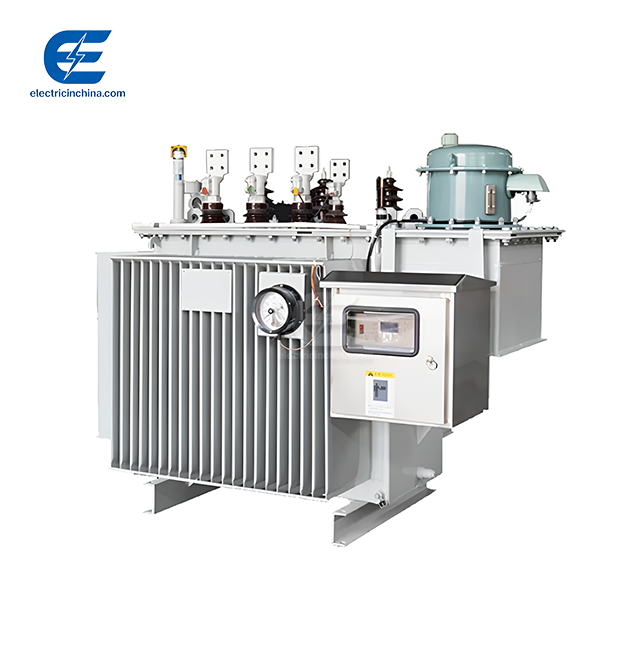
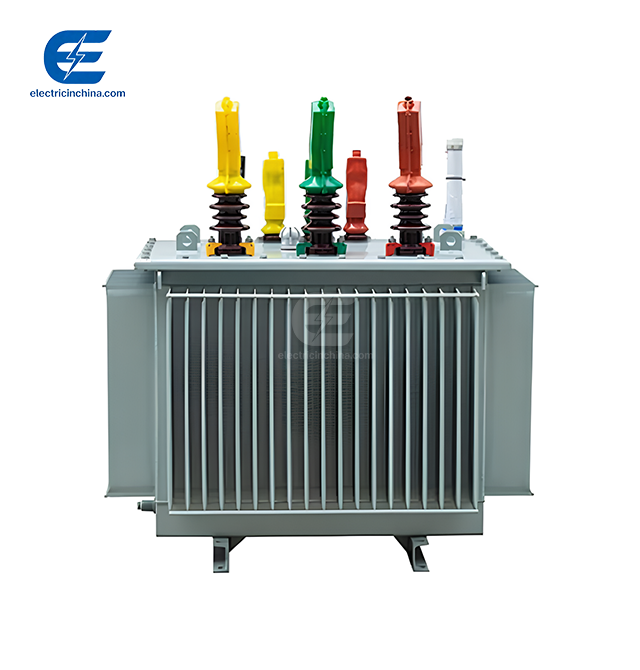
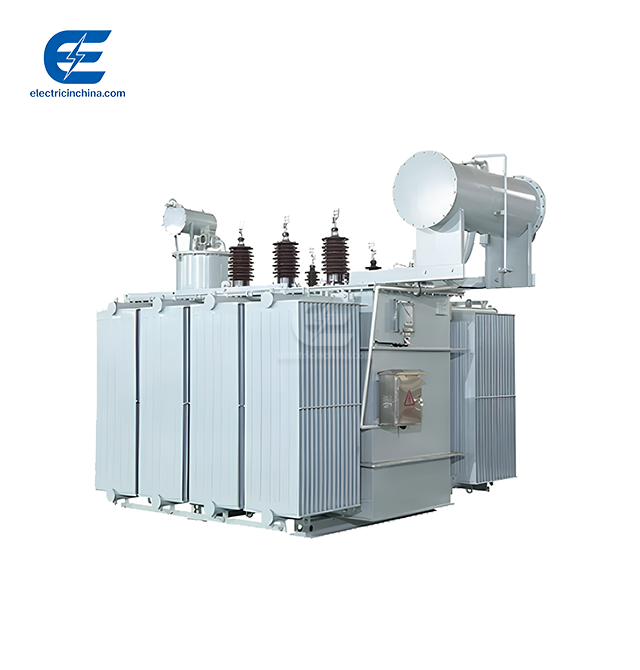
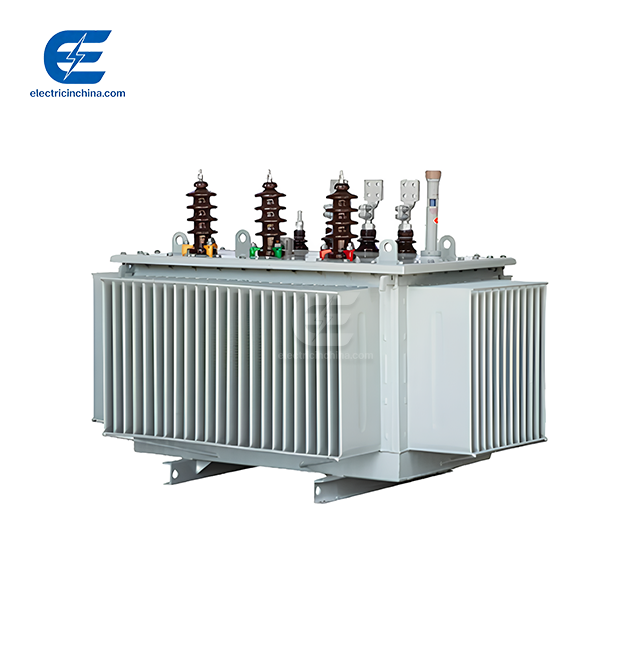
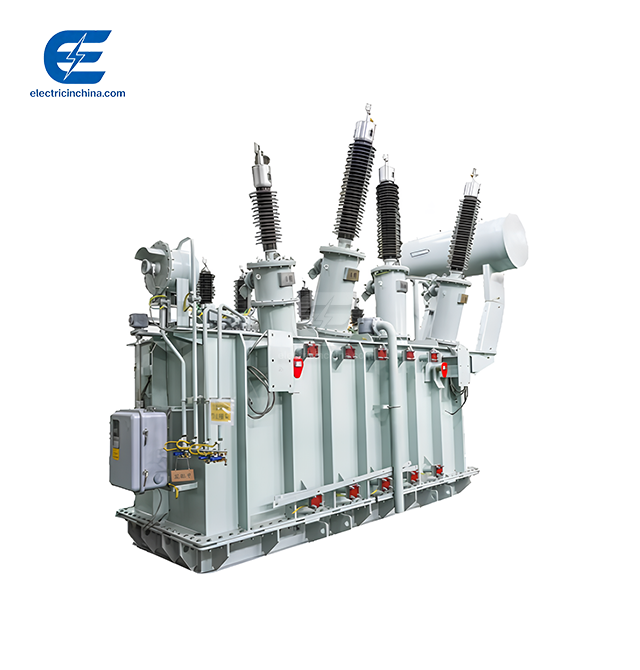
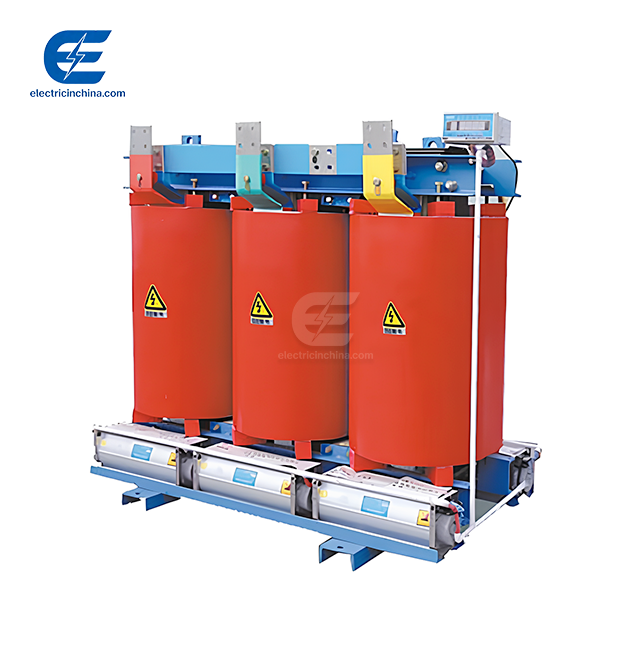
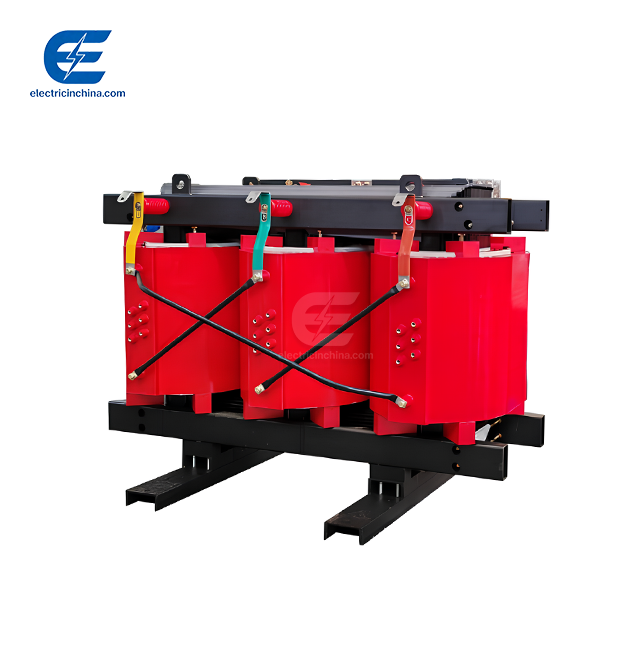
Through advanced cooling technologies, better insulating oils with higher flash points, improved thermal management systems, and built-in tracking capabilities, High efficiency oil immersed transformers significantly lower the risk of fire. The efficiency rates for these transformers are 98.5 to 99.7%, and their operating temperatures stay 15-20% lower than those of regular units. This keeps burning risks to a minimum. The use of fire-resistant enclosures, better sealing mechanisms that stop oil leaks, and real-time temperature monitoring systems creates multiple layers of defense against ignition sources. This makes them much safer in industrial and infrastructure settings than traditional designs.
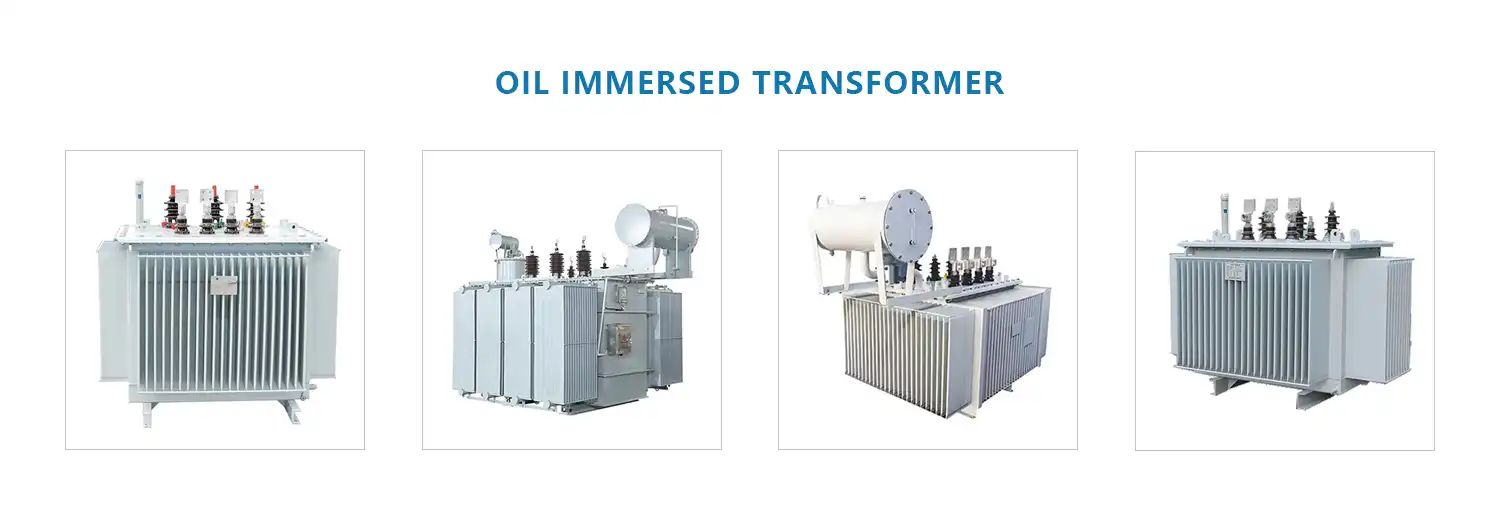
Understanding Fire Risks in Traditional Oil-Immersed Transformers
Traditional battery designs are naturally prone to fire, which buying teams need to be aware of. Overheating is still the main cause—when insulation systems break down because of long-term thermal stress, they damage the dielectric stability. This process of breakdown usually starts slowly, with hot spots appearing in certain areas due to inadequate cooling or unequal load distribution. Mineral oil works well as both a cooler and an insulator, but it can catch fire. Normal insulation oils catch fire at around 160°C to 180°C, which is a temperature that can be reached when there is a fault. This risk is raised by oil leaks, which happen when gaskets wear out, tank seams corrode, or bushings get damaged. These problems let flammable liquid escape, which creates fire dangers near electrical equipment.
Cascading breakdowns are caused by electrical problems. Arcing paths are made when insulation breaks down because of contamination or wetness getting in. These arcs create areas with temperatures above 3000°C, which quickly turn oil around them into vapor and make powerful gas mixes. Environmental factors speed up wear and tear. For example, areas with high humidity make it easier for insulation materials to absorb water, and airborne particles build up in cooling systems, making them less effective at moving heat.
The effects go beyond just the instant risk of fire. When transformers fail, they cause power outages that mess up production plans, delay building projects, and stop essential infrastructure services. Insurance companies are stricter about giving policies to sites with old transformer sets because they know they pose a higher risk. NFPA 850 and OSHA electricity safety standards must be followed by regulatory bodies. If the equipment fails to meet these standards, the company could be sued. Knowing about these weaknesses helps with buying choices. It's not enough to just compare buy prices or basic specs when evaluating transformer proposals; you also need to look at how specific design features address each failure mode.
Key Design Features of High Efficiency Oil Immersed Transformers that Enhance Fire Safety
Modern transformer engineering uses a number of safety-focused innovations that work together to lower the risk of fire. Instead of depending on a single point of security, these features work together to create multiple layers of safety.
Advanced Thermal Management Systems
High efficiency oil immersed transformers have better cooling systems that keep the working temperatures low. Our S13–S22 series transformers use electrical steel cores with grain-oriented edges to keep eddy current losses to less than 1.5%. When internal heat production goes down, thermal stress on insulation materials goes down as well.
High-quality mineral or manmade ester oils that are designed for better heat movement are used in cooling systems. Because these special fluids keep their viscosity over a bigger range of temperatures, they can keep cooling even when the load changes. This makes the system stable even when temperatures change from -40°C to +50°C, which is important for buildings in a variety of climate zones.
Differences in temperature are very important for safety. Keeping the temperatures of the windings 15 to 20 percent lower than in normal designs makes the insulation last longer and gives you more safety before you hit critical thermal limits. Our 15 senior engineers and over 30 intermediate techs who specialize in transformer innovation back up this engineering method, which shows how committed we are to reliability.
Fire-Resistant Insulating Fluids
The choice of shielding oil has a big effect on fire safety features. More and more, high-efficiency transformers use synthetic ester fluids that have flash points higher than 300°C, which is almost twice as high as the flash point of regular mineral oils. This big rise in ignition temperature gives the engine important reaction time during fault conditions, which stops burning most of the time.
These improved fluids make things safer in more ways. They are better at stopping arcs because they quickly soak up energy from electrical faults and block fault current paths. Biodegradable ester products have less of an effect on the environment over the course of their useful life and cost less to clean up if they leak. These features meet regulatory needs for urban building projects and installations that don't harm the environment while also improving safety performance.
Structural Fire Protection Features
Some parts of the design itself act as extra defenses. Fire-resistant tank covers are made of materials that can withstand high temperatures without breaking down. Better gasket technologies that use advanced elastomers keep the seals intact for the life of the equipment, stopping oil leaks that could start fires outside.
Pressure release devices are very important for safety. When internal problems cause gases to escape quickly, spring-loaded relief valves open instantly and let the gases escape safely away from electrical parts. Buchholz's relay safety finds gas buildups that aren't normal and sounds alarms before things get dangerous. These systems connect to networks that keep an eye on buildings, which allows quick reaction methods to work.
Integrated Monitoring and Diagnostic Capabilities
Monitoring conditions in real time changes fire protection from reacting to being proactive. Temperature monitors placed in key areas, like hot spots in the winding, oil flow paths, and bushing contacts, keep an eye on the temperature all the time. By measuring differential temperatures, problems can be found before they become failures.
Remote tracking is especially useful for activities that are spread out. Centralized screens that show working data for full transformer fleets are helpful for procurement managers who are in charge of more than one facility. Predictive analytics algorithms look for trends that show problems are about to happen and schedule repair work for planned downtime instead of responding to emergencies.
These monitoring features come as standard with our transformer solutions, which means that repair intervals can be stretched to five years instead of the two to three years that most units need. This longer service interval keeps up high safety standards while reducing working disturbance.
Comparing Fire Safety Performance: High Efficiency Oil Immersed vs. Dry Type Transformers
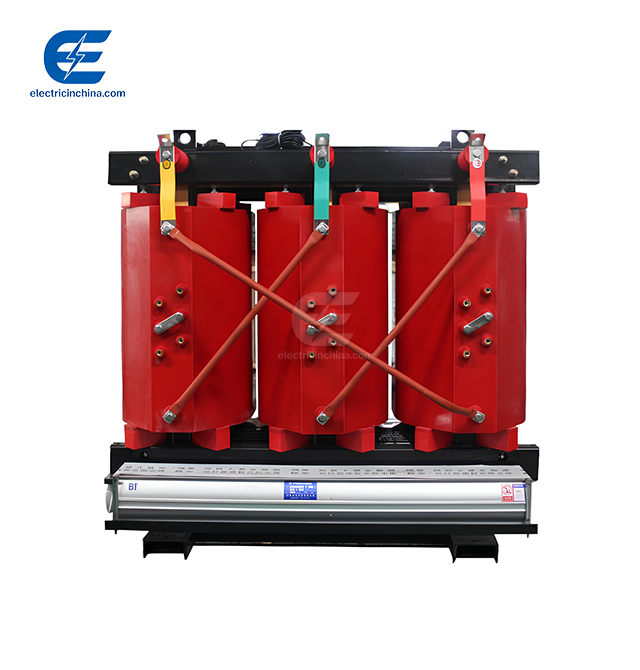
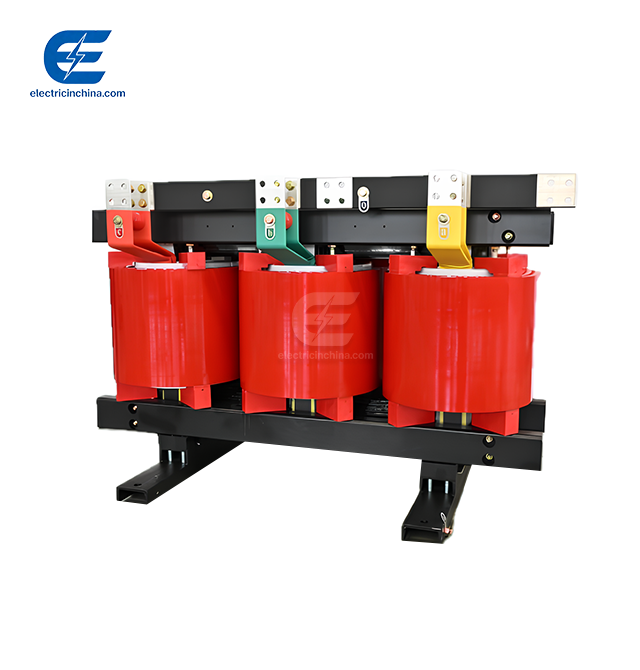
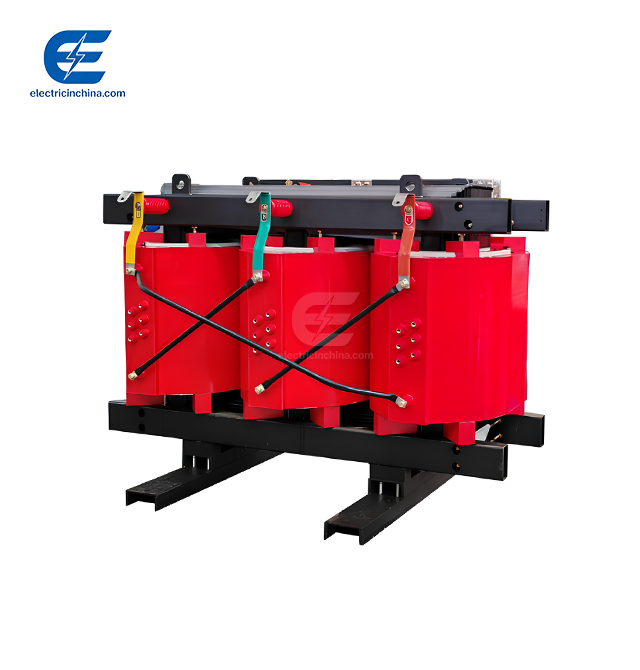
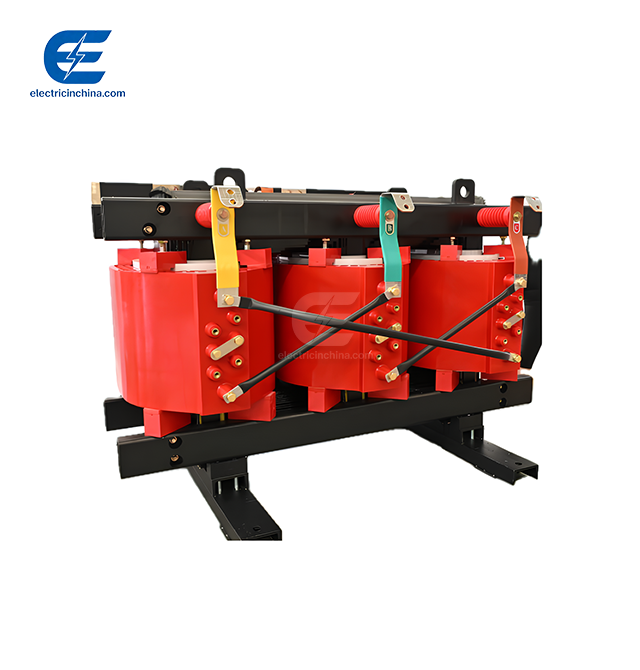
When making a purchase choice, people often have to look at different transformer methods. Using air or solid insulation methods, dry-type transformers get rid of all flammable chemicals. This design naturally lowers the risk of fire, which makes dry types appealing for setups inside places with strict safety rules, like hospitals, data centers, and business buildings with occupied areas next to electrical equipment.
Performance Trade-offs in Industrial Applications
Different tasks need to be done in heavy industry settings. Dry-type transformers work well at smaller power levels, but they can't handle the heat at higher capacities. When working with loads higher than 10MVA, especially when the air is hot, heat loss through convection becomes a problem. Forced air cooling gets around this problem, but it needs more upkeep and uses more energy, which takes away from its economic benefits. Across a wider size range, High efficiency oil immersed transformers continue to work well. Our units are 98.5–99.7% efficient at levels between 50kVA and 500MVA, which means they use 40–60% less energy than normal designs. This efficiency benefit directly leads to less waste heat production. Less heat means lower fire risk, even when heavy electricity loads are being handled.
Cost-Effectiveness Considerations
Total cost of ownership estimates often show that oil-immersed units with high efficiency are the best choice for many commercial situations. The cost to buy starts out 20–30% less than the cost of buying a dry-type transformer with the same rating. Savings on energy add up over operating lifetimes of more than 35 years, creating large financial returns. Less cooling is needed in enclosed setups, so HVAC costs are lower. Modern oil-immersed designs have better fire safety performance, closing the gap between these technologies that was there before. Modern oil-immersed transformers have safety ratings that are similar to dry-type units when they have synthetic ester fluids, improved tracking systems, and better enclosures.
Maintenance and Operational Best Practices to Minimize Fire Risks in High Efficiency Oil Immersed Transformers
The level of upkeep has a big impact on how well equipment works. To keep providing safety benefits for as long as possible, even the most modern High efficiency oil immersed transformer design needs to be properly maintained. Not only should the features of the tools be included in the procurement specs, but so should the needs for ongoing assistance.
Routine Inspection Protocols
An important part of transformer repair plans is checking the oil on a regular basis. Fault gases like hydrogen, methane, and ethylene can be found using dissolved gas analysis. These gases show that the system is burning or arcing internally. Our quality control procedures are based on IEC 60422 standards. They check that the electrical strength is above 70kV, the moisture content is below 10ppm, and the acidity level is less than 0.01mgKOH/g.
Visual checks go along with tests done in a lab. Trained experts check the outside of the car every three months. They look for oil leaks around the gaskets, make sure the bushings are solid, and look for damage or clogs in the radiator fins. Thermal imaging scans find changes in temperature that can't be seen with the naked eye. This way, failed connections or cooling system limits can be found before they put people in danger.
Predictive Maintenance Technologies
Smart monitoring tools completely change how well repair works. Continuously collecting data sets standard performance ratings for each transformer. Machine learning algorithms can pick up on small changes from normal working patterns. When parameters start to trend outside of acceptable ranges, they send maintenance alerts.
Industry studies show that this proactive method cuts unexpected downtime by 85%. Instead of fixing problems as they happen, maintenance teams deal with problems as they arise during planned breaks. The effect on the bottom line is big: planned maintenance costs 30–40% less than emergency fixes, and it keeps output from stopping when something breaks down without warning.
OEM Support Advantages
Partnering with original equipment makers (OEMs) has clear benefits for upkeep. OEM engineers know a lot about unique design features, how things break, and the best way to fix them. They have access to special troubleshooting tools and original replacement parts that are made to fit the originals.
As part of our service plans, we offer regular checks, oil testing, thermal analysis, and faster access to expert help. These OEM repair relationships provide measured value by increasing equipment uptime and making it last longer for government building projects and industrial sites that can't risk reliability.
Procurement Considerations: Choosing High Efficiency Oil Immersed Transformers With Fire Safety in Mind
Structured evaluation systems that look at both technical requirements and seller skills are needed for effective procurement. At every stage, choices should be based on fire safety.
Certification and Standards Compliance
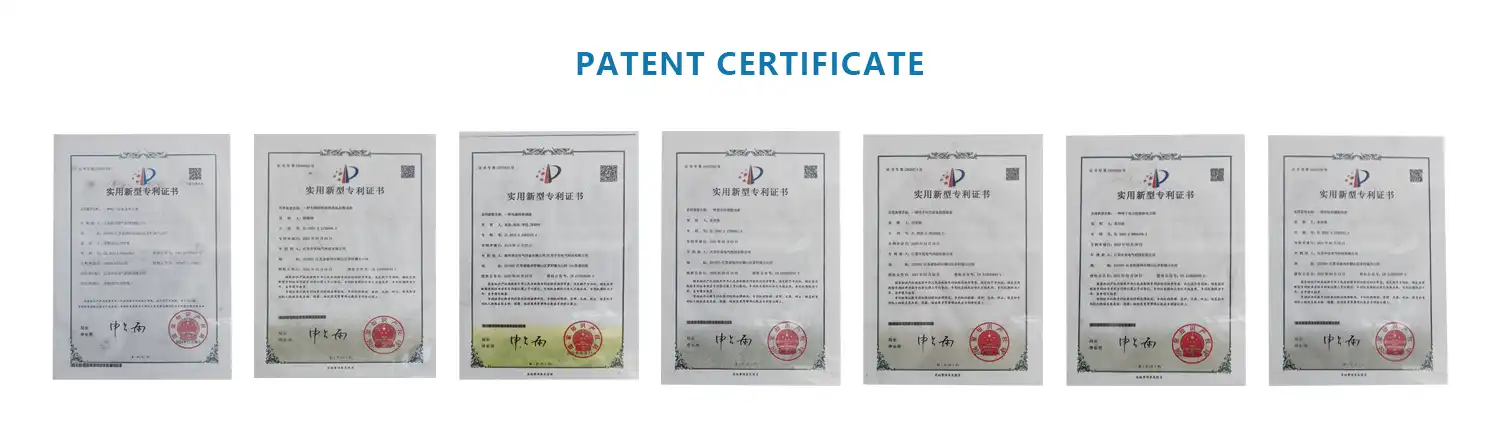
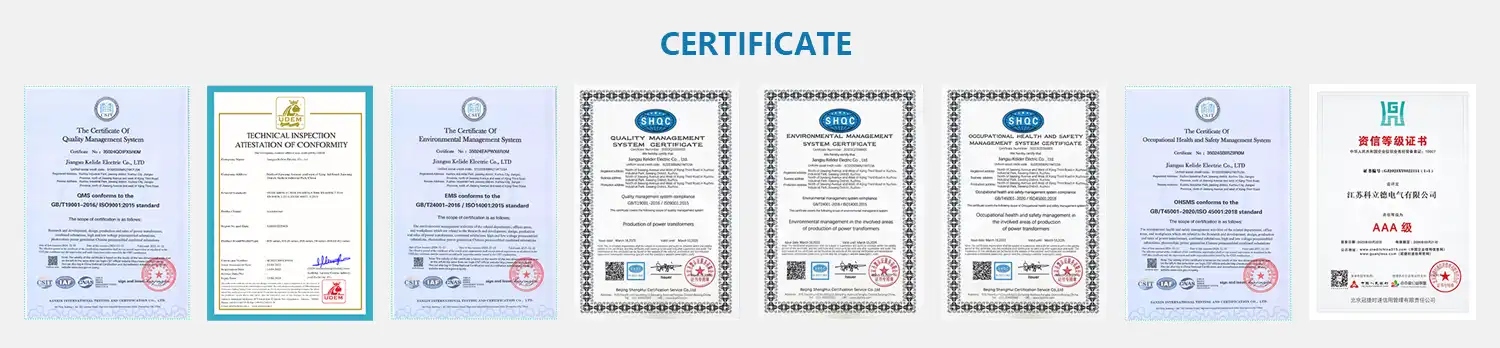
Certifications for equipment are an objective way to prove that it works safely. Specifications for buying things should make sure that they follow the IEC 60076 series rules for designing and testing transformers, the IEEE C57.12.00 rules for performance needs, and the UL listing rules for fire safety features. Our items have ISO 9001, ISO 14001, and OHSAS 45001 certifications, which show that we care about quality control, being good to the environment, and keeping workers safe.
Technical Specification Requirements
Specifications for contracts should include more than just general outlines of fire safety features. Document the flash points of insulating fluids, the ratings of pressure relief devices, the tracking system's abilities, and the ratings of the enclosure's fire protection. Our S13–S22 series High efficiency oil immersed transformers come with improved oil systems and grain-oriented silicon steel cores as normal features, not as extras that can be added.
Supplier Technical Capabilities
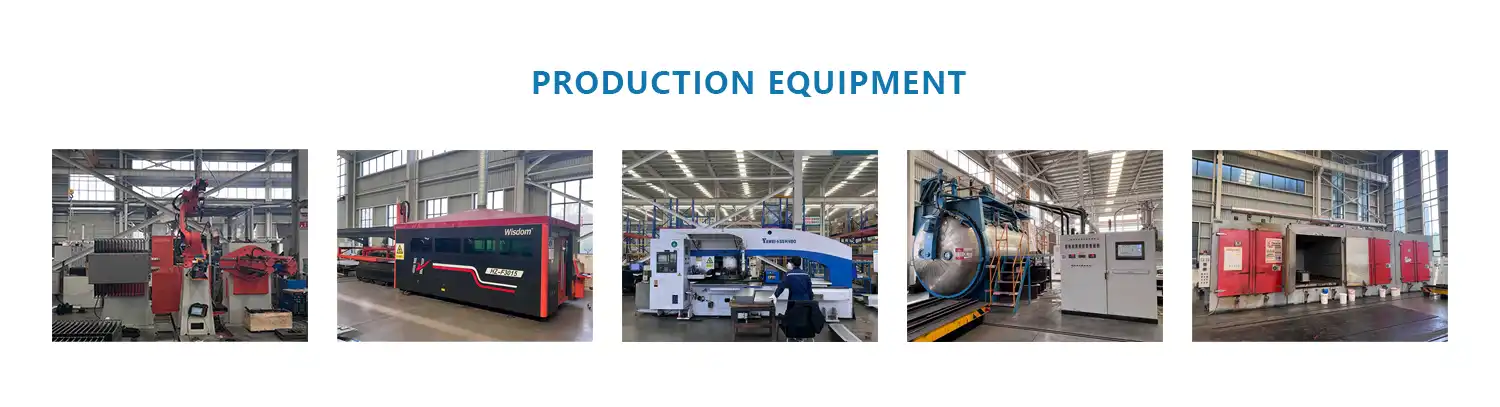
Check out the technical tools and track records of the suppliers. Companies that spend money on research and development show that they want to make transformer technology better. Our technical team is made up of 15 senior engineers and 17 senior technicians. They work in modern factories that have more than 120 sets of specialized equipment, such as CNC automatic winding machines, static vacuum casting systems, and microcomputer-controlled gradient curing ovens.
Project Experience and References
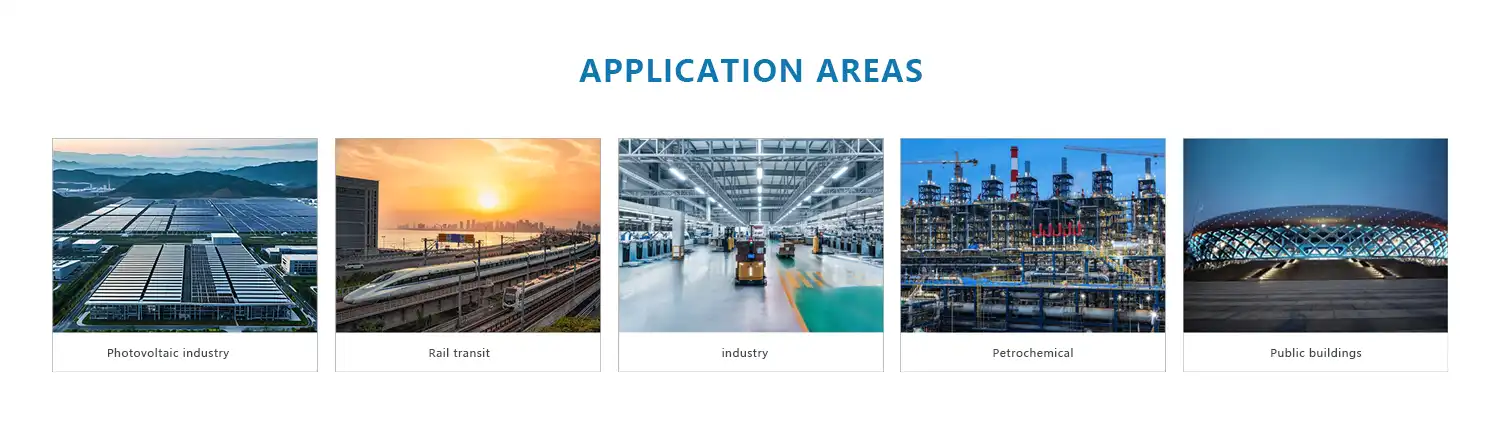
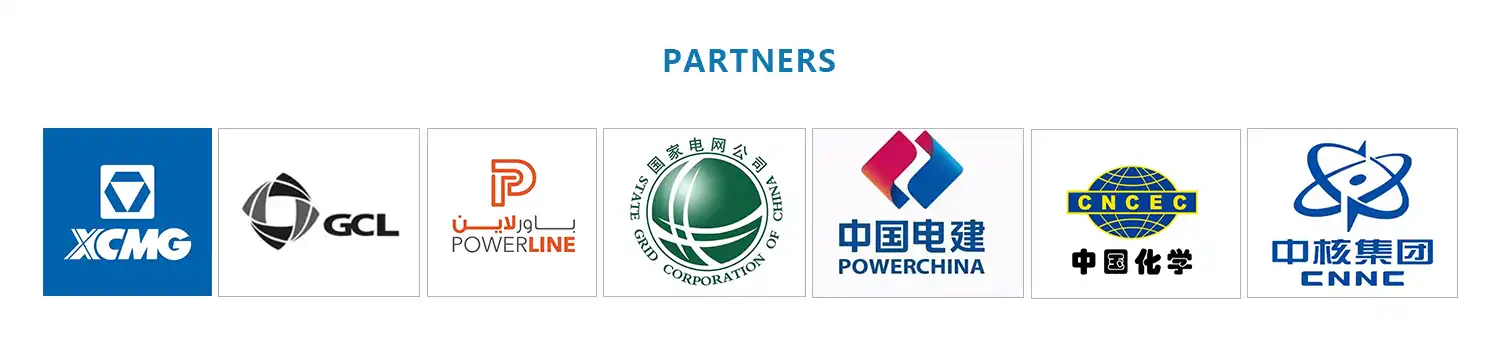
Track records of suppliers give you trust in their ability to carry out orders. We've finished a huge number of important power projects, such as the Xuzhou Rail Transit Network Control Center, the Xuzhou High-speed Railway East Station EPC Project, and the GCL Photovoltaic Industrial Park's power delivery systems. We've shown that we can handle complicated needs in government infrastructure, business real estate, and industry settings through these different projects.
Delivery and Installation Coordination
Managing lead time has an effect on project prices and plans. During purchase talks, be clear about when things will be made, how they will be shipped, and who will help with installation. Our dedication to on-time delivery comes from thorough systems for planning production and keeping track of goods that stop delays. Professional installation services make sure that the equipment works the way it was meant to.
Conclusion
For generator systems to be safe from fire, they need to use complete methods that take into account how the equipment is designed, how it is used, and how it should be maintained. High efficiency oil immersed transformers lower fire risks through several engineering innovations, including advanced thermal management that keeps operating temperatures low, fire-resistant insulating fluids with high flash points, structural protection features that stop oil leaks, and integrated monitoring systems that allow for planned maintenance.
FAQ
What efficiency levels reduce fire risks most effectively in oil-immersed transformers?
High-efficiency oil-immersed transformers that are rated at 98.5 to 99.7% efficiency make a lot less waste heat than regular units that are rated at 95 to 97% efficiency. This 1.5–3% increase in efficiency means that 30–50% less heat is made when the system is fully loaded. Lower internal temperatures make insulation materials less stressed by heat, which lowers the risk of failure and fire. Our S13–S22 line shows how these levels of efficiency are reached with grain-oriented silicon steel cores and improved winding designs that keep temperature rises below 65K for the windings and 60K for the insulating oil.
How often should oil testing occur to maintain fire safety?
An annual dissolved gas study is the very least that should be done on transformers that are in vital service. Testing high-risk systems every six months is a good idea. The oil's electrical strength should be more than 70kV, its acidity should be less than 0.01mgKOH/g, and its moisture level should stay below 10ppm. Trending analysis is more useful than looking at a single test result because it lets you know when something is getting worse before it gets dangerous.
Can fire safety features be customized during transformer procurement?
You can choose the insulating fluid, the tracking system, the fire grade for the enclosure, and the design of the safety devices. When buying, be clear about what you need. Reputable makers work together on technical standards to make sure that equipment fits the needs of the application. Our technical team looks at the conditions at the spot and suggests the best feature combos based on safety performance and budget.
Partner With Tuojie for Industry-Leading High Efficiency Oil Immersed Transformer Solutions
Tuojie has been creating and making power transformers that set the standard for safety and efficiency in the business for more than 20 years. Our line of High efficiency oil immersed transformers has scores of 98.5 to 99.7% efficiency and includes full fire safety features like synthetic ester insulating oils, real-time tracking systems, and better temperature management. Before being delivered, every unit goes through a lot of tests in our professional quality inspection center to make sure it meets the requirements of ISO 9001, ISO 14001, and OHSAS 45001 standards. We know that business developments, industrial buildings, and government infrastructure projects need more than just catalog goods. The 15 top engineers on our team work with clients to create custom solutions that fit their needs and the conditions of the surroundings. We offer full-service solutions that make equipment safer and last longer, from the original assessment to installation and ongoing upkeep support. Contact our engineering team today at tuojie@electricinchina.com to discuss your project requirements.
References
1. Institute of Electrical and Electronics Engineers. "IEEE Guide for Transformer Fire Safety Practices." IEEE Standards Association, 2021.
2. National Fire Protection Association. "NFPA 850: Recommended Practice for Fire Protection for Electric Generating Plants and High Voltage Direct Current Converter Stations." NFPA Standards Council, 2020.
3. International Electrotechnical Commission. "IEC 60076-7: Power Transformers – Part 7: Loading Guide for Mineral-Oil-Immersed Power Transformers." IEC Technical Committee 14, 2018.
4. CIGRE Working Group A2.35. "Guide for Transformer Fire Safety Practices." International Council on Large Electric Systems, 2019.
5. Bartley, W. H. "Analysis of Transformer Failures: A Twenty-Three Year Study." International Association of Engineering Insurers Conference Proceedings, 2021.
6. American Society for Testing and Materials. "ASTM D3612-02: Standard Test Method for Analysis of Gases Dissolved in Electrical Insulating Oil by Gas Chromatography." ASTM International, 2019.