

.webp)
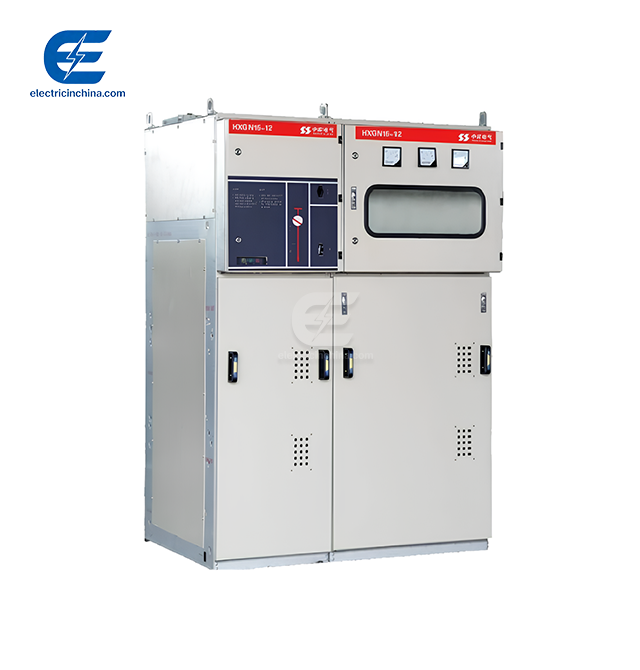
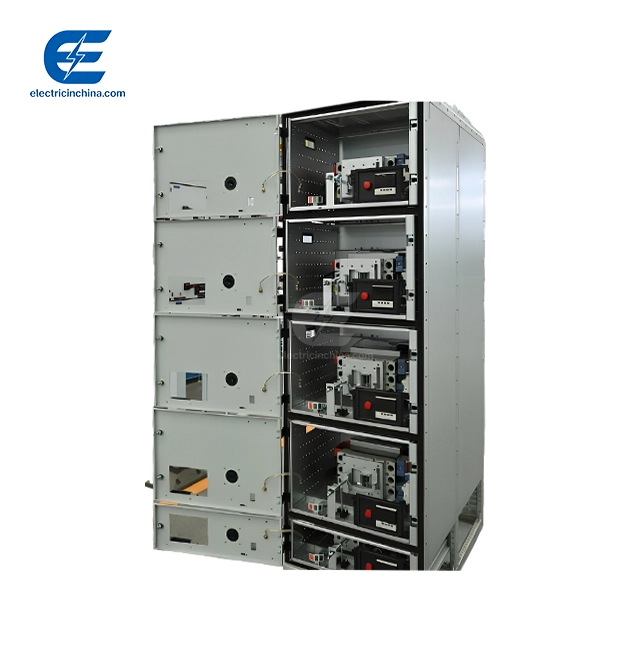
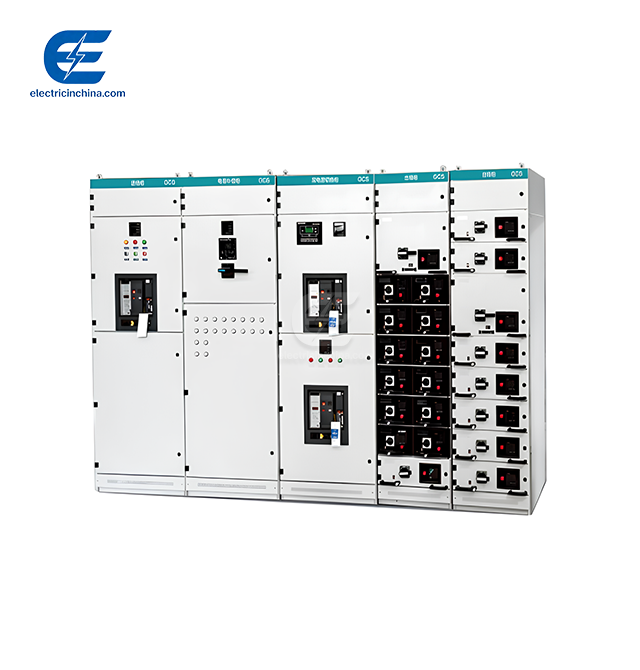
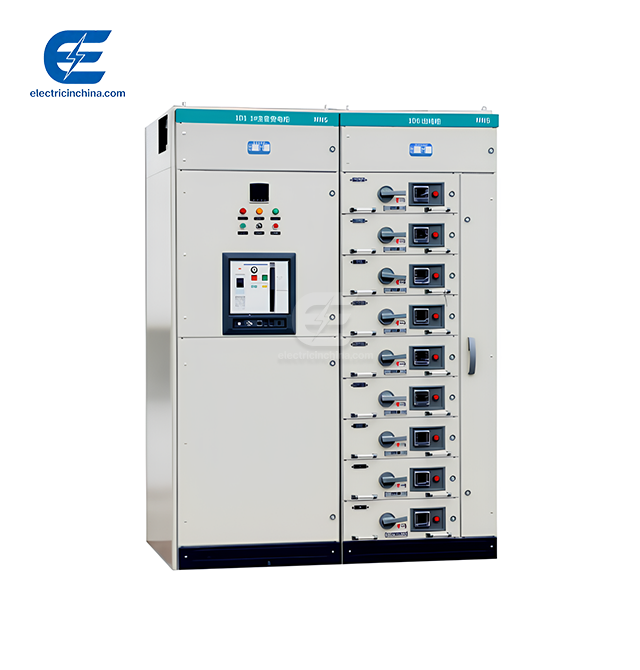
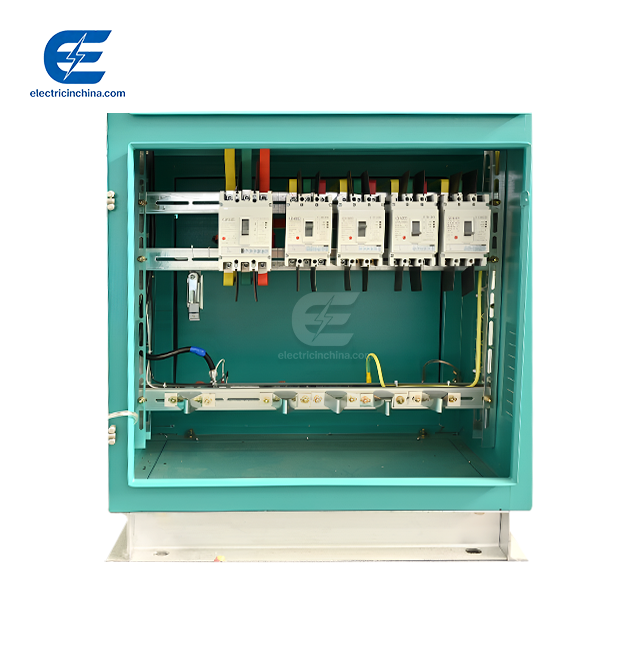
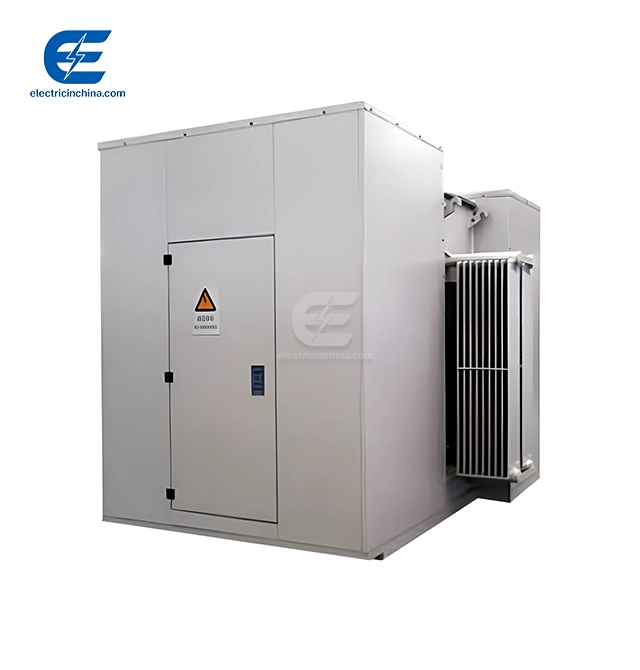
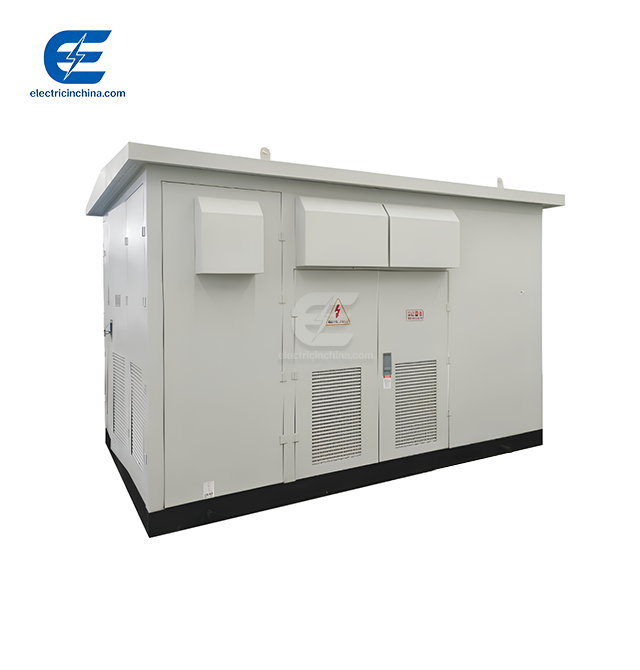
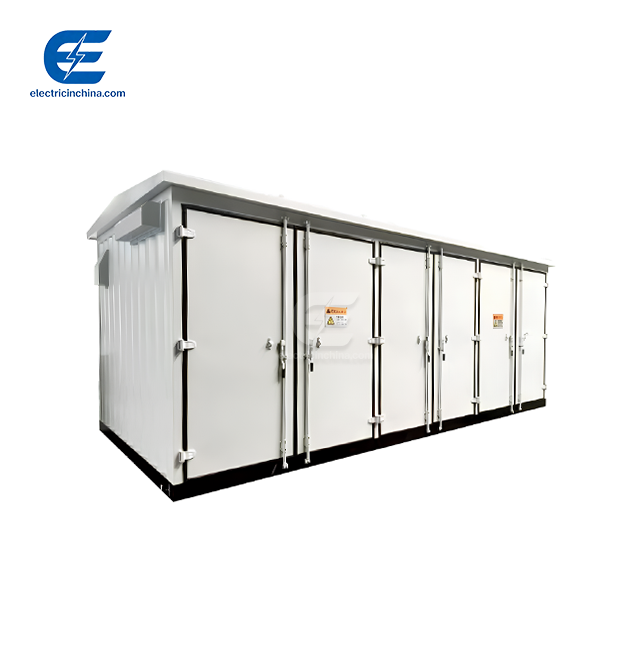
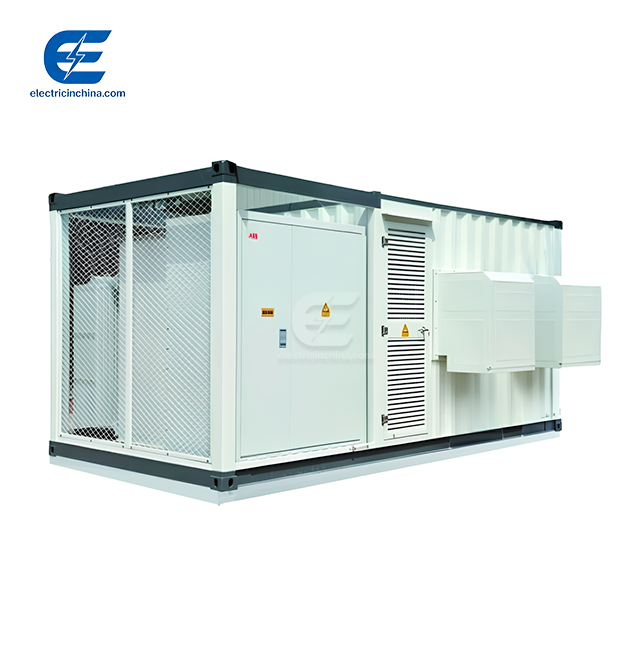
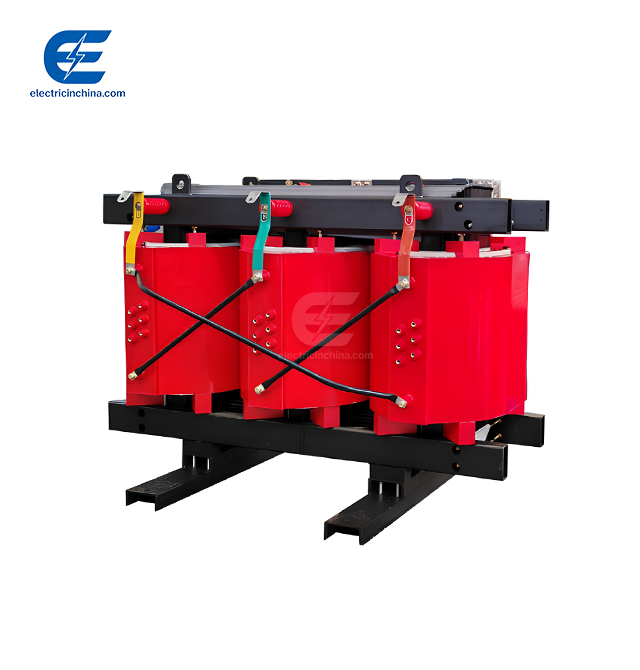
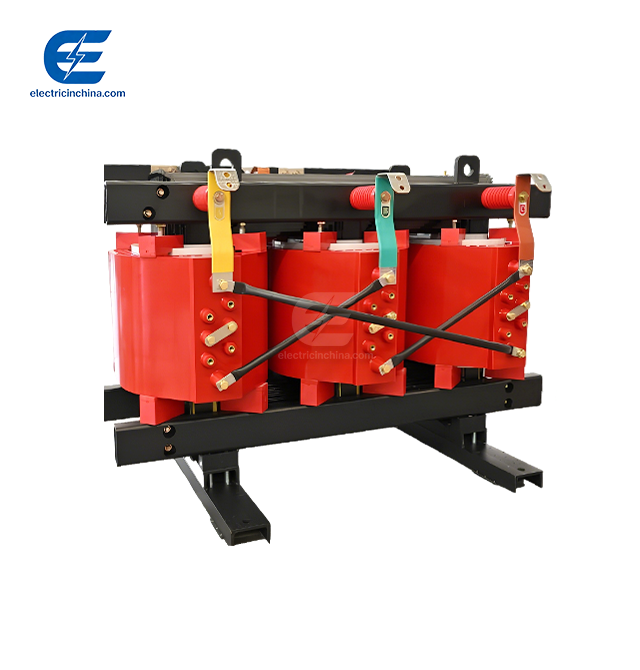
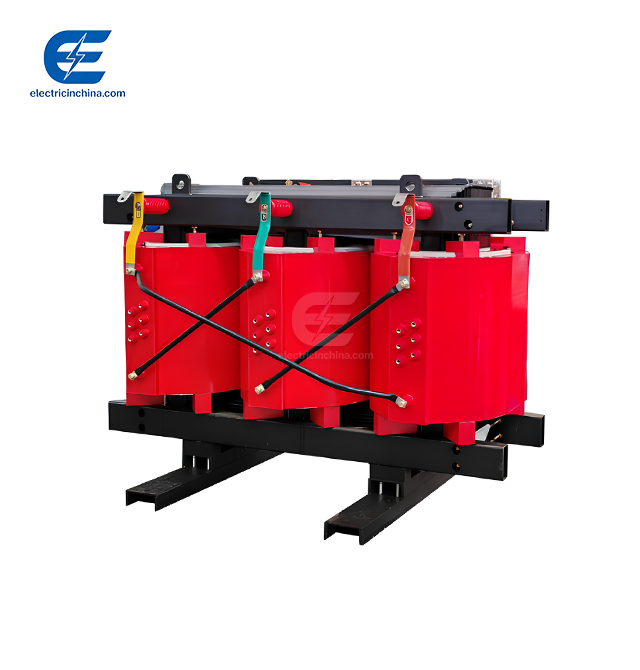
Cast Resin Transformers can handle high voltage loads thanks to an advanced epoxy resin coating that gives them a dielectric strength of more than 20 kV/mm and vacuum pressure impregnation technology that gets rid of air gaps and improves the insulation's integrity. The solid resin casting makes a strong shield against electrical stress, and during peak demand, special thermal management systems get rid of heat quickly. As long as the voltage stays between 10kV and 35kV, these dry-type units work consistently. They keep the partial discharge level below 10 pC and achieve efficiency rates above 98.5%, which makes them perfect for challenging infrastructure applications where safety and performance must not be sacrificed.
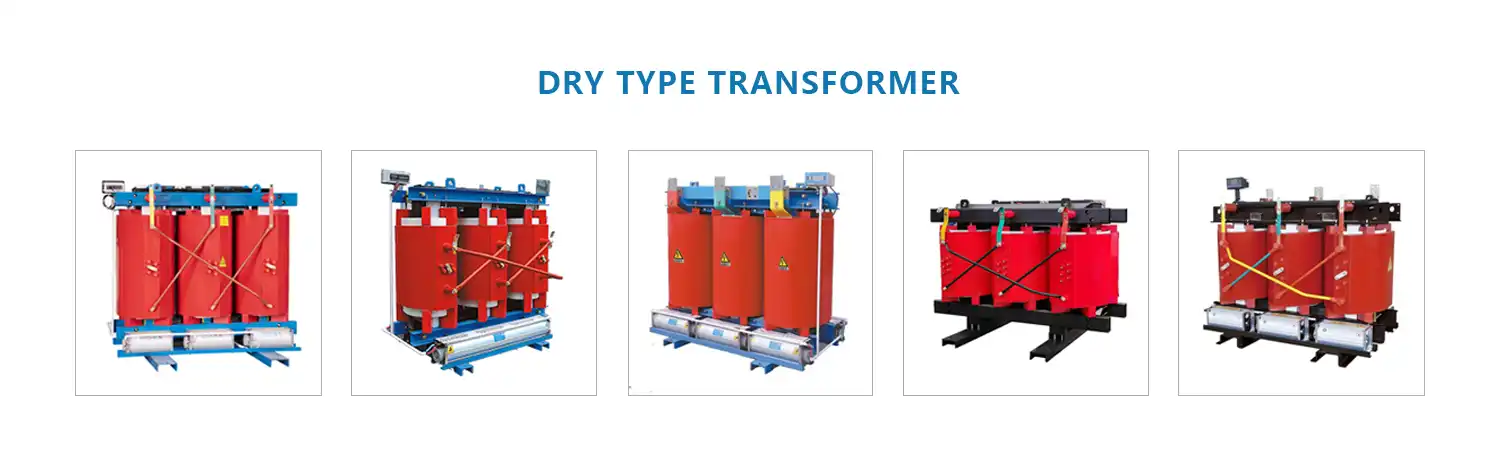
Understanding Cast Resin Transformers and Their Role in High Voltage Environments
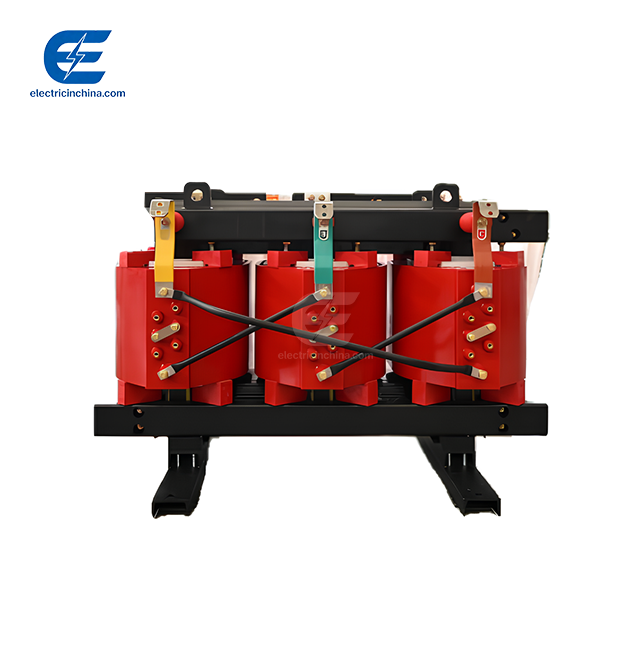
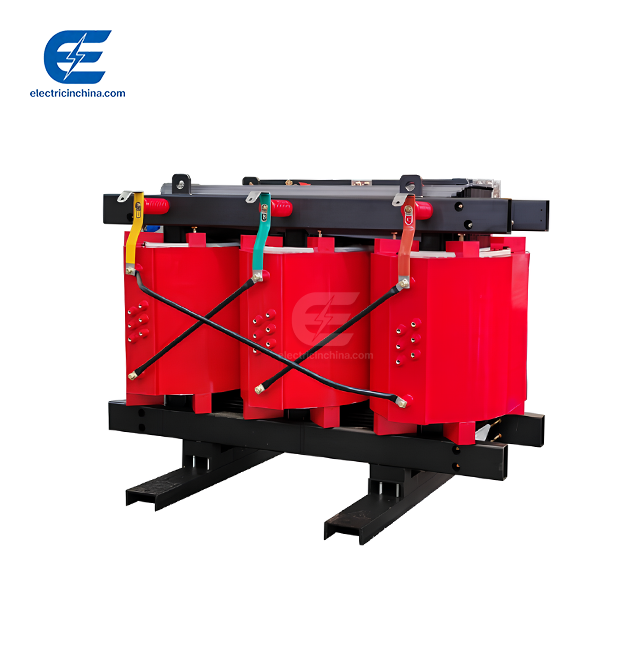
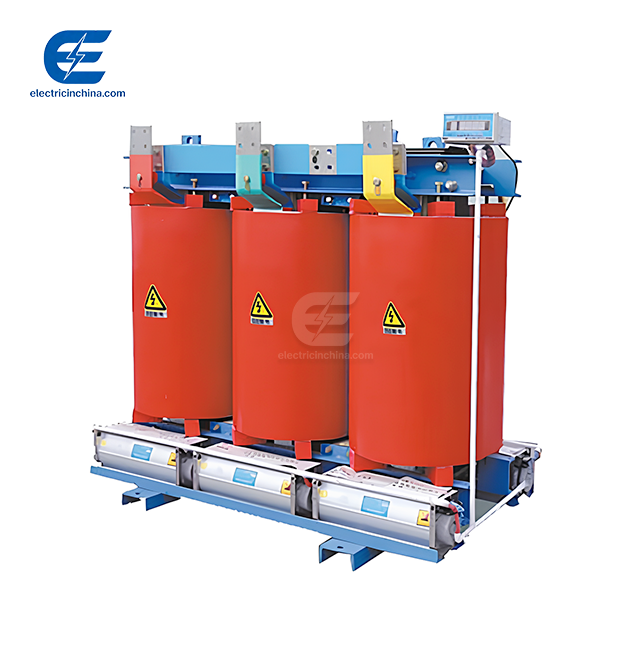
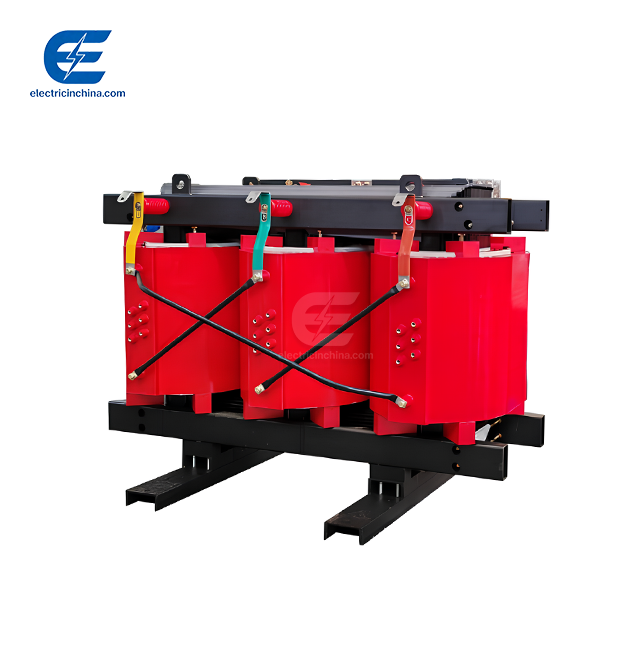
Cast Resin Transformers are a big step forward in power distribution technology. They are designed to work in places with strict safety standards and high-voltage dependability. Instead of traditional units that are submerged in oil, these transformers use epoxy resin encapsulation to make a solution that doesn't need any upkeep and is safe for the environment. This meets the major needs of government building projects and business developers.
What Defines a Cast Resin Transformer
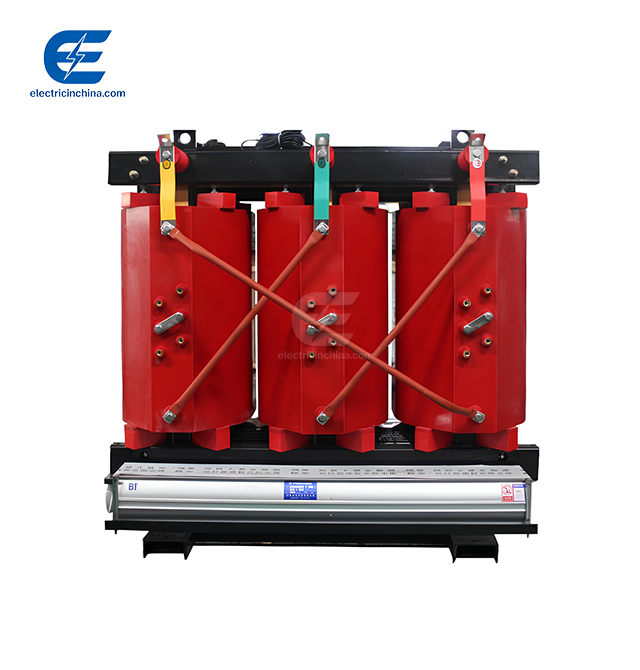
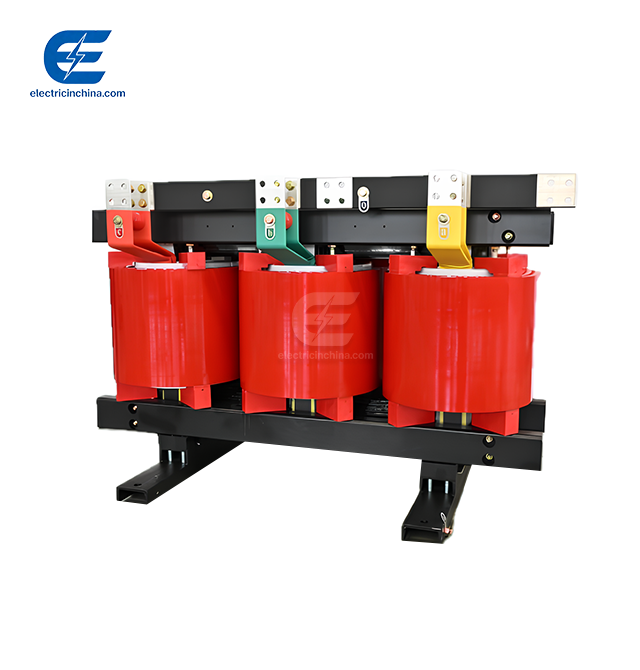
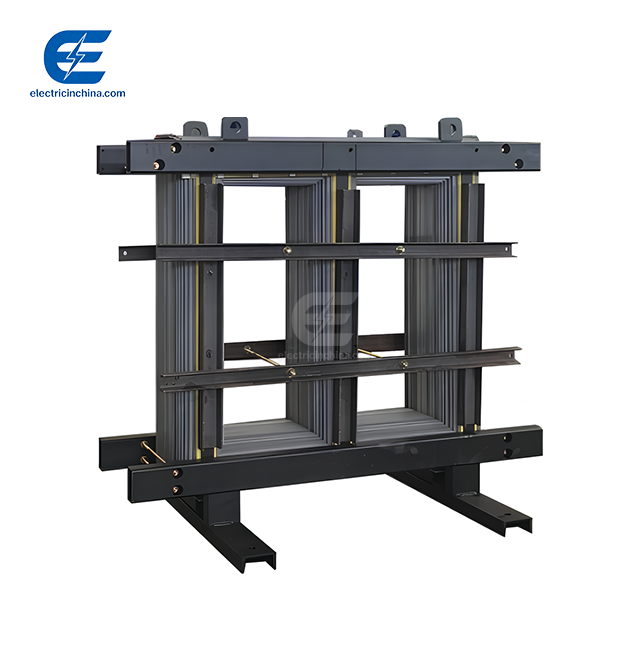
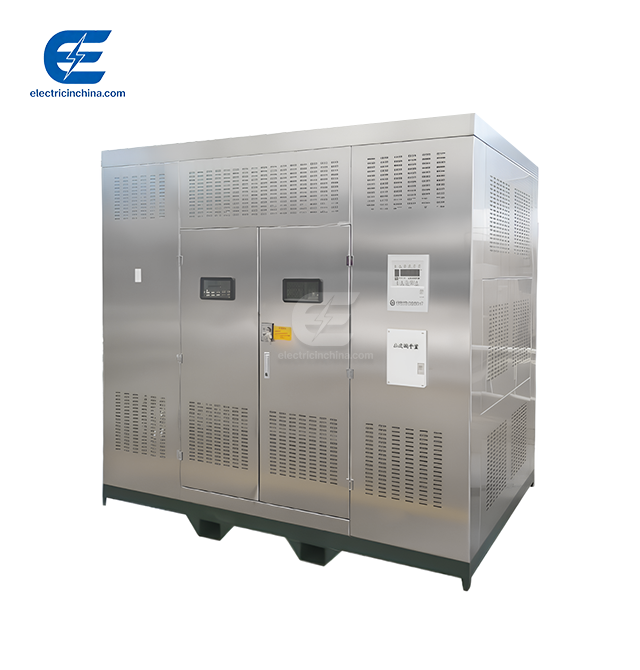
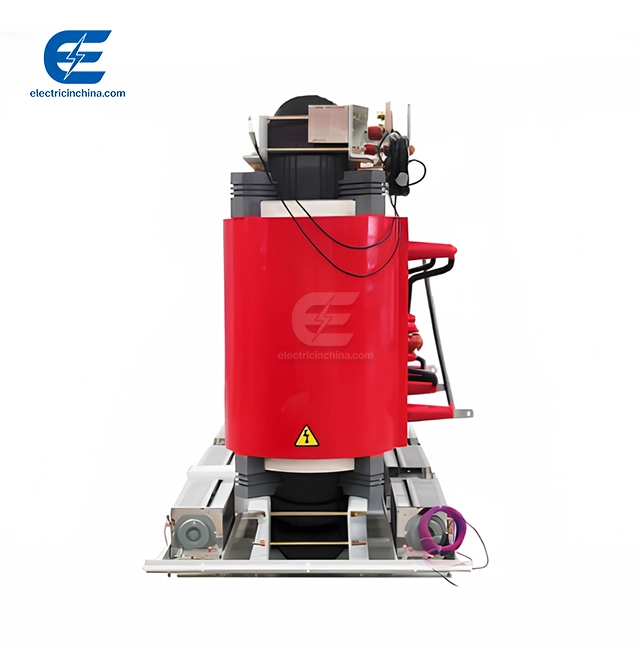
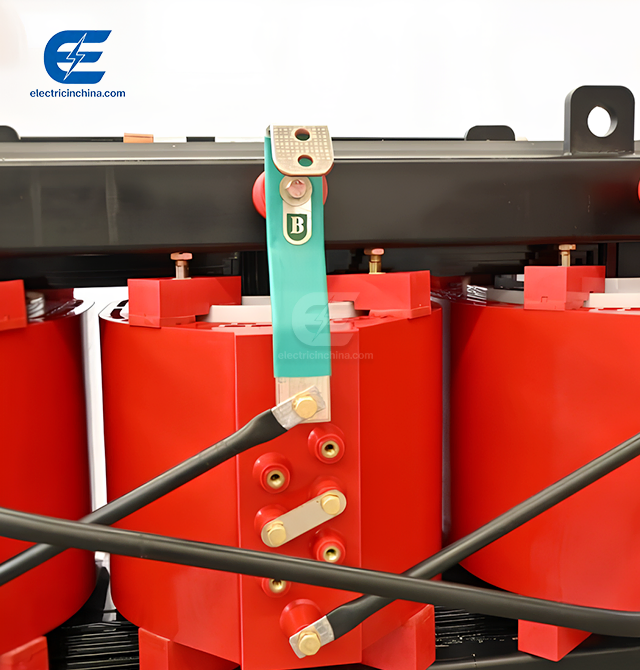
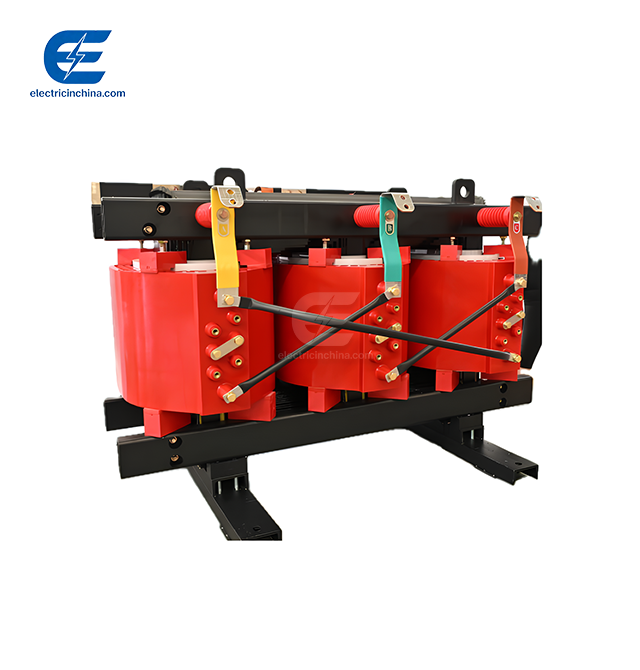
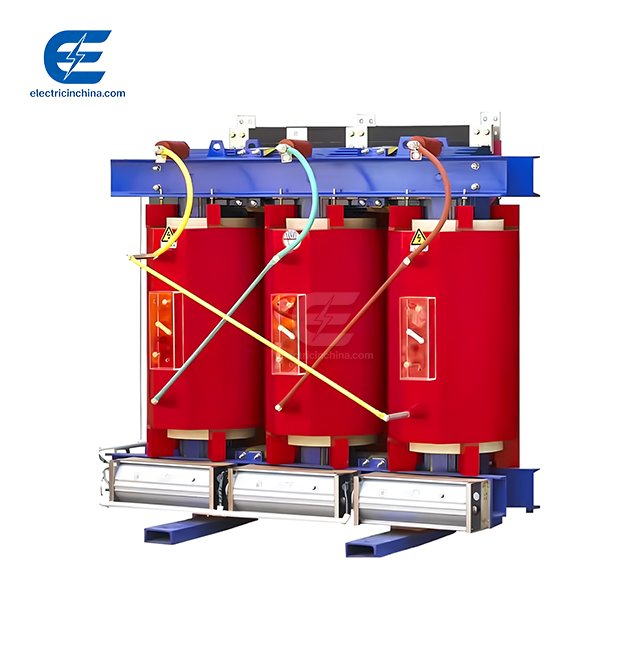
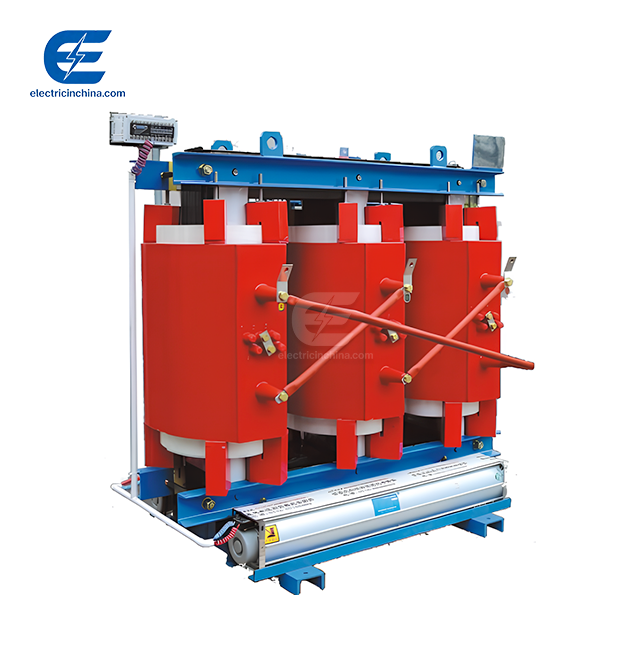
When there is no air around, the main and secondary windings of a Cast Resin Transformer are fully covered in epoxy resin. This makes the transformer dry. Our engineering team has mastered this production process, which makes a solid insulation system that doesn't have the fire risks that come with oil-filled alternatives. When the epoxy hardens, it forms a smooth structure that can handle electrical stress, mechanical impact, and weather problems that would damage other insulation systems.
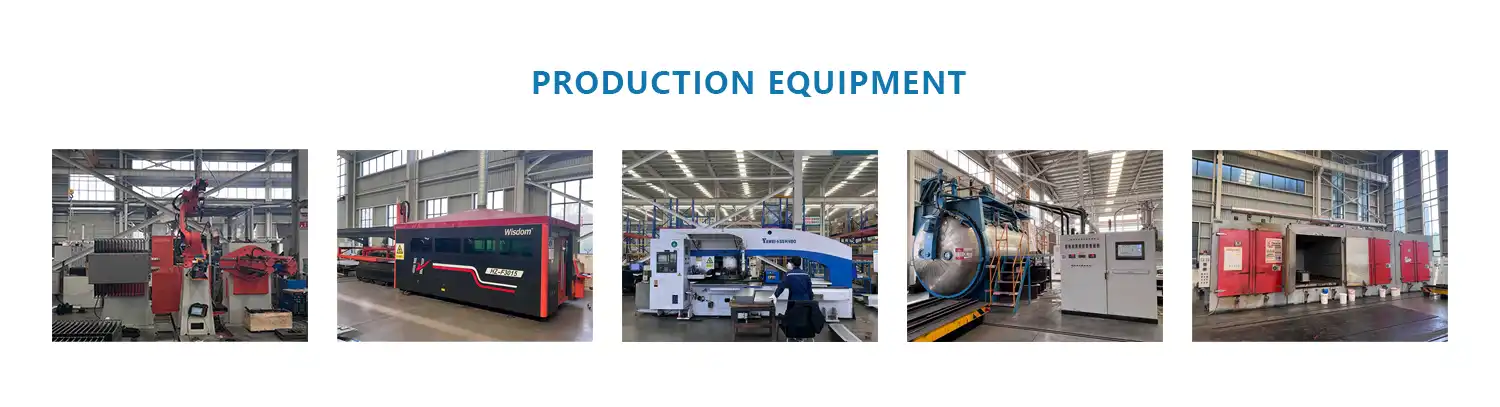
Over 120 high-tech production systems are used in our factory. These include CNC static vacuum casting tools and microcomputer-controlled gradient curing ovens. This equipment allows for precise control during the sealing process, making sure that there are no holes or weak spots that could cause the circuit to break too soon when the voltage is high. Before it is shipped, each transformer goes through a thorough review that follows ISO9001 quality control standards. This makes sure that it will work perfectly from the time it is installed until it is retired after many years of service.
Applications Across Critical Infrastructure Sectors
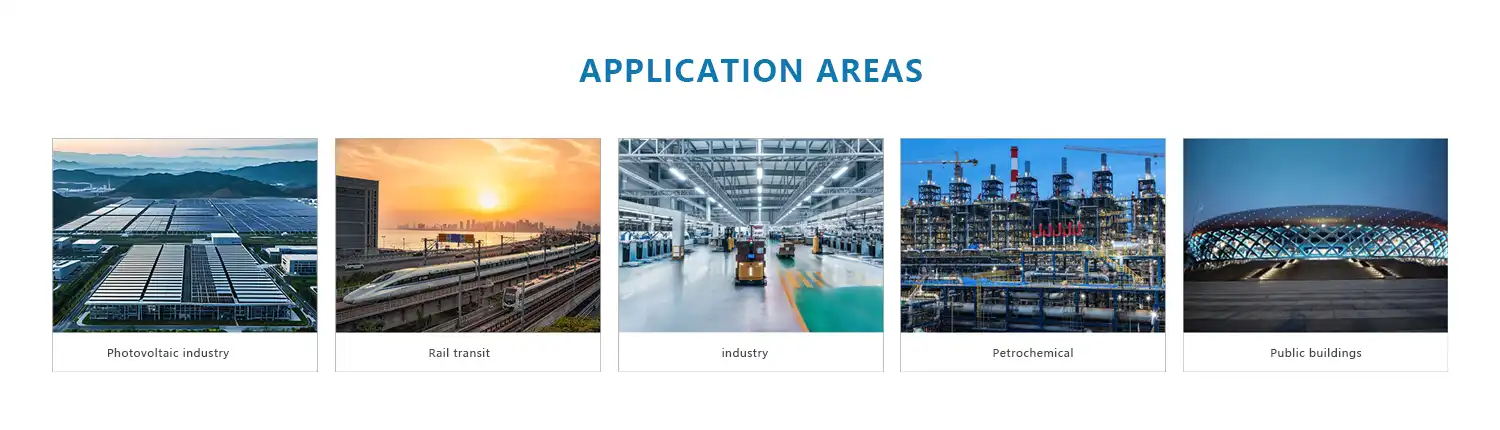
Cast Resin Transformers run production lines in industrial manufacturing sites. When equipment breaks down, the factories lose money. We finished the power distribution systems for XCMG Group's new plant upgrade early and made sure they could handle changes in energy without any problems. Metal dust and chemical fumes that are common in industrial settings couldn't get inside because the construction was sealed. This kept the insulation intact, while oil-filled transformers would require frequent maintenance.
Our transformers were chosen for commercial real estate projects like the Xinhuai Central Complex and the Huaihai Xintiandi developments because they are small and quiet. Installing the electrical rooms in the basement got rid of the extra costs for fire insurance and met local building rules that say oil-filled equipment can't be used in habitable buildings. The units always work at 99.5% efficiency, which lowers energy costs in buildings with multiple tenants, where power quality has a direct effect on how happy the tenants are.
For government infrastructure projects, like subways and transportation hubs, the highest standards of dependability are expected. Our two-circuit system for the Xuzhou Rail Transit makes sure that all operations are completely safe by providing two separate power lines. The transformers can handle the harsh thermal conditions of underground sites, where temperatures change quickly, and there isn't much airflow. They also keep the power stable so trains can run on time.
Technical Mechanisms Behind Cast Resin Transformers' High Voltage Handling
Managing high-voltage loads is possible thanks to advanced engineering that takes into account both electrical stress and heat management at the same time. When procurement teams understand these processes, they can better choose the right tools for tough jobs.
Vacuum Pressure Impregnation Process
Our vacuum pressure impregnation method is an important part of the manufacturing process that makes luxury Cast Resin Transformers different from regular dry-type transformers. After the windings are in place, the process starts when the whole core assembly goes into a vacuum room that removes all the air and moisture. Then, under controlled pressure, a specially made epoxy resin runs into every tiny space between the wires and the insulation layers.
This full sealing gets rid of the points where partial discharges start, which are what cause insulation to break down too soon. Testing shows that the partial discharge levels are less than 10 pC at 1.1 times the rated voltage. This is a lot lower than the level where damage builds up over time. Electrical stress is spread evenly across the insulation borders by the solid epoxy structure. This stops the localized burning that causes thermal runaway in poorly made units.
Advanced Cooling and Thermal Management
Whether a transformer keeps the voltage stable or fails badly depends on how well it handles the heat that is produced during overload situations. Our Cast Resin Transformers have specially designed cooling channels built into the epoxy structure that help air flow naturally through convection. When equipped with forced air cooling, the design lets it work at 150% of its normal load, giving it the extra capacity it needs during times of high demand.
Temperature tracking systems use BWDK thermometers placed at key places to keep an eye on hot spots in real time. The smart tracking sets off alarms at certain levels and starts the automatic stop before damage to the insulation happens. This safety system makes transformers last longer by stopping the gradual wear and tear that shortens service intervals in setups that aren't monitored.
Performance Comparison with Oil-Filled Units
Thermal class F insulation systems can work continuously at 155°C winding temperature. For harsh conditions up to 180°C, class H options are possible. Unlike organic insulation materials that break down quickly above their stated limits, the epoxy resin keeps its mechanical strength and dielectric qualities throughout this temperature range. This thermal stability makes sure that the device works the same way in temperatures ranging from -40°C to +40°C, which is ideal for installations in tough climates.
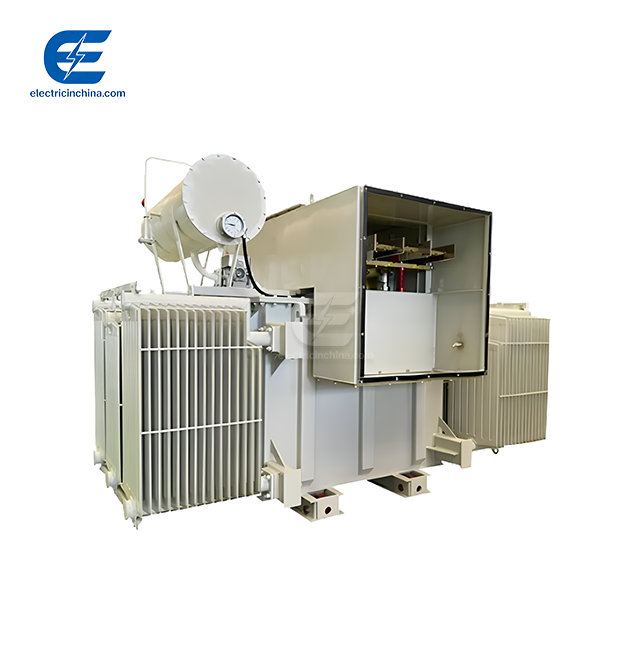
Operating efficiency has a direct effect on the total cost of ownership because it affects how much energy is used over the transformer's usual 25-year working life. Our Cast Resin Transformers are 99.5% efficient at rated load, which is the same as or better than oil-filled alternatives and saves you money on transformer oil. Since there is no oil, there are no ongoing testing costs or environmental liabilities that come with following the rules for spill control and removal.
Comparing Cast Resin Transformers with Other Transformer Types for High Voltage Loads
To choose the best transformer technology, you need to know how the different designs balance the needs for safety, cost, and operational performance. This comparison gives people who work in procurement the framework they need to carefully weigh their choices.
Safety and Environmental Considerations
The best thing about Cast Resin Transformers in occupied buildings and environmentally sensitive areas is that they keep people safe from fire. The material has self-extinguishing features that stop flames from spreading, and it meets UL flammability ratings, which means that it can be installed without fire control systems. Because of this feature, the Zhongjun Huijingcheng business project could have installations in the basement, even though building rules said that oil-filled equipment couldn't be within 50 feet of occupied areas.
Without transformer oil that can leak into dirt and waterways, there is no chance of polluting the environment. Environmental rules are very strict for projects that are close to protected waterways or in cities, which means that oil-filled transformers can't be used. Our sealed construction also stops moisture from getting in, which is what breaks down insulation in regular dry-type units. This keeps the dielectric strength in seaside sites where humidity levels regularly exceed 95%.
Maintenance Requirements and Operational Costs
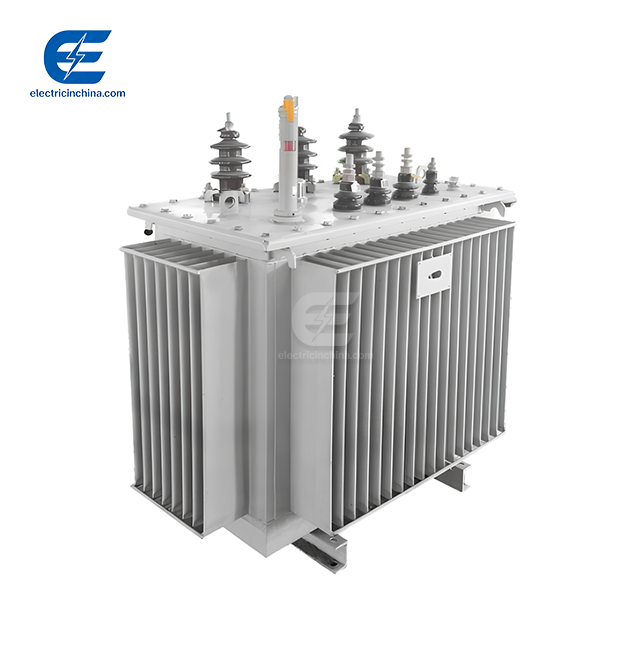
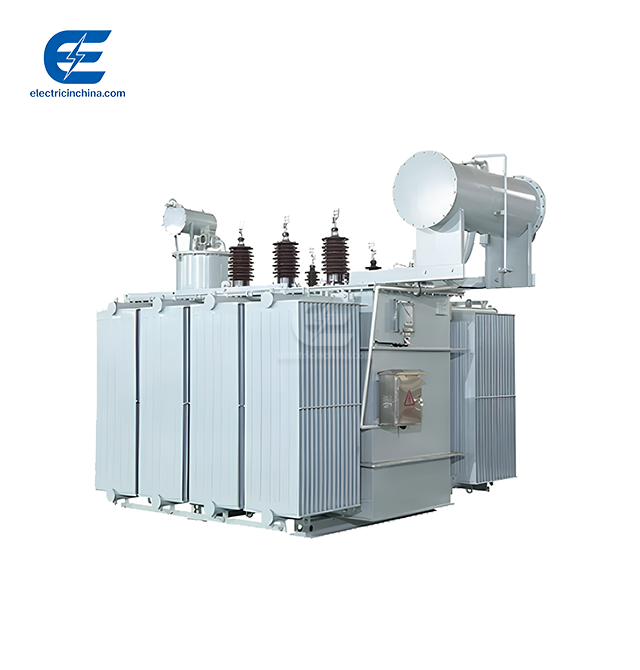
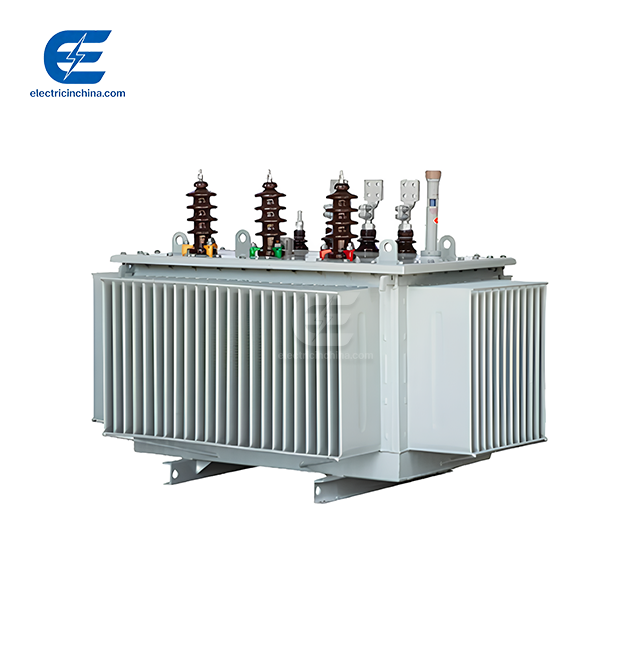
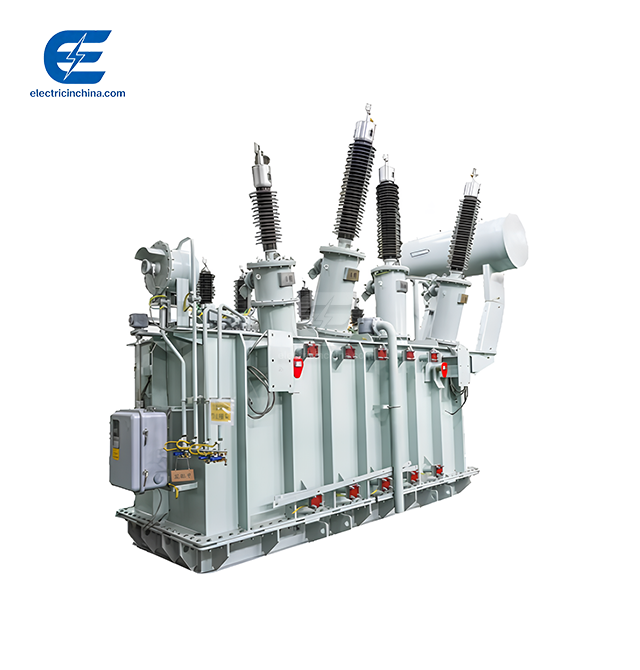
Because Cast Resin Transformer technology doesn't need any upkeep, it gets rid of the need for regular service breaks that stop the facility from running. In traditional oil-filled transformers, the oil needs to be sampled once a year to check the amount of dissolved gases, filtered every so often to get rid of contaminants, and eventually replaced as the electrical properties break down. These activities create waste dumping fees and legal paperwork that make building management teams' jobs harder.
On an annual maintenance plan, our transformers only need to be cleaned on the outside and their link torque checked. The sealed epoxy construction keeps the insides from getting dirty, so there's no need for the pre-drying steps that are needed when normal dry-type transformers are not in use during yearly shutdowns. This ease of use lowers operating costs by a large amount over the service life, moving budget dollars from upkeep to investments that will pay off.
Total Cost of Ownership Analysis
When looking at the overall cost of a transformer over 25 years, which is how long most business installations last, the purchase price only makes up 30 to 40 percent of the total cost. The economic balance is mostly made up of energy losses, upkeep costs, and the costs of downtime. Our 99.5% efficiency rate cuts energy loss to 0.5% of throughput power, which, on big sites, saves thousands of dollars a year compared to units that are only 97% efficient.
The compact form takes up 30% less floor room than oil-filled equivalents with the same volume, which lowers the cost of installation. Because it has a smaller size, it can be installed closer to load centers. This cuts down on wire runs and voltage drops in distribution systems. Lighter weight also makes structural requirements easier, since oil-filled units, which can weigh twice as much for the same electrical grade, don't need reinforced bases.
Procurement Guide: Selecting the Right Cast Resin Transformer for High Voltage Needs
A good procurement process combines technical requirements with the supplier's skills and service support that lasts the whole lifecycle of the equipment. This guide talks about the most important things that make a project successful.
Critical Specification Factors
Voltage ratio and power capacity are important factors to consider when choosing a Cast Resin Transformer, but they aren't always given enough attention during the basic specs stage. Our engineering team helps clients do load flow analyses that take into account growth in the future. This makes sure that the built capacity meets both current needs and the growth that is expected. Transformers that are constantly running at more than 80% capacity age faster, which shortens their useful life. For long-term stability, it is important to get the right size.
Impedance voltage changes the amount of short-circuit current and how the voltage changes. Standard impedance rates of 4 to 6 percent work well for most distribution tasks, but projects with sensitive loads might need special designs with stricter rules. Our 15 senior engineers work directly with EPC contractors to find the best impedance specs that balance the needs of each installation's voltage quality requirements with the coordination of safety.
Supplier Evaluation and Brand Considerations
Limits on temperature rise and normal working conditions need to be carefully matched to the places where they will be installed. Standard designs can work in temperatures ranging from -25°C to +40°C, but we can customize these to work in temperatures as low as -40°C for outdoor setups in colder regions. When you go above 1000 meters, you need to lower the altitude because the lower air density changes how well the cooling works and how strong the insulation is. We provide thorough derating estimates that make sure equipment works reliably in tough environments without being over-specified.
A supplier's manufacturing skill shows whether they can provide consistent quality across multiple units in big projects. Our building has more than 120 pieces of specialized equipment, such as CNC automatic winding machines that keep the placement of the conductors exact and automatic foil wrapping machines that make the insulation layers regular. When factories use manual processes, mistakes made by people can cause units that are meant to be similar to work differently. This automation gets rid of those mistakes.
Installation and Commissioning Best Practices
The right way to place something starts with making sure the base is level and free of vibrations so that the mounting surfaces can hold the weight of the transformer plus any seismic loads that are required by local building codes. Mounting that doesn't even put stress on the core structure can make noise while it's running. Our installation guides tell you how much torque to use on the fixing bolts and how much space you need for airflow so that the system works at its best from the very first turn on.
When making electrical connections, it's important to use closure methods that keep the link reliable even when the temperature changes. For main and secondary connections, we suggest compression-type connectors over mechanical set screw terminals. This is especially true for big capacity units where connection resistance causes losses that can be measured. When you use the right amount of torque and an antioxidant substance, you can stop rust that raises contact resistance over time.
Future Outlook and Innovations in Cast Resin Transformers for High Voltage Loads
Research and development are always making Cast Resin Transformer technology better so that it can keep up with changing industry needs for more efficiency, better environmental performance, and better tracking tools.
Material Science Advancements
Nano-scale fillers added to next-generation epoxy resin mixtures make them 25% better at conducting heat than current materials. This improvement lets designs that are smaller have the same cooling performance, or designs that are bigger can handle more overloading. The better thermal performance directly meets market needs for equipment that takes up less room in urban settings, where the cost of real estate makes reducing the size economically important.
Enhanced Monitoring and Predictive Maintenance
Bio-based epoxy resins made from green feedstocks instead of petroleum products are being developed by researchers. This will lower the carbon footprint of making transformers. These eco-friendly materials keep the electrical and mechanical properties needed for high-voltage applications while also helping companies' environmental goals, which are becoming more and more important in purchasing choices. We are active members of business study groups that are making these next-generation materials.
When Internet of Things sensors are added, they can be used for constant condition tracking that can spot problems months before they happen during regular inspections. Our newest designs have temperature sensors built into multiple windings. These sensors provide thermal profiles that show when the cooling system is degrading or being loaded unevenly. This information is sent to building management systems or specialized tracking platforms, which use machine learning algorithms to look for trends that mean something is about to break.
Sustainability and Circular Economy Initiatives
Monitoring systems for partial discharge keep an eye on the health of insulation in real time by measuring the discharge activity that happens before something breaks. When you look at this data over months and years, you can see how the insulation is slowly breaking down. This lets you plan to replace it before it fails and stops operations. The technology is especially useful in key infrastructure settings where unplanned power breakdowns have serious effects that go beyond the cost of replacing equipment.
More and more, environmental laws require electrical equipment to be able to be recycled and have a lifetime review done. This leads to changes in the design that make it easier to recover materials at the end of their useful lives. Copper or metal windings that can be recycled 100% of the time and steel core materials make Cast Resin Transformers already better. Recent research focuses on using heat or chemical methods to separate epoxy resin from metal parts so that the materials can be used again instead of being thrown away.
Conclusion
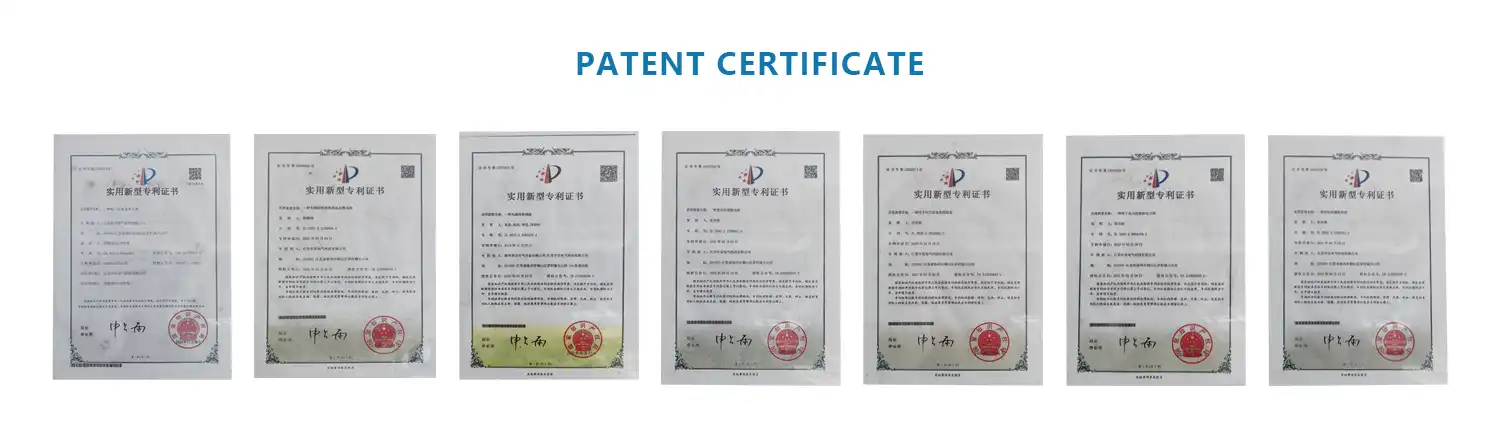
Cast Resin Transformers have been shown to work well at high voltages thanks to improved epoxy encapsulation technology that gets rid of the fire risks and upkeep problems that come with other options. These units are the best choice for government infrastructure, business development, and industry projects that need to be reliable and safe. They have a 99.5% working efficiency, a 25-year maintenance-free service life, and a small installation footprint. Our 18 patents and many quality approvals, along with 20 years of experience making transformers, make sure that every one meets the high standards that procurement workers need. As materials science and tracking technology keep getting better, Cast Resin Transformers will be able to handle future grid problems and help meet green goals that are good for both the project's budget and the environment.
FAQ
What voltage levels can cast resin transformers handle safely?
On the main side, Cast Resin Transformers work consistently across voltage ranges from 10kV to 35kV. Some special designs can reach higher voltages by using better insulation systems. Our basic line of products includes the most popular distribution voltages used in North American business and industry.
How do cast resin units compare to oil-filled transformers for high voltage applications?
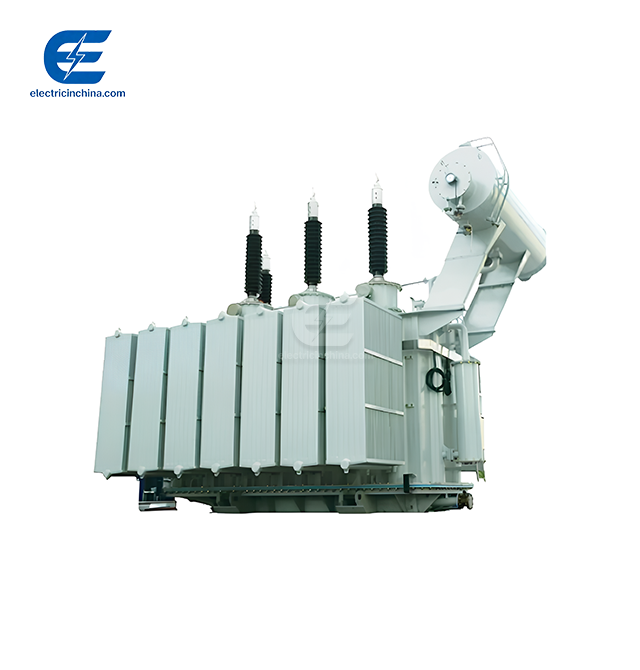
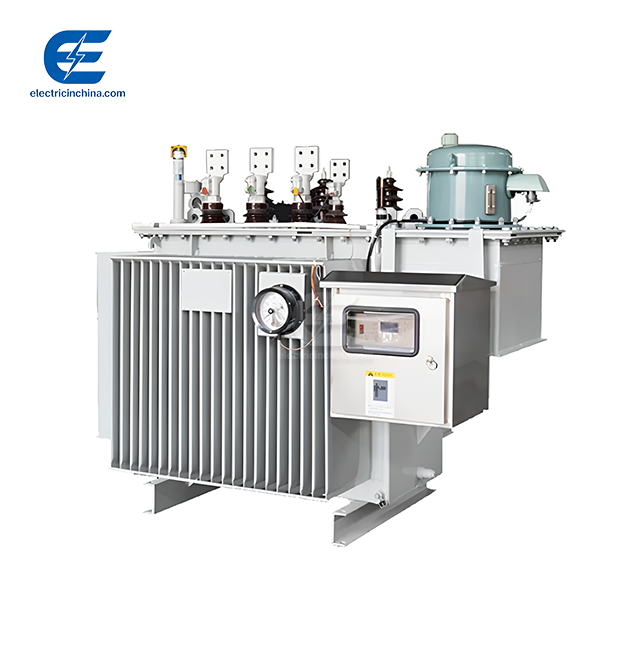
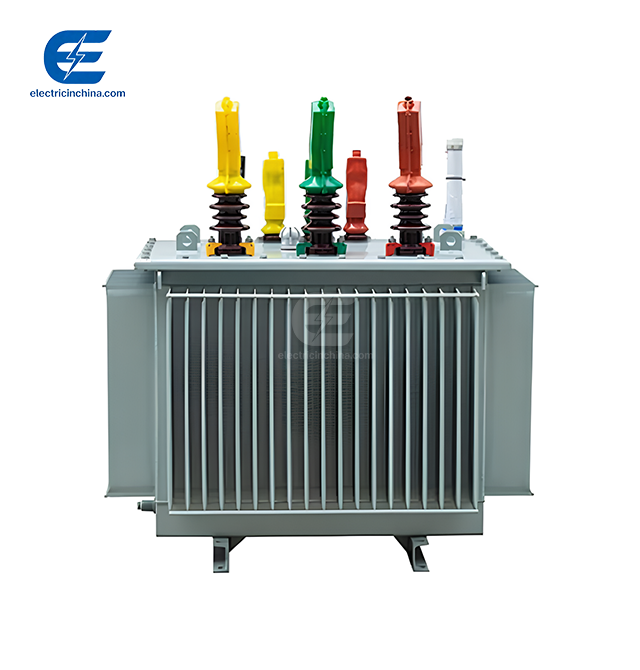
Instead of electrical performance, the major differences are in how safe they are and how often they need to be maintained. Solid epoxy insulation in Cast Resin Transformers keeps fire and environmental contamination risks to a minimum. Oil-filled transformers, on the other hand, need to have their fluids tested regularly and eventually have their oil replaced. Both methods get efficiency scores above 98%, but dry-type buildings have much lower lifetime costs because it is easier to use.
What maintenance activities extend cast resin transformer service life?
Maintenance that works well focuses on keeping the outside clean and making sure connections are secure instead of servicing interior parts. Every year, there should be a check to make sure that air holes are still clear, that conductive dust doesn't build up on the outside, and that all electrical connections are still tight. With these easy steps and regular infrared thermography to find hot spots, the system will work well for the 25 years that are supposed to be between service intervals.
Partner with Tuojie for Your High Voltage Transformer Needs
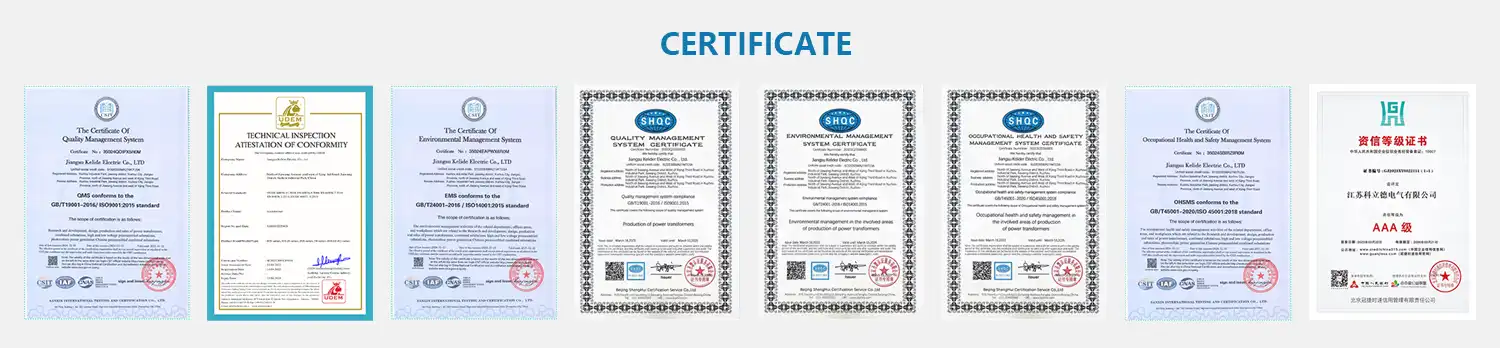
Don't look any further than Tuojie for your high-voltage cast resin transformer needs. Tuojie is ready to help you with your infrastructure project by providing custom solutions that are designed to handle the difficulties of high-voltage distribution. The 15 senior engineers on our team have more than 20 years of experience planning power systems for government buildings, business developments, and industrial complexes in a wide range of weather conditions. We use more than 120 modern production methods to make each unit, and our ISO 9001, ISO 14001, and OHSAS 45001 certifications make sure that the quality always meets international standards.
As a reliable provider of Cast Resin Transformers, we take care of the whole project, from the original load analysis to installation commissioning and expert support for life. Email our engineering team at tuojie@electricinchina.com to talk about your exact power needs, the conditions of the area, and when you need the product. Our technical plans are very thorough and include choices for changing the insulation class, winding materials, and safety features so that they work best for your application. You can look at all of our products at electricinchina.com and get a quote for your next job there.
References
1. McLyman, W.T. (2017). Transformer and Inductor Design Handbook, Fourth Edition. CRC Press, Boca Raton, Florida.
2. Heathcote, M.J. (2018). The J&P Transformer Book: A Practical Technology of the Power Transformer, Thirteenth Edition. Franklin Classics, London.
3. Kulkarni, S.V. & Khaparde, S.A. (2013). Transformer Engineering: Design, Technology, and Diagnostics, Second Edition. CRC Press, Boca Raton, Florida.
4. Harlow, J.H. (2012). Electric Power Transformer Engineering, Third Edition. CRC Press, Boca Raton, Florida.
5. IEC 60076 Series (2021). Power Transformers - Part 1-22: General Requirements and Standards. International Electrotechnical Commission, Geneva.
6. IEEE C57.12.01-2020. IEEE Standard for General Requirements for Dry-Type Distribution and Power Transformers. Institute of Electrical and Electronics Engineers, New York.