

.webp)
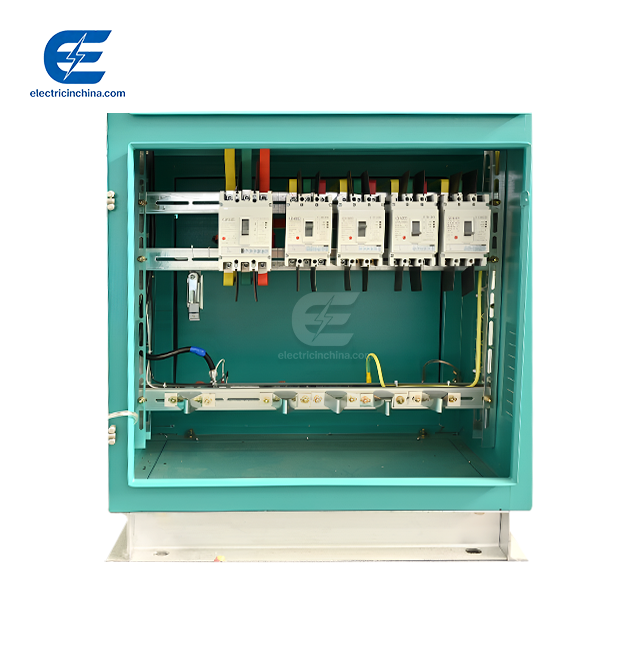
By regulating eddy current losses in the magnetic circuit, the transformer's iron core diameter has a direct impact on efficiency. Thinner laminations, usually between 0.23 mm and 0.35 mm in silicon steel, block the path of flowing eddy currents. This makes it much harder for energy to escape as heat. As the width of the laminations goes down, the resistance to eddy current flow goes up. This lowers core losses and improves the overall performance of the transformer. It is very important to understand this link between thickness and effectiveness in high-power situations, where even small losses can add up to high costs. Finding the right core thickness strikes a balance between making the product possible and saving energy. This is a very important thing for buying teams to think about when they are looking for reliable, low-cost power distribution options.
Understanding Transformer Iron Core Thickness and Its Impact
The Fundamentals of Core Lamination Geometry
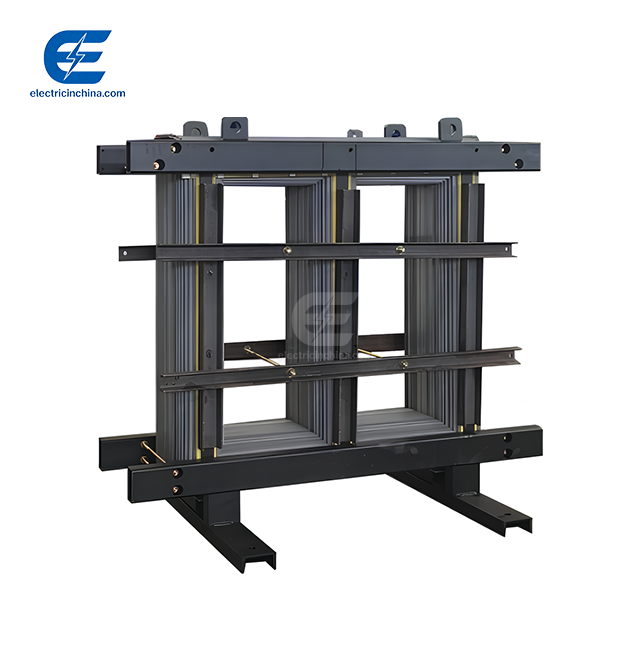
The Transformer iron core is the backbone of the magnetic circuit. It channels flux between the primary and secondary windings so that the voltage can be changed. The width of a laminate tells you how big each sheet is inside a stacked core structure. Grain-oriented silicon steel laminations that are between 0.23 mm and 0.35 mm thick are used in most commercial transformers. This exact measurement has a direct impact on how magnetic flux moves through the core and decides how big the parasitic losses are.
More surfaces are made in the core stack by thinner laminations. This breaks up the electrical path that eddy currents would normally follow. When magnetic fields change, they can cause currents to flow through conductive objects. This current causes resistive warmth that is proportional to the square of the current's size and inversely proportional to the resistivity of the material. By making the laminations thinner, we limit the space that eddy currents can move through, which lowers the loss rate.
How Thickness Controls Core Losses
There are two main types of core losses: hysteresis losses and eddy current losses. The energy needed to shift magnetic domains during each AC cycle is what causes hysteresis losses. These losses are mostly determined by the material's properties and the working flux density. The square of the width of the layer, on the other hand, affects the eddy current losses. Eddy current losses are quadrupled when the width is doubled, which is a key relationship for improving efficiency.
At Xuzhou Tuojie International Trade Co., Ltd., our Transformer iron core goods solve this problem with carefully planned laminations. At 1.7T and 50Hz, our grain-oriented silicon steel cores keep their thickness within acceptable ranges that keep the core loss rate below 1.0 W/kg. This level of efficiency directly leads to lower no-load losses, which means less energy is wasted when the transformers are not in use but are still keeping the magnetic circuits alive.
Laminated Versus Solid Core Construction
Even though solid iron cores are easier to make, they can't be used for most power transfer tasks because they lose too much eddy current. The constant electrical path lets a lot of eddy current flow, which makes a lot of heat and isn't very efficient. This path is broken by laminated cores, which make eddy currents form smaller loops within each sheet.
Our multi-step lamination method makes separate insulated layers that keep the magnetic continuity while keeping the electrical separation. The 45° miter joints we use to build our Transformer iron cores cut down on flux leakage even more at the corner links, making them more efficient than normal butt joints. Our efficiency rates are higher than 99.5% in part because we pay close attention to geometric details.
Key Factors Influencing Transformer Core Efficiency
Material Properties and Thickness Synergy
Silicon steel is the most common material used for transformer cores because it has a high magnetic permeability and a low core loss. The silicon content—usually around 3%—raises the electrical resistance, which naturally lowers eddy currents. The best result from silicon steel comes from having the right thickness. Our cores have a magnetic permeability of more than 1800 H/m, which means they need less magnetizing current to reach usable flux levels than regular electrical steels.
Amorphous steel is an alternative material with bands as thin as 0.025 mm that offers even smaller core losses. These very thin parts cut eddy current losses by a huge amount, but they make production more difficult and cost more in materials. Because amorphous metals are weak, they need to be handled in a certain way during core assembly. When choosing a material, it is important to think about not only how strong it is, but also how long it will last, how much it costs, and what the application needs.
Manufacturing Precision and Quality Control
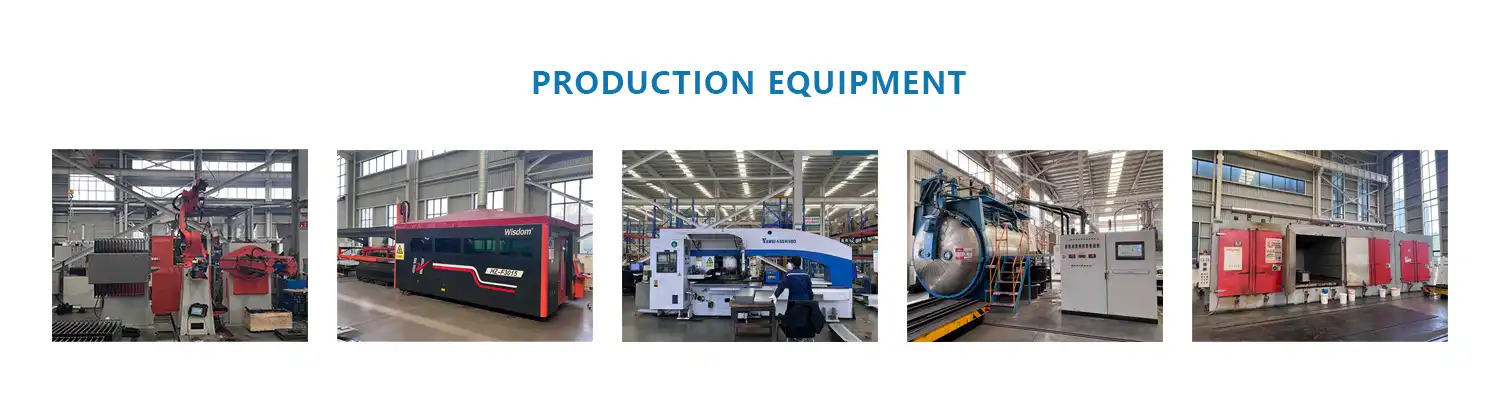
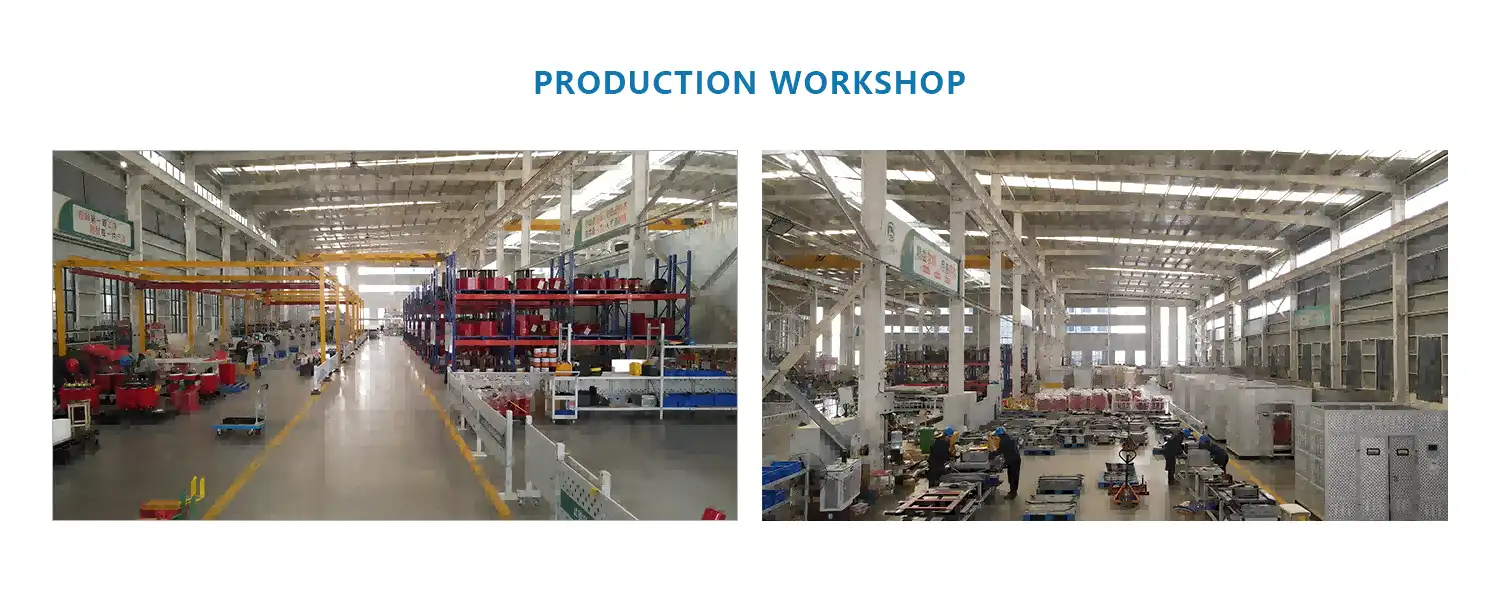
Overall efficiency is directly affected by how thick the laminations are all the way through the core stack. Changes in width lead to uneven flow and hotspots in certain areas that hurt efficiency. To keep tight limits on sizes, our production uses more than 120 sets of high-tech tools, such as CNC automatic winding machines and microcomputer-controlled gradient curing ovens.
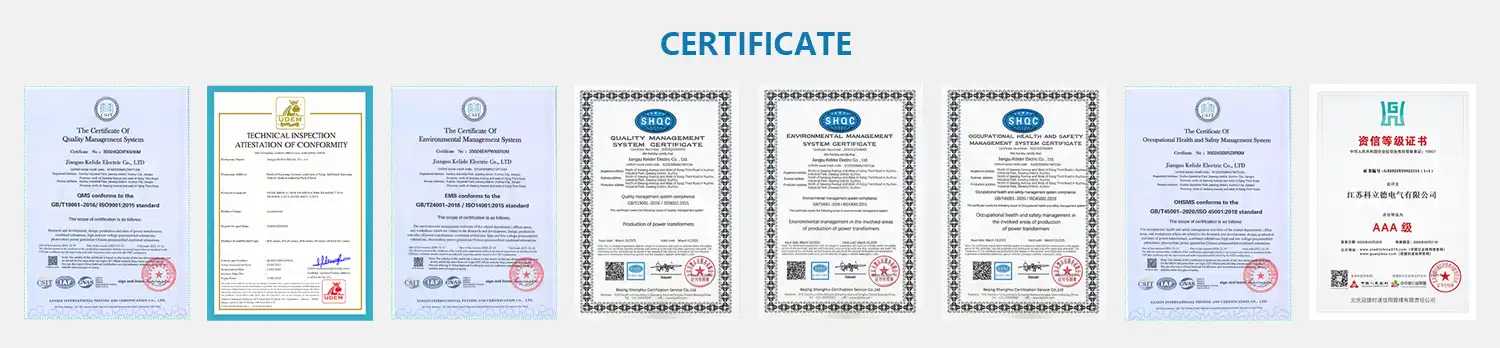
From the time the raw materials are bought until the finished product is delivered, each Transformer iron core is carefully checked. Our quality control system follows the "zero defects" principles and checks for accuracy in thickness, insulation stability between laminations, and precise assembly. This thorough quality control makes sure that the improvements in speed that were built into our cores actually show up when they are used in the field. We keep up with standards that meet ISO9001, ISO14001, and OHSAS 45001 certifications with the help of 15 senior engineers and more than 30 intermediate techs who manage production.
The Cost-Efficiency Trade-off
Thinner laminations make things more efficient, but they also make it more difficult and waste more material when they are split. Instead of just looking at the original buy price, procurement teams need to look at the total cost of ownership. Over the decades that a transformer is in use, the energy benefits from lower core losses often make up for the higher cost of purchasing precision-engineered cores at the start.
Our engineering team helps clients do lifetime cost analyses that take into account things like expected service life, maintenance needs, and gains in efficiency. These evaluations help people who work in buying make smart choices that stay within budget and get the most value in the long run. Investing in the right core thickness pays off in the form of lower energy costs for big infrastructure projects or industrial installations that are always running.
Comparison of Transformer Iron Core Types by Thickness and Efficiency
Laminated Cores in Power Distribution
When speed and dependability are very important, Transformer iron core units are the most common choice for power and distribution transformers. The thin laminations—usually between 0.27 mm and 0.30 mm for 50 Hz operation—are a good balance between stopping eddy currents and making the product work. These cores handle all kinds of power levels, from small units that serve business buildings to big utility transformers that connect to the grid.
Our laminated cores have a stepped design that makes the best use of winding space while keeping low magnetic reluctance. The precise stacking process makes sure that the core stack is compressed evenly, which stops noise caused by shaking and keeps the mechanical stability even when there is a fault. This strong building is needed for projects like the Xuzhou Rail Transit Network Control Center, which needs a power source with two circuits that must work perfectly every time.
Solid Cores and Their Limitations
Because they naturally lose a lot of eddy current, solid iron cores aren't used in many new power transformers. At power rates of 50 Hz or 60 Hz, the eddy currents that are created in solid iron make it too hot, which lowers its efficiency and calls for better cooling systems. Solid core construction may be okay for some narrow uses, like certain reactor designs or very low-frequency transformers, but these are the exceptions, not the rule.
As power levels go up, solid cores become less efficient, and the loss in efficiency gets worse. A solid core can have ten times more losses than a laminated form of the same type. For B2B clients who are in charge of large-scale power infrastructure, this performance gap directly means higher running costs that keep going up as the asset wears out.
Air Core Transformers and Alternative Designs
Air core transformers don't use any magnetic materials at all; instead, they use the structure of the windings to create magnetic coupling. These designs don't have the hysteresis and eddy current losses that come with ferromagnetic cores, but they need a lot more wrapping turns to have the same inductance. Because of this, air cores are better for high-frequency uses or specialized measurement tools rather than power distribution because they are bigger and don't couple as well.
When procurement workers understand these different design options, they can better understand why Transformer iron core construction is still the standard for utility-grade equipment. Transformer iron cores are perfect for needs in government infrastructure projects, business developments, and industry facilities because they are cost-effective, highly efficient, and come in small packages.
Practical Guidelines for Choosing Transformer Iron Core Thickness
Standards Compliance and Performance Benchmarks
IEC and IEEE international standards set performance criteria and testing methods that make sure transformers are safe and reliable. IEC 60076 tells us how to measure core loss and what levels of loss are allowed for different types of transformers. The IEEE C57 series of guidelines gives more information on how to create, test, and use things. Choosing cores that meet these standards ensures basic efficiency and makes it easier for regulators to approve infrastructure projects.
Our Transformer iron core goods are tested to make sure they meet these foreign standards. We use grain-oriented silicon steel that meets strict standards for its magnetic properties. This means that all of our production batches work the same way. This standardization is especially important for EPC companies that are in charge of multiple projects at the same time and need a reliable supply chain and regular technical performance.
Application-Specific Thickness Selection
When the working frequency is high, smaller laminations help stop eddy current losses more effectively in high-frequency transformers. When switching frequencies get to tens of kilohertz, the width of the laminate may drop to 0.10 mm, or a different core material like ferrites may be needed. On the other hand, big power transformers that work at normal utility frequencies (50 Hz or 60 Hz) usually use 0.27 mm to 0.30 mm silicon steel laminations that strike a good mix between efficiency and ease of production.
Voltage level and power grade affect core design factors such as the thickness of the laminations, the cross-sectional area of the core, and the way the windings are set up. Distribution transformers that serve business real estate projects like Xinhuai Central Complex or Xuzhou Fantawild Adventure need cores that are designed to be reliable and efficient under a range of load situations. Our design team looks at the unique needs of each application, such as the ambient temperature ranges, altitude, seismic concerns, and harmonic distortion levels, to suggest the best core specs.
Supplier Capabilities and Customization Options
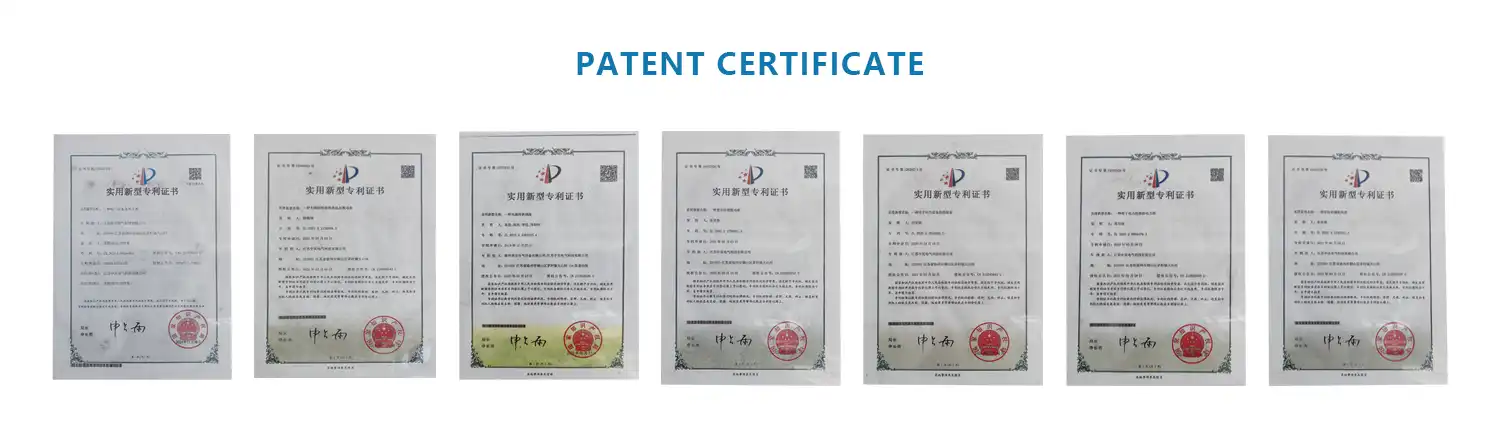
People who work in procurement should look at a possible supplier's technical skills, quality processes, and ability to make changes to meet specific needs. Capable manufacturers are different from commodity providers because they can change the lamination thickness, core geometry, and assembly methods to fit the needs of a particular project. Our 18 patents show that we are always coming up with new ways to create and make things, which gives our clients performance benefits.
We keep a large stock of core steel in many types and thicknesses, which lets us respond quickly to project plans. Our CNC automatic equipment makes it cheap to make cores with specific dimensions without having to wait for long lead times on tools. During the XCMG Group plant power supply upgrade, this flexibility was very important. We were able to offer customized solutions ahead of schedule while still meeting quality standards. Working with a supplier that provides full expert help during the whole buying and setting up process lowers the risk of the project and guarantees the best system performance.
Optimizing Transformer Performance by Controlling Core Thickness
Advanced Lamination Technologies
Compared to older methods, modern production techniques for Transformer iron core let you better control the thickness of the laminate and how it is treated on the outside. Silicon steel coils are cut into laminations with width differences of less than ±0.01 mm by precision slitting tools. Surface insulation coats, which are usually put on using controlled oxidation or organic coating methods, keep the layers from touching electrically while staying thin enough not to affect the stacking factor.
Our stepped lamination process makes core parts where every layer is placed exactly where it needs to be to reduce air holes and improve flux distribution. We use a fully oblique joint method that makes sure magnetic flux crosses joint surfaces at the best angles. This lowers reluctance and the magnetizing current that come with it. These changes lead to measured gains in efficiency. For example, our cores keep noise levels below 55dB even when they're fully loaded, which is very important for installations in noisy cities or sensitive industrial settings.
Real-World Performance Improvements
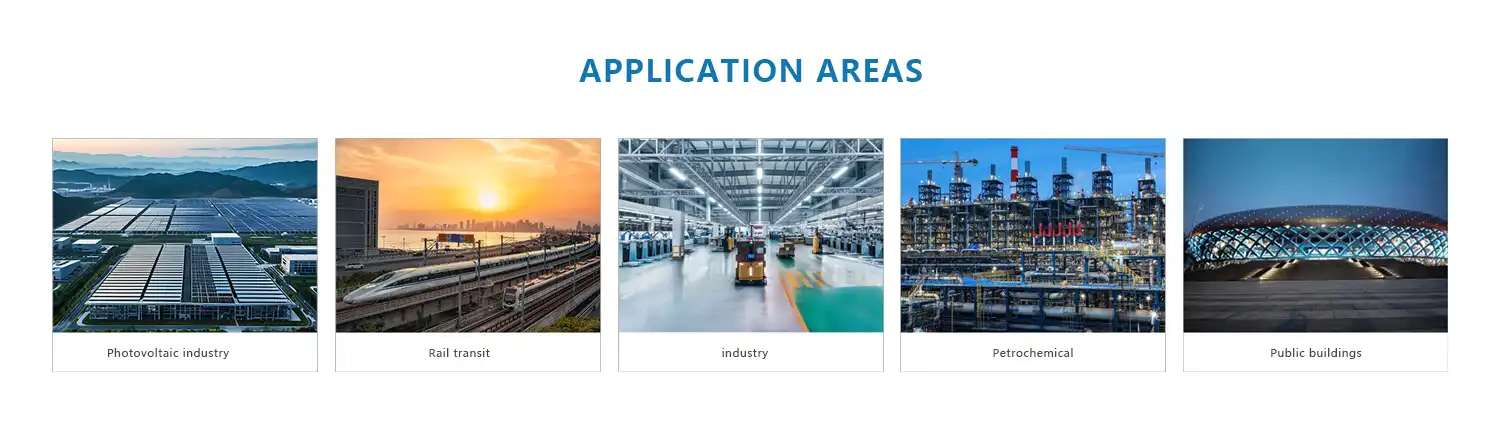
More and more, commercial and industrial developers and makers are realizing that the efficiency of transformers has a direct effect on running costs and sustainability measures. Case studies from changes to power distribution show that optimizing core thickness has real benefits. We provided cores for the GCL Photovoltaic Industrial Park power transfer project. The higher efficiency cut no-load losses by 18% compared to normal designs, which saved thousands of dollars a year in energy costs.
The benefits of lower lifetime costs go beyond lower energy use. Less core loss means less thermal stress, which makes insulation last longer and requires less upkeep. Our great treatment for preventing rust and strong binding structures keeps the dimensions stable even after decades of changing temperatures and mechanical stress. Long-term dependability is good for government building projects and business developments because when transformers fail, they cause expensive downtime and emergency replacement costs.
Future Trends in Core Materials and Manufacturing
As manufacturing methods get better, research into nano-crystalline metals and advanced amorphous materials should lead to even more efficiency gains. These materials have very low core losses—up to 70% less than regular silicon steel—but they are more expensive to make and need to be handled in a certain way. As production volumes rise and costs fall, these new materials will be able to be used in more situations.
Core production is changing because of Industry 4.0 technologies, which improve process tracking, predictive quality control, and automated optimization. We are at the head of these changes because we have invested in microcomputer-controlled tools and full quality management systems. Monitoring the width of the laminate, the stability of the coating, and the accuracy of the assembly in real time makes sure that the quality of the product stays high and helps find ways to improve the process. When business-to-business clients work with providers who are on the cutting edge of technology, they can get these new ideas as they move from study to mass production.
Conclusion
Core thickness optimization is one of the most important ways to improve the efficiency of a transformer design. It controls eddy current losses directly, which have an effect on the asset's running costs over its entire lifespan. Thinner laminations—usually 0.23 mm to 0.35 mm for silicon steel cores—make the system more efficient by stopping the flow of eddy current. These improvements add up over decades of continued use. The selection process has to find a balance between efficiency goals, the ability to make the product, cost considerations, and the needs of the application, such as the frequency of operation, the power grade, and the weather conditions. Partnering with suppliers who offer technical know-how, the ability to make changes, and tried-and-true quality systems is good for procurement teams working on government building projects, business developments, and industrial facilities. Tuojie's Transformer iron core solutions use cutting-edge materials, precise manufacturing, and strict quality control to achieve efficiency rates above 99.5% while keeping the dependability that vital infrastructure needs.
FAQ
How does reducing lamination thickness improve transformer efficiency?
The square of the width of the layer makes eddy current losses bigger. Eddy current losses are cut by about 40% when the diameter is lowered from 0.35 mm to 0.27 mm. This directly leads to higher efficiency. More electrical barriers are made by thinner laminations, which forces eddy currents into smaller circulation paths with higher resistance. This means that less magnetic energy is wasted as heat. In this way, the Transformer iron core works better to manage parasitic dissipation.
What thickness range is optimal for 50 Hz power transformers?
Most 50 Hz utility-grade power transformers are made of grain-oriented silicon steel laminations that are between 0.27 mm and 0.30 mm thick. This range successfully stops eddy current losses while keeping acceptable material costs and useful manufacturing tolerances. In high-efficiency designs, 0.23 mm laminations may be used if the performance needs are high enough to support the extra cost.
Can core thickness be customized for specific applications?
Manufacturers with a good reputation let you change the thickness of the layer to fit your needs. Our research team looks at the frequency of operation, the power rating, the efficiency goals, and the cost limits to come up with the best specs. Custom thickness choices let you get the best performance for high-frequency transformers, green energy systems, and harsh weather conditions, among other uses.
How does core thickness affect transformer noise levels?
Magnetostriction effects that make noise are lessened by thinner laminations. Vibration amplitude is kept to a minimum by thin-lamination cores' better flux distribution and lower localized magnetic saturation. Our Transformer iron core products keep noise levels below 55dB by choosing the right thickness and using precise binding structures that stop mechanical vibration.
Partner with Tuojie for Superior Transformer Iron Core Solutions
Xuzhou Tuojie International Trade Co., Ltd. is ready to help you buy transformers by offering core options that are flexible and high-efficiency, designed for tough uses. Our grain-oriented silicon steel cores have lamination thicknesses that are designed for your specific voltage, frequency, and power needs. They offer efficiency rates of over 99.5% while keeping core loss density below 1.0 W/kg. We offer full professional help from developing specifications to installation, backed by 18 patents, ISO9001 certification, and more than 20 years of experience in the field. Our 15 top engineers work with buying professionals to make sure that performance goals are met while staying within budget. This results in the lowest total cost of ownership. Our Transformer iron core supplier can quickly customize, ensure quality, and deliver on time, no matter if you're in charge of government building projects, business developments, or industrial facilities. You can talk about your project needs with tuojie@electricinchina.com or visit electricinchina.com to learn how precision-engineered cores improve system stability while lowering running costs.
References
1. Amoiralis, E. I., Tsili, M. A., & Kladas, A. G. (2009). "Transformer Design and Optimization: A Literature Survey." IEEE Transactions on Power Delivery, 24(4), 1999-2024.
2. Kulkarni, S. V., & Khaparde, S. A. (2017). "Transformer Engineering: Design, Technology, and Diagnostics." Second Edition, CRC Press, Boca Raton.
3. Moses, A. J. (1990). "Electrical Steels: Past, Present and Future Developments." IEE Proceedings A - Physical Science, Measurement and Instrumentation, 137(5), 233-245.
4. Dawood, K., Alboyaci, B., & Cevdet Senyurt, O. (2021). "A New Method for the Calculation of Eddy Current Losses in Power Transformer Tank Walls." IEEE Transactions on Industry Applications, 57(3), 2447-2455.
5. Pfutzner, H., & Shilyashki, G. (2019). "Magnetization Curves of Grain-Oriented Sheets: Prediction Based on Texture Data." Journal of Magnetism and Magnetic Materials, 474, 611-616.
6. Leblond, J., Guerin, C., & Coulomb, J. L. (2018). "Optimal Design of Transformer Cores Using Advanced Silicon Steel Grades." International Journal of Applied Electromagnetics and Mechanics, 56(2), 245-258.