

.webp)
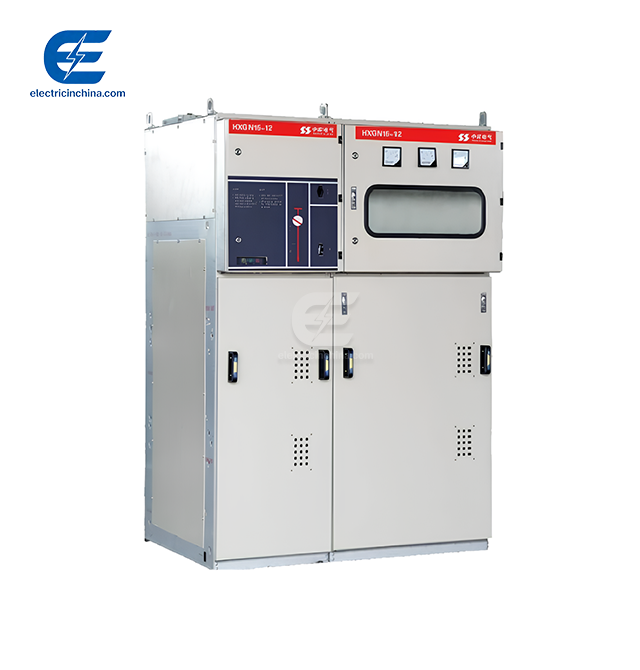
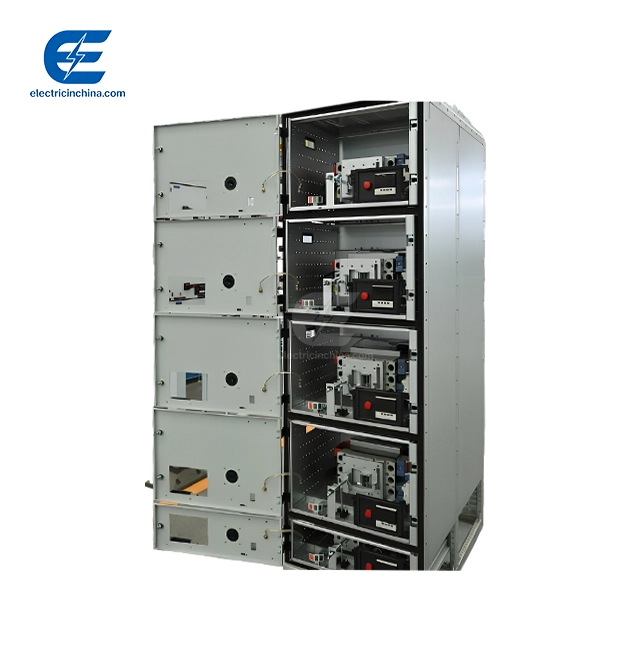
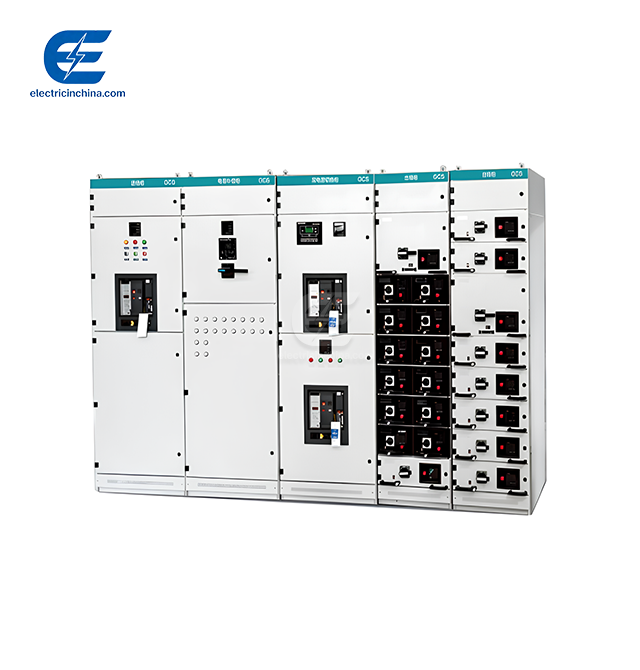
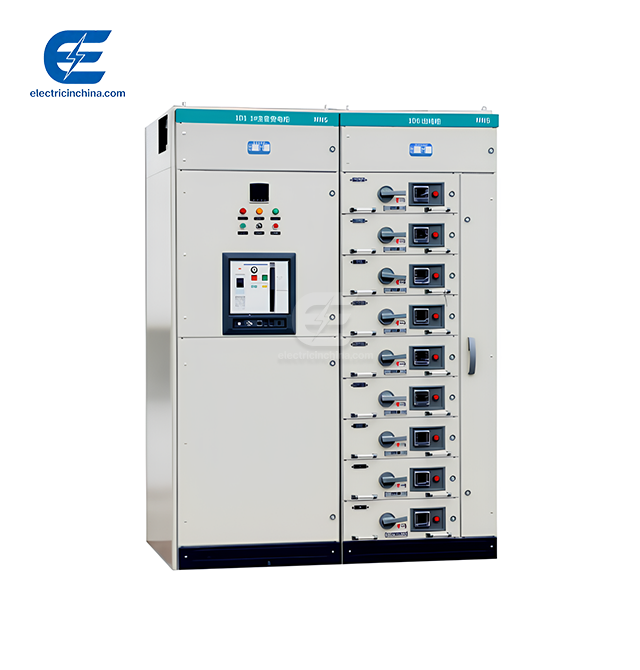
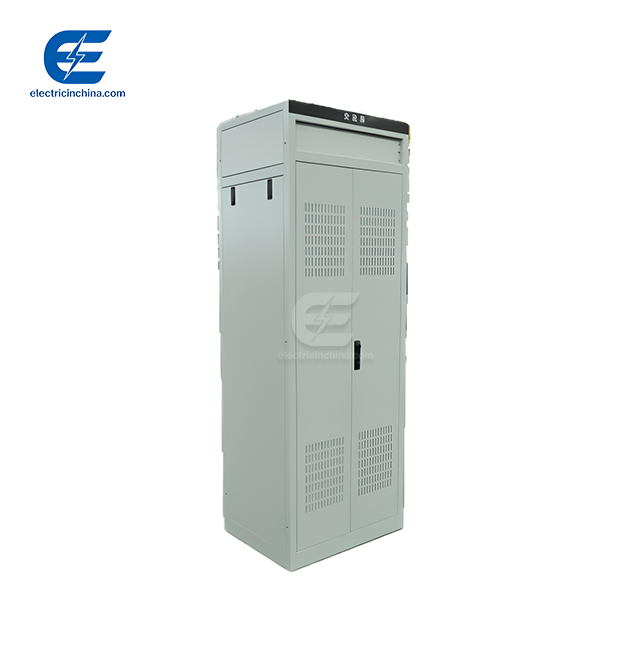
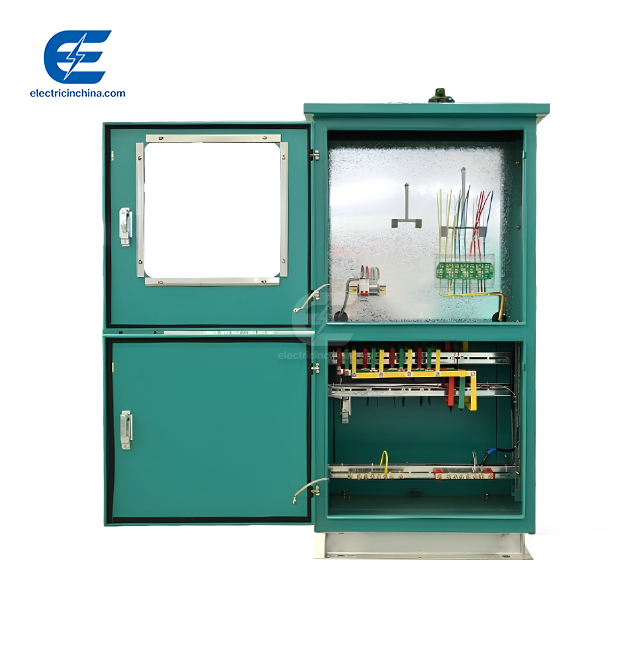
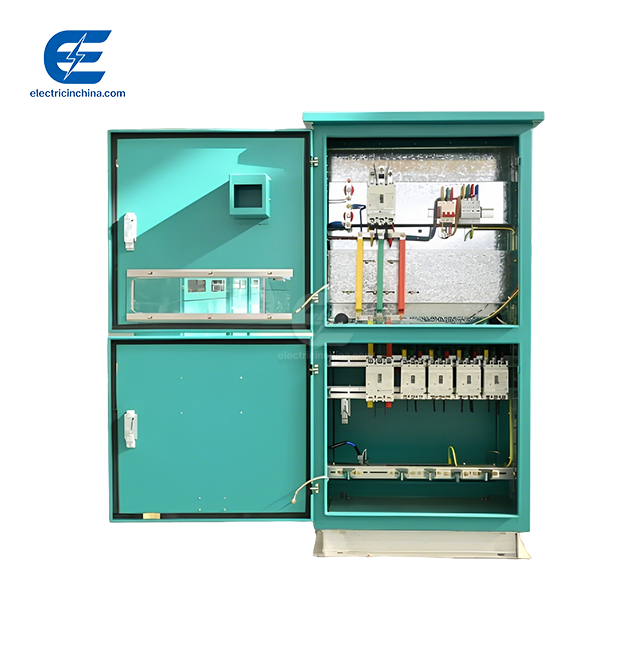
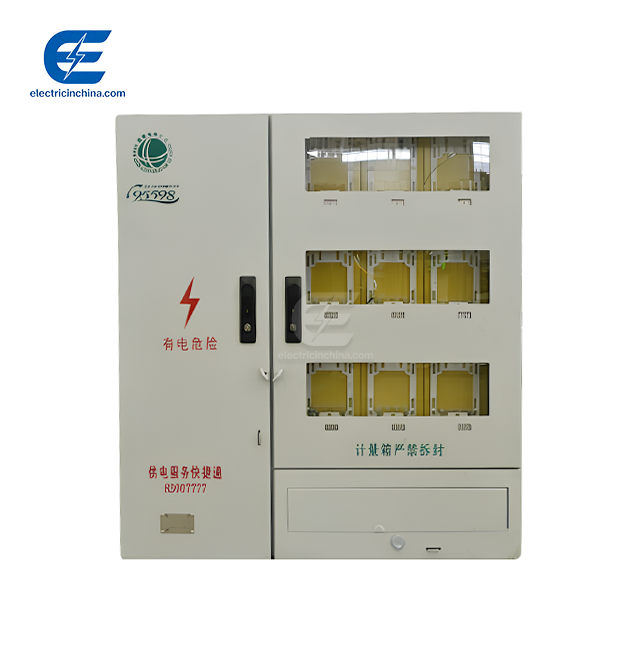
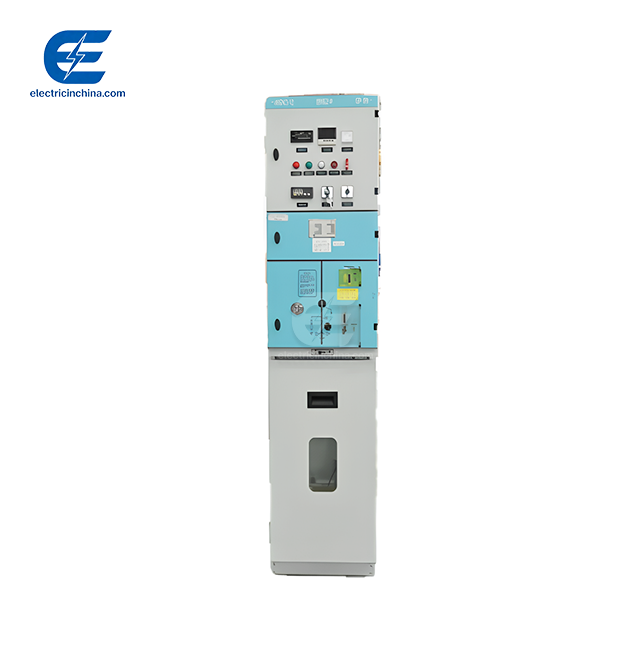
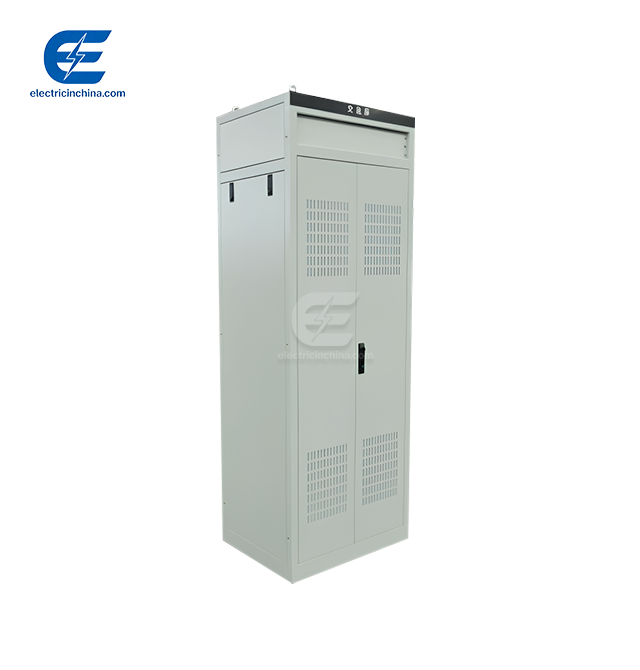
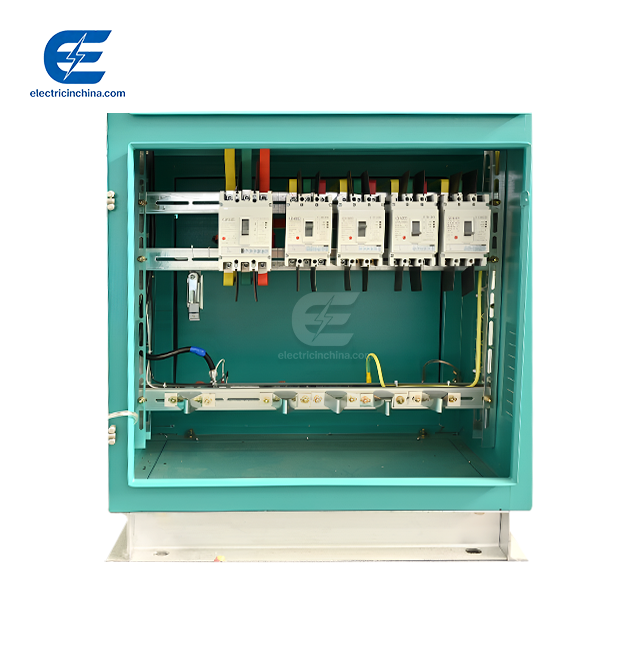
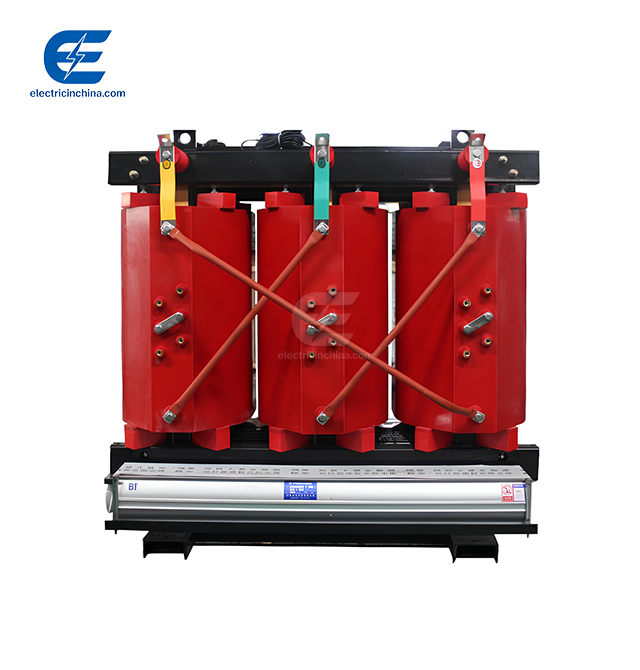
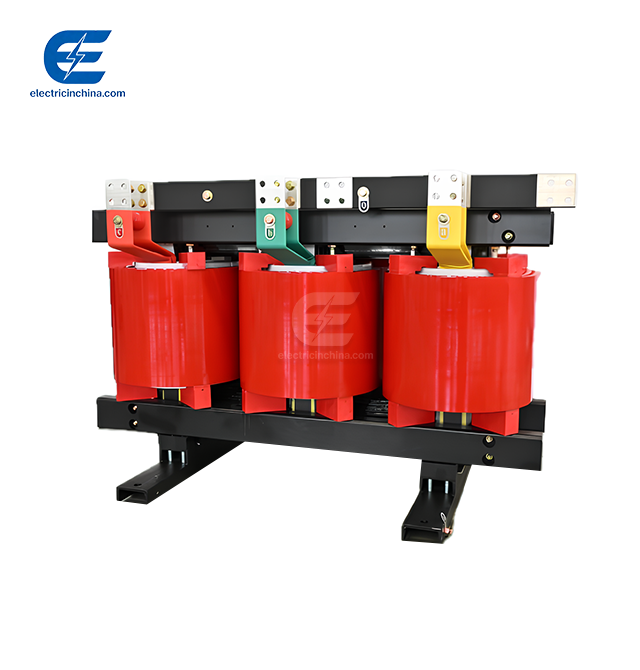
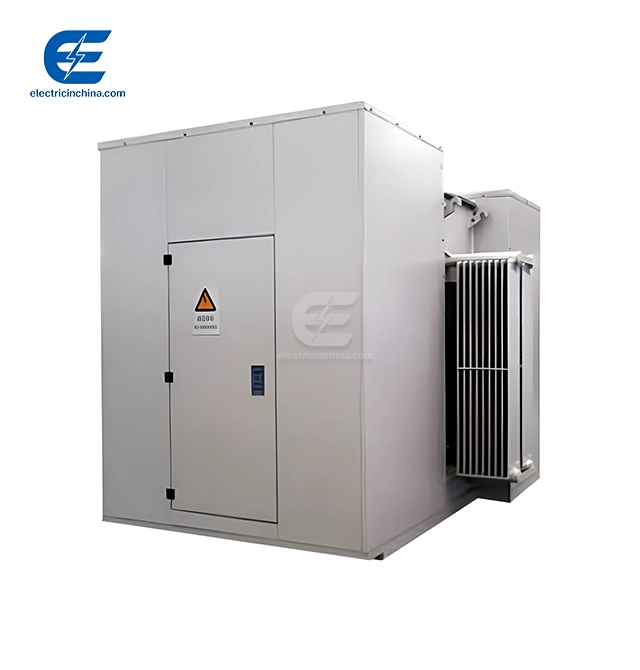
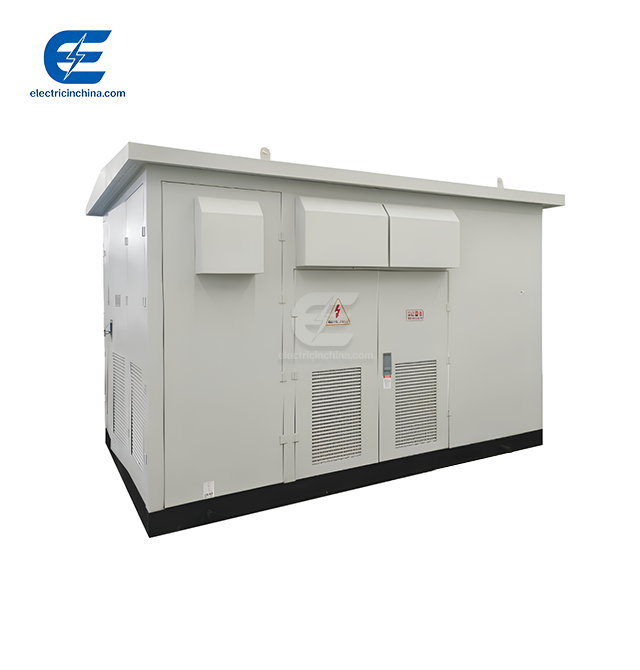
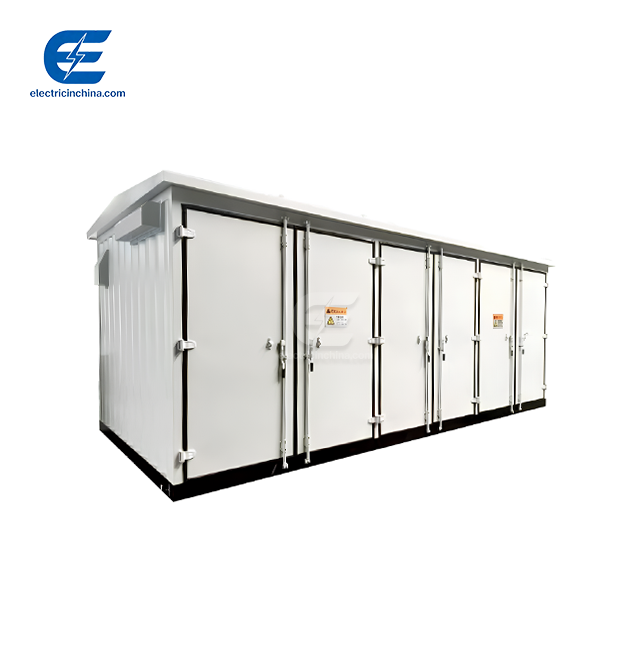
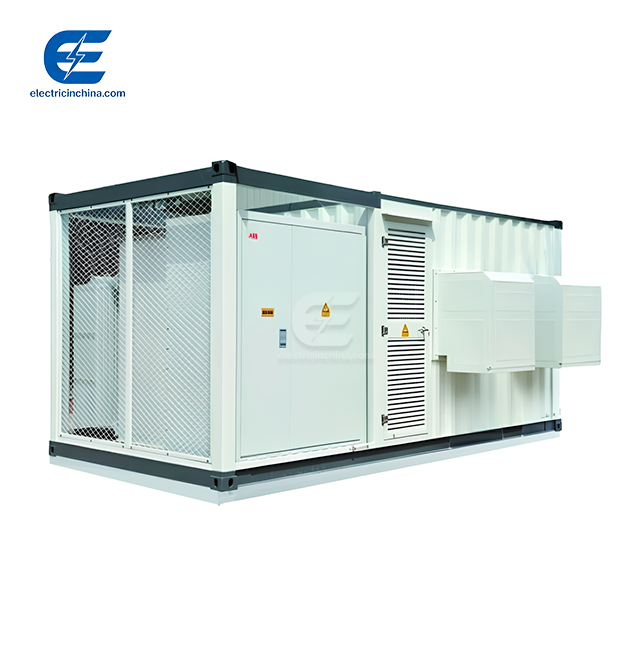
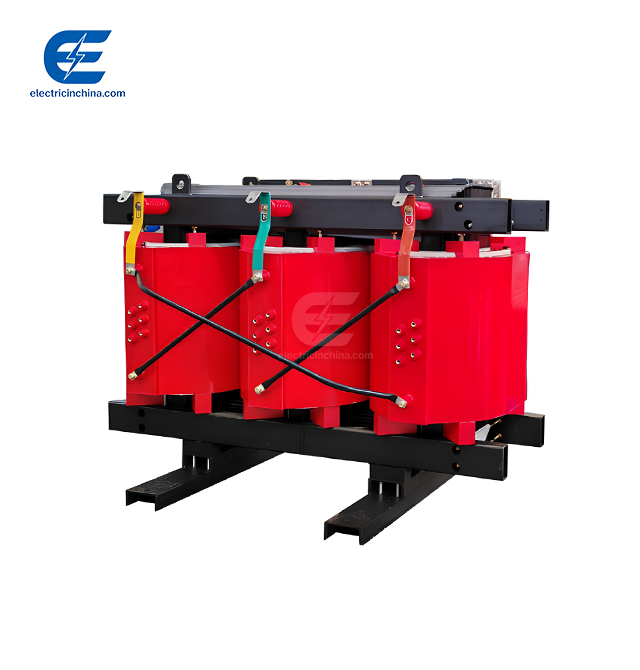
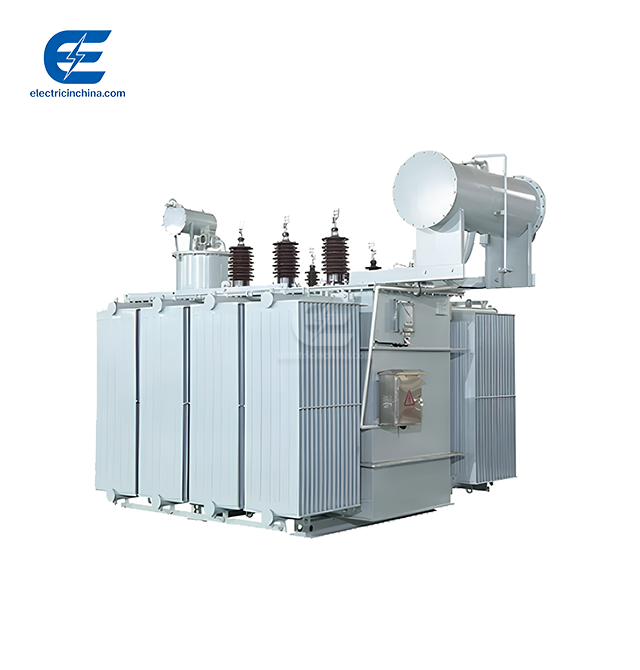
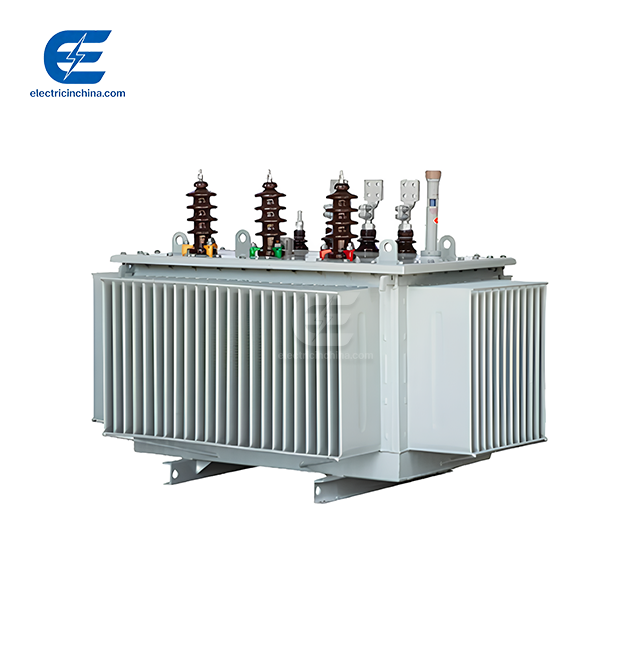
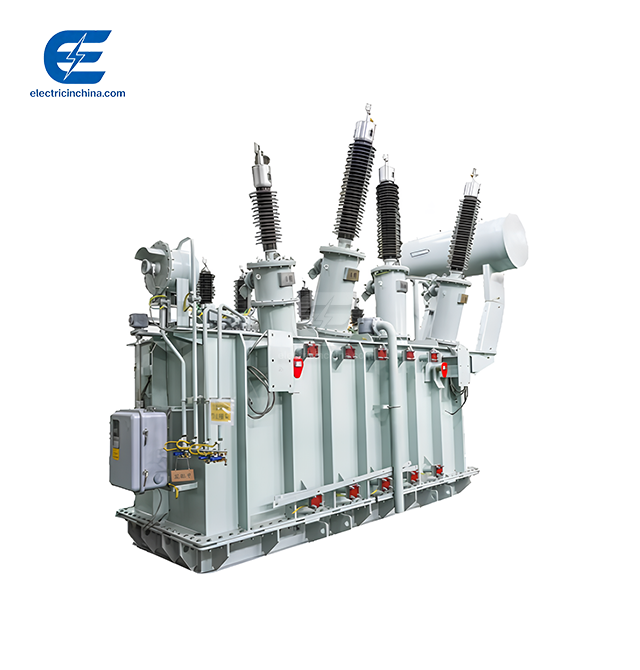
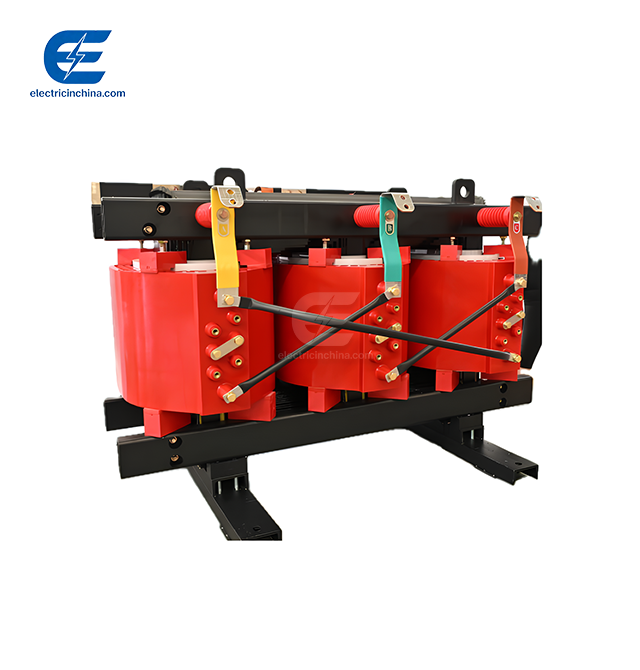
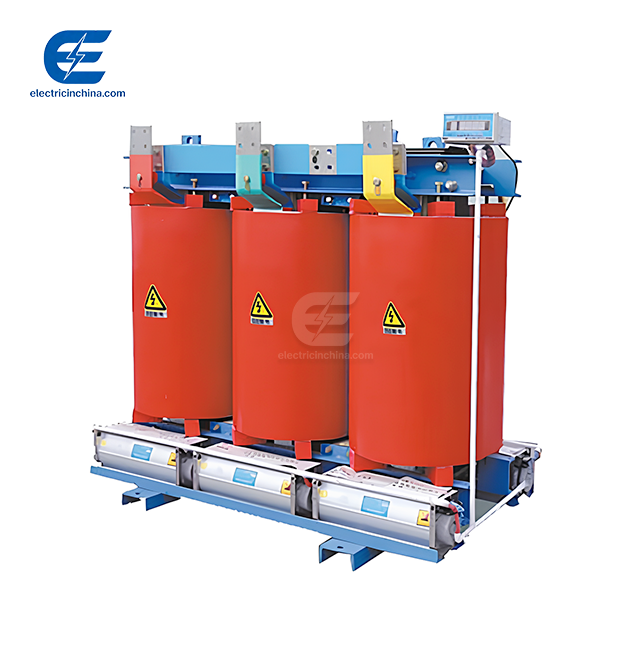
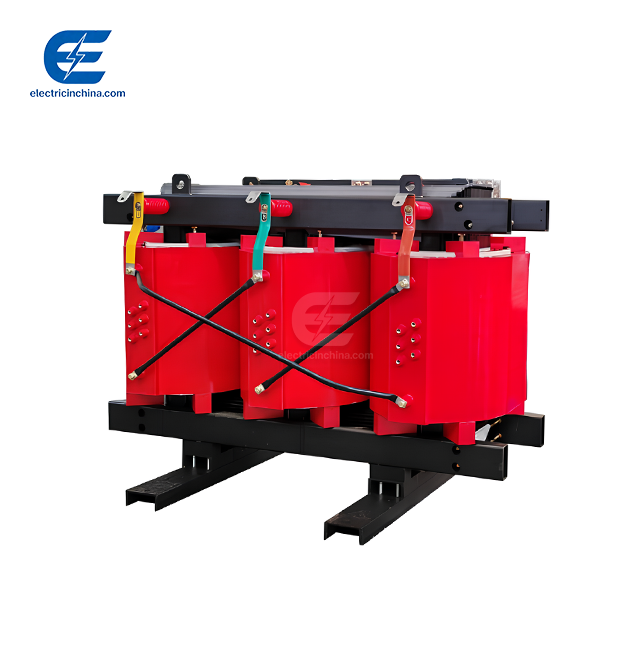
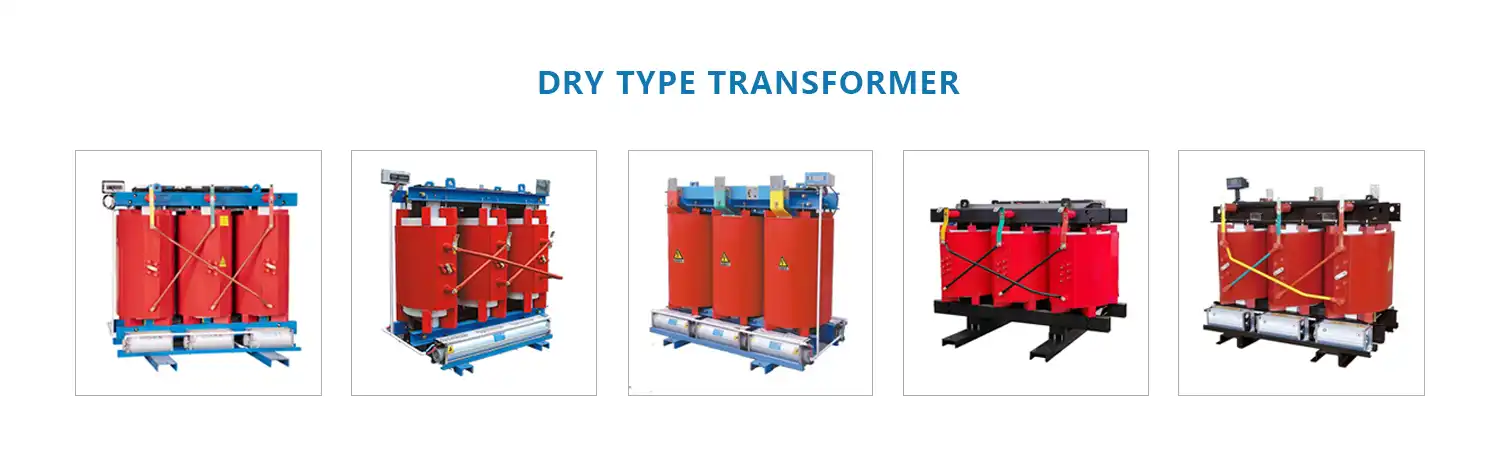
Industrial dry-type transformers handle high voltage with advanced epoxy resin shielding systems that cover the windings and keep the electricity from breaking down. They also handle heat with advanced cooling systems. With its multi-layer insulation and careful thermal management, the 10kV-35kV SCB10 Industrial Dry Type Transformer uses cast resin technology to improve dielectric strength and handle voltage stresses. These units use air cooling, either natural or forced, to get rid of the heat that is made by high voltage loads and keep their functionality. They have passed strict dielectric tests that show they can handle overvoltage and meet IEC 60076-11 standards for medium voltage use in harsh industrial settings.
Understanding High Voltage Challenges in Industrial Transformers
When transformers are used at voltages between 10kV and 35kV, there are a lot of technical issues that buying managers and engineers need to know about before they decide to spend. Breakdown of electrical insulation is the biggest risk. It happens when voltage stress is higher than the material's dielectric strength, which could lead to a catastrophic failure and lost work time.
Problems with heat escape get worse at higher voltages because electrical losses rise exponentially with load current. Insulation ages faster when thermal management isn't done right, which shortens the life and trustworthiness of transformers. In building projects, we've seen that temperature rises above the limits of planning can cut service life by 40%, leading to expensive replacement rounds.
Voltage Level Impact on Transformer Design
When it comes to engineering, medium voltage transformers are very different from low voltage units. At 10kV, the insulation thickness needs to be 60% thicker than at 400V, and at 35kV, the dielectric walls need to be even stronger. This makes transformers much bigger, heavier, and more expensive to make.
How the voltage rating and transformer size relate to each other affects how easy it is to place in industrial buildings with limited room. Cast resin dry-type transformers solve this problem with small designs that cut their size by about 30% compared to oil-immersed options while keeping the same level of electrical performance.
Selecting Appropriate Ratings for Industrial Applications
By matching the transformer's ability to the load's needs, both under-use and dangerous overloading can be avoided. Transformers are usually run at 70–80% of their rated capacity by industrial makers during normal operations. This leaves some space for times of high demand and future growth.
Conditions in the environment have a big effect on rate choice. Buildings that are in areas with high temperatures, high humidity, or acidic air need to have their safety classes lowered or raised. The 10kV-35kV SCB10 Industrial Dry Type Transformer series keeps working at full capacity at 95% humidity without pre-drying after being turned off. This solves a problem that many people have in subtropical and seaside industry areas.
Design and Technical Specifications of SCB10 Dry Type Transformers
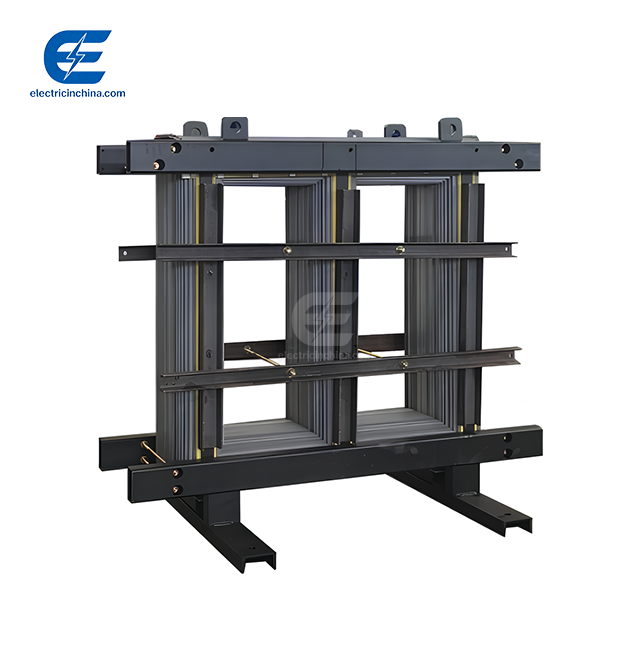
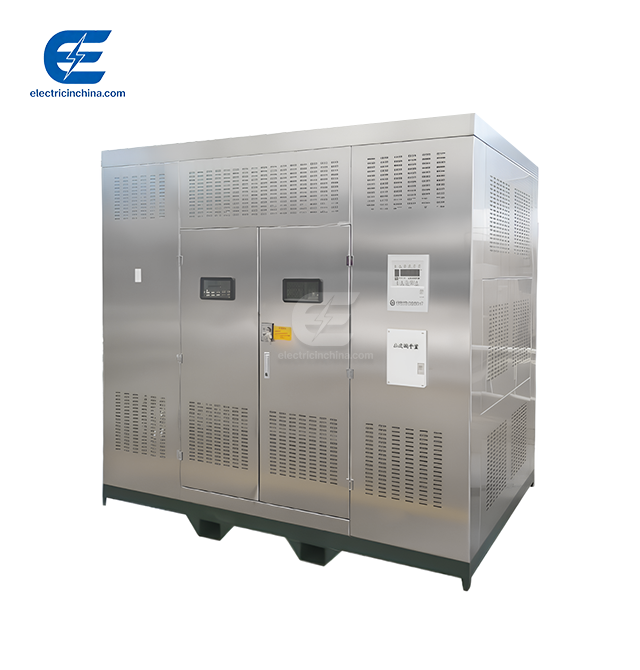
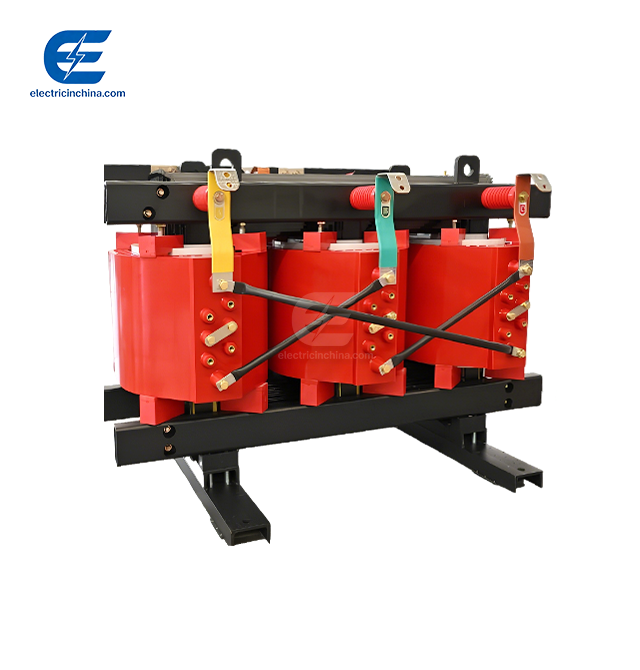
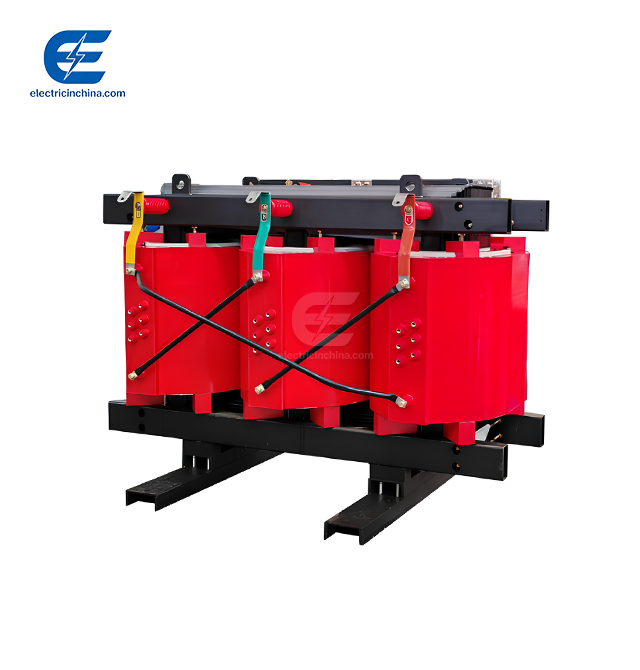
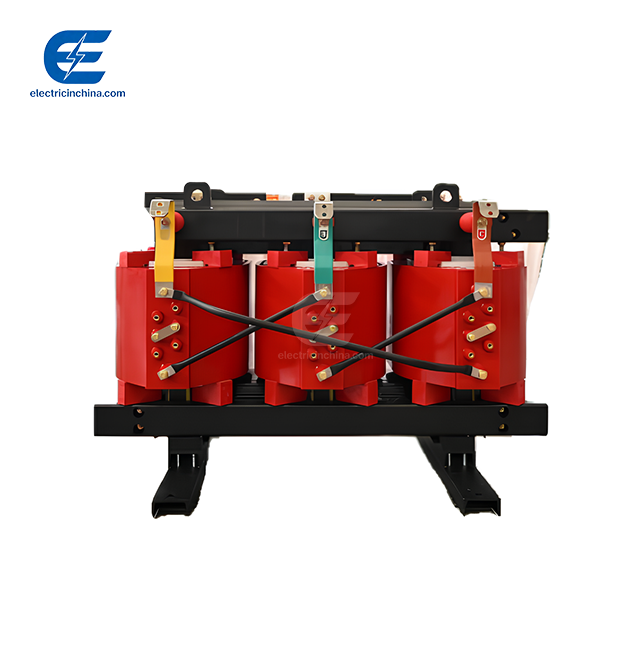
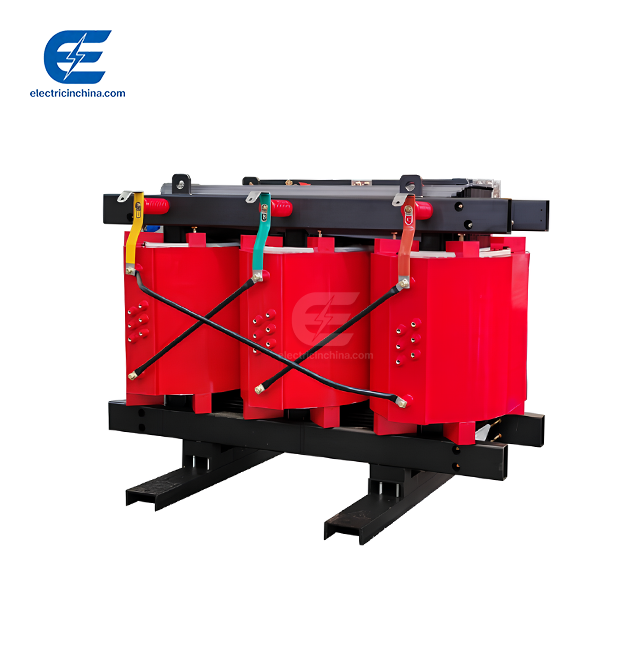
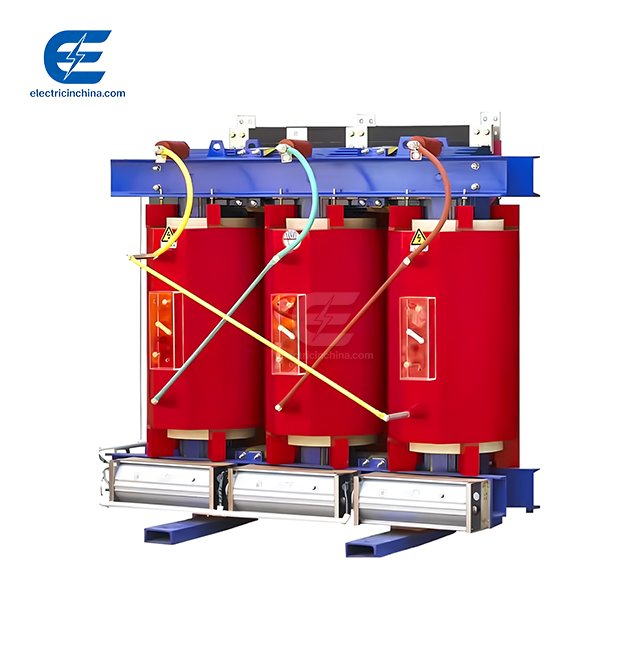
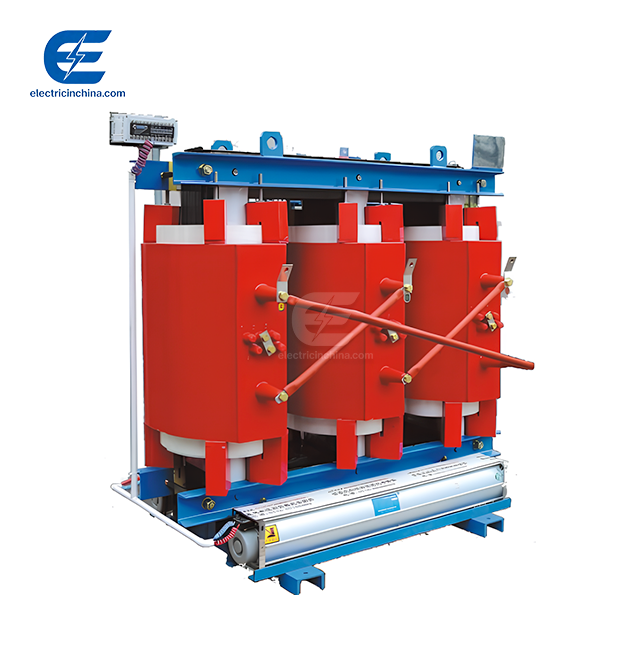
The 10kV-35kV SCB10 Industrial Dry Type Transformer series is a big step forward in medium voltage distribution technology. It was made to handle the complicated needs of industrial power systems. These three-phase cast resin units use epoxy casting technology, which gets rid of all oil-based shielding. This completely changes how transformers handle high-voltage pressures.
Advanced Cast Resin Insulation Technology
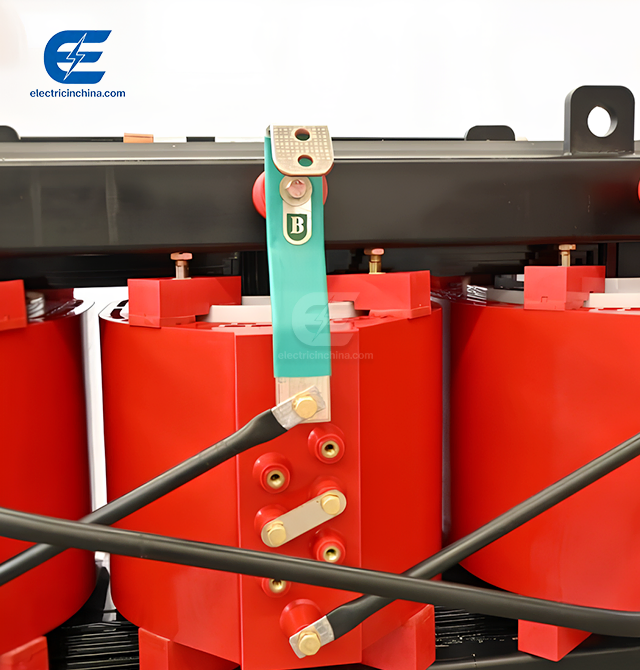
When you encapsulate something in epoxy resin, you make a single structure that holds the windings, insulation layers, and core parts together. This way of building gives the structure more mechanical strength and can survive electromagnetic forces up to 25 times the maximum current during short circuits. Our engineering team has improved methods for compressing the windings that make them 28% thinner. This means that they can be installed in basements, mezzanines, and other tight spaces where regular transformers can't go.
Compared to older designs, the insulation system keeps working 30% better after being exposed to high humidity for a long time. The hydrophobic qualities of certain epoxy formulations, which have been proven through IEC 60068-2-78 damp heat testing methods, give this dynamic insulation ability. Industrial sites that work in wet places benefit from having steady dielectric strength so that performance doesn't change with the seasons.
Structural Design and Cooling Technologies
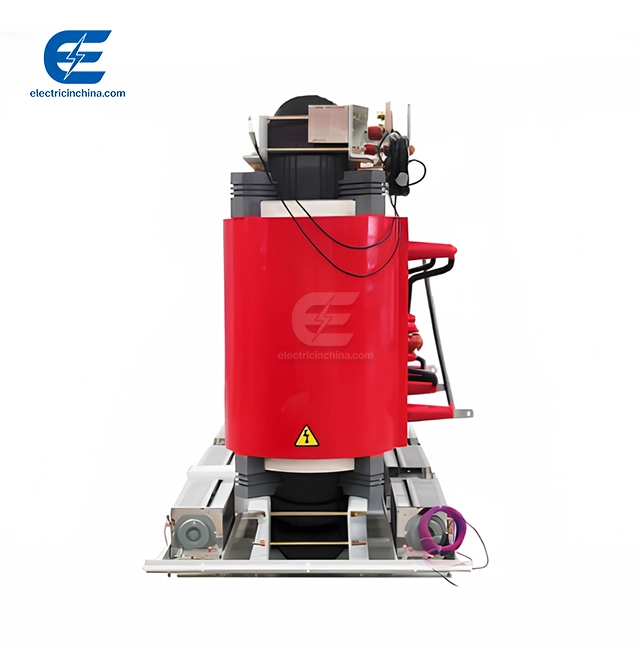
Natural air cooling (AN) is the main way that cast resin transformers handle heat, but forced air cooling (AF) is also a choice for higher capacity. According to IEC 60076-11 standards, the 10kV-35kV SCB10 Industrial Dry Type Transformer can handle a temperature rise of up to 100K for its windings when it is fully loaded. This temperature efficiency ensures that it will work reliably for a long time in heavy-duty industrial settings.
The heat is lost from the resin-encased windings to the air around them through radiation and convection. Vertical cooling ducts built into the structure of the windings make the most of airflow to keep the temperature evenly distributed. When these units have forced air cooling systems, they can work at 150% of their normal load, which gives them useful extra capacity during times of high demand without lowering their safety limits.
Key Technical Parameters for High Voltage Readiness
The insulation class number, either F (155°C) or H (180°C), tells you the highest temperature that the windings can be. This tells you the safe operating temperature range for the transformer. Dielectric test voltages, which are usually 28kV for 10kV units and 85kV for 35kV units, are used during production to make sure that the insulation stays intact under stress conditions that are higher than regular operation.
If the partial discharge level is less than 10pC, it means that the insulation is good and there aren't many internal problems that could lead to breakdowns. From getting the raw materials to testing the finished product, our quality control system keeps a close eye on everything. This keeps unqualified products from getting to customer centers. This "zero-defect" method has helped finish more than 100 important power projects in the business, industrial, and local sectors.
Comparing SCB10 Dry Type Transformers with Other Transformer Types
When buying, experts know how the performance of different transformer technologies differs; they can make the best choice for each project. Each type of transformer has its own benefits that depend on the needs of the application, the budget, and the goals of the operation.
SCB10 Versus Oil-Immersed Transformers
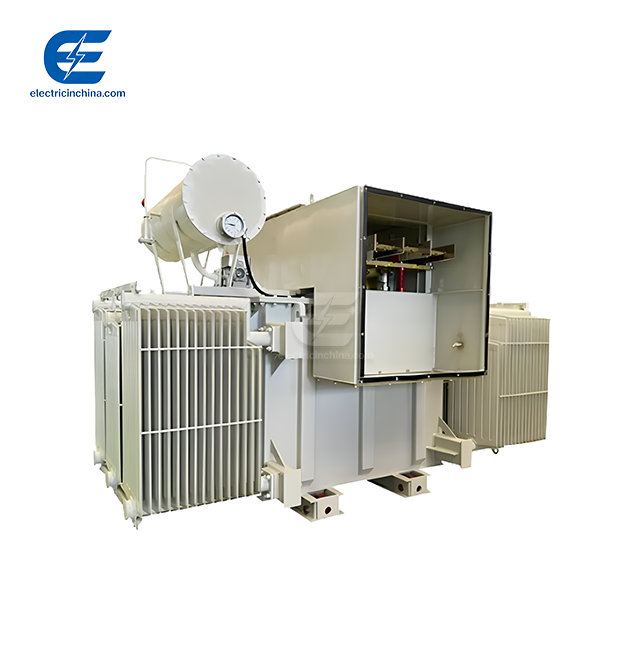
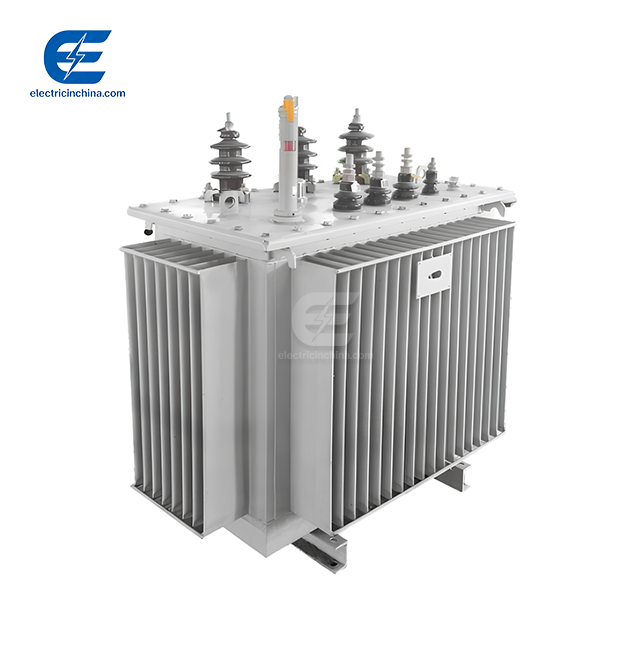
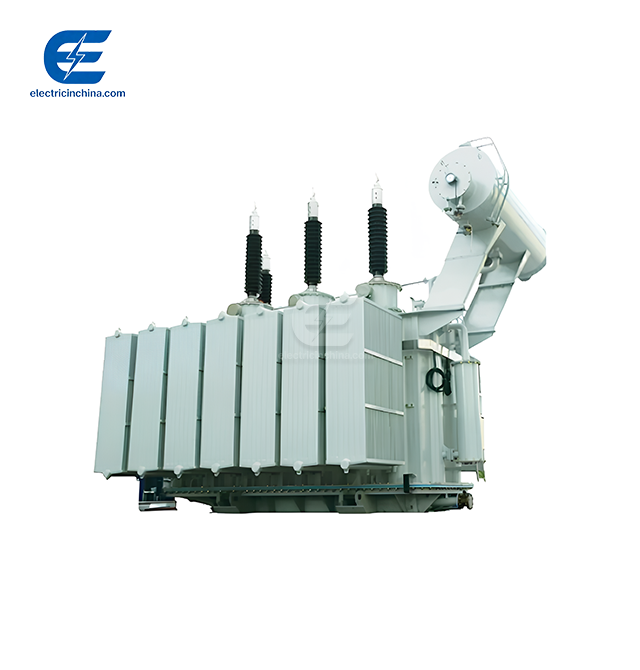
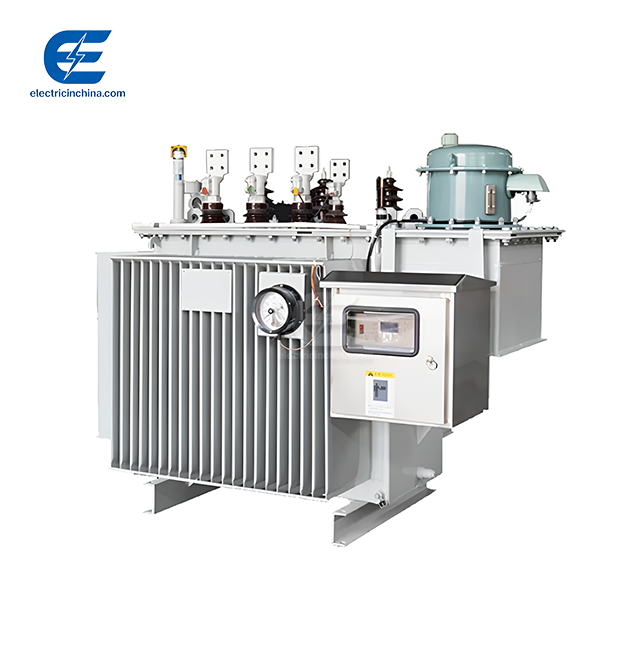
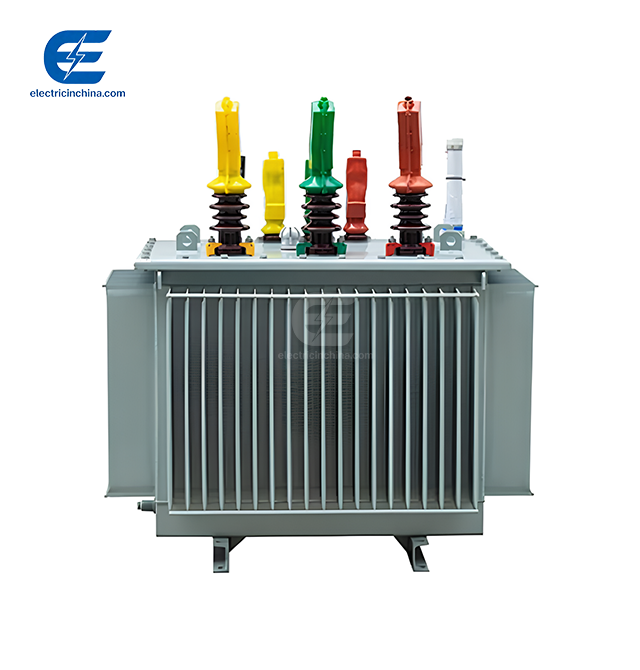
For decades, oil-filled transformers have been the standard in industrial settings because they are reliable and cool very well. These units need a lot of fire suppression equipment, containment systems for oil leaks, and regular upkeep that includes filtering the oil and checking its quality. Placement limits don't let them happen near sensitive equipment or in busy buildings without a lot of safety barriers.
These problems don't exist at all with cast plastic dry-type transformers. The 10kV-35kV SCB10 Industrial Dry Type Transformer series can be put in directly at load centers, such as next to production lines, in control rooms, or in business buildings, without the need for fire suppression systems. Because of this, installation costs are cut by 25–35%, and voltage control is improved by cutting down on wire runs. There is no chance of contamination for the environment, and there are no worries about land and groundwater pollution when oil transformers fail.
Performance Comparison with SCB11 and SCB13 Models
The SCB11 line has better core materials that lower no-load losses. This means that less energy is used when there isn't much load. The SCB13 high-efficiency dry-type transformer has 15-20% lower total losses than 10kV-35kV SCB10 Industrial Dry Type Transformer units, which means that places that consistently use a lot of power will have lower lifecycle running costs.
Cost factors weigh the original investment against the money saved on running the business. With a potential range of 30KVA to 31,500KVA, the 10kV-35kV SCB10 Industrial Dry Type Transformer is the best value for projects that put safety, dependability, and modest efficiency gains first. Load losses are 10-15% lower than in earlier models. This means that over the 25–30-year service life, energy savings can be seen. This is especially helpful for big industrial makers and business developers.
Maintenance and Lifecycle Expectations
For oil transformer upkeep, the oil needs to be checked every three months, filtered once a year, and old shielding fluid needs to be replaced every so often. Over many decades of work, the costs of labor and interruptions to operations add up to a lot. Dry type units only need to be visually checked once a year and electrically tested every six months, which includes measuring the insulation resistance.
Cast resin transformers have a lower total cost of ownership because they don't need any upkeep. They also have better uptime dependability. This feature is very useful for government building projects and EPC companies because it lowers lifecycle costs and meets strict performance standards. Our installs in subway stops, airports, and data centers have a 99.9% success rate in mission-critical settings where downtime has very bad effects.
Procurement Considerations for 10kV-35kV SCB10 Dry Type Transformers
To choose the best transformer design, you need to carefully look at the electrical loads, the surroundings, and the limitations of your project. It's helpful for people who work in B2B sourcing to understand the technical and business factors that affect buying choices.
Analyzing Load Demands and Application Requirements
The correct transformer size starts with a correct load estimate. Industrial sites should keep track of linked loads, diversity factors, and growth predictions for the next 5 to 10 years. Transformers that are constantly used at more than 85% of their capacity age faster, while units that are constantly used at less than 40% load work inefficiently and have trouble controlling the voltage.
Environmental research finds things that affect how well a transformer works and what kind of security it needs. When you go above 1000 meters, you have to derate because the lower air density makes cooling less effective. Coastal sites need better security against rust, and places with explosive atmospheres need special shelters that meet ATEX or NEC 500 standards.
Partnering with Certified Suppliers
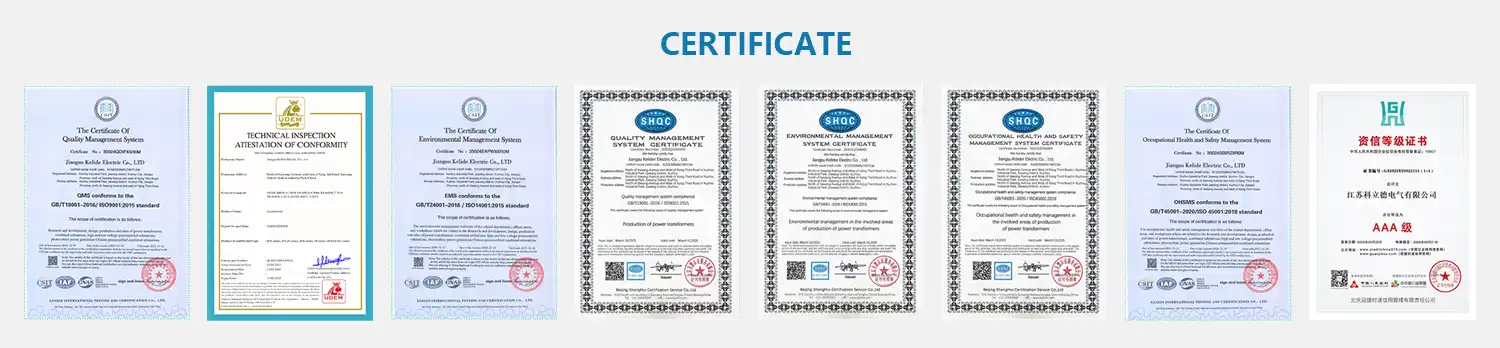
Supplier approval verifies that a company can make a product and that its quality systems and products are real. ISO 9001 certification shows that you manage quality in a planned way, while ISO 14001 and OHSAS 45001 certifications show that you care about the environment and your employees' safety at work. Our goods have National CCC Mandatory Certification, which means they meet China's strict safety and performance standards.
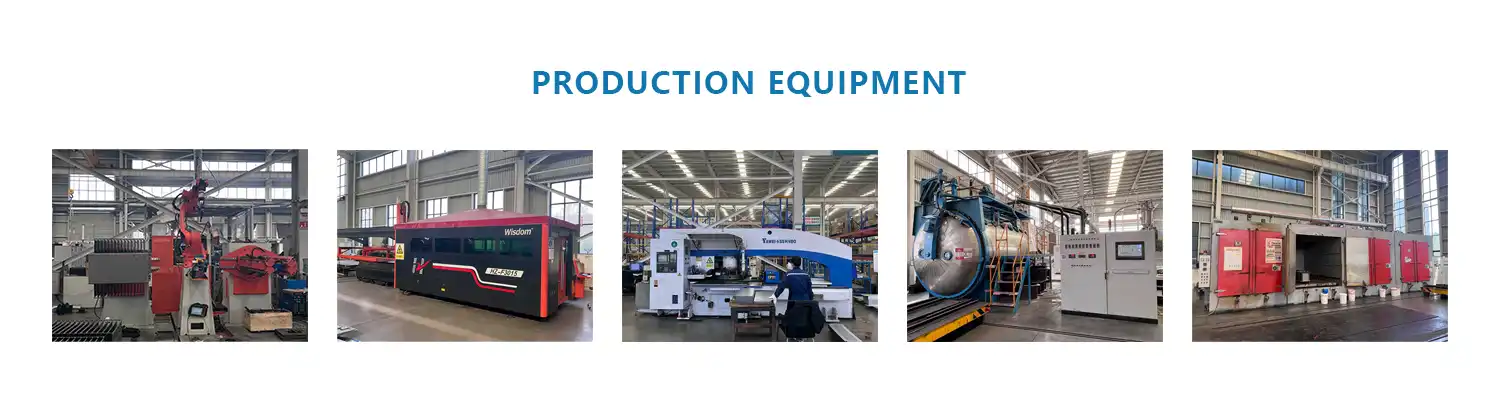
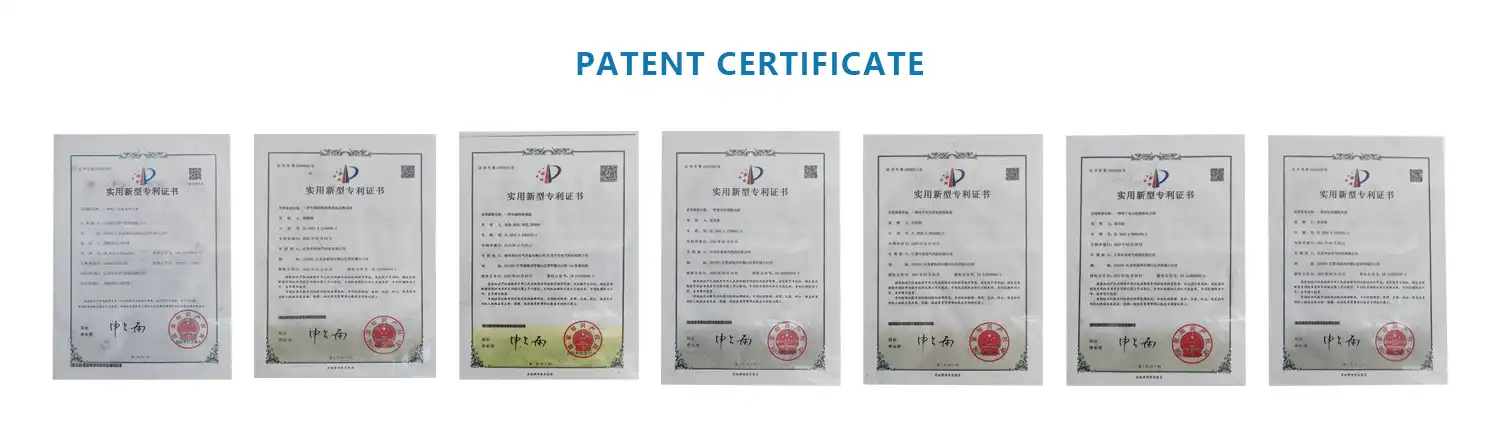
Technical strength is what sets skilled makers apart from sellers of goods. Our team is made up of 15 top engineers and more than 30 intermediate techs. We also have 18 patents that show we can come up with new ideas. Over 120 sets of CNC equipment are used in production sites to make sure uniform quality and the ability to make unique solutions. This equipment includes automatic winding machines, vacuum casting systems, and gradient curing furnaces.
Pricing, Lead Times, and Supply Chain Management
The price of a medium voltage transformer depends on its power grade, voltage class, and how complicated its specifications are. Standard 10kV-35kV SCB10 Industrial Dry Type Transformer units usually arrive in 6 to 8 weeks, but custom designs need 10 to 12 weeks for planning, manufacturing, and testing. Production plan optimization lowers the cost per unit by 15 to 20 percent compared to buying one at a time for large sales.
Transparency in the supply chain stops delays that are out of the blue and puts project plans at risk. We keep full systems for managing inventory and planning output, and we keep clients up to date on the state of their orders throughout the manufacturing process. This insight is especially helpful for EPC workers who are in charge of several projects at once whose schedules depend on each other.
After-Sales Support and Technical Assistance
Comprehensive support services include more than just delivering the product. They also include fitting advice, help with setup, and ongoing expert support. Our field service experts help with complicated installations on-site, making sure they work well with the current electrical system and follow all local rules.
Most warranties cover the product for 24 months after it is installed or 30 months after it was delivered, whichever comes first. Procurement managers who don't like taking risks can choose from choices for longer warranties, and preventative maintenance plans offer regular inspections and tests. This support system makes people more confident in their long-term spending decisions, which is especially important for government projects that need to be reliable for decades.
Safety Standards and Best Practices in Handling High Voltage with Dry Type Transformers
When using medium voltage tools, it is important to strictly follow safety rules and international guidelines. Following the rules keeps people safe and makes sure that the transformer works properly for its whole life.
International Standards Compliance
The IEC 60076 set of standards spells out how power transformers should be designed, made, and tested around the world. The 10kV-35kV SCB10 Industrial Dry Type Transformer series meets the requirements set by IEC 60076-11 for dry type transformers. This has been proven by type testing at recognized labs. In North American markets, installation and upkeep practices are regulated by IEEE C57.12.91 guidelines, which set requirements for clearance and testing methods.
Dielectric testing procedures make sure that the insulation is still good when voltage stress is applied. Applied voltage tests put windings through twice the maximum voltage plus 1000V for one minute. This finds any problems before the equipment is put to use. Inter-turn insulation is proven to work at twice the maximum voltage and frequency through induced overvoltage tests. This makes sure that the system is reliable during short-term overvoltage events that are common in industrial power systems.
Essential Maintenance Routines
Preventive maintenance keeps transformers working longer and stops them from breaking down without warning. Visual checks done once a year find physical harm, contamination buildup, or connection degradation that needs to be fixed. Infrared thermography can find strange heating patterns that point to loose links or growing problems inside the machine before it breaks down completely.
Electrical testing done every six months checks the insulation resistance, power factor, and coil resistance. This creates moving data that shows when things are getting worse and need to be fixed. Every five years, the IEEE C57.12.91 guidelines say that full testing should be done, which should include dielectric absorption and frequency response analysis to find problems early.
Operator Training and Safety Protocols
People who work with medium voltage tools need special training that covers electrical dangers, how to protect against arc flashes, and what to do in an emergency. When doing maintenance and fixing, it's important to wear the right safety gear, like arc-rated clothes, voltage-rated gloves, and face shields.
Lockout-tagout methods make sure that transformers stay off-line during maintenance. This keeps them from turning on by mistake, which could kill someone. Grounding methods get rid of any leftover energy and keep induced voltages from nearby powered equipment at bay. These actions are in line with the electricity safety rules in OSHA 1910.269 and NFPA 70E.
Real-World Implementation Case Study
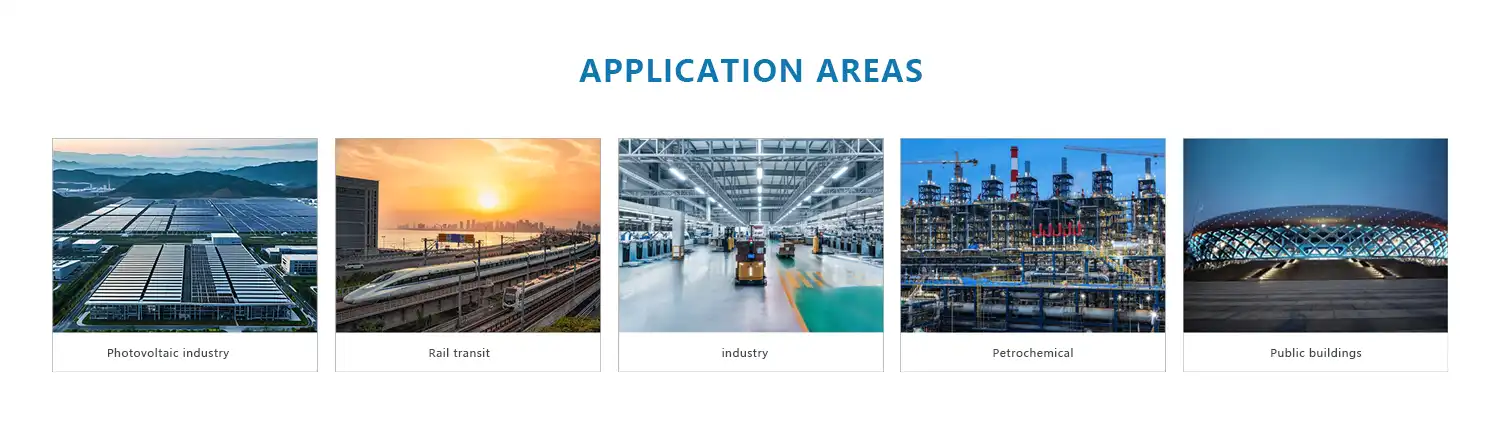
Our work on the Xuzhou Rail Transit Network Control Center project shows how to use high-voltage transformers successfully in tough infrastructure situations. Using multiple 10kV-35kV SCB10 Industrial Dry Type Transformers in small underground electrical rooms, the system needed a dual-circuit power supply design that made sure train operations were completely safe.
There were some problems with the project, like not enough airflow, high humidity from being close to water features, and strict noise limits in busy transit areas. The 10kV-35kV SCB10 Industrial Dry Type Transformer series worked quietly (below 55dB) and kept its full maximum capacity at 95% humidity. Commissioning was finished ahead of schedule, which allowed the system to start up on time and run smoothly for thousands of people every day.
Conclusion
Industrial dry-type transformers that handle high power need to be carefully designed so that safety, electrical performance, and thermal control all work together. The 10kV-35kV SCB10 Industrial Dry Type Transformer meets these needs with its tried-and-true epoxy insulation technology, small, space-saving design, and 25–30 years of trouble-free use. When buying things for industrial projects, it's best to know the voltage-specific design requirements, compare transformer types in a structured way, and work with approved makers. Adhering to international safety standards and using best practices guarantees dependable long-term performance that safeguards people and important building investments.
FAQ
What maintenance schedule do SCB10 transformers require?
Compared to oil-filled units, cast resin dry-type transformers need less upkeep. Visual checks are done once a year to look for physical harm, contamination, and connection strength. Electrical testing done every six months checks the power factor and insulator resistance to find performance trends. According to IEEE C57.12.91 guidelines, full testing is done every five years. This includes dielectric absorption and frequency response analysis. There is no need to change the oil, filter the fluid, or test the fluid. This means that upkeep costs are 60–70% lower over the life of the transformer than with oil transformers.
How do SCB10 units perform in high humidity environments?
Epoxy resin coating is very good at keeping out moisture; it keeps working at full speed at 95% relative humidity without any condensation issues. IEC 60068-2-78 damp heat tests proved that hydrophobic surface treatments stop water from getting in. Because they can be turned back on right away after being turned off, they don't need to be dried out first like oil transformers do. This performance is useful in sites near the coast, in wet workplaces, and in situations where temperatures change often.
Can SCB10 transformers handle harmonic distortion from variable frequency drives?
Harmonic currents are big in modern factories because of VFDs, UPS systems, and loads that don't follow a straight line. Through K-factor-rated designs, the 10kV-35kV SCB10 Industrial Dry Type Transformer can handle overall harmonic distortion of up to 15% without losing any of its performance. Better winding arrangements spread out harmonic heating, keeping temperature limits even when the current is twisted. According to IEEE C57.110 guidelines, the K-4 through K-13 grades cover a range of harmonic severity levels.
Partner with Tuojie for Your Medium Voltage Power Distribution Needs
Enterprise-level 10kV-35kV SCB10 Industrial Dry Type Transformer options are available from Xuzhou Tuojie International Trade, which has over 20 years of project experience. With 18 patents and more than 120 sets of advanced CNC production equipment, we make sure that every unit meets strict ISO9001 standards and gives your infrastructure project the unique power solutions it needs. As a reliable dry-type transformer provider, we can provide capacities from 30KVA to 31,500KVA with load losses cut by 10-15%, ensuring 25 years or more of trouble-free use. Get in touch with our technical team at tuojie@electricinchina.com for full product details, prices, and solutions that are specially made for your purpose. You can look at our full line of products at electricinchina.com and learn how our all-in-one power distribution solutions help with building projects for the government, business growth, and industry manufacturing around the world.
References
1. International Electrotechnical Commission. (2018). Power Transformers – Part 11: Dry-type Transformers. IEC 60076-11 Standard, Geneva, Switzerland.
2. Institute of Electrical and Electronics Engineers. (2015). IEEE Standard for Dry-Type Distribution and Power Transformers. IEEE C57.12.91-2011 (R2015), New York, USA.
3. Chen, W., & Zhang, L. (2020). Advanced Insulation Materials for Medium Voltage Dry-Type Transformers. Journal of Electrical Engineering Technology, 15(3), 1247-1258.
4. National Fire Protection Association. (2021). Standard for Electrical Safety in the Workplace. NFPA 70E-2021, Quincy, Massachusetts.
5. Johnson, R. T., & Mitchell, S. D. (2019). Thermal Management Strategies in Cast Resin Power Transformers. IEEE Transactions on Power Delivery, 34(2), 678-687.
6. European Copper Institute. (2017). Energy Efficient Transformers: Technical Guide for Medium Voltage Distribution Systems. Brussels, Belgium.