

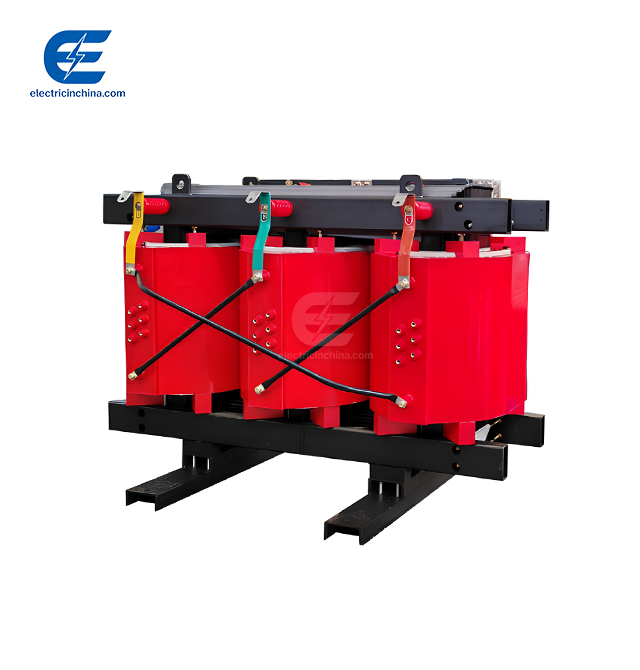
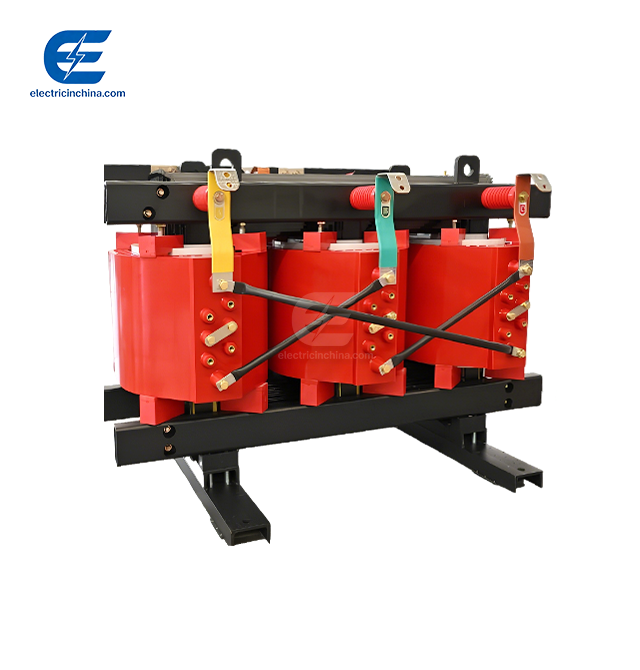
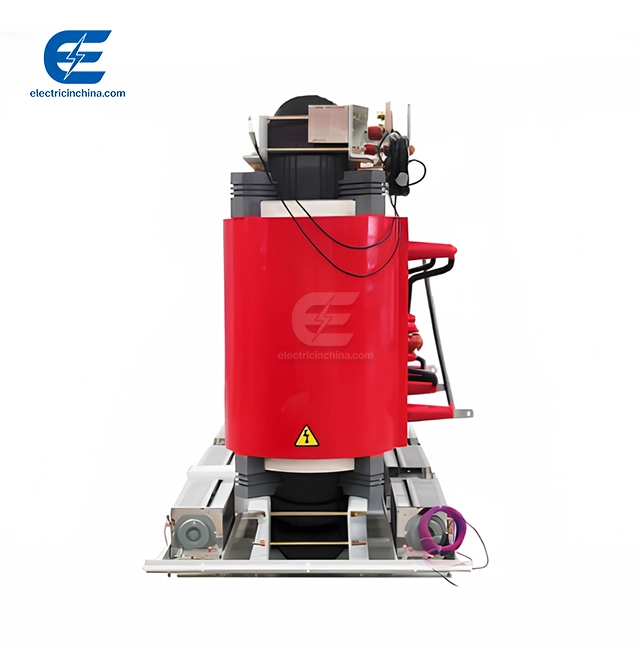
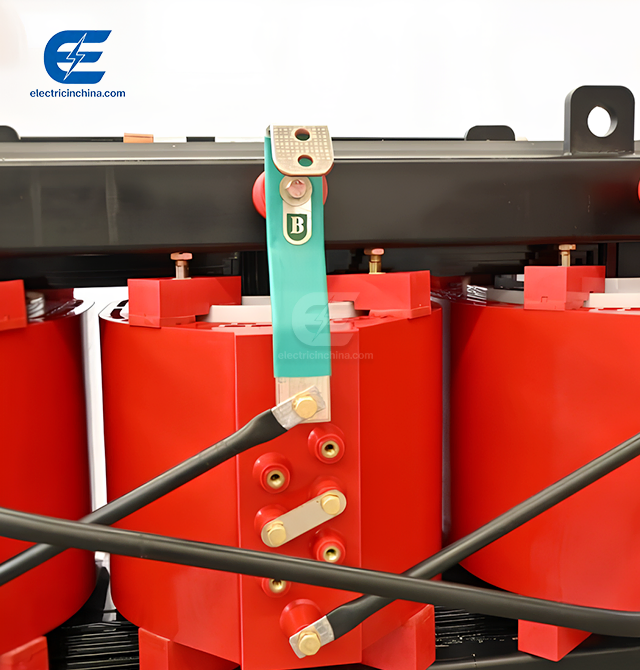
.webp)
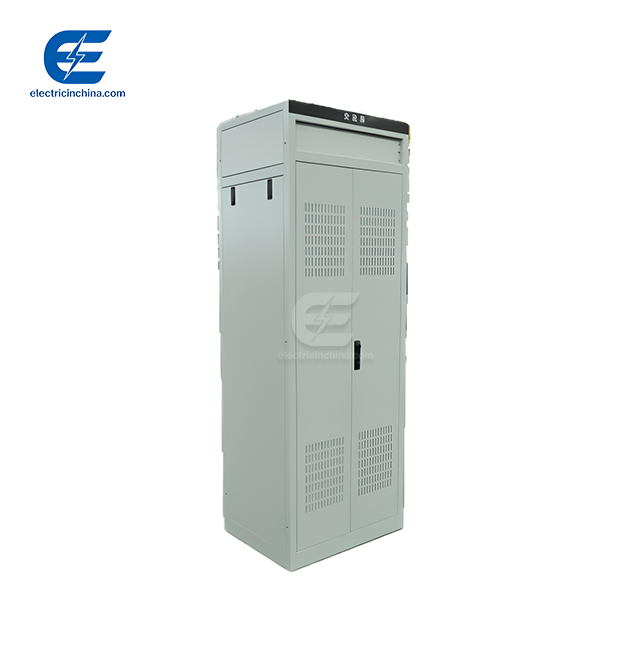
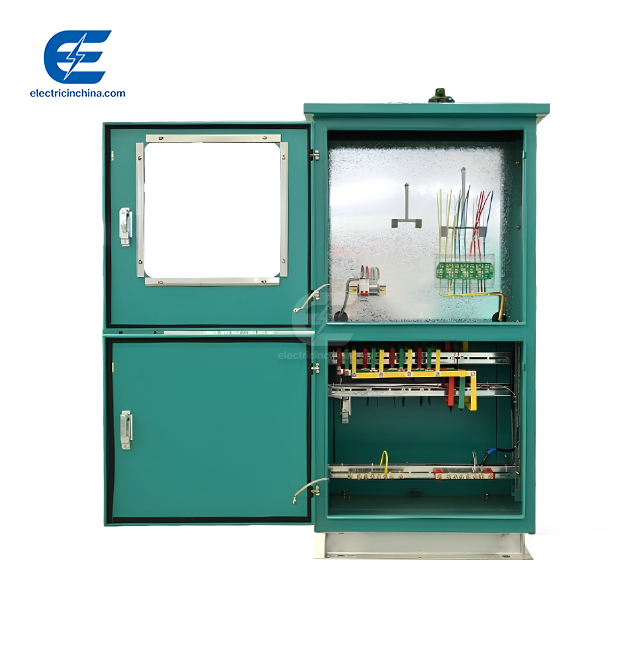
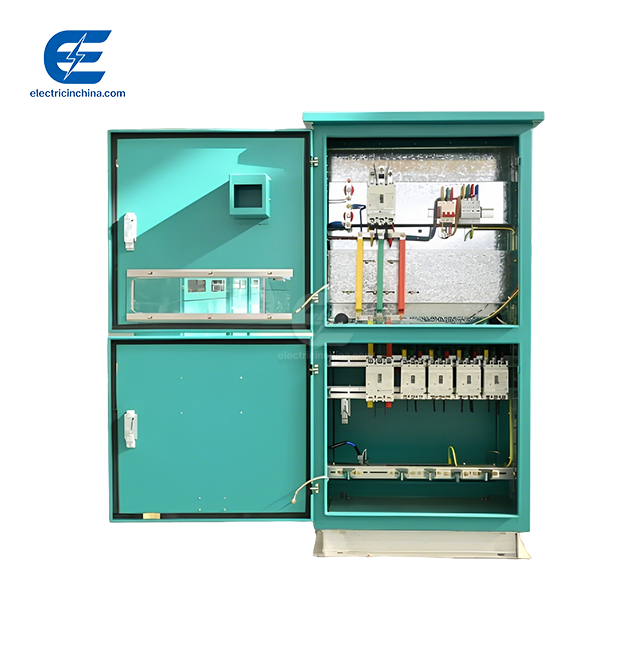
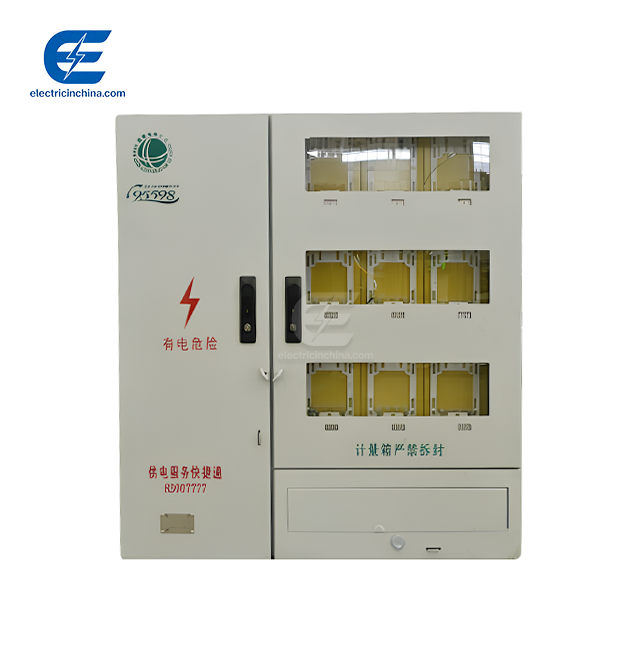
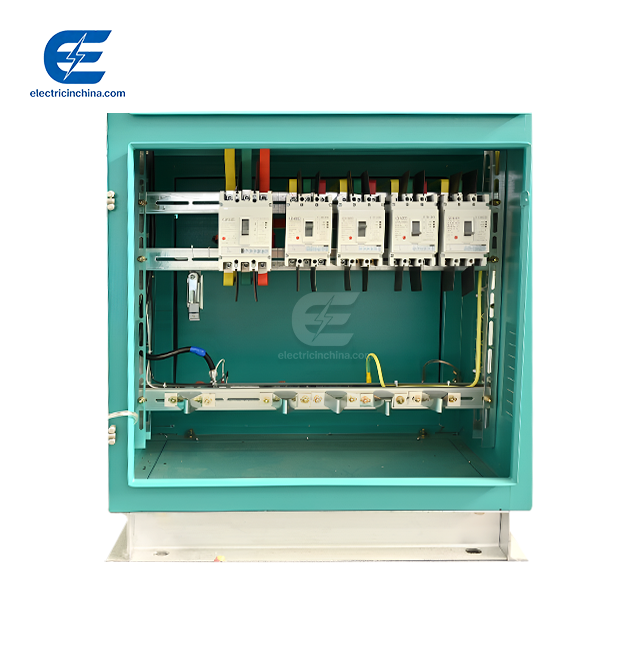
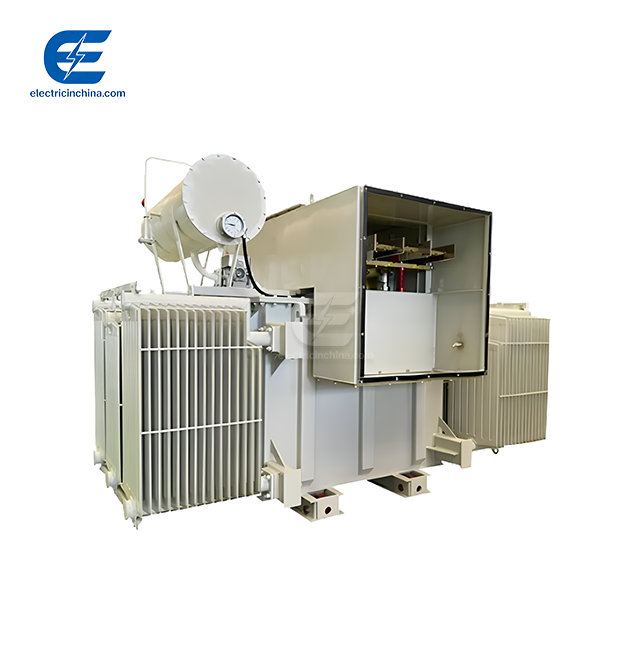
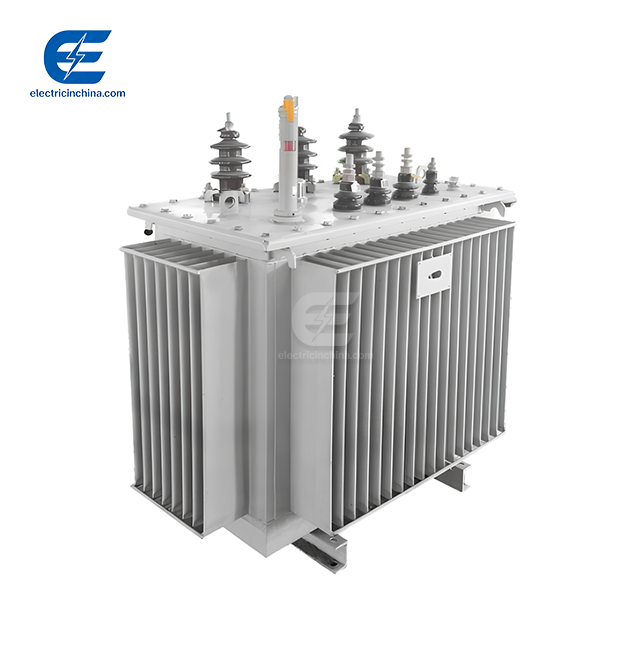
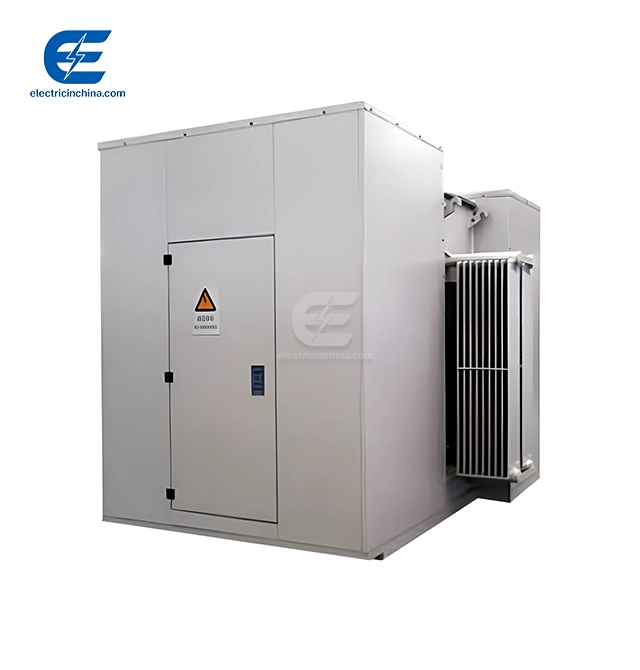
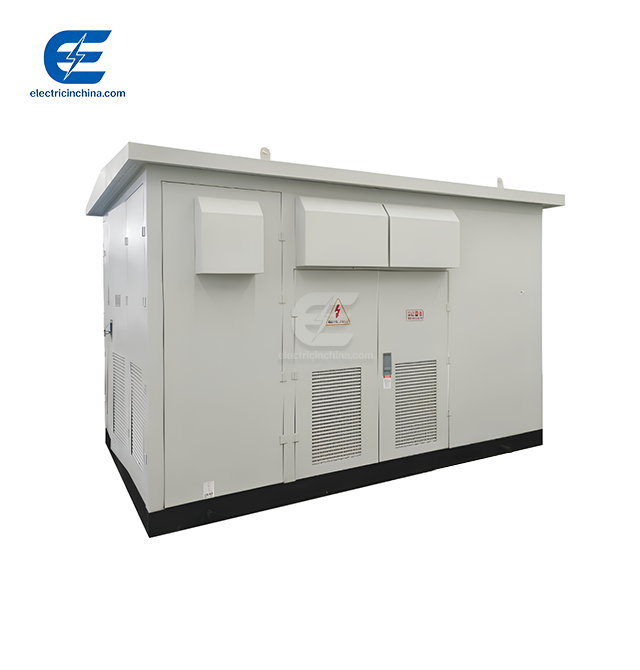
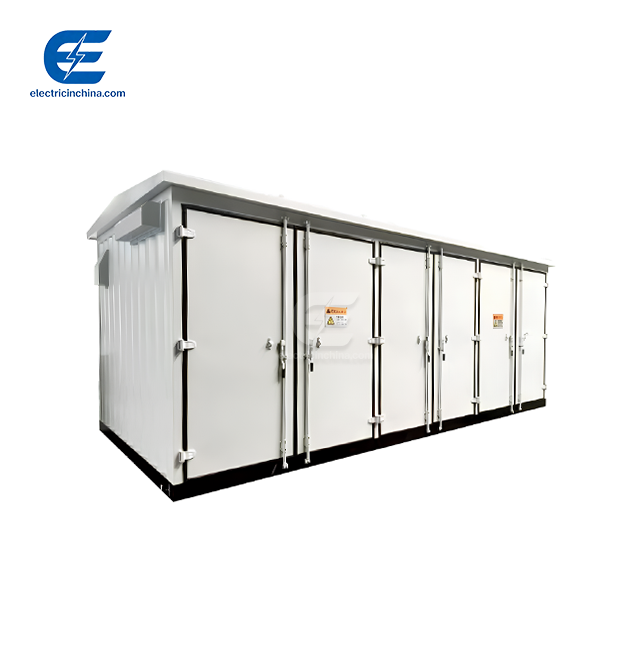
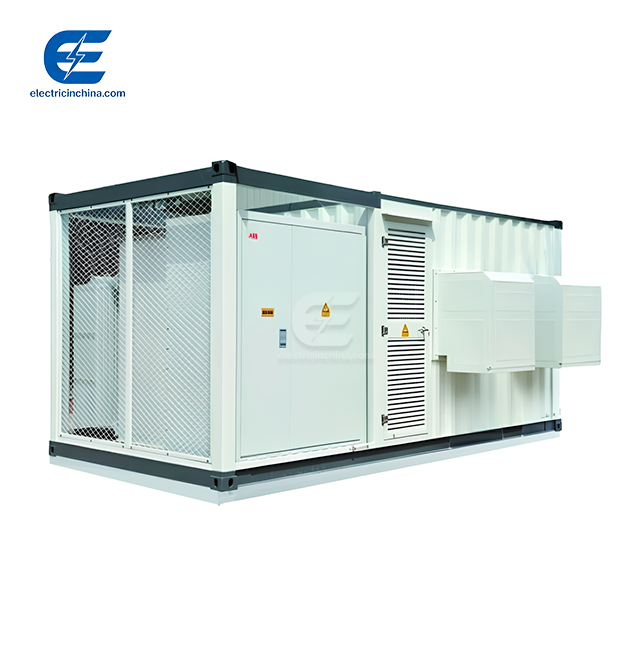
Maintaining high efficiency oil immersed transformers means checking the quality of the transformer oil, the thermal management systems, and the electrical factors on a regular basis to keep the efficiency rates above 98.5%. Essential maintenance checks the dielectric strength and moisture content of the oil every three months, the dissolved gas analysis once a year to find internal flaws, thermal imaging to keep an eye on hot spots, and regular checks of the cooling systems and bushing connections. These techniques stop energy loss from getting worse, make operations last longer than 35 years, and protect investments in key infrastructure. Following the right repair procedures is in line with IEC 60076 standards and lowers the total cost of ownership by keeping things from breaking down too soon in tough industrial settings.
Understanding High Efficiency Oil Immersed Transformers and Their Maintenance Needs
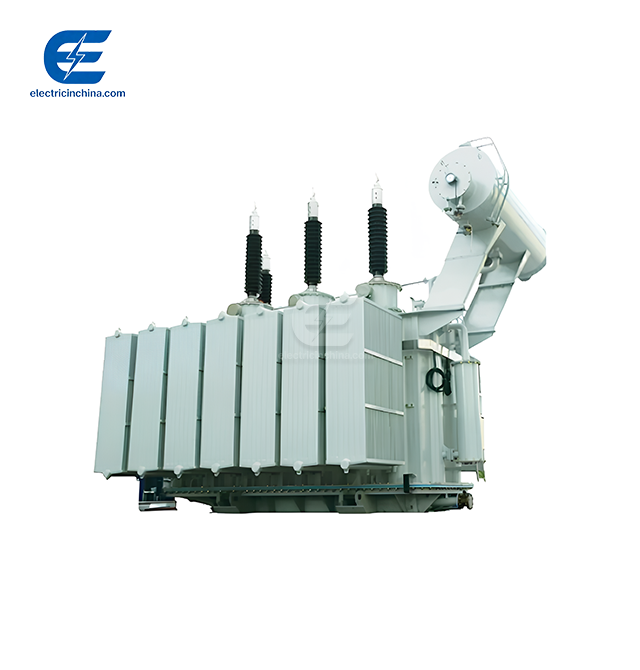
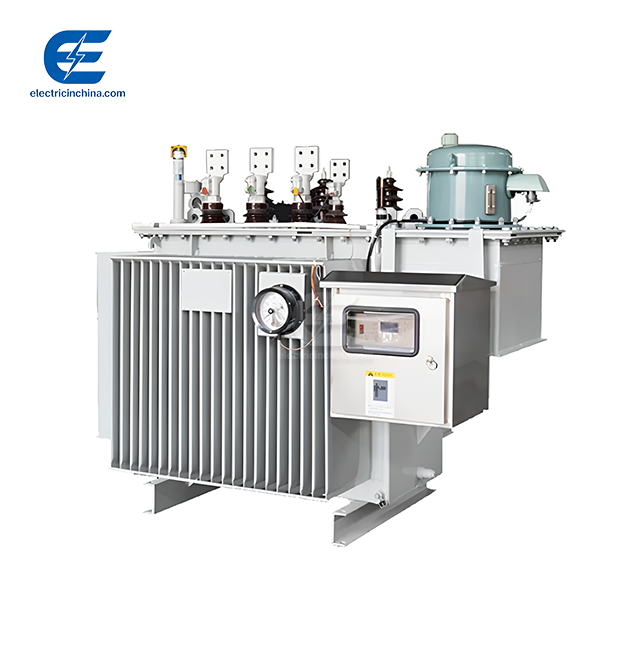
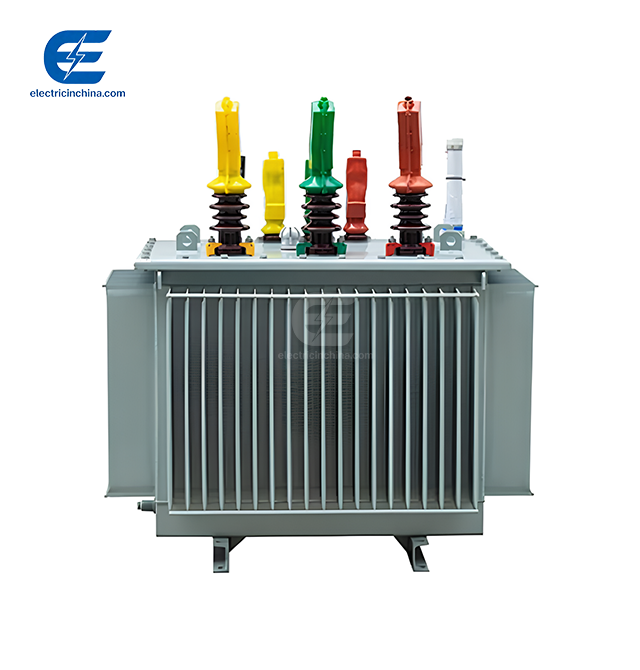
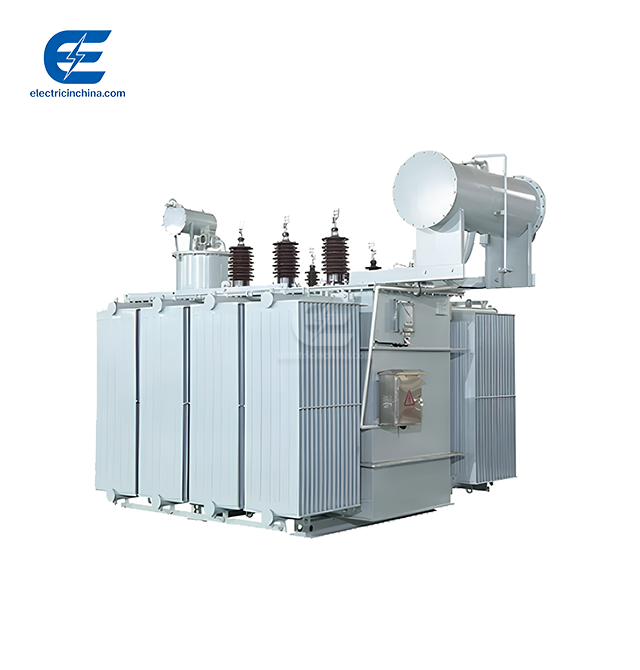
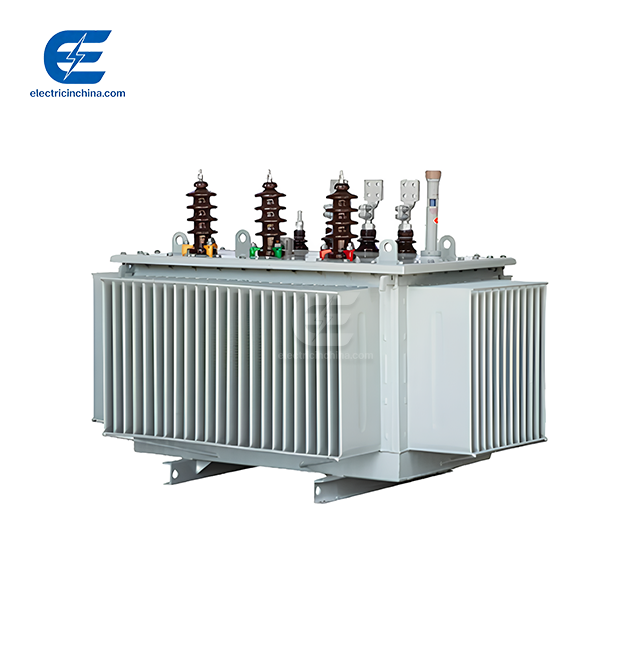
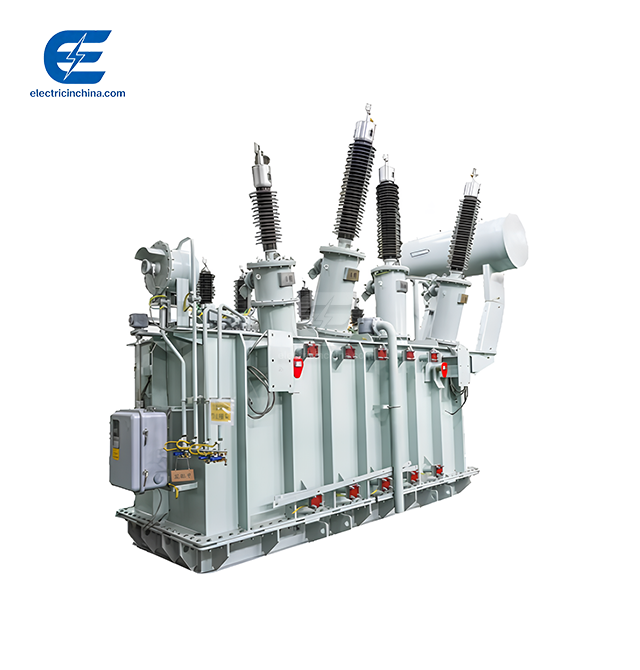
Learn about high-efficiency oil-immersed transformers and how to take care of them. If you want to protect your investment in power infrastructure, you need to know what makes high-efficiency units different. Modern high efficiency oil immersed transformers are incredibly efficient, achieving scores between 98.5% and 99.7%. This is in contrast to traditional transformers, which waste 2-3% of the energy they receive through heat and electromagnetic losses. This big performance improvement comes from electrical steel cores that are directed along grain lines to reduce eddy current losses and improved insulating oils that make it easier for heat to escape.
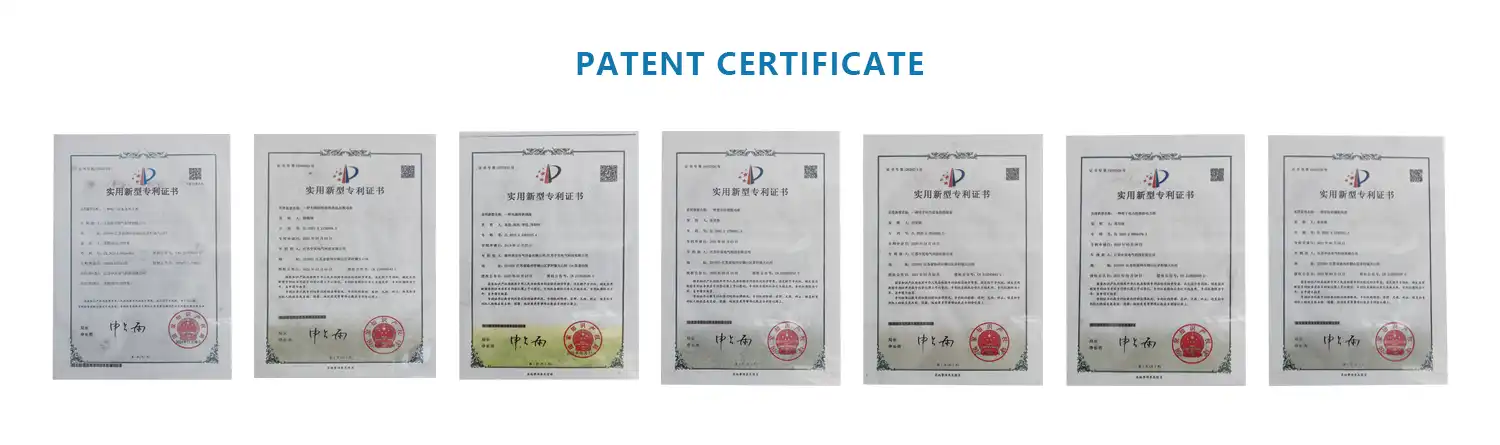
Our S13–S22 series transformers show how engineering has changed over time. Because they are made with accuracy and better materials, these units keep energy losses below 1.5%. This technology is the work of 18 patent-protected senior engineers, over 30 intermediate techs, and a team of 15 senior engineers. This technical base makes sure that every unit that leaves our building meets the strict requirements of government infrastructure projects, business developments, and manufacturing operations.
Why Maintenance Differs from Standard Units
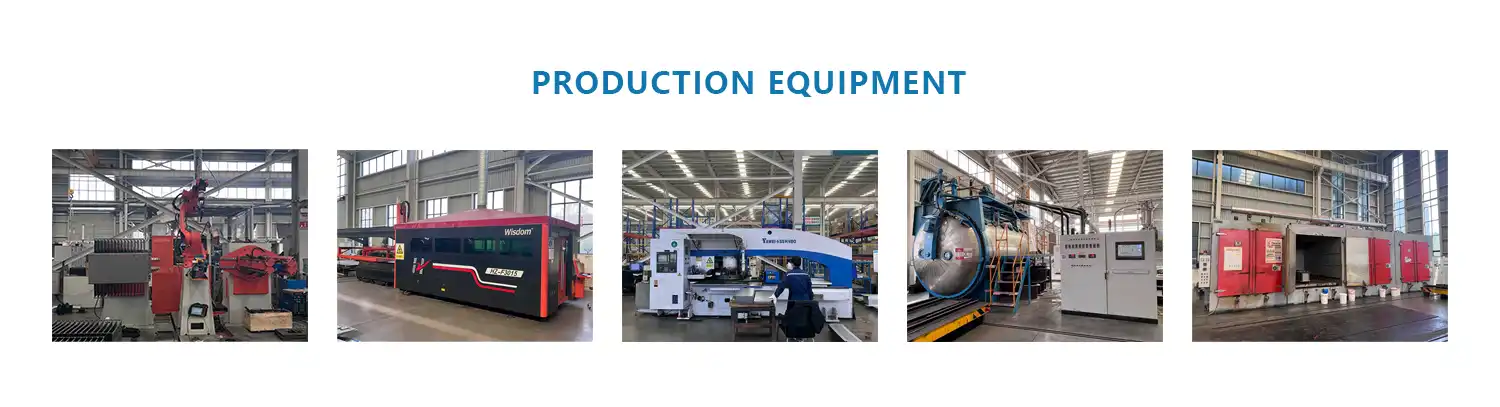
Because high efficiency oil immersed transformers are so well designed, they have specific upkeep needs. Temperature changes directly affect the viscosity and electrical qualities of oil, so improved cooling systems need to be closely watched. While the grain-oriented silicon steel cores cut down on losses, they need to be handled carefully during repair to keep their magnetic alignment. Modern transformers that work at 99% or higher efficiency leave very little room for performance to drop before it becomes noticeable.
Facility engineers and procurement managers have to deal with a simple fact: to keep technology running at its best, it needs regular repair. A huge industrial building has a generator that works all the time and handles huge amounts of power. Even a 0.5% drop in efficiency means a lot of wasted energy and higher costs over the course of months of use.
Critical Operational Stresses to Monitor
Conditions in the environment have a big effect on repair plans. When placed in places where the temperature ranges from -40°C to +50°C, transformers experience faster oil oxidation cycles. High humidity conditions (95% relative humidity or higher) make it more likely for wetness to get in, which lowers the dielectric strength. Installations close to 3000 meters above sea level need different cooling estimates because the lower air density makes it harder for heat to escape.
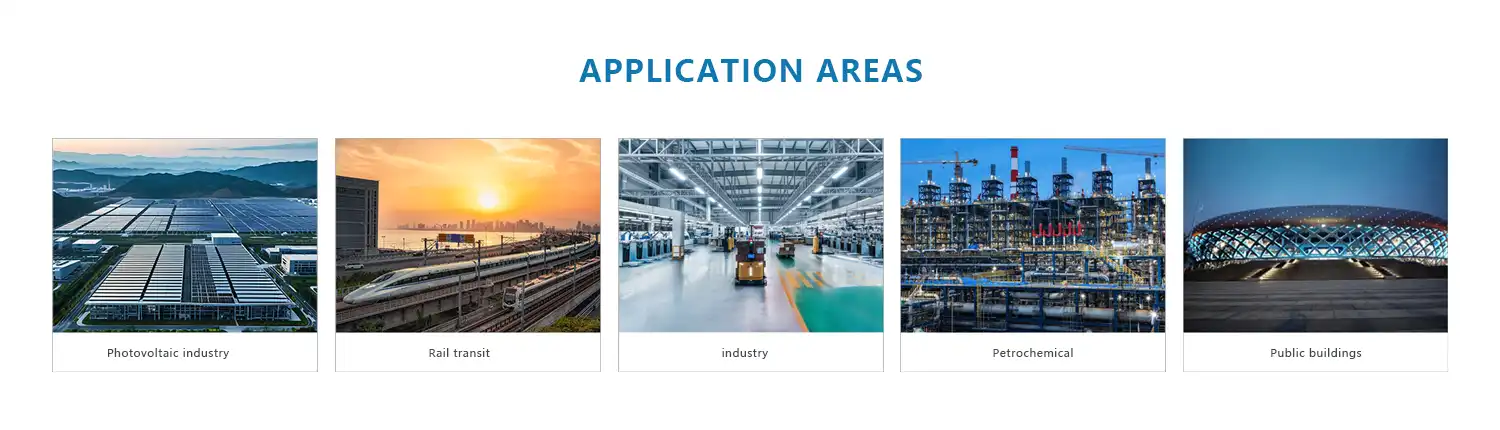
We've finished power projects in a wide range of regions, from the Xuzhou Rail Transit Network Control Center, which has a dual-circuit power supply design that makes sure it is completely safe to use, to industry installations like the XCMG Group facility upgrade. Our maintenance suggestions are based on these experiences, taking into account working stresses in the real world rather than lab settings.
Routine Maintenance Practices to Ensure Optimal Performance
Routine maintenance tasks to make sure the best performance. Sticking to repair plans is important for keeping transformers working well. Pay close attention to the transformer oil, which acts as both a coolant and an insulation. The state of this oil directly affects how safe and reliable the equipment is.
Oil Quality Testing and Management
Analysis of transformer oil is an important part of regular maintenance. Three important parameters should be checked every three months: the dielectric breakdown voltage (which must stay above 70kV to stop internal arcing); the moisture content (which should stay below 10 parts per million for best insulation properties); and the acidity levels (which should stay below 0.01 mgKOH/g to stop internal components from corroding).
Modern synthetic ester fluids, which are used in our transformers, last longer between repair times than mineral oils. Premium ester formulations in high efficiency oil immersed transformers stay stable for 60 months under normal working conditions, while standard oils need to be checked every 24 months. This longer interval lowers the cost of repair and downtime, which is especially helpful for installations that are far away or that have constant production plans.
How oil samples are taken is just as important as how often they are tested. Taking samples from different places, like the top oil, the bottom oil, and the mid-level circulation, gives a full picture of the state. Contamination tends to gather in certain areas, and problems that are just starting to show up may not be caught by single-point sampling until they are very bad.
Visual Inspection Protocols
Walk-through checks every three months find problems before they get worse. Trained techs look at the outside to see if oil is leaking around seals and valves. If you catch small leaks early, all you have to do is replace the seal. But if you ignore leaks, the oil level drops, which lowers the cooling capacity and finally leads to a catastrophic failure.
The efficiency of the cooling device should be closely looked at. Dust and other particles that stick to radiator fins block surfaces and make heat movement less effective. We have proof of situations where built-up dirt and dust decreased cooling ability by 15%, making transformers work at higher temperatures that sped up the aging of the insulation. Regular cleaning keeps the heat performance high and protects the 35-year or more service life that was built into our units.
A bushing state survey looks for damage, tracking marks, and buildup of dirt and grime. Bushings are important places for protection between high-voltage wires and tank structures that are grounded. If these points start to break down, flashovers can happen and damage electronics and cut off the power. With the help of infrared thermography and visual analysis, new hot spots that show bad connections or insulation loss can be found.
Electrical Parameter Monitoring
Taking electricity readings every month between big checks keeps an eye on the health of the transformer. Megohm meters used for checking insulation resistance should show results higher than 1000 megohms at the rated voltage for equipment that is in good shape. When resistance values drop, it means that wetness is getting in or the insulation is breaking down, which needs to be looked into right away.
Load tracking finds ways of using tools that put it under a lot of stress. High-efficiency oil-immersed transformers can handle overload situations well—our units can handle 120–140% of their rated capacity during emergency operations—but running above their standard ratings for an extended period of time speeds up aging. Data logging systems that keep track of load profiles let maintenance teams connect the state of equipment with how it is actually used, letting them tell the difference between normal wear and abnormal decline.
Advanced Maintenance Techniques to Prevent Common Problems
Advanced methods of maintenance to avoid common issues. Preventive maintenance keeps transformers working, but predictive technologies cut down on downtime by finding problems early on. Advanced monitoring methods find problems that are starting to happen months before regular checks do.
Dissolved Gas Analysis for Early Fault Detection
Dissolved gas research is the best way to figure out what's wrong with oil-filled transformers. When there are electrical or temperature problems inside a device, certain gases are released into the protective oil. By looking at the amounts and ratios of gases, you can find out what kind of fault it is. For example, acetylene shows arcing, ethylene shows heat hotspots above 700°C, and hydrogen shows partial discharge activity.
For regular monitoring, our maintenance rules say that DGA testing should be done once a year, and for important installations that support 24/7 operations, it should be done every three months. In places like steel mills and data centers, where downtime costs thousands of dollars every minute, testing plans should be sped up. When compared to unexpected downtime, the cost of regular analysis is a good deal.
Thermal Imaging for Hot Spot Identification
Infrared thermography is a non-intrusive way to check on conditions. Thermal studies done once a year record the spread of surface temperatures, which show problems that can't be seen with the naked eye. Connection points with temperatures 10°C higher than the next-to-nearest parts show high resistance that needs attention. Problems with the cooling system show up as odd temperature patterns on the sides of the radiators.
This method works especially well for high efficiency oil immersed transformers, where keeping the best heat performance is important to keep efficiency gaps small. Temperature changes that affect oil density change how well it cools, which means less heat transfer, which keeps losses low. Thermal photography can find these problems before they become measurable losses in performance.
Vibration Analysis and Acoustic Monitoring
Electrical efficiency is affected by mechanical stability. Unusual vibrations and sounds are caused by loose core laminations or winding structures. Portable vibration testers check frequency spectra by comparing current readings to standard data that was collected during startup. When there are big differences, a thorough check is done to find and fix any technical problems.
At a distance of one meter, our transformers keep noise levels below 45dB, making them perfect for places in cities like hospitals and train systems that need to keep noise down. The Xuzhou New Health Hospital project set very strict noise limits, which our units meet by being carefully designed and put together. Acoustic tracking makes sure that these setups keep working the way they're supposed to for as long as they're in use.
Environmental and Safety Aspects of Maintaining Oil-Immersed Transformers
Taking care of oil-immersed transformers: effects on the environment and safety. Transformer repair that is done in a responsible way combines the needs of operations with care for the environment and worker safety. Careful attention must be paid to oil handling processes and safety practices in order to meet regulations and company sustainability commitments.
Environmentally Responsible Oil Management
When transformer oil is handled, stored, or thrown away, strict environmental rules must be followed. Soil and waterways become polluted by oil spills, and the costs of cleaning up are higher than the money spent on protection. Proper containment systems, such as impermeable bund walls that are big enough to hold 110% of the amount of the transformer oil, keep the oil from leaking into the environment during regular maintenance or when equipment breaks down.
Mineral oils are not as good for the environment as synthetic ester oils, which are used in current high-efficiency oil-immersed transformers. If these biodegradable fluids get into the earth, they break down spontaneously. Because ester fluids need higher temperatures to catch fire than mineral oils, fire resistance also makes sealed systems safer.
Worker Safety During Maintenance Operations
Maintaining electrical equipment comes with its own risks that must be controlled strictly. De-energization processes that follow lockout-tagout rules keep machines from turning on by mistake during maintenance. Verification checks make sure there is no voltage before people touch the devices. These simple safety measures stop electricity accidents that kill workers every year in factories.
Taking certain steps when handling hot oil is important. When raised to working temperatures of about 80 to 100°C, oil is very dangerous to touch. Maintenance workers are protected by gear like gloves that can handle high temperatures, face shields, and clothes that can withstand fire. As part of commissioning a project, we give full safety training to make sure that the customer's support teams understand the risks and how to protect themselves.
Selecting and Partnering with Trusted Maintenance Service Providers
Choose and work with reliable maintenance service providers. The level of repair has a big effect on how well equipment works. By choosing qualified service companies, you can be sure that transformers will work as reliably and efficiently as they were meant to for as long as they are used.
Qualifications That Matter
When it comes to maintaining transformers, certified techs are very helpful. Electrical safety certifications, training specific to the maker, and recorded experience with high efficiency oil immersed transformers are all signs of ability. Before hiring a repair service, procurement managers should check the company's qualifications. If the workers don't have the right skills, they could damage equipment or put people in danger.
Professional service providers and simple contractors are different in how they acquire diagnostic tools. Infrared thermal imaging systems, dissolved gas analysis tools, and insulator testing gear all work together to give a full picture of the state. If service providers don't have these monitoring tools, they can only do quick checks that miss problems as they happen.
Value-Added Services Worth Considering
In addition to regular upkeep, expert service providers give extras that make equipment last longer and work better. Using vacuum dehydration and filter systems to recover contaminated oil and bring it back to standard saves money on waste costs and increases the time between service intervals. Infrared thermography scans find problems in whole electrical systems, not just transformers. This gives you a better understanding of the whole building.
For important projects, remote monitoring tools are a great way to make things better. Continuous data collection keeps track of working parameters and lets repair teams know automatically when numbers go outside of what is expected. The technology makes it possible for predictive maintenance plans to be made so that repairs happen during planned breaks instead of when something goes wrong without warning.
Building Long-Term Maintenance Partnerships
Long-term service contracts have benefits that go beyond one-time repair calls. Contract providers get used to certain tools and the conditions of the job site, which makes diagnosis more accurate and service more efficient. Instead of guessing how much emergency repairs will cost, maintenance budgets make budgeting easier. Contractual service providers keep records of the past of equipment that support warranty claims and make fixing easier in the future.
When procurement managers look at maintenance plans, they should not only look at one-time service event prices, but also the total cost of ownership. For regular visits, contracted maintenance from makers or approved service centers usually costs 15–25% more than private freelancers. However, it cuts down on downtime costs by 40–60% by making it easier to find parts and do diagnostics. This tradeoff clearly favors qualified providers for high efficiency oil immersed transformers that serve important activities.
Conclusion
Reduced energy use and longer service life are two big practical benefits of high efficiency oil immersed transformers, but these benefits can only be realized with focused upkeep. The base is made up of regular oil checks, electrical tracking, and visual inspections. Advanced tests, such as dissolved gas analysis and thermal imaging, find problems early on. When repair is being done, worker safety and environmental duty cannot be put at risk. Working with qualified service providers helps make sure that transformers keep working the way they were meant to for decades of use. This protects infrastructure investments and helps make sure that power gets to businesses, homes, and government buildings reliably.
FAQ
How often should oil testing occur for high efficiency oil immersed transformers?
Testing the dielectric strength, moisture level, and acidity every three months is enough to keep an eye on most setups. An annual study of dissolved gases finds problems inside the body early. Testing every month is helpful for critical sites that need to keep running all the time because it finds problems before they get worse.
What efficiency decrease indicates maintenance is needed?
When efficiency drops by more than 0.3% from the average, it needs to be looked into right away. With the right care, high-efficiency oil-immersed transformers that operate at 98.5 to 99.7% efficiency should be able to keep these values. Performance that is going down means that there is oil contamination, a problem with the cooling system, or an internal fault that needs to be fixed.
Can transformer oil be reclaimed rather than replaced?
Modern equipment for oil recovery gets rid of water, particles, and dissolved gases, making tainted oil suitable again. This method lowers the cost of removal and the damage it does to the earth. If oil is showing signs of chemical breakdown, like high acidity, it needs to be replaced completely, since recovery can't undo chemical changes.
What environmental regulations affect transformer maintenance?
Environmental laws control how to stop oil spills, get rid of waste, and report pollution. The ISO 14001 guidelines provide frameworks for managing the environment that are known around the world. Biodegradable ester oils make compliance easier than mineral oils because they have less of an effect on the environment if they leak.
Partner with Tuojie for Superior Transformer Maintenance Solutions
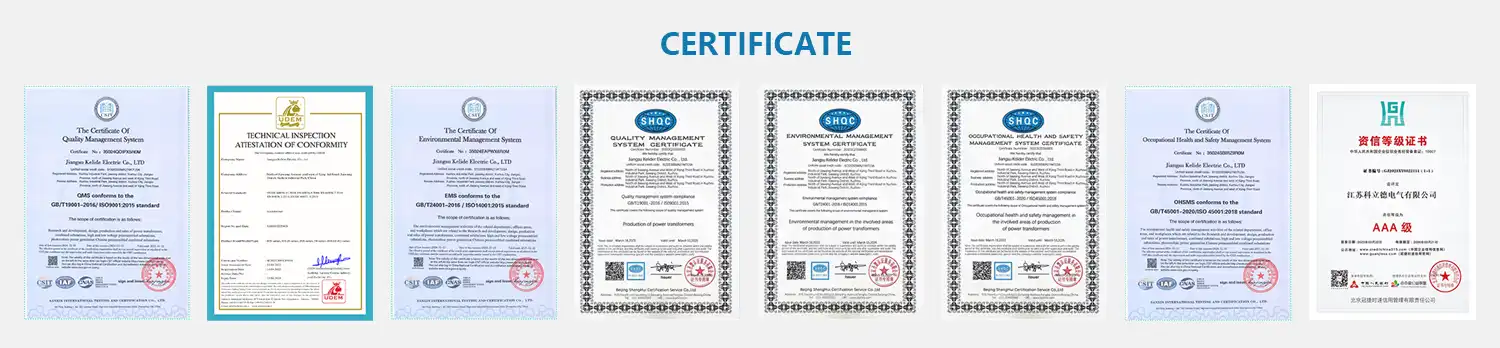
Tuojie has worked as a specialist for more than 20 years, keeping High efficiency oil immersed transformer units in government buildings, business developments, and industrial sites in tough working conditions. Our expert skills, along with our ISO 9001 quality certification, full testing labs, and cutting-edge diagnostic tools, make sure that your vital power infrastructure always works at its best and is reliable. We are a well-known company that makes high-efficiency oil-immersed transformers, and we offer full lifecycle support from the time of installation until decades of operation.
Our maintenance partnerships protect your investment, whether you're in charge of rail transit systems that need to be completely reliable, industrial plants that lose thousands of dollars every minute when they're not working, or business buildings that have to follow strict rules about noise and space. You can email our technical team at tuojie@electricinchina.com or visit electricinchina.com to talk about repair plans that are specifically made for your needs and the situations where you work.
References
1. International Electrotechnical Commission. "Power Transformers - Part 7: Loading Guide for Oil-Immersed Power Transformers." IEC 60076-7:2018 Standard.
2. Institute of Electrical and Electronics Engineers. "IEEE Guide for Acceptance and Maintenance of Insulating Mineral Oil in Electrical Equipment." IEEE Std C57.106-2015.
3. Cigré Working Group A2.34. "Guide for Transformer Maintenance." Cigré Technical Brochure 445, 2011.
4. American Society for Testing and Materials. "Standard Test Method for Analysis of Gases Dissolved in Electrical Insulating Oil by Gas Chromatography." ASTM D3612-02.
5. National Fire Protection Association. "Standard for Electrical Safety in the Workplace." NFPA 70E-2021 Edition.
6. Transformer Maintenance Institute. "Best Practices for Oil-Immersed Power Transformer Maintenance in Industrial Applications." Technical Report Series, 2022.